
Particle Board Manufacturer
for Furniture & Construction Projects
Stable supply, consistent density, and export-grade quality for bulk buyers
In-house production with controlled raw material sourcing
Density consistency for large-volume orders
CARB P2 / E1 compliant options available

What Is Particle Board?
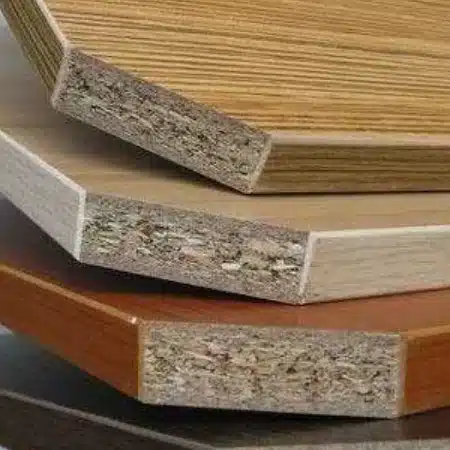
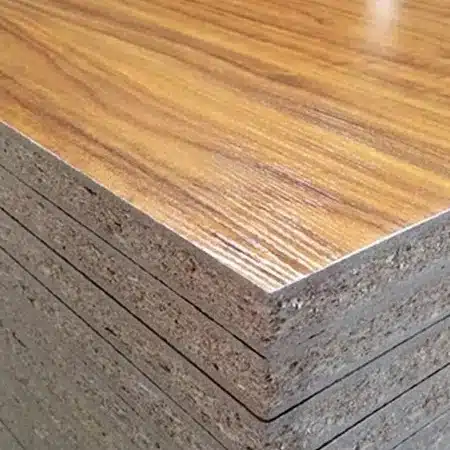
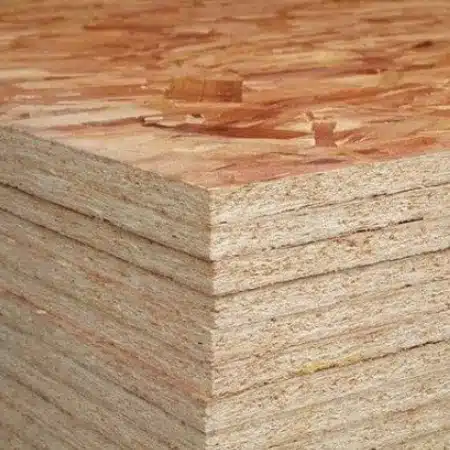
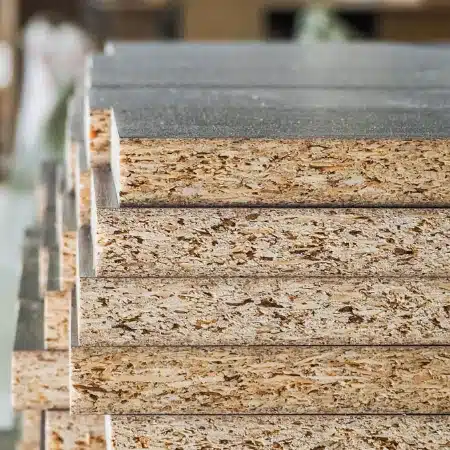
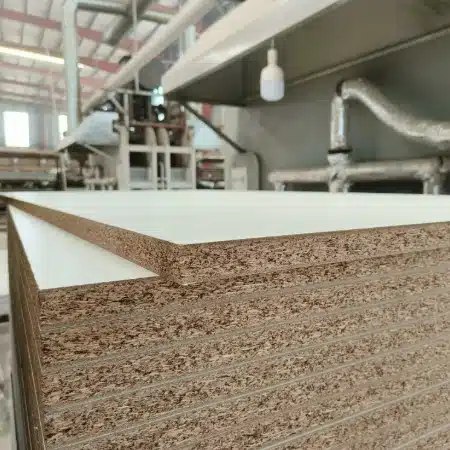
Particle board is an engineered wood panel made by compressing wood chips and particles with resin under heat and pressure. It is widely used in furniture manufacturing and interior construction where cost control, flatness, and stable supply are important.
Compared with solid wood, particle board offers more consistent performance in large-scale production and is easier to process for laminated or melamine-faced surfaces. It is typically used as a core material for cabinets, wardrobes, and interior panels where structural load is moderate but surface finish matters.

Uniform Density & Stable Structure

EASY MACHINING FOR FURNITURE PRODUCTION

Excellent Workability

FLEXIBLE SPECIFICATIONS FOR COST CONTROL
| Product Name | Particle Board |
|---|---|
| Other Names | Chipboard / Particleboard / Engineered Wood Panel / Furniture Board |
| Density Class | Common density: 600–750 kg/m³, adjustable based on furniture, cabinet, and interior panel applications |
| Surface Type | Raw Board, Melamine Faced Particle Board, Veneer-ready Surface, Lamination-ready Surface |
| Size | Common: 1220x2440mm (4'x8'), custom sizes available upon request |
| Thickness | 9mm–25mm, customizable upon request |
| Core | Wood chips from selected hardwood, softwood, or mixed wood materials |
| Raw Material Grade | Clean wood chips, controlled particle size, and screened raw materials for stable board structure |
| Production Line Type | Multi-opening press line / continuous flat press line depending on order requirements |
| Glue | E0, E1, CARB P2 compliant options available |
| Moisture Content | 5% – 8% |
| Internal Bond (IB) | Controlled based on board density and furniture-grade application requirements |
| MOR (Bending Strength) | Adjusted according to board grade, thickness, and final application |
| MOE (Modulus of Elasticity) | Depends on density, thickness, and board structure requirements |
| Screw Holding | Suitable for standard furniture assembly, cabinet panels, and interior fixtures |
| Moisture Resistance | Standard and moisture-resistant options available depending on usage environment |
| Fire Retardancy | Optional fire-rated solutions available upon request |
| Edge Treatment | Suitable for cutting, drilling, and edge banding |
| Tolerance | Controlled according to order specifications and production requirements |
| MOQ | Flexible depending on thickness, surface type, and order volume |
| Packing | Inner: protective wrapping, Outer: pallet packing with carton protection and steel straps |
| Delivery | Typically 15–25 days after order confirmation, depending on order volume |
| Payment Terms | TT, L/C, DP, and other terms based on order negotiation |
| Usage | Furniture, kitchen cabinets, wardrobes, office furniture, interior panels, shelving, and decoration panels |
| Capacity | Stable bulk supply available for furniture manufacturers, distributors, and project buyers |
| Certifications | E0 / E1 / CARB P2 / CE / FSC / ISO options available upon request |
Why Buyers Choose Our Particle Board
Consistent Density for Bulk Orders
In large-scale furniture production, consistency across batches is more important than peak performance. Variations in density can lead to processing issues, uneven surfaces, or structural inconsistency. We control raw material input and pressing parameters to maintain stable board density, helping manufacturers achieve predictable results in mass production.
Optimized for Lamination and Surface Finishing
Particle board is often used as a base material for melamine boards, veneer panels, or laminated furniture components. Surface stability directly affects bonding quality and final appearance. Our boards are produced with a controlled surface structure to support consistent lamination results and reduce defects during finishing processes.
Reliable Machining and Edge Performance
During cutting, drilling, and edge banding, board structure plays a critical role. Poor-quality boards may chip, crack, or fail during processing, increasing production waste. Our particle board is designed for real factory environments, offering stable machining performance and better edge integrity for furniture applications.
Flexible Specifications for Different Markets
Different markets and projects require different balances between cost and performance. Instead of offering a fixed standard, we support adjustable density, thickness, and surface options. This allows buyers to match product specifications with their pricing strategy, target market, and application requirements.
Particle Board Types In Projects

Raw Particle Board
Used as a base material for further processing, suitable for manufacturers who require flexibility in lamination, veneering, or coating.
Density: 600–720 kg/m³
Glue: E1 / E2
Size: 1220×2440 mm (custom available)
Thickness: 9–25 mm
Surface: Raw board, sanding available
Typical Use: Lamination base, furniture core panels

Melamine Faced Particle Board
Pre-laminated and ready for direct use, ideal for furniture manufacturers who want to reduce processing steps and improve production efficiency.
Density: 650–750 kg/m³
Glue: E1 / CARB P2
Size: 1220×2440 mm / 1250×2500 mm
Thickness: 12 / 15 / 18 mm
Surface: Melamine laminated (wood grain / solid color)
Typical Use: Cabinets, wardrobes, ready-to-use furniture panels

Moisture Resistant Particle Board
Designed for applications exposed to humidity, offering better dimensional stability compared to standard boards in kitchen and interior environments.
Density: 650–750 kg/m³
Glue: Moisture-resistant (MR grade)
Size: 1220×2440 mm
Thickness: 12 / 15 / 18 mm
Surface: Raw / Melamine optional
Typical Use: Kitchen cabinets, humid interior environments

Custom Specification Boards
Tailored for project-based supply, allowing buyers to adjust specifications based on cost targets, market standards, and application requirements.
Density: Adjustable based on application
Glue: E0 / E1 / CARB P2 options
Size: Custom sizes supported
Thickness: Flexible range
Surface: Raw / Melamine / Veneer-ready
Typical Use: Project-based supply and OEM production
Choosing the Right Specification?
Tell us your application, and we’ll recommend the right specification based on your production needs and target market.
Particle Board Applications in Real Projects

Furniture Manufacturing
Particle board is widely used in furniture production for cabinet structures, wardrobes, shelving, and interior panels. It provides a cost-effective core material with stable performance, making it suitable for large-scale manufacturing where consistency and processing efficiency are critical.

Kitchen and Cabinet Systems
For kitchen cabinets and modular storage systems, particle board—especially melamine faced or moisture-resistant grades—offers a practical balance between cost and durability. It supports efficient mass production while maintaining acceptable performance in typical indoor environments.

Interior Fit-Out and Decoration
In commercial and residential interior projects, particle board is commonly used for wall panels, partitions, and decorative surfaces. It allows flexible finishing options such as lamination or veneering, helping contractors achieve different design requirements within budget constraints.

Office and Commercial Furniture
For office furniture such as desks, storage units, and partitions, particle board provides a reliable and economical solution. It is especially suitable for projects that require large quantities with consistent specifications and controlled cost.

Construction and Low-Cost Structural Use
Particle board is also used in low-load construction applications such as substructures, temporary installations, and backing panels. In cost-sensitive projects, it provides a practical solution where structural demands are limited but material volume is high.
Frequently Asked Questions
Answers to common questions about particle board specifications, applications, and export requirements.
1. What is the difference between particle board and MDF?
2. Is particle board suitable for furniture manufacturing?
3. Can your particle board meet CARB P2 or E1 standards?
4. What thickness is commonly used for cabinets and panels?
5. Do you support custom specifications and bulk orders?
Related Blog
Furniture Board Prices In The Uae: Mdf Vs Particle Board
You're standing in front of two supplier quotes right now, aren't you? One says MDF, the other says particle board, and the numbers don't quite match up to what you budgeted for that kitchen cabinet...
Particle Board Prices In The Uae: Wholesale Buying Guide
So far, every quote you've received for particle board tells a slightly different story. One supplier quotes per sheet, another per square metre, and somewhere in between, a 15–20% margin slips into...
Timber Prices Forecast: Impacts On Laminate Flooring Manufacturing
Softwood benchmarks are up double digits year-over-year, and if you're running procurement for a laminate flooring operation, that number isn't abstract. It's already sitting in your next HDF board...
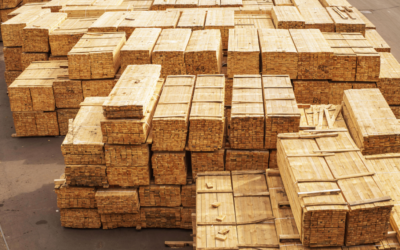
Global Wood Panel Market Outlook 2027
Companies are making wood panel procurement decisions worth millions on incomplete data. The gap between guesswork and precision could cost your organization dearly by 2027. As plywood, MDF,...
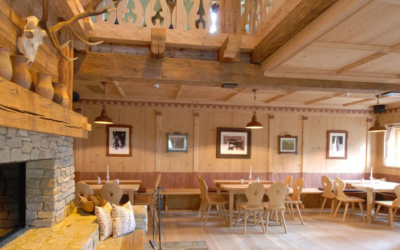
Opportunities for Particle Board Suppliers in Peru’s Growing Panel Market
Peru imports nearly 60% of the wood-based panels it consumes, and that gap isn't closing anytime soon. If you're one of the many particle board suppliers eyeing South America's timber industry for...
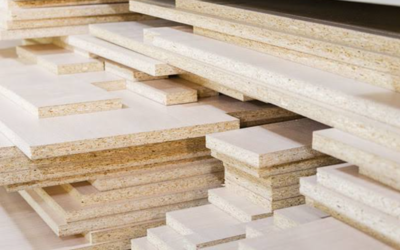
Brazil Particle Board Market: Trends, Demand & Industry Outlook For Buyers
Brazil's forestry advantage—vast eucalyptus and pine plantations feeding a rapidly maturing manufacturing base—has quietly made it a top sourcing destination in the global wood panel...