
South Africa’s construction boom is colliding with a plywood supply crunch that’s catching procurement teams off guard. Rising plywood prices across the country, shrinking local capacity, and heavy reliance on imports have turned a routine purchase order into a strategic headache for contractors and distributors alike.
Buyers are facing longer lead times, pricing volatility, and greater supply uncertainty with longer lead times, unpredictable pricing, or suppliers who can’t guarantee volume, you’re not imagining it. The South Africa plywood supply landscape is shifting fast, driven by infrastructure spending, housing demand, and fragile timber logistics across the continent.
The shortage exists because of infrastructure spending, housing demand, and fragile timber logistics, affecting your next project timeline. Smart buyers are securing reliable supply before the market tightens further.
South Africa Plywood Market: Supply Challenges, Prices & Sourcing Guide

Current supply data highlights several structural challenges in South Africa’s plywood market.South Africa’s plywood shortage isn’t a temporary blip—it’s baked into the timber supply chain Africa depends on, and it traces back to plantations that stopped expanding decades ago.
The Plantation Problem
Commercial forestry acreage has flatlined for nearly 20 years. No meaningful new afforestation has happened, and the math doesn’t work anymore. Long-term supply studies project that roundwood demand will outstrip capacity every single year through 2033, and studies indicate a growing gap between future roundwood demand and plantation supply.
South Africa’s own Forestry Master Plan admits it: pulp and panel expansion is “currently constrained by insufficient roundwood supply.” Large tracts of plantable land sit temporarily unplanted, and government researchers are now recommending significant new afforestation—or planting in neighboring countries like Mozambique—just to avoid severe shortages before 2030.
Utilization Rates Make It Worse
A significant share of harvested timber flows into pulp and other lower-value applications rather than structural panel production. Of that, just 20% goes into structural applications—plywood, LVL, sawn timber. The rest disappears into pulp or low-value uses.
The Sawlog Gap, By the Numbers
- Annual softwood sawlog demand: 5.25 million m³
- Sustainable plantation supply: 3.81 million m³
- Hard annual gap: 1.44 million m³ (27–30% of demand)
Panel and plywood studies show shortfalls ranging from 18% to nearly 3,865%, depending on methodology—a staggering imbalance between raw log supply and downstream capacity.
Fire, Disease, and Illegal Logging
Fire damage, pest outbreaks, and illegal logging compound the plantation shortfall further. Damaged land often goes unreplanted for years due to environmental approval delays and competing land use—locking in losses that ripple straight through to plywood manufacturers South Africa relies on.
Plywood Import Dependence and Supply Concentration Risk
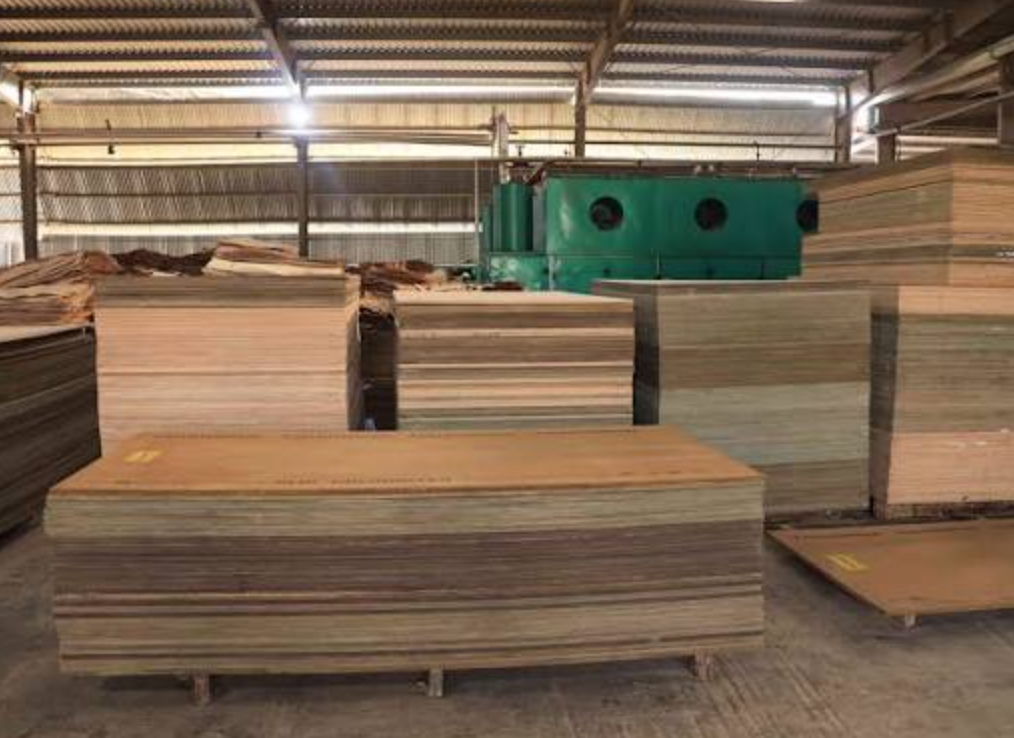
South Africa’s plywood supply chain is dangerously concentrated. That concentration turns a minor disruption into a full-blown crisis.
Global trade economists have a benchmark for this. The OECD and Australia’s Productivity Commission both flag a market as “highly concentrated” when a single country supplies 80% or more of a nation’s imports of a given product. At that point, you’re managing a single point of failure.
Why This Matters for South Africa
The timber supply chain South Africa relies on shows the same warning signs. Softwood plywood imports lean heavily on a handful of source countries, with Brazil consistently cited as a dominant supplier in regional trade data. When your top 1–3 countries account for the bulk of your plywood imports, any disruption there (port strikes, currency swings, export restrictions) hits your build schedule directly.
Lessons From Other Markets
Look at what happened elsewhere. In the Middle East, Turkey supplies roughly 80% of regional plywood production, and Saudi Arabia, the UAE, and Israel together account for about 60% of import value. One region, one bottleneck.
After compliance crackdowns pushed European buyers away from Chinese plywood toward Southeast Asia and Turkey, some member states ended up sourcing over 70% of facade-grade plywood from a single new country. FOB price swings widened from ±10–15% to ±25–30%, and delivery times stretched from 4–6 weeks to 8–12 weeks.
In the US hardwood plywood market, when China dominated import share, ITC tariff rulings triggered simultaneous price spikes and supply crunches—proof that concentrated sourcing amplifies policy shocks.
The Local Wildcard: KwaZulu-Natal
Chinese-backed manufacturers scaling up eucalyptus purchasing in KwaZulu-Natal have pushed local roundwood prices up an estimated 10–20%, squeezing smaller plywood manufacturers South Africa depends on and stretching their procurement timelines further.
If your supplier base looks like Turkey’s or pre-tariff America’s, you’re exposed. Diversifying across plywood distributors South Africa trusts is no longer optional risk management.
South Africa Construction Plywood Demand: Driven by Infrastructure and Construction Industry Growth
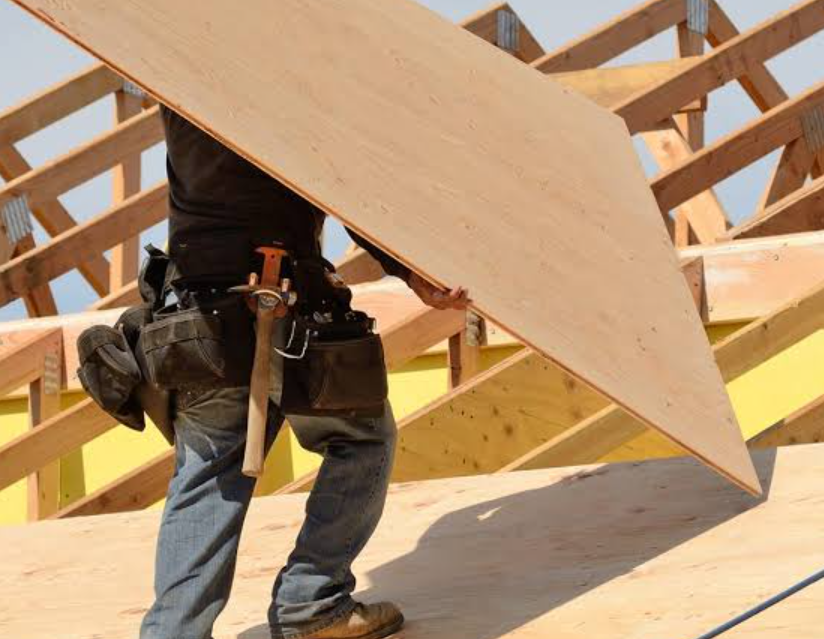
Plywood demand isn’t rising as fast as forecasters predicted, and government infrastructure delays are the reason. ITTO’s South Africa market report says it plainly: “demand for plywood has not risen as much as forecast primarily because implementation of government infrastructure projects has been slow.” That’s a critical signal for anyone tracking building material demand growth in this market.
The Numbers Behind the Slowdown
South Africa’s plywood market sat at USD 225.15 million in 2024, projected to hit USD 333.73 million by 2033, a CAGR of just 4.47%. That’s below the 6–7% growth expected when infrastructure spending was announced. Blame sluggish GDP growth (around 1.5%) and a weakening currency, both of which pushed public investment into a conservative holding pattern.
Where the Real Growth Is Hiding
Government mega-projects stalled, but private construction didn’t. Demand is shifting toward residential builds, renovations, and tourism-linked commercial construction, segments less dependent on public procurement timelines.
Exterior-grade plywood tells a different story:
- Africa’s exterior-grade plywood consumption hits 1.4–1.8 million m³ by 2026, with construction driving 60% of that volume
- Roof decking, exterior sheathing, and formwork account for 55–65% of construction-related demand
- South Africa alone represents 20–25% of regional exterior-grade demand, roughly 0.28–0.45 million m³ annually
Industrial roofing and manufacturing facility cladding is the fastest-growing subsegment, climbing 5–7% annually through 2025, outpacing standard interior-grade panels.
Why This Matters for Procurement Planning
Hardwood plywood construction demand is projected to grow at 6.2% CAGR through 2031, driven directly by urbanization. Meanwhile, South Africa’s modular construction market, a key downstream buyer of structural panels, is set to jump from USD 408.2 million in 2025 to USD 533.4 million by 2030.
Private and industrial construction is already outpacing public infrastructure.
Plywood Supply Chain Pain Points: Core Pain Points Facing Traders and Contractors
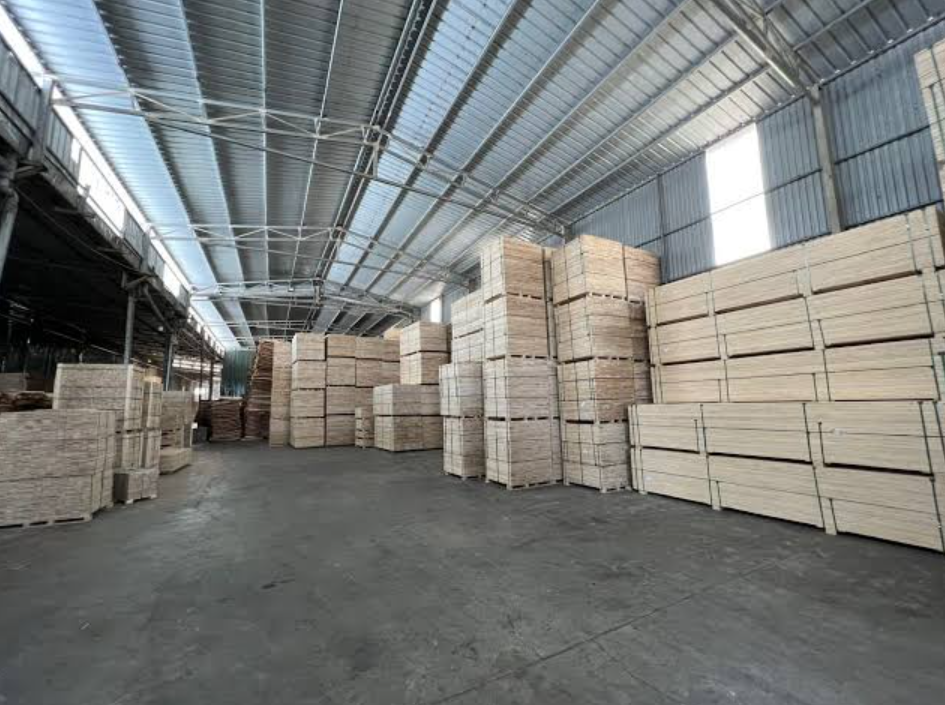
Ask any procurement manager what keeps them up at night, and plywood specs will come up before price ever does. Four pain points dominate every conversation with buyers in the South Africa plywood supply: inconsistent quality, unpredictable delivery, compliance exposure, and the sheer cost of juggling multiple vendors.
Quality Variance Nobody Budgets For
Batch-to-batch inconsistency is the complaint you’ll hear most often from global buyers. Thickness tolerances drift outside ±0.2–0.3mm, moisture content blows past the 12–15% target, and face grades don’t match what the contract promised. When that happens on-site, crews end up planing and hand-sorting panels—adding 5–10% in labor costs and pushing back your schedule.
Logistics Delays Compound Every Order
Port congestion at hubs like Singapore and Haiphong routinely adds 7–10 days to container transit. Layer on ocean freight increases of 50–100% and surcharges topping $2,000 per container, and you’re forced to carry more safety stock just to stay operational. Smart contractors now build in 2–3 extra weeks of buffer before breaking ground.
Compliance Risk Is Rising Fast
China’s plywood supply chain has been flagged as high-risk due to long, opaque sourcing paths. Under EU due diligence rules, most companies fail to produce adequate documentation—leaving importers exposed to rejection or fines at customs.
Vendor Sprawl Kills Efficiency
Buyers often coordinate with 4–5 suppliers just to fill one project’s spec sheet. More vendors mean more contract management, more quality checks, and one delay anywhere stalling the entire job.
Procurement Strategies for Plywood Shortage South Africa
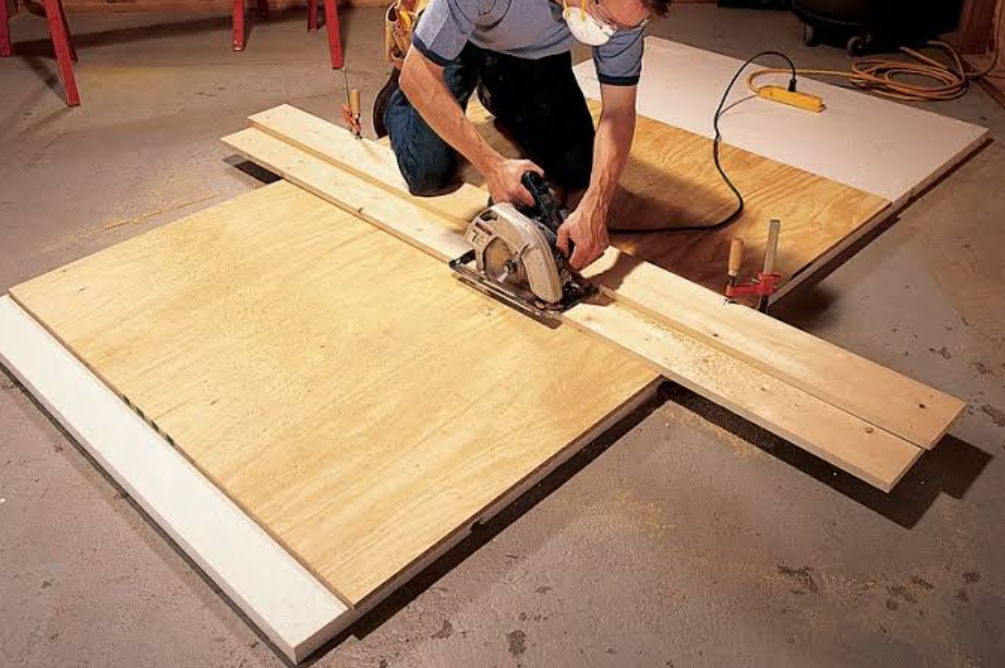
Procurement teams that hit deadlines work from a documented playbook. South Africa’s plywood market is climbing from US$124.6 million in 2023 to a projected US$177.7 million by 2034. With supply tightening and demand steady, guesswork isn’t a strategy anymore.
Diversify Before the Market Forces You To
Run the math on your supplier concentration. If one vendor holds more than 60% of your annual plywood spend, you’re carrying a risk score of 5 out of 5. Cap any single supplier at 40% of total volume, and keep your top three combined under 80%. Same logic applies to country of origin: no single source country should exceed 50% of imports. Build sourcing across three tiers—local South African producers, regional SADC suppliers (Mozambique’s plantation base is gaining traction), and long-haul partners like Brazil or Chile. Split large orders (2,000+ m³) into three to five separate contract packages by region to force this diversification into your tender documents.
Lock Contracts Ahead of the Q3–Q4 Rush
Public infrastructure work clusters in Q3 and Q4 every year. Lock at least 80% of your projected plywood volume, pricing included, a full six months before design finalization on major builds. For smaller projects, negotiate price bands with core suppliers one to two months before tender release. Add a price-adjustment clause tied to timber indices, capped at ±10–15%, to protect against currency swings and freight surcharges.
Verify Specs on Every Batch
Don’t take supplier claims at face value. Check moisture content (8–14% for interior structural panels), thickness tolerance (±0.5mm for 6–18mm panels), and delamination after boil testing (under 5% surface area). Require bond strength reports showing 0.7–1.0 MPa minimum. Sample 20 panels per batch minimum—anything under 95% pass rate triggers a rejection clause.
How to Choose Reliable Plywood Suppliers
Six numbers separate a reliable plywood partner from a liability: certification validity, raw material lock-in, capacity match, traceability rate, spec flexibility, and repeat-customer ratio. Score every candidate against these before signing anything.
Verify Raw Material and Capacity Claims
Ask for annual roundwood or veneer contracts covering 60–80% of stated production capacity. A supplier claiming 30,000–50,000 m³ annual output should run double or triple shifts and show six months of delivery records matching that scale. Cross-check facility size (20,000–30,000 m² is standard for mid-large panel mills) against revenue—mismatches signal exaggerated capacity.
Confirm Compliance and Traceability
Demand ISO9001 certification, CE/RoHS documentation, and formaldehyde test reports citing GB18580-2025 (E0: ≤0.050 mg/m³). Traceability should hit 95%+ batch-to-raw-material tracking, with barcode or QR verification available on request.
Test Multi-Spec and Contract Flexibility
Reliable plywood distributors South Africa can trust should stock 9mm, 12mm, 15mm, and 18mm thicknesses with ±0.5mm tolerance, offer sub-100 m³ trial orders, and provide long-term contracts with price bands tied to timber indices—so you’re protected when the market swings.
Positioning as a Trusted Plywood Supply Partner for South Africa
Trust in this market is earned through decades on the ground and warehouses full of stock when everyone else is out.
Suppliers with 30+ years in the timber trade, tracing operations back to 1916, 1969, or 1989, have survived multiple market cycles. That’s the track record procurement managers should demand from any plywood manufacturers South Africa considers strategic partners.
A real partner provides:
- Multi-warehouse coverage: sales points in Johannesburg, Cape Town, Durban, and beyond cut the risk of a single-point supply failure.
- Dual sourcing: local production plus plywood export channels from China to South Africa, to buffer against roundwood shortages.
- FSC® and SANS 929 compliance: documentation that survives customs scrutiny.
- Fast turnaround: cut-to-size, precision-edged panels ready for construction industry South Africa 2024 project timelines.
South Africa Plywood Market Outlook: Future Trends and Procurement Decision Recommendations
Plywood is growing at 4.47–6.2% CAGR. South Africa’s broader wood panel supply chain crawls at 2.4%. That gap is the clearest signal in this market. Plywood is outrunning every other panel category, and Africa’s regional benchmark of 1.2–1.6% CAGR makes South Africa the continent’s demand hotspot.
What’s Driving the Forecast
Hardwood plywood construction demand will hit 6.2% CAGR through 2031, tied directly to urbanization. Government infrastructure delays have kept actual demand below projections. That means pent-up demand is waiting on public projects to move. When they do, expect a snapback.
Build Your Buying Calendar Around This
- Lock 12–24 month framework agreements now, before infrastructure tenders accelerate
- Add 20–30% safety stock ahead of predicted construction peaks
- Watch coniferous plywood import growth at 10–14% annualized. Rising import volumes signal it’s time to adjust orders before plywood price South Africa spikes
Buyers who treat this as a forecasting exercise will beat the next price cycle.
Conclusion
South Africa’s plywood supply crunch is structural, not temporary. It’s driven by import dependence, capacity limits, and a surge in construction demand. If you’re still sourcing reactively, you’re already behind. Smart procurement teams are locking in diversified supply chains now, before the next price spike hits.
The construction industry South Africa 2024 outlook shows sustained growth in infrastructure and housing, so the pressure on plywood availability will only intensify. Waiting isn’t a strategy—it’s a risk you can’t afford to carry into your next project.
That’s why building a relationship with a manufacturer who controls production, logistics, and export capacity matters more than chasing the lowest quote. Baier‘s supply chain infrastructure is designed to support reliable plywood sourcing through manufacturing capability, quality control, and export experience.
Don’t let a supply gap become your project’s bottleneck. Reach out to our team today and secure the reliable plywood partnership your builds depend on.