
Walk into any construction site in Lagos or Abuja today, and you’ll hear contractors and procurement managers frustrated that plywood costs keep climbing and reliable suppliers are harder to find. A construction boom is colliding with a supply chain that simply wasn’t built to handle it. Nigeria’s plywood shortage runs deeper than most buyers realize, tangled up in collapsed local manufacturing, dwindling forestry resources, and an import market exposed to every currency swing and duty hike. For anyone sourcing building materials in this environment, understanding why prices are moving and where the pressure points actually sit isn’t optional anymore. Here are the real forces behind Nigeria’s timber supply chain crunch, and what buyers can actually do about it.
Nigeria Plywood Market Overview: Supply-Demand Gap Analysis
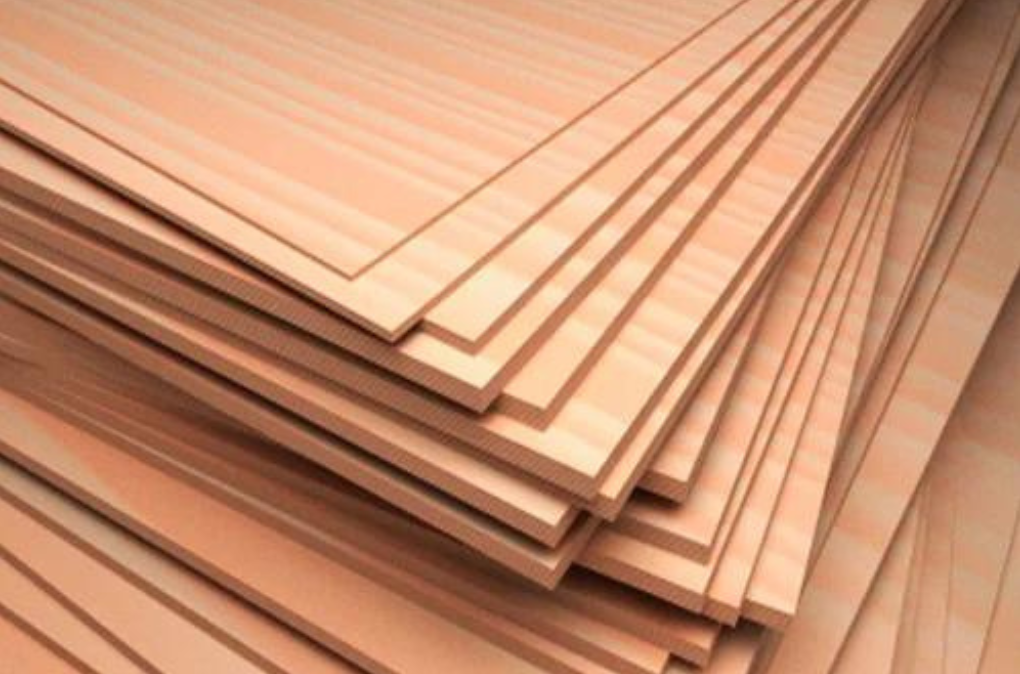
The production math doesn’t work. Local plywood output has averaged just 56,000 m³ per year since 1997. Nearly three decades, almost no growth. In 2023, production hit 55,900 m³, below that historical average. Domestic supply covers only 6-13% of demand, depending on which estimate you use. Some studies put demand as high as 965,000 m³—which would make the gap over 900,000 m³ a year. Estimates vary significantly depending on market definition, with some studies placing annual demand considerably higher. For procurement planning, buyers should therefore use a clearly defined consumption or import-volume basis rather than mixing market estimates.
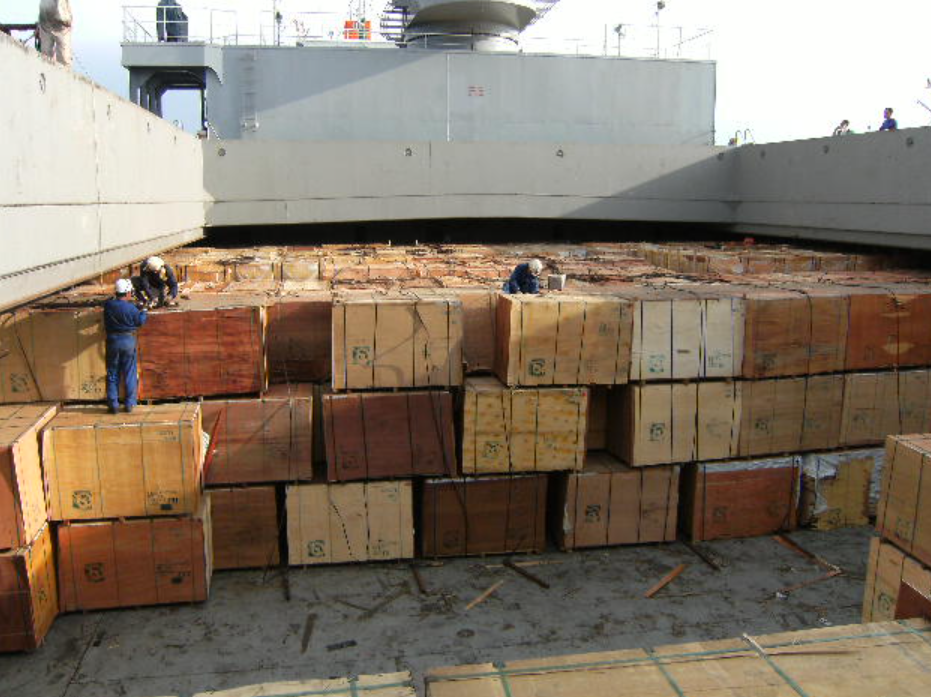
Imports fill the rest. In 2023, Nigeria spent USD 96.3 million on plywood imports and exported only USD 273,000 worth: a 353:1 trade imbalance. China supplied 98% of that import value, roughly USD 94.3 million.
Plywood demand is growing 3-6% annually while local capacity sits flat. Nigeria’s housing deficit, estimated at 28-30 million units, means construction-driven demand isn’t slowing down. The gap widens every year local production doesn’t move.
Root Cause 1: Collapse of Local Plywood Manufacturing Capacity
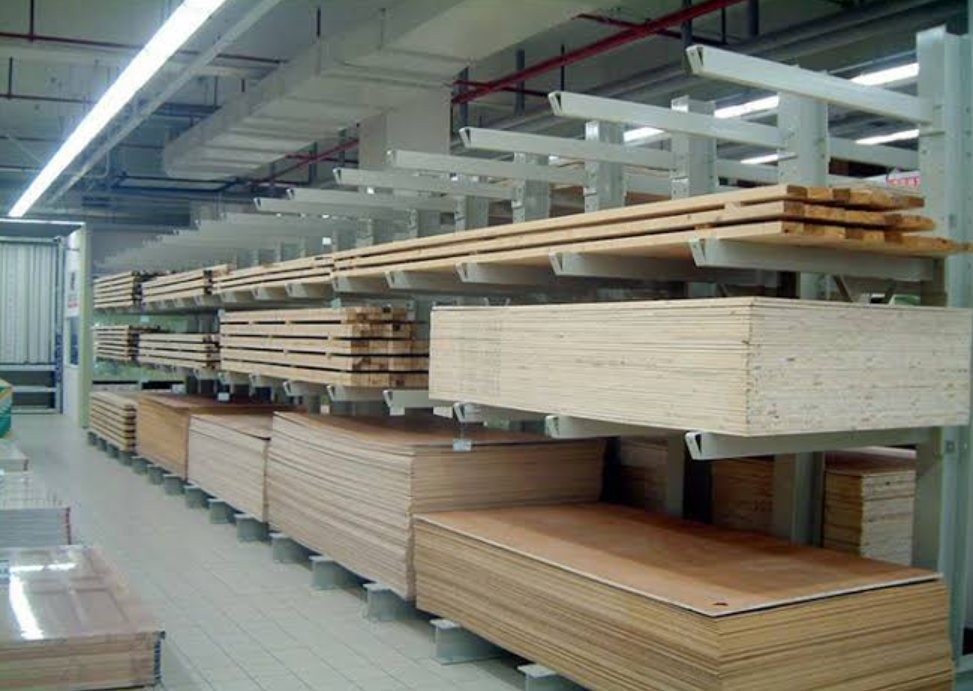
Most of Nigeria’s plywood mills stopped functioning years ago. The ones still running operate as ghosts of what they were built to be.
The pattern isn’t unique to Nigeria. China went through the same collapse in the 1990s, when state-owned plywood mills across Shanghai, the northeast, and Tianjin shut down en masse. Capacity utilization across those factories fell below 40%. Rising log costs, restricted timber harvesting, and outdated equipment made domestic production uncompetitive against cheaper imports. Nigeria is watching that exact script play out.
Equipment is ancient. Many operational mills still run hot presses, veneer dryers, and gluing lines installed decades ago. That equipment has a service life well past 30-40 years. Automation is minimal. Manual gluing and hand-fed boards remain standard at most facilities, a far cry from modern plants where automated processes handle the bulk of production.
Utilization rates have cratered. Design capacity and actual output rarely match. Mills running below 50% of designed capacity are the norm. Some facilities operate machinery fewer than 12 days a month, far under the industry standard of 22-26 days.
Quality instability drives buyers away. Inconsistent adhesive ratios, mixed-grade raw material, and irregular pressing produce plywood with unpredictable strength, warping, and formaldehyde variance. Buyers who get burned by one bad batch don’t come back. Instead, they shift toward imported plywood, even at higher prices, because consistency matters more than cost savings when a construction schedule is on the line.
Root Cause 2: Raw Material & Forestry Resource Depletion
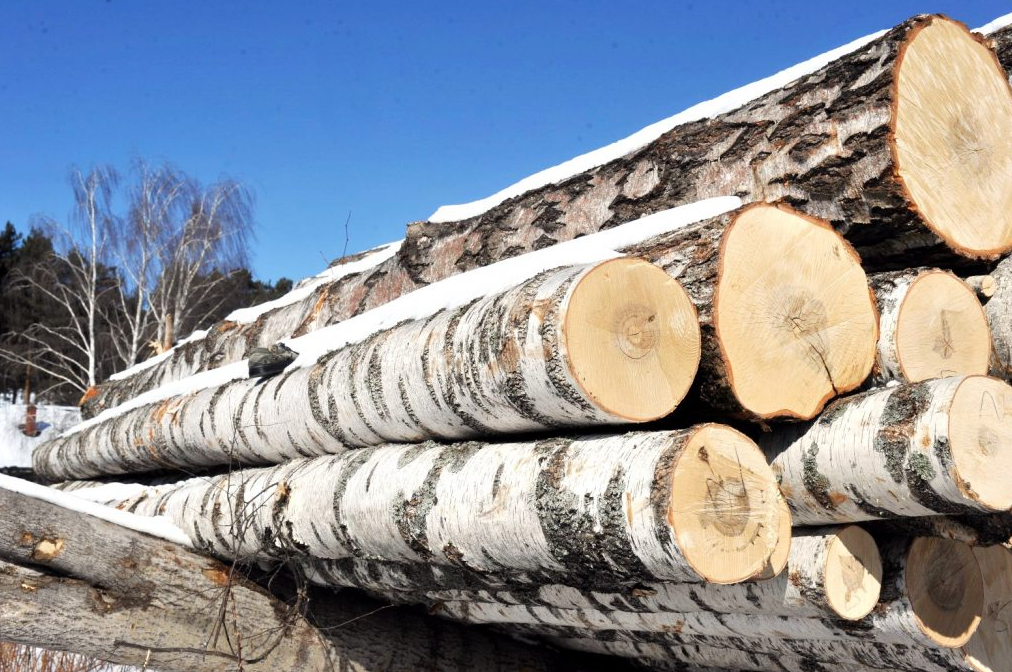
Forests don’t regenerate at the speed contractors need lumber. That mismatch is squeezing Nigeria’s timber supply chain from the source, not just the factory floor.
Nigeria’s plywood supply is also constrained by pressure on forest resources, rising log costs, and tighter controls on timber harvesting. These factors increase the raw-material cost base for local plywood manufacturers.
Seasonal harvesting windows make it worse. Many timber-producing regions restrict felling to a narrow window, often just five months a year, to protect soil and comply with environmental rules. Mills then need roughly seven months of stockpiled log inventory just to keep production running through the off-season. That’s serious working capital tied up in wood nobody’s using yet, capital small Nigerian producers rarely have.
Price signals confirm the scarcity is real. Historical benchmarks from comparable timber markets show real prices climbing 5-6% annually when raw material access tightens, a pattern researchers flag as a hard scarcity indicator. Nigeria’s own deforestation trajectory tracks the same warning signs, feeding directly into the local plywood production shortfall buyers are feeling at the checkout counter.
Root Cause 3: Energy, Infrastructure & Financing Barriers
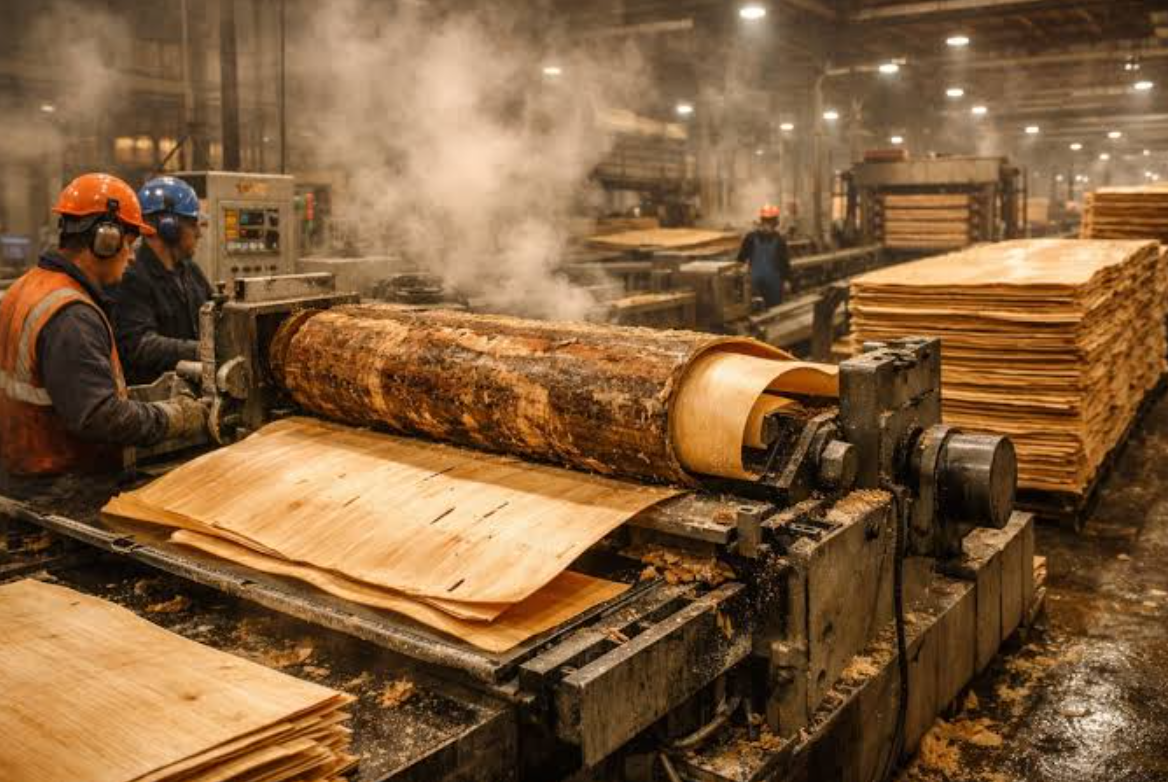
Power outages eat into plywood mill margins before a single sheet gets pressed. Nigerian manufacturers lose an estimated 5-20% of annual production capacity to blackouts—the same pattern across Sub-Saharan Africa’s industrial belt. Some industrial zones report 2-3 hours of daily load-shedding during peak season, and unstable voltage cuts motor and drive-system lifespans by 30-50%, forcing early replacements at $5,000-$50,000 per unit.
Diesel Dependency Drains Cash Flow
Mills lean on backup generators to keep gluing lines running, and that comes at a steep price. Diesel-generated power typically costs $0.25-$0.40/kWh, compared to $0.08-$0.15/kWh for grid electricity—a 2-4x markup. When self-generation covers 20-60% of total power use, overall energy costs jump 50-200%. Some manufacturers watch energy’s share of total production cost climb from 10-15% to 25-40%. A mid-sized plywood facility needing 1-5 MW of backup capacity faces $1-5 million in generator CAPEX alone, plus fuel storage and volatile diesel pricing swinging ±30-50% annually.
Financing Gaps Stall Equipment Upgrades
Capital costs for local plywood production upgrades are brutal. Emerging-market WACC sits at 8-15% versus 3-6% in developed markets, with actual loan rates hitting 12-20% in higher-risk scenarios. Loan terms of 5-7 years rarely match equipment lifespans of 15-25 years, killing project economics. Add forex shortages delaying imported machinery by 6-18 months, and it’s no surprise that 40-60% of efficiency upgrades never leave the planning stage. Local plywood production stays stuck with old equipment, feeding directly back into Nigeria’s supply chain crunch.
Root Cause 4: Import Dependency & Forex Risk Exposure
Nigerian mills depend on imported adhesives, phenolic resin, urea-Formaldehyde, and MDI-based glues to bind the boards they do produce locally. Domestic resin manufacturing barely exists at industrial scale, so import dependency for these bonding agents sits in the 70-90% range, depending on grade. With import dependency above 75% and resin price swings that have hit 50-60% in volatile years, plywood lands in the highest-risk cost category. When the board and the glue holding it together both come from overseas, currency risk hits twice.
Naira depreciation turns that dependency into immediate cost pain. A weaker Naira raises import CIF cost in local currency, and processors either raise prices or eat the margin loss. There’s no buffer between the currency move and the cost increase. Nigeria’s inflation pressure since mid-2023, tied partly to currency depreciation and subsidy removal, has already pushed food and fuel costs upward in a comparable pattern, and the same pattern holds for imported building materials.
Tax Stacking Compounds the Squeeze
Import duty on plywood doesn’t sit alone in the cost stack. Duty lands on the CIF price, then VAT, port handling charges, and local levies pile on top, each fee compounding the last. The higher a product’s import dependency, the harder that tax burden is to absorb or pass through elsewhere. Every one-point rise in duty rate lands almost linearly on final unit cost for import-heavy categories like plywood, squeezing importers, local processors, and the contractors buying from both.
Plywood Price Volatility: Impact on Construction Costs (2024 Trends)
Global benchmarks swung hard in 2024, and Nigerian buyers absorbed the shockwaves through every import invoice. Gordian’s Q4 2024 data showed plywood and plyform costs down 14.07% year-over-year, flat from Q3, after a “sizable drop” in the quarter. TimberMart-South reported Southern plywood prices falling 15% quarter-over-quarter in Q2 2024 alone. That’s a market repricing itself in three months.
China’s export pricing, the source of 98% of Nigeria’s plywood imports by value, moved as sharply. September 2024 FOB prices fell 16% versus the same period in 2023, with exports to Taiwan dropping over 70%. Weak global demand and oversupply drove the slide, not falling raw material costs. That distinction matters for procurement teams. Cheaper China pricing reflected a buyer’s market abroad, not cheaper production.
Budget exposure gets real at scale. A 15% swing on a $100,000 plywood package moves cost by roughly $15,000. On a $1 million wood-material package, that’s $150,000, enough to blow a fixed-price bid’s margin if procurement timing is off. Contractors who bought early at higher price points absorbed the hit. Those who delayed benefited.
Product type matters too. Southern OSB fell 32% in Q2 2024, nearly double the plywood decline, proof that sheet-good categories don’t move in lockstep.
Plywood vs Alternative Materials: Substitution Pressure in Nigeria
Not every buyer facing plywood shortages reaches for more plywood. Many are switching materials instead, and that shift is reshaping demand across Nigeria’s construction industry.
Structural work still belongs to plywood. Construction-grade plywood hits MOR of 30-50 MPa and MOE of 6,000-10,000 MPa, well above MDF or particleboard (MOR under 25 MPa, MOE under 3,000 MPa). In Nigeria’s humid, wet-dry climate, formwork and roof sheathing need that strength plus low thickness swelling. MDF and PB swell 15-20% or more when wet, and most fall into non-structural EN P1-P2 classes. That’s why plywood remains hard to substitute here—plywood remains difficult to replace in structural applications where strength, dimensional stability, and moisture resistance are required together.
Interiors are a different story. MDF, HDF, and particleboard are steadily displacing plywood in cabinets, wardrobes, shelving, and doorskins. Particleboard runs cheaper than MDF, HDF, or plywood, and laminated HDF gives a smooth, grain-free surface that takes paint and laminate finishes well. Nigeria imports these panels heavily from China, South Korea, India, UAE, and Austria, the same countries supplying plywood.
Wet areas and exteriors are slipping away too. PVC panels now dominate kitchens and bathrooms, where plywood degrades fast. Fibre-cement boards are gaining ground on coastal facades for their moisture resistance, despite being heavier and more brittle.
Emerging alternatives remain niche. Bamboo panels show promise as a raw-material substitute, but weak design standards and poor professional buy-in keep adoption low. Agro-waste composites (rice husk, fruit biomass) work for non-structural partitions but can’t touch plywood’s strength profile yet.
The net effect is that plywood alternatives Nigeria buyers use aren’t replacing plywood outright. They’re absorbing demand at the edges—interiors, wet zones, low-load applications—while structural plywood demand stays locked in place, keeping pressure on the timber supply chain exactly where substitution can’t reach.
How Buyers Can Manage Supply Instability: Practical Sourcing Strategies
Smart procurement teams don’t wait for the next price spike to act. They build systems that absorb shocks before those shocks hit the project budget.
Screen Suppliers on Hard Numbers
Measure reliability. Require ISO 9001 certification as a baseline for any plywood supplier handling meaningful volume. Track On Time In Full (OTIF) performance over at least 12 months, and set the bar at 95% OTIF for critical shipments, 90% for everything else. Build a simple risk score for each supplier: rate criticality and vulnerability from 1-5, multiply them together. Anything scoring 16 or above needs a backup supplier lined up immediately.
Price volatility matters just as much as delivery. Pull 12-24 months of pricing data per SKU and calculate the swing: highest price minus lowest, divided by the average. For categories where price swings above 15-20%—and plywood qualifies given what we’ve covered—use indexed pricing clauses in the contract.
Diversify Sourcing
Dual sourcing works. Split volume roughly 60-70% to a primary supplier, 30-40% to a backup, and qualify that backup properly. Expect 8-12 weeks for sample testing and site audits. For time-sensitive materials where a stockout shuts down a site, push local or regional sourcing to 50-70% of volume. For standardized, price-sensitive plywood grades, importing 60-70% still makes sense, but keep one local supplier qualified and ready to scale to 30-40% of demand within 4-8 weeks if the import channel breaks.
Base safety stock on volatility. High-variance sources need 20-40% extra inventory days on hand. That buffer costs money, but it costs far less than a stalled framing crew waiting on a container stuck at Apapa port.
Investment Opportunities in Nigeria’s Plywood Manufacturing Sector
Deep supply gaps hide real business cases. Nigeria’s plywood market is worth US$9.10 billion in 2024, projected to hit US$11.79 billion by 2032, growing at 3.3% CAGR. Hardwood veneer and plywood, the higher-margin segment, grows faster at 6.2% CAGR through 2031. That’s the segment worth chasing.
Here is where the capital is going. Global plywood manufacturing investment rose 15% in 2024, and 42% of that spending went into moisture-resistant, decorative, and composite lines, exactly what Nigeria’s marine and MR-grade Okume producers need. A benchmark medium-scale plant running about 23,333 m²/day capacity delivers 50% ROCE and 44% ROE with modern equipment. Those are not speculative numbers. They are what efficient automation buys.
Nigeria’s enabling framework lowers entry costs directly. SEZ infrastructure, “Made in Nigeria” content rules, AfCFTA export access, and NIPC-administered tax holidays all help. The Bank of Industry’s financing partnership with Lagata, which is building a modern export-ready plywood mill alongside plantation development, shows institutional capital already sees the opportunity. Backward integration into veneer and adhesive production, plus ISO/CARB certification, is where the real margin starts.
Conclusion
Nigeria’s plywood shortage is the result of decades-old structural cracks: gutted local manufacturing, dwindling forest reserves, and a forex regime that punishes importers at every turn. Construction firms now face price swings that can derail budgets overnight, forcing many to weigh imported alternatives, composite materials, or riskier suppliers just to keep projects moving.
Contractors and procurement teams need to stop reactive sourcing. The market now requires diversified supplier networks, forward-purchasing agreements, and partnerships with manufacturers investing in local capacity.
The plywood supply chain in Nigeria will keep tightening before it loosens. Buyers who move early, lock in reliable channels, and hedge against volatility today will be the ones building tomorrow without delays.