Leading Moisture-Resistant Melamine Mdf Boards Companies In Azerbaijan For Furniture Makers

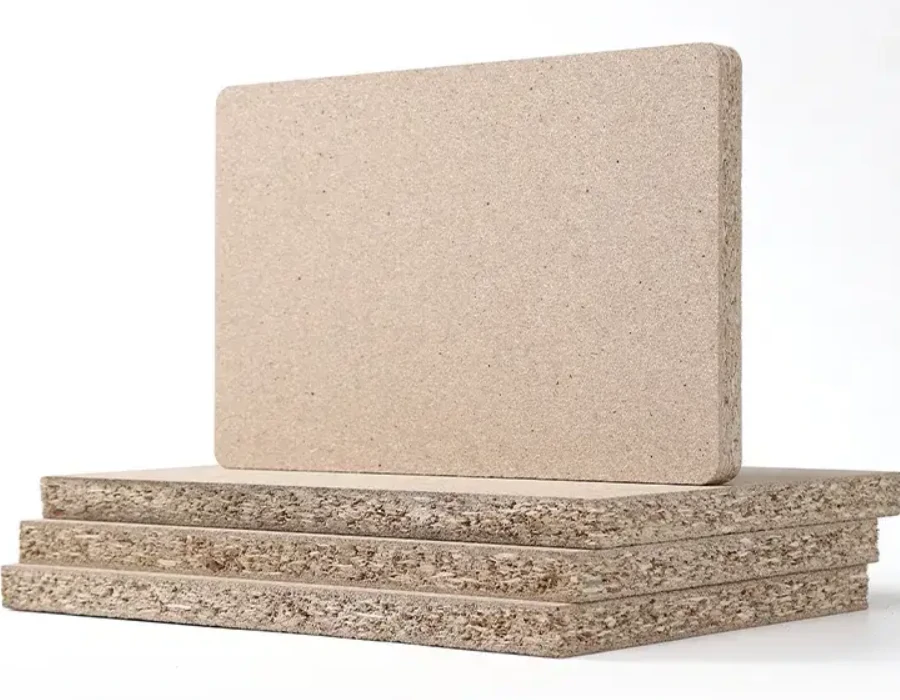
MDF/HDF Fiberboard

Finding the right moisture-resistant melamine MDF board supplier in Azerbaijan can make or break a furniture operation. Most manufacturers waste weeks chasing the wrong companies, comparing mismatched specs, or spotting quality issues after production has started. That’s a costly mistake.

Azerbaijan’s furniture manufacturing sector is growing fast. The demand for reliable, high-performance MDF panels is more competitive than ever.

This guide cuts through the noise.

Seasoned cabinet maker scaling your supply chain? Newer workshop looking to standardize your material sourcing? Either way, you’ll finish reading this knowing which melamine MDF board companies in Azerbaijan deserve your attention — and which ones to skip.

This guide covers five areas furniture makers need:

Market overview — Azerbaijan’s current supplier landscape for moisture-resistant melamine MDF

Top company recommendations — a ranked shortlist, with focused coverage on standout brands

Technical specifications — thickness, core density, E0/E1 formaldehyde ratings, and moisture resistance benchmarks

Buyer’s selection guide — practical criteria including surface finish variety, scratch resistance, and furniture-grade certification

Differentiation breakdown — how leading suppliers fix Standard MDF weaknesses like scratch sensitivity and poor humidity performance

Each section serves one purpose: helping you move from research to a confident sourcing decision. Faster, with fewer surprises along the way.

Azerbaijan Moisture-Resistant Melamine MDF Market Overview

image.png

Azerbaijan’s MDF market is small, concentrated, and import-driven. That structure shapes every sourcing decision furniture makers in the region face.

Total MDF consumption sits at USD 40–80 million per year. That figure fits a 10–11 million population economy with active residential and commercial construction. Inside that number, moisture-resistant MDF pulls in an estimated USD 4–16 million per year — a niche segment, but one growing faster than standard MDF overall.

Why faster? Two reasons drive this.

Climate Creates Rigid Demand

Baku sits on the Caspian Sea. Coastal areas across Azerbaijan see average relative humidity of 70–80% for several months each year. Above 65% sustained humidity, standard MDF starts to fail. Thickness swells. Edges deteriorate. Mechanical strength drops. That’s not a theoretical risk. It’s a practical reality for every kitchen cabinet, bathroom vanity, and high-rise interior in the country.

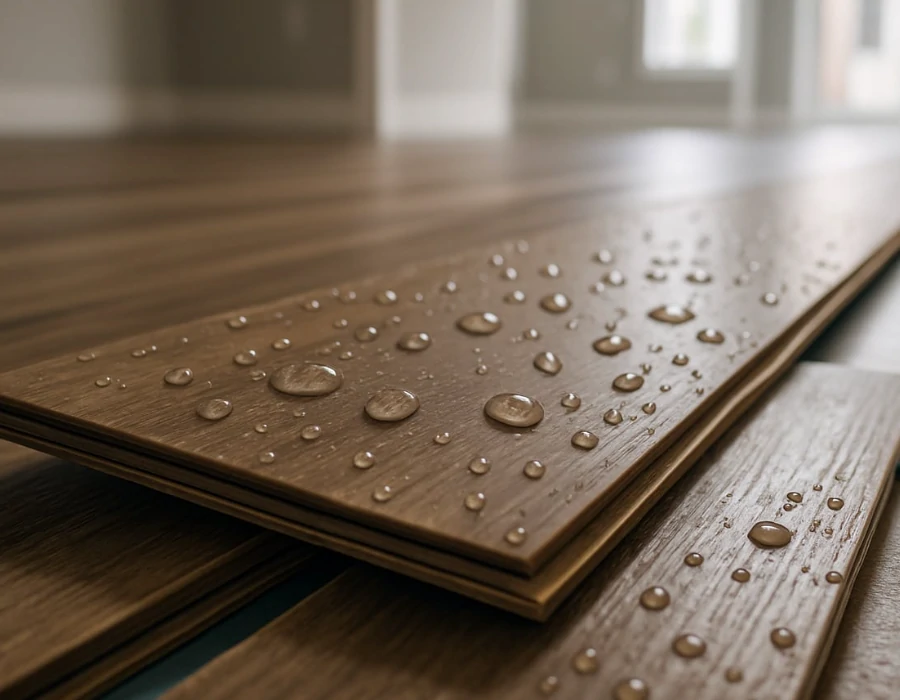
Moisture-resistant melamine MDF uses water-repellent MUF resins and tests to ≤10–12% thickness swell under EN 317. In this market, that’s not an upgrade. It’s the baseline spec for any mid-range kitchen or bathroom project.

Where MR Melamine MDF Goes

Demand doesn’t spread across all applications. It concentrates in specific areas:

  • Kitchen cabinets and countertop substructures — 50–60% of total MR MDF consumption

  • Bathroom cabinets and mirror units — 15–20%

  • Interior doors and frames in high-humidity service areas — 10–15%

  • Commercial interiors (cafés, clinics, retail spaces needing regular wet cleaning) — 10–15%

Furniture and cabinetry together take 70–85% of total MDF volume in Azerbaijan. That mirrors patterns across similar CIS economies. For moisture-resistant grades, kitchen and bathroom applications lead by a wide margin.

A Market Controlled by a Few Importers

Azerbaijan produces very little MDF domestically. Furniture-grade MDF and melamine-faced MDF panels come in through imports — mainly from Turkey, Russia, and EU producers such as Kronospan, Egger, and Kastamonu Entegre.

Supply is tight at the top. The top 3–5 importers and stockists in Baku control over 60% of MDF volume, including moisture-resistant and melamine-faced grades. Most local furniture workshops don’t laminate melamine themselves. They buy pre-laminated MR melamine MDF in standard sizes — 16–18 mm thickness, 2,800 × 2,070 mm panels — straight from these distributors.

One detail worth knowing: moisture-resistant core MDF comes in green under EU identification standards. It carries a 10–25% price premium over standard melamine MDF. That premium reflects real performance differences. In Azerbaijan’s humid coastal conditions, most serious furniture makers see it as a non-negotiable cost.

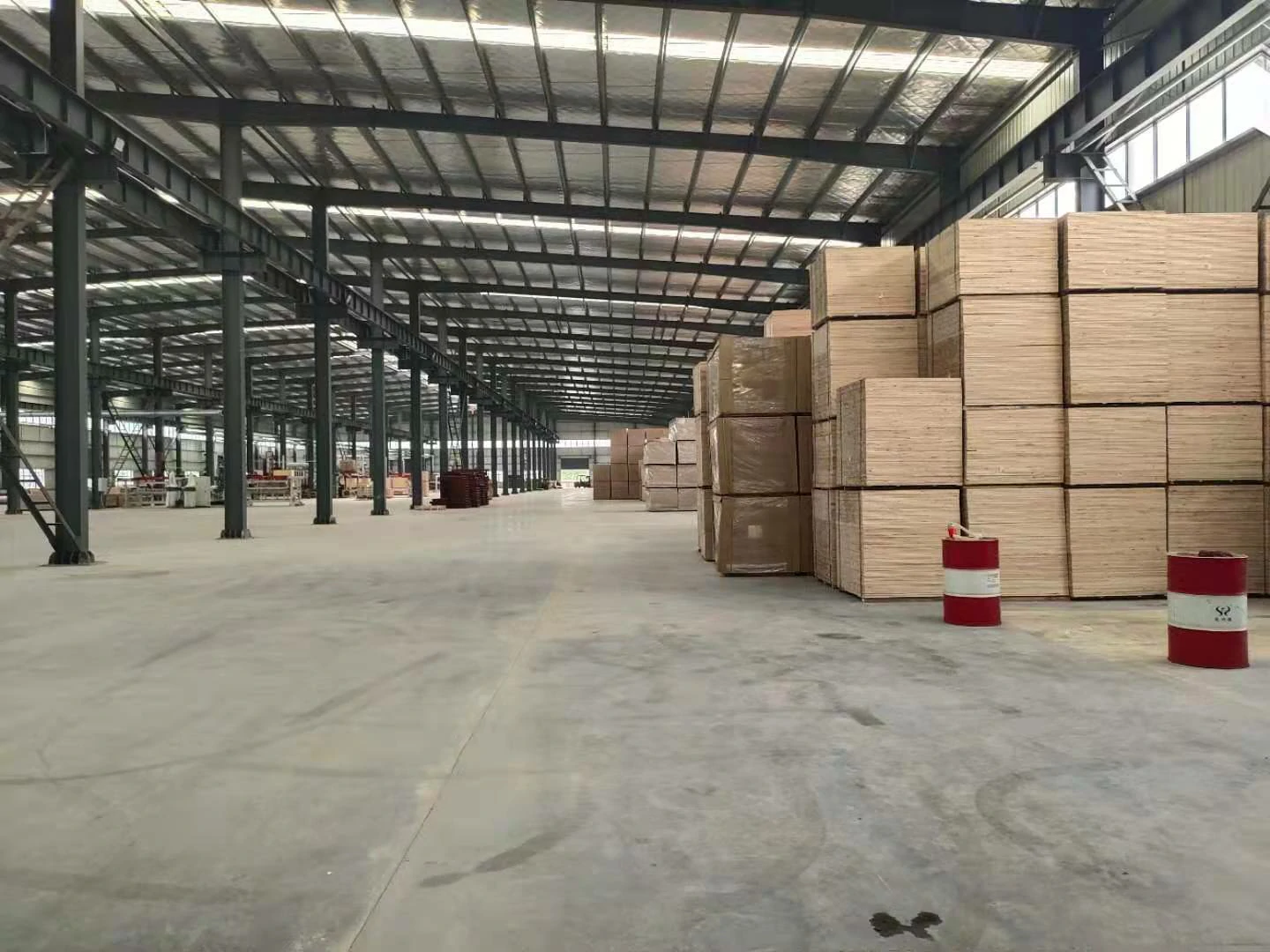
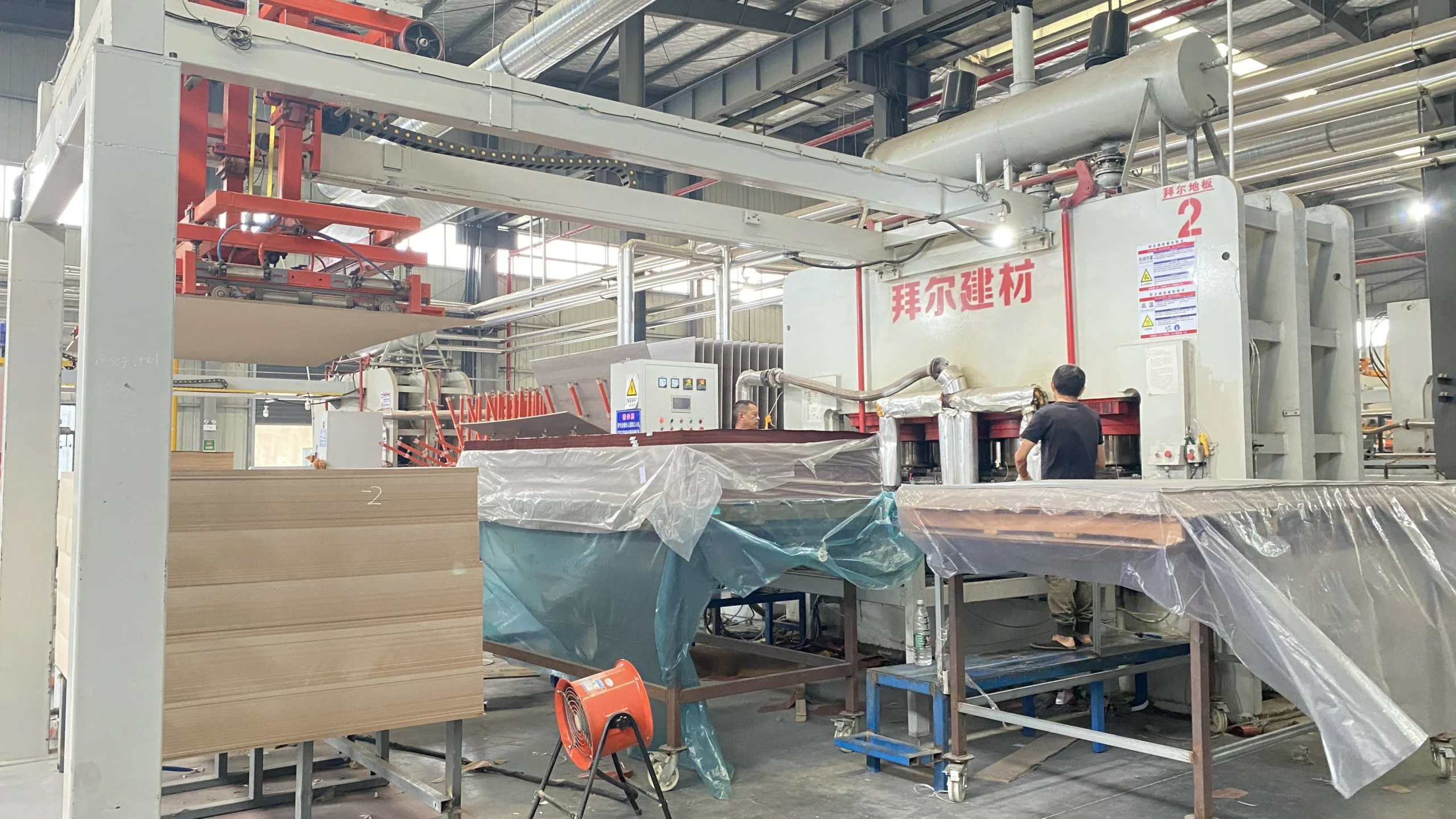
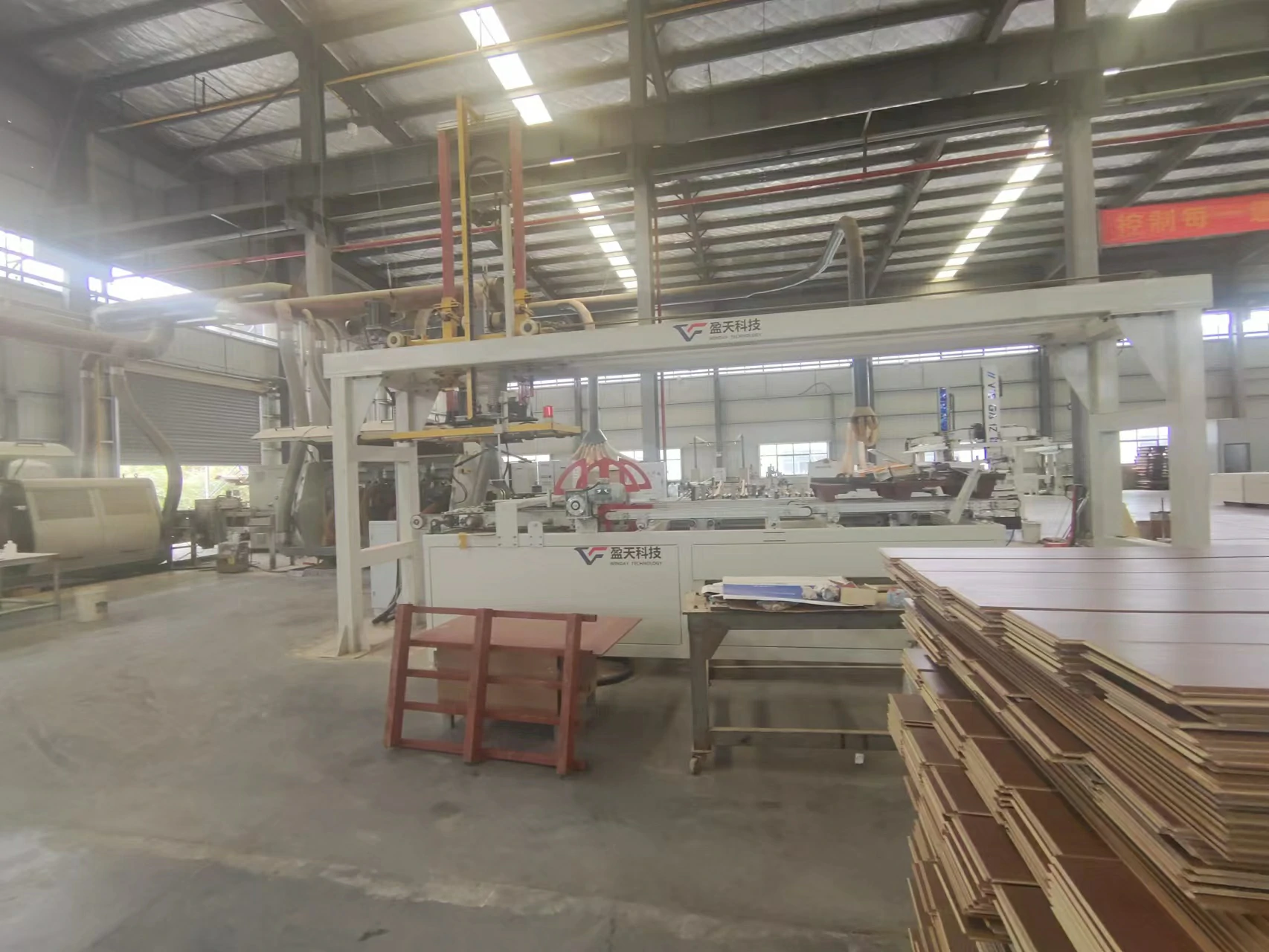
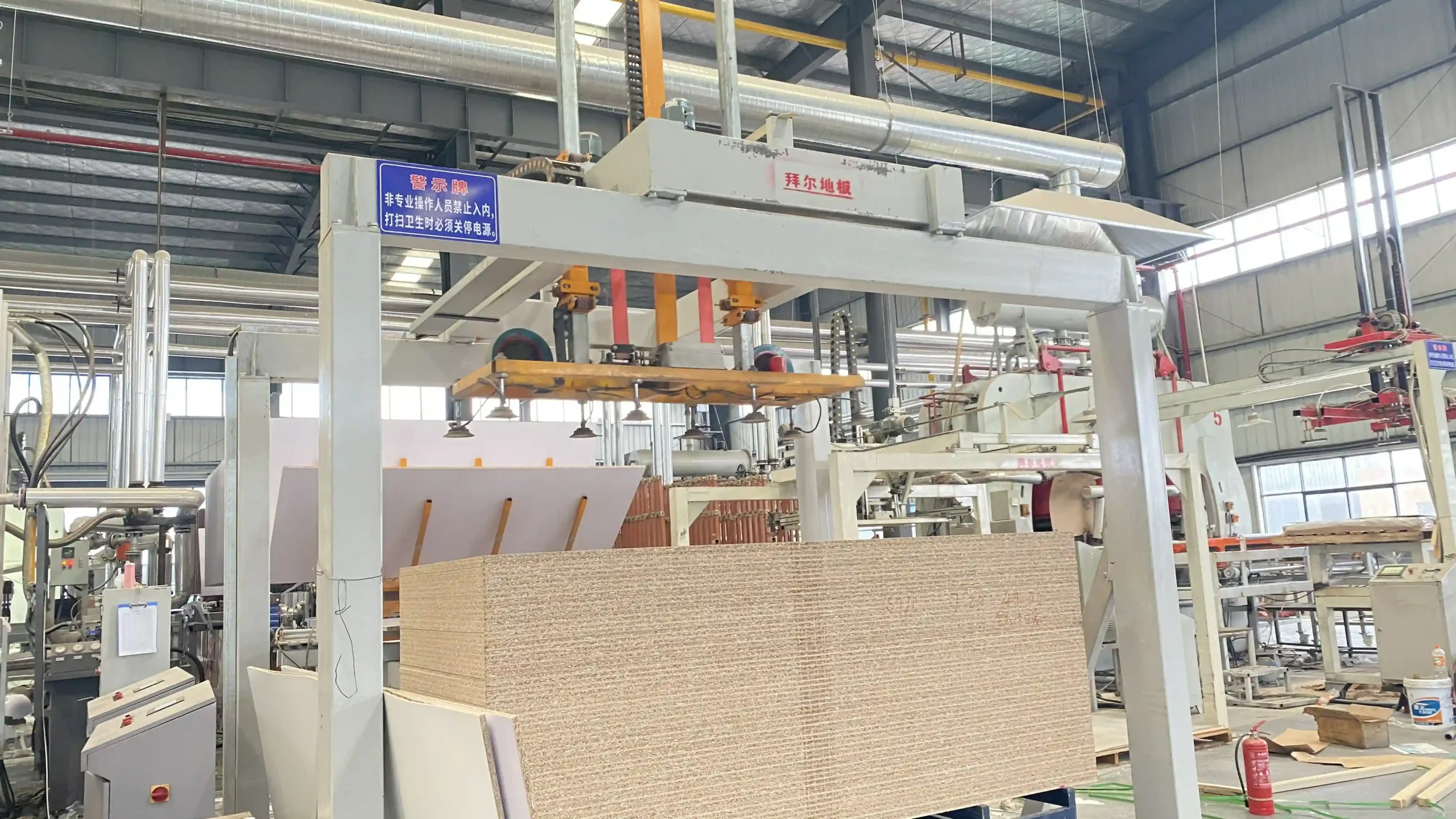
Baier: Premium Moisture-Resistant Melamine MDF Boards For Azerbaijan Furniture Makers

image.png

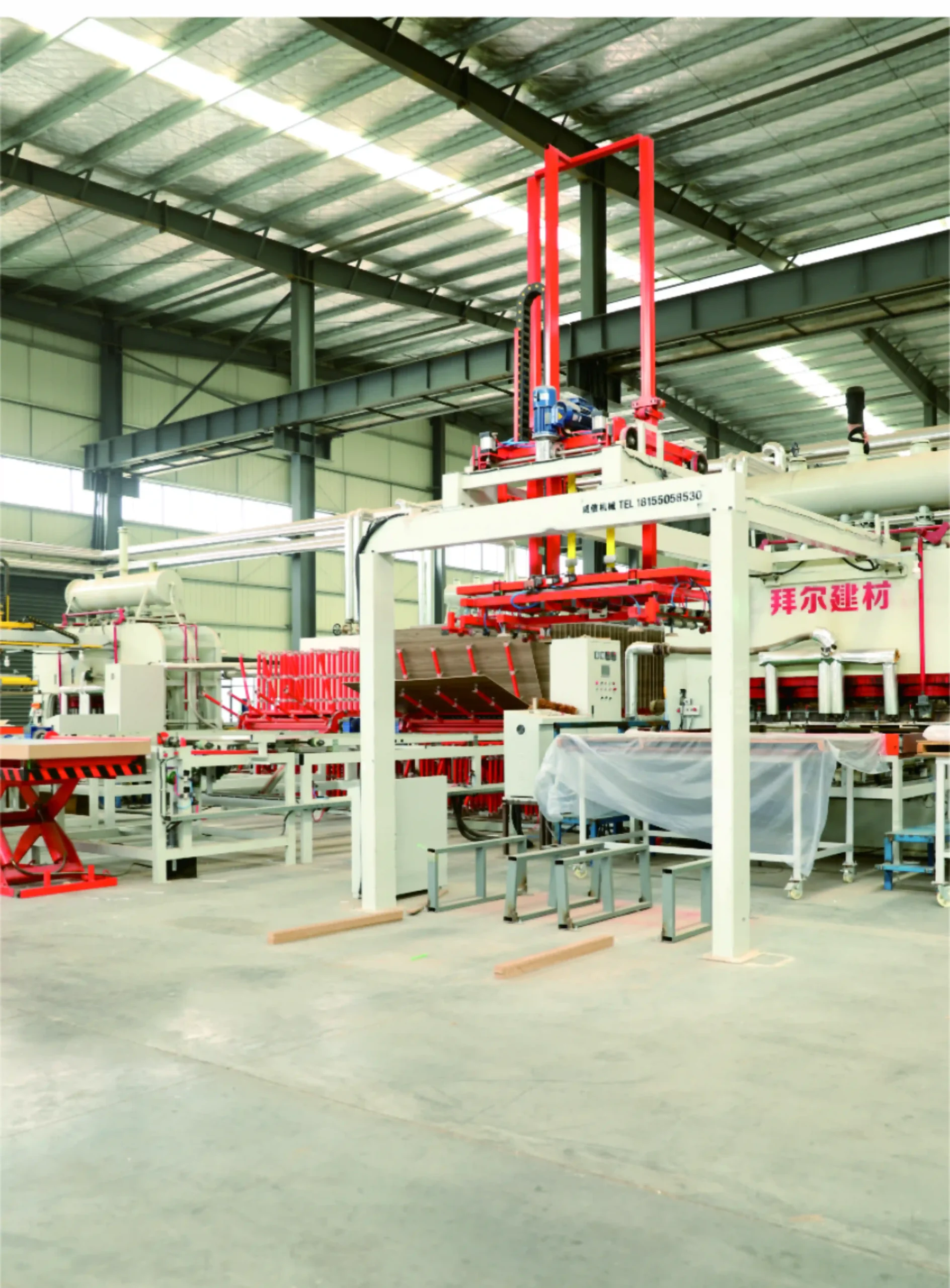
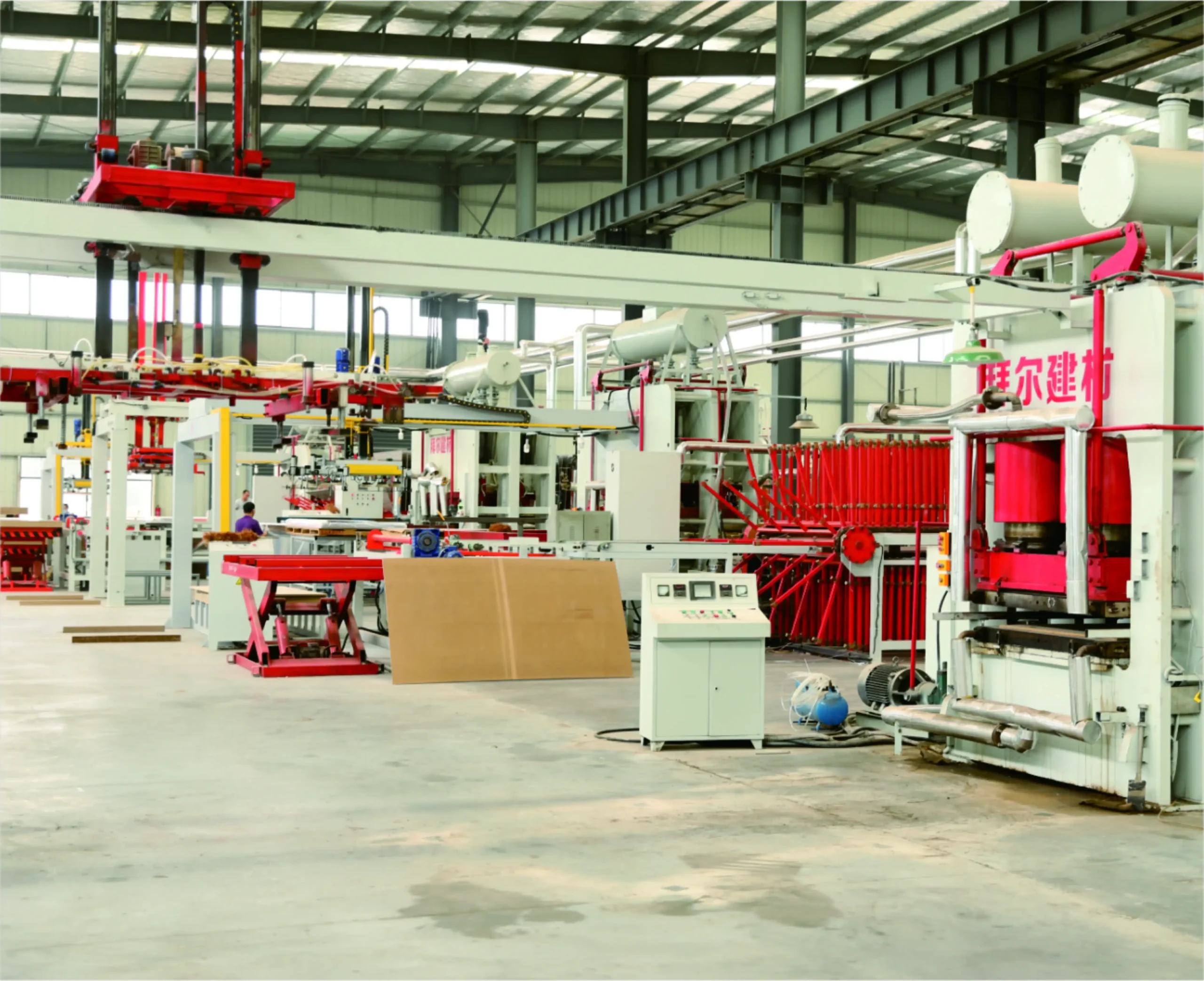
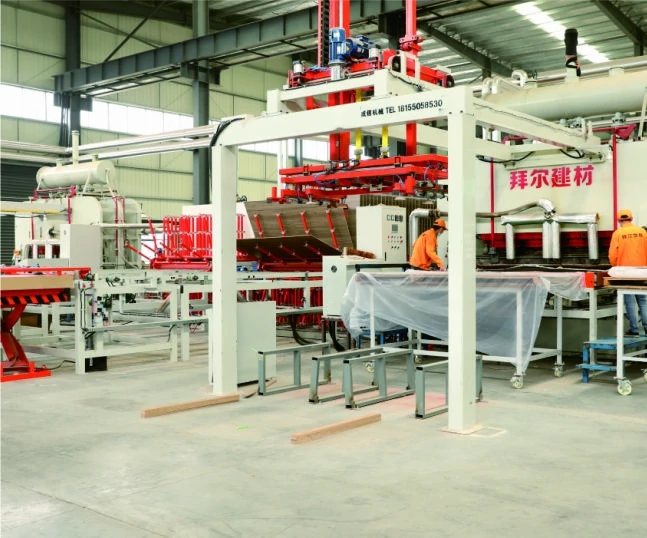
Baier doesn’t just sell boards. It supplies the structural foundation that serious Azerbaijan furniture makers build their reputations on.

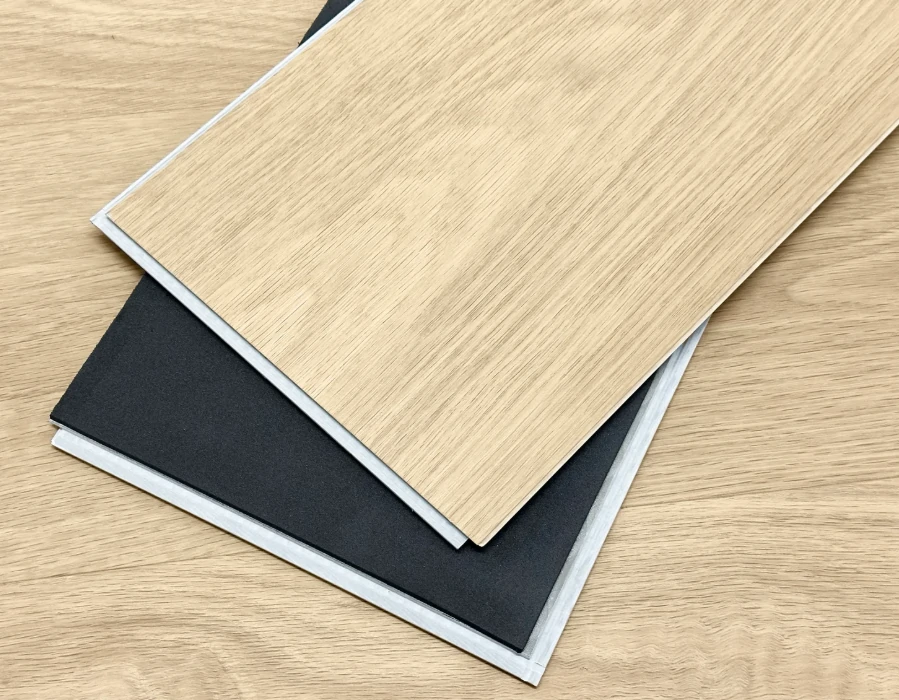
Most MDF panel manufacturers ship standard-grade material and hope humidity doesn’t expose it. Baier takes a different approach. The moisture-resistant melamine MDF is built for the exact conditions Azerbaijani workshops deal with every day — coastal humidity, tough kitchen environments, and clients who notice when cabinet edges start lifting six months after installation.

Here’s what the product delivers.

Core Technical Specifications

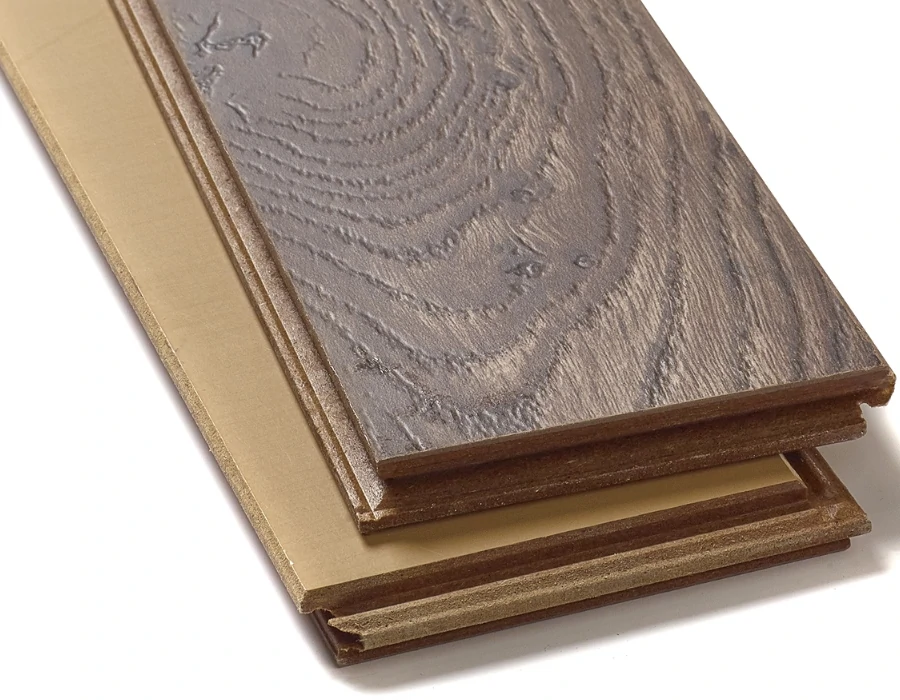
Baier’s furniture-grade MDF targets a core density of ≥730 kg/m³ at 18mm thickness. That number matters more than most buyers realize. Drop below 700 kg/m³ and two problems follow fast. Screw-holding strength drops. Moisture absorption speeds up at the panel edges — right where kitchen cabinet hinges and drawer runners take stress every day.

Thickness range covers the full furniture-making workflow:

12 / 15 / 18mm — primary cabinet carcass and door panel specifications

6 / 9mm — back panels and lightweight structural elements

Standard panel size: 1,220 × 2,440mm (4×8 ft), with engineering formats up to 1,220 × 3,050mm available for tall-cabinet doors and full-height back panels

Moisture Resistance That Holds to EN 317

The waterproof MDF board performance benchmark for serious kitchen and bathroom applications:

Standard MR grade: ≤12% thickness swell after 24-hour water immersion (EN 317)

HMR premium grade: ≤8–10% thickness swell — the specification Baier targets for high-end kitchen and bathroom furniture built for Azerbaijan’s humid Caspian coastal zones

Standard MDF often exceeds 15% thickness swell under the same test. That gap is the difference between a cabinet lasting two years and one lasting twenty.

Surface Finishes Built for Custom Furniture Production

Baier’s decorative melamine surface range covers the colors and textures Azerbaijan’s custom furniture market needs:

Solid colors: white, grey, black, beige — core palette for contemporary minimalist kitchens and wardrobes

Wood grains: oak, walnut, maple — matched to common European color systems, so design stays consistent even when your workshop sources from multiple suppliers

Surface textures: matte, semi-matte, fine-grain, synchronized wood-grain emboss

Every panel comes pre-laminated on both faces. You can cut, edge-band, and CNC drill straight away. No painting stage, no coating delay, no batch color variation problems.

Formaldehyde Ratings and Certifications to Request

Azerbaijan furniture makers bidding on commercial projects — hotels, offices, healthcare facilities — need solid certification documentation. There’s no way around it:

Standard

Requirement

E1 (EN 717-1)

≤0.124 mg/m³

E0

≤0.05 mg/m³

EN 622-5

MDF.H classification for humid environments

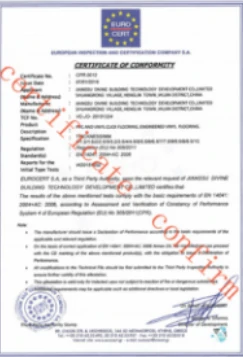
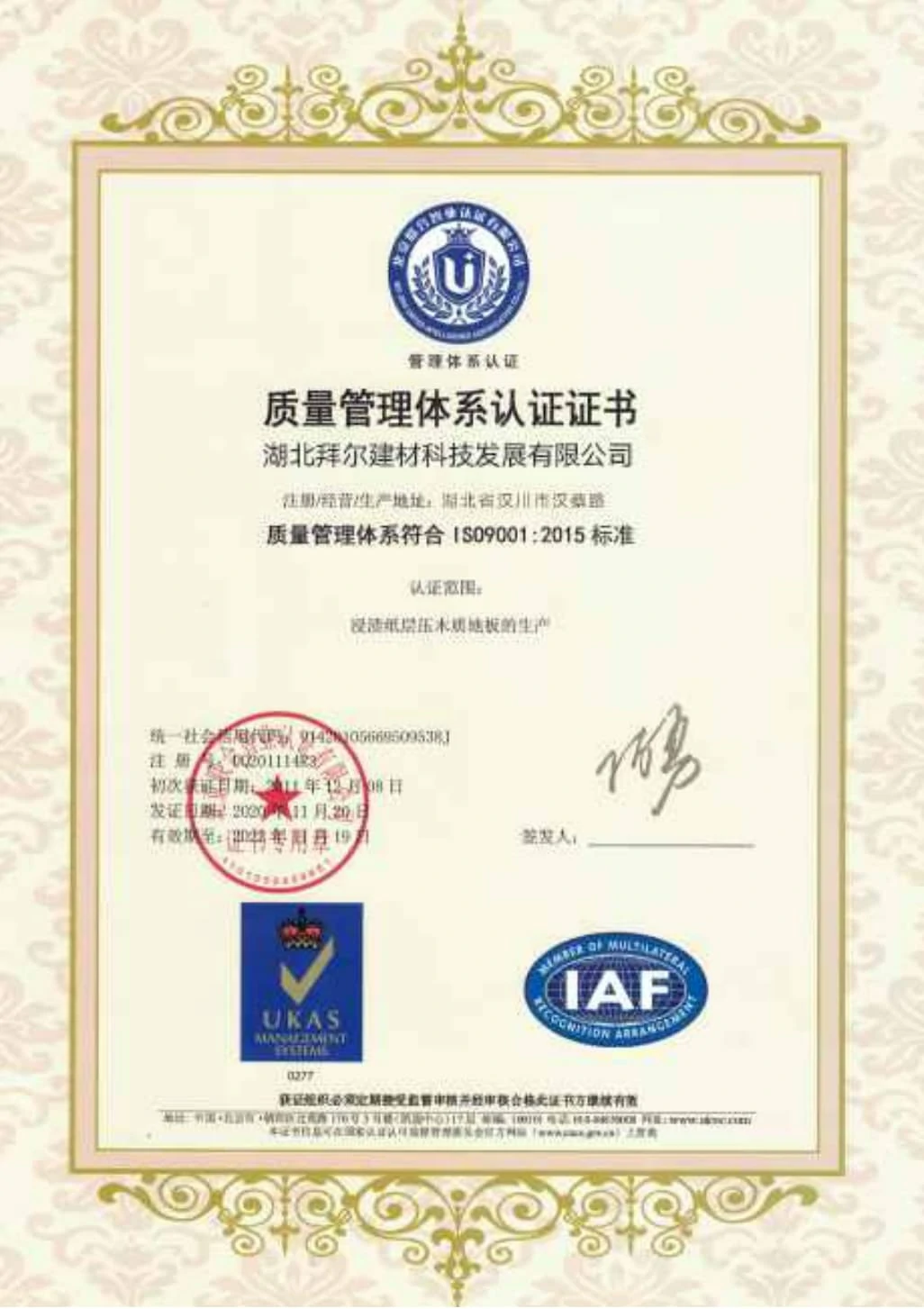
ISO 9001

Batch consistency assurance

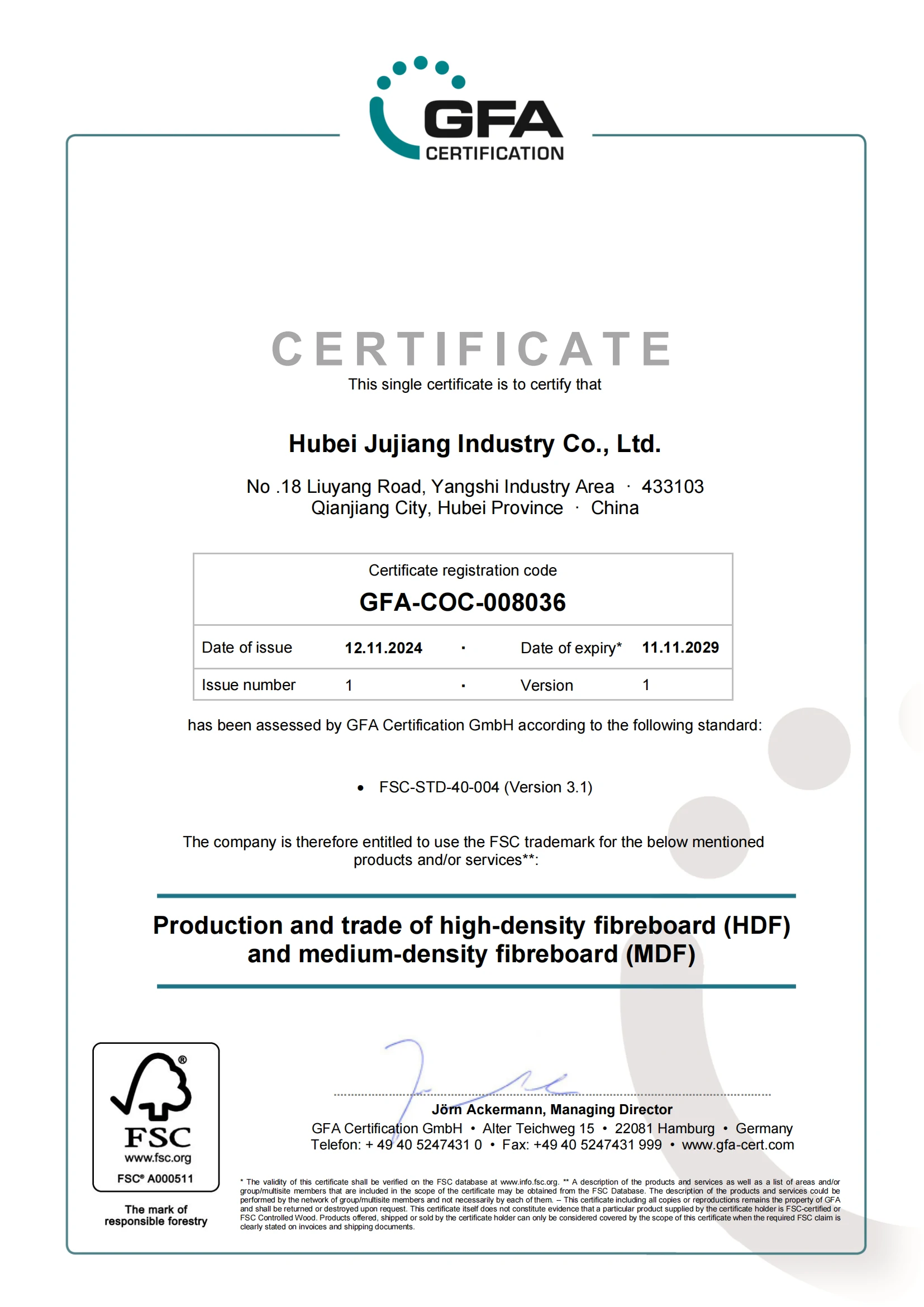
FSC / PEFC

Required for government and real estate tenders

Always request the actual test reports — not just the certifications. For hospital or school projects, ask about CARB P2 compliance too.

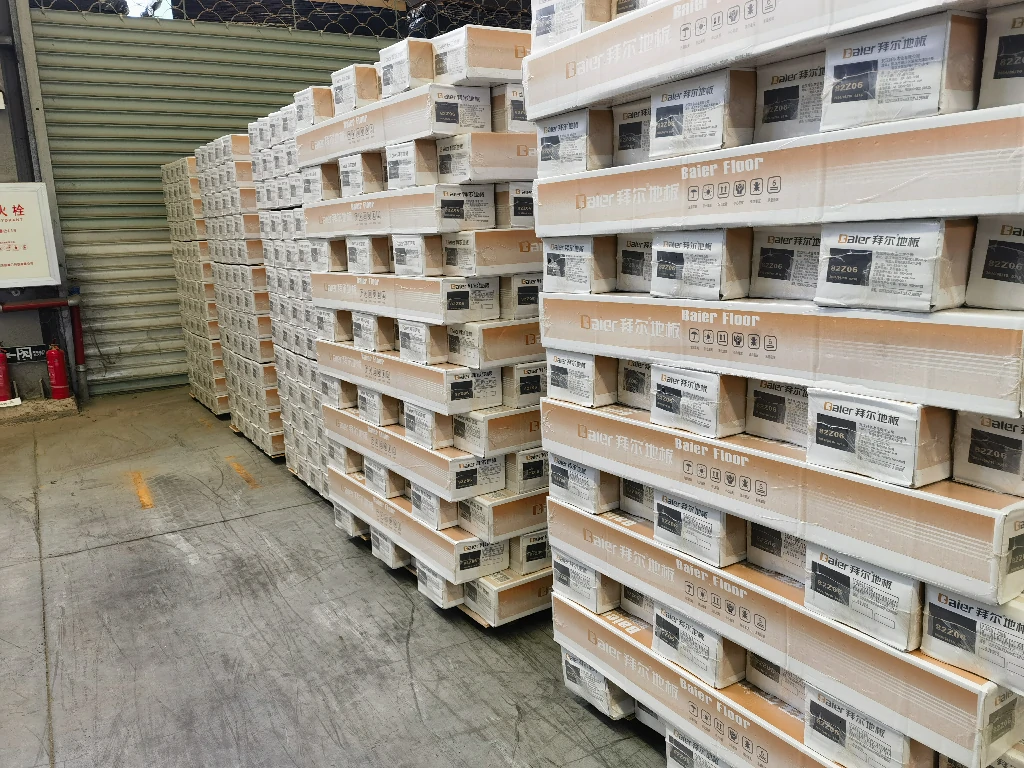
Supply and Ordering Structure for Azerbaijan

Direct factory supply runs on lead times you should factor into your procurement calendar:

Local stock or regional warehouse (Baku/Tbilisi): 7–10 days to factory delivery

Direct container shipment from production: 20–35 days total (production + sea freight + customs clearance into Azerbaijan)

For full-container mixed orders, plan for one 20’GP or 40’HQ container (18–25 m³). Smaller workshops do better through local distributors on half-load or pallet-quantity orders. You get lower inventory pressure and faster replenishment cycles.

Large kitchen cabinet manufacturers with steady annual volume can negotiate annual framework agreements with custom color exclusivity. That’s a real competitive edge in a market where most workshops pull from the same standard color catalog.

Other Leading Melamine MDF Board Suppliers Serving Azerbaijan Furniture Makers

Baier isn’t the only serious option here. Azerbaijan’s furniture supply chain runs on a handful of active importers and distributors — each with different sourcing channels, product depth, and service models. Here’s who else deserves attention.


Xylosuisse AZ — Local Stock, Local Reach

image.png

Xylosuisse operates out of Baku’s Garadagh district. Their focus is clear: serve Azerbaijan’s furniture and construction sectors. That local presence matters more than most buyers realize.

You get a full board range: raw MDF, melamine-faced MDF, particleboard, HPL, and CPL decorative laminates. Surface options cover wood grain, solid color, high-gloss, and matte finishes. That’s enough variety for most cabinet and wardrobe production runs — no need to juggle multiple vendors.

Practical thickness availability: 8 / 10 / 12 / 16 / 18 / 25mm — the standard working range for Azerbaijan furniture carcass and panel applications.

Their real strength is local inventory and same-city logistics. Can’t wait 3–4 weeks for a container? A Baku-based stockist with phone-accessible pricing saves you time and headaches.

Limitation worth noting: Specialty colors and non-standard thicknesses depend on their import cycle from Turkish and European suppliers. Small-batch or custom orders may run into lead time delays.


Dinçer & Carçıoğlu Azerbaijan — Turkish Quality, Regional Distribution

This Baku-based operation imports and distributes boards from Çamsan Entegre, one of Turkey’s larger integrated wood panel manufacturers. Turkish furniture-grade MDF has a clear track record: consistent color control, reliable surface coverage, and a thickness range built for serious production volume.

Core product line:
High-quality raw MDF and melamine laminate MDF
– Standard and moisture-resistant MDF grades (EN 622-5 classification, suitable for kitchen and bathroom cabinet applications)
– Thickness options: 6 / 8 / 10 / 12 / 16 / 18 / 25 / 30mm
– Surface finishes: wood grain, stone pattern, contemporary solid colors

Price sits in the mid-to-premium range for Azerbaijan’s market — above economy Russian or Iranian alternatives. That cost is backed by surface consistency and structural stability that branded furniture manufacturers need.

Where it gets complicated: Cross-border logistics from Turkey means replenishment cycles run 2–4 weeks. Local inventory covers mainstream thicknesses and popular finishes. Need an uncommon color or a 30mm panel in volume? Expect extended lead times and minimum order requirements from the Turkish production side.


HUID Intelligent Home — Chinese Manufacturing, Direct Container Supply

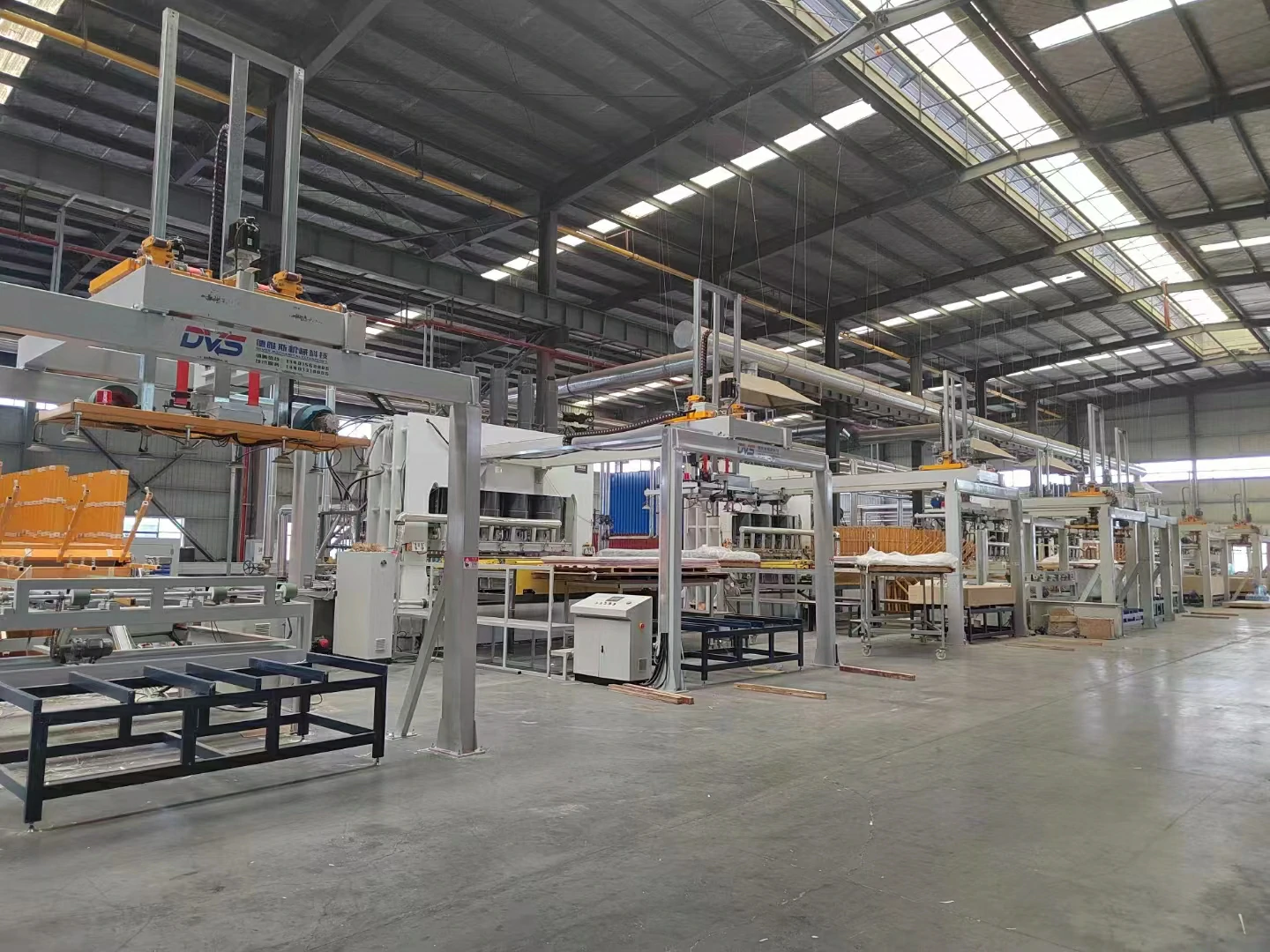
HUID ships to 80+ countries, with Azerbaijan as an active export market. The model is direct: factory-to-Baku container shipments, working through local importers or larger furniture manufacturers who can take full-container volumes.

What they offer:- E0 and E1 low-Formaldehyde melamine MDF with moisture-resistant core options (hydrophobic resin + high-density formulation)- Surface textures: synchronized emboss, brushed, high-gloss, and matte- Thickness range: 6 / 9 / 12 / 15 / 16 / 18 / 25mm in standard 1,220 × 2,440mm panels- Price positioning: economy-to-mid range — noticeably lower than European or Turkish equivalents at comparable specs

The honest trade-off: No local stock means 30–45 day lead times from order to delivery. Minimum order quantities run at 1–2 pallets per color per thickness. Full containers carry 600–800 panels depending on thickness. That works well for high-volume factories with predictable procurement schedules. For smaller workshops with irregular orders or urgent material needs, it’s a poor fit.


How These Suppliers Compare at a Glance

Supplier

Origin

MR Grade Available

Lead Time

Best Fit For

Xylosuisse AZ

Local (Baku)

Standard MR

3–7 days

Mid-sized workshops needing local stock

Dinçer & Carçıoğlu

Turkey (Çamsan)

MR + Standard

2–4 weeks

Brand-focused manufacturers, mid-premium volume

HUID Intelligent Home

China

E0/E1 + MR core

30–45 days

High-volume factories, price-sensitive procurement

Each supplier fills a specific slot in the sourcing ecosystem. The right choice comes down to your production volume, lead time tolerance, and certification requirements — not brand reputation alone. A small Baku workshop running mixed orders needs a different supplier than a large kitchen cabinet manufacturer moving consistent monthly container volumes.

Moisture-Resistant Melamine MDF Technical Specifications: What Furniture Makers Must Know

image.png

Spec sheets don’t lie. Cabinets do. Six months after installation, edges lift and hinges pull loose from boards that couldn’t hold their shape through a single Baku summer.

Four numbers separate a board that survives from one that fails. Every Azerbaijan furniture maker should know them cold.

Thickness Swell: The Number That Counts

EN 317’s 24-hour immersion test cuts through marketing language fast. Here’s what the data shows across board grades:

Board Grade

24h Thickness Swell (TS24)

Practical Application

Standard MDF

12–18%

Dry areas only — bedrooms, living room cabinetry

MR Grade

5–8%

Kitchen upper cabinets, bathroom surrounds away from direct water

HMR / MR50 Grade

3–5%

Sink base cabinets, shower-adjacent storage, commercial wet zones

Standard MDF above 15% swell isn’t a substandard product. It’s the wrong product for a kitchen. Better installation won’t fix it. Starting with the right grade will.

Core Density and Screw-Holding Strength

Density drives everything else. Target ≥700–730 kg/m³ for furniture-grade melamine MDF. Drop below that threshold and two problems show up fast. Screw-holding strength weakens at the edges. Moisture absorption speeds up at the spots under the most stress — hinge zones, drawer-runner mounts, shelf pin holes.

Performance benchmarks for MR-grade melamine MDF:
Edge screw-holding: ≥1,000 N — the minimum for cabinet hinge and drawer hardware
Face screw-holding: ≥800 N — enough for shelf pin loads and back panel fastening

For high-use kitchen and commercial cabinet builds, request documented screw-holding data before you buy. Unlabeled boards are a gamble.

Surface Durability and Formaldehyde Ratings

Melamine surface wear resistance changes by finish type:
Solid colors: ≥300 abrasion cycles — handles regular wiping and light contact
Wood grain / printed patterns: ≥40 cycles — decorative surfaces, not structural wear areas

For formaldehyde, E1 (≤0.124 mg/m³) covers most residential furniture builds. Children’s rooms, schools, or healthcare interiors need E0 or NAF-certified boards. For Azerbaijan commercial tenders, request actual lab test reports alongside certifications — certificates alone aren’t enough.

Thickness Specifications by Furniture Component

Component

Recommended Thickness

Minimum Grade

Cabinet door panels

16–18 mm

MR (HMR near sinks)

Side panels / vertical carcass

16–18 mm (18–25 mm commercial)

MR standard; HMR at floor contact

Shelving (600–800 mm span)

18 mm

MR

Back panels

6–9 mm

Standard or MR

Build this into your procurement process: thickness tolerance matters for precision cabinetry. Standard melamine MDF runs ±0.6 mm. High-precision boards hold ±0.3 mm. That gap is a real problem for seamless door rows or tight-tolerance frameless cabinet systems. The tighter the build, the more that 0.3 mm difference shows up on the job.

How To Evaluate Melamine MDF Board Quality Before Buying In Azerbaijan

Bad boards don’t announce themselves. They wait — six months, maybe twelve — until a cabinet edge lifts in a Baku kitchen and the client calls with questions you’d rather not face.

Every experienced furniture maker in Azerbaijan has that story. Here’s how to keep it from becoming yours.


What Your Eyes (and Fingernails) Can Tell You On the Spot

Run a physical inspection before any technical documents come out. Bring your phone for the torch.

Surface uniformity check:
Hold your phone flashlight flat against the panel at a low angle. Scan the full face. Quality melamine MDF — pressed at 300–500 psi — shows a dense, even surface. Look for what shouldn’t be there: pressure dimples, ripple patterns, shadow patches, pinholes. Run your palm across the surface at a steady pace. The texture you see should be visual only. Feel ridges, grit, or uneven bumps? The surface lamination is inconsistent.

Color and grain consistency across a batch:
Pull 3–5 sheets from the same delivery. Stand them vertical, side by side. Good suppliers keep color variance at ΔE<1.0–1.5 within a single batch. You shouldn’t be able to tell one panel from the next in normal light. One panel reading warmer, cooler, or darker than its neighbors? That’s a production control problem — and it’ll show up on finished cabinets.

Cut edge density:
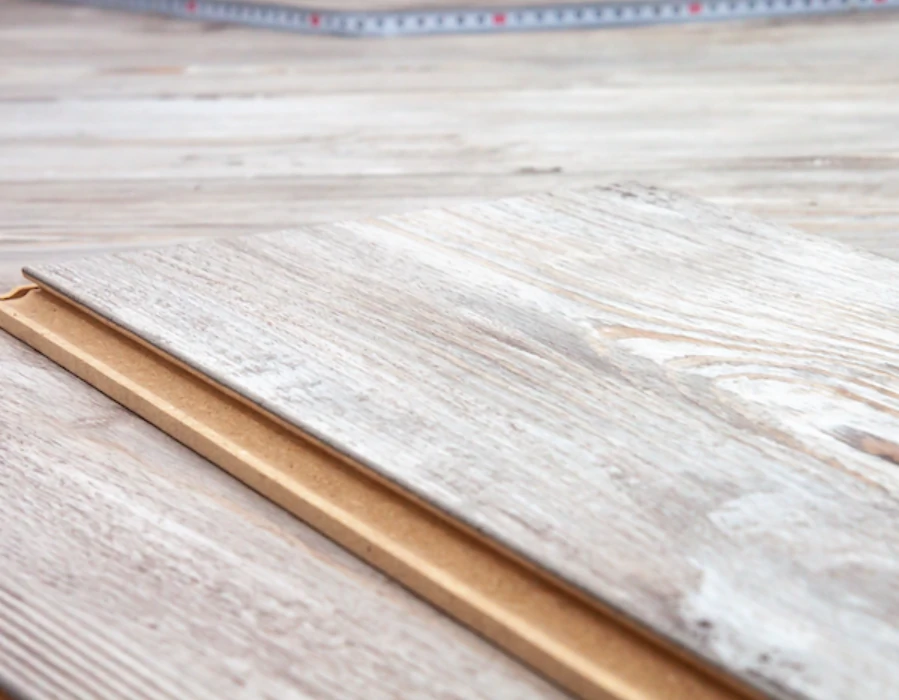
Ask the supplier to slice a sample on-site. Look at the exposed core. The fiber structure should be fine-grained, uniform in color, and free of dark spots or visible voids. Press the edge with your thumbnail. A board with solid density and resin content resists light pressure with no give — minimal depression, no powdering. Edges that crumble under mild force have density problems. No amount of edge banding fixes that.

Scratch resistance:
Find a low-visibility corner of a sample panel. Drag a coin or metal key across the surface with moderate pressure — 10 to 15 cm. A well-laminated melamine face leaves no visible white mark, or at most a mark that wipes off right away. Deep white scratching on a “showroom” sample signals the surface won’t hold up in a kitchen used every day.


The Water Test: Simple, Fast, Revealing

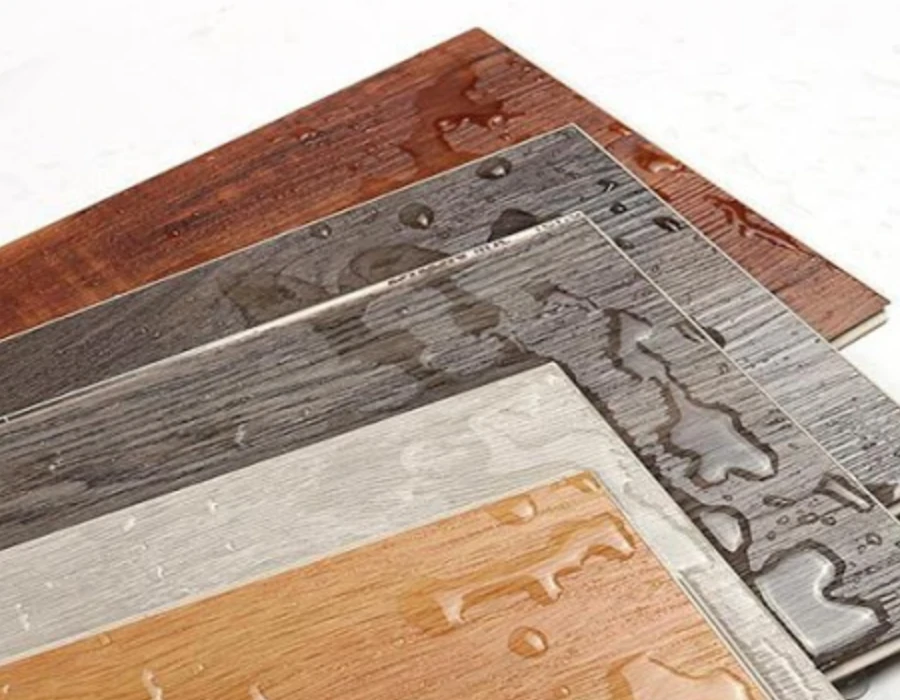
Ask to use a sample offcut or test an edge that won’t be visible. Drop 2–3 small amounts of room-temperature water onto a bare cut edge and the face at the same time.

  • 10–15 minutes in: Slight surface fiber raising on the bare edge is normal. Visible volume change under 1mm is acceptable.

  • Under 5 minutes: Swelling beyond 1–2mm, or visible face bubbling — that panel is not MR-grade, no matter what the label says.

Smell the board too. Fresh panels with high free formaldehyde release have a sharp, eye-irritating odor. Quality E1 and E0 boards use cleaner adhesive systems. The smell difference is real and you’ll notice it fast.


The Documents That Count

Suppliers will hand you certificates. What you need are the reports behind the certificates — stamped, numbered, with actual measured values.

Formaldehyde test report — non-negotiable items:
– Testing method stated: EN 717-1 (chamber method), EN 717-2, or ASTM E1333
– Actual measured value on the report — not just “E1 compliant”
– E1 ceiling: 0.124 mg/m³ (chamber) or 1.5 mg/L (perforation)
– E0: ≤0.5 mg/L
– Lab name, address, report number, and sample description matching the exact product you’re buying — thickness, color, face finish

Red flags in documentation:
– No laboratory name or official stamp
– “E1 certified” with no numerical result
– Sample description doesn’t match your spec — a report for 18mm raw board doesn’t cover your 16mm white melamine panel

Physical performance report — key figures to check:
– 24-hour thickness swell (TS24): quality MR-grade boards run ≤8–12%
– Internal bond strength (IB): ≥0.6 MPa for standard furniture-grade applications
– Edge screw-holding: ≥1,000 N minimum for cabinet hinge and hardware zones

What else to request in writing:
– Core type (MDF / particleboard / plywood-core)
– Density range (standard furniture MDF: 680–750 kg/m³; door panels or high-load: up to 800 kg/m³)
– Thickness tolerance — kitchen door panels should hold ≤±0.2 mm
– Face paper brand if available — suppliers using Schattdecor or Interprint paper show real production investment


Spotting Fake “Moisture-Resistant” Claims

This mistake costs workshops real money. A panel labeled MR, sold at MR pricing, but performing at standard MDF levels.

Genuine moisture-resistant MDF has specific, checkable markers:
– A 24-hour thickness swell figure in the technical datasheet — a real number, not a category label
– Core color with a slight green shift — the visible sign of hydrophobic resin addition (treat this as a supporting signal, not the only confirmation)
– Product name that separates “Standard MDF” from “MR MDF” or “HMR MDF”

No TS24 figure from a named laboratory? The “moisture-resistant” claim is just marketing. Run the water edge test yourself. Cut a small sample and submerge the corner for 30–60 minutes. Swells at the same rate as standard MDF? That’s your answer.

For Azerbaijan buyers: Ask where the board was made — not just the brand. Get the actual factory name and address. Suppliers with EU or Gulf export experience can produce EN or CARB-compliant documentation. Those without that background often can’t.


Batch Consistency: The Long-Term Test That Saves You

One good delivery proves nothing. Consistent deliveries over time prove a supplier.

Step 1 — Set your reference standard. Request 2–3 A3-size Samples per color, with batch number and production date noted. These are your benchmark.

Step 2 — Start with a controlled trial order. 20–50 sheets per specification (e.g., 16mm × 1,220 × 2,440mm). On delivery, photograph each panel, note the batch number, and pull 5–8 sheets from different layers. Stand them side by side. Color and grain should read as one consistent surface.

Step 3 — Cross-batch comparison at reorder. One to three months later, pull 5 sheets from the new batch. Compare them against your stored reference samples under the same lighting. The whole batch reading greyer, darker, or warmer? Production control on paper color or pressing temperature is off. That gap shows up on finished cabinets.

Step 4 — Dimensional spot-check every delivery. Use calipers on at least 10 sheets per batch. Thickness variance beyond ±0.3mm causes problems in precision frameless cabinetry. Check flatness too — stand the panel on a flat surface and see whether the center lifts more than 3–4mm across a 2.44m span. Warped incoming stock produces warped finished doors.

The suppliers worth staying with are the ones who don’t surprise you on the third order.

Buying Guide: Selecting The Right Moisture-Resistant MDF Supplier In Azerbaijan

Picking the right supplier in Azerbaijan’s MDF market comes down to one thing: comparing the right variables, not just the obvious ones.

Most buyers look at board price. The smarter move is landed cost — ex-works price plus inland freight, border handling, customs duties, local trucking, warehouse holding, and defect-return risk. A Turkish or Chinese import that looks 15% cheaper on the invoice can end up costing the same — or more — once you add up the full stack.

So what separates a reliable supplier from a risky one? Here’s what to look at.

Match the supplier model to your operation:

Custom workshops — put finish variety, low MOQ, and fast sample approval first. Ask for available thickness ranges and laminate compatibility before you commit.

High-volume cabinet factories — require documented batch-to-batch density tolerance, clear stock availability commitments, and a solid on-time fill rate history.

Contract and project buyers — certifications and technical documents come first. Get swelling figures, fire-performance options where needed, and formal density specs in writing.

Local stock vs. direct import — the real trade-off:

Local Baku suppliers give you shorter lead times, easier claims handling, and less working capital stuck in transit. Direct import gets you access to grades you won’t always find locally — moisture-resistant, fire-retardant, NAF-certified.

Neither option is the clear winner. Your order frequency and how much lead time risk your production schedule can handle — those two factors decide the right call.

Minimum checklist before placing any order:

Moisture-resistance test data with actual TS24 figures — not just a category label

Confirmed manufacturing method: moisture-repellent resin, paraffin additive, or both

MOQ, lead time, price validity, and volume-discount structure — all in writing

Production capacity per month and a track record of on-time delivery

References from kitchen, bathroom, or humid-environment projects

Long-term contract terms worth negotiating:

Lock in price for a set volume band. Get priority stock allocation for your peak production months. Set clear replacement criteria for swelling, warping, or surface defects before any order ships — not after a bad delivery lands on your floor.

The suppliers worth keeping are the ones who agree to all of this without pushback.

Common Mistakes Furniture Makers In Azerbaijan Make Sourcing Melamine MDF Boards

Price wins the argument. Until the cabinet fails.

That’s the pattern across workshops in Baku and beyond. Furniture makers lock in the cheapest quote, skip verification, and find out six months later that the board under the melamine face was never right for the job.

Here are the five mistakes that cost Azerbaijan furniture makers the most.

Buying on price without checking what’s inside the board. Two quotes for “melamine MDF” are not the same thing. The decorative face can sit on an MDF core, a particleboard core, or a plywood core. Each has different density, screw-holding strength, and moisture behavior. What you pay for matters less than what you get.

Accepting moisture-resistant claims at face value. Labels are easy. Proof isn’t. Ask for a documented TS24 figure from a named laboratory. No number means no verification. Unfinished cut edges absorb moisture no matter what the packaging says.

Ignoring heat exposure near stoves and ovens. Melamine surfaces handle everyday wear well. Direct heat is a different problem. Boards near cooking zones without confirmed heat-suitability discolor, warp, and delaminate. The client notices fast.

Skipping edge-band compatibility testing before production runs. Poor edge adhesion is where kitchen and bathroom cabinet failures begin. Moisture enters the cut edge and swells the core outward. The visible damage follows. Test edged samples before you commit to volume.

Missing formaldehyde documentation on the supplied batch. A generic catalog statement is not a compliance document. For commercial tenders, healthcare projects, or enclosed residential spaces, request the emissions declaration tied to the specific batch and board spec you’re ordering. A standard marketing sheet won’t cover you.


The cost logic is simple. A cheaper board that triggers remake work, edging rework, or full cabinet replacement after swelling or warping isn’t cheaper at all. In kitchen and bathroom builds, edge failures spread inward. A small moisture entry point turns into a structural problem.

Before your first order with any new supplier, run this sequence:

  1. Request flat panel, cut-edge, and edged samples from each candidate

  2. Confirm thickness (16–18mm for standard cabinet builds) and inspect face and edge consistency

  3. Collect written documentation: core type, coating type, emissions declaration

  4. Cut a sample edge and expose it to humidity for 24–48 hours — check for swelling or softening

  5. Drill and fasten a hinge to test for splintering, pull-out weakness, and edge crumbling

  6. Lock the approved sample, batch number, and thickness tolerance into your purchase order

That last step matters more than most buyers expect. No locked batch reference in the PO leaves nothing stopping a supplier from swapping a different core or grade on your second order.

Conclusion

Finding the right moisture-resistant Melamine Board in Azerbaijan is not as complicated as it seems. The furniture makers who produce durable, high-quality pieces are not working with bigger budgets. They’re just making smarter supplier choices — backed by technical knowledge and clear standards.

A good sourcing decision comes down to three things:

Verified moisture resistance ratings

Consistent thickness tolerances

A supplier who treats your business as a long-term partner, not a one-time sale

These three factors separate a smart purchase from an expensive mistake.

Baier has built its reputation in Azerbaijan’s furniture materials market by delivering on all three. Our team understands what furniture makers need — and we back that up with real product performance and reliable supply.

Stop second-guessing your board specs. Reach out to Baier’s team today for samples, pricing, and production-specific recommendations. We’ll help you find the right fit for your workflow and quality targets.

Your next great furniture line starts with the right panel.