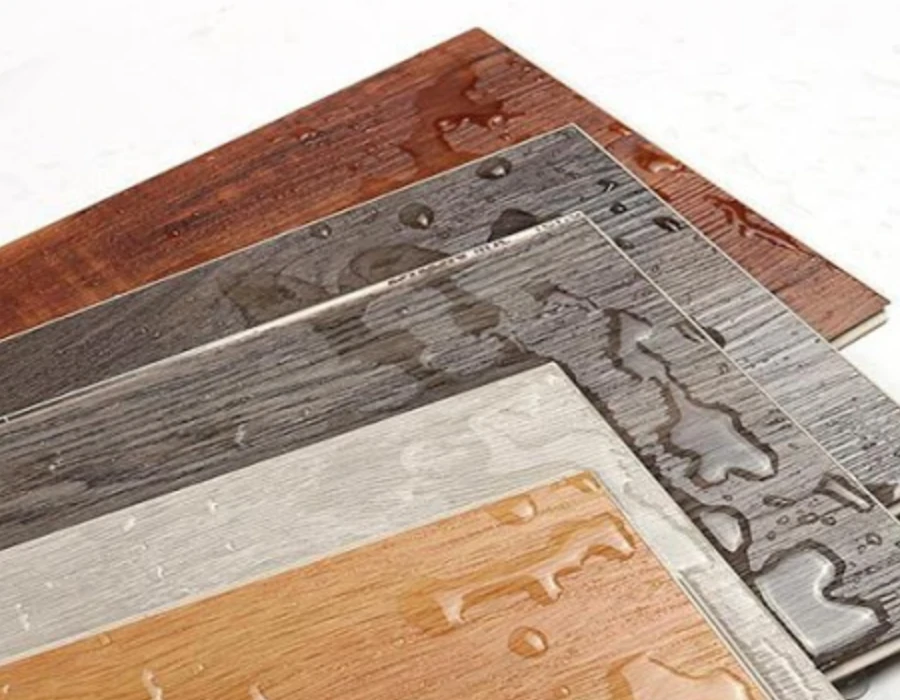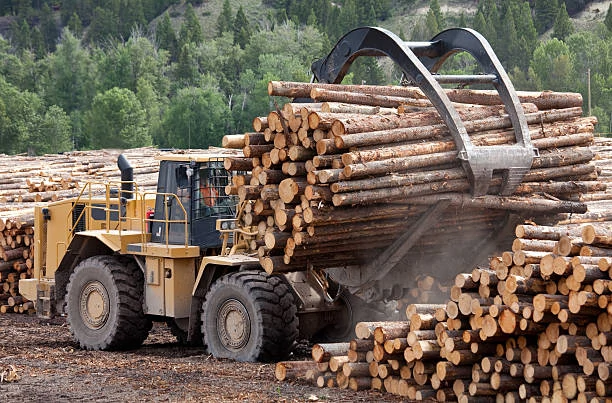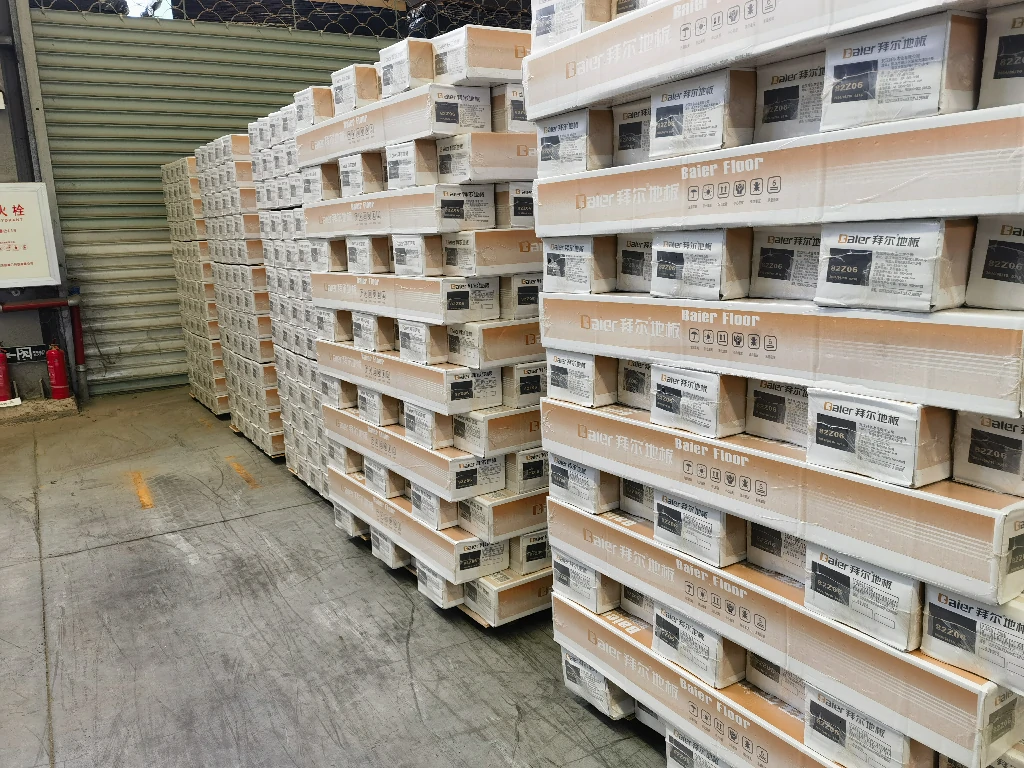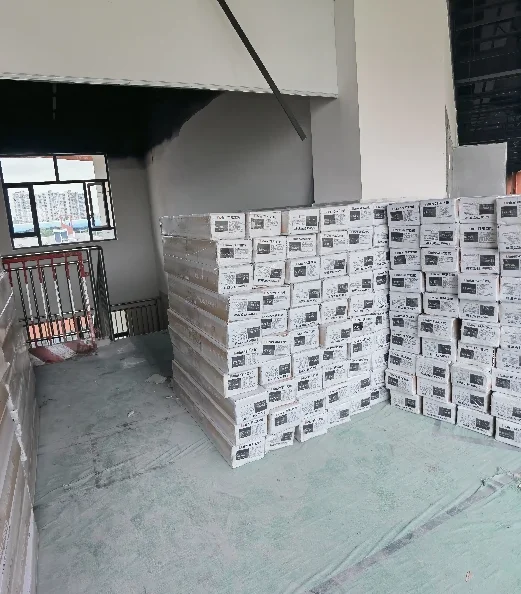
Bulk OSB procurement isn’t glamorous. But the decisions you make on a spreadsheet turn into real, physical structures. Get it right, and materials arrive on time, pass inspection, and slot into the build without issues. Get it wrong, and problems show up later — warped loads, rejected shipments, and compliance gaps that blow your project timeline.
The verification process is straightforward. You just need to know what to check before placing the order, not after. These five areas carry real weight in any bulk purchase:
Moisture resistance ratings
Thickness tolerances
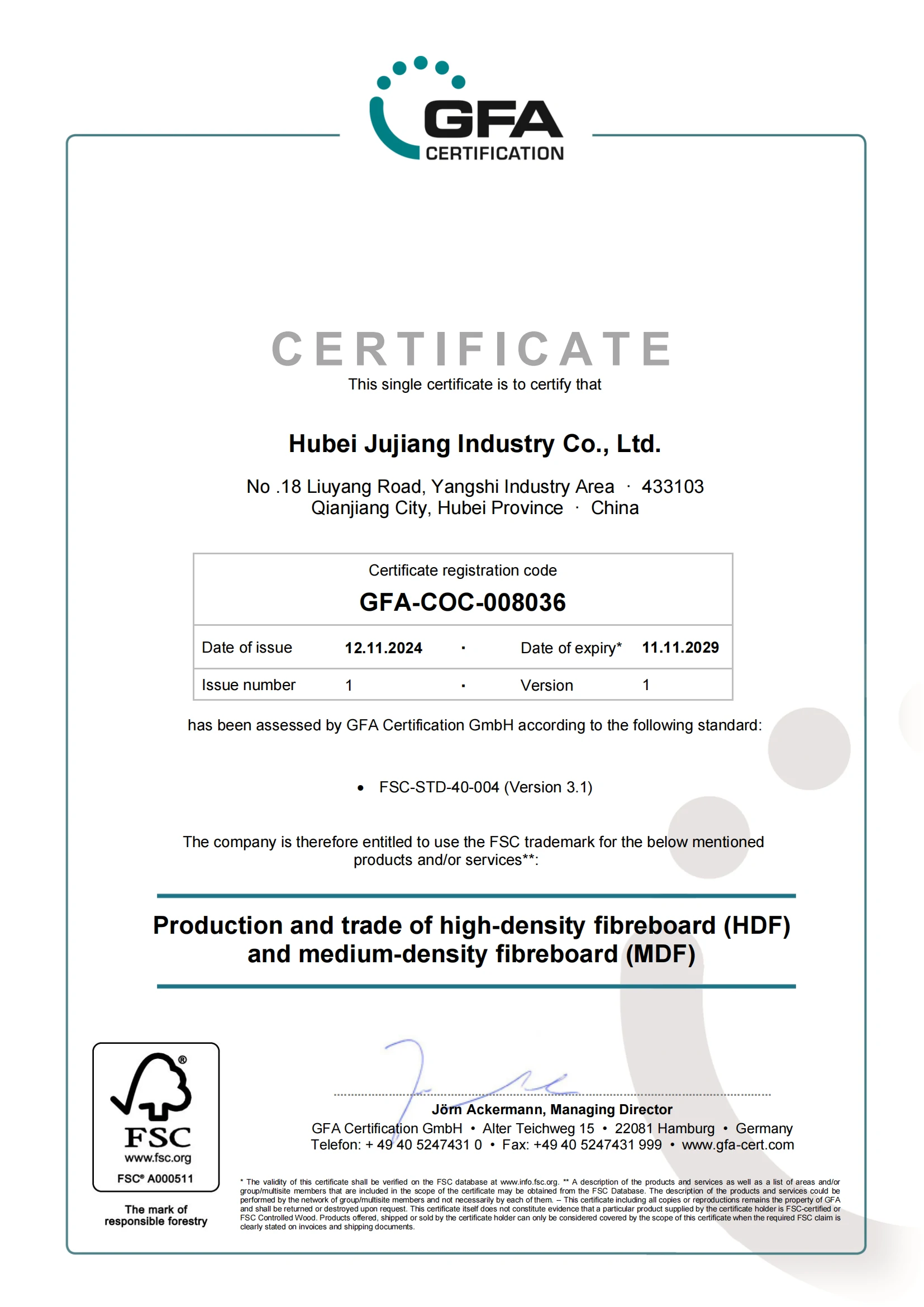
APA certification
Supplier due diligence
This guide gives you clear, practical answers — not vague reassurances. It’s built for buyers who need to get it right the first time.
Confirm the Right OSB Grade Before You Commit to a Bulk Order
OSB grade isn’t a formality — it’s the foundation every other decision sits on.
The grade stamp on each panel gives you the key information upfront: the APA rating, the span rating (like 24/16, meaning 24″ roof spacing and 16″ floor spacing), the exposure classification, and the mill ID. Numbers that don’t match your project specs before the order is placed won’t fix themselves after a truckload arrives on site.
A few things worth confirming at this stage:
Span rating — higher ratings support greater spacing between structural members. Match this against your engineer’s load calculations before ordering.
Exposure rating — Exposure 1 handles typical moisture delays during construction. Know your site conditions before choosing the cheaper option by default.
B-Grade OSB — performs the same as A-grade in structural terms, with minor cosmetic differences. For sheathing and subflooring in bulk orders, it’s a solid way to protect your budget without giving up performance.
Pull the technical data sheets and any third-party certification documents before you commit. Grade verification is quiet, unglamorous work — but it’s the kind that keeps a project on track.
Verify Structural Specifications Before Production Starts
Structural verification isn’t something you check at the end — it belongs at the start, before a single panel gets cut.
The logic is straightforward. Deviations caught at 5–20% of production output cost far less than those found at a full run. Industry data shows that unchecked production lines carry defect rates between 10–30%. For a bulk OSB order, that’s not a minor quality issue — that’s a structural liability.
Talk to your supplier before production begins. Confirm these specifics upfront:
Dimensions and thickness tolerances — check against your project specs, not the supplier’s defaults
Raw material compliance — strand composition, resin content, and panel density must match the grade you ordered
Production equipment suitability — machinery should be calibrated for your specified panel thickness and volume
First-batch sample review — request physical samples from the first run and compare them against your approved specs
Document every deviation. Even minor ones matter. Small dimensional gaps in early batches often signal bigger consistency problems across the full shipment.
Request Mechanical Performance Data and Referenced Test Standards
Mechanical performance data is where vague supplier claims meet hard numbers. The gap between the two is where bulk orders go wrong.
Before placing a volume order, ask your supplier for documented test results tied to recognized standards. For OSB panels, the key performance parameters include:
Modulus of elasticity (MOE) — measures panel stiffness under load
Modulus of rupture (MOR) — indicates bending strength before failure
Internal bond strength — measures how well strands hold together under stress
Thickness swell rate — critical for applications exposed to moisture
Check which test standard each figure references. Reputable suppliers cite specific, traceable methodologies. They don’t rely on internal benchmarks that only their own team can verify.
Ask this directly: Were these results generated by an independent third-party lab, or done in-house? Third-party testing carries far more weight in any compliance or dispute situation.
A supplier who can’t produce referenced test data on request is sending you a clear signal — and you’re getting that signal before the panels ever leave their facility.
Check the Moisture Resistance Rating for Your Installation Environment
Moisture is the quiet variable bulk buyers underestimate — until a warehouse full of panels starts swelling.
OSB moisture resistance isn’t one fixed property. It changes based on where the panels will actually be used. A board that works well in dry residential framing can break down fast in a semi-exposed commercial build or a high-humidity coastal project. Match the panel’s rated classification to your real exposure conditions before you order at volume.
The core classifications to confirm:
OSB/2 — load-bearing use in dry conditions
OSB/3 — the most common choice; rated for humid conditions and general structural use
OSB/4 — heavy-duty load-bearing in high-humidity environments
For substrate moisture, ask for test documentation referencing ASTM F2170 (relative humidity ≤75%) or ASTM F1869 (calcium chloride ≤3 lbs/1,000 sq ft/24hr).
One principle worth keeping: spec for your worst-case exposure scenario, not average conditions. Your project sits between two classifications? Go with the higher protection level. Volume orders don’t leave room for second guesses.
Check Formaldehyde Emissions Compliance for Your Target Market
Formaldehyde limits differ by market. Meeting the rules in one country does not mean you meet them in another.
The standards you need to hit depend on where the materials are installed or sold. Get this wrong at volume, and you face import blocks, forced recalls, or failed inspections — with no easy way out.
The two frameworks that matter most:
US TSCA Title VI / CARB Phase 2 — OSB and composite wood panels must meet ≤0.05 ppm emissions. All regulated products need labeling and third-party certification through an EPA-recognized TPC (like SCS Global Services). This rule has been in force since June 2018.
EU REACH Annex XVII — Building materials must stay at or below 0.080 mg/m³, tested through ECHA-recognized chamber methods. Enforcement starts August 6, 2026 — but your supply chain must be compliant before that date, not after.
Before placing your bulk order, confirm:
Which market the panels are going to
Whether the supplier holds active TPC certification (US) or chamber test documentation (EU)
That finished goods carry the correct labels per TSCA Title VI requirements
Non-compliant shipments don’t get a grace period — they get held.
Define Packaging and Storage Requirements Before Shipment
Panels can pass every quality check and still arrive damaged — packaging is the most common reason.
Check that your supplier’s packaging matches the real conditions your order will face in transit. OSB is heavy. It’s moisture-sensitive. It’s also prone to edge damage under stack pressure. Standard wrapping often falls short.
Check these specifics before the order ships:
Moisture barrier wrapping — panels need a sealed barrier against humidity during transit. This matters most for ocean freight or open-truck delivery
Edge and corner protection — bulk pallet loads shift on the road. Unprotected edges crack and compress under that movement
Stack load capacity — check that the pallet layout won’t put too much weight on bottom-layer panels. Bowing is a real risk with heavy stacks
Storage at the supplier’s facility — panels sitting in damp or low-airflow warehouses absorb moisture before they even leave. Ask where your order is stored and for how long
Request the supplier’s standard packaging spec sheet. No spec sheet? That’s worth paying attention to.
Verify Sample Panels Before Placing the Bulk Order
Paper specifications tell part of the story. The panel itself tells the rest.
Before locking in a full bulk lumber order, request physical Samples from your supplier. Inspect them carefully. This is one of the most direct forms of engineered wood panel quality control available to buyers — and one of the most skipped.
Check these as soon as samples arrive:
Visual and dimensional inspection — measure actual thickness against the stated tolerance. Run your hand along the edges. Look for delamination, surface voids, or inconsistent strand density. These issues show up at this stage.
Label verification — confirm the OSB grade specifications, batch number, and certification markings match what was agreed in writing. No gaps, no missing details.
Moisture condition on arrival — panels that feel heavy or show edge swelling have been compromised in transit or storage. Do not accept them without flagging the issue.
Keep one approved sample signed and dated. Store it on your end. Send a matching set to your inspection contact. This split-sample approach makes comparison straightforward during pre-shipment inspection. It also removes any confusion about what “approved” means if a dispute comes up later.
A supplier who cannot provide samples before a bulk order is a red flag worth taking seriously.
Evaluate Supplier Reliability and Production Capacity Metrics
Supplier reliability isn’t a feeling — it’s a number. Before placing a bulk OSB order, ask for the metrics that reveal how a supplier holds up under pressure.
Four figures tell most of the story:
On-Time Delivery (OTD) — industry benchmark is >95%. Below that, your project schedule takes the hit
OTIF (On-Time In-Full) — tracks both delivery timing and full quantity. Anything under 90% points to chronic partial shipments
Defect Rate — target <2% per batch. Higher rates bring rework, returns, and delays you didn’t budget for
Lead Time Variability — solid suppliers stay within 10% variance. Wide swings push you to carry more buffer stock than you need
Score your supplier before you sign. Weight OTD and OTIF at 40%, defect rate at 30%, capacity metrics at 20%, and financial stability at 10%. Any supplier scoring below 8/10 on that combined scale needs a closer look.
Lock Down Order Terms: MOQ, Lead Time, Packaging, and Shipping Conditions
Order terms are where good intentions meet hard reality. Bulk OSB orders fall apart fast when the details aren’t in writing.
MOQ isn’t a fixed wall. Your supplier’s minimum feels too high? Ask for their cost structure. Knowing where their fixed costs sit gives you real leverage. A phased approach works well here — propose a pilot batch first, then commit to scaling up based on quality outcomes. Suppliers with strong credentials and growth potential often run trial programs at reduced minimums. Ask. It costs nothing.
To find a workable MOQ, start with this baseline: expected demand during lead time + safety stock. Cap that number by your cash flow and storage limits. That figure stops you from overcommitting on the first order.
Lead time needs a buffer — this is critical for international shipments. Ocean freight, customs clearance, and documentation can add several weeks on top of the supplier’s quoted production window. Factor that in before you lock your project schedule.
On Incoterms — choose with care. EXW, FOB, and CIF each shift cost and risk at different handover points. Here’s what matters:
Model the full landed cost before you compare supplier quotes
Include customs duties and import compliance in that calculation
A cheaper FOB price can turn into a costly outcome once port fees and clearance costs stack up
Get all of this into the purchase agreement before production starts:
MOQ thresholds
Lead time commitments
Packaging specs
Shipping terms
Verbal confirmations mean nothing. A shipment that arrives two weeks late and three pallets short will prove that fast.
Build In Contractual Protections: Inspections, Penalties, and Quality Claims
A good supplier relationship is nice. A good contract is better.
Placing a bulk OSB order? Your purchase agreement is the last real line of defense — and most buyers don’t invest enough in it. Get these protections written into your contract before anything ships.
Inspection rights come first. Your contract should give you access to inspect materials at the supplier’s facility at any reasonable time — before, during, and after production. That means the right to examine, measure, and test panels. Not just walk the floor. Find nonconformities on the first inspection and need a second visit? Those reinspection costs go to the supplier, not you.
Penalties need to be specific. Vague language like “timely delivery” means nothing when a shipment arrives ten days late. Use liquidated damages clauses instead. These set a fixed amount deducted from the contract price for each day of delay or nonperformance. No number, no teeth.
Quality claims require documentation. Your agreement should include:
Mandatory submission of test reports and certification documents
Clear deviation notification rules — any spec variance needs your written approval before production moves forward
A notice-to-cure process that gives the supplier a set window to fix problems before you pursue broader remedies
Keep complete inspection records on your end — stored digitally works best. A warranty dispute surfaces months later? That paper trail is what protects you.
Confirm Local Building Code Compliance and Installation Requirements
Building codes don’t wait for you to catch up — and neither do inspectors.
Before your OSB panels arrive on site, confirm which version of your local code is in force. California’s Title 24, for example, published its 2025 edition on July 1, 2025. Mandatory enforcement starts January 1, 2026. Local jurisdictions get a 180-day window to adopt amendments. Those amendments can go beyond state minimums — especially for seismic zones, wildfire areas, and energy performance.
What to verify before ordering:
Which Title 24 Part covers your project type (Part 2 for commercial structures, Part 2.5 for 1–2 family residential)
Whether your installation environment triggers Chapter 7A fire hazard requirements — OSB sheathing in high-fire zones must meet stricter material standards
That your structural panel standards match local framing inspection checkpoints: foundation, framing, and final
Call your local building department. Ask about amendments, not just state minimums. That one conversation can save you from a failed framing inspection — and the unplanned time it takes to fix it.
Common OSB Purchasing Mistakes That Lead to Expensive Claims
Claim denials on bulk OSB orders follow a pattern. It almost always starts before the panels leave the supplier’s facility.
The mistakes are rarely dramatic. They’re quiet ones: a policy based on purchase price instead of replacement cost, a grade certificate no one thought to request, a deductible that looked reasonable on paper until the damage was real. Industry data puts claim denial rates 20–30% higher on bulk OSB orders where APA certification wasn’t verified upfront. That’s not bad luck. That’s a documentation gap.
The mistakes that come up most often:
Insuring at purchase price, not replacement cost. OSB panels averaged $400–600 per MSF in 2025. Construction costs move fast. A policy based on what you paid two years ago won’t cover what it costs to replace materials today. Review your coverage limits on a set schedule — not just after something goes wrong.
Skipping grade certification verification. Panels without traceable APA-rated documentation fail load tests at a much higher rate. Insurers then have clear grounds to deny the claim in full. Don’t give them that opening.
Ignoring policy exclusions. Bargain coverage often strips out water damage, debris removal, or specific damage types. That exclusion saved you on premiums. It also costs ten times more once a shipment arrives compromised. Read the fine print before you sign, not after.
No pre-shipment documentation. Timestamped photos, inspection reports, and certification records are what turn a dispute into a payable claim. Without them, you’re negotiating from memory — and memory doesn’t hold up in a claims review.
The pattern is fixable. Verify certifications, document everything before shipment, and read what your policy excludes — not just what it covers.
Quick-Reference Bulk Order Verification Checklist
Every detail in this guide comes down to one simple question: did you check it? Run through this checklist before you confirm any bulk OSB order.
Documentation – OSB grade stamp matches project specs – APA certification or equivalent third-party document is on file – formaldehyde emissions meet compliance standards (CARB Phase 2 / EU REACH) – Purchase order terms match the supplier quote — line by line
Structural & Physical Specs
– Thickness tolerances checked against project drawings
– Moisture resistance rating (OSB/2, OSB/3, or OSB/4) fits the installation environment
– Mechanical performance data — MOE, MOR, internal bond — comes from an independent lab
Supplier Verification
– OTD rate exceeds 95%; OTIF stays above 90%
– Defect rate sits below 2% per batch, with records to prove it
– Physical samples reviewed and signed off
Shipment Readiness
– Packaging spec sheet received and reviewed
– Moisture barrier wrapping suits the transit conditions
– Pre-shipment inspection rights are in the contract
Keep this list somewhere easy to reach — not buried in a folder you’ll dig up after the truck pulls away.
Conclusion
Bulk OSB orders don’t fail at the jobsite. They fail weeks earlier — the moment someone skips a verification step because a deadline felt tight or a price looked too good to pass up.
The buyers who avoid bad claims aren’t more experienced. They’re more careful. They confirm OSB grade specifications before production starts. They hold samples before approving shipments. They also build real teeth into every contract — inspection rights, penalty clauses, and clear quality benchmarks that protect them when things go wrong.
That’s the full framework this guide has covered.
Now, take action. Download the quick-reference checklist. Share it with your procurement team. Make it a required step before you sign off on your next bulk lumber order.
The right panel, verified and installed with confidence — that’s not just smart purchasing. That’s how solid structures get built.