
If you’re staring at a quote for structural plywood right now and wondering whether to sign off on it or wait another month, you’re not alone. The Australian plywood market has been unpredictable. 18mm formwork sheets that cost one price in January can look very different by the time your project reaches pour stage, and the gap between local hardwood plywood and imported stock has widened enough to move your budget line.
We break down actual sheet price ranges by thickness and grade, flag the supply chain pressure points (port delays, import dependency, currency swings) that could bite in the next two quarters, and provide a clear framework for deciding whether to lock in pricing today, hold off, or look at alternative suppliers. If you’re the one signing the purchase order, this is the data you need before your next price negotiation.
Australia Plywood Prices: Current Sheet Rates by Thickness, Grade and Application
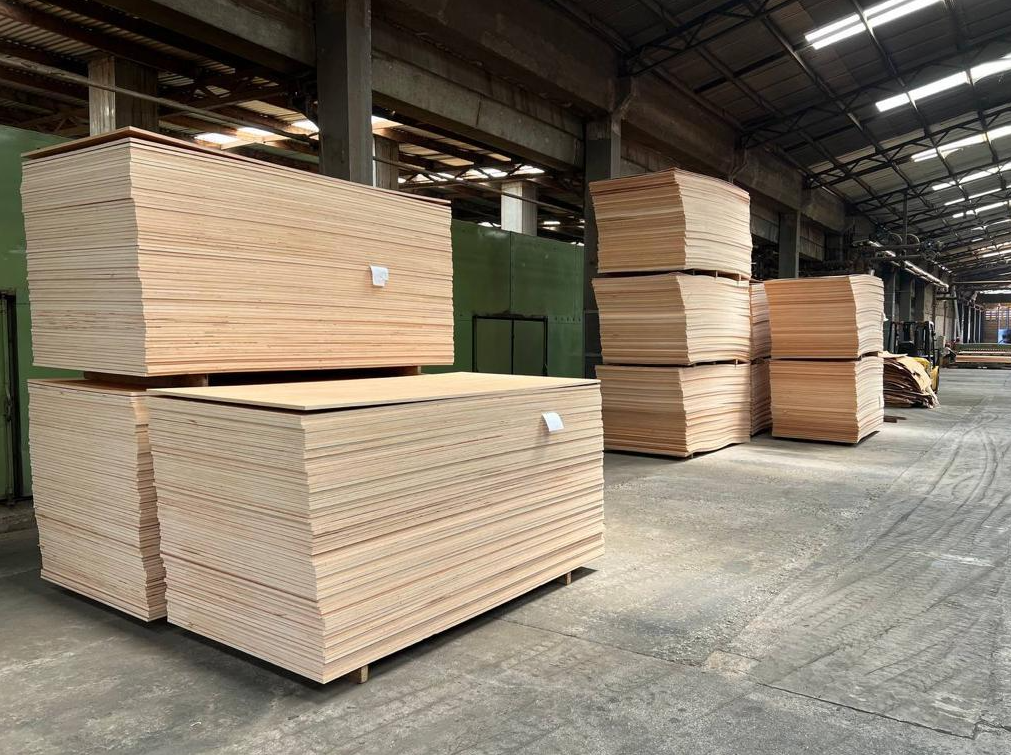
Here is what you will pay per sheet right now, broken down by project type.
Internal furniture, shelving and cabinetry: A full sheet of 12mm pine BC benchmarks at A$45–46. Adding a hardwood or decorative face drives that price up quickly.
Structural wall bracing and general construction: Standard 2400 × 1200mm sheets in 12mm F8 CD run about A$58, while F11 sits closer to A$64. Stepping up to 18mm brings the cost to A$83 for F8 CD and A$95 for F11.
Structural flooring and heavy-duty panels: The same 18mm F8 and F11 pricing applies here. If your engineering spec allows any flexibility, sheet thickness is your clearest lever to control costs.
Marine and continuously damp applications: Imported stock drives the market here. A 12mm BS1088 marine sheet in Keruing or Okoume costs A$95–100 ex GST, rising to A$135–140 ex GST for 18mm. Keep in mind that these trade quotes from specialist suppliers exclude GST.
Concrete formwork plywood: A 17mm F17 FormPly sheet sells for A$90+ ex GST, dropping to about A$85 per sheet on orders of 10 or more.
What this means for bulk buyers: Buying 10 or more sheets of marine plywood drops the price by A$5–10 per sheet, which works out to a 5–8% saving across standard 6–18mm panels. On a multi-unit fitout, that discount adds up fast.
One trap to avoid: Project panels look cheap on the shelf, but they cost far more per square metre. A Bunnings 1200 × 596mm sheet of 18mm pine runs A$51–71, whereas a full 2400 × 1200mm structural sheet in the same thickness is A$83–95. Calculate the square-metre rate before ordering.
Factor in freight as well, because regional delivery adds a noticeable surcharge to these baseline figures.
Plywood Price Movement in Australia: Six-to-Twelve-Month Signals and Cost Drivers
Market data outlines the recovery ahead clearer than sentiment. The Australian plywood market is tracking toward a 1.0% CAGR through 2035 following a sharp decline in 2024. Another industry estimate values the market at US$1.5 billion in 2025, with 4.13% annual growth through 2034. That moderate upward drift gives buyers breathing room when deciding whether to lock in prices.
Import Costs Are Actually Softening
Non-coniferous plywood imports averaged US$1,338 per tonne over the latest 12 months, down 1.23% year on year, while bamboo and laminated-wood imports rose 0.88%. Commodity-level plywood import Australia pricing is not tightening. Landed costs present a separate challenge, as freight rates, container availability, fuel surcharges and a softer Australian dollar can lift delivered prices even while offshore rates stay flat.
What Could Still Move Prices
Three levers to watch over the next two quarters:
-
Currency: A weaker AUD immediately raises the local cost of imported panels, veneers and adhesives.
-
Sawlogs: Domestic log costs are rising in nominal terms and flat in real terms, creating steady pressure on hardwood plywood supply.
-
Asian supply disruption: Previous disruptions pushed timber prices up roughly 30%, and timber supply chain Australia remains exposed to offshore shocks.
Structural, marine, FSC-certified and formaldehyde-compliant grades will hold premiums longer than general-purpose sheets. Standard radiata-pine stock is more likely to stay flat or soften if distributors are sitting on inventory.
Australian-Made vs Imported Plywood: Landed Cost, Lead Time and Compliance
An ex-GST quote of A$15.85/m² for imported BS1088 marine plywood looks cheap next to Australian-made structural sheets, until you calculate the full landed cost.
Compare delivered square-metre costs directly. A standard 2400 × 1200mm sheet equals 2.88m². Domestic 12mm structural plywood at A$56.50 a sheet works out to A$19.62/m², while a 17mm sheet at A$79.85 comes to A$27.73/m². The imported A$15.85/m² figure rises to A$17.44/m² with GST, even before you tally ocean freight, marine insurance, port fees, customs brokerage, biosecurity charges and duty. Add A$2.18/m² to cover those freight and handling expenses, and the imported price gap closes against the 12mm domestic sheet.
Lead times favour local stock. Australian suppliers quote 1 business day for local trade delivery and 2–8 days Australia-wide. Imports add factory production schedules, ocean transit, port release and biosecurity inspection. If schedule delays carry financial penalties, factor safety stock into your project budget.
Structural compliance requires formal testing. A BS1088 rating does not meet Australian structural standards on its own. Require written verification against AS 2271 or your project-specified standard, along with current FSC/PEFC certification scope. Printed “marine” and “exterior” labels do not satisfy building code requirements.
Source locally unless imports land 15–20% cheaper with every fee included. Turn to overseas suppliers only when buying container-scale volume backed by complete compliance documentation. Buyers evaluating additional overseas options may find Brazil’s plywood export structure a useful comparison point.
Australia Plywood Supply Chain: Import Exposure, Port Risk and Local Capacity
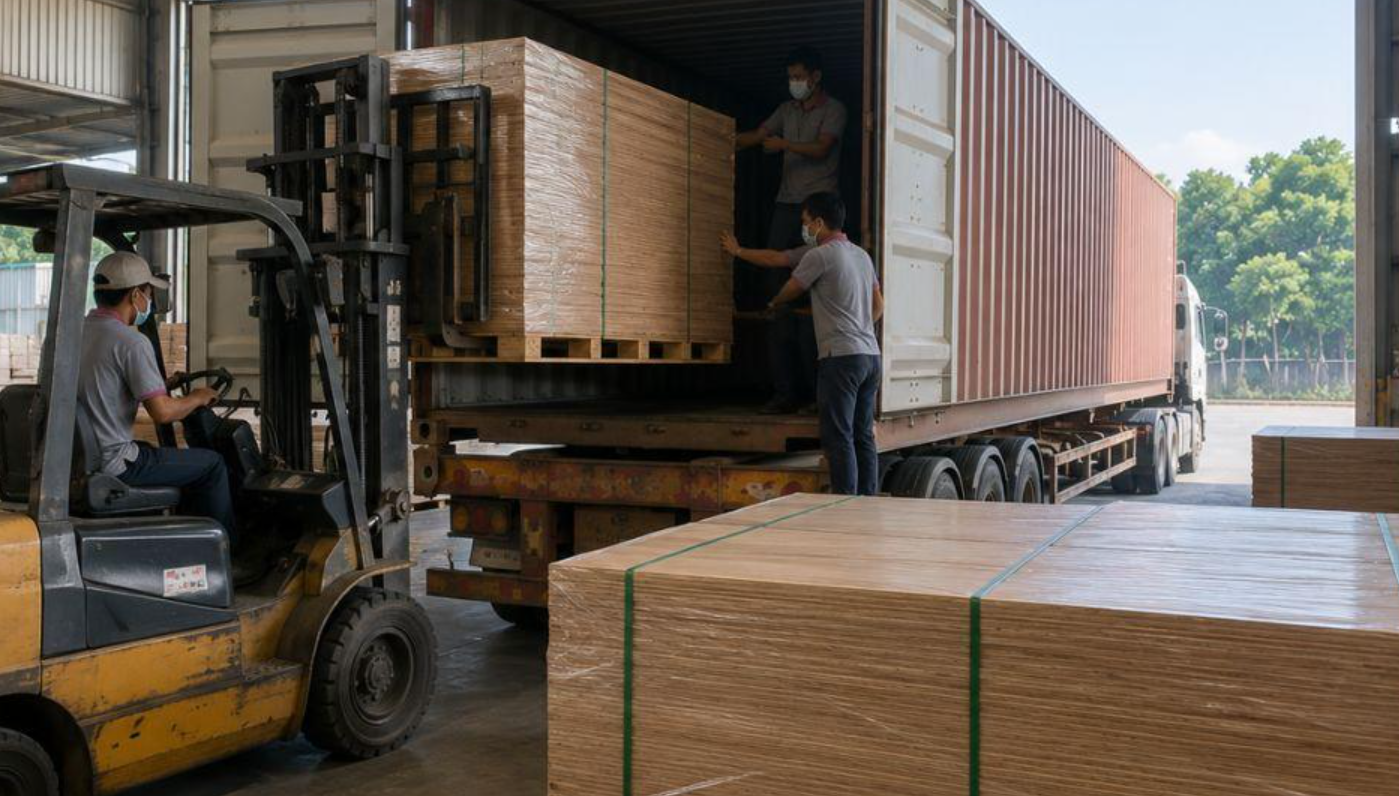
China controls this market more than most buyers realize. Plywood sits inside HS 4412, Australia’s largest wood-product import category at roughly US$792.8 million in 2025, out of US$3.011 billion in total wood-product imports. China alone supplied 43.8% of that total, worth about US$1.318 billion.
Under HS 441233 (plywood with non-coniferous outer plies), that concentration peaks. China held 95.16% of import value and volume in the latest 12-month period, with imports up 7.58% year-on-year by volume. Malaysia, the next-largest supplier, covered 1.87%. There is no meaningful plan B at scale.
Port and Freight Exposure
Plywood moves as containerized cargo, meaning freight exposure compounds quickly across port congestion, vessel delays, container shortages and inland trucking bottlenecks. Build in 8–12 weeks of safety stock for structural grades, and qualify suppliers across at least two countries—drawing lessons from Chile’s radiata pine plywood supply chain—rather than concentrating orders in a single Chinese province.
Local Capacity Is Real but Limited
Local manufacturing centers on Porta/STRUCTAply in Myrtleford, Victoria, and Big River Group, operating mills at Grafton and Wagga Wagga, NSW. Grafton has produced plywood since 1936 and remains Australia’s only hardwood processor making eucalyptus plywood at scale. That production covers structural, hardwood and formwork panels, but it cannot supply every thickness, face species or marine grade. Imports still fill the gaps.
Australian Plywood Construction Demand: Housing, Commercial Work and Infrastructure
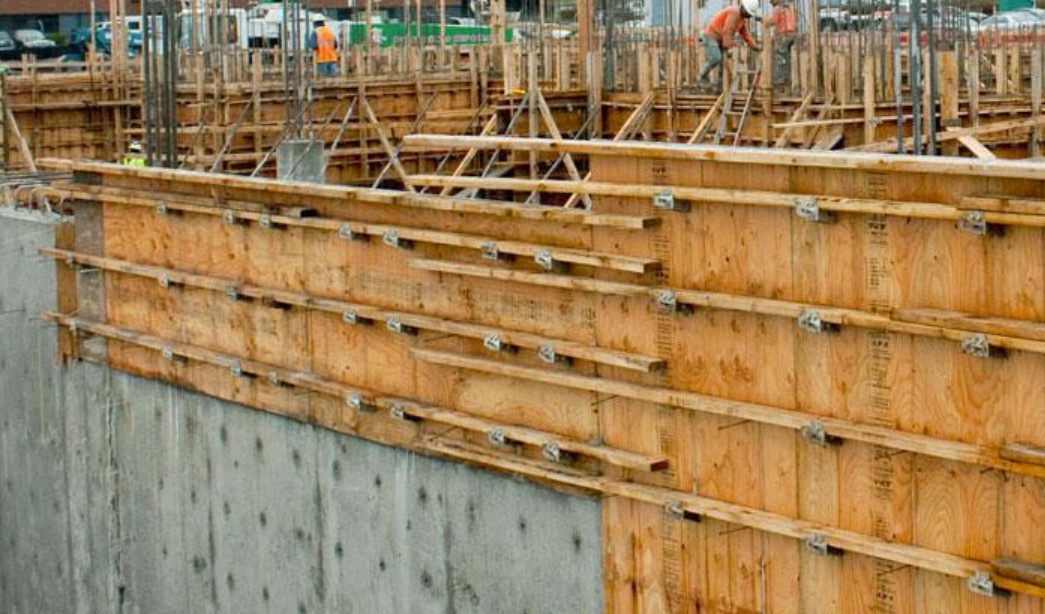
Australia’s construction market reached A$318 billion in 2025, up 3.8% year on year, and the breakdown shows where plywood demand is heading next.
Housing Shifts Toward Apartments, Not Detached Homes
Dwelling approvals jumped 15.9% in 2025, led by multi-unit projects. In June 2025, multi-unit approvals surged 33.1% to 7,594, while private-house approvals fell 2.0% to 9,142. May followed a similar pattern with 15,212 total dwellings approved, split between 9,454 houses and 5,571 non-house dwellings, representing A$9.28 billion in residential building value.
This shift directly shapes plywood forecasts because apartments require far more panel product per site than detached houses. Projects need substantial volume for slab and core formwork, structural plywood across Australia, flooring substrates, wet-area panels, interior fit-outs, and site hoarding. Suppliers tied strictly to detached housing can expect flatter volumes, while those supplying multi-residential sites will capture the ongoing demand. Meanwhile, timber and joinery input costs rose 1.8% year on year through Q3 2025, pushing buyers toward suppliers with certified stock and predictable pricing.
Commercial and Infrastructure Add Pressure
Non-residential approvals hit A$7.23 billion in June, up 15.0% month on month, driven by data centres, education, warehouses, and health facilities, particularly across NSW and Victoria. Infrastructure spending on transmission lines, water projects, and renewables is pulling demand toward formwork plywood for heavy-duty pours, bridge work, and tunnel temporary works. WA, SA, and Queensland lead these pipelines, making them priority markets if you are sourcing or negotiating supply now.
Structural, Formwork and Specialty Plywood: Comparable Specifications and Price Bands
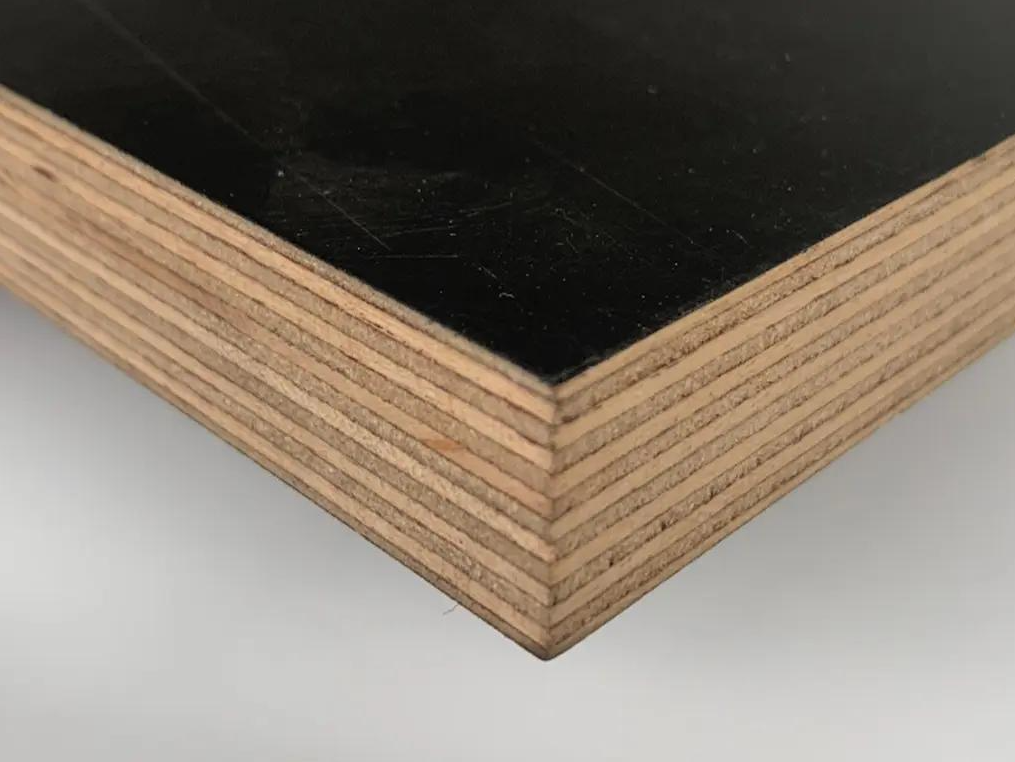
Stress grade drives pricing far more than most buyers expect. F8, F11, F14, and F17 all fall under AS/NZS 2269, but lining them up side by side reveals very different procurement costs.
F8 structural plywood: Ordering pack quantities of 68–108 sheets (7–15mm) keeps pricing down to A$13.50–17.90/m². Buying loose 2700 × 1200mm sheets pushes that to A$19–35/m², depending on thickness.
F11 structural plywood: Priced per 2400 × 1200mm sheet, starting at A$44 for 7mm and reaching A$119 for 25mm. The 18mm thickness sits at A$95.
F14 hoop pine: Built with an A-Bond phenolic glue line for load-bearing applications, pricing ranges from A$39 for 7mm up to A$115 for 25mm.
F17 structural formply: Under AS/NZS 6669, 17mm phenolic film-faced sheets cost A$78–85 each, which works out to A$27–29/m² for a 2.88m² sheet.
Non-structural film-faced formply: A cheaper option at A$55–69 per sheet (9–17mm), though it carries no structural certification.
Imported formwork plywood: Bulk container listings quote US$5.83–15 per sheet before freight, duty, and compliance verification. Those figures look appealing until you calculate the final landed costs. Understanding Incoterms like FOB, CIF and DDP helps clarify who bears these charges.
Bottom line for procurement: Demand written AS/NZS 2269 or AS/NZS 6669 certification with every quote. A “structural” label on its own proves nothing.
Australian Plywood Suppliers and Local Supply Benchmarks
Five names come up regularly when you call around for quotes. Plywood & Panel in Darra, Queensland stocks Austral Hoop Pine, ECOPly and Shadowclad, with next-day delivery across South-East Queensland. In Melbourne, Plyco manufactures and retails panels from under 1mm through to 40mm, carrying birch, bamboo and hardwood-faced stock in 2440 × 1200mm, 2745 × 1200mm and 3100 × 1220mm formats, with Australia-wide delivery. Sydney’s FA Mitchell supplies EWPAA-audited, face-stamped panels certified to AS/NZS 2269 with mill-of-origin codes. Allmat serves South Australian trade channels with structural, non-structural and marine stock, while Plyoz in Zetland wholesales imported plywood built to Australian spec in ISO 9001:2015 plants.
Pricing benchmarks sit right where you would expect. FSC-certified and Super E0-rated F11 structural pine at 2400 × 1200 × 15mm runs A$70.10 per sheet, and stepping to 19mm lifts that to A$85.00. Plyco’s retail entry points start around A$15.89, with flooring-grade sheets from A$79.53. These figures give you a solid baseline for floor prices, though not a job-specific quote.
Before ordering, always ask for AS/NZS 2269 documentation, the EWPAA stamp, verified stress grading (F11 is the common plantation-pine benchmark), Super E0 emissions testing, and FSC/PEFC chain-of-custody where sustainability reporting matters.
Australia Plywood Procurement Timing: Lock Price, Wait or Switch Materials
Numbers settle this debate better than instinct. Australian plywood imports reached 544,156 m³ in the year to April 2026, up 31.1% year-on-year. China supplied almost 80%, Indonesia 6.8%, and Chile 3.4%. The weighted average import price sat near AUD FOB 877/m³, and buying picks up once quotes drop toward AUD FOB 900/m³. Rolling 12-month imports passed 500,000 m³ in January, up 21.8%. Structural timber rose 2.85% quarter-on-quarter and 8.29% year-to-date, but heavy import volume keeps a lid on that pressure.
Split your procurement across the schedule:
-
Lock 50–70% of confirmed volume if delivered pricing beats AUD FOB 877–900/m³ after freight, duty, and storage, and your project has fixed install dates.
-
Leave 30–50% open when delivery sits 6–10 weeks out. Soft housing starts and rising import supply keep near-term spike risks low.
-
Lock early on structural, marine, fire-rated, or certified panels. These absorb freight and currency swings hardest.
-
Buy spot or staggered on standard 2400 × 1200mm sheets held in local stock.
When to Hold Off
Don’t commit if the project start is more than 10 weeks away, the quote carries an open-ended freight surcharge, or the supplier offers an estimated arrival instead of confirmed physical stock. Require written stock reservations instead of verbal holds.
When to Switch Materials
If plywood pricing runs 10–15% over budget or lead times threaten your program, evaluate OSB for sheathing, MDF for interior joinery, or structural timber and LVL for framing details. Each option requires engineering sign-off before substitution.
Plywood Quotation Normalisation for Australian Projects
Two quotes for “18mm structural plywood” can differ by 40% and both be accurate, because suppliers are pricing entirely different specifications. Lock down the exact scope before comparing numbers.
Require every quote to specify:
-
Panel size: 2400 × 1200mm standard; flag 2440 × 1220mm imports (about 3.5% more area)
-
Thickness: nominal mm: 3.6, 7, 9, 12, 17, 18, 19, 25
-
Product class: structural, non-structural, marine, formwork, flooring, or film-faced
-
Face/back grade and bond class: A-Bond for exterior exposure, B-Bond for interior use
-
F-grade rating where applicable, plus AS/NZS 2269 compliance, FSC status, and E0 classification
-
Commercial basis: GST treatment, freight, unloading, lead time, quote validity, and wastage allowance
Market benchmarks show why these details matter. A 12mm non-structural eucalyptus BC sheet runs A$46 (A$15.97/m²), while 17mm construction plywood hits A$99.50 (A$34.55/m²). Film-faced non-structural at A$98 looks close to F14 formply at A$91, but carries no structural certification.
Calculate delivered cost per m² (sheet price + GST + freight + handling + cutting, divided by usable area) and add 5–10% for wastage to get a true like-for-like comparison.
Conclusion
The Australia plywood market is recalibrating around structural import dependency, container freight volatility, and a local manufacturing base that can’t absorb current demand spikes. If you’re procuring structural plywood Australia-wide for a Q3 or Q4 project, suppliers are already quoting the price bands and lead times outlined above.
Time your purchases against market signals rather than headlines. Lock in pricing now if you’re committed to specs with heavy import exposure. Wait only if your project timeline can handle the volatility, or switch materials if your margins can’t absorb another 8-12% swing.
Don’t guess your way through the next quote. Benchmark every supplier number against the ranges in this report, ask pointed questions about origin and mill capacity, and treat your next plywood order as a negotiation. Contractors protect their margins by acting on data instead of waiting for the market to stabilise on its own. Learning more about an established panel manufacturer’s background can also help validate long-term supply reliability.