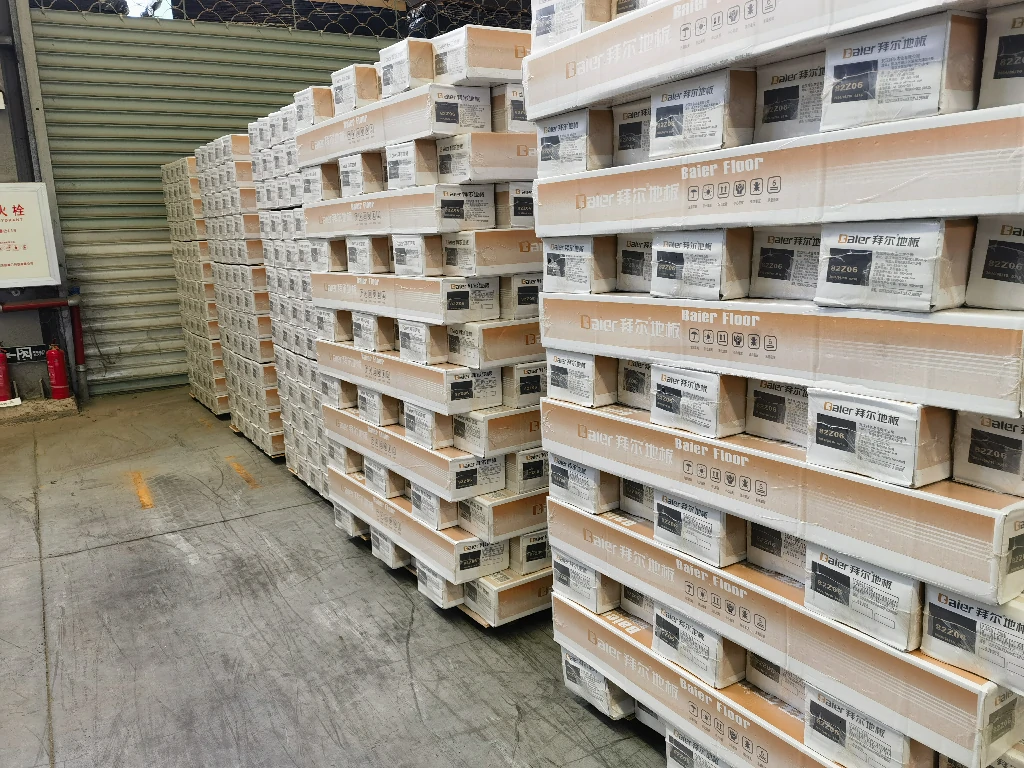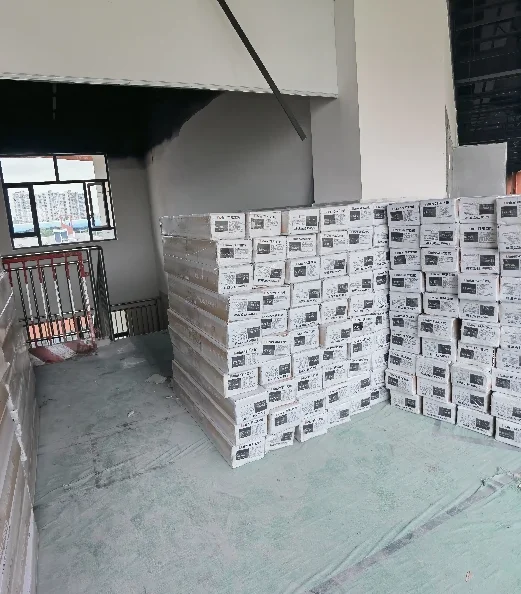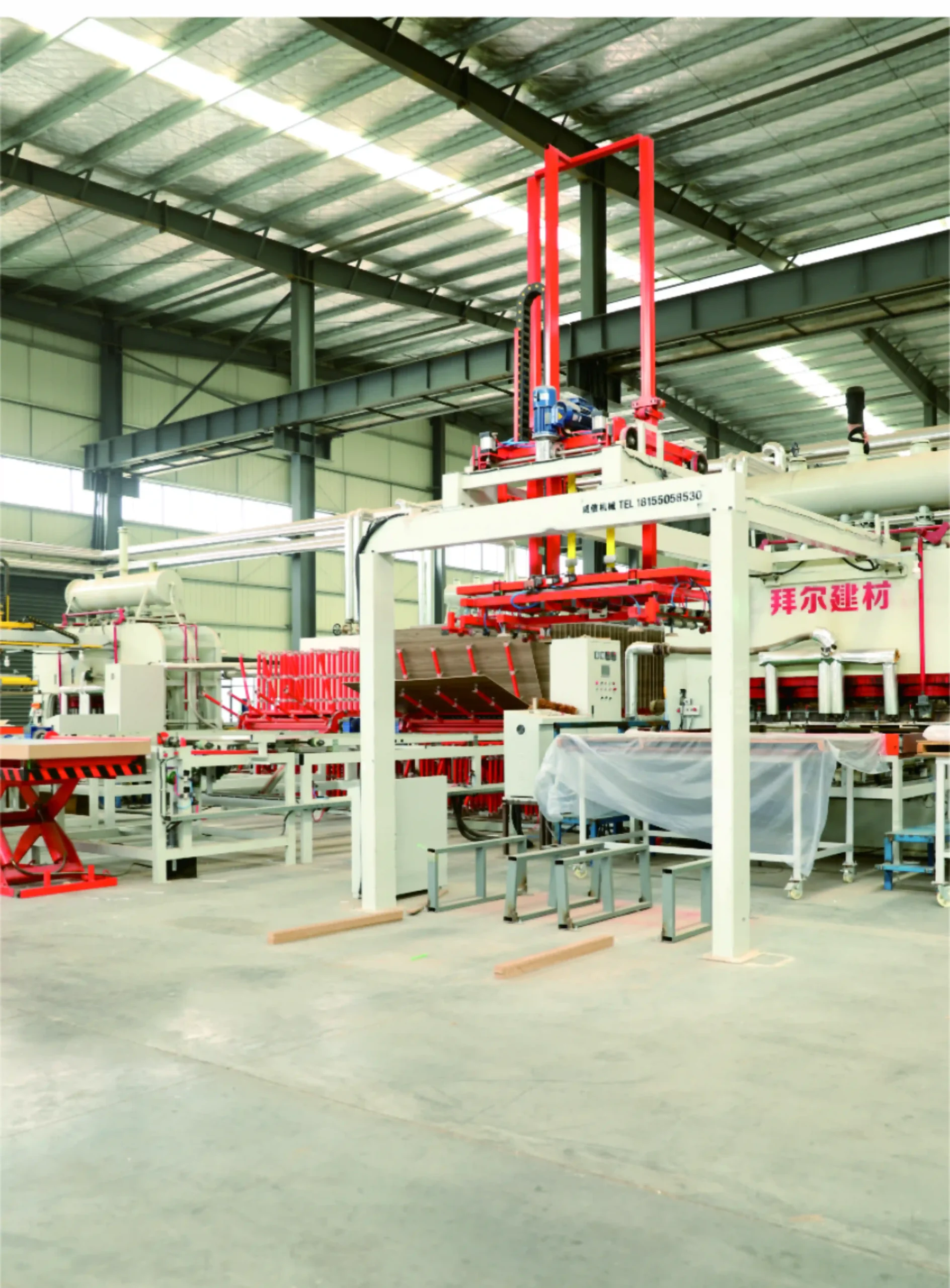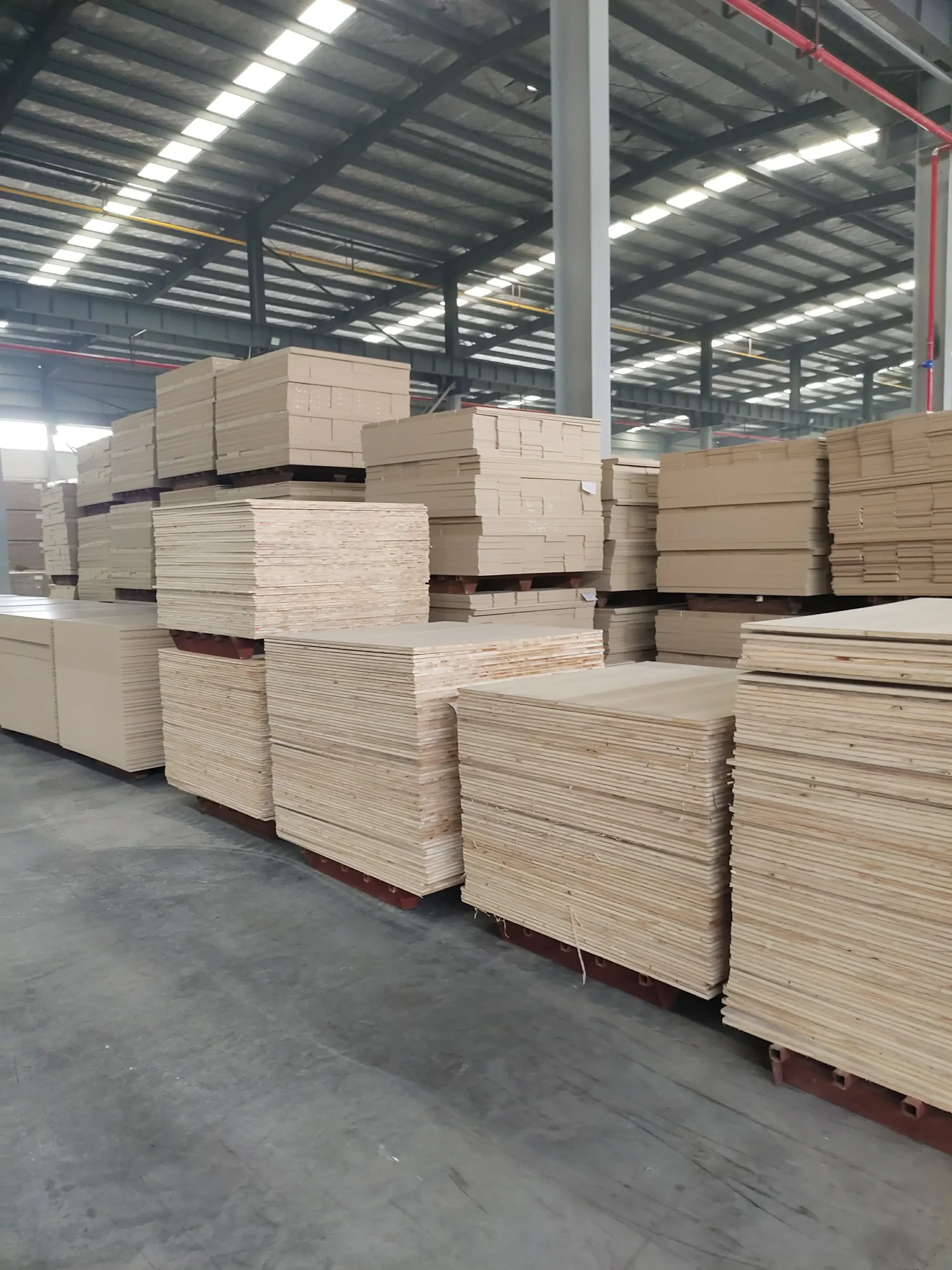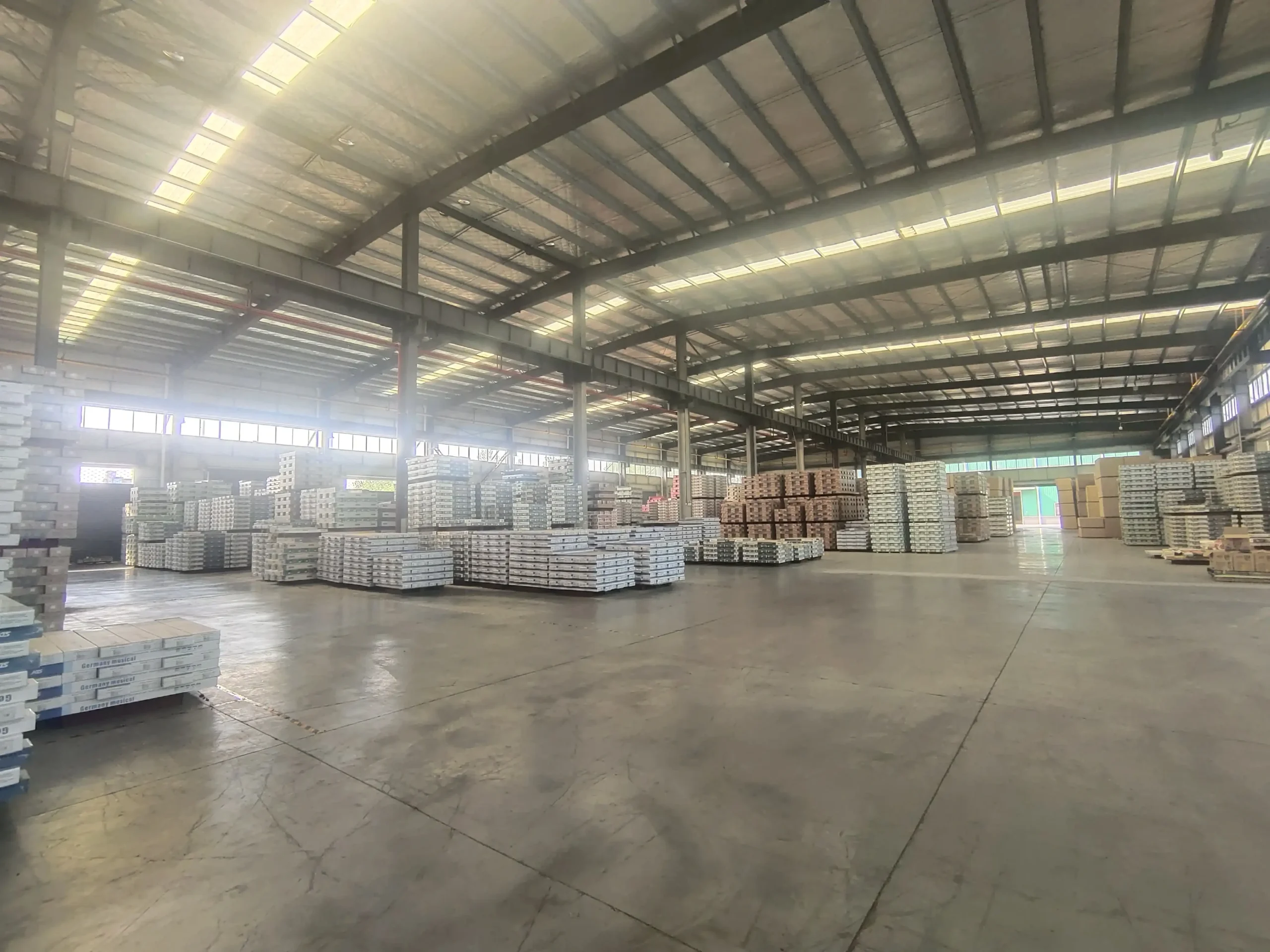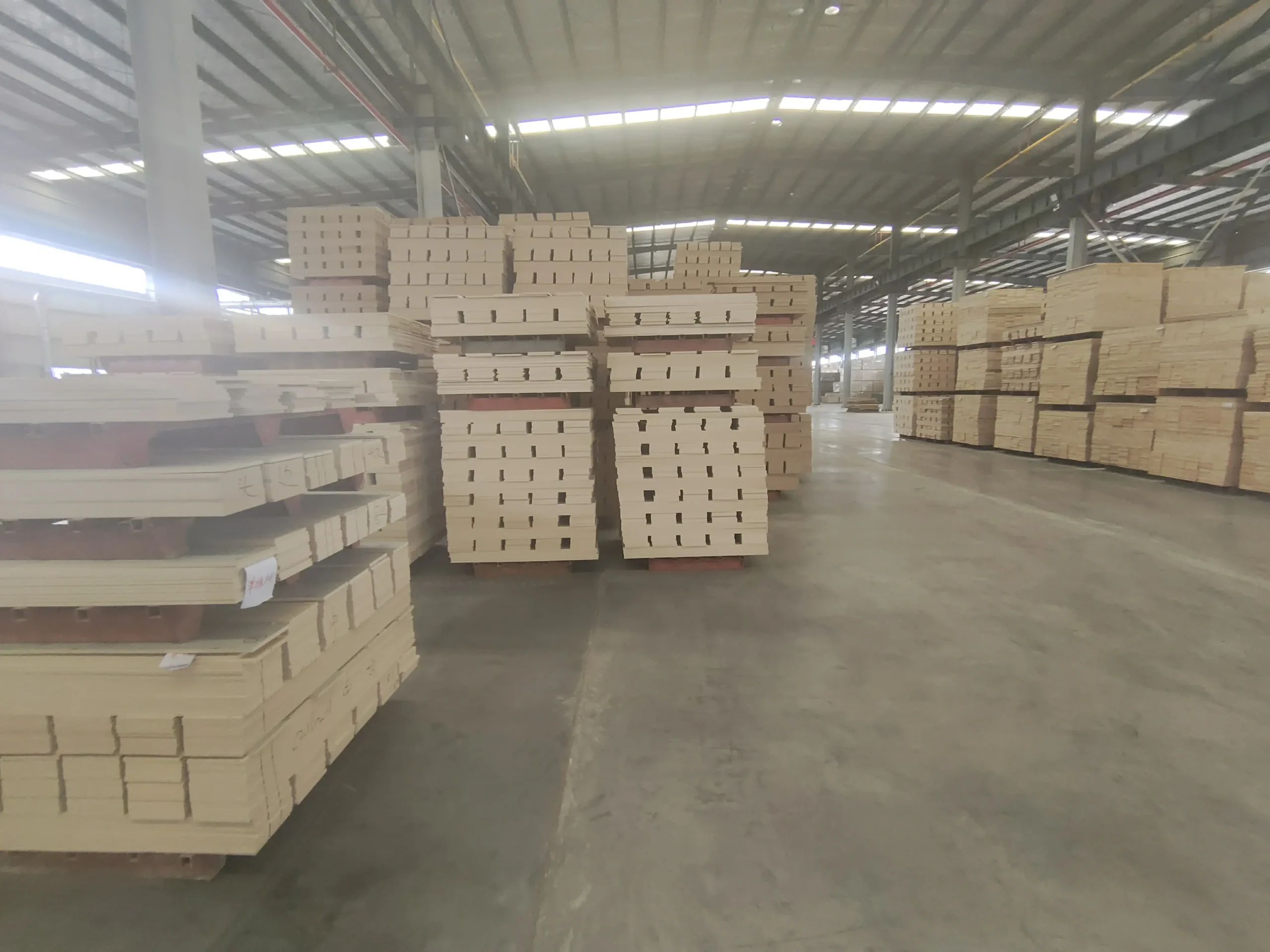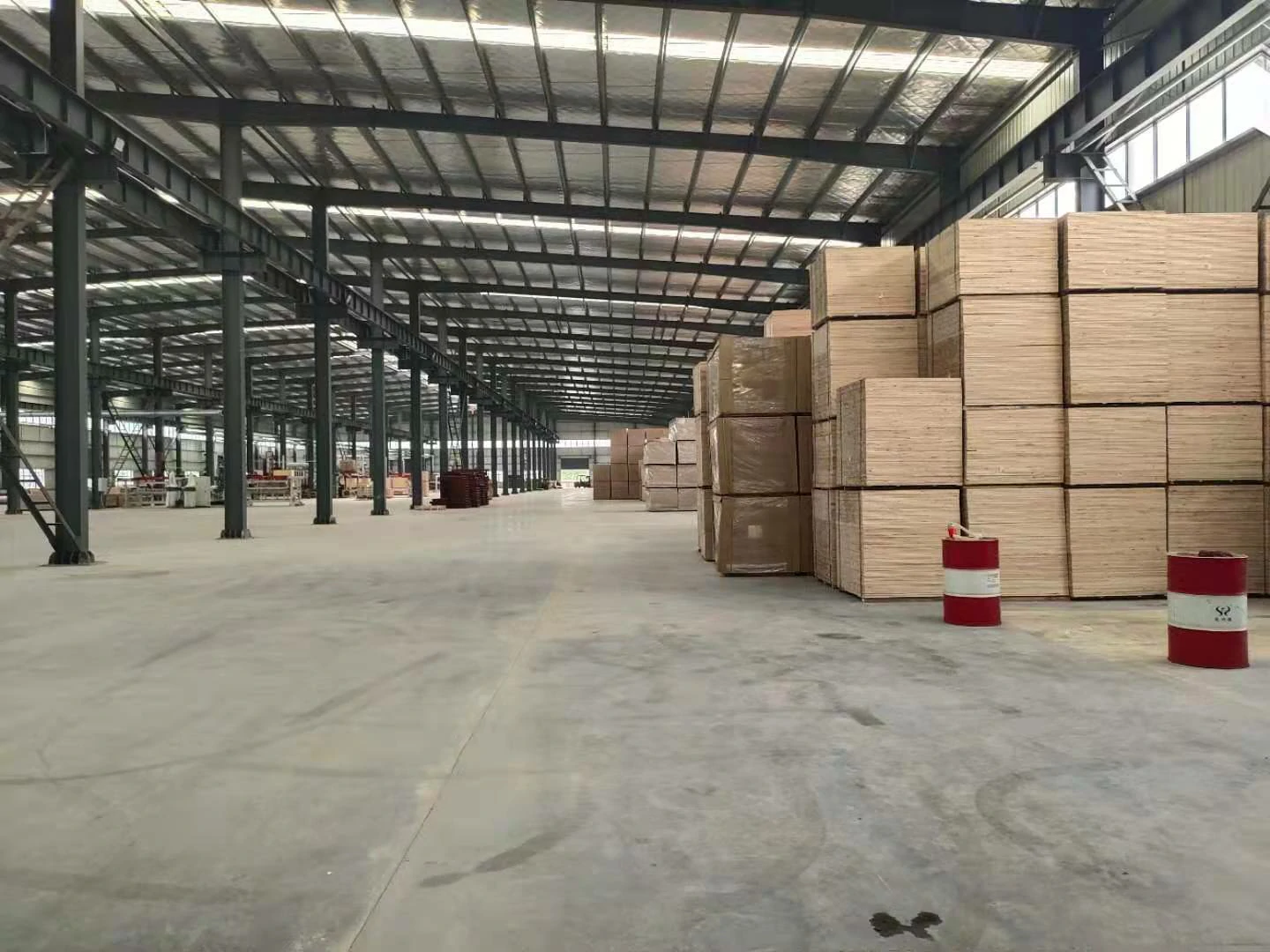
MDF looks durable — until shipping proves otherwise. One humid container, one rough unloading step, or one weak contract clause can turn a stable panel order into swollen edges, crushed corners, and a costly claim dispute.
The key point is simple: MDF damage during shipping usually starts before the cargo moves. It comes from preventable gaps in packaging, moisture protection, cargo securing, inspection planning, and contract terms.
This guide explains where MDF is most vulnerable in transit, what shipping protections buyers should require, and how to reduce damage risk from factory loading to final delivery. For importers sourcing engineered wood panels for international delivery, shipping protection matters just as much as panel specification.
Why MDF Is So Vulnerable During Shipping
Here’s what you’re actually shipping with an MDF panel: compressed wood fibers bound together by urea-formaldehyde resin. That binder is cheap. It cures fast. It does its job well — until moisture gets involved.
Plywood stacks cross-grain layers that fight warping by design. Solid wood has natural density variation built in. MDF has neither. It’s uniform all the way through. That uniformity makes it great on a workbench. It also makes it a real liability inside a shipping container.
The Four Ways MDF Fails in Transit
Moisture swelling is the main culprit. MDF pulls in humidity faster than most sheet goods. On a tropical shipping route out of Thailand, the ambient humidity is brutal — even well-packaged cargo takes stress. An unventilated hold turns into a slow pressure cooker. Edges swell. Panels warp. By the time the container opens at your warehouse, the damage is structural, not cosmetic.
Edge and corner chipping ranks second. At 640–880 kg/m³, MDF panels are dense and heavy. That weight drives impact force straight into the edges during loading, stacking, and discharge. Claims data shows the same pattern: broken banding, crumbled corners, bundles arriving in pieces. Most of it traces back to one moment of rough handling.
This risk becomes more obvious when buyers work with MDF boards with controlled moisture content, because shipping damage often starts when that moisture stability is lost in transit.
Surface abrasion builds up over time. Panels shift. Packaging tears. A scratch on a raw panel looks minor at first — but it shows up under a paint finish or laminate, and suddenly it’s a rejection.
Compression deformation is the final piece. Ocean freight vibration isn’t dramatic, but it never stops. Without wire lashing tensioned by turnbuckles, panels migrate. Stack pressure shifts to one side. The bottom panels absorb all of it.
MDF damage in shipping almost always starts before the vessel leaves port. The material’s structure makes it sensitive to stress. The shipping environment turns that sensitivity into real loss.
Moisture Protection: The First Risk Buyers Must Control
Water doesn’t announce itself. It seeps in through a bad container door seal. It builds up inside a humid hold. By the time your MDF shipment arrives, the damage is done.
This isn’t a rare scenario. Moisture is the top documented cause of MDF damage during shipping — and the one buyers most often miss.
Why Moisture Hits MDF Harder Than Other Materials
MDF’s uniform fiber structure makes it machine well — but that same structure gives moisture a wide-open door. There’s no cross-grain resistance like plywood. No natural density variation like solid wood. Humidity gets in fast and spreads across the whole panel.
The numbers from the construction industry back this up: 69% of over 17,000 construction defect claims trace back to moisture-related failures in building enclosures. That stat isn’t about shipping — but the physics are the same. Moisture finds the weakest joint, the unsealed edge, the gap in the wrap. Every time.
What Buyers Should Demand Before the Container Closes
Put protection in writing. Don’t assume it’s covered:
- Breathable moisture-resistant wrapping around every bundle — polyethylene film alone traps condensation; combination wraps handle vapor exchange
- Dew-point monitoring inside the container, logged each day on long ocean routes
- Sealed edges on cut panels before wrapping — raw MDF edges absorb moisture at three to four times the rate of faced surfaces
- Silica gel desiccant packs sized to the container volume, not just dropped in as an afterthought
Suppliers who push back on these specs are sending you a signal. Skip moisture controls on tropical routes — Thailand, Vietnam, Malaysia — and you’re putting every panel in that load at risk.
The vapor barriers used on construction sites worldwide make up a $16.5 billion market in 2025, growing at 5% CAGR through 2035. That’s a lot of money spent on moisture protection — because it works. The same logic applies inside your container.
Packaging and Vibration Protection for MDF Shipments
Packaging fails in slow motion. Not in one dramatic drop. It fails across thousands of small vibrations — cumulative and invisible — until the seal cracks, the corner buckles, and the panel beneath it is gone.
Ocean freight makes this far worse. A 30-day transoceanic route hits your MDF with multi-axis vibration — vertical, pitch, and roll — on top of humidity and temperature swings that break down packaging rigidity over time. Compare that to a 5-day trucking run, where the main risks are vertical compression and minor shifting. Bubble wrap handles the truck just fine. It falls apart on the ocean. Sustained resonance and constant abrasion chew through it before the vessel clears the first checkpoint.
What Vibration Does to an MDF Shipment
The damage isn’t dramatic. It’s mechanical and it builds up:
- Panels shift inside bundles as low-frequency vibrations push repeated side-load cycles through the stack
- Seals fail under stress that no single event would cause alone
- Packaging layers grind against each other — protective wrap turns into sandpaper over time
- Structural fatigue splits corrugated or flexible outer materials at joints and corners
Cheap packaging on an ocean route doesn’t produce minor damage. It produces total loss, deformation, and full-bundle rejection.
Materials That Handle What the Ship Creates
The spec list matters more than your supplier’s reassurances:
- High-density polyethylene foam at corners and edges — not standard bubble wrap, which collapses under sustained resonance
- Blocking and bracing materials that stop panel-to-panel collision inside the bundle
- Void-fill stabilizers sized to your specific bundle dimensions, not generic filler
- Multi-layer outer wrap that keeps breathability and abrasion resistance separate — two different functions need two different materials
Vibration testing using power spectral densities (PSD) matched to real shipping routes shows you where packaging breaks down before your cargo moves. This testing reliably exposes the same weak points: wrong cushioning placement, low material density, and poor palletization patterns. Get the testing data from your supplier. No data? That tells you everything.
MDF vibration damage during shipping is preventable. But you need packaging built for the actual route — not the cheapest spec that passes a factory checklist.
Cargo Securing and Lashing Requirements Buyers Should Put in Writing
Most buyers treat lashing as the carrier’s problem. It isn’t. Your MDF leaves the factory floor — those lashings are the one thing standing between your order and a container full of rubble.
Get specific in your contracts. Vague language like “properly secured” means nothing at the damage claim stage.
The Numbers That Matter
Lashing capacity isn’t a gut call — it’s math. Two standards govern how much holding power your cargo needs:
- The 2x rule: Total breaking load across all lashings must be at least twice your cargo’s static weight. Shipping 10 tonnes of MDF? You need 20 tonnes minimum breaking load.
- The 3x rule (alternative standard): Total safe working load equals three times cargo weight. That same 10-tonne shipment now requires 30 tonnes total SWL.
The gap between those two standards is real. Name which one applies in your contract. Don’t leave it open.
The numbers get sharper with a real example. An 18-tonne MDF shipment secured with web lashings and turnbuckles (running at 50% MSL) needs 72 tonnes of breaking strength. Switch to steel band, and the requirement drops to 51.42 tonnes — because steel band runs at 70% MSL. The material changes the math entirely.
What to Lock Down in Your Contract Language
Four things belong in writing before your cargo moves:
Breaking strength by material type. Chains and web lashings operate at 50% of breaking strength. Steel band runs at 70%. Your contract should name the lashing material and the MSL percentage. Don’t assume the carrier will pick the right one.
The weakest-link clause. Lashing components often connect in series — wire to shackle to deck eye. The lowest MSL in that chain controls the entire device. One undersized shackle wipes out every higher-rated component above it. Require all components in any lashing run to meet the same minimum standard.
Angle and edge protection requirements. Poor lashing angles cut capacity fast. Sharp MDF edges slice into web lashings under load. Spell out edge protectors on all sharp corners where webbing makes contact. A single missing corner guard can reduce your effective lashing strength before the vessel clears port — and you won’t know until the damage is done.
Manufacturer documentation. The 1997 CSM amendments require suppliers to provide identification markings, strength test results, and MSL specifications for every lashing component. Ask for that documentation upfront. No documentation means the lashing fails the standard — full stop.
The CSM Requirement Most Buyers Ignore
Every vessel carrying your cargo needs a Cargo Securing Manual. That manual must cover your specific cargo type, correct equipment use, maximum stack weights, and how lashings get adjusted in bad weather.
Port state control inspectors check this. Classification societies certify it. A freight carrier that can’t produce a CSM with lashing software — software that checks forces against set limits (racking forces capped at 150 kN, lifting forces at 250 kN) — has a compliance failure on their hands. That failure voids your damage claim before you file it. It’s not a paperwork gap. It’s a real liability.
Put it in the contract: all cargo securing must be completed and documented before the vessel leaves berth. No exceptions. No inspections deferred to open sea. International guidance on cargo stowage and securing standards is provided through the IMO CSS Code, which is widely referenced for safe cargo securing practices.
Loading and Discharge Checks That Prevent Hidden Damage Claims
Damage doesn’t always happen at sea. A large share of MDF losses occur within the first and last 100 feet of a shipment’s journey — at the dock.
Some buyers treat loading and unloading as “the carrier’s problem.” That hands over control at the worst possible moment. You can demand better. Put it in writing.
What to Require Before the Container Opens
Run a pre-unloading inspection before anyone touches a bundle. This step is not optional. Check security seals. Verify locks are intact. Look for visible signs of shifting — bowing walls, broken banding, uneven settling. Then check everything against your inventory log before a single panel moves.
This step costs five minutes. Skipping it costs you your damage claim.
Handling Standards That Belong in Your SLA
Lock these into your service-level agreement before freight moves:
- No solo lifts over 50 lbs — forklifts, lift gates, and conveyors are required for MDF bundles, not optional
- Heavier panels go on the bottom, lighter panels on top — poor weight distribution shifts during transit and causes edge crumbling at delivery
- OSHA-trained personnel only — untrained dock workers create liability. Your contract should cut that risk from the start
- Designated safety zones at unloading points — this keeps panels from colliding during discharge
Post-Unloading Documentation Is Not Optional
The moment banding breaks, your clock starts. Inspect every bundle right away. Photograph damage before anything leaves the dock. Log discrepancies against the packing list on the spot — not later, not after storage.
Suppliers who weren’t at loading will push back on claims filed 48 hours after delivery. Documentation created at discharge is what separates a full recovery from a write-off.
Immediate Post-Arrival Inspection Protocol
The container seal breaks. That’s your starting gun.
Everything you negotiated — the lashing specs, the dew-point logs, the edge protectors — gets verified or thrown out in the next 30 minutes. Don’t let dock momentum push you past this window.
Work Through This Sequence Before Anything Moves
Check the exterior first. Look at container walls for bowing or stress marks. Confirm seals are intact and lock numbers match your shipping documents. Visible shifting points to internal damage. Document it before the doors open wide.
Open with care, inspect right away. Note any smell of moisture. Look for condensation on panels or packaging. Swollen edges and warped surfaces show up fast under direct light.
Photograph everything before discharge. Shot sequence matters. Cover the container exterior, door seal, interior bundle condition, any broken banding, and individual panel damage up close. Undated or post-storage photos won’t hold up in a supplier dispute.
Log discrepancies against the packing list on-site. Every shortfall, every damaged bundle — recorded before the truck leaves. Don’t wait until you’re back at a desk.
Waiting until the next morning costs you the claim. The inspection is the claim foundation.
Contract Terms That Protect Buyers When MDF Arrives Damaged
A damaged shipment with no paper trail is just a loss. A damaged shipment backed by solid contract language is something you can recover from. The difference comes down to what you put in writing before the cargo moves.
Lock Down Where Risk Transfers — And Name It Clearly
Incoterms aren’t just logistics jargon. They decide who owns the problem when something goes wrong mid-ocean.
| Incoterm | Risk Transfers At | Who Arranges Insurance |
|---|---|---|
| FOB | Moment goods load onto the vessel | Buyer |
| CIF | Port of shipment | Seller (minimum cover) |
| EXW | Goods available at seller’s facility | Buyer — full exposure |
The official framework for Incoterms® 2020 rules is maintained by the International Chamber of Commerce, and buyers should align contract wording with those definitions before shipment.
EXW looks attractive on price. But it puts every risk on your side from the moment the forklift moves your panels. Most buyers don’t catch that until the claim gets denied.
Pair your Incoterm with a clear risk-of-loss clause. Write it so the contractor bears all risk before delivery at destination — except where the buyer caused the damage. Risk then shifts to the buyer after delivery, except where the contractor is at fault. Write it that way. Don’t leave it to default jurisdictional rules.
Default rules differ by country. UK law transfers risk at delivery to the carrier. US UCC transfers it at delivery to the first carrier. Spain requires physical delivery. A silent contract lets jurisdiction decide — and that may not go your way. Before finalizing shipping responsibility, buyers should also understand how FOB, CIF, and DDP affect building material imports so the risk transfer point is not left vague.
The Four Clauses That Will Protect Your MDF Order
1. FOB Destination with Prepaid Freight
Require shipment freight prepaid, FOB your destination. The contractor stays responsible for packaging that suits MDF — dense, moisture-sensitive, and edge-fragile. They must also include an itemized packing list with your PO number.
Vague language like “appropriate packaging” leaves room for disputes at claim time. Spell out breathable wraps, corner protection, and sealed edges right in the clause. Don’t leave it open to interpretation.
2. Liability and Indemnity Language
Your vendor carries risk before you accept the goods. Build in indemnity for negligent acts that directly cause damage. For freight brokers, the clause should say something like: “Broker shall indemnify shipper for negligent carrier selection leading to cargo damage.”
One hard limit: keep indemnity tied to negligence only. Broad clauses that push your own negligence onto the other party get thrown out in about 30 US states. Keep it narrow. Keep it enforceable.
3. Insurance Requirements
Ask your supplier for cargo insurance that covers delays and partial loss — not just total destruction. Match the coverage to your Incoterm. Under CIF, the seller provides minimum marine insurance. That minimum often falls short for MDF on a tropical route.
Push for more. Add your company as an additional insured on the broker’s policy too. It costs little and protects a lot.
4. Penalty and Liquidated Damages Clauses
Late delivery penalties and liquidated damages for bad handling aren’t punishments — they’re incentives. Suppliers who face real financial consequences for missing packaging specs are far more likely to follow them. Suppliers who face none tend to cut corners when no one is watching.
Contracts alone won’t stop MDF damage during shipping. But they decide whether damage turns into a write-off or a recovery. Get the language in place before the freight moves. Once the container opens, you’ve already lost your leverage.
Route and Seasonal Risks Buyers Should Evaluate Before Shipment
Shipping calendars are not created equal — and MDF does not forgive bad timing.
Two corridors carry most of the global MDF volume: Asia-Europe and Asia-North America. Both have hard seasons where your damage risk spikes fast. There is no gradual warning.
Asia-Europe: Monsoon season runs June through September across India and Southeast Asia. Humidity climbs 20–30% above baseline during that window. Winter storms hit the North Atlantic from November through February and disrupt 15% of routes. Ship standard dry containers through those windows and you are gambling with every bundle.
Asia-North America: Typhoon season runs July through October across the Pacific. Vessel delays stretch 10–14 days. Winter ice from December through March adds 7–12% to transit time. It also piles more congestion onto West Coast ports.
Match Your Container and Packaging to the Route
Container choice is not a formality. For MDF, it is a moisture decision:
| Container Type | MDF Suitability | Moisture Risk |
|---|---|---|
| Standard Dry (20/40ft) | Low-risk routes only | High — 5–10% ingress if seals fail |
| Open-Top | Poor | Very High — reject for all routes |
| Flat-Rack | Oversized slabs only | Extreme — 30–50% saturation risk |
Humidity is the main threat on many routes. Specify Moisture-Resistant MDF for those lanes. MR-MDF with PVC overlays now holds 46% market share in moisture-sensitive applications. North America is pushing that number higher at 6.1% CAGR. Buyers in humid markets pay the premium for a reason.
Reroute Before You Repackage
The smartest damage prevention is sometimes avoiding the lane altogether:
Asia-Europe via Suez: Skip June through October. Rerouting via Cape of Good Hope adds 14 days and about 8% in freight cost — but it cuts humidity exposure by 40%.
Asia-North America via Pacific: A Hawaii deviation during typhoon season adds 5–7 days and cuts humidity along the route by 15%.
The math is straightforward. Rerouting cuts moisture claims by 25–35%. Pair that with active monitoring and wastage drops below 1%.
Use a Risk Tier to Set Packaging and Insurance Together
Don’t spec packaging in isolation. Match it to your insurance coverage by route risk:
| Risk Tier | Route Examples | Packaging Minimum | Insurance Floor |
|---|---|---|---|
| Low | Intra-Asia dry season | Standard wrap + 1mil PE liner | 110% CIF, basic cargo (0.5% premium) |
| Medium | Asia-Europe off-monsoon | MR-MDF + 2mil PE + desiccants (2kg/m³) | 120% CIF, all-risk with moisture clause (1.2% premium) |
| High | Monsoon or typhoon lanes | Triple PE barrier + VCI paper; MC pre-ship below 12% | 150% CIF, war/perils + humidity exclusion waiver (2.5% premium) |
One buffer that most buyers skip: carry 20% extra stock on high-risk routes. Claim rates drop 15% for buyers who run a tier framework instead of applying one flat standard across every lane and every season.
Buyer Shipping Checklist for MDF Orders
Before approving any MDF shipment, buyers should confirm a few non-negotiable shipping controls in writing.
First, verify moisture protection. MDF bundles should use breathable protective wrapping, sealed edges where needed, and container-level moisture control suited to the route.
Second, confirm packaging strength. Corner protection, internal bracing, and vibration-resistant outer packaging matter more on long ocean routes than on short domestic transport. The same logic applies across decorative boards and flooring exports, which is why buyers should also review how packaging decisions impact shipping damage before setting bundle specifications.
Third, define lashing and cargo securing requirements in the contract. “Properly secured” is not enough. The shipping documents should specify lashing material, edge protection, and proof of securing compliance.
Fourth, inspect both before loading and immediately after arrival. The claim window starts as soon as the container is opened, so visible shifting, broken banding, moisture signs, and packaging damage must be documented at once.
Finally, match contract terms to shipping risk. Incoterms, insurance scope, and packaging responsibility should all be clearly assigned before the goods leave the factory.
If these controls are checked before shipment, most MDF transit damage can be reduced or documented well enough to support recovery.
Conclusion
Shipping MDF without damage isn’t luck — it’s a system. Buyers sourcing wood panels from one export-oriented supplier should treat packaging, loading, and claims protection as part of procurement rather than as a separate logistics issue.
Every crumbled edge, swollen panel, and moisture-warped sheet at your warehouse points to a gap. Wrong packaging. Vague contract language. A skipped inspection. Or a route nobody tested against seasonal conditions.
Buyers who stop losing money on damaged MDF take control of these decisions. They don’t leave it to suppliers and carriers. They specify moisture barriers. They put lashing requirements in writing. They inspect on arrival — not a week later, after the claim window has closed.
That’s the core lesson here: protecting MDF during shipping is a procurement decision, not a logistics afterthought.
Start with one contract clause. Add one inspection checklist. Build from there.
Small, deliberate changes add up fast. The next shipment that arrives intact will show you how much those changes were worth.