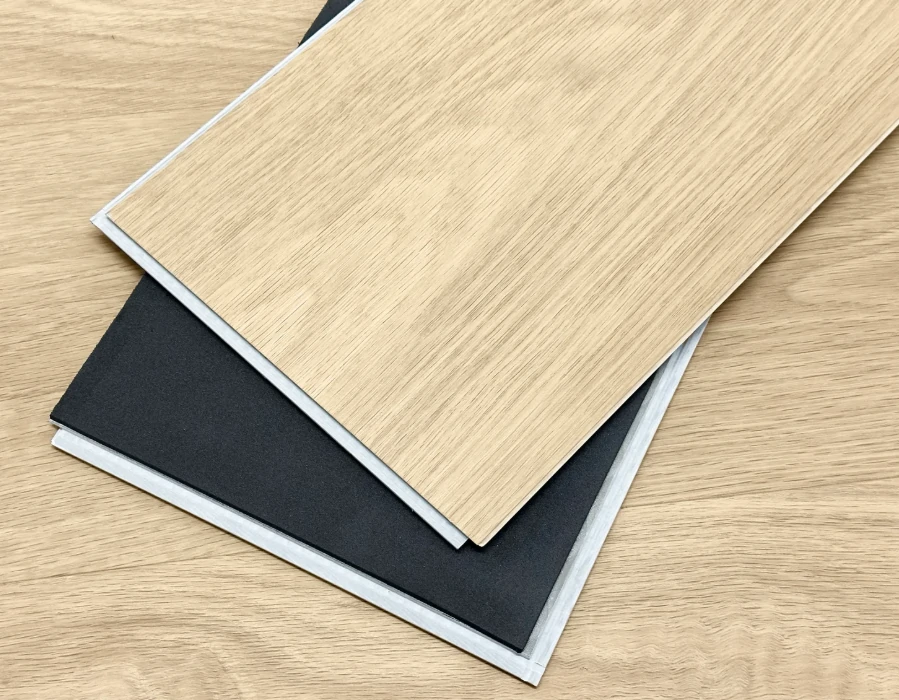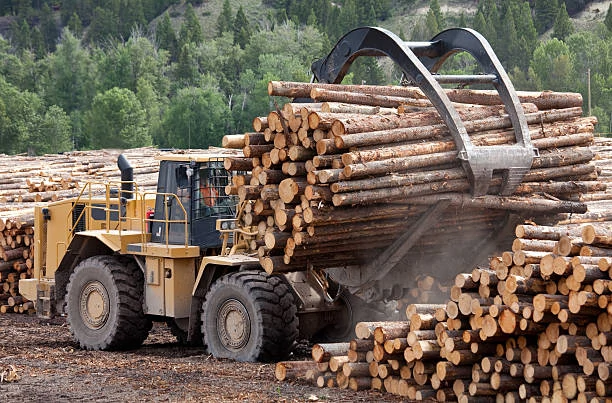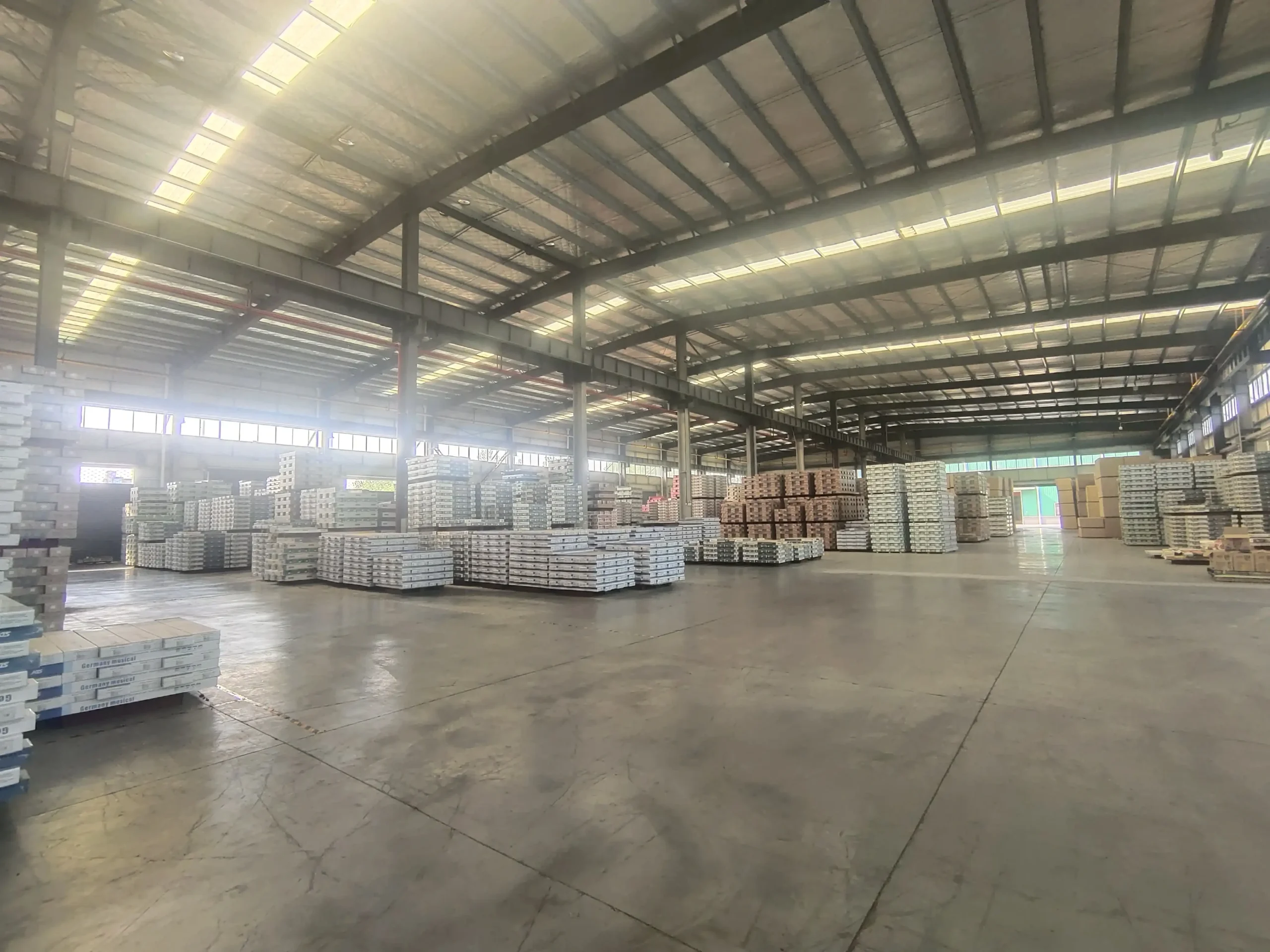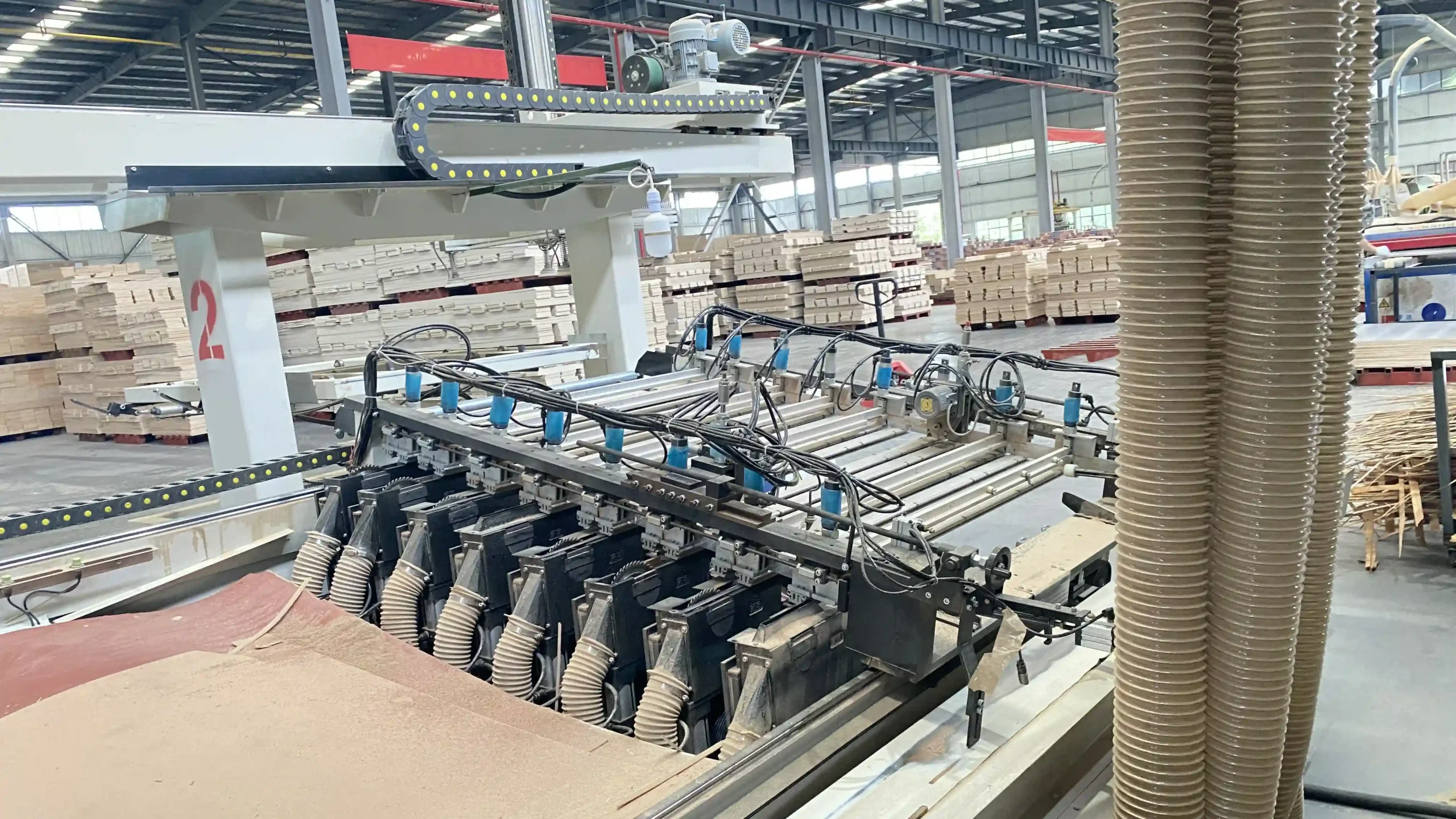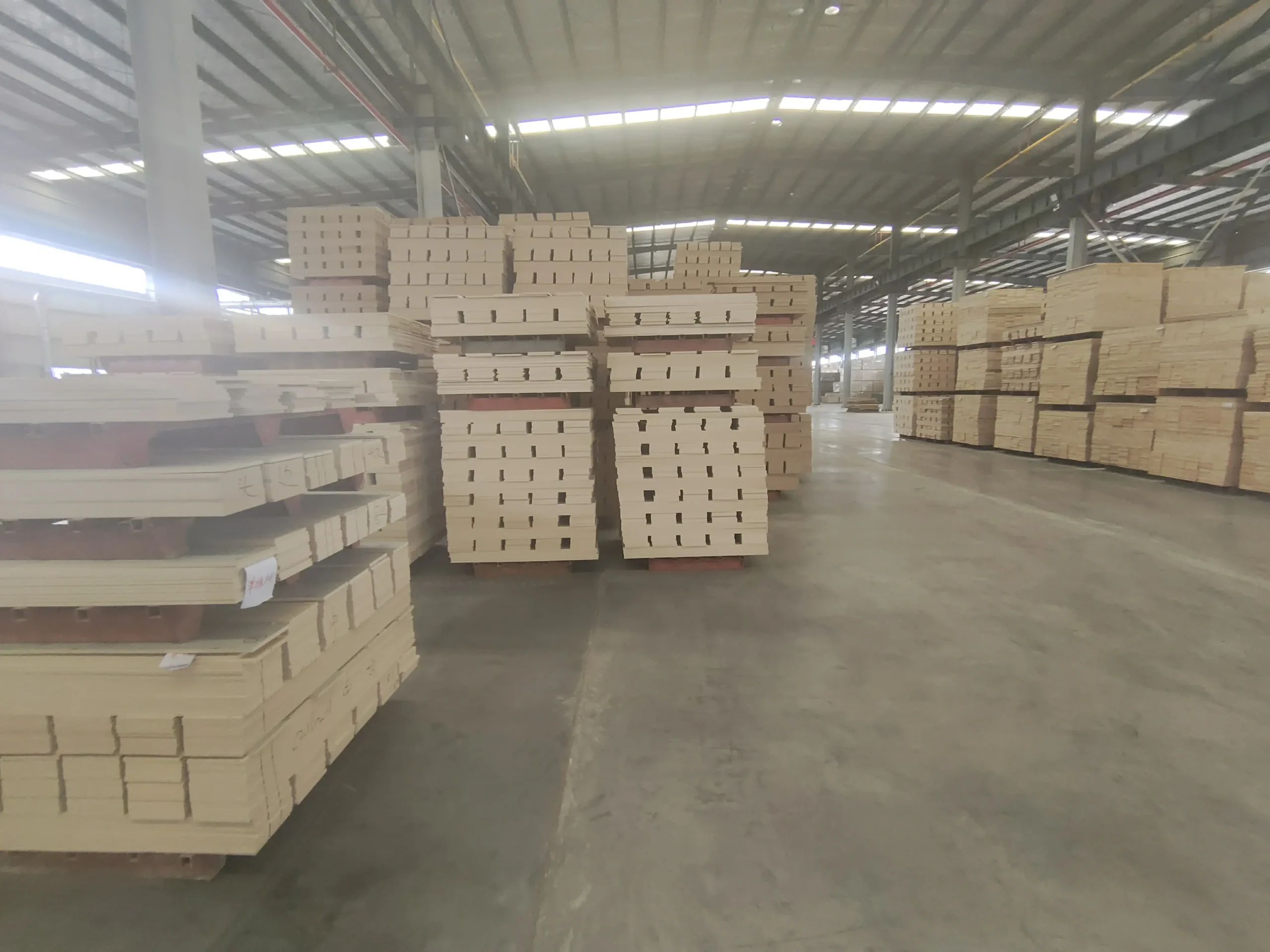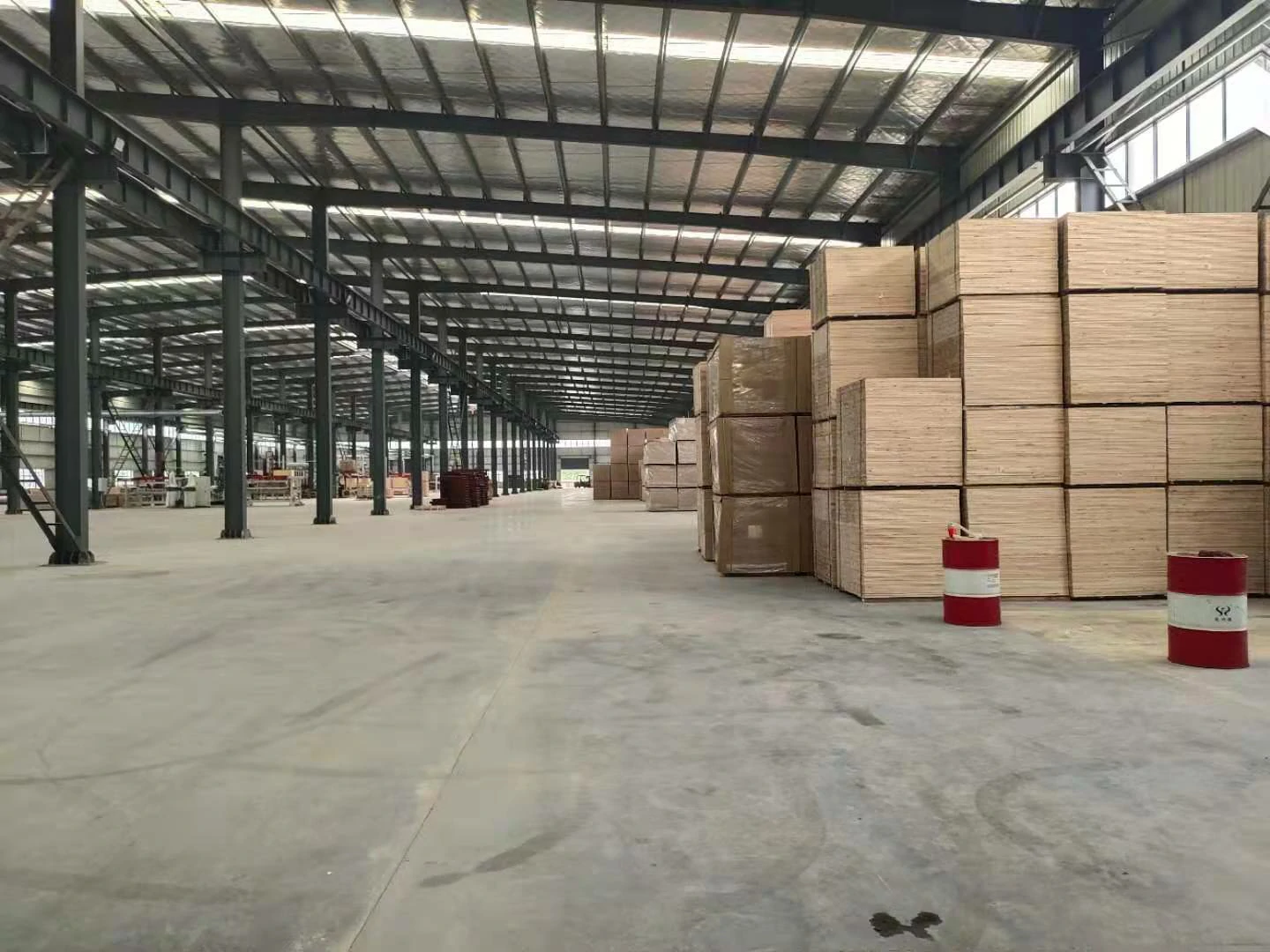
In furniture procurement, particle board failures rarely come from “cheap material” alone — they come from wrong specification decisions.
A shelving unit that starts sagging after installation, cabinets that loosen at hinge points, or panels that swell after shipment humidity exposure — these are not random defects. They are predictable outcomes tied to density, resin bonding, thickness, and moisture control.
The problem is: most buyers never verify these factors before placing orders.
This guide breaks down what actually determines particle board strength in real furniture applications — and how to evaluate it before it turns into costly returns, replacements, or customer complaints.
Why Particle Board Fails in Furniture Applications
Every structural weakness in a particle board panel traces back to a decision made during manufacturing — long before the board reaches a warehouse shelf.
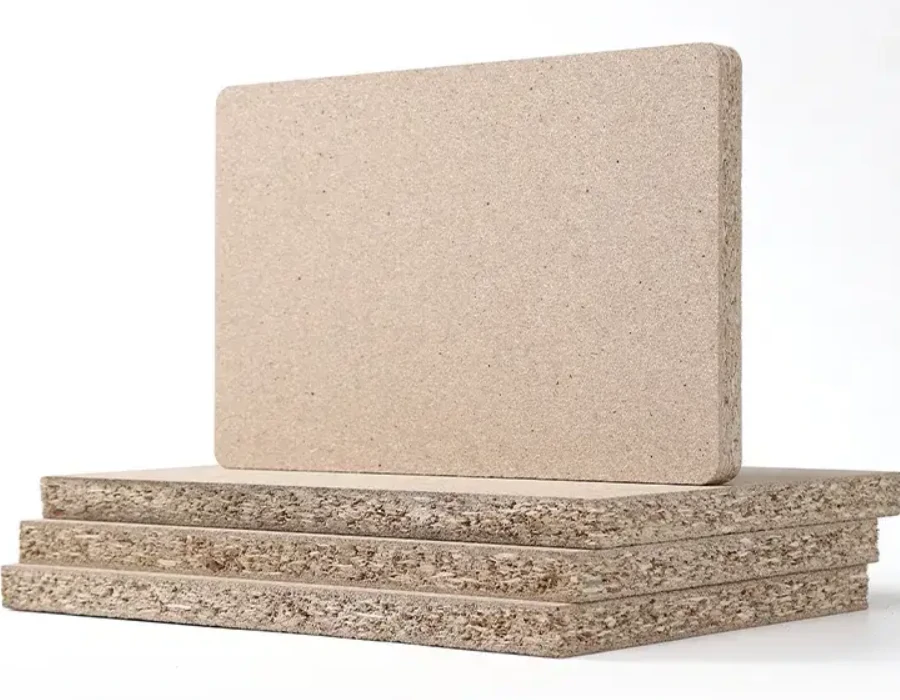
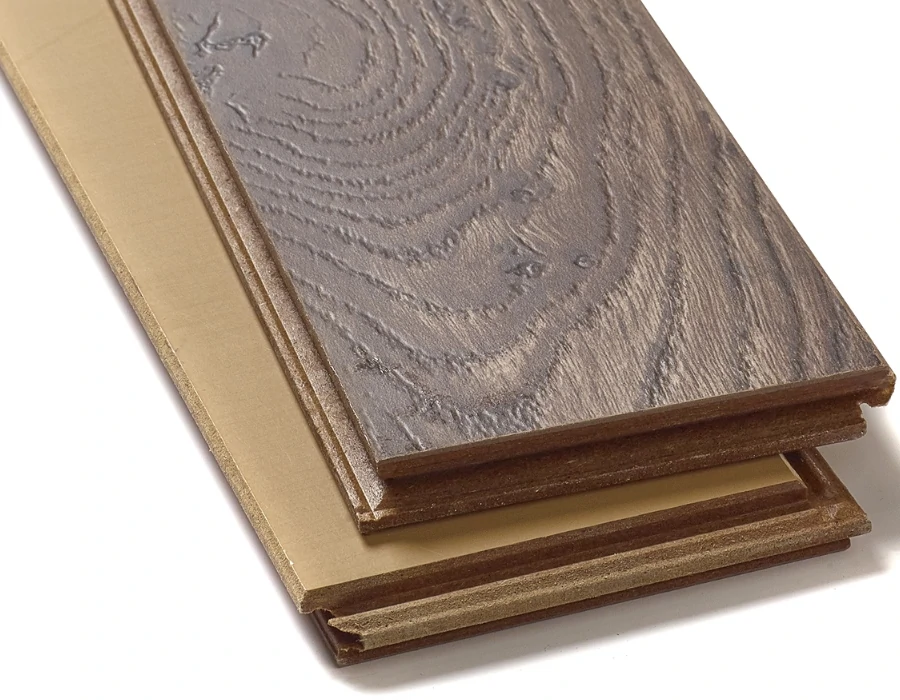
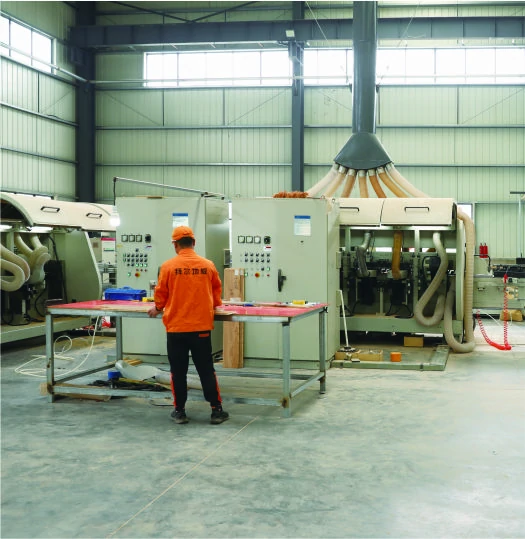
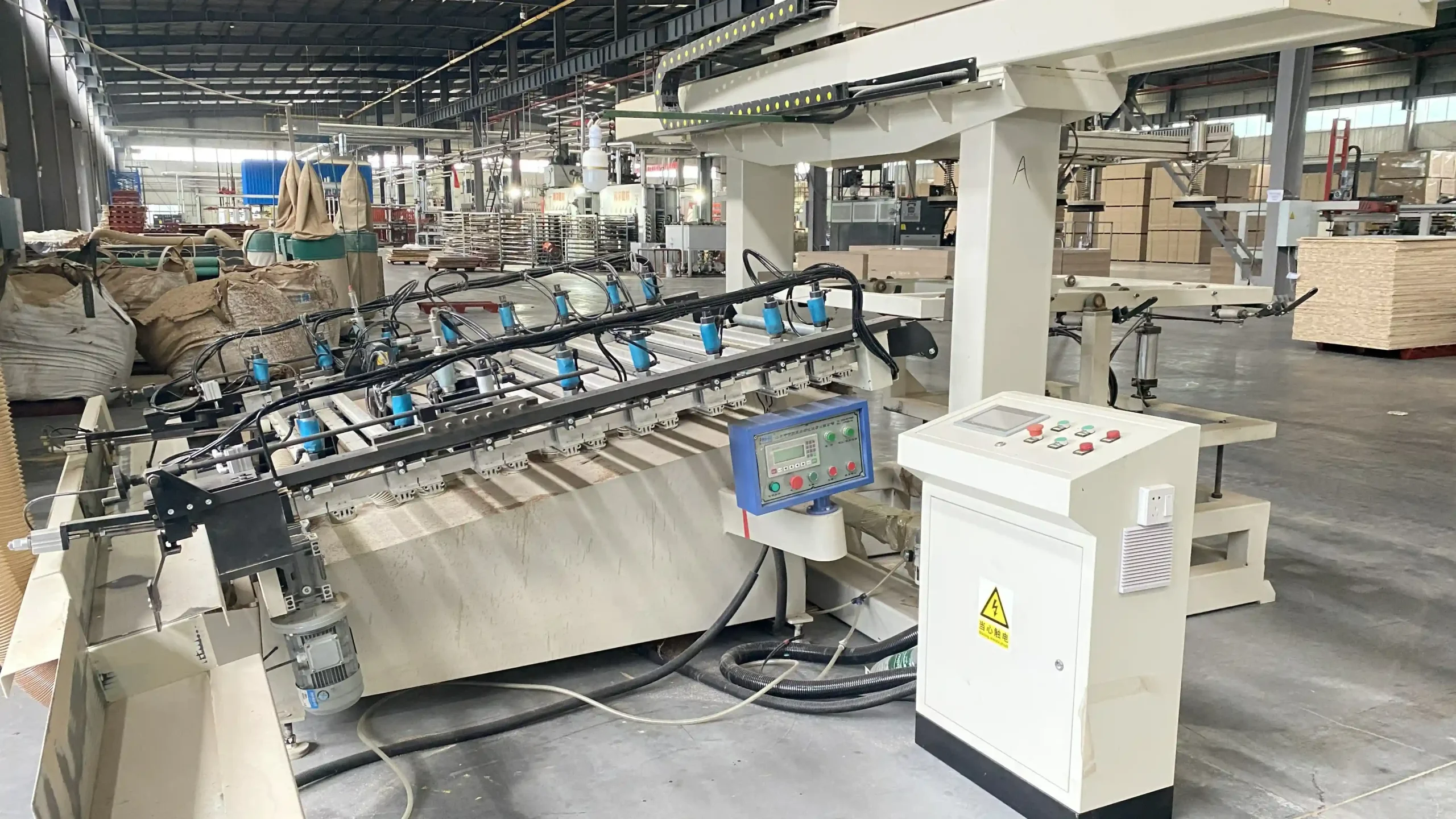
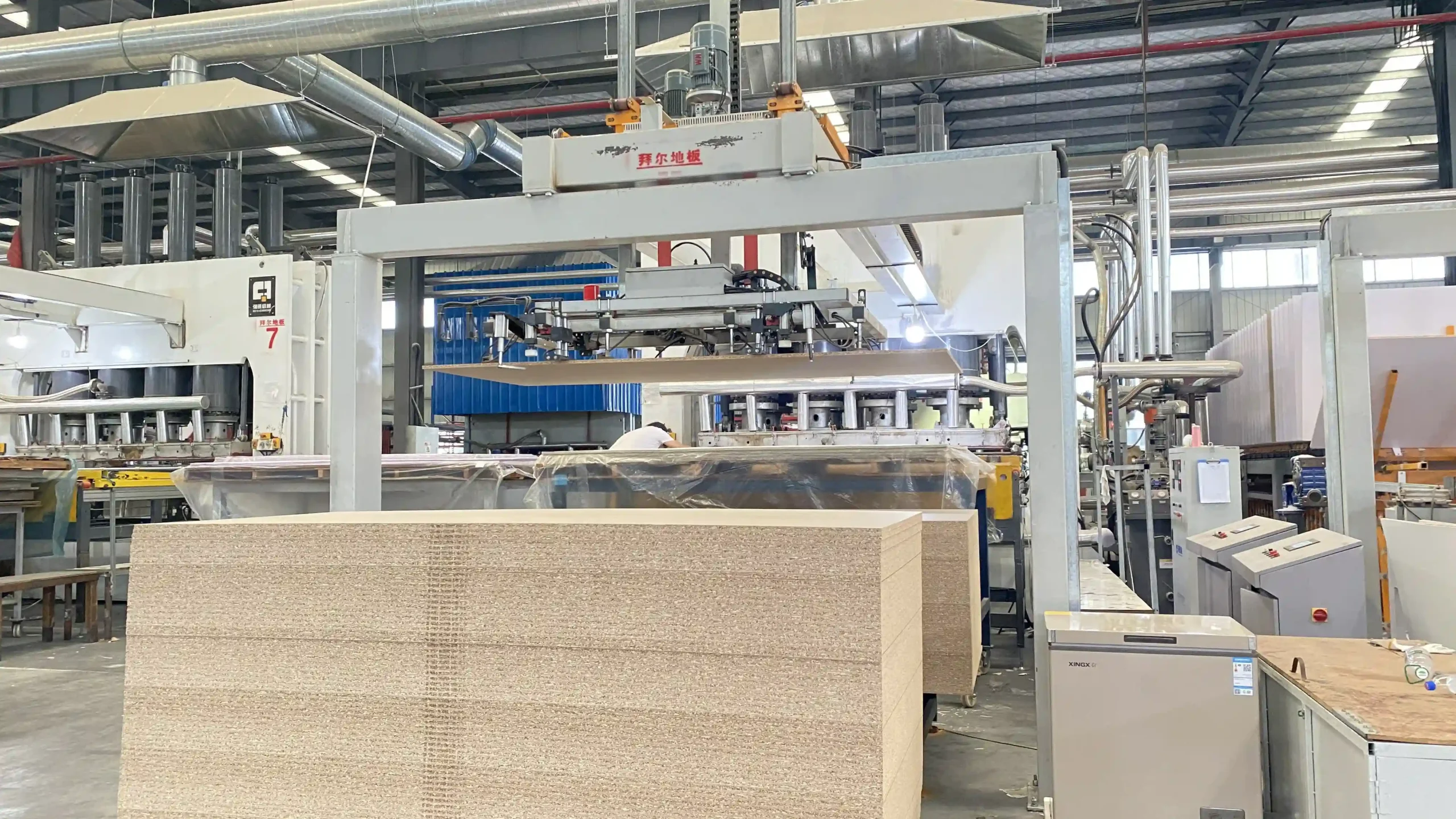
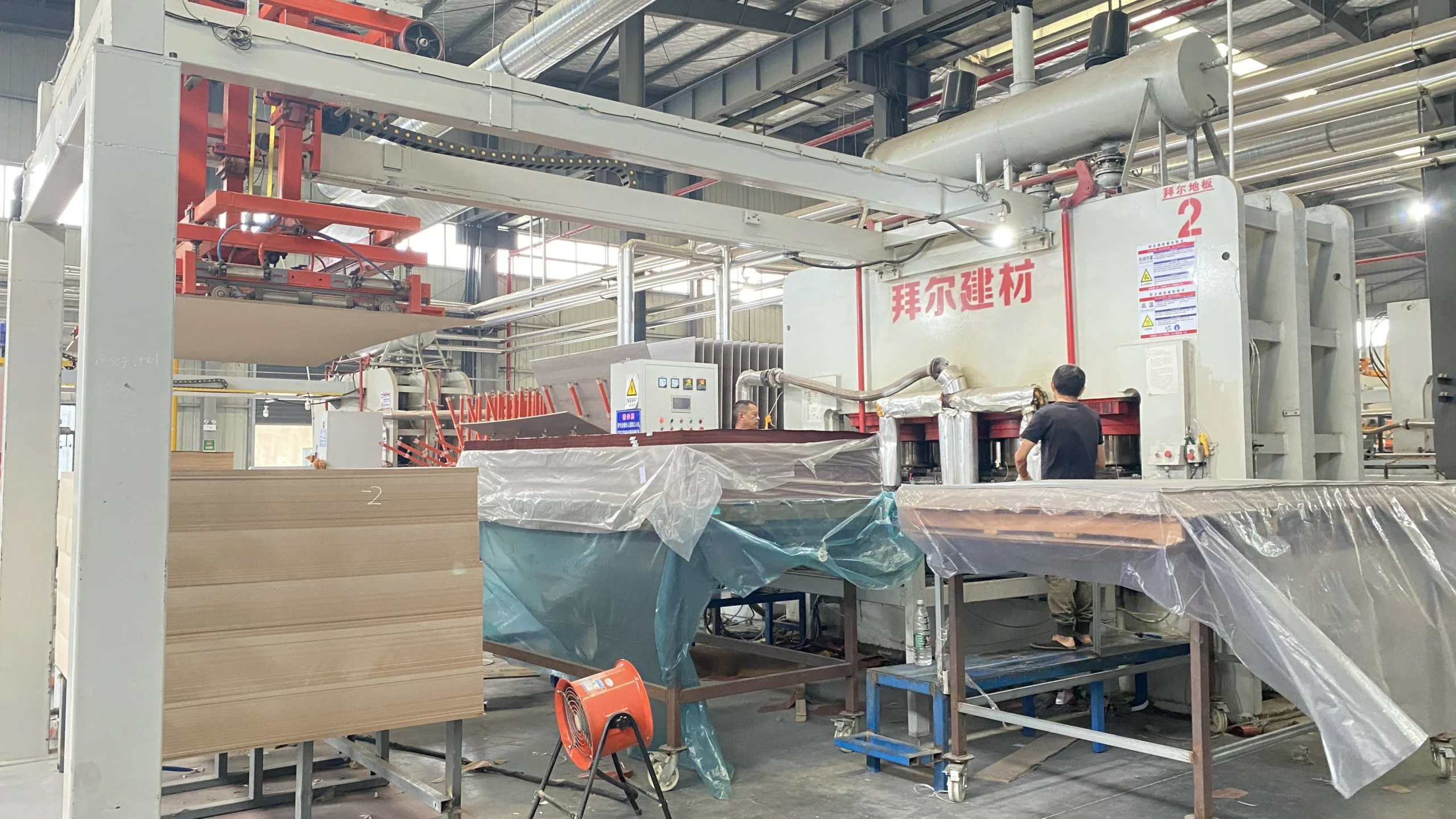
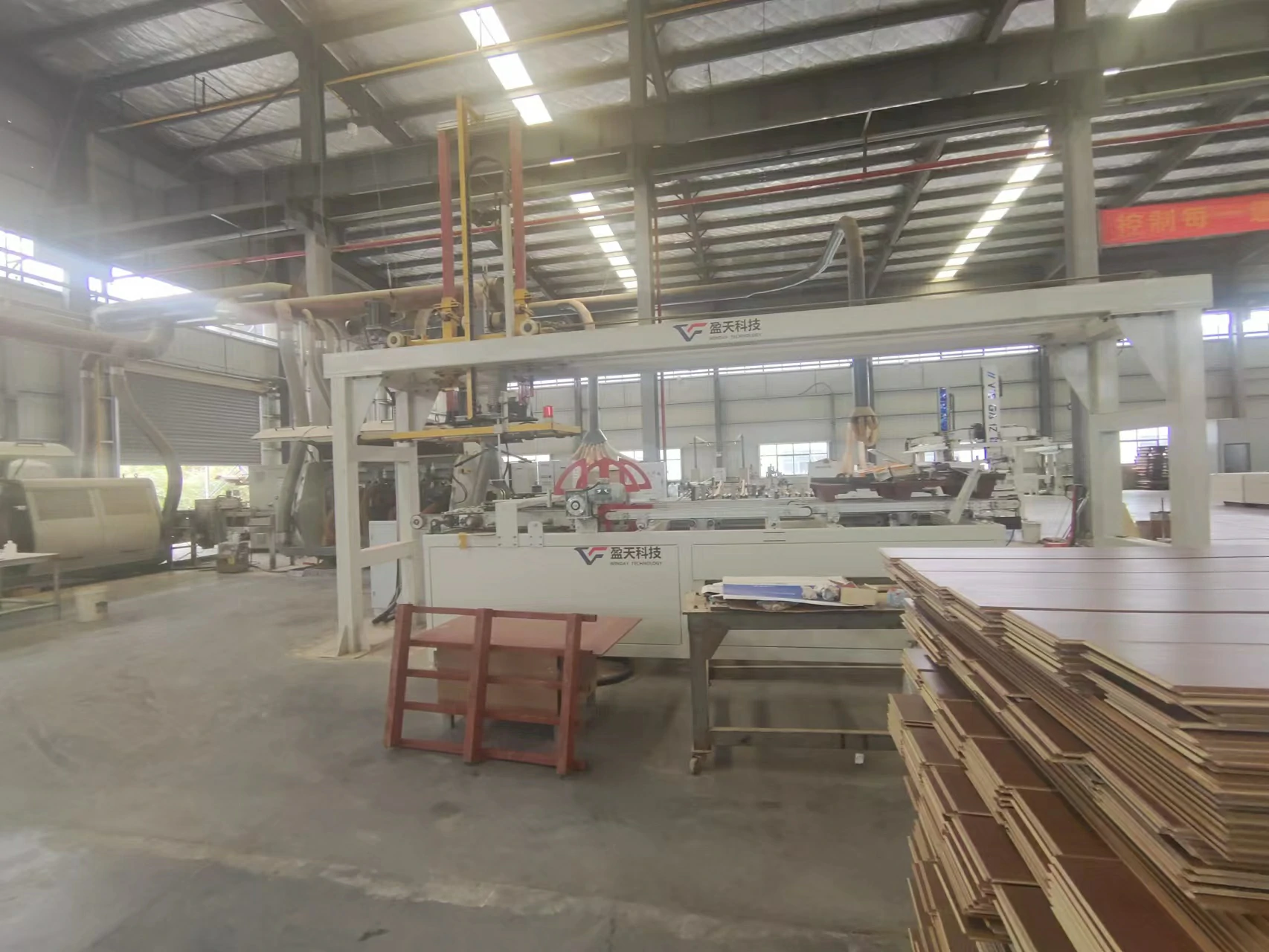
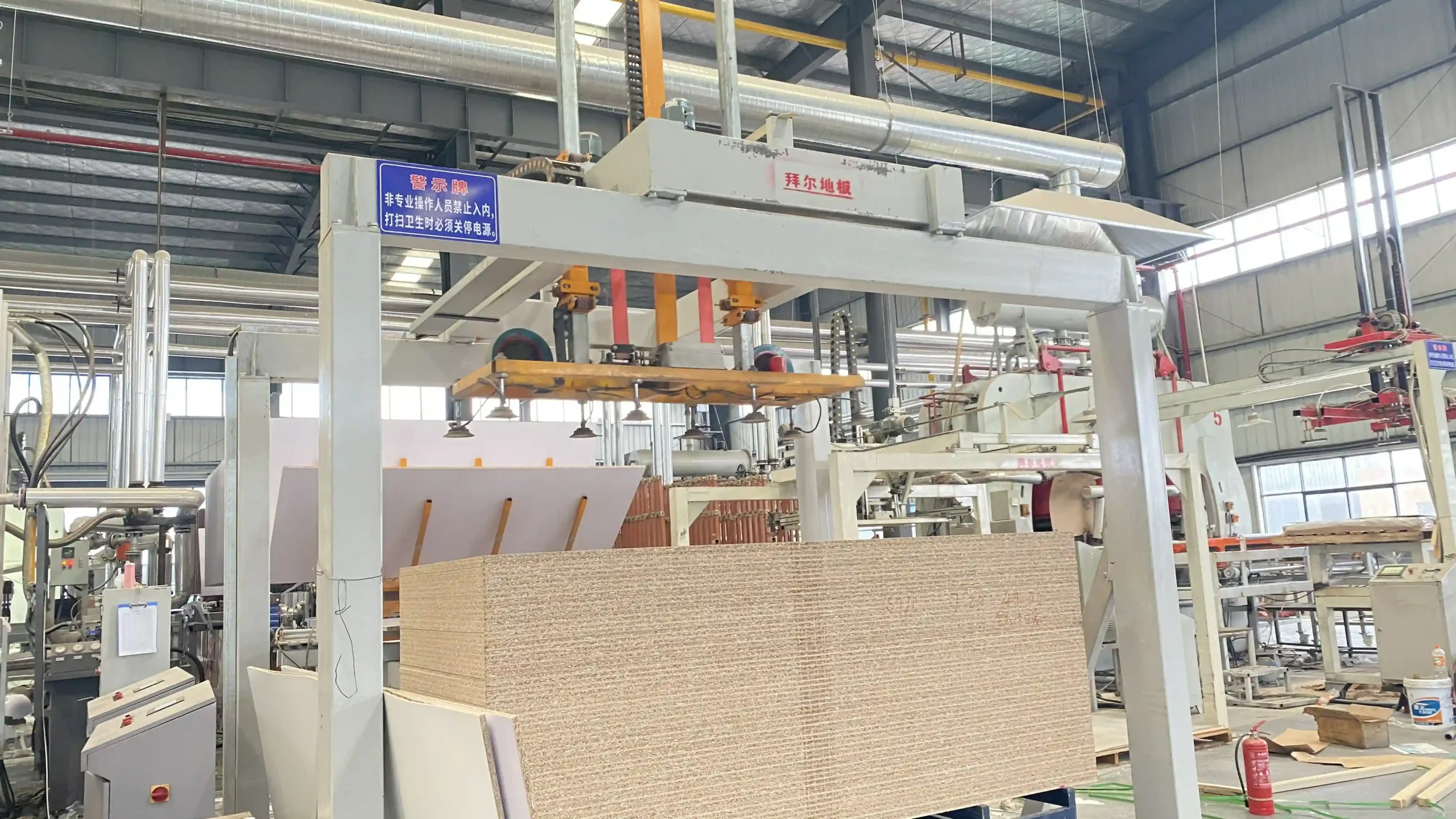
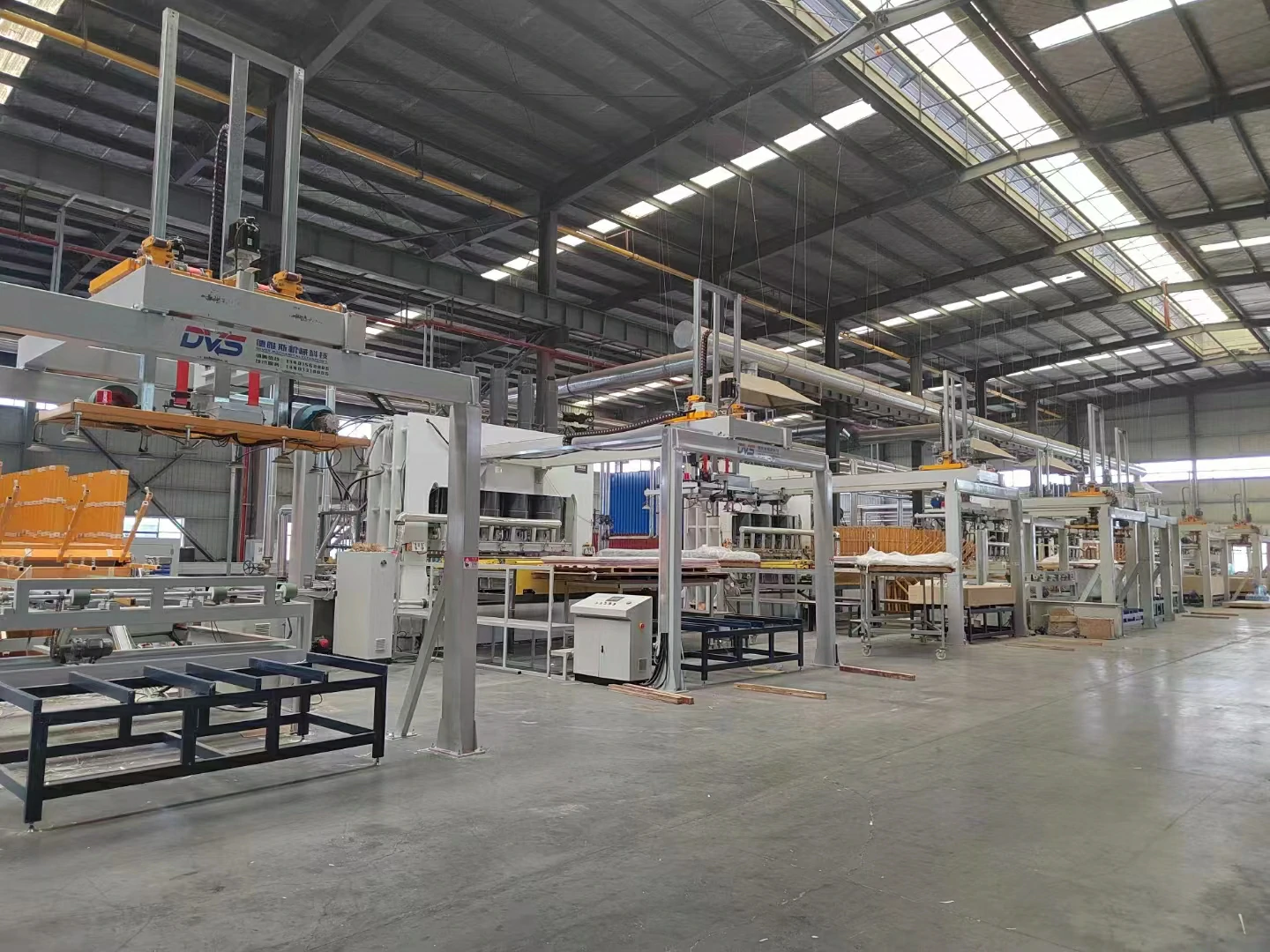
The process starts with wood waste: chips, shavings, and off-cuts that make up over 90% of the panel’s dry weight. Those raw particles get chipped down to under 30mm, dried at temperatures between 300–570°F, then sorted by size. The finer particles go to the outer layers. The coarser ones form the core.
That three-layer structure — fine, coarse, fine — is a deliberate engineering trade-off. The smooth outer layers improve surface finish and screw-holding near the face. The dense core adds bulk strength. But density isn’t uniform throughout. That creates predictable failure points under sustained load.
Here’s where manufacturing tolerances start to matter:
Resin distribution matters more than quantity
Poor bonding = hidden structural failure
The process ends with cooling and precision sanding to set the final thickness. But by that point, the panel’s structural ceiling is already fixed. No finishing step changes what the pressing stage locked in.
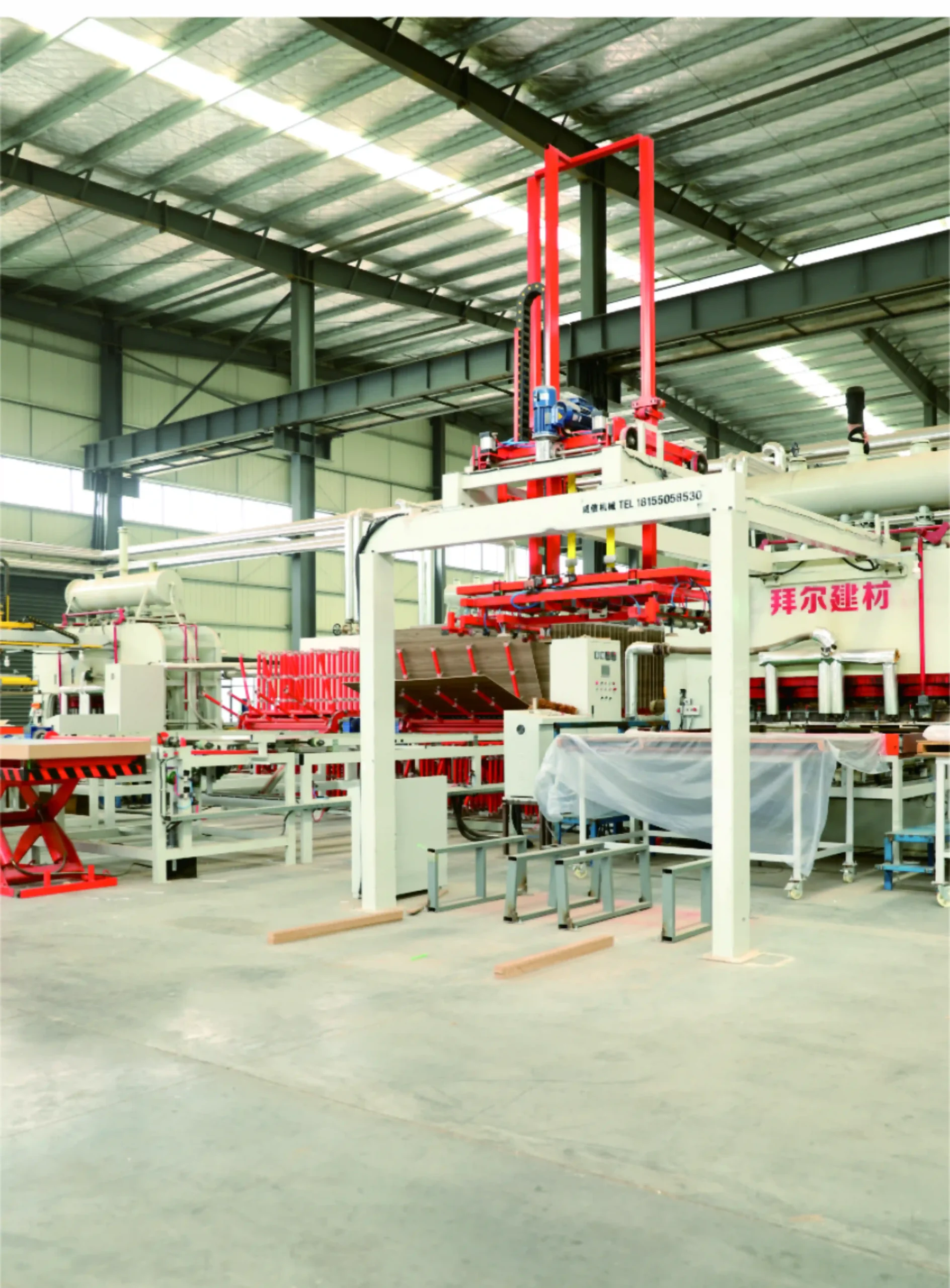
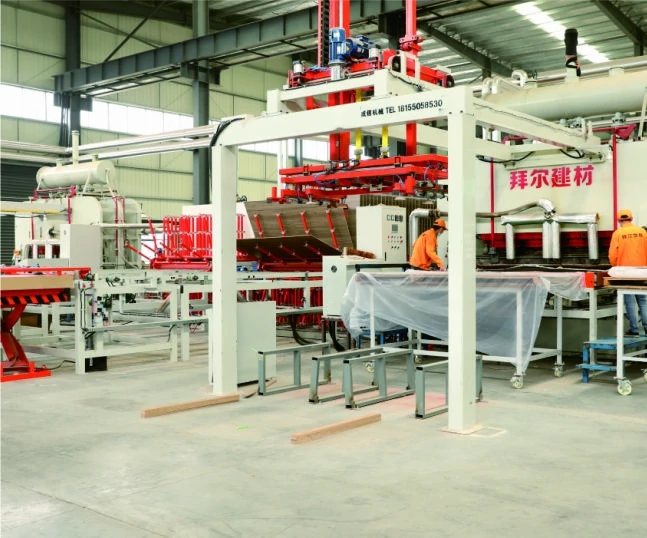
That’s the part most buyers miss: particle board structural integrity isn’t determined at the point of sale — it’s determined at the press.
How Density Directly Impacts Load Capacity
Pull two particle board panels off the shelf. They look identical. Same thickness, same surface finish, same price tag. But load them both with 200 lbs of books and one holds firm while the other bows by Tuesday. The difference? Density.
For buyers comparing material structures beyond particle board, understanding differences between panel types is critical, especially when reviewing options like MDF board manufacturing standards.
Density is the one variable that shifts every other strength metric in a clear, predictable direction. It’s not an abstract spec — it shows up in real numbers:
Weight capacity: Low-density boards handle 15 lbs per square foot. High-density grades push that to 55 lbs per square foot.
Screw withdrawal resistance: A Grade 1-L-2 low-density panel holds screws to 125 lbs of pull force. A Grade 1-H-3 high-density panel? 450 lbs. That gap matters every time a hinge or shelf pin takes load.
Modulus of rupture (MOR): Pushing density from 580 to 710 kg/m³ raises MOR from 11.1 N/mm² to 17.1 N/mm² — a 54% gain from density alone.
What Density Profiles Look Like Inside the Panel
Not all density distribution is equal. Three configurations exist in commercial production:
| Profile Type | Structure | Real-World Impact |
|---|---|---|
| Graded density | Denser core, lighter face zones | Stronger load-bearing, better screw retention |
| Uniform density | Even distribution via controlled press cycles | Higher internal bond in thicker boards |
| Medium/low | 38–44 pcf range | Weaker vertical gradient, more deflection risk |
At the top end sits HDF-grade particleboard — finer fiber particles, higher resin loading, and density figures that get close to MDF territory. You get better warp resistance and harder surfaces as a direct result. According to Wood Handbook by the Forest Products Laboratory, density directly influences bending strength and internal bond performance.
So here’s the bottom line: density isn’t one factor among many for particle board strength in furniture projects. It’s the multiplier that determines how every other factor performs.
Thickness vs Span: The Real Cause of Shelf Sagging
Geometry does more work than most people realize. Take two panels built from identical material — same density, same resin mix. Change the thickness or the support span, and you get completely different load outcomes.
Here’s what the numbers show:
A standard 5/8-inch (16mm) shelf handles 20–30 lbs per linear foot. Step up to 25mm and fracture toughness climbs to a KIC of 0.841 MPa·m¹/², compared to a lower value for the 16mm board. Thicker panels resist crack spread better. That’s not a small difference — that’s the panel surviving a heavy load versus splitting under it.
There’s a trade-off worth knowing, though. The 16mm board posts higher MOR and MOE values. More surface stiffness, less deep toughness. For shelving that bends under repeated weight, the 25mm wins. For applications where surface rigidity matters more, thinner boards still have a solid case.
Span Is Where Things Get Critical
Thickness alone doesn’t protect you. Span matters just as much.
At a 24-inch span, maximum allowable deflection is 0.10 inches. Push to 36 inches and that limit rises to 0.15 inches — already close to visible sag territory. Maximum recommended spans top out at 48 inches, and that ceiling assumes proper support conditions are in place.
One practical fix that most people skip: continuous rear edge support. For shelves 12 inches deep or less, adding a rear support rail doubles the allowable span. That’s a structural upgrade that costs almost nothing.
Keep spans short. Size up on thickness for heavy loads. Those two changes alone close most of the gap between particle board that holds up and particle board that gives out.
Resin Bonding & Particle Size: Hidden Strength Variables
Density and thickness get all the attention. But two quieter variables do just as critical work inside every panel — and most buyers never think about either of them.
Particle size and resin binder content work at the micro level. You can’t see them in a finished board. Yet they explain why two panels with identical density specs can perform so differently under load.
Here’s how it breaks down:
Finer particles demand more resin coverage. Smaller wood chips carry more surface area per unit of weight. More surface area means more binder is needed to achieve full bonding. Use too little binder on a fine-particle board and you get weak adhesion zones spread throughout the core. They stay invisible until something heavy exposes them.
Resin content has a performance window. For particleboard, bending strength peaks at 4–8% resin content. Drop below that range and internal bonds weaken. The link between resin and internal bond strength is fairly direct — more resin produces a stronger bond, with no hard upper ceiling in the same way.
Atomization quality changes the outcome. Finer resin droplet distribution during spraying produces 15% higher strength compared to coarser application at the same resin percentage. Same chemistry, same quantity — different result based on how the binder coats each particle. Uniform coverage is what drives the gain, not the amount alone.
The interaction between particle geometry and binder coverage is not a side issue. Research shows a 0.863 correlation coefficient between particle surface characteristics — size, roughness, pore structure — and final mechanical strength. That’s close to a direct relationship. It holds independent of the resin-to-wood ratio itself.
For particle board furniture grade use, this plays out in one concrete way: a board with optimal resin distribution at 6% solids outperforms a board with 8% resin applied unevenly. More resin does not fix poor coverage. Quantity without uniformity leaves the gap wide open.
Moisture Exposure: The Fastest Way Panels Fail
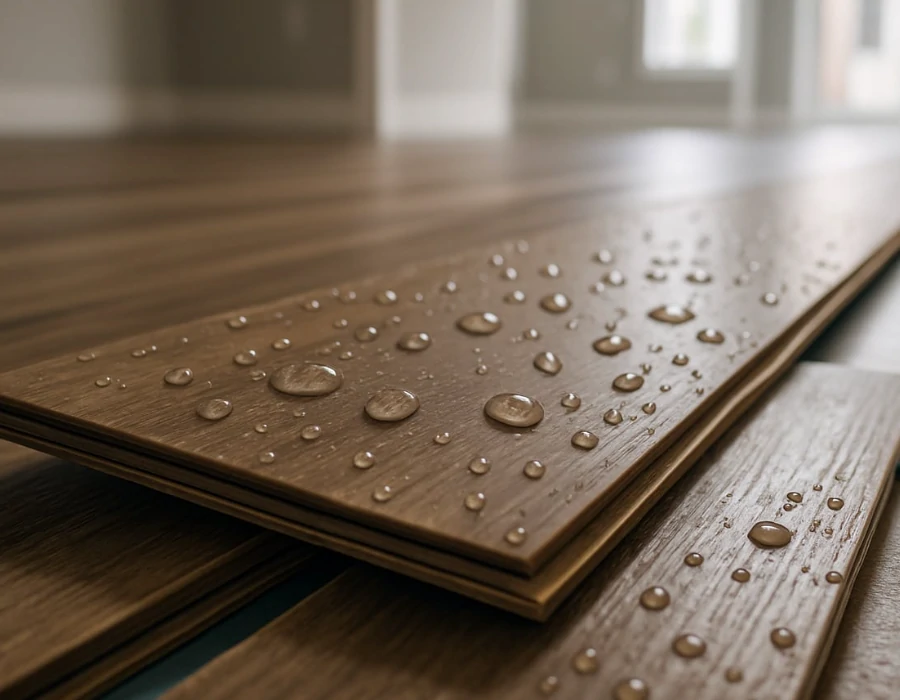
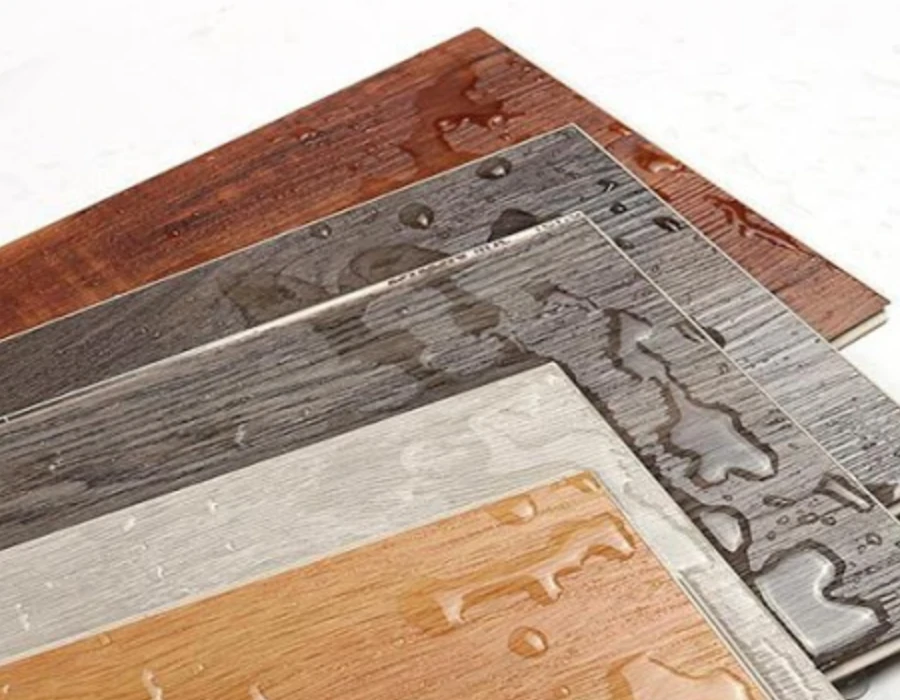
Water doesn’t negotiate with particle board. It just wins. Research from the Forest Products Society confirms that moisture exposure leads to irreversible dimensional instability in composite wood panels.
Moisture gets in from a kitchen splash, a slow bathroom leak, or the humidity in a room with no airflow. Once it does, structural failure has already started. Edges absorb first. Then the core swells. Then the resin bonds that hold everything together begin to break down at the fiber level. By the time you spot the soft spot or the warped surface, the damage runs deep.
Here’s what that looks like in real numbers: standard particle board hits a tipping point at around 42% relative humidity (about 7% moisture content). Below that threshold, panels stay stable and hold their shape. Above it, swelling starts — and it doesn’t go back to normal once things dry out. Moisture-related failures are similar to risks discussed in moisture-related risks during MDF shipping, where improper storage leads to irreversible swelling.
The edges are the weakest link. Cut edges and unsealed seams soak up moisture far faster than coated face surfaces. That’s why flat-pack furniture breaks down at the joints first, not in the center of a panel.
A few other factors control how fast things fall apart:
Adhesive type — Standard urea-formaldehyde resins break down fast under wet conditions. Moisture-resistant binders slow that process down, but they don’t stop it.
Density — Denser boards take in moisture at a slower rate, but the outcome is still the same.
Surface coatings — Melamine and laminate facings buy some time. Long exposure wears them down all the same.
There’s a second problem that doesn’t get enough attention: moisture-soaked particle board turns into a mold and mildew environment. The porous inner structure traps water and organic matter. That combination is near-impossible to fix without a full replacement.
Stay away from high-moisture zones — near sinks, dishwashers, and bathrooms — unless the board carries a moisture-resistance rating and you seal all edges at installation.
Fastener Performance: Why Screws Fail at the Edge
Put a screw into the face of a particle board panel and it holds. Drive that same screw into the edge, and you’re fighting the material’s worst structural weakness.
The edge problem is pure physics. Particle board has a layered structure — fine outer particles, coarser core. The edge exposes every one of those transition zones at once. Internal bond strength at the edge sits between 12–18 MPa. Lateral force beyond that threshold doesn’t bend the board. It splits it.
Where Most People Go Wrong
Screw diameter is the first mistake. Use a fastener wider than 1/3 of the board thickness and splitting risk jumps 42%. The fix is simple: keep screw diameter under 20% of board thickness. Chipboard screws with 3.5mm shanks and 2.5mm thread pitch are built for this job. Thinner shanks create less internal stress. Wider thread pitch handles density variation in the core.
Torque is the second mistake. Go past 4 Nm and threads start deforming. That one error cuts pullout resistance by 30%. It also compresses the surrounding material past its recovery point. Tighten until the head sits flush. Stop there.
Thread engagement matters too. You need 3 full threads minimum for reliable holding strength. Past 5mm depth near the edge, blowout becomes a real risk.
Placement Changes Everything
Where you position screws matters as much as how you drive them. Place screws 3–4 inches from joints. Run them parallel to edges in high-stress zones — hinges, shelf pins, cabinet corners. That placement delivers 30–40% higher load capacity than random placement, according to the 2023 Material Fastening Report.
Edge failures do happen. The repair path depends on how bad the damage is:
| Damage Type | Repair Method | Outcome |
|---|---|---|
| Edge-adjacent hole failure | Reinforced block or bracket | Prevents edge breakout |
| Stripped hole | Dowel or insert with adhesive | New holding material |
| High-load hinge point | Threaded insert | Long-term durability |
Pre-drill every edge hole. Drive at low speed. Keep screws back from the margin. Those three habits won’t change what particle board is — but they’ll stop you from blowing past its structural limits before the job is done.
Particle Board vs MDF vs Plywood: When to Choose Each
Four materials. Four very different strength ceilings. Most buyers pick between them based on price alone — and that’s how you end up with a sagging shelf six months later.
Here’s the honest ranking, measured against plywood as the baseline:
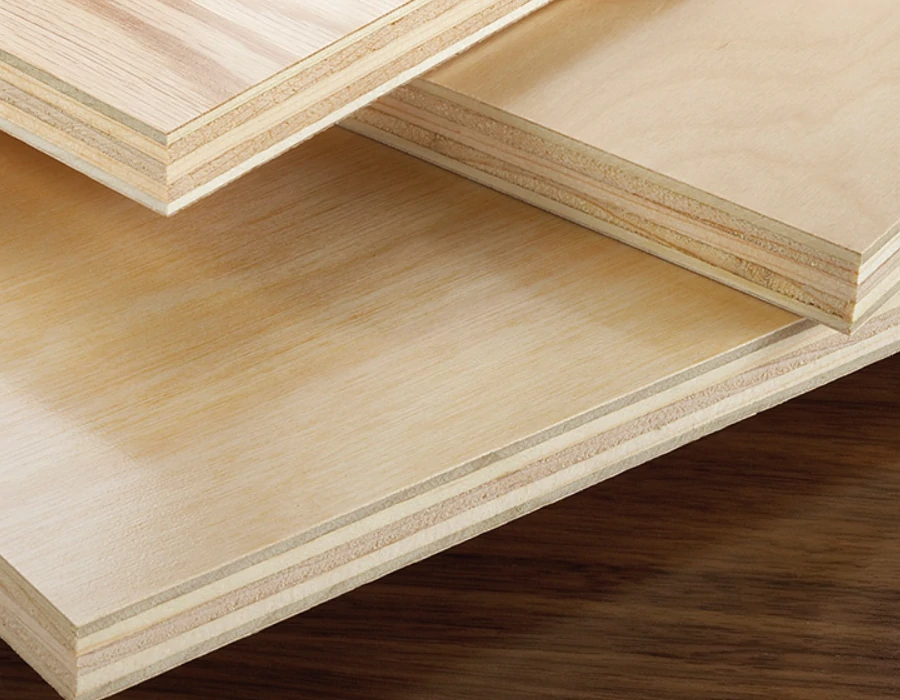
Plywood — 100%. The benchmark. Strong along the grain, warp-resistant, and holds screws well in any direction.
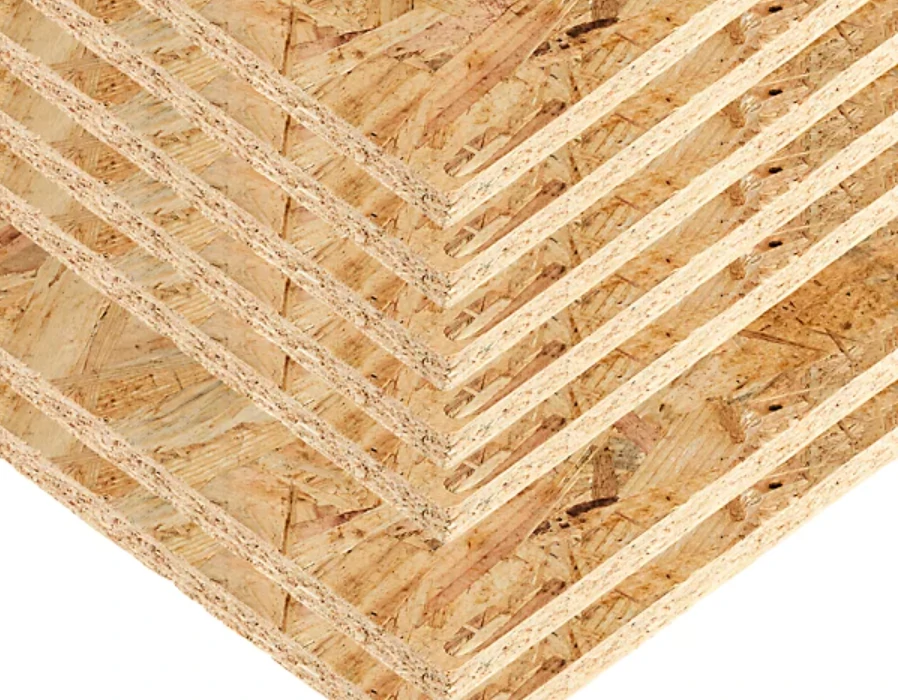
OSB — 80–100% along the grain, drops to about half that across it. Good lateral strength, but performance shifts based on orientation.
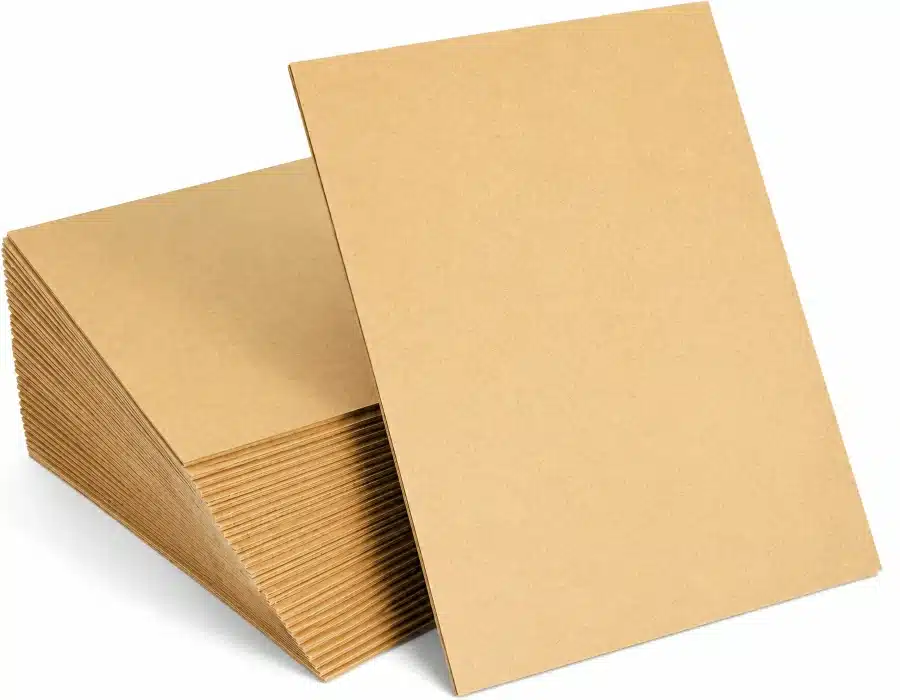
MDF — About 50% of plywood strength. Dense, uniform fiber structure gives it solid faces, but the core breaks down under heavy load.
Particle board — 25–33% of plywood strength. Lowest density. Lowest structural ceiling. That’s the bottom of the list.
That gap between plywood and particle board isn’t a small spec difference. A bookshelf built from plywood holds 200 lbs without moving. One built from particle board bows under half that weight.
For a deeper comparison of panel materials, you can also review MDF vs particleboard differences in real applications.
Where Each Material Belongs
Each material fits a specific job. Stop treating all four as the same thing — they’re not.
| Material | Best Use Case | Avoid When |
|---|---|---|
| Plywood | Load-bearing furniture, structural builds | Budget is the hard constraint |
| OSB | Walls, subfloors, structural sheathing | Moisture exposure is a certainty |
| MDF | Cabinets, shelving with moderate loads | Heavy loads, wet environments |
| Particle board | Lightweight flat-pack, shoe racks, low-traffic surfaces | Anything exceeding light loads |
One number worth keeping in mind: a shelf that needs to hold more than 50 lbs calls for plywood or OSB. Those are your two solid options. MDF handles moderate cabinet loads well enough. Particle board has no place in that conversation.
Screw-holding tells a similar story. Particle board leads the composite group in face-screw retention. But that advantage disappears at the edge. It also falls apart under repeated load cycles. Plywood holds screws well in every direction — face, edge, end grain. MDF strips out faster than most people expect. OSB holds well along the grain, but struggles against it.
Cost runs the opposite direction from strength. Plywood costs the most. Particle board costs the least. That’s not a coincidence — it reflects what you’re getting structurally. For lightweight, low-traffic uses like portable furniture or display shelving, particle board makes sense on a budget. Push it into load-bearing territory, though, and you’re not saving money. You’re just pushing the failure down the road.
If your project requires higher structural reliability, you can review plywood panel strength characteristics and production control here.
Where Particle Board Works — And Where It Will Fail
The answer is simpler than most guides admit. Particle board works in low-stress, light-load situations. It has no place near heavy, permanent, or moisture-exposed furniture.
Here’s the breakdown.
Projects where particle board holds up:
Bookcases and display shelving — Light loads, a stable environment, and solid edge support make this work. Reinforce with molding, add furniture feet, seal all surfaces with spray paint, and cover the back panel with fabric for a clean finish. These steps aren’t just cosmetic. They protect the particle board’s structural strength against daily wear.
Under-workbench storage shelves — Low traffic, controlled conditions, and minimal weight shifts keep this manageable.
Workshop jigs and temporary surfaces — Router jigs, drill press tables, clamping cauls. Push it hard, then pull it out before any staining or finishing work touches the surface.
Projects where particle board will fail:
Anything permanent and load-bearing
Long-term furniture in kitchens, bathrooms, or humid rooms
Shelving expected to carry more than light, spread-out weight over time
The IKEA flat-pack reality makes this clear. Most furniture-grade particle board pieces are built to move once and get replaced — not repaired. Once a unit starts sagging or screws start stripping, the material has hit its limit.
One rule to follow: work only with boards in solid structural condition. No sagging, no soft spots, no visible delamination. A panel that’s already broken down won’t be saved by molding or paint. The press either got it right or it didn’t.
How to Strengthen Particle Board Furniture
Particle board doesn’t have to stay weak. The right fixes at the right time can stretch its working life by years.
Start with structural reinforcement. Flat-pack pieces showing joint stress need immediate attention. Drill into the cam lock points and add L-brackets at the corners. At high-load zones, combine angle brackets with wood glue and screws. This three-part setup — bracket, adhesive, fastener — spreads force across a wider surface area. That’s better than letting all the pressure sit on one screw point.
Surface damage is fixable — but act fast before it spreads. Got condensation rings? A hair dryer pulls the moisture out if the damage is fresh. Surface already swollen? Grab 60–100 grit sandpaper and level it flat. For light scuffing and prep work, 120–220 grit is the right range. Don’t go too aggressive — you’ll expose the core, and that makes things worse.
Fill dings and chips with joint compound or spackle. Press it in with a palette knife, smooth it level, let it dry, then do a final 220-grit pass and wipe the surface clean.
Primer choice makes a real difference. Go with oil-based or lacquer-based primer. Skip latex — it soaks into the surface and causes swelling. Chalk paint is a solid shortcut here. It bonds without primer and covers well in two coats.
Warped shelves? Set weights on a flat surface, let it dry, then sand the raised areas smooth. Deep warps don’t respond well to fixes. At that point, replacing the board is the smarter call. Every material has a limit, and particle board is no different.
FAQ: Particle Board Strength — Quick Answers to the Questions People Search
People search these six questions most often about particle board strength. Here are straight answers — no padding, no theory overload.
How much weight can particle board hold?
Between 15 and 55 lbs per square foot, depending on density and thickness. Typical capacity lands around 32 lbs per square foot. A standard 1/2-inch low-density sheet holds about 41 pounds before you start pushing the limits.
What’s the biggest threat to particle board structural integrity?
Moisture. Every time. Water causes permanent swelling. Seal all edges. Stay away from humid zones. Treat moisture exposure as a hard failure condition — not a cosmetic issue.
Can you improve particle board load bearing capacity after installation?
Yes. Add center supports to cut your unsupported span in half. That one change gives you a big boost in effective weight capacity. Steel frame support takes it even further. Aluminum framing or doubling up boards works too.
Why do shelf pins fail in particle board?
Small-diameter pins create too much stress in a tight area. Bearing strength fails at 900 psi peak stress under those conditions. Spread the load across more contact points to reduce that pressure.
Is particle board weaker than MDF?
In most structural categories, yes. Plywood leads. OSB follows. MDF sits in the middle. Particle board sits at the bottom — which doesn’t make it useless. It just works best in specific situations where heavy load-bearing isn’t the main need.
Procurement Checklist: How to Verify Particle Board Strength Before Buying
Before placing an order, buyers should verify the following:
Density (kg/m³) — request test report, not just specification sheet
Thickness tolerance — ensure consistent thickness across panels
Resin type — confirm UF / MR / MDI depending on application
Moisture resistance rating — especially for kitchen or export shipping
Screw holding strength — ask for internal bond and withdrawal test data
Surface sealing condition — laminated or raw edges
Span application — clarify actual load and support structure
If suppliers cannot provide at least 3 of the above with documentation, the risk of structural failure increases significantly.
Buyer Mistakes That Cause Particle Board Failure
Most failures come from these common mistakes:
Choosing low-density board for load-bearing shelves
→ Result: sagging within months
Ignoring span length in design
→ Result: visible deformation even under moderate load
Using standard UF board in humid environments
→ Result: swelling and irreversible damage
Driving screws into edges without pre-drilling
→ Result: splitting and joint failure
Over-tightening screws
→ Result: 30% loss in holding strength
Avoiding these mistakes costs nothing — fixing them after failure is expensive.
Quick Decision Guide: When to Use Particle Board vs Alternatives
正文:
Use this quick rule:
Light furniture / cost-sensitive → Particle board
Cabinet doors / smooth finish → MDF
Structural furniture / heavy load → Plywood
Construction / subfloor → OSB
If your project includes:
Load > 50 lbs per shelf
High humidity exposure
Long-term installation
→ Do NOT use particle board.
Conclusion
For bulk buyers sourcing different panel materials, working directly with a wood-based panel factory helps ensure consistent quality and specification control.
Particle board is not a weak material by default — it is a material with strict limits.
If you control density, thickness, moisture exposure, and fastening methods, it performs reliably in the right applications. If you ignore those variables, failure is not a possibility — it is a timeline.
For B2B buyers, the difference between a successful project and a costly failure is not price. It is specification control.
So what separates smart material choices from costly ones? It’s not gut feeling. It’s knowing what’s happening at the structural level:
Particleboard density drives every key strength metric
Thickness and span geometry both affect how the board handles real load
Failure points are predictable — but only if you know where to look
Before your next furniture project, check your application against what you’ve learned here. Match the load. Control moisture. Follow the fastener rules.
Build with the grain of the material — not against it.