What Buyers Can’T See: Hidden Plywood Quality Risks

Plywood

Why Hidden Plywood Defects Cost Buyers More Than Visible Ones

Surface defects are cheap problems. You spot a knot, a rough patch, a cosmetic flaw — you reject the panel before it touches your process. Cost: zero. The defect never enters your workflow.

Hidden defects work on a different timeline.

A void in the core doesn’t announce itself at the receiving dock. It waits. The saw blade hits it mid-cut. The panel warps under humidity. The glue line gives out three weeks into installation. By that point, you’ve paid for shipping. You’ve paid for labor. You’ve moved the material deep into a project — and now you’re paying again to fix what should never have passed inspection.

That timing gap is where the real cost lives.

Defect Type When It Surfaces Cost Impact
Visible surface flaws Pre-use inspection Low — reject on-site, zero processing waste
Core voids / gaps Cutting or installation High — scrapped panels, project delays, replacement orders
Delamination Moisture exposure or load stress Severe — full replacement plus contractor claims

Buyers keep running into the same pattern. A $20–$50 softwood sheet looks fine on delivery. Then cutting exposes core gaps — and the full load gets rejected. Finishing labor runs $10–$30 per sheet once BB-grade filled voids bleed through paint. Switch to premium stock and those costs go away.

That’s what plywood quality factors measure in practice — especially when sourcing structural panels for construction or furniture manufacturing.. Not how a panel looks. But when it fails — and what you’re left holding when it does.

Cheap plywood doesn’t fail at purchase. It fails at the worst possible moment — inside a project, under pressure, after the supplier has moved on. The price gap between C-grade and pre-finished premium stock looks small at the start. After a failed panel tears into your project, the math runs the other way.

The 3 Most Dangerous Internal Defects Buyers Never See Coming

6788ea1f e86a 4dea bb59 01ad9ead7238

Pull a panel off the stack. Run your hand across it. Looks solid. Feels solid. That surface tells you almost nothing about what’s happening three layers in.

Here’s what’s waiting inside.

1. Core Voids

Air pockets form during veneer stacking. Not because someone made a careless mistake — the process builds them in. Veneers shift. Handling introduces gaps. Pressure doesn’t always close them.

The result is a stress point that carries 20–30% less load capacity than the surrounding panel. Under 500–1,000 psi of real-world load stress, that void doesn’t compress — it collapses. The delamination that follows looks like a moisture problem, a storage problem, an installation problem. It’s none of those. The defect was built in before the panel left the mill. 

Understanding how veneer stacking affects panel strength is critical when evaluating plywood for structural use.

2. Veneer Overlaps

Uneven stacking leaves thickness peaks of up to 3mm inside a 25mm core. Those peaks create bond zones where adhesion never forms clean. Shear strength drops by 40% in those areas. Failure can hit at loads as low as 200–400 psi.

You won’t feel it cutting. You won’t see it sanding. You’ll see it when the panel buckles under a load it was spec’d to handle.

3. Crushed or Fractured Core

This one starts before finishing. Consider what causes it:

A handling drop that exceeds 50 ft-lbs of impact

A drying process that leaves moisture above 12%

A press cycle with pressure spikes past 1,500 psi

Any one of these fractures the core from the inside out.

The panel clears visual inspection. No red flags. But soft spots deform 10–25% under 300 psi of sustained stress. Over two to five years, those micro-fractures spread. The failure looks sudden. The damage started at the mill.

Structural defects like these show up in 20–30% of inspections — but only when panels get a real evaluation. Most don’t. All three defects share one trait that makes them dangerous: they’re invisible at the exact point where plywood quality factors get checked. By the time the evidence shows up, the project is already compromised.

Hidden Bonding Failures: Why Delamination Starts Inside the Panel

271a4208 9fca 46de af75 0c377d8020a0

The glue line looks fine. It always looks fine.

That’s the problem with bonding failures — they don’t announce themselves. A weak glue line passes every visual check. It survives the press. It ships clean. Then, somewhere between your receiving dock and the job site, the chemistry falls apart.

Here’s what’s happening inside that bond:

The failure starts at application. Low glue spread, uneven coating, adhesive that’s too dry or not dry enough before pressing — any one of these creates zones where adhesion never forms. The panel holds together. But the bond is thin where it should be solid. That difference is invisible to the naked eye.

Moisture does the rest. Humidity gets into those weak zones. Hydrolysis begins. Water breaks into the bonding layer, pulls out resin, and triggers further chemical breakdown. The process is slow. It can take weeks, sometimes months. But it doesn’t stop.

Delamination will surface. By the time it does, the damage has been building since the day the panel was pressed. Most cases measure under 1,100 mm² when mapped. That sounds manageable. It isn’t. You’re not finding one weak zone. You’re finding the one that broke through first.

The rest are still waiting.

This is where plywood quality factors get hard to control. You’re not evaluating what you can see. You’re placing a bet on a manufacturing process you were never there to watch.

Moisture and Dimensional Instability in Plywood

6a7610e8 e6d5 411b 9b47 9c2f4adda565

Moisture doesn’t destroy plywood all at once. This behavior is similar to other engineered wood panels such as MDF boards, where moisture exposure can lead to swelling and structural instability. It works in stages — shifting, expanding, pulling at glue lines over days and weeks until something breaks.

The panel that passed factory QC isn’t lying to you. It was stable when it shipped. What changes is everything after that point: the humidity inside a shipping container, the temperature swings during transit, the storage conditions on-site. Each environment puts stress on the panel. At some point, the panel fails.

Here’s what the numbers mean:

Moisture content above 16% pushes plywood into plastic deformation — the geometry changes, and it stays that way

Below 8–10%, you get the opposite problem: brittleness, micro-fractures, panels that splinter under stress loads they should handle

Sustained exposure above 60% RH triggers hygroscopic absorption — the wood pulls in water without limit, and dimensional stability collapses

The warping you find three weeks post-installation? That’s cyclic moisture exposure at work. High humidity, then dry air, then high humidity again. Each cycle pulls the panel in a different direction. Corners and edges move faster than the center. The stress builds up right where you don’t want it.

This is a plywood quality factor no delivery inspection catches — because the instability isn’t there at delivery. It develops in response to the environment your project lives in.

You don’t buy a warped panel. You buy a panel that hasn’t warped yet. Moisture stability is also a key consideration when selecting flooring materials such as laminate flooring or SPC flooring in humid climates.

Surface Defects That Reveal Deeper Plywood Quality Problems

8ae6be34 c6bc 44ff b097 170ef2a36c7c

A knot is never just a knot.

That’s the part most buyers miss. They see a cosmetic flaw and price it as one — something to negotiate down, something to live with. What you’re looking at is a signal. Knots form from low-grade logs with tight growth rings under four per inch. The log was poor before it hit the saw. The knot on the surface is the mill telling you something about everything underneath it.

Same logic applies to patches and splits. Patches don’t just fill gaps — they hide them. Six to twelve months of exposure later, subsurface voids cause 15–25% sinkage beneath painted surfaces. That sinkage traps moisture. Moisture gets in, and delamination follows at a rate 30% higher than on unpainted panels. The cosmetic fix sealed the structural problem in. It made things worse.

Splits are direct about the damage they do. An open split holds two to three times more water than a sealed surface. Internal rot sets in within three to six months. Structural failure comes in eighteen to twenty-four months. By then, the panel has passed every receiving inspection it was ever going to face.

Color inconsistency is the defect buyers argue about least — and should watch most closely. A hue variance greater than 5% across panels doesn’t mean the batch looks uneven. It means manufacturing consistency broke down somewhere. This ties to grading fraud — A-grade orders with 10–20% B-grade veneer mixed in. Grading integrity slips, and defect recurrence runs 40% higher across the batch.

Here’s what the surface is telling you:

Surface Sign What It Signals Underneath Failure Rate
Visible warp Humidity-fluctuated material (storage >60% RH) Recurs in 70% of cases post-fix
Patches / cosmetic fills Raw log inconsistencies, subsurface voids 20–30% post-paint sinkage
Color variance across batch Grading fraud, batch control failure 25% tied to human error in grading
Edge splits / blow holes Upstream core voids Detection score: 3 out of 10

A practical inspection checklist before acceptance:

Knot density — more than three knots per square inch flags poor veneer. Industry reject benchmark sits at 15%.

Patch adhesion — press the surface after painting. Sinkage above 0.5mm means there’s a void underneath.

Split depth — anything beyond 2mm traps moisture. Check for early rot before the panel enters your workflow.

Color consistency — a deltaE reading above 3 units across a batch predicts a 35% failure rate on grading compliance.

Twenty percent of defective panels still reach market despite available detection technology. Half of all quality processes run on manual inspection alone. The surface signs are there. Most buyers just aren’t reading what they mean.

What Actually Causes Plywood Manufacturing Defects

The defect didn’t start at the glue line. It started three steps earlier, at a fixture nobody replaced.

Manufacturing research across composite panel production finds the same pattern: over 90% of defects trace back to just four root causes — fixture problems, process control failures, human error, and raw material inconsistency. Not one catastrophic failure. Four quiet breakdowns. They build on each other inside a production run you never saw.

Fixture problems lead the list. Aging press molds deform over time. Tolerances shift out of range. Cover molds lose pressure at the edges. Fixtures go out of spec — and everything pressed through them goes out of spec too. The panel that reaches your dock was shaped by equipment that hadn’t been set up for the job it was doing.

Process control is what should catch that. It doesn’t — not reliably. Glue spread varies run to run. Press cycles get cut short under production pressure. Drying temperatures shift. Each deviation is small on its own. Stacked across a full production shift, they add up to panels that passed QC on paper and failed in the field.

Human error is the variable nobody tracks well.
– Ply stacking sequences get reversed.
– Cuts run off angle.
– One operator error on hole positioning can ripple through an entire batch.

These mistakes are rare and random. That’s exactly what makes them the hardest plywood quality factor to catch at the receiving end. You’re not inspecting the process — you’re looking at the output after the damage is done.

The Pareto math here is stark: 80% of defects come from 20% of factors — often a single machine, a single shift, a single lapse in process discipline. You receive the output of that 20%. You have no way to know which batch carried it.

How to Detect Hidden Plywood Defects Before Accepting a Shipment

Most inspections happen at the wrong moment. A panel arrives at your dock weeks after the decisions that shaped its quality — press temperature, glue spread, veneer moisture. Those calls are done. What you can still do is run the right tests before the invoice closes.

Start With Moisture

Pull a meter first. Pin-type meters find subsurface moisture pockets in raw stock. Pinless meters scan finished surfaces more quickly. Neither type gives you the full picture alone. A single-point reading tells you very little.

Take readings from both ends and the center of each panel. Indoor applications need moisture content between 7% and 12%. Go above that range and you’re accepting a panel that will swell after installation. Drop below 8% and the panel gets brittle — joints crack, seams open, panels splinter under loads they should absorb.

The number on your meter is a prediction. High MC means warping is coming. Low MC means shrinkage gaps are coming. Both mean failure.

Cut One Open

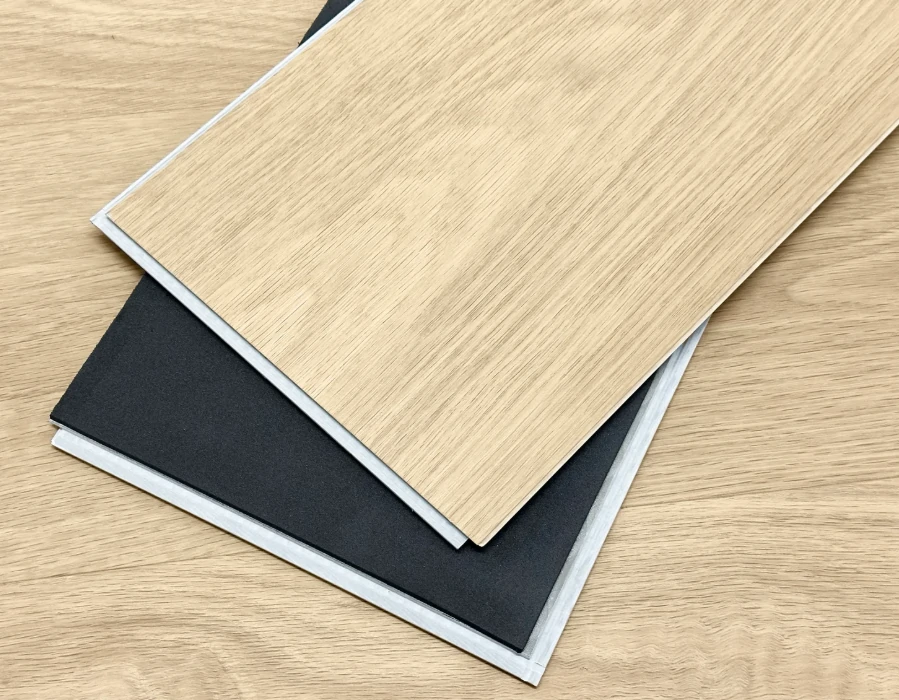
Cross-cutting a sample panel is the one inspection that shows you what’s inside. Look for blank spots at adhesive layers. Look for ridges in cross-section — those are overlapping core edges. Check the wood-breaking rate at glue lines. Low wood-break means poor bonding. The certification doesn’t change that.

Tap the surface too. A hollow sound confirms internal layer separation — steam damage from pressing. No visual check will catch that.

Test the Bond

Submerge a sample. Watch the edges and corners. Layer separation, surface bubbling, visible glue line opening — any of these means the bond failed before the panel reached you. The root causes are consistent: poor adhesive quality, wrong press parameters, veneer moisture out of spec. The soak test doesn’t care what the mill’s QC report says. It answers one question: does this panel hold together under stress?

These three checks — moisture metering, cross-section inspection, soak testing — won’t catch every hidden plywood quality factor. But they catch the ones that cost you the most. Run them before acceptance. Not after.

The Buyer’s Pre-Order Checklist for Plywood Quality Control

Suppliers will tell you what you want to hear. Your contract needs to make lying expensive.

Before a single panel ships, lock down four categories of documentation. Treat anything missing as a disqualifying red flag.

Documentation You Must Demand

Drying logs — not summaries, not certificates of conformance. Get the actual kiln records: temperatures held between 40–60°C for 48–72 hours, moisture content confirmed below 12%. A mill that can’t produce these either skipped the process or never tracked it. Both outcomes end the conversation.

Glue specifications with real numbers. Type II PVA with minimum 80% bond strength per ASTM D905. Not “high-quality adhesive.” A spec that can be tested and failed.

Third-party lab reports showing EN 314-2 shear strength above 2.0 N/mm². Then verify them. Cross-check report dates against production logs within a ±7-day tolerance. Request raw data spreadsheets instead of PDFs. Call the lab. Signed affidavits from lab technicians are not overkill — they confirm the document is real.

Contract Terms That Protect You

Add measurable thresholds into the purchase agreement before the order closes:

Criterion Threshold Remedy
Defect rate <2% AQL (ANSI/ASQ Z1.4) Full replacement within 14 days
Moisture content ≤8% uniform, tested at 5 spots per board 100% return if variance exceeds 10%
Dimensions ±0.5mm tolerance 15% credit per non-conforming unit
A-grade panels Zero delaminations Downgrade pricing 20–50% by grade

Set a 30-day post-delivery inspection window. The supplier covers return freight if the defect rate exceeds 1%. Delays beyond seven days trigger a 5% order value penalty per day. These are not aggressive terms. They are the bare minimum to keep a supplier accountable after the wire transfer clears.

Red Flags That Tell You to Walk Away

Watch how a supplier responds to basic requests. That behavior is a plywood quality factor on its own.

Refuses cross-cut samples: Any legitimate mill provides 1m² samples showing glue lines and core cross-section. Voids larger than 1mm disqualify the batch.

Inconsistent reuse cycle claims: A supplier claiming five reuse cycles when logs show two or three is guessing or fabricating. The standard benchmark is three to five cycles maximum.

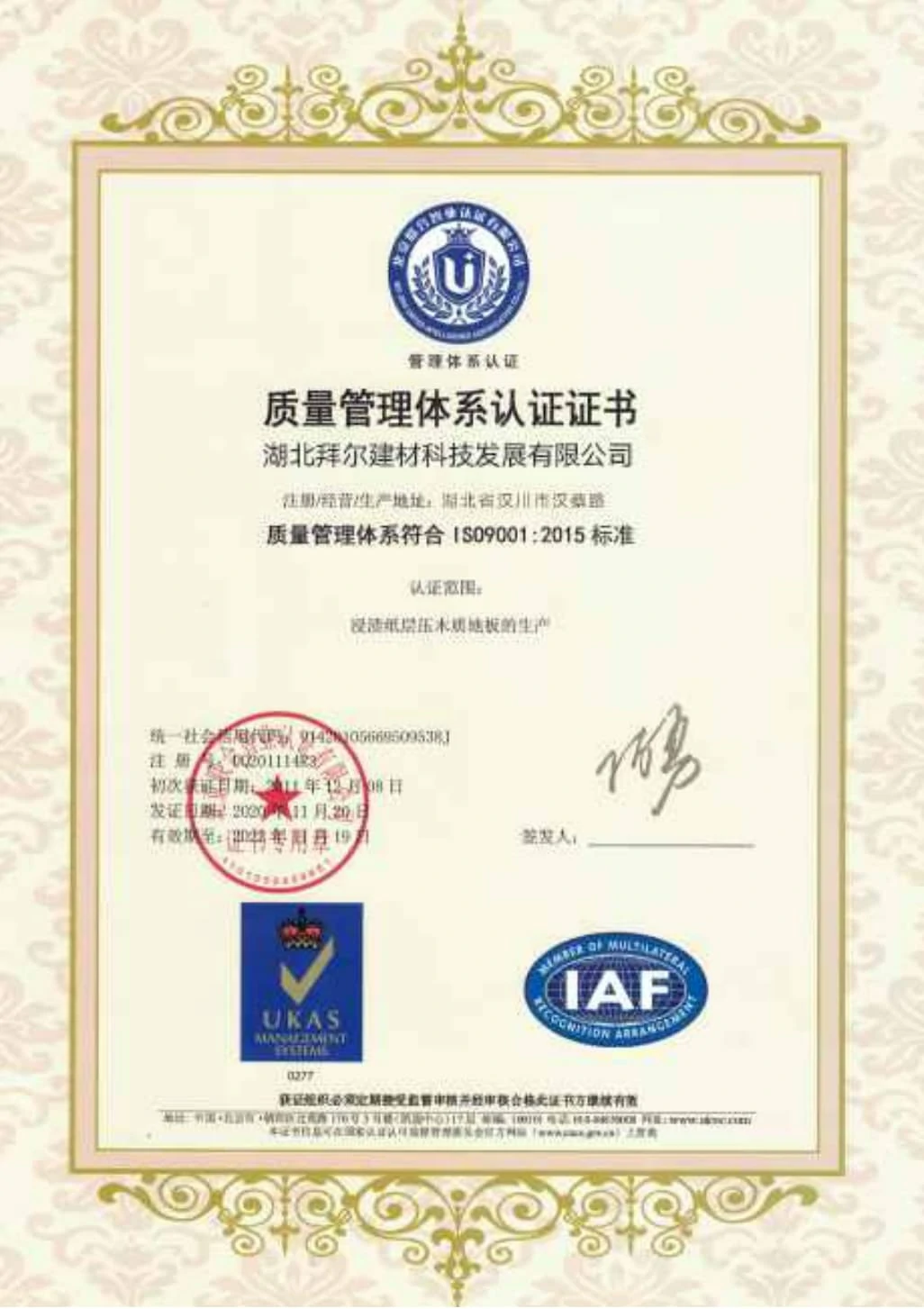
No ISO 9001 process documentation: Ask for failure mode logs with pass rates above 95%. Vague answers mean the process does not exist.

Loose lead times: Variance beyond ±5 days with no Must Arrive By Date commitment is a logistics risk. It becomes your problem, not theirs.

The checklist is not about paperwork. It forces every plywood quality factor — bonding integrity, moisture control, grading accuracy — into a contract where failure carries a defined cost. Suppliers who push back on these terms are telling you something important. Believe them.

FAQ About Plywood Quality Defects

How common are internal plywood defects?

Internal plywood defects are more common than many buyers expect. Industry inspections show that structural issues such as core voids, veneer overlaps, and weak bonding can appear in roughly 20–30% of panels when detailed testing is performed. Many of these defects are not visible during standard receiving inspections because they occur inside the panel layers. That’s why methods like cross-cut inspection, moisture testing, and supplier process verification are critical when sourcing plywood for construction or furniture manufacturing.

What moisture level is safe for plywood?

For most indoor applications, plywood moisture content should remain between 7% and 12%. Panels above 16% moisture content can enter plastic deformation, meaning the panel permanently changes shape and becomes prone to warping. On the other hand, moisture levels below 8–10% can make the wood brittle and more likely to crack or splinter under load. Proper storage conditions and checking moisture with a meter before installation are key to maintaining dimensional stability.

How can buyers detect hidden core voids in plywood?

Core voids are difficult to detect through visual inspection alone. One reliable method is cross-cutting a sample panel to examine the internal veneer layers and glue lines. Buyers can also perform a tap test to identify hollow areas that indicate internal separation. For high-value construction or export projects, advanced methods such as ultrasonic scanning or X-ray inspection can detect internal voids without damaging the panel. Combining these inspection methods with supplier quality documentation provides the best protection against hidden defects.

How to Choose a Reliable Plywood Supplier

The supplier who can’t show you inside the panel has something to hide.

That’s not cynicism. That’s process control — either a mill has it documented, or it doesn’t. The difference shows up in one specific place: do they hand you cross-cut photos without being asked?

Legitimate suppliers provide cross-cut evidence from sheet-by-sheet inspection. Look at those images closely. You want to see core gaps and overlaps held to a maximum of 2 pieces per meter at 500mm spacing, flat geometry, no twists or distortions. A supplier who fumbles this request — or hands over summaries instead of photos — is telling you their internal inspection doesn’t go that deep.

The Questions That Separate Real Process Control From Paper Compliance

Choosing the right plywood manufacturer matters as much as selecting the right material specification.

Seven questions reveal more than any certificate:

  1. Can you provide cross-cut photos from three recent production batches?
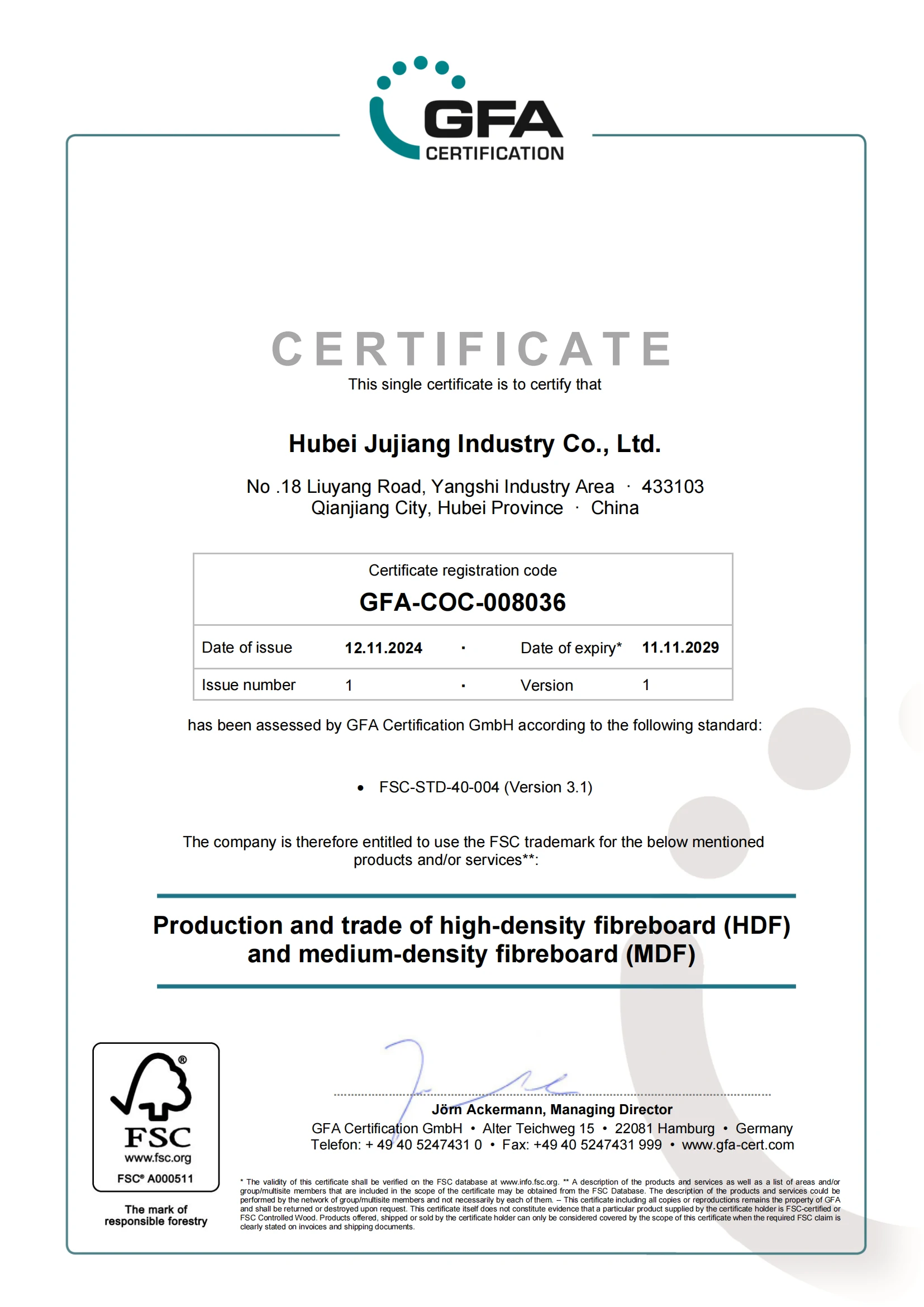
  2. Do you hold current third-party certifications — FSC, CARB P2, CE, ISO 9001 — with audit dates attached?
  3. Can you share sheet-by-sheet inspection logs for the past six months, with defect rates below 2%?
  4. What are your historical thickness and moisture standard deviations per lot? Target benchmarks: under 0.3mm for thickness, under 1% for moisture.
  5. How often do you run in-process checks? What is your raw material rejection rate?
  6. Can you provide adhesive specifications with EN or JAS test reports matched to your plywood type?
  7. Do you maintain process control charts covering core alignment and glue penetration — with open joints capped at 3mm?

A supplier who answers all seven with documentation isn’t doing you a favor. They’re showing you their process exists.

What Acceptable Defect Levels Look Like in Practice

Numbers matter here. Take Metsä Wood’s WG IV reverse grade as a reference point. Overlaps are allowed at 2 pieces per meter. Open joints cap at 3mm width. Edge defects start at 5mm. These aren’t tough standards. They’re the floor — the bare minimum you should expect.

For bonding, match documentation requirements to end use:

End Use Standards Required Tests That Must Pass
Furniture ISO 9001, APA grades Bond strength, delamination
Construction CARB P2, CE Marking, FSC Density, water resistance
Exterior PEFC/FSC Chain of Custody Moisture 8–12%, boil test

Lab sub-samples need to hit moisture below 14%, density above 500 kg/m³, and zero delamination after a three-cycle boil test. Anything missing from that picture is a plywood quality factor the supplier chose not to control — or not to show you.

Set your acceptance threshold at a maximum 3% defects per lot. Require third-party validation, not self-reported claims. The supplier who pushes back on that number is exactly the one you needed the number for.

Conclusion

Plywood doesn’t reveal its flaws before delivery. It won’t warn you about voids that compress under load, adhesive that fails in humidity, or core gaps that ruin a finished product. By the time those problems show up, you’ve paid for them twice — once at purchase, and again in callbacks, replacements, and broken relationships.

Knowing the real plywood quality factors isn’t about becoming a materials scientist. It’s about asking the right questions before money changes hands. Build supplier relationships on transparency. Know what verification steps protect your business. Visual inspection alone won’t catch everything — so you need a clear process before you commit.

Buyers who get burned aren’t careless. They just didn’t have the right framework.

Now you do.

Here’s what to act on:

  • Use the pre-order checklist. Go through it before every order.
  • Demand mill certifications. Don’t accept vague quality claims.
  • Run ultrasonic checks on high-stakes orders. Catch hidden voids before they cause damage.
  • Choose suppliers who welcome scrutiny. A supplier that deflects tough questions is a red flag. Real quality holds up under inspection.