Flooring decisions feel simple — until you’re standing in a showroom, staring at a spec sheet full of millimeters and marketing language. You start wondering if attached underlay in SPC flooring is worth the premium or just a convenient upsell.
Here’s the truth: most buyers don’t get burned by choosing the wrong color. They get burned by missing the details hiding beneath the surface — the ones you can’t see once the floor is down.
This guide cuts through the noise. You’ll get straight answers on subfloor prep, sound ratings, radiant heat compatibility, and warranty fine print. That gives you a clear framework to make a purchase you won’t regret six months after installation.
Key Factors to Consider When Choosing Attached Underlay SPC Flooring
Six core factors shape every smart decision about attached underlay in Spc Flooring. Know them upfront, and you avoid costly mistakes down the road.
Sound insulation comes first. SPC’s dense core pairs with foam, cork, or IXPE backing to cut footstep noise and echo. That’s a real edge over traditional LVT — and it matters most in apartments or multi-story homes.
Comfort and durability come next. The attached cushion softens the hard core beneath your feet. It also acts as a compressive barrier, pushing floor lifespan out to 15–25 years.
Before you buy, check these four things:
Pre-attached pad type — foam, cork, or IXPE?
Moisture rating — critical if humidity exceeds 50% RH
IIC impact sound rating — aim for 60 dB or higher
Subfloor condition — add a separate vapor barrier for basement or porous concrete installs
One honest caveat: attached underlay does not seal your subfloor completely. Damaged or porous subfloors still need extra protection on top of it.
The price runs a bit higher upfront. But long-term repair bills drop — so the value is there over time.
What Is Attached Underlay in SPC Flooring
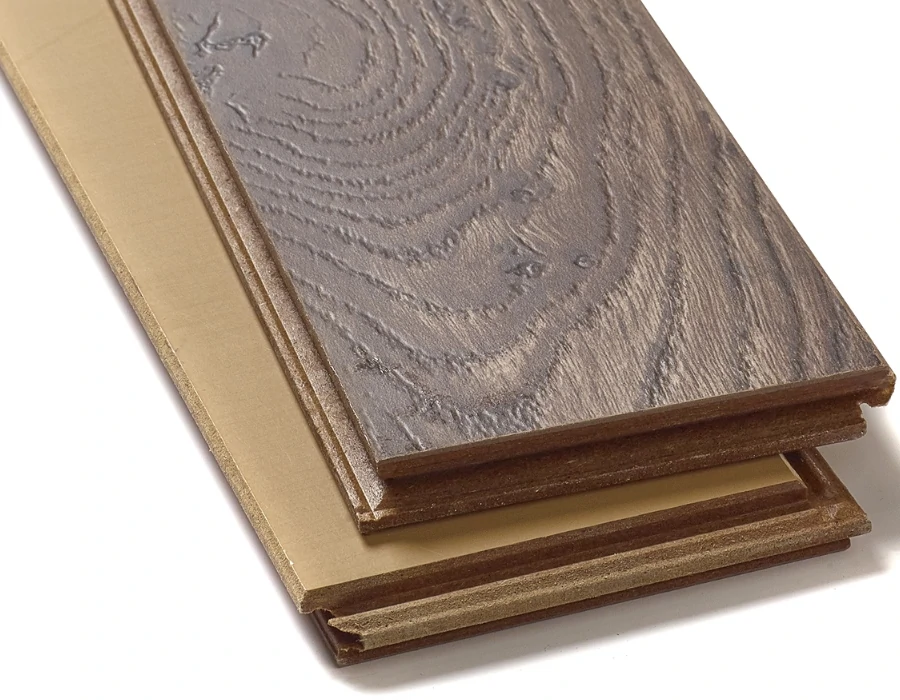
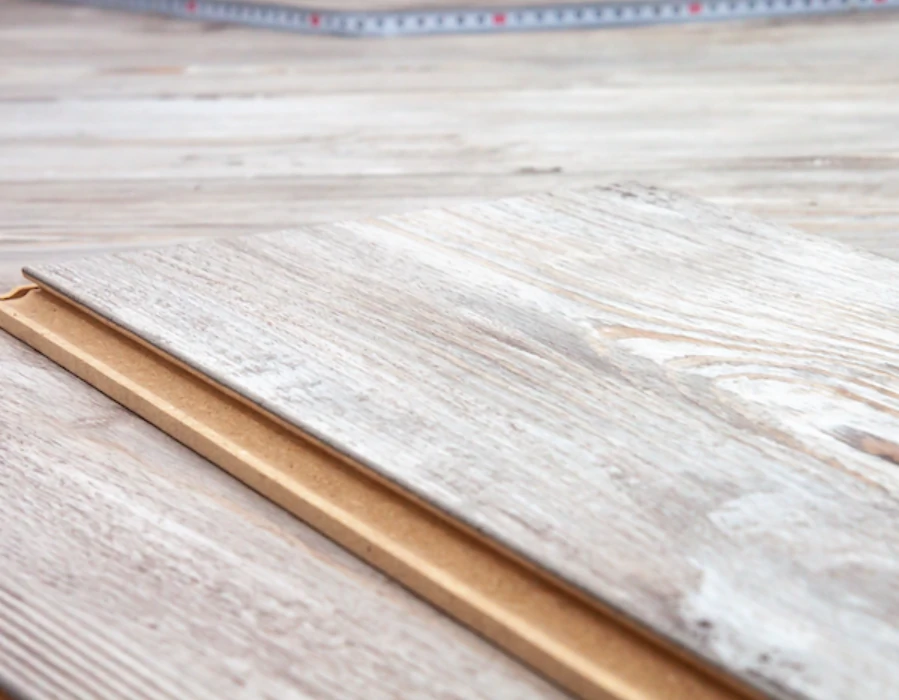
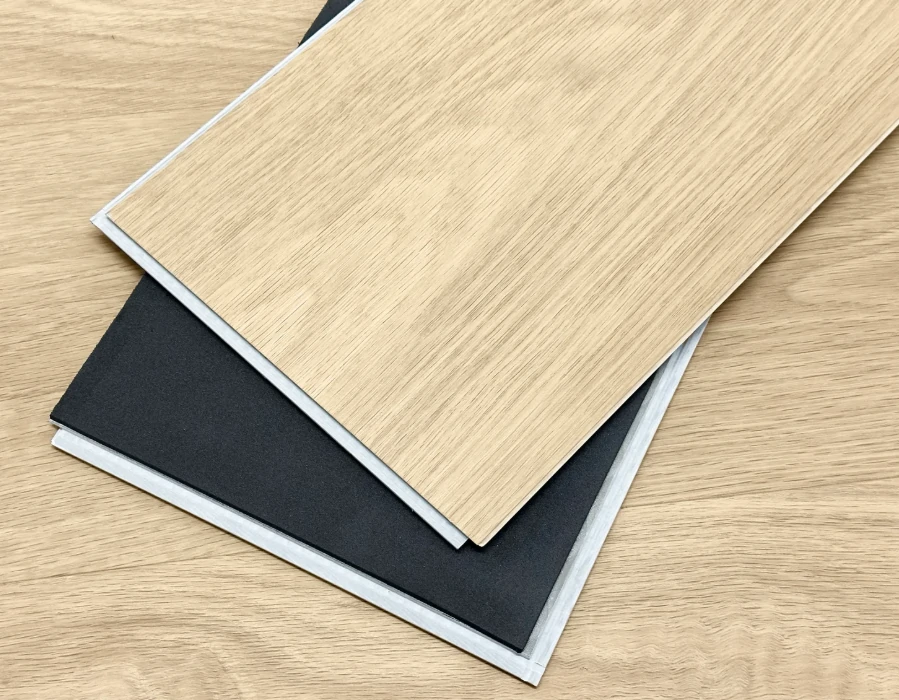
Forget the marketing language. Attached underlay in SPC flooring is a simple idea: a thin foam or cork layer — 1–1.5mm IXPE or cork — bonded to the underside of each plank at the factory, before it ships to your jobsite.
That last part is what counts. Factory-bonded means no loose rolls, no alignment headaches, no air gaps between the pad and the rigid core. The underlay and the plank ship as one unit. You open the box, and it’s already done.
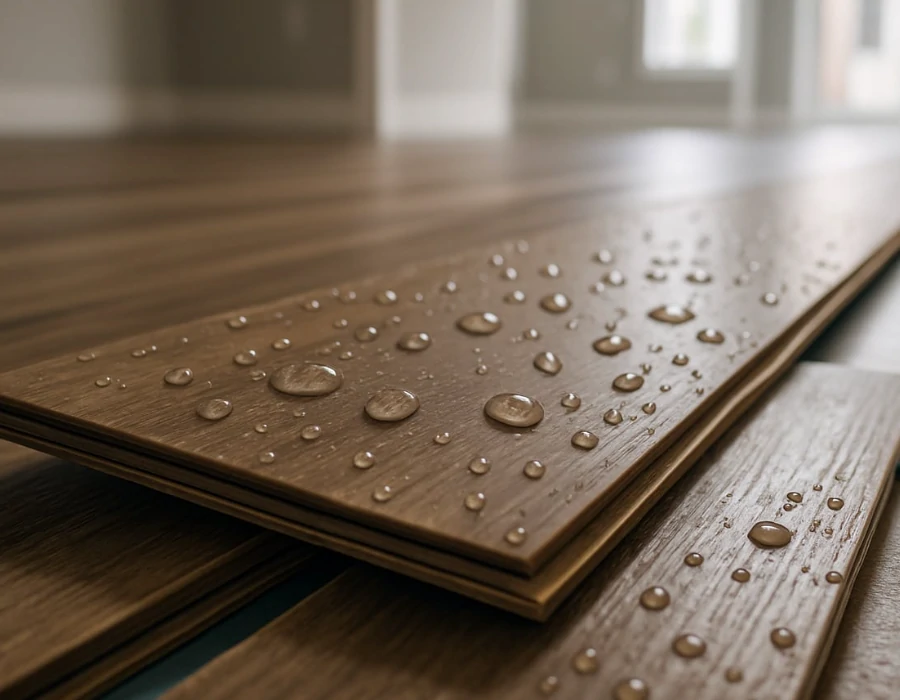
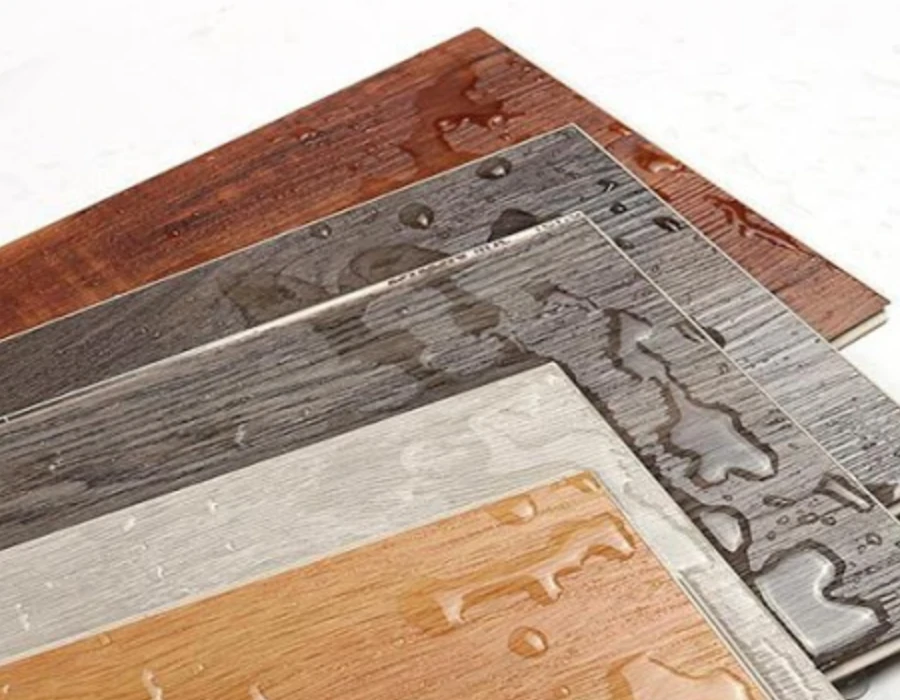
Below that single-piece system sits a stone-polymer composite core — 70–80% limestone density. It’s stable, 100% waterproof, and expands less than 0.25% through serious humidity swings. That’s the foundation doing its job.
Put the two together, and you get performance a separate underlay can’t match:
Sound reduction of 18–22dB in real footfall impact — versus a patchy 12–15dB from separate foam
IIC ratings of 65–72, with premium builds hitting IIC ≥70 and STC ≥55
Subfloor tolerance up to 2–3mm unevenness — grout lines, minor cracks, and imperfect leveling included
For DIYers, cutting out the separate underlay step pushes install success rates from 80% to over 95%.
That’s not a small jump. It’s the gap between a floor that sits flat and quiet — and one that echoes every footstep across the room.
Subfloor Requirements for SPC Flooring with Attached Underlay
Attached underlay is not a forgiving layer. It’s a thin, dense cushion — 1–2mm — and it will conform to minor subfloor imperfections. But there’s a hard limit. Push past that limit, and the planks bend. The locking joints crack. Your beautiful new floor starts telling on you with every step.
That limit is 3/16″ over 10 feet. Use a straightedge test. No guessing.
Most buyers make the same mistake: they assume the underlay will smooth things over. It won’t. Industry data shows 80% of floating floor failures trace back to unchecked subfloor flatness — not the product, not the installation method. The subfloor. Gaps wider than 1/32″ between panels? Fill them before a single plank goes down. Humps or dips exceeding 1/4″? Grind them down or fill them up. The underlay won’t absorb that.
Subfloor structure matters just as much as surface flatness. Joist spacing drives your minimum panel thickness requirements:
| Joist Spacing | Minimum Panel Thickness |
|---|---|
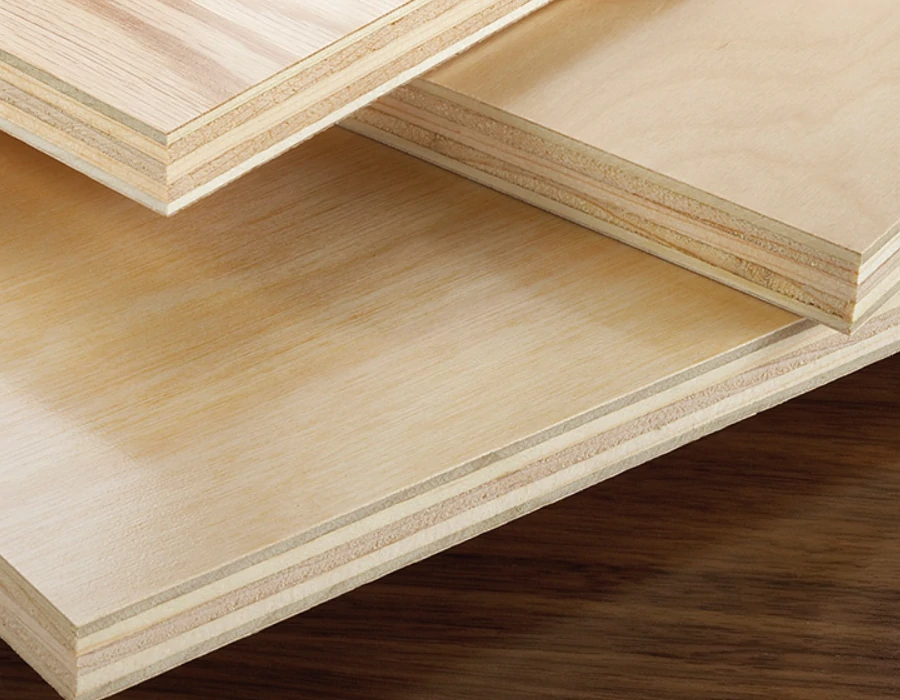
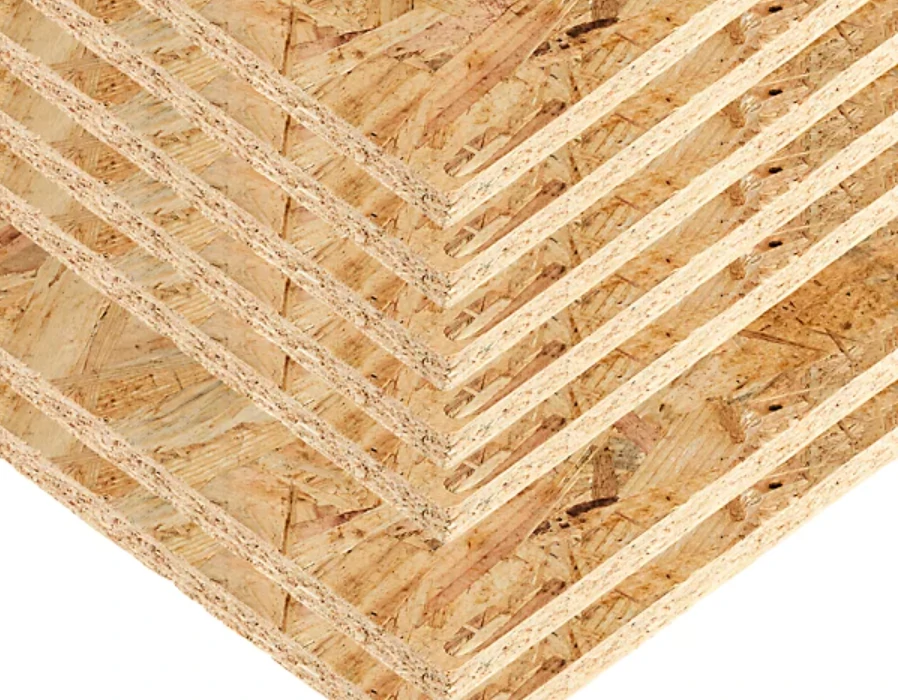
| ≤16″ | 19/32″ plywood/OSB |
| >16″–19.2″ | 7/8″ plywood/OSB |
| >19.2″–24″ | 7/8″ plywood/OSB |
| >24″–32″ | 1⅛” plywood/OSB |
Old 1×6 solid board subfloors need a diagonal ¾” overlay plus a second 19/32″ layer. Get both layers down before attached underlay in SPC flooring ever touches them.
Run through this checklist before installation:
Measure flatness with a 10′ straightedge — grind or fill anything beyond 3/16″
Verify joist spacing and panel thickness against the table above
Confirm moisture content is below 12% — damp subfloors cause expansion, nail pops, and squeaks
Choose high-density 1–2mm underlay; anything spongier than 3mm will compress flat under load
Seal all underlay seams with tape — keep seams at least 4″ away from flooring seams
The subfloor work feels tedious. It is tedious. But it’s also the one part of this project you cannot fix after the floor goes down.
Sound Reduction and Comfort with Attached Underlay SPC Flooring
The truth about sound reduction gets lost somewhere between the spec sheet and the showroom floor.
Here’s what happens: marketing teams love percentages. “90% soundproof!” sounds impressive. It means almost nothing. Low-frequency sounds — bass, heavy footsteps, HVAC rumble — pass right through no matter how high that percentage goes. The numbers that matter are STC (Sound Transmission Class) for airborne noise and IIC (Impact Isolation Class) for footfall. Ask for those figures. Skip everything else.
What the Numbers Tell You
A 10 dB reduction cuts perceived loudness in half. A 30 dB reduction brings it down to one-eighth. Anything under 3 dB? You won’t notice a difference — and that’s exactly where most flooring marketing hides.
Attached IXPE underlay in SPC flooring delivers ΔIIC 20–25 under controlled lab conditions. Put it in a real apartment — with sound traveling through walls, joists, and shared structures — and that drops to a field gain of 10–15 dB. Still a real improvement. Just not a dramatic one.
Here’s a practical benchmark:
| Scenario | Realistic STC with Attached IXPE | What You’ll Hear |
|---|---|---|
| Apartment (base STC 45) | 52–55 | Muffled TV, voices — not whispers |
| Single-family home | Minimal gain | Airborne sound dominates; underlay moves the needle very little |
| IIC 60+ lab rating | ~50–55 in field | Acceptable impact reduction for light traffic |
The Comfort Conversation Nobody Has Straight
Attached underlay in SPC feels firm. Not plush. That’s the honest version.
A 1–2mm IXPE layer scores 3–4 out of 10 on cushion feel. You’ll stand on it fine for 1–2 hours. After that, the hard limestone core takes over.
Compare that across your options:
| Flooring Type | Cushion Feel (1–10) | Prolonged Standing Tolerance |
|---|---|---|
| Attached IXPE (1–2mm) | 3–4 | 1–2 hours |
| WPC Flooring | 5–6 | 2–4 hours |
| Thick Standalone Underlay (3–6mm) | 7–8 | 4–6 hours |
| Bare SPC | 1–2 | Under 1 hour |
Know your use case before you buy:
Attached underlay works well for apartments with light traffic, households where standing stays under 2 hours a day, and kids’ play areas where the IIC boost covers about 70% of footfall impact.
Go with thicker standalone underlay for long hours in the kitchen, arthritis management (5mm+ cushion cuts joint stress by 20–30%), or any workspace that needs all-day comfort.
The One Check Worth Doing
Download a free decibel meter app and take a baseline reading before you trust any product claim. After installation, measure again. Target a field drop of 10 dB or more. No figure available? Brand won’t share lab and field STC/IIC documentation side by side? That tells you everything you need to know.
A floor that performs well in a lab should be able to prove it performs in yours.
Radiant Heating Compatibility for SPC Flooring with Attached Underlay
Radiant heating and SPC flooring work well together — but only if you respect one hard number: 80°F (26.6°C). That’s your ceiling. Go over it, and you’re not just voiding a warranty. You’re inviting warping, delamination, and a floor that never lies flat again.
The spec sheet tells you more than most buyers take the time to read.
Start with these non-negotiables:
Keep at least ½” separation between SPC planks and in-floor radiant tubing
Cap heat loss at 20 BTU/hr/sf in hydronic systems
Shut heating off 48 hours before, during, and after installation — then bring it back up in stages
That last point matters more than most installers let on. The ramp-up protocol — no more than 5°C increase per day — is there for a reason. Skip it, and you risk odor, adhesive failure, and a voided warranty.
Underlay Material Changes Everything Here
Not all attached underlays handle radiant heat the same way:
| Underlay Type | Radiant Performance |
|---|---|
| EVA | Best heat distribution; reduces thermal stress on SPC core |
| IXPE | Stable below 80°F; low expansion |
| Cork | Even heating, but odor risk if temperature rises too fast |
EVA is the top pick for radiant applications. Your spec sheet doesn’t list the underlay material? Ask before you buy.
For electric systems, look for NWFA fabric-heating classification and thermal cut-off mats. Hydronic systems are the safer pairing overall. They run cooler (under 120°F/48°C) and spread heat more consistent beneath the floor.
One certification worth checking: NSF/ANSI/CAN 61 on system components confirms health and lead-content compliance. Small detail. Worth it.
SPC Wear Layer Thickness and Long-Term Durability
The wear layer is the one part of your floor that fights back — against heels, dog nails, dropped pans, and a thousand small daily hits you never think about. Get this number wrong, and no beautiful attached underlay in SPC flooring will save a floor that wears out too soon.
Wear layer thickness is measured in mils. One mil equals one-thousandth of an inch. A simple rule: each mil gives you about half a year of durability. Not a glamorous formula, but a reliable one.
Here’s how the tiers break down:
| Wear Layer | Best For | Realistic Lifespan |
|---|---|---|
| 6–8 mil | Bedrooms, guest rooms | 5–6 years |
| 12 mil | Living rooms, kitchens, light pets | 10–12 years |
| 20–22 mil | Entryways, kids, active pets | 15–20+ years |
| 28+ mil | Home offices, heavy traffic, commercial use | 20+ years |
Compare a 6mm plank with 6-mil wear to a 5mm plank with 20-mil wear. The thicker plank loses — every time. The wear layer takes all the punishment. Plank thickness does not.
One detail most buyers skip: underlay density has a direct impact on joint integrity. Low-density foam compresses under heavy furniture. Within one to three years, gaps start opening between planks. A high-density attached underlay holds the locking joints tight. That’s what pushes floor integrity past the 20-year mark.
For households with pets or kids, go with 20-mil and a ceramic bead or aluminum oxide finish. That’s the floor that holds up. Below that, you’re paying for short-term coverage — not long-term durability.
Attached Underlay vs Separate Underlay in SPC Flooring
The choice isn’t about which option is better. It’s about which one works best for your floor, your space, and your conditions.
Most buyers miss that difference. It matters.
Attached underlay in SPC wins on speed and simplicity. No separate layer to unroll. No alignment headaches. No seams to tape. Got a basement rental unit with a flat subfloor, low humidity, and no acoustic needs? Attached underlay is the faster, smarter pick. You open the box, install, and you’re done.
Separate underlay earns its place once the job gets more demanding.
Where Each Option Pulls Ahead
Choose attached underlay when:
Your subfloor is flat and dry (light humidity, concrete that passes a moisture test)
Sound performance isn’t a priority — think low-traffic bedroom, guest room, or single-story home
Budget and timeline are tight
You manage a rental property where lower upfront cost outweighs long-term cushion performance
Choose separate underlay when:
You’re laying over concrete, a basement slab, or any area with real moisture risk. Separate underlays use lipped edges and taped seams to build a full moisture barrier. Attached pads can’t match that protection across plank seams.
Sound isolation is a hard requirement. Attached pads let noise travel through seam gaps. A continuous separate layer seals that path shut.
Your subfloor has uneven patches, exposed OSB joints, or fastener heads that need smoothing before a locking system goes down
Radiant heat or specialty cushion specs demand precise, engineered performance
The One Rule Worth Remembering
Never double up. Laying a separate underlay on top of attached underlay adds nothing useful — it creates compressive instability. Locking joints start to flex. Gaps open up. The floor breaks down faster than either option would on its own.
Pick one. Make it the right one for the job in front of you.
SPC Flooring Warranty and Certification Standards
Warranties don’t fail buyers at the moment of purchase. They fail six months later. Someone in a customer service queue reads back a clause that was always there — you just never saw it.
For attached underlay in SPC flooring, the fine print carries real financial weight. Read it before you buy. Not after.
Start with the exclusions — they tell you more than the coverage does.
Three trip wires come up most often:
Subfloor moisture above 5% voids coverage on most brands. Some hardwood warranties set a ceiling at 12% moisture content — but flooring warranties often cut that number lower than buyers expect.
Surface temperature above 85°F on radiant heating systems can trigger automatic claim denial. Your baseline requirement for any radiant-compatible floor is a spec sheet showing underlay heat resistance of ≥140°F.
Compression resistance below 3,000 psi disqualifies claims in high-traffic areas. Check that number. It’s not on most showroom displays.
Verify installation method approval. The warranty must list your method by name — floating or glue-down. Non-listed adhesives void coverage in full.
What Brand Standards Look Like in Practice
| Metric | What to Look For |
|---|---|
| Warranty length | 5–25 years residential; 10+ years commercial |
| VOC certification | FloorScore (<0.5 mg/m³) or GREENGUARD Gold |
| Claims processing | Expect 30–60 days average; ask before you buy |
| Transferability | Confirms coverage if you sell the home |
Customer reviews reveal patterns that specs don’t show. Around 20–30% of buyer complaints point to hidden warranty voids — exclusions buried under “normal wear” language or subfloor prep requirements that no one mentioned at the point of sale.
Five steps worth doing before you sign anything:
Scan exclusions for moisture thresholds, heat limits, and DIY installation language
Verify heat rating ≥120°F and compression resistance ≥2,500 psi at minimum
Confirm the warranty transfers to the next owner post-sale
Check that FloorScore or GREENGUARD certification is listed on paper — not just claimed verbally
Cross-reference reviews for claims denial patterns — look for repeated complaints, not one-off stories
A 25-year warranty sounds generous. A 25-year warranty with twelve buried exclusions is a different document altogether. Know which one you’re signing.
How to Repair Damaged SPC Flooring Planks
One damaged plank is not a disaster. It just feels like one. Once you see how attached underlay in SPC click-lock systems behave under stress, the picture gets a lot clearer.
Here’s the good news: floating floors are forgiving by design. Individual planks lift out without disturbing the rest of the floor. Start at the nearest wall. Work inward toward the damage. Swap the plank. Lock everything back down. No sanding dust. No adhesive fumes. No replacing an entire room.
Glue-down systems take more effort. Cut the damaged plank out along its seams. Scrape the subfloor clean and let it dry. Press the replacement in with a floor roller. More labor. More time. Still manageable — if you’ve tracked down and fixed the moisture source first.
Surface damage does not need full replacement most of the time:
- Light scratches → vinyl floor polish or soft buffing
- Deep gouges → repair kit with color-matching compound, light sanding, sealant finish
- Minor dents → low heat from a heat gun, then pressure with a floor roller
- Peeling edges → heat, adhesive, firm pressure
Call a professional before the problem spreads. A bad re-lock on a click system can spiral fast. Gaps open up. Joints pull apart. One bad plank turns into a floor-wide structural problem. Professionals know the fastest path to the damage. They lift as few surrounding planks as possible. That skill saves time and keeps repair costs from climbing.
The plank is the problem. The floor doesn’t have to be.
Buyer Checklist for Attached Underlay SPC Flooring
Every floor is a commitment. Before you make yours, run through this room-by-room reality check.
Where Attached Underlay SPC Works — and Where It Doesn’t
| Room/Space | Go? | Why |
|---|---|---|
| Basement | ✅ GO | Porous concrete? Attached underlay handles it. Severe cracks without prep? Fix those first. |
| Kitchen | ✅ GO | Spills, foot traffic, multi-level echo — all covered. |
| Living Room | ✅ GO | Pets, kids, open-space acoustics. This floor earns its place. |
| Commercial | ✅ GO | High-traffic rigid core plus acoustic boost. In moisture-heavy spaces, add extra subfloor coverage. |
Five Questions to Ask Before You Buy
- Subfloor fit — Can it handle porous concrete or minor cracks?
- Radiant heat — Does the product confirm stability for underfloor heating systems?
- Warranty depth — Does coverage address moisture vapor at seams?
- Wear layer specs — Is the mil rating right for your traffic level?
- Underlay material — IXPE, foam, or cork? Know what’s bonded to the bottom of that plank.
The Short Version
Attached underlay in SPC adds about 10–20% to your upfront cost. You get 50%+ footstep noise reduction in return. Plus, you get a moisture shield for porous subfloors and a durability boost that outlasts basic LVT by years. In cool climates, the insulation layer cuts energy loss too.
Flat subfloor? Real acoustic needs? You want a floor that handles humidity without drama. This is your answer. Subfloor needs serious structural work first? Sort that out before a single plank goes down.
Conclusion
Choosing a floor shouldn’t feel like defusing a bomb — but without the right information, it often does.
Here’s what matters: attached underlay in SPC isn’t good or bad across the board. It depends on your subfloor condition, your room’s acoustic needs, your heating setup, and the fine print in that warranty document. Most people skip that last part — until something goes wrong.
The buyers who get this right aren’t the ones chasing the prettiest plank or the lowest price per square foot. They’re the ones who asked harder questions before the installer showed up.
So before signing off on anything — pull up your subfloor specs. Check radiant heating compatibility. Read what that warranty covers. These three steps take an hour and can save you years of regret.
Still unsure whether attached underlay SPC flooring fits your project? Bring your specifics to your supplier. Ask direct questions and expect direct answers.
The floor you pick today stays with you for the next decade. Choose it like it matters.