Most buyers assume that an A-grade plywood sheet is stronger than a C-grade one. It’s a logical assumption — and it’s wrong. Plywood grade and plywood strength are two separate specs. They measure two different things. Mixing them up is one of the most expensive mistakes you can make at the lumber yard.
Grade tells you what the surface looks like. Strength tells you whether your floor, roof, or cabinet will hold. These are not the same thing. Know the difference, and the whole buying process gets simpler, faster, and cheaper. That’s what this guide breaks down.
Consider this: Red Oak plywood carries an MOE of 2,200,000 psi and an MOR of 13,400 psi. White Pine? 1,240,000 psi MOE and 8,600 psi MOR. Both can be stamped A-grade. The surface looks identical. Yet the structural performance gap between them is massive.
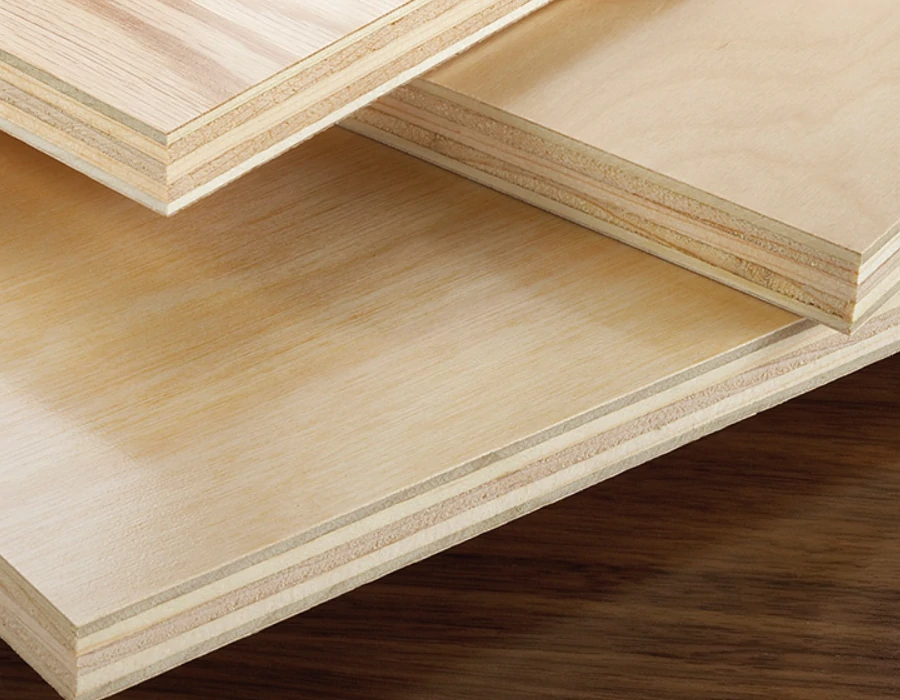
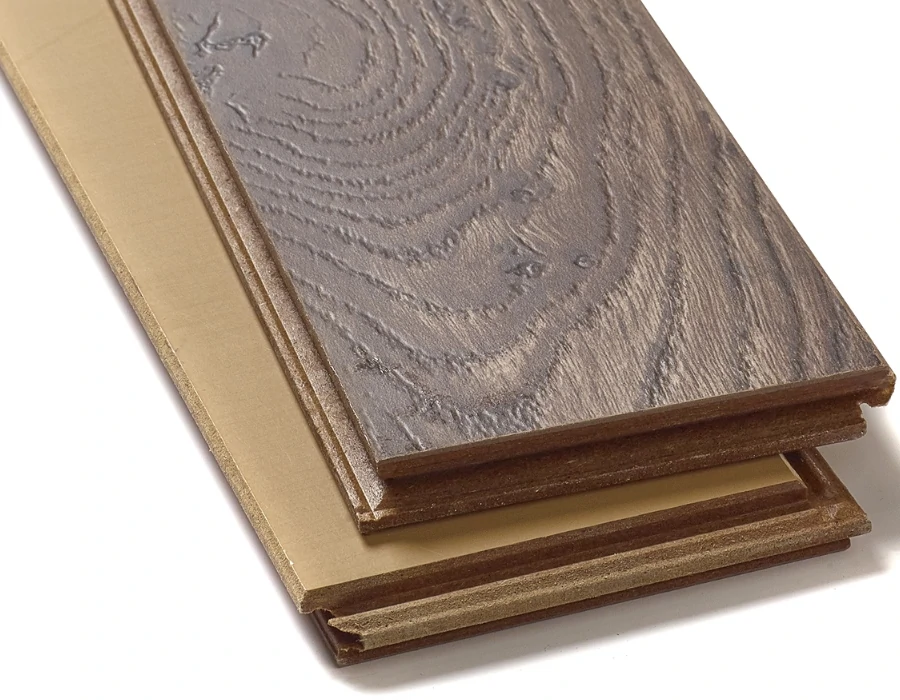
Ply count tells a similar story. A 7-ply panel outperforms a 3-ply panel at the same thickness. You get better load distribution, less deflection, and greater stability. APA data shows that 5-ply construction pushes perpendicular-axis strength adjustments to 1.8. A 4-ply panel only reaches 1.2.
The bottom line: grade describes the veneer surface. Strength lives inside the panel — in the species group, the core layers, and the density of the wood itself.
The Core Distinction: Plywood Grade ≠ Plywood Strength
Walk into any lumber yard and ask for “good plywood.” The staff will ask you one question: what grade? That question is half the conversation you should be having.
Plywood grade is a visual classification. Full stop. A panel stamped A, B, C, or D — that stamp describes the face veneer. Its smoothness, the number of knots, whether repairs were made. An A-grade face is paintable and clean. A D-grade face has knots up to 2.5 inches wide and visible flaws. Neither letter tells you a single thing about how much weight that panel can carry.
Here’s where buyers get burned: CDX plywood carries C-grade and D-grade faces — rough, unfinished, nothing pretty about it. Yet CDX is the default choice for structural roofing and subfloors. Why? Its shear strength is built for real spans, with edgewise shear values hitting 800–1,000 psi. On the other side, an A1-grade hardwood panel looks flawless on both faces — and can still sag under load if the core construction is weak.
The factors that drive structural performance have nothing to do with surface grading:
Wood species — Birch exceeds 60 MPa in bending strength. Softwood species sit around 40 MPa. Same grade stamp, very different performance ceiling.
Ply count and uniformity — A 12mm panel with many thin plies outperforms a thicker panel built with fewer, uneven plies. Uniform layers cut out internal voids and boost rigidity.
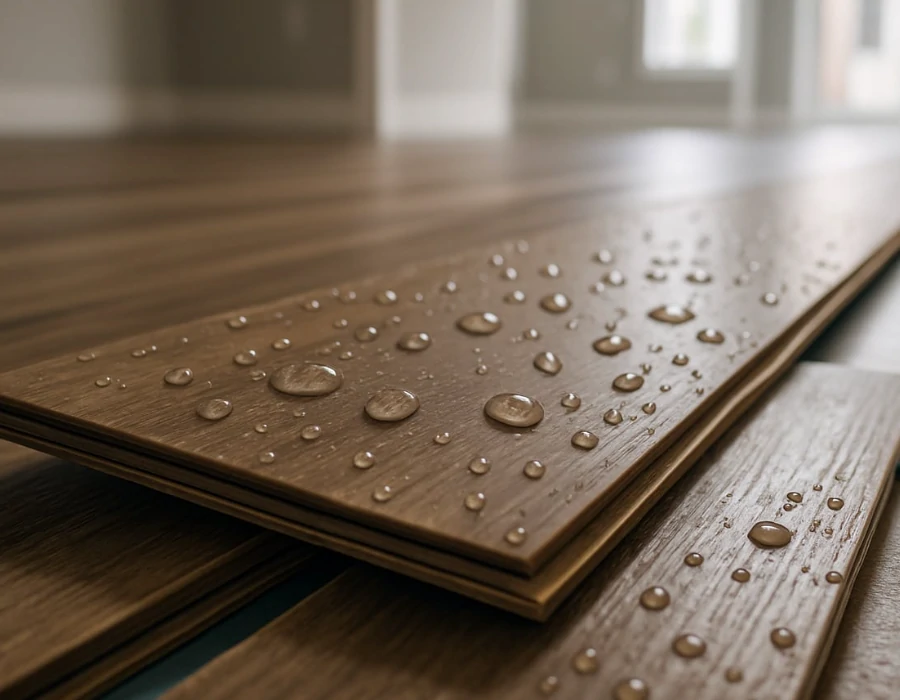
Core bonding — WBP (weather and boil-proof) adhesive holds structural integrity under humidity. Interior-grade glue does not.
Panel density — Heavier panels per square foot point to a denser core. That density is where real load-bearing capacity comes from.
The grade-strength gap in plain terms: A 12mm birch panel with mid-range face grades will outperform a thicker, A-grade panel with a low-density mixed core — in stiffness, screw-holding, and long-term deflection resistance.
Grade tells you what the panel looks like on day one. Strength tells you whether it’s still doing its job in year ten.
How the Plywood Grading System Works (A, B, C, D Explained)
Four letters run the entire plywood grading system: A, B, C, and D. That’s it. Each one describes a single thing — how much surface defect is acceptable on a veneer face. Nothing more.
Every plywood panel carries two grade letters. The first describes the face. The second describes the back. A panel stamped B/C has a B-grade face and a C-grade back. The face is the side you see. The back is the side you don’t. These two letters tell you what you’re paying for.
Here’s what each grade means:
| Grade | Max Knot Size | Repairs | Sanding | Best For |
|---|---|---|---|---|
| A | None | None | Full | Visible furniture, stained surfaces |
| B | Under 1.5cm | Few filled patches | Full | Paint-grade cabinets |
| C | Up to 2.5cm | Many patches allowed | Minimal | Subflooring, wall sheathing |
| D | Unlimited | Unrepaired voids | None | Hidden structural framing |
A-grade is flawless — zero knots, zero splits, sanded on both sides. B-grade allows minor filled repairs and slight discoloration. The surface is still smooth enough to paint. C-grade permits knots up to 2.5cm and visible patches. D-grade sets no limit on defects at all.
Cost matters here. A-grade panels cost 2–3x more than C/D panels. The reason is simple — fewer raw boards meet the standard, so yield drops. That extra cost gets you a cleaner surface, not a stronger panel.
One more thing worth knowing: hardwood plywood uses a different grading system. The face grade still runs A through D. But the back uses numbers — 1 is the best, 4 is the worst. An A1 panel has the cleanest face and the cleanest back. A D4 has defects on both sides.
Some suppliers mix these two systems without clear labels. So check whether you’re buying hardwood or softwood plywood before assuming the grading scale matches.
For paint-grade projects, B/C is your cost-performance sweet spot. Semi-visible surfaces don’t need a flawless finish. Choosing B/C over A/A saves you 30–50% with no real drop in performance.
What Determines Plywood Strength (The 4 Real Factors)
Forget the grade stamps, the letter combinations, and the lumber yard jargon. Plywood strength comes down to four variables. Nail these four, and grade labels stop mattering for your structural decision.
1. Thickness and Span Rating
Thickness is your biggest lever on load capacity. APA span ratings give you real numbers to work with:
| Thickness | Floor Load (psf) | Roof Load (psf) | Shelf Load (psf) |
|---|---|---|---|
| 1/4″ | 5–15 | 10–15 | 10–15 |
| 1/2″ | 25–40 | 30–40 | 30–40 |
| 3/4″ | 50–79 | 50–60 | 50–60+ |
A standard 4×8 sheet of 3/4″ plywood tops out at 2,528 lbs at 79 psf in theory. Real-world safety factors bring that down to 50–75% of that number. Build your load plan around the lower range, not the theoretical peak.
2. Wood Species
Species sets the structural ceiling of any panel — face grade doesn’t change that. Douglas Fir delivers an MOE of 1,950,000 psi and MOR of 12,400 psi. Birch pushes higher, at 2,200,000 psi MOE and 13,400 psi MOR. Southern Pine lands in the middle at 1,630,000 psi MOE.
Across all species, the range runs from 800,000 to 2,500,000 psi MOE. That’s a 3x performance gap. No grade upgrade closes that gap. Species choice does.
3. Cross-Ply Layer Count
Odd-numbered plies — 3, 5, 7, 9 — spread stress across two axes through cross-lamination. That balance stops warping and prevents directional weak spots.
A 3/4″ panel with 7–9 plies hits a bending stiffness (EI) of 126,500 lb-in²/ft
A 1/4″ panel maxes out at a basic shear of 198 lb/ft
More plies mean more rigidity and better impact resistance. This matters most under dynamic or uneven loads, where stress shifts fast and unpredictably.
4. Adhesive Type
The glue between those plies controls how long the panel holds its strength under real conditions.
Interior-grade adhesive breaks down under sustained moisture. Nail pull-through capacity drops 9–32% once wet.
Exterior and CDX panels use waterproof resin. You get much higher wet strength, with a 10–15% weight increase as the trade-off.
Marine-grade adhesive sits at the top. It holds up under long-term humid exposure. Interior glue, by contrast, gives you an effective lifespan of just 1–2 years in damp environments.
Moisture makes everything worse. Above 20% moisture content, MOR on Douglas Fir falls from 12,400 psi to under 10,000 psi. Adhesive breakdown and species degradation hit at the same time, stacking on each other. That’s why glue type isn’t a footnote. It’s a core structural spec — pick it based on the environment, not the budget.
Plywood Moisture Resistance Grades: MR vs. BWR vs. BWP
Moisture kills plywood faster than any structural load. Yet most buyers pick panels based on face grade alone — then wonder why their kitchen cabinets are delaminating two years later.
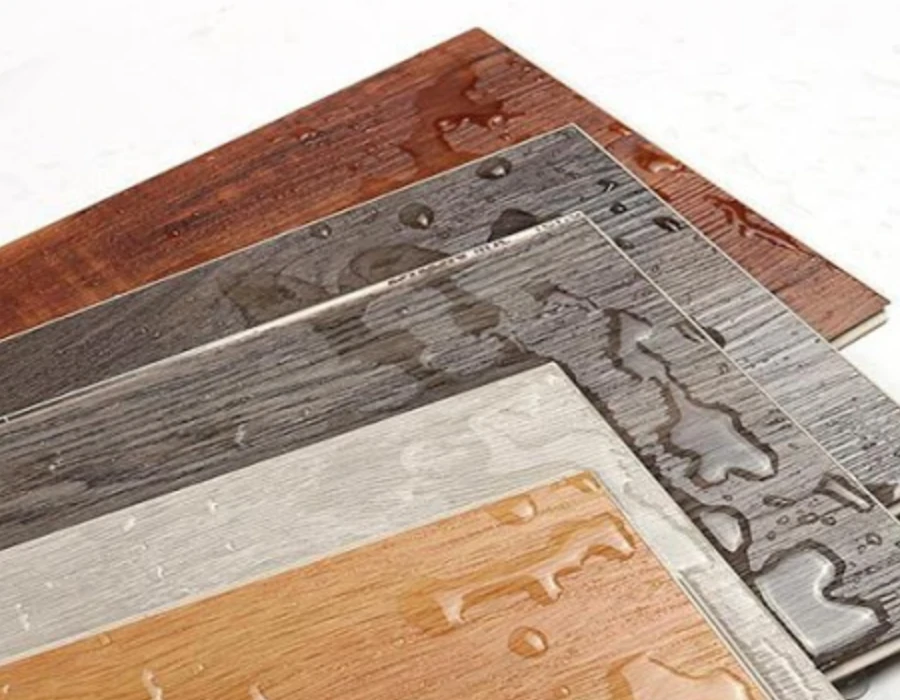
The moisture resistance system uses three designations: MR, BWR, and BWP. These aren’t surface grades. They describe the adhesive bonding the plies together. That adhesive decides whether your panel survives a humid bathroom or falls apart next to a sink.
Here’s how the three grades compare:
| Feature | MR | BWR | BWP |
|---|---|---|---|
| Water Tolerance | Minor exposure only | Moderate humidity | Extended/boiling water |
| Adhesive System | Basic phenolic/melamine | stronger resin formulations | Unextended phenolic resins |
| Delamination Risk | High under sustained moisture | Low in humid environments | Very low |
| Relative Cost | Lowest | Mid-range | Highest |
Where each grade belongs:
MR — wardrobes, bedroom shelving, dry interior cabinetry. Keep it away from kitchens and bathrooms. No exceptions.
BWR — kitchen furniture, bathroom vanities, protected exterior applications. It handles humidity well, but not direct water contact.
BWP — outdoor structures, coastal applications, areas near sinks, shipbuilding. This grade is built for continuous moisture exposure.
The misconception that costs buyers money: a flawless A-grade veneer face tells you nothing about moisture resistance. Surface appearance and adhesive grade are two separate specs. They have no connection to each other. An A-grade panel can carry basic MR adhesive and still fail in a humid laundry room within months.
Check the adhesive grade on its own — that’s the spec that determines how long your panel lasts in real conditions.
Plywood Grade vs. Strength by Application: Which Spec to Prioritize
Six applications. Six different answers. That’s the reality of buying plywood — there’s no universal “best grade.” There’s the right spec for the job in front of you. That’s it.
The table below cuts straight to it:
| Application | Appearance Priority (1–10) | Structural Priority (1–10) | Recommended Grade | Species |
|---|---|---|---|---|
| Floor Subfloor | 1 | 10 | C/CC | Spruce |
| Roof Sheathing | 1 | 10 | CC/WG | Spruce |
| Wall Sheathing | 2 | 9 | C/CP | Spruce or Hardwood |
| Cabinet Panels | 8 | 7 | AB/BB | Birch |
| Outdoor Furniture | 9 | 6 | AB/B | Birch or Hardwood |
| Structural Beams | 1 | 10 | C/D core | Birch (many plies) |
Where Strength Wins — And Grade Doesn’t Matter
For subfloors, roofing, and structural beams, appearance scores a 1 out of 10. Nobody sees these panels. Three things matter: bending strength, shear capacity, and moisture resistance.
Spruce is the go-to choice for span-heavy applications. It hits around 40 MPa in bending. It delivers strong shear performance. It stays lightweight — critical for large roof or floor areas. Pair it with exterior-grade WBP adhesive (Class 3) and you get a panel built for real loads in real conditions.
Here’s the number worth keeping in mind: a 12mm multi-ply birch panel outperforms a thicker few-ply spruce sheet in stiffness and screw-holding. For structural beams and columns, go with birch — C/D core grade and WBP glue. That’s the spec that delivers. The face grade printed on the stamp is not what you’re buying for.
Where Appearance Earns Its Premium
Cabinet panels and outdoor furniture flip the priority. Face grade jumps to an 8 or 9. Birch earns its price here. Bending strength exceeds 60 MPa. Screw-hold is tight with no blowouts. The surface takes paint or stain without issues.
For outdoor furniture, density matters as much as finish. Dense veneers resist compression. They hold fasteners longer under weather cycling. That’s what keeps the piece together season after season.
The Cost Optimization Move Most Buyers Miss
Hidden surfaces are where smart buyers save money. Drop subfloor or sheathing panels from AB down to C/CC. That cuts 20–30% off material cost with zero performance loss. Strength comes from the core species and ply count — not the face veneer.
The numbers are clear: 18mm AB/BB birch runs around $50 per sheet. Switch to C/CC spruce for hidden structural work and that drops to $30 per sheet — a 40% reduction with no performance trade-off.
One rule covers all of it:
Core plies and species drive 60% of structural performance — prioritize those
Face grade accounts for 20% — don’t overpay for it on hidden panels
Use WBP adhesive for areas where moisture content exceeds 7%
In dry interior spaces, interior-grade glue cuts another 10% off cost — your structural spec stays intact
Plywood vs. OSB: Does Grade or Strength Change the Comparison?
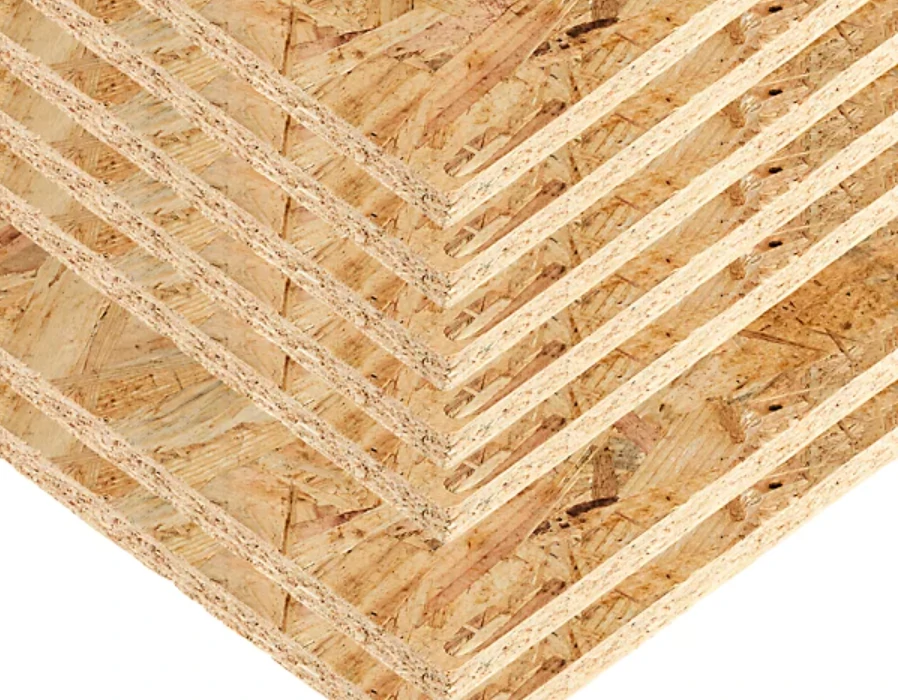
OSB doesn’t use A, B, C, or D grades. That single fact changes the entire comparison.
OSB skips face grades. It runs on a structural rating system — OSB/1 through OSB/4. OSB/3 is the construction standard. Appearance was never the point. Load performance is what gets rated. That’s the whole game.
Here’s what the numbers say:
| Aspect | Plywood (12mm BWR) | OSB (12mm OSB/3) |
|---|---|---|
| Bending Stiffness | Higher — less deflection | Moderate — needs closer spacing |
| Shear Strength | Good | Superior uniformity |
| Nail Holding (Wet) | Better retention | Prone to loosening |
| Moisture Tolerance | Recovers well | Edge swelling risk |
Plywood carries a MOE of 1.0–1.9 × 10⁶ psi. OSB lands at 0.7–1.2 × 10⁶ psi. Plywood wins on stiffness — about 10–15% higher across the span. OSB hits back on racking resistance, though. That makes it the stronger pick for wall sheathing under wind or seismic loads.
Where each one earns its place:
Wet environments — Plywood. It dries faster and holds its shape. OSB panels can swell at the edges and stay warped for good.
Dry interior walls and budget sheathing — OSB. It’s 15–30% cheaper. Install it per code and it matches plywood’s shear performance.
Fastener-heavy applications — Plywood. Wet nail pull-through retention runs 10–15% stronger than OSB.
The grade vs. strength question plays out differently here. With plywood, grade and strength are two separate specs. Buyers mix them up all the time. With OSB, that confusion doesn’t exist. OSB was built around structural ratings from day one — not surface looks.
5 Costly Buying Mistakes (And How to Avoid Each One)
Five mistakes show up at the lumber yard, over and over again. They’re not random. A pattern runs through all of them. That pattern points back to one root cause: confusing grade for strength.
Mistake 1: Buying A-Grade for a Hidden Structural Application
A-grade costs 2–3x more than C/D panels. For subfloors, roof sheathing, and structural beams, that premium buys you nothing. Nobody sees those panels. The spec that matters is species and ply count — not surface finish. Buy C/CC spruce instead. Put the savings back in your budget.
Mistake 2: Ignoring Moisture Resistance Designation
A flawless veneer face tells you nothing about adhesive grade. An A-grade panel with basic MR bonding will delaminate in a humid bathroom within months. Check the moisture rating as a separate line item — MR, BWR, or BWP. That designation outlasts the surface finish by years.
Mistake 3: Assuming Thickness Equals Strength
More thickness does not mean more strength. A thicker panel with fewer plies can underperform a thinner panel with more plies under real load. Here’s a clear example:
A 3/4″ 3-ply sheet bends under loads that a 1/2″ 7-ply panel holds without flexing.
Count the layers. Don’t just measure the millimeters.
Mistake 4: Skipping Species Verification
Two panels. Same grade stamp. One is birch at 2,200,000 psi MOE. The other is white pine at 1,240,000 psi MOE. That’s a near-2x structural gap. You won’t see it at the lumber yard. You have to ask. Confirm the species before you load the cart.
Mistake 5: Letting the Face Grade Drive the Budget
Face grade makes up about 20% of structural performance. Core species and ply construction drive the other 60%. Overpaying for AB on a hidden panel is a straight budget leak — no structural return at all. Match face grade to visibility. Nothing more.
Your Plywood Selection Checklist: 4 Questions Before You Buy
Just four questions. Walk into the lumber yard with clear answers. Walk out with the right panel.
Question 1: Will this surface be visible?
Visible panels — furniture faces, cabinet doors, shelving fronts — need A or B-grade. Hidden panels — subfloors, roof sheathing, framing — don’t. Go with C/D for those and save the money.
Question 2: Is this panel load-bearing?
High-load spans need at least ¾” thickness, five or more plies, and a veneer core. Cabinet backs and lightweight dividers? You can go ¼”–½” with three to four plies. That’s enough.
Question 3: Will moisture be a factor?
Dry interiors → MR. Bathrooms and kitchens → BWR. Outdoor decking or coastal builds → BWP or marine-grade. No exceptions.
Question 4: Where does your budget sit?
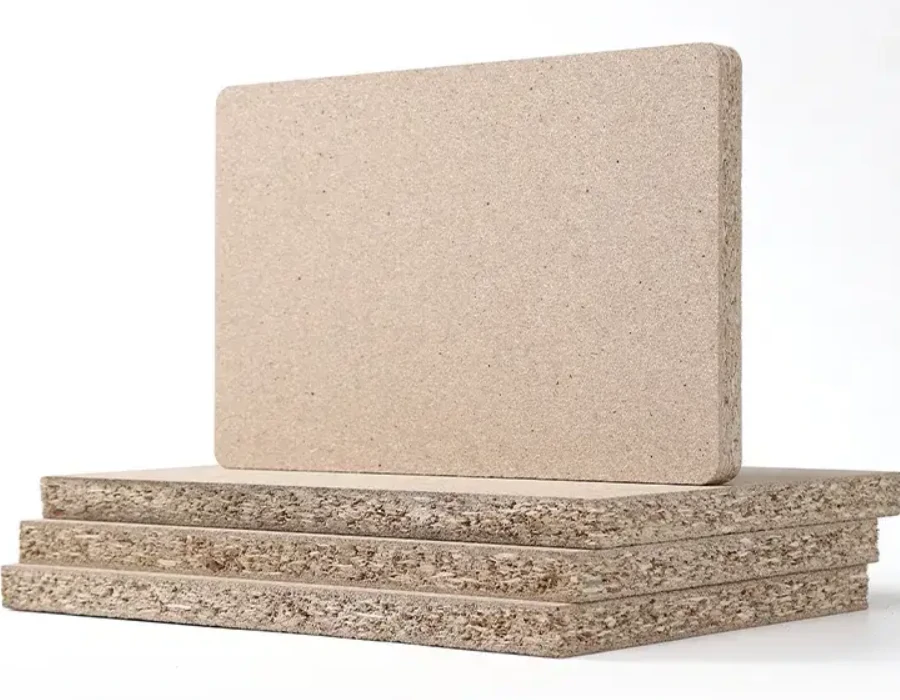
Hardwood species with MDF cores give you the cleanest finish — at the highest cost. Softwood veneer cores land in the middle. Particleboard cores cost the least. They also carry the least structural load, so factor that in.
Go through all four questions in order. The right grade, thickness, core, and adhesive spec will become clear on their own.
Conclusion
Most buyers walk into a lumber yard and assume a higher grade means stronger plywood. That’s the wrong mental model.
Grade tells you what the surface looks like. Strength tells you whether the structure holds.
Once you get that distinction, every plywood purchase becomes simpler. No more paying A-grade premiums for subfloor work that stays hidden. No more grabbing CDX plywood for cabinetry that deserves a cleaner face. And no more guessing — because you’re asking the right four questions before anything goes in your cart.
The spec sheet doesn’t lie. Thickness, species, core construction, and span rating — these are the numbers that keep your project standing. Face grade is just the packaging.
Ready to put this into practice? Browse Byer’s structural and finish plywood range. Every listing includes the specs that matter, so you buy with confidence, not guesswork.