Mdf Specifications Guide: Density, Glue, And Emission Class Explained

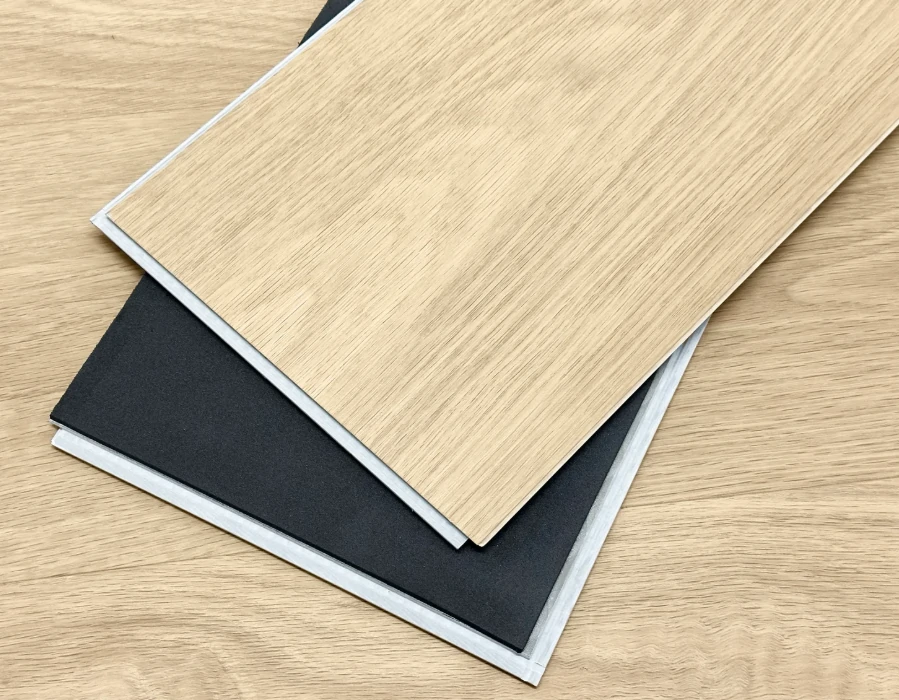
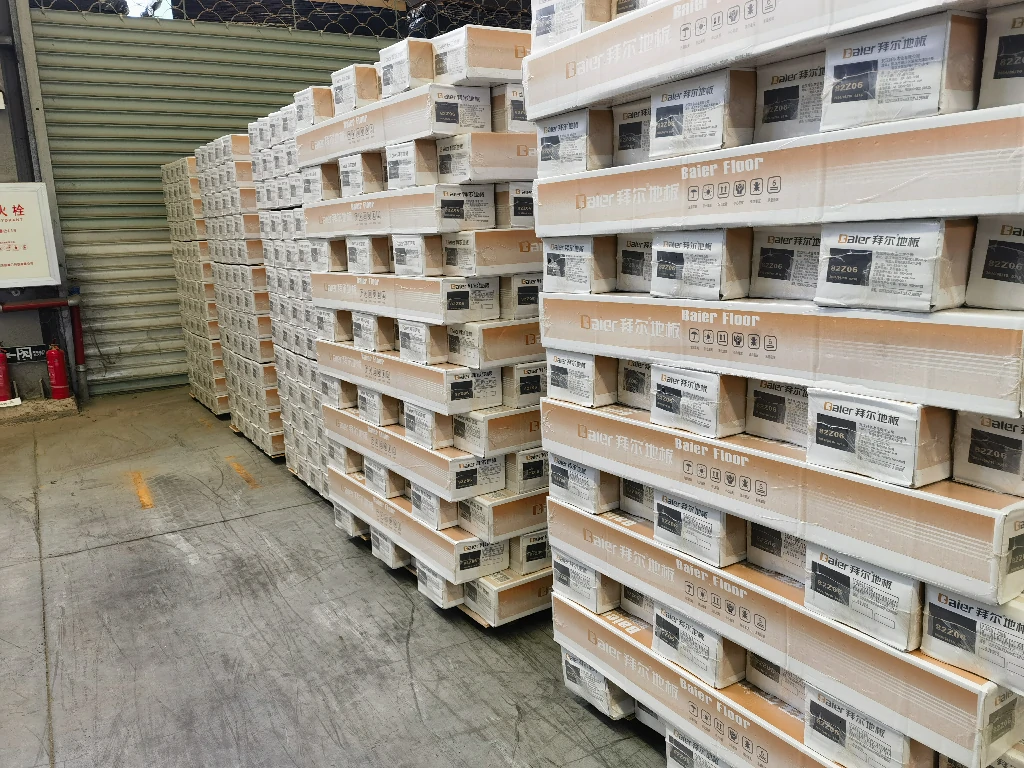
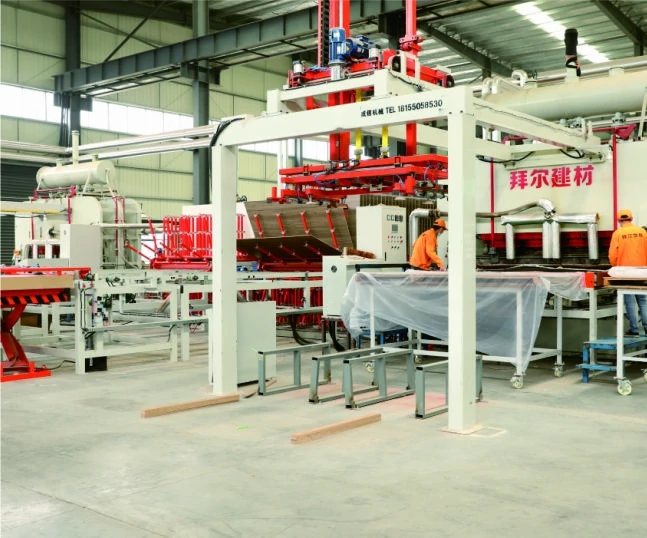
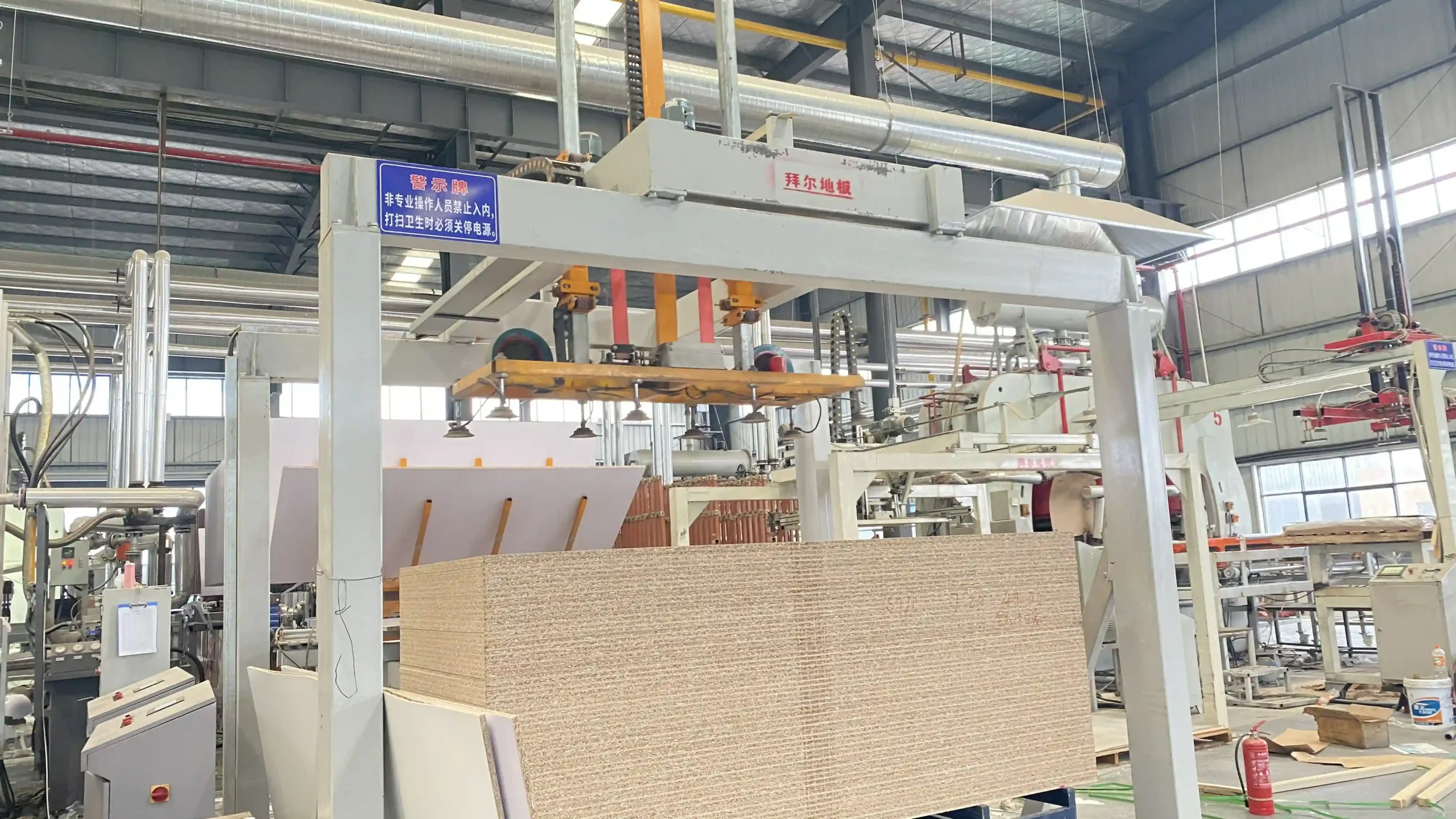
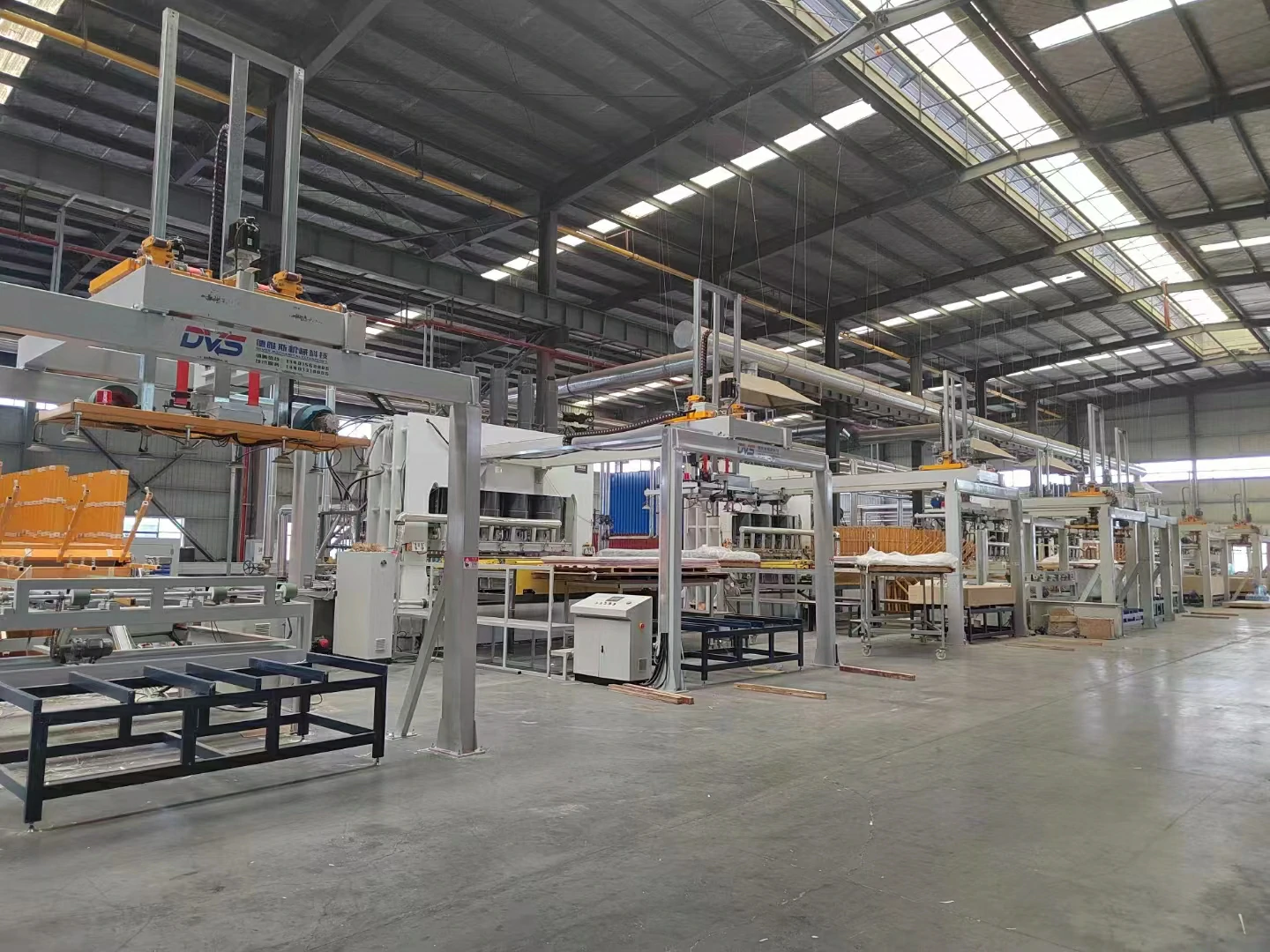
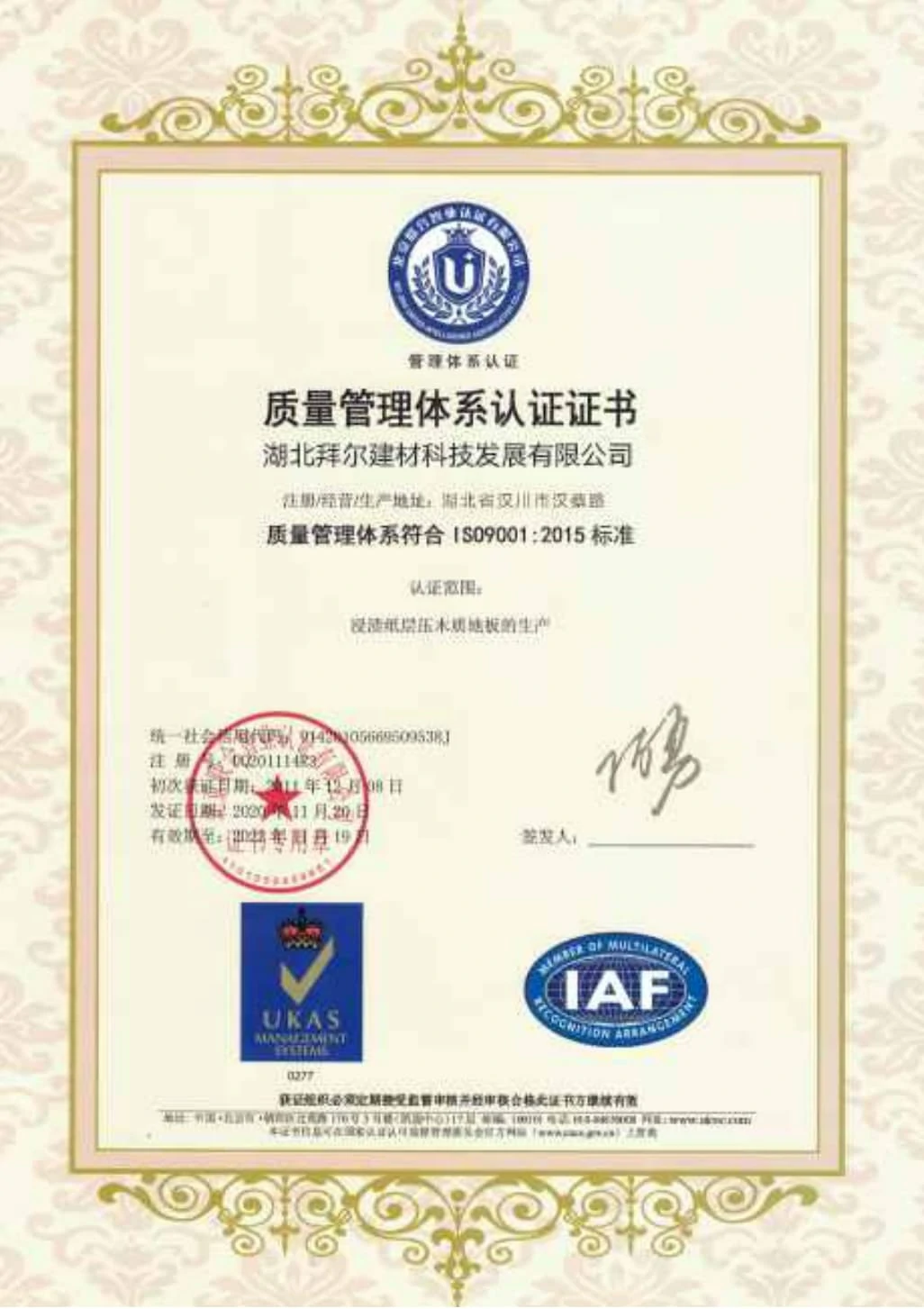
Baier Flooring Factory, MDF/HDF Fiberboard

Specify the wrong density grade, and your cabinetry warps. Choose the wrong resin binder, and your product fails a regulatory audit before it ships.

MDF looks simple from the outside — a flat, uniform panel. But the specs beneath that surface control everything: structural performance, indoor air quality, moisture resistance, and whether your finished product can enter the EU, North American, or global market at all.

This guide breaks down the three dimensions that matter most when sourcing melamine MDF panels for international markets — density, glue system, and formaldehyde emission class. You get enough technical depth to sharpen your sourcing criteria. Plus, the content is clear enough to make MDF specifications actionable right away — whether you’re reviewing a supplier quote or building a compliance-ready product line.

Each section starts with a technical definition, then moves to real-world consequences. Standards references (EN 622, CARB, TSCA Title VI) appear where they’re relevant — not stacked at the end. A comparison table and FAQ wrap things up.

ff7e4e8b 8408 4382 a9fb afc4fd325742

What Is MDF and Why Specifications Matter for Your Project

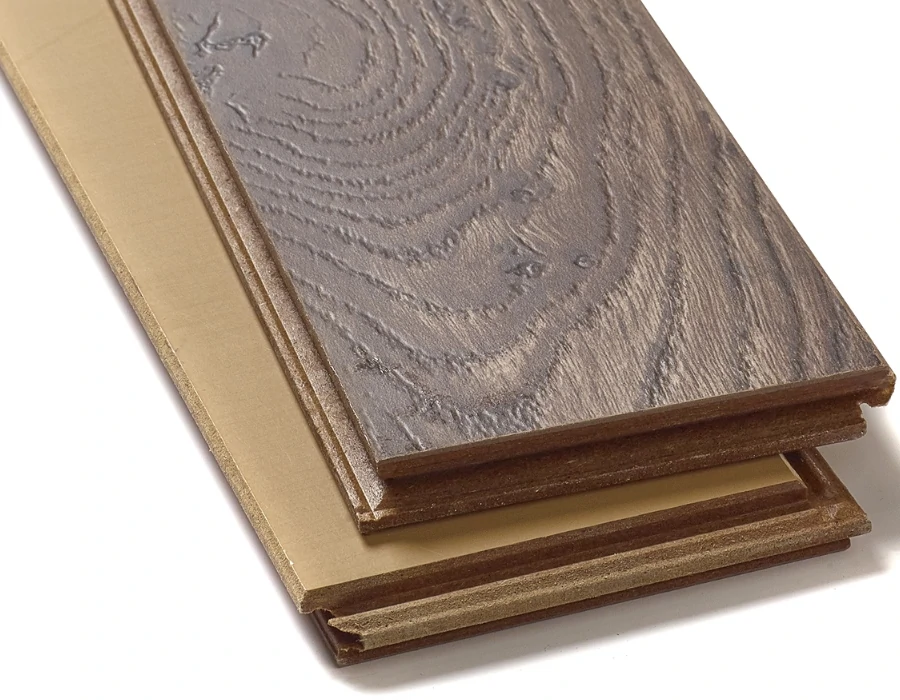
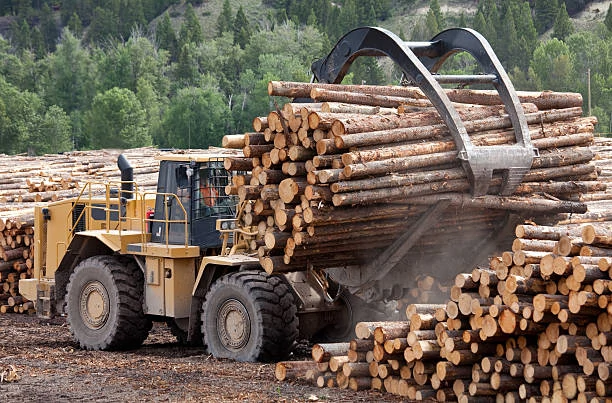
MDF is an engineered wood panel. It contains 82% virgin wood fibers — mostly softwood — held together with synthetic resin (urea-formaldehyde), water, and a small amount of paraffin wax. Particleboard uses coarse wood chips. MDF uses refined fibers instead. That difference gives you a smooth, knot-free surface with uniform density from edge to edge.

That uniformity is why specifications matter.

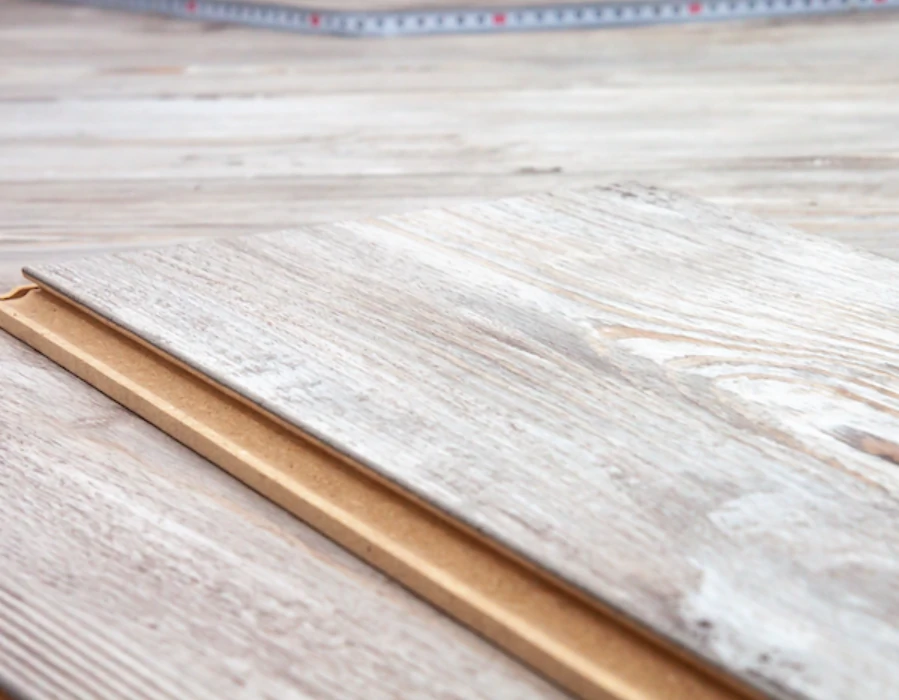
A standard MDF panel sits at 700–800 kg/m³ overall. The face layers compress harder — reaching 1,000–1,100 kg/m³. The core runs lighter, at 600–700 kg/m³. This density variation across the panel directly affects how it performs. Machining behavior, screw-holding strength, edge quality, moisture response — all of these shift based on that gradient.

Wrong specs cost real money. Here’s what happens:

Panels below 700 kg/m³ produce rough machined edges. Screw pull-out drops below 90 psi.

Moisture-resistant grades that miss ANSI swell thresholds force cabinet rework. That rework runs 15–30% of your total project budget.

Formaldehyde emissions above 0.11 ppm under CARB Phase 2 put you in violation. Fines can reach $500,000 per day.

MDF specs aren’t just paperwork. They control your project’s performance, your compliance standing, and your budget. Get them wrong, and the consequences show up fast.

MDF Density Explained: Light, Standard, and High-Density Grades

bf7d3a45 ba0d 4c86 bc63 304b48638119

Density controls everything about how a panel behaves — how it machines, where it works best, and what it can hold.

MDF density covers a wide range: 500 to 1,000 kg/m³. Fiber type and manufacturing pressure both drive that number. Hardwood fibers pack tighter than softwood. More compression produces higher density. Higher density gives you harder surfaces, cleaner cut edges, and better screw holding strength. It also adds more weight per sheet — something worth tracking for shipping costs or furniture that needs to move around.

Three practical grades cover this range.

Light Density (LDF and ULDF): Under 650 kg/m³

Light density fiberboard (LDF) falls below 650 kg/m³. Ultra-light (ULDF) drops below 550 kg/m³. These panels aren’t weak — they’re built for specific jobs.

LDF handles high processing speeds well. Routers and molding equipment cut through it fast, producing sharp, detailed profiles. On denser stock, you’d need more machine passes to get the same result. That’s why LDF is the go-to choice for molding, millwork, and high-volume profiled components.

One thing to plan for: standard LDF comes in 5-foot widths only. That limits your layout options, so factor it in before you order.

Standard MDF: 700–800 kg/m³

This is the workhorse grade. Under ANSI A208.2, Grade 130 runs 700–745 kg/m³. Grade 155 runs 740–770 kg/m³. Both grades cover the core applications in furniture and interior construction:

Cabinetry substrates

Drawer boxes

Kitchen and vanity doors

Wall paneling

Passage doors

Closets

Interior millwork

furniture-grade MDF supply

The density inside a standard panel isn’t the same throughout. Face layers compress to 1,000–1,100 kg/m³. The core runs lighter at 600–700 kg/m³. That difference is built on purpose. You get a hard, paintable surface without loading unnecessary weight through the full thickness.

Weight follows thickness at a 750 kg/m³ average:

Thickness Weight (kg/m²)
9.0 mm 6.3
12.0 mm 8.4
16.0 mm 11.0
19.0 mm 14.0

High Density (HDF): Above 800 kg/m³

HDF is built for precise, demanding work. It cuts well at fine detail levels — speaker boxes, laminate flooring underlay systems, and routed finish panels where surface quality under a cutting tool matters most. The thickness range is narrow: 1.6 mm to 8 mm. At that thinness and high density, you get a panel that’s rigid, smooth, and stable under load.

The practical rule: match density to the job.

LDF — profiles and molding

Standard MDF — most furniture and cabinetry

HDF — jobs where surface precision and cut quality can’t be compromised

MDF Glue and Binder Systems: UF, MF, MDI, and NAF Options

7e319744 35a3 4d16 985a 945115102ae2

The resin binder in your MDF panel is invisible — but it controls whether your finished product ships to market or gets flagged at the border.

Four binder systems lead MDF production: UF, MF/MUF, MDI, and NAF formulations. Each one trades off cost, emissions, moisture resistance, and machinability differently. Know those trade-offs. That’s how you match the right panel to the right application — before a compliance failure or performance problem makes the decision for you.

UF Resin: The Standard Choice

Urea-formaldehyde resin is the default binder in most MDF production. Resin loading runs around 11% for 3mm board. The F:U molar ratio sits between 0.85 and 1.10 for MDF — in earlier production it ran as high as 1.25.

UF gives you two solid advantages. First, tacky consistency that holds the fiber mat during forming. Second, enough board resiliency for smooth CNC routing and core profiling. That’s why standard interior furniture and cabinetry almost always use UF-bonded panels.

The trade-off is formaldehyde. A higher F:U ratio increases bond strength — but pushes emissions up. CPA limits formaldehyde to ≤0.21 ppm. UF resin is also pH-sensitive. Gel time shortens under acidic conditions. So if buffer capacity isn’t monitored, pre-cure during production becomes a real risk.

For interior cabinet board production where emissions compliance is manageable and cost matters, UF is still the right call.

MF/MUF Resin: The Moisture Fix

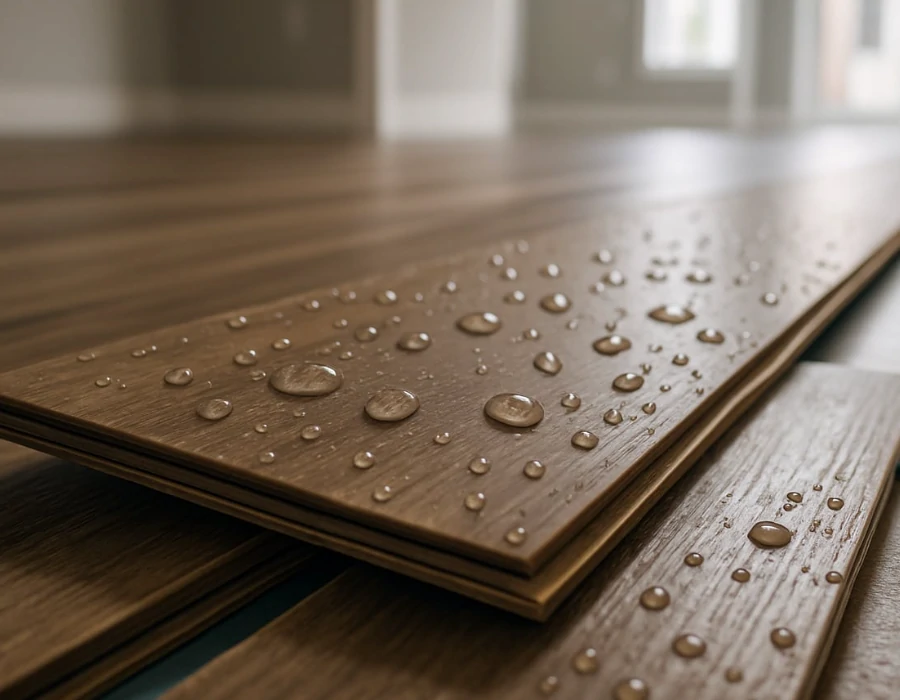
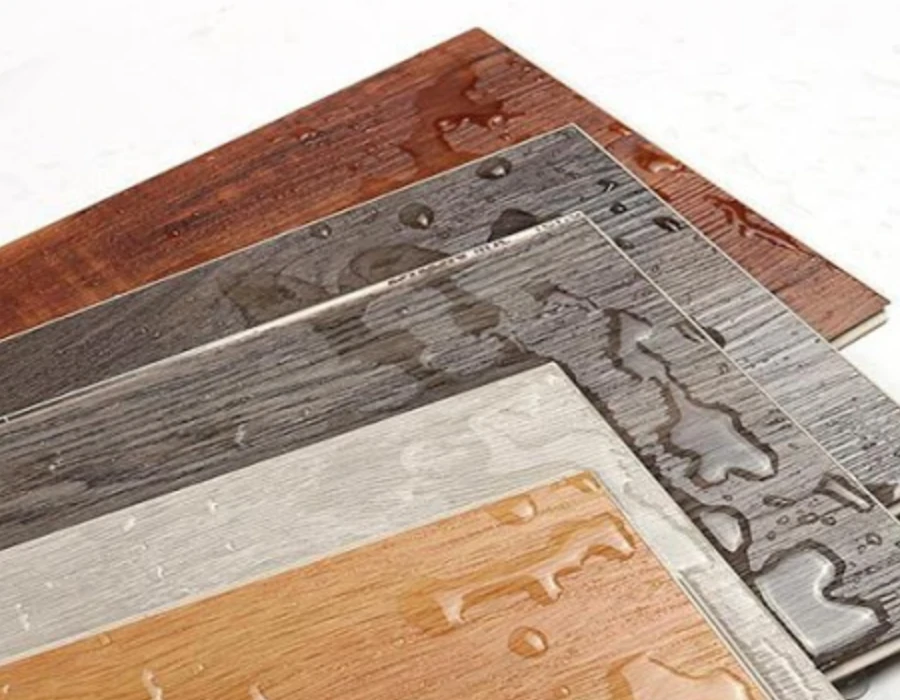
Melamine-modified urea-formaldehyde (MUF) adds melamine to a UF base. That one addition improves moisture resistance. MUF panels pass MR testing and hold up in humid environments — kitchen cabinets, bathroom vanities, and humid climate installations where standard UF would break down.

The bond also holds longer under repeated humidity cycles. That’s because MUF reduces hydrolysis susceptibility. Emissions run lower than standard UF. Cost runs higher.

MUF holds about 2–3% of the European particleboard and MDF market. It’s a targeted solution for specific conditions — not a general replacement for UF.

MDI/pMDI: High Performance, No Formaldehyde

Polymeric methylene diphenyl diisocyanate (pMDI) works on a different chemistry altogether. It contains no added formaldehyde. That makes it the go-to resin for CARB Phase 2 and E0-rated panels.

The performance numbers stand out. Resin loading drops to just 2–3% for 3mm board, compared to 11% for UF — with equivalent mechanical properties. Bond strength is very high. Moisture resistance beats phenol-formaldehyde resin. So pMDI-bonded MDF works well for outdoor or high-humidity applications where other binders fall short.

pMDI also self-distributes through the fiber mat without turbulence. This lets you add resin late — after dryers — which cuts maintenance requirements and lowers reject rates.

The disadvantages are real though. pMDI bonds hard to metal press surfaces. That slows production and forces regular cleaning cycles. Mat tack is low. Cost is high.

One practical fix: combine pMDI with soy-based adhesives (Soyad). This raises adhesive volume by 30–60%, improves fiber distribution, and makes the E0 and CARB Phase 2 compliant MDF boards easier to machine for veneering, coating, and CNC work.

What to Check in a Supplier TDS

Pull up a technical data sheet and look at these parameters:

Resin loading (%) — lower isn’t always better; match it to your application

F:U molar ratio — this number predicts formaldehyde emission potential

Internal bond strength (N/mm²) — structural integrity under load

Formaldehyde emissions (ppm) — check against CPA, CARB, or E-class limits

Moisture resistance rating — MR or WBP, depending on end use

Gel time and pH sensitivity — production process indicators

The decision logic is simple:

Binder Best For Key Limitation
UF Interior furniture, cabinetry Higher formaldehyde emissions
MUF/MF Humid environments, kitchens Higher cost than UF
MDI/pMDI NAF-required, outdoor, E0/CARB P2 High cost, press adhesion issues

Pick the binder that fits the application and the compliance requirement — not just the cheapest option on the table.

Formaldehyde Emission Classes Decoded: E0, E1, E2, CARB Phase 2, and NAF

a493411c c6b9 47c0 9bdd bdeecede78e6

The IARC classifies formaldehyde as a Group 1A carcinogen. Chronic exposure above 0.1 ppm raises nasal cancer risk by 40%. Above 0.3 ppm, you start getting eye and respiratory irritation. That’s the real stakes behind MDF emission classes — and why picking the wrong spec means more than just a failed audit.

Every MDF panel releases formaldehyde. The emission class tells you how much, and which markets will accept it.

The Five Classes, Side by Side

Class mg/L (Desiccator) mg/m³ (Chamber) mg/100g (Perforator) Notes
E0 ≤0.5 ≤0.050 <3 Strictest — homes, schools
E1 ≤1.5 ≤0.124 ≤8 Common EU indoor standard
E2 ≤5.0 0.124–0.3 8–30 Phased out for indoor use
CARB P2 N/A ~0.13 N/A US composite ≤0.11 ppm
NAF <0.5 <0.025 N/A No UF resins added

E1 is the minimum standard for interior use across the EU for most export-ready MDF panels. Under EN 717-1 and EN 13986, that means ≤0.124 mg/m³ in chamber testing, or ≤8 mg/100g via the perforator method. Most furniture-grade MDF ships at E1.

E0 tightens the limit to ≤0.050 mg/m³. You’ll find this grade in children’s furniture, schools, and hospitals — anywhere long-term low-level exposure is a concern. China’s GB/T 39600-2021 pulled E2 from indoor use entirely. A supplier quoting E2 panels for interior applications is a red flag. Walk away.

CARB Phase 2 covers the US market. The limit sits at ≤0.11 ppm for composite wood products. TSCA Title VI (post-2018) follows the same logic — ≤0.13 ppm for most panels, ≤0.05 ppm for flooring underlays. Third-party certification is non-negotiable. No cert means no US market access. Simple as North American MDF distribution projects.

NAF (No Added Formaldehyde) contains zero urea-formaldehyde resin. Residual emissions stay below natural wood off-gassing — usually 0.005–0.025 mg/m³. NAF panels rely on pMDI or soy-based binders instead. That’s why the cost runs much higher than standard grades.

Why the Test Method Changes Your Classification

The same physical panel can get different emission ratings depending on which test method you use. This gap is bigger than most buyers expect.

EN 717-1 (EU) measures a 7-day climate chamber average at lower moisture levels. It picks up the initial spike in formaldehyde release — the burst that hits in the first 24–72 hours and accounts for over 80% of total off-gassing. That early peak pulls the average up, so a panel can land at E1 under this method.

ASTM D6007 (US) runs continuous 8-hour cycles over 7 days with higher airflow. This setup mimics US residential conditions. The higher airflow spreads out the measurement, so readings come in lower. A panel that grades as E1 under EN 717-1 will often clear CARB Phase 2 under ASTM. Reclassification rates between the two methods run 20–50%.

This matters for sourcing. A European E1 cert does not mean CARB Phase 2 compliance. Check the test method on the TDS before assuming the panel works in both markets.

Emission Decay Over Time

New panels off-gas fast. Peak release hits within the first 24–72 hours. Over 6–12 months, measured emissions drop 50–90%. An E1 panel that starts at 0.124 mg/m³ can fall to around 0.03 mg/m³ over that period.

That said, ventilation controls actual indoor buildup more than the panel’s rated class does. In a room with poor airflow, steady-state concentration can run 2–5x higher than the panel’s rated emission level. An E1 panel averaging 0.05 ppm can push to 0.2 ppm without enough air exchange. One air change per hour cuts that concentration in half within 60 minutes.

The bottom line: emission class gives you your compliance baseline. Ventilation design determines what people actually breathe. You need both.

Emission Standards by Market: EU, North America, and Global Compliance Requirements

7b12b840 2e4e 4a04 8751 d933c755ca21

Compliance isn’t one standard. It’s three separate frameworks running at the same time. A panel that passes one market can fail another.

Here’s what each region demands.

EU: E1 Is the Floor, Not the Ceiling

The EU minimum for interior MDF is E1 ≤ 0.124 mg/m³. EN 717-1 testing governs it, and REACH Annex XVII backs it up. EN 622-1 sets the panel standard. EN 717-1 and EN 717-2 define the test methods. These aren’t optional — they’re the baseline for legal market access.

Beyond E1, two voluntary certifications separate strong suppliers of European-compliant engineered wood panels from the rest:

Blue Angel (RAL-UZ 76): Formaldehyde ≤ 0.05 ppm, TVOC ≤ 1.0 mg/m³. German public procurement tenders require it. It also signals premium quality across EU export channels.

France VOC A+: Formaldehyde ≤ 10 µg/m³. New building projects in France require it. Without it, that market segment is closed to you.

Post-2026, CBAM adds another layer. Importers will need embedded emissions data. Skip that, and you face country-specific default markups — starting at 10% and climbing to 30%+ by 2028.

North America: CARB Beats TSCA

In the US, two frameworks cover formaldehyde in composite wood: CARB Phase 2 and EPA TSCA Title VI. CARB is stricter. Not sure which to certify to? Go with CARB — it covers both.

Standard MDF Limit Verification
CARB Phase 2 ≤ 0.11 ppm TPC-2 certification mark
EPA TSCA Title VI ≤ 0.13 ppm CPC/TP certifier number

An EU E1 certificate does not replace CARB Phase 2 certification. The test method is different. The threshold is different. The legal authority is different. Third-party certification is required — no label means no US distribution.

Asia-Pacific: Three Standards, Three Checklists

Asia-Pacific is not a single market. Each country runs its own framework:

China: GB 18580, E1 ≤ 0.124 mg/m³. GB/T 39600-2021 removed E2 from all indoor use.

Japan: JIS A 5905, F★★★★ grade (≤ 0.3 mg/L desiccator method) for unrestricted indoor use.

California imports: CARB Phase 2 applies no matter where the product originates.

The practical takeaway: Build your compliance checklist around the destination market before locking in supplier specs. A panel that ships clean into Berlin may stall at a US port. That same panel could get rejected by a Tokyo buyer running JIS audits. Know your target market first, then pick the grade.

How to Choose the Right MDF Specification: A Practical Decision Framework

Three variables drive every MDF sourcing decision: application environment, structural load, and compliance destination. Get all three right, and the spec writes itself.

Work through it in order.

Step 1 — Define the environment first. Dry interior space? Standard MDF handles it. Kitchen, bathroom, or high-humidity climate? You need MR grade. Humidity swings over 30 percentage points cause more dimensional movement than standard panels can handle. MDF moves about 0.05% in-plane for every 1% change in moisture content. That’s stable compared to solid wood — but it won’t forgive a wrong grade choice.

Step 2 — Match thickness to structural demand. Here’s a simple breakdown:

Thin boards (2–7.5mm) — best for detailed profiling and crafts

Medium boards (8–16.5mm) — suited for standard furniture and cabinetry

Thick boards (17–30mm) — needed for load-bearing applications

Higher density adds strength. It also adds cost. Don’t buy higher density than your application actually needs.

Step 3 — Lock compliance before locking supplier. Identify your target market first. EU interior use needs E1 at minimum. US distribution requires CARB Phase 2 certification — an E1 cert alone won’t cover it. Children’s furniture or institutional spaces push the requirement up to E0 or NAF.

Step 4 — Confirm moisture content on delivery. Target 9±2% for Northern European conditions. Ask your supplier to match seasonal averages at the installation site — not just their factory averages. Those two numbers are often different.

The sequence matters. Application defines grade. Grade defines binder. Binder defines the compliance path. Start from the end use, and the full spec falls into place.

Frequently Asked Questions About MDF Specifications

Buyers ask the same questions over and over — and getting the answers right matters.

What density should I specify for standard cabinetry?
Grade 130 or Grade 155 under ANSI A208.2 covers most furniture and cabinet work. That puts you in the 700–770 kg/m³ range. Face screw holding hits 200 lbf (890 N). Edge holding runs 175 lbf (778 N). Both numbers hold up well under normal load conditions.

Does E1 certification cover the US market?
No. E1 and CARB Phase 2 use different test methods and different thresholds. CARB limits MDF above 8mm to ≤0.11 ppm. E1 sits at ≤0.124 mg/m³ under EN 717-1. For US distribution, you need third-party TPC-2 certification. An EU cert won’t work as a replacement.

What’s the internal bond strength minimum I should accept?
90 lbs/in² (0.62 N/mm²). Drop below that, and the panel can fail under stress in ways you can’t predict.

Is high density always better?
Not for every job. LDF machines faster for detailed profiles. HDF is the right pick for thin-panel precision work. Standard MDF covers everything in between. Match density to the application — not to the highest number on the spec sheet.

Can MDF be used in humid environments?
Standard grades can’t handle it. MR-rated panels with MUF or pMDI binders are built for that. Check the moisture resistance rating on the TDS before you spec these panels for kitchens or bathrooms.

Conclusion

Choosing the right MDF isn’t guesswork — it’s engineering. Get the density wrong and your furniture fails under load. Miss the emission class and your product fails in market. Pick the wrong binder and moisture turns a cabinet into a casualty.

The good news? You now have the full picture. MDF formaldehyde emission standards, density grades, and resin binder systems are no longer a mystery. They’re a clear decision framework you can put to work right now.

Here’s your next step: pull your project specs. Match your application environment against the criteria in this guide. Lock in the right MDF panel specifications before your next sourcing conversation. Supplying into EU markets? E1 compliance isn’t optional — it’s the floor, not the ceiling.

The right spec costs the same as the wrong one. The consequences don’t.

Ready to source MDF that meets your exact requirements? Contact our technical team for a panel specification recommendation built around your project needs.