Best 4 Moisture-Resistant Melamine Mdf Panels Suppliers In Mexico For Export & Domestic Use

MDF/HDF Fiberboard

Mexico has become a strategic sourcing hub for melamine MDF panels serving North America and cross-border commercial projects. Driven by nearshoring, USMCA trade alignment, and expanding logistics infrastructure, Mexican suppliers now compete not only on price, but also on inventory depth, lead time reliability, and moisture-resistant performance standards.

However, not all suppliers operate under the same model. Some function as import-driven wholesalers with broad global sourcing networks. Others manufacture domestically at scale for the Mexican interior market. A few operate on export-oriented production models focused on container efficiency and batch consistency.

For commercial buyers — furniture factories, architectural firms, developers, and millwork contractors — understanding these structural differences is critical. Core density, moisture resistance grade, stock availability, certification transparency, and logistics capability all influence total landed cost and project timelines.

The comparison below outlines key operational differences among leading suppliers active in the Mexican market.

MJB Tableros y Maderas (MJB Mexico)

3a0eb3f1 25b2 4210 84ae ff9132342ec7

Scott Patrick Griggs built MJB into one of Mexico’s most active wood product importers. The numbers prove it: $29.23M USD in imports between August 2024 and July 2025. That’s serious buying power running through their Saltillo headquarters at Prol. Juan Escutia No. 500, Col. Río Bravo, Coahuila 25220.

MJB doesn’t make melamine MDF panels. They import them. This creates a different advantage than buying direct from factories. You tap into global supply networks without handling international shipping yourself. They source from trusted mills in Romania, Russia, China, and the United States.

Their import records show steady volume. August 2018 alone brought in 172,833 kg of Oriented Strand Board from Romania (CIF $97,665 USD). That same month had three birch plywood shipments from Russia. Total: 228,536 kg (combined CIF $209,197 USD). Recent 2023 shipments came from CMPC Maderas S.A., Jiangsu High Hope Arser Co., Ltd., and Kronospan Trading Srl.

They run two facilities. The main Saltillo spot handles bulk orders. Their second site sits in Ocotlán (Calle Ocotlan, Jalisco 47882). It covers regional deliveries. Both spots stock lumber, plywood, millwork, and wood flooring. Plus melamine MDF panels.

MJB works with furniture makers and construction contractors who need steady inventory. Their $5.79M USD in exports shows they know cross-border paperwork. USMCA compliance? They do it every day. Container grouping? Standard for them.

Payment options are flexible here. As merchant wholesalers, they offer NET-30 terms for regular buyers. MOQ varies by what’s in stock. You can take a single pallet or arrange full container loads.

Their Altamira port access speeds up inland shipping. Coahuila’s factory zone reaches major Mexican cities and Texas border points in 3-4 hours. This quick access helps contractors hit tight deadlines.

One thing to know: you’re buying imported stock, not custom runs. Want specific melamine patterns or odd thicknesses? Check what they have on hand first. Custom orders need early planning. They also carry higher minimum orders.

Baier Wood-Based Panels

1ec77cec 2da3 4d2c b738 86d289c4ab84

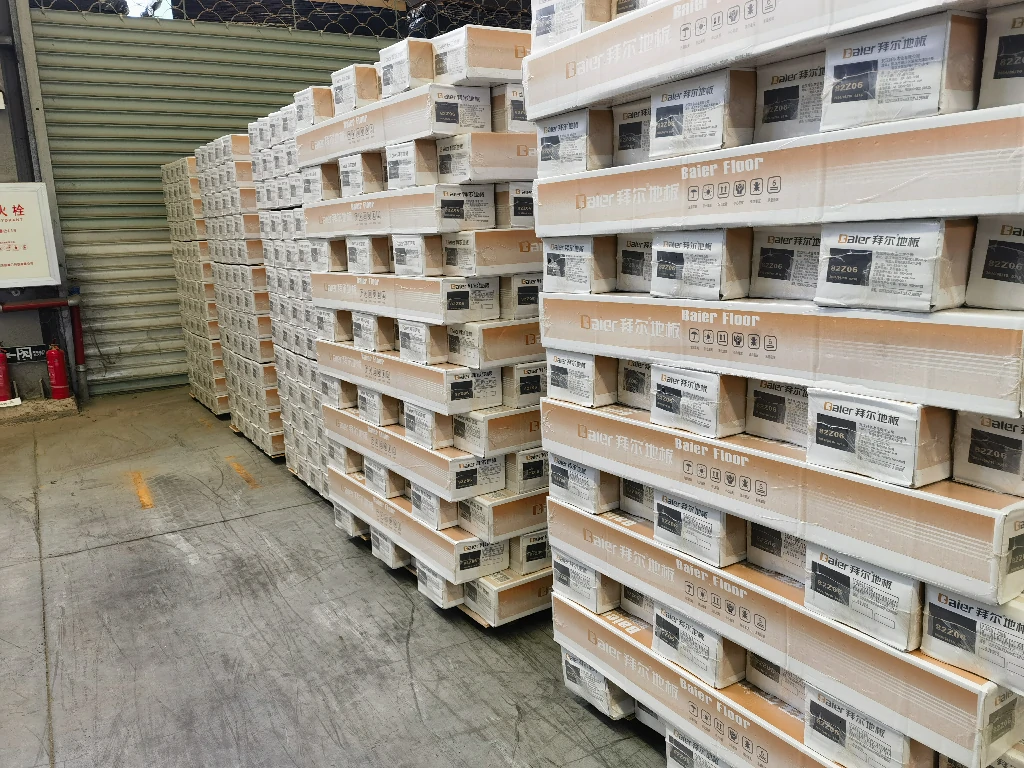
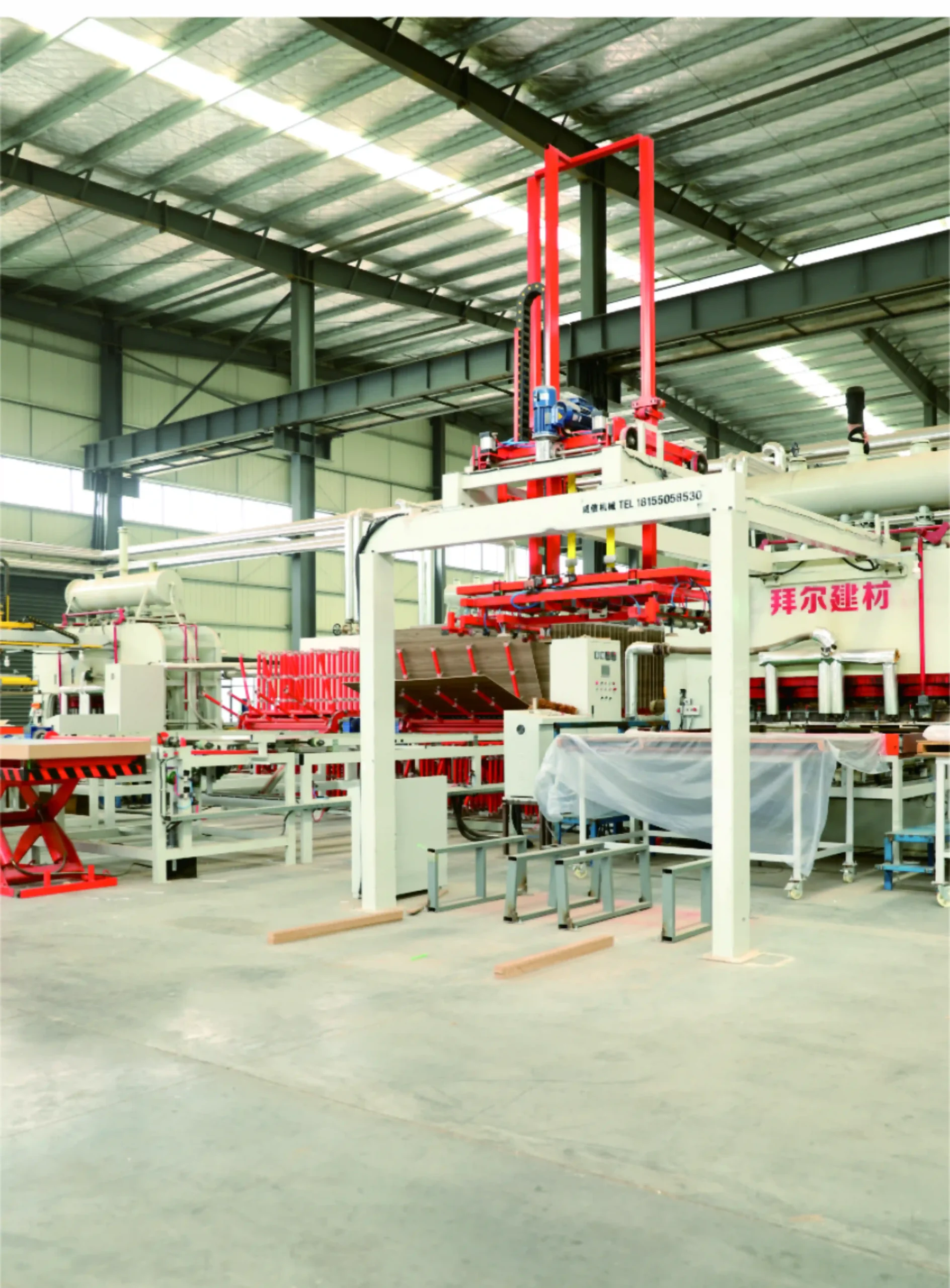
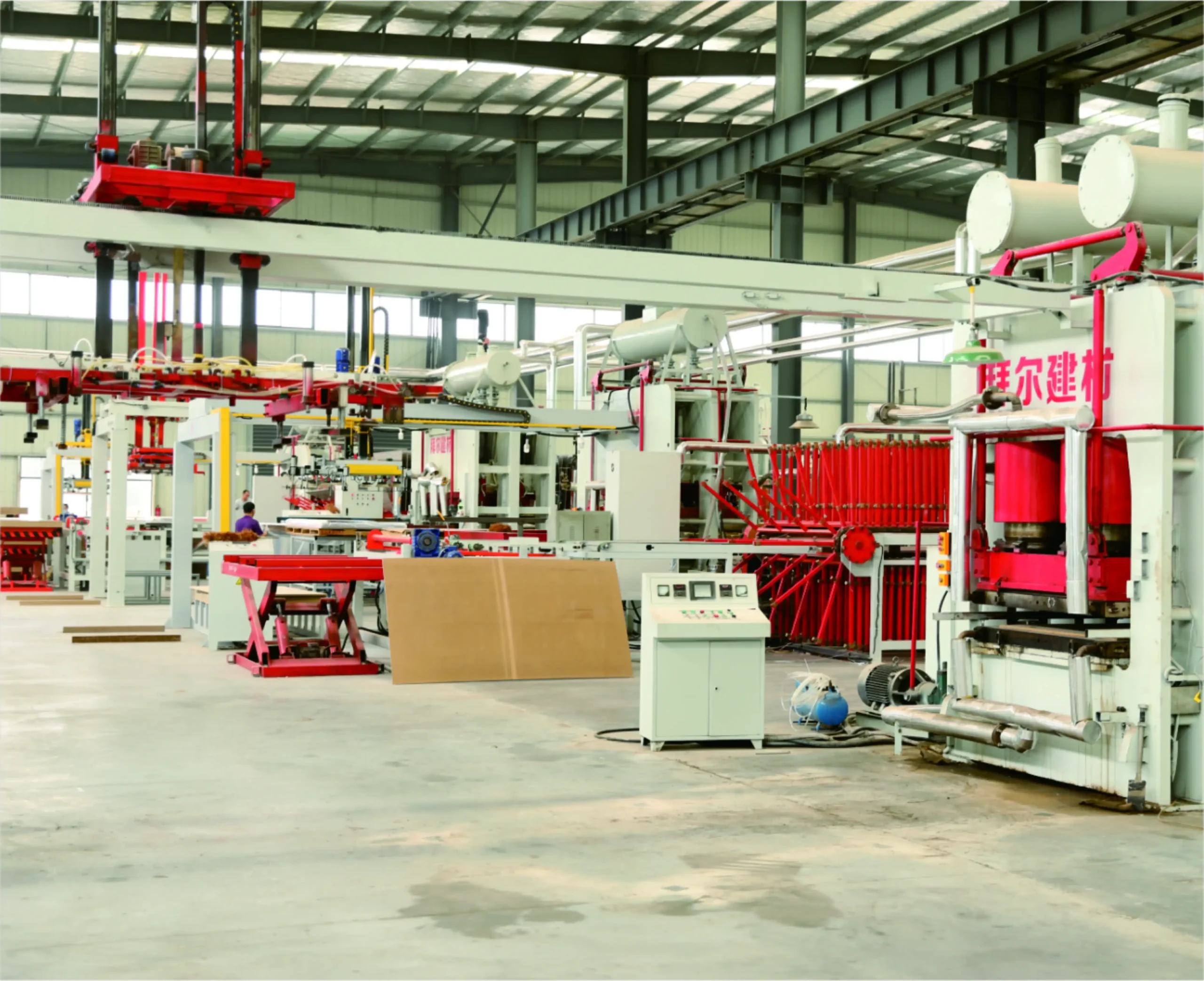
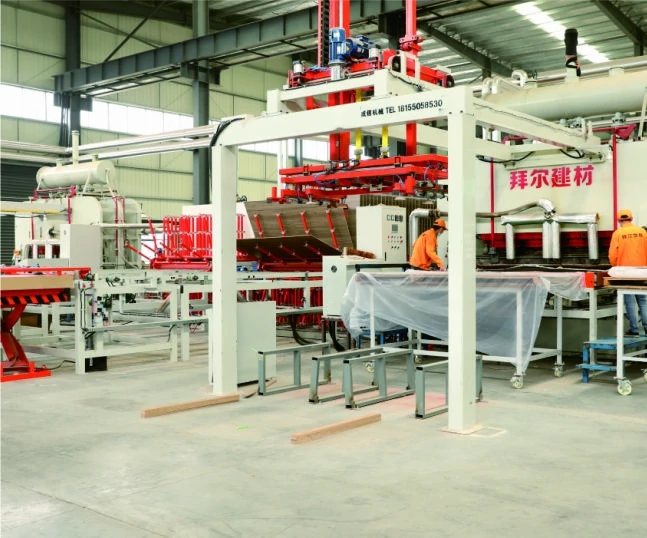
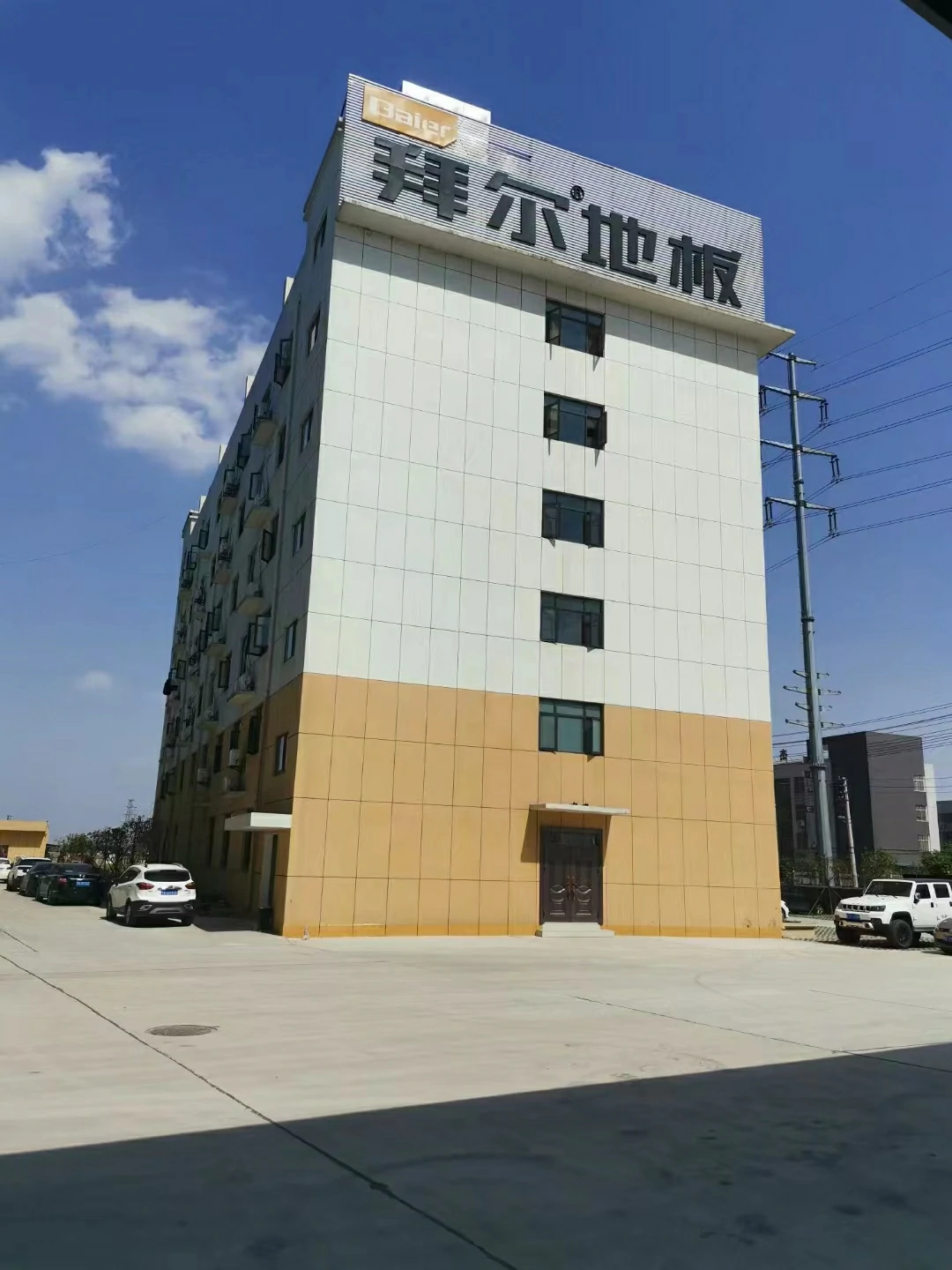
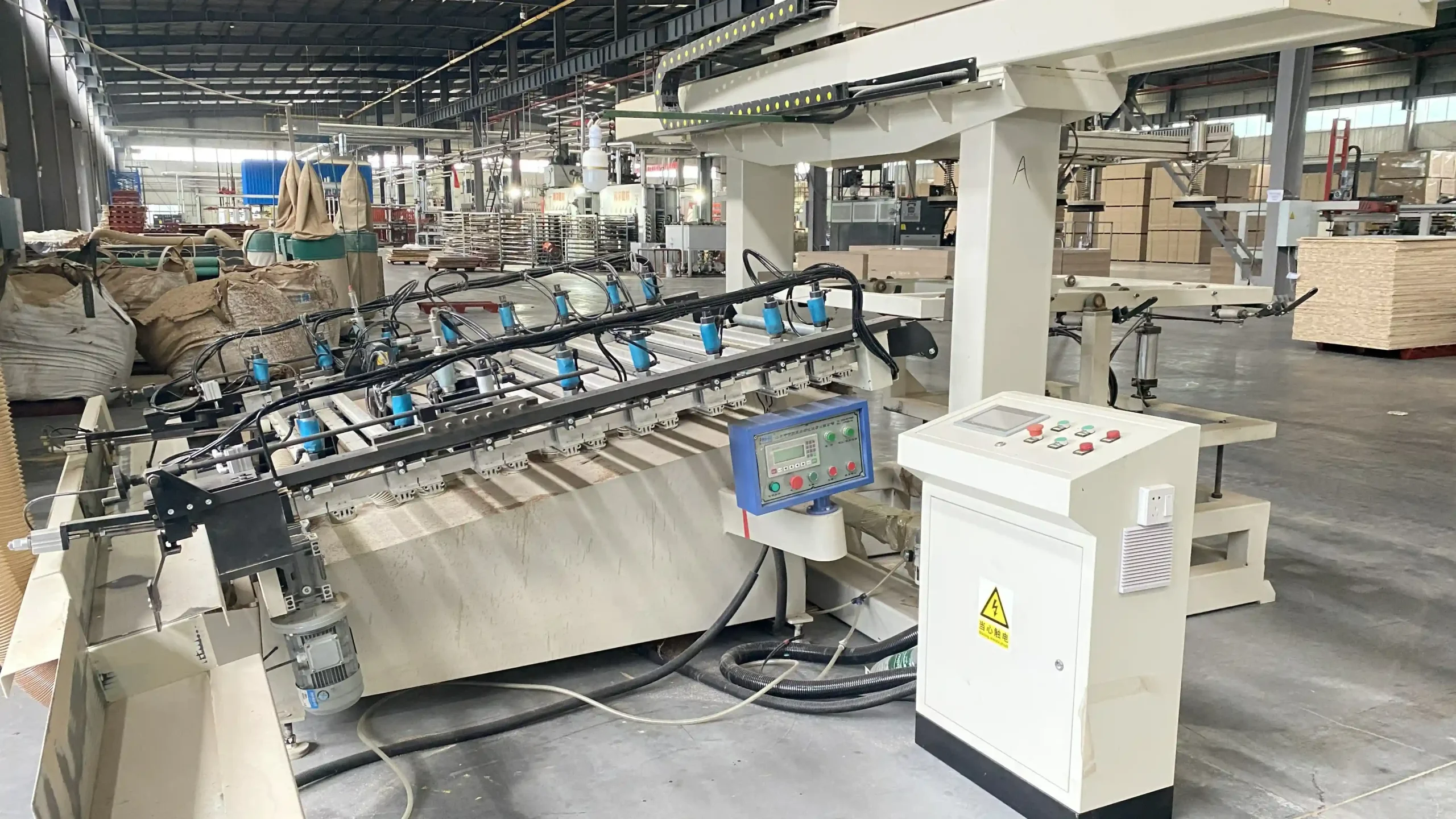
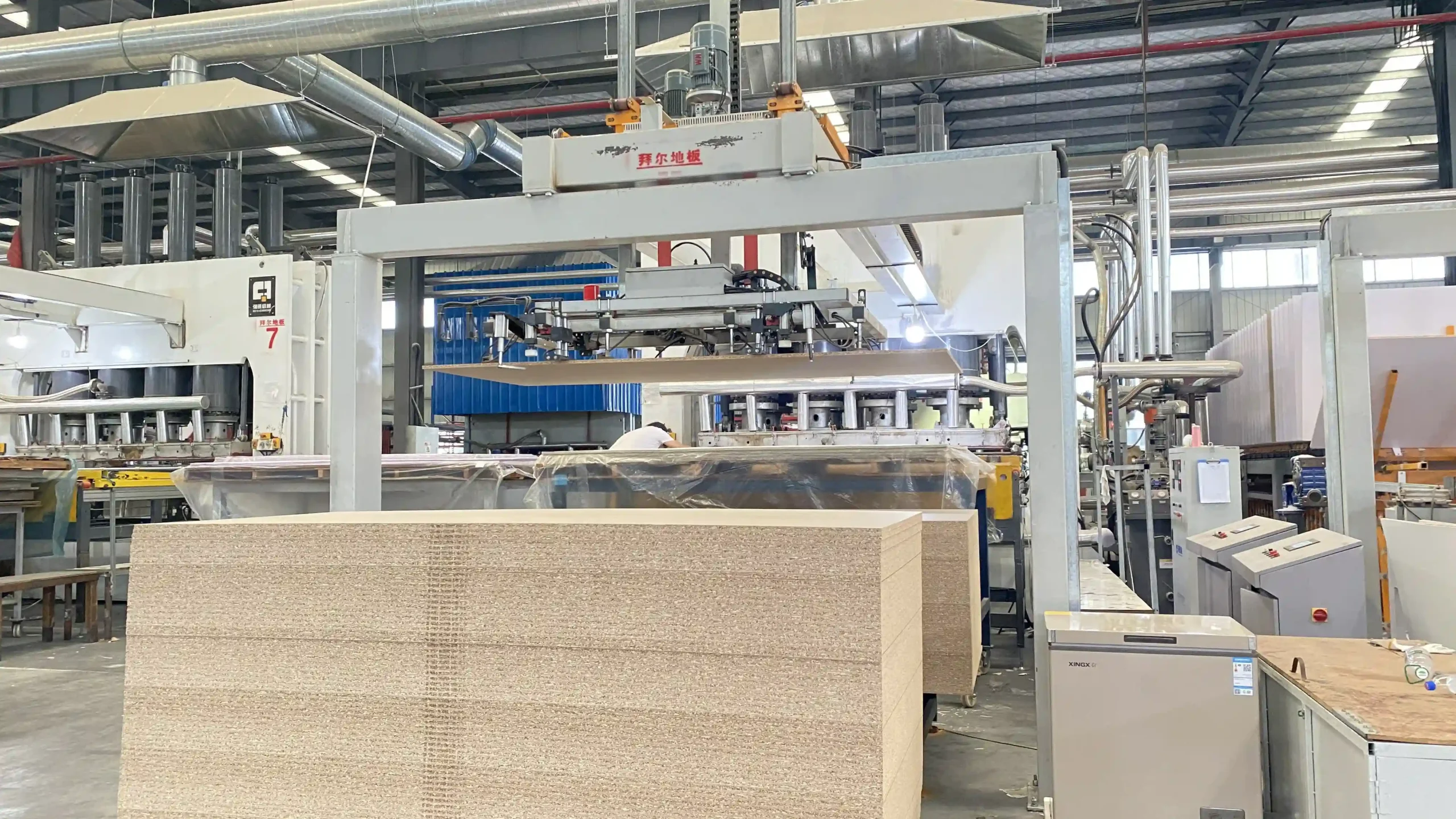
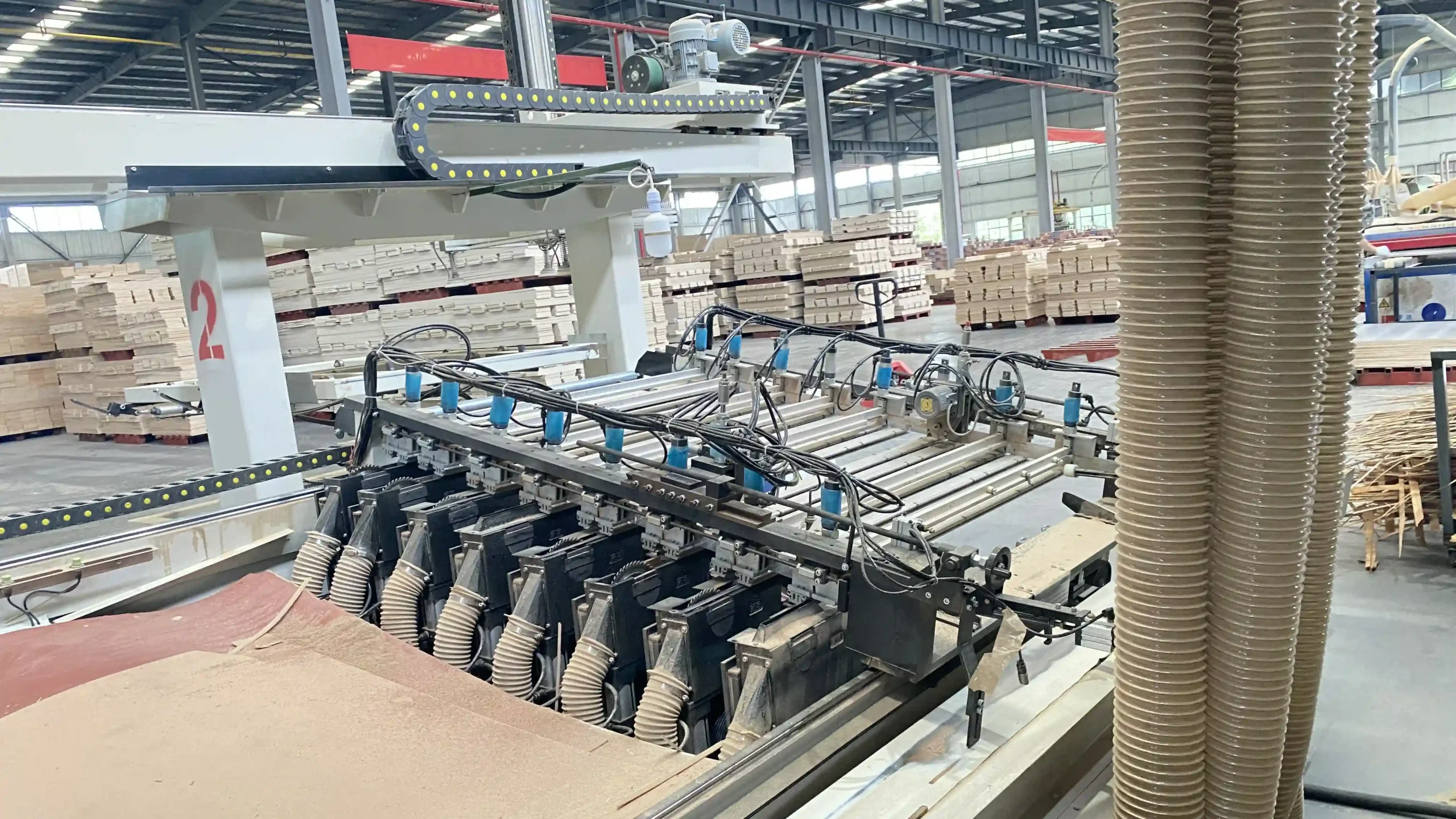
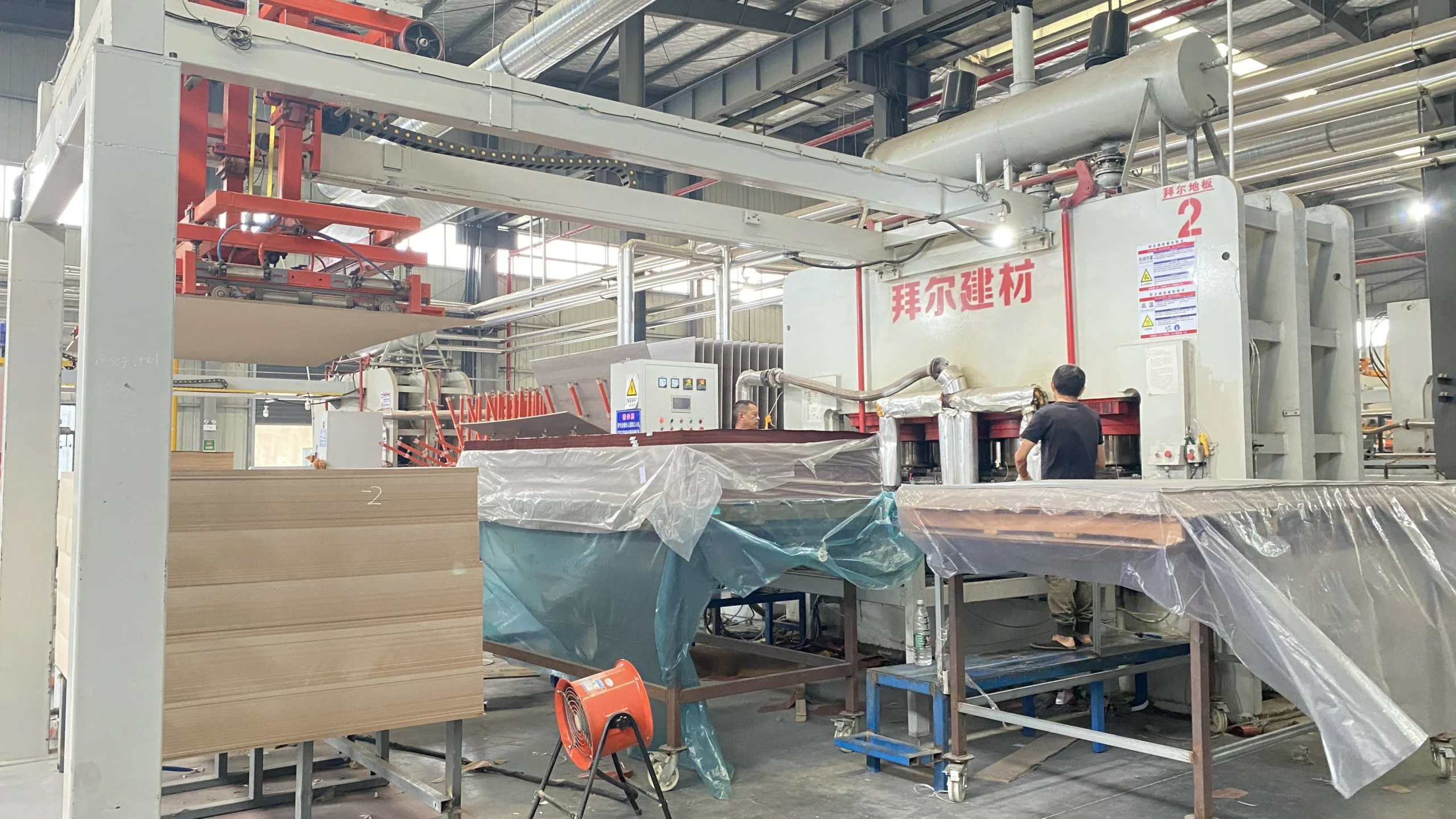
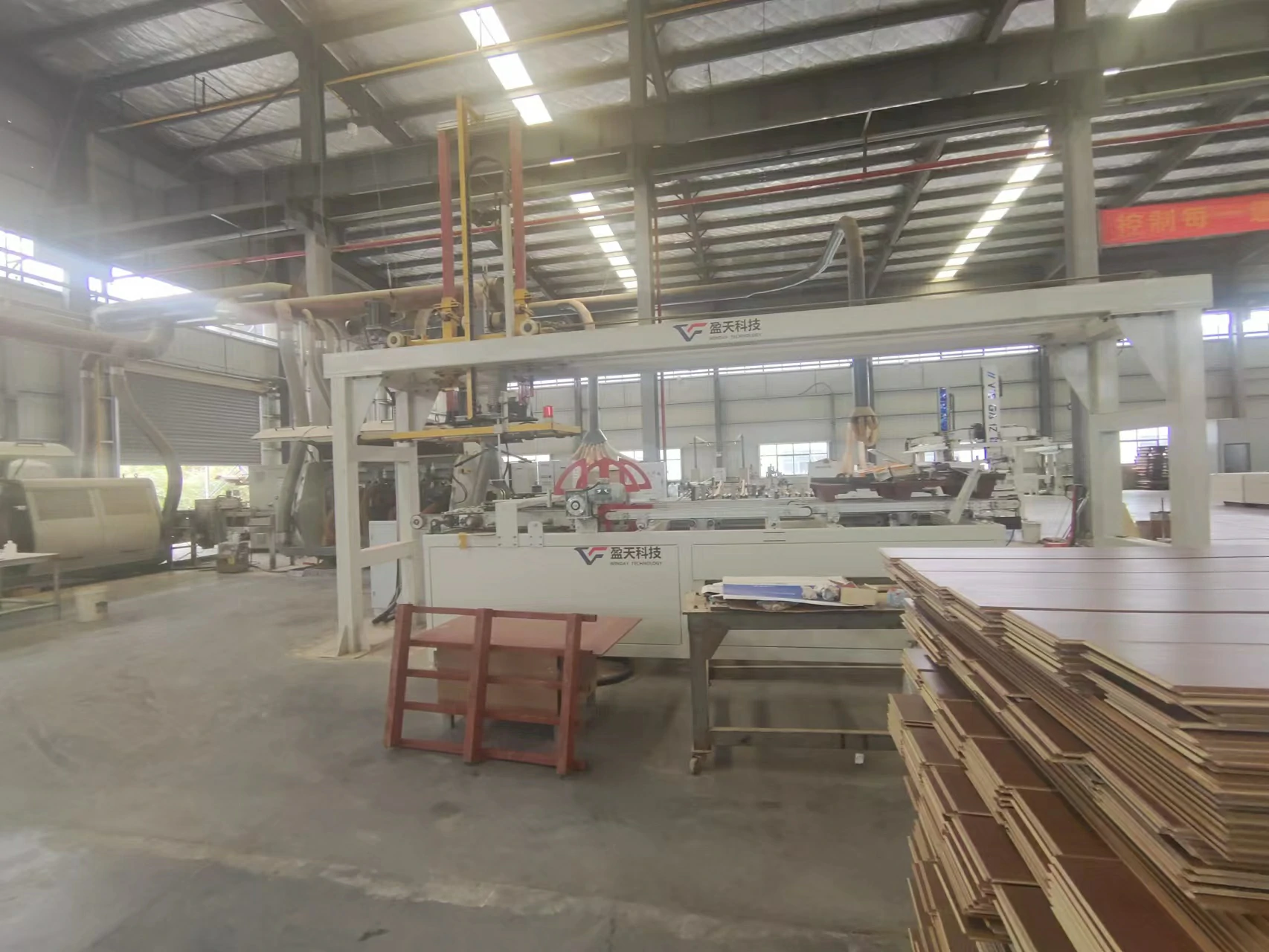
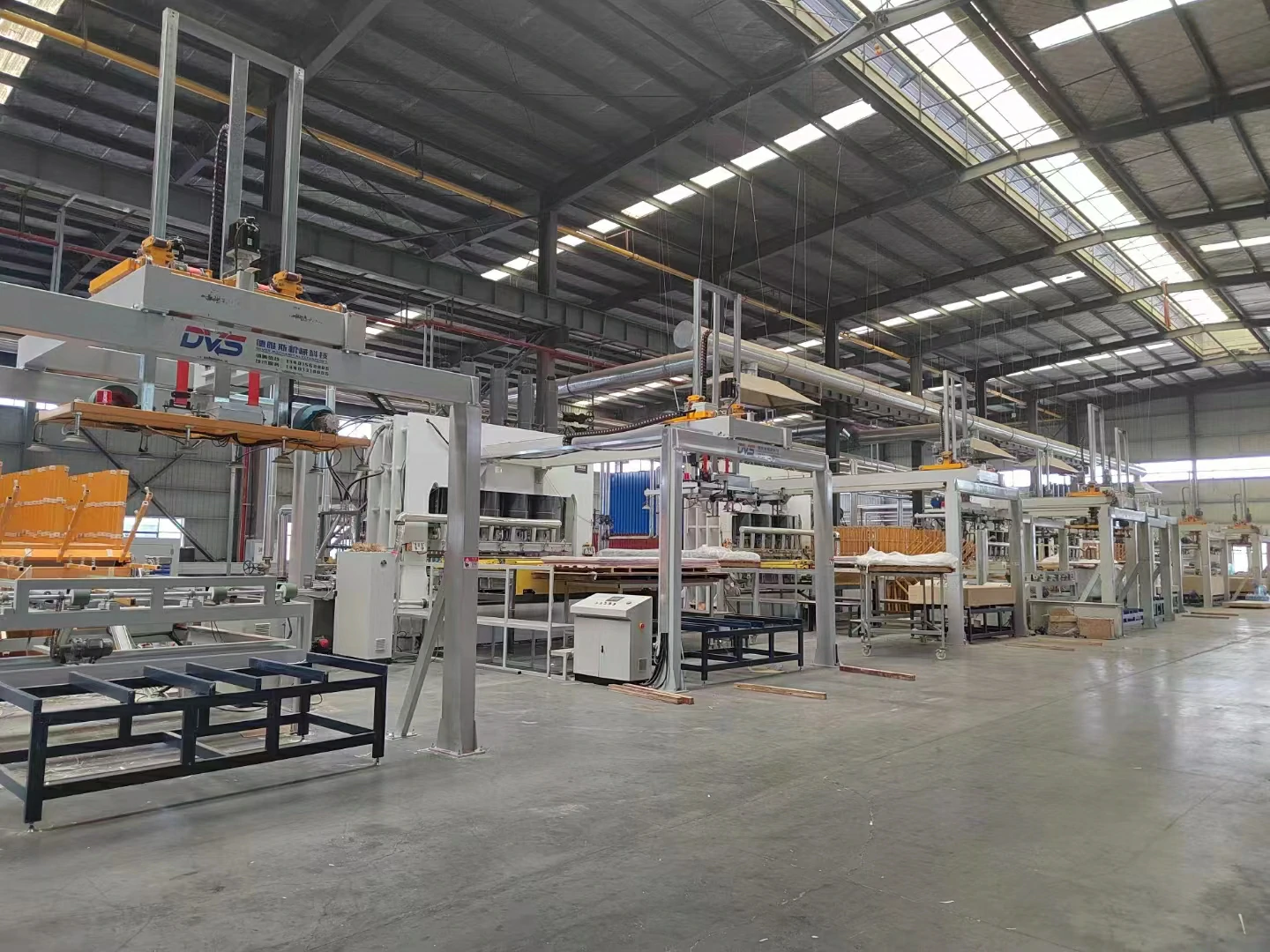
Baier manufactures wood-based decorative panels from its export production facilities, supplying commercial projects across Central Asia, Eastern Europe, and select North American markets. For projects in regions such as Kazakhstan, Uzbekistan, or cross-border developments requiring container shipments, Baier coordinates export documentation and logistics directly through its international trade department.

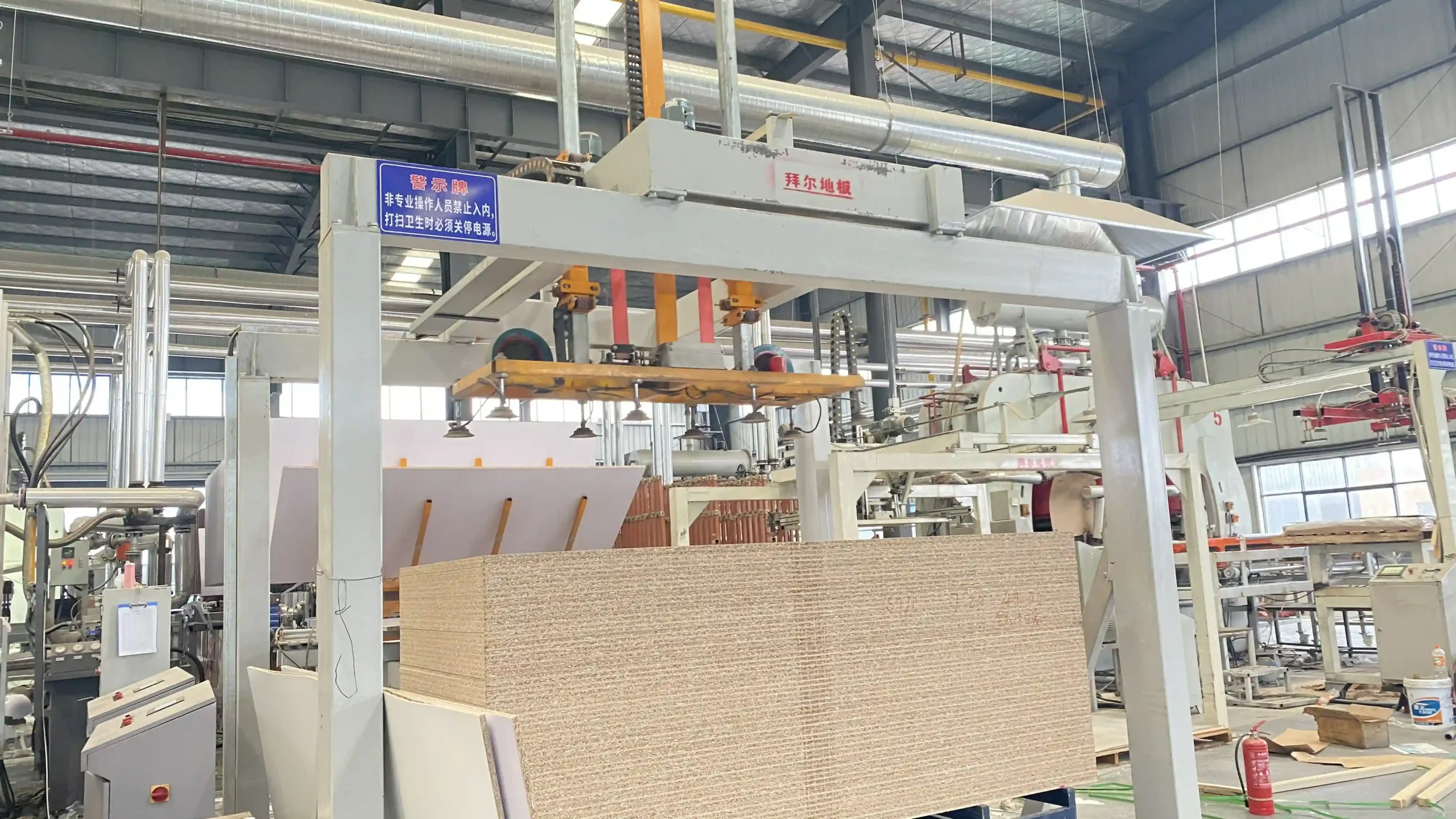
Their core product line focuses on high-density melamine-faced MDF and decorative wood-based panels for interior applications. No rubber surfacing systems here. The board core is produced using virgin wood fiber processed through controlled debarking and fiber refinement systems. This ensures a cleaner internal structure and more consistent density distribution.

Standard core density averages around 0.93–0.95 g/cm³, depending on specification. Thickness options typically range from 3 mm to 25 mm, supporting cabinetry, commercial millwork, retail fixtures, and office interiors. Higher-density cores improve screw retention and edge machining performance, particularly for CNC processing.

Surface & Decorative Options

The melamine surface layer is thermally fused under high pressure for abrasion resistance and long-term durability. Baier offers:

Solid color collections

Woodgrain finishes

Textile-inspired patterns

Custom decor paper development for project-based orders

Surface finishes may include matte, textured, or embossed-in-register (EIR-style) patterns depending on the production batch.

Technical Performance

Baier panels are designed for commercial interior use and meet standard performance requirements for:

Internal bond strength

Modulus of rupture (MOR)

Screw withdrawal resistance

Surface abrasion resistance

Formaldehyde emission compliance (E1 / export-grade standards)

Moisture-resistant (MR) variants are available for kitchens, washrooms, and hospitality environments where humidity control is required.

Certification & Compliance

For government and institutional tenders, Baier supports documentation such as:

formaldehyde emission testing reports

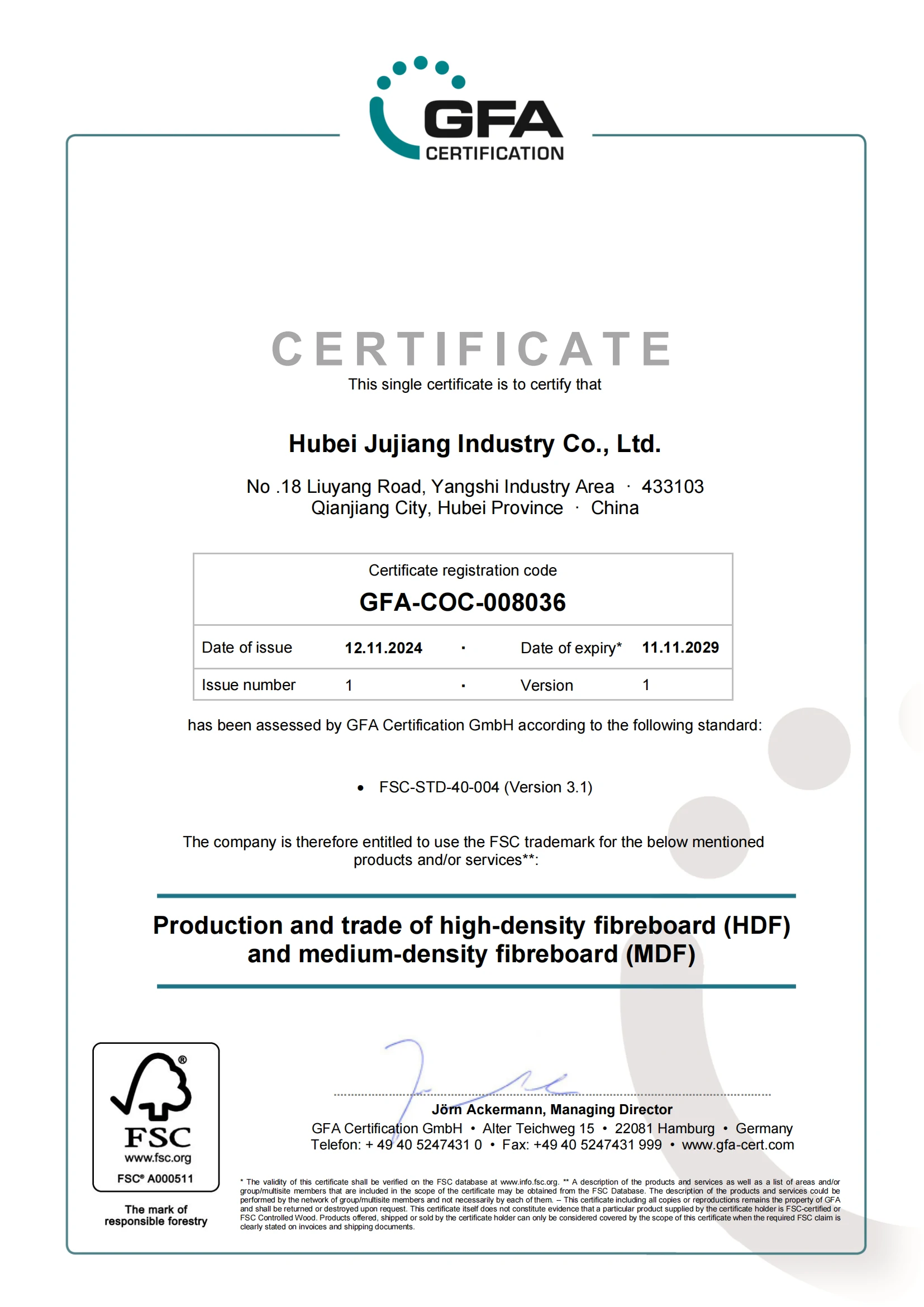
FSC (optional, project-based)

Export compliance documentation

Quality inspection reports prior to shipment

Panels are palletized and container-loaded with moisture protection measures to prevent warping during sea or rail transit.

Installation & Project Support

Installation should be handled by experienced millwork contractors familiar with high-density MDF machining. Baier provides:

Technical data sheets

Cutting and edge-banding recommendations

Load-bearing guidelines

Container-level quality inspection reports

For export projects, Baier coordinates:

Production scheduling

Container consolidation

Freight documentation

Trade compliance paperwork

This structure supports developers, cabinet manufacturers, and commercial contractors seeking consistent batch production rather than retail-level distribution.

Cúbrica

78681f54 e06c 4829 b31a 75bb4ca87548

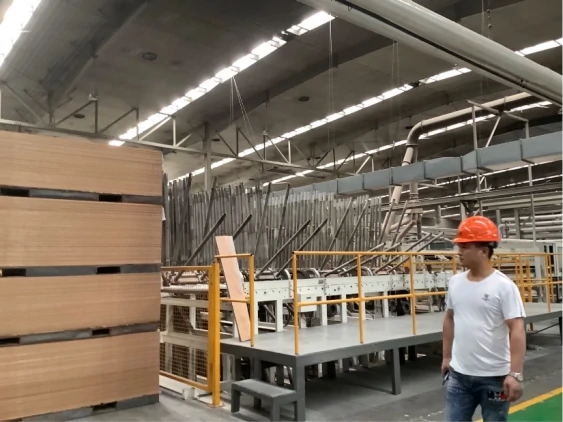
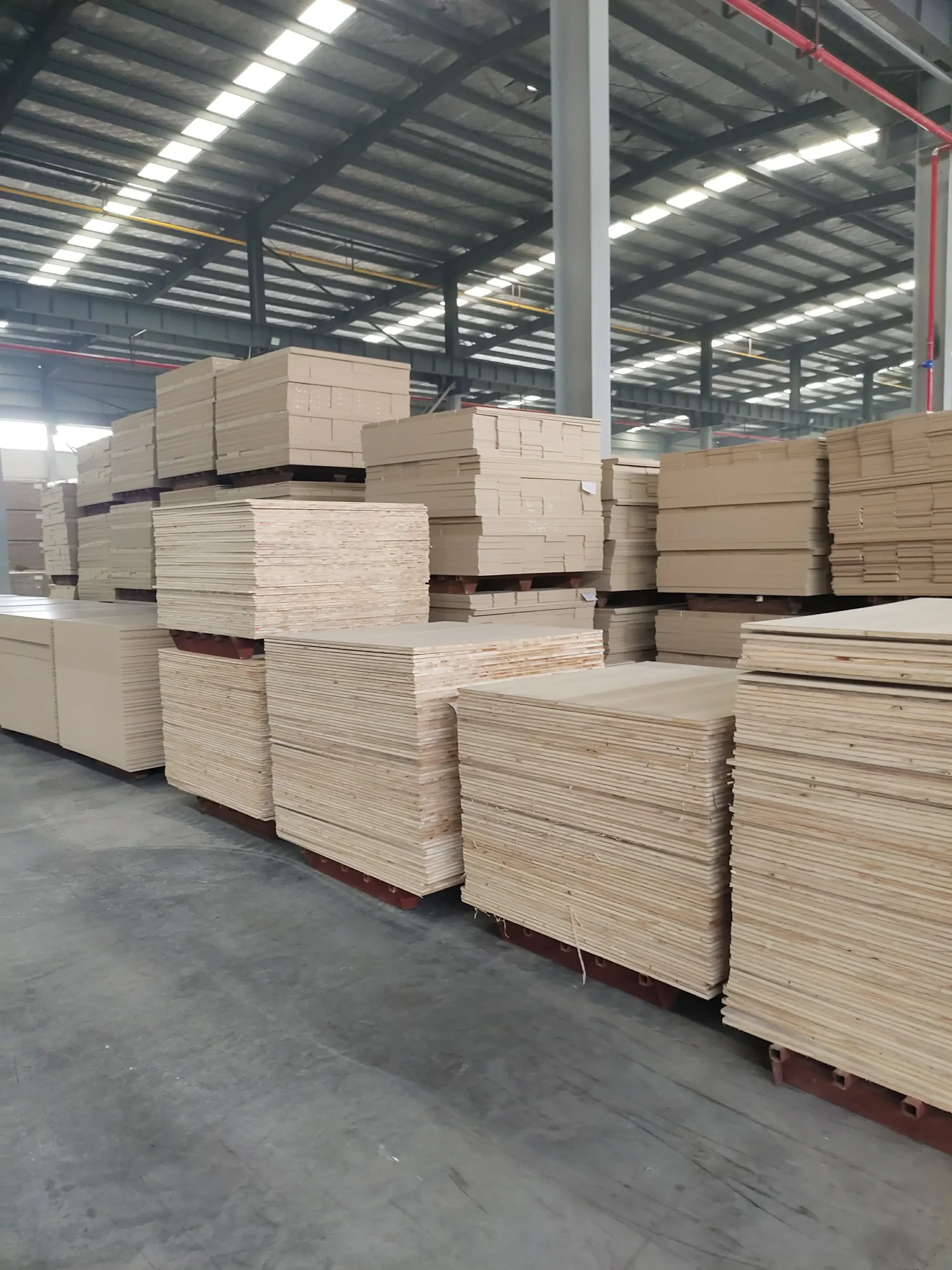
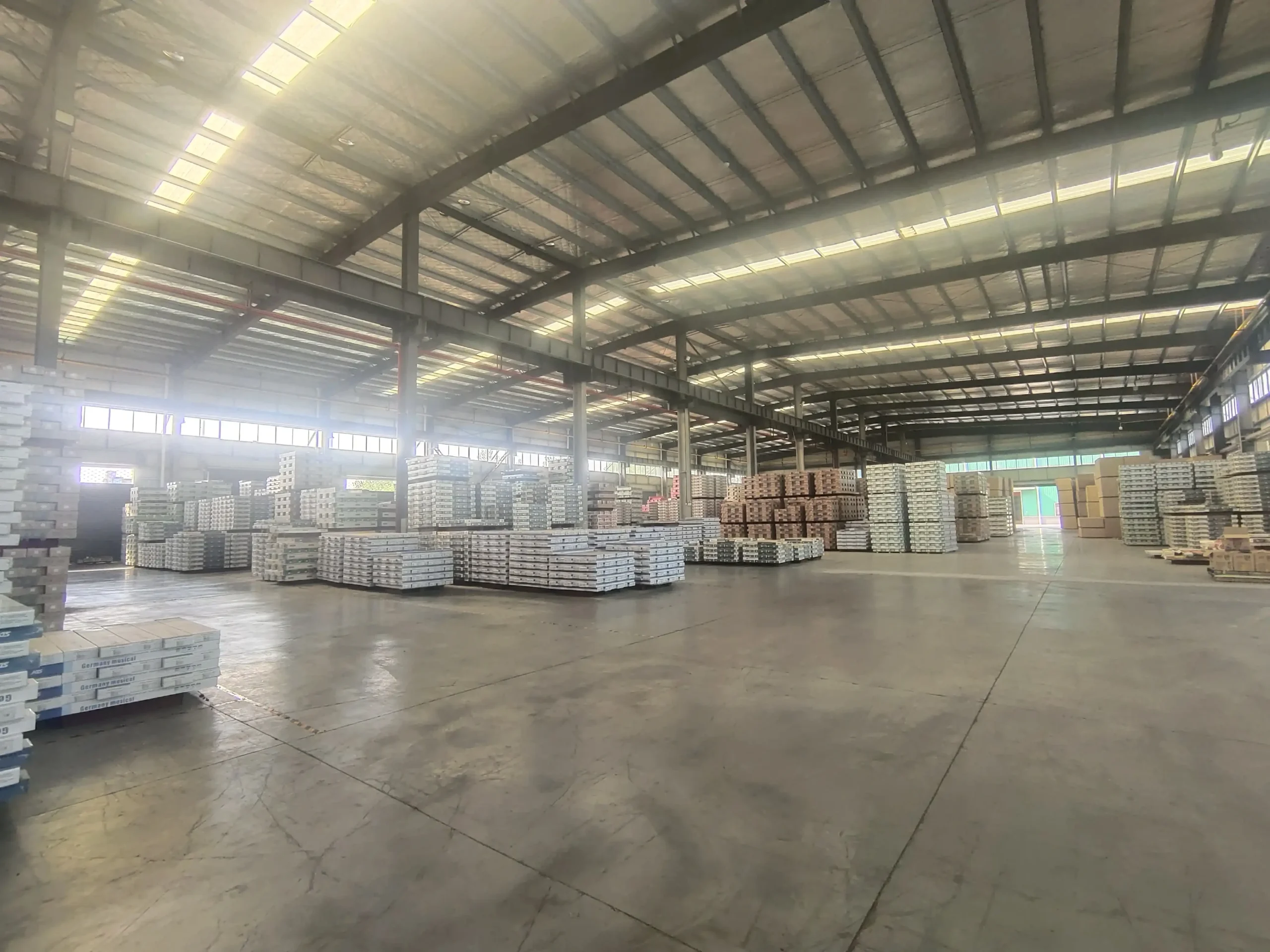
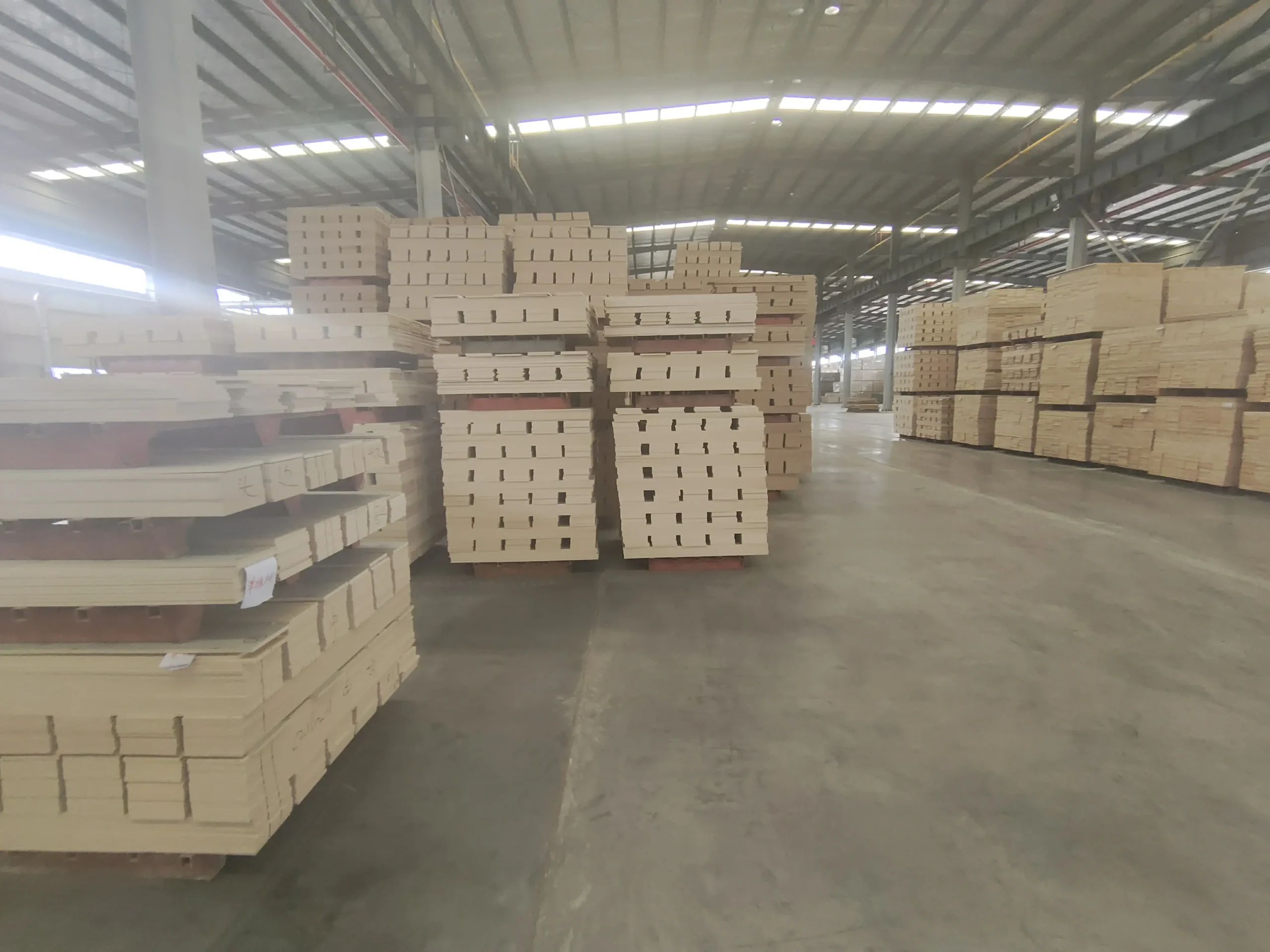
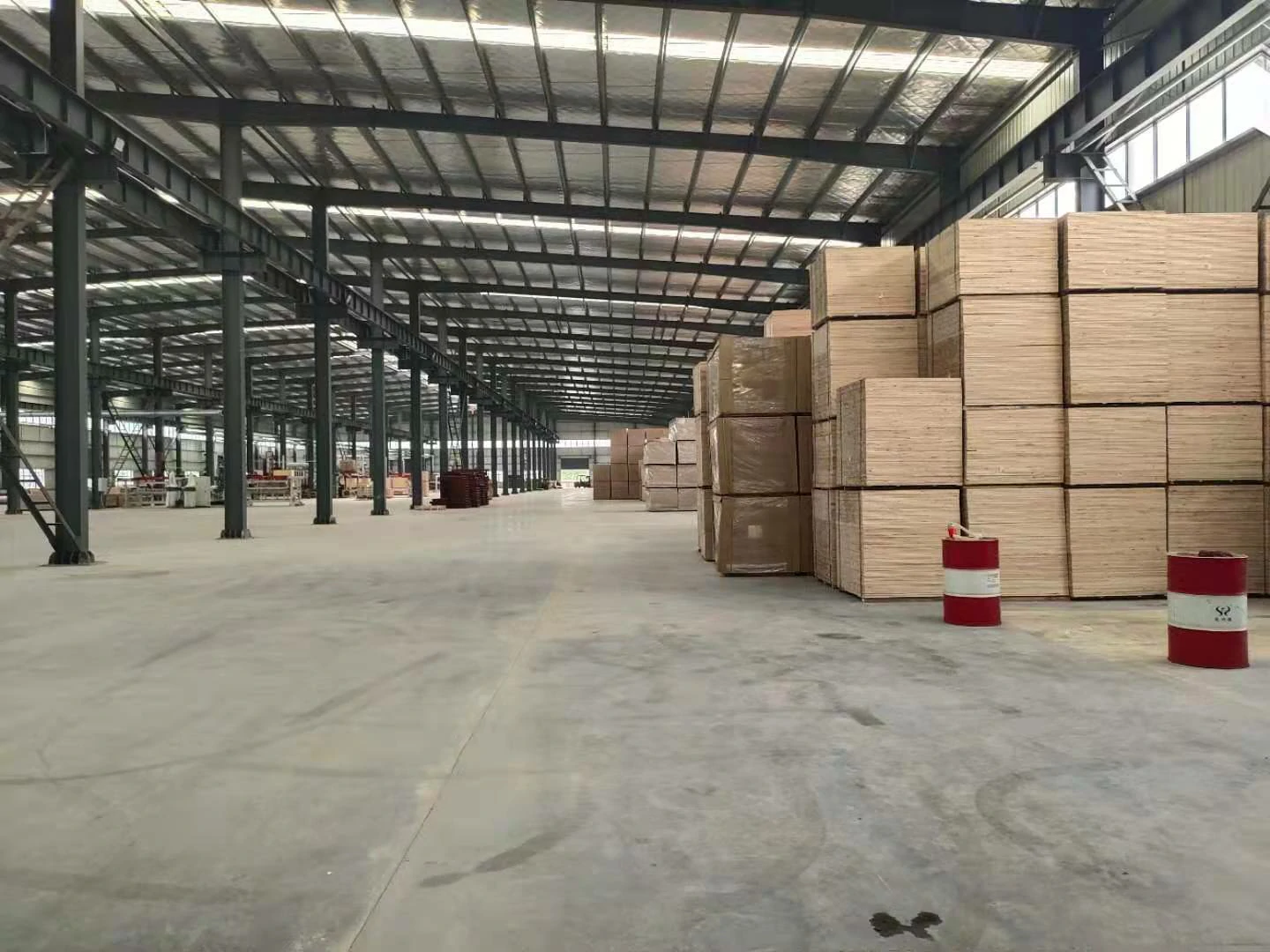
Cúbrica runs a 30,000 m² factory. It produces 5,000 melamine MDF panels daily. Their Saltillo operation has 270,000+ square feet of warehouse space. Stock sits ready. Most SKUs ship same-week across Mexico’s major cities. They’ve built 150+ lumberyard partnerships. Now they’re expanding into the U.S. market.

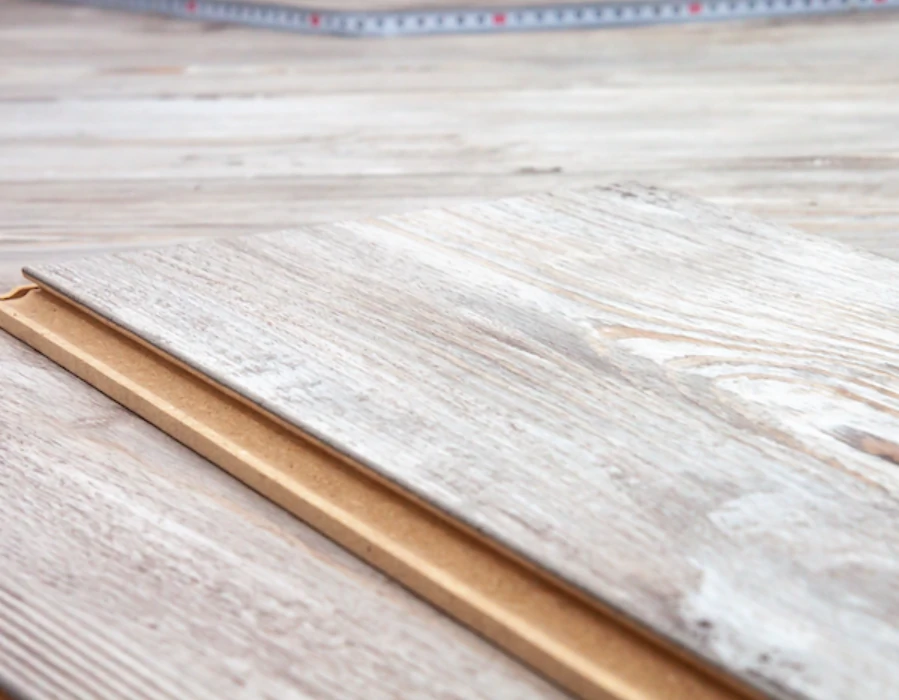
Their melamine MDF panels use medium-density fiberboard cores. Not particle board. This matters for cutting hundreds of sheets. MDF machines cleaner. Your saw blades last longer. Cabinet shops and furniture plants save money on tool replacement. The surface comes closed and non-porous. Moisture expansion stays under 12% even in humid climates like Cancún or Veracruz.

Every panel gets antimicrobial treatment as standard. No upcharge. Healthcare facilities use these. So do restaurant kitchens and school furniture projects. The surface resists scratches, chemicals, and high heat. You can wipe it down with regular cleaners. No specialty products needed.

Design selection runs deep: 270+ patterns in stock. Natural wood grains like Roble Blanco. Marble looks. Textile textures. Concrete finishes. Solid colors like Azure, Rosa Morada, and Sienna. Interior designers pull samples for minimalist kitchens. Also for modern office spaces.

The pricing sits in the “affordable luxury” zone. Furniture makers cut costs. They still deliver upscale looks. Volume buyers get batch discounts. Specific numbers aren’t published online. But their lumberyard network suggests competitive wholesale tiers.

Delivery speed beats competitors across Mexico. Their warehouse stock makes this happen. Their distributor network helps too. You order Monday. Your lumber dealer has it Thursday. Some specialty patterns take longer. But common finishes ship fast.

Cúbrica focuses on domestic Mexican demand first. Their USA distribution is growing. But it’s secondary. Sourcing for Mexican projects? This works well. Cross-border logistics? You’ll coordinate through their U.S. distributors. Not direct from the factory.

Technical support comes through distributor partners and blog content. Installation guides. Maintenance tips. Case studies for multi-use furniture and 3D wall setups. They publish trend reports. These cover 2024’s nature-inspired design movement. Plus minimalist looks.

One gap: they don’t list specific certifications online. ISO standards? Environmental compliance? Antimicrobial test methods? You’ll need to request this during sourcing talks. Same with exact pricing per square meter. Also payment terms like NET-30 or NET-60.

Their MDF supplier stays unnamed. Quality signs look solid. Closed surface structure. Consistent density. Good edge quality for visible uses. But buyers who need supplier details should ask direct questions.

For project-based buyers—furniture factories, architectural firms, construction companies—Cúbrica’s volume capacity works well. Stock depth too. Residential remodelers ordering through lumberyards get fast turnaround. Export-focused buyers should confirm U.S. distributor capabilities. Make sure they match your timeline needs.

Onsun Group

3ac9d3d2 6534 4206 9c81 2951ac47df7a

Search records for Onsun Group hit a wall. We found no verified data linking this name to melamine MDF panels suppliers in Mexico. Trade databases show zero import/export activity. No factory addresses. No production capacity numbers. No customer testimonials.

Three different companies use similar names. They operate in unrelated industries. Golden Sun Health Technology Group Ltd (GSUN) reported fiscal year 2025 revenue of just $35,000 USD. That’s with 482.8% year-over-year growth. Their gross margin sits at 2.3%. Net income ran negative at -$5,000. They carry $2.9M in long-term debt against $775K cash. This financial profile has nothing to do with industrial wood panel manufacturing.

Sun Group appears in business directories with two conflicting revenue figures. One listing shows $10.4M under SIC code 59,594 (catalog and mail-order houses). Another entry claims $24.7M under SIC 15,154 (general contractors). Neither category relates to Melamine Board production or wholesale distribution.

A third entity using ticker symbol $SUN reported Q4 2025 revenue of $8.6 billion. They missed analyst estimates by about a billion dollars. EPS came in at $0.09 versus the expected $1.05. The sector doesn’t align with building materials.

No records exist for B2B melamine panel sales. You won’t find certifications for moisture resistance or formaldehyde emissions. There’s no logistics setup near Mexican ports. No warehouse locations in Saltillo, Monterrey, or Guadalajara. Industry directories don’t list them under wood panels, decorative surfaces, or furniture components.

Cross-border trade data shows nothing. USMCA compliance documentation? Missing. Container shipping history? None found. Payment terms? MOQ requirements? Lead times? All absent from commercial databases.

You’re sourcing melamine MDF panels suppliers in Mexico? Onsun Group lacks verifiable credentials. No production capabilities. No chain presence. No customer base in construction or furniture manufacturing.

Skip this option. Focus your sourcing efforts on documented suppliers. Look for physical facilities, proven output capacity, and traceable shipment records. Your project timeline and quality standards need confirmed operational infrastructure.

Moisture-Resistant MDF Product Comparison Matrix

76aa35306ea229565c4b35805fcc2f28

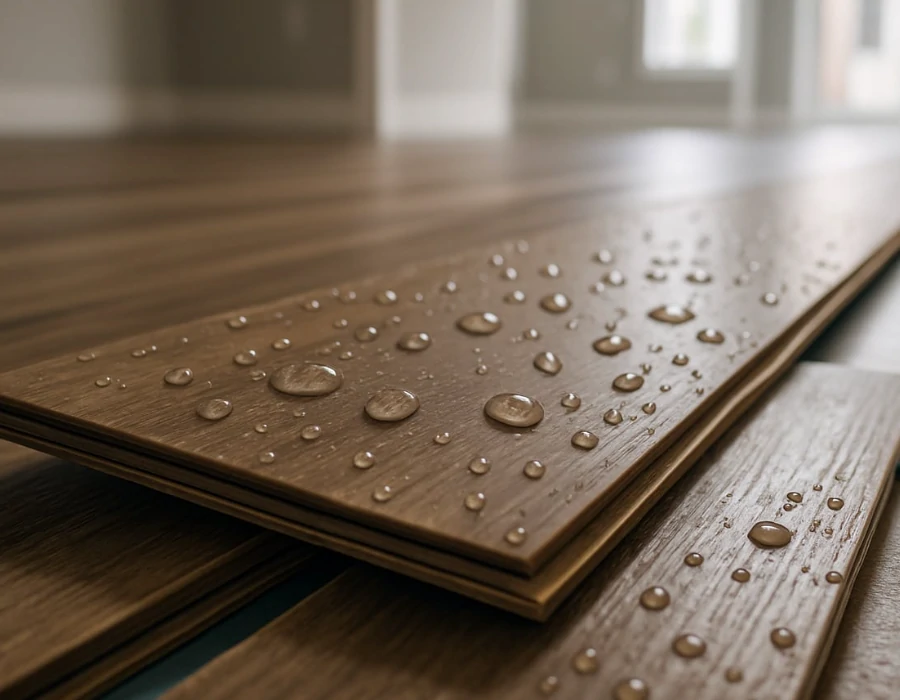
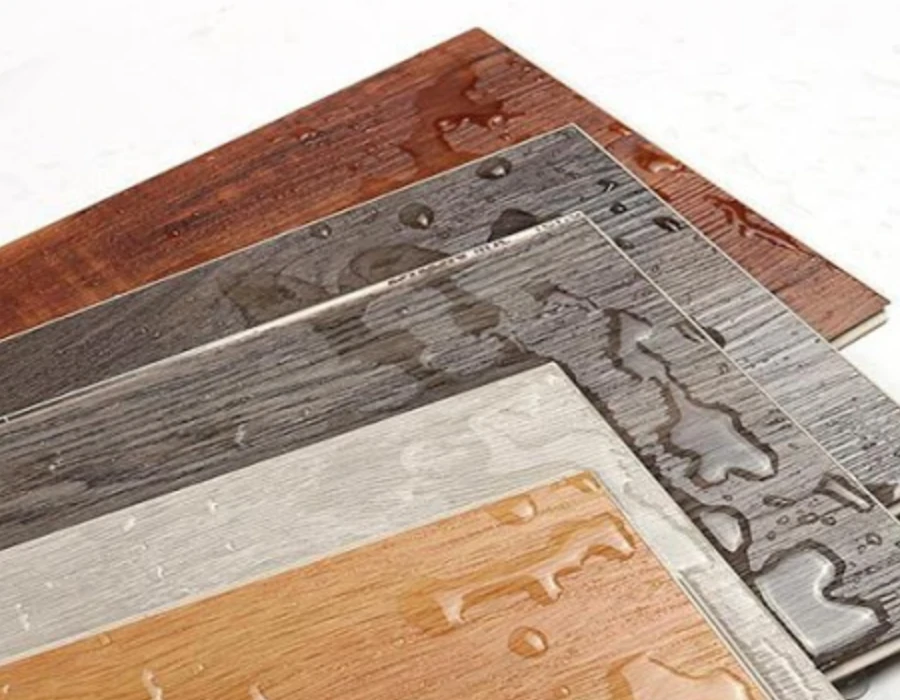
Standard MDF falls apart in humid zones. Water hits the core. The panel swells. Your cabinet doors warp within months. Moisture-resistant MDF solves this. It has built-in water protection in the fiber structure.

The green core tells you what you bought. Standard light-brown MDF has no protection. Green-tinted panels contain moisture-blocking additives mixed during production. This color stops install errors on job sites.

Thickness Swell Performance Data

Real numbers beat marketing claims. We pulled lab test data from ASTM D1037 six-cycle moisture tests. Here’s how performance tiers compare:

Product Type Thickness Swell Moisture Grade Formaldehyde Emissions
Standard MDF Higher swell in humidity N/A TSCA Title VI compliant
Medex® MR50 Exceeds ASTM D1037 six-cycle test MR50 Grade 155 NAF (No Added Formaldehyde) Exempt
TRUPAN MR 0.065″ / 5.5% swell MR10 (VESTA ULEF option) CARB ATCM 93120 compliant
UltraStock® MR Meets MR50 criteria MR50 designation EPA TSCA Title VI

TRUPAN MR holds at 5.5% expansion after water immersion. That’s tight size stability. Kitchen installers need this for face-frame cabinets in coastal areas. Medex® MR50 beats minimum standards. It carries ANSI A208.2 Grade 155 approval for structural use.

Mechanical Strength Specs

Screws pull out of weak MDF. Shelves sag under weight. We compared bending strength (MOR) and screw hold values across production plants:

TRUPAN MR (Malvern, AR Production):
– MOR: 140 psi (3/8″), 130 psi (5/8″-13/16″), 110 psi (7/8″-1-1/2″)
– MOE: 333,587 psi
– Internal Bond: 94 psi
– Face Screw Hold: 300 lb (3/8″), 275 lb (thicker panels)
– Edge Screw Hold: 225 lb
– Thickness Tolerance: ±0.005″

TRUPAN MR (Moncure, NC Production):
– MOR: 3,263 psi (consistent 7/16″-1-1/4″)
– MOE: 333,587 psi
– Internal Bond: 94 psi
– Face Screw Hold: 222 lb (5/8″-1-1/4″)
– Edge Screw Hold: 177 lb

Malvern panels grip screws harder. 300 lb face screw hold works for heavy-duty cabinet hinges. Edge screw performance matters for shelf pin holes. Both plants keep ±0.005″ thickness tolerance. Your CNC router settings stay the same across batches.

Medex® MR50 meets flame spread rules too. Class C (3) rating under CAN/ULC-S102 passes building codes for commercial millwork. They use pre-consumer recycled wood. LEED projects get credit for this.

Available Thickness Options

Stock varies by brand and region. Mexican melamine MDF panels suppliers carry these standard sizes:

TRUPAN MR Standard:
– 3/8″ (15 mm), 5/8″-13/16″, 7/8″-1-1/2″

TRUPAN VESTA MR ULEF (MR10):
– 3/8″ (15 mm), 5/8″-13/16″, 7/8″-1-1/2″

Generic MR MDF (Medite MR):
– 6 mm, 9 mm, 12 mm, 15 mm, 18 mm, 22 mm, 25 mm
– Maximum sheet size: 2440 mm × 1220 mm

Size tolerances run ±1/16″ on length and width. Squareness holds within 1/8″. You can stack-cut multiple sheets with accuracy.

Picking the Right Product

Match the product to moisture exposure:

Application Recommended Product Key Requirement
Kitchen/Bathroom Cabinets MR MDF (MR50 grade) High humidity resistance
Laundry Room Panels MR MDF Moisture & steam exposure
Window Sills & Trims Medite MR MDF Durable, paintable surface
Cupboard Shelving MR MDF (18mm+) Structural strength

Bathroom vanities take steam hits each day. MR50 grade handles this. Window sills face condensation. Medite MR takes paint well. The closed surface stops moisture from soaking in. Pantry shelving needs 18mm or thicker for canned goods weight.

Formaldehyde rules matter for home projects. NAF (No Added Formaldehyde) Exempt status from Medex® beats CARB Phase 2 limits. TRUPAN’s CARB ATCM 93120 approval works for California projects. All products meet EPA TSCA Title VI federal standards.

Mexico Procurement & Export Logistics Considerations

Mexico’s freight infrastructure just hit USD 124.36 billion in 2025. It climbs to USD 131.06 billion this year. By 2034, analysts project USD 142.03 billion at a 5.01% CAGR. That’s not abstract growth. Steel, asphalt, and warehouses are reshaping how melamine MDF panels suppliers in Mexico reach your loading dock.

Manufacturing drives 40.72% of the market. Automotive plants run vendor-managed inventory right at factory gates. Electronics lines need just-in-time delivery. Medical device makers can’t tolerate delays. This precision logistics backbone now serves wood panel buyers too. Your melamine MDF shipment rides the same optimized truck routes. Same rail schedules.

Freight transport holds 60.45% market share in 2025. The north-south lanes stay packed. Maquiladora exports run constant. Your panels move alongside auto parts and electronics. Dense traffic means competitive rates. It also means reliable carrier options. Finding trucking capacity from Saltillo to Laredo is easy. Same for Monterrey to McAllen.

Cross-Border Speed Beats Asian Imports

Transit time tells the real story. Overland shipments from Mexico reach U.S. destinations in 2-5 days. Sea freight from China takes 25-35 days just to Mexican ports. Add customs clearance and inland transport. You’re looking at 35-40 days total. That’s seven weeks of inventory carrying costs. Cash tied up in containers. Production delays if quality issues surface late.

USMCA tariff-free status cuts paperwork and duty expenses. Border procedures at Nuevo Laredo, Ciudad Juárez, and Tijuana move commercial loads faster. China shipments hit 19% flat tariffs on non-FTA courier imports since 2025. Compliance gets harder. Your landed costs climb.

Just-in-time production becomes practical with Mexican sourcing. Furniture factories can order smaller batches. Restock each week instead of each quarter. Shrink warehouse footprint. Lower working capital needs. Asian chains force you to order full containers months ahead. Hope your sales forecast holds accurate.

Northern Corridor Dominates Panel Movement

Northern Mexico controls 46% of the logistics market in 2025. Monterrey anchors the region. Tijuana and Ciudad Juárez handle border crossings. These cities built infrastructure around maquiladora operations. Panel suppliers tap into this network. Their warehouses sit near major highways. Container yards operate 24/7. Customs brokers know wood product codes inside out.

The government poured MXN 53.3 billion into roadway expansion in June 2025. New highways connect manufacturing zones to border crossings. Lane expansions reduce truck congestion at peak hours. Your delivery windows get more predictable. Carriers hit scheduled arrival times. Unloading crews stay on shift instead of waiting.

Nearshoring pushed foreign direct investment up 10% year-over-year to USD 34.3 billion in the first half of 2026. Companies are building new factories. Expanding existing plants. They need reliable building materials. Panel demand follows manufacturing growth. Suppliers scale production to match. Your order lead times stay stable even as overall market volume grows.

Maquiladora Programs Lower Holding Costs

Bonded storage under maquiladora rules changes inventory economics. You can warehouse imported materials duty-free until manufacturing. Panels destined for U.S. export avoid Mexican import duties. Just-in-sequence shuttles deliver materials hours before production needs them. This cuts your on-site storage requirements. Frees up factory floor space.

Third-party logistics providers hold the largest market share for scalable capacity. You don’t own trucks. You don’t lease warehouse space long-term. 3PL operators adjust services as your volume shifts. Seasonal furniture demand? Scale up Q3 and Q4. Construction slowdown? Cut costs in Q1. Mexican 3PLs specialize in cross-border wood products. They understand moisture protection during transport. Tarping requirements. Fumigation documentation.

E-commerce fulfillment centers are booming. Amazon, Mercado Libre, and GEODIS invested USD 1.1 billion in State of Mexico distribution centers in September 2025. These facilities stock inventory close to consumers. Panel suppliers can use the same infrastructure. Store finished goods near major metro areas. Ship partial pallets same-day. Furniture e-tailers get faster restocking.

Port Expansion Shifts Container Routes

Veracruz and Lázaro Cárdenas ports are expanding capacity. Projections show 15-20% of Asia-Mexico containers diverting southward by 2031. This eases congestion at Pacific coast terminals. It also opens new logistics patterns. Panels imported from Asian mills can enter through Gulf ports. Shorter overland hauls to central Mexico. Lower trucking costs to Bajío manufacturing clusters.

Air freight hits 5.98% CAGR through 2031. The market exceeds USD 6.48 billion after Mexico City Airport’s USD 470 million upgrade. Urgent panel samples ship overnight. Rush orders for specialty melamine patterns arrive in 24-48 hours. Premium pricing covers the transport cost. But you avoid project delays that cost more.

Courier and express parcel (CEP) services grow at 6.08% CAGR through 2031. Domestic parcels hold 55.02% revenue share in 2025. International CEP climbs 6.21% CAGR through 2031. USMCA alignment on de minimis thresholds helps. Duty-paid delivery options make cross-border small shipments easier. Sample boards. Color chips. Test cuts. These move faster through express networks than LTL freight.

Export Growth Creates Competitive Pricing

Mexican exports jumped 6.6% year-to-date through October 2025. Manufacturing output feeds this. Furniture factories ship finished goods north. Panel suppliers benefit from backhaul capacity. Southbound trucks deliver raw materials. Northbound loads carry finished furniture. Your panel shipment fills available truck space at competitive rates. Empty backhauls cost carriers money. They discount rates to keep trucks full both directions.

CAD 25 million MARKDOM plant opened in Guanajuato in November 2025. New production capacity means fresh competition. Suppliers fight for contracts. Your negotiating position improves. MOQ flexibility increases. Payment terms loosen. Quality standards rise as plants compete on certifications.

Road infrastructure investment continues. Manufacturing keeps growing. Port capacity expands. Your melamine MDF panels suppliers in Mexico operate in an improving logistics environment. Transit times shrink. Costs stay competitive. Reliability improves. That’s the physical foundation under your procurement decisions.

Conclusion

Melamine MDF Supplier Comparison Matrix (Mexico Market)

Supplier Business Model Production Capacity Inventory Model Moisture-Resistant Options Logistics Strength Best For
MJB Tableros y Maderas Importer / Merchant Wholesaler Import-driven (multi-country sourcing) Stock-based Depends on sourced mills Strong cross-border handling (USMCA experienced) Buyers who want global sourcing without managing imports
Baier Wood-Based Panels Export-Oriented Manufacturer High-density batch production Container-based MR variants available Structured export logistics & QC documentation Large commercial projects needing batch consistency
Cúbrica Domestic Mexican Manufacturer 5,000 panels/day Large warehouse stock Standard MDF + treated surfaces Fast domestic Mexico delivery Furniture factories & national distribution
Onsun Group No verified panel activity Not confirmed Not confirmed Not confirmed No documented trade data Not recommended (no verified records)

Finding the right melamine MDF panels suppliers in Mexico is simpler than you think. You’re sourcing for large exports or local projects? These five suppliers work well: MJB Tableros y Maderas, DURAPLAY, Cúbrica, Onsun Group, and MASISA. Each one offers something different. MJB gives you moisture-resistant engineering. DURAPLAY specializes in decorative options. Your choice depends on three things: project specs, volume needs, and shipping priorities.

The smart move? Don’t pick based on specs alone. Get physical samples first. Verify certifications—this matters if you’re exporting to countries with tight formaldehyde rules. Talk openly about lead times and minimum orders. Mexico’s location is perfect for shipping. But this works if your supplier knows cross-border rules.

Your next step: Contact at least two suppliers from this list. Compare their quotes side by side. Ask tough questions about moisture performance tests. A good panel versus a great one? The difference shows up six months after you install it. Pick suppliers who back their products when problems arise.