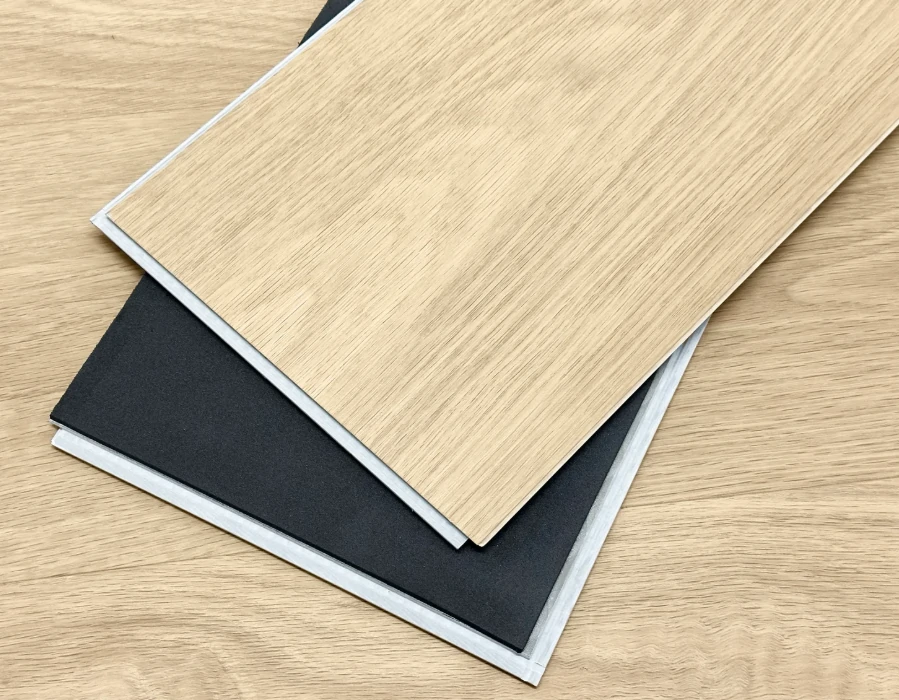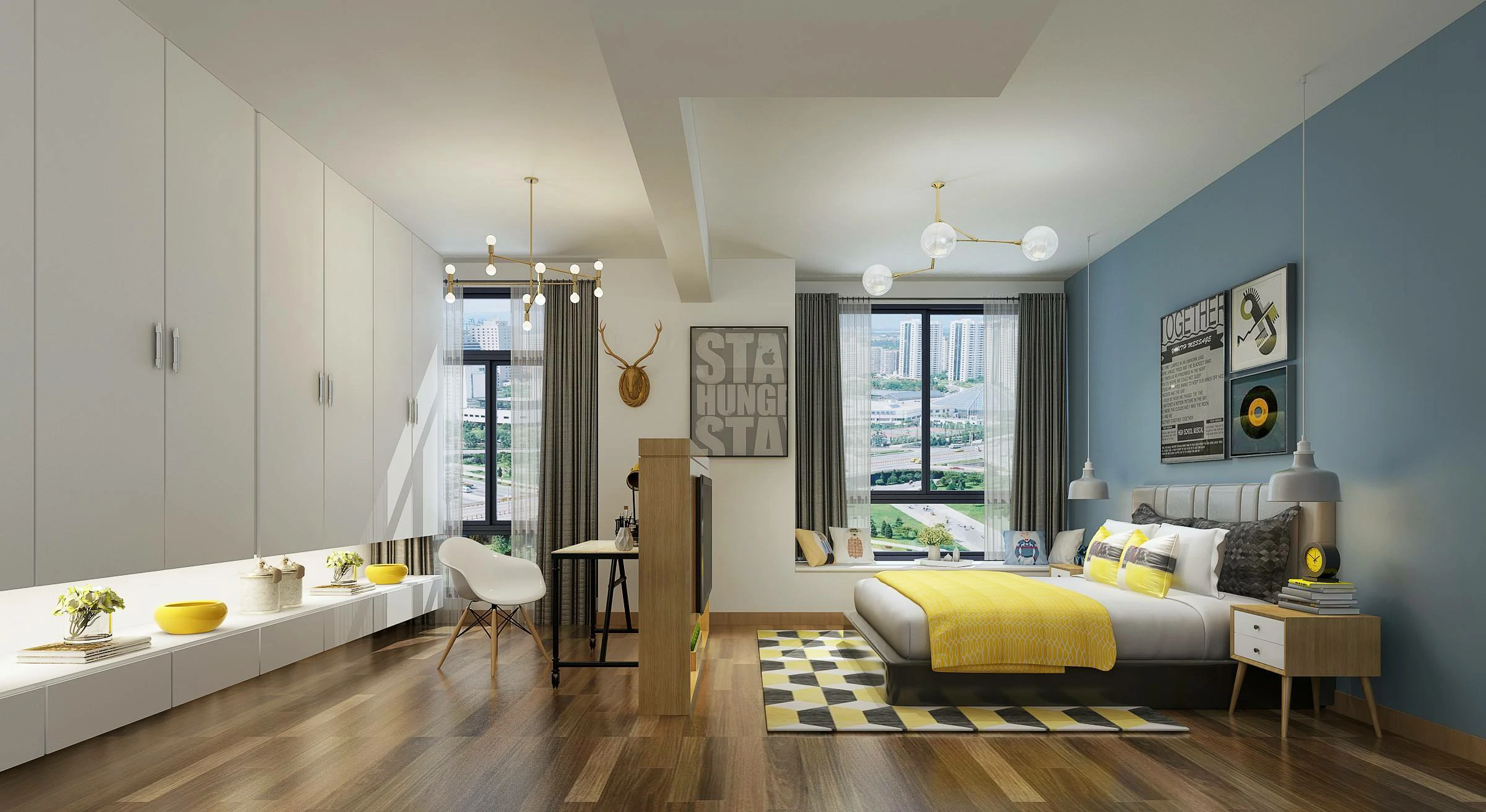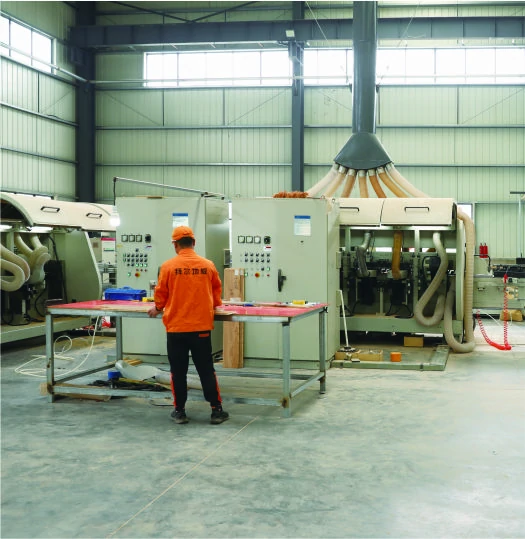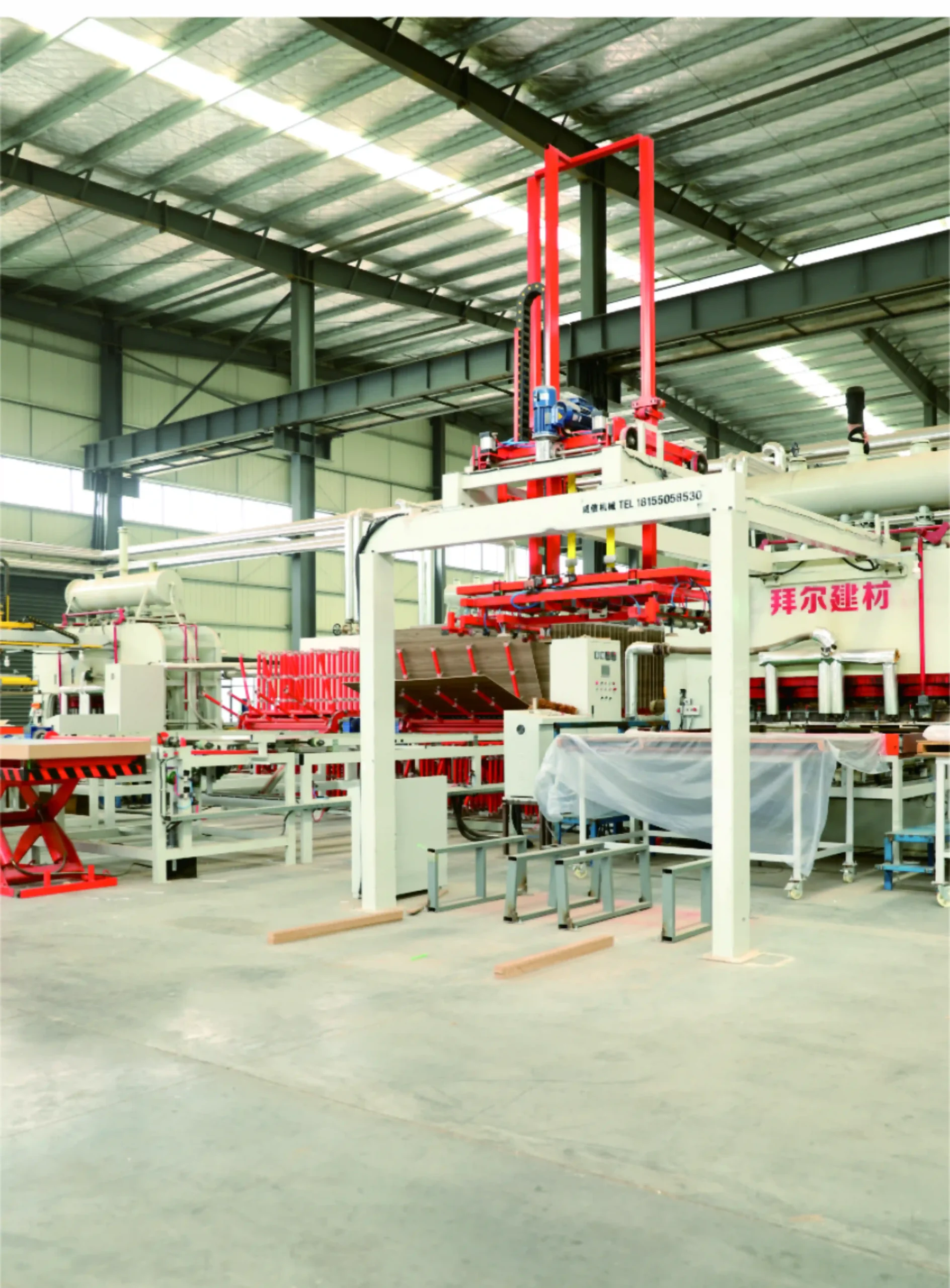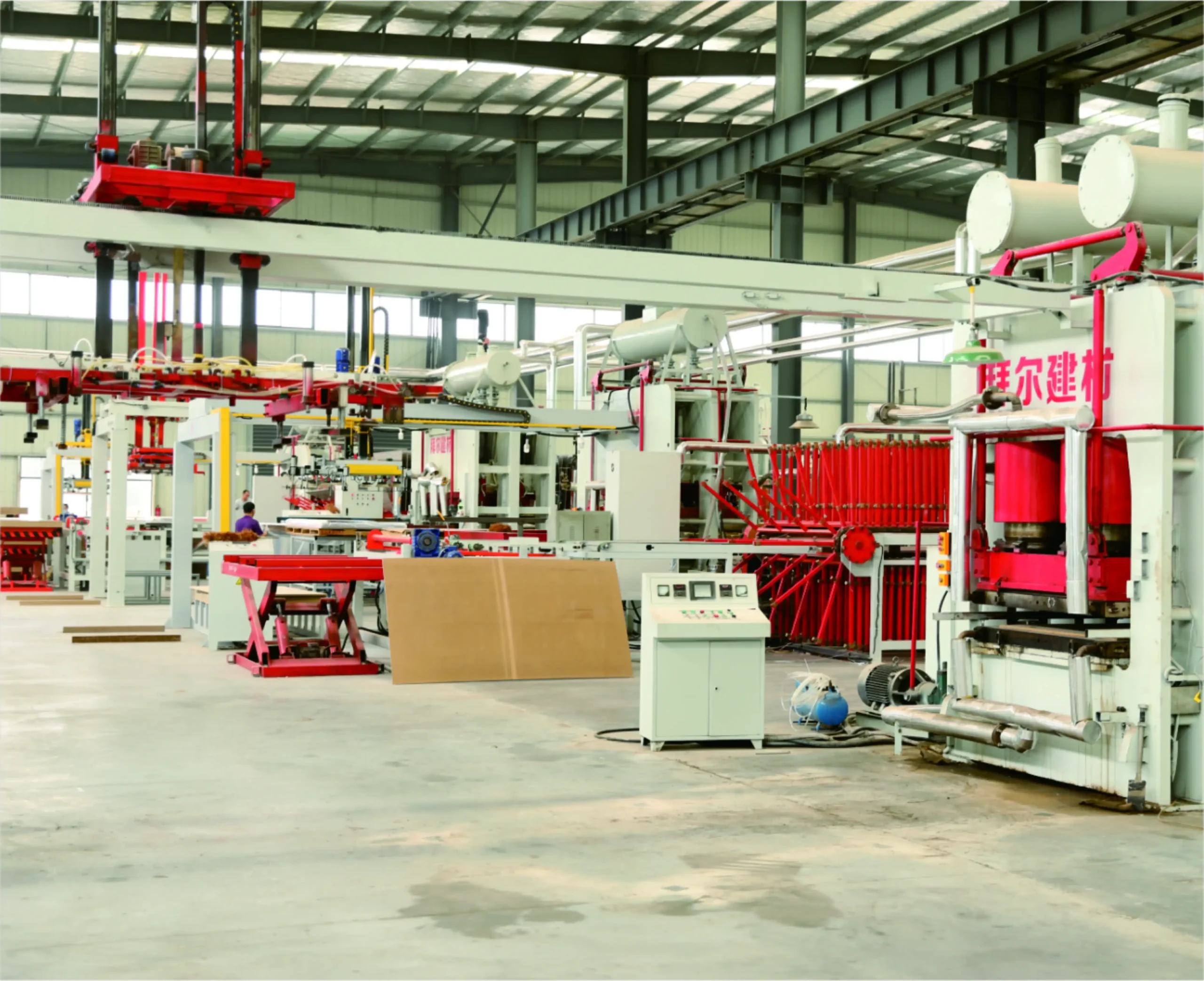
Top Moisture-Resistant Melamine Mdf Panels In Turkmenistan For Interior Fit-Outs

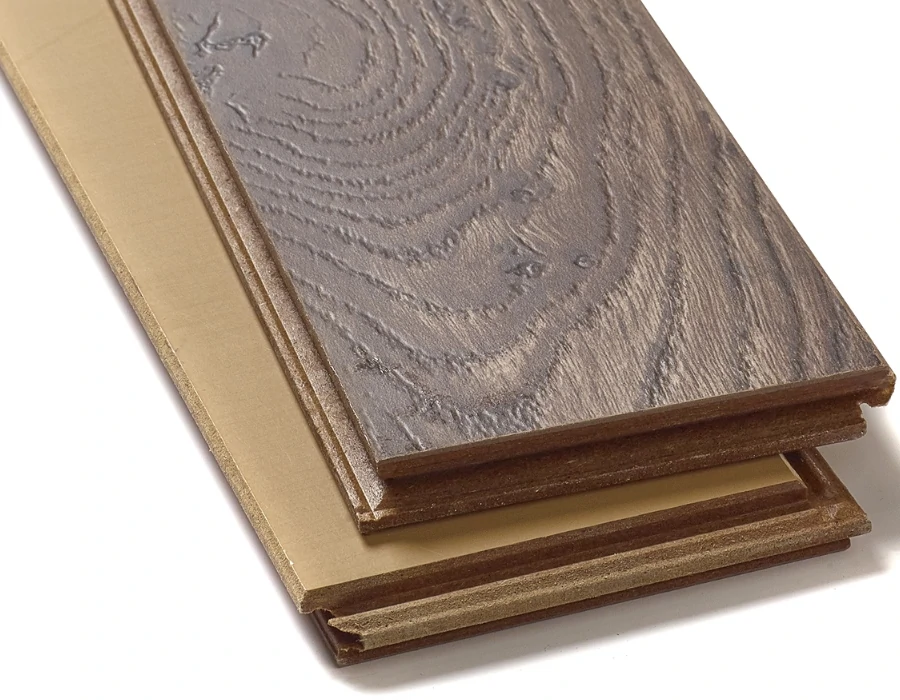
MDF/HDF Fiberboard

Picking the wrong board material for an interior fit-out creates more than a budget headache. It delays timelines, damages your reputation, and can cause structural issues down the line.

Contractors, designers, and furniture manufacturers across Turkmenistan work in varied indoor environments. For them, moisture-resistant melamine MDF panels that hold up under real conditions matter far more than a low price tag.

Three panel categories shape the moisture-resistant melamine MDF market for Turkmenistan interior fit-outs. Pick the wrong one for the wrong space, and you’re looking at expensive rework.

Standard HMR Melamine MDF (Green-Core) This is your go-to for bedrooms, offices, wardrobes, and dry kitchen zones. Core density sits at 720–780 kg/m³. Thickness swelling holds at ≤8% (EN 317). E1 formaldehyde compliance comes standard. FOB China pricing runs USD 210–260/m³. Factor in freight and duties, and you’re paying USD 290–360/m³ delivered to Ashgabat.

Enhanced Moisture-Resistant MDF
Use this for kitchen carcasses, bathroom vanities, and ground-floor spaces with no reliable AC. Thickness swelling drops to ≤6–7%. Internal bond strength reaches ≥0.6 N/mm². Budget a 10–20% price premium over standard HMR — the tighter specs are worth it in humid conditions.

Fire-Rated Moisture-Resistant MDF
Hotels, malls, and public-facing commercial interiors need this tier. Specify EN 13501-1 B-s1,d0 certification — no exceptions. Cost lands 25–40% above standard HMR. Fire codes leave no room for substitution here.

All three panel types share one non-negotiable installation rule:

Seal every exposed edge with 0.4–2 mm PVC or ABS banding

Unsealed edges drive swelling rates more than 50% higher than sealed ones

A compliant panel with open edges becomes a liability fast

Edge sealing is the step that makes or breaks long-term panel performance — skip it and the specs mean nothing.

Why Moisture-Resistant Melamine MDF Matters for Interior Fit-Outs in Turkmenistan

782dc366 7b2a 4358 9354 5f0268aea2cf

Turkmenistan looks dry on paper — and it is, mostly. Ashgabat gets around 210 mm of rainfall per year. Dashoguz gets even less. But raw climate data only tells part of the story. The missing part is what gets builders into trouble.

Inside a working kitchen, relative humidity jumps from 35% to over 75% within minutes of cooking. A bathroom mid-shower hits 85–90% humidity at 26–32°C. Poor ventilation keeps it there for up to 90 minutes. That’s the real environment your moisture-resistant melamine MDF panels face — day after day, hundreds of cycles per year.

Standard MDF doesn’t handle that well. EN 317 testing shows ordinary boards swelling 15–25% after 24-hour water exposure. Put that into a real kitchen cabinet at 720 mm tall: a 2% expansion creates 14 mm of door misalignment. Hinges distort. Edge banding lifts. The cabinet that looked fine at installation starts failing within two to three years.

Moisture-resistant MDF — with its green-core formulation — holds thickness swelling to ≤8–12% under the same conditions. That gap adds up fast over time. In similar climates across the Middle East and Central Asia, MR MDF installations tend to outlast standard board by three to five years before showing the same level of wear.

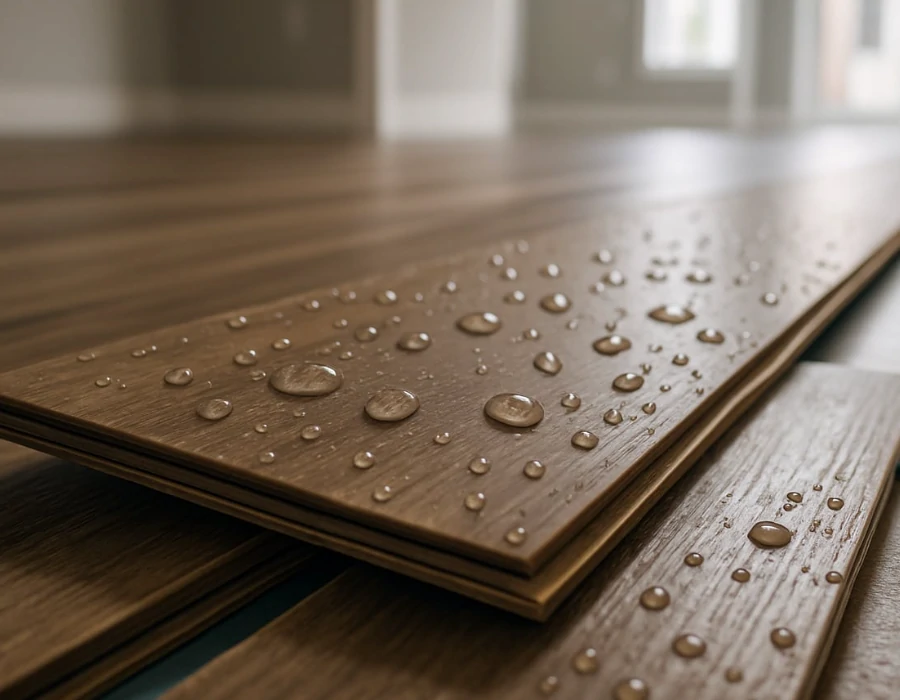
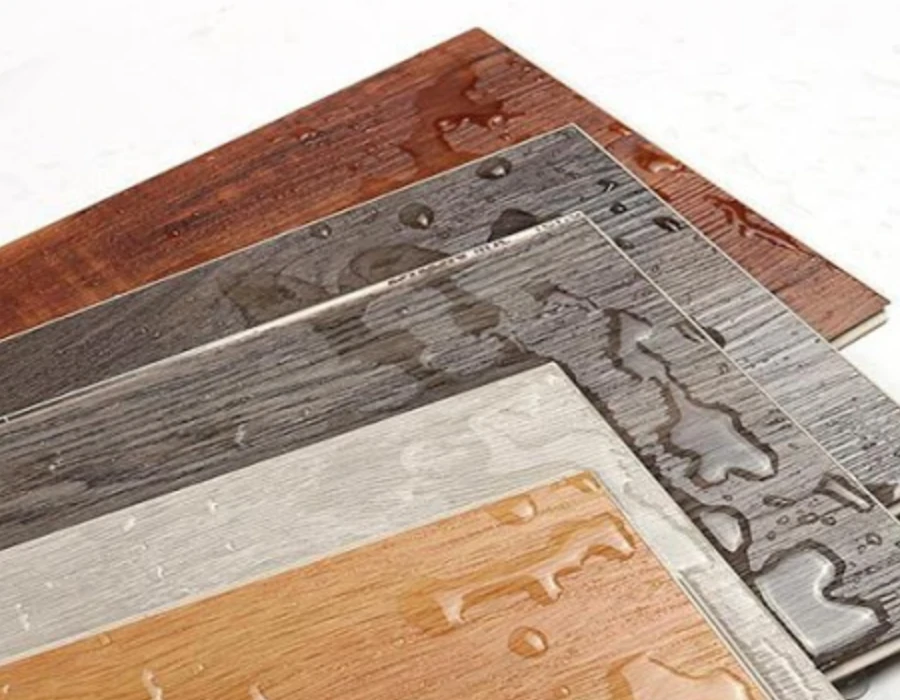
The melamine face layer adds a second line of defense. It shrugs off steam, cooking grease, and daily wipe-downs. But it can’t protect a board absorbing moisture through unprotected cut edges. That’s why humidity resistant wood panels need two things working together:

The right core (moisture-resistant formulation)

Sealed edges (no exposed pathways for moisture entry)

Both matter. Skip either one, and the panel won’t perform as expected.

For Turkmenistan’s interior fit-out market, this combination isn’t a premium upgrade. It’s the baseline.

Top 5 Moisture-Resistant Melamine MDF Panels Available in Turkmenistan

Five panel options keep showing up in Turkmenistan’s interior fit-out supply chain. Each comes from a different origin, sits at a different price point, and delivers a different performance level. Here’s what’s available, what it costs, and where each one fits best.

1. Egger Moisture-Resistant Melamine MDF (Austria/Germany)

c13d8482 ff6b 483d 9638 e59458a1808e

Egger sits at the top of the market for good reason. Austrian-engineered and distributed through Russia and Kazakhstan, this E1 melamine-faced MDF sheet reaches traders in Ashgabat and Turkmenbashi as the benchmark other panels get measured against.

Key specs: – Thicknesses: 8, 10, 12, 16, 18, 25 mm – Board size: 2800 × 2070 mm – Core density: 730–750 kg/m³ – Thickness swelling (EN 317): ≤10–12% – Formaldehyde: E1 (some lines E0.5)

Decors reaching Turkmenistan include white W980, light grey, oak, and walnut. Abrasion resistance reaches AC3–AC4 equivalent — solid performance for cabinet making MDF in kitchens and bathrooms.

Price landed in Ashgabat: USD 30–38 per 18 mm sheet (≈ USD 640–800/m³). Local stockists sell in bundles of 20–50 sheets. Full truck orders start at 600–700 sheets.

Best for: High-end joinery, kitchen carcasses, bathroom vanities, built-in wardrobes.

2. Kronospan Moisture-Resistant Melamine MDF (Belarus/Russia)

5fdc4599 43db 42f5 a997 4b0ad66ea665

Kronospan is Egger’s closest rival in the CIS market — and noticeably cheaper. Mills in Belarus, Russia, and Poland produce it. It reaches Turkmenistan through intermediaries in Minsk, Moscow, Kazan, or Almaty.

Key specs:
– Thicknesses: most common 12, 16, 18 mm
– Board size: 2800 × 2070 mm
– Density: 720–760 kg/m³
– Thickness swelling (EN 317): ≤10–12%
– Internal bond: ≥0.65 N/mm²
– Bending strength: ≥23–25 N/mm²
– Formaldehyde: E1, CARB2 equivalent

Price: USD 25–32 per 18 mm sheet retail (USD 520–700/m³ wholesale). That 15–20% price gap versus Egger is significant. For furniture grade MDF projects on tighter budgets, Kronospan becomes the go-to choice — you get solid moisture performance without the premium cost.

Best for: Kitchen cabinets, wardrobe carcasses, commercial interior fit-outs.

3. Turkish Moisture-Resistant Melamine MDF (Yıldız, Kastamonu, Starwood)

e4966f74 4613 4837 b27e 47a73d23357c

Turkey has strong trade ties with Turkmenistan. That makes Turkish panels some of the most accessible humidity resistant wood panels in the local market. Three brands lead the pack: Yıldız Entegre, Kastamonu Entegre, and Starwood. All three produce MR and HMR melamine MDF lines and ship across Central Asia in large volumes.

Key specs:
– Density: 700–760 kg/m³
– Thicknesses: 12, 16, 18 mm most common
– Thickness swelling: ≤8–10% (HMR); ≤12% (standard MR)
– Internal bond: ≥0.6–0.7 N/mm²
– Formaldehyde: E1; some kitchen lines reach E0
– Sizes: 2800 × 2100 mm, 2440 × 1830 mm

Surface options cover plain white, wood textures, high-gloss, and super-matt finishes. That’s a broader decorative range than most Chinese competitors offer.

Price: USD 460–650/m³ FOB Turkey; around USD 24–30 per sheet landed in Turkmenistan.

The logistics advantage here is real. The Caspian short-sea route — Turkey → Azerbaijan → Turkmenbashi — cuts freight costs compared to EU imports. Turkish suppliers also accept medium-size orders of 1–3 containers. That suits Turkmenistan’s active but smaller-scale furniture manufacturing sector well.

Best for: Modular kitchen systems, bathroom vanities, office furniture.

4. Chinese OEM Moisture-Resistant Melamine MDF (Private Label)

5d472de4 c122 4bba bafa 9074fa948aac

This is the lowest-cost entry point in the moisture-resistant melamine MDF market in Turkmenistan. Chinese mills typically ship through the China–Kazakhstan–Turkmenistan rail corridor, with stock arriving unbranded or trader-branded into Ashgabat building material markets and regional furniture workshops.

Key specs:

Density: 680–730 kg/m³

Thickness: 9, 12, 15, 18 mm common

Standard size: 2440 × 1220 mm

Thickness swelling: ≤10–14% (varies by mill — verification recommended)

Formaldehyde: E1; E0/CARB2 available on request

Price: USD 14–22 per 18 mm sheet wholesale; USD 18–26 retail in Turkmenistan. A 40′ HQ container usually carries 600–700 sheets of 18 mm board.

The main advantage of Chinese OEM supply is pricing flexibility and mixed-container procurement. This works well for smaller apartment projects, budget kitchen production, and contractors sourcing multiple Decorative Panel types in a single shipment.

However, this is also where buyers most commonly face quality inconsistency problems. Density variation, unstable swelling performance, and décor mismatch between repeat batches become more common when sourcing through trading companies rather than directly from controlled production lines.

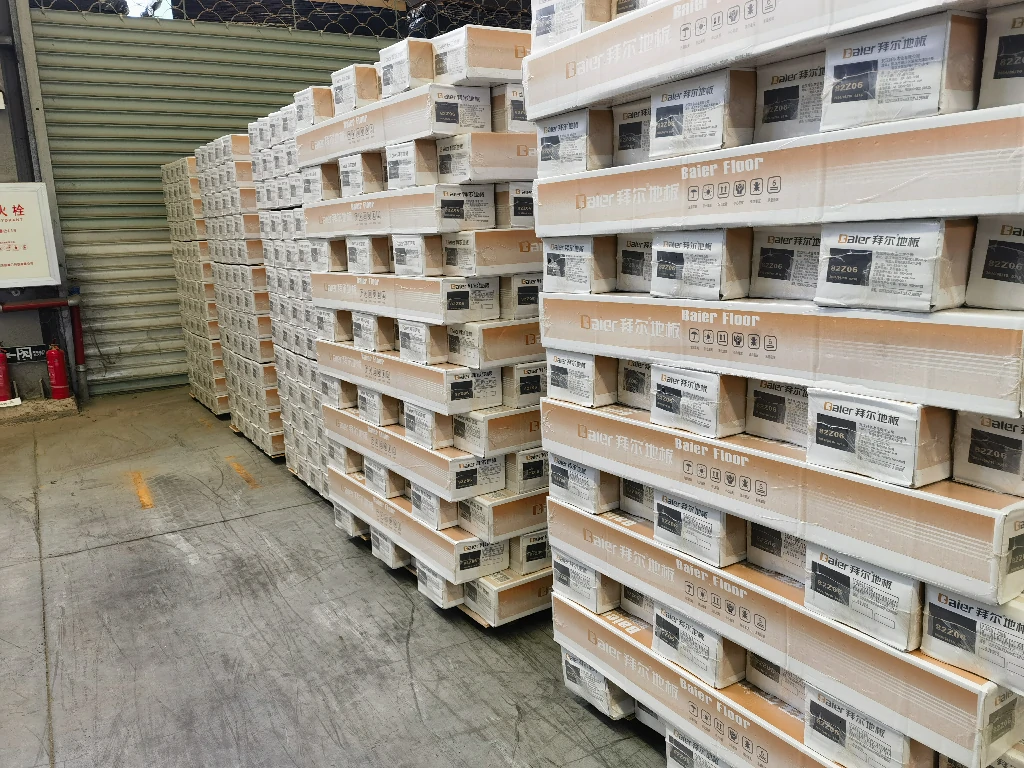
For projects requiring more stable technical specifications, repeat-order consistency, or Russian-language documentation support, some buyers in Central Asia shift toward structured OEM programs with export-focused manufacturers such as Baier, particularly for kitchen, hospitality, and long-cycle apartment fit-out projects.

Best for:

Budget kitchens

Shop shelving

Student furniture

Price-sensitive decorative MDF panel applications

5. Regional Supply: Russian, Iranian & Kazakh MR Melamine MDF

Not every project in Turkmenistan needs a big-name branded laminated MDF sheet. Regional suppliers sit between premium European imports and low-cost Chinese stock. For many local buyers, they’re the practical first choice.

Russian MR melamine MDF (mills such as Syktyvkar and Ugra) comes in via Astrakhan–Caspian–Turkmenbashi or by rail. Boards run 2440 × 1830 mm to 2750 × 1830 mm, density 700–740 kg/m³, swelling ≤12%, with E1 Mdf Board compliance. Pricing sits 10–20% below Kronospan or Egger equivalents. That makes it a solid mid-tier pick for buyers who want better-documented sourcing than unbranded Chinese stock.

Iranian MR melamine MDF (Sina MDF, Gilan MDF) has one clear edge: short truck distance. Border crossings like Sarakhs put Iran on the fastest route to northern and eastern Turkmenistan. Mid-range pricing, reasonable MR performance, and quick replenishment cycles make Iranian boards a practical fit for regional contractors.

Kazakh distribution aggregators bundle Russian, Belarusian, and EU panels under local labels. That’s useful when you need mixed loads of MDF, particleboard, and HDF in a single truck. MOQ often starts at just 10–15 m³ — a workable minimum for smaller Turkmen importers who can’t fill a full 20-ton container on one product alone.

Best for: Mid-budget fit-outs, northern/eastern Turkmenistan projects, mixed-panel procurement.

Moisture-Resistant Melamine MDF Comparison Table (Turkmenistan Market)

Five panels. Five origins, five price points, five performance levels. Here’s how they compare on the specs that matter most for Turkmenistan interior fit-outs.

Brand / Series

Origin → Turkmenistan

Density (kg/m³)

Thickness Swelling (24h)

Formaldehyde

Moisture Grade

Typical Price (18mm sheet)

Bayer MR Melamine MDF

Turkey / EU → Caspian route

720–760

≤8–10%

E1 / E0 option

HMR (EN 622-5)

USD 24–32

Egger MR Melamine MDF

Austria/Germany → CIS

730–750

≤10–12%

E1 / E0.5

HMR

USD 30–38

Kronospan MR Melamine MDF

Belarus/Russia → CIS

720–760

≤10–12%

E1 / CARB2

HMR

USD 25–32

Yalong HMR Melamine MDF

China (Shandong) → rail

700–750

8–12%

E1 / CARB2 option

HMR

USD 18–26

Generic Chinese MR MDF

China → Turkmenbashi

680–730

12–15%

E1 / partial E0

MR (standard)

USD 14–22

What the numbers tell you: Bayer and Egger post the lowest thickness swelling scores. That one number predicts how long cabinets hold up in humid kitchens and bathrooms. Generic Chinese MR board swells 50–80% more than HMR-grade panels under the same conditions. You see that gap turn into warped doors and lifted edge banding within two to three years.

Bayer’s delivery edge for Turkmenistan buyers: The Caspian route through Turkey gives you a 25–35 day lead time. That beats Chinese suppliers by 10–15 days. You can also place mixed-thickness 40’HQ orders — 16 mm and 18 mm combined — starting from 600–700 sheets. That’s a lower bar than most single-thickness MOQs. Plus, every order ships with Russian-language TDS and installation guides. On most project sites in Turkmenistan, Russian is the working language, so that detail carries real weight.

Interior Fit-Out Applications in Turkmenistan: Where to Use MR Melamine MDF

dcd49b9f 758b 44d9 8409 646141e3fe18

Every room in a building has a story — and that story includes humidity.

A conference room in a central Ashgabat office tower sits at a steady 45% RH all day. The bathroom two floors below it swings from 40% to 90% inside six minutes of someone running a shower. Those two rooms need different materials. Specifying the same board for both is where fit-out projects start to unravel — often before anyone notices.

Here’s a practical map of where moisture-resistant melamine MDF panels earn their keep across Turkmenistan’s interior fit-out projects — and where you can skip the upgrade.

Kitchens: The Highest-Stakes Zone

Kitchen carcasses are the main use case for MR melamine-faced MDF sheet in both residential and hospitality projects. The specs that work:

Base and wall cabinets: 16–18 mm MR melamine MDF

Pantry sides and tall units: 25 mm

Interior shelves: 18 mm, with mid-support for spans beyond 900 mm

Cabinet backs in humid zones: 8–10 mm MR MDF, screwed at 300 mm centers

One area needs extra attention: sink cut-outs. Raw edges near water aren’t a minor oversight — they’re an open invitation for swelling. Seal every cut edge twice. Use PU or PVC banding plus a siliconized joint. No exceptions.

Bathrooms and WC Areas

Vanity units, mirror cabinets, and storage towers appear in bathrooms across Turkmenistan’s apartment blocks, hotels, and public buildings. All of them qualify for humidity resistant wood panel specification.

Thickness guidance by element:
Vanity carcasses: 16–18 mm MR core
Tops (without stone or solid surface): 25 mm
Public WC doors and pilasters in “dry” WCs with exhaust: 18 mm minimum, with ≥150 mm floor clearance

Public restrooms in shopping centers or airports are a different story. Compact laminate is the gold standard for partitions there. That said, decorative MDF panel with an MR core still works well for doors and storage elements — as long as the space has proper ventilation.

Wardrobes on External Walls

This one catches many Turkmen contractors off guard. External-wall wardrobes in apartments build up seasonal condensation. This is a real problem in rooms without reliable heating or fresh air supply. It’s slow and invisible, but it compounds over years.

Use furniture grade MDF with an MR core for:
– Entry-hall and bedroom wardrobes placed against external walls
– Walk-in closets without fresh air ventilation

Standard sizing applies: 16–18 mm for sides, top, and base; 8–10 mm for backs; 18 mm for interior shelves up to 900 mm span.

Offices, Retail, and Institutional Spaces

Office fit-outs in Ashgabat produce more humid microzones than a floor plan suggests:

Pantry and tea-point units on each floor

Copy and print rooms (machine heat + humidity)

Basement storage rooms without direct HVAC

Partition walls around wet cores: 18 mm MR on metal stud, up to 3 m height

Retail environments — Berkarar and Ashgabat mall fit-outs in particular — need cabinet making MDF with MR cores for gondola lower shelves (floor to 500 mm), checkout counters, and any F&B service area cabinetry. Mopping, detergent spray, and drink spillage add up faster than most shop-fit budgets account for.

Schools and healthcare facilities follow similar logic. Chemistry and biology lab storage, canteen service counters, nurse stations, and patient-room wardrobes all take frequent wiping and disinfection. E1 MDF board with a melamine face handles mild chemical cleaning well. For heavier disinfectant use, pair it with PUR hotmelt edge bonding instead of standard EVA. PUR holds up far better against moisture under repeated cleaning cycles.

Where MR Melamine MDF Isn’t the Answer

Over-specifying MR grade where it isn’t needed is just as much a planning error as under-specifying it.

Skip the upgrade for:
Dry living rooms, bedrooms, and office workspaces more than 1 m from any water source — standard laminated MDF sheet or melamine-faced chipboard performs fine and costs 5–15% less
Heavy-load archive shelving exceeding 70 kg per shelf — melamine-faced plywood or steel holds screws with more strength than MDF under sustained load
Direct wet zones — shower enclosures, Turkish baths, pool surrounds, exterior balconies — where compact laminate, PVC, aluminum, or tile are the right call

A Simple Room-Mapping Method for Turkmenistan Projects

Before writing a BOQ, sort every space into one of three humidity categories:

Room Type

Expected RH

Board Specification

Dry (living rooms, offices, bedrooms)

<60%

Standard melamine MDF or chipboard

Humid (kitchens, bathrooms, basements, pantries, labs)

60–80%

MR melamine MDF, type MDF.H2, density ≥700 kg/m³, E1 or better

Wet (showers, pools, exterior)

Direct water contact

No MDF — use waterproof alternatives

For humid rooms, add this line to your technical spec: “MR melamine-faced MDF, type MDF.H2 or equivalent, density ≥700 kg/m³, E1 formaldehyde class, melamine both sides, ABS edge banding 1 mm minimum on all exposed edges.”

That one line, applied across every humid space in the BOQ, closes most of the specification gaps that lead to callbacks.

Buying Guide: How to Choose Moisture-Resistant Melamine MDF in Turkmenistan

Most board failures in Turkmenistan kitchens and bathrooms aren’t material failures. They’re specification failures — the wrong grade ordered for the right job.

Getting this right takes about five minutes of focused thinking before the order goes out. Here’s how to structure it.

Match the Spec to the Space First

Before touching a price list, define where the panel will live and what it will carry.

Kitchens and bathrooms: 18 mm MR melamine MDF minimum for carcasses. 25 mm for shelves spanning more than 800 mm or holding more than 30–40 kg.

Wardrobes and office fit-outs in dry zones: 16–18 mm standard grade often works. Don’t over-specify and push up the cost for no reason.

Laundry rooms, boiler rooms, enclosed balconies: treat these like kitchens. Humidity builds up the same way.

The Four Numbers That Matter Most

Check these on any supplier’s data sheet:

Density: ≥730 kg/m³ at 18 mm. Boards below 700 kg/m³ hold screws badly and swell faster. For kitchen and bathroom carcasses, this number is a hard requirement — no exceptions.

Thickness swelling (EN 317): ≤12% after 24-hour immersion. Premium boards land at ≤8–10%. Reject anything above 15% for humid-zone use. Full stop.

Formaldehyde class: E1 minimum. For residential projects, push for E0 or CARB P2 where available. Ask for the test certificate — not just the label printed on the board.

Melamine Paper weight: ≥90 g/m², both sides. Thinner melamine films chip at cut edges. They also come apart faster under steam and repeated cleaning.

Before You Place the Order: A Quick Acceptance Checklist

Run through this before confirming any shipment:

Core marked MR or HMR on the packaging — not just on the sales sheet

Density ≥730 kg/m³ confirmed on the technical data sheet

EN 317 swelling result ≤12%, with the test report attached

E1 formaldehyde certificate provided (EN 717-1 or equivalent)

Double-sided melamine, ≥90 g/m² paper, décor consistent between batches

Panels flat — bow under 4 mm across a 2440 mm length

Supplier provides edge banding guidelines for local cabinetmakers

No documents? End the conversation there.

On-Site Storage and Installation Rules

Panels shipped from Turkey, China, or Russia arrive adjusted to a different humidity level. Turkmenistan has a dry continental climate. That gap creates real problems — so don’t skip this step.

Stack panels flat with spacers. Let them rest 48–72 hours on site before cutting. This balances internal moisture and cuts down on post-installation warping.

After cutting: seal every exposed edge. Under sinks, near floor-level base units, around cut-outs — all of it. Double-coat raw edges with PU or epoxy where ABS banding isn’t an option. Leave a minimum 5 mm gap between cabinet bases and any wall or floor surface that picks up moisture. Seal that gap with silicone.

A well-specified moisture-resistant melamine MDF panel with sealed edges will outlast a premium board left with open cuts. The panel performs only as well as the installation around it.

Why Bayer Moisture-Resistant Melamine MDF Stands Out for Turkmenistan Projects

Bayer MR Melamine MDF gets specified on Turkmenistan projects because the numbers back it up — not the branding.

Core Performance That Matches Local Conditions

Board density runs 720–760 kg/m³ at 18 mm. Standard MDF sits at 600–650 kg/m³. That gap gives you 10–15% better warp resistance under Ashgabat’s humidity swings — 25–35% RH in summer, rising to 55–65% in winter. Internal bond strength reaches 0.6–0.9 MPa. Standard interior-grade MDF delivers only 0.45–0.55 MPa.

What does that mean on the job?
– Hinges hold longer
– Carcasses resist racking
– Repeated cabinet door cycles won’t pull screws loose

Thickness swelling stays at ≤8–10% after 24-hour immersion. That’s the high-end MR result. Public-building cabinets cleaned every day show less than 10% swelling at board edges over five years. Standard MDF hits 25–30% under the same conditions. At that point, you’re looking at edge repair or full replacement.

Surface That Handles Real Worksite Life

The melamine layer — 90–120 g/m², pressed at 180–200°C — holds up to ≥400–600 Taber abrasion rotations with no surface breakthrough. Disinfectants with 2–5% sodium hypochlorite or alcohol? The surface stays intact through 10,000+ wipe cycles with no visible fading.

For hotel housekeeping schedules and hospital cleaning protocols, that kind of surface durability makes a real difference every day.

Décor Range Matched to Central Asian Preferences

Bayer’s catalogue gives you 20–30 solid tones plus 15–25 wood-grain options — oak, walnut, maple, straight grain. Premium residential and hospitality projects in Ashgabat can pull from stone and concrete textures in the mid-to-high-end lines.

Batch color consistency holds at ΔE ≤1.5–2.0. So large wardrobe runs and office partitions won’t show mismatched panels under natural light. That matters on big-footprint projects where panel-to-panel uniformity is visible.

Documentation That Clears Turkmenistan Procurement

Each shipment includes: – Bilingual TDS (English + Russian) – Third-party EN 622-5 test reports – COA per batch – MSDS for site storage compliance

E1 is standard. E0/CARB P2 is available for hospital and school tenders where low-emission certification adds scoring weight.

The full documentation package fits straight into BOQ technical specs and government project environmental review files. Your procurement team won’t need to chase extra paperwork.

FAQs: Moisture-Resistant Melamine MDF Panels for Turkmenistan Buyers

Good answers speed up procurement. Here are the questions Turkmenistan buyers ask most — and the straight answers.


Is melamine MDF waterproof or just moisture-resistant?

Moisture-resistant — not waterproof. The melamine face sheds surface water well. But the MDF core absorbs moisture. Cut the board and leave that edge exposed, and water gets in. Standard MR MDF swells 8–12% after 24-hour immersion. HMR-grade boards keep that number at ≤8%. Ask for the EN 622-5 test report. Don’t rely on the label alone.


Which specs should you request from any supplier?

Four numbers tell you what you need to know:

Density: ≥730 kg/m³ (18 mm board)

Thickness swelling (24h EN 317): ≤12% MR; ≤8% HMR

Internal bond: ≥0.6 N/mm²

Formaldehyde class: E1 minimum; E0 or CARB P2 for schools and hospitals

No test report attached? Walk away.


What certifications matter most?

Start with three baseline certifications:

EN 622-5 — board performance

EN 717-1 — formaldehyde emissions

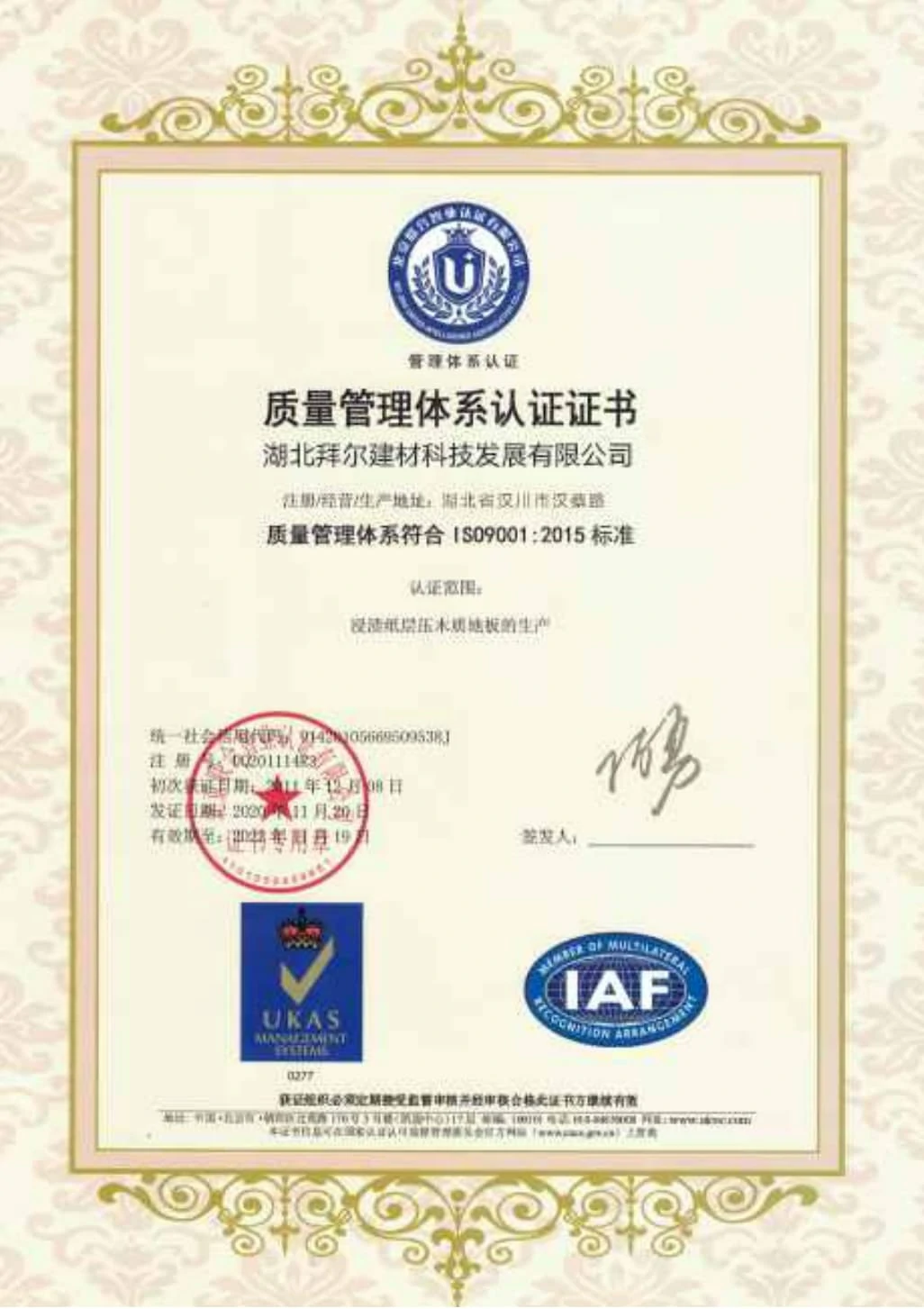
ISO 9001 — quality management

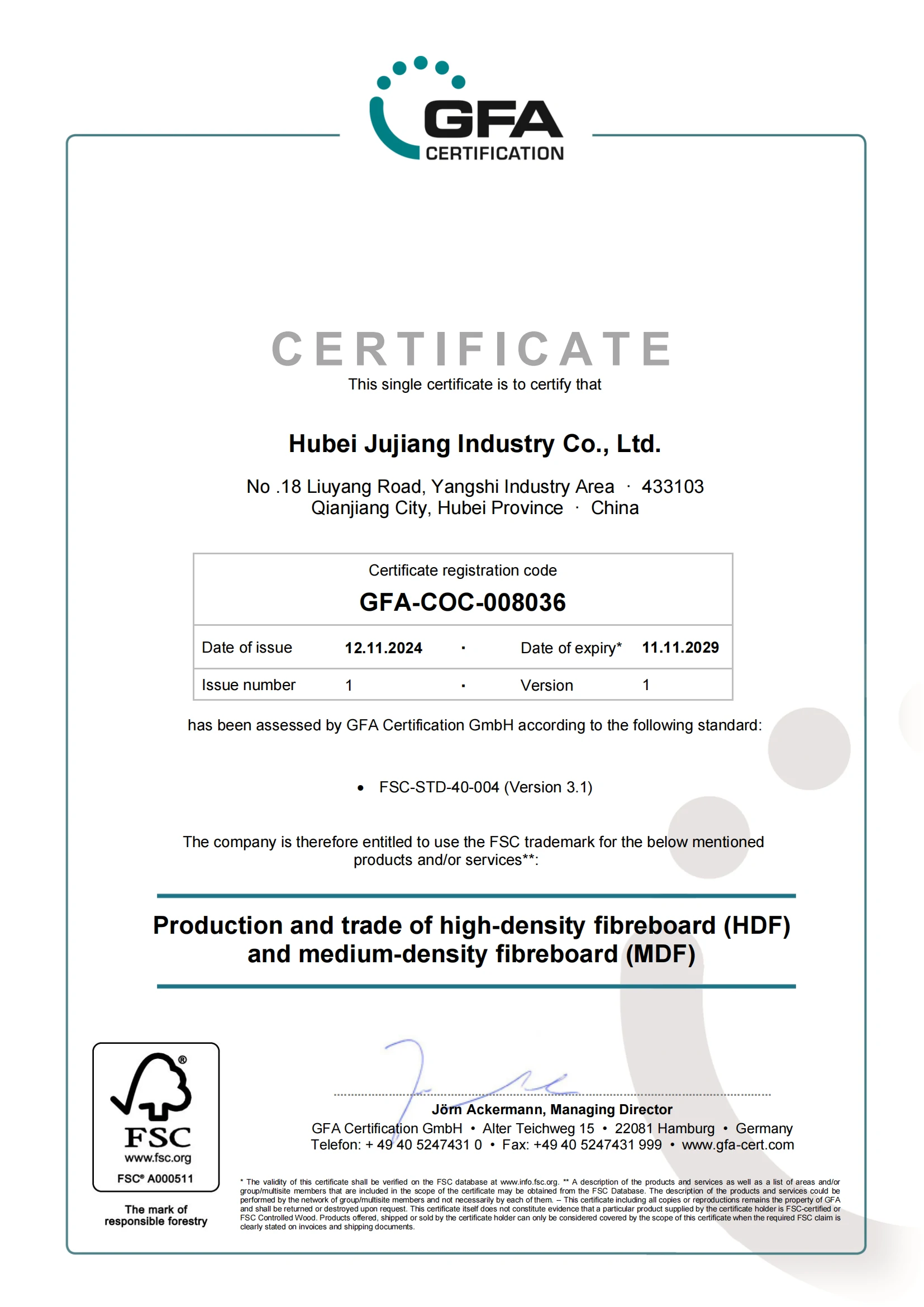
FSC or PEFC certification adds real weight on government tenders where sustainability is a factor.


How long will MR melamine MDF last in Turkmenistan conditions?

Seal the edges and install it right. Kitchen and bathroom cabinetry in residential settings can reach 10–20 years of solid service life. Clean with mild detergent. Avoid abrasive powders and strong solvents — both break down the melamine surface over time.


What’s the realistic cost range?

Standard MR melamine MDF (18 mm): USD 8–12/m² CIF Turkmenbashi

HMR / premium décor lines: USD 10–14/m²

Get current quotes before budgeting. Prices shift with origin, décor selection, and order volume.

Conclusion

Picking the right moisture-resistant melamine MDF panels for your Turkmenistan interior fit-out goes beyond materials. It’s a long-term investment in quality, durability, and peace of mind.

The best panels do more than resist humidity. They keep cabinet joints tight through seasonal shifts. They stay smooth and blister-free in steam-heavy kitchens and bathrooms. They also meet E1 emission standards — protecting everyone living and working in those spaces.

That’s what Bayer’s moisture-proof Melamine Board lineup delivers. You get engineered performance, steady supply, regional expertise, and specs built for tough Central Asian projects.

So here’s your next move: stop comparing datasheets. Start talking to someone who knows this market.

The right board, from the right partner, makes all the difference. A fit-out that looks great at handover should still look great five years later. That’s what you’re paying for.