Melamine MDF vs Veneer MDF: How to Choose the Right Material for Your Project

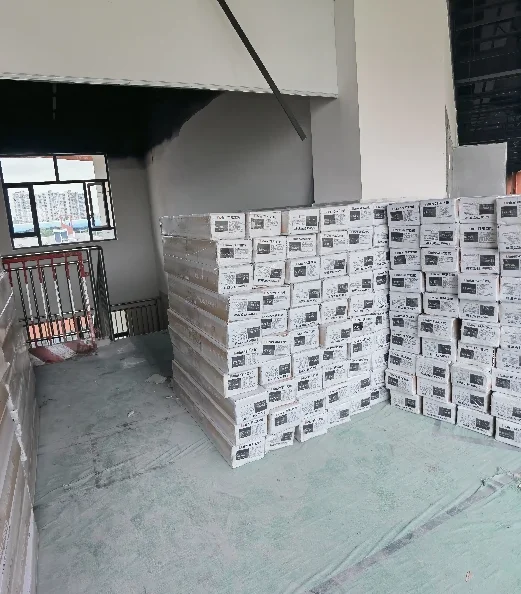
MDF/HDF Fiberboard

Choosing between melamine MDF vs veneer MDF shouldn’t feel like defusing a bomb — yet for most buyers, it does.

Pick the wrong surface material for a kitchen cabinet project and you’re staring down warped panels. You’ll face a refinishing bill you never budgeted for. Or you end up with a look that feels dated before year one is even over.

A smart material decision vs an expensive mistake? It comes down to three things:

Where the product lives

How hard does it work

What your real total cost looks like — not just the per-sheet price

This guide cuts through with hard cost data, real-world application scenarios, and a 5-step decision matrix built for buyers who need a clear answer fast. For B2B buyers, the real risk is not choosing the more expensive option — it’s choosing the wrong one and paying for it twice through replacements, complaints, and project delays.

Before comparing surface finishes, it’s important to understand how core material quality affects performance — especially in density stability and emission control, as explained in this MDF board manufacturing and specification guide.

Material Structure: What Actually Matters for Buyers

7962a171 1f0e 45e3 ba12 066a646f3fb3

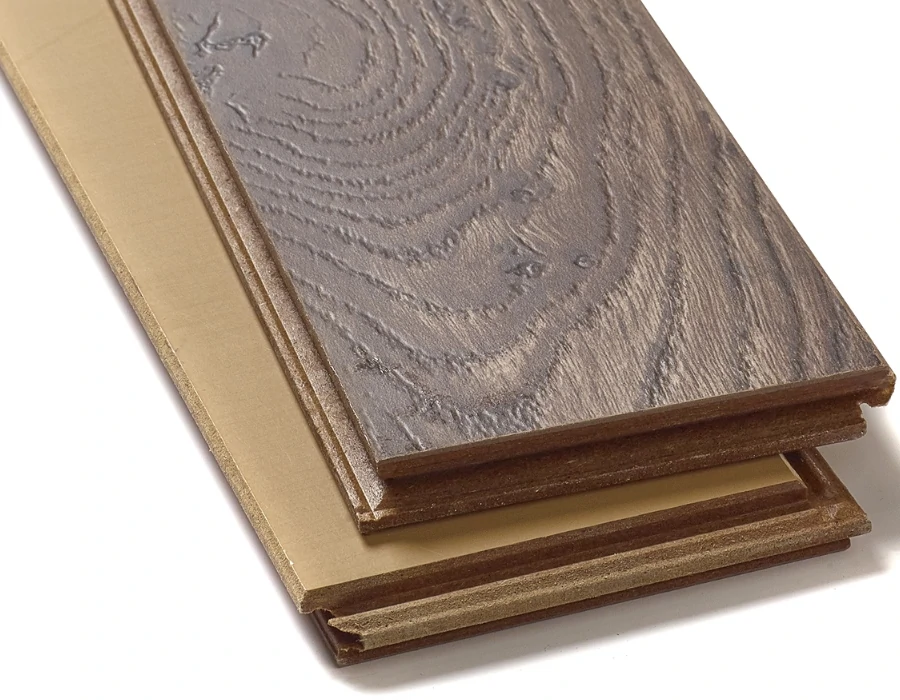
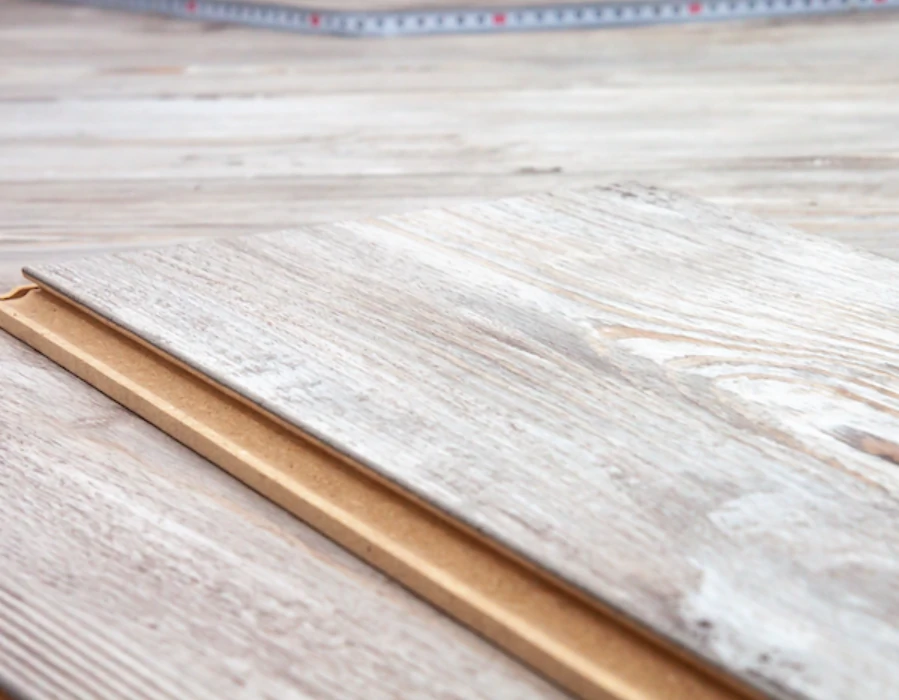
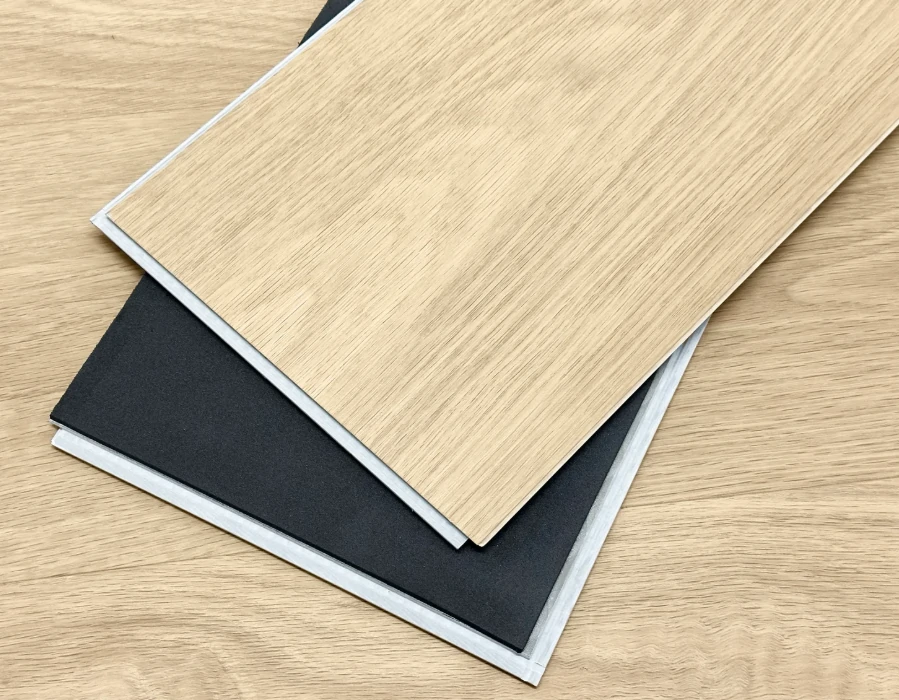
Melamine MDF and veneer MDF share the same engineered MDF core (typically 600–800 kg/m³ density), but the surface layer is where their performance and cost diverge.

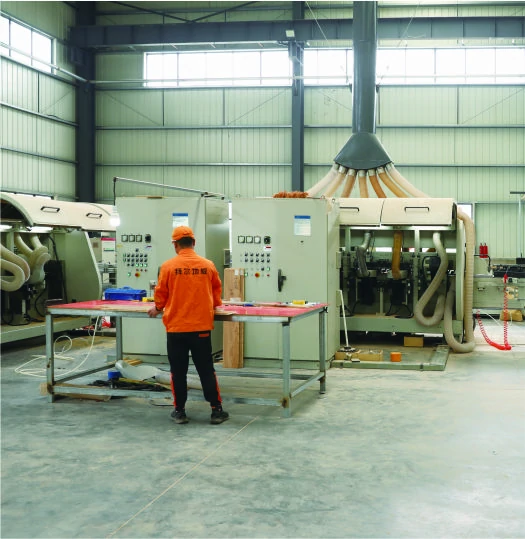
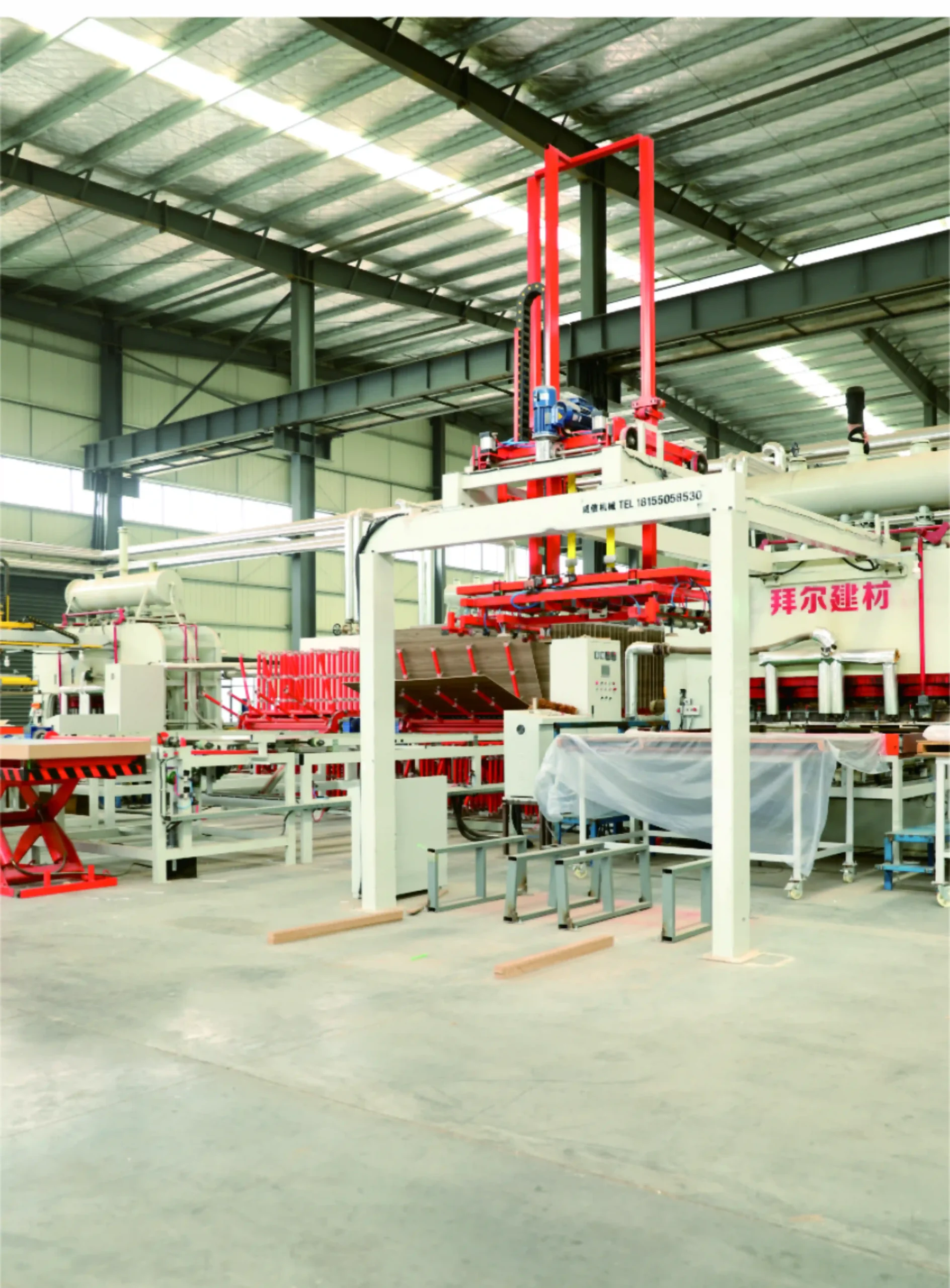
Melamine MDF uses resin-impregnated decorative paper (0.2–0.5mm) fused under heat and pressure into a sealed, hard surface. This creates a uniform, scratch-resistant finish with consistent color and minimal variation. For procurement, the key control points are core density (≥680 kg/m³), paper grammage (120–180 g/m²), and formaldehyde compliance (E0 or TSCA level).

Veneer MDF uses a real wood veneer layer (typically 0.3–0.6mm) bonded onto the MDF core. Unlike printed surfaces, it carries natural grain variation, can be sanded or refinished, and delivers a higher-end visual result. However, it also requires stricter control — especially edge sealing and the presence of a balancing veneer on the back side to prevent warping.

In short: both materials rely on the same core, but one is a sealed synthetic surface optimized for consistency and durability, while the other is a natural wood layer optimized for appearance and long-term repairability.

Common Buyer Mistakes When Choosing Melamine vs Veneer MDF

4161eb7a b005 41d3 a97f f0184b826ff4

Many buyers don’t fail because of bad materials — they fail because of wrong assumptions.

Mistake 1: Choosing veneer for wet environments
Veneer looks premium, but without proper edge sealing, it starts absorbing moisture within months. This leads to swelling, edge lifting, and delamination — especially in kitchens and bathrooms.

Mistake 2: Assuming melamine is “low-end”
Melamine is often seen as a budget option, but in high-traffic or commercial environments, it actually delivers better lifecycle performance due to its scratch and moisture resistance.

Mistake 3: Ignoring edge treatment requirements
Veneer MDF requires proper edge sealing. Skipping this step saves a few dollars upfront but creates long-term failure risks.

Mistake 4: Comparing only per-sheet price
A cheaper board that requires full replacement after minor damage can end up costing 2–3x more over time.

Mistake 5: Not validating supplier consistency
Samples often look perfect. Bulk production may vary. Without density checks, veneer thickness verification, and AQL inspection, buyers risk inconsistent deliveries.

Aesthetic Comparison: Printed Grain vs. Natural Wood Grain

dcf5ae4d a443 47f6 9b31 2830cc85e648

Run your fingertip across a melamine panel. Then do the same on a veneer surface. That 10-second test tells you more than any spec sheet ever will.

Here’s what your fingers actually feel: melamine’s texture sits at 0.1–0.3mm depth — uniform, machine-pressed, consistent every time. Real wood veneer? You’re touching 0.5–2mm of organic variation, with actual wood fiber roughness under your fingers. The gap between them is obvious.

The pattern repetition test exposes everything:

Place three to five melamine panels side by side. You’ll spot the grain repeating every 1.2–1.5 meters — sheet-to-sheet consistency above 99%. Veneer panels? No two are identical. Expect 20–50% natural variation in grain and color across every sheet. That’s not a defect. That’s the point.

Which grain fits your style target:

Style Direction Printed Grain Natural Wood Grain
Modern / Minimalist ✅ Zero visual noise, straight uniform lines ❌ Too much grain movement (10–30% shifts)
High-End / Organic ❌ Flat, lacks depth ✅ Develops warm patina over 1–5 years (+15–25% tonal depth)

Color stability follows the same logic. Melamine holds its color flat — ΔE under 2 after 1,000 hours of UV exposure. Veneer in sun-exposed rooms fades 10–20% in the first 6–12 months. After that, it settles into a richer, warmer tone. Spaces above 500 lux? Melamine wins on consistency. Rooms with softer light? Veneer’s natural shift reads as character, not age.

One detail most buyers miss: the human eye picks up printed knot simulations at a 70–90% recognition rate. Real veneer variation fools no one — because it isn’t trying to.

Durability & Moisture Resistance: Which Handles Real-Life Use Better?

Here’s what most suppliers won’t tell you: moisture doesn’t care how good something looks.

A cabinet that looks great on day one but warps by year two is a $400 mistake — at minimum. So before you pick a material, put it through the two tests that matter most: surface hardness and moisture exposure.

Surface Hardness: The Numbers Don’t Lie

Melamine uses AC ratings — a grading system taken from commercial flooring standards.

AC1: ~2,000–3,000 Taber abrasion cycles. Good for low-traffic home use.

AC3: 4,000–6,000 cycles. Holds up against keys, utensils, and constant friction without showing damage.

AC4: 6,000+ cycles. Built for heavy commercial use — high contact, no mercy.

Veneer’s natural wood surface sits at 1,000–2,000 cycles. Keys scratch it in under 20 strokes. Melamine AC3 takes 100+ passes before you see anything. That’s a 5x real-world durability gap on scratch resistance alone.

Kitchen cabinetry or any surface with constant utensil contact? That gap turns into real money, fast.

For projects involving high humidity or structural load, many buyers also compare alternatives like plywood, especially when evaluating moisture resistance and load-bearing performance in real applications.

Moisture Resistance: Where the Real Risk Lives

Material Protection Mechanism Failure Threshold
Melamine Closed resin surface seal Stable at 90%+ RH; no expansion under 24hrs submersion
Veneer Edge sealing required Swells 5–15% at edges after 12hrs at 80%+ RH; delamination risk near steam sources

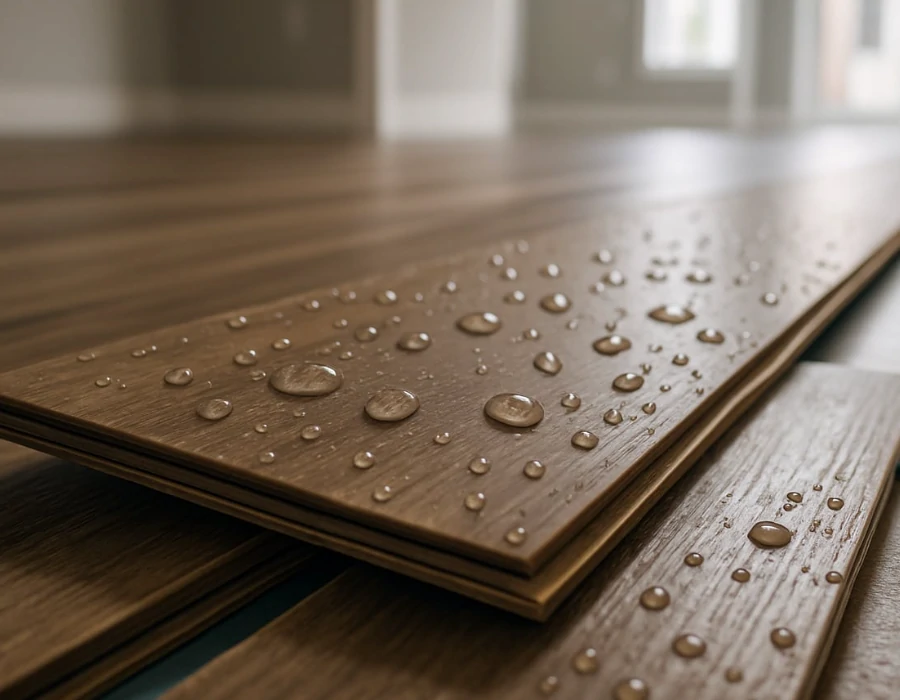
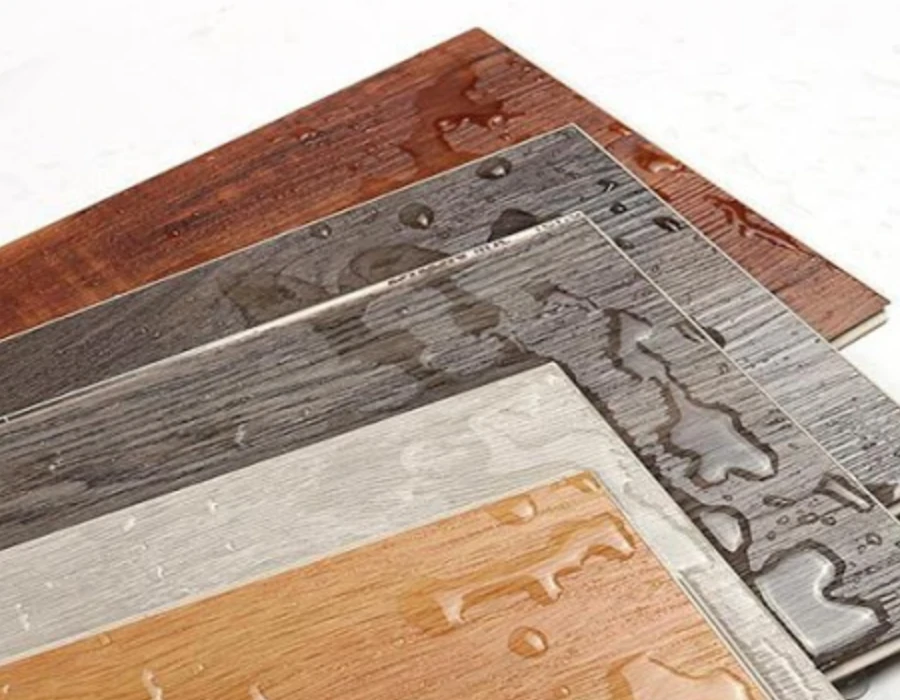
Melamine’s thermosetting resin forms a solid, closed surface. Spills sit on top — 30 hours of liquid contact, zero warping. Veneer edges pull in 3–7% moisture through any unsealed gap. Just 30 minutes of standing water starts measurable buckling.

Think of it this way: melamine runs at an IPX7 equivalent (full immersion tolerance). Veneer is closer to IPX4 — it handles splashes, not long exposure.

Damage Repairability: The Hidden Cost Equation

This is where veneer wins back some ground.

Damage Type Melamine Veneer
Chipping/edge damage Full panel replacement — $150–$400/panel Sand + filler + 2-coat varnish — $200–$300/job
Surface scratches No repair option Wet sand, stain match, seal — $50–$150/spot

Melamine chips? The panel is done. No patch holds, no fix exists. You pull the whole board and replace it. Veneer? 70% repair success rate, finished in 1–2 hours per 10 sq ft. The scratch-resistant cabinet surface wins in the short run. Over a 10-year ownership window, though, veneer refinishing and repair cuts long-term replacement costs in a big way.

Bottom line for buyers: High-moisture spaces — kitchens, bathrooms, laundry rooms — favor melamine’s sealed surface and its near-zero moisture risk at the face layer. Dry interior spaces where looks and long life matter more? Veneer’s repairability changes the durability math completely.

Cost Breakdown: True Price Difference Beyond the Sticker

The per-sheet price is the least important number in this decision.

Melamine MDF runs $18–$35/sheet. Veneer MDF lands at $45–$120/sheet depending on species. That 40–60% gap looks painful on a spreadsheet. But it changes once you factor in what happens after installation.

Here’s where the real math lives:

Melamine’s hidden cost: whole-panel replacement
Melamine can’t be patched. One chip, one deep gouge — you’re pulling the entire panel. Replacement boards run $150–$400 each, plus labor. One accident in year three wipes out every dollar you saved at purchase.

Veneer’s hidden cost: finishing and edge protection
Raw veneer edges need sealing. Skip that step and moisture gets in within 12 months. Budget $3–$8/linear foot for proper edge banding on exposed runs. High-traffic pieces may also need refinishing in the first year. Set aside another $200–$400 for that.

Many of these long-term cost issues are similar to what happens when buyers underestimate material performance differences, especially in cases like melamine vs HPL MDF board comparisons.

The 10-year total ownership comparison:

Cost Category Melamine MDF Veneer MDF
Material (per sheet) $18–$35 $45–$120
Installation Equal Equal
Damage repair (decade) $300–$1,200 (full replacements) $150–$600 (spot repairs)
Refinishing cycles Not possible 2–3 cycles @ $200–$400 each
True 10-year cost Higher than it looks Lower than it looks

For a full kitchen cabinet project, picking the right material at the spec stage saves $7,000–$12,000 over the project lifetime. Not because one material costs less upfront — but because the wrong choice quietly stacks costs year after year.

The practical rule:
– High moisture exposure or commercial-level traffic? Melamine wins. Lower upfront cost, near-zero maintenance.
– Dry, high-visibility space where longevity matters? Go with veneer. Its spot-repair ability makes it the smarter long-term spend — even at 2–3x the sheet price.

Application Scenarios: Match the Right Material to the Right Project

6faa0e45 9996 48d2 bde3 19566207cf41

The material doesn’t fail. The mismatch does.

Most budget overruns and early replacements come from one bad decision: choosing a surface material before knowing where it goes and how hard it needs to work. Here’s what each material handles well — and where it falls short.

Melamine MDF: Built for High-Traffic, High-Moisture Environments

Melamine is the workhorse. Use it where durability and consistency matter more than natural warmth.

Best-fit scenarios:

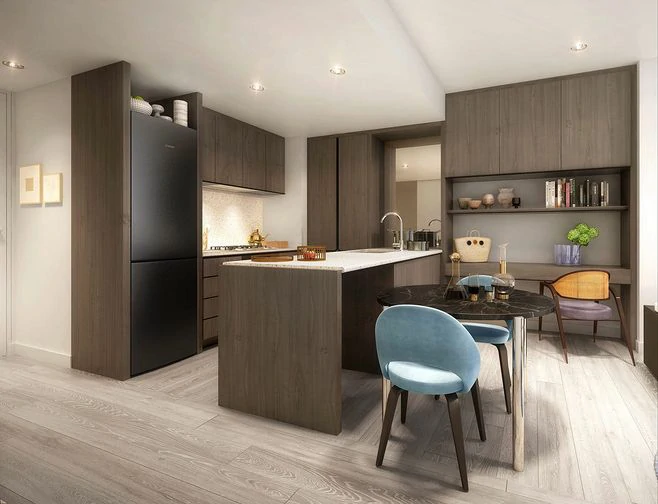
Kitchen cabinets — moisture is constant. Utensils and cleaning products make contact every day. Melamine’s sealed resin surface takes all of it without swelling or staining.

Bathroom vanities — steam, humidity, and standing water are normal here. Melamine’s closed surface layer blocks moisture from getting in. Veneer edges would start failing within 12 months in the same conditions.

Commercial fit-outs and retail fixtures — offices, retail units, and hospitality interiors see heavy contact. These surfaces need AC3-rated scratch resistance built in. You don’t want to run refinishing cycles on them.

Budget-driven multi-unit projects — property developers, contractors, and B2B buyers ordering at volume get real value from melamine. The cost stays predictable. Panel-to-panel consistency stays tight across the whole order.

Veneer MDF: Built for Visual Impact and Long-Term Investment Spaces

Veneer earns its price in rooms where appearance drives perceived value.

Best-fit scenarios:

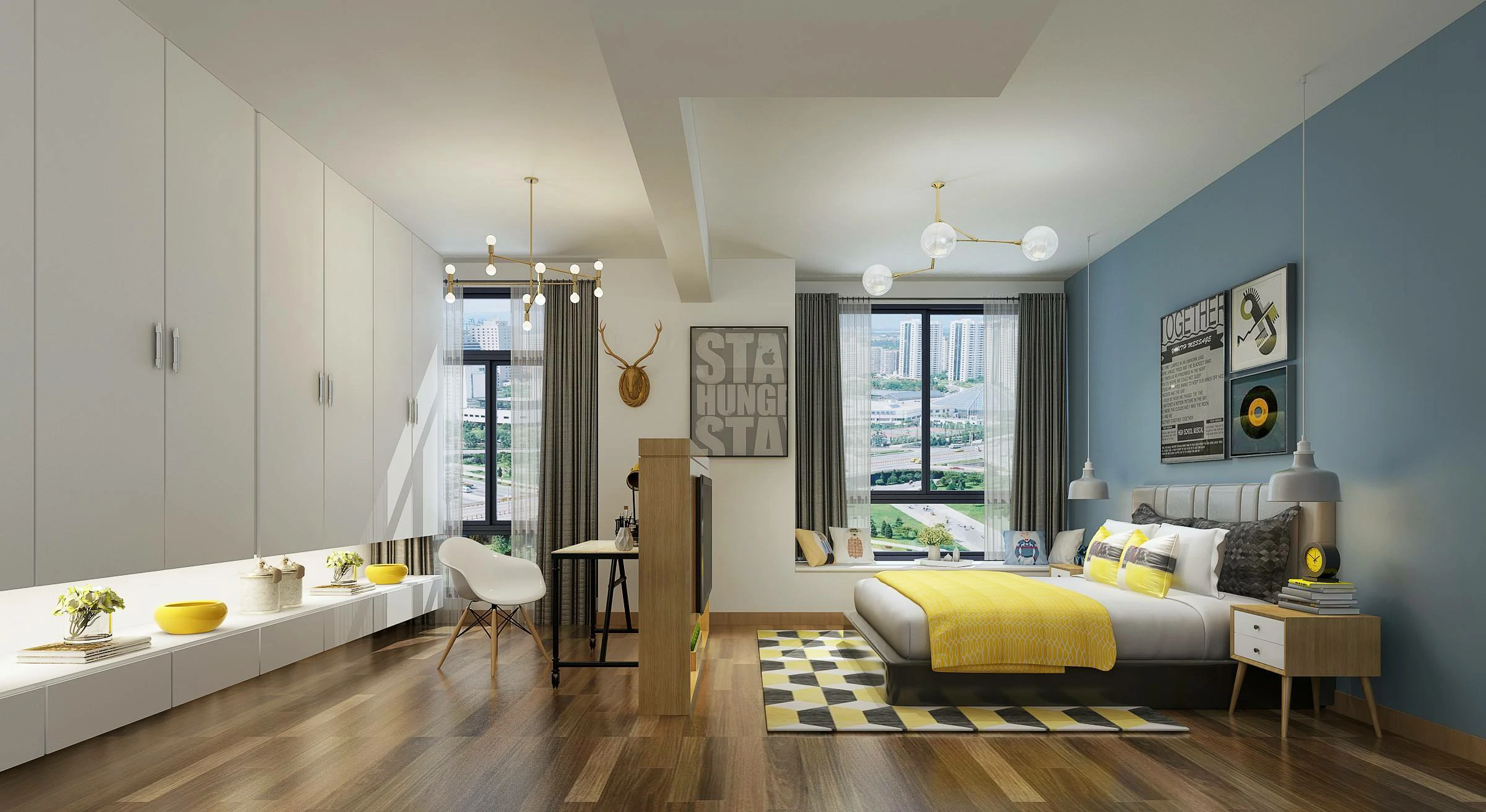
Living room cabinetry and entertainment units — low moisture, high visibility. Natural grain variation and a developing patina lift the space in ways no printed laminate can match.

Bedroom wardrobes — dry space, moderate use. Veneer is repairable. Spot repairs add years to a wardrobe’s life without a full replacement cost.

Executive office furniture and custom joinery — people read real wood grain on sight. Printed grain simulations have a 70–90% recognition rate. That recognition works against melamine in premium settings.

Export OEM furniture orders for premium retail markets — buyers sourcing for mid-to-high-end furniture lines need a real wood veneer surface. It’s a product positioning requirement, not a preference.

One-Line Project Matching Rule

Wet space or heavy traffic? Melamine MDF. Dry, high-visibility space where longevity and natural aesthetics matter? Veneer MDF. Everything else? Go back to your total cost calculation — and let the 10-year number make the call.

If your project involves full interior solutions rather than individual panels, you may also need to evaluate complete engineered flooring and panel systems used in commercial and residential environments.

5-Step Buyer Decision Matrix: How to Choose in Under 5 Minutes

Five minutes. That’s all this takes — follow the right sequence.

Most buyers waste hours comparing spec sheets. The real decision comes down to five questions, asked in the right order. Work through each one. Your answer tells you where to go next.


Step 1: Where does this surface live?

High moisture exposure — kitchen, bathroom, laundry — stop here. Melamine MDF is the clear winner. Its sealed thermosetting resin surface handles 90%+ humidity and 30-hour liquid contact without swelling. Veneer edges fail within 12 months under those same conditions. Dry space? Move to Step 2.

Step 2: What’s your traffic level?

Utensils hitting the surface every day, commercial use, or multi-unit volume orders? Melamine’s AC3 rating (4,000–6,000 Taber abrasion cycles) is built for that. Veneer tops out at 2,000 cycles — five times lower. Light residential use with occasional contact? Veneer stays in the running.

Step 3: What’s your visible priority — consistency or character?

Melamine gives you panel-to-panel color consistency above 99%. UV stability holds at ΔE under 2 after 1,000 hours. Veneer gives you real grain variation — a 20–50% natural shift per sheet — plus a patina that deepens over 1–5 years. Want uniform and modern? Go melamine. Want warm and organic? Go veneer.

Step 4: What’s your 10-year budget — not your per-sheet price?

Run the real math:

Cost Factor Melamine MDF Veneer MDF
Material per sheet $18–$35 $45–$120
Damage repair (decade) $300–$1,200 (full panel swaps) $150–$600 (spot repairs)
Refinishing cycles Not possible 2–3 cycles @ $200–$400

Your 10-year melamine total can creep above veneer’s — and it often does. Full-panel replacements run $150–$400 each. Factor those in, and veneer becomes the smarter spend.

Step 5: Can you maintain it?

Veneer needs sealed edges ($3–$8/linear foot), careful cleaning, and periodic refinishing. That’s a real commitment. Not realistic for your project or client? Melamine’s near-zero upkeep makes it the safer choice.


Your Answer in Under 5 Minutes

Your Situation Choose This
Wet space + heavy traffic Melamine MDF
Dry space + premium aesthetic Veneer MDF
Volume B2B order, lifecycle >5 years Melamine MDF
Export premium retail, design-forward Veneer MDF
Budget under $1K, low maintenance Melamine MDF

Three or more answers pointing the same direction? That’s your material. Stop second-guessing. Start specifying.

Sample Acceptance Checklist for B2B & OEM Buyers

To avoid inconsistencies between samples and bulk shipments, it’s critical to follow proper inspection procedures in moisture-sensitive materials like MDF. Suppliers send samples. Bad suppliers send good-looking samples — then ship something completely different at scale.

That gap is where B2B and OEM buyers lose money. Here’s the exact checklist that closes it.

Visual & Tactile Checks

Melamine panels: Inspect across a 3m surface length. Reject any board where the texture pattern repeats in under 1.5m or cycles more than 3 times per panel. Use a 1m² grid sampling method. Deviation above 5% is an automatic fail.

Veneer panels: Use AQL 2.5 for major defects. Knots exceeding 5mm diameter count as majors. Color differences above ΔE 3 also count as majors. For batches of 1,201–3,200 units, pull n=200. Accept if defects found are ≤7.

Item Spec Sample Size AQL Accept Limit
Veneer Knots ≤5mm dia. n=200 2.5 ≤7
Color Difference ΔE≤3 n=200 2.5 ≤7

Physical Performance Tests

Three tests. No skipping.

Moisture content (veneer substrate): ≤12% via ASTM D4442 oven-dry method. Pull 5% of boards at random. Single-board max: 14%. Moisture testing should follow standardized methods such as ASTM D4442, which defines oven-dry procedures for accurate wood moisture measurement.

Edge banding integrity: Visual gaps must stay under 0.2mm. Run a fingernail scratch across the edge. Any peel exceeding 1mm fails. Test 10% of edges per batch. Reject the shipment if more than 2% fail.

MDF core density (18mm): Target 720–800 kg/m³. Core-drill 10 boards per batch at 9 points each (3×3 grid). Standard deviation must stay ≤20 kg/m³.

Compliance Document Verification

For formaldehyde emissions, buyers should follow the official EPA TSCA Title VI standards, which define strict limits for composite wood products used in the U.S. market.

This is non-negotiable for export orders.

TSCA Title VI: Formaldehyde emissions must be below 0.05 ppm (Phase 2). Get pre-shipment certification from a CARB- or EPA-accredited lab. No exceptions. Reject any cert older than 3 years.

CARB Phase 2 ATP: Minimum 1 year validity remaining. Check the TPC number yourself on the CARB database. Don’t take the supplier’s word for it.

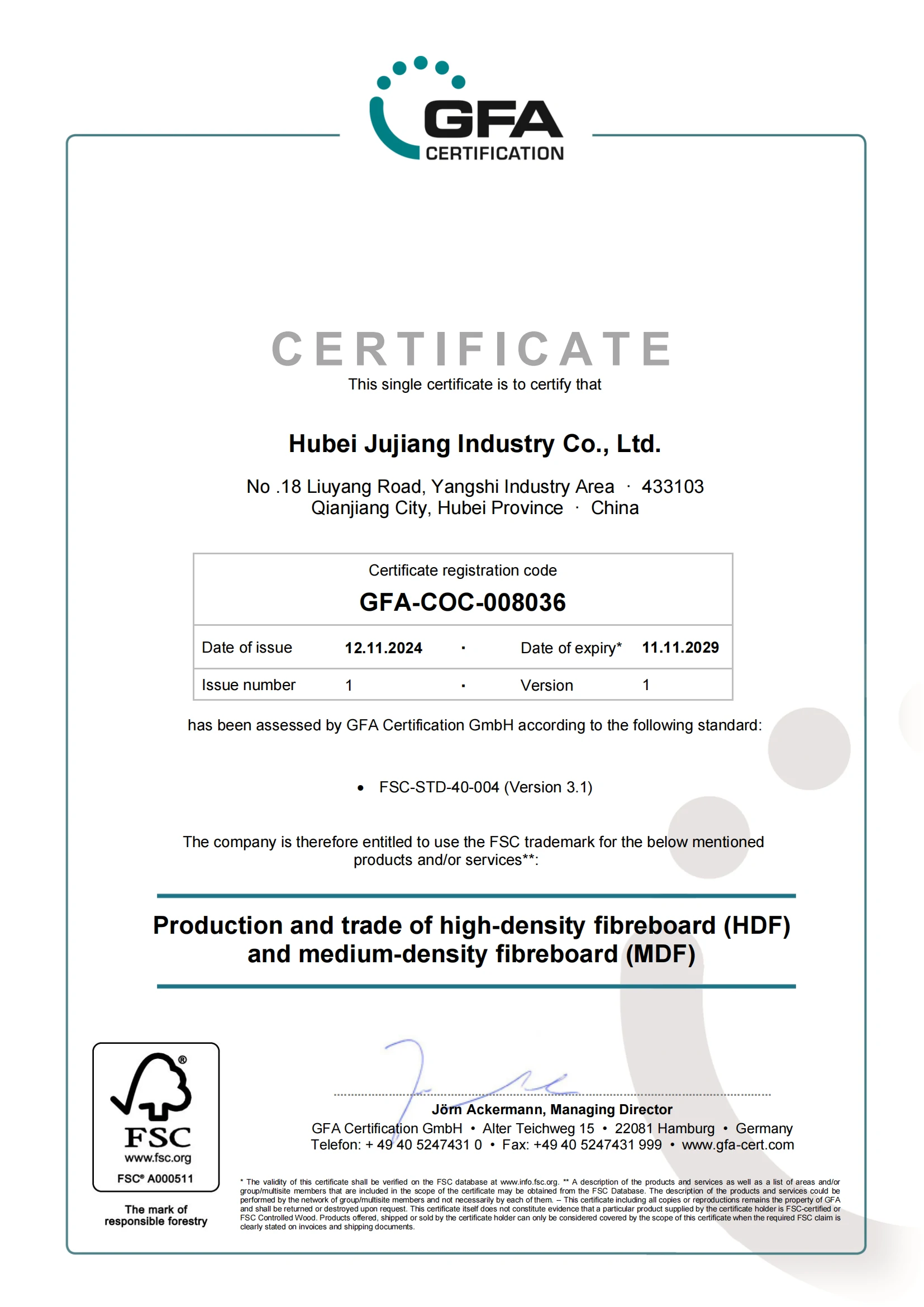
FSC Chain-of-Custody: Get the full CoC certificate (FSC-STD-40-004). Check it in the FSC database before you issue your PO. Audit 10% of invoices for source tracing.

Red flags — reject on sight: Any document labeled “CARB-exempt.” Unsigned certifications. Any cert mismatch triggers a hold on 5% of the shipment for independent re-testing.

5-Step Sign-Off Procedure

Visual scan — 100% surface coverage; reject pattern repeats over 1.5m

Random sampling — 5–10% per spec using AQL tables

Physical tests — moisture meter (≤12%), edge scratch test

Document check — valid certs, emissions <0.05 ppm, FSC traceable

Sign-off — completed acceptance table, defect count below AQL threshold

Core KPIs for High-Volume Orders

KPI Benchmark
On-time delivery rate >98%
Return rate (defects) <0.1%
Major defect AQL 2.5%
Minor defect AQL 4.0%
Sample size (batch 3,201–10,000) n=315

Run this checklist before every shipment — not after a complaint lands in your inbox.

Melamine MDF vs Veneer MDF: Side-by-Side Comparison Table

Five dimensions. Two materials. One table that tells you everything your supplier won’t.

Dimension Melamine MDF Veneer MDF Winner
Appearance Uniform printed grain, 100+ colors, zero variation Natural grain, authentic texture, develops patina over time Veneer (premium); Melamine (modern/uniform)
Durability Excellent — scratch, stain, and impact resistant Moderate — scratches easily with regular use Melamine
Moisture Resistance Strong closed surface; edges need sealing Poor — swells and delaminates near steam or standing water Melamine
Repairability Chips are permanent — full panel replacement required Sand, restain, refinish — 70% repair success rate Veneer
10-Year Cost Lower upfront; replacement costs add up over time Higher upfront; spot repairs keep lifetime costs down Depends on use

Both materials use the same MDF core engineered wood base — density 600–800 kg/m³. The surface is where the two split apart.

Pick your top two priorities before you decide. Cost plus durability? Melamine is the clear winner. Natural look plus long-term repairability? Veneer is worth the extra price.

FAQ: Buyer Questions About Melamine vs Veneer MDF

These questions come up on every serious procurement call. Here are straight answers — no fluff, no hedging.

Q: Is veneer MDF more durable than melamine?

The data says no. Melamine scores Mohs 3–4 on scratch resistance. Veneer sits at Mohs 2. Run a key across both surfaces — melamine shows almost no marks. Veneer takes damage fast. High-traffic applications? Melamine wins. Veneer holds up only with PU lacquer edges that are fully sealed and prepped.

Q: Can melamine be applied over veneer MDF?

Don’t try it. Veneer’s grain surface is oily. That rejects resin bonding at the adhesive level. Lab tests show a delamination failure rate above 50%. Retrofitting? Sand down to bare MDF core first — 80-grit minimum. Then laminate straight onto the clean substrate.

Q: Can veneer be applied over melamine MDF?

Not recommended either. Melamine’s resin surface pushes adhesives away. Bond strength drops below 20% compared to a direct MDF application. Strip the melamine off completely before veneering. Or just start with a plain MDF base from the start — it saves you the extra steps.

Q: Can veneer MDF go outdoors?

Standard veneer MDF is an indoor material. Full stop. Moisture exposure causes 10–20% swell. Delamination follows within 6–12 months. For limited exterior use, specify marine-grade HMR MDF with epoxy-sealed veneer edges. Keep it out of direct rain regardless.

Q: How do I catch suppliers overstating veneer thickness?

Use a digital caliper with 0.1mm accuracy. Real veneer runs 0.5–1mm thick. Printed laminate — often mislabeled as veneer — measures 0.1–0.3mm. Cut a cross-section and check: genuine veneer shows visible wood grain layers. Reject anything under 0.4mm per EN standards.

Q: What are typical MOQs for B2B orders?

Melamine MDF: 50–100 sheets (18mm, 1220×2440mm)

Veneer MDF: 200–500 sheets, pushed higher by custom species sourcing

Lead times follow the same gap. Melamine ships in 2–4 weeks. Veneer takes 4–8 weeks. Push for 20% below the listed MOQ on bulk orders. Lock your specs through a sample order first — it protects you on both sides.

Conclusion

Smart buyers get the right framework in place before committing. Costly mistakes happen when you figure it out after the invoice lands.

You now have that framework.

Next step:

Request samples from your shortlisted suppliers.

Run each one through the acceptance checklist in this guide.

Lock in your specs before negotiations start.

That $7,000+ in savings on your next project? It starts with one decision made at the right time — and made well.

Melamine MDF vs Veneer MDF — neither material is better than the other. It comes down to your project, your budget, and what you expect long-term.

Here’s the short version:

If you don’t have time to run full calculations, use this shortcut:

Wet or high-humidity environment → Choose melamine MDF

High traffic or commercial use → Choose melamine MDF

Premium furniture or design-focused projects → Choose veneer MDF

Long lifecycle with repair flexibility → Choose veneer MDF

Low maintenance requirement → Choose melamine MDF

If two or more conditions point to the same material, that is your correct choice.