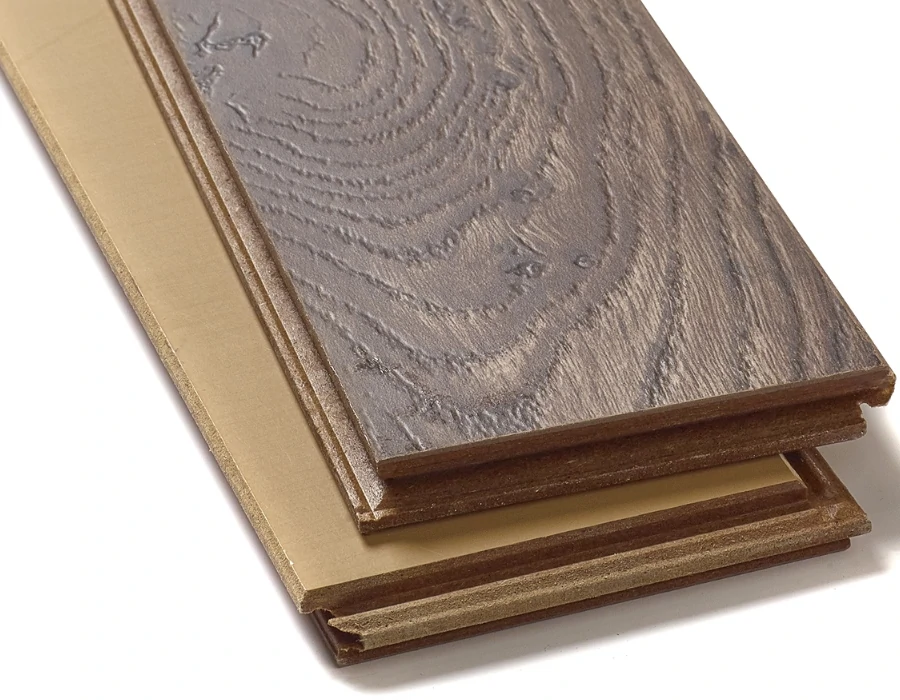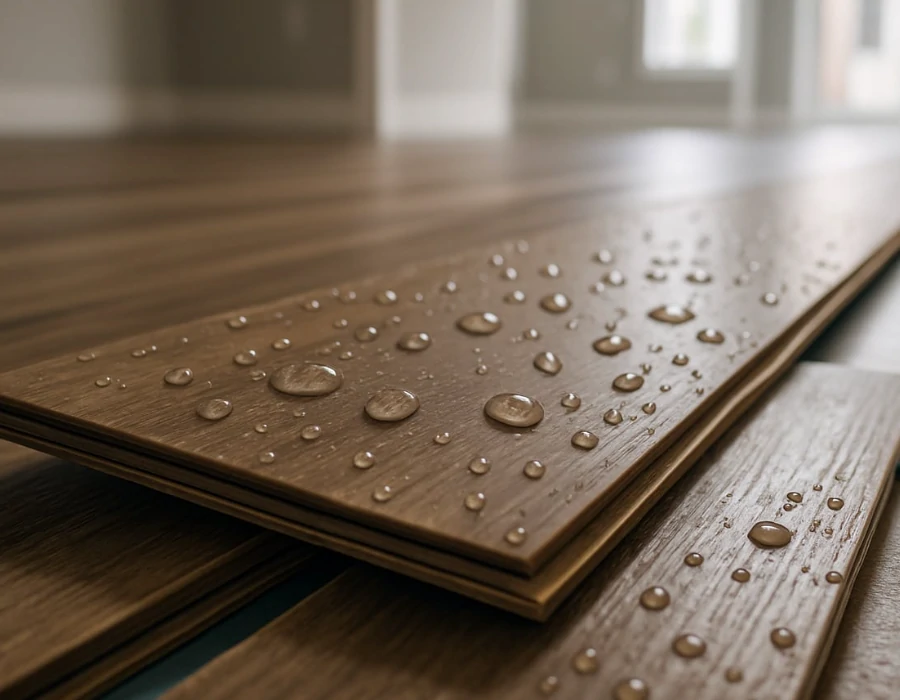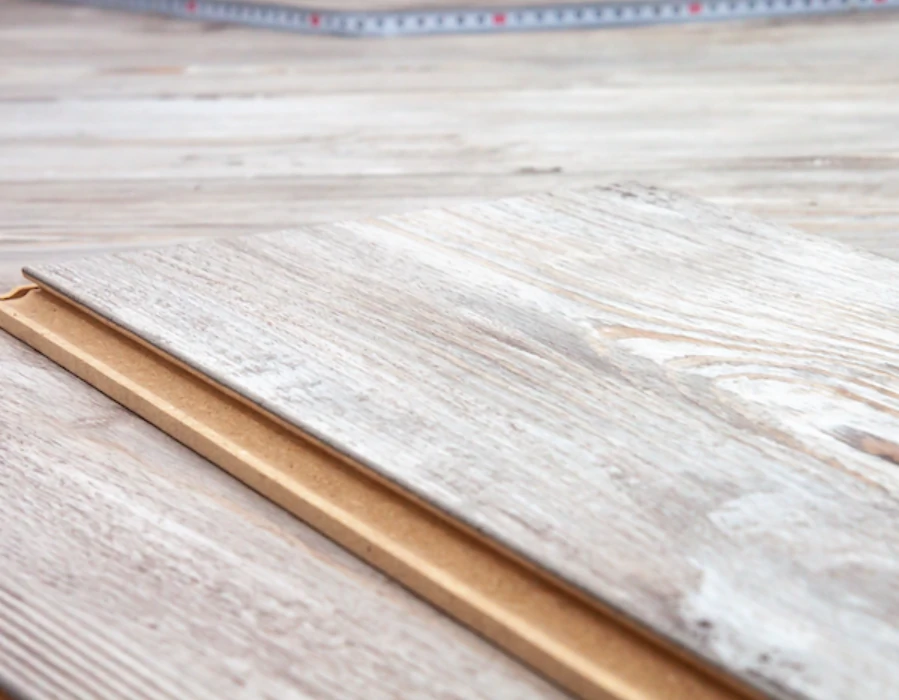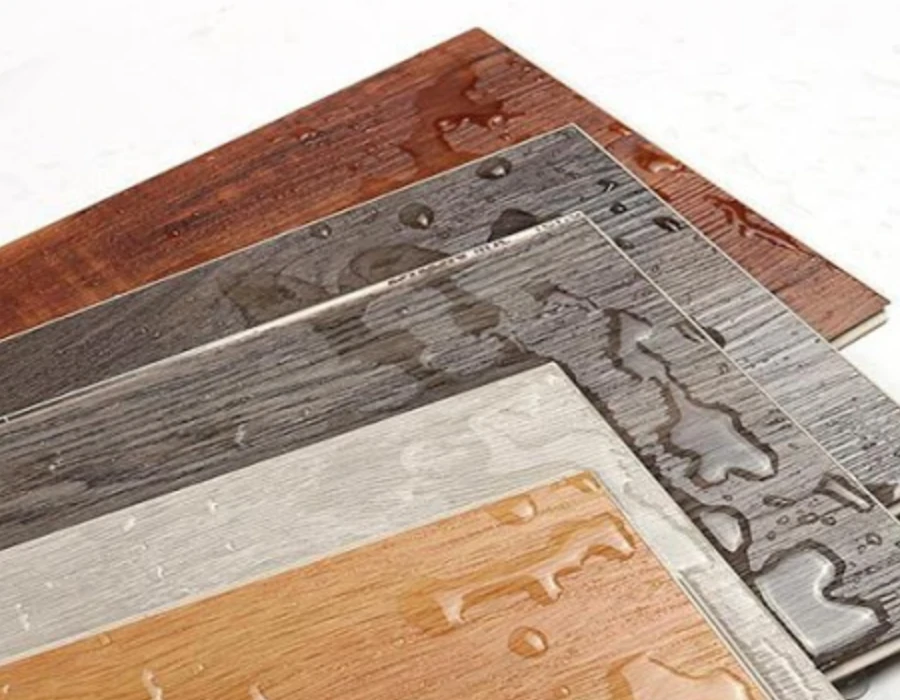
You’ve just received three quotes for the same SPC flooring spec — and the prices are far apart. One supplier offers $0.89/sqft. Another wants $1.45/sqft. A third quotes $2.10/sqft. Same thickness, same dimensions, same glossy product photos. So what’s going on?
SPC flooring specification and pricing structures don’t shift by accident. — they shift for specific reasons. Most buyers find out those reasons after a bad purchase. The gap between $0.89 and $2.10 isn’t random. It comes down to real differences: raw material quality, wear layer thickness, locking system precision, and factory certifications. These details don’t show up in the photos. They show up later — on the job site.
This guide breaks it all down. Stop comparing numbers. Start comparing value.
The data tells the story. SPC flooring prices range from $0.87/sq ft at wholesale bulk export rates to $6.99/sq ft at retail. Within a single brand’s catalog, list price spreads can hit 11 to 14 times the base price for the same core product.
That’s not a typo. Zalan’s collections show a base price of $1.99–$2.49/sq ft. Yet individual style listings reach $71.81/sq ft. Floor Factory marks products from $3.99 down to $1.79 after a 40% discount. Lowe’s stone composite tiles sit at $5.00–$6.99/sq ft for 27.6-mil wear layer specs.
Every one of those price points exists for a reason.
This guide has one goal: giving buyers — distributors, contractors, project developers — a clear framework to read those reasons before placing an order.
Here’s what drives the spread:
Wear layer thickness — 12-mil products ($1.79–$2.99) vs. 20–30-mil products ($1.99–$2.69 even on sale)
Supplier channel — Wholesale bulk export ($9.32–$17.50/sq m with 2,500 sq m MOQ) versus retail single-box pricing
Brand and collection positioning — Same factory output, different margin structures
Promotional discounting — 20–40% markdowns are standard. So “original price” benchmarks are often inflated
What Makes Up the Cost of SPC Flooring
Pull apart any SPC flooring price tag and you’ll find the same core components. But the proportion of each component is where prices split apart.
SPC flooring materials cost between $2.00 and $7.00 per square foot. The industry average sits at $4.50/sq ft. That $5 spread isn’t random — it ties to real, measurable physical differences in the product.
Here’s the full picture for 2025:
| Component | Low-End | High-End | Average |
|---|---|---|---|
| Materials | $2.00 | $7.00 | $4.50 |
| Installation | $1.50 | $4.00 | $2.75 |
| Total Installed | $3.50 | $11.00 | $7.25 |
That installed range — $3.50 to $11.00 — is what hits your project budget. The gap builds layer by layer, starting with the core.
The Four Variables That Move the Price
1. Plank thickness (4mm–7mm)
A 7mm plank uses about 75% more raw material than a 4mm plank. The SPC core — a compressed mix of limestone powder and PVC — costs more to produce at higher densities. Thickness alone can push material cost up to the $7.00/sq ft ceiling.
2. Wear layer specification
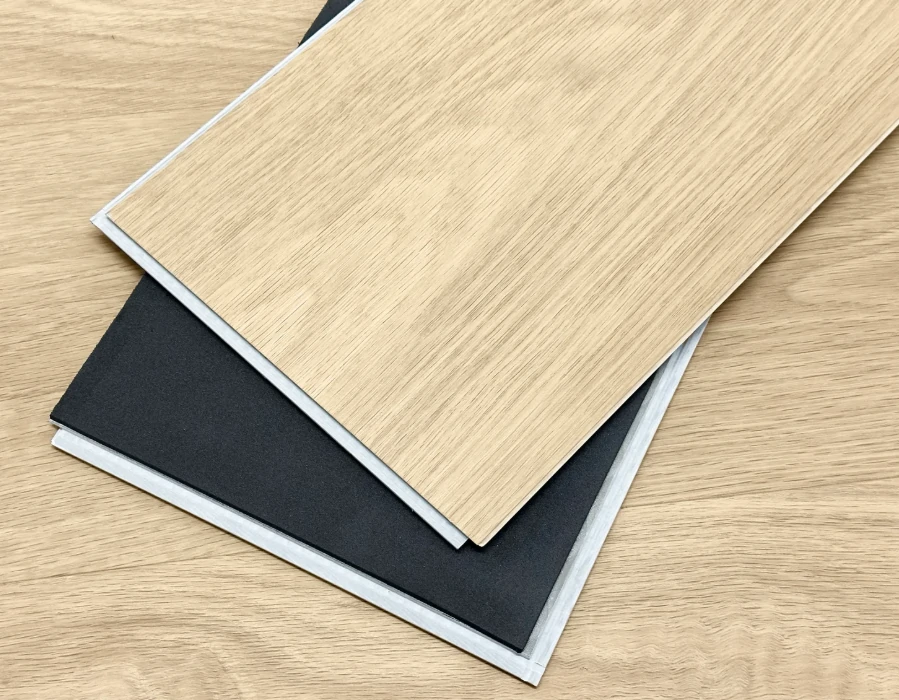
This is the most misunderstood cost driver. Wear layers below 0.3mm (12-mil) land at the budget end. Go above 0.3mm into commercial-grade territory and formulation costs climb fast. That’s a main reason premium SPC products reach $5.00–$7.00/sq ft in materials alone.
3. The SPC core vs. alternatives
The limestone-PVC composite core adds $0.50–$1.00/sq ft over a comparable WPC (wood plastic composite) product. That extra cost is structural. It’s what gives SPC its stability in different temperatures and its moisture resistance.
4. Surface treatment and UV coating
Premium embossed textures, registered embossing, and multi-layer UV coatings are not cosmetic extras. Each one adds processing steps — and those steps cost money. This is a real reason why high-end luxury vinyl plank pricing pulls away from base-tier products, even inside the same supplier’s catalog.
For context: Standard vinyl flooring runs $1.00–$4.00/sq ft in materials. Hardwood sits at $8.00–$15.00/sq ft. SPC’s $2.00–$7.00 range puts it in the performance-value middle ground — but that only holds when the spec matches the price.
The retail market backs this up. Look at Zalan’s Sawatch Collection — listed at $4.99/sq ft, discounted to $1.99. The Mountains Collection drops from $4.99–$5.99 down to $2.49 on promotion. Those original prices aren’t padding. They reflect the full material cost stack before channel margins and promotions compress what you see on the shelf.
The takeaway is simple: that price tag isn’t just a number. It’s a set of decisions — about thickness, wear layer, core composition, and surface finish — made somewhere up the supply chain. The real question is whether those decisions match what your project needs.
How Factory Scale and Production Efficiency Drive Price Gaps
Factory size isn’t just an operational detail. It’s a pricing variable — and most buyers never think to ask about it.
Here’s the math that matters: a manufacturer running at 95% yield rate (950 good units per 1,000 produced) works in a very different cost world than one running at 70%. That 25-point gap doesn’t just vanish. It lands in the price you’re quoted.
The efficiency formula is straightforward:
% Utilization × % First Quality × % Rate = Manufacturing Efficiency
Every point of underperformance in that formula becomes a cost. Someone pays it. Most of the time, that’s you.
Scale Creates Structural Cost Advantages
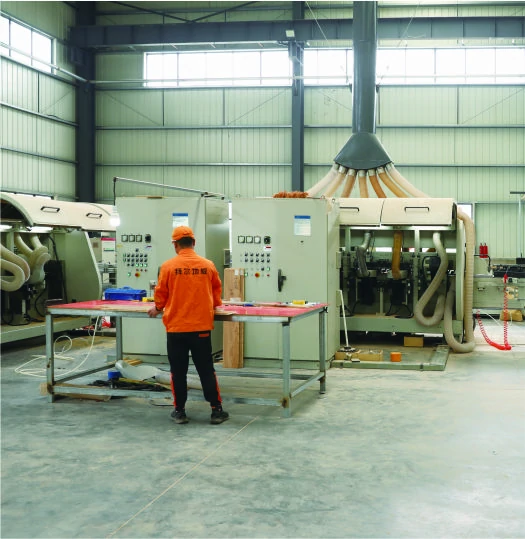
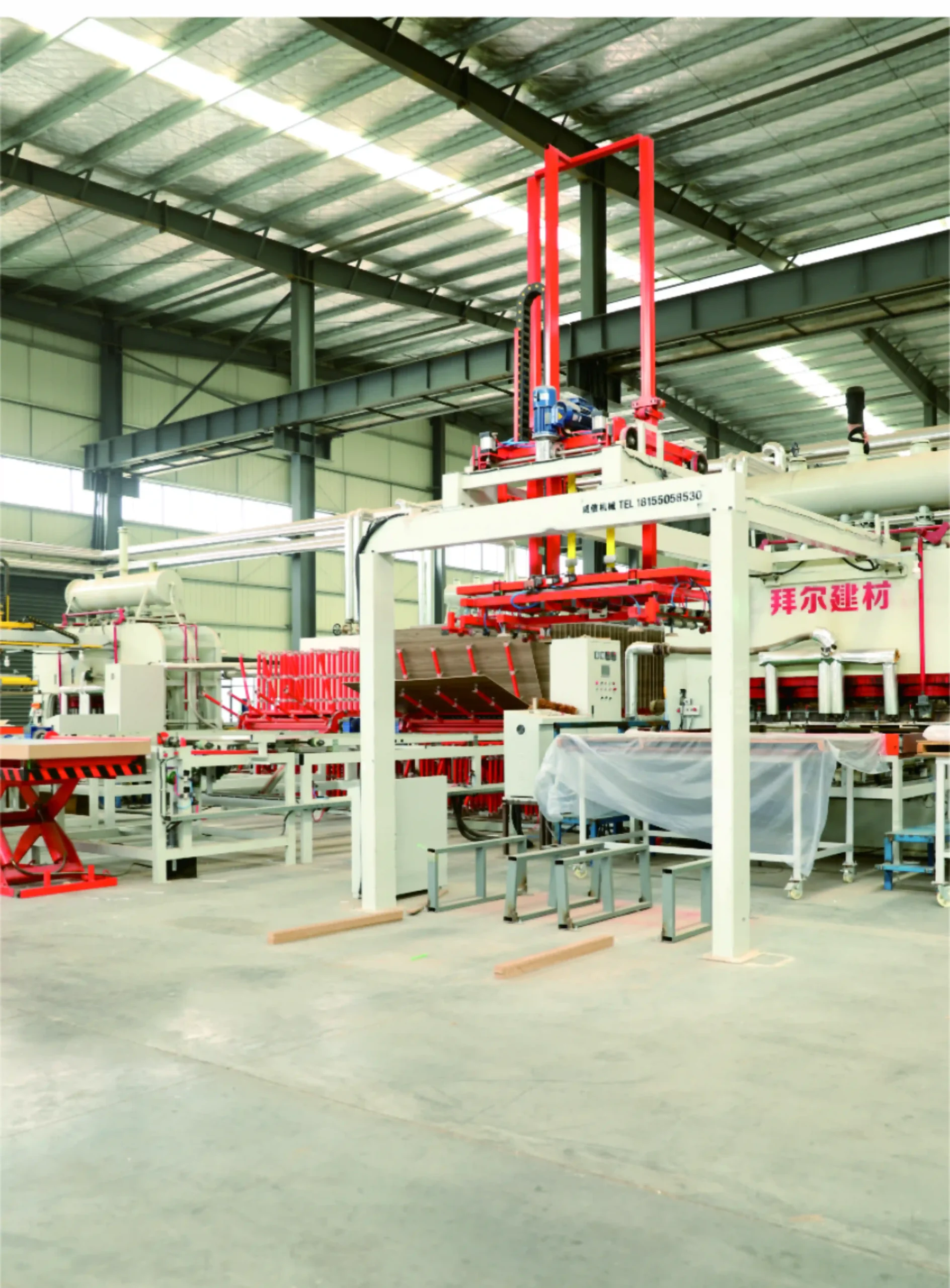
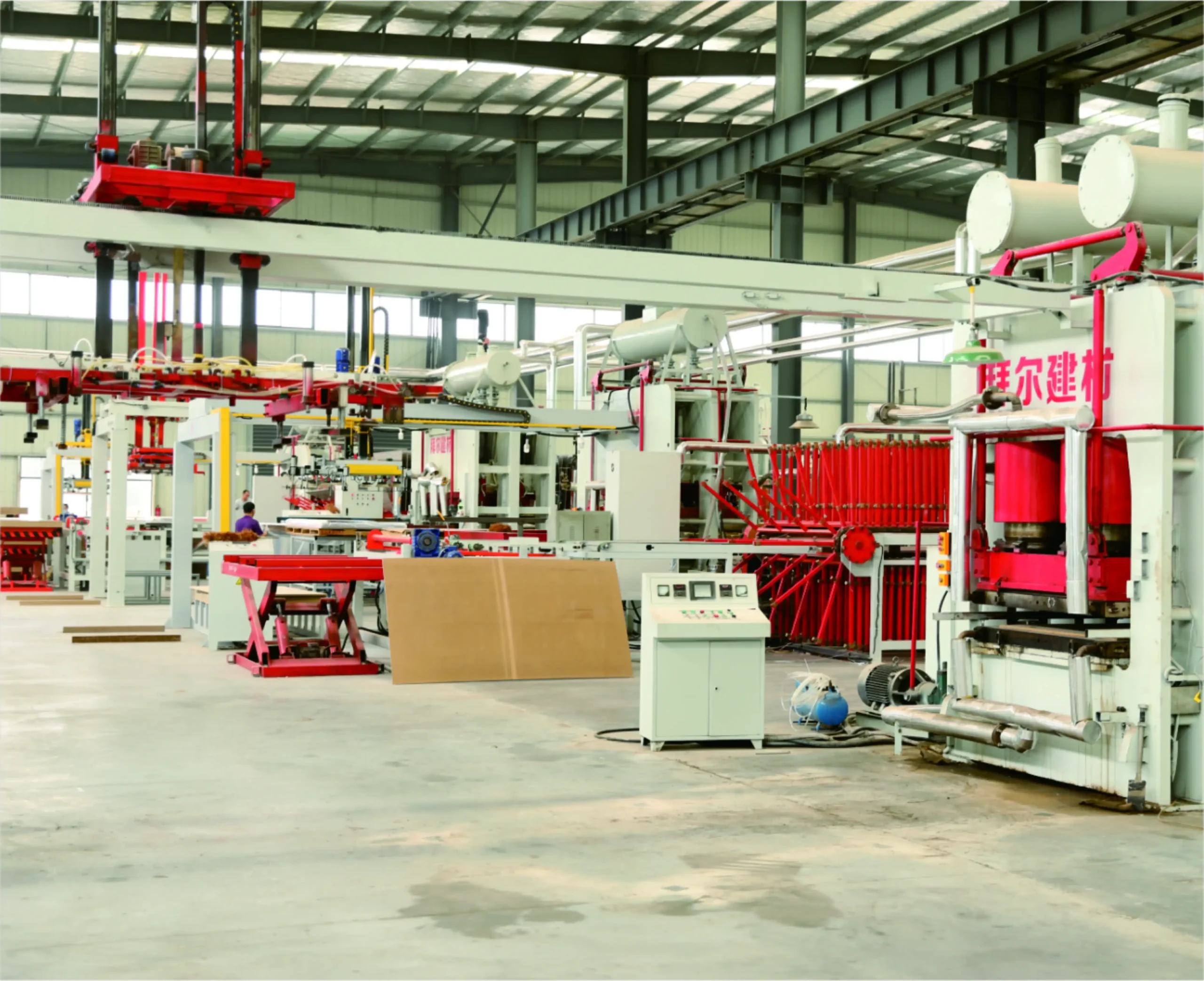
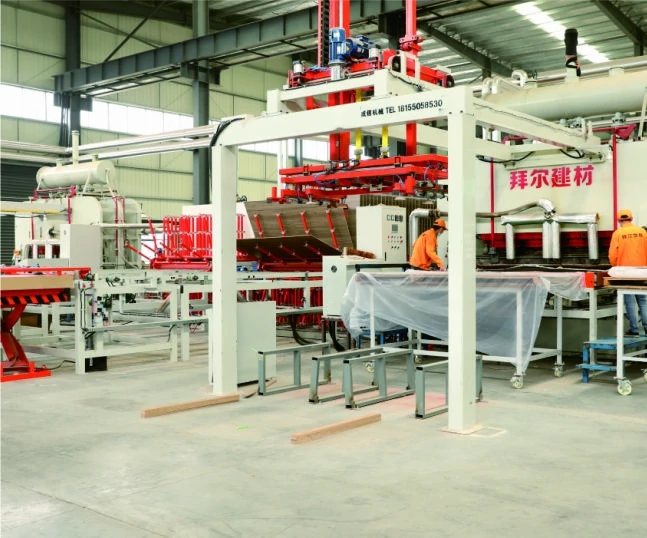
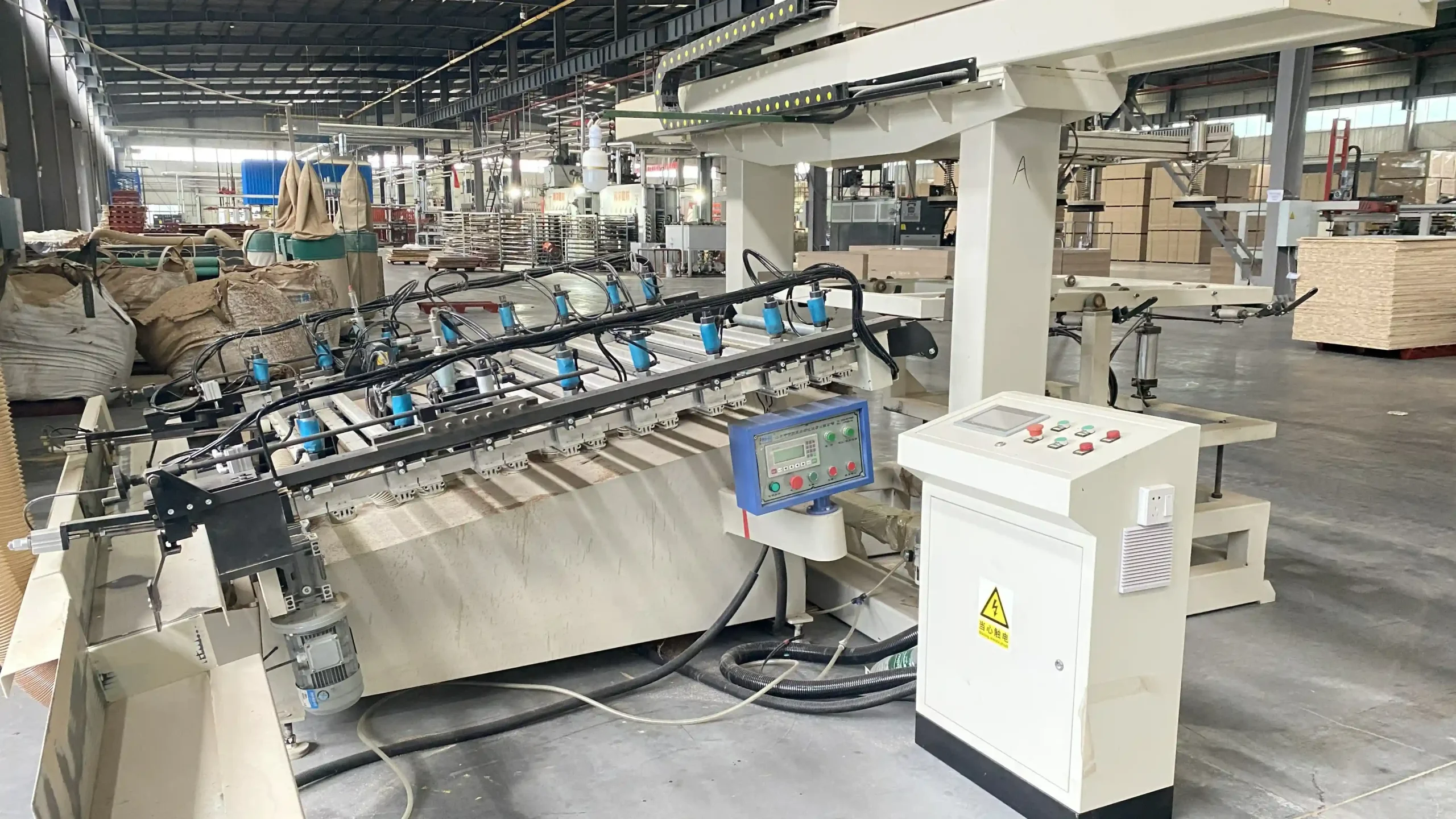
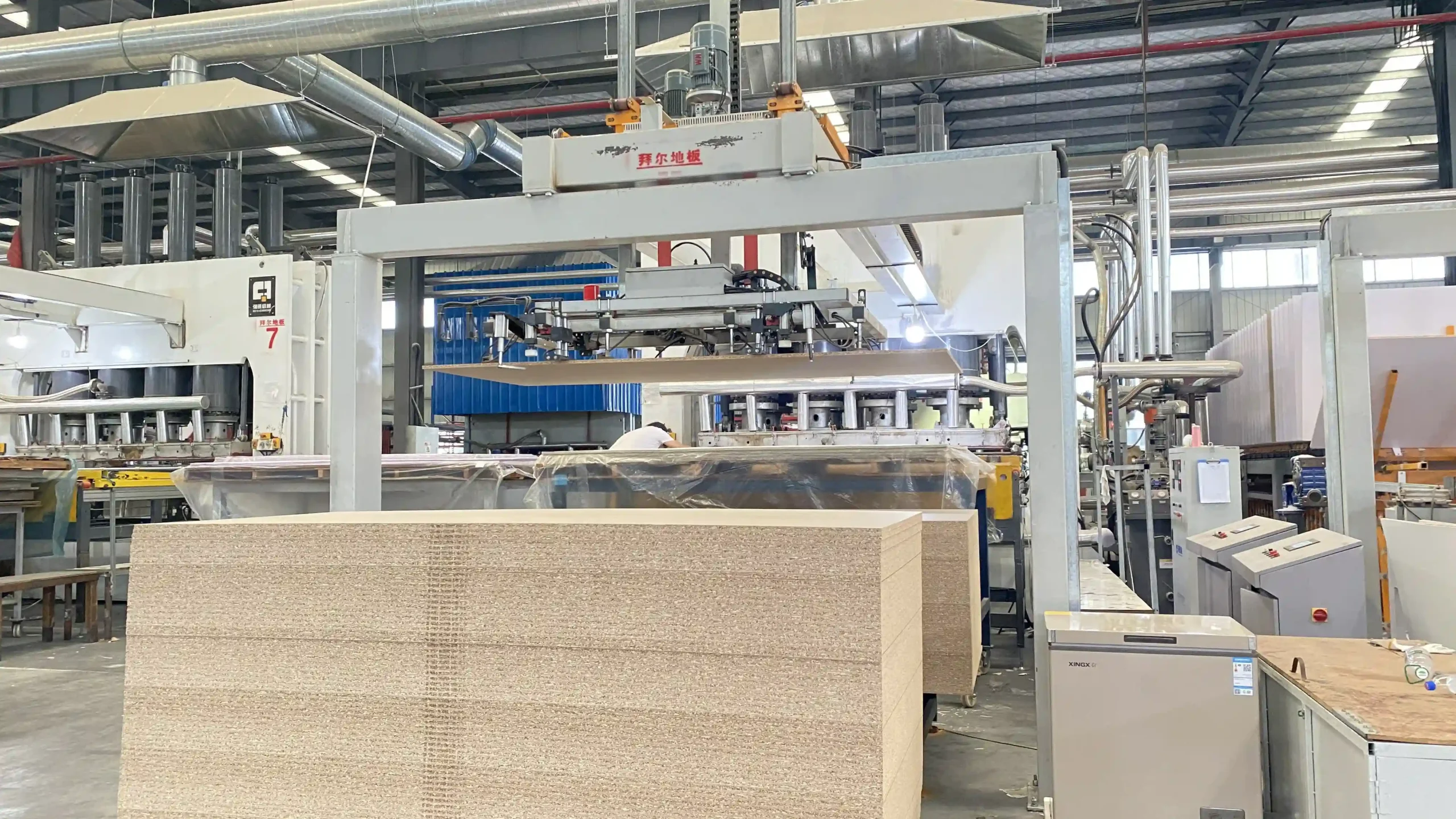
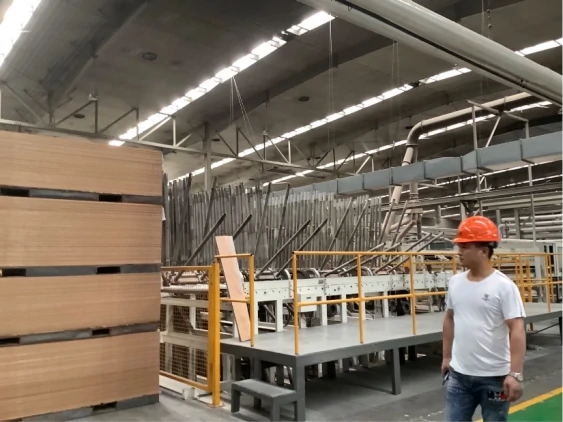
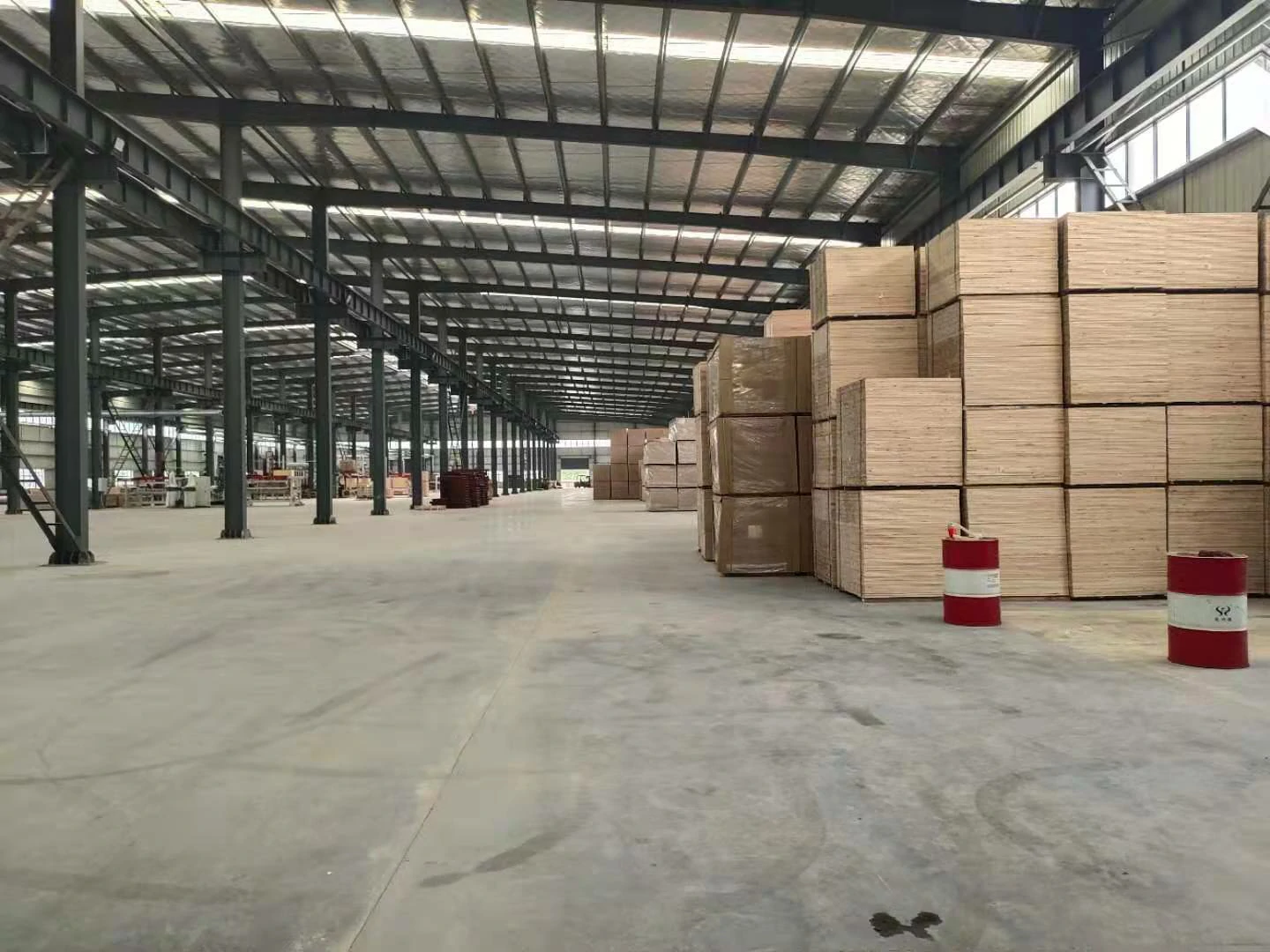
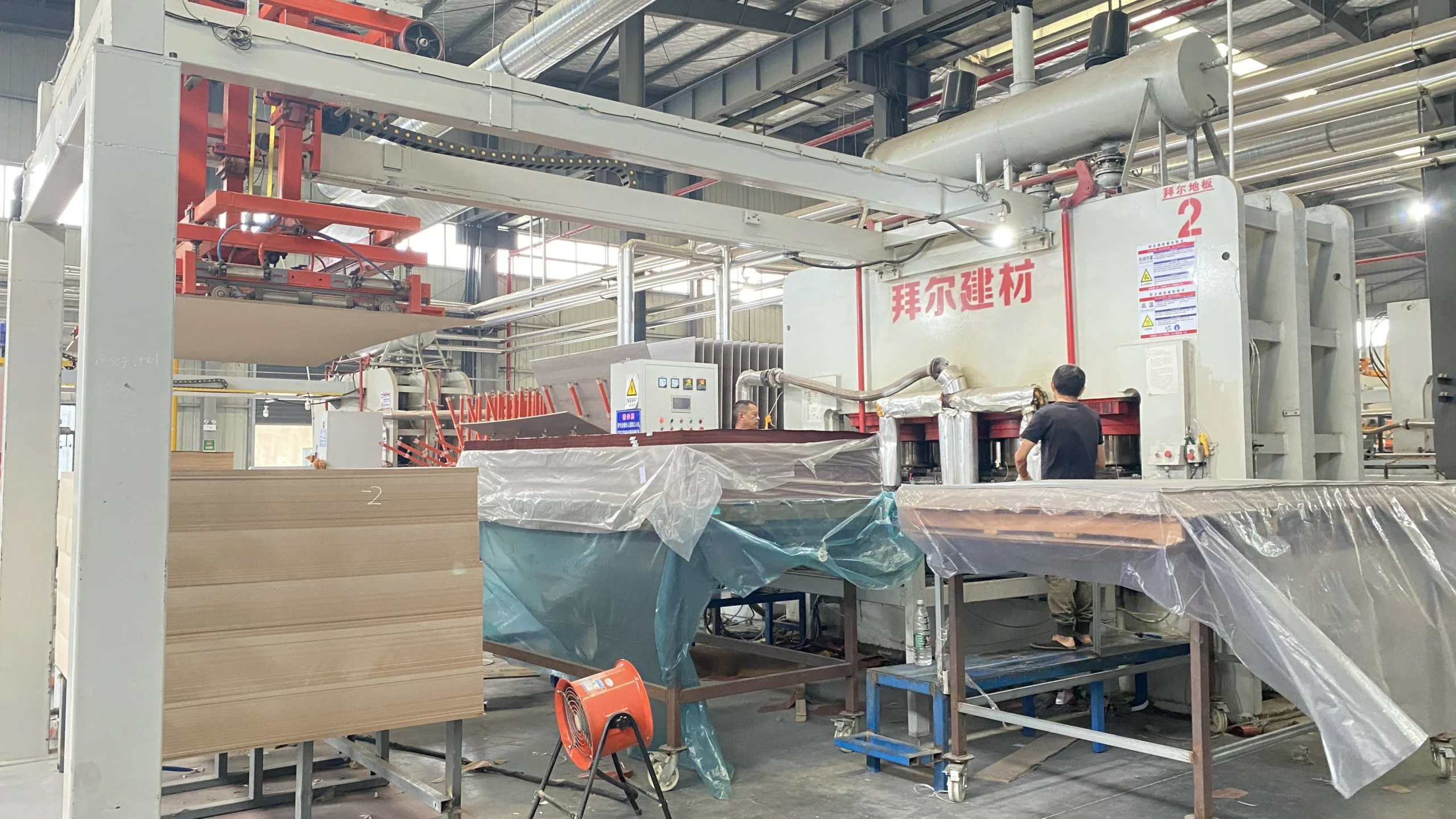
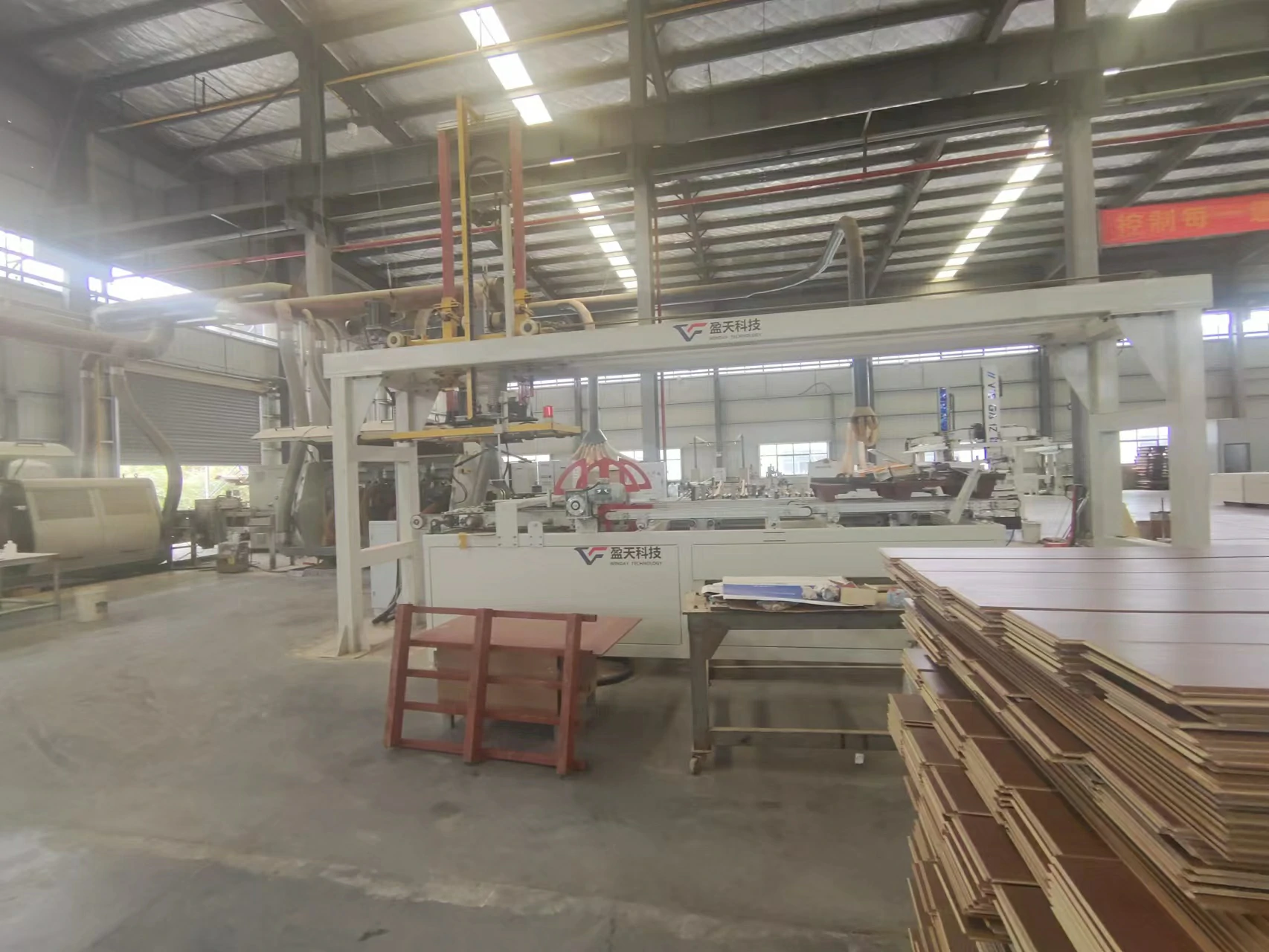
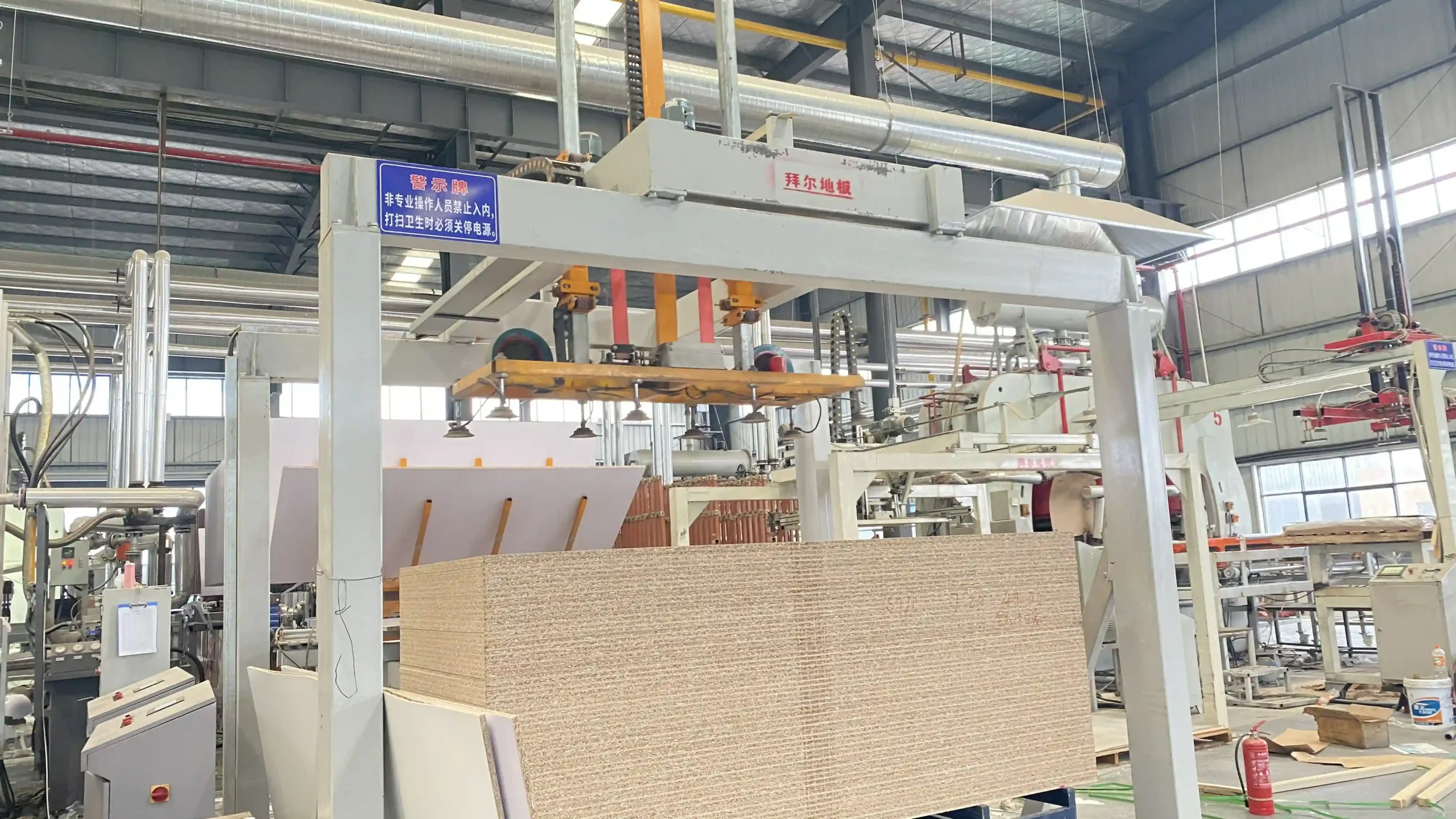
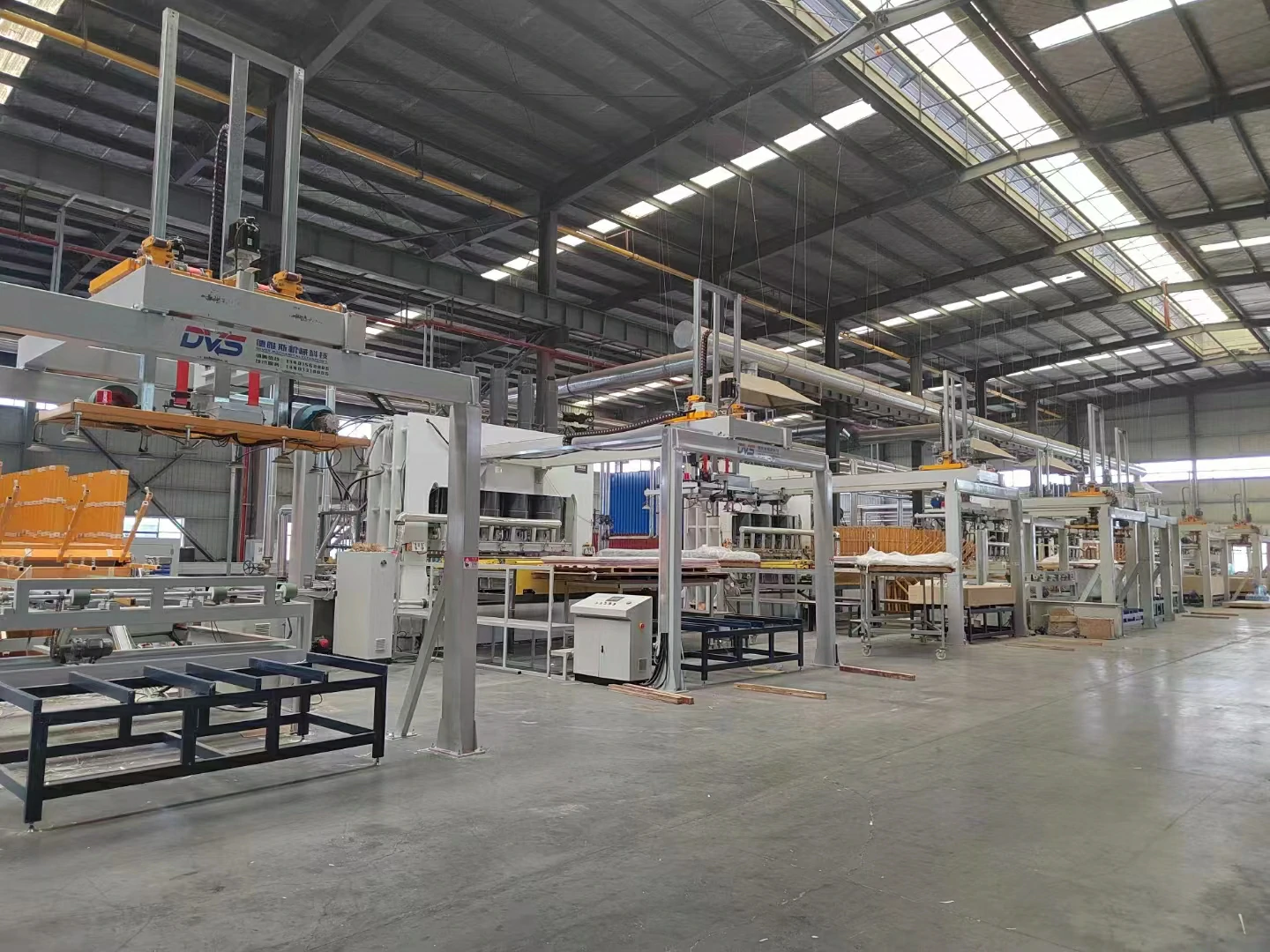
Large-scale manufacturers operating verified SPC production facilities with continuous extrusion lines gain structural cost advantages. Material flows without interruption. Equipment stays calibrated. Operators have run the same process thousands of times. All of this pushes First Pass Yield (FPY) higher — and higher FPY means less waste, shorter lead times, and lower unit costs.
Smaller or poorly optimized factories face the opposite. Quality failures alone can eat up to 30% of manufacturer revenue. That loss has to go somewhere. It shows up as inflated pricing or cheaper material specs.
Look at the numbers: a facility producing 120 sq ft of finished SPC for $500 lands at $4.17/sq ft. A less-efficient line producing 100 sq ft for the same input cost hits $5.00/sq ft. That’s a 20% cost gap — and profit margins, logistics, and certifications haven’t even entered the picture yet.
Rigid core vinyl flooring buyers comparing supplier quotes won’t see this gap in spec sheets. But it surfaces in delivery reliability, batch-to-batch consistency, and defect rates on arrival.
The suppliers quoting you the lowest SPC flooring prices aren’t always passing real savings along. Some are running inefficient operations and cutting material costs to make up the difference.
The Hidden Variables: Wear Layer, Locking System, and Surface Finish
Three products. Same thickness. Same dimensions. Same glossy photo. But one lasts 10 years and one lasts 25. The difference comes down to specifications most buyers never think to ask about.
This is where SPC flooring quality becomes real — and where the price gap between $3/sqm and $8/sqm starts to make complete sense.
Wear Layer: The Number That Determines Lifespan
The wear layer is the clear protective surface on top of every SPC plank. It’s measured in millimeters — or mils. Most suppliers don’t make this easy to compare, so here’s the conversion you need:
0.3mm = 12mil. 0.5mm = 20mil. 0.7mm = 28mil.
Those aren’t just numbers. They’re lifespan brackets.
| Wear Layer | Best For | High-Traffic Lifespan | Price Delta (per sqm) |
|---|---|---|---|
| 0.3mm (12mil) | Bedrooms, light residential | 10–15 years | Baseline ($2–$4) |
| 0.5mm (20mil) | Kitchens, hallways, pets, kids | 15–25 years | +20–40% ($2.50–$6) |
| 0.7mm (28mil+) | Retail, schools, airports, hospitals | 25+ years | +50–100% ($3.50–$8+) |
Put a 12-mil floor in a high-traffic kitchen. It shows scratches within 5–7 years. A 20-mil floor in that same space holds up for two decades. That’s not a small difference — it’s a full replacement cycle. You’re either paying for it now or paying for it later.
The 0.5mm tier is the industry sweet spot for busy residential and light commercial projects. It handles pets, children, and daily kitchen wear without the cost of commercial-grade 28-mil specs.
Premium wear layers carry aluminum oxide reinforcement — this boosts scratch resistance by up to 50%. Add ceramic bead technology, and you get a surface that holds up under heavy foot traffic. Budget products skip both. The wear layer looks the same in a product photo. On a job site, the performance gap is obvious.
Locking System: The Cost You Don’t See on the Spec Sheet
Most buyers miss this completely: the locking system adds cost — and that cost shapes installation speed, floor stability, and long-term performance.
Two types dominate the market.
Standard click systems use basic tongue-and-groove mechanics. Manufacturing cost runs 5–10% lower. No royalties. No licensing fees. But in spaces with humidity swings, standard locks develop gaps — sometimes 0.5mm to 1mm — as the floor expands and contracts.
Patented locking systems such as Unilin angle-lock technology operate at tighter mechanical tolerances. The 5G angle-lock technology holds tolerances 20–30% tighter than standard systems. Installation moves faster too — 30 to 45 minutes per room versus 60 to 90 minutes with standard systems. That precision comes at a price:
- Manufacturing cost rises 15–25% due to precision tooling requirements
- Royalty fees of $0.20–$0.50/sqm get built into the final price
- Total price impact: +15–30% at retail, or $0.50–$1.50/sqm added to what you pay
A supplier quotes you a low rigid core vinyl flooring price? The locking system is often where they cut costs. A cheaper lock looks fine on installation day. Six months later, as humidity shifts, the gaps appear.
Surface Finish: Where “Same Look” Hides Real Cost Differences
Two floors can look close to identical at a trade show. One costs 40% more. The gap sits in three finish specifications most buyers never dig into.
UV Coating Thickness
Thicker, built-in UV coatings add 10–20% to production cost. In return, you get 2–3x better scratch and UV resistance, plus up to 50% less fading compared to budget products over a few years. The cost is real. So is the protection.
Print Resolution
High-resolution printing (4,000 DPI+) versus standard resolution (1,200 DPI) adds 15–25% to cost. The payoff is realistic wood and stone visuals that hold up under close inspection. Low-resolution prints dull 30% faster as the wear layer thins. Something that looks sharp on day one can look cheap by year three.
Backing Material
| Backing Type | Cost Impact | Key Performance |
|---|---|---|
| IXPE Foam | Baseline | 20–30% better sound/thermal insulation; R-value ~1.0 |
| EVA Closed-cell | +20–40% | 50% better indentation resistance; superior moisture blocking |
The backing affects how the floor feels underfoot. It shapes how sound travels through a room. It also determines how the plank holds up under heavy furniture. Budget suppliers go with the cheaper option. Premium SPC flooring builds in the assumption that the backing does its job — and IXPE or EVA both carry a real price tag.
Put the full picture together:
A 12-mil basic SPC plank with standard lock, low-res print, and EVA backing might cost $3/sqm. Step up to a 20-mil wear layer, patented locking, premium UV coating, high-res print, and IXPE backing — you’re at $5/sqm or more. That’s a 40–60% price gap on products that look close to identical in a catalog photo.
The luxury vinyl plank pricing difference isn’t supplier markup. It’s specification. Know what you’re buying.
Why “Same Spec” Quotes from Different Suppliers Are Never Apples-to-Apples
Three quotes. Same spec sheet. Wildly different numbers. Here’s the uncomfortable truth: the spec sheet is the least reliable thing in that conversation.
“Same spec” is one of the most misleading phrases in SPC flooring procurement. What looks identical on paper can represent entirely different products in reality — and experienced suppliers know how to use that ambiguity to their advantage.
The Spec Sheet Is a Starting Point, Not a Guarantee
Take wear layer thickness. A supplier lists “0.5mm” on the quote. Sounds simple. But here’s what they won’t tell you: that 0.5mm figure often includes the UV coating layer on top. Strip that out, and the actual wear layer you’re buying could be closer to 0.3mm. That’s a 12-mil floor pretending to be a 20-mil floor. The performance gap will cost you a full replacement cycle down the road.
The same problem hides in core density. A standard-quality SPC core should hit ≥1.4g/cm³. Many budget quotes leave this number out entirely. They’re not lying. They’re just not telling you everything.
Formaldehyde emission standards follow the same pattern. A solid quote specifies E0 or E1 compliance (≤0.124mg/m³). A rushed quote skips it altogether.
Why Pricing Formats Create False Comparisons
The quote structure itself creates confusion — separate from the specs.
Lump-sum pricing is a single number with no cost breakdown. You can’t see labor rates, batch size assumptions, or material cost benchmarks. One supplier quotes on a 500-unit run. Another prices for 5,000 units. The per-unit difference can swing 20–50% on order volume alone.
Here’s how the numbers play out:
– 100 units: ~$10/piece
– 1,000 units: ~$7/piece
– 10,000 units: ~$5/piece
Two suppliers quoting different batch sizes aren’t giving you comparable prices. You’re not comparing apples to apples. You’re comparing apples to shipping containers.
OEM Label vs. Brand Name: The 30–50% Silent Markup
Most buyers never dig into this price gap. The same physical product — same factory, same production line, same materials — can carry a 30–50% price difference. The only variable? Whether it ships with a brand label or as an OEM product.
Branded pricing builds in marketing overhead, distribution margins, and brand equity. OEM pricing models — often detailed in discussions of private label SPC manufacturing programs — exclude those marketing layers. Neither quote is dishonest on its own. But get both without knowing which is which, and the comparison falls apart.
The fix is direct: send a standardized RFQ. Spell out exact quantities, density requirements (≥1.4g/cm³), emission standards, wear layer measurement method, and delivery terms. Every supplier responds to the same brief. The real differences — and the real value — show up clearly.
The Low-Price Trap: What Cheap SPC Flooring Really Costs You
Case studies on SPC flooring failure analysis in low-cost installations consistently show that cheap flooring delays the real bill.
Here’s what happens when buyers choose the $2–$3/sq ft tier: the material looks fine in the catalog. It arrives on time. Installation goes smoothly. Then, six months later, the floor starts showing problems — warping at the seams, fading under foot traffic, and in some cases, failing compliance tests in markets that require CE marking under European Commission regulations..
That’s the trap. The savings are upfront and visible. The costs come later and keep growing.
What’s Inside a $2–$3/sq ft SPC Plank
Low-end SPC pricing isn’t magic. It follows a formula. Manufacturers use high calcium powder filler to cut PVC content. They add recycled PVC inputs that carry real VOC risk. The wear layer is thin — it loses color and texture within three years of normal residential use.
The core gets brittle under load. The expansion rate turns unstable. Warping after installation isn’t a defect. It’s the expected result of that formula.
The Real Number: Total Cost After Installation
Run the math on a 1,000 sq ft project. The “savings” disappear fast:
| Scenario | Material Cost | Hidden Add-ons | True Total |
|---|---|---|---|
| Low-end ($2/sq ft) | $2,000 | $3,000–$5,000 | $5,000–$7,000 |
| Premium ($5/sq ft) | $5,000 | $500–$1,000 | $5,500–$6,000 |
Those hidden add-ons are real, not guesswork:
- Click-lock failure rework: Cheap locking systems fail at a 20–40% rework rate. That adds $1,000–$2,000 in labor alone — or $1–$2/sq ft in pure waste.
- Compliance violations: Non-compliance with CARB Phase 2 formaldehyde emission standards can trigger fines starting at $5,000 per violation. in EU and US markets. Add $2,000+ in health remediation costs on top of that.
- Subfloor prep from warping: Cheap installs leave uneven surfaces. Fixing them adds $0.50–$2.00/sq ft before the next floor goes down.
- Material waste and cuts: Budget 5–10% extra — another $100–$300 on a mid-size project.
The bottom line: picking $2/sq ft over $5/sq ft looks like a $3,000 saving. After rework and prep costs, you’re net negative by $500. That’s a 200% effective cost increase on the so-called “savings.”
The Lifespan Math Nobody Shows You
Low-end SPC flooring lasts a realistic 2–5 years in light residential use. Mid-range ($3–$5/sq ft) stretches to 10+ years. Premium commercial-grade ($5–$7/sq ft) holds up 15+ years in high-traffic environments.
Take a 1,000 sq ft commercial office at $5/sq ft — total installed cost around $8,500. Compare that against two full replacement cycles of cheap flooring. The durability gap isn’t small. It’s decisive.
Pick your tier based on the actual use case:
- $2–$3/sq ft: Low-traffic rentals, short-term projects, disposable installs. Go in expecting a 2–5 year lifespan and budget for replacement.
- $3–$5/sq ft: Residential homes and moderate-use spaces. This is the sweet spot for lifecycle value.
- $5–$7/sq ft: Offices, retail, commercial spaces. The durability holds up under heavy traffic, and the premium pays for itself at scale.
The lowest SPC flooring price isn’t the cheapest option. It’s often the most expensive one — just billed in installments.
How to Decode a Supplier’s Price: A Practical Checklist for B2B Buyers
Most buyers treat a supplier quote like a final answer. It isn’t. It’s an opening position — and knowing how to read it changes everything.
The goal here isn’t to negotiate the lowest number. You want to understand what the number means, then negotiate from a position of real knowledge. Here’s the framework.
Step 1: Standardize Before You Compare
Never compare raw quotes. Suppliers know which specs confuse buyers — and some use that confusion on purpose. Before any comparison, run every quote through the same alignment check:
| Dimension | What to Verify |
|---|---|
| Thickness | Exact mm spec — not a range |
| Wear Layer | Actual wear layer (UV coating excluded) |
| Lock Type | Click or angle-lock; patented vs. standard |
| Certifications |
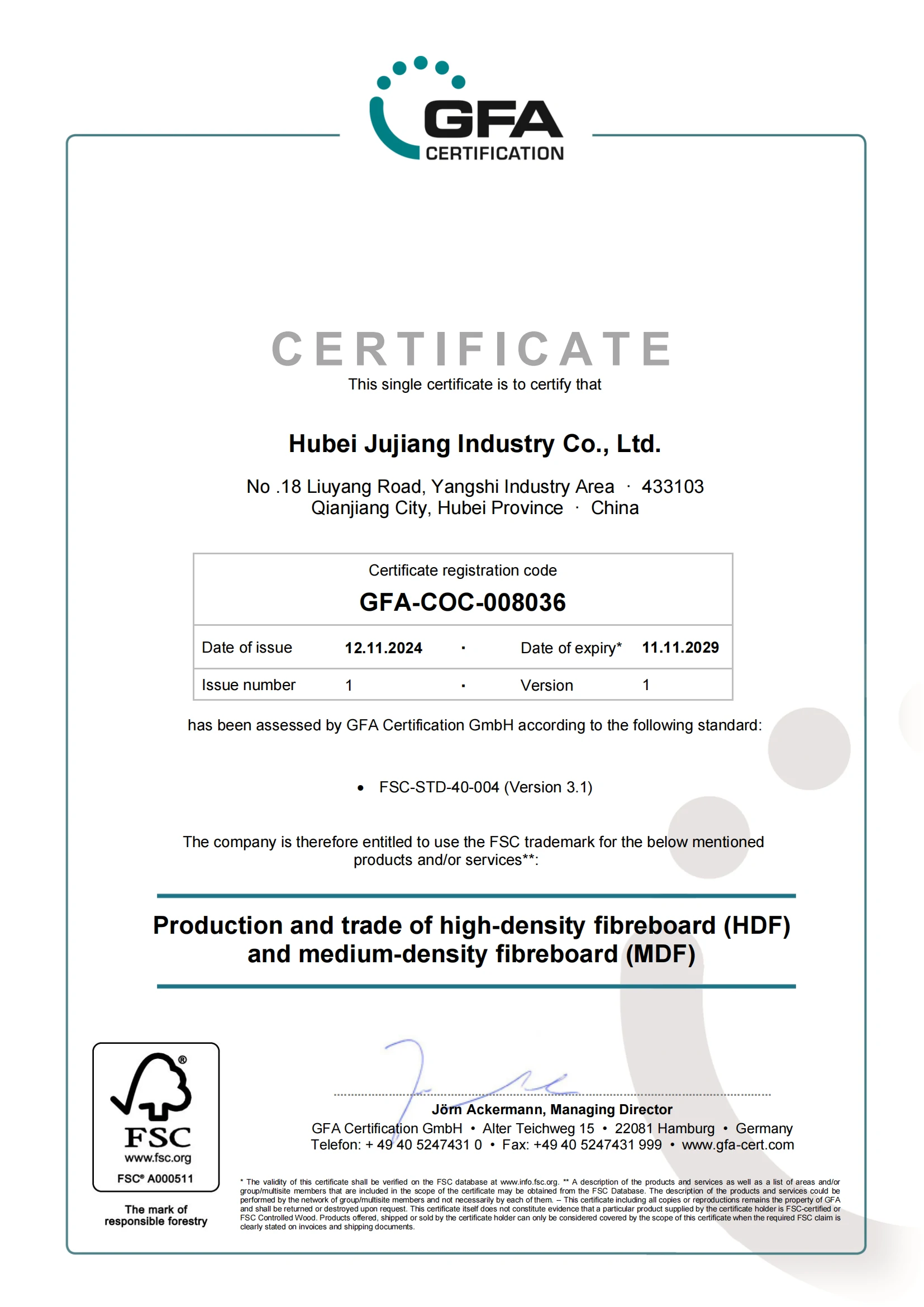
CARB Phase 2, FloorScore, and verification from independent testing organizations such as SGS — must be documented, not self-declared. |
| Packaging | Units per pallet, protection rating |
| Trade Terms | FOB vs. CIF; Incoterms spelled out |
Two quotes that survive this check are comparable. Two that don’t are guesswork.
Step 2: Know Your Numbers Before the Conversation Starts
Research material costs — wholesale rates, transport, packaging — before you contact a single supplier. Pull quotes at multiple volume tiers: 500 units, 2,000 units, 10,000 units. The per-unit gap across those tiers can swing 20–50%. That data becomes your anchor.
Set three positions before any negotiation:
– Target price — what you want
– Acceptable floor — the minimum quality threshold you won’t cross
– BATNA — your second supplier, ready to deploy
No real BATNA means no leverage. You just have a preference.
Step 3: Negotiate the Total Package, Not Just the Unit Price
Once pricing lines up, work the terms. Prepay discounts cut costs. Net-10 arrangements save 1–2% off the invoice. Volume commitments and long-term contract pricing also lower your effective cost — often by more than the unit price negotiation does.
Must-haves go first. Compliance standards, delivery deadlines, and certified density specs (≥1.4g/cm³) are non-negotiable. Get those locked down in writing before you discuss any concessions.
The buyer who walks in knowing their specs, their alternatives, and their limits doesn’t get sold. They get what they came for.
What a Fair SPC Flooring Price Looks Like in 2025
Fair doesn’t mean cheap. It means the price reflects what you’re getting.
In 2025, retail SPC flooring materials run $2.00–$7.00/sq ft. The industry average sits at $4.50. That range isn’t random — it ties to grade, channel, and volume.
Here’s the breakdown by application:
| Grade | Thickness | Price Range (materials) |
|---|---|---|
| Residential | 4mm, standard | $2.00–$4.50 |
| Light Commercial | 5–6mm + UV coating | $3.50–$5.50 |
| Heavy Commercial | 7mm+, wear layer focus | $5.00–$7.00 |
Where you buy matters as much as what you buy.
- Factory-direct from manufacturers starts at $2.00–$4.00
- Local distributors add 20–50% for inventory and logistics — pushing quotes to $3.50–$6.00
- Brand and e-commerce channels land anywhere from $3.00–$7.00, based on order volume
So the same product can carry a very different price tag depending on who sells it to you.
The Red Lines Every Buyer Should Know
For orders above 500 sq ft, a 10–20% discount off the listed retail is standard. Push for 20–30% with a volume commitment — that’s still credible territory.
Drop below $1.60–$2.00/sq ft on wholesale-equivalent pricing below? That’s where quality starts to fall apart. Expect thin cores under 4mm, no UV coating, and defect rates that show up at the job site — not on the spec sheet.
The installed cost floor matters too. Any total installed price under $3.00/sq ft is a warning sign — not a bargain.
Conclusion
Price confusion in the SPC flooring market isn’t accidental — it’s structural. Suppliers aren’t quoting the same product at different prices. They’re quoting different products using the same spec sheet.
The buyers who get burned aren’t the careless ones. They trusted numbers without knowing what those numbers mean. Now you do.
Here’s what to bring into your next supplier conversation: SPC flooring prices reflect real decisions. Those decisions cover wear layer thickness, raw material purity, locking system precision, and whether a factory can back its claims with certifiable data. Every dollar of price gap has a story. Your job is to make suppliers tell it.
Don’t chase the lowest rigid core vinyl flooring price. Chase the clearest answer to why it’s priced that way.
Ready to compare suppliers with confidence? If you need a transparent breakdown of what a verified factory quote should include, request a detailed SPC cost specification review.
The right floor starts with the right question.