How To Read Spc Wear Layer Specifications Correctly

SPC Flooring

That number printed on the spec sheet — 6 mil, 12 mil, 0.3mm — looks simple enough. Misread it once, though, and you’ve installed a residential-grade floor in a high-traffic entryway. Scratch patterns show up within a year. That’s an expensive lesson.

Commercial-grade SPC rigid core panels follow a specific logic. Once you grasp that logic, the gap between a smart purchase and a costly mistake becomes clear.

This guide breaks down how to decode those numbers:

  • What the units mean

  • How thickness translates to real-world durability

  • How to match SPC rigid core flooring specs to your space — whether that’s a quiet bedroom or a busy commercial area

SPC flooring specifications follow a clear structure. They’re built around a few key data points: wear layer thickness, abrasion class, material composition, and verified test results. Connect these pieces, and you move from guessing to buying with confidence.

Here’s the framework to use every time you evaluate a 0.55mm wear layer commercial vinyl flooring wear layer spec:

Step 1: Confirm the thickness unit and value
Wear layers are listed in mils or millimeters. Common commercial grades land at 0.3 mm, 0.5 mm, or 0.7 mm. For residential use, 10 mil (0.25 mm) handles normal everyday wear. Short-term or rental installations can work with under 4 mil — plan for about five years of usable life. High-traffic spaces — restaurant dining rooms, hotel lobbies, busy retail floors — need 20 mil (0.5 mm) or above.

Step 2: Cross-check the wear layer against total plank thickness
A 0.3 mm wear layer on a 4.0 mm total plank is standard residential. A 0.7 mm wear layer on a 6–8 mm core points to genuine commercial grade wear layer construction.

Step 3: Verify the abrasion resistance rating
Look for Taber Abrasion test results (ASTM or EN standard). Ratings of AC4 through AC6 confirm the SPC flooring durability rating holds up under independent testing. That’s actual lab data — not just the manufacturer’s claim.

Step 4: Demand third-party documentation
Self-issued reports don’t count. Ask for full lab reports from accredited testing facilities. They should be issued within the last two years and apply to the current product batch specifically.

Step 5: Check residual indentation
Under static load (EN 433), indentation must not exceed 0.10 mm. A mean of 0.01 mm is the benchmark for quality SPC rigid core flooring.

Run every spec sheet through these five checkpoints. That’s the whole framework.

1. Wear Layer Anatomy: Structural Role & Failure Mechanism

13b0c71c fbe2 4bf9 9878 e22186659db9

Most floor failures don’t start at the bottom. They start at the top.

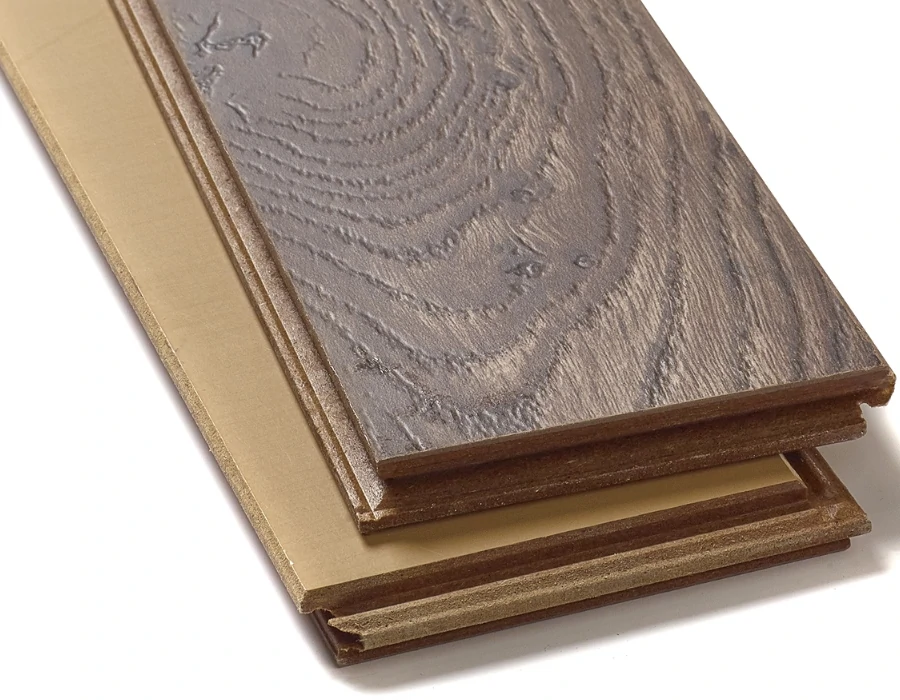
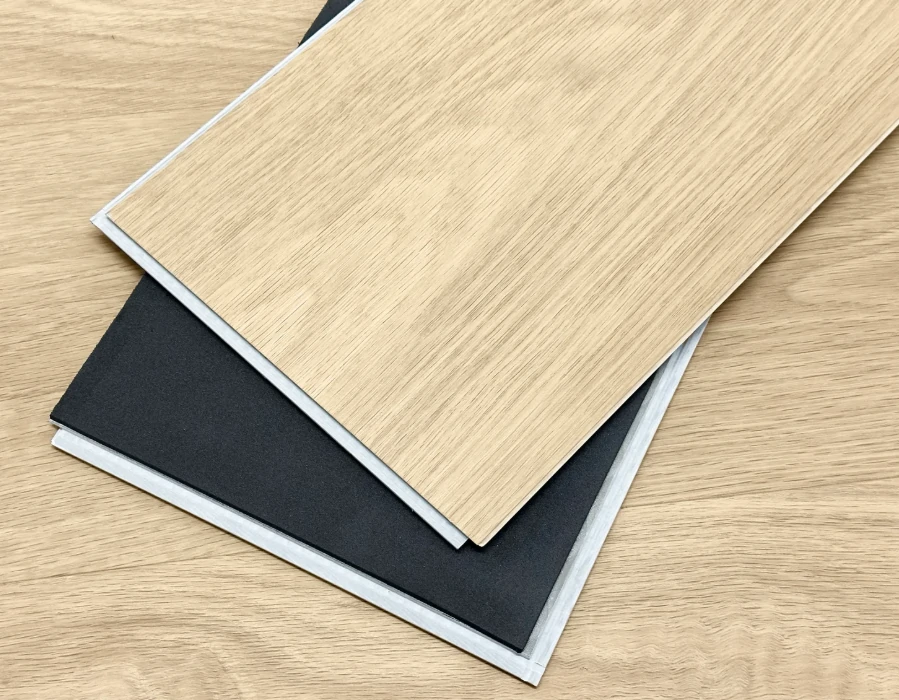
The wear layer is the clear protective coating that sits just above the decorative image layer in your SPC floor. It’s the barrier between your floor’s printed pattern and everything life throws at it — grit from outside, dragged chair legs, spilled coffee, the constant grind of foot traffic.

Where it lives in the stack:

UV coating → Wear Layer → Decorative/Image Layer → SPC Rigid Core → Backing Layer

That position matters. The wear layer protects the image layer from above. The core handles structural stress from below. Neither one does the other’s job.

What the Wear Layer Does

Four things:

Abrasion resistance — blocks grit and dirt from grinding the pattern underneath into nothing

Scratch and dent resistance — absorbs minor impacts before they cut into the core

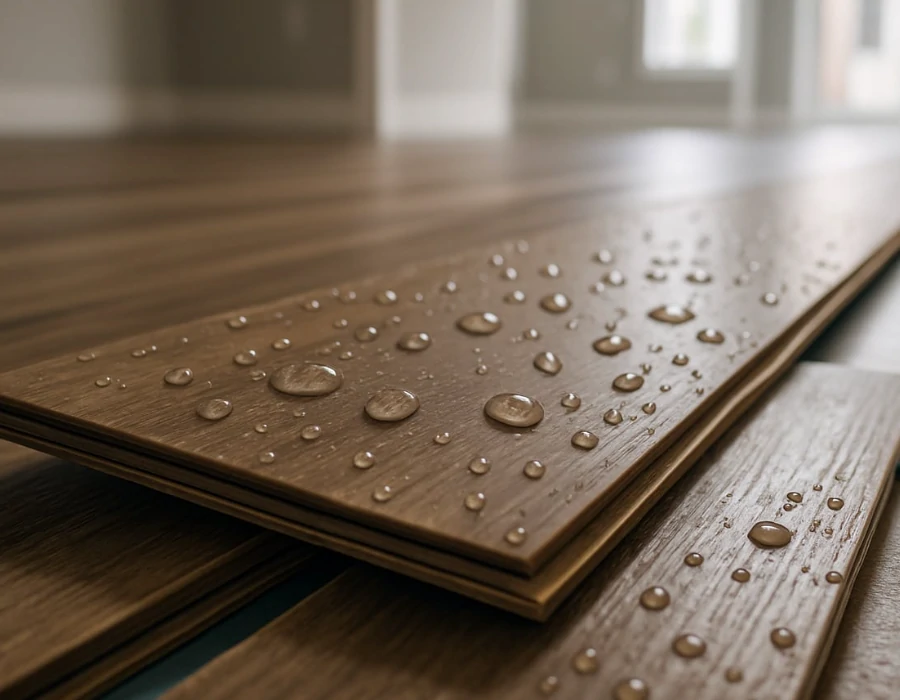
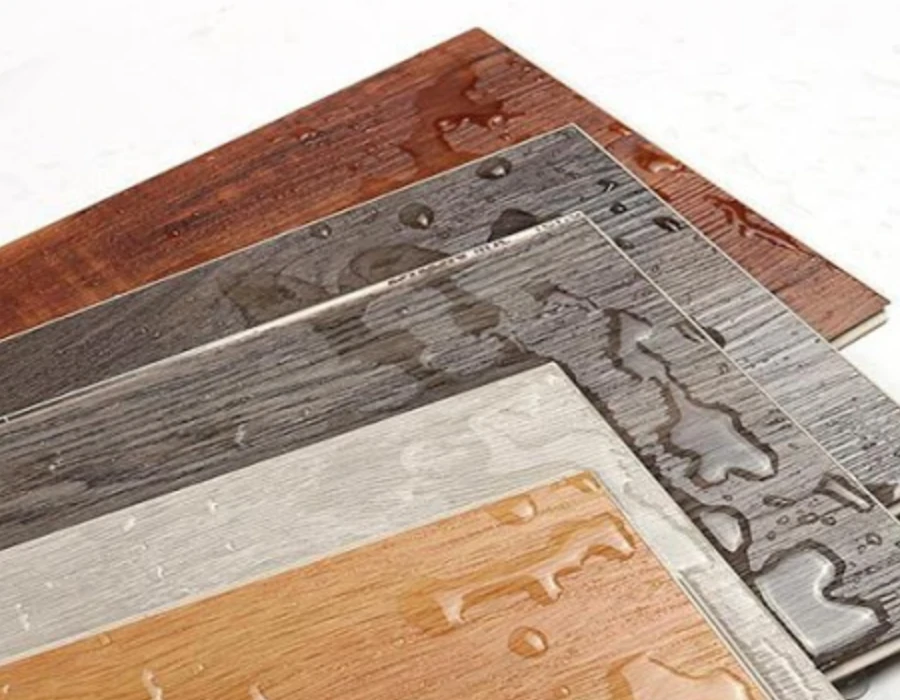
Stain and water resistance — seals the surface so spills can’t reach the image or core layers

Load distribution — works with the core to spread structural stress across the plank

The Part Most People Get Wrong

Here’s where vinyl plank wear layer specs get misread: thickness isn’t the whole story.

A 20 mil layer with no hardening additives can scratch just as fast as a 12 mil layer fortified with Ceramic Bead or Aluminum Oxide. Scratch resistance comes from material composition — not the number alone.

Thickness does connect to one thing with consistency: warranty length. Thicker wear layers tend to earn longer manufacturer warranties. That’s a useful signal, but don’t treat it as the only one.

One more failure point worth knowing: mismatched layers. An oversized wear layer on an undersized core creates unequal expansion rates. That’s how SPC flooring cupping starts. So read the wear layer spec and core thickness together — not as separate numbers.

2. Measurement Systems & Standardized Testing Framework

6ffc7571 f71f 430e b544 13a30909bc4f

Two numbers can describe the same wear layer thickness. One says 12 mil. The other says 0.3 mm. Neither is wrong — but without knowing how they relate, you can’t compare products side by side.

The Unit Conversion You Need to Know

The flooring industry uses two measurement systems. Manufacturers pick whichever one makes their product look better on paper.

Here’s the conversion:

1 mil = 0.0254 mm

1 mm = 39.37 mil

So a 12 mil wear layer = 0.305 mm. A 0.5 mm wear layer = around 20 mil.

That’s it. Bookmark it. Run every spec sheet through that conversion before comparing products side by side.

Common thicknesses you’ll come across:

Labeled Spec

Converted Value

Typical Use Case

6 mil

~0.15 mm

Entry-level residential

8 mil

~0.20 mm

Standard residential

12 mil

~0.30 mm

Upgraded residential / light commercial

20 mil

~0.50 mm

Commercial grade

What Standardized Testing Really Measures

Thickness is self-reported. Test results are verified. That difference matters more than most buyers ever stop to consider.

Abrasion resistance gets measured through the Taber Abrasion test. Labs run it under either ASTM D4060 or the European EN 13329 standard. The test grinds a weighted wheel across the surface. It counts how many cycles pass before the wear layer fails. The result produces an AC rating (AC1 through AC6). That rating is the standard durability classification used across the luxury vinyl plank specifications industry.

SPC rigid core flooring indentation standard testing (EN 433) applies a static load to the floor surface. It then measures permanent deformation. Quality SPC rigid core flooring should show indentation no greater than 0.10 mm under standard load conditions.

For flooring abrasion resistance claims to hold up, both tests must come from accredited third-party labs — not internal quality teams. The report date matters too. Reformulated products need fresh testing. A two-year-old report on a product that changed its formula six months ago tells you nothing useful.

Read the test methodology. Then read the result.

3. Performance Modeling: What Each Thickness Delivers

Wear Layer Thickness (mm)

Wear Layer Thickness (mil)

Typical Application / Scenario

Selection Rationale

0.3 mm

12 mil

Light commercial, low-traffic offices, boutique retail, hotel guest rooms

Adequate for moderate foot traffic; cost-effective; easy to replace individual planks if damaged

0.4 mm

16 mil

Medium commercial, standard retail stores, small F&B areas, corporate offices

Balances durability and cost; suitable for moderate rolling loads (carts, light equipment); longer wear life than 0.3 mm

0.5 mm

20 mil

High-traffic commercial, restaurants, hotel corridors, schools

Extra durability under heavy foot traffic and moderate rolling loads; reduces maintenance and replacement frequency

0.55 mm

22 mil

Very high-traffic commercial, airports, LVT solutions for healthcare facilities, large retail, industrial office spaces

Maximum wear protection; withstands heavy rolling equipment and constant pedestrian flow; ensures long-term performance and minimal maintenance

Thickness numbers don’t tell the whole story alone. Each tier has a real-world performance ceiling — and a clear failure point if you pick the wrong one for your space.

Here’s what each common wear layer thickness delivers under everyday conditions.

6 Mil (≈0.15 mm): The Entry Point

Six mil is the floor industry’s baseline. It works for light residential use — a guest bedroom, a home office with one person and a rolling chair, or a vacation rental between short stays.

What it won’t handle:
– Pets with claws
– Hallways and kitchens
– Grit tracked in from outside

Under those conditions, surface scratching starts within 12–18 months. Pattern fade follows. Less material means fewer wear cycles before the layer grinds through.

Best fit: Low-traffic residential. Budget-driven projects with a 5-year horizon.

8–12 Mil (≈0.20–0.30 mm): The Residential Sweet Spot

This range covers most home installations. A 12 mil wear layer handles a busy household — kids, dogs, and heavy foot traffic through living rooms and kitchens — without wearing through its protection layer too soon.

The jump from 8 to 12 mil doesn’t feel dramatic underfoot. The difference shows up in how long the floor lasts. Twelve mil earns a 15–25 year residential warranty. Eight mil lands closer to 10–15 years. That gap matters a lot if you’re weighing whether to refinish or replace in a decade.

Best fit: Primary residences, standard residential wear layer thickness requirements, light home office use.

20 Mil (≈0.50 mm): Built for Punishment

This is true commercial grade wear layer territory. Twenty mil is built for retail floors, hotel corridors, clinic waiting rooms, and restaurant dining areas — spaces where foot traffic runs in the thousands per day, not dozens.

At this thickness, the wear layer stops acting as a passive shield. It becomes an active load management surface. It spreads abrasive pressure across a wider depth. That’s why SPC flooring durability ratings at this tier show higher AC classifications (AC4–AC6) in Taber Abrasion testing.

One key point: material composition still matters. A 20 mil layer without Ceramic Bead or Aluminum Oxide hardening additives can underperform a 12 mil layer that includes them. Thickness sets the ceiling. Chemistry determines how close you get to it.

Best fit: Commercial spaces, high-traffic entryways, any project where floor failure is not an option.

4. Wear Layer vs Real-World Load Variables

f35ca527 4f84 46bf aba6 3ae0547fcd9f

Spec sheets live in a lab. Your floor does not.

The gap between rated performance and actual lifespan comes down to load variables. Think about the specific mix of traffic patterns, weight distribution, and surface conditions your floor faces every day. Thickness sets the theoretical ceiling. Real-world conditions decide whether you ever reach it.

Traffic Isn’t One Number — It’s a Compound Variable

Foot traffic is shorthand. The actual wear equation is more specific.

What damages a wear layer isn’t just how many people walk across it. It’s the full combination of:

Traffic speed and frequency — rushed movement drags more abrasive grit across the surface than slow, careful steps

Load concentration — chair legs, display fixtures, and equipment wheels push pressure onto a small fraction of the surface area

Material carried in — fine particles tracked in from outside act like sandpaper under repeated foot contact

Drop impact — repeated small impacts from dropped items break down surface integrity faster than steady pressure alone

These variables don’t work on their own. They stack up. A space with moderate traffic, heavy furniture, and dirty tracked-in debris can wear out faster than a busier space with clean floors and soft-soled footwear.

Why This Changes How You Read a Spec

A 20 mil commercial grade wear layer rated for high-traffic retail is built around a specific load profile. Put that same floor in a workshop with metal shavings and rolling tool carts — the rating no longer holds.

The practical read: match the load profile, not just the traffic category.

Evaluating SPC flooring durability ratings? Ask two questions before locking in a tier recommendation:

What type of contact stress is primary — abrasion, impact, or static load?

Does the surface get exposed to fine particulates often, or is it a clean-environment install?

Those two answers will narrow the spec faster than any category label ever will.

5. Specification Verification & Procurement Control

53b850ce 6d35 4136 be59 c2bf3fa840a3

A spec sheet is a promise. Your job is to decide whether that promise holds.

Verification starts before you place the order. Write down every specification you need:

Wear layer thickness

Unit format (mil or mm)

Abrasion class

Material composition

Quantities, delivery timeline, and budget ceiling

Vague requirements invite substitutions. Precise documentation shuts that door.

Qualifying the Supplier

Don’t just evaluate the product. Evaluate who’s selling it.

Check certifications, production capacity, and compliance records. Ask for customer references from comparable projects. A supplier who’s delivered commercial grade wear layer product to a hotel chain has a track record you can check and confirm. Request physical samples and third-party lab reports issued within the last two years. The formula may have changed — an old report tells you nothing useful.

For high-value orders, a site visit or financial audit isn’t excessive. It’s standard due diligence.

Receiving Inspection

The shipment arrives. Inspect before you sign anything.

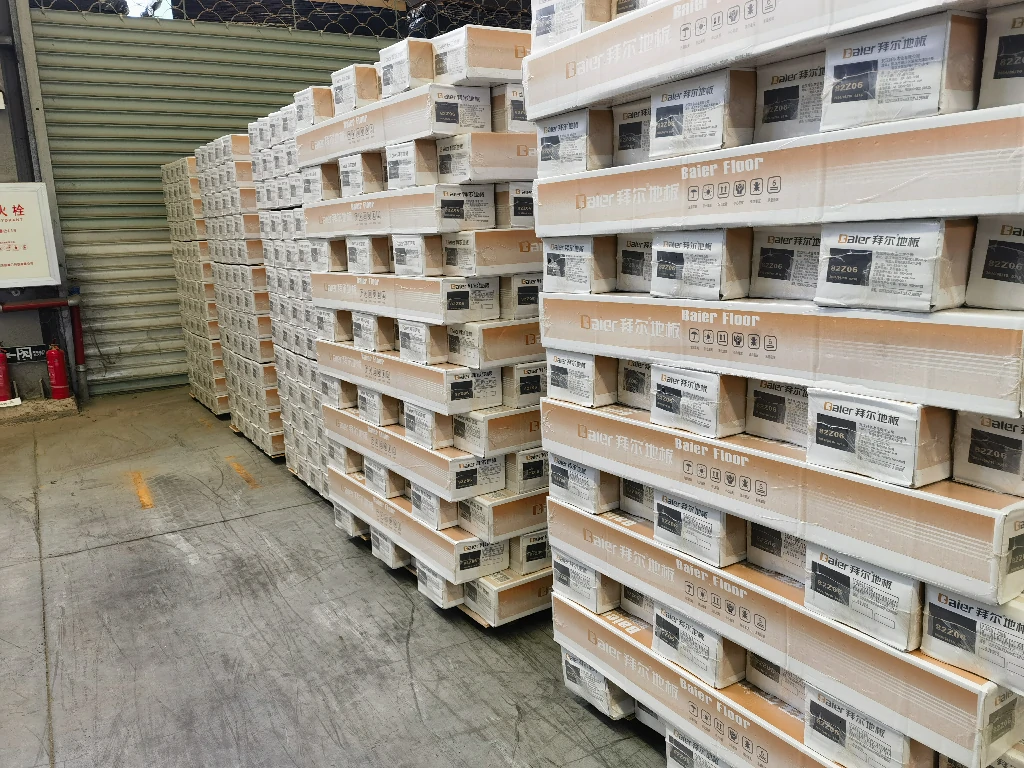
Cross-check delivered quantities against the purchase order. Pull samples and verify the vinyl plank wear layer thickness matches what was specified — not what was quoted at the start. Spot any discrepancies right away. Write them up in a receiving report. Then match the PO, receiving report, and supplier invoice before you approve payment.

Some suppliers deliver what their spec sheet claims, every time. Those are worth keeping. Track their on-time rate, quality consistency, and how fast they respond to issues. That performance record becomes your most dependable procurement tool over time.

6. Advanced Specification Mistakes (Technical Buyer Level)

Experienced buyers make different mistakes than beginners. Beginners misread units. Technical buyers misread context.

You’ve already learned the mil-to-mm conversion. You know your AC ratings. At this level, the costly mistakes come in quietly. The errors don’t show up on delivery day. They appear six months into an install — or during a warranty dispute.

Mistaking Wear Layer Thickness for Total Protective Depth

Here’s a trap that catches even well-informed buyers: mixing up wear layer thickness with total surface protection.

Some manufacturers list a combined surface treatment figure — UV coating plus wear layer stacked together — as a single number. That number looks impressive. It’s not the full picture.

A 0.7 mm combined surface figure that includes 0.2 mm of UV topcoat gives you an effective wear layer of 0.5 mm. That’s still solid for commercial use. But read it as a full 0.7 mm wear layer, then price-compare it against a competitor’s honest 0.5 mm spec — you’re comparing two different things.

Always ask: Is the stated thickness the wear layer alone? Or does it include the UV coating on top?

Accepting Batch-Level Certification as Product-Level Proof

Third-party lab reports are necessary. They’re also not enough on their own — not without checking the scope of the certification.

A report issued on Batch A does not cover Batch B made three months later with a reformulated core or a different wear layer supplier. This happens more often than most procurement teams expect. It’s common with manufacturers who run parallel production lines or shift raw material sourcing by season.

The fix is simple:
– Request that every test report states the current production batch number
– Confirm the report date falls within 24 months of your order

Don’t accept a cert that doesn’t match the batch you’re actually buying.

Overlooking Dimensional Tolerances Under Load Combination

Most buyers check residual indentation data. Fewer check how indentation behaves under combined load conditions — static weight and lateral abrasion hitting the floor at the same time.

Single-variable test results don’t reflect real-world use. Think about a restaurant floor: a loaded service cart rolls across a spot where a table base has been sitting for eight hours. The wear layer may pass EN 433 in a controlled test and still break down early under that kind of combined pressure.

For demanding environments, ask suppliers for combined-load testing data — not just individual metric results. No such data exists? Factor that gap into your risk assessment before placing the order.

7. Decision Framework: Engineering-Based Selection Logic

Three variables determine the right wear layer for any space: contact stress type, traffic intensity, and environment cleanliness. Get all three right, and the spec writes itself.

Here’s the selection logic, built into a repeatable three-step framework:

Start with contact stress — not traffic category.

Primary Stress Type

Minimum Wear Layer

Recommended Spec

Light foot traffic only

6 mil (0.15 mm)

8 mil + standard PVC

Mixed abrasion + impact

12 mil (0.30 mm)

12 mil + Aluminum Oxide

Heavy static + rolling load

20 mil (0.50 mm)

20 mil + Ceramic Bead

Next, apply the environment filter.

Clean installs — carpeted offices, climate-controlled showrooms — stay at the base tier. Dirty installs — entryways, kitchens, clinic corridors — move up one tier. Fine particulates wear down surfaces faster than raw foot traffic volume.

Last, confirm chemistry matches thickness.

A 20 mil layer without hardening additives underperforms a 12 mil layer that includes them. Thickness sets the ceiling. Material composition decides how close you get to it.

Run this three-step filter before placing any SPC wear layer specifications order. The right number isn’t the biggest one on the spec sheet. It’s the one that matches your actual load profile.

Conclusion

Wear layer specs are no longer a mystery. You now know what they measure — not a marketing number, but a real promise about how long your floor holds up against the punishment your space puts it through every day.

Here’s what matters most. Mil thickness alone means nothing. Context is everything — your traffic volume, your subfloor condition, and the quirks of your installation space. A 12mil wear layer in a low-traffic bedroom isn’t a better deal than an 8mil in a well-prepped, moderate-use living room. Match the spec to the load. That’s the whole game.

You now have the tools to read SPC wear layer specifications like someone who builds floors — not just buys them.

So here’s your next move. Pull up the spec sheets for any SPC rigid core flooring you’re looking at right now. Run them through the decision logic from Section 7. The numbers will mean something they didn’t before.

That’s the kind of spec sheet confidence worth having.