
Shopping for laminate flooring shouldn’t feel like reading a foreign language. But manufacturers love throwing specs at you: 12mm thickness! AC4 rating! Premium construction!
Here’s the truth most retailers won’t tell you upfront—laminate floor thickness and abrasion class measure different things. Neither one guarantees quality flooring.
I’ve seen 6mm laminates outlast 12mm options. “Commercial-grade” floors sometimes scratch easier than budget residential ones.
The disconnect? Most buyers assume thicker means better. Or they think a higher AC rating solves all durability problems. It doesn’t work that way.
This guide cuts through the marketing noise. You’ll learn what thickness and abrasion class measure. You’ll see how they affect real-world performance in your home or business. Plus, you’ll discover which combinations make sense for your specific needs—so you can stop second-guessing yourself at the flooring store.
What is Laminate Flooring Thickness and Why It Matters
Laminate flooring thickness measures the total height of each plank. You’ll find options from 6mm to 15mm. Most products fall into two camps: 8mm or 12mm.
Here’s what those millimeters control in your home.
How Thickness Affects Real Performance
Thicker planks (10-12mm) stay rigid underfoot. They resist flexing and bouncing. Plus, they bridge subfloor bumps up to ±3mm over 3000mm. This meets FL30/FF20 tolerance standards. You won’t feel every tiny bump below.
Sound absorption gets better with thickness. A 12mm floor cuts noise better than 8mm. But density matters more than depth. A high-quality 8mm plank with dense HDF Core can match or beat a low-quality 12mm option.
The underfoot feel changes a lot. 12mm laminate feels like solid hardwood. It has that solid presence. Tests show 8mm and 12mm last just as long. Thicker planks handle dents and bending stress better, though. The difference between 10mm and 12mm? Almost none for daily wear.
Key point: Thickness doesn’t include built-in underlayment. Someone claims “14mm flooring”? Subtract the padding layer first. Wear resistance comes from AC rating (abrasion class), not millimeters.
What is Abrasion Class (AC Rating) and How It’s Tested
The Abrasion Class (AC) rating shows how much wear your laminate can handle before it looks worn out. This standard (EN 13329) comes from European laminate floor makers. Ratings go from AC1 to AC5. Higher numbers mean stronger floors.
Every laminate takes the Taber test to get its rating. This test is tough. The floor must pass each challenge. Fail one? It gets marked “unrated.”
What Gets Tested
The test checks seven different things:
Abrasion: Surface wear from walking and dirt
Impact: How it holds up to dropped items and furniture
Staining: Fights off coffee, wine, and household spills
Fading: Stands up to UV light over time
Cigarette burns: Resists heat damage
Moisture: Stops swelling and warping
Scratches: Protects the surface from daily scrapes
Here’s what those ratings mean for your space:
AC1 (Moderate Residential): Guest bedrooms, closets—rooms you rarely enter
AC2 (General Residential): Living rooms, bedrooms, home offices
AC3 (Heavy Residential/Moderate Commercial): Active kitchens, small shops
AC4 (General Commercial): Cafes, salons, offices
AC5 (Heavy Commercial): Schools, hospitals, big stores
The Association of European Producers of Laminate Flooring built this system. It’s now the global industry standard. North America’s NALFA uses different tests, but this rating still holds weight.
Thickness vs Abrasion Class: The Core Differences
Thickness measures depth. Abrasion class measures survival.
That’s the simple version. But here’s where it gets interesting: these two specs work together. They connect in ways most flooring salespeople skip over.
Thickness tells you the physical measurement of your laminate plank—the actual millimeters from bottom to top. Abrasion Class (AC rating) shows how many rotations a floor survives under the Taber test before it looks worn out. One is a ruler measurement. The other is a torture test result.
The connection? Thicker laminates score higher AC ratings. Not because thickness equals toughness. Manufacturers pair thick cores with better wear layers. An AC4 floor needs 4,000-6,000 test rotations before visible damage. AC5 survives 6,000-8,000 rotations. AC6 floors push past 8,500 rotations—these handle commercial foot traffic.
Here’s the benchmark breakdown:
- AC3: Budget option, handles 2,000+ rotations. Works for guest rooms.
- AC4: Standard residential choice. Your living room, kitchen, hallway.
- AC5: Heavy-duty residential. Big families, pets, nonstop activity.
- AC6: Commercial-grade. Office lobbies, school hallways, retail shops.
Pair AC4 or AC5 with 8-12mm thickness plus water resistance? You’ve got a floor built to last. Collections like De Lux and Lotus combine AC6 ratings with scratch and pressure resistance—that’s the sweet spot for long-lasting floors.
Most homes need AC3 minimum. Commercial spaces? Start at AC4. Anything less won’t hold up.
Thickness Options: 6mm vs 8mm vs 10mm vs 12mm
Walk into any flooring showroom and you’ll face four thickness choices. Each one has a different price point. Each one performs uniquely. Each one fits different rooms. Here’s what separates them.
6mm Laminate: The Budget Entry Point
6mm planks save you money upfront. Period. They weigh less, ship cheaper, and install faster. But that thinness comes with trade-offs you’ll feel underfoot.
These planks flex more as you walk. Stand on one over an imperfect subfloor? You’ll notice every bump and dip. Minor subfloor flaws come straight through to your feet. For closets, storage rooms, or spaces you visit once in a while? 6mm works fine.
Best for: Guest bedrooms, utility rooms, rental properties on tight budgets, temporary installations.
Skip it if: Your subfloor has dips beyond ±2mm. Also skip it for high-traffic areas or if you want that solid hardwood feel.
8mm Laminate: The Residential Workhorse
Most homes go with 8mm laminate flooring. It balances cost against real-world durability. These planks handle moderate foot traffic. Your renovation budget stays intact.
You’ll get better sound dampening than 6mm. The floor feels more stable. It covers small subfloor variations (up to ±2.5mm over 3 meters) without visible waves. Pair 8mm with AC4 rating. It’ll survive your living room, hallway, or home office for 15-20 years.
The catch? On very uneven subfloors, 8mm still shows some flex. Heavy furniture can create slight dents over time. Not major damage—just something you’ll spot if you’re picky.
Best for: Living rooms, bedrooms, dining areas, home offices, condos, apartments.
Upgrade if: You’ve got active kids, large dogs, or subfloor issues beyond standard prep work.
10mm Laminate: The Sweet Spot Nobody Talks About
Here’s the flooring industry’s quiet secret: 10mm thickness gives you 90% of 12mm’s performance at 70% of the cost. Impact resistance tests show similar results between 10mm and 12mm planks. Both handle dropped pans, furniture moves, and pet claws the same way.
The rigidity difference? Your feet can’t detect it. 10mm bridges subfloor flaws up to ±3mm. It mimics solid hardwood’s presence without the premium price tag. You get better sound absorption—critical for second floors or buildings with multiple families.
Manufacturers push 12mm because higher margins mean more profit. But 10mm matched with AC5 rating outlasts most residential needs. I’ve seen 10mm floors handle chaos from families for 25+ years without replacement.
Best for: Active families, homes with pets, kitchens, main living areas, areas with moderate subfloor issues.
Consider 12mm instead if: You want absolute top-tier luxury feel. Or you’re covering commercial light-duty spaces.
12mm Laminate: Maximum Rigidity and Presence
12mm planks feel like real hardwood as you walk across them. Zero bounce. Zero flex. That solid, confident step you get from solid oak? This thickness delivers it.
These planks bridge the worst subfloor conditions—up to ±3mm variations without showing through. Drop a cast iron skillet? The impact resistance peaks here. Large furniture sitting for years won’t leave permanent dents. Sound transmission drops sharply compared to thinner options.
The weight matters though. 12mm planks strain your back during installation. They need stronger click-lock systems. Cutting them requires sharp saw blades and patience. But once down, they stay put and perform.
Pair 12mm with AC5 or AC6 ratings. You’ve built a floor that handles moderate commercial traffic—coffee shops, boutique offices, salon waiting areas. For residential spaces? It’s overkill unless you’re creating a forever home with zero tolerance for compromise.
Best for: High-end residential installations, commercial moderate-traffic areas, homes with major subfloor issues, luxury renovations.
Skip it if: Budget constraints matter. Also skip if you’re DIY installing alone. Or your space has standard residential traffic patterns.
Abrasion Class Levels: AC1 to AC6 Breakdown
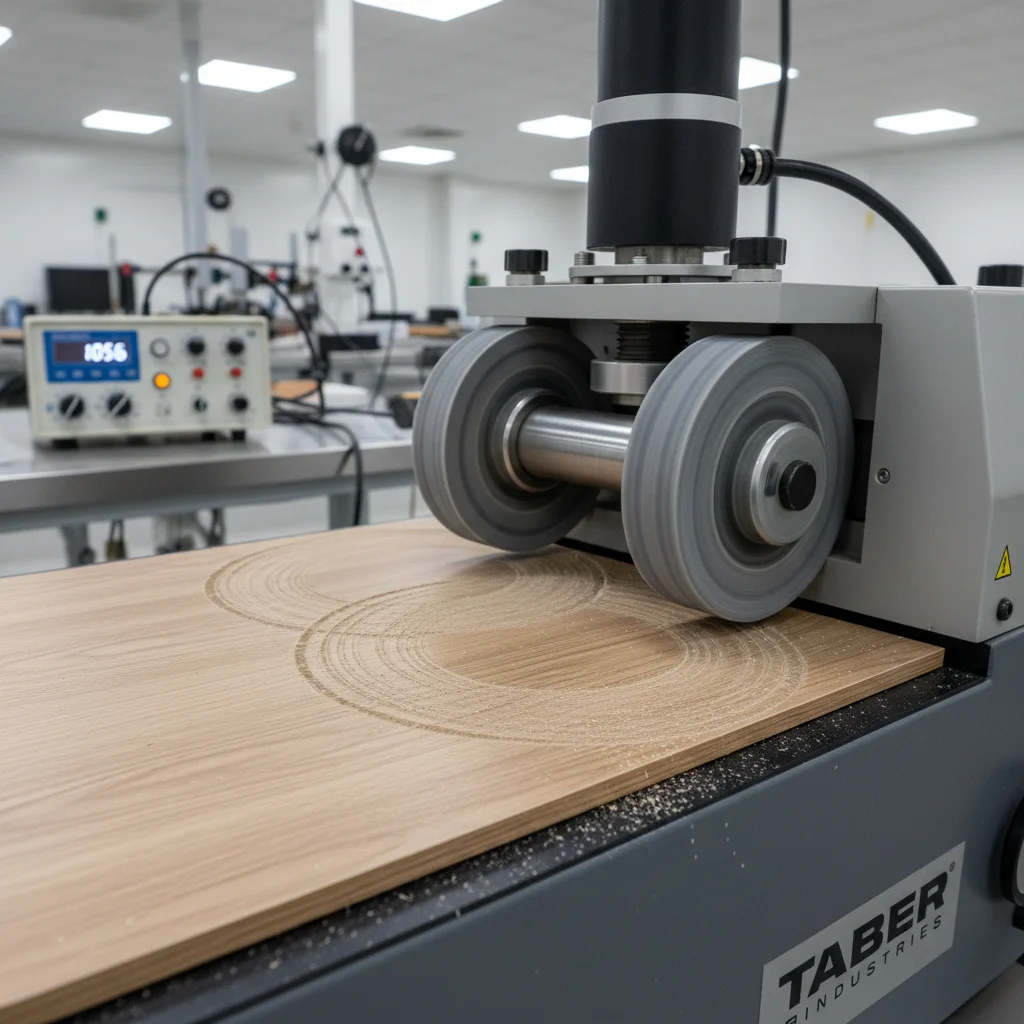
Each AC rating marks a specific breaking point. This is the exact moment a laminate floor shows visible wear under the Taber test. These numbers aren’t random. Lab tests spin abrasive wheels against your flooring until it cracks. That’s how they get these ratings.
AC1 and AC2 are museum pieces now. Manufacturers stopped making them years ago. Too weak for modern homes. You won’t find them in stores. Skip these.
AC3 floors survive 2,000+ rotations before showing damage. That’s the entry point for real use. These work in bedrooms, living rooms, and light-use kitchens. They deliver 120% more wear resistance than AC1. Good choice for spaces without pets or kids tracking in dirt. Expect 10-15 years of life in average conditions.
AC4 pushes past 4,000 rotations—a 60% jump in durability from AC3. This rating handles your routine chaos. Think kitchens where you cook every night. Hallways connecting busy rooms. Home offices where you pace during calls. Light commercial spaces use AC4 too—small retail shops or quiet cafes. Most flooring experts call this the sweet spot for homes. You get commercial-entry toughness without the premium price.
AC5 survives 6,500+ rotations under the test wheel. Another 60% increase over AC4. This is where serious durability starts. Big families? Multiple pets? Kids who forget to take off muddy shoes? AC5 handles it. High-traffic commercial offices install this rating. You’re looking at 20-25 years of service in demanding homes. The wear layer gets much thicker here. That’s where the extra resistance comes from.
AC6 represents the ceiling: 8,500+ rotations minimum. Some manufacturers push their AC6 products past 9,000 rotations. This is extreme-duty territory. School hallways where hundreds of students shuffle past each day. Airport terminals. Restaurant dining areas. These floors take abuse that would destroy AC3 or AC4 in months. For homes? It’s overkill—unless you’re building a forever floor with zero tolerance for replacement. Warranties stretch to 30 years. You’re paying for HPL (High Pressure Laminate) construction here. This bonds wear layers in a different way than standard laminate.
The progression follows a clear pattern: each step up adds 60% more wear resistance. AC6 delivers over twice the durability of AC4, and 30% more than AC5.
Matching AC Ratings to Real Spaces
Low-traffic homes without pets or children? AC4 works well. You’ll hit 15-20 years without issue.
Active households with dogs, kids, or heavy foot traffic? Start at AC5. The extra rotations translate to years of extended life. You won’t regret the upgrade cost. Your floors will still look sharp after a decade of chaos.
Commercial installations? Never go below AC4. Moderate businesses need AC5. High-volume spaces demand AC6. Those Taber test rotations predict how long your floors survive before replacement.
How Thickness Affects Real-World Performance
Thickness determines how your floor survives everyday life. The millimeters add up to create rigidity and sound control. Plus, they help hide an imperfect subfloor.
Structural stability changes with thickness. Thicker planks resist flexing under your feet. A 12mm floor stays rigid under foot traffic. An 8mm plank shows slight give in the same conditions. This matters most over subfloors with minor imperfections. Thicker laminates bridge gaps and bumps up to ±3mm over 3 meters. They meet standard FL30/FF20 tolerance requirements. Thinner options transfer every tiny variation straight to your feet.
The science backs this up. Research on porous ceramic structures shows wall thickness impacts reliability and failure rates. The thinnest, most uniform walls deliver the highest Weibull modulus (m=13.2). They also show tighter strength consistency. Thickness increases without controlled uniformity? Defect probability rises. The modulus drops to m=6.6 in variable structures. Your laminate follows similar physics. Uniform thickness across the core creates predictable, reliable performance. Inconsistent density introduces weak points. Uneven construction does the same. These weak points fail sooner.
Sound absorption improves with added millimeters. A 12mm floor dampens footsteps better than 6mm options. It handles ambient noise better too. But here’s the catch—core density matters more than depth. A high-quality 8mm plank with compressed HDF core can match a 12mm floor for sound control. It can even beat a low-quality 12mm floor. The material composition determines actual acoustic performance. So does the compression ratio.
Underfoot feel separates budget from premium installations. Walk across 12mm laminate and it mimics solid hardwood. You get that confident, zero-bounce step. An 8mm floor feels adequate but different. The gap between 10mm and 12mm? Your feet can’t detect it. Independent wear testing confirms something interesting. 8mm and 12mm planks last the same amount of time under normal residential traffic. The thickness advantage shows up in impact resistance and dent prevention. It doesn’t show up in wear-through longevity.
Real-world pavement data reveals thickness variation patterns. Studies of 1,034 constructed layers show 84% follow normal distribution curves for thickness consistency. About 60% of sections maintain mean thickness within design tolerances. This construction reality applies to laminate manufacturing too. Not every “12mm” plank measures 12mm. Quality control during production determines if you get the performance you paid for.
One critical detail: advertised thickness often includes attached underlayment. A manufacturer claims “14mm premium flooring”? Subtract the 2mm padding layer first. The actual laminate might be 12mm. This marketing trick inflates specs without improving performance. Always verify the core plank thickness separate from underlayment.
Temperature and moisture stability connect with thickness in subtle ways. Thicker planks resist edge curling better. They handle cupping better too, especially during humidity spikes. The added mass provides thermal inertia. Your floor temperature stays more consistent through day-night cycles. This matters in spaces with radiant heating. It also matters in rooms that swing between hot and cold.
Bottom line: Thickness controls feel and structural performance. Abrasion class (AC rating) controls surface durability. They’re separate measurements. They solve different problems. A thin 8mm floor with AC5 rating will resist scratches better than a thick 12mm plank rated AC3. It handles wear better too. Match thickness to your subfloor conditions. Match it to your comfort preferences. Match AC rating to your traffic patterns and abuse level. Get both right and your floor performs as needed.
How AC Rating Impacts Floor Durability
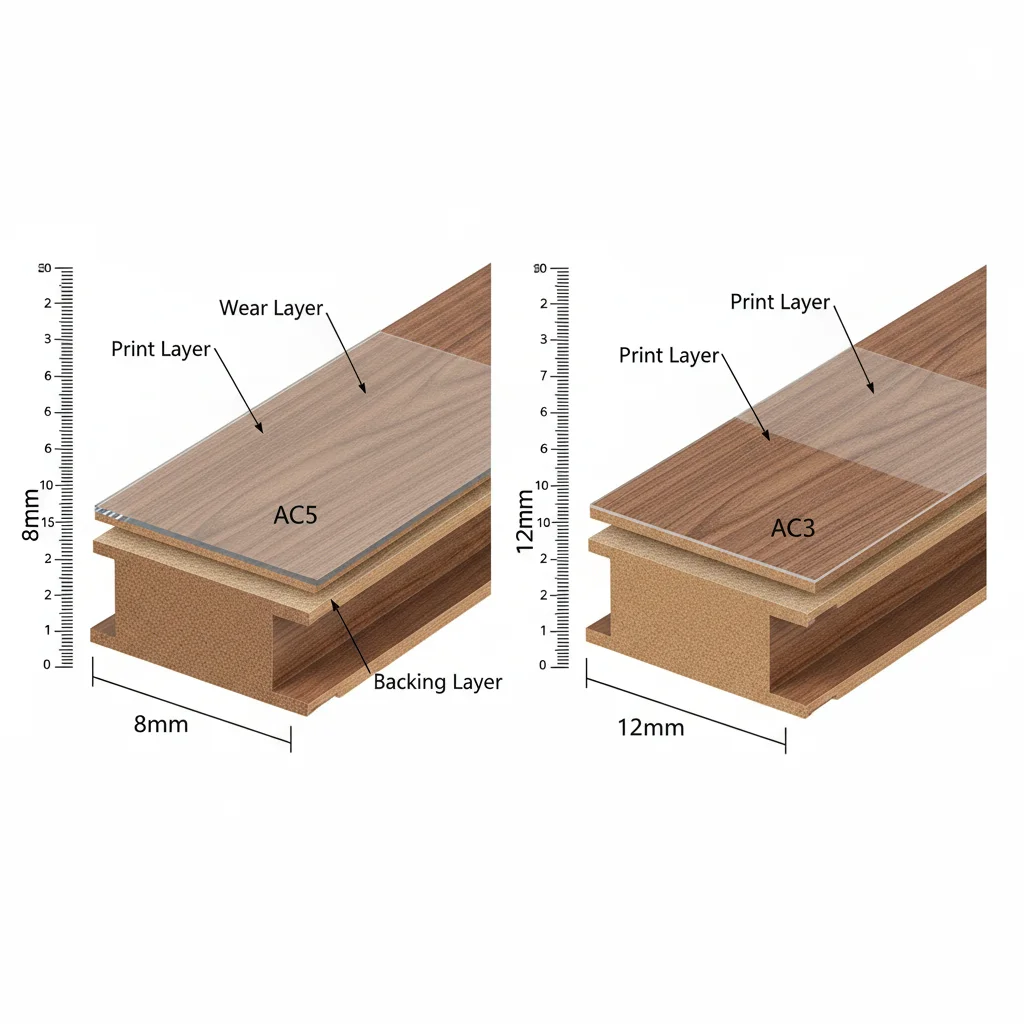
Your AC rating shows how long your floor survives before it looks beat up. Each rating has specific test thresholds. These are hard numbers that separate floors that last from floors that fail.
AC2 floors pass between 1,801 and 2,500 abrasion cycles before showing visible wear. That’s the bare minimum for homes. These work in spare bedrooms or formal dining rooms you use twice a year. Anywhere else? You’re asking for trouble.
AC3 handles 2,501 to 4,000 cycles—a 60% jump in survival. This rating is the real starting point for active homes. Your living room sees constant traffic. Family members walk through carrying groceries. Guests show up for dinner. AC3 manages this routine without breaking down. The protective coating resists common household stains—spilled wine, dropped coffee, tracked-in mud. It won’t handle extreme abuse, but it survives normal chaos for 10-15 years.
AC4 pushes past 4,001 cycles and caps at 6,500. The durability gap widens here. These floors resist furniture scratches from dragged chairs. They handle pet claws without showing permanent damage. Drop your keys? No visible mark. The enhanced coating system fights moisture better than AC3. This matters for kitchens where spills happen often. You’re getting commercial-entry performance at home pricing.
AC5 exceeds 6,500 cycles with no upper limit. Some manufacturers push their AC5 products past 8,000 cycles. This rating delivers serious scratch and dent resistance. Heavy furniture leaves no impression. Moving appliances across the floor? The surface survives intact. Moisture resistance peaks here. Bathroom installations become possible with proper waterproofing underneath.
Here’s what makes or breaks each rating: every floor must pass seven separate durability tests. Abrasion resistance gets the attention. But impact resistance, stain resistance, cigarette burns, edge swelling, and furniture leg pressure all count the same. Fail just one test? The floor gets downgraded or marked “unrated.” An AC3 product that fails at 3,000 abrasion passes drops its rating. This happens even if it aced every other test.
Static furniture loads test in a different way than moving furniture. AC4 and AC5 floors resist both. You won’t see permanent compression marks. Lower ratings show dents from chair legs after months of pressure. Those dents stick around forever.
The cost-durability tradeoff becomes clear. Just calculate replacement frequency. AC3 in a high-traffic hallway might need replacement in 8 years. AC5 in the same space lasts 20+ years. The upfront premium pays for itself. You avoid replacement costs and zero maintenance headaches.
Residential Applications: Which Combination to Choose
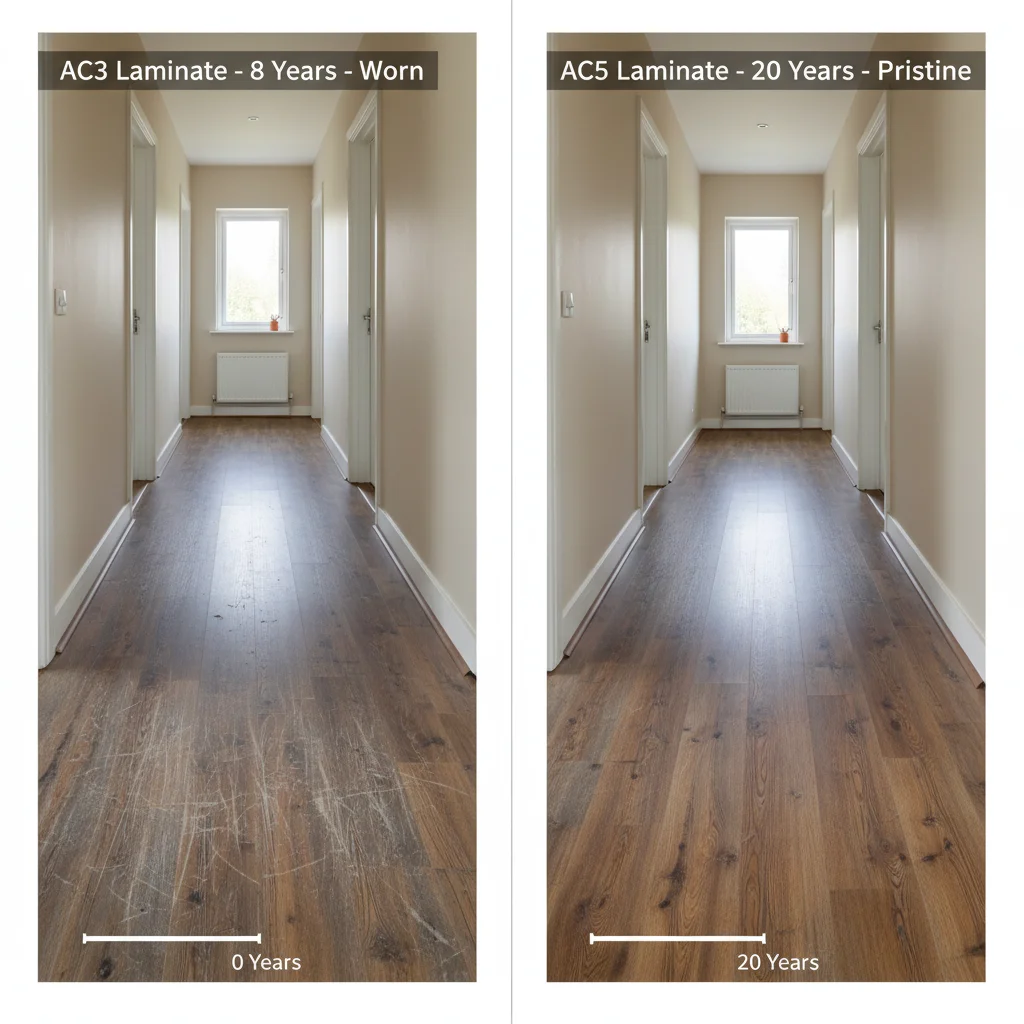
Your home shows you which laminate combination works best. Look at room function and foot traffic. Consider your family’s activity level. These factors point to specific thickness-AC rating pairs.
Light-Use Spaces: Guest Rooms and Formal Areas
8mm thickness + AC3 rating works for rooms you enter a few times per year. Guest bedrooms see visitors rarely. Formal dining rooms host holiday dinners. These spaces don’t need heavy-duty protection. The 8mm core gives enough stability. AC3 handles 2,500+ rotations in testing. This means 15-20 years of light foot traffic. Install costs stay low—you’re looking at $2-$4 per square foot for materials.
Skip anything thinner than 8mm. The 6mm budget options flex too much. They feel cheap underfoot, even in low-traffic areas.
Everyday Living: Bedrooms, Living Rooms, Home Offices
10mm thickness + AC4 rating is your go-to choice here. This combo handles daily life. Living rooms see constant activity. Family members cross paths. Kids play. Guests visit. Home offices get rolling desk chairs and pacing during calls. AC4 survives 4,000-6,500 rotations in testing. This handles routine wear. The 10mm core smooths out minor subfloor gaps up to ±2.5mm. You get that solid hardwood feel without the high price.
Material costs run $3-$6 per square foot. That’s the sweet spot for value and performance. Most installers recommend this pairing for standard homes.
High-Traffic Chaos: Kitchens, Hallways, Entryways
12mm thickness + AC5 rating stops wear before it starts. Kitchens get beat up. Pans drop. Liquids spill. Chairs drag. Hallways connect every room. Foot traffic never stops. Entryways collect dirt, salt, and moisture from outside. AC5 survives 6,500+ rotations under Taber testing. The 12mm thickness resists impacts. Drop a cast iron skillet? The floor won’t dent.
This pairing handles big families with multiple pets. Kids forget to wipe their feet. Dogs scratch as they run. The floor survives it all. Expect 20-25 years of service in tough conditions. Material costs jump to $5-$8 per square foot. But you’ll replace it far less often.
Pet Owners and Active Families
10-12mm thickness + AC5 or AC6 rating protects against claws, accidents, and constant activity. Large dogs create serious wear. Their nails scratch surfaces. They track in dirt and moisture. Multiple kids drag toys across floors. Spills sit for hours. Running never stops.
AC6 pushes past 8,500 test rotations. This gives commercial-level scratch resistance. Pair it with 12mm thickness for max dent protection. Some makers offer special pet collections. These have better moisture barriers. They add germ-fighting coatings. They use extra scratch-resistant top layers. These premium options cost $7-$10 per square foot.
The investment pays off. Standard AC3 floors in pet homes need replacement in 5-8 years. AC5 or AC6 installations last 20+ years in the same conditions.
Budget-Conscious Installations
8mm thickness + AC4 rating gives good performance at low cost. You lose the premium underfoot feel. Sound dampening drops a bit. But durability stays good for most homes without extreme wear. Material costs bottom out at $2.50-$4.50 per square foot.
This works for rental properties. It fits starter homes. Use it in spaces where you plan updates within 10 years. Don’t use this combo in kitchens or entryways. Those areas need the AC5 upgrade.
The Subfloor Reality Check
Your existing subfloor condition matters most. Measure variations across the surface. Got dips or bumps beyond ±3mm over 3 meters? You need 12mm thickness no matter the AC rating. Thinner planks show every flaw straight through to your feet. They create visible waves in the finished floor.
Got a perfect subfloor with minimal variation? An 8mm plank performs fine. Save the thickness upgrade budget for AC rating instead. That’s where real toughness comes from.
Commercial Applications: Heavy-Duty Requirements
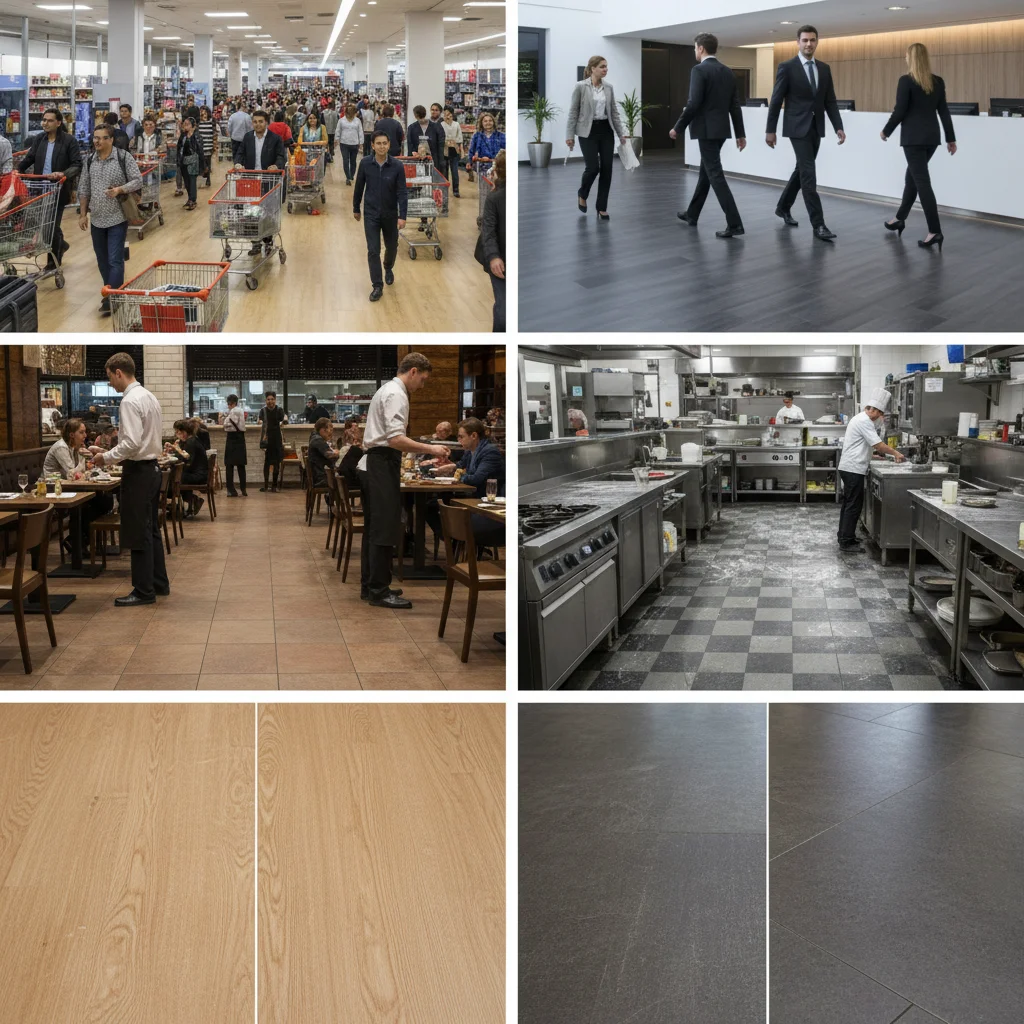
Commercial spaces destroy floors that work fine in homes. Retail stores get hundreds of customers each day. Office lobbies face constant heel strikes and rolling luggage. Restaurants deal with dropped pans, spilled liquids, and dragged furniture. Your floor choice decides if you’re replacing it in three years or thirty.
12mm thickness + AC5 rating is the baseline for most commercial spaces. Retail boutiques, small offices, and professional Service businesses need this minimum. AC5 survives 6,500+ abrasion cycles under testing. The 12mm core handles impact from dropped merchandise, furniture moves, and heavy foot traffic. Material costs run $6-$9 per square foot before installation.
Expect 15-20 years of service in moderate commercial settings. That’s coffee shops with 50-100 customers per day. Small medical offices with steady patient flow. Salons where stylists move around stations. The thickness stops visible flexing under rolling carts and equipment.
12mm thickness + AC6 rating handles the chaos. School hallways see hundreds of students between classes. Airport terminals never stop moving. Big-box retail floors take shopping cart abuse all day. Restaurant dining rooms get spills, scraping chairs, and constant cleaning.
AC6 floors pass 8,500+ test rotations—some exceed 9,000. This adds 30% more wear resistance versus AC5. The upgrade costs $8-$12 per square foot. But you’re buying 25-30 years of durability in extreme conditions. HPL (High Pressure Laminate) construction bonds the wear layer in a unique way. It creates better scratch and dent protection.
Skip anything under AC5 for commercial use. An AC4 floor in a busy office fails within 5-7 years. The replacement costs and business disruption erase any upfront savings.
Common Buying Mistakes to Avoid

Most flooring buyers waste money on specs that sound good but don’t help in real life. You’re not alone if you’ve questioned every click in your shopping cart. The flooring industry profits from confusion—these five mistakes cost people thousands on floors they didn’t need to replace.
Assuming Thicker Always Means Better
Salespeople push 12mm planks like they’re made of titanium. “Premium thickness!” they shout. Then you pay 40% more for flooring that works the same as 10mm options in your living room.
Here’s what happens: A 10mm floor with AC5 rating outlasts a 12mm floor with AC3 rating. Every. Single. Time. Thickness controls feel and how well it handles uneven subfloors. AC rating controls scratch and wear resistance. Two separate measurements. Two different problems.
You need 12mm thickness for subfloors with ±3mm+ variations. Or for spaces where you want that solid hardwood feel underfoot. Your bedroom has a level subfloor? The 10mm option saves you money and lasts just as long. Check your subfloor tolerance first. Then pick thickness based on real conditions—not marketing hype.
Overbuying AC Rating for Low-Traffic Rooms
AC6-rated laminate in your guest bedroom makes zero sense. You’re paying $8-$10 per square foot for commercial-grade protection nobody needs. That room gets visitors three times per year. An AC3 floor handles 2,500+ test rotations and lasts 15-20 years in light traffic.
The math breaks down fast. AC6 costs double what AC3 costs. But your guest room won’t create enough wear to justify the upgrade—even over 30 years. Save the AC5 and AC6 ratings for kitchens, hallways, and entryways. Match your AC rating to real foot traffic and use patterns. Not to some imaginary worst-case scenario.
Active household with three dogs? AC5 makes sense everywhere. Single person working from home? AC4 handles most rooms well. Don’t let salespeople upsell you on strength you’ll never need.
Skipping Subfloor Prep
Your subfloor condition affects floor performance more than thickness or AC rating. A perfect 12mm AC6 floor installed over bumpy concrete fails within months. The planks flex. The locking system stresses. Gaps appear between boards. You see waves across the surface.
Standard tolerance is ±3mm variation over 3 meters. Measure your subfloor before you shop. Got dips or bumps beyond that spec? You need leveling first. Or budget for thicker laminate that bridges those gaps.
Most flooring failures start with subfloor prep shortcuts. Premium flooring can’t fix foundation problems. Spend money on leveling compound before you upgrade thickness. A level subfloor lets 8mm planks perform like 12mm options. An unlevel surface makes expensive flooring look cheap and feel worse.
Mixing Up Wear Layer Thickness with Plank Thickness
Manufacturers list “12mm premium flooring” in giant fonts. Then bury the real specs in fine print. That 12mm measurement includes 2mm attached underlayment. Your real laminate plank is 10mm. The wear layer that protects against scratches? That’s 0.3mm thick on AC4 floors.
The wear layer controls scratch resistance. Plank thickness controls feel and sound dampening. Two different measurements. A thin 8mm plank can have a thick protective wear layer. A thick 12mm plank might have a weak coating that scratches in six months.
Ask for wear layer thickness apart from total plank measurement. AC5 floors should have 0.4mm+ wear layers. Anything less won’t give you the strength you’re paying for. Don’t assume thick planks mean thick protection.
Trusting Inconsistent Product Descriptions
53% of online shoppers abandon their carts because of inconsistent product descriptions. You’re comparing floors across three websites. One lists “12mm AC4 Premium.” Another says “AC4 Commercial Grade 12mm.” A third claims “Heavy-Duty 12mm Residential.” Could be the same product. Or different ones. You can’t tell.
Missing specs cause 83% of shoppers to leave right away. You need exact measurements: plank thickness (minus underlayment), wear layer thickness, AC rating, core material (HDF density), and edge seal type. Vague marketing phrases tell you nothing.
Cross-reference product model numbers. Check manufacturer spec sheets—not retailer descriptions. 87% of purchasing decisions depend on accurate product information. Details conflict between sources? Contact the manufacturer. Get written confirmation of specs before you buy.
Retailers lose 86% of shoppers for good after one bad experience with wrong information. Don’t become that statistic. Verify everything. Save spec sheets. Document your research. One $3,000 flooring mistake teaches you this lesson the expensive way.
Conclusion
Here’s the truth about laminate flooring: thickness builds comfort, but abrasion class sets how long that comfort lasts. A thick floor with a low AC rating feels great underfoot. But wear shows up fast. A thin floor with high AC protection? It might last for years but makes your feet and ears regret every step.
The smart move? Match both specs to how you live. Residential spaces work well with 8-10mm thickness paired with AC3-AC4 ratings. That sweet spot gives you durability without breaking the bank. Commercial zones need 10-12mm with AC5-AC6 to handle heavy traffic.
Stop shopping by price alone. You need to understand laminate floor thickness vs abrasion class explained in practical terms. This helps you avoid that sinking feeling three years from now. Scratches appear. Joints start clicking. You’ll regret the cheap choice. Check the product specs. Ask tough questions. The best laminate investment still looks good years later.
Your floor should work as hard as you do. Choose what fits your life.