Where To Buy Commercial-Grade Melamine MDF Boards In Kyrgyzstan (2026 Guide)

MDF/HDF Fiberboard

Finding the right commercial-grade Melamine MDF boards in Kyrgyzstan is harder than it should be. Quality claims are inconsistent. Specifications are often vague. And many suppliers overpromise on durability — leaving buyers with boards that don’t perform.

You might be outfitting a commercial furniture operation. Or managing a construction project. Maybe you’re trying to get more from your procurement budget without sacrificing surface finish or structural strength. Either way, the board you pick matters — more than most buyers expect.

Below are five options worth a close look. Each one has clear strengths, a distinct sourcing profile, and specific use cases that could shift how you place your next order.

5 Types of Commercial Melamine MDF Boards Available in Kyrgyzstan

7b5c812c 2503 49a6 af36 5b2e1fd65c83

These five boards cover different performance tiers. Each one is built around a specific commercial need — not a generic spec sheet.


1. E0 Melamine MDF — Furniture Grade

Specs: 2440×1220×18mm | Density: 740 kg/m³ | Glue: MR | Finish: White / Oak

This is the go-to board for furniture manufacturing. The E0 emission rating makes it safe for enclosed indoor spaces — wardrobes, cabinets, shelving units. Moisture resistance comes from the MR glue core. It’s not just the surface coating doing the work. For Kyrgyzstan buyers filling government or institutional furniture orders, this is the base spec you need to meet.


2. WBP Melamine MDF — Kitchen Grade

Specs: 2440×1220×15mm | Density: 750 kg/m³ | Glue: E1 | Surface: Waterproof Melamine

Kitchens punish boards in ways offices never will. This option uses WBP (weather and boil-proof) bonding with a sealed melamine surface. Density comes in at 750 kg/m³ — a step above standard furniture grade. The E1 emission rating keeps it compliant for commercial kitchen installs. You get solid structural performance under humidity without cutting corners.


3. High-Density HDF Core — Shelving & Office

Specs: 2440×1220×6mm | Density: 880 kg/m³ | Finish: Abrasion-Resistant

Thinner. Denser. Harder surface. The 880 kg/m³ fiber density is what sets HDF-core boards apart from standard MDF in high-traffic shelving jobs. Retail displays and office partition systems get the most out of this profile:

  • Less flex under load
  • Sharper edge definition
  • Longer surface life under constant contact

4. Fire-Resistant Melamine MDF — Indoor Commercial

Specs: 2440×1220×12mm | Glue: E2 | Options: Slotted / Grooved

Public buildings have fire-rating rules. Commercial display fixtures and partition walls need to meet them. This board does that. Groove and slot configurations come ready to use. So you can build modular display systems without extra machining costs on your end.


5. Lacquer-Enhanced MF-MDF — Furniture Interiors

Specs: 2440×1220×9mm | Core: HDF | Finish: UV-Resistant Topcoat

The UV-resistant lacquer layer adds chemical and impact protection that standard melamine paper can’t match. Drawer interiors, cabinet backs, furniture panel undersides — these surfaces take more daily wear than most buyers plan for. This board handles that wear load well. Plus, the price sits close to base melamine options, so you’re not paying a big premium for the upgrade.

Major International Suppliers Shipping to Kyrgyzstan

1. Dongstar Melamine MDF Board

Dongstar built its melamine MDF lineup around one idea: give commercial buyers real flexibility without cutting corners on core performance. You can see that clearly in the spec sheet.

Standard Size: 1220×2440mm
Thickness Range: 2mm – 25mm (2, 3, 4, 5, 9, 12, 15, 18, 21mm)
Density: 680–830 kg/m³
Emission Ratings: E0, E1, E2
Surface: Melamine paper — matt and high gloss finishes
Core Options: Standard MDF / HMR MDF / FR MDF

That thickness range is worth a closer look. Most suppliers in the commercial-grade melamine MDF boards in Kyrgyzstan market offer three or four standard cuts — that’s it. Dongstar goes from 2mm all the way to 25mm. Thin panels for cabinet backs. Full structural sheets for furniture carcasses. Both come from the same source, same spec system.

Three Core Options — Each Built for a Different Job

The core selection is where Dongstar stands apart from generic Melamine Board suppliers.

Standard MDF Core is the baseline option. It works well for indoor decoration, shelving, and furniture made for dry environments. Density starts at 680 kg/m³. That’s solid enough for cabinet interiors and decorative panels that don’t take heavy mechanical stress.

HMR MDF (High Moisture Resistant) reaches a density of up to 830 kg/m³. The core uses moisture-resistant additives through the entire fiber matrix. This isn’t a surface coating. The protection goes all the way through the board. For commercial projects in Kyrgyzstan — kitchens, bathrooms, or high-humidity storage areas — this core option matters far more than the surface finish alone.

FR MDF (Fire Retardant) covers a requirement that public-sector buyers can no longer overlook. Commercial display systems, partition walls, and fixtures in public buildings now need documented fire-resistance specs. Dongstar’s FR core meets that need directly. You don’t have to source a separate specialty product.

Emission Flexibility Across Three Tiers

E0, E1, and E2 — all available. Schools, hospitals, and government offices need E0 certification. It’s not a bonus option — it’s required. Dongstar offers it. For standard commercial furniture production where E1 compliance is enough, you pay for what you actually need — nothing more.

Both matt and high-gloss melamine finishes are available. Together, they complete a board system that covers the full range of commercial-grade melamine Mdf Applications — from raw production inputs to finished furniture panels ready for assembly.

2. Kastamonu Entegre Melamine MDF Board

628af164 38dc 4033 b392 e9ebdc1b5d01

Kastamonu Entegre has been making engineered wood products for decades. That history shows up in the tolerances. It shows up in the dimensional consistency. And it shows up in the MEDELAM series — a product lineup that is structured in a way most board manufacturers aren’t.

Standard Size Range: Width 1220–2800mm | Length 1830–4200mm | Thickness 3–40mm
Density Range: 450 kg/m³ (Light MDF) up to ≥1000 kg/m³ (Compact grade)
Emission Standard: E0 / E1 (≤0.062 / 0.124 mg/m³)
Compliance: EN 14323 / 14324, CE, TSE, Hygiene certified

A Product Line Built Around Real Use Cases

Most melamine board suppliers offer one core product, maybe two. Kastamonu breaks its lineup into clear segments, each built for specific jobs:

Standard MEDELAM: Density 550–800 kg/m³, thickness range 2.6–30mm. CNC-ready with high surface uniformity. Good fit for furniture carcasses and interior fit-out work.

Light MDF: Density 450–<550 kg/m³. It cuts down the load in large panel applications — wall linings, ceiling panels — without giving up surface quality.

HDF: Density ≥800 kg/m³. High edge definition, low flex. A solid choice for retail shelving and office partition systems that take regular mechanical contact.

MEDELAM MR: Moisture-resistant core, available in 8–18mm. Built for kitchens and bathrooms. The protection is built into the board — not added as a surface coating later.

MEDELAM FR: Fire-retardant with a distinctive red core. Low flash point. Meets public-building fire standards out of the box. No secondary treatment needed on your end.

Tolerances That Matter on a Production Floor

Kastamonu publishes its tolerances — something not every supplier does:

Thickness tolerance: ±0.2–0.4mm (EN 14323, inclusive of coatings)

Length/width: ±5mm

Flatness: ≤2mm per meter

Surface defects: ≤2 points per board

If you’re sourcing commercial-grade melamine MDF boards in Kyrgyzstan at volume, these numbers carry real weight. Tight thickness consistency means fewer calibration adjustments on your cutting equipment. Low surface defect rates mean less waste per batch. Both add up fast at scale.

Bending resistance hits ≥11 N/mm² (EN 310). Internal bond strength reaches 0.20–0.40 N/mm² (EN 319). These aren’t showroom figures. They’re production-floor specs that hold up across repeated machining cycles.

3. YYT Wood Both-Sides Melamine MDF Board

3a559a62 88aa 41cb 9726 c2f2dde8f1fd

Both sides finished. That detail alone sets YYT Wood’s melamine MDF apart from most standard commercial boards — where one side gets little attention.

If you’re sourcing commercial-grade melamine MDF boards in Kyrgyzstan, this matters more than any sales pitch. Furniture interiors, exposed cabinet backs, visible partition faces — these surfaces get seen. A raw or low-grade underside hurts your finished product. Every time.

Standard Size: 2440×1220mm Thickness Range: 2mm–30mm (18 specific cut options, including 2.5, 3.7, 4.75, 5.5mm) Density: 600–850 kg/m³ Emissions: E0, E1, E2 | CARB and FSC certified Core Options: Standard MDF, HDF, HMR MDF Melamine Paper Weight: 75–85 g/m² Warranty: 5 years

The Mechanical Data Behind the Surface

YYT Wood publishes its mechanical performance figures. That’s worth noting — most suppliers don’t.

Internal bond: ≥0.55 MPa

Bending strength: >20 MPa

Elastic modulus: ≥2300 MPa

Surface bond strength: >1.2 MPa

Screw holding (surface): ≥1200N | Edge: ≥900N

Water absorption: <8% | Moisture content: 9–10%

Thickness tolerance: ±0.2mm

The screw-holding numbers stand out. Surface holds at 1200N. Edge holds at 900N. These are real production figures. They matter when you’re putting together cabinet carcasses at scale. Boards that strip at the fastener point add up to a silent cost. Across a large furniture run, that cost grows fast.

Surface Options Built for Commercial Variety

YYT doesn’t lock you into two or three finishes. The surface range covers satin, matt, glossy, embossed, woodgrain, synchronized, and custom textures. Colors go from solid whites and blues to oak, walnut, maple, cherry, marble, and flower patterns. You can also order custom specs — size, thickness, texture, and single or double-sided lamination.

Production capacity sits at 500,000 sheets per month. MOQ is one 40FT container. Each pallet runs 1,600–1,800kg, with 16 pallets fitting a 40HQ. The logistics math is already worked out for you.

4. Fimo Decor Melamine Surface MDF Board

c947d4cf a621 4d8d bc4b 312b855f0926

Most melamine MDF suppliers describe the finish and leave it at that. Fimo Decor goes further — they publish the full lamination process. Temperature. Pressure. Timing. Every step. That kind of openness shows how much they care about what happens between the paper and the board.

Standard Size: 1220×2440mm
Thickness Options: 2.3mm, 4.5mm (1F), 17mm (2F)
Density: 600–900 kg/m³
Moisture Content: ≤10%
Nail Holding: ≥800N
Emission Grades: E0 / ENF / E1

The Lamination Process Behind the Surface

Most suppliers tell you what the finish looks like. Fimo Decor tells you how they build it.

Each panel goes in double-side sanded. Thickness tolerance holds at ±0.2mm. Moisture sits between 6–10%. Before the impregnated paper ever touches the board, it has to pass its own checks:

  • Resin content: 130–150%
  • Volatiles: 6–7%
  • Pre-curing: below 65%

Paper is stored at 60±5% relative humidity, between 20–25°C. It gets used within three months — no shortcuts on shelf time.

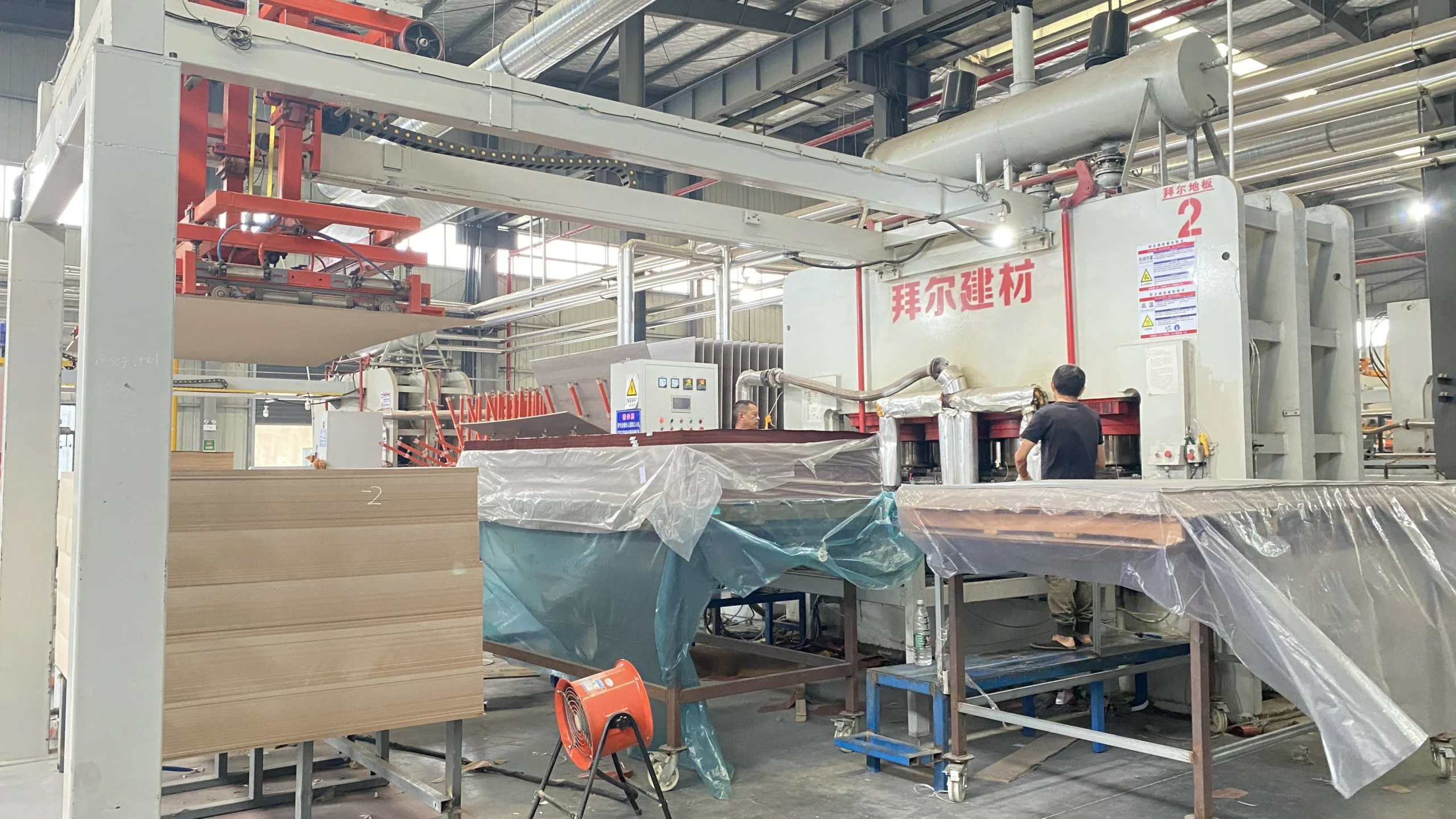
Lamination runs at 140–190°C, under 2.0–3.0 MPa of pressure, for 25–50 seconds. Short-cycle pressing. The bond that forms isn’t just surface adhesion. It’s a controlled chemical and mechanical reaction.

That’s what makes the melamine finish hold up against scratches, stains, and everyday wear. The paper doesn’t do that on its own. The process does.

Design Range and Commercial Scale

You get over 100 surface designs to choose from — woodgrain, solid colors, stone patterns. For buyers sourcing commercial-grade melamine MDF boards in Kyrgyzstan, that range is useful. Mixed-use commercial spaces rarely work with a single finish. Having options means you can match the right surface to each area without switching suppliers.

Production capacity sits at 100,000 CBM per month — around 30,000 sheets per day. MOQ starts at 10m³ or 500kg per color. Base paper runs 70–80 gsm with water-based ink. Minimum dispatch is 5,000kg.

Payment terms are clear: irrevocable L/C at sight, or T/T with 30% advance and the balance settled before shipment. Stock orders ship within 7 days. Custom orders take 15–20 days.

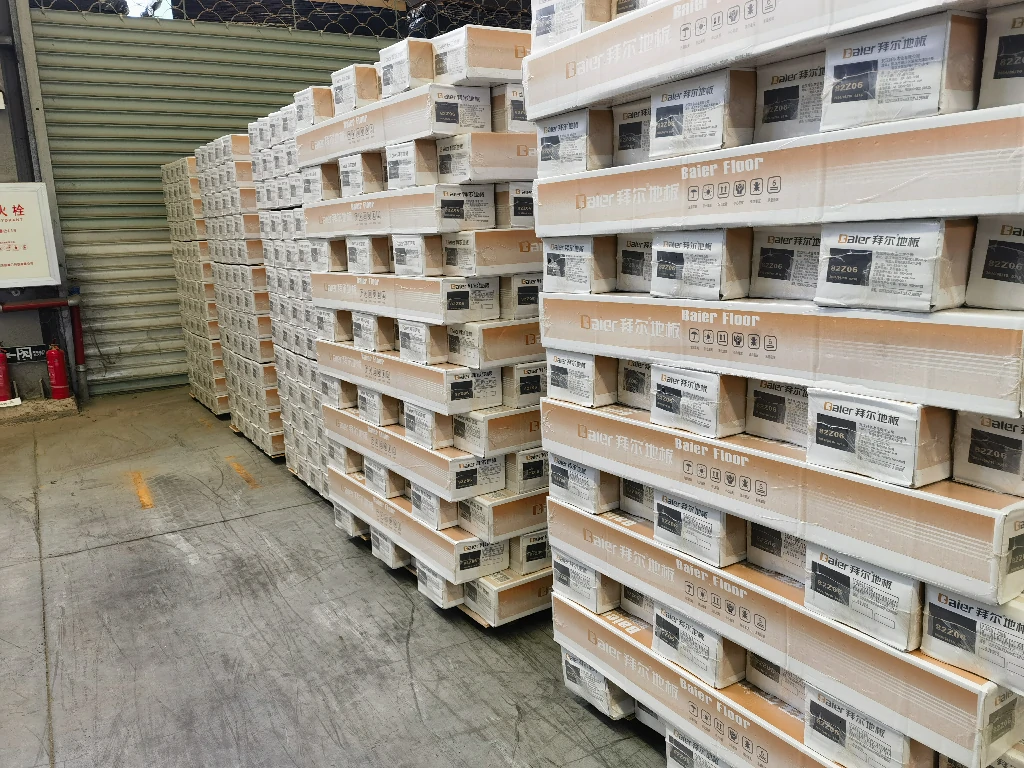
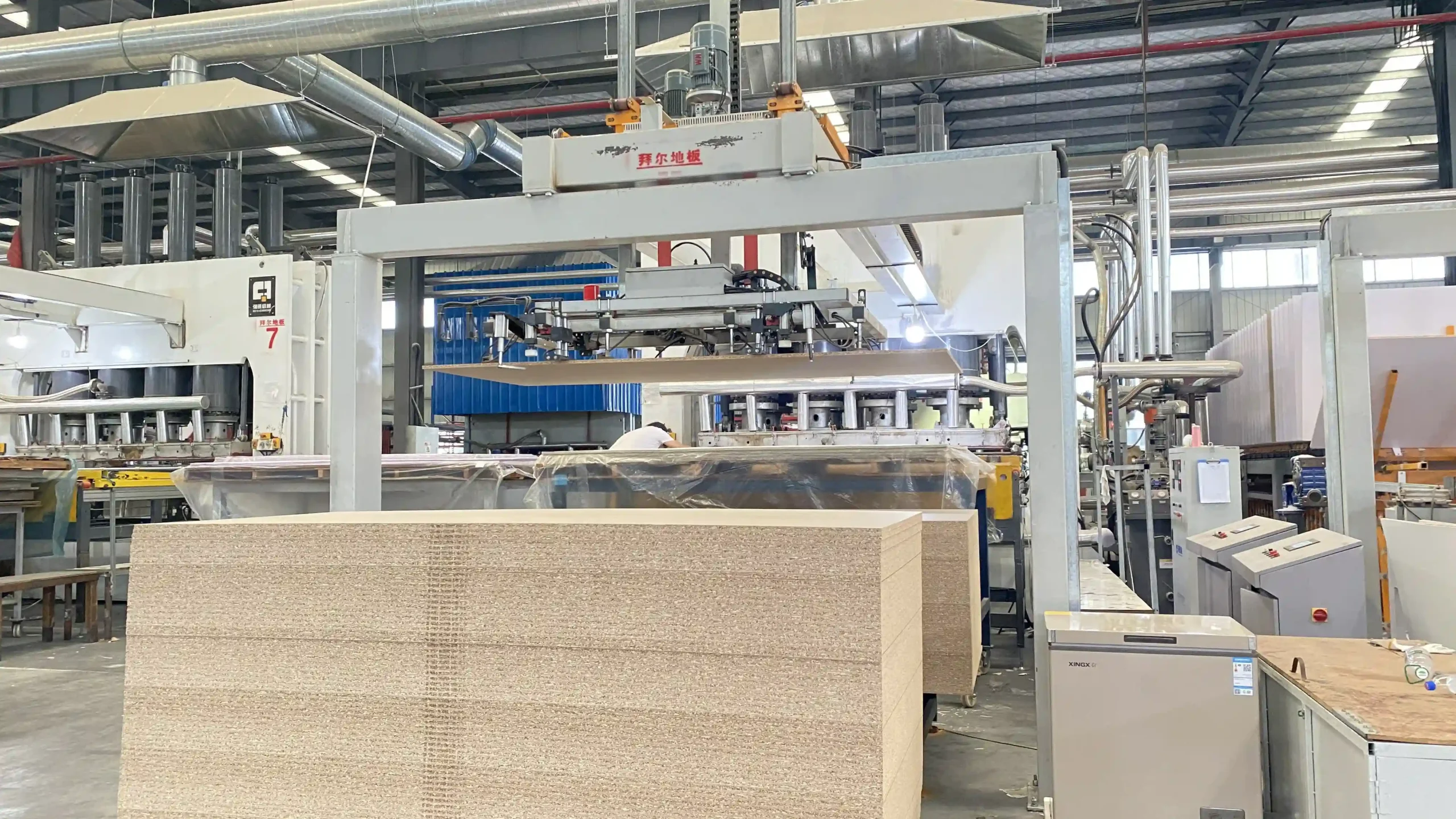
5. Baier Hybrid MDF / Particleboard Solution Strategy

9d81d60d efd1 4136 aae6 d5a5e3446ad3

Here is a number that changes procurement decisions: up to 25% cost difference between melamine MDF and melamine-faced particleboard in carcass applications.

At scale, that gap matters.

For cabinet frames, partition cores, and interior structural panels, using MDF across the entire project is not always the most efficient allocation of budget. Smart sourcing separates visible components from structural components — and Baier builds its board system around that principle.

MDF vs. Particleboard — Engineered for Placement, Not Debate

This is not a quality argument. It is a structural planning decision.

At Baier, we recommend:

Use MDF where precision and surface finish matter

Door panels

Drawer fronts

Decorative partitions

CNC-profiled components

MDF delivers:

Superior machinability

Cleaner routed edges

Stable density for finishing

Lower surface defect rates

It earns its premium where aesthetics and detailing define the final product.

Use melamine particleboard where structural cost control matters

Cabinet carcasses

Hidden shelving backs

Interior framing systems

When surfaces remain unseen, particleboard provides:

Stable load-bearing structure

Competitive cost per square meter

Efficient large-scale volume supply

Instead of applying one blanket specification across an entire project, Baier supports hybrid configurations that balance durability, performance, and budget control.

Controlled Production, Stable Density

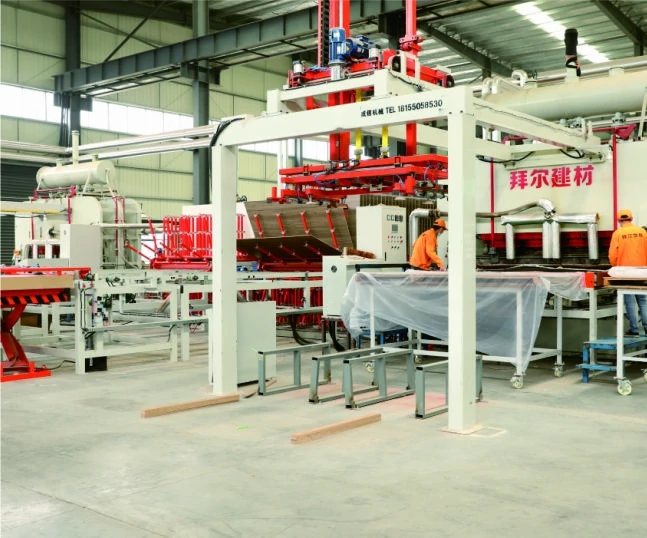
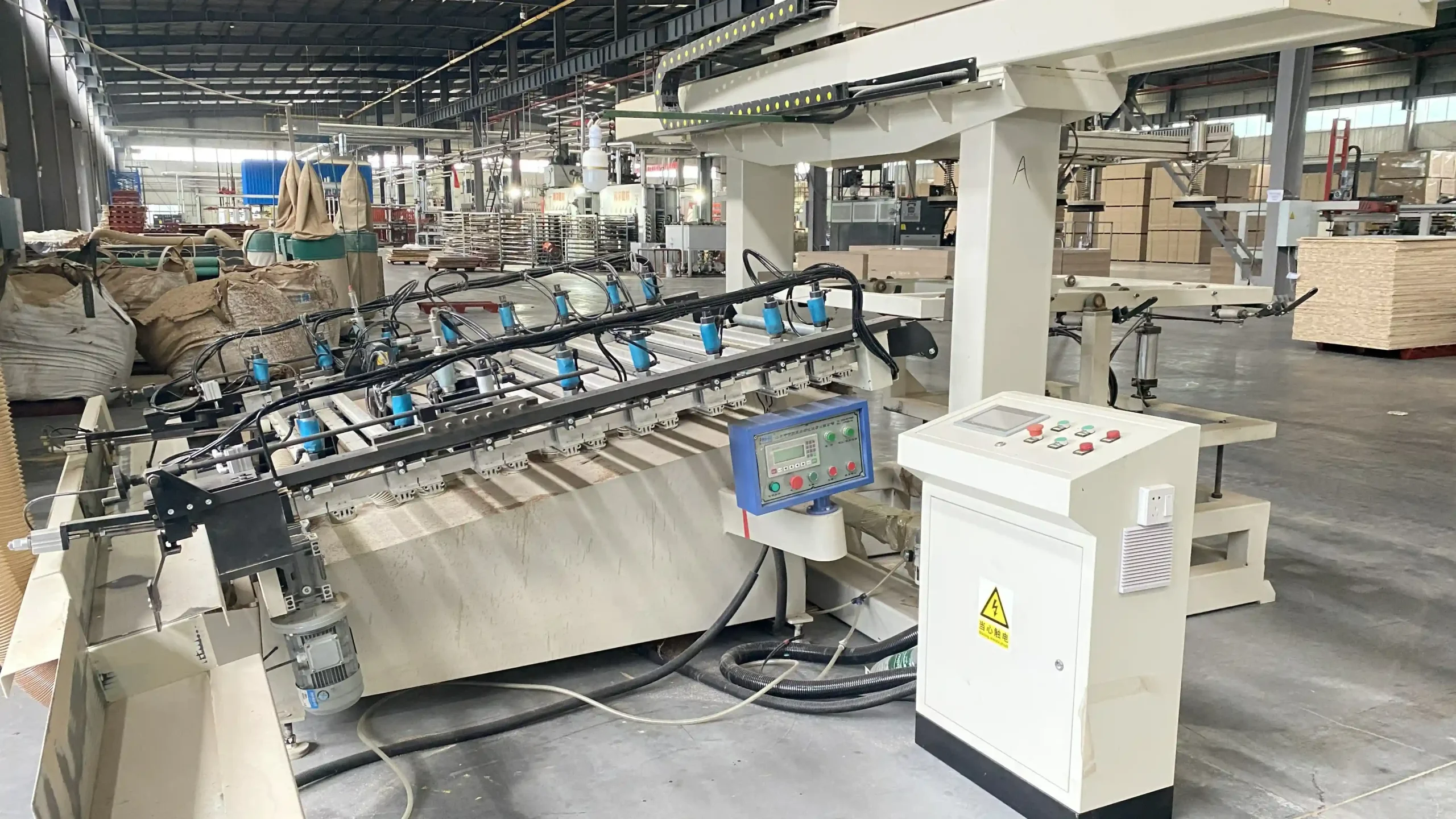
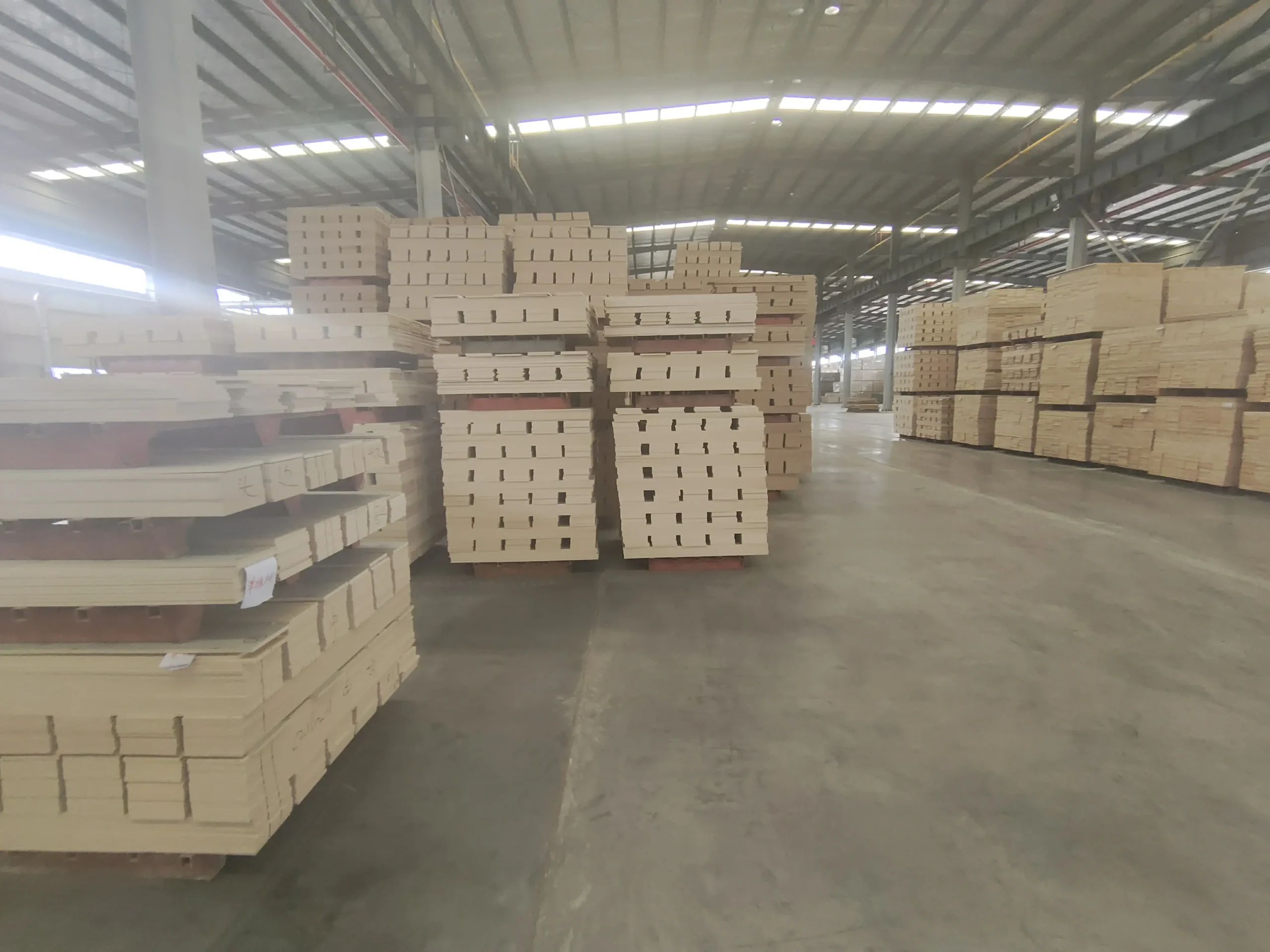
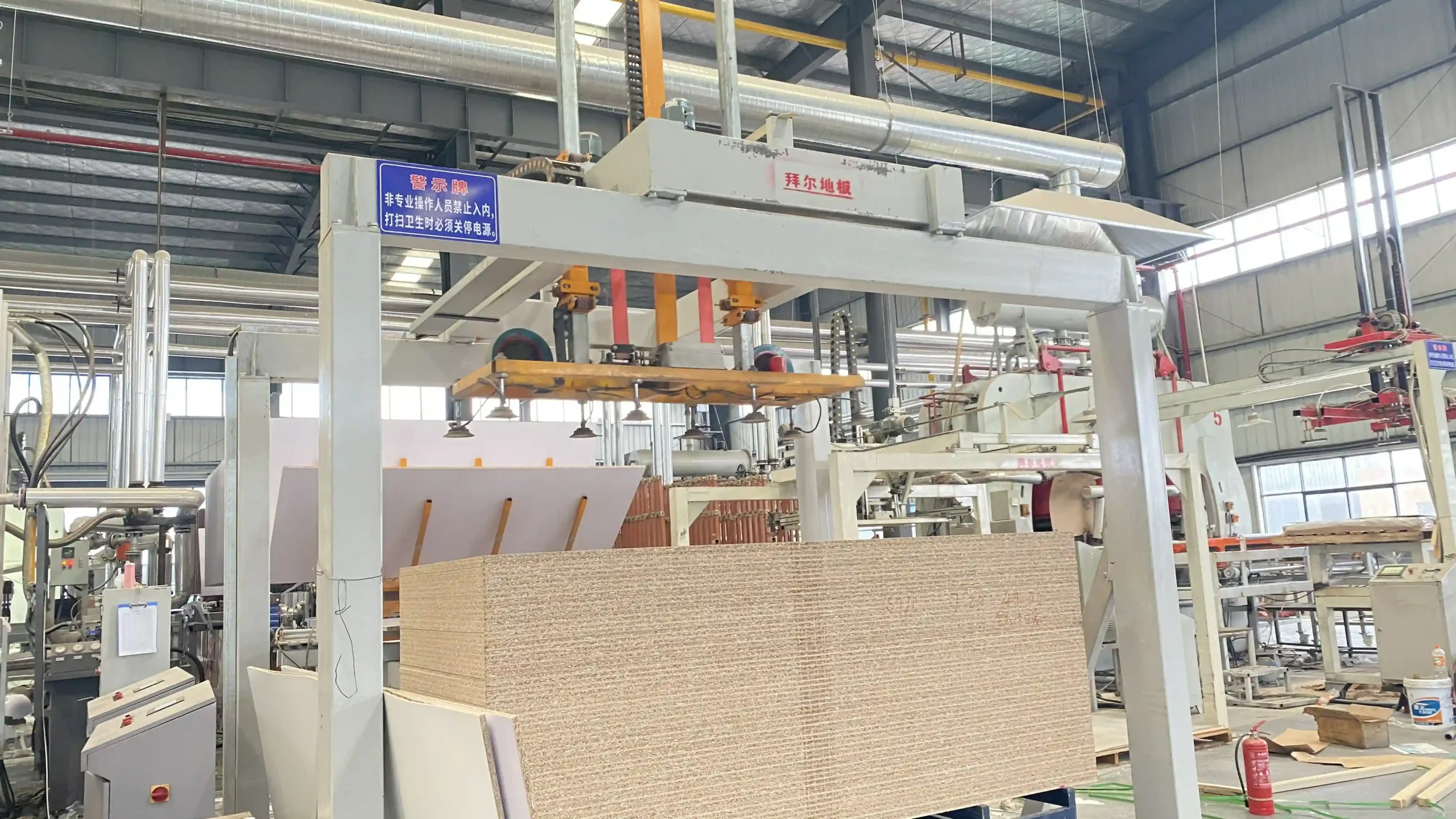
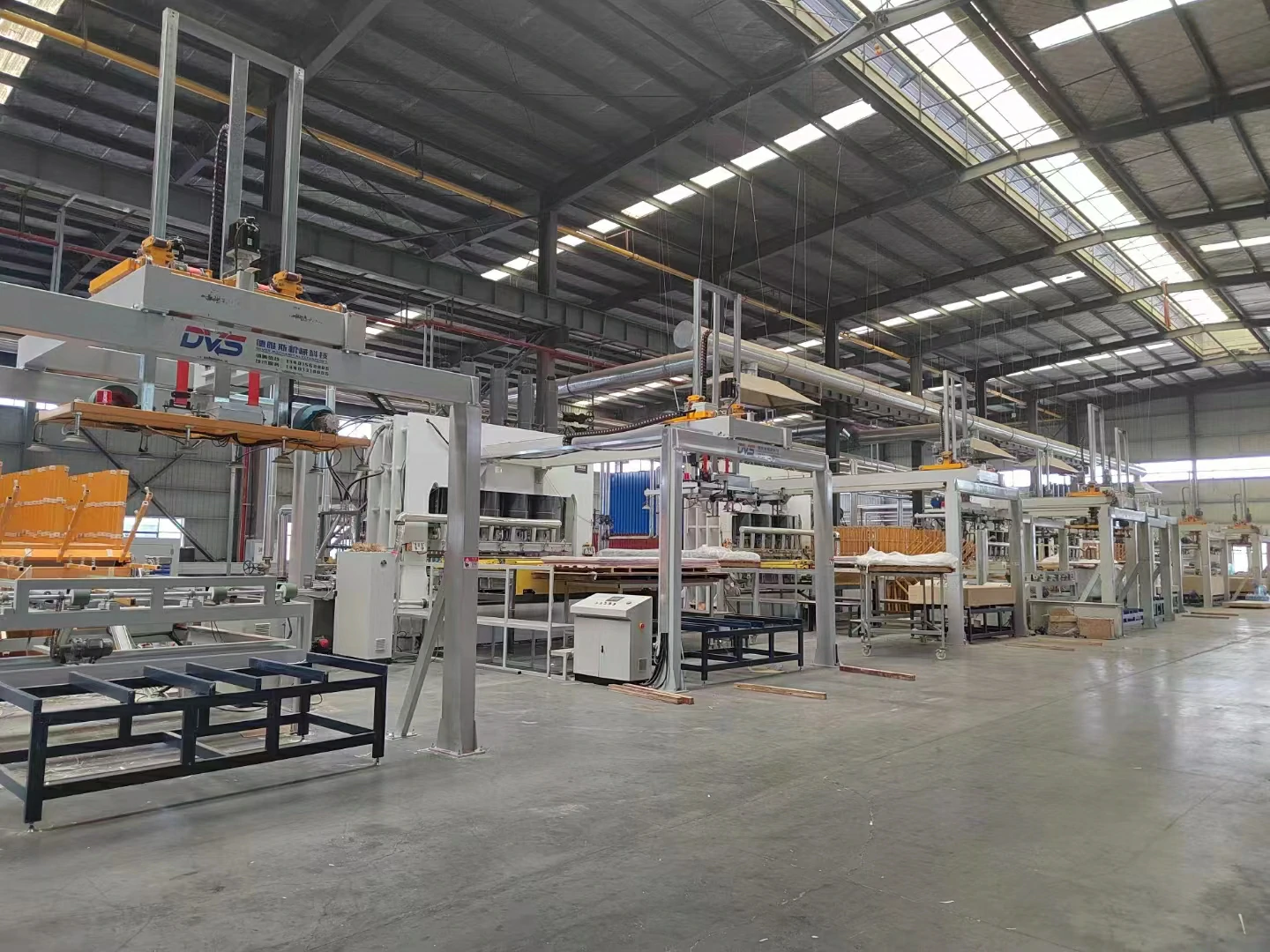
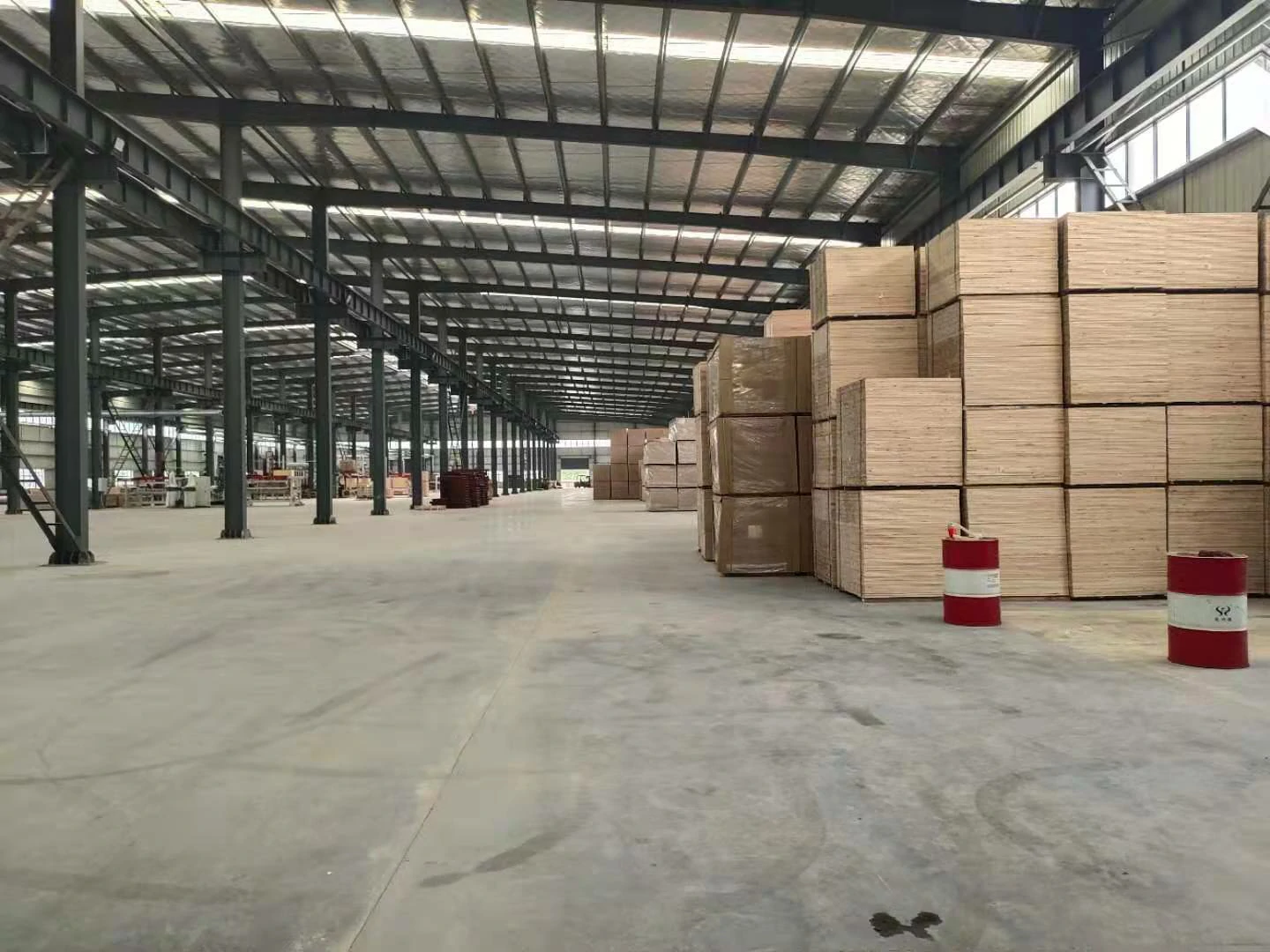
As a manufacturer, Baier maintains strict density and moisture controls across both MDF and particleboard lines. This reduces the inconsistency often seen in mixed-source procurement.

For buyers in Central Asia, including Kyrgyzstan, this matters for two reasons:

Container-level consistency

Reduced machining recalibration during production

Hybrid sourcing only works when density tolerances are predictable. Otherwise, machining quality suffers.

Advanced Variants Available

Baier also supplies specialty board configurations depending on project requirements:

Lightweight MDF (reduced weight for large doors and panels)

Fire-retardant MDF cores for public interiors

Moisture-resistant (HMR) variants for kitchen and wet-area applications

Double-sided melamine lamination options

These are not limited-production boards. They are integrated into our regular manufacturing system, allowing volume supply without long lead times.

What This Means for Buyers in Kyrgyzstan

When sourcing commercial-grade melamine MDF boards for furniture manufacturing or interior projects, the goal is not simply to buy boards — it is to optimize material placement across the entire structure.

Baier’s hybrid supply approach allows you to:

Reduce unnecessary MDF overuse

Maintain visible-surface quality

Control total project cost

Keep documentation and emission compliance aligned across materials

The right specification is rarely a single board. It is a coordinated material strategy.

Conclusion

Finding the right commercial-grade melamine MDF boards in Kyrgyzstan is not about choosing the cheapest sheet on the market. It is about matching board type, supplier reliability, and project requirements.
Each supplier listed above offers a distinct advantage:

Dongstar — flexible thickness range and multiple core options

Kastamonu Entegre — strong European compliance and tight production tolerances

YYT Wood — high mechanical strength and double-sided finish options

Fimo Decor — controlled lamination process and broad surface design range

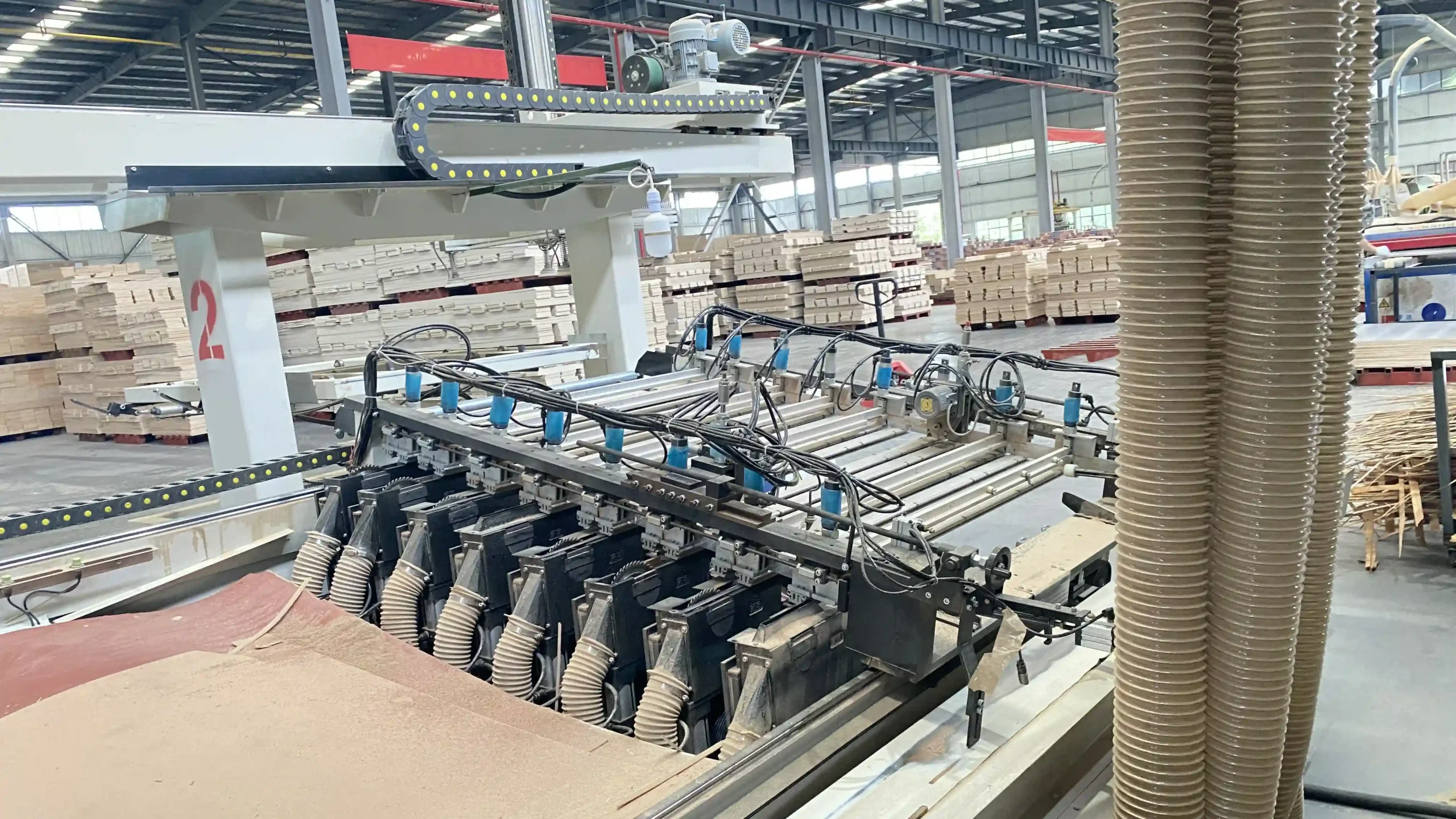
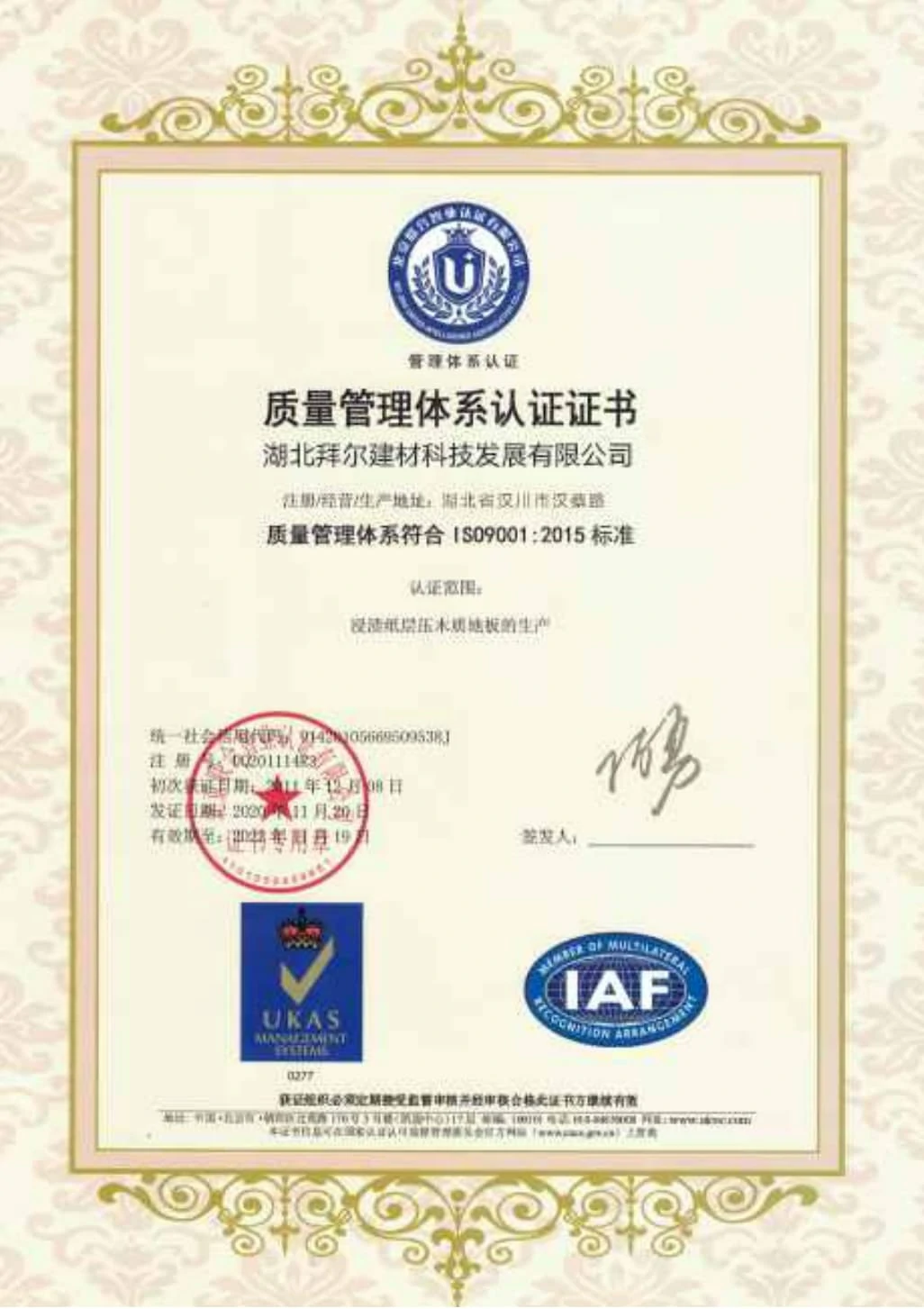
Baier — hybrid MDF/particleboard strategy with manufacturer-level density control

The real takeaway?

Upfront price rarely reflects long-term performance.

A board that chips, warps, or fails screw holding tests mid-project will always cost more than a properly specified panel from the beginning.

Before placing your next order:

Shortlist two or three suppliers

Request physical samples

Review emission certificates and mechanical test data

Match board core type to actual placement (visible vs structural)

The best melamine Mdf Board isn’t the cheapest one.

It’s the one still performing flawlessly three years after installation.

Commercial Melamine MDF Board Supplier Comparison (Kyrgyzstan Market)

Supplier Core Options Density Range Emission Grades Strength Focus Production Advantage Best For
Dongstar Standard MDF / HMR / FR 680–830 kg/m³ E0 / E1 / E2 Balanced structural performance Wide thickness range (2–25mm) Flexible commercial furniture production
Kastamonu Entegre Standard / Light MDF / MR / FR / HDF 450–1000+ kg/m³ E0 / E1 Tight tolerances, EN certified European compliance, CNC stability Institutional & regulated projects
YYT Wood MDF / HDF / HMR 600–850 kg/m³ E0 / E1 / E2 High screw holding & bending strength Double-sided lamination Cabinet interiors & visible partitions
Fimo Decor MDF with advanced lamination 600–900 kg/m³ E0 / ENF / E1 Surface bonding durability Controlled lamination process Decorative commercial interiors
Baier MDF / HMR / FR / Particleboard hybrid Custom controlled density E0 / E1 Hybrid cost-performance balance Manufacturer-level density consistency Large-scale furniture & cost-optimized projects