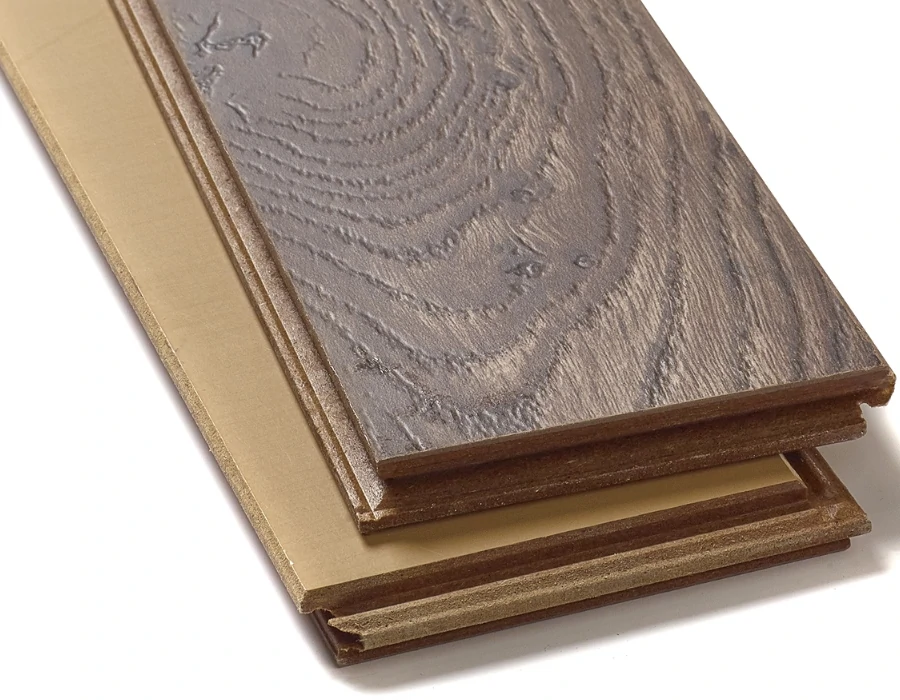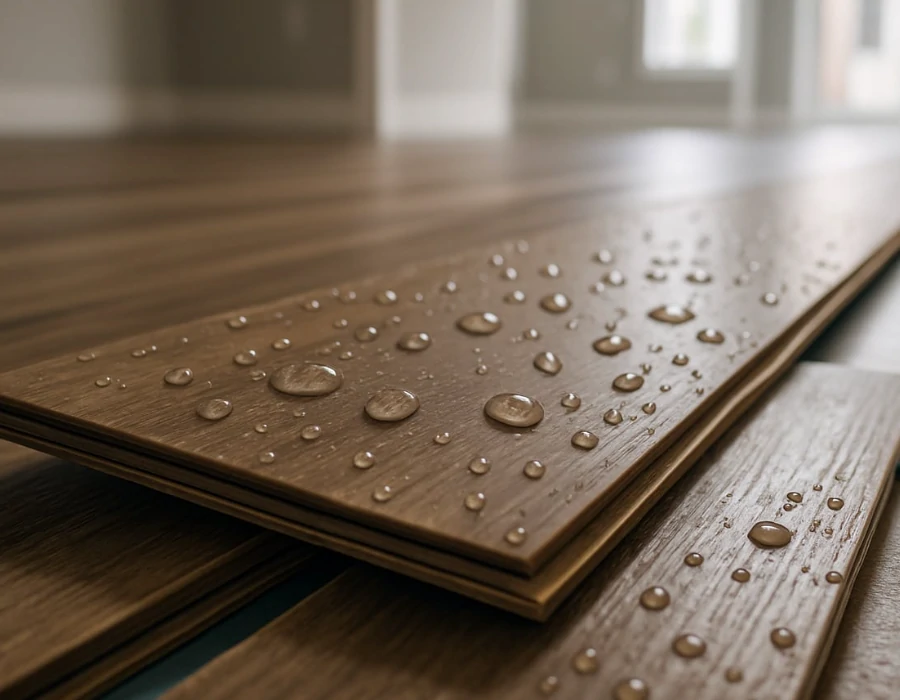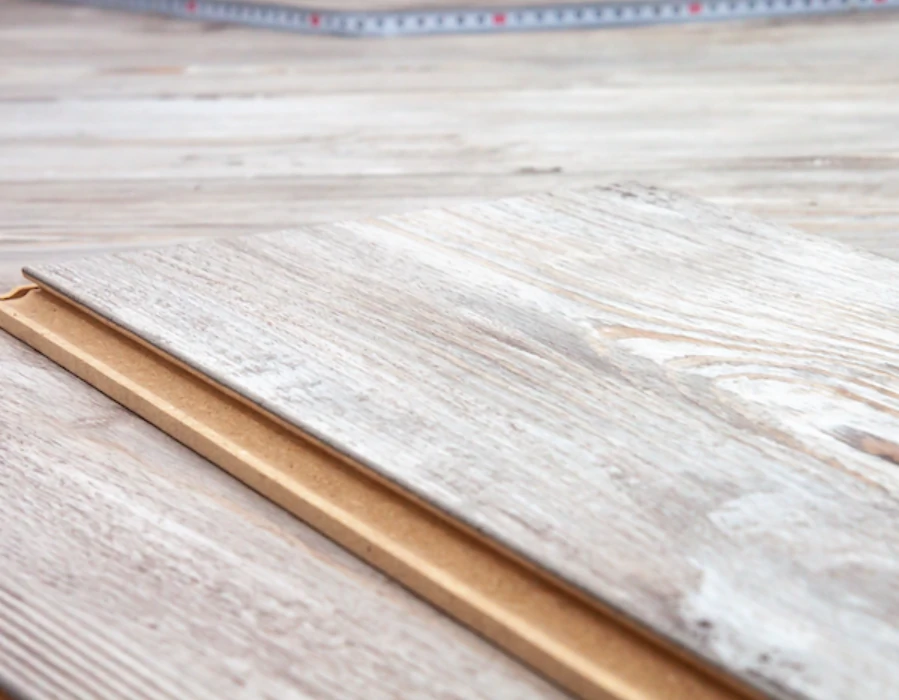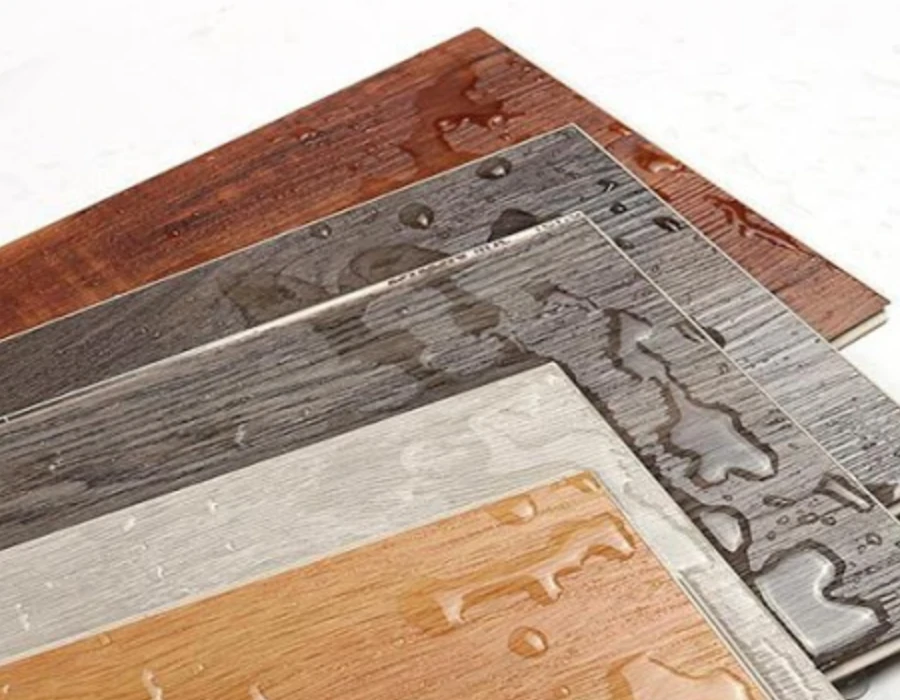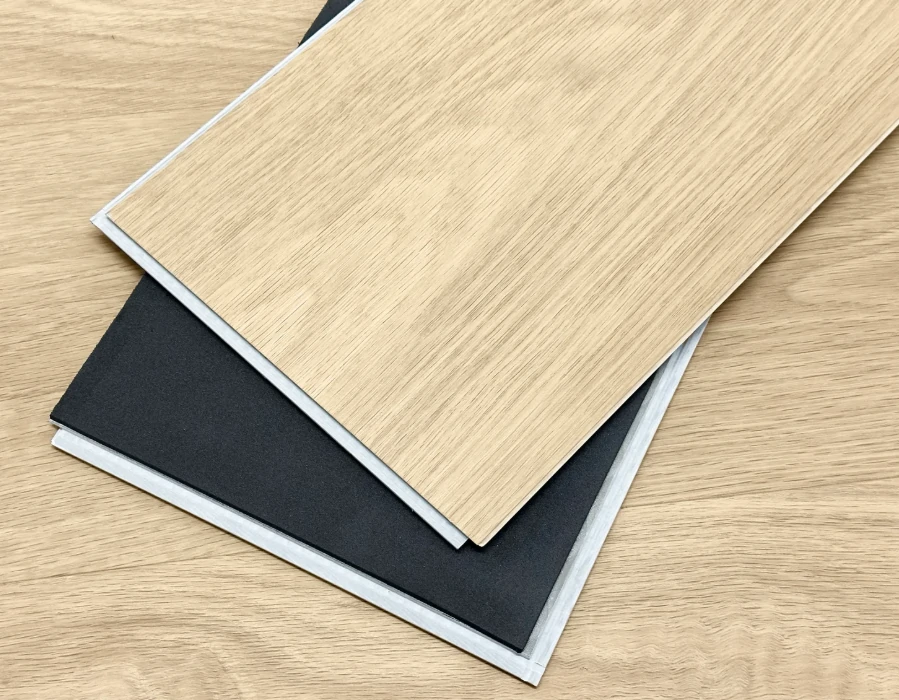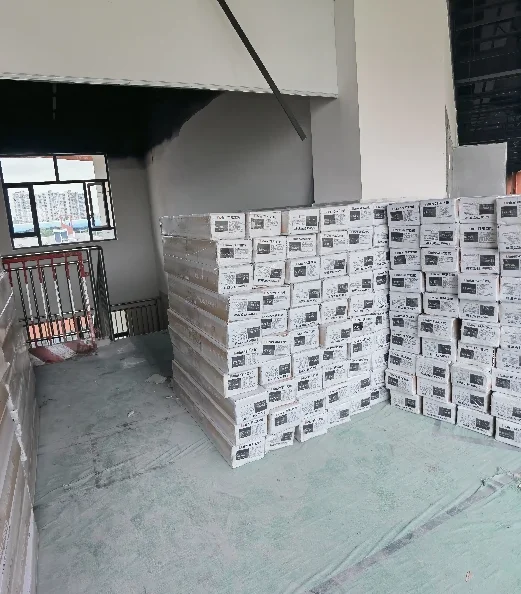
Finding the right pre-laminated melamine MDF sheets Manufacturers In USA can make or break your project timeline, budget, and quality standards. This matters most for bulk orders that’ll define your product line for months ahead.
Here’s the reality: manufacturers vary widely in consistency, lead times, and pricing flexibility. Large-scale buyers need all three.
I’ve analyzed the top players in the North American market right now. This includes industry giants like EGGER and ARAUCO. It also covers specialized producers who’ve mastered high-volume delivery.
You’ll discover which manufacturers excel in specific applications. You’ll learn what negotiation leverage points work for container load orders. Plus, you’ll see the critical selection criteria that separate reliable partners from vendors who’ll leave you scrambling.
Furnishing commercial spaces? Manufacturing cabinetry? Supplying retail fixtures? This breakdown cuts through the marketing fluff. You’ll see who delivers—and who doesn’t.
Pre-Laminated Melamine MDF Sheets Manufacturers For Large Buyers
US manufacturers control 92% of North American panel capacity through the Composite Panels Association. That’s massive market consolidation working in your favor as a large buyer.
This framework breaks down the 10 manufacturers worth your attention. Each entry includes the data points that matter for container-load negotiations.
Core Selection Criteria for Large-Scale Orders
Production capacity comes first. Uniboard processes 660 million square feet of raw panels each year. Over 50% gets upgraded to thermal fused laminates (TFL). That volume means consistency across your orders.
Geographic footprint affects lead times. West Fraser operates 9 engineered wood mills across 50+ facilities. Multiple production sites cut shipping costs for regional distribution.
Technical capabilities separate basic suppliers from true manufacturing partners. Look for:
-
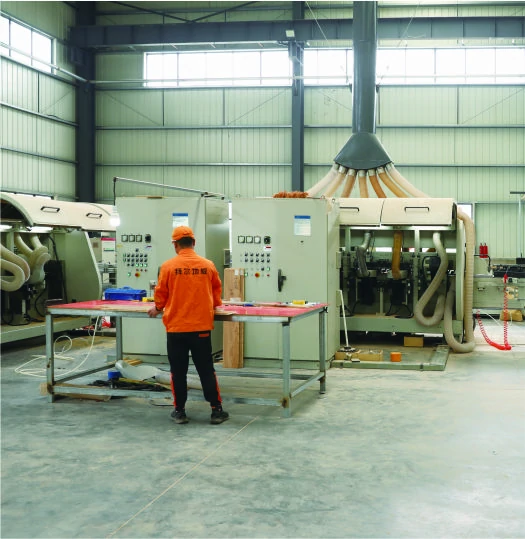
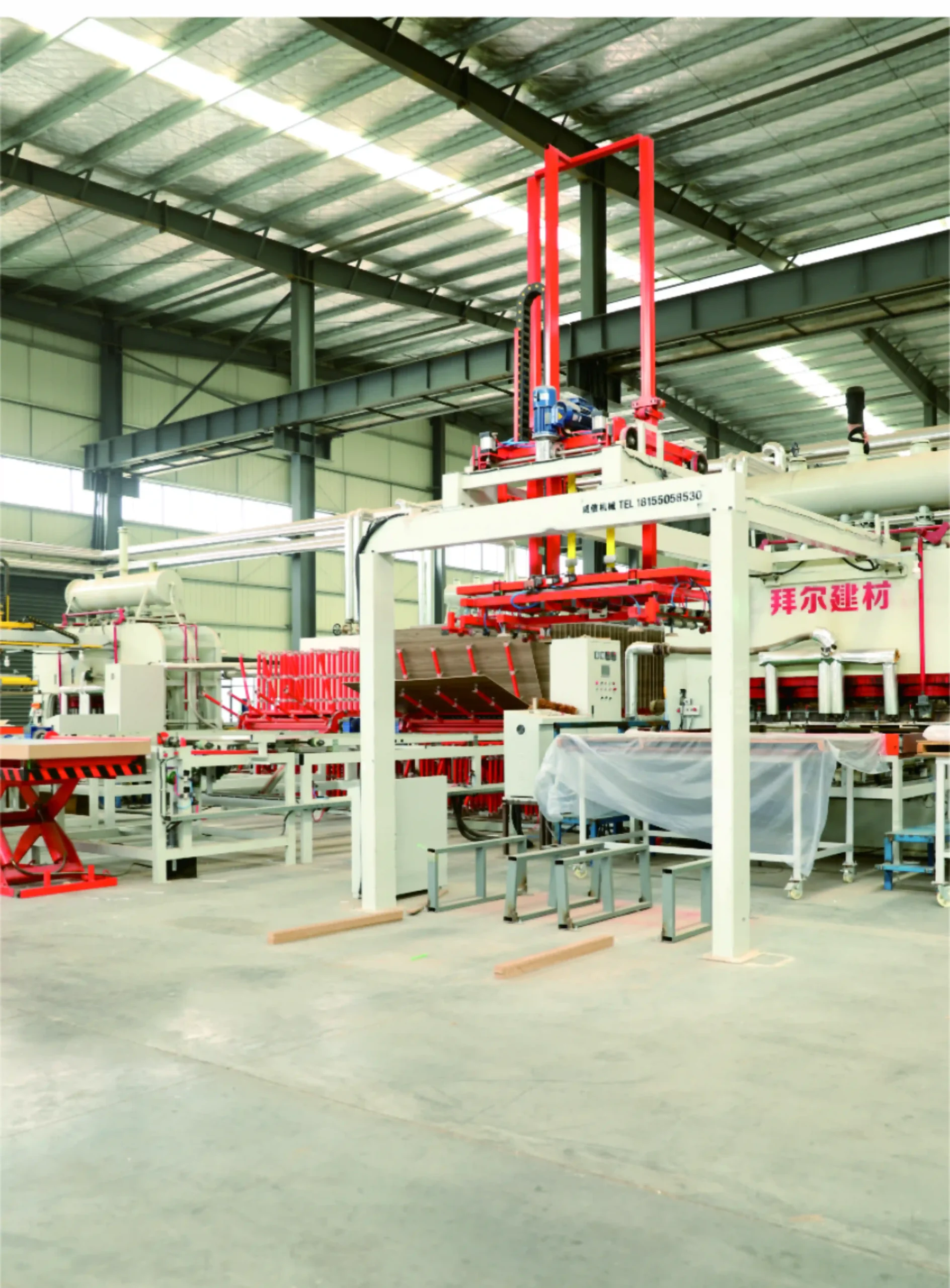
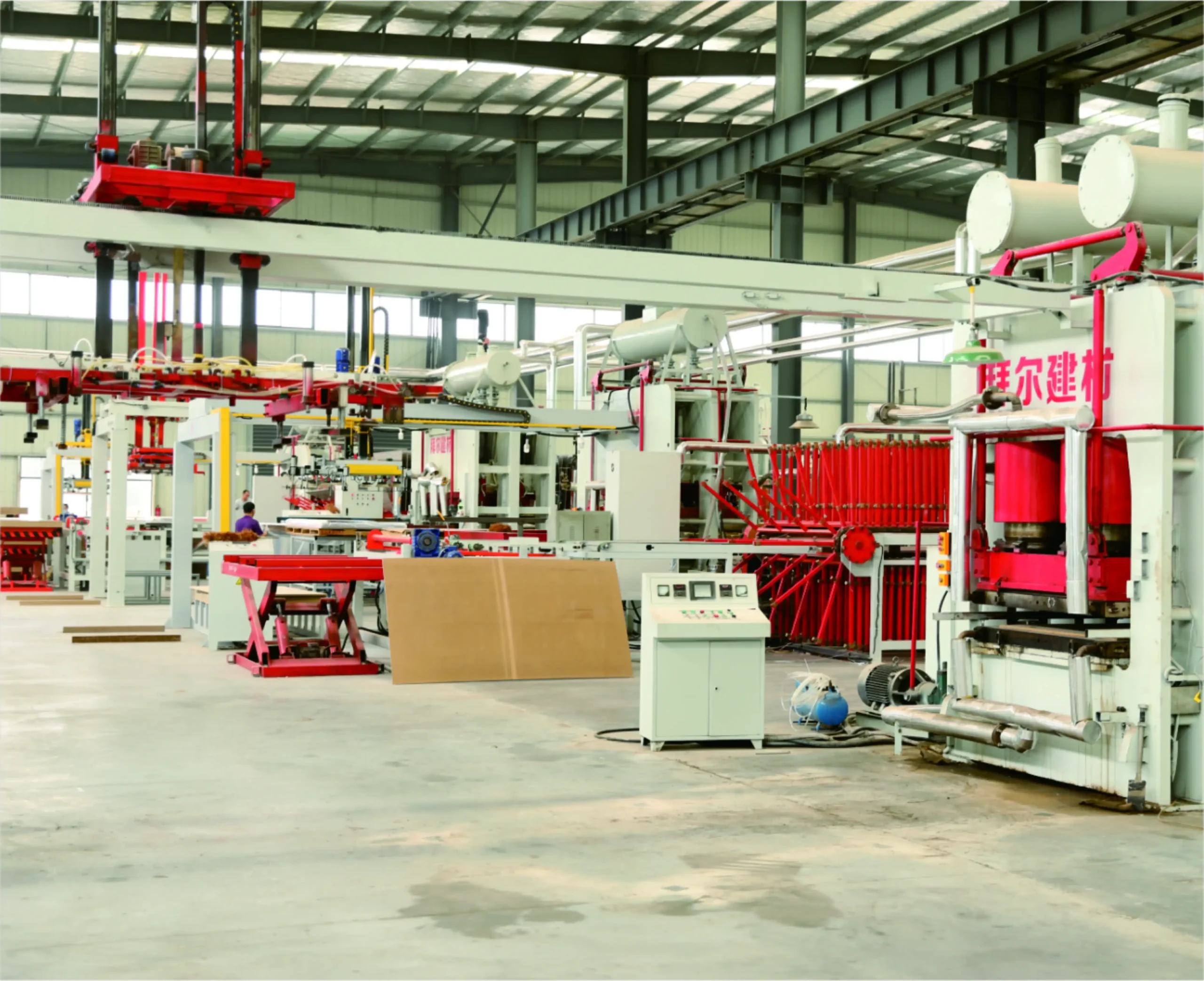
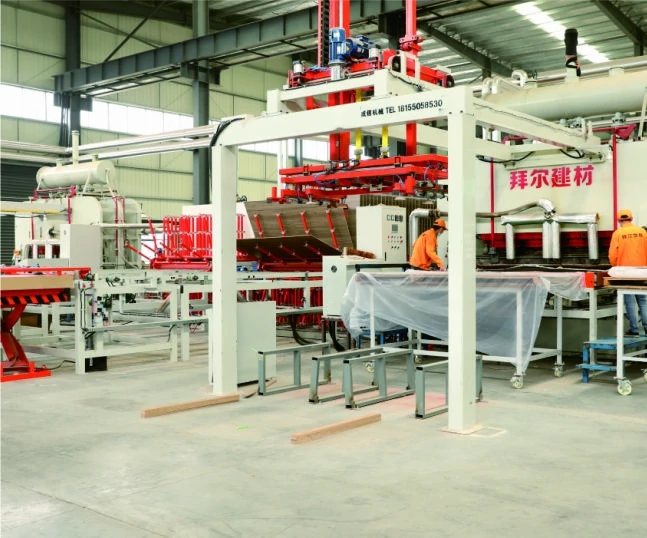
Hot press lamination for durable TFL bonding
-
CNC routing capabilities for custom sizing
-
Edgebanding services (up to 5mm PVC or 30mm veneers)
-
JIT delivery systems for inventory management
Manufacturer Categories You’ll Encounter
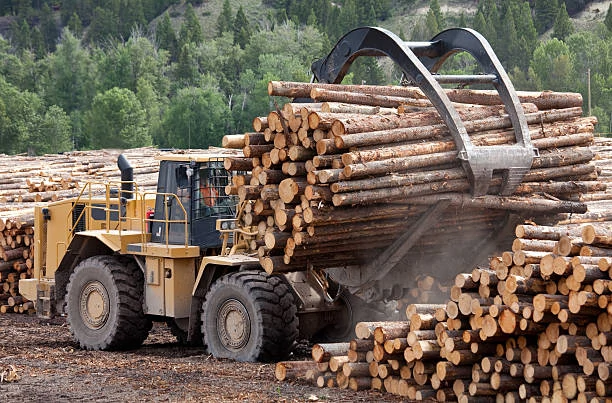
Vertically integrated producers own their timber supply. Roseburg controls 600,000 acres of timberland. They have 3,000+ staff across three plants. This structure keeps pricing stable during market ups and downs.
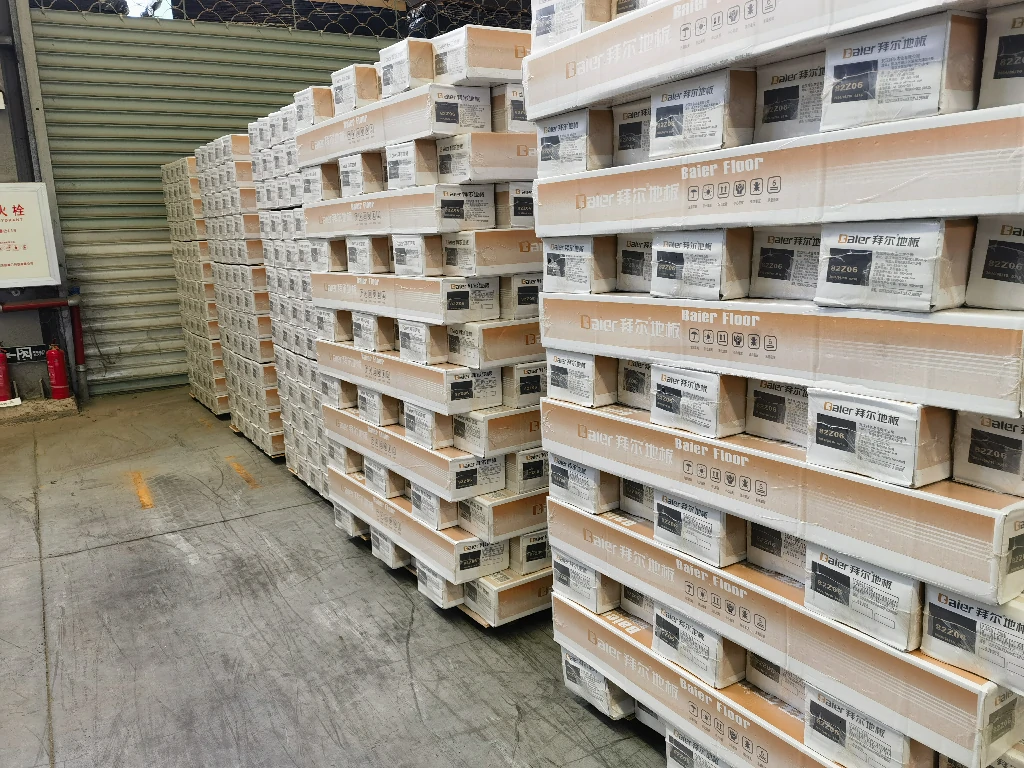
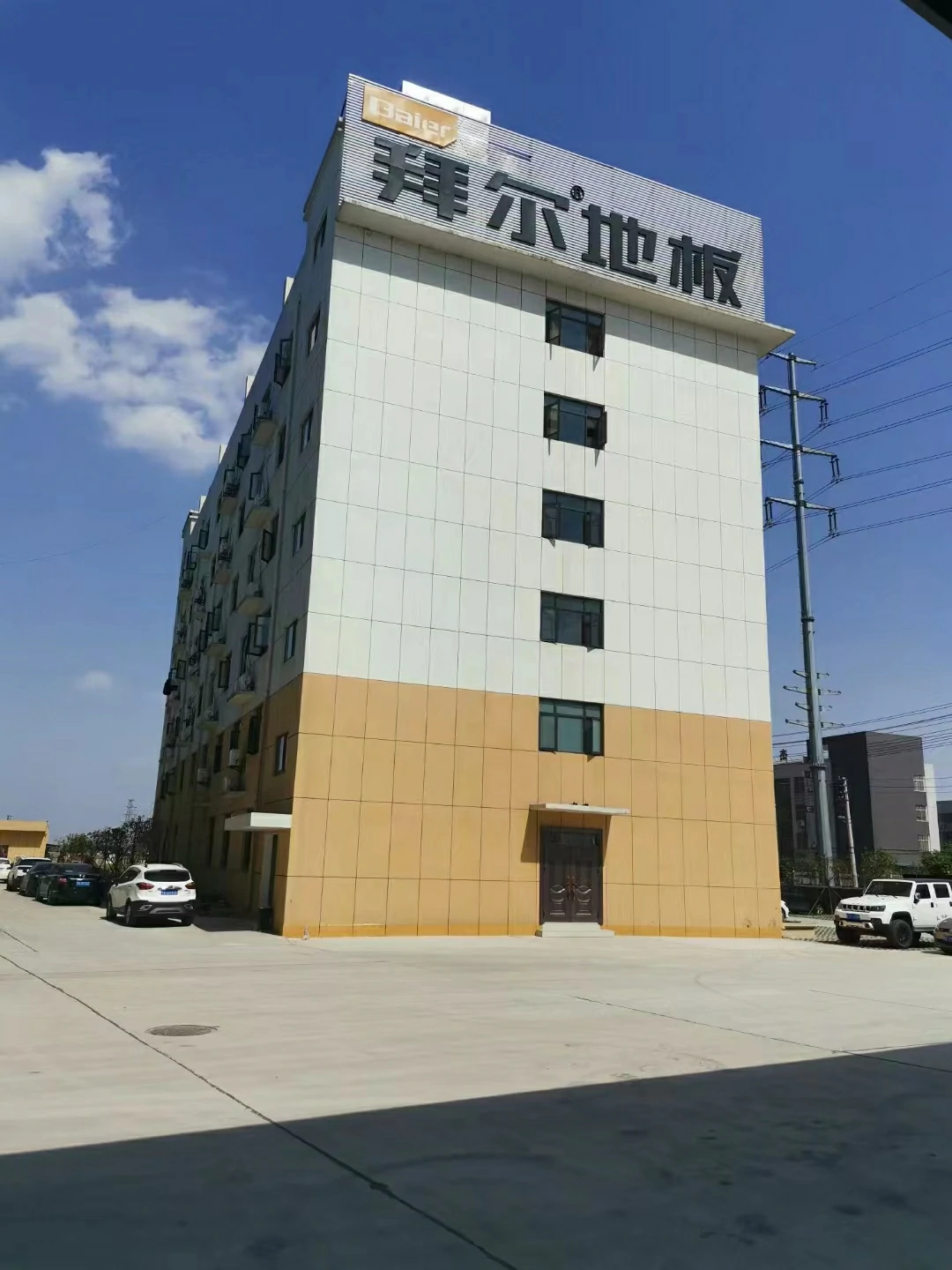
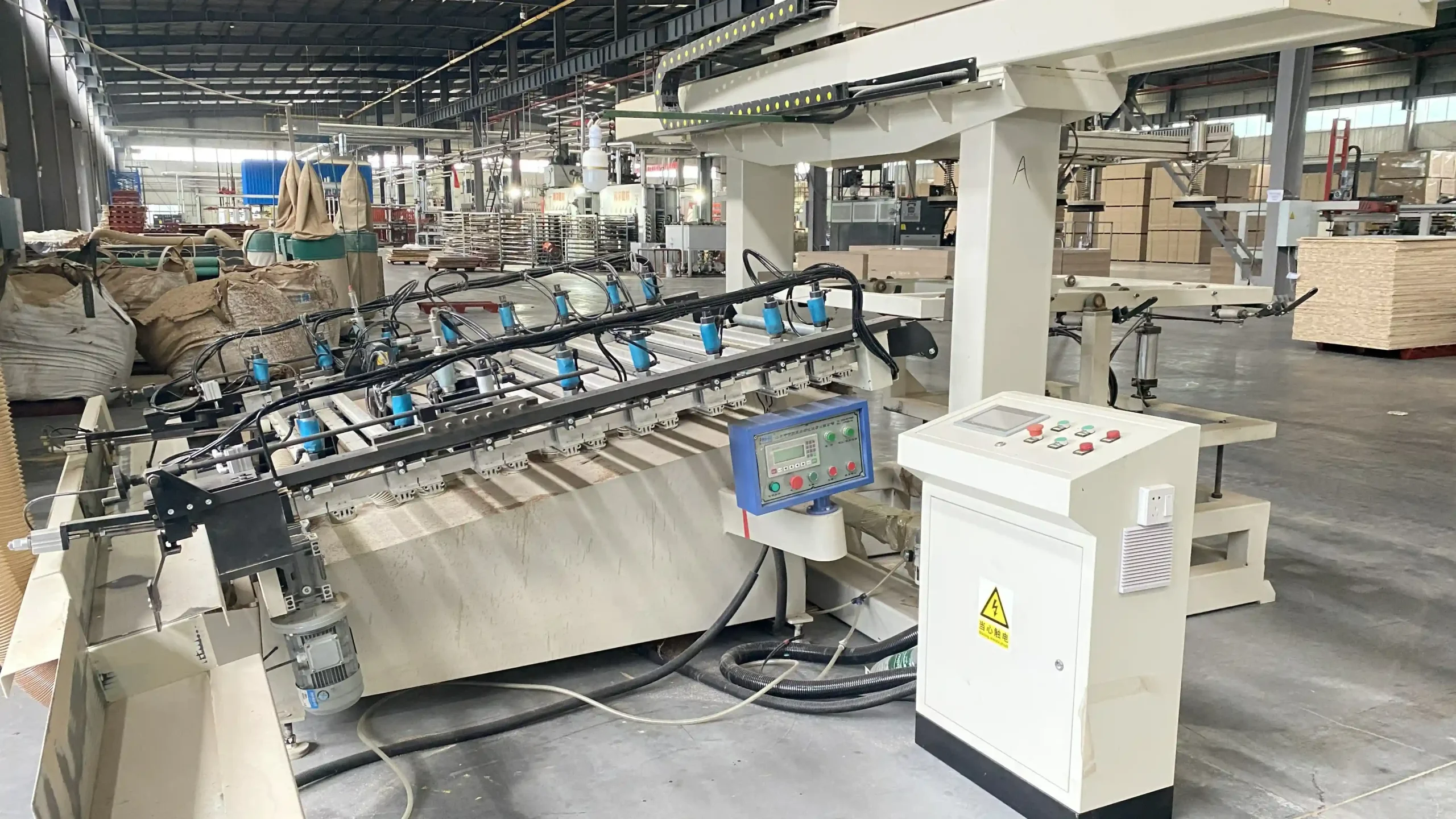
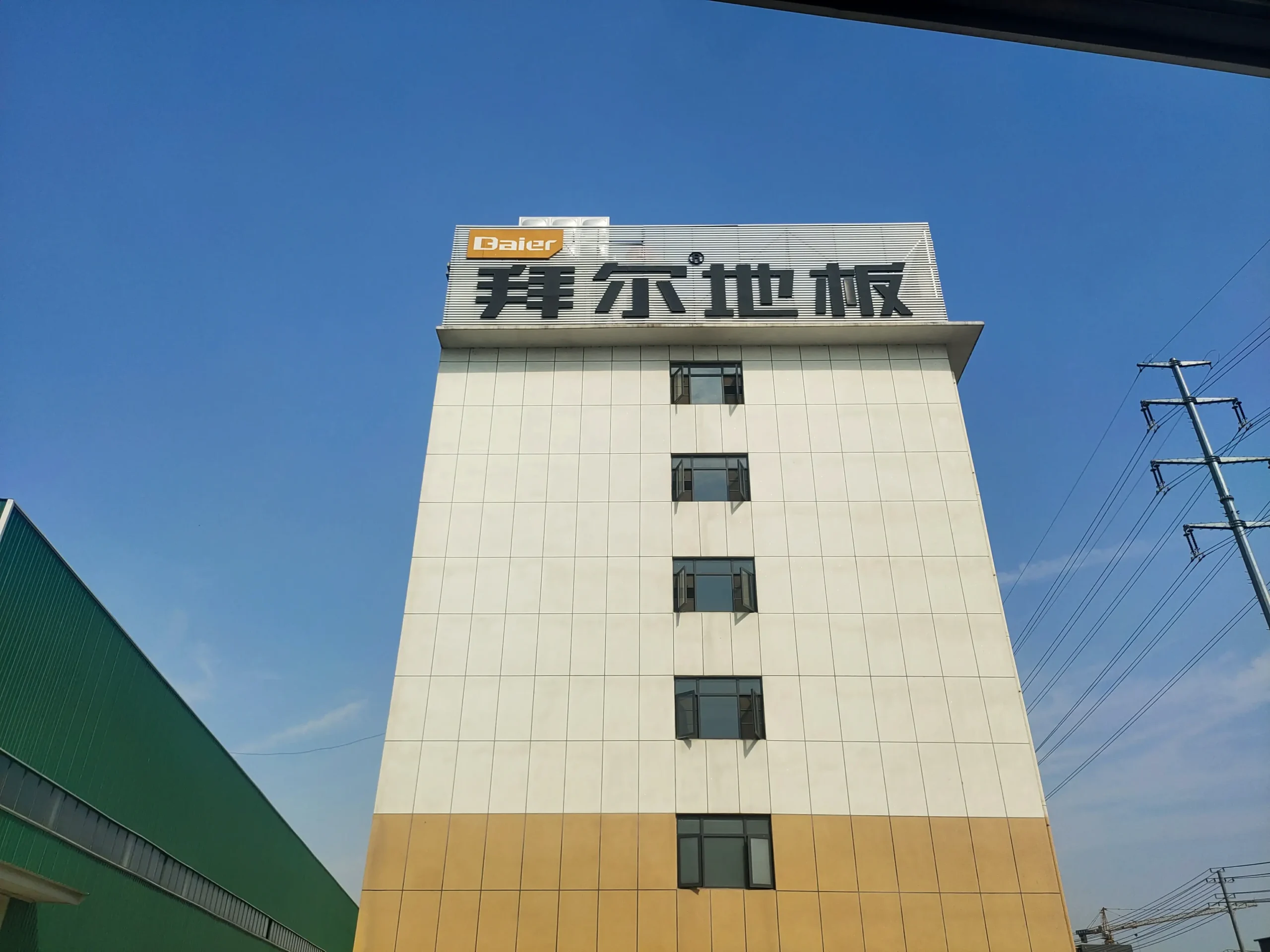
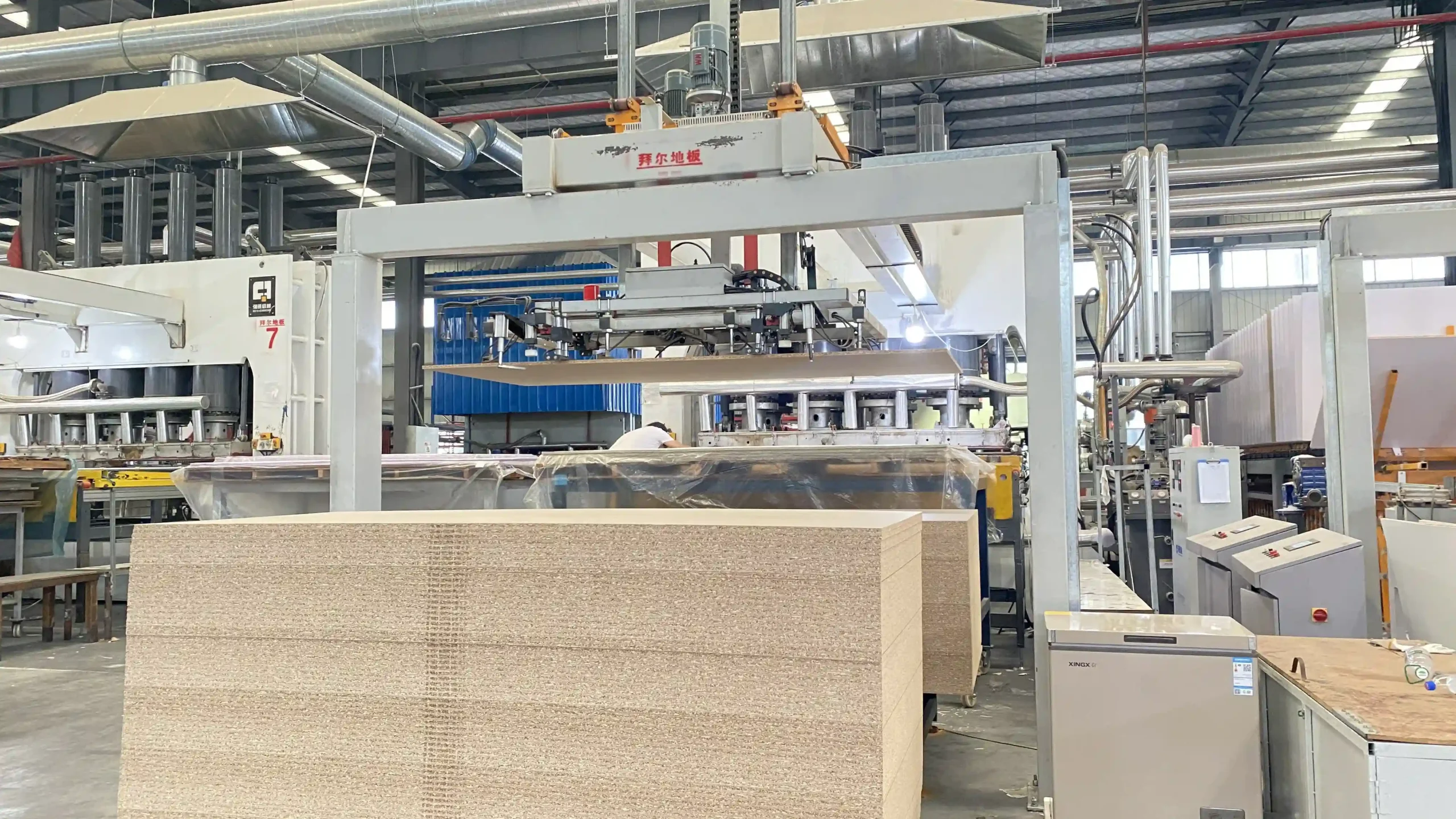
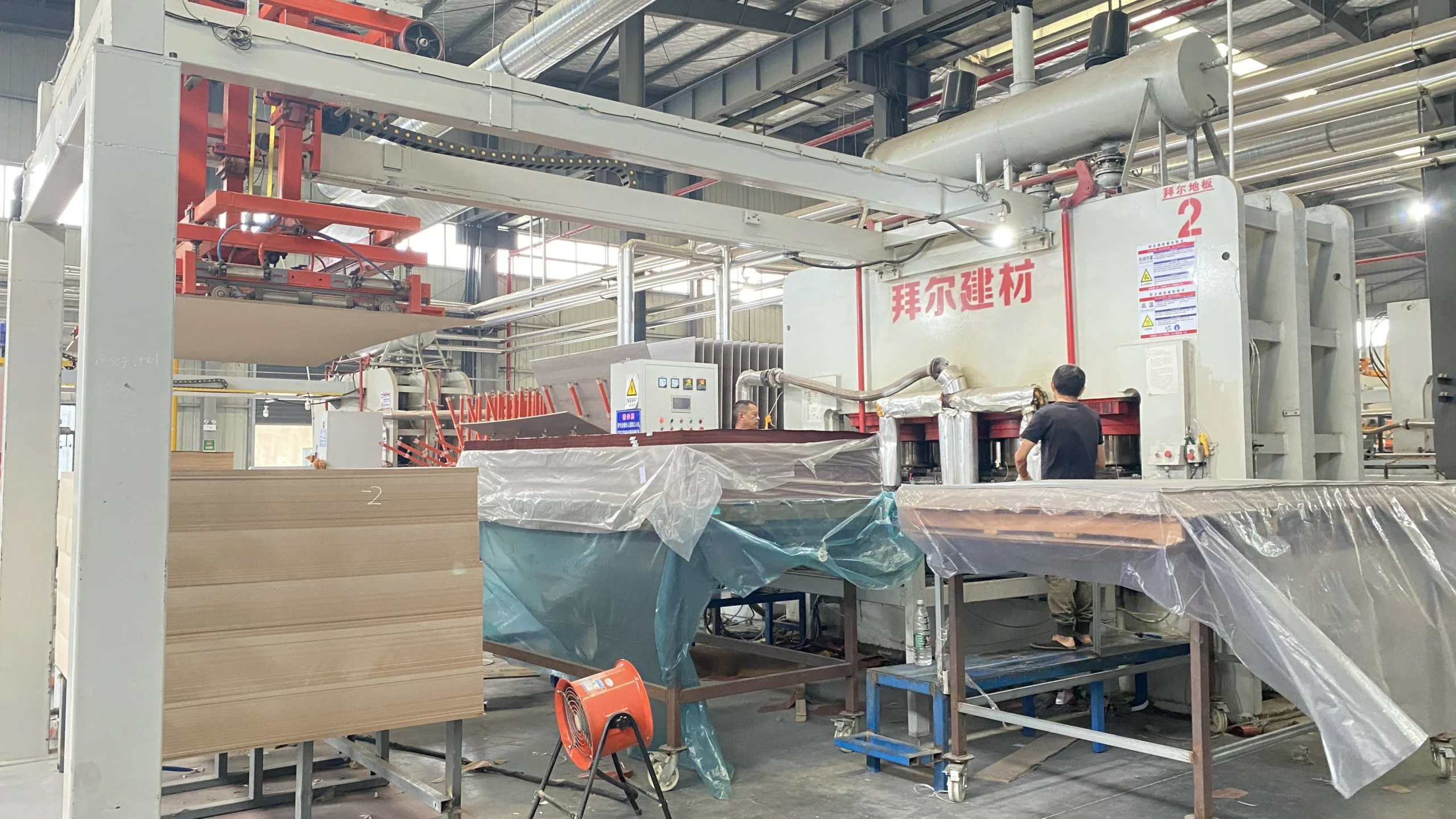
Specialty automation players like Baier push 300,000 cubic meters each year. That’s 150,000 m³ TFL/MDF. Their eco-tech focus delivers tighter tolerances. You get better results for modular furniture applications.
OEM-focused suppliers such as West Fraser dedicate over 50% of capacity to original equipment manufacturers. Their WestPine continuous presses produce thin, laminate-ready boards. Paint-ready board buyers can’t match this quality.
The comparison framework ahead maps each manufacturer against these categories. You’ll see exact capacity numbers. Plus strategic advantages and application matches for your buying volume.
|
Manufacturer |
Production Model |
Annual Capacity & Key Scale |
Integration Level |
Logistics & Delivery |
Best For |
|---|---|---|---|---|---|
|
EGGER (Lexington, NC) |
Full substrate integration |
155M+ sq ft TFL/year; particleboard up to ~750,000 m³ |
Owns raw material → finished panel production |
US domestic facility reduces lead time |
Large volume, integrated contract supply |
|
ARAUCO (North America) |
Particleboard → laminating |
452M sq ft particleboard/year |
Continuous press + network of ports/warehouses |
Strong port + inland distribution |
Container load buyers, multi-region supply |
|
Baier Wood Based Panel |
Export-oriented MDF/TFL production |
~300,000 m³ total panel capacity |
Focused on panel quality via raw fiber control |
Structured export logistics |
Precision machining + non-commodity supply |
|
West Fraser Timber / Norbord |
Multi-facility engineered wood |
Broad OSB/MDF/EWP footprint |
Partial vertical integration |
US-Canada production flexibility |
Buyers needing tariff/footprint flexibility |
|
Uniboard (Val-d’Or expansion) |
Particleboard with TFL integration |
660M sq ft panel base |
Strong particleboard focus |
Cross-border Canada-US logistics |
Furniture segment + MDF demand |
EGGER (Lexington, NC)

EGGER’s $700M North Carolina operation changed the game for Pre-Laminated Melamine MDF Sheets Manufacturers In USA. Production started in September 2020. This isn’t a retrofitted facility. It’s purpose-built vertical integration on American soil.
The numbers tell the real story. Three lamination lines now pump out over 155 million square feet of TFL each year. That’s a 50% capacity jump. They added the third line in 2023 with a $21M investment. September 2022 set their production record: 1 million square meters of TFL in a single month. That’s about 336,000 standard 4×8 sheets—18% above their own projections.
Here’s what separates EGGER from typical Pre-Laminated Melamine MDF Sheets Manufacturers In USA: complete substrate control. Their particleboard production started at 400,000 m³ per year. Full build-out hits 750,000 m³. They don’t buy base material from outside suppliers. They control quality from wood chips to finished TFL.
The 859,000 square foot facility runs an on-site impregnation line. This was part of a $42M investment that created 40 jobs. They laminate resin-infused paper onto particleboard using heat and pressure. Their recycling center uses up to 15% post-consumer recycled wood in production.
By September 2022, their two-year mark, total TFL output exceeded 15.5 million square meters. Phase 2 finishing lines start in 2025. The facility employs 770 workers. That’s almost double the initial Phase 1 target of 400.
EGGER produces heat-fused laminates, raw particleboard, edge banding, standard laminates, MDF, and MDF mouldings. Container-load buyers get all this product range under one roof. This makes sourcing simple. You deal with one invoice instead of managing multiple vendors.
ARAUCO (North American Operations)

ARAUCO built North America’s largest continuous particleboard press in Grayling, Michigan. The $450 million plant started operations in Q4 2018. This 820,000 square foot facility produces 452 million square feet of particleboard each year. Container-load buyers stay stocked. No allocation worries.
The press stretches 170 feet—the biggest in North America. Size matters for Pre-Laminated Melamine MDF Sheets Manufacturers In USA operations. Longer presses give you more consistent density across panels. You get fewer rejects during large-scale laminating.
We run this with 740 employees at our Atlanta headquarters. The Grayling plant employs 210 workers. It’s the town’s third-largest employer. The operation pulls up to 18 MW of power through new 138kV transmission lines. State and local incentives cut $12 million in tax breaks over 12 years.
Container-Scale Logistics That Work
Here’s where ARAUCO stands apart from other Pre-Laminated Melamine MDF Sheets Manufacturers In USA: logistics execution. We ship over 18,000 containers each year into US and Canadian markets. Our network uses 21 ports of entry. That includes 11 inland ramps.
The system runs through 10 primary ports. We back those with 12 port warehouses. Two metrics matter for bulk buyers: On-Time Delivery (by your requested date) and Dock-to-Stock time. Our 3PL setup handles drayage, container stripping, and empty returns. We’re expanding outbound delivery across all transport modes—container drayage, dry van, and flatbed.
Our Fall 2024 network optimization project with Georgia Tech shows we’re serious about reliability. We’re testing port backup plans (Philadelphia vs Baltimore, Charleston vs Jacksonville). This cuts risk from single-point failures. Baltimore’s bridge collapse? That won’t happen to your delivery schedule with us.
Baier Wood Based Panel

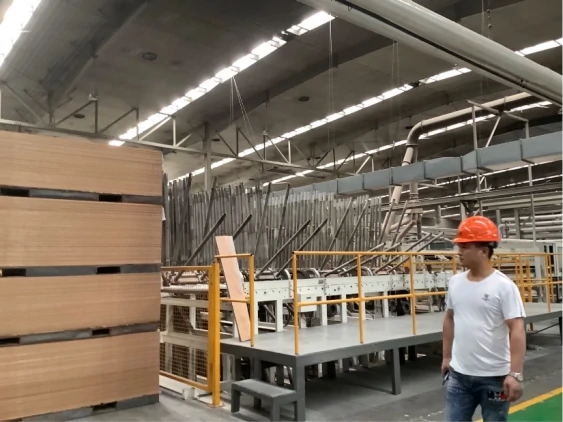
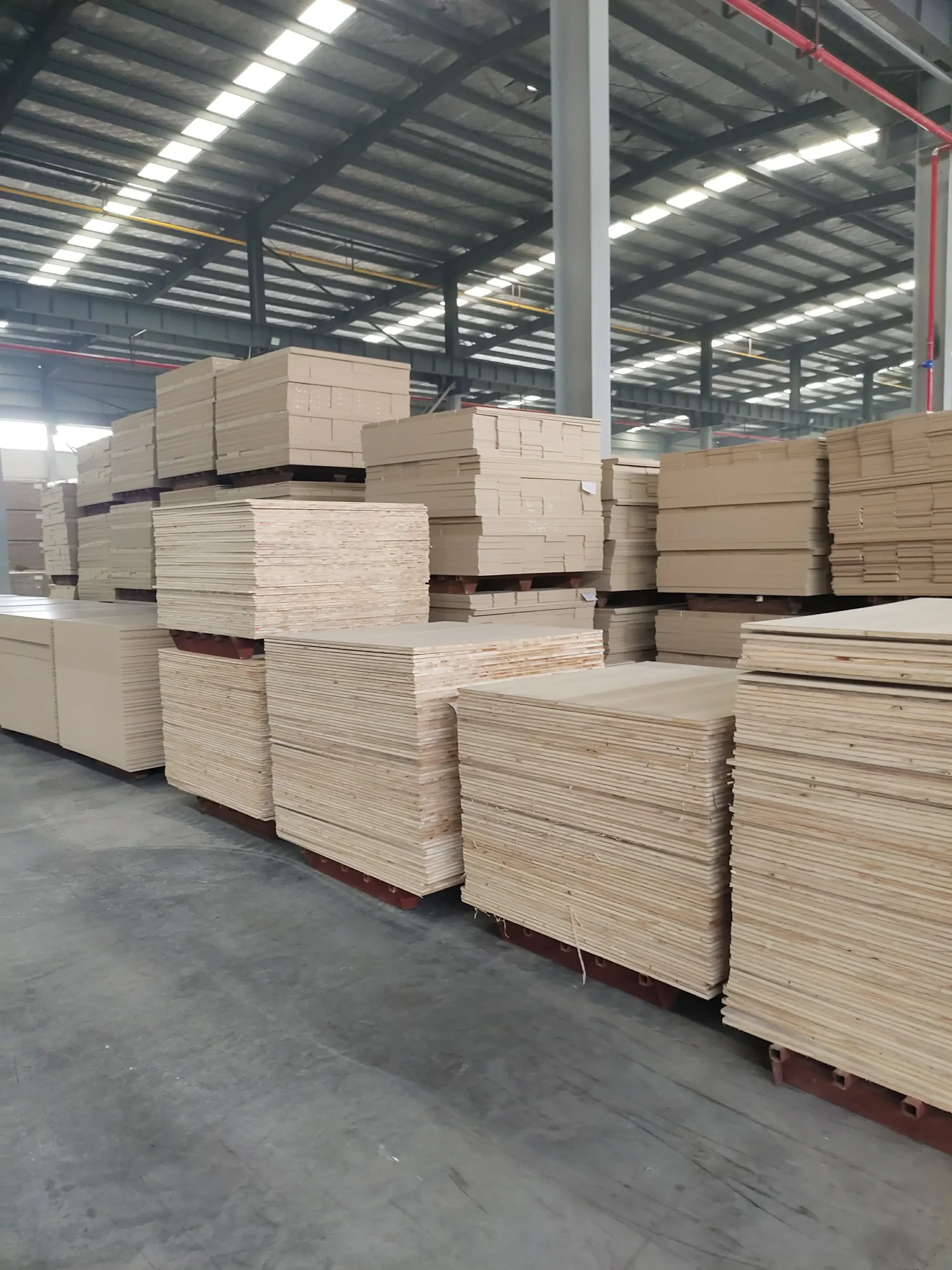
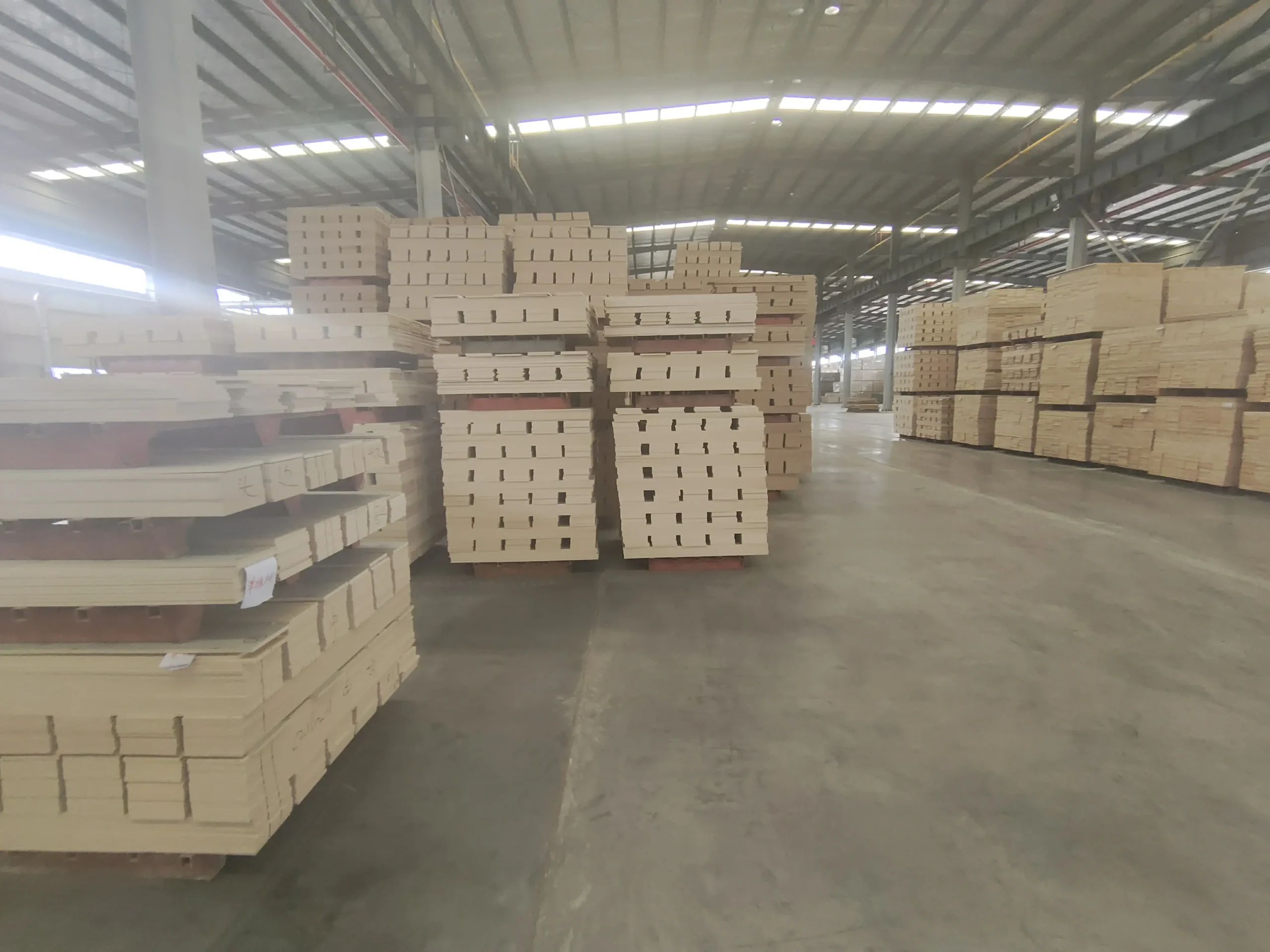
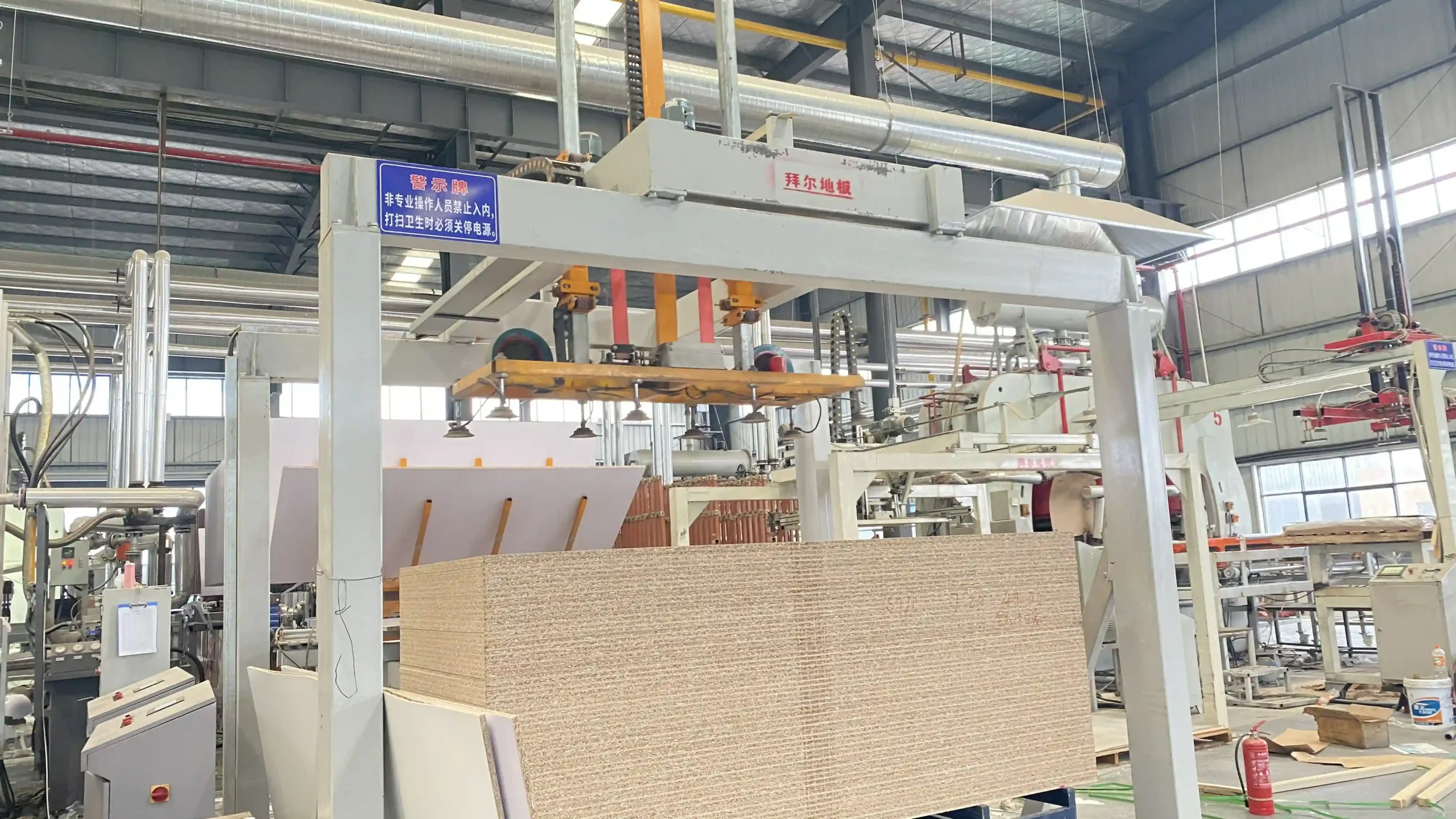
Baier Wood Based Panel has built its reputation on manufacturing strength and raw material control. The company focuses on high-quality new wood fiber, not recycled mix batches. Carefully selected logs go through advanced debarking and peeling processes to ensure clean, uniform cores before panel production begins. This raw material discipline directly affects density stability, bonding performance, and long-term durability in pre-laminated melamine MDF and Particle Board Applications.
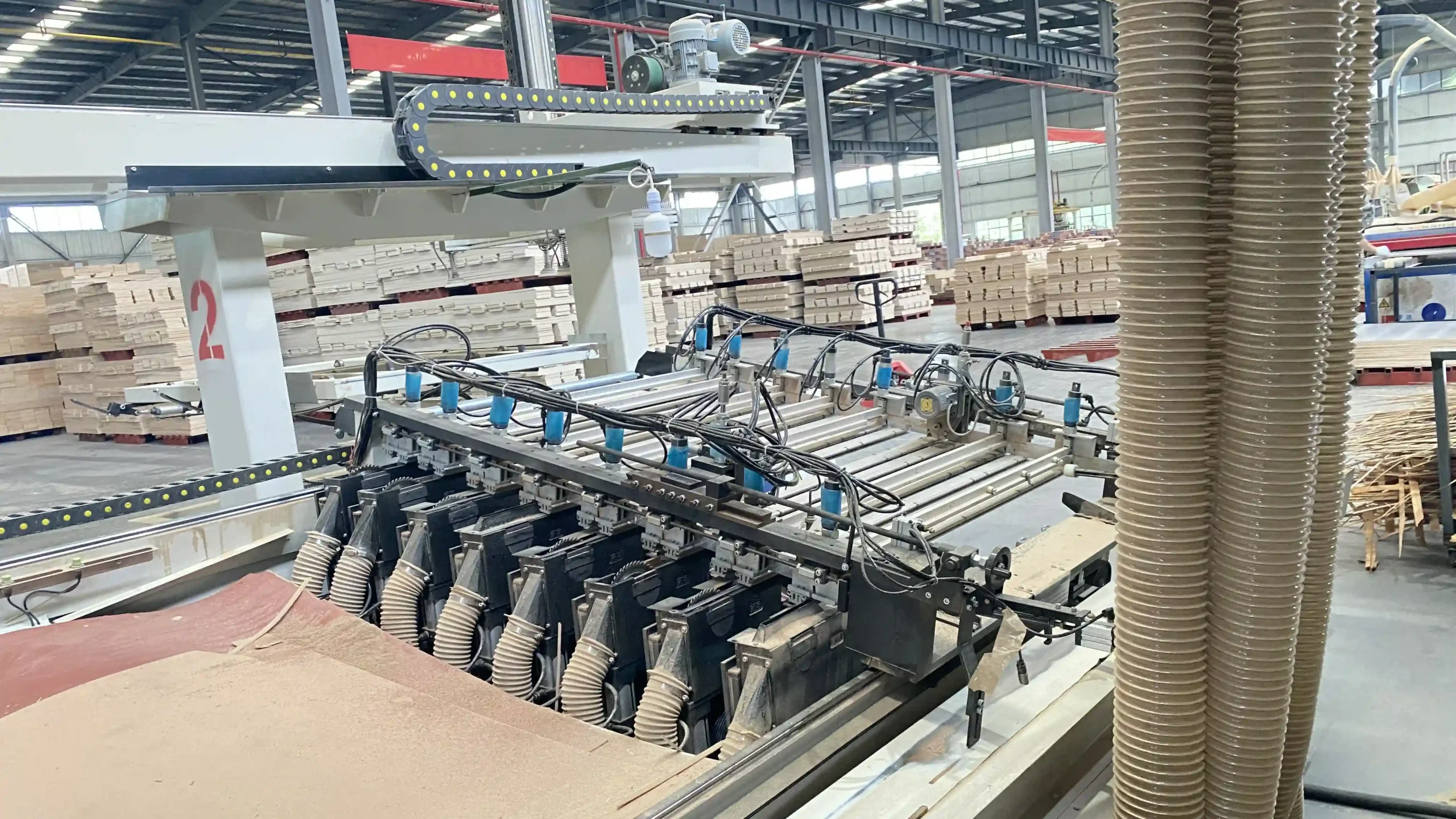
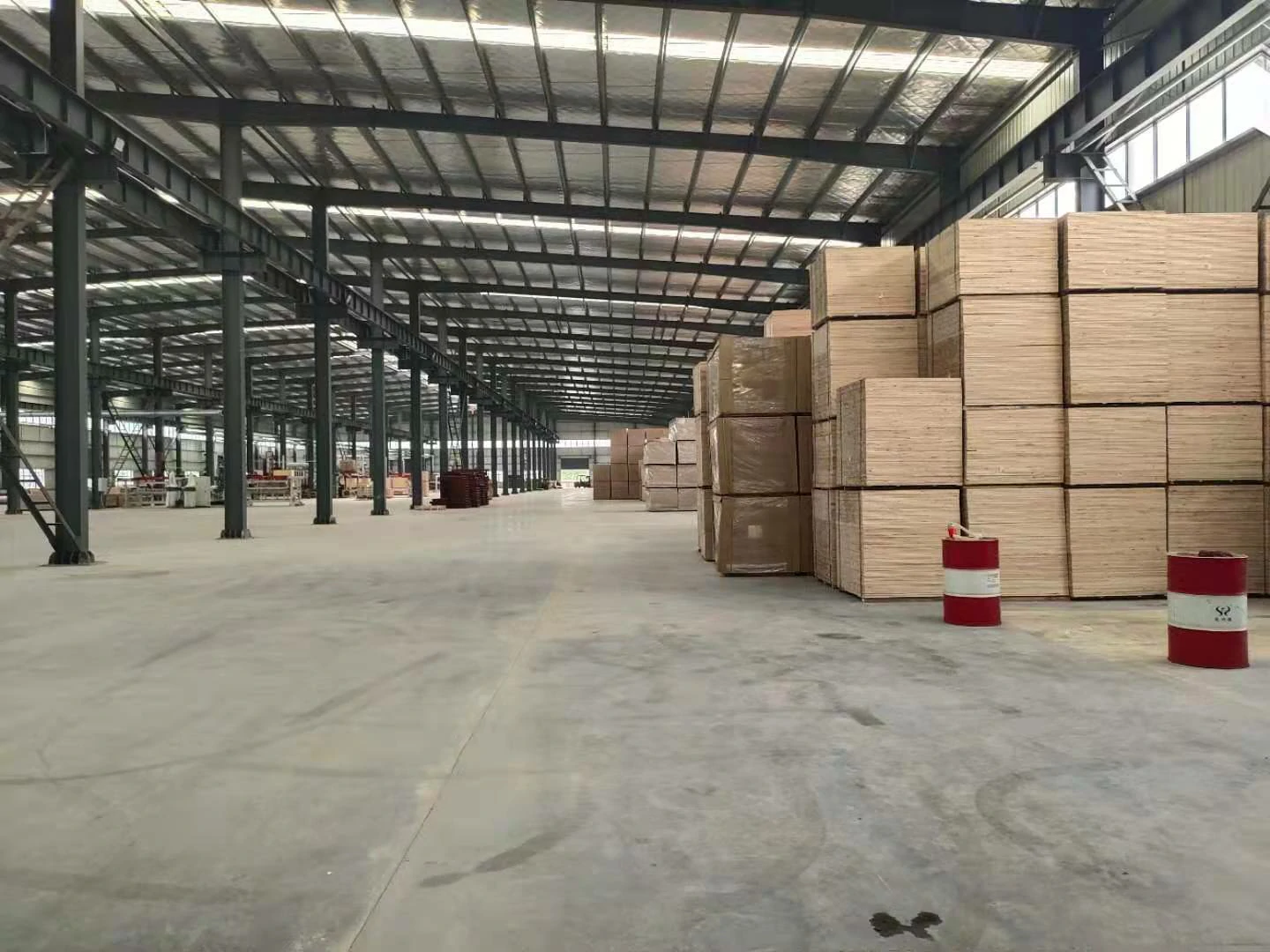
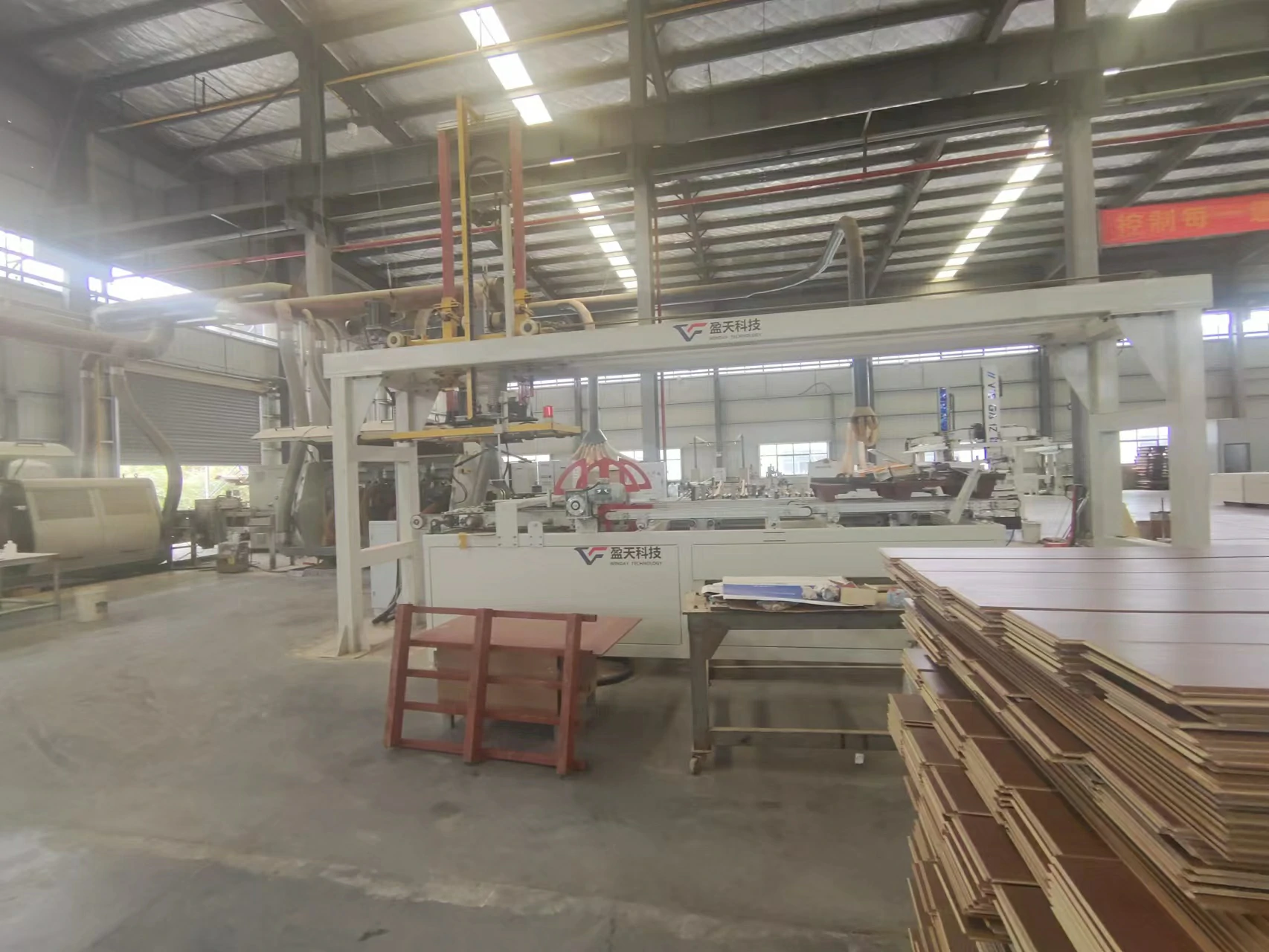
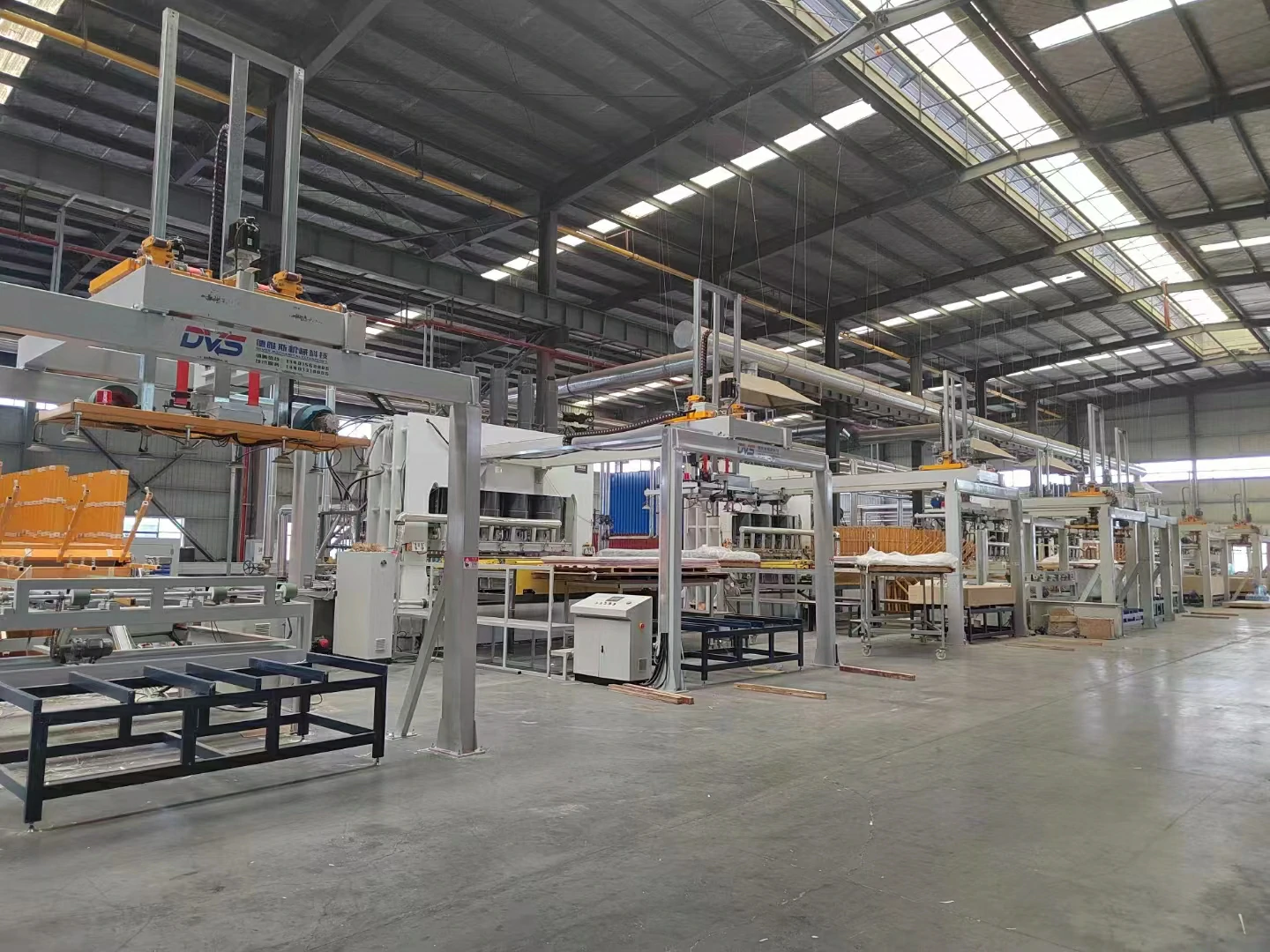
Continuous reinvestment supports production expansion and equipment upgrades. Recent capital improvements have focused on automated pressing lines, precision sanding systems, and moisture-controlled storage facilities. These upgrades improve surface flatness, reduce thickness variation, and increase batch consistency—critical factors for large commercial orders.
Operational efficiency remains a key advantage. Baier maintains strict density control across production runs, helping commercial buyers achieve reliable screw-holding strength and stable machining performance. Tight internal quality inspections monitor Formaldehyde emissions, moisture content, and core bonding integrity before shipment. This reduces claim rates and installation issues at project sites.
Compared to many regional suppliers, Baier emphasizes upstream material control rather than depending on fluctuating recycled fiber sources. The debarking and peeling stages remove impurities early in the process, which improves internal bond strength and surface smoothness for melamine lamination. The result is cleaner press surfaces, better decorative paper adhesion, and reduced edge chipping during cutting.
For bulk commercial procurement, scale and material quality matter more than marketing numbers. Baier’s manufacturing focus centers on consistent density, stable mechanical performance, and controlled raw fiber selection—key factors for cabinet production, furniture manufacturing, and large-volume interior fit-out projects.
West Fraser Timber/Norbord

West Fraser just posted a $937 million net loss for 2025. That’s brutal. But here’s what matters for Pre-Laminated Melamine MDF Sheets Manufacturers In USA buyers: their North American Engineered Wood Products segment still made $153 million in adjusted EBITDA. Take away the $239 million in one-time restructuring charges. You see a division that works.
The company pulled $5.462 billion in total sales for 2025. Down from $6.174 billion in 2024, yes. Product pricing collapsed across lumber and OSB. But Q1 2026 shows recovery momentum. Revenue hit $1.46 billion. It missed analyst forecasts by $60 million. Yet earnings per share beat expectations at $0.46 versus the predicted $0.41.
Their lumber segment posted its best Q1 result in 2.5 years. EBITDA climbed to $66 million from just $21 million in Q4 2025. The Henderson Mill upgrade is ramping up. This boosts production efficiency right as housing starts look ready to bounce back.
Cash position sits at $390 million with $1.5 billion in available liquidity. They bought back 108,079 shares for $7 million in Q4 2025. The board approved a $0.32 per share dividend in the same quarter. Companies don’t return cash to shareholders while failing.
Export duties hit them for $67 million in 2025 from AR6 finalization. Weather and logistics problems slowed Q1 2025 shipments. Fiber costs stayed high. These headwinds affected every Pre-Laminated Melamine MDF Sheets Manufacturers In USA—not just West Fraser.
What sets them apart? They balance US-Canada production. Container-load buyers get flexibility in their orders. Tariff uncertainty? They’ve got production on both sides of the border. One facility goes down? Another picks up slack.
The engineered wood products division runs on its own. It’s separate from their struggling lumber operations. OSB demand started 2025 slower than lumber despite serving the same end markets. But management stays focused on running things well and smart money moves. Capital spending ran $104 million in Q1 2026. That money cuts costs and improves efficiency.
Demand looks tough right now. Management says it straight. But the long-term picture? Strong. Housing formation will drive panel demand for years. West Fraser’s betting on that timeline with continued investment.
Uniboard (North American Presence)

Uniboard holds a key spot among Pre-Laminated Melamine MDF Sheets Manufacturers In USA. Their $250 million particleboard line at the Val-d’Or plant in Canada shifts the game for container-load buyers. This investment started in June 2022. Full integration wraps up in 2025. This isn’t just growth—it’s a total capacity rebuild.
The North American particleboard market sees 66.45% running through US operations as of 2025. The US share hits 82% in real market control. Uniboard stands with Kronospan, Roseburg, EGGER, and ARAUCO in this tight space. Five players control a market with some splits. You gain stronger negotiating power once you know this setup.
Market basics support Uniboard’s growth move. North American particleboard demand rises at over 4% CAGR through 2030. The US furniture market reached $323 billion in 2021 projections. Average consumers spend $2,701 per year on home furniture and equipment. That spending feeds particleboard demand.
Production Focus and Application Strength
Furniture applications use 67.7% of global particleboard production. That share sat at 41% in 2023 and holds steady through 2025. New construction takes 57.5% of raw particleboard output. Wood raw materials make up 84.5% of the production chain. Raw particleboard commands 58.6% market share across uses.
Uniboard’s Val-d’Or expansion goes after this furniture and construction demand. The related MDF market shows similar growth. North American MDF revenue rose from $2.77 billion in 2022 to a forecast $4.44 billion by 2030. That’s 6% CAGR. The furniture segment grabbed 46.2% of MDF share in 2022.
Container buyers get advantages from Uniboard’s Canadian production base with US market access. Cross-border logistics work better than overseas imports. Lead times get shorter. Tariff exposure falls compared to Asian suppliers.
Bulk Purchasing Negotiation Points

Container-load negotiations don’t close in one phone call. 69% of vendors budget 1-3 months for yearly bulk talks with Pre-Laminated Melamine MDF Sheets Manufacturers In USA. That timeline shows complexity—not slow work. You’re locking in hundreds of thousands of dollars in material buys. Both sides need data, legal review, and executive approval.
37% of manufacturers say 2025 negotiations are tougher than 2024. Margin pressure hit the industry. Raw material costs stayed flat. Finished panel pricing dropped 8% every quarter in some areas. 64% of vendors got direct requests to cut costs during bulk talks. Your team isn’t alone in pushing for better prices.
Price Protection That Works
Price lock periods give you budget clarity. Get fixed pricing for 6-12 months at minimum. Cap price increases at CPI +2% maximum. This shields you from resin or wood fiber cost spikes mid-contract. Market swings go both ways. Raw material prices dropped 8% every quarter in 2024. Smart buyers used that data to counter existing deals.
Buying from multiple sites shows more than 10% price gaps on identical items. One buyer paid $1.42 per square foot for white TFL melamine. Another division paid $1.58 for the same product from the same supplier. Combine your volumes. Use that power.
Volume Deals and Tiered Pricing
Minimum order sizes matter. Set MOQs at 20-50% above last year’s volumes. This opens tiered discounts of 5-15% off at the 10,000+ unit level. EGGER and ARAUCO both price this way. Hit the volume mark. Your per-unit cost drops right away.
Quantity deals work both ways. You promise volume. The maker locks in supply and pricing. Add flexibility with 30-90 day cancellation notice periods. Expect penalties of 5-10% of order value if you cancel. Suppliers usually face 0-5% penalties for missed delivery. This gap shows their production planning costs.
Payment Terms Leverage
Payment terms hit your working capital hard. Here’s the math:
NET 30 terms mean payment 30 days after delivery. Makers offer 1-2% discounts for prepayment. That’s 12-24% yearly return if you have the cash.
NET 60 extends your payment window. Upfront payment discounts drop to 0.5-1% here. You get space on receivables collection.
NET 90 terms bring credit limits of $50,000-$500,000 based on your books. Few Pre-Laminated Melamine MDF Sheets Manufacturers In USA give NET 90 without credit insurance or parent company backing.
The 2/10 NET 30 deal offers 2% discount if paid within 10 days. Otherwise full payment in 30 days. Do the math. A $100,000 panel order each month saves $2,000 per month—$24,000 yearly—with early payment.
Quality Protection Clauses
Quality claim rules need clear inspection windows. Standard terms allow 7-30 days for filing claims. Suppliers cover 100% of bad returns plus shipping costs back. Get this written down. Spoken promises fail once a container shows up with warped panels.
Return rules for bulk orders usually skip restocking fees within 30 days. After that, expect 0-15% restocking charges based on product shape. Opened packages or custom finishes cost more.
Quality deposits give real safety. Hold 2-5% of total contract value for 90 days after delivery. Release the deposit after zero quality claims. This pushes makers to ship right specs the first time. Panolam and Uniboard both take these terms on six-figure deals.
Technical Support Adds Value
Installation help comes standard on orders over $100,000. Makers send techs on-site. Smaller bulk orders get remote support through video calls or detailed docs.
Product training runs 4-8 hours free for teams of 10+ users. Extra sessions cost $500 per day. West Fraser and Georgia-Pacific both offer CAD training. This cuts your design team’s learning time by a lot.
Design help includes free talks for volumes above 50,000 units. You get up to 3 rounds of design changes. This helps for custom furniture lines or special building uses. ARAUCO’s design team helped one buyer cut material waste by 18% through better panel cutting layouts.
Data You Must Bring to Talks
Walk in with hard numbers. Past sales showing 20% demand spikes gives you power for volume deals. Live market benchmarks matter too. Show competitor quotes. 8% price drops in local markets back up your counter.
Supplier quote checks from RFQs create 10-20% savings. Send requests to 3-5 manufacturers. Make them compete. Rogue spend data shows another chance. Track off-contract buys across departments. Move those buys into your bulk deal. This raises your volume—and your discount level.
The RFQ Process for Container Loads
Start with exact specs. List volumes, finish choices, and needed certs (CARB2, FSC, TSCA Title VI). Send RFQs to 3-5 qualified Pre-Laminated Melamine MDF Sheets Manufacturers In USA. Add clear scoring rules: price, delivery times, warranty terms.
Plan for 2-3 rounds of back-and-forth bidding. First replies set baseline pricing. Follow-up rounds create 5-15% better offers as suppliers sharpen their bids. Check total value—not just price. Weight pricing at 40% of your choice. Quality, service skills, and relationship fit deserve the other 60%.
51% of vendors plan bigger trade investments for 2025 bulk deals. They’re giving better payment terms, longer warranties, or extra services. Push for these extras during final talks.
Digital Contracts Boost Follow-Through
Digital bulk contracts show 55% better compliance versus paper deals. E-signatures, auto milestone tracking, and shared docs cut “he said, she said” fights. A quality claim comes up? Both parties see the same specs version right away.
Loyalty rewards pay repeat buyers. Makers offer 2-5% lower rates for second and third-year renewals. Georgia-Pacific and EGGER both build their programs this way. Hit your volume goals in year one. Your year two pricing starts lower.
Container-load talks take time because stakes run high. Use that time smart. Gather data. Check options. Build deals that protect both quality and cash flow. The work pays off through lower costs and fewer surprises during production.
Conclusion
Picking the right pre-laminated melamine MDF sheets manufacturer in the USA goes beyond low prices. You need a partner who grows with your business. They should deliver the same quality in every shipment.
We’ve covered six top manufacturers in North America. EGGER and ARAUCO bring European precision and South American sustainability here. Georgia-Pacific and West Fraser give you strong domestic distribution. Uniboard and Panolam offer specialized products and custom options.
Here’s what to do next: Make a list of 2-3 manufacturers. Base this on your volume needs and location. Order samples to check quality yourself. Use the negotiation tips we shared—payment terms, shipping help, and tech support. These help you get better deals and protect your profits.
Your manufacturer choice affects your production speed. It shapes customer happiness. It changes your profits for years. Choose well.
Ready to place your first bulk order? Contact these pre-laminated melamine MDF sheets manufacturers in USA. Tell them your yearly volume needs. This unlocks better pricing.