
Australian homeowners are learning what commercial builders already know: WPC flooring gives you the warmth of timber. No maintenance headaches from our harsh climate.
But here’s the thing—WPC flooring makers in Australia don’t all offer the same quality. Warranties differ. So does how well they suit residential spaces.
The market is booming towards 2026. You’re now looking at dozens of suppliers. They all make big claims about durability, waterproofing, and meeting Australian standards.
This guide cuts through the noise. We spotlight five verified WPC flooring manufacturers. These companies have proven themselves in real Australian homes. From cyclone-prone Queensland to Melbourne’s temperature swings.
You’ll learn what separates reliable suppliers from corner-cutters. Which distribution channels give you the best value. How to match specific WPC products to your project’s needs. All before you sign any contracts.
Why It’s Perfect For Australian Homes
WPC flooring solves three big problems for Australian homeowners. Unpredictable humidity. Temperature extremes. Rising maintenance costs.
Start with moisture. Coastal properties in Sydney or Perth face salt air and humidity spikes. Traditional timber swells, warps, cups. WPC’s polymer core repels water. You can mop spills without panic. Install it in bathrooms, laundries, even enclosed verandahs—spaces timber can’t handle.
Temperature swings matter more than most builders admit. Adelaide summers hit 40°C. Winter mornings in Canberra drop below freezing. WPC’s composite structure barely expands or contracts. Compare that to solid timber or laminate. The floor you install in February stays flat in August.
Here’s what makes this exciting for residential projects. Australia’s 2026 design trends favor nostalgic timbers and biophilic materials. Think honey-toned woods and natural finishes you can feel. Premium WPC manufacturers now copy these textures beautifully. You get the warmth of mid-century timber looks. Skip the maintenance hassle.
The economics work too. Housing prices across Australia are forecast to climb 6-8% in 2026 due to ongoing shortages. Homeowners want materials that last—decades, not just years. WPC gives you that value. No sanding. No re-staining every three years. No pricey repairs after kids spill juice or dogs track in mud.
For families who want neuro-inclusive design, WPC offers comfort underfoot. No cold ceramic hardness. Pair it with circadian lighting systems. You’ve built a sensory-friendly space that still looks polished.
The real test? Walk through any Queensland home that survived cyclone season with WPC floors intact. Check Melbourne renovations where WPC handled four-season temperature shifts. The flooring doesn’t just survive Australian conditions—it thrives. WPC flooring manufacturers in Australia are seeing residential demand grow fast. It’s moving beyond commercial use.
Top WPC Flooring Suppliers For Australian Homes
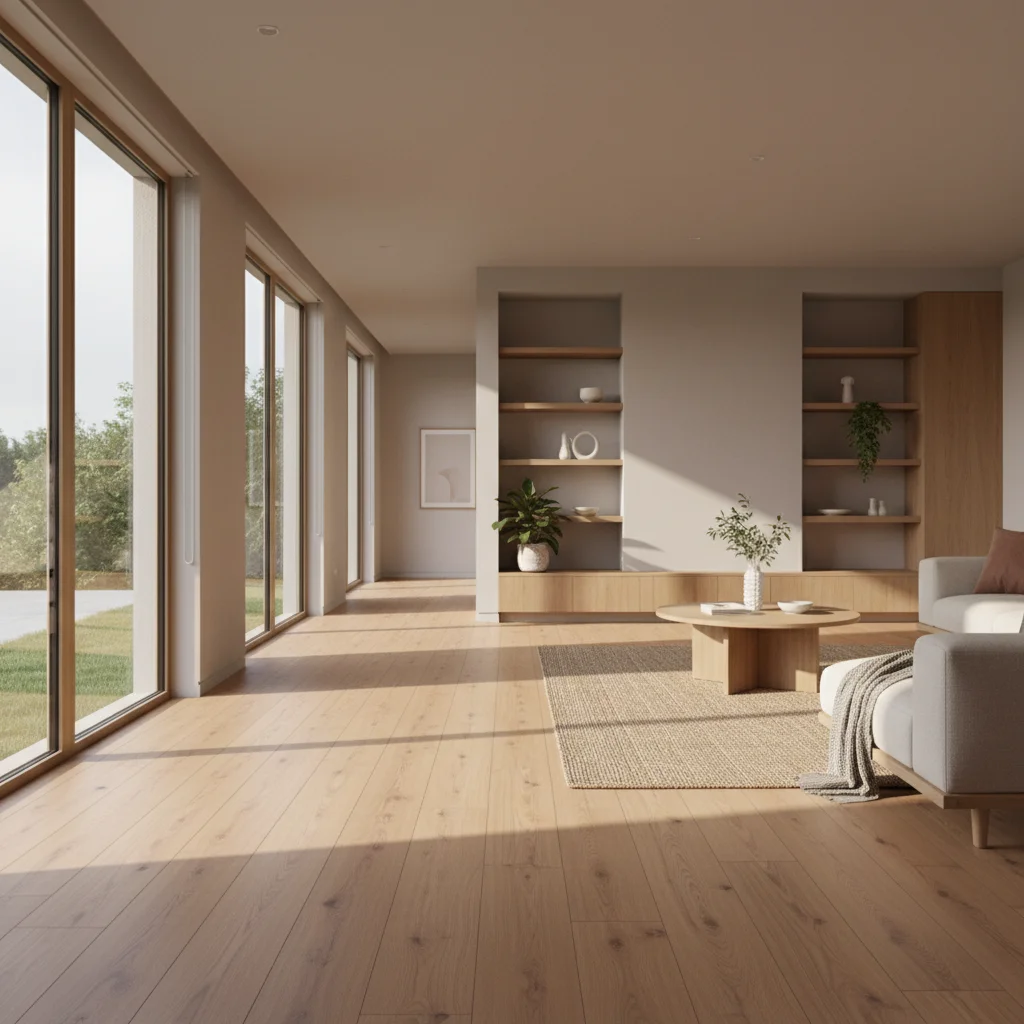
Three manufacturers lead Australia’s residential WPC market. Each offers different strengths. Pick based on what matters most to you—recycling programs, manufacturing tech, or Pacific logistics.
BaierFloor: Fast Distribution For Australian Projects
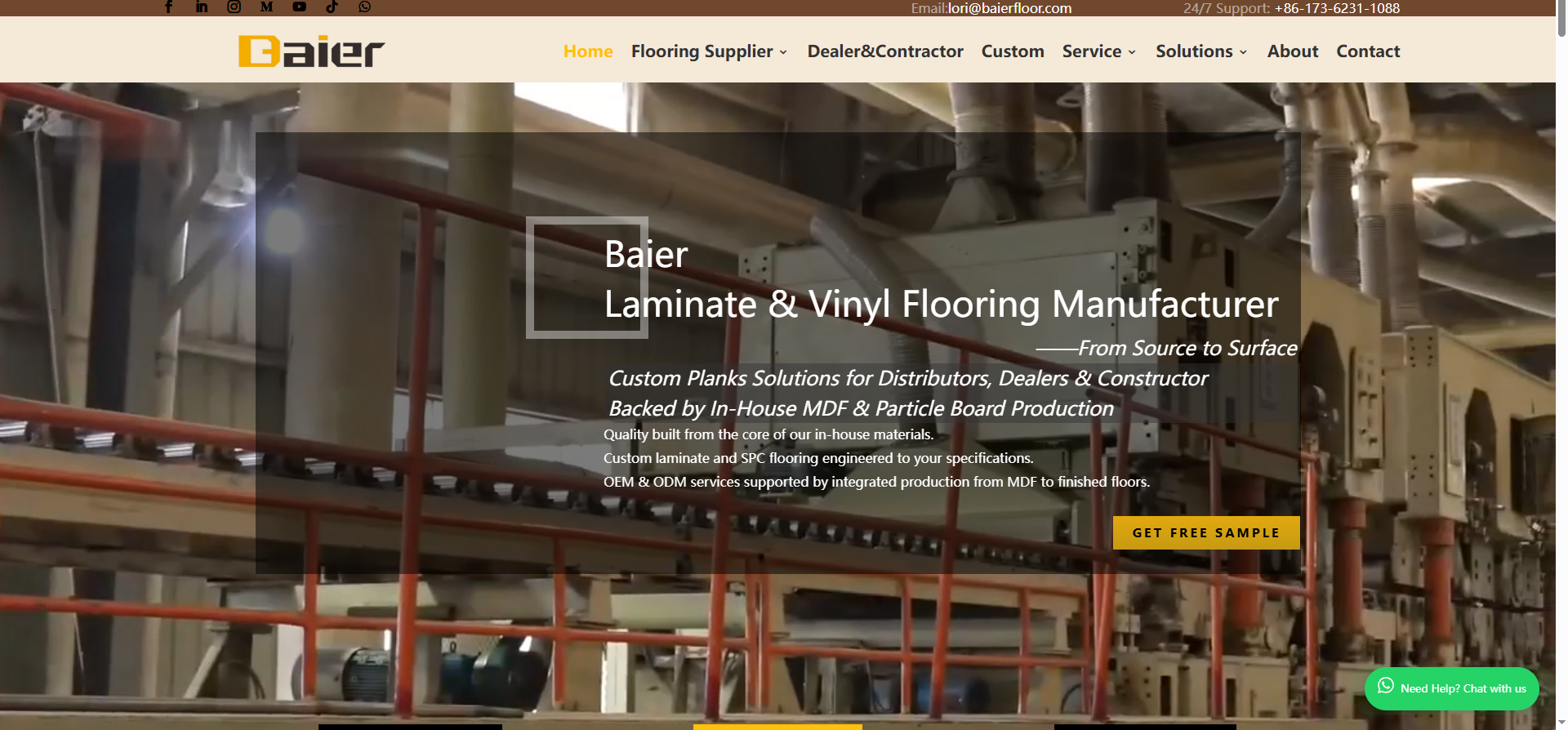
BaierFloor operates four hubs across China, Singapore, Malaysia, and Australia. This setup cuts wait times. Most imported flooring sits in containers for weeks. BaierFloor’s Australian hubs change that. Order Monday. Get stock Thursday. No waiting for Guangzhou shipments.
Their residential WPC lineup focuses on wood-like looks that fool guests. The grain patterns copy Australian hardwoods—spotted gum, blackbutt, jarrah. Touch the surface. You feel texture, not plastic.
Technical specs set BaierFloor apart from cheap imports. Their HydroGuard™ waterproofing uses a polymer barrier. It passes 72-hour water tests. Spill a bathtub of water. The planks don’t swell. The BaierCore™ core adds stability. Brisbane’s 80% humidity or Canberra’s dry winters—the floor stays flat.
Installation speed matters. No one wants builders in their living room for days. BaierFloor’s click-lock system installs fast. No adhesive mess. No waiting for glue to dry. You can install it yourself if you’re handy. The IXPE soundproof underlay comes attached. Walk across it in socks. Your downstairs neighbors hear nothing.
Sustainability features check real boxes. ISO 9001 and ISO 14001 mean audited quality and environmental controls. They use recycled materials in the core. Low-VOC formulas keep indoor air clean—critical for families with asthma. Their production model reclaims waste. Nothing goes to landfill.
Modern Australian homes favor minimalist Scandi-Japanese styles. BaierFloor’s neutral oak and ash tones fit this look. Pair lighter planks with concrete benchtops and white walls. You get 2026’s design trend.
Shaw Industries: Big R&D Budget Meets Real Recycling
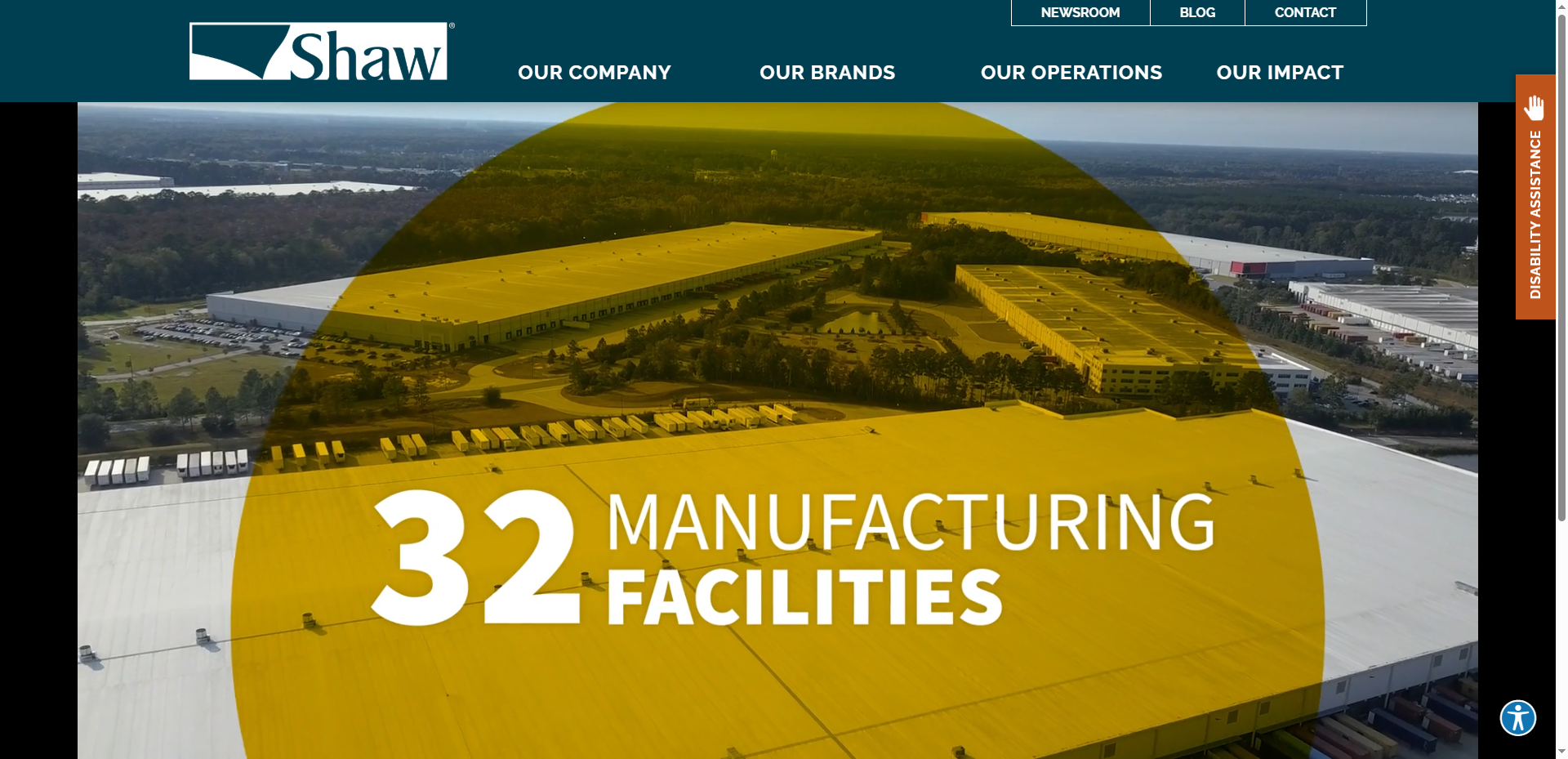
Shaw invests heavily in R&D—$160 million since 2019, plus another $90 million by 2026. This budget targets real homeowner needs: embossed textures that match wood grain, stability across temperature changes, smaller production runs. You get custom colors without ordering container loads.
Their COREtec brand earned its name on waterproof strength. Pet owners know the tests: puppy accidents, spilled water bowls, muddy paws after rain. COREtec handles it all. The “petproof” claim is real. The polymer core beats any laminate for moisture resistance.
Shaw’s Re[TURN]® recycling program sets them apart. Order 5,000 square feet or more—typical for whole-house jobs—and Shaw collects your old flooring free. They take vinyl, carpet, LVT. Turn it into new products. Most competitors just talk green. Shaw built the systems for it.
The numbers show scale. Annual sales hit $6 billion. Staff: 18,000 employees worldwide. This size brings benefits. Quality stays consistent. Backup options exist during factory shutdowns. Support teams answer phones.
Pacific operations mean Australian projects get priority. Shaw grew their Asia-Pacific work before 2026 to serve Sydney, Melbourne, Brisbane housing booms. Distributors keep COREtec in stock here. No waiting for overseas freight.
USFloors, Shaw’s sister brand, targets boutique looks. Think European oak copies with wire-brushed texture. Hand-scraped edges. These planks work for heritage home updates where you want modern strength in traditional style.
Armstrong Flooring: Digital Tools For DIY Renovators
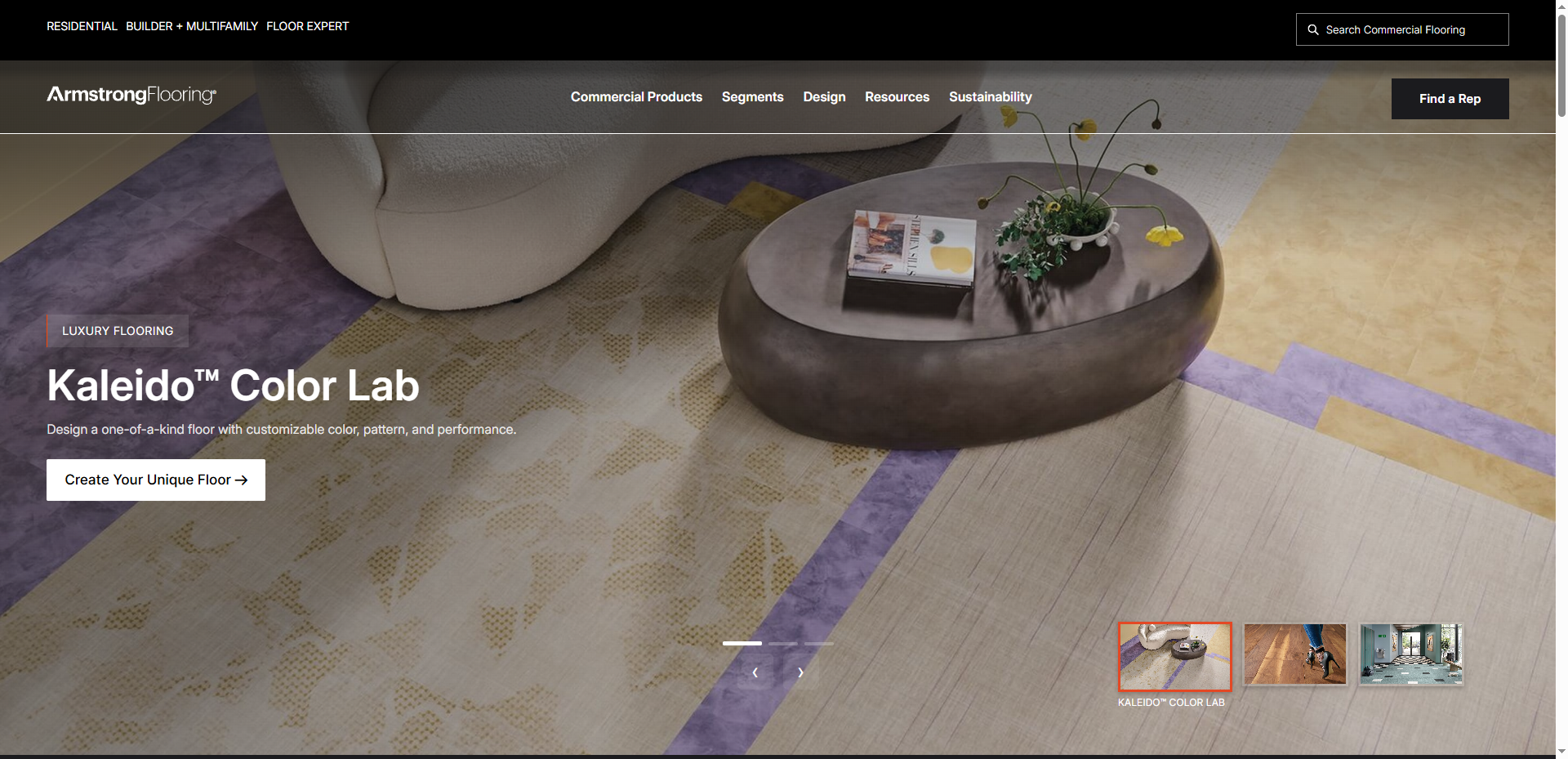
Armstrong serves tech-savvy renovators. Their digital tools let you upload room photos. Try flooring options on screen. See how Maritime White Oak looks with your furniture before ordering samples. Sounds basic until you’ve returned three wrong-shade boxes to Bunnings.
Product range includes WPC, LVT, vinyl plank, and SPC. This variety matches different room needs. WPC for busy living areas. SPC (stone plastic composite) for tough commercial-grade kitchens. LVT for bedrooms where you want softer comfort.
Armstrong started hospitality flooring in 2021. Why does this help your home? Hotel-grade products survive rolling luggage, heavy foot traffic, strong cleaners. Put that in your entryway or hallway. It handles whatever your household does.
Armstrong keeps stock in Australian hubs. They supply both commercial and home projects here. Builders on tight schedules like this. Order Tuesday. Install Friday. No Shanghai container delays.
Their green approach uses recyclable materials and low-VOC formulas. Armstrong doesn’t advertise it loudly. They just make it standard. Every home plank meets or beats Australian air quality rules.
The Australian Market Growth
WPC flooring makers in Australia see strong home market growth. The market hit USD 132.8 million in 2025. Forecasts show USD 273.7 million by 2034—that’s 8.37% yearly growth. The total Australian flooring market reaches USD 9 billion, led by home projects.
What drives this? New homes across New South Wales, Victoria, Queensland. Apartments in Melbourne and Sydney. Renovations in Western Australia and South Australia. Even Tasmania and territories grow.
Homeowners want tough, easy-care floors that resist moisture, rot, bugs, and UV damage. Old-style timber can’t deliver all four. WPC does. Home builders chase hybrid and vinyl WPC types. New builds use it. Renovations swap failed timber for it.
WPC flooring suppliers in Australia stock these three brands because they work across climate zones. Tested in Queensland cyclones. Installed near Victoria bushfires. Exposed to Perth coastal salt. The floors last.
Published Australian home case studies are rare. The market is still settling after 2025. Showroom data stays scattered. But builders on sites know the trusted names: BaierFloor for speed and green features. Shaw for recycling and research depth. Armstrong for digital renovation tools.
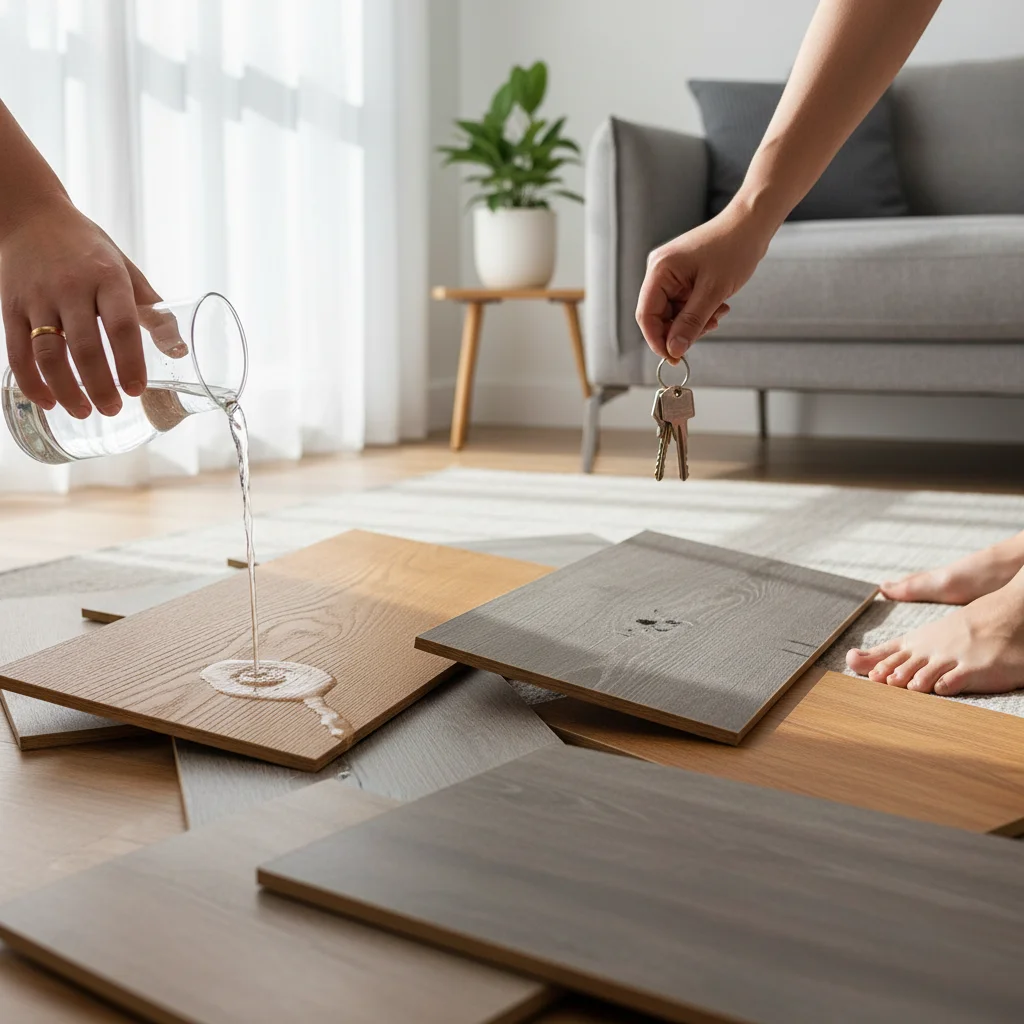
Match your needs to supplier strengths. Get samples. Walk on them barefoot. Spill water. Drop keys. The floor that survives your home tests gets the job.
How To Choose The Right WPC Flooring Manufacturer For Your Project
Your supplier matters more than their marketing brochure suggests. The right manufacturer solves problems before installation day. They don’t just ship planks.
Start With Budget Reality
Get a complete quote breakdown. Separate product cost from packaging and freight. Standard WPC runs $2-5 per square meter FOB from factory. That’s your baseline. Shipping, customs, and delivery to your door? Those add up fast.
Know your Incoterms before signing. FOB means you handle international shipping. CIF includes freight and insurance. DDP delivers to your doorstep with duties paid. Each option changes your total by thousands on a whole-house job.
Add 20-30% for installation unless you’re going DIY. Floating installations save labor. Glue-down applications cost more. professional installers finish 15-20% faster than weekend DIYers. Your time has value too.
Integrated suppliers cut 10-20% off total costs. They control raw materials, extrusion, finishing, and packaging. No middlemen marking up each step. BaierFloor and Shaw both use this model. You get steady pricing and lead times.
Confirm Production Capacity
Check their output each month. This tells you if they can meet your timeline. Look for 500,000+ square meters each month if you need flexibility. High-volume makers keep stock ready. Small operations make you wait for production runs.
Automation matters for speed. CNC trimming and robotic packaging cut lead times to 4-6 weeks. Manual factories stretch to 10-12 weeks. Ask them: “How automated is your production line?”
OEM and ODM options mean customization won’t delay everything. Want specific plank widths between 120-200mm? Need custom embossing patterns? Flexible makers handle this. They won’t restart production schedules.
Test Samples Like Your Project Depends On It
Order 5-10 square meters. Get third-party test reports from SGS or Intertek. A manufacturer who refuses independent testing? They’re hiding something.
Run these tests yourself:
Scratch resistance: Quality WPC survives 4000+ cycles on Taber abrasion tests. Drag keys across your sample. Real wear shows right away.
Water exposure: Submerge planks for 72 hours. Measure thickness before and after. Swelling over 0.5% means trouble in humid Australian climates.
UV stability: Critical for sunrooms and spaces with windows. Ask for QUV weathering results. Color shift (ΔE) should stay under 3 after 2000 hours. Australia’s harsh sun destroys cheap products fast.
Leave samples in your car trunk for a week. Heat them. Cool them. Flex them. The floor that survives your abuse survives your home.
Ask Questions That Expose Weakness
“Where’s your factory and what do you control?” Integration beats resellers. Direct makers give you specific addresses and facility details.
“How do you ensure batch consistency?” Quality checks at raw materials, extrusion, finishing, and packing stages prevent color mismatches. You don’t want one plank three shades lighter than the rest.
“What’s your written return policy?” Verbal promises disappear. Get penalty clauses and warranty terms (15-25 years is standard) in writing before ordering.
“What’s in your formula?” Demand specifics: wood fiber-to-plastic ratio over 50%, virgin PVC and wood powder—no cheap fillers. Recycled content is fine if they disclose it. Mystery ingredients mean mystery performance.
Verify Certifications That Matter
Paper certificates are easy to fake. Cross-check with issuing bodies:
ISO 9001/14001 proves factory quality and environmental systems exist. Ask for audit dates and certification numbers.
floorscore or Greenguard Gold confirms VOC emissions stay under 0.5 mg/m³. Essential for bedrooms and closed spaces.
CE Mark shows EU safety compliance. ASTM and SGS reports verify anti-UV, water resistance, and anti-slip claims.
Australian WPC flooring manufacturers worth using hold multiple certifications. One certificate might be expired or purchased. Three current ones from different bodies? That signals real commitment.
Check Manufacturing Technology
Co-extrusion beats single extrusion every time. The process bonds wear layers at the molecular level. This boosts lifespan 20-30%. Single-extrusion floors separate under stress.
R&D investment shows in product options. Can they produce multiple widths? Realistic woodgrain embossing? Custom colors without container-minimum orders? Shaw’s $160 million R&D budget isn’t just marketing—it delivers options.
Validate Installation Requirements
Thickness matters. Total plank depth runs 4-12mm including wear layer. Thicker isn’t always better. It depends on your subfloor and traffic levels.
Click systems need precise grooving. WPC is softer than SPC. Installers need sharp tools and experience with the material. Ask if the manufacturer provides installation guides specific to their product.
100% waterproof WPC works in basements and kitchens where timber fails. But your subfloor must meet local building codes. Uneven surfaces show through any floating floor.
Measure Reputation In Years And Projects
Choose manufacturers operating 10+ years. New companies haven’t weathered market cycles or product failures yet. Export history to Australia, Europe, and North America shows proven quality standards.
Ask for factory tours. Virtual counts if travel isn’t possible. Manufacturers hiding facilities? They have reasons.
Ask for project references. Fifty completed jobs is the minimum. Contact three of them. Ask what went wrong, not just what went right. How the supplier handled problems tells you everything about partnership potential.
WPC flooring suppliers in Australia who dodge these questions aren’t worth your deposit.
Australian WPC Flooring Market Outlook For 2026
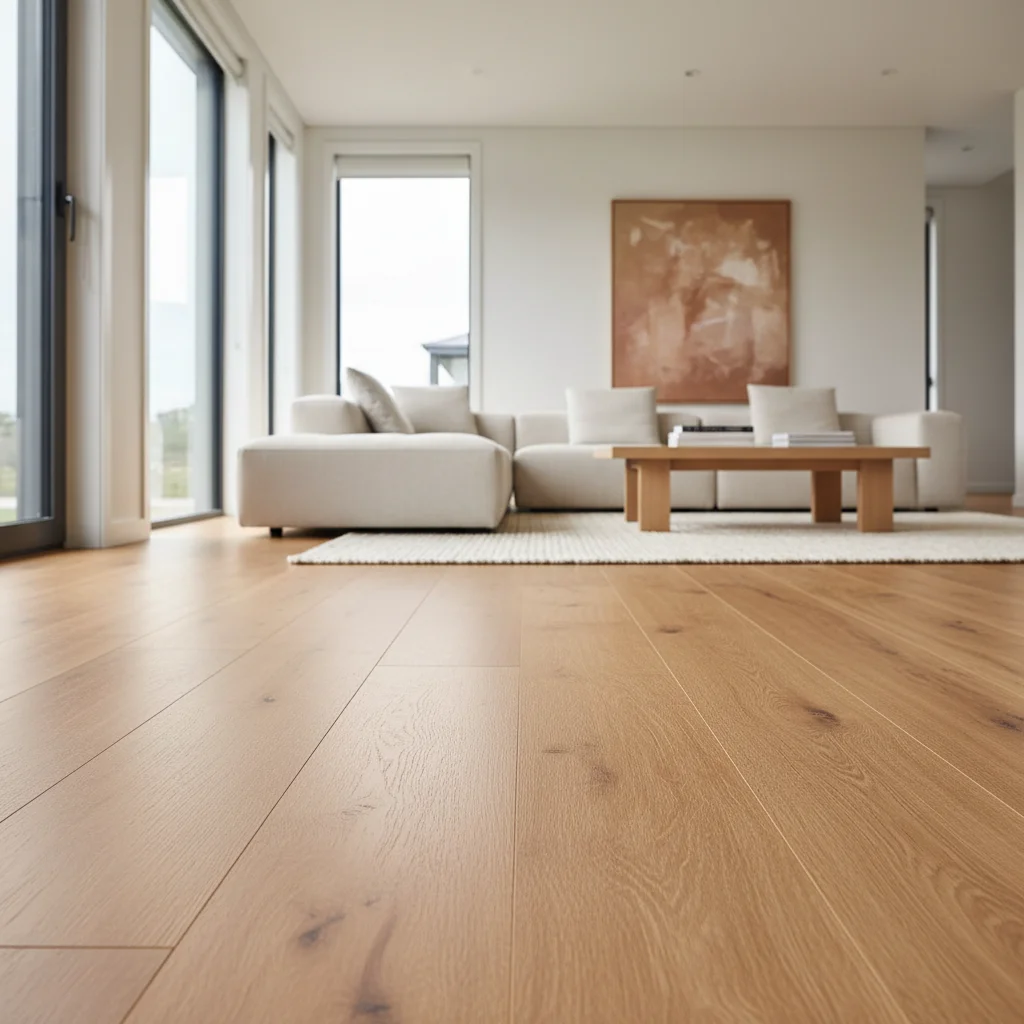
The numbers show clear growth. Australia’s WPC flooring market jumped from USD 122 million in 2024 to USD 132.8 million in 2025. Forecasts push it to USD 260.84 million by 2033—that’s 8.81% compound annual growth. Some analysts predict faster growth: USD 359.9 million by 2030 at a 12.2% climb each year.
What’s driving this? Three forces working together.
First, Australia’s renovation boom keeps growing. Homeowners upgrade decks, patios, and indoor spaces. They want materials that last without needing weekend work. WPC gives them that. No staining every year. No checking for splinters after kids run barefoot on the deck.
Second, green building standards now shape what people buy. Green Star ratings and state rules push builders to choose low-carbon options. WPC offers what timber can’t: no tree cutting pressure, less plastic waste through recycling, and a smaller carbon footprint over time.
Third, polyethylene WPC leads sales now, but polypropylene types are catching up fast. Polypropylene handles heat better. This matters for Queensland summers and Western Australian sun. WPC flooring manufacturers in Australia are adding more polypropylene products for 2026.
Government rules boost this trend. Federal and state programs support green building materials. The building sector must reduce its environmental impact. WPC meets that need while performing well.
Here’s the bigger picture: Australia’s full flooring market stands at USD 9 billion. Home and business construction push it forward. Renovations add more fuel. The vinyl flooring segment—WPC’s close cousin—grew from USD 466.16 million in 2024 to a projected USD 753.43 million by 2033. Luxury vinyl tile tops that group. WPC grows in similar ways but fixes different issues.
Around the world, WPC flooring hits USD 2.9 billion in 2026, up from USD 2.69 billion in 2025. Australia takes a bigger share of that market. Home projects drive most sales. WPC flooring suppliers in Australia are building larger stock levels to handle 2026’s expected demand jump.
Where To Buy WPC Flooring In Australia – Distribution Channels
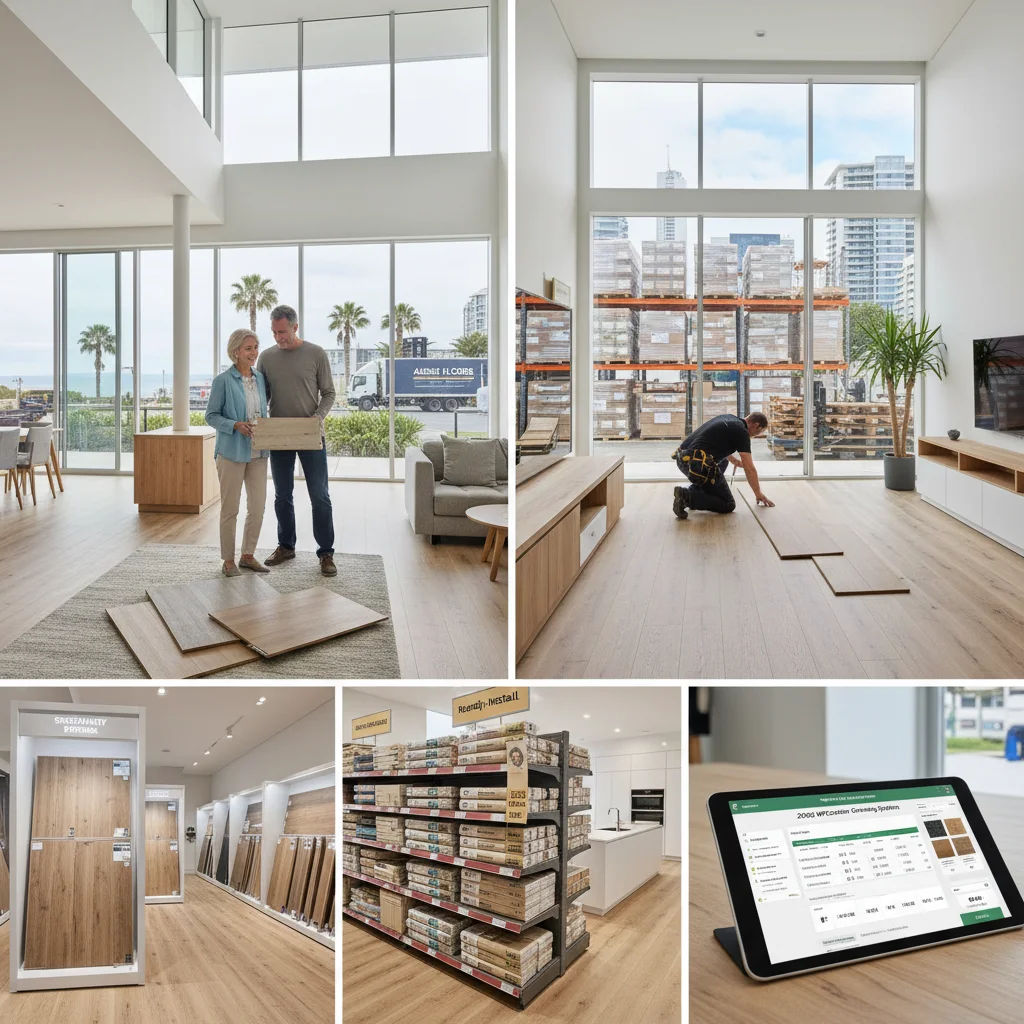
Australian buyers access WPC flooring through four main channels. Your project size, timeline, and research comfort level determine which works best.
Specialty Floor Covering Retailers Lead The Market
These stores dominate Australian flooring sales. Specialty retailers hold 37.92% of the luxury vinyl tile market—WPC’s closest cousin. Staff know installation quirks. They stock samples you can touch and walk on. You see grain texture and color variations under store lighting before you commit.
The trade-off? Smaller selection compared to what manufacturers offer. Retailers stock what sells fast. Custom colors or uncommon plank widths need special orders. That adds 2-4 weeks to delivery.
WPC flooring manufacturers in Australia partner with specialty stores for showroom presence. BaierFloor, Shaw, and Armstrong all use this channel. Walk into Quality Floors or Carpet Court. Their products sit on display with installation advice included.
Home Improvement & DIY Stores Offer Speed
Bunnings and Mitre 10 stock basic WPC options for quick pickup. Perfect for weekend installs. Prices run competitive on standard lines. Click systems sit ready on warehouse shelves across New South Wales, Victoria, Queensland, and every other state.
Limitations show up in product knowledge. Big-box staff rotate departments. You might get great advice or blank stares. Who’s working that day makes the difference. Technical questions about subfloor prep or moisture barriers? Bring your own research.
Direct-To-Contractor Sales Cut Costs On Large Jobs
Order 200+ square meters? Go straight to manufacturers or their bulk distributors. Direct-to-contractor channels skip retail markups. You save 15-25% compared to showroom prices. Construction companies and professional renovators use this path for multi-room projects.
WPC flooring suppliers in Australia partner with building firms for volume pricing. Developers building apartment complexes order by the container. Single-home renovators benefit too. Gutting and re-flooring entire properties? This channel works.
Minimum order quantities exist. Expect to buy full pallet loads. Storage becomes your problem. But for whole-house jobs hitting 150-300 square meters, the savings add up.
Online & Omnichannel Platforms Grow Fast
E-commerce platforms combine selection with convenience. Browse full manufacturer catalogs. Compare specs side-by-side. Order samples delivered to your door. Indirect channels—distributors, online retailers, marketplace sellers—grow faster than any other flooring sales segment.
Armstrong’s digital tools shine here. Upload room photos. See planks installed in your space. Filter by waterproof rating, color, or price range. Buy online, pick up in-store, or schedule home delivery.
The challenge? Color accuracy on screens varies. That honey oak looks different on your laptop versus your phone versus real life. Always order physical samples before buying 100 square meters based on website images.
Regional Coverage Across Australia
Distribution reaches every state: New South Wales, Victoria, Queensland, Western Australia, South Australia, Tasmania, Australian Capital Territory, Northern Territory. Metro areas get next-day delivery from local hubs. Regional towns wait 3-7 days. Freight schedules determine timing.
WPC flooring manufacturers in Australia with Pacific operations—like BaierFloor’s multi-hub model—deliver faster than overseas suppliers. Stock sits in Brisbane, Sydney, Melbourne warehouses ready to ship. Remote areas still need Australia Post or road freight. But lead times beat container shipping by weeks.
Match your channel to your situation. DIY bathroom reno this weekend? Hit Bunnings. Whole-house job with flexible timing? Work with specialty retailers for expert support. Building new or managing large renovations? Go direct to manufacturers for best pricing.
Conclusion

Choosing the right WPC flooring manufacturers in Australia goes beyond spec sheets. You need a partner who gets what Australian homes demand. Brisbane brings humidity. Melbourne brings temperature swings. Your flooring needs to handle both. The manufacturers we’ve covered have proven this in real conditions.
Here’s what matters most: verify certifications, check local stock, and Test Samples. The Australian WPC market is growing fast heading into 2026. More options exist, but so does more noise.
Ready to move forward? Request samples from at least two manufacturers on this list. Compare them in your actual space. Try different lighting. Test on different subfloors. See how they perform in real conditions. Working with a builder or designer? Share this research with them now. The best WPC flooring manufacturers in Australia book up months ahead for residential projects.
Your floors will outlast your furniture. Choose well.