
LVT vs LVP Flooring: Understanding the Key Differences for Durability, Comfort, and Water Resistance
Renovating a busy kitchen? Updating a damp basement? Trying to figure out which format gives you better value? The distinctions between LVT vs LVP flooring matter.
This comparison covers construction layers, visual appeal, and real-world durability. You’ll get the clarity to pick flooring that fits your lifestyle, budget, and design goals.
Design Aesthetics: LVT vs. LVP
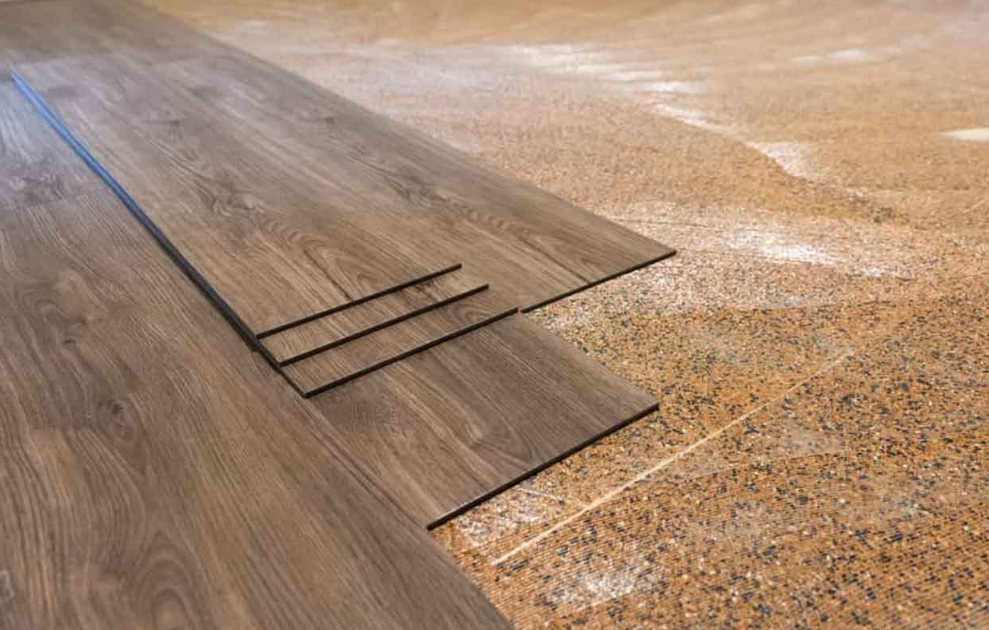
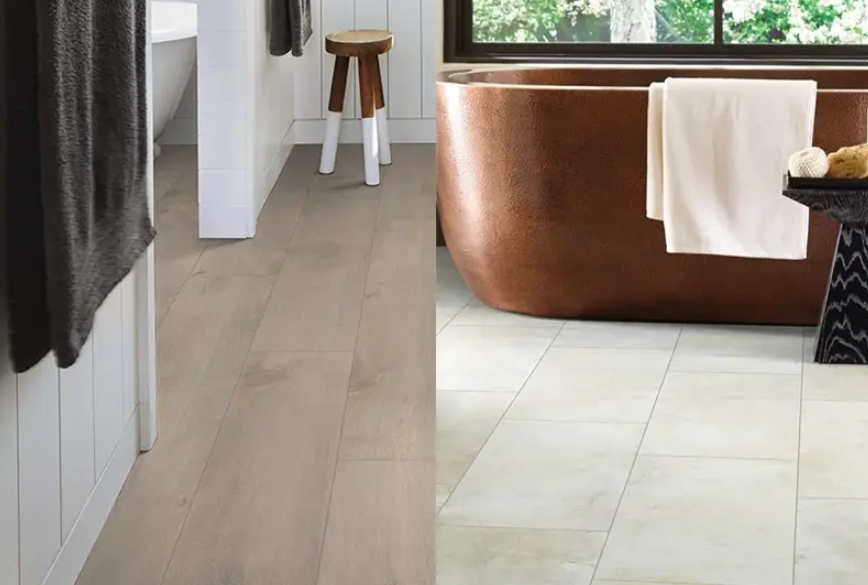
LVT and LVP flooring look different at their core. One mimics the cool feel of stone and tile. The other captures the warm look of natural hardwood.
What LVT Brings to Your Space
LVT copies the beauty of stone, ceramic, marble, slate, travertine, granite, and porcelain. The tech behind luxury vinyl tile creates real-looking results. You get authentic veining patterns like Carrara marble. Color variations match natural slate. Surface textures feel like real ceramic underfoot.
The format opens up creative options. Square and rectangular tile shapes come in smaller sizes. You can build detailed patterns. You can achieve classic tile layouts. Mix multiple tile sizes and colors to create custom floor designs. This is harder to do with plank formats.
This creates a sophisticated, elegant look that fits modern or contemporary styles. LVT works great in spaces where you’d normally see tile. Think kitchens, bathrooms, laundry rooms, mudrooms, and commercial kitchens. The visual effect feels clean and structured. Add grout lines and geometric patterns for even more impact.
What LVP Delivers
LVP takes a different path. These long rectangular planks copy hardwood species with great accuracy. You’ll find realistic versions of oak, mahogany, and wide-plank styles. Distressed finishes, rustic textures, and parquet patterns are all available. The wood grain detail looks authentic. Surface texturing adds to the real hardwood feel.
The plank shape creates linear flow. It adds visual warmth to a space. LVP comes in many wood species, colors, and finishes. The design stays focused on wood-look patterns. It doesn’t branch into other materials.
This creates a warm, inviting atmosphere that fits living rooms, bedrooms, hallways, dens, and open-concept layouts. The look suits traditional homes and farmhouse styles. Contemporary spaces seeking organic warmth can use it too. You’ll see LVP in retail stores, restaurants, and offices that want approachable style.
| Product | Key Features | Visual & Style Benefits |
|---|---|---|
| LVT |
Style options: stone, marble, slate, concrete, ceramic looks Visual effects with pattern combinations Combine grout lines with varied tile sizes for uniqueness |
Modern minimalism Classic country elegance |
| LVP |
Authentic wood texture Realistic wood looks across multiple species Linear visual flow for larger, cohesive spaces |
Farmhouse chic Traditional charm Contemporary warmth |
Your choice depends on the mood you want. Stone elegance and tile-like precision? Go with LVT. Wood warmth and plank-style tradition? LVP is your pick. Both use advanced printing and texturing to create realistic looks. That means marble veining or hardwood grain. But they speak different design languages.
Format, Construction & Installation: LVT vs. LVP
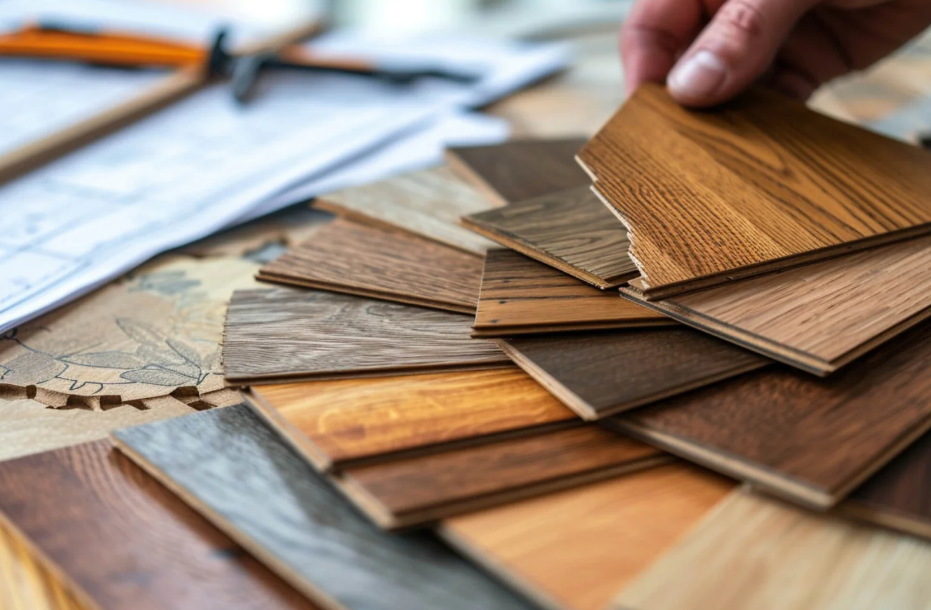
Physical Format
LVT (Luxury Vinyl Tile) comes in square or rectangular tiles, mimicking stone, ceramic, marble, and travertine. Some rectangular pieces resemble planks but retain tile-like patterns.
LVP (Luxury Vinyl Plank) uses long, narrow planks that replicate real hardwood sizes and plank flow.
Thickness & Layer Build
Both LVT and LVP range from 5mm to 12mm thick, thicker than standard sheet vinyl (2mm). LVP is generally slightly thicker, offering more underfoot comfort.
Both feature a multi-layer construction:
Wear layer – resists scratches and stains
Design layer – realistic visuals
Rigid core – stability and strength
Surface texture – matches printed design for authentic feel
LVT-specific: often includes fiberglass for flatness; thinner tiles may require Extra underlayment.
LVP-specific: built-in strength layer and underlayment reduce extra installation steps and enhance wood-like feel.
LVT: Glue-Down
Tiles are bonded to a clean, dry, and level subfloor using adhesive.
Grout gaps can create authentic tile or stone looks.
Requires careful subfloor preparation and curing time; thicker tiles (4mm) may only need perimeter glue.
Repairs are more complex—removing one tile can affect adjacent pieces.
LVP: Click-Lock Floating
Planks interlock via tongue-and-groove edges; no adhesive needed.
Installation is faster and DIY-friendly, covering large areas with fewer pieces.
Subfloor must be clean, level, and dry; minor imperfections are tolerated.
Repairs are simple—individual planks can be replaced without disturbing surrounding flooring.
Loose-Lay Options: Both LVT and LVP now offer friction-fit loose-lay tiles/planks (up to 36″ x 36″ for tiles, 9″ x 72″ for planks) for faster installation in low-traffic areas.
Durability & Waterproofing
LVP generally performs better in durability tests due to smaller plank stress distribution and thicker construction. Many LVP options are 100% waterproof (SPC/WPC cores).
LVT is typically water-resistant, but glue-down installation can create a sealed barrier, providing excellent moisture protection in kitchens, bathrooms, or commercial spaces.
Both formats resist mold and mildew and hide subfloor imperfections.
Expansion & Maintenance
Both require perimeter expansion gaps to accommodate temperature and humidity changes.
Proper installation ensures long-term stability, waterproof performance, and easier future repairs.
Cost & Speed Comparison
Glue-down LVT: higher labor and adhesive costs; slower installation; professional prep often needed.
Click-lock LVP: faster, lower-cost installation; DIY-friendly; less subfloor prep.
Durability & Performance Characteristics: LVT vs. LVP
Both formats last a long time, but they perform differently in certain situations. LVT lasts 10–25 years in homes. LVP extends that to 15–25 years, with slightly more potential at the top end. The difference comes from construction depth and plank size.
Scratch, Dent, and Stain Performance
The protective wear layer on both LVT and LVP blocks everyday scratches and stains. High-traffic hallways resist damage well. Busy kitchens hold up strong, and active living rooms stay looking good. LVT handles foot traffic and regular wear without showing damage, while LVP’s protective top layer keeps its appearance for years.
Neither format is bulletproof. Dropping a heavy item may dent the surface, and dragging furniture without pads can cause scuff marks. LVT can tear or cut if a sharp object hits it hard enough, requiring full tile replacement. LVP shows dents under extreme weight but generally maintains its structure, outperforming hardwood in the same conditions.
Waterproof vs. Water-Resistant Reality
Both formats can be 100% waterproof with correct installation. Bathrooms, kitchens, mudrooms, laundry rooms, and basements stay dry. Water sits on the surface without penetrating the core.
Installation quality is crucial. Gaps between planks or tiles can let water in, causing moisture to get underneath and promoting mold and mildew. Follow manufacturer guidelines for expansion gaps and sealing; improper installation can compromise waterproof performance.
Basic Water Protection
-
LVT is rated water-resistant. It handles spills and damp mopping without damage, but standing water or constant exposure can exceed its limits.
-
LVP delivers 100% waterproof performance. Its vinyl and rigid core prevent water absorption. Many LVP products are designed for constant moisture, performing well in bathrooms, laundry rooms, and basements without swelling, warping, or breaking down.
Core Material Differences
LVP cores often use plastic or stone mixes such as SPC (stone plastic composite) or WPC (wood plastic composite), which do not absorb water and do not expand after soaking. A burst pipe or major leak will not ruin the planks; they can be dried and reused.
Traditional glue-down LVT has a potential weak point at the glue layer. The vinyl itself resists water, but the adhesive can break down under heavy moisture, creating failure zones. Rigid-core LVT products without glue match LVP’s waterproof strength.
Installation Format and Water Entry Points
Glue-down LVT creates a sealed surface by bonding tiles directly to the subfloor, effectively blocking water from getting underneath. This is advantageous for commercial kitchens, medical spaces, and high-moisture areas. Click-lock floating LVP keeps water out at the surface, with the core remaining waterproof, but joints between planks can create risk zones if installation is poor. Some click-lock LVP products are rated waterproof when installed according to manufacturer specifications.
UV Exposure and Fading
Direct sunlight fades both LVT and LVP over time. Luxury vinyl resists UV damage better than cheaper sheet vinyl, but south- or west-facing windows can still affect color. Installing UV-blocking window film or using curtains and blinds during peak sun hours helps maintain appearance.
Heavy Load and Impact Tolerance
LVT’s multi-layer construction, often combining vinyl and fiberglass, handles heavy foot traffic well, though sharp impacts can break tiles, requiring individual tile replacement. LVP’s thicker plank format distributes weight more effectively; heavy furniture may leave dents but rarely damages the structure.
Underfoot Comfort and Sound Control
Both options feel softer than ceramic or porcelain tile, with the vinyl core providing cushioning. Thicker planks improve sound absorption and reduce footstep noise. LVP planks often measure 4–7mm thick, with some thicker options offering even better underfoot comfort. LVT runs 4–7mm as well, with thinner versions sometimes requiring separate underlayment for sound control.
Real-World Family Performance
Both LVT and LVP perform well in active households. Pets’ claws cause fewer scratches than on hardwood, and children’s spills rarely damage the floor. Static buildup can occur in dry environments; controlling humidity minimizes this effect.
Room-Specific Recommendations
| Room Type | Recommended Format | Reason |
|---|---|---|
| High-moisture (bathrooms, mudrooms, basements, laundry) | Rigid-core LVP or waterproof-rated LVT | Fully waterproof, prevents subfloor moisture |
| Moderate-moisture (kitchens, dining rooms, entryways) | Standard LVT or click-lock LVP | Water-resistant; proper installation required to minimize gaps |
| Low-moisture (bedrooms, living rooms, offices) | Any LVT or LVP | Water resistance is less critical; selection can focus on style and layout |
Consumer Choice Considerations: LVT vs. LVP
Price, room function, and installation method guide your final decision between LVT vs LVP flooring. Both formats cost less than hardwood, natural stone, or ceramic tile. Both cut out ongoing maintenance expenses like sealing and waxing. Your specific needs shift the choice one way or the other.
Match Format to Room Function
LVT works best in spaces that normally use tile. Bathrooms get moisture protection with ceramic or marble looks. Mudrooms handle dirty boots and wet floors without damage. Laundry rooms resist washing machine leaks. Powder rooms get elegant stone visuals at lower cost. The tile format feels natural in these settings. You can add grout lines for authentic ceramic appearance.
LVP fits rooms where hardwood makes sense. Living rooms gain warmth from realistic wood grain. Bedrooms feel cozy with oak or walnut patterns. Open-concept layouts flow better with plank installation that runs continuously. Basements stay dry while looking like finished wood floors. Entryways welcome guests with inviting wood tones. The plank format creates the linear flow people expect from hardwood.
Budget and DIY Capability
Both formats save money compared to materials they mimic. LVP delivers better DIY value. The click-lock system installs without special tools or adhesive. You lay planks over existing tile or hardwood. No subfloor removal needed. Labor costs drop to zero if you install it yourself. Professional install fees stay low because work moves fast.
LVT requires more installation skill. Glue-down application needs careful prep work. The subfloor must be level. Adhesive spreads with specific trowels. Curing time adds project days. Most homeowners hire professionals. This raises total project cost. But you get maximum stability. The floor won’t shift under heavy commercial traffic.
Traffic Levels and Repair Needs
LVP handles high-traffic areas better. Smaller plank sizes spread stress across more seams. The floating installation absorbs impact without cracking. Damaged planks unlock and swap out with ease. You don’t disturb surrounding pieces. Keep spare planks from your original purchase. Match new pieces to old without professional help.
LVT excels under extreme moisture and chemical exposure. The glue-down bond creates a waterproof barrier at the subfloor. Commercial kitchens use this advantage. Medical facilities need this sealed protection. Home bathrooms benefit from zero water getting underneath. Repair costs more because you break adhesive bonds. Adjacent tiles may lift during replacement work.
Resale Value Considerations
Neither format matches the resale appeal of real hardwood or natural stone. But LVP comes closer to wood flooring value. Buyers see realistic wood grain. They feel comfortable plank sizing. The material reads as “wood alternative” rather than “vinyl.” This helps in resale markets where hardwood drives prices.
LVT positions as practical tile replacement. Buyers appreciate moisture resistance and lower maintenance. But they recognize it as vinyl, not stone. Resale boost stays smaller than real ceramic or porcelain. Budget-conscious buyers value the durability. Design-focused buyers may want authentic materials instead.
Quick Decision Framework
Pick LVT for tile aesthetics. It’s best for professional installation and spaces where moisture barriers matter most. Pick LVP for wood looks. It’s ideal for DIY install, easy future repairs, or covering large open spaces fast. Both choices beat standard materials for waterproof performance and lifetime maintenance savings.
Expert Opinion:
“I’ve spent 15 years helping homeowners choose between LVT and LVP. Here’s what I’ve learned: there’s no one-size-fits-all answer. The right choice depends on your specific needs.
Renovating a bathroom or kitchen? Moisture control matters most here. I recommend waterproof LVP with rigid core construction. It handles water better.
Want that real tile look in your entryway or commercial space? Glue-down LVT gives you unmatched stability. The visual impact is impressive too.
My advice? Look beyond the initial price tag. Think about your DIY skills. Consider future repairs. How long will you stay in this space?
Here’s a real example: You can install floating LVP yourself in a weekend. Compare that to LVT installed by pros. The labor costs twice as much. That DIY LVP option delivers better value overall.“
———— Lori Liu, Certified Flooring Specialist , 15+ years in residential and commercial flooring design, National Wood Flooring Association member