
You’ve invested in beautiful WPC flooring. You set aside your weekend for installation. You followed every instruction. Yet three months later, you’re staring at warped planks, stubborn gaps, or an uneven surface that clicks with every step.
Sound familiar?
Even experienced DIYers make subtle installation errors. These mistakes don’t show up right away. They reveal themselves later.
Maybe this is your first flooring project. Or maybe you’ve done several renovations. Either way, knowing the key mistakes helps. These errors happen during preparation, execution, and finishing. Avoid them, and your floor lasts decades. Miss them, and it fails within months.
We’ve found the most common mistakes during WPC flooring installation. We cover all three stages. Plus, we share proven strategies to avoid each one. This saves you time and money. No headache of redoing everything.
Common WPC Flooring Installation Mistakes (By Installation Stage)
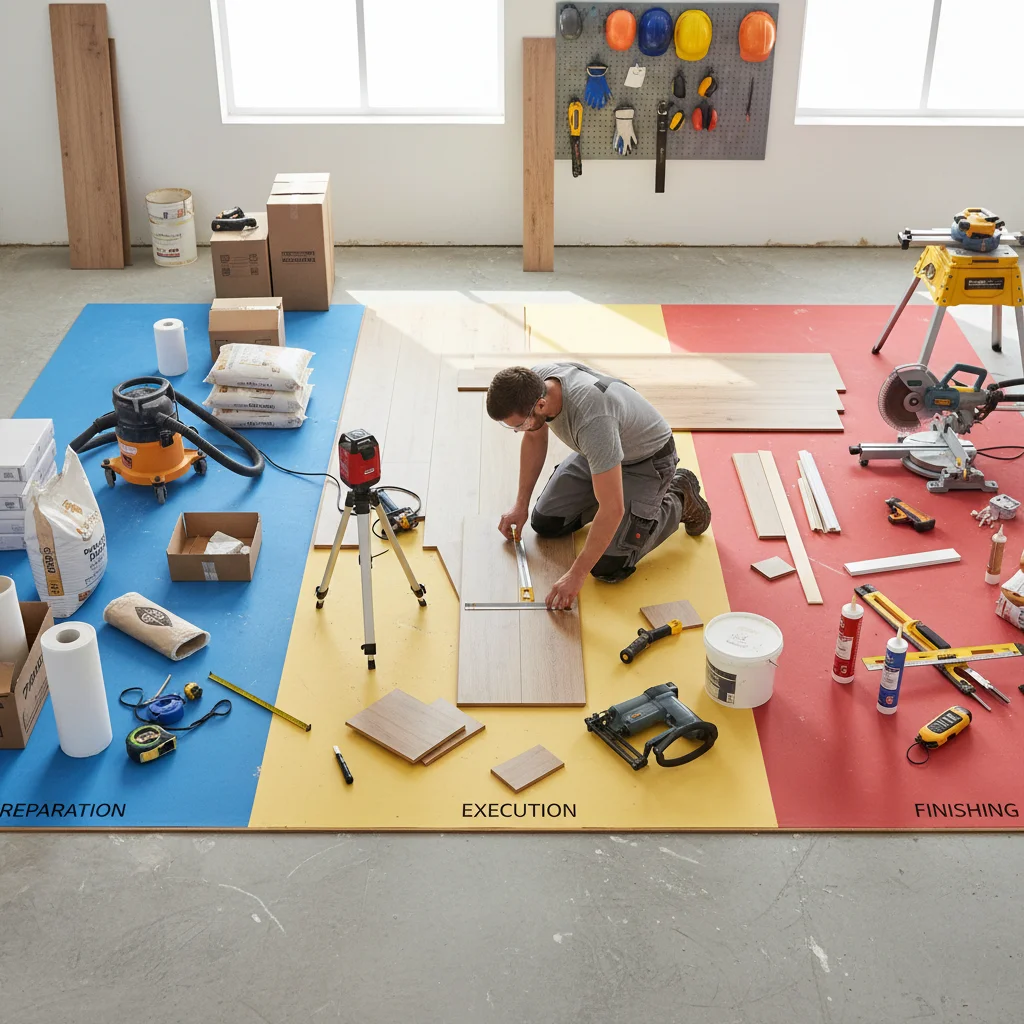
WPC flooring installation has three main phases: preparation, execution, and finishing. Each stage has traps that can ruin your project. Here’s what goes wrong—and how to avoid each mistake.
Preparation Stage: Where Most Failures Start
Skipping Surface Prep
You install over uneven ground, loose soil, or dirty surfaces. This leads to sagging planks and cracking boards. Here’s an example: You lay WPC flooring over sand because it looks level. The monsoon hits. Your deck sinks. Your planks wobble. Your investment falls apart.
The subfloor must be flat within 3mm over every 2 meters. Any deeper dips need fixing. Clean well. Dry it out. Level with a concrete base or packed gravel. No shortcuts.
Ignoring Acclimatization
Those planks need 48 to 72 hours to adjust to your room’s temperature and humidity. Skip this step? You’ll see buckling, lifting, and gaps appear within weeks. For hardwood materials, moisture content should sit between 8% and 11%.
Subfloor moisture matters too. Anything over 14% causes swelling and warping. Test the humidity percentage for concrete subfloors before you start.
Installation Stage: The Costly Mistakes During WPC Flooring Installation
Improper Plank Spacing
Leave 5 to 7mm between planks. Keep 10 to 12mm from walls. Too tight? Your floor buckles as materials expand. Too wide? Debris and water seep through gaps. This creates long-term damage. Install during mild weather to cut down on expansion problems.
Wrong Fastening Methods
Grab regular wood screws or nails? You’ve just voided your warranty. Use the hidden clips and fasteners your manufacturer recommends. Standard hardware loosens over time. It rusts in moisture. It leaves an ugly finish. Follow the specs.
Joist Spacing Errors
Spread joists wider than 30cm apart? You’re asking for sagging floors, squeaks, and early wear. Keep that spacing tight—30cm maximum. Your floor needs solid support underneath.
Drainage and Finishing Stage: The Final Checkpoint
Skipping Drainage Planning
WPC resists water better than most materials. But standing water still destroys it. Slope your deck away from the house. Clear all drainage outlets. Install ventilation under the deck. Without proper water flow, you’ll fight mold, warping, and rot.
DIY Without professional Oversight
Over 50% of laminate flooring failures come from installation errors—and the same applies to WPC. Misaligned planks, uneven spacing, and poor anchoring add up fast. Tackling this yourself? Get a professional consultation at minimum. They catch what you might miss.
1. Pre-Installation Stage (Preparation Phase)

Your WPC flooring project lives or dies in the hours before you lay a single plank.
Most installers rush this stage. They want to see progress. They skip the boring groundwork. Then they spend months fixing problems. Proper preparation would have stopped those issues. The pre-installation phase isn’t glamorous. But it decides if your floor lasts five years or fifty.
Site Assessment and Feasibility Confirmation
Walk the installation area with clear eyes. Not all surfaces accept WPC flooring the same way. Identify deal-breakers before you commit.
Check the existing substrate. Is it concrete? Soil? Old decking? Each material needs different prep methods. Concrete needs moisture testing. Soil needs compaction and grading. Existing wood structures need inspection for rot or pest damage.
Measure slope and drainage patterns. Water doesn’t forgive bad planning. Your site must direct water away from the flooring area. No natural drainage? You’ll need drainage solutions built into your base structure.
Document site-specific challenges now. Uneven terrain? Awkward corners? Limited equipment access? These factors affect your material quantities. They also impact labor costs and timeline. Write them down. Address them in your plan.
Building the Construction Team and Safety Framework
You can’t install WPC flooring alone. Not the right way. Assemble your team soon. Define everyone’s role from the start.
Pick your project manager. That might be you. Someone must coordinate material deliveries. They manage the schedule. They make on-site decisions. Add a site supervisor who knows WPC installation techniques. This person catches mistakes before they stick.
Don’t skimp on safety management. Falls happen during installation. So do cuts and strain injuries. Your safety manager ensures proper protective equipment for everyone on site. They install warning signs. They create clear pathways. They prevent accidents that delay your project and drain your budget.
Hold a pre-construction meeting before work starts. Bring your full team, subcontractors, and material suppliers together. Review the project plan. Clarify the installation sequence. Set up communication protocols. This single meeting stops countless mix-ups later.
Material Procurement and Staging Strategy
Order your WPC planks, fasteners, and underlayment with buffer quantities. Material shortages stop projects cold. Calculate what you need. Then add 10% for cuts, waste, and unexpected adjustments.
Coordinate delivery timing with your construction schedule. Materials arriving too soon create storage problems. They face weather exposure risks. Late deliveries halt progress. They frustrate your team.
Create dedicated staging areas near your installation site. Stack planks on level surfaces away from direct sun and moisture. Organize fasteners, clips, and tools for easy access. Your installation crew shouldn’t waste time hunting for materials during critical work phases.
Check every delivery against your order specs. Look at plank colors for consistency. Inspect for shipping damage. Make sure fastener quantities and types match manufacturer requirements. Finding shortages mid-installation costs you days of delay.
Ground Preparation and Leveling Requirements
This step separates successful installations from disasters.
Clear the construction area. Remove vegetation, debris, old materials, and unstable soil. What looks level might hide 15mm variations across the surface.
Grade the site based on your drainage plan. Create a gentle slope away from buildings and structures. Working on sloped terrain? Add erosion control measures. Silt fences and temporary barriers protect your prepared base during installation.
Level the substrate within 3mm tolerance over every 2 meters. Use a long straightedge and level to find high and low spots. Grind down high areas. Fill depressions with the right materials. Use compacted gravel for outdoor installations. Use self-leveling compound for indoor concrete slabs.
For outdoor WPC decking installations, set up your joist framework now. Space joists no wider than 30cm apart. Secure them to a stable foundation. Check level and spacing before moving forward. This framework decides your floor’s long-term stability.
Pre-Installation Moisture and Climate Control
Test concrete subfloors for moisture content before any other prep. Readings above 14%? You need more drying time or moisture barrier installation. Wet substrates cause WPC planks to expand and contract in random ways.
Store your WPC planks in the installation environment for 48 to 72 hours minimum. This lets materials adjust to local temperature and humidity. Skip this step? You’ll watch your floor buckle or gap within weeks of installation.
Monitor weather forecasts for outdoor projects. Avoid installation during extreme temperatures or rainy periods. Install during mild, dry conditions. Materials behave better. Adhesives cure the right way.
Your preparation phase investment pays off throughout installation and across decades of use. Rush it? You’ll spend those decades managing problems. Do it right? Your WPC floor performs just as promised.
2. Installation Stage (Execution Phase)

The planks are ready. Your substrate passed inspection. Your materials are staged and waiting. This is where planning meets reality—and where costly mistakes happen.
This phase needs precision, not speed. Each plank builds on the one before it. One misaligned board creates problems down the line. One wrong fastener weakens the structure across entire sections. Rush this, and you’ll live with the results for years.
Your team needs clear processes and regular quality checks. They need to stop when something looks off. This isn’t the time to improvise.
Building Your Installation Baseline
Lock in your starting point before laying the first plank. This baseline controls everything after.
Mark your starting wall or reference line. Most installers pick the longest, straightest wall. Measure out from this wall 10-12mm—your expansion gap. Snap a chalk line parallel to your reference wall. This line guides your first row.
Check this baseline for square. Measure diagonals across the room or deck area. Measurements differ by more than 6mm? Your walls aren’t square. Adjust your baseline to match. An out-of-square reference line creates widening gaps or cramped edges as you work.
Document your baseline measurements and chalk line positions. Take photos. These records help during installation or quality checks.
Executing First Row Installation with Precision
Your first row sets the standard for the entire floor. Get this wrong, and each row after magnifies the error.
Start with your longest, straightest planks for row one. Position the first plank with its groove side against the wall. Insert expansion spacers between the plank and wall—10-12mm minimum. These spacers stay in place through installation.
Engage the tongue-and-groove connection at a 20-30 degree angle. Lower the plank until it clicks. Never force connections. A plank won’t seat right? Something’s wrong. Check for debris in the groove. Look for manufacturing defects. Forcing damaged connections creates weak spots that fail under foot traffic.
Stagger end joints by at least 30cm between adjacent rows. This pattern distributes weight loads evenly. It stops the “stair-step” look that signals amateur work. Use your off-cuts smart to maintain this pattern while cutting waste.
Tracking Progress Through Quality Control Checkpoints
Stop every three rows. Step back. Look at your work with fresh eyes.
Run a straightedge along your installed planks. Look for bowing, cupping, or alignment drift. Catch these issues within three rows, and correction takes minutes. Find them after twelve rows, and you’re tearing out half a day’s work.
Measure your expansion gaps at multiple points along installed sections. Gaps should stay at 10-12mm spacing. Narrowing gaps mean installation creep—planks pushing too tight against walls. This removes room for expansion. Your floor will buckle during the first temperature swing.
Check fastener placement and engagement. Each hidden clip should sit flush. Screws should drive just below the plank surface without going too deep. See visible fastener heads? You’ve created trip hazards and moisture entry points. Back them out a bit and set them right.
Document completion percentages each day. Track square meters installed against your project schedule. Falling behind? Find bottlenecks now. Maybe your team needs more training. Maybe material staging needs a rework. Fix performance gaps now, not at project end.
Managing Installation Variables and Changes
Not every installation goes to plan. Obstacles appear. Client expectations shift. Materials behave different than expected.
Create a change request log from day one. You encounter a structural beam that wasn’t in the plans? Document it. Humidity spikes force a work stoppage? Record it. A client requests a different plank layout pattern mid-installation? Capture that request in writing.
Each change request needs three elements: description of the change, impact on timeline and cost, and stakeholder approval signature. Installing without approved change documentation means you eat costs that weren’t your fault.
Build contingency time into your schedule each day. Plan for six hours of productive installation in an eight-hour day. This buffer absorbs normal obstacles without killing your timeline. Obstacles might include cutting complex angles around doorways, fixing substrate issues found during plank removal, or waiting for adhesive to cure in humid conditions.
Track your material use against initial projections. Running through planks faster than expected? Your cutting waste might exceed estimates. Find out why. Maybe your layout plan needs work. Maybe your installers need better training on efficient cutting. Catch material overruns early so you can order more supplies before you run out.
Maintaining Team Performance and Resource Allocation
Your installation crew’s effectiveness determines project success more than any other factor.
Assign specific zones to team pairs. Clear territory ownership creates accountability. It stops the “someone else will fix it” mentality that produces sloppy work. Each pair manages their zone from substrate prep through final plank installation.
Rotate demanding tasks among team members. Plank cutting causes physical fatigue. Continuous kneeling strains joints. Schedule regular task rotation every two hours. Fresh workers make fewer mistakes. They work faster. They stay safer.
Monitor individual performance metrics each week. Track planks installed per worker, error rates needing rework, and safety incident frequency. High performers get recognition. Struggling workers get more training or task reassignment. Never let poor performance slide. One careless installer hurts everyone’s work.
Conducting Phase Reviews Before Moving Forward
Complete installation in logical sections. Maybe it’s room-by-room for interior projects. Maybe it’s deck quadrants for outdoor installations. After finishing each section, stop.
Gather your project manager, site supervisor, and lead installer. Walk the completed section together. Check alignment, fastener security, gap consistency, and surface flatness. Test plank engagement by walking the entire surface. Listen for squeaks, clicks, or movement. Solid installations feel solid. Problem areas make themselves known.
Review your issue log. Every defect found during installation should appear here—wrong fastener placements, damaged planks, substrate problems needing correction. Make sure each logged issue has a resolution. Document what you did to fix it. These records protect you from future warranty disputes.
Update your project documentation to reflect as-built conditions. Maybe you adjusted joist spacing in one area to handle unexpected substrate conditions. Maybe you changed plank layout patterns around complex features. Record these changes from original plans. Future maintenance relies on accurate as-built documentation.
Get section approval from your client or project owner before moving to the next area. This formal sign-off stops end-of-project disputes. It confirms everyone agrees the work meets specs. Get signatures. Take photos of completed, approved sections.
The execution phase tests your preparation quality and your team’s installation discipline. Perfect preparation can’t overcome sloppy execution. But strong execution processes—baselines, quality checkpoints, change management, and phase reviews—transform good planning into floors that perform well for decades.
3. Post-Installation Stage (Finishing Phase)

Your WPC flooring sits in place. Every plank locked tight. Every fastener secured. Your crew packed up their tools hours ago.
But you’re not done.
The finishing phase separates short-term success from long-term performance. Skip these final steps, and problems pop up within months. Do them right, and your floor lasts for decades.
Final Surface Inspection and Defect Resolution
Walk every square meter of your installed floor. Look for surface problems your team missed.
Run your hand across plank seams. Feel for height differences between boards next to each other. Anything over 1mm creates trip hazards. It also creates wear patterns. Mark problem areas with tape. Adjust fasteners or replace planks before the client sees it.
Check for debris trapped in grooves or under planks. Trapped dirt makes clicking sounds during foot traffic. Vacuum the entire surface. Pay extra attention to expansion gaps and edges.
Inspect plank surface finish for scratches, dents, or staining. Minor surface marks might buff out with approved cleaners. Deep damage needs plank replacement. Do this now while your materials and crew are available.
Test every section by walking the floor. Listen for squeaks, pops, or movement. Solid installations feel silent and stable. Problem areas announce themselves. Find the cause—loose fasteners, poor substrate support, or wrong joist spacing. Fix root causes, not symptoms.
Expansion Gap Verification and Trim Installation
Measure expansion gaps at 10-15 points along each wall. Your 10-12mm spacing must stay the same across the installation. Gaps narrower than 8mm remove needed expansion room. Your floor will buckle during the first temperature swing.
Found tight gaps? Remove the baseboard or trim. Pull planks away from the wall a bit. Reinstall spacers. This correction takes 30 minutes. Ignoring it costs thousands in buckled floor repairs.
Install your finishing trim and transition pieces now. These parts hide expansion gaps while allowing floor movement. Use the fastening methods your manufacturer says to use. Nail trim to walls—never to the flooring itself. Nailing trim to planks locks down the floor. It stops natural expansion and contraction.
Ventilation and Drainage System Validation
Your WPC floor resists moisture better than wood. But standing water still destroys it over time.
Test drainage flow across outdoor installations. Pour water along deck edges and watch how it moves. Water should flow away from the structure within seconds—not pool on the surface or collect beneath planks.
Clear all drainage outlets and weep holes. Remove construction debris from ventilation gaps beneath raised decking. Blocked drainage creates moisture pockets. These pockets breed mold and speed up material breakdown.
Check airflow beneath elevated WPC decking installations. Good ventilation stops moisture buildup. It extends material life by 15-25% according to field performance data. Check that joist spacing allows air circulation. Make sure debris hasn’t blocked ventilation paths.
Client Walkthrough and Documentation Handoff
Schedule your final walkthrough within 48 hours of finishing. Walk your client through the space step by step. Point out key features and quality details. This builds confidence in your work.
Show proper maintenance steps. Show which cleaning products work safe on WPC surfaces. Explain what damages the finish. Your five-minute maintenance tutorial stops most client-caused damage claims.
Hand over complete documentation packages. Include warranty certificates, manufacturer care instructions, spare planks for future repairs, and as-built drawings. These show actual joist locations and plank layout patterns. These records matter for warranty claims or future renovations.
Get written sign-off confirming client satisfaction. This formal acceptance protects you from vague complaints months later. Take final project photos showing the pristine installed floor.
Performance Monitoring and Follow-Up Protocol
Set a 30-day follow-up inspection before closing the project file. This check catches issues that appear after the floor experiences normal use and seasonal changes.
During your 30-day inspection, measure gap spacing again. Check for new squeaks or movement. Look for staining or damage from initial use. Fix problems right away while they’re minor.
Track post-installation performance over the first year. Check in with clients at 30, 90, and 365 days. Document any adjustments needed. This data improves your process for future installations.
Create a maintenance reminder system for your clients. Send care tips before seasonal transitions. Temperature and humidity swings stress the flooring during these times. This proactive support reduces warranty claims. Plus, it builds long-term client relationships.
The finishing phase protects your installation investment and your reputation. Rush through it, and you’ll spend years managing callbacks and warranty repairs. Do it right, and your WPC floors perform as promised—for decades.
Conclusion

Installing WPC flooring doesn’t have to be a minefield of expensive errors. The difference between a floor that lasts decades and one that fails within months? Knowing what not to do at each key stage.
Your floor’s success starts before you lay the first plank. Proper acclimation matters. So does subfloor prep and having the right tools. Focus on expansion gaps and click-lock techniques during installation. This separates amateur work from pro results. Those finishing touches? They’re not optional. They protect your warranty.
Here’s what matters most: avoiding common mistakes during WPC flooring installation isn’t about perfection. It’s about prep and patience. Do it right the first time. You’ll save yourself the headache and expense of early repairs or full replacement.
Ready to start your installation? Print this guide. Gather your materials. Tackle each stage step by step. Your future self—standing on a beautiful, problem-free floor—will thank you.