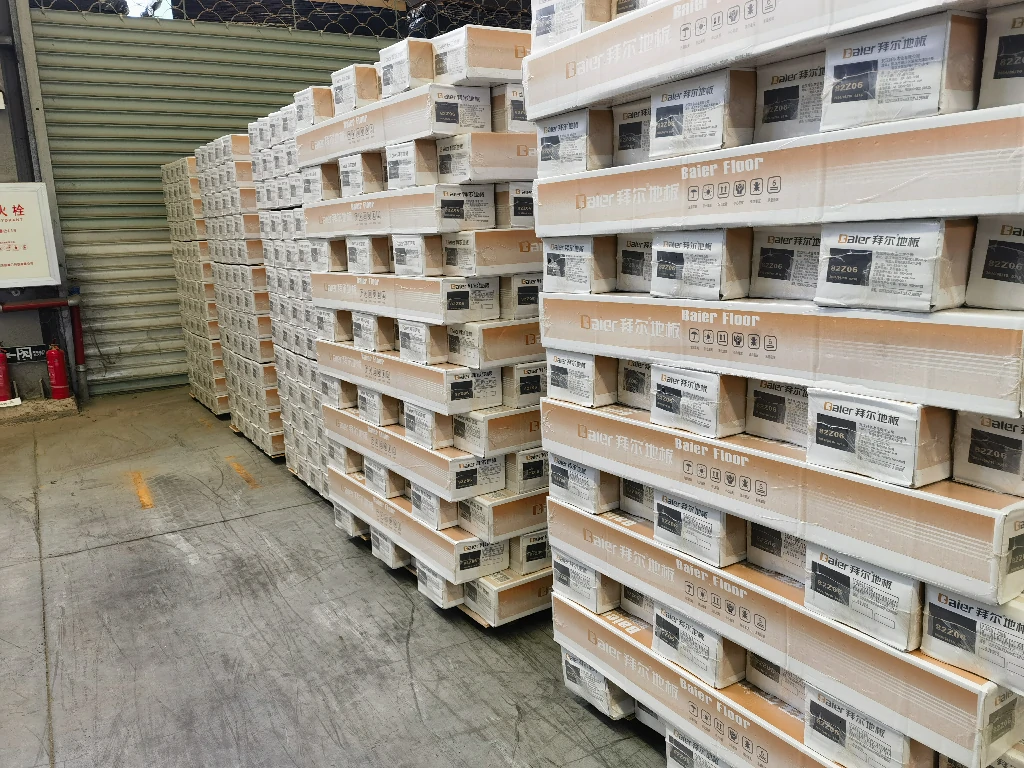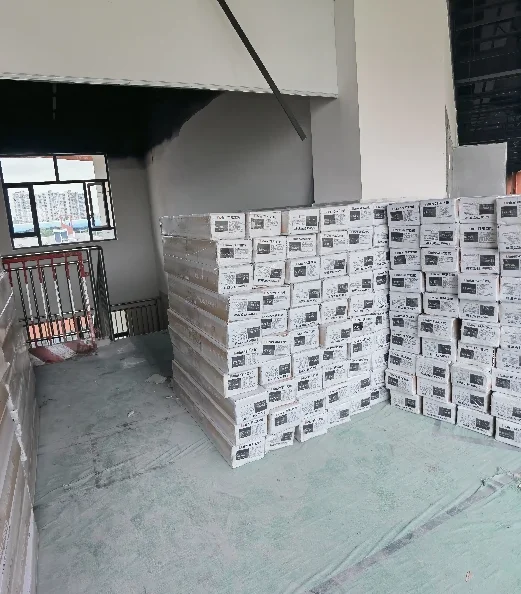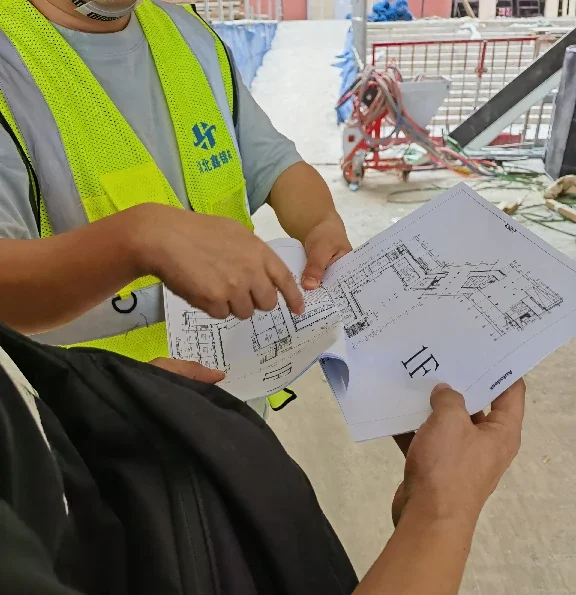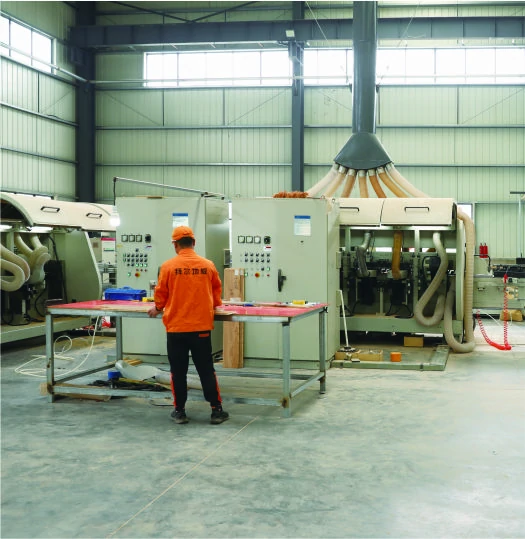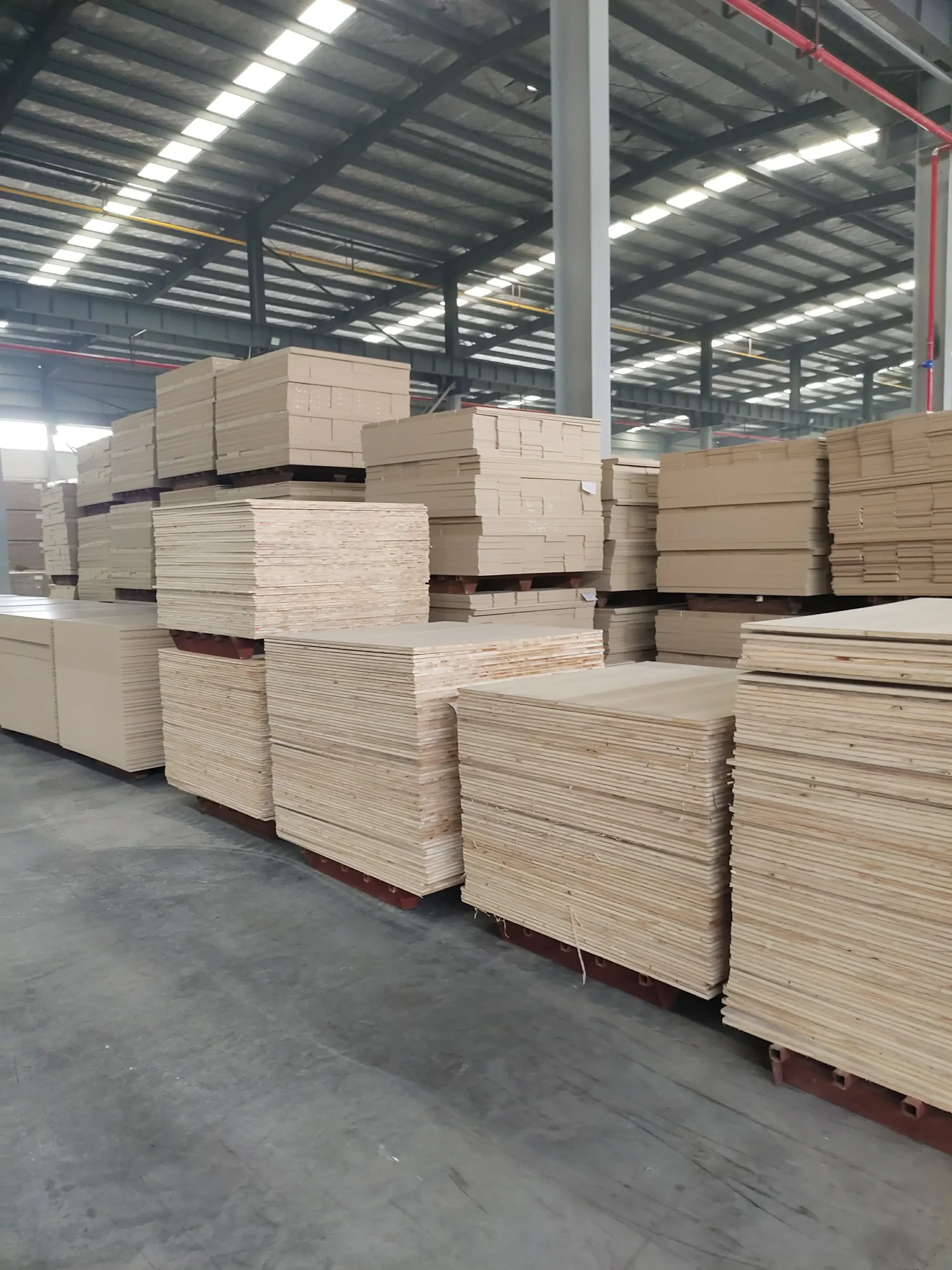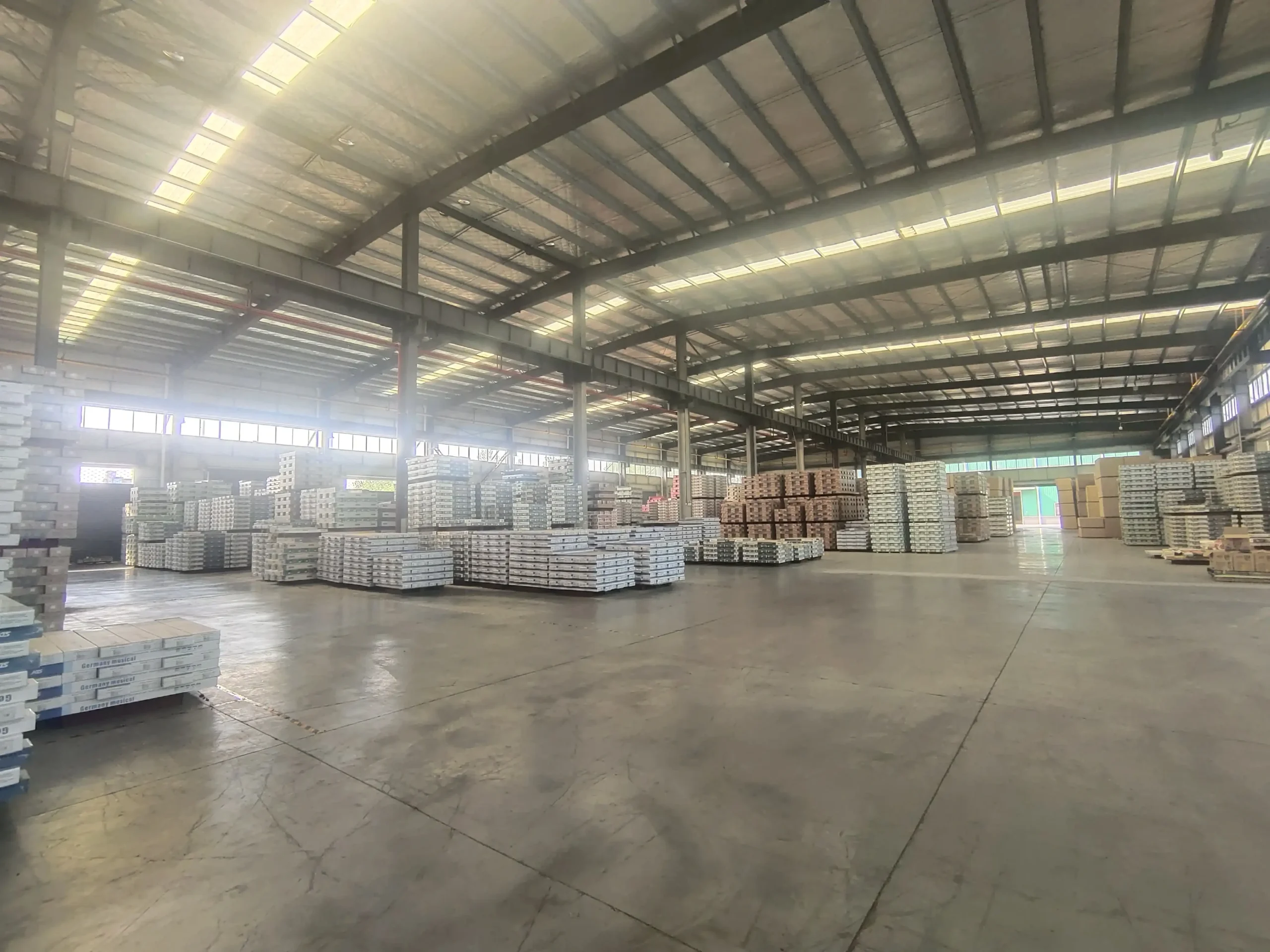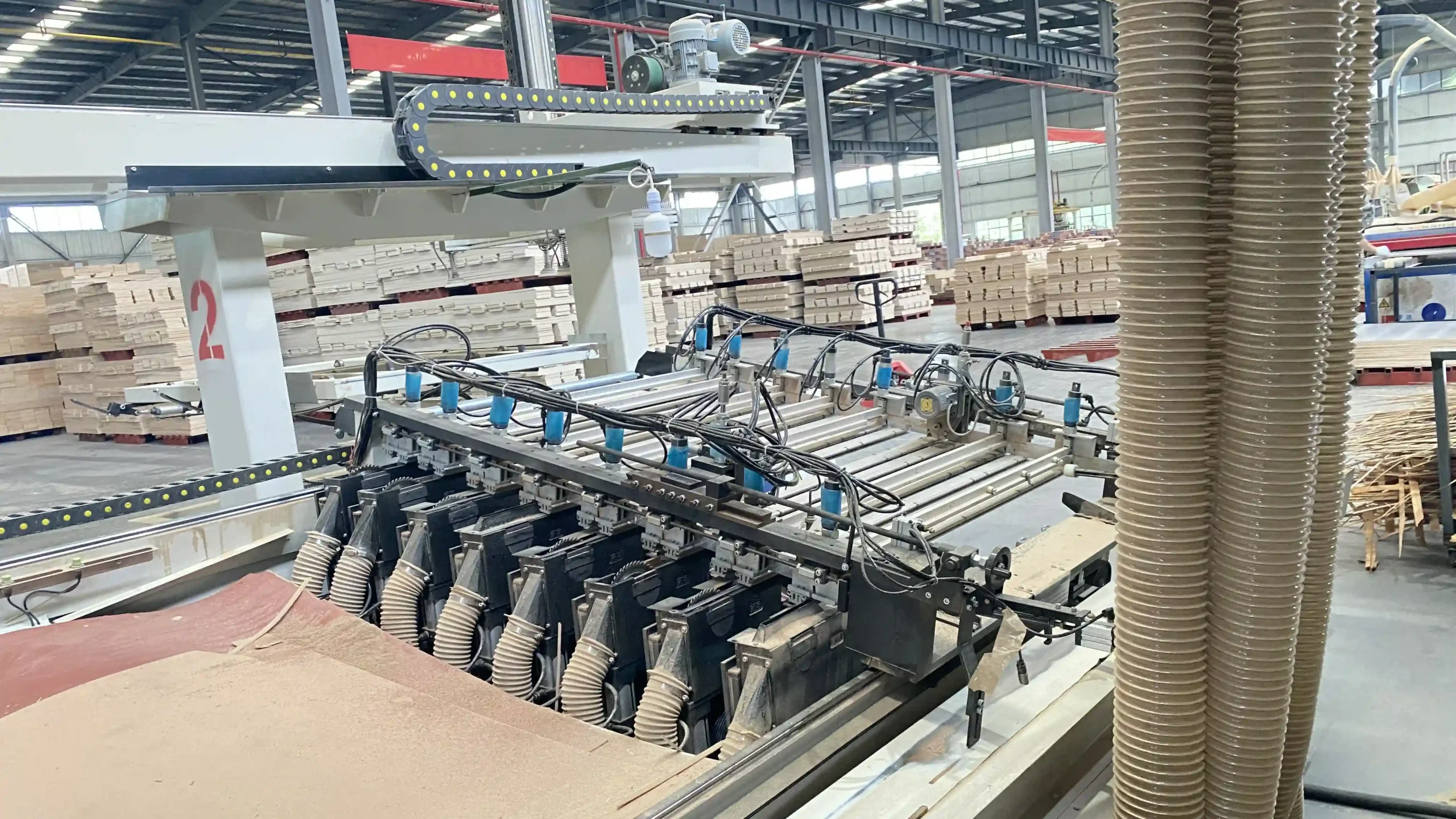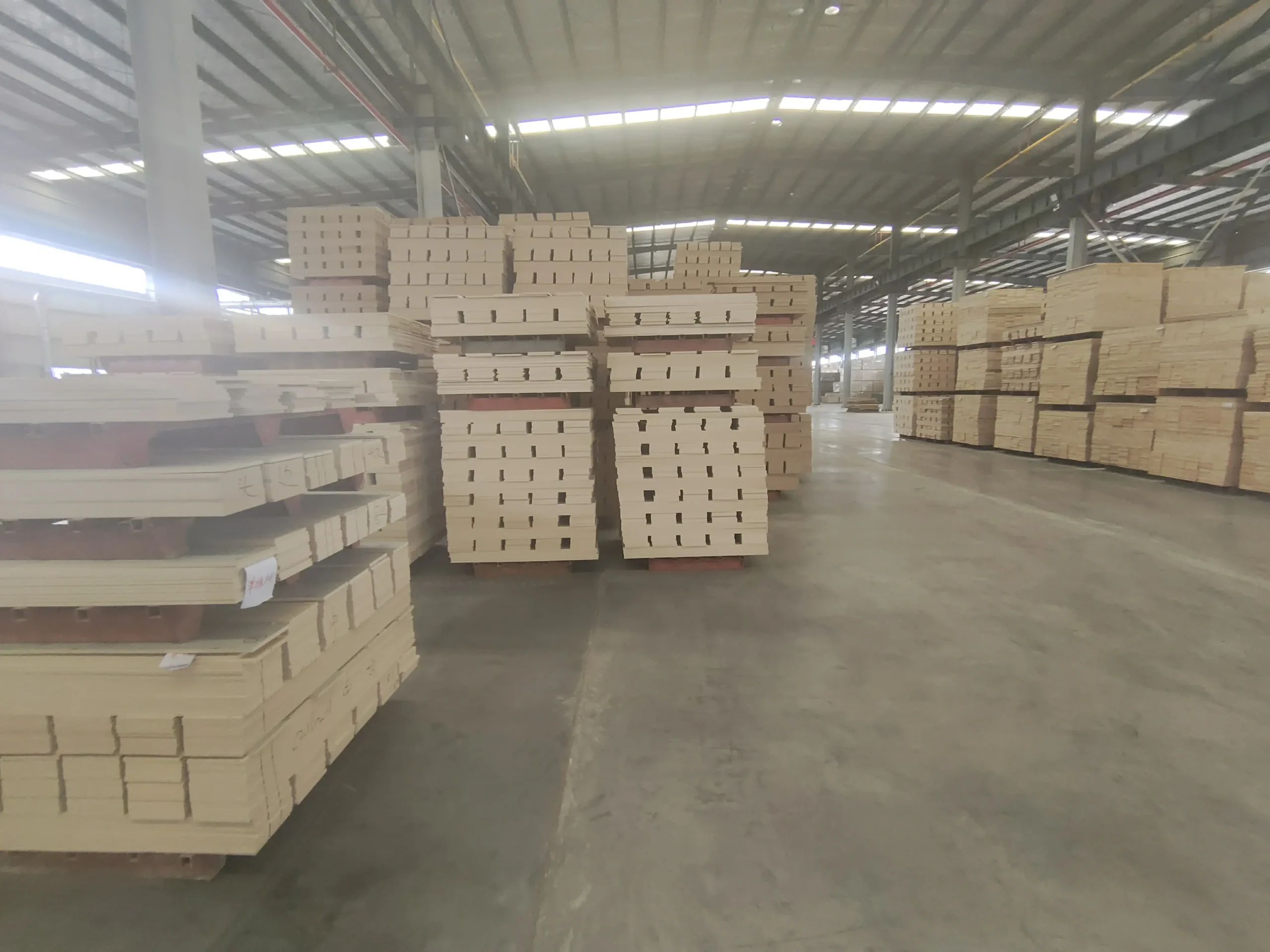
Every year, billions of dollars in building materials travel from Chinese factories to construction sites, showrooms, and warehouses around the world. But not every sourcing deal goes smoothly. For every profitable partnership, there’s a buyer who got burned — by inconsistent quality, missed lead times, or a supplier who talked well right up until the deposit cleared.
The gap between good and bad outcomes isn’t luck. It’s knowing what to demand before you sign anything.
China’s construction materials market hit $657.6 billion in revenues in 2024. That number means something. This isn’t a niche market. It’s the backbone of global building supply.
But size doesn’t guarantee a good partnership. Four things separate a supplier worth trusting from one worth avoiding. Professional buyers measure all four:
Supply chain reliability — 93% of contractors stay loyal to preferred suppliers. Steady inventory and service keep them there.
Stable pricing — cost predictability isn’t a bonus. It’s the baseline expectation.
Responsive customer service — long-term relationships run on communication, not just product specs.
Manageable lead times — every delay hits a project schedule hard. It also hits a buyer’s bottom line.
This guide covers seven core expectations that experienced B2B building materials buyers hold Chinese suppliers to. You’ll also get a practical checklist to help you assess any China construction materials manufacturer with clarity and confidence.

What Professional Buyers Look for When Sourcing Building Materials from China
Experienced buyers don’t browse Chinese supplier catalogs hoping to get lucky. They show up with a mental checklist — sharp, specific, and hard-won.
The market makes that discipline necessary. Building materials demand is growing 8% per year through 2033, with ceramic tiles alone taking 45% of key material segments. That growth pulls in suppliers at every quality level. The good ones and the ones who will cost you look the same on a first call.
So what separates them?
Four things:
Product consistency — specs that match samples and shipments, batch after batch
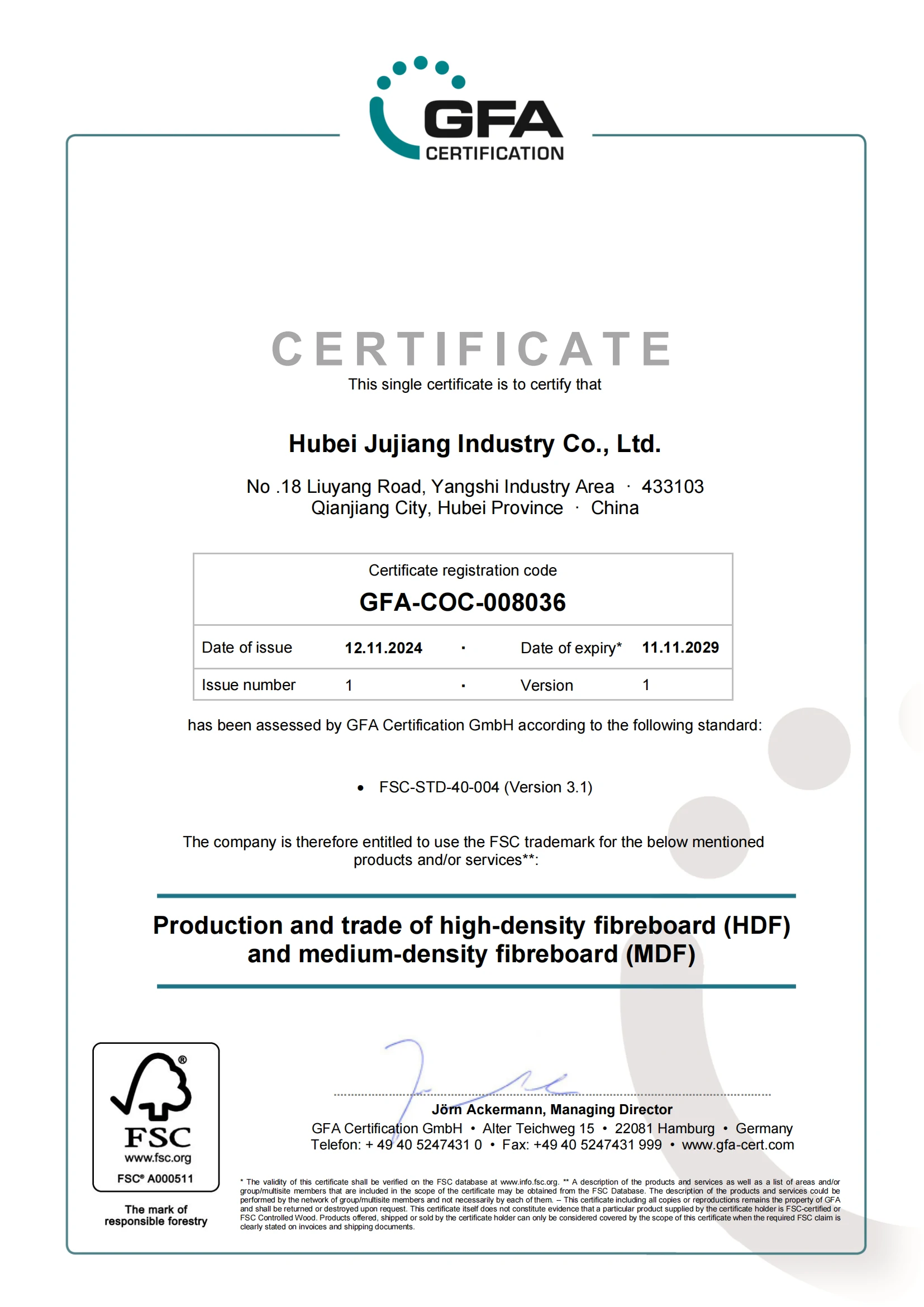
Certifications that hold up — not just paperwork, but verified compliance with destination-market standards
Transparent capacity — real output numbers, not optimistic promises
Communication you can trust — responsiveness before and after payment clears
Watch how a supplier talks about challenges. Price swings in steel, cement, and lumber are real. A supplier who admits that — and offers flexible contract terms — earns far more trust than one who promises perfect stability in a market that has none.
That kind of honesty is the first sign of a reliable long-term partner.
Expectation #1: Consistent Product Quality Backed by Verifiable Certifications

Quality isn’t what a supplier promises on a call. It’s what arrives in the third container, eighteen months into the relationship, when no one’s checking anymore.
That’s the standard experienced buyers hold Chinese building materials suppliers to — not the sample, not the first shipment, but the tenth. Consistency is the actual product. Everything else is marketing.
The numbers back this up. More than 70% of professional buyers now require verified quality seals before committing to a supplier relationship. The global Testing, Inspection & Certification (TIC) market is valued at $277.69 billion and climbing toward $390 billion by 2032. That market exists because trust alone doesn’t clear customs.
What “Verifiable” Really Means
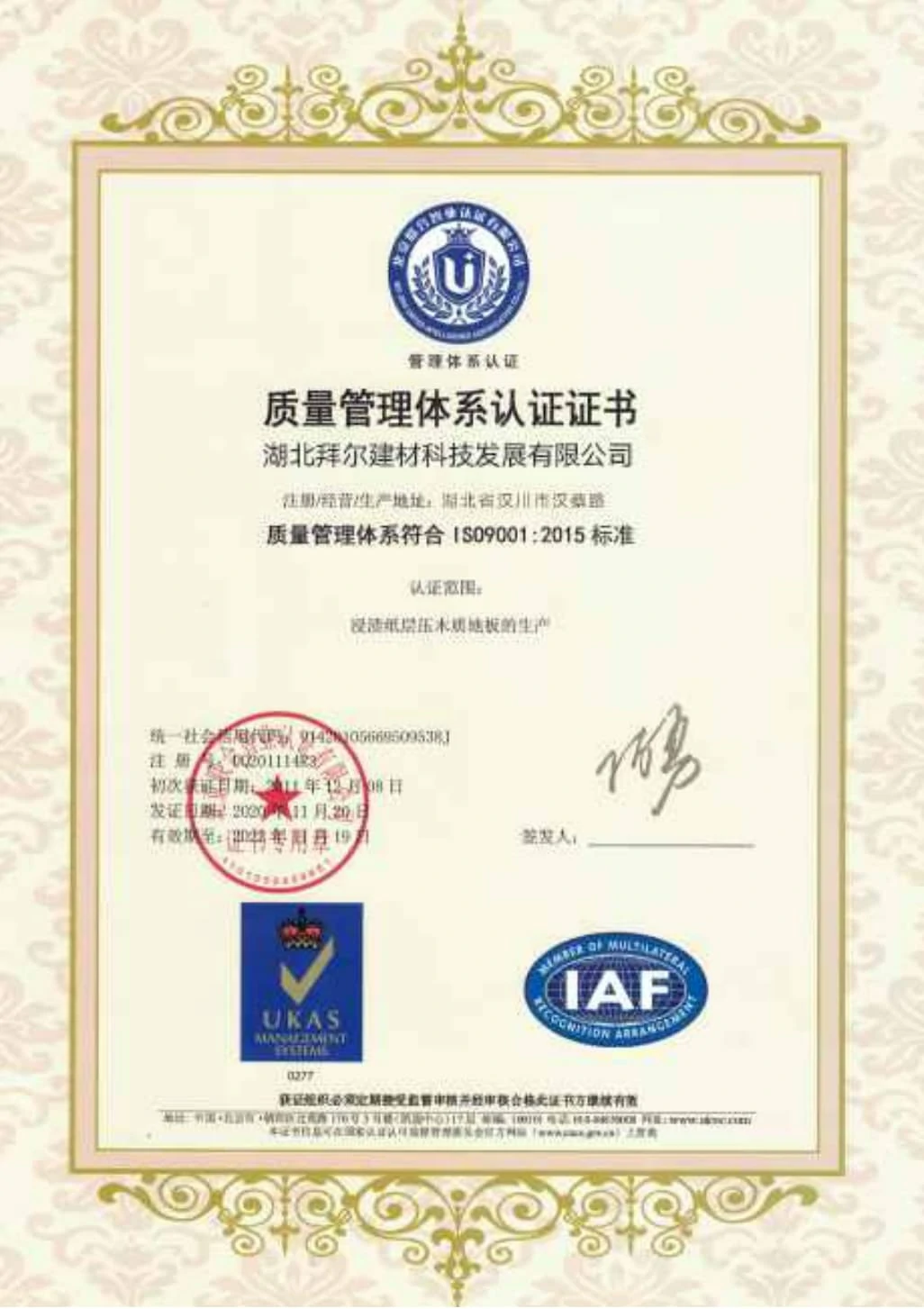
A certificate on a PDF proves very little. Here’s what you need to see:
ISO 9001 certification for engineered wood panel manufacturing — the baseline for quality management systems, holding a 7.15% share of the global certification market for good reason
Destination-market compliance — CE marking for Europe, ASTM standards for North America, local fire or load-bearing ratings where required
Third-party lab reports — not internal testing documents, but results from accredited independent bodies
Batch-level traceability — documents that link specific shipments to specific production runs
Cloud-based testing platforms are making this easier to check in real time. Many China construction materials manufacturers now offer digital portals where you can track quality data across shipments. That’s where the industry is heading.
Why This Matters More Than Price
Replacing off-spec flooring after installation costs ten times what a proper pre-shipment inspection would have. A rejected tile shipment at port can wipe out the entire order’s margin.
Reliable Chinese construction suppliers know this. They invest in certifications not as a formality — but as a core business strategy. Their certifications reflect real systems: documented processes, regular audits, and clear accountability at every production stage.
Ask any China building materials supplier for certifications and the audit history behind them. The paperwork tells you what they claim. The audit trail tells you whether they’ve earned it.
Expectation #2: Transparent Factory Capabilities, Not Just a Sales Pitch

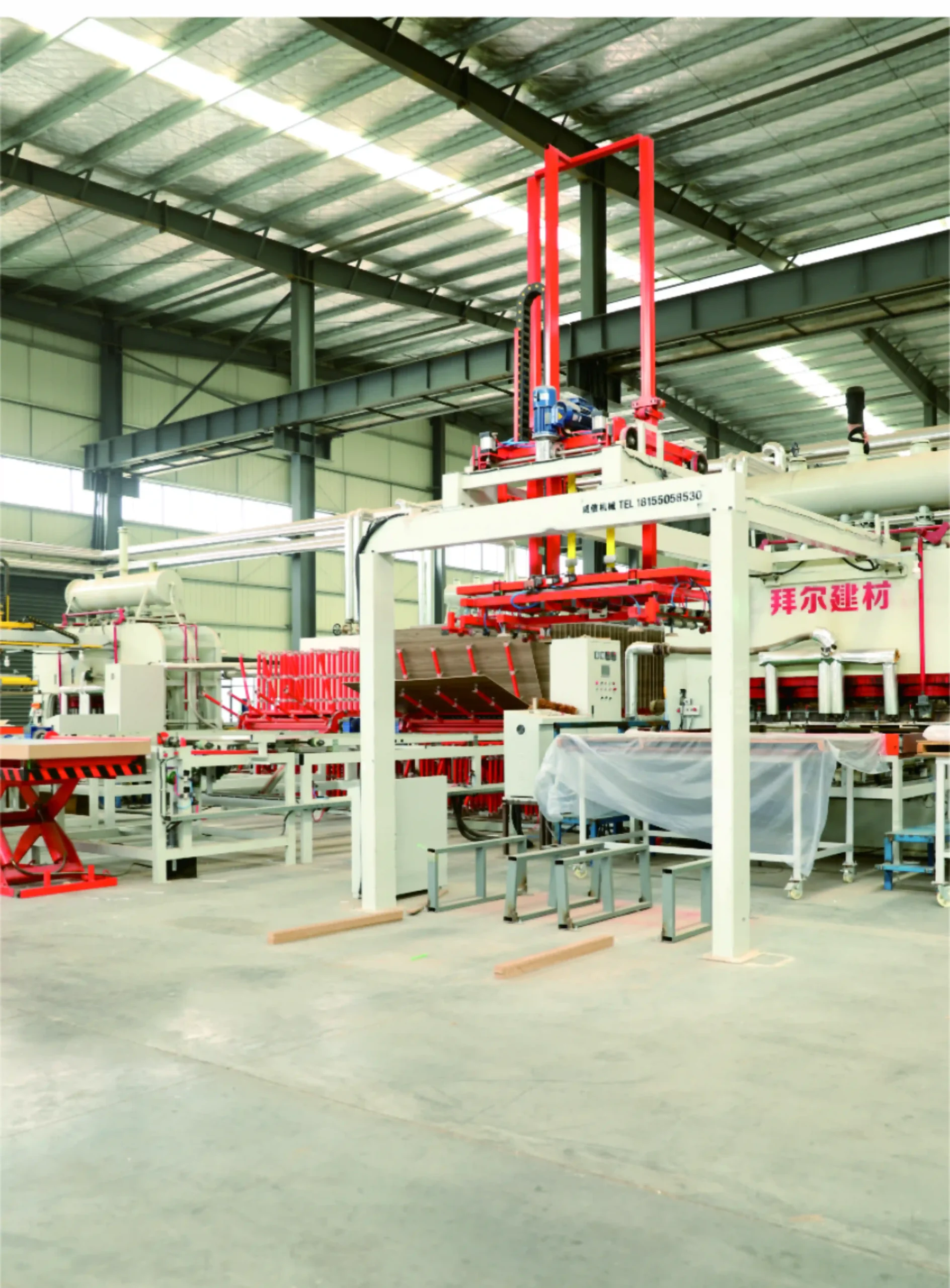
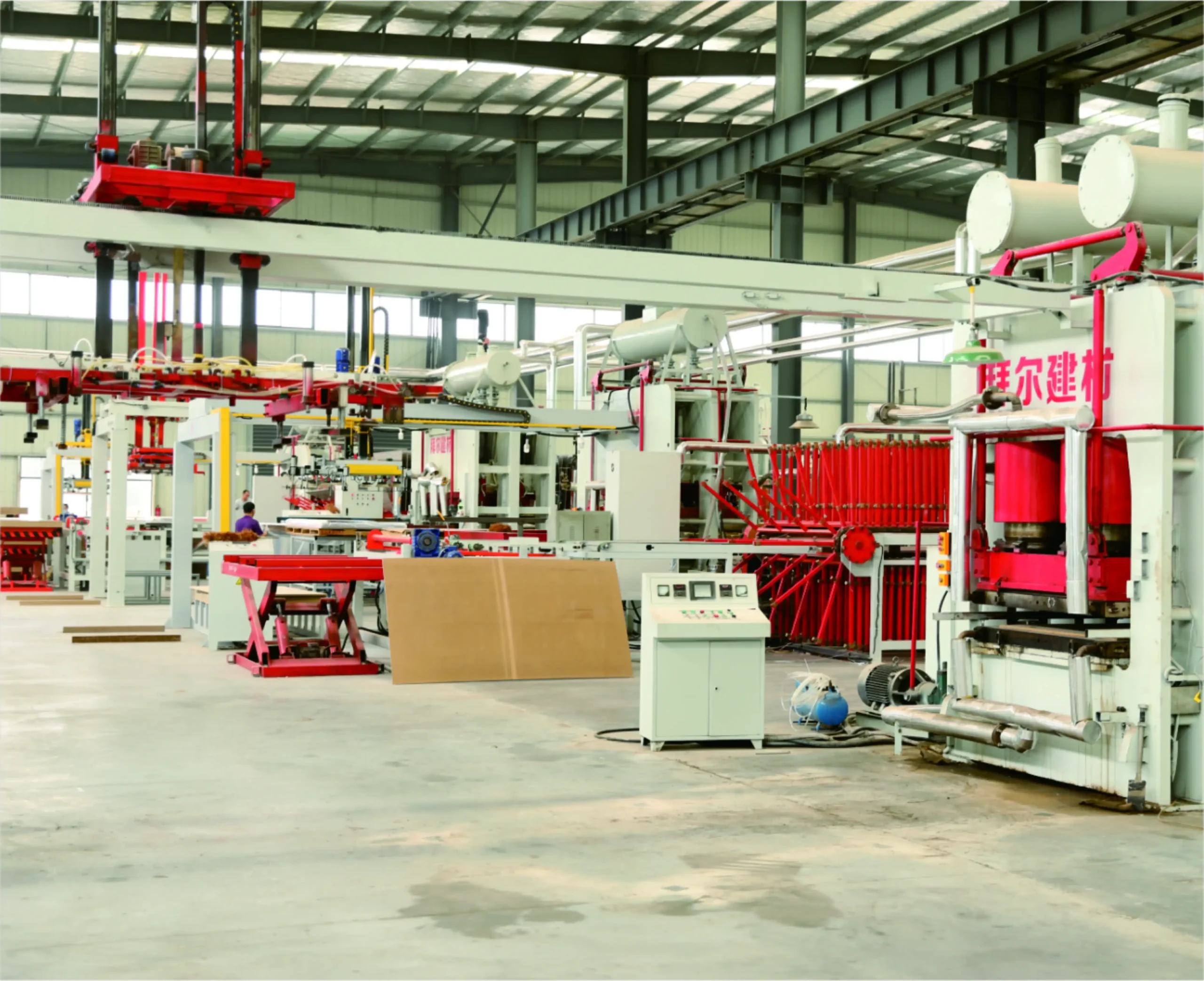
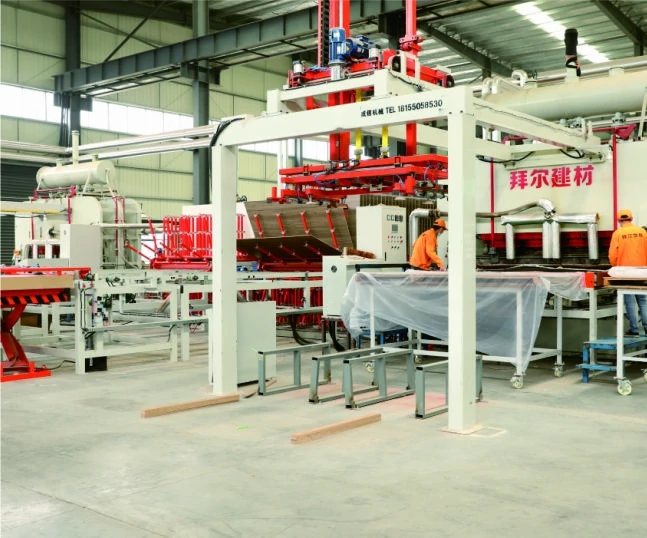
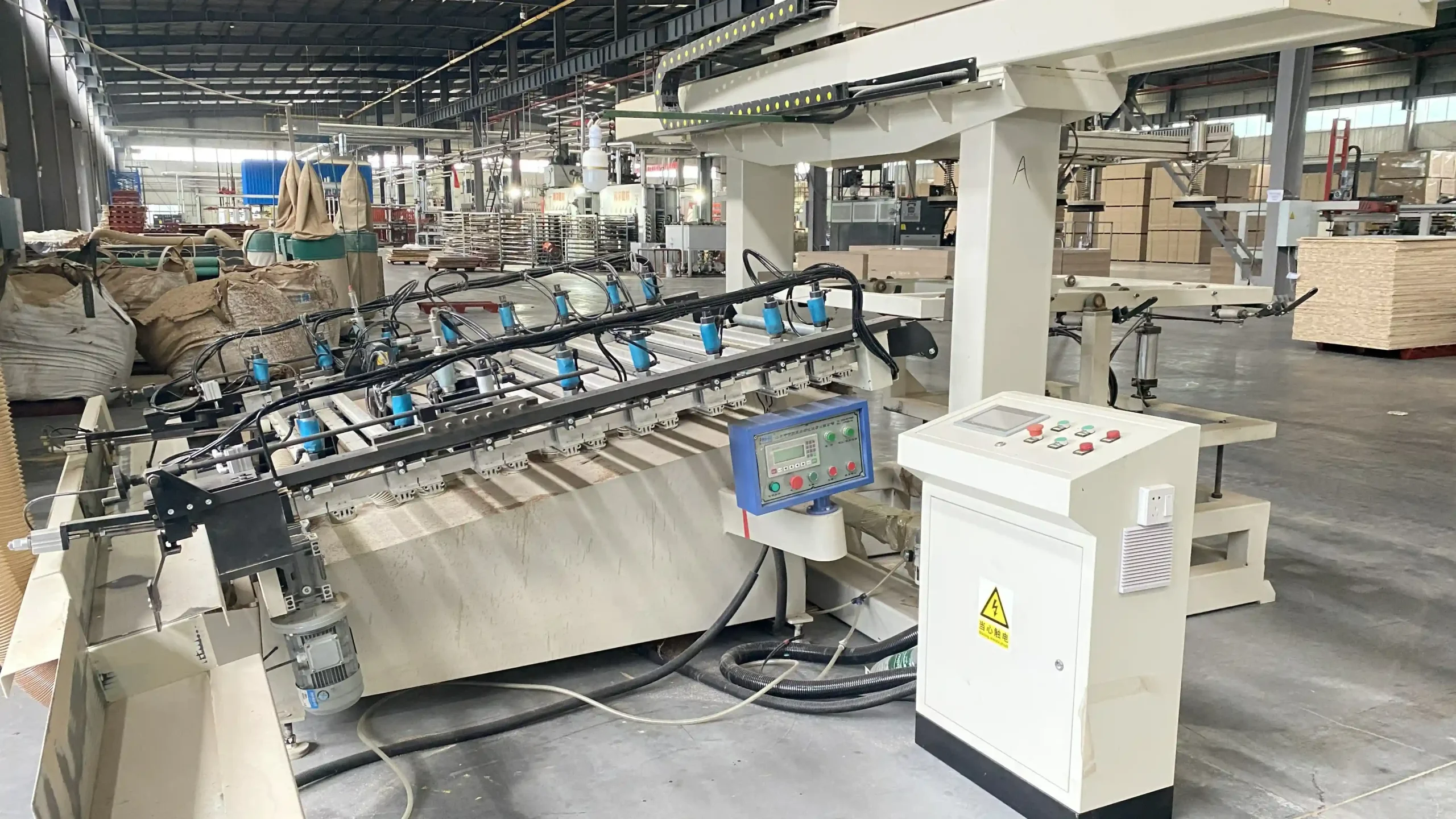
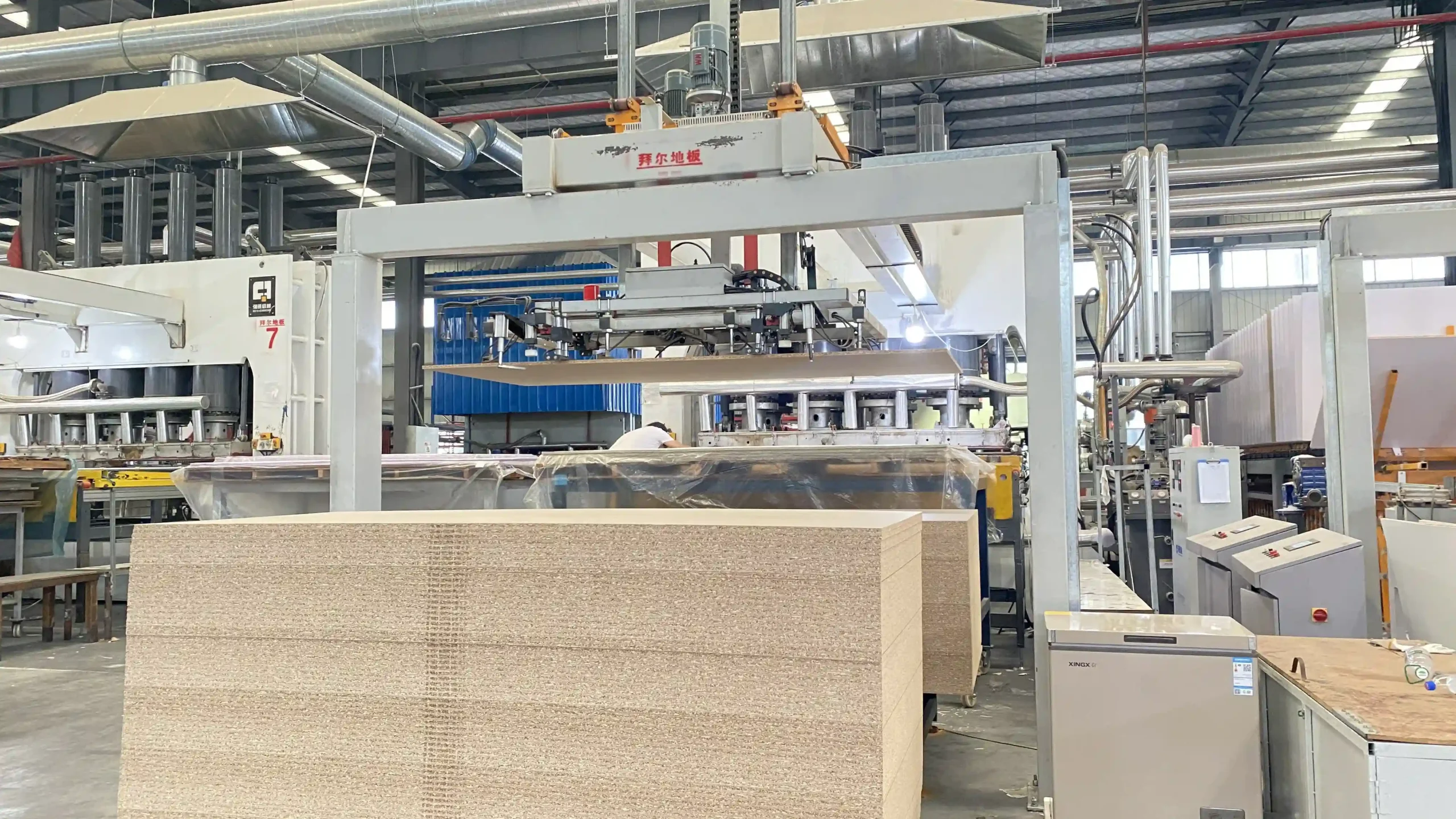
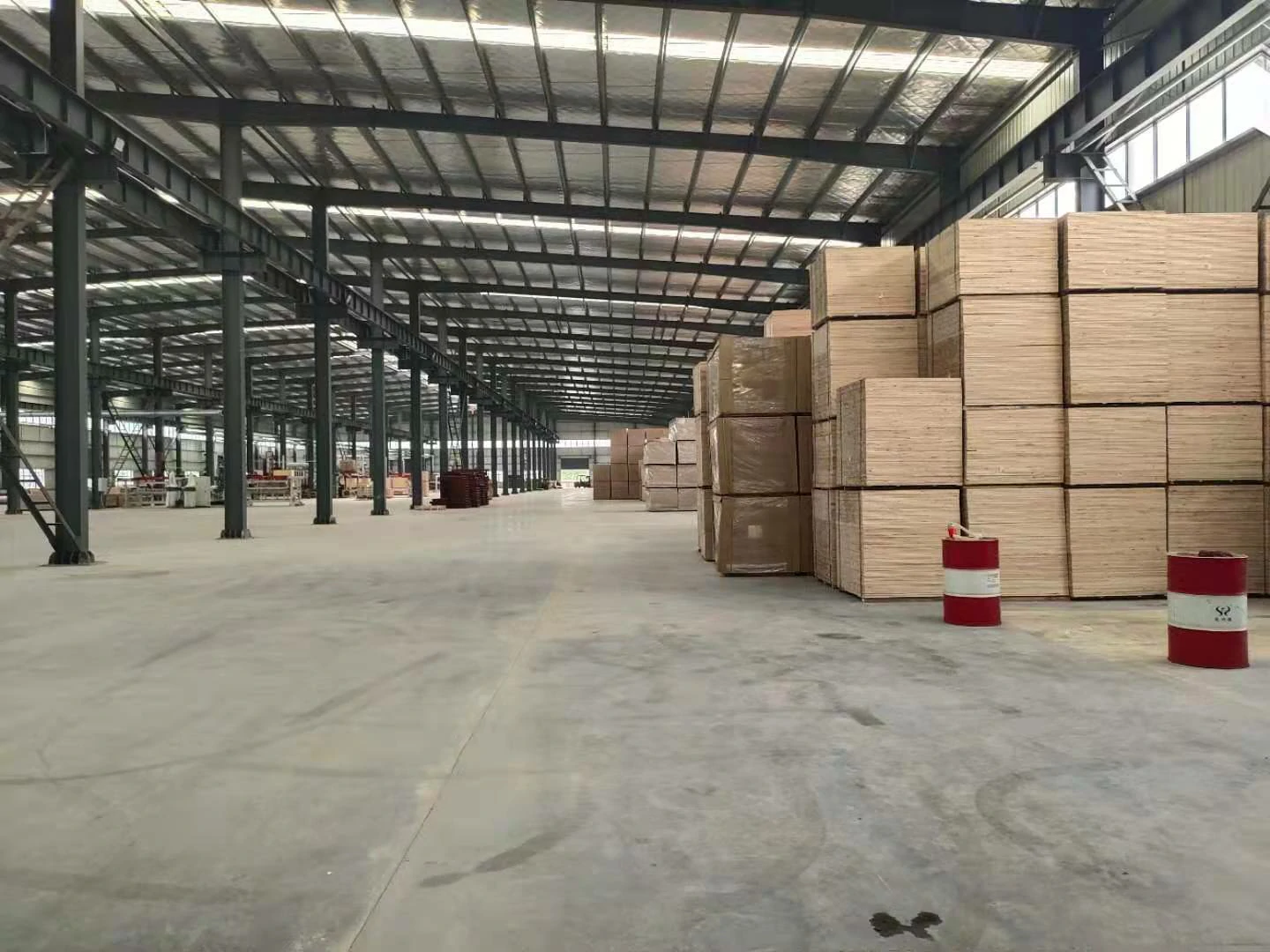
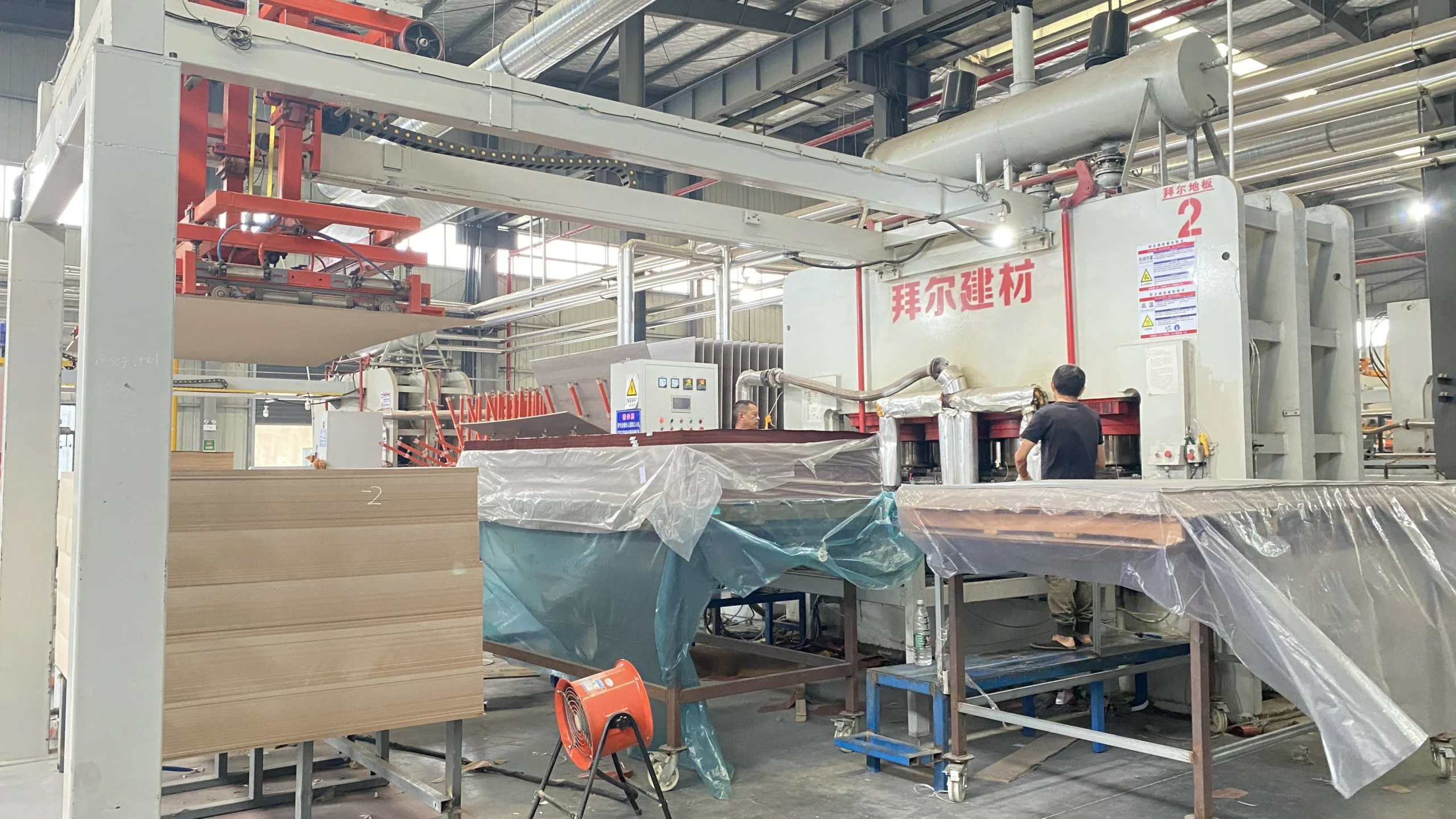
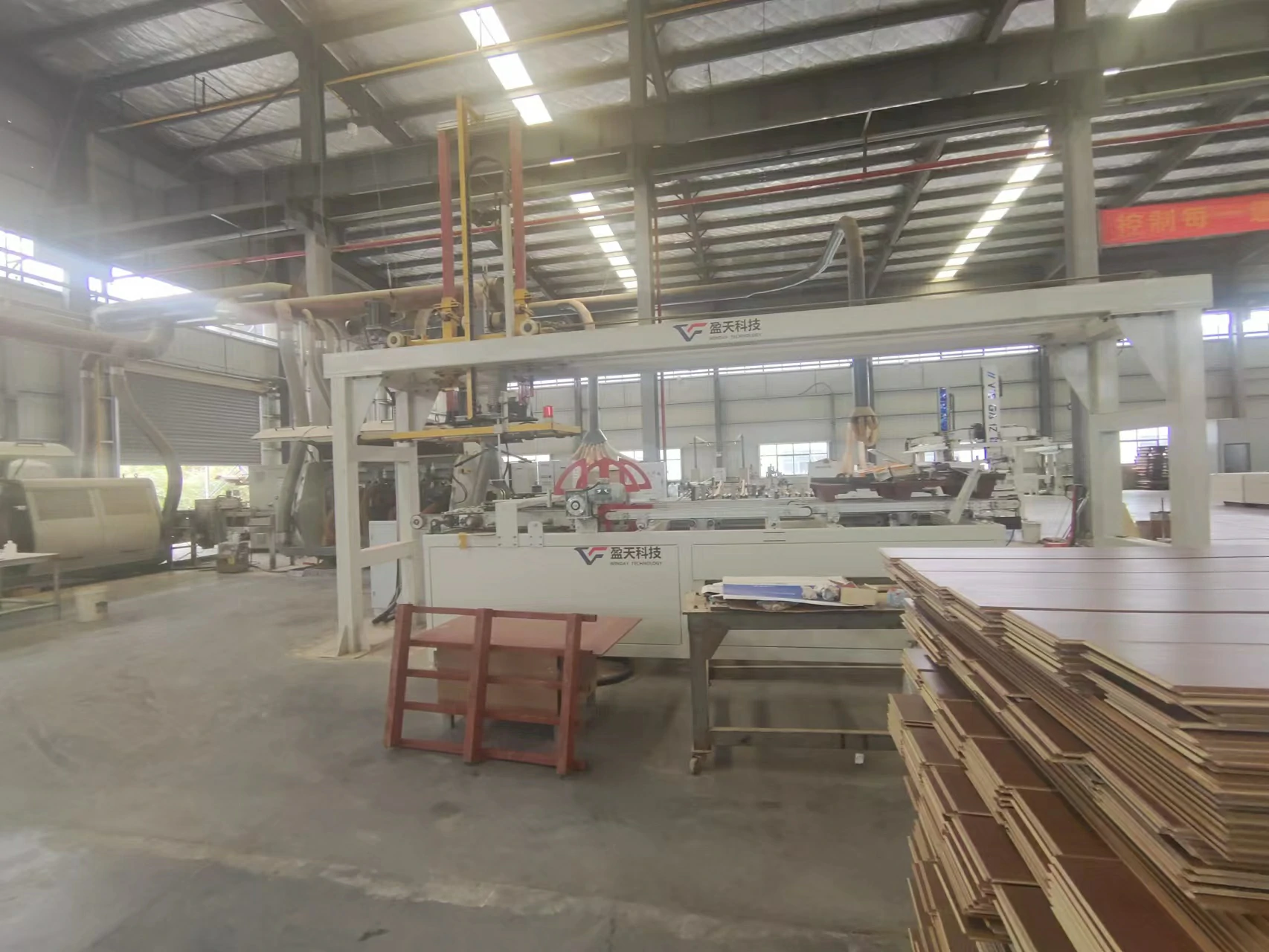
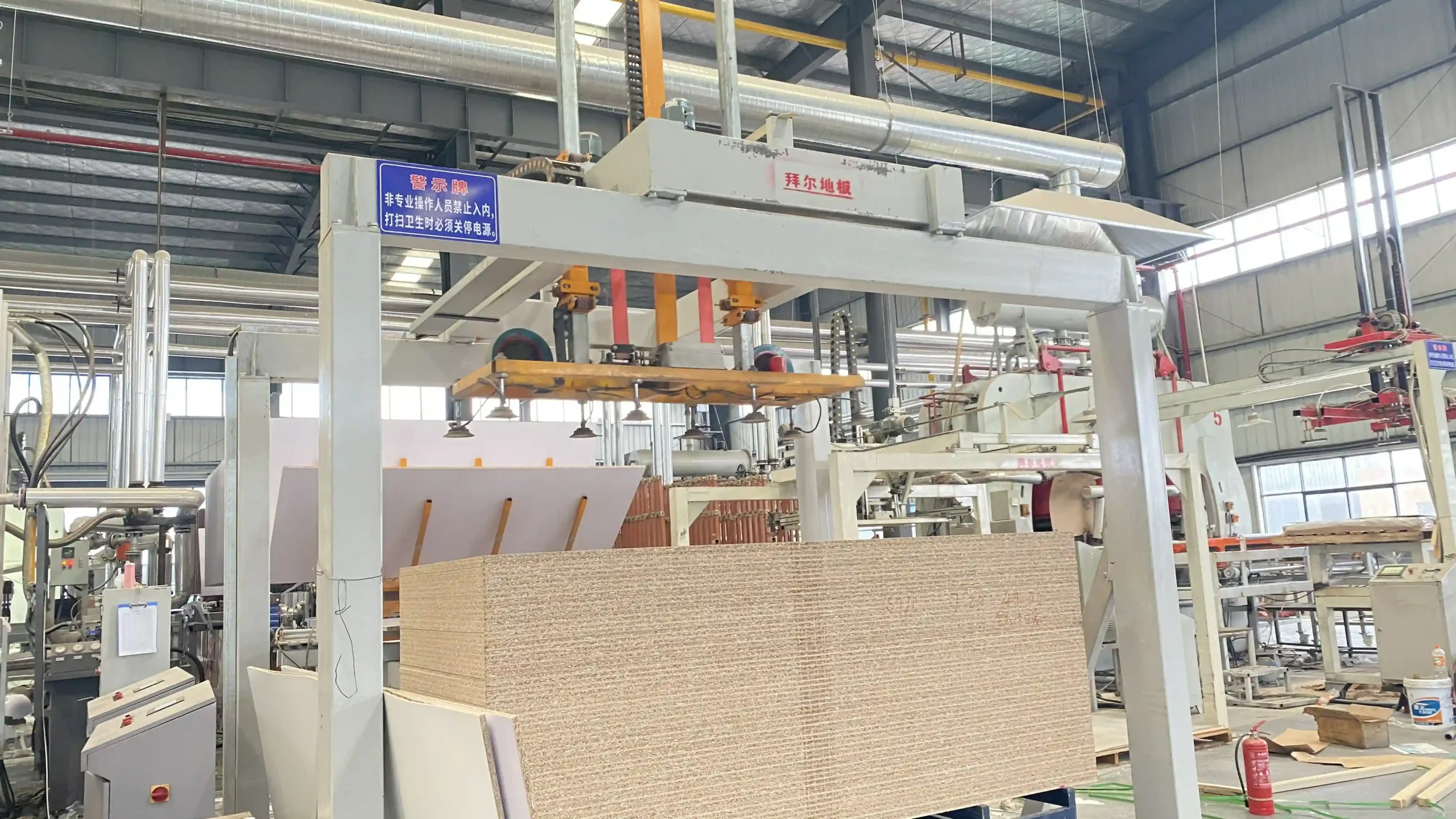
A supplier’s sales pitch is almost always better than their factory floor. That gap — between what gets said on a call and what happens in production — is where sourcing relationships fall apart. Quietly, and often too late to fix.
Experienced buyers close that gap before they commit. They don’t want a tour of the showroom. They want the numbers.
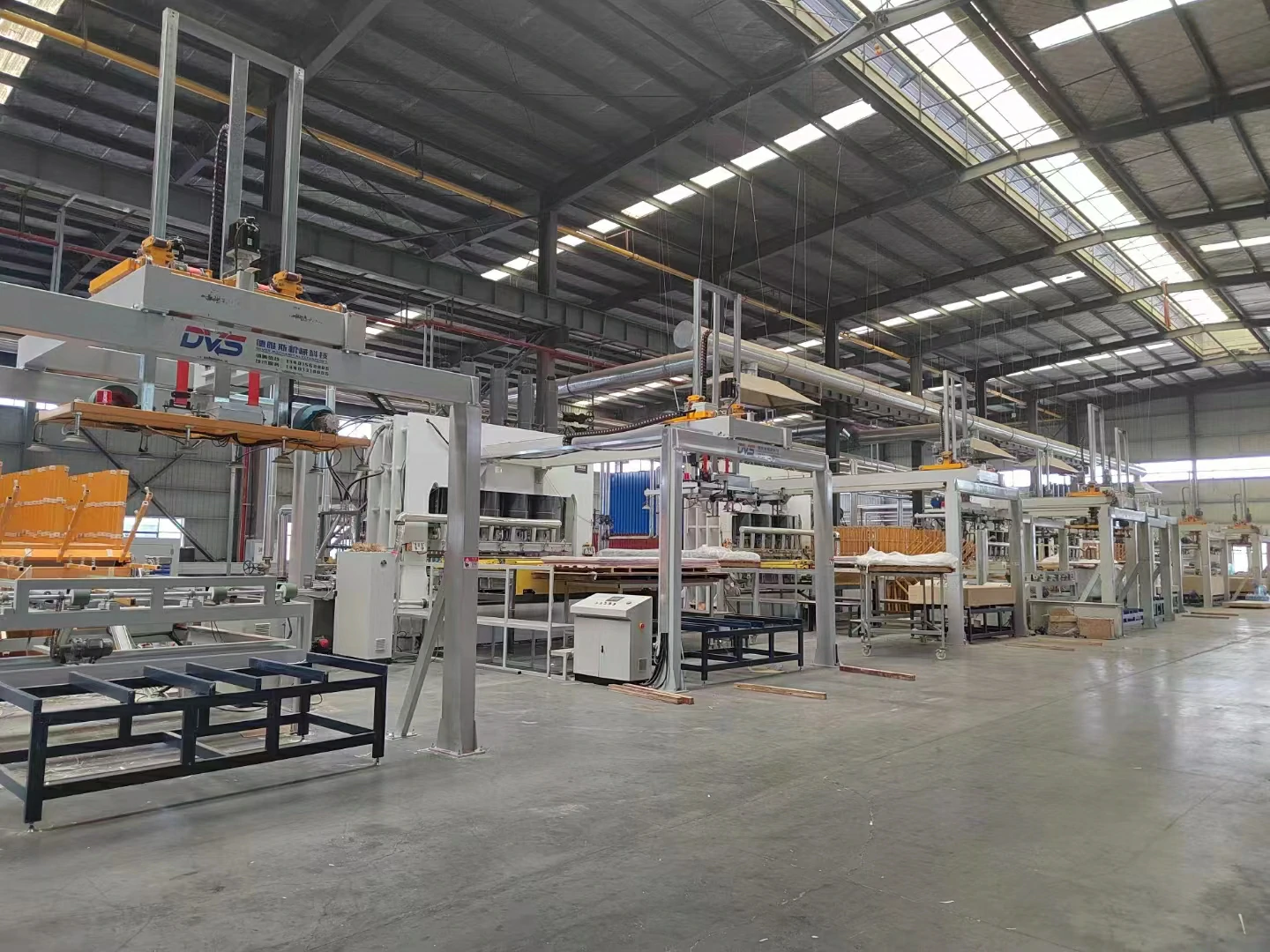
70% of manufacturers still collect production data by hand. That number should stop you mid-negotiation. Manual tracking creates delayed visibility, human error, and zero real-time accountability. A shipment runs late. Quality dips mid-order. A supplier running on spreadsheets and floor-level guesswork can’t tell you why — not with any real precision.
Serious China construction materials manufacturers offer something measurable instead:
OEE (Overall Equipment Effectiveness) — availability, performance, factory production capacity evaluation, and quality broken out as separate figures, not wrapped into vague reassurances
First Pass Yield and scrap rates — the straight story of how much material clears production without rework
Throughput and lead time tracking — real output data tied to real order timelines
Documented downtime reasons — how a factory handles disruption tells you everything about how it will handle your order under pressure
What Transparency Looks Like in Practice
The benchmark is shifting fast. Among manufacturing leaders, 44% report their data volume has at least doubled in the past two years. More than 50% expect standardized data formats across their operations by 2030. The building materials supply chain in China is moving toward cloud-based MES systems. These platforms deliver role-specific dashboards, live shopfloor visibility, and direct integration with ERP and quality management systems.
That’s the direction. Not every supplier is there yet — but the credible ones are moving toward it with clear intent.
Ask a Chinese building materials supplier straight out: Can you show me your OEE data from the last quarter? What’s your current scrap rate on this product line?
A supplier who answers with live data earns your attention. One who answers with brochures earns your skepticism.
Expectation #3: Competitive Pricing With Full Cost Transparency (No Hidden Fees)

Price is never just a number. It’s a promise — and hidden fees are how that promise gets broken.
Experienced buyers know this well. A quote looks sharp at the negotiation stage. Then the invoice arrives. Suddenly there are unexpected tooling charges, vague packaging fees, and port handling surcharges nobody mentioned. Each one seems small. Together, they eat into your margin before the goods even reach the warehouse.
That’s the transparency problem. Professional B2B building materials buyers don’t just ask what something costs — they ask what’s included.
What Full Cost Transparency Looks Like
A trustworthy China construction materials manufacturer gives you the real number upfront. No hunting required. The breakdown is clear:
Unit pricing by volume tier — no surprise restructuring as your order scales
Tooling and mold fees — disclosed at the start, not invoiced mid-production
Packaging and labeling costs — itemized separately, not buried in vague “handling” charges
Freight and export documentation — specified by Incoterm, with no grey-zone charges
Sample and quality inspection fees — stated before you request them
Why This Matters for Long-Term Sourcing
Opaque pricing doesn’t just cost money. It costs time, trust, and the relationship itself. Get surprised once, and that wariness follows you into every future negotiation. Many buyers simply walk away — even from suppliers who could have been solid long-term partners.
The Chinese suppliers worth working with understand this. They see pricing transparency as a competitive advantage, not a concession. Predictable landed costs keep your projects on budget. That kind of reliability is worth far more than a discount that vanishes in the fine print.
Ask for an itemized proforma invoice before any deposit changes hands. A supplier who hesitates has already answered your question.
Expectation #4: Realistic Lead Times and Reliable Delivery Execution

A missed delivery date doesn’t just delay a shipment. It pushes back a construction schedule, a store opening, a client handover. The costs pile up fast — and they fall on the buyer.
That’s why experienced buyers treat lead time as a core supplier qualifier, not a logistics footnote.
The numbers don’t lie. An on-time delivery rate below 90% cuts into repeat purchase behavior. The industry benchmark sits at 92% delivery accuracy. Best-in-class suppliers hit 95% OTIF (On-Time In-Full) — hold your Chinese building materials supplier to that standard.
For bulk building materials import projects, the baseline timeline breaks down like this:
1–4 weeks manufacturing
45 days ocean freight
2–3 days port clearance
1–3 days inbound receiving
That’s 50–75 days total under normal conditions. Post-pandemic raw material lead times stretched to 81 days on average — 25% longer than pre-2020 baselines. Buyers who skip this math get caught off guard.
Consistency Beats Speed Every Time
Most buyers learn this one the hard way. A supplier averaging 85% on-time delivery with low variability is worth more than one averaging 60% with unpredictable swings — even if the second ships faster on paper. Predictability lets you plan. Variability wrecks your schedule.
Ask any China construction materials manufacturer you’re reviewing for these figures, tracked per purchase order:
PO submission date and acknowledgment date
Promised ship date vs. actual ship date
Goods received date vs. quantity ordered
That’s not a high bar. That’s standard supply chain visibility — and reliable Chinese construction suppliers track it as a matter of course.
Supply disruptions drain businesses an average of 8% of annual revenue. A supplier who checks lead times each week, flags delays early, and plans around seasonal shutdowns like Chinese New Year isn’t just well-organized. They’re actively protecting your bottom line.
Expectation #5: Clear, Professional English Communication and Responsive Service

Language barriers don’t announce themselves. They show up in small ways — an email that answers the wrong question, a spec clarification that takes four days, a misunderstood Incoterm that surfaces after production starts.
For international buyers sourcing building materials from China, communication isn’t a soft skill. It’s a supply chain variable.
The numbers are clear. 90% of buyers expect an immediate response after reaching out to a supplier. In B2B building materials procurement, “immediate” means:
Email replies under 1 hour — world-class standard; 12–24 hours signals a supplier running slow
Live chat response under 2 minutes — anything beyond that and buyers leave
Issue resolution within 6 hours — the benchmark 50% of high-performing suppliers already meet
Speed matters. But clarity matters more.
A fast reply full of broken English, vague commitments, or copy-pasted catalog text doesn’t move your deal forward. It creates more questions. The best Chinese building materials suppliers get this. They hire dedicated English-speaking account managers who own the relationship — not just the inbox.
Hold any China construction materials manufacturer to two standards: responsive and precise. Fast replies to the right questions. Plain professional English. Zero ambiguity on specs, timelines, or terms.
That combination is harder to find than it should be — and easy to spot when you do.
Expectation #6: Full Regulatory Compliance and Export Documentation Proficiency

Shipments don’t fail at the factory. They fail at the border — and bad paperwork is the reason.
In FY2026, U.S. Customs and Border Protection stopped 21,159 shipments valued at $71.81 million. Those weren’t counterfeit goods or fraud cases. Many were legitimate building materials. They failed because the paperwork didn’t hold up. Wrong HTS codes. Mismatched country-of-origin declarations. Incomplete filings. Small errors with very large consequences.
The global export compliance market now sits at $4.1 billion. It’s heading toward $8.7 billion by 2033. That growth shows how much professional buyers — and regulators — care about documentation standards. They’re raising the bar, and it’s not slowing down.
What competent Chinese building materials suppliers keep in order, without being asked:
Accurate HTS classification — export documentation support for MDF and laminate panels matched to destination-market tariff schedules, not approximated
Pre-export licensing and approvals — secured before production wraps, not chased after
Customer and partner screening records — audit-ready, retained for five or more years
Structured regulatory filings — aligned with 2026 mandates like EU ICS2’s pre-arrival safety submissions and EUDR traceability requirements for lumber and paper products
Non-compliance isn’t just a delay. It means fines, legal exposure, and a damaged reputation that sticks to both parties.
Ask your verified MDF and laminate production facilities a straight question: Who owns your export compliance process? A solid supplier gives you a real answer — a named person, a documented procedure, an audit trail. That’s how you know they’re protecting your shipment before it leaves the dock.
Expectation #7: After-Sales Support and Long-Term Partnership Commitment

The deal doesn’t end when the container ships. That’s where the real relationship begins.
Experienced buyers know the difference between a supplier who wants your order and one who wants your business — long term, repeat, and growing. After-sales support is how you tell them apart.
The numbers are clear. Companies with strong service focus achieve 25–30% higher customer retention rates. Aftermarket services generate over 50% of profits despite making up just 25–30% of revenue. This isn’t a coincidence. It’s the economics of trust — built shipment by shipment, problem by problem, resolved or not.
For B2B building materials procurement, your Chinese supplier should offer more than a contact number after payment clears. Look for:
Documented warranty terms — clear conditions, clear timelines, no fine-print escape routes
Dedicated post-sale account ownership — a real person, not a rotating support inbox
Responsive claims handling — defects and shortfalls addressed fast, not stalled
Some suppliers show up as ongoing partners, not one-time vendors. They flag issues before you find them. They remember your project specs. They treat your next order as something worth earning. That behavior stands out fast.
That’s the standard. Hold every Chinese building materials supplier to it — not just on the first deal, but on the fifth.
How to Evaluate and Shortlist Chinese Building Materials Suppliers: A Practical Checklist
Knowing what to expect from a supplier is one thing. Knowing how to verify it — before you wire a deposit — is a different challenge.
Here’s a working checklist. These are the decisions that separate preferred suppliers from probationary ones.
The Numbers That Matter First
Set these as your minimum thresholds. Every China construction materials manufacturer you shortlist should clear all three:
| Metric | Minimum Threshold |
|---|---|
| On-Time Delivery | >95% |
| Order Accuracy | >98% |
| Defect Rate | <2% |
A supplier who can’t show documented performance data against these benchmarks doesn’t belong on your shortlist yet.
Must-Haves Before You Go Further
Verified business license — cross-check against China’s NECIPS registry. The license scope should say manufacturing, not “sales” or “trade”
Corporate bank account matching the registered business name — no personal accounts, no offshore arrangements
Sector certifications with audit trails — CE, ISO 9001, or destination-market equivalents, traceable to third-party bodies
Export documentation history — real bills of lading and customs records, not just claims
Red Flags Worth Walking Away From
Refuses factory audits or site visits
Samples look great; production specs don’t match
Unusually low MOQ with no clear explanation
No QC manual, no SOP documentation, no IQC/IPQC/OQC process on record
Before the First Big Order
Request production samples first. Test them against local code requirements and component compatibility — not just visual quality. Revise specs before production begins. Don’t wait until the container is loaded.
Then commission a third-party inspection through QIMA or V-Trust. One independent on-site audit of a Chinese building materials supplier gives you more useful data in a single day than six months of email correspondence ever will.
FAQ: Common Questions From Buyers Sourcing Building Materials From China
These questions come up in every serious sourcing conversation. Here are straight answers.
Q: Is China still a competitive source for building materials in 2025, despite tariffs and trade disruptions?
Yes — but context matters. China exported $3.77 trillion in goods in 2025, up 6.1% year-over-year. Building materials make up a large share of that. Iron and steel articles alone hit $99.86 billion in 2024, with 4% yearly growth. Furniture and prefabricated structures reached $126.29 billion.
The U.S. market has pulled back. U.S.-bound exports dropped 18.9% in 2025 due to tariff pressure. But other markets are picking up the slack. ASEAN grew 8.2%, the EU grew 14.8%, and Africa jumped 27.5%. Your pricing advantage stays strong if you’re buying outside North America.
Q: How do I verify a Chinese supplier is a real manufacturer and not a trading company?
Start with their business license. The scope should say manufacturing — not “sales” or “trade.” Cross-check it against China’s NECIPS registry. Then ask for production data: OEE figures, scrap rates, and capacity use by quarter. A trading company can’t provide those numbers. A real factory can.
Q: What certifications should I require before placing a first order?
At minimum, ask for ISO 9001 plus the compliance cert your market needs — CE for Europe, ASTM for North America. Request third-party lab reports. Don’t accept internal testing documents. Also ask for the audit trail behind each certificate. Anyone can print a cert. Faking a full audit history is much harder.
Q: How long does importing building materials from China take?
Budget 50–75 days under normal conditions. That breaks down as 1–4 weeks for production, 45 days for ocean freight, plus port clearance time. Post-pandemic, averages stretched to 81 days. Also, plan around Chinese New Year shutdowns. Suppliers who bring up this calendar without being asked are showing you something useful — they think ahead and communicate early. That’s a good sign.
Conclusion
Sourcing building materials from China doesn’t have to feel like a leap of faith.
The best professional buyers don’t win by finding the lowest price. They win by knowing what to demand: verifiable quality standards, honest factory transparency, reliable delivery, and a supplier who treats communication as a core skill — not an afterthought.
That’s the real framework this guide has given you.
Now use it. Walk into your next supplier evaluation with the checklist. Ask the harder questions. Push past the polished sales deck and onto the actual production floor — in person or on a video call.
Find a China construction materials manufacturer that meets these expectations without hesitation. You haven’t just found a vendor. You’ve built a real supply chain asset.
That distinction matters more than it looks. It grows in value over years of successful projects, protected margins, and zero sourcing regrets.
Start your evaluation today by requesting a product specification review or factory documentation package from our team.