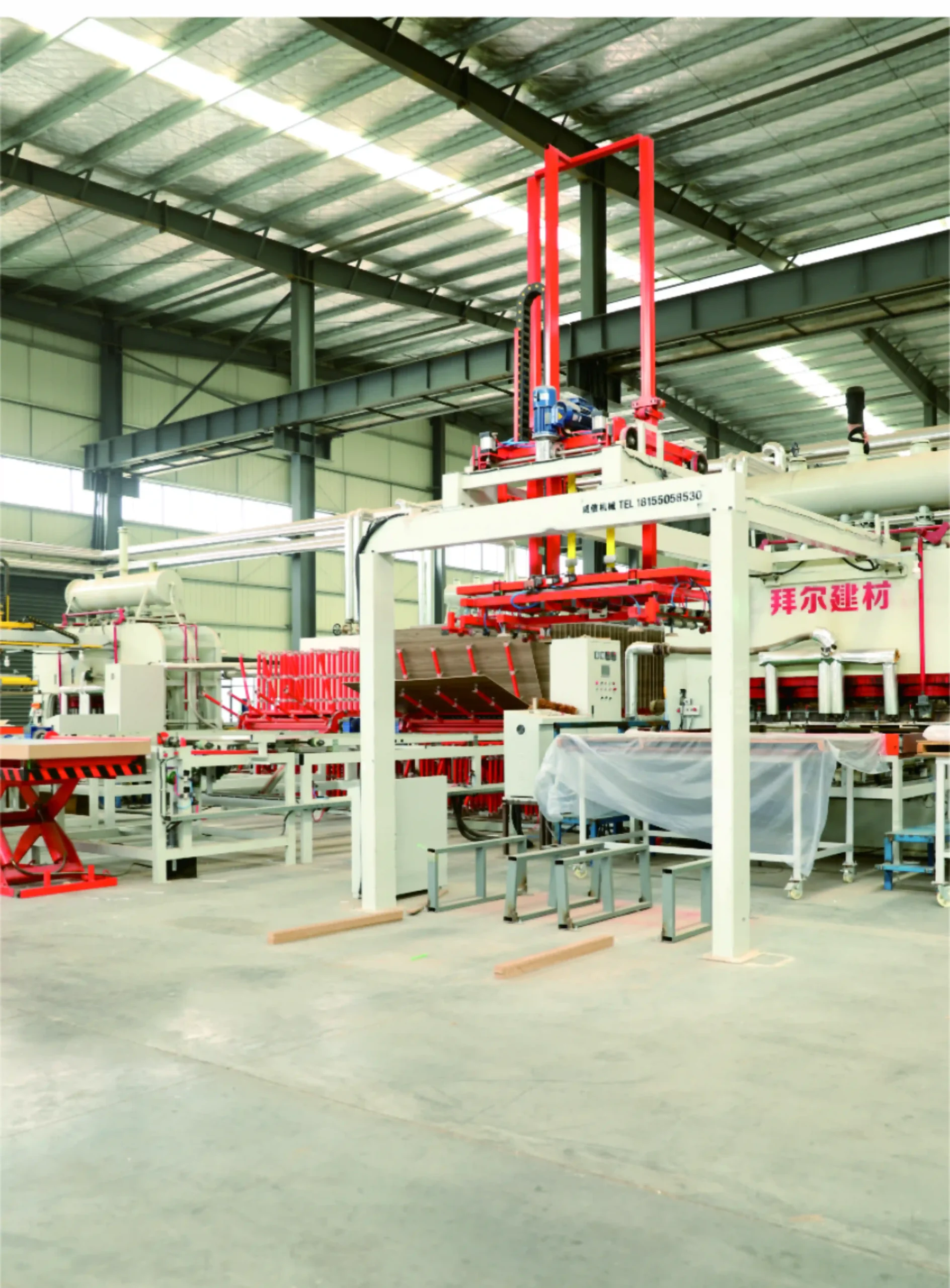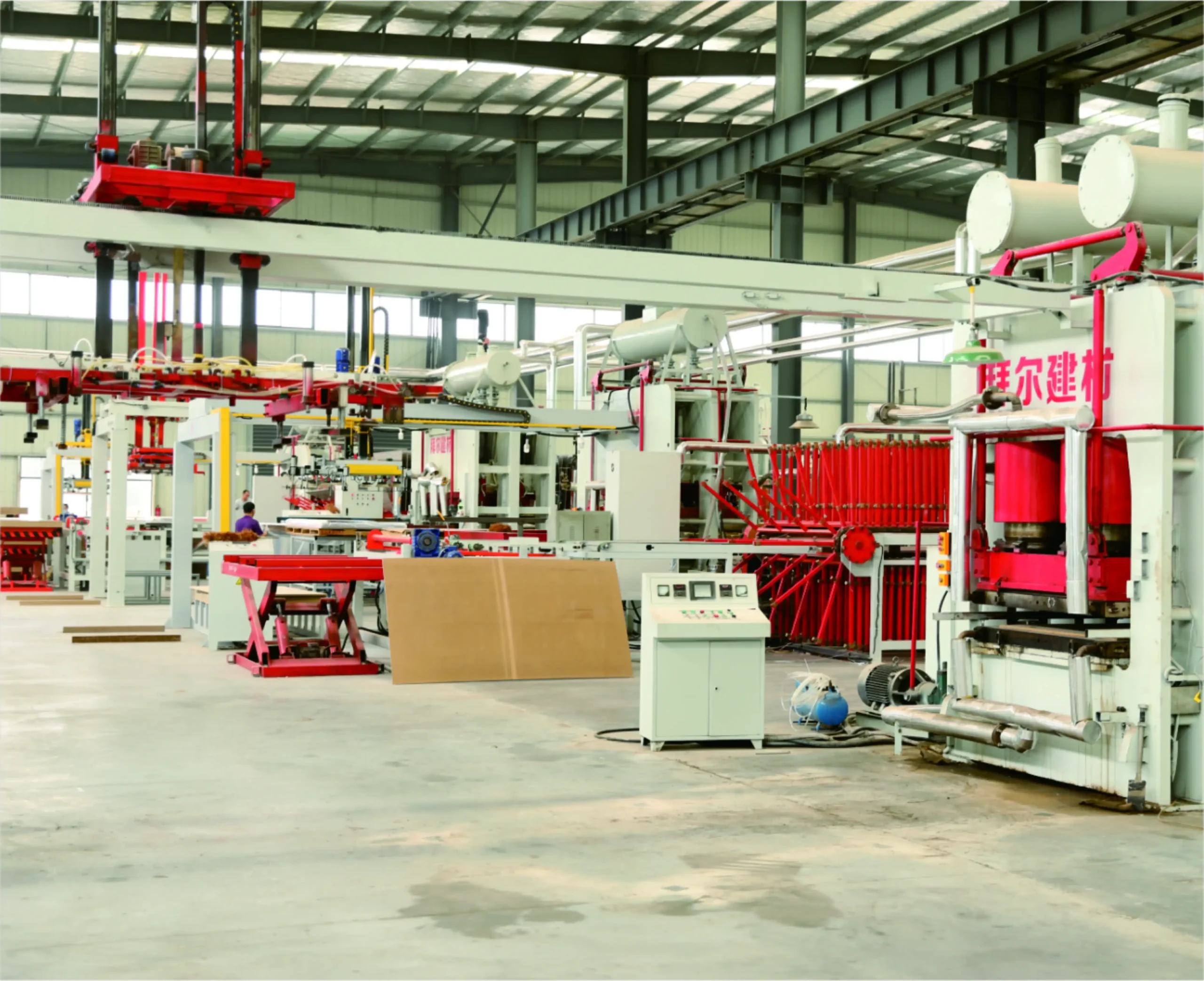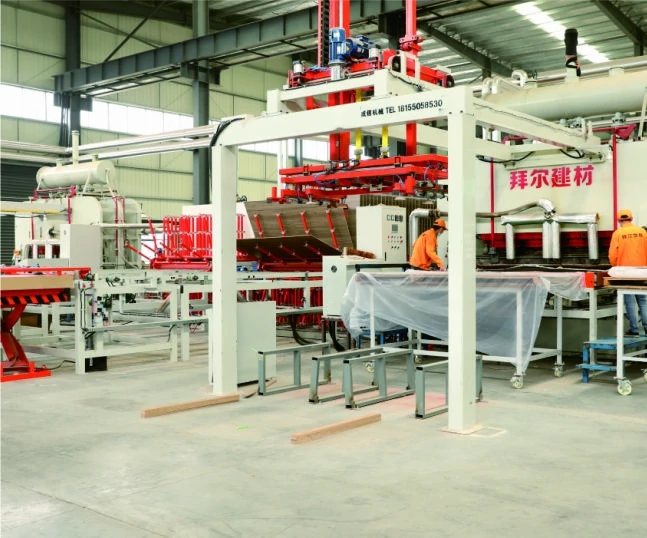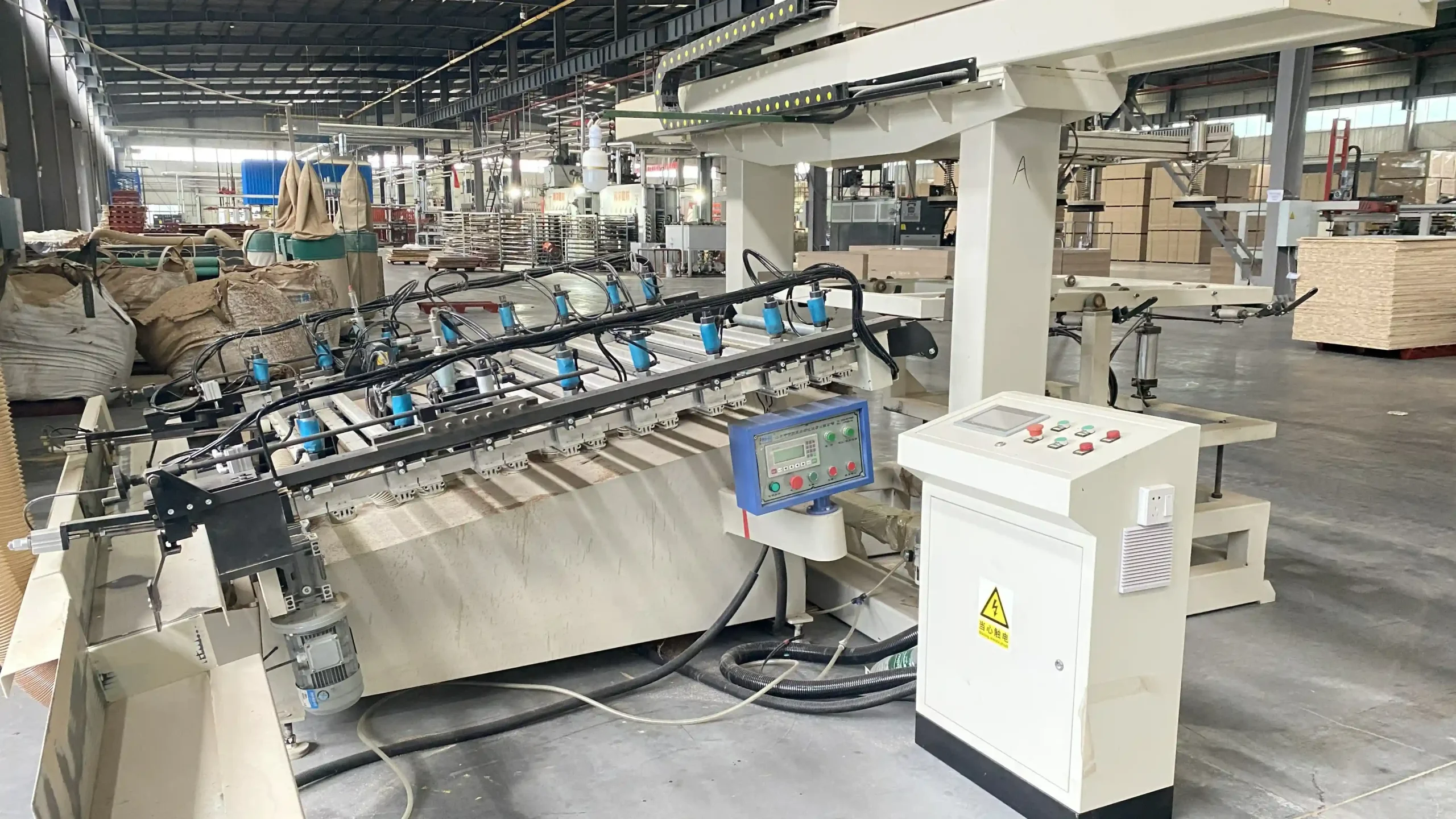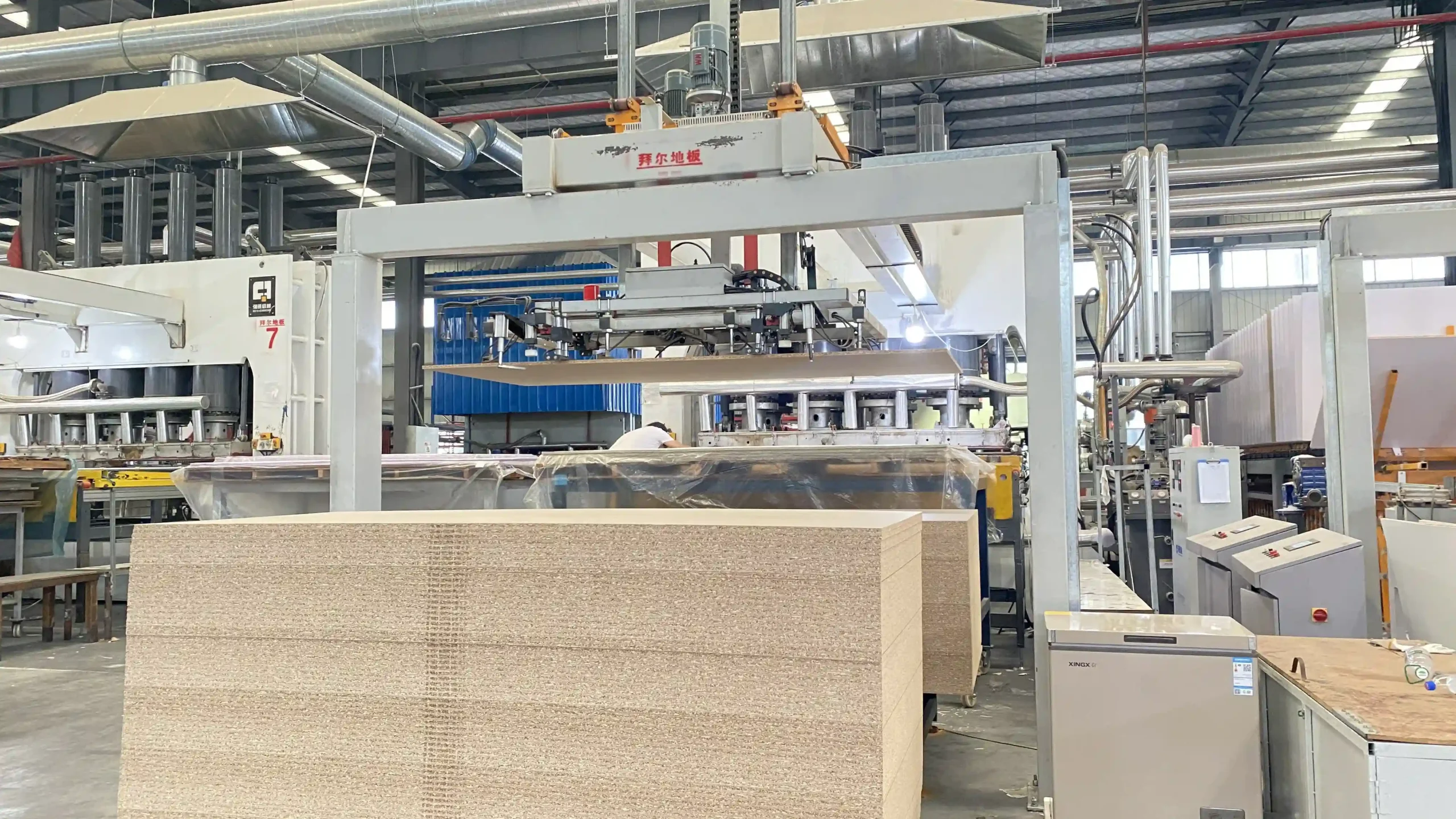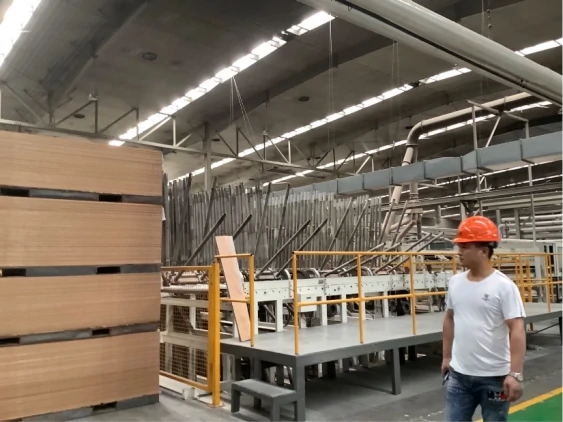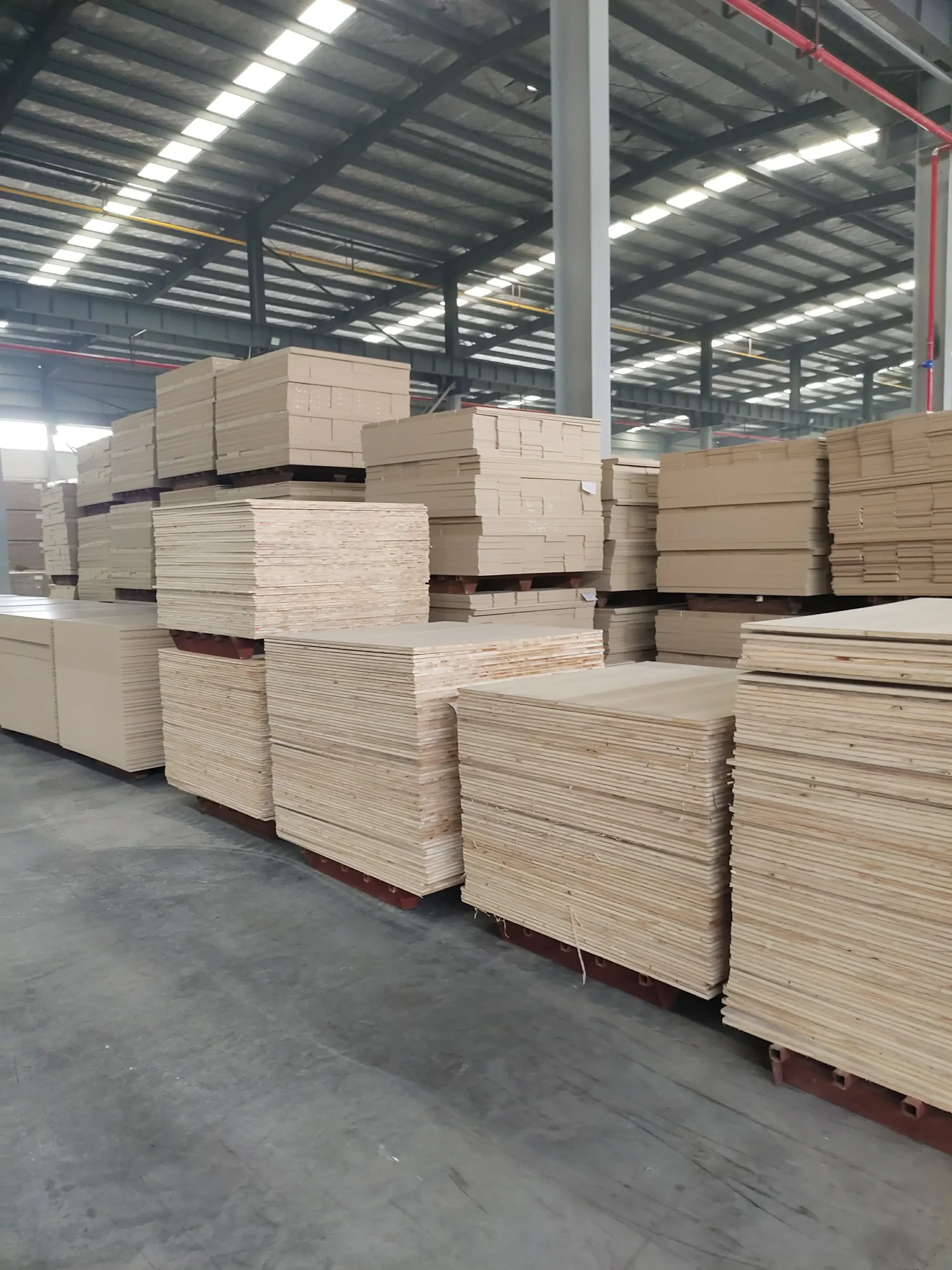
Most buyers evaluating melamine MDF panels look at thickness tolerance, board density, or surface gloss — the specs that show up on every datasheet. — the specs that show up on every datasheet. These are easy to measure. But they rarely tell you whether a panel holds up for three years or starts delaminating after six months.
The real performance drivers are harder to see. Think about the weight and fiber consistency of the melamine impregnated paper. The resin saturation level. The exact temperature curve used during short cycle pressing. These hidden factors separate panels that last from panels that fail.
Get familiar with them. You’ll evaluate suppliers differently. You’ll read quality reports with sharper eyes. And you’ll spot production problems before they ever reach your shop floor.
Decorative paper grammage runs 60–120 g/m². That range exists for a reason. Lighter sheets absorb resin at different rates across the surface. Heavier sheets push back against bonding pressure. The resin formula matters just as much. MUF (melamine-urea-Formaldehyde) content sits at 11%, with paraffin wax held below 1%. Change either figure and surface performance shifts — not slowly, but all at once.
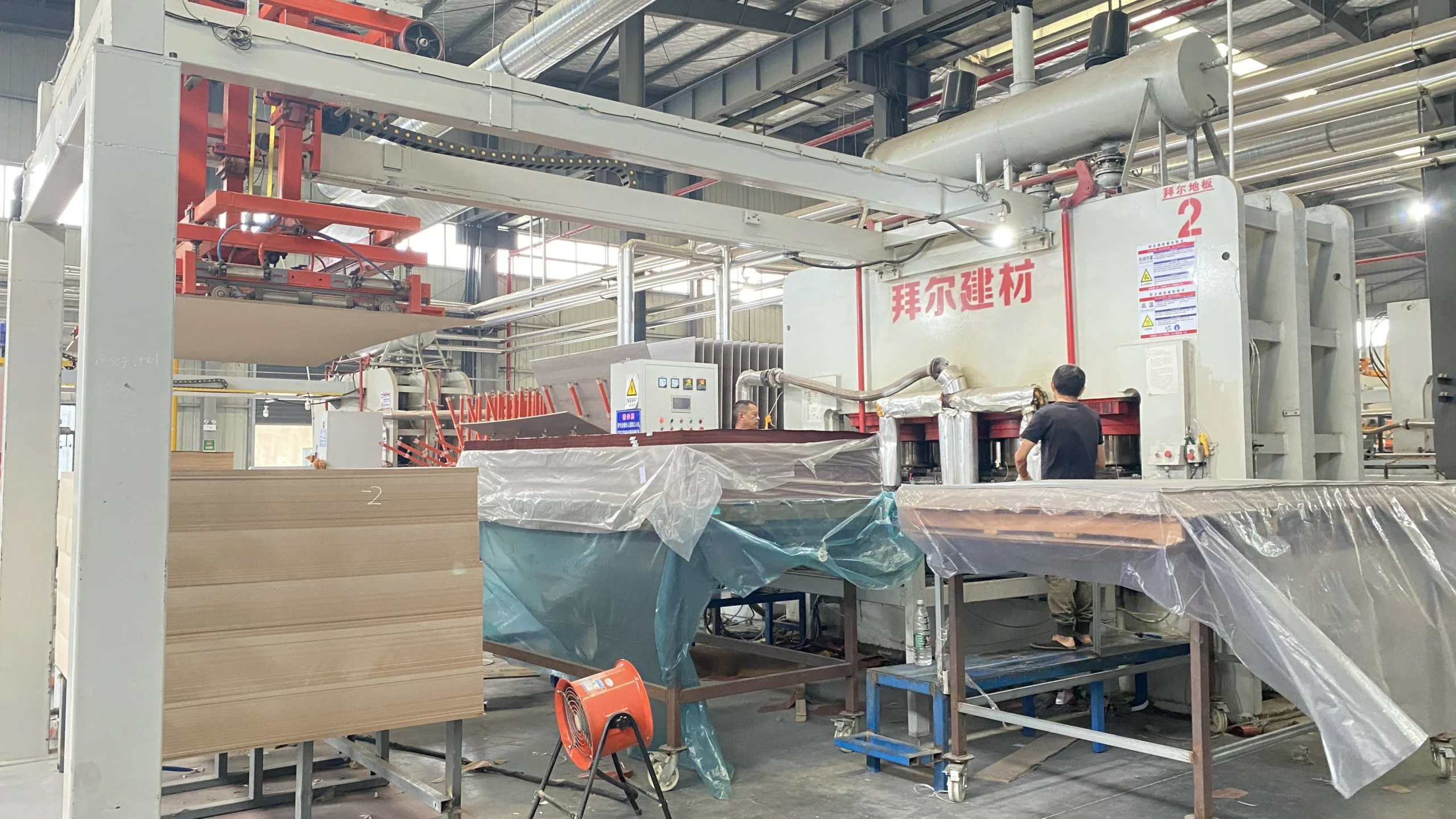
Hot pressing parameters work on the same principle of tight control:
-
Temperature: 145–165°C. Push it too high and resin cures at different rates — surface pores open up, gloss drops fast
-
Pressure: 2.0–3.0 MPa. Drop below range and bond strength breaks down before the panel even exits the press
-
Time: 40–50 seconds. Too long causes cracks. Too short leaves sticky boards that won’t stack without damage
-
Platen differential: upper plate runs 3–5°C warmer than the lower plate — this one adjustment keeps curing in sync and stops warping from developing
Board moisture content at pressing must hold within 6–10%. Drop below that and resin wetting breaks down. Go above it and delamination stops being a risk — it becomes the expected outcome.
These are not guidelines to aim for. They are the core production variables that decide whether your melamine MDF holds up through three years of hard daily use — or fails before that.
Why Paper Quality Is the First Hidden Variable in Melamine MDF Performance

Here’s a number worth remembering: 15 to 20 years. That’s the documented service life of well-manufactured melamine MDF under normal indoor conditions. Now here’s the other number — panels built with inferior decorative paper for MDF rarely make it past 10. Same board density. Same press equipment. Different paper. A decade of performance, gone.
That gap doesn’t come from the MDF core. It comes from the overlay.
What the Paper Does Inside the Panel
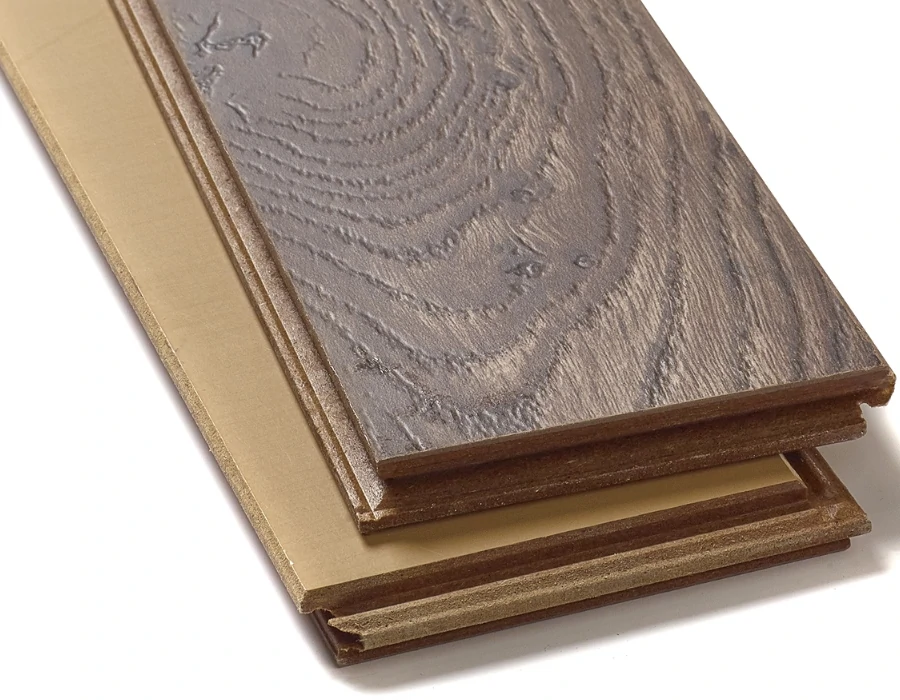
Melamine impregnated paper isn’t a coating applied on top of the board. It becomes part of the board. During short cycle pressing, the thermosetting reaction drives melamine resin into a cross-linked polymer chain structure. It penetrates deep into the MDF fiber layer beneath. At temperatures above 160°C and pressures between 25–30 kg/cm², that bond becomes nearly impossible to break — as long as the chemistry is right.
Get the chemistry wrong, and the failure sequence is predictable:
Humidity above 90% RH triggers peeling and delamination. The paper releases from the substrate because the bond never formed strong enough
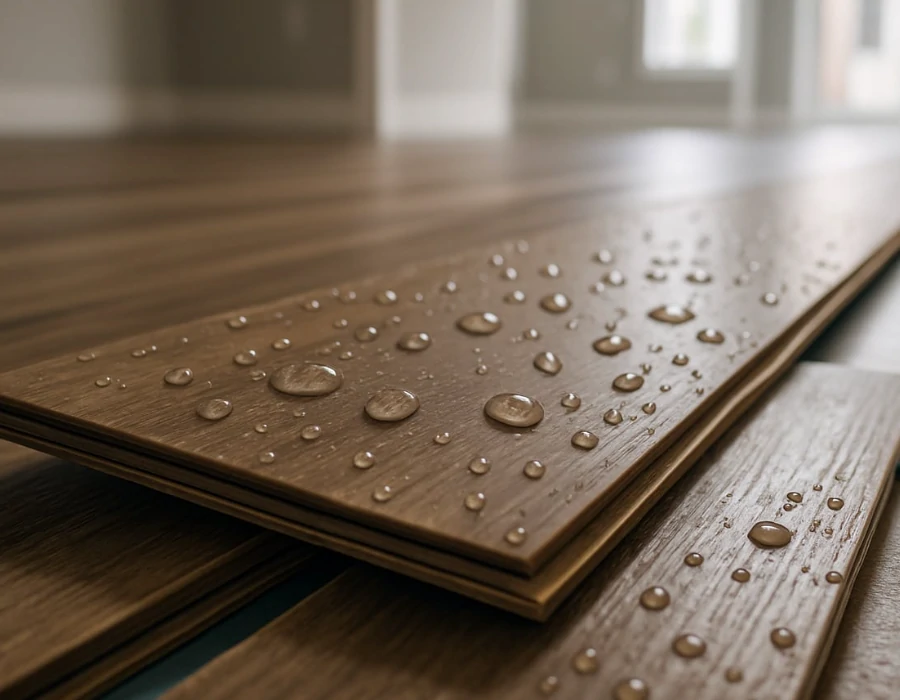
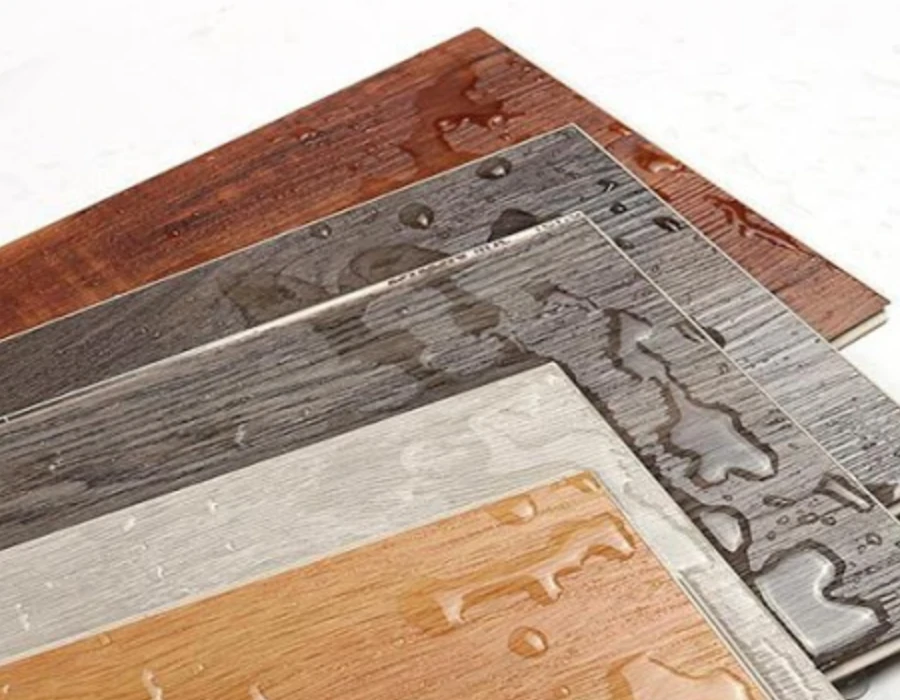
Water exposure causes expansion beyond 8–10%, leading to visible surface cracking
Wear resistance drops below 600 turns, compared to the ≥600 turns benchmark required under GB/T 15102-2017
Impact tolerance falls under 20N — the threshold where quality panels keep surface damage invisible
The Fiber Uniformity Factor
Paper grammage is the number most buyers track. But fiber uniformity within the melamine overlay decides whether resin spreads across the entire surface at the same rate — or pools in some zones and starves others. Uneven saturation creates weak spots. These spots don’t show up during quality inspection. They appear eight months later as localized bubbling, color inconsistency, or surface softness in specific areas.
So, MDF surface quality cannot be judged at delivery alone. The paper’s internal structure — its fiber consistency, its resin absorption profile, its response to thermal fusion — sets the ceiling on everything the finished panel can ever achieve. Pick the paper without care, and no pressing technology can recover what was lost before the board even entered the press.
Melamine Resin Impregnation: The Chemistry Behind Adhesion and Durability

Resin chemistry is where most manufacturers stop asking questions — and where most panel failures begin.
Melamine resin content in impregnated paper isn’t a single fixed formula. It’s a decision point. Pure melamine formaldehyde (MF) resin delivers the strongest stain and wear resistance. Still, the industry has shifted toward melamine-urea-formaldehyde (MUF) blends — mixtures containing up to 33% urea formaldehyde by weight. The blend ratio changes how resin moves through paper fiber. It changes how deep the bond goes. It changes what the finished surface can withstand.
Two Synthesis Routes. One Clear Winner.
MUF resins follow two distinct chemical pathways. The difference matters more than most buyers expect:
MUF-A: Melamine, formaldehyde, and urea react at the same time. As melamine content rises, bond-lines thicken and resin penetration drops. That’s a structural limitation built into the chemistry itself.
MUF-B: Melamine reacts with formaldehyde first. Urea comes in after. The result is thinner bond-lines and much deeper resin penetration into the melamine impregnated paper substrate.
Research confirms that MUF-B resins at 20% melamine content hit the best balance — strong adhesion without losing penetration depth. That combination drives durable bonding in laminate board production.
Resin Flow: The Invisible Control Variable
In short cycle pressing, resin flow controls how much active chemistry reaches the adhesive interface. The working window is narrow:
Below 10% flow by weight: Not enough resin saturates the decorative layer. Bond strength breaks down before the panel leaves the press.
12–17% flow by weight: The functional range. Surface integrity and adhesion strength stay in balance here.
Above optimal range: Excess resin moves away from the bonding surface under pressure. The interface looks fine at inspection. It fails in the field.
Flow is not a fixed property. It responds to pressing pressure, catalyst selection, and partial cure conditions during the beta-staging process — where paper dries at 150–360°F for 1 to 15 minutes to lock volatile levels near 5% ± 0.5%.
What Holds It Together Long-Term
A fully cured melamine resin builds a cross-linked thermoset structure — clear, hard, and resistant to chemicals. It resists discoloration from heat and light. Crack and craze resistance hold up well too, as long as flow levels and paper grammage for MDF are matched correctly. Low-saturation zones don’t cure fully, even with correct pressing parameters in modern MDF manufacturing processes.
One finding stands out: dialdehyde starch (DAS) modification at a 3% concentration delivers real gains in MUF resin performance. You get a 48% increase in elongation at break for impregnated paper, plus a 23% gain in wet shear strength in bonded assemblies. The mechanism is chemical integration — not surface coating. DAS aldehyde groups react with the resin’s amino and hydroxymethyl groups. This forms a microphase separation structure that weaves into the rigid MUF network, adding flexibility without giving up hardness.
Go past 3% DAS addition, and the gains reverse. The chemistry punishes imprecision in both directions.
Hot Pressing Temperature: The Single Biggest Factor Affecting Surface Flatness

Temperature doesn’t negotiate. It dominates.
Researchers ran ANOVA analysis across all pressing variables — time, pressure, temperature. The statistical verdict is consistent: temperature wins. At significance level α=0.05, with p≤0.01 and F exceeding the critical threshold, hot pressing temperature outperforms both pressure and cycle time as the primary driver of MDF surface quality. Everything else is secondary.
The numbers make this concrete. Flatness deviation in melamine MDF runs between 100 and 700 × 10⁻⁶ inches. That entire range ties back to how well temperature is controlled during short cycle pressing. During short cycle pressing used in commercial melamine faced board production, thermal uniformity defines surface integrity.Poor thermal uniformity causes expansion of up to 0.020 inches. The acceptable flatness tolerance sits at just ±0.002 inches. That’s a ten-to-one gap between what poor temperature control produces and what the surface needs.
The Narrow Window Where Flatness Lives
The functional temperature range is tighter than most buyers expect:
130°C: Peak in-plane shear strength. Stress-strain curves show the lowest dispersion here. Resin cures at a steady rate, contact pressure spreads across 640 spots per square inch, and the enclosed stress-strain area hits its maximum. This is the zone where hot pressing temperature MDF control delivers the best flatness results.
135°C: Bond strength stays high. Elastic deformation stays consistent. Fiber structure holds intact.
140°C: The curve starts to break down. Energy absorption drops by a measurable margin. Fluctuations in stress distribution begin appearing — an early signal of fiber and glue bond variance that impacts flatness.
Above 140°C: First-stage elastic linearity breaks apart. The surface no longer cures as one unified layer.
What Happens When Temperature Runs High
At 180°C, pressing speeds up core temperature rise and cuts thickness swell. That sounds like a gain. It’s not that simple. High temperatures create uneven vapor pressure gradients through the MDF manufacturing process core. Those gradients distort panel geometry during cooling. The surface finish may read acceptable in melamine overlay thickness measurements right after pressing. Warping shows up later — during storage or installation.
One benchmark worth noting: aluminum press platens heated to 204°C (400°F) hold ±0.002 inch flatness, even while going through 0.020 inch thermal expansion during the cycle. That precision is reachable — but it takes repeated measurement discipline at 0.0001 inch resolution. Thermal expansion is manageable. Thermal inconsistency is not.
Control the temperature window. Everything else in precision laminate flooring and panel production follows from that..
Pressure and Pressing Time: Precision Parameters That Determine Bond Integrity

Bond failure doesn’t announce itself at the press. It builds in the gap between what the parameter chart says and what the machine delivers.
Pressure and time work as a coupled system in short cycle pressing. Each variable affects the other. Push pressure too high without adjusting cycle time — resin squeezes out of the melamine impregnated paper before cross-linking finishes. Hold time too long without pressure calibration — the surface cures at different rates. Locked stress gradients form inside the panel. You won’t see them until the board hits humidity fluctuation six months after installation.
Pressure: Where Bond Strength Is Made or Broken
The functional pressure window sits between 2.0 and 3.0 MPa. That 1 MPa spread is not generous tolerance. It is the entire zone where MDF surface quality stays intact.
Drop below 2.0 MPa and resin flow shifts. Contact between the decorative paper and MDF substrate turns inconsistent. The bond-line thickens in some zones, thins in others. Internal bonding strength falls before the panel exits the press. The damage is already done at that point.
A two-stage pressure approach fixes this. Start at 1.2 MPa, then step up to 4.0 MPa. This staged method improves multiple performance outputs at once:
Water absorption
Thickness swelling
Bending strength
Internal bond integrity
All four respond better to the staged approach than to flat-rate pressure held through the full cycle.
Time: The Variable That Punishes Both Directions
Forty to fifty seconds. That is the documented window for hot pressing temperature MDF cycles at standard production parameters. Go past it and thermal stress builds up — surface cracking follows. Cut it short and volatile content stays above safe stacking thresholds. Panel-to-panel damage during handling becomes hard to avoid.
Mat moisture content tightens this further. At higher panel densities — 833 kg/m³ and above — the optimal moisture range narrows and shifts lower. Density, moisture, and time need calibration together. Fix one while adjusting the others, and laminate board production consistency breaks down. No post-press inspection catches that in time.
How Paper and Pressing Technology Affect Odor Emissions and Indoor Air Quality
Formaldehyde doesn’t wait for a complaint to make itself known. It releases on its own, without pause, and in direct proportion to decisions made long before the finished panel reached your facility.
The connection between melamine impregnated paper quality and indoor air emissions is more direct than most buyers expect. Resin chemistry sets the baseline. Balanced melamine resin content — especially in MUF blends held within the optimal 20% melamine threshold — keeps free formaldehyde levels suppressed. The cross-linked thermoset network formed during short cycle pressing locks volatile compounds into the cured matrix. They don’t escape over time.
Where the Chemistry Breaks Down
Incomplete curing is the main source of post-installation off-gassing. Short hot pressing temperature MDF cycles cause problems. So does pressure that drops below the 2.0 MPa threshold. The melamine resin fails to cross-link. Residual free formaldehyde stays chemically unbound. It moves out of the panel over weeks — sometimes months after installation.
Paper grammage for MDF adds to this risk. Lighter decorative sheets with uneven fiber density absorb resin at an uneven rate. Low-saturation zones don’t cure fully, even with correct pressing parameters. The result? A panel that passes emissions testing at delivery, then fails compliance in a finished room six months later.
That’s what keeps panels compliant with E1 or E0 formaldehyde standards in certified engineered wood panel supply chains. You need matched paper weight, verified resin flow, and calibrated pressing time — all three working together. That’s what keeps emissions in check through the product’s full service life.
Quality Inspection Standards and Supplier Evaluation Criteria for Melamine MDF
A panel can pass visual inspection on Monday and fail in the field by Friday. Knowing what to check — and how to check it — separates a reliable supply chain from an expensive callback.
What to Inspect at the Panel Level
Start with the surface. MDF surface quality shows in the basics first:
Flatness with no dents or bubbles
Color uniformity with no visible banding or staining
Clean edges without burrs or gaps
These aren’t cosmetic preferences. They’re signals about what went wrong during short cycle pressing.
Stain limits give you a clear threshold to hold suppliers against — 3–30 mm² per square meter on the front face, and 5–30 mm² on the back. Go beyond that, and you’re looking at a process failure, not a material variance.
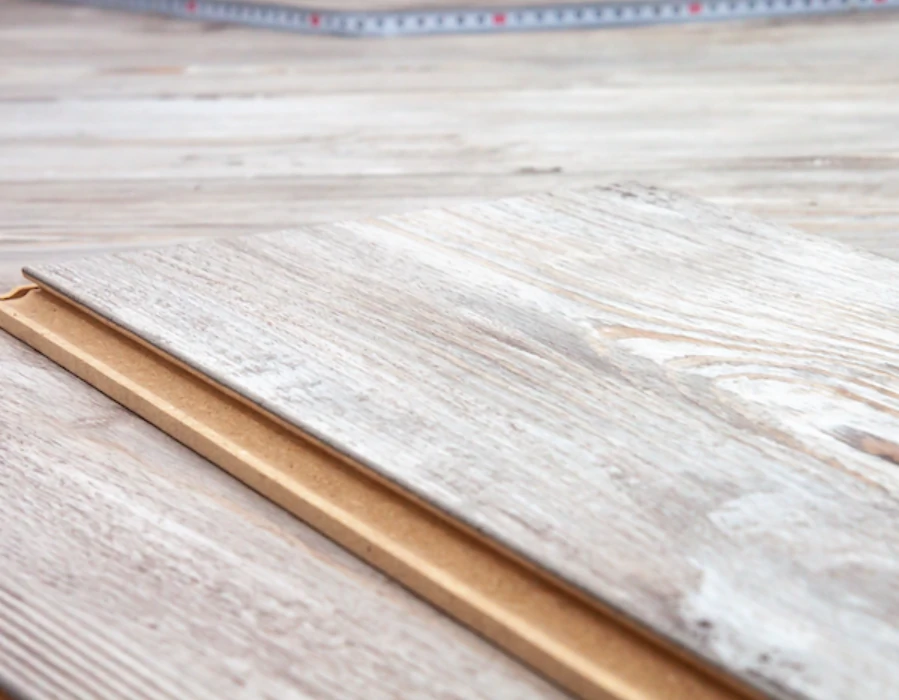
Thickness matters more than most buyers bother to check. Measure at multiple points across the panel. Uneven readings mean density isn’t consistent. Density controls structural performance. The working range for melamine MDF sits between 600–800 kg/m³, with premium cores running 700–750 kg/m³.
Run the basic physical tests too:
Bend resistance
Abrasion response under sandpaper
A soak test for waterproofness
Confirm formaldehyde compliance against E0 or E1 standards yourself. Don’t take a certificate at face value.
How to Evaluate Suppliers Beyond the Datasheet
Certifications are the starting point, not the goal. Standards aligned with the International Organization for Standardization (ISO) establish the baseline for quality management systems, environmental controls, and process traceability in engineered wood manufacturing. Environmental ratings and AWI QCP standards (with liability thresholds up to $10,000 at 0.5% of contract value) set the floor — not the ceiling. Your evaluation should go further.
Ask for gas chromatography emissions data. Reliable suppliers are transparent about their density testing protocols and provide batch-level traceability across MDF board export orders. Check that density testing happens at multiple production points — not just at final inspection. Request fire test results. Class C under ASTM E84 is the baseline. Class A or B is what you need for high-risk applications.
Surface inspection needs varied lighting. Texture depth and resin penetration in decorative paper for MDF don’t show up under flat light. Look from different angles — that’s the only way to catch inconsistencies. A supplier who pushes back on this level of review is telling you something. Their panels probably can’t hold up to the same scrutiny you’re applying.
Post-Press Cooling and Curing: The Final Step That Locks In Quality
The press opens. The panel comes out hot. What happens in the next few minutes determines whether everything built into that board — the resin chemistry, the calibrated temperature, the staged pressure — holds together.
Cooling is not passive. It is the final curing stage, and it is active.
Residual heat inside the panel keeps the melamine resin fluid for a short window after pressing ends. That heat needs to drop at the same rate across the whole panel. One face cooling faster than the other, or edges ahead of the center — this creates uneven shrinkage stress locked into the board structure. The result is warping. No downstream process can fix it.
Controlled Cooling Protects the Bond You Built
The cross-linked thermoset network needs stable, gradual cooling to harden correctly. Stack panels too early — before the core temperature drops below the safe threshold — and vapor gets trapped between layers. That vapor has one place to go: straight into the bond-line. Delamination follows.
The rule is simple: cool at an even rate, cool all the way through, then stack. Skip this, and you lose the gains made at every stage before it.
Cool the full panel surface at the same rate
Wait until core temperature clears the threshold — not just the surface
Only then move to stacking
Rushing this step costs you everything that came before it.
Conclusion
A premium melamine MDF panel and a disappointing one can look the same at the point of purchase. The real difference hides inside the chemistry of melamine impregnated paper, the precision of hot pressing temperature, and every parameter in between.
Professionals who understand these hidden factors don’t just buy better materials. They build better products, get fewer complaints, and hold stronger ground when evaluating suppliers.
Here’s the real takeaway: MDF surface quality is not a single decision. It’s the combined result of grammage consistency, resin saturation depth, pressing accuracy, and post-cure control — each step working in the right sequence. Miss any one link, and the whole chain breaks.
So before your next procurement conversation, push your supplier past the spec sheets. Ask about their pressing protocols. Ask about paper sourcing. Ask what they do after the press opens.
The suppliers who answer with clear, specific details? Those are the ones worth trusting.
If you need detailed production parameters, pressing control data, or formaldehyde compliance documentation for your next melamine MDF project, you can request technical specifications directly from our engineering team.