How Building Material Supplier Negotiation Errors Can Impact Product Quality

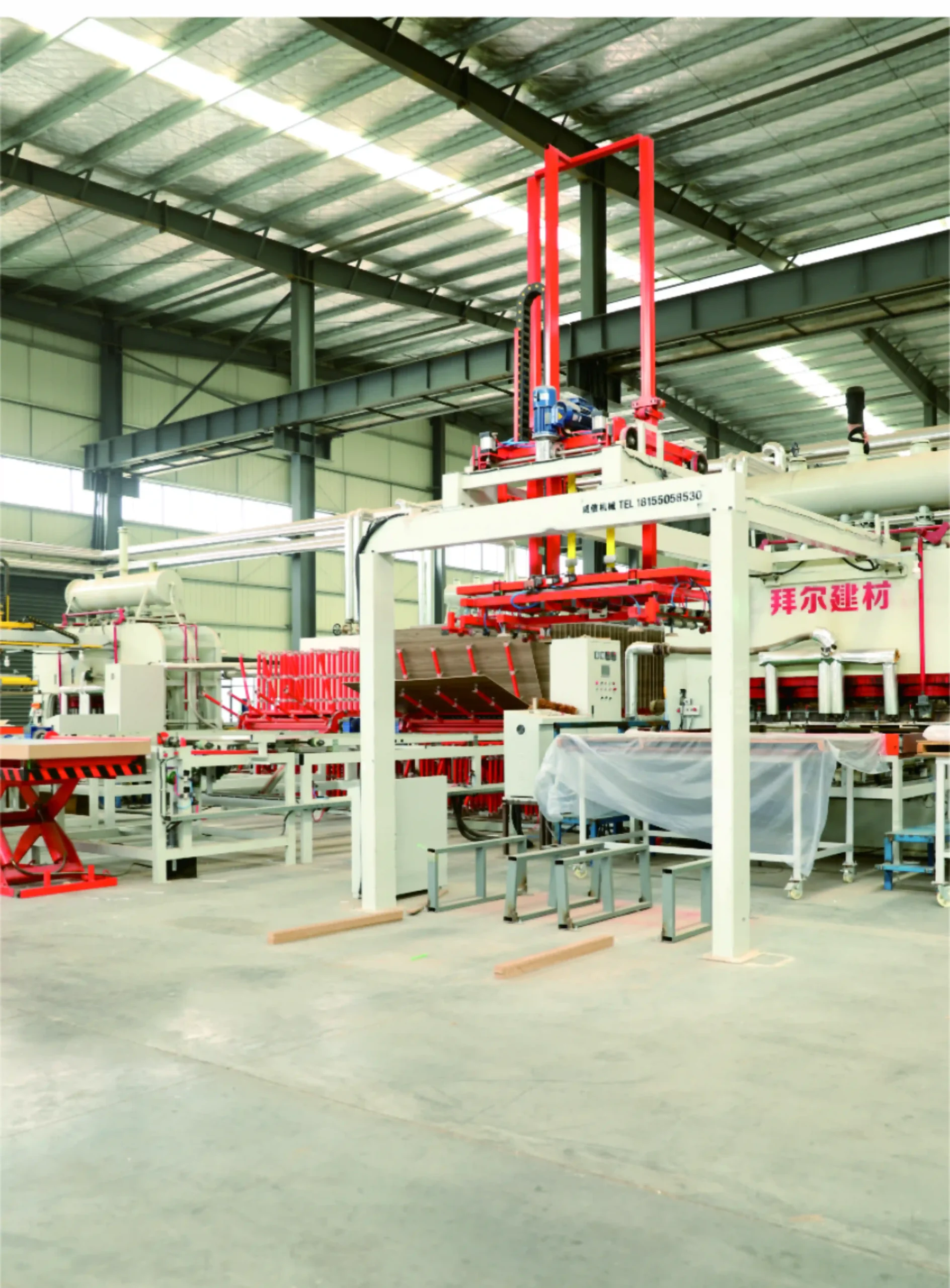
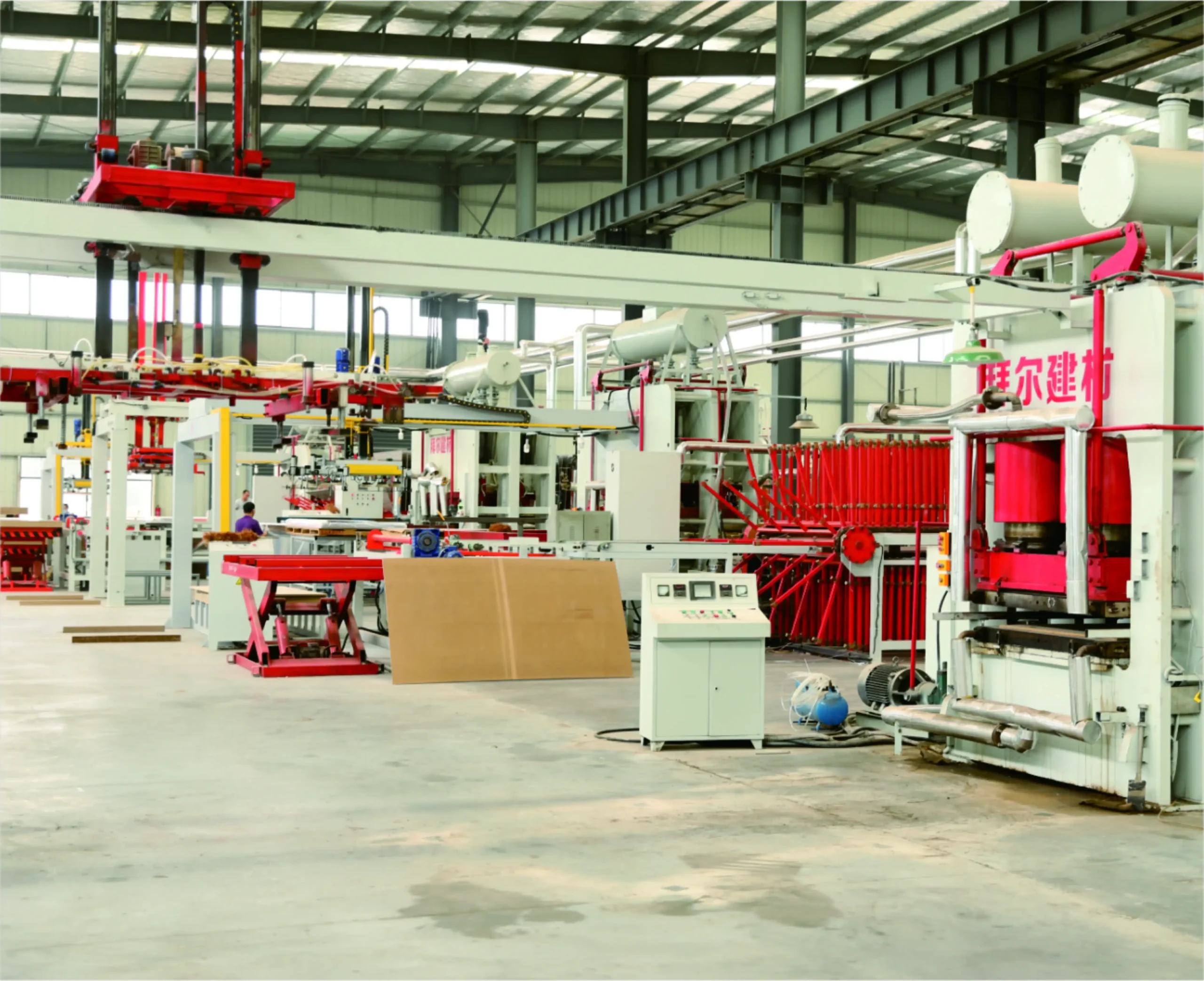
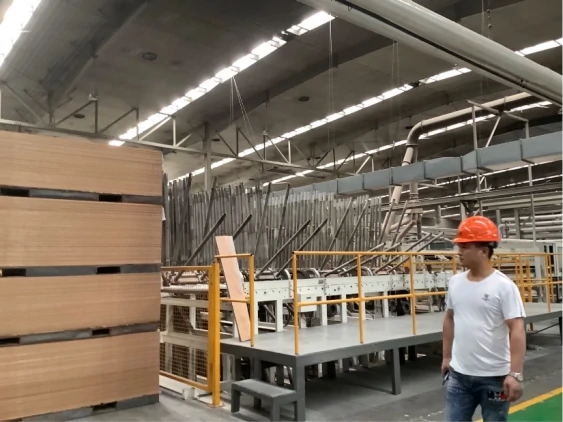
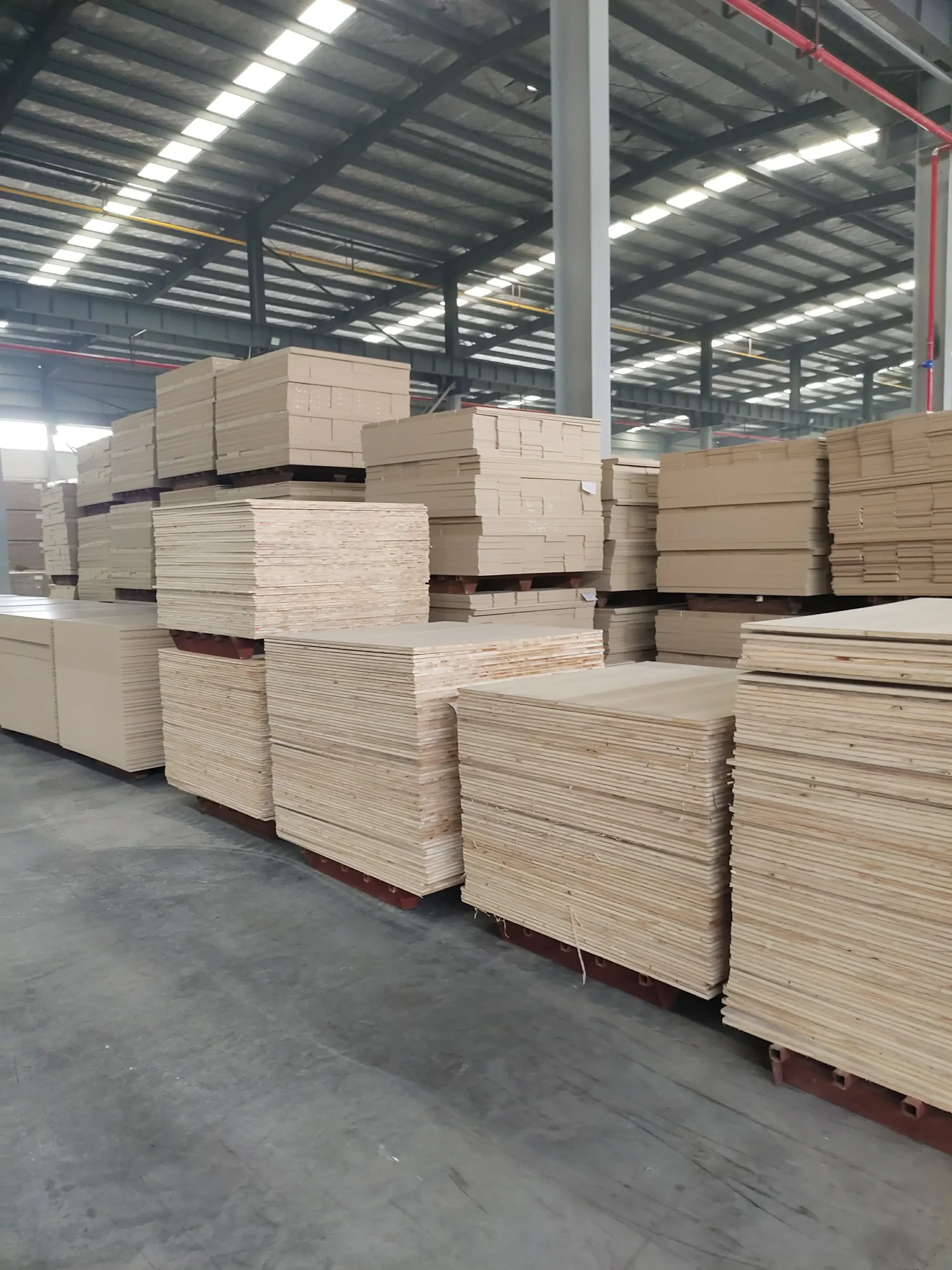
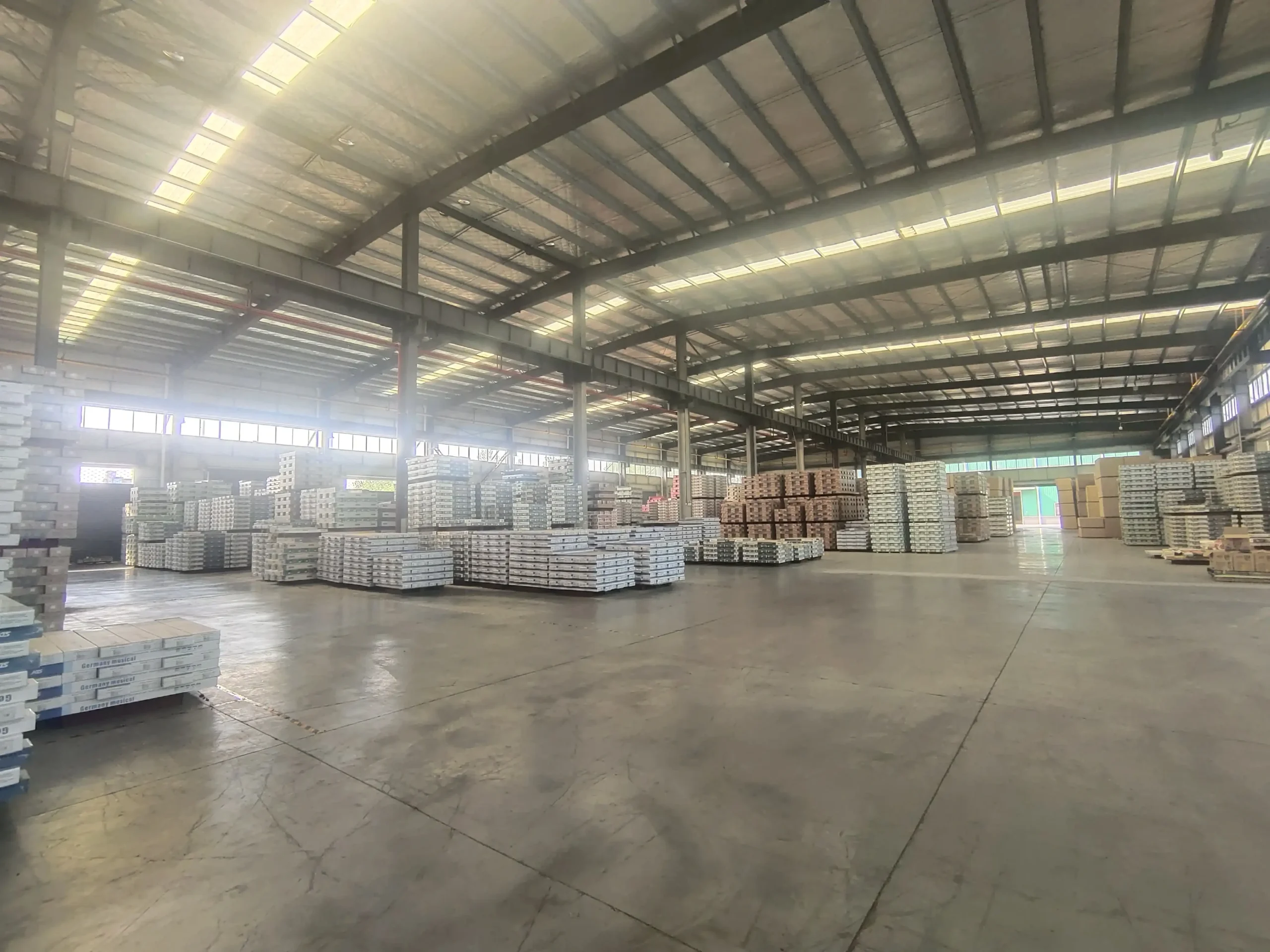
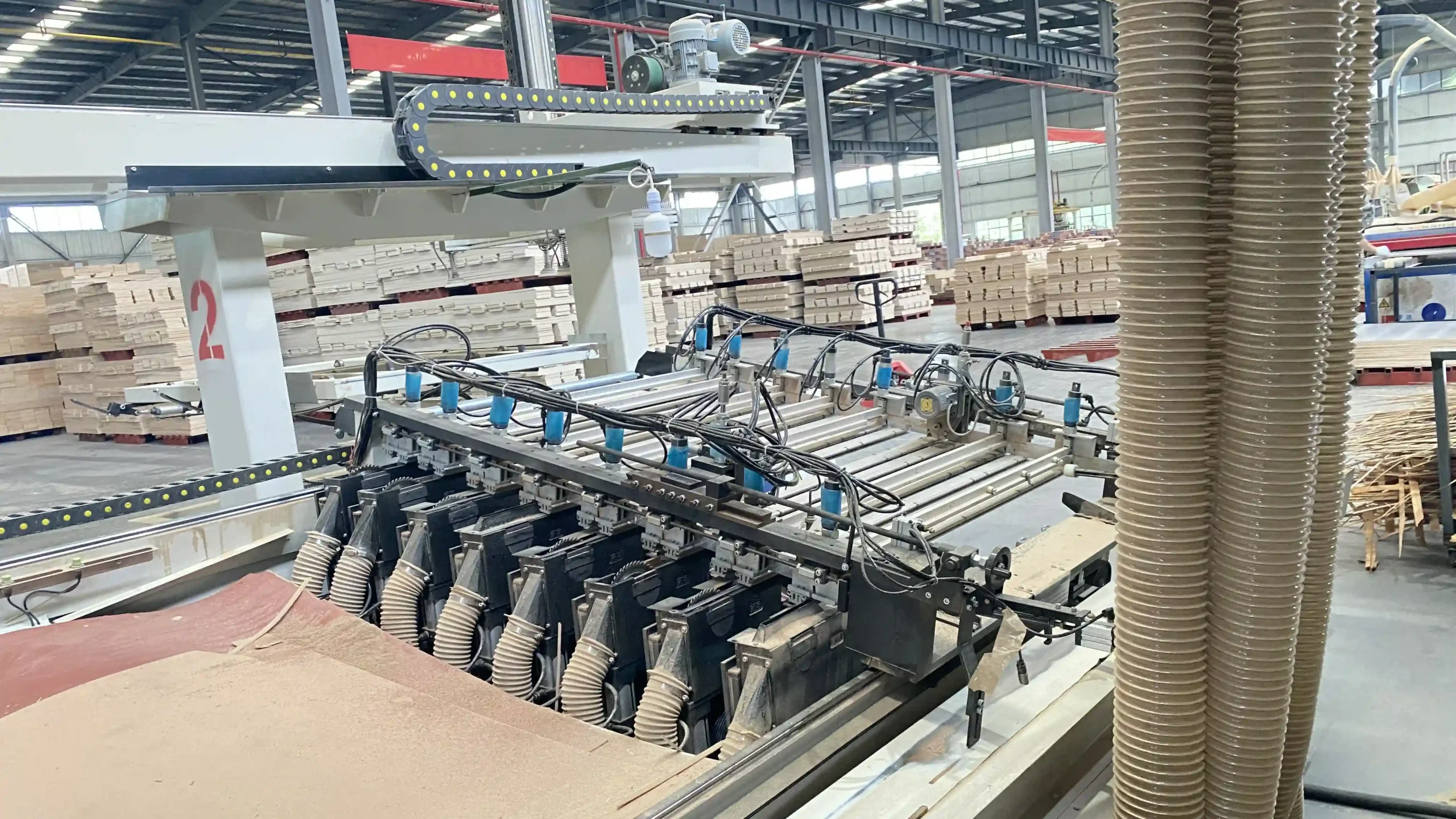
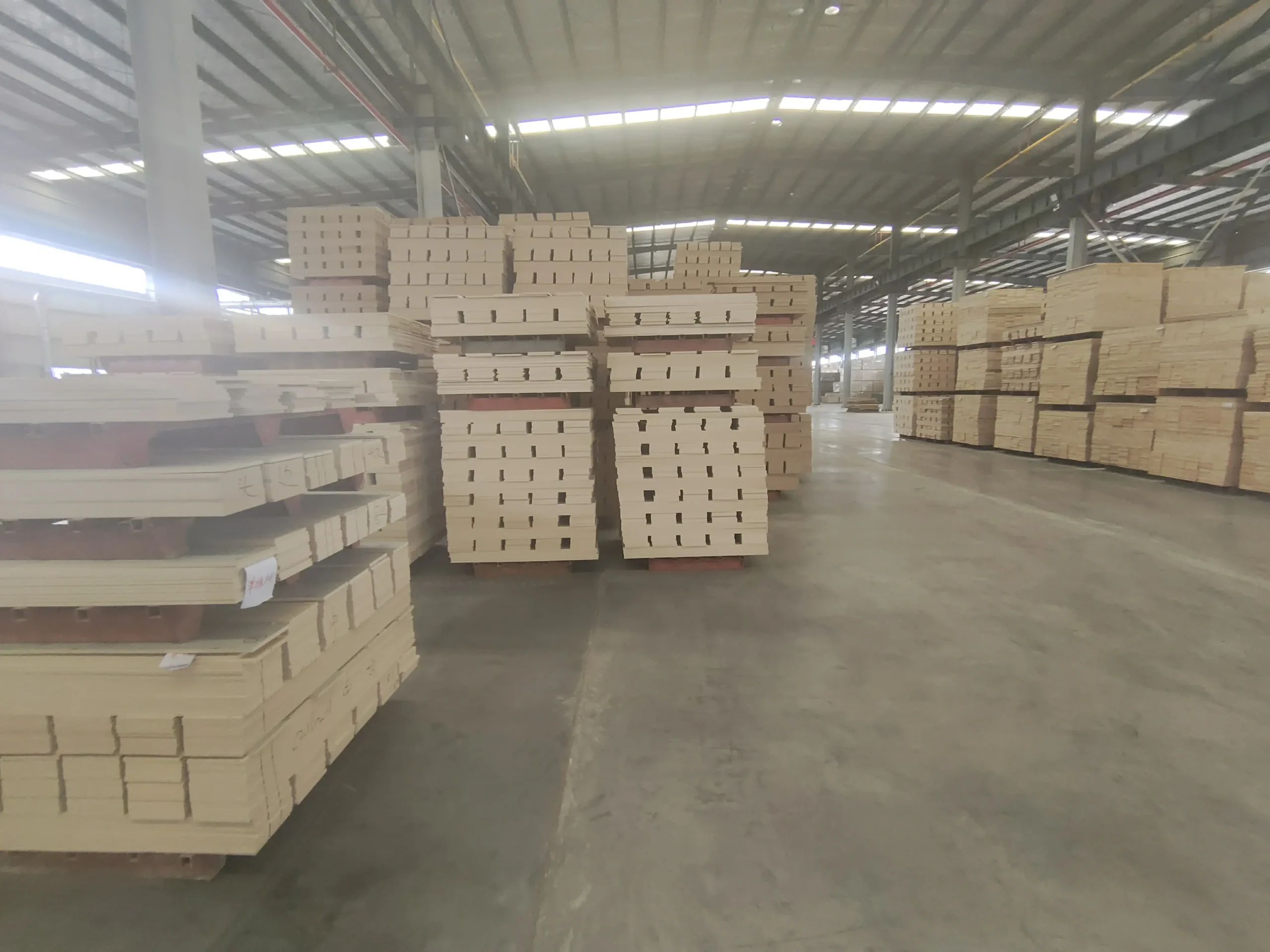
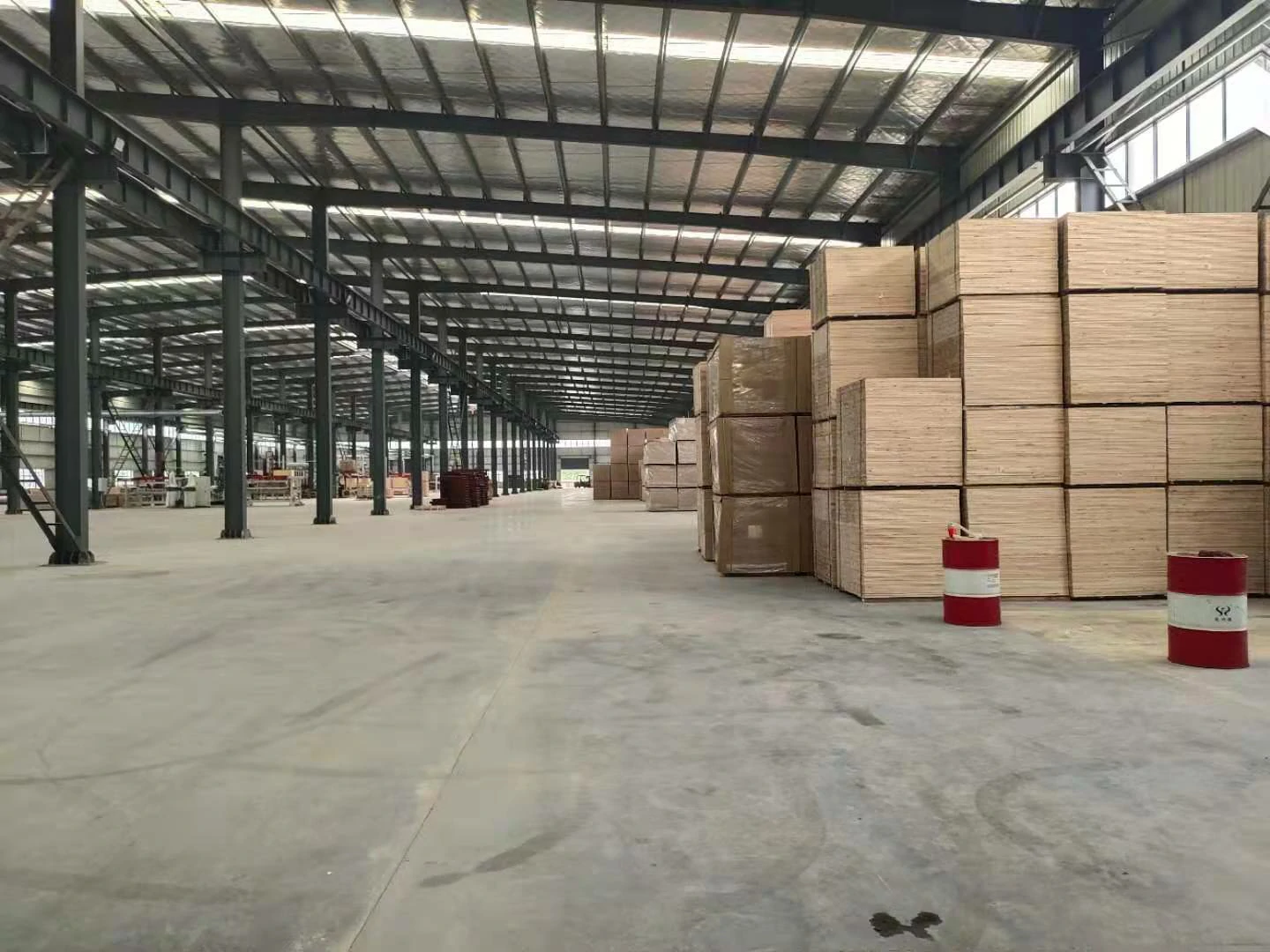
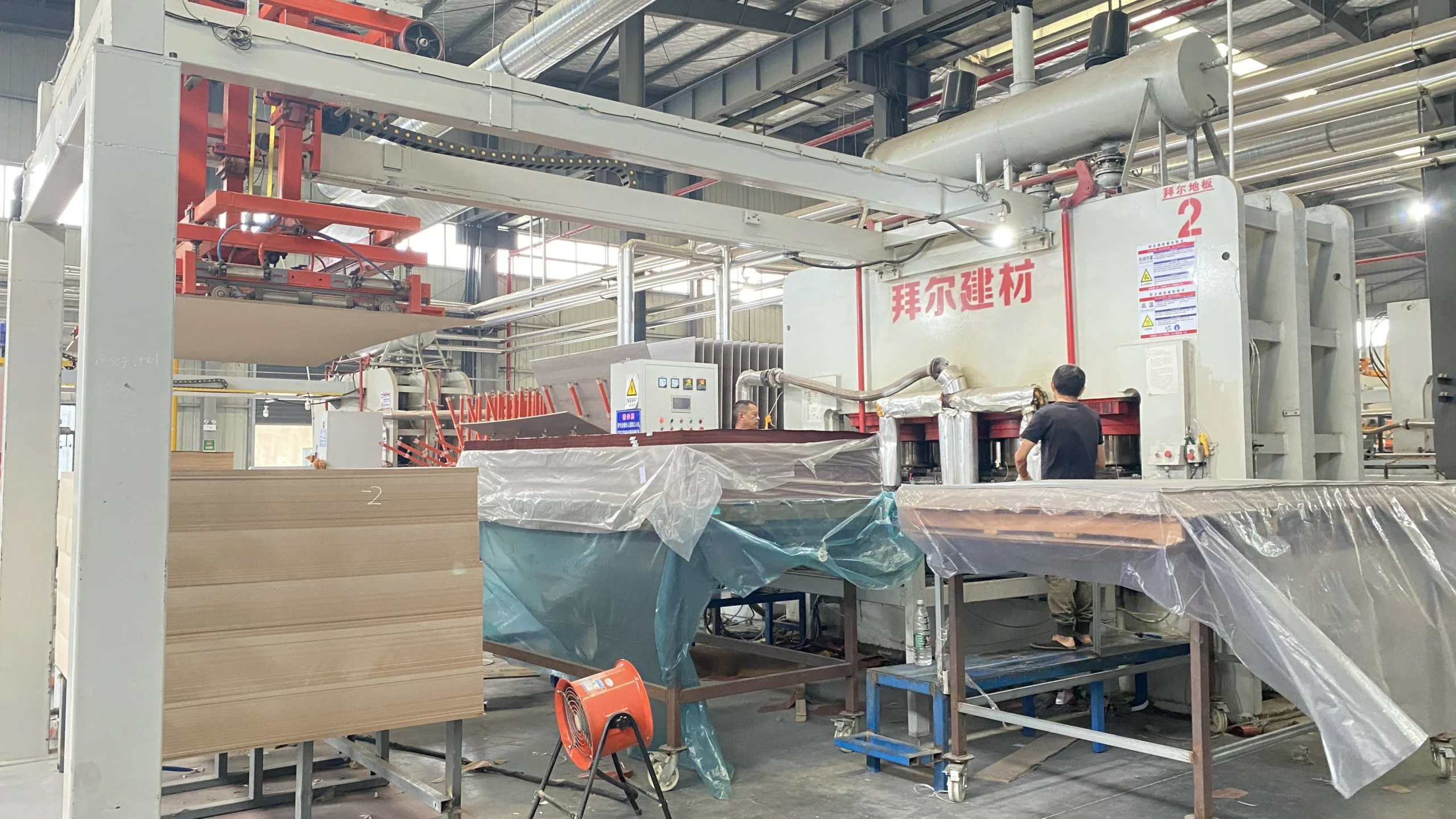
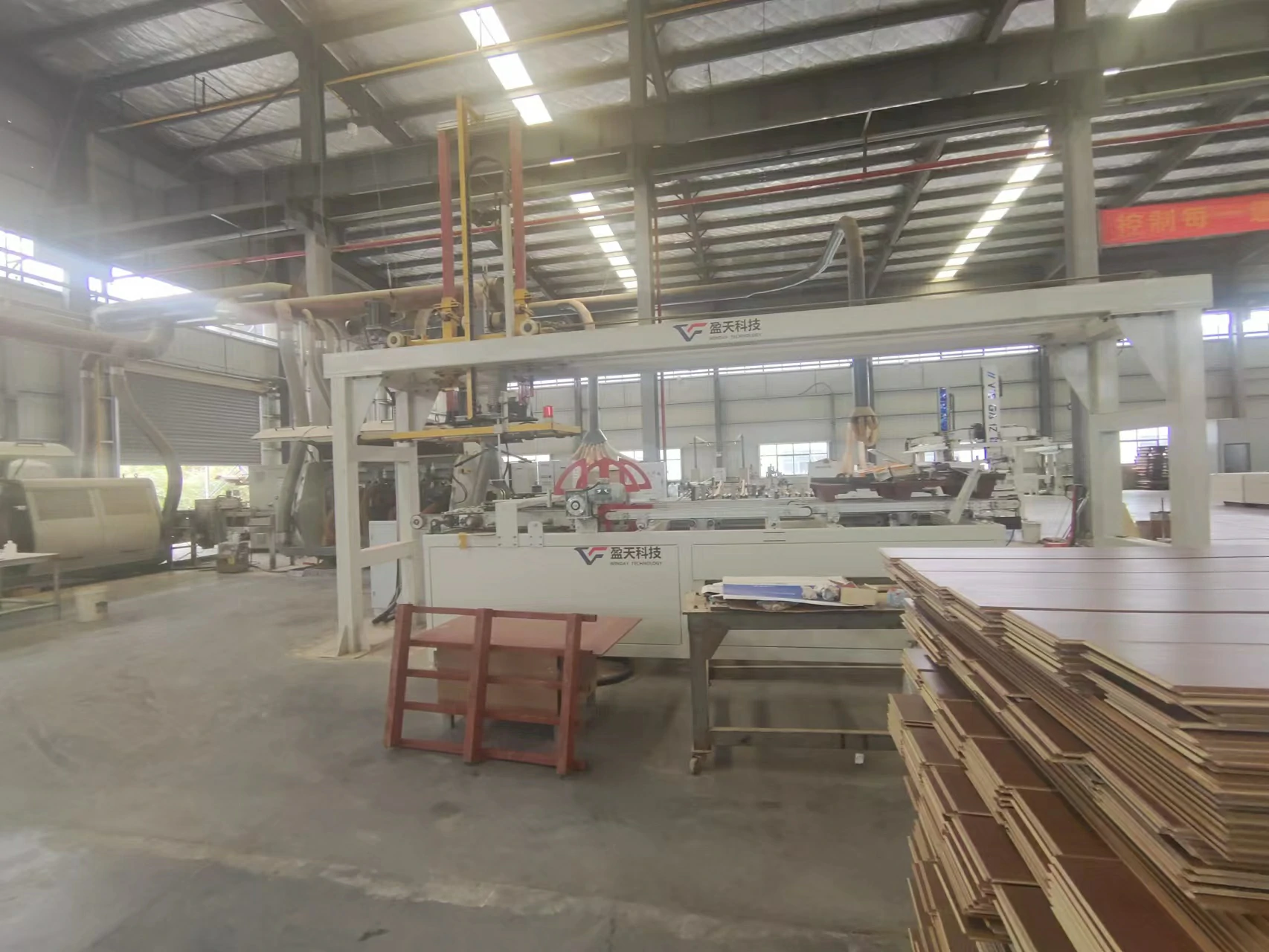
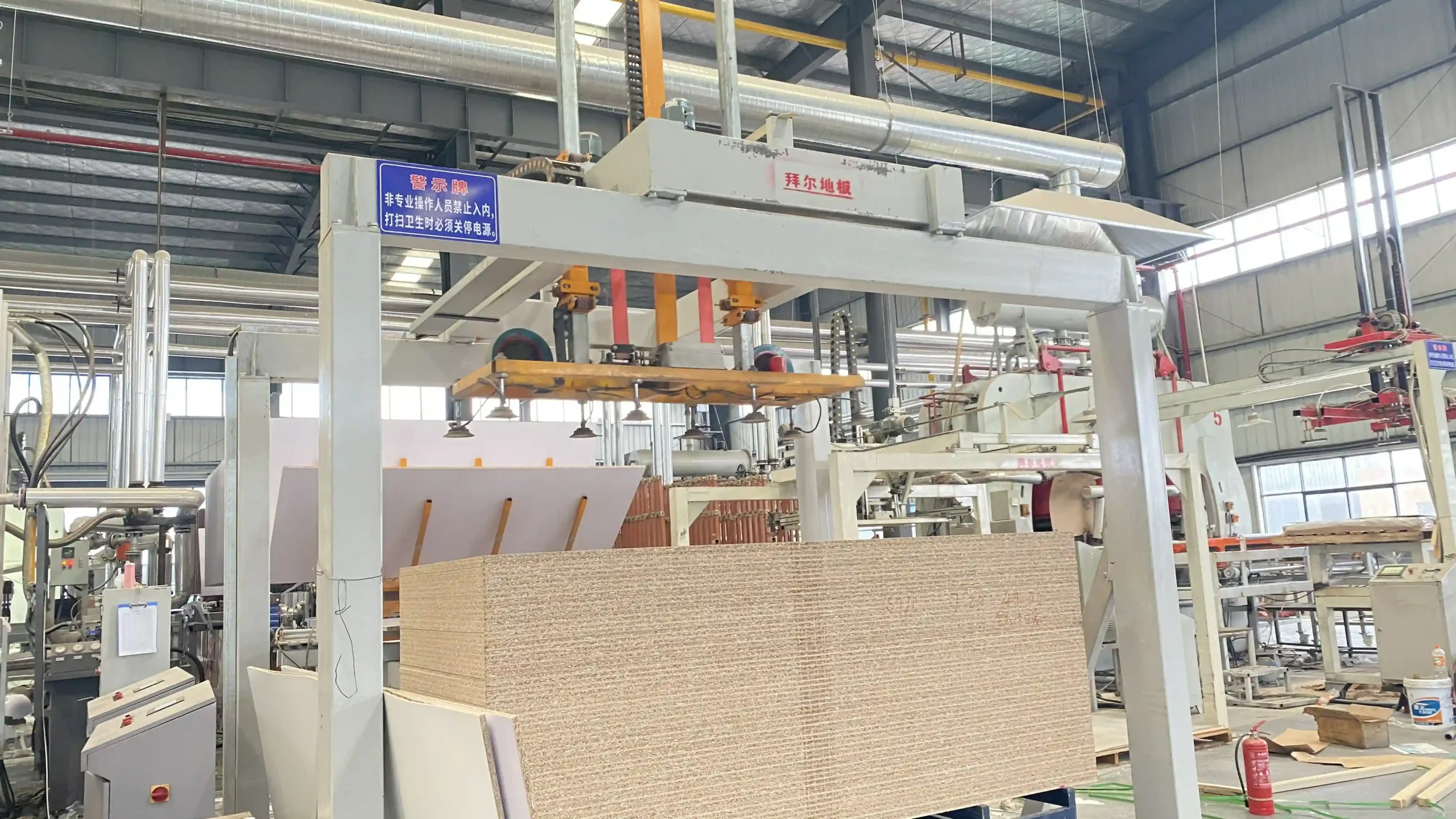
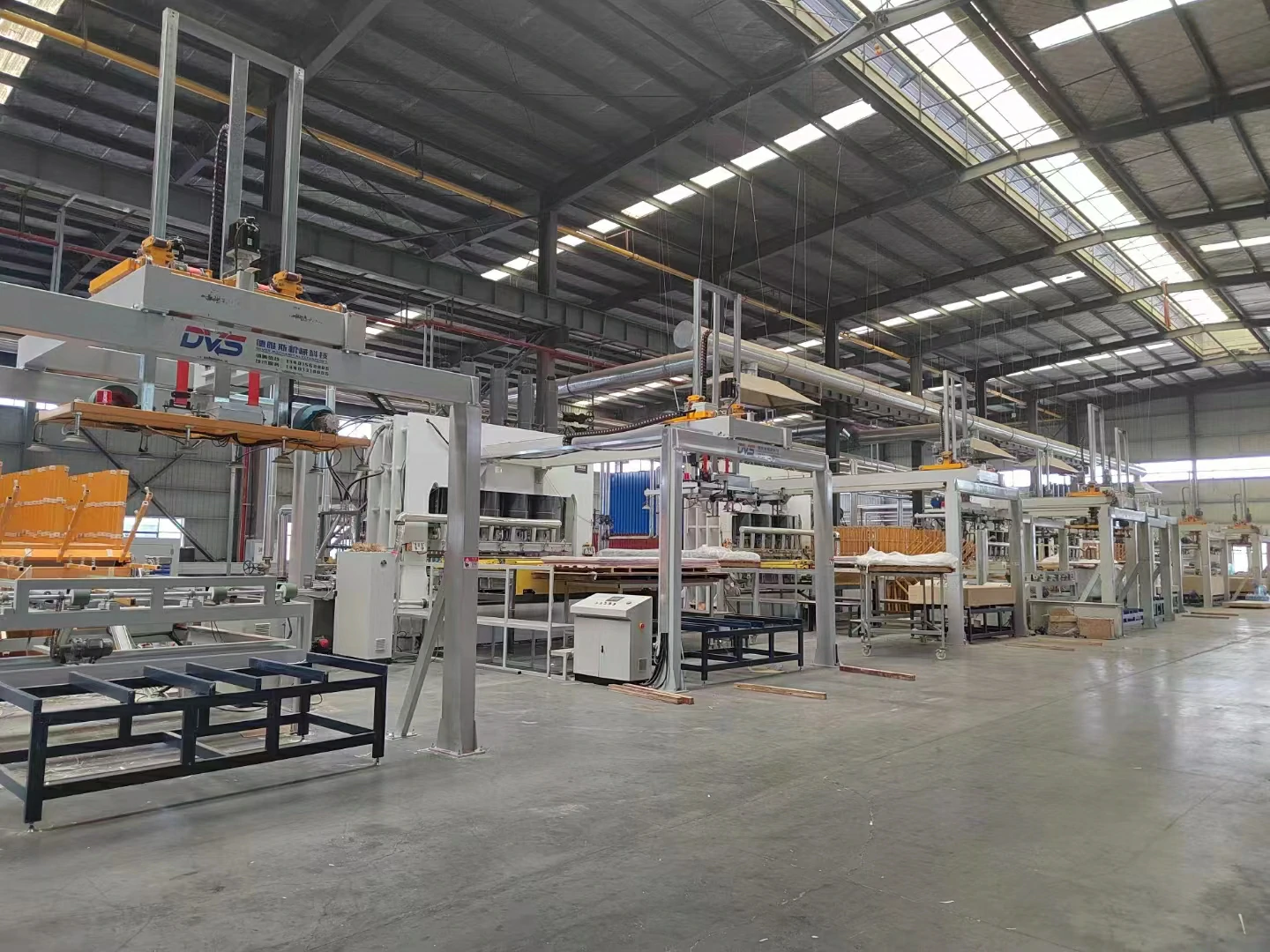
Baier Flooring Factory

Most procurement teams never see the quality failure coming — especially when sourcing large-volume materials like laminate flooring, SPC systems, or decorative MDF panels for international projects. The materials arrive on-site, and the damage is already done.

What looks like a supply chain problem — or a manufacturing defect — is often something far more preventable. It’s a negotiation mistake made weeks or months earlier.

Building material supplier negotiation errors don’t announce themselves at the time. They set the conditions for compromised specifications, corner-cutting suppliers, and contracts that offer zero protection when things go wrong. When working with a professional flooring manufacturer with export experience, many of these risks can be reduced — but only if the contract structure supports it.

This article breaks down the six most damaging errors — and the cascade effect they trigger. You’ll learn how to spot them and fix them before they cost you far more than a bad deal.

Why Negotiation Is the Hidden Driver of Building Material Quality

58f94613 161b 4001 8d10 ab47b574b378

Material quality gets decided long before a delivery truck pulls up to your site. It gets decided in a conference room, on a call, or over email. A procurement team either nails down the terms that protect product integrity — or leaves enough ambiguity for a supplier to cut corners without notice.

That’s not a dramatic claim. It’s just how building supply chains work.

Contractors negotiating with suppliers aren’t only haggling over price. They’re setting the cost-quality tradeoff that shapes what gets built. A well-structured deal locks in material specifications, performance thresholds, and accountability. A weak one leaves all of that open to interpretation — and suppliers will always interpret ambiguity in their own favor.

Price volatility makes this more urgent. Building material prices have grown over 15% year-on-year since 2021, rising steeply through 2022. Contracts that don’t account for that movement don’t just create financial exposure. They create steady, invisible pressure on suppliers to compensate — through material substitution or reduced spec compliance.

The downstream effect is real and measurable:

14% of global rework ties back to poor data and non-standardized contract terms

These failures start in the negotiation room, not on the factory floor

Power dynamics make it worse. Major firms dictate terms to subcontractors. Coercive contract structures follow — skewed payment schedules, vague quality specs, no recourse. The subcontractor carries the risk. The material quality pays the price.

Strong negotiation doesn’t just protect your margin. It protects what actually gets built.

Error #1: Prioritizing Lowest Price Over Quality Standards

d080c8fa 5207 4040 a898 1d9660d50cc9

Here’s an uncomfortable truth: poor quality doesn’t just hurt your product — it eats your operating budget from the inside. Studies show poor quality wastes 25% to 35% of typical operating budgets. That number crushes whatever you saved by chasing the cheapest deal.

And yet procurement teams keep making the same call. Lowest price wins the bid. Quality becomes someone else’s problem later.

The Price-Quality Trap Nobody Talks About

Push suppliers to their lowest number, and something changes on their end — but it’s not their profit margin. It’s their standard.

Suppliers under margin pressure don’t absorb the loss. They pass it on. Here’s what that looks like in practice:

Material grades get swapped out for cheaper alternatives — for example lowering core density in laminate flooring production specifications or using thinner wear layers without disclosure.

Tolerances get loosened to speed up production

Compliance checks turn into optional steps

None of this appears in the contract. All of it appears in the finished product.

Research makes this pattern clear. Firms that compete on lowest price push suppliers into a corner. Quality cheating becomes a survival strategy — suppliers produce below the quality their reputation suggests, because your pricing leaves them no other option. Your negotiation built that situation.

Why “Cheap + Good Enough” Is a Moving Target

Consumer research from 2021 found 51% of buyers ranked quality and value above price. But price pressure changes how suppliers think. Their definition of “acceptable quality” starts sliding down — and most buyers don’t catch it until rework is already underway.

The global manufacturing shift shows the same pattern at scale. Some manufacturers combined small, steady quality improvements with aggressive low pricing. They didn’t just compete with established players — they replaced them. The real protection lies in locking specification floors into your agreement with your laminate flooring supplier, including AC rating, density, and moisture resistance thresholds.

The lesson isn’t that low price is always wrong. The real problem is chasing price without locking specification floors into your contract. That hands suppliers a blank check to define quality on their terms, not yours.

Price negotiation without quality anchors isn’t a saving. It’s a cost you’ve pushed into the future — and it comes back with interest.

Error #2: Contracts Without Quality Clauses or Performance Metrics

aaab53ef 696c 462c 9dd2 11c53d62a445

A signed contract feels like protection. It isn’t. Not unless it contains specific language that holds a supplier accountable.

No quality clauses. No measurable performance metrics. That contract is just a price confirmation with a signature at the bottom. It tells you what you’re paying. It says nothing about what you’ll receive.

In international procurement, contractual clarity is not optional. Many cross-border agreements are structured around standardized trade rules published by the International Chamber of Commerce (ICC), whose Incoterms framework defines risk transfer, cost allocation, and delivery responsibility between buyers and sellers. Ignoring these formal structures weakens your negotiation leverage from the start.

The Measurement Gap That Suppliers Exploit

Contracts that skip defined standards hand the power to suppliers. They set the bar. They decide what “acceptable” looks like. Your materials arrive underspec, and you have no contractual ground to stand on — because you never defined the spec to begin with.

The numbers make the stakes concrete:

Metric Target You Should Be Locking In
Quality of Deliverables ≥98% meeting agreed standards
On-Time Delivery Rate ≥95%
Defect Rate Defined and quantified per order
Contract Compliance 100% — no exceptions
Cost Performance Within ±5% variance

These aren’t aspirational targets. They’re enforceable thresholds — but they only work if they’re written into the agreement. For products like MDF boards used in cabinetry and interior applications, defining density tolerance, formaldehyde emission level, and thickness variation inside the contract is not optional — it’s essential.

What Gets Hidden Without Clear Definitions

Here’s the problem most procurement teams miss. Aggregate performance metrics can cover up individual failures. A supplier hitting 97% overall compliance sounds solid. But that number can absorb repeated delivery failures in specific material categories — the ones that matter most to your project. The problem stays hidden until it’s too late.

Low compliance doesn’t just signal unreliability. It hides where the unreliability lives.

No clause-level definitions means no visibility. That includes defect rates, SLA attainment, and milestone reporting. Without those, problems compound before you catch them.

No clause means no catch — especially in export contracts involving SPC click flooring systems, where locking performance specs prevents silent downgrades. No catch means rework.

Error #3: Aggressive Competitive Tactics That Destroy Supplier Trust

bcc12db8 0c9b 479e b424 5b4eab7db658

Squeezing suppliers on price feels like leverage. It isn’t. It’s a detonator.

One manufacturer learned this the hard way. They opened with an aggressive low bid to win business. A competitor matched it — then went lower. The manufacturer hit back. Prices dropped 20% across the negotiation cycle. The price war spread account by account and ran for over three years. Every supplier in that market took real profit damage. Nobody won.

That’s not just a cautionary tale. It’s a documented pattern of how aggressive tactics tear apart supplier ecosystems.

The Cascade Nobody Anticipates

The damage spreads fast. Here’s what plays out:

Suppliers losing deals cut prices further just to stay alive

Customers outside the original dispute hear that better pricing exists elsewhere

Those customers turn into aggressive negotiators — and one contract just became a market-wide problem

Price changes travel faster than any other variable in procurement. That speed makes aggressive pricing feel like a smart short-term fix. It’s not. Most procurement managers never stop to ask a key question: does a supplier’s loyalty come from genuine product superiority or high switching costs? These two things look the same on paper. They’re not. Getting that wrong sets off the exact cycle above.

What to Do Instead

Protect your supply chain with a focused strategy instead of burning it down:

Segment your supplier relationships — save your toughest negotiations for low-margin, commodity-level accounts. Those are the ones where the stakes are lowest and the fallout is manageable

Build switching barriers — offer long-term contracts in exchange for price stability and quality guarantees. Pull your high-value relationships off the battlefield before any price war starts

Protect what’s profitable — a focused defense of high-margin supplier partnerships beats across-the-board aggression every time

The suppliers you push into submission today are the ones cutting corners on your specs tomorrow.

Error #4: Ignoring Supplier Risk Profiles and Capacity Signals

09e78958 6422 4aa1 b2cc 81017a1b9f1a

Three out of four organizations have no real visibility into their supply chain. Not partial visibility. Not imperfect visibility. Zero meaningful picture of what’s happening upstream — and they’re negotiating contracts inside that blind spot every single day.

That’s not a technology gap. It’s a judgment gap. And building material procurement pays a steep price for it.

The Risk You Never Scored Is the Risk That Kills You

Here’s what makes this error so damaging: 27% of vendor risks surface only during an active partnership. By then, you’re already exposed. The contract is signed. The order is placed. The supplier you thought was solid is now showing cracks you never checked for.

52% of procurement teams aren’t using supplier risk management tools at all. Yet 70% of CPOs claim they have good visibility into their direct suppliers. Confidence without data isn’t visibility. It’s guesswork dressed up in professional clothing.

Close these risk profile gaps before your next negotiation:

Financial signals — credit trends, ownership transparency, revenue trajectory. When sourcing from Asia, verifying that you’re working with a direct flooring factory rather than a trading intermediary reduces hidden financial and operational risks.

Operational signals — delivery accuracy rates, quality consistency, response time under pressure

Geopolitical signals — country risk ratings, regional logistics reliability

Compliance signals — ESG obligations, REACH, conflict minerals exposure

Miss any one of these, and your contract is built on assumptions.

Capacity Signals Teams Keep Ignoring

Supplier power is another layer most teams skip. A single supplier controls a critical material category. Your negotiating position collapses. So does your ability to protect spec standards once that supplier gets stretched thin. Multi-sourcing is particularly important in commercial laminate and underlay procurement, where overreliance on a single supplier increases project delay exposure.

The fix isn’t complicated. Start with multi-sourcing, modular design for substitution, and enterprise-wide purchasing consolidation. These reduce single-supplier dependency before it turns into a crisis. Add daily-updated risk scoring dashboards and deteriorating performance alerts on top of that. You stop reacting to problems that were visible all along — if someone had thought to look.

Error #5: Rigid Contract Terms With No Flexibility Provisions

deaab0aa 36d9 4d97 a180 0b617496e87c

Contracts that can’t bend will break — and in building materials procurement, that break hits quality hard.

Rigid terms set a specific trap. You negotiate the deal, lock everything in, and expect stability. Then the market shifts. A regulation changes. A supply delay hits. You’re penalized for conditions outside your control — and your supplier relationship absorbs the friction of a contract that was never built for real-world conditions.

“Locked In” Can Become a Liability

Take construction deals with no deadline adjustment clauses. Weather delays hit. Supply chain disruptions cut material availability. The contract doesn’t care. Penalties pile up for circumstances neither party caused or could have stopped.

That’s not risk management. That’s a dispute waiting for a trigger.

Four provisions cut this exposure:

Adjustment clause — both parties negotiate in good faith when unforeseen circumstances arise, without scrapping core obligations

Scaling clause — service levels and pricing shift with actual project demand, not fixed projections

Termination for convenience — 30 days’ written notice as a clean exit; immediate termination if a material breach stays unremedied within 14 days

Auto-renewal with a ceiling — renewals cap fee increases at 5%, with 60 days’ non-renewal notice required

The balance point matters. Too rigid and the contract breaks under pressure. Too vague and it invites opportunism. The contracts that protect quality define firm core obligations — then build structured, specific flexibility around the variables that move.

Error #6: Negotiating Without Market Data or Cost Benchmarks

caff4eef 9136 4271 ad69 eee911a70f57

No cost benchmarks going into a supplier negotiation? That’s not confidence — that’s exposure.

80% of companies have no formal negotiation process. They rely on instinct, habit, and whatever the last deal looked like. That’s not a strategy. That’s a pattern of leaving money — and material quality — on the table.

Here’s where it shows up in building materials procurement: 84% of organizations never measure negotiation outcomes after signing. Nobody checks whether the agreed price matched real market conditions. Nobody confirms whether the terms held up. The deal closes. The data conversation never starts.

That silence is expensive.

The Benchmark Gap Creates Invisible Leverage Loss

No verified cost benchmarks? Suppliers hold the anchor. They open with a number. You react to it. That’s not negotiation — that’s reaction.

The psychology is well-documented. Specific figures beat vague ranges every time. A procurement team citing precise, verified market data — not rough estimates — shifts the entire dynamic. It signals preparation. It signals accountability. Suppliers respond in a different way once they know you know the numbers.

What market-informed negotiation requires:

Live material cost data — not last quarter’s rates, not anecdotal supplier quotes

Whole-profile benchmarking — account for grade, specification tier, regional logistics, and lead time premiums together

Documented baseline figures before the first call starts

23% of procurement teams use AI tools to automate market-scan analysis and risk assessment. That’s it. That gap is a competitive disadvantage — and a quality risk. You can’t verify whether a supplier’s pricing reflects real cost structure or inflated margin. So you can’t protect specification floors under price pressure either.

Data doesn’t just improve your deal. It protects what gets built.

The Cascade Effect: How These Errors Compound Into Quality Failures

Six errors. Six separate decisions. Each one looks manageable on its own.

They’re not.

Research tracking error chains across complex systems found that 77% of failures involve a sequence of connected errors — not a single misstep. One mistake creates the conditions for the next. The next makes the one after it worse. By the time the damage shows up, you’re not dealing with one bad decision. You’re dealing with a system that broke down at multiple points — all at once.

Building material procurement follows the exact same pattern, every time.

Here’s how the chain runs:

A contract gets signed without locked-in specifications (Error #1 + #2)

Price pressure eats into the supplier’s margin (Error #3)

No one flagged the supplier’s capacity warning signs early on (Error #4)

The contract has no adjustment mechanism when lead times slip (Error #5)

There’s no benchmark data to catch when material grades start to drop (Error #6)

Each decision seemed reasonable at the time. Together, they built a failure no one saw coming.

The cascade doesn’t need every error to fire. Two or three in sequence is enough. A vague spec, a supplier nobody checked closely, and zero quality checkpoints — that’s not a risk. That’s a guaranteed outcome. Breaking the chain early often starts with selecting a transparent and specification-driven laminate flooring manufacturer, not simply the lowest bidder.

Fixing one error on its own doesn’t stop the chain. You need to break it at multiple points. Until that happens, the quality failure stays on course.

Conclusion

The buildings that stand the test of time aren’t just built with quality materials — they’re negotiated into existence.

Every contract you sign matters. Every price concession you push for matters. Every supplier relationship you nurture — or neglect — sends a direct signal through your supply chain. That signal shows up in the walls, floors, and foundations your clients trust with their lives.

Building material supplier negotiation errors aren’t paperwork problems. There are quality problems. Drop the race-to-the-bottom pricing mindset. Build contracts that hold suppliers accountable. Treat your best vendors like the strategic partners they are.

Start small. Audit your last three supplier contracts against the six errors covered here. Find where your negotiation process has gaps — then fix one before the next procurement cycle begins. If you’re reviewing an upcoming laminate or SPC procurement project, you can request a structured quotation outlining specification guarantees and Incoterm options.

In this industry, the most expensive mistake you’ll ever make isn’t overpaying for materials.

It’s underpaying for the wrong ones.