Importing Building Materials: Fob, Cif, Ddp Explained For Buyers

Baier Flooring Factory

Pick the wrong shipping terms and your building materials deal becomes a money pit — especially when sourcing bulk products like laminate flooring for export projects. Most new importers don’t spot this mistake until containers dock with surprise fees stacking up.

You might source ceramic tiles from Spain, timber from Southeast Asia, or steel beams from China or sourcing directly from a China flooring factory for SPC and laminate production. FOB, CIF, and DDP aren’t just trade talk. These terms decide if you control costs or watch profits vanish.

Building materials trade runs on tight margins. One wrong move with shipping terms? You could face thousands in unexpected duties, insurance gaps, or port storage fees.

This guide explains each Incoterm using real construction materials examples. You’ll see when each term protects you. You’ll also learn when it leaves you exposed. This helps you negotiate better contracts and dodge the traps that catch unprepared buyers.

FOB (Free On Board) – Full Breakdown

ca1cc0cde94d1b9699a233f5f015ace6

FOB puts you in control once your building materials leave the loading port. Under Incoterms 2020, the seller’s job ends the moment goods cross the ship’s rail at the named port. Ocean freight? Your responsibility. Insurance? You handle it. Customs clearance at destination? That’s on you too.

This term works for sea and inland waterway transport only. Shipping ceramic tiles from Valencia or coordinating SPC flooring export logistics from Shanghai? FOB defines where the seller’s duties stop and yours begin.

What the Seller Handles

Your supplier manages the first leg. They move materials from their warehouse to the loading port. They handle export customs clearance. They pay all port fees. Plus, they load the goods onto the vessel you choose.

Export documentation falls under their scope. So do local transport costs and the loading process. Workers secure that last pallet of marble slabs onto the ship? The seller’s financial risk ends right there.

What Falls on Your Plate

You control the entire ocean voyage. Book the shipping line. Negotiate freight rates. Purchase marine insurance that covers your needs.

Containers arrive at destination? You pay for unloading. Import duties come from your pocket. So do customs brokerage and inland transport to your warehouse or construction site.

Building materials trade buyers prefer FOB for shipping flexibility. You can consolidate materials from multiple suppliers into one container. Pick faster routes during peak construction seasons. Work with freight forwarders who know how to handle fragile cargo like glass panels or specialty tiles.

FOB Variants That Change the Game

Four variations exist. Each shifts cost responsibility:

  • FOB Origin: You pay all transport from the supplier’s door. Maximum control, maximum cost.

  • FOB Origin, Freight Prepaid: Seller pays freight to port but you own the goods from shipment. Good for accounting.

  • FOB Origin, Freight Collect: Standard FOB. You arrange and pay for everything after loading.

  • FOB Destination: Seller delivers to your location. Not true FOB anymore—closer to DDP.

Risk Transfer Happens in Seconds

The critical moment? Goods pass over the ship’s rail during loading. Before that instant, damaged materials stay the seller’s problem. After? You file the insurance claim.

This precision matters with heavy construction materials. A crane drops a container of granite countertops into the harbor before loading? The seller takes the hit. The same accident one minute later? Your loss unless you bought coverage.

Why Experienced Importers Choose FOB

You get cost transparency that other terms hide. Shop for competitive ocean freight rates and save 15-30% versus the seller’s CIF quote. Pick insurance that covers your materials. Standard policies exclude certain building products. They also cap coverage at low limits.

FOB simplifies operations for sellers. They quote factory prices plus local delivery. No complicated international logistics. Fewer variables mean fewer disputes about shipping delays or damage claims.

One warning: Specify “FOB [Port Name], Incoterms 2020” in your purchase order. Generic “FOB” without the version number creates legal confusion. Countries interpret shipping terms their own way. Vague contracts lead to expensive arguments down the road.

CIF (Cost, Insurance, Freight) – Full Breakdown

The seller quotes one price. This price covers your building materials, ocean freight, and basic insurance to your destination port. CIF bundles these three costs into one simple figure.

Building materials trade veterans know the catch: you own all the risk once goods leave the loading port. The seller books the ship and buys insurance. But you’re stuck with their coverage choice. Most pick the bare minimum.

The CIF Formula That Determines Your Quote

Every CIF price breaks down the same way:

CIF Price = Cost of Goods + Freight Charges + Insurance Costs

Your supplier sources timber worth $50,000. Ocean freight to your port costs $2,000. Insurance adds $500. Your CIF quote? $52,500. One number moves materials from factory to harbor.

What Sellers Must Deliver Under CIF

The supplier handles the heavy lifting up front. They pay for materials, inland transport to departure port, and export customs clearance. They book the ocean carrier. They sign the freight contract. They buy marine insurance that covers the voyage to your port.

Documentation stays on their desk too. Commercial invoices, bills of lading, insurance certificates—these prove they met their duties. The insurance policy must cover at least 110% of invoice value. It must meet Institute Cargo Clauses (C) standards.

That 110% coverage? It’s the bare minimum. Clauses (C) protection excludes common damage that hits fragile cargo like high-gloss laminate flooring surfaces or decorative MDF panels particularly hard. Cracked tiles from rough seas? Not covered unless you prove the vessel was unsafe. Moisture damage to drywall? Good luck with that claim.

Your Responsibilities Start at the Port

The ship docks at destination. Now you take over. Import duties land on your balance sheet. So do customs brokerage fees, port handling charges, and inland trucking to your warehouse or job site.

Many buyers miss the THC (Terminal Handling Charges) surprise. Your freight contract must include destination port fees. Without it, you’ll pay $300-600 per container just to unload. Add import duties and clearance. Costs stack up fast.

Calculating True Landed Cost

CIF quotes hide the full expense. Smart importers run this calculation:

Cost Component

Amount (USD)

Goods Cost

10,000

Freight

1,500

Insurance

200

CIF Total

11,700

Import Duties & Taxes

800

Port Handling Fees

300

Total Landed Cost

12,800

That $11,700 CIF price becomes $12,800 after mandatory fees. Budget for the real number, not the quote. For bulk imports such as commercial laminate flooring orders, these hidden port and handling costs can significantly impact your final square meter pricing.

When Risk Transfers

Here’s what confuses buyers: the seller pays for shipping and insurance to destination. But risk transfers at origin during loading. Goods cross the ship’s rail. You own the risk from that point.

Containers of granite countertops leave Shanghai. Two weeks later, they arrive water-damaged in Los Angeles. Who handles the claim? You do—even though the seller paid for insurance. You file with the insurance company. You use the policy the seller bought. That policy excludes water damage? You eat the loss.

CIF vs CFR: The Insurance Difference

CFR (Cost and Freight) works almost like CIF. One key difference:

Factor

CIF

CFR

Freight Responsibility

Seller to destination port

Seller to destination port

Insurance Responsibility

Seller provides minimum coverage

Buyer arranges own

Risk Transfer Point

At loading (origin port)

At loading (origin port)

Price Components

Goods + Freight + Insurance

Goods + Freight

Under CFR, you buy your own insurance policy. This costs more upfront. But you control coverage limits and exclusions. Import marble or other high-value materials? Your own policy beats the seller’s minimum coverage every time.

CIF vs CIP: Transport Mode Matters

Don’t confuse CIF with CIP (Carriage and Insurance Paid To). CIF applies to sea and inland waterway transport. Shipping cement by rail? That’s CIP territory.

Insurance requirements differ too. CIF requires 110% coverage under Institute Cargo Clauses (C)—minimal protection. CIP demands broader Clauses (A) coverage. This protects against more damage scenarios. CIP costs more but closes common insurance gaps.

Why Sellers Prefer Offering CIF

One-stop pricing makes their sales process simple. They quote a single landed number. No need to break out freight and insurance. It looks clean on purchase orders.

Sellers also control logistics selection. They pick shipping lines they trust. They choose insurers who offer them volume discounts. Sometimes those relationships benefit you through lower rates. Other times, you subsidize their partners at above-market prices.

DDP (Delivered Duty Paid) – Full Breakdown

e4bb89a3c891211a698be661c718350a

Sellers take on maximum responsibility. Buyers face minimal hassle. DDP turns traditional building materials trade logistics on its head. The supplier handles everything from factory floor to your warehouse door—freight, customs, duties, taxes, the whole package.

Your marble slabs arrive cleared and ready. Your steel beams show up duty-paid. You just unload and start building. No customs brokers. No surprise import fees. No paperwork headaches.

This convenience costs more upfront. Suppliers add extra to quotes to cover unknowns. But for critical projects or first-time importers? The peace of mind often justifies the extra cost.

How Seller Duties Stack Up

Under DDP, your supplier becomes a full-service logistics provider. They box and label materials at the source. They truck goods to the departure point. They clear export customs and pay all fees.

International freight? Covered. Ocean shipping, air cargo, rail transport—whatever mode moves materials fastest. Destination charges land on their invoice too.

The big work comes at your border. The supplier must navigate your country’s import rules. They file clearance documents. They calculate and pay import duties, VAT, GST, and any special taxes. They arrange final delivery to your chosen location.

Risk stays on their books until materials arrive ready for unloading at your door. Container damage during ocean crossing? Their problem. Customs delays? They manage it. Surprise tariff increases? They absorb the cost.

What You Do

Pay the agreed price. Receive the shipment. Unload the materials.

That’s it. Your purchase order shows a delivered price to your construction site or warehouse. The supplier quotes one number that includes everything. No hidden fees surface later.

You still handle post-delivery inspection if your contract requires it. Check for damage. Verify quantities match your order. But the admin burden? Gone.

The Key Difference Between DDP and DAP

One letter changes everything:

Factor

DDP

DAP

Import Clearance

Seller handles

Buyer handles

Import Duties & Taxes

Seller pays

Buyer pays

Delivery Completion

Goods ready for unloading

Goods ready for unloading

Buyer Effort

Minimal

Moderate

DAP (Delivered at Place) stops short of import clearance. The seller transports materials to your location. But you deal with customs, duties, and clearance paperwork yourself.

DDP goes further. It’s complete door-to-door service with zero customs work on your end.

When DDP Makes Business Sense

New market entry demands it. You’re sourcing Italian porcelain for the first time. You don’t know local import rules. You have no customs broker contacts. DDP removes your learning curve.

High-value specialty materials justify the cost. Importing $200,000 worth of architectural glass? The supplier’s markup for handling import duties beats the risk of clearance mistakes that damage fragile cargo.

Sample shipments work well under DDP. You’re testing a new tile supplier. Order 50 square meters to check quality. DDP delivers samples fast without tying up your team in customs paperwork.

The Risks Sellers Face

Import know-how varies greatly by country. Brazil’s customs red tape differs from Germany’s smooth process. Suppliers without local knowledge in your market struggle. They guess duty rates wrong. They miss required certifications. Delays cost them money.

Some nations restrict foreign companies from acting as importer of record. Your supplier might need a local partner to clear goods by law. This adds complexity and cost they’ll pass to you.

Damage liability extends further than other terms. The supplier owns all risk until delivery completion. A trucking accident 5 kilometers from your site? Still their responsibility. Their insurance premiums reflect this extended exposure.

Smart Contract Language

Specify the exact delivery location. “DDP Buyer’s Warehouse, 123 Construction Lane, Chicago, IL” beats vague “DDP Chicago.” Precision prevents disputes about where delivery obligations end.

Define payment timing with clarity. Some buyers prepay. Others use 30-day terms post-shipment. Letter of credit arrangements work too. Pick your method and write it into your purchase agreement with precision.

Require advance notice of delivery date. Give yourself time to arrange unloading equipment and labor. A surprise truckload of cement bags strains operations.

Agree on the delivery period upfront. “Within 60 days of order confirmation” sets expectations. Penalties for late delivery protect your construction timeline.

The DDU Ghost Still Haunts Old Contracts

DDU (Delivered Duty Unpaid) disappeared from Incoterms in 2010. DAP replaced it. But old purchase orders sometimes reference DDU terms.

Under DDU, sellers delivered to destination but buyers handled import duties and clearance. It created confusion about where risk transferred. Incoterms 2020 offers cleaner alternatives—use DAP or DDP instead. Never write DDU into new contracts.

Three Core Trade Terms Compared

d517c88f756c1bc3114ecb21ec5b405d

FOB, CFR, and CIF differ mainly in where responsibility splits. Each term marks a different point where the seller’s duties stop and yours start.

Where Seller Responsibility Stops

FOB keeps it short. The seller’s job ends once your building materials cross the ship’s rail at the loading port. They handle export clearance. They pay dock fees. They load containers. Done.

CFR and CIF push seller duties further out. They arrange ocean freight to your port. They book the shipping line. They pay the carrier. Under CIF, they also buy basic marine insurance for the voyage.

Here’s the catch: paying for shipping doesn’t mean owning the risk. The seller books your freight under CIF. But you own all damage risk once goods leave the origin port. Many unprepared buyers miss this.

Risk Transfer Points That Matter

FOB transfers risk at the loading port. The moment materials pass over the ship’s rail, they’re yours. Your ceramic tiles or steel beams belong to you from that instant. Ocean damage? Your insurance covers it.

CFR and CIF work the same way. Many believe otherwise. Risk transfers at origin during loading—not at your port. The seller pays freight to your port. They might even buy insurance. But you own the goods during the entire voyage. You own their fate too.

Cost Breakdown Comparison

Cost Component

FOB

CFR

CIF

Goods Cost

Export Fees & Clearance

Loading at Origin Port

Ocean Freight

Marine Insurance

✓ (minimum 110% value, Clause C)

Import Clearance & Duties

The price formulas stack up like this:

  • FOB Price = Goods + Export Costs

  • CFR Price = FOB + Ocean Freight

  • CIF Price = FOB + Ocean Freight + Insurance

How to Choose the Right Term

Logistics control matters most. Under FOB, you pick the shipping line. You negotiate freight rates with the carrier. Experienced importers save 5-15% on ocean freight this way. That beats accepting the seller’s CIF quote. You also choose freight forwarders who know how to handle fragile building materials cargo.

CFR and CIF work best if sellers have better shipping connections. They might get volume discounts you can’t access. But check their quotes against market rates. Some suppliers pad freight charges. They pocket the extra.

Insurance quality makes CIF risky. Sellers buy the cheapest coverage that meets basic standards. That’s 110% of invoice value under Institute Cargo Clauses (C). This basic policy leaves out water damage. It leaves out rough handling. It leaves out moisture exposure. Importing marble or specialty tiles? That 0.3-0.5% of cargo value insurance won’t cover typical transit damage.

Customs and Documentation Flow

FOB keeps it simple for sellers. They handle export paperwork and loading. You manage everything after that. CFR adds shipping documents to their duties. CIF needs them to provide insurance certificates. These prove coverage exists.

Your import clearance work stays the same across all three terms. You file customs declarations. You pay duties and taxes. You arrange inland transport from the port. None of these Incoterms cover import duties. That’s where DDP comes in.

Building Materials Import Buyer Selection Strategy

b732172c4111f831a0f44540e8d623cd

Global building materials trade hit a 7.2% growth spike in 2024. Southeast Asia, the Middle East, and Latin America pushed past 12% expansion. More buyers create tougher competition for quality suppliers. Smart importers don’t wait for perfect deals to land in their inbox. They hunt opportunities before competitors see them.

The playing field shifted hard. Lead generation costs jumped from $38 in 2020 to $62 by 2024, according to Salesforce’s B2B Benchmark. Every inquiry matters more. Wasting time on wrong suppliers drains budgets fast. Data-driven selection helps you cut through the noise.

Track Search Trends Before Markets Explode

Search behavior reveals what buyers want next. Google Trends data shows “eco-friendly ceramic tiles for UAE construction” spiked 300% over six months. A Chinese tile exporter noticed this shift. They optimized product pages and LinkedIn content around this exact phrase. Result? Three quality inquiries within two weeks from UAE contractors managing commercial projects.

You can replicate this. Set up multilingual keyword monitoring for your target materials and regions. Track rising search terms each month. Update your supplier database as new patterns emerge. Indonesia’s concrete additive demand surged 41% between Q1 and Q3 due to infrastructure projects. Importers who spotted this trend locked in good contracts before prices climbed.

Mine Customs Data for Hidden Opportunities

Shipment records tell the truth about market shifts. Croatian imports now depend on Chinese suppliers for concrete, steel, glass, and window systems. High value-to-cost ratios drove this preference. Cross-reference customs data with your product categories. Find regions where your materials gain market share.

U.S. furniture imports totaled $27.14 billion in 2023-2024. Vietnam, China, and Canada dominated supply. But month-to-month changes revealed opportunity windows. Chinese furniture exports to the U.S. dropped 7% in April and 9% in May, then rebounded 1.25% in June. Buyers who moved during the dip got better terms. Others hesitated and missed out.

Build Predictive Models That Forecast Orders

Past transaction patterns predict future purchases with surprising accuracy. One aluminum profile manufacturer used a behavioral model. It analyzed past orders, seasonal patterns, and project announcement data. Their conversion rate jumped 27%. Transaction cycles shortened from random timelines to a consistent 28 days.

Feed your model with supplier performance data, regional economic indicators, and construction project pipelines. Flag companies that may reorder within 90 days. Smart algorithm matching raised qualified leads by 38% within three months for building material distributors using this approach.

Prioritize Certification Over Price Alone

Statista’s 2024 survey reveals what global buyers value:

Product Feature

Buyer Priority %

Key Markets

Eco-Certifications (FSC/LEED)

72%

EU, North America, Australia

Modular/Customizable Design

65%

Middle East, Southeast Asia

Weather-Resistant Materials

59%

U.S. South, India, Brazil

Fast Delivery/Local Stock

56%

UK, Germany, Japan

Digital Specs + 3D Models

52%

Global

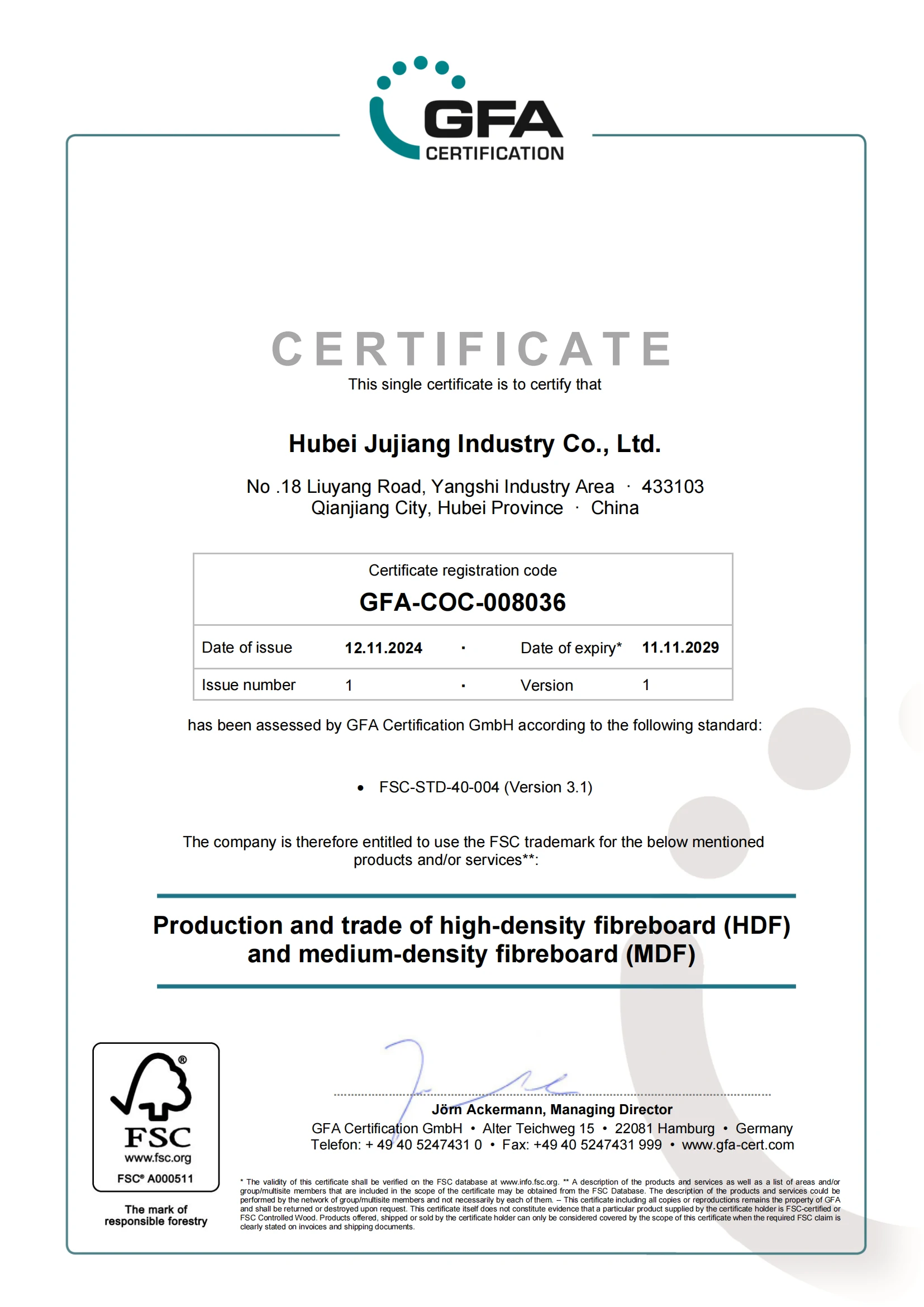
72% of buyers put sustainable certifications first. Pick suppliers with FSC or LEED credentials. This opens doors that low prices can’t unlock. European and North American projects now require verified green materials. Your shortlist should reflect this reality. If you’re sourcing wood-based materials, working with a certified MDF board manufacturer ensures compliance with EU and North American sustainability standards.

Match Features to Regional Demand

Middle Eastern and Southeast Asian buyers want modular designs (65% preference). U.S. Southern states, India, and Brazil need weather-resistant options (59% priority). One-size-fits-all supplier selection fails. Map your target markets against these preferences before you commit.

Turkish, Brazilian, and Indian building material buyers boosted platform visits year-over-year. These emerging markets hunt for specific capabilities. Generic product catalogs won’t cut it. Check that suppliers can deliver the customization or durability your regional buyers demand.

Conduct Physical Verification Before Major Commitments

Greater Bay Area furniture buyers learned this lesson through expensive mistakes. They now insist on facility tours. These cover production scale, financial stability, and actual market performance—not just glossy brochures.

Schedule site visits for shortlisted suppliers. Check manufacturing capacity against their claimed output. Review financial statements if they’ll share them. Talk to existing customers in your industry. One bad container of cracked marble or warped timber costs more than a plane ticket. Verify supplier legitimacy firsthand before you commit.

Conclusion

Understanding FOB, CIF, and DDP protects your margins. It cuts risk in the building materials trade. Each Incoterm changes who handles what. FOB gives you control but needs logistics know-how. CIF sits in the middle. DDP makes things simple but costs more.

Match the term to what you can handle, not just your budget. First-time importers pick DDP to skip the hassle. Then they overpay by 15-30%. Experienced buyers use FOB. They get better freight rates. They see what’s happening in their chain.

Before your next building materials shipment, ask three questions: Do I have a solid freight forwarder? Can I handle customs clearance? What’s my real landed cost under each option?

Smart buyers don’t just pick an Incoterm. They build ties with suppliers who get their logistics setup. Suppliers who can switch between terms as your volumes grow. That flexibility beats any shipping discount.

Your move: Calculate your true landed costs under all three terms for your next order. The numbers might surprise you.