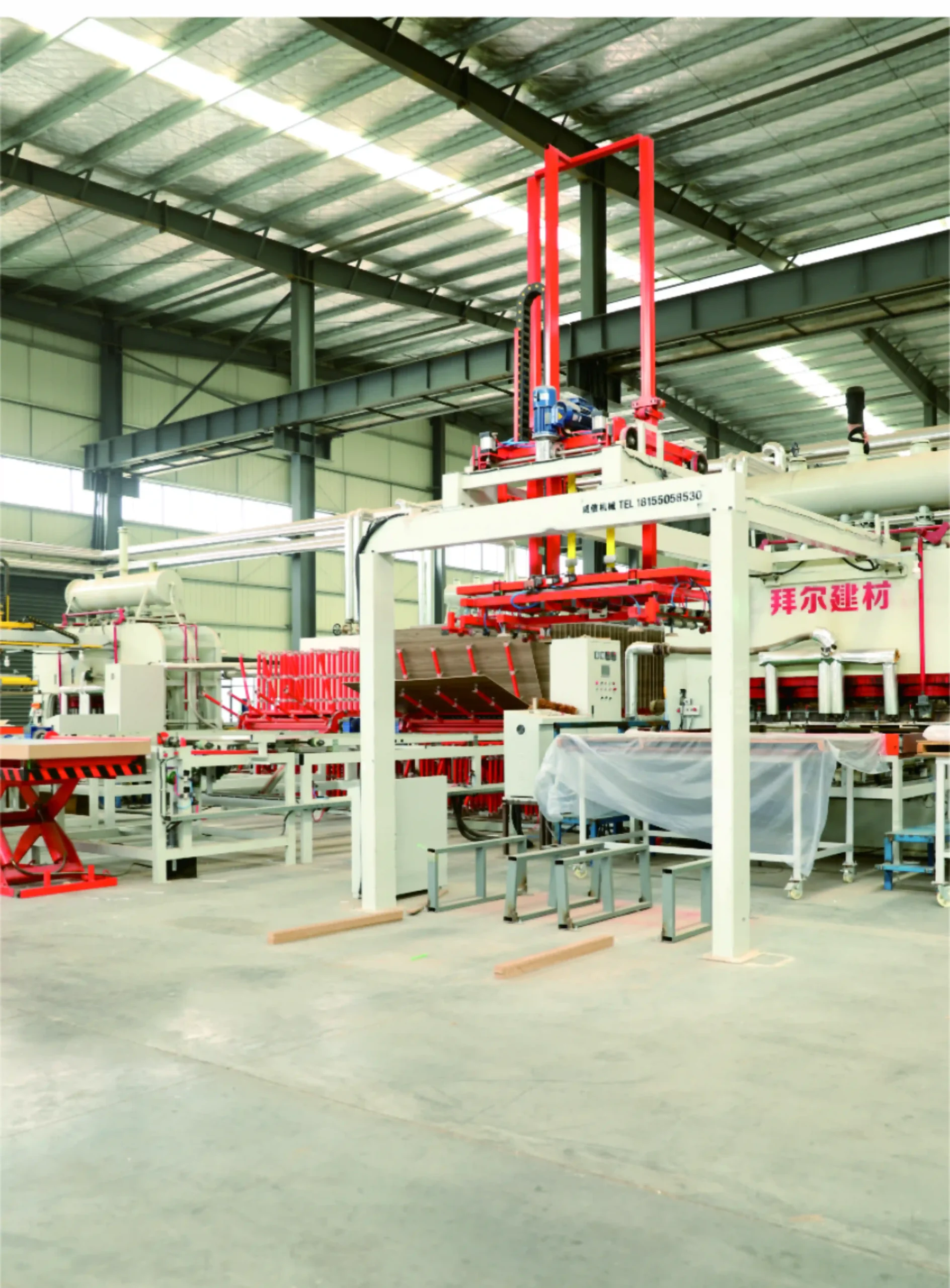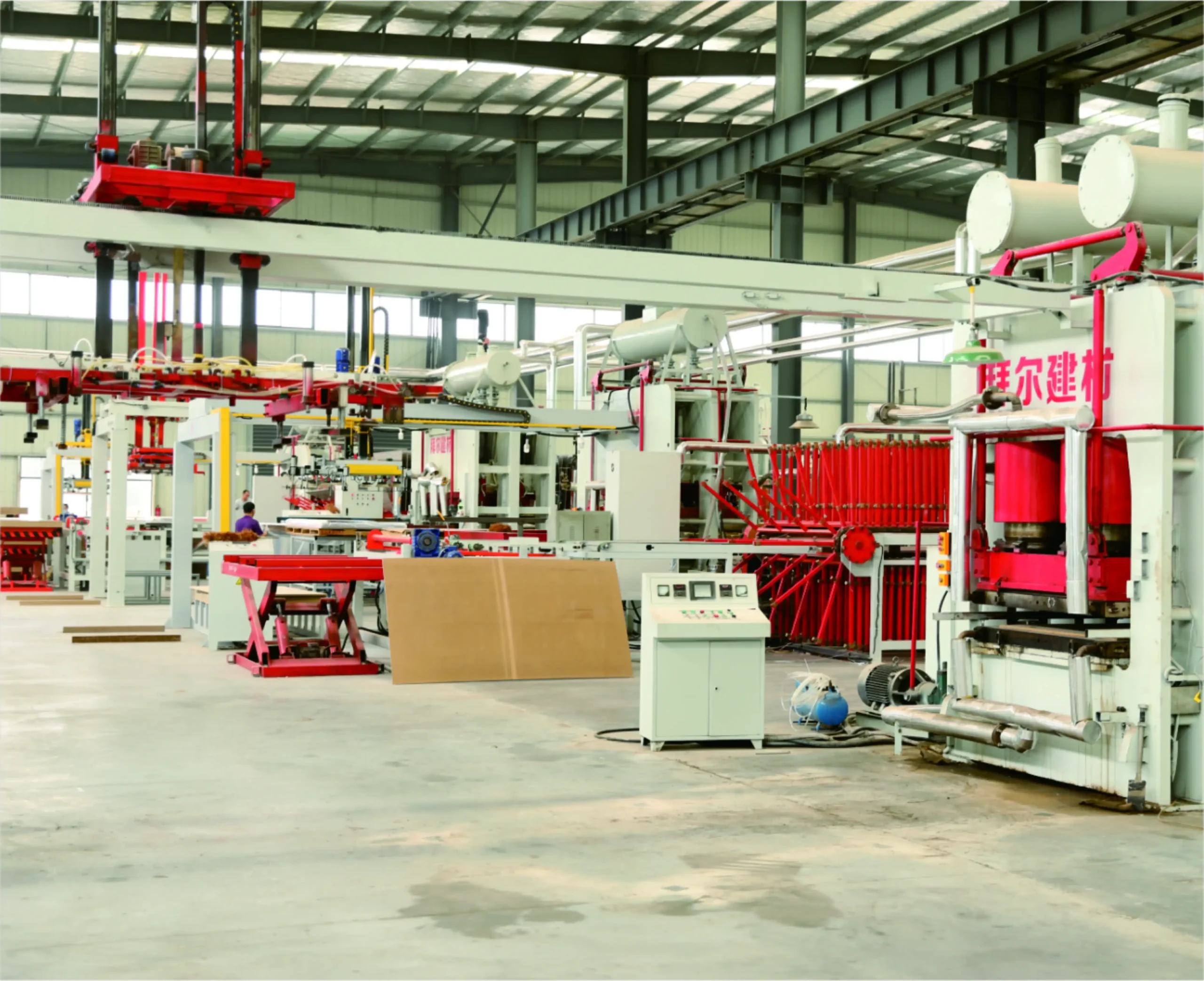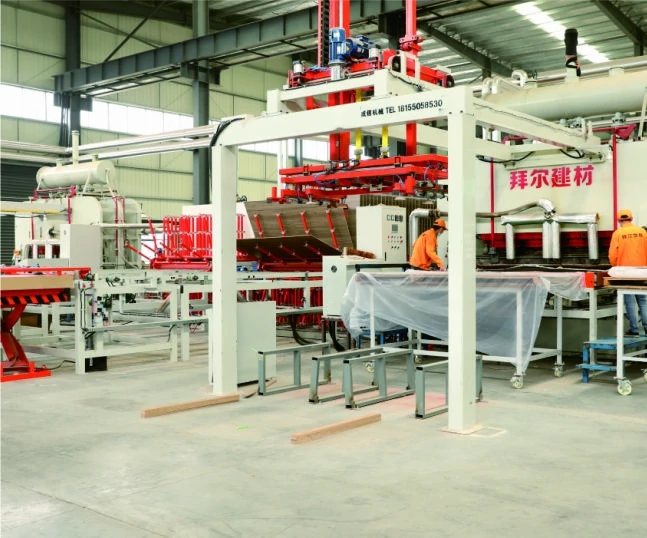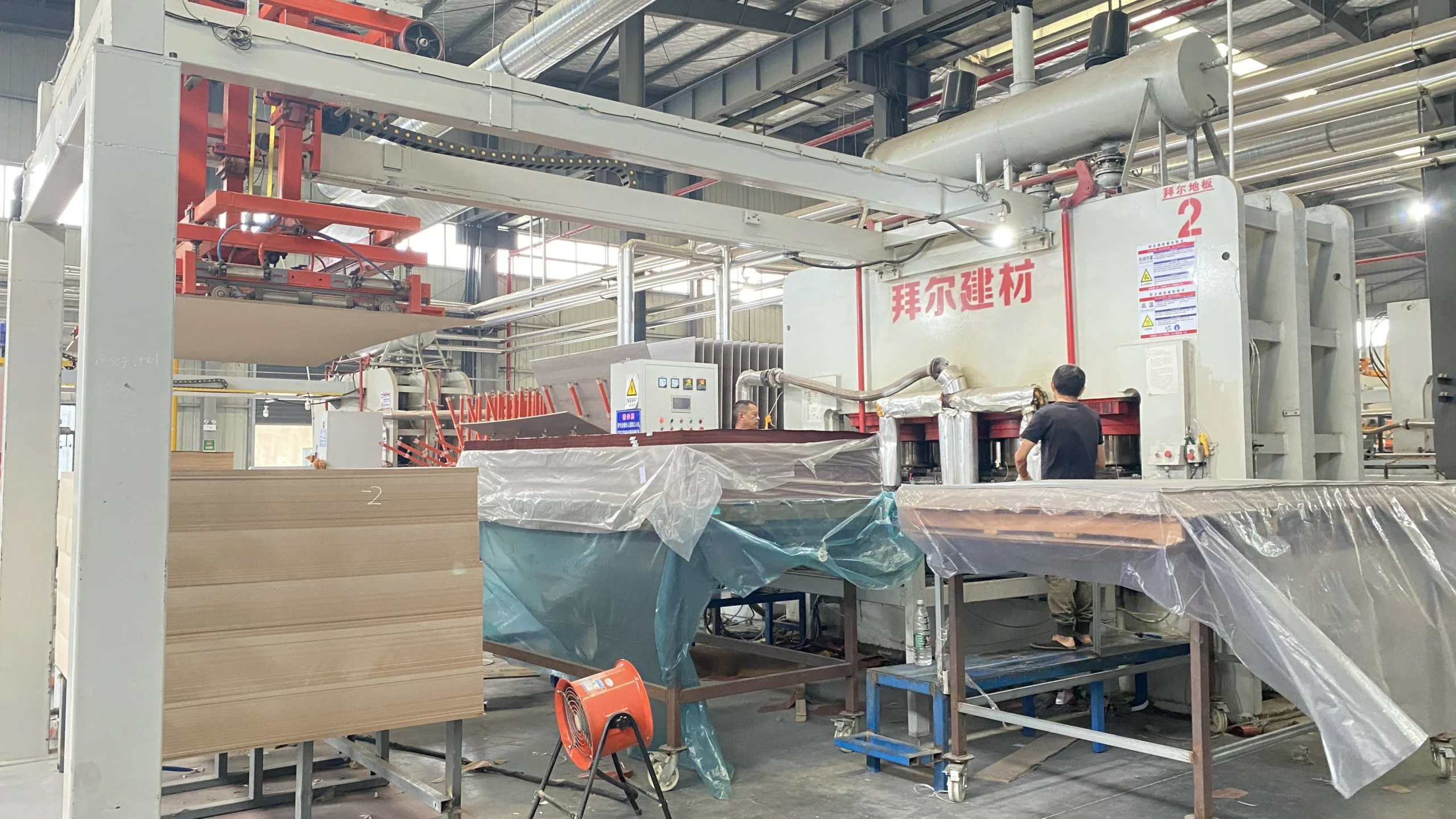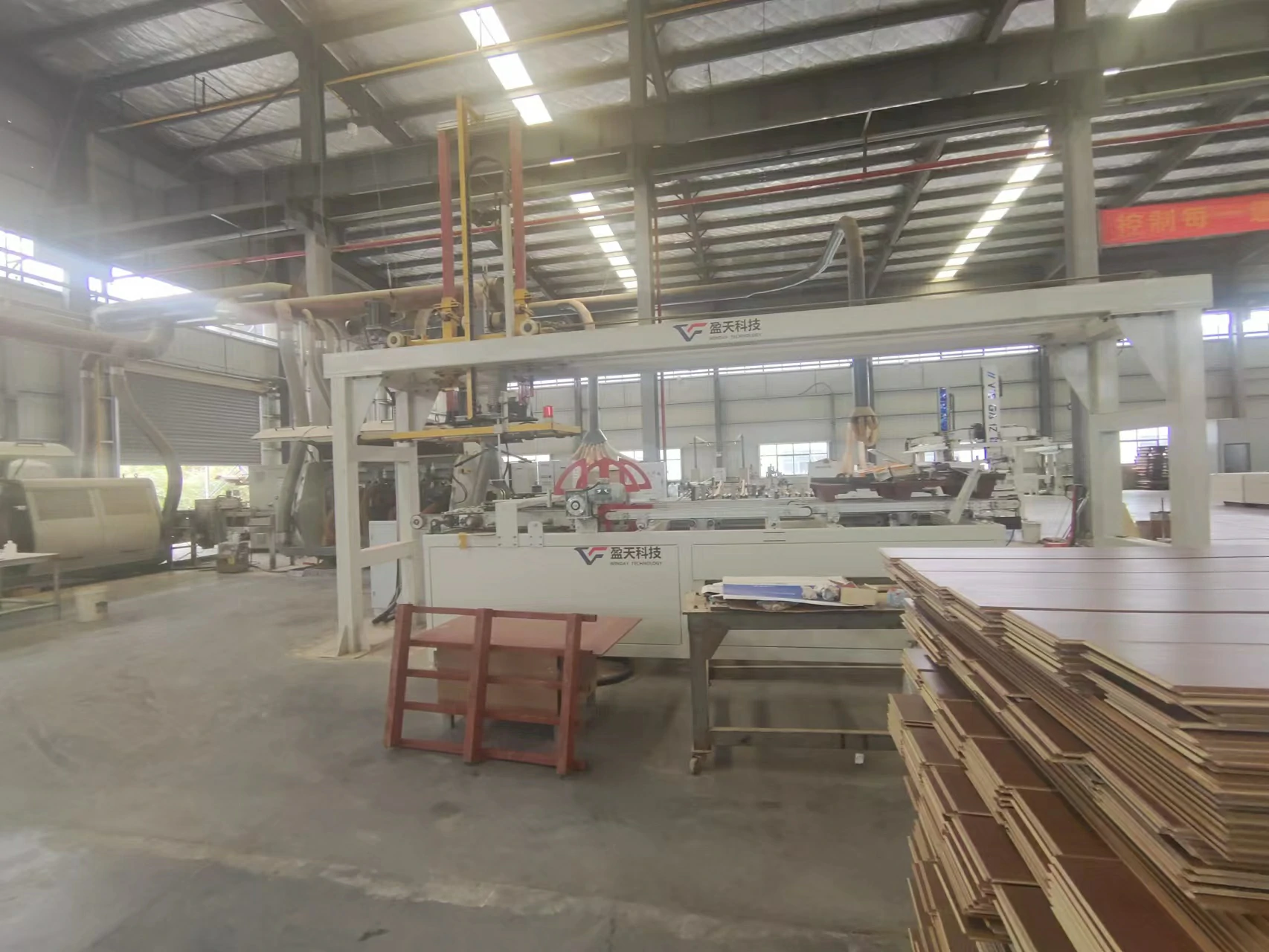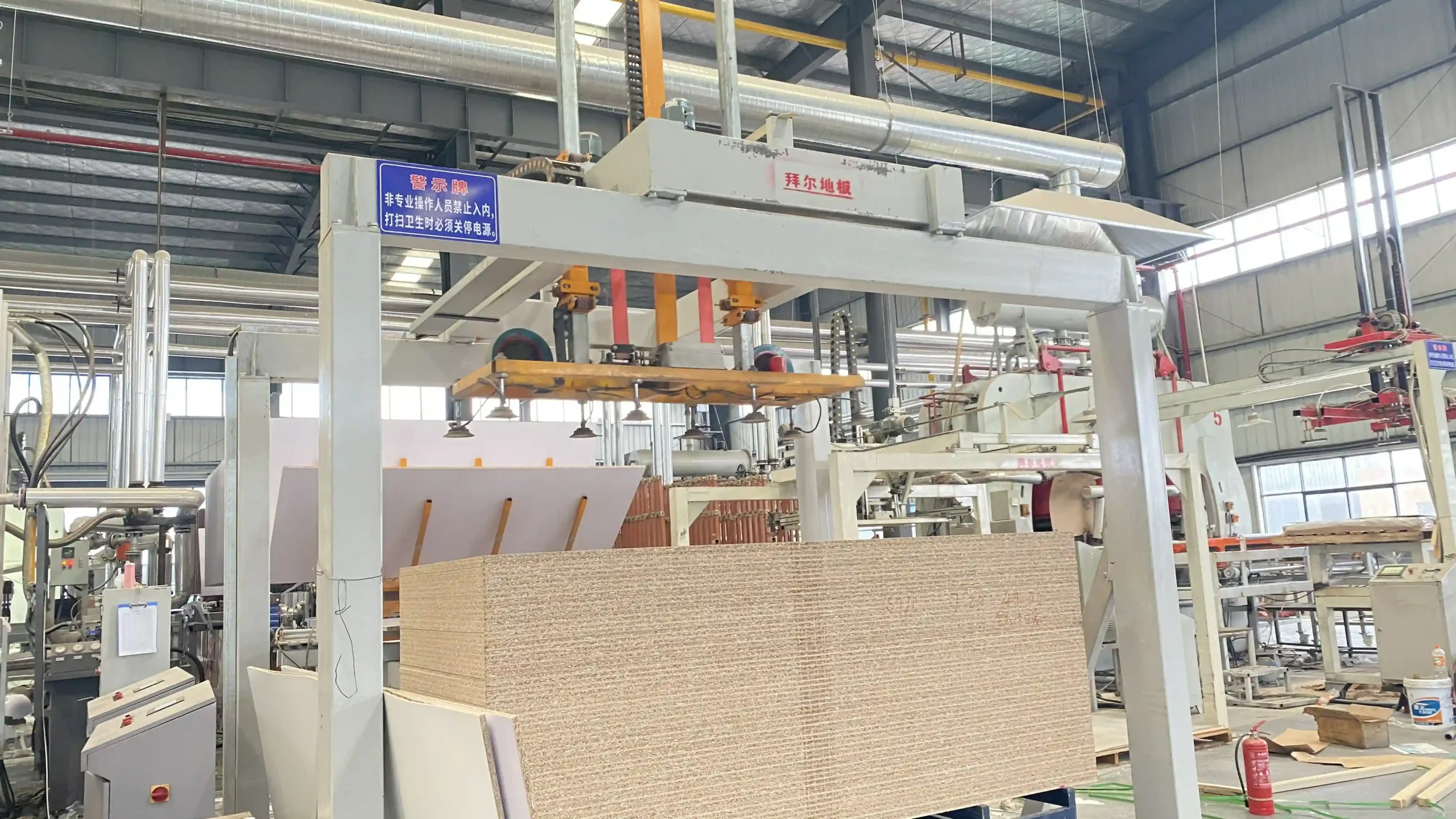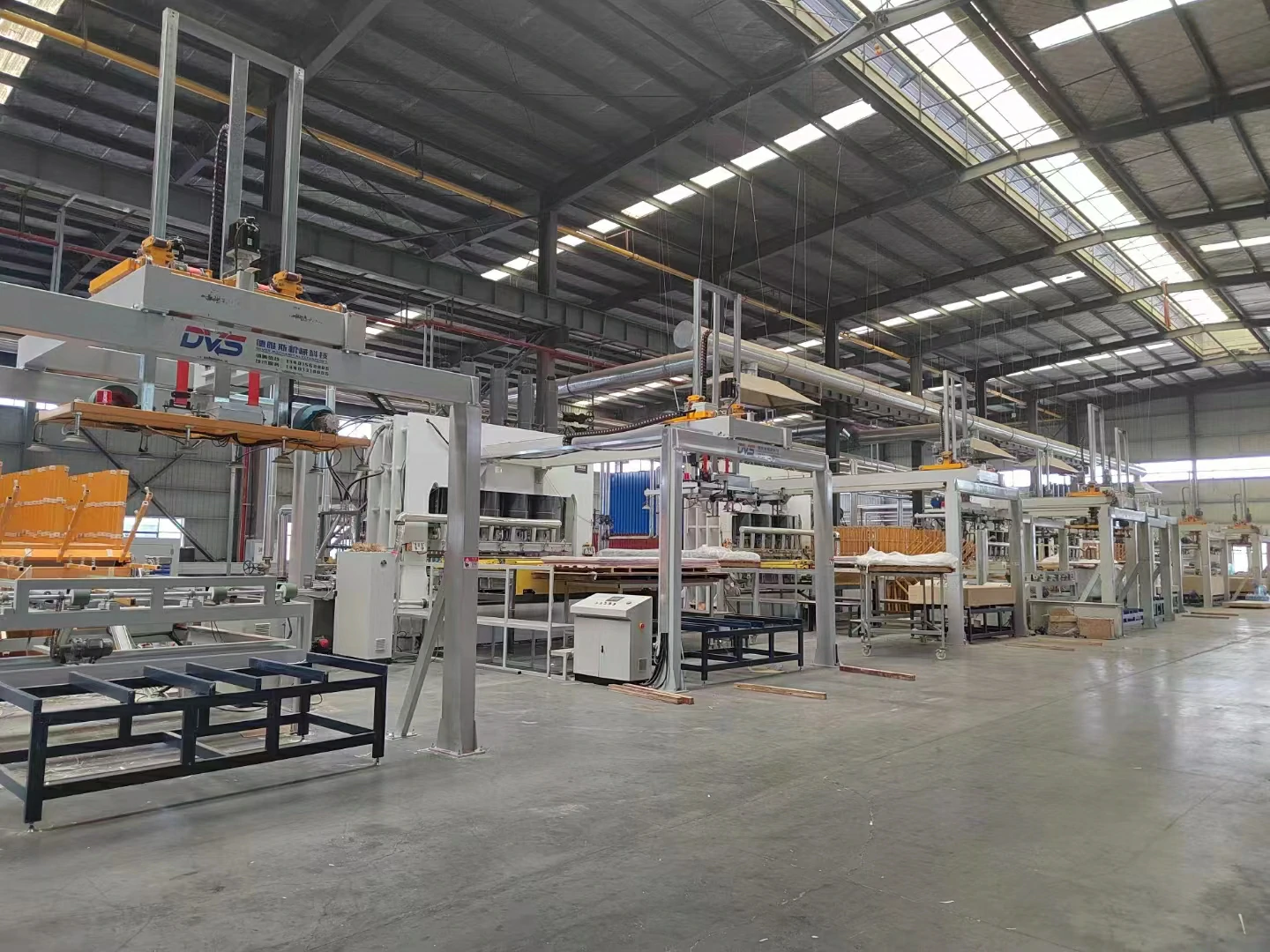
Particle board rarely makes headlines. Yet it sits behind cabinets, wardrobes, office partitions, retail fixtures, and flat-pack furniture in millions of projects worldwide. For procurement managers, furniture manufacturers, and construction planners, it’s not a secondary material — it’s a volume driver that directly impacts cost structures, compliance risk, and margin stability.
Between 2024 and 2035, the global particle board market faces a unique combination of forces: accelerating urbanization in Asia, tightening Formaldehyde regulations in Europe and North America, modular furniture expansion, and shifting housing affordability patterns. At the same time, market size estimates vary widely depending on scope definitions — creating confusion around real growth baselines.
Understanding where demand is truly expanding, which regions control production capacity, and how regulatory shifts reshape trade flows is now critical for strategic sourcing decisions.
This report breaks down global particle board market size trends, regional growth hotspots, demand segmentation, leading manufacturers, competitive dynamics, and compliance challenges shaping the industry through 2035.
Global Particle Board Market Size & Growth Projections (2024-2035)

Market researchers can’t agree on exact numbers. That’s what jumps out first.
Different firms peg the 2024 Particle Board Market anywhere from USD 4.05 billion to USD 24.6 billion. By 2035, projections scatter from USD 6.115 billion up to USD 48.3 billion. Why such chaos? Each firm defines scope differently. Some count raw boards. Others bundle finished furniture parts. Some focus on specific regions but claim “global” coverage.
The most credible baseline? Regional datasets give us the clearest picture. They put 2025 at USD 28.3 billion, climbing to USD 48.3 billion by 2035. That’s a 5.5% compound annual growth rate. Production data supports this. Global output already exceeds 70 million cubic meters as of 2024.
Regional Growth Shows Clear Winners
China dominates with a projected 7.4% CAGR through 2035. India follows at 6.9%. Germany leads Western Europe at 6.3%. Strict formaldehyde rules push premium products there.
The United States shows different numbers. The market grows from USD 9.6 billion in 2025 to USD 15.2 billion by 2035. That’s a more modest 4.7% rate. Mature construction markets can’t match Asia’s explosive urbanization. Brazil lags behind at 4.1% growth. Economic ups and downs hold it back.
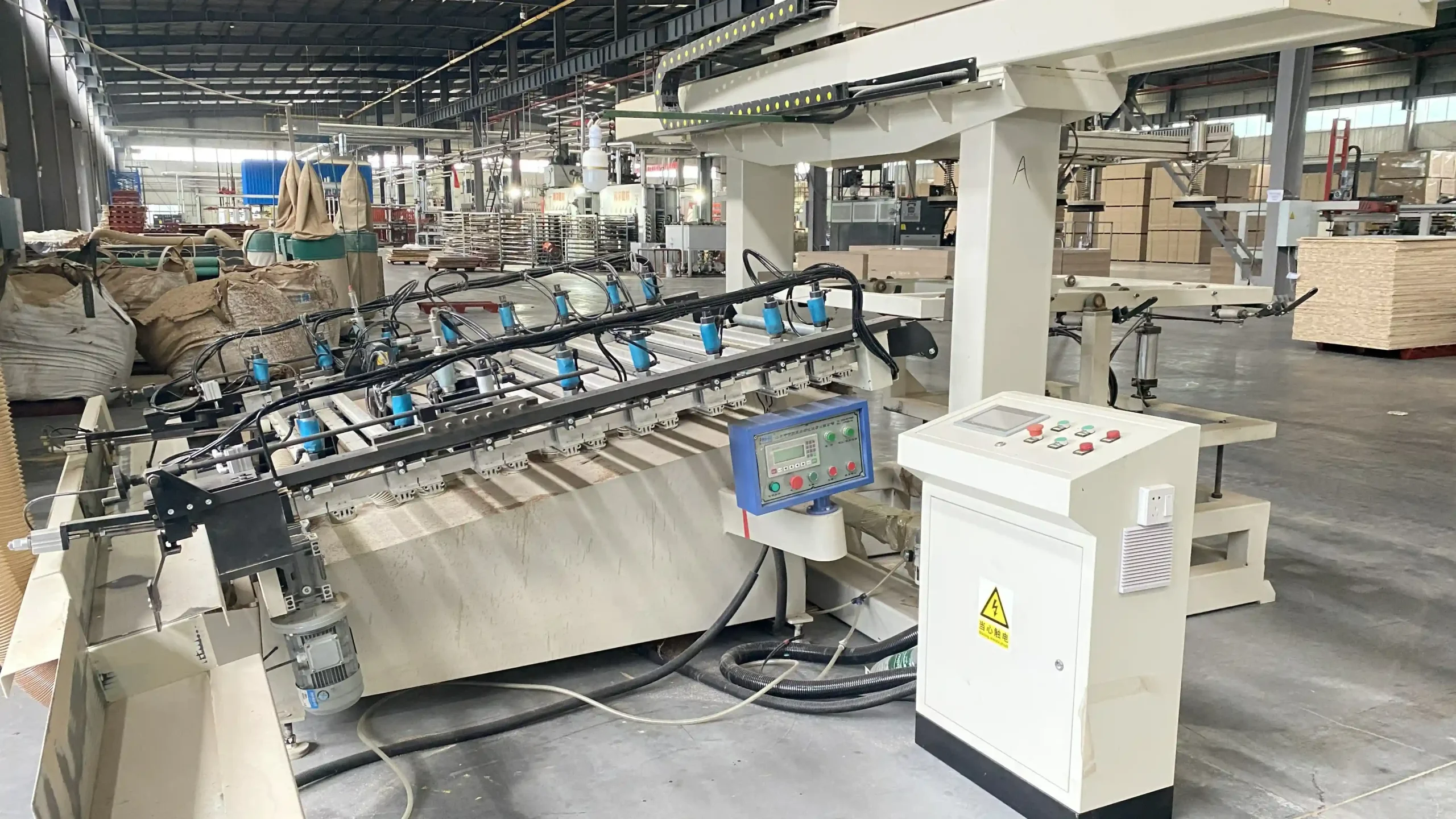
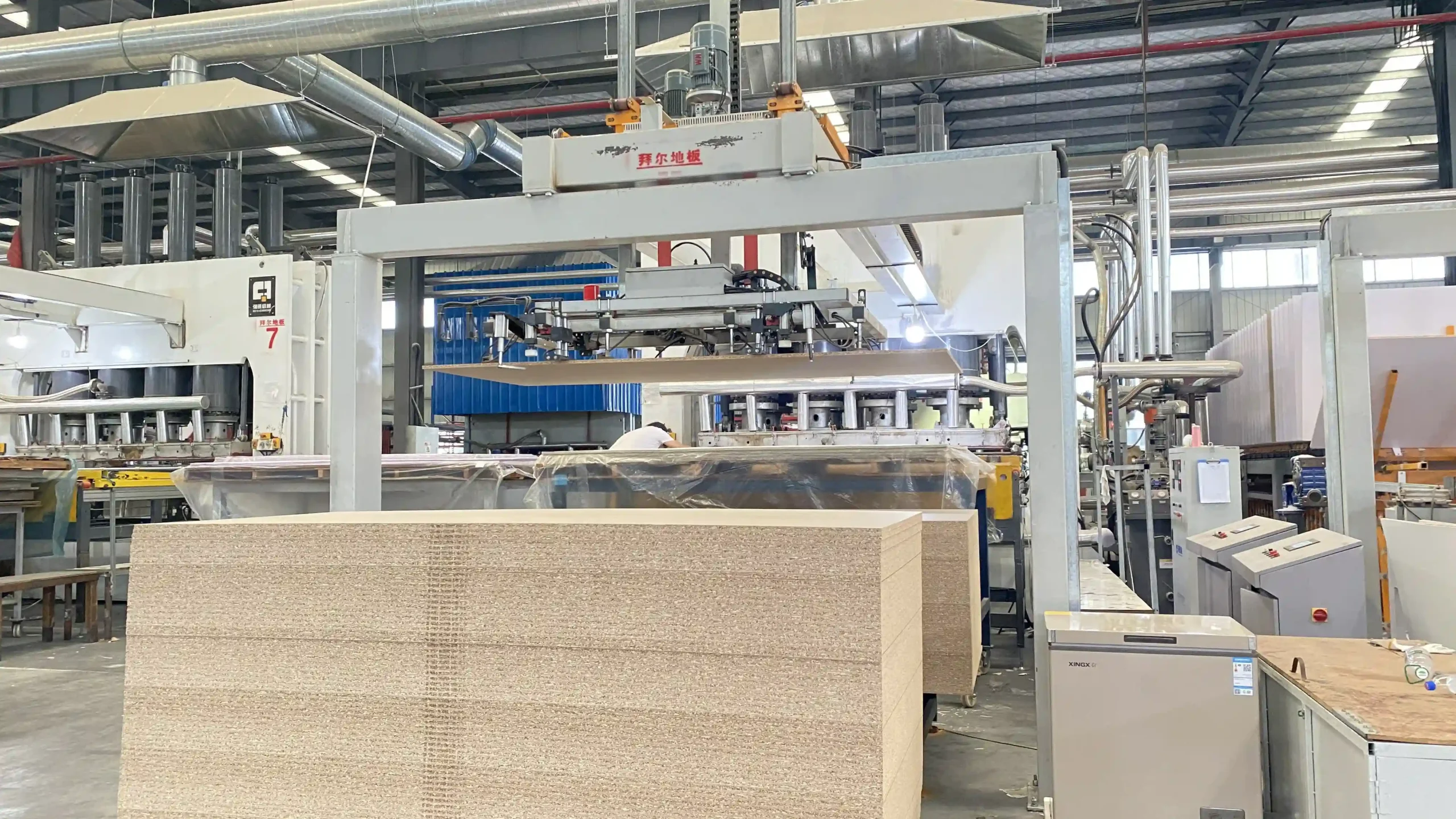
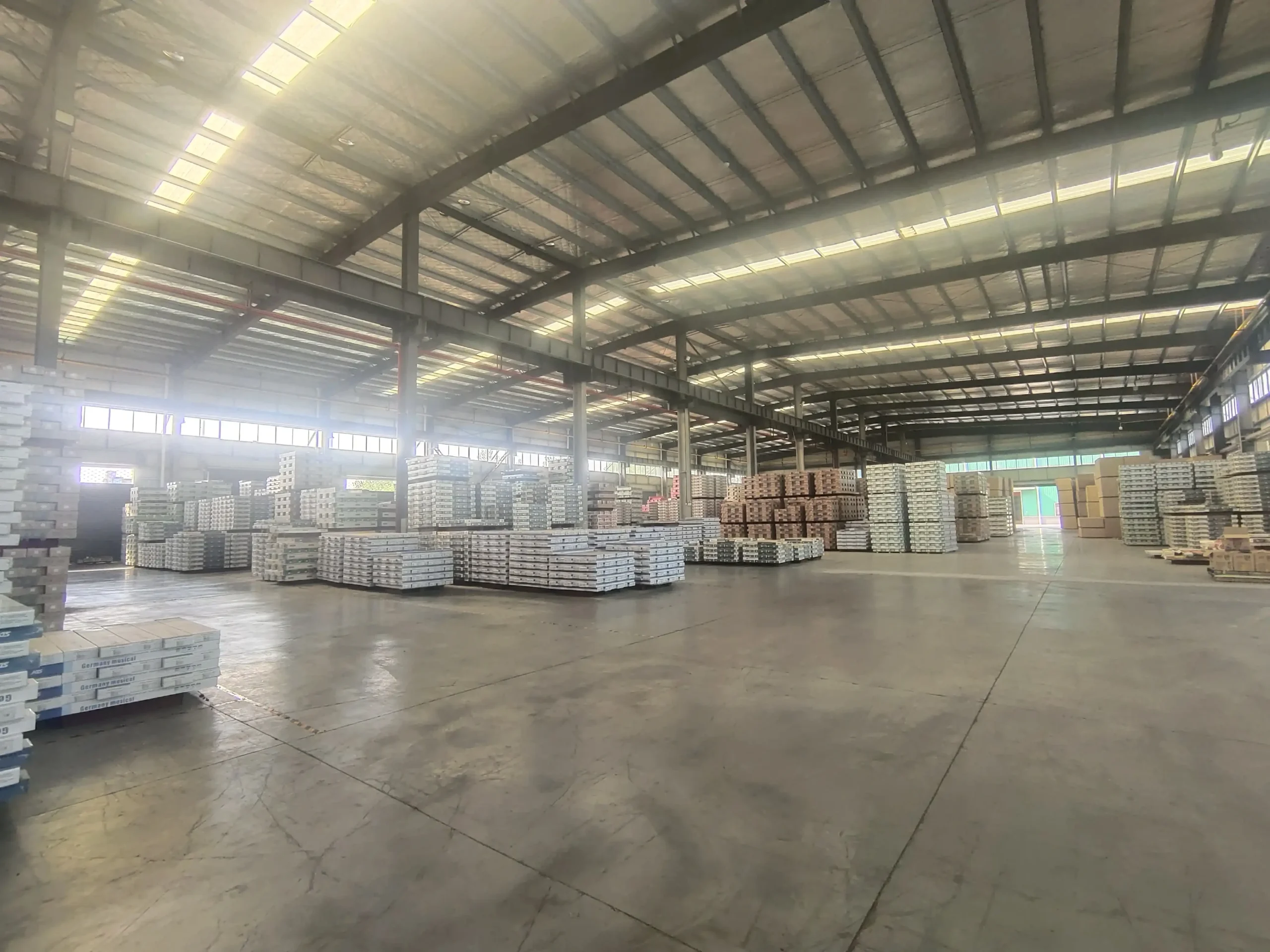
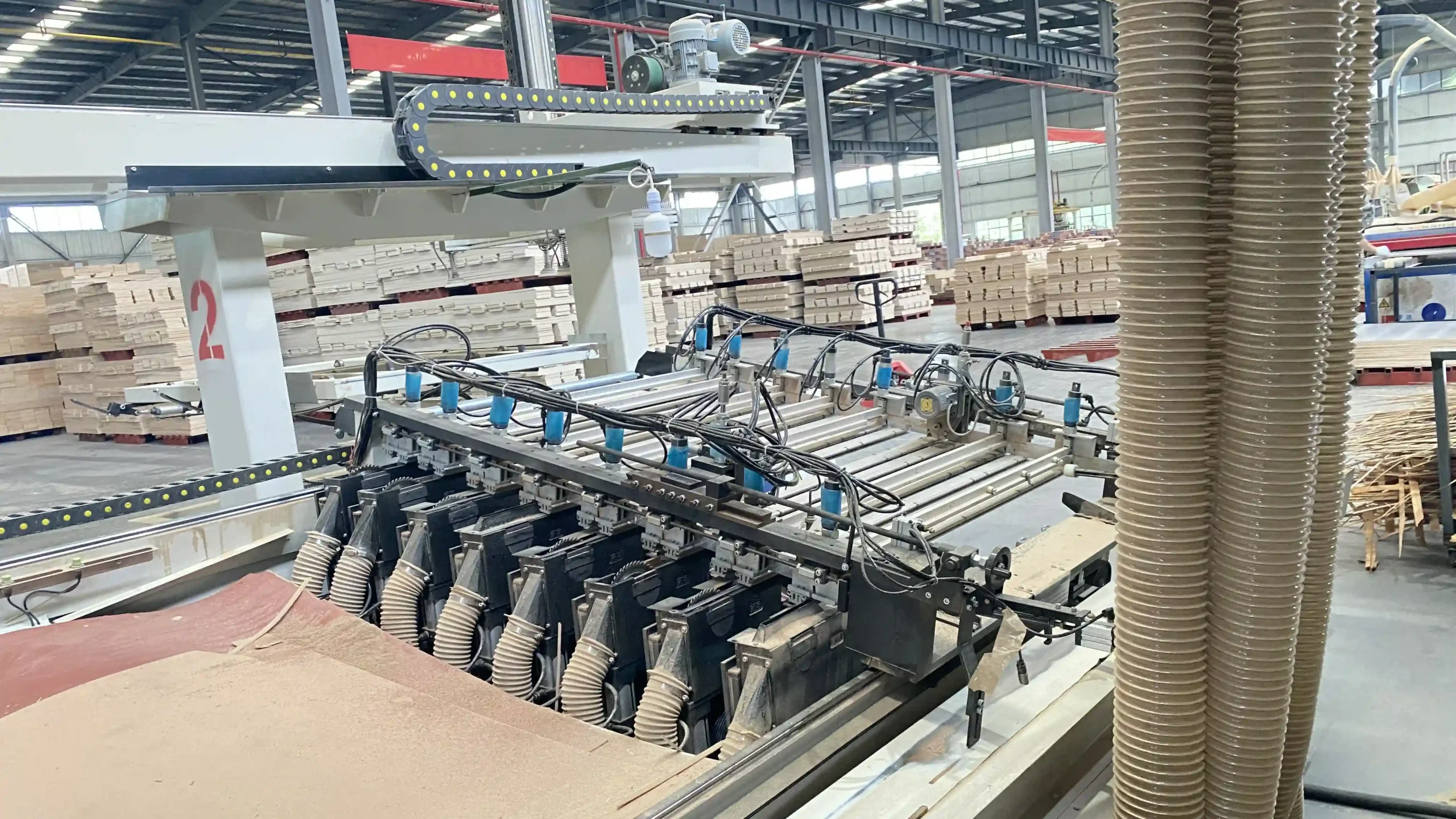
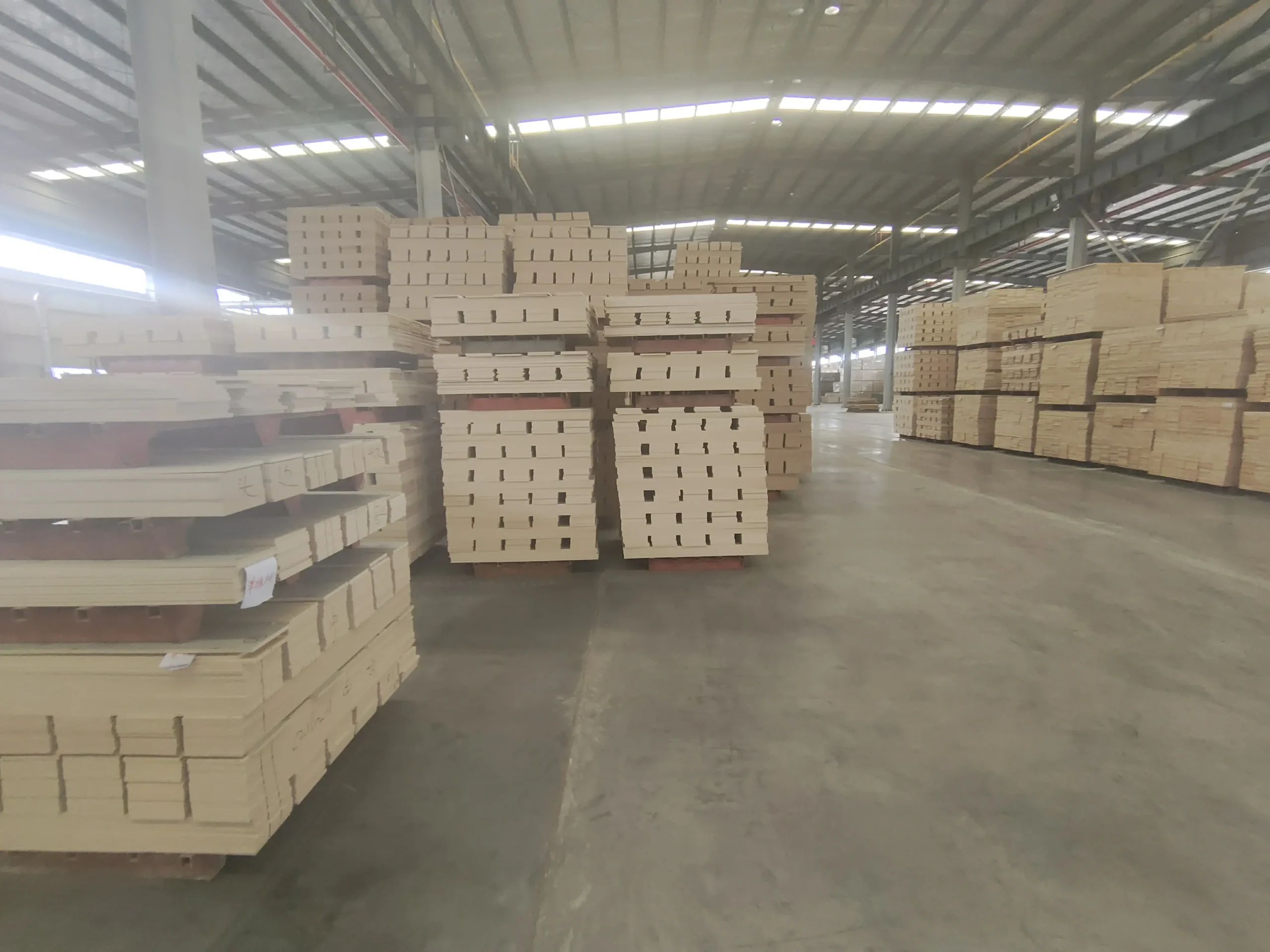
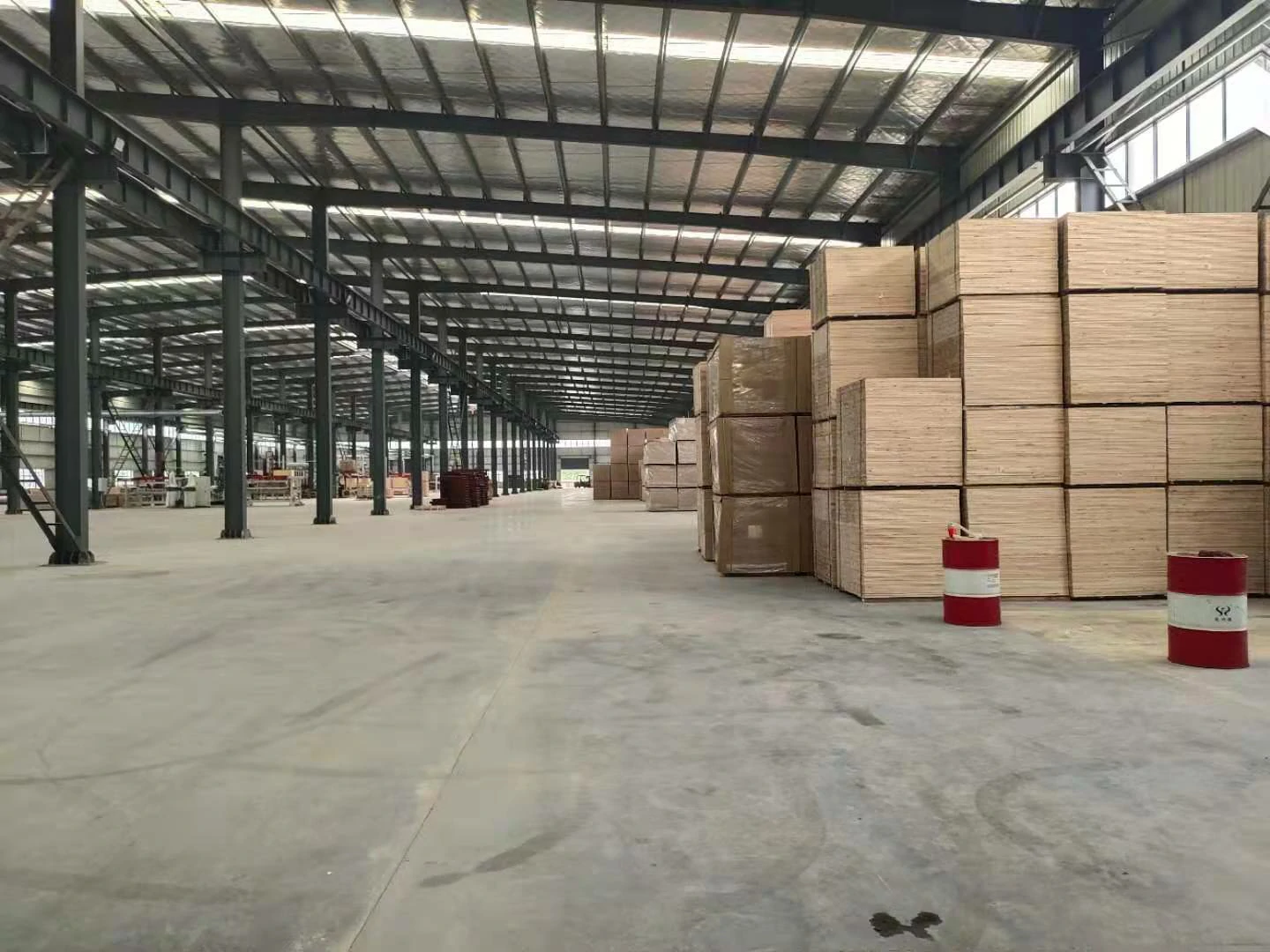
Production numbers reveal who holds power. China makes 30 million cubic meters each year. Europe produces 20 million. India makes 7 million. These three regions control about 80% of global output.
Conservative estimates using smaller baseline figures suggest 2.98% to 3.5% CAGRs. These assume mature markets stay flat. Emerging regions carry all growth. Reality sits between extremes. The overall Particle Board Market Insights 2026 forward will land somewhere in the 4% to 5% range.
Key Market Drivers Reshaping Particle Board Demand

Four forces reshape how manufacturers source and buyers specify particle board through 2026.
Construction activity leads the charge. The U.S. Census Bureau counted 1.4 million new housing starts in 2023. Each start needs particle board for cabinets, flooring underlayment, and furniture. Government housing projects across developing nations pushed global construction up 10-15% in the same period. Furniture manufacturing uses 60% of all particle board produced worldwide. That share stays steady as total volumes climb.
Urbanization Rewrites the Demand Map
Urban populations crossed 4.5 billion people in 2024. Cities need affordable housing. Fast. Particle board gives builders the cost structure they need.
Asia-Pacific accounts for 55% of global production and use. China produced 30 million cubic meters in 2023. India added 7 million. Together, these two nations represent 60% of regional demand. The region consumed over 35 million cubic meters per year. Import volumes jumped 12% in 2023 according to ITC trade data. New infrastructure and rapid city growth explain the spike.
Middle East markets follow a similar pattern. New cities rise from desert sand. Particle board fills mid-range homes and commercial offices where budgets won’t stretch to solid wood.
Modular Furniture and DIY Trends Speed Up Demand
Ready-to-assemble furniture changed buying patterns for good. IKEA’s model spread everywhere. Consumers now expect flat-pack options at every price point.
Pre-Laminated Particle Boards grabbed 25% market share in 2024. Furniture makers and cabinetry shops prefer factory-finished surfaces. Growth continues. Pre-laminated and raw boards together make up 70% of Asia-Pacific sales. The DIY furniture sector grows alongside this trend. Home improvement chains stock more particle board options each quarter.
Modular designs need materials that perform the same way every time. Particle board gives you uniform density. It machines in predictable ways. Plywood can’t match the price. MDF weighs too much for home assembly.
Environmental Rules Push Material Changes
Forty percent of U.S. particle board plants invested in formaldehyde control technology in 2023. EPA requirements left no choice. Twenty percent of new North American products used bio-based adhesives the same year, according to American Wood Council tracking.
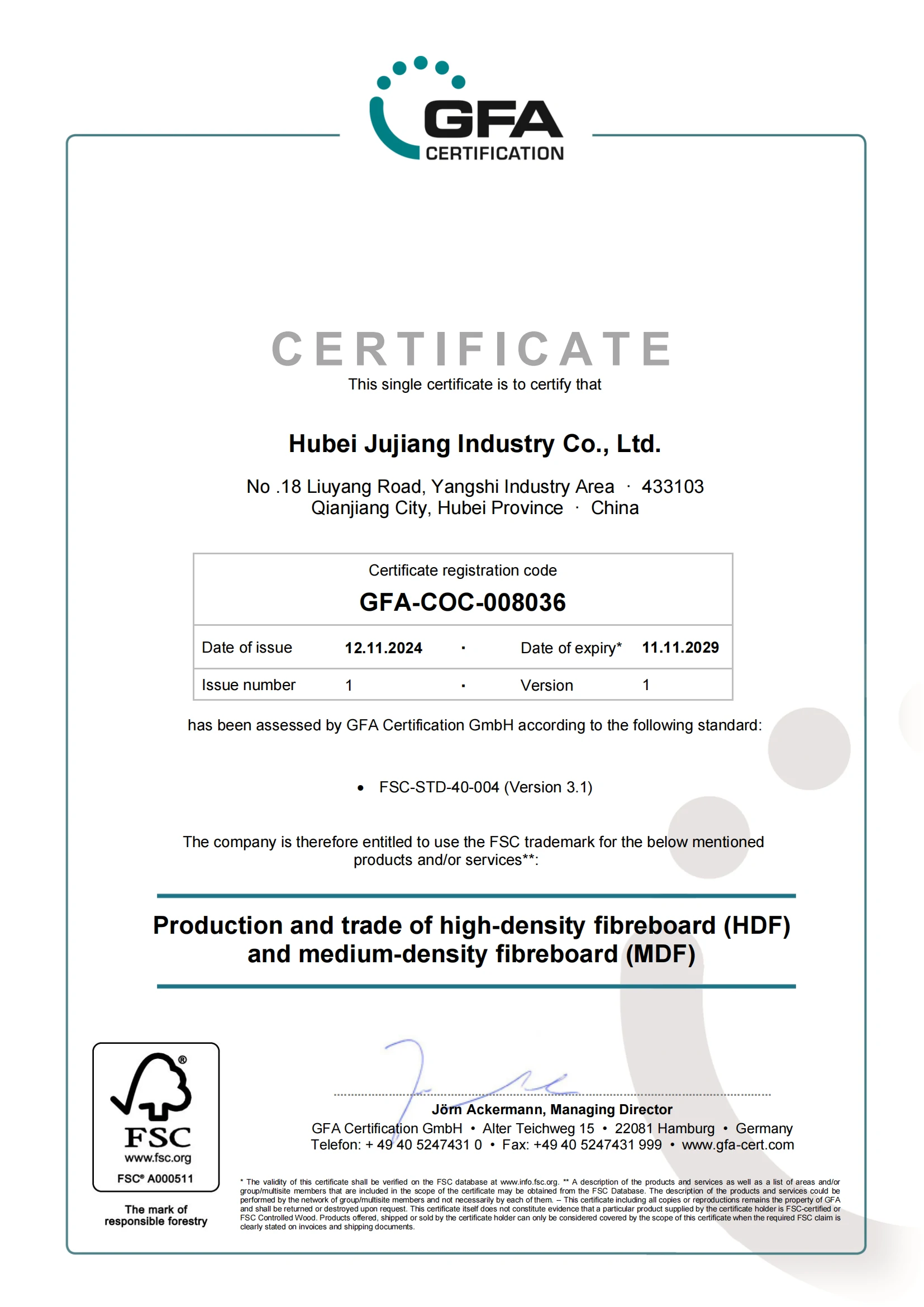
Low-VOC and green-certified products now dominate buying specs. Manufacturers switched to recycled fibers and bio-resins to meet FSC and CARB standards. Green production methods rose 15% across the industry in 2024. Low-formaldehyde adhesives and recycled wood content became standard features, not premium add-ons.
These sustainability policies don’t slow the Particle Board Market. They shift it. Producers who adapted first grabbed volume from competitors still running old resin systems. The Particle Board Market Insights 2026 data confirms this pattern across every major region. Green certifications became must-haves, not nice extras.
Market Segmentation: Application & End-Use Breakdown
Furniture production takes 60% of every particle board cubic meter made worldwide. That single use beats everything else. The remaining 40% shows where this market goes through 2026.
Construction and building grab the second spot at about 25% of total volume. Cabinet makers, flooring installers, and partition wall contractors rely on particle board’s steady density and ease of use. Commercial fit-outs used 8 million cubic meters in 2023 across Asia-Pacific markets. Residential remodeling added 5 million cubic meters in North America that same year.
Packaging and industrial uses take 10% of production. Electronics companies pack products in custom particle board inserts. Auto plants shape dashboard cores from pressed wood fiber. These special uses cost more—15% to 25% above standard furniture grades, wholesale distributors report.
End-Use Patterns Split By Income Level
Residential buyers lead in developing markets. India’s particle board use runs 85% residential versus 15% commercial. Home furniture, kitchen cabinets, and bedroom sets create that split. Families buy ready-to-assemble pieces that cost half the price of solid wood options.
Commercial projects flip the numbers in mature economies. Germany shows 55% commercial use versus 45% residential. Office fit-outs, retail displays, and hotel renovations eat up most of it. Corporate buyers ask for certified low-emission boards. They pay extra without complaint.
The Particle Board Market Insights 2026 data shows a third category growing: direct-to-consumer channels. Online furniture retailers jumped to 12% of particle board end-use in 2024, up from 7% in 2022. Flat-pack specialists ship pre-cut parts worldwide. This segment grew 18% each year over the past three years.
Healthcare and education facilities make up 5% of total demand but grow fastest at 8.2% CAGR. Hospital updates and school expansions need fire-rated, low-VOC products. Manufacturers who meet certification rules get steady buying from institutions. This holds up better than retail furniture cycles during economic drops.
Regional Market Analysis: Growth Hotspots & Demand Patterns

North American particle board demand follows the housing construction map. Richmond VA logged 25,500 households qualified for mortgages at 6% rates in 2024. That metro area runs 34.5% millennial households—first-time buyers who furnish apartments with low-cost options. Job growth hit 2.1% there. Price cuts reached 43.8% above the national average. Cheap housing drives demand. More particle board cabinets, closets, and flat-pack furniture fill those homes.
Charleston SC shows the pattern well. Inventory climbed at price points workers can buy. Columbus OH delivered high affordability paired with rising incomes. Minneapolis-St. Paul reacts fast to rate changes. Mortgage costs drop below 6%? Locked-up demand breaks loose. Raleigh NC posted fast income growth. Inventory levels match what buyers need. Salt Lake City brings young demographics who prefer ready-to-build furniture over heirloom pieces.
Transaction Volume Points to Material Demand Spikes
Hartford CT topped Realtor.com’s 2026 hotspot rankings. Sales growth hit 7.6% year-over-year. Price appreciation reached 9.5%. That 17.1% combined score signals serious construction activity ahead. Rochester NY followed at 15.5% combined growth—5.3% more sales, 10.3% higher prices. Worcester MA hit 15.0%. Price gains stayed modest at 2.4%. But sales volume spiked 12.6%.
Toledo OH presents an odd case: sales dropped 1.2% but prices jumped 13.1%. Tight inventory pushes values up. Transaction counts fall at the same time. Providence RI, Richmond VA, and Grand Rapids MI all crossed the 10% combined growth threshold. Each metro will consume thousands more cubic meters of particle board. This comes through residential construction, remodeling, and furniture delivery cycles.
Conforming loan shares reveal who buys middle-market housing—the core particle board customer segment. Milwaukee WI hit 83.9% conforming loans. Grand Rapids MI reached 82.5%. These buyers furnish homes with IKEA-style pieces. They choose contractor-grade cabinets made from pressed wood fiber, not custom hardwood millwork. Richmond VA’s 58.1% conforming share sits lower. But it still represents volume that furniture retailers and cabinet shops rely on.
Coastal Premium Markets Drive High-Grade Products
Southern California’s median home price reached $905,000 in 2024, up 3.6%. Luxury coastal properties beat the state average. But the real particle board story happens in the Inland Empire. Rent growth hit 3.2% there. Logistics jobs keep growing. Warehouse workers and service staff rent apartments filled with particle board furniture. They can’t afford $2,000 solid wood dining sets. Ready-to-build options cost $299.
National existing-home sales projections show 10% gains if rates hold below 6%. Transaction volume ties right to particle board consumption. Every closing triggers furniture purchases within 90 days. Cabinet installs and closet system sales follow. PGIM tracked commercial real estate too. Office and apartment transactions climbed. Mexico’s industrial vacancies dropped below historic averages in Mexico City and Monterrey. Manufacturing plants across the border stock warehouses with particle board pallets and packaging materials.
Sun Belt and Midwest Split Defines Regional Strategies
ULI’s top ten markets split two ways. You get growth powerhouses and steady performers. Dallas-Fort Worth ranked first. Jersey City grabbed second spot. Dense urban infill drives modular furniture demand there. Miami placed third on international buyer activity. Brooklyn’s #4 ranking reflects renovation waves in older housing stock. Houston, Nashville, Northern New Jersey, Tampa, Manhattan, and Phoenix rounded out the list. Each market uses particle board at different rates and price points.
Dallas and Houston buy mid-grade boards for suburban tract homes. Manhattan requires certified low-VOC products for high-rise conversions. Nashville’s rapid growth creates dual demand—cheap suburban and premium urban at the same time. Phoenix construction runs hot. But desert logistics add freight costs that squeeze margins for distributors.
Retail absorption tells the commercial side: 3.8 million square feet per quarter, below the five-year average. Slower retail expansion means fewer store fit-outs. Particle board displays and fixtures drop. But demand doesn’t die. Online furniture sellers grew their warehouse footprint 18% in 2024. This shifts where particle board ends up. It doesn’t kill the need.
The Particle Board Market Insights 2026 data confirms regional changes matter more than national averages. Hartford’s median sale generates $1,167 in buy costs each month versus $2,316 rent. That’s a 98.5% rent-to-buy ratio. This keeps renters renting. They buy particle board furniture instead of investing in permanent pieces. Rochester NY runs $903 buy, $1,412 rent—just 56.4% ratio. Worcester MA hits 101.4% at $1,426 buy versus $2,872 rent.
High rent-to-buy ratios point to transient populations. They furnish with throwaway furniture. Low ratios signal homeowner markets. Buyers invest in better materials there. Particle board suppliers adapt product mix based on the market. Hartford gets more laminated budget options. Rochester sees better melamine finishes that homeowners expect.
Leading Manufacturers: Market Share & Strategic Positioning
Five companies control 42% of global particle board production capacity. Over 800 regional mills and contract makers handle the rest.
Kronospan leads with 12% market share. This Austrian manufacturer operates 41 production sites across Europe, Asia, and the Americas. They produce over 8.5 million cubic meters each year. Between 2022-2024, Kronospan put $340 million into low-formaldehyde technology. By Q3 2023, all North American plants met CARB Phase 2 standards.
EGGER Group holds 9% share. Operations focus on Europe, with Asia growing fast. Production hits 7 million cubic meters per year. EGGER goes after the premium market. FSC-certified boards make up 78% of what they produce. This green certification brings 18-22% higher prices in German and Scandinavian markets.
Chinese Producers Reshape Competitive Dynamics
Dare Power Dekor grabbed 8% global share. How? Fast capacity growth. This Chinese maker added 2.3 million cubic meters of capacity in 2023 alone. Their production costs run 30% below European rivals. Labor takes just 12% of total costs. Compare that to 28% at Western mills.
Kastamonu Entegre and Swiss Krono fill out the top five. They hold 7% and 6% share. Both bet big on automation. Kastamonu’s Turkish plants run lights-out shifts. They need 40% fewer workers than similar European plants. Swiss Krono spent $180 million on new pressing technology. Cycle times dropped 22%. Energy use fell 15%.
Contract manufacturing changes how these leaders compete. The contract manufacturing market hit $686.4 billion in 2025. It grows to $968.7 billion by 2030 at 7.1% CAGR. More furniture brands outsource production now. They set the particle board grades. Contract shops do the cutting and putting together.
Regional specialists fill gaps the big five skip. Roseburg Forest Products owns Pacific Northwest distribution. Plum Creek supplies the Southeast US builder channel. These mid-sized players can’t match global scale. But they win on speed and relationships. Local mills ship orders in 48 hours. The global giants need 3-4 weeks.
Competitive Landscape: Innovation & Differentiation Strategies

Platform bundling splits winners from the rest. IBM pulled USD 6.336 billion in Q1 2025 software revenue with a 29.1% margin. They tied innovation modules into ERP and CRM systems customers already run. SAP, Oracle, and Salesforce use the same playbook. They cross-sell analytics packages with innovation management tools. The pitch works: upgrade your existing stack. No need to add another vendor.
This strategy does two things. First, it locks customers into deeper contracts. Second, it blocks pure-play competitors from getting in. Why sign with a specialized innovation platform? Your current software provider offers the same features at a bundled discount.
Pure-Plays Fight Back With Niche Precision
Smaller vendors can’t match IBM’s balance sheet. They win by solving problems the giants ignore. SME pricing structures give startups and mid-market firms access to tools built for enterprises. Sovereign-cloud deployments meet data residency rules that big platforms miss. Bias-mitigation algorithms tackle AI fairness concerns before regulators step in.
Strategic partnerships extend reach without burning cash. Pure-play vendors team up with hyperscalers for edge-computing setups. They link with cybersecurity firms to build blockchain IP ledgers. These alliances deliver technical skills that would take years to build in-house.
The Particle Board Market Insights 2026 parallel holds here. Regional particle board mills beat global giants on speed and relationships. Innovation software specialists win on focus. They ship updates faster. They customize workflows without committee approval. Enterprise buyers pay 15-20% premiums for that speed.
Intelligence Platforms Redefine Competitive Metrics
Companies now measure innovation beyond patent counts. Intelligence platforms track R&D spend against revenue growth. They map market differentiation to business outcomes. Think risk reduction and speed-to-market. This shift forces competitors to justify innovation investments with hard numbers, not just idea volume.
Regional gaps create distinct competitive battlegrounds. US, China, Europe, Southeast Asia, and Middle East markets run separate innovation ecosystems. IP enforcement rules differ a lot. Smart vendors pick jurisdictions where legal protection works. Filing patents in weak-enforcement regions wastes money. That money could fund product development.
Startups raised USD 89 billion in 2024, up 18.4% year-over-year. Much of that capital came from investors who demanded clear competitive positioning. Funding rounds now require detailed competitor analysis. You need to identify direct and indirect rivals. Map feature gaps. Show white-space opportunities. Generic “we’re better” pitches die in due diligence.
Blue Ocean strategy talk fills conference slides. The execution reality? Reconstruct market boundaries to make current competition irrelevant. A furniture maker might add modular design software. This sets them apart from commodity particle board suppliers. An innovation platform might bundle workflow automation. This removes manual idea screening. Both moves create space where price wars don’t matter.
Geographic Scanning Expands Competitive Intelligence
Multipolar innovation scanning replaced Silicon Valley tunnel vision. China, India, Latin America, and Africa now generate breakthrough ideas. These ideas reshape global competition. Companies that ignore these markets miss threats and opportunities. Cross-ecosystem alliances bring AI skills and market access. Single-region strategies can’t deliver that.
The innovation management market hits USD 3.57 billion in 2026. It climbs to USD 7.7 billion by 2031 at 16.62% CAGR. Asia-Pacific races ahead at 22.1% CAGR—faster than any other region. IT and telecom sectors hold 24.63% market share in 2025. Healthcare grows at 21.3% CAGR. Regulatory pressure demands documented innovation processes.
Digital transformation adds 3.2% to CAGR across all markets. North America and Europe lead adoption. Still, implementation takes 2-4 years. Rising R&D budgets contribute 2.8% CAGR lift in developed markets over 4+ year periods. AI ideation scoring bumps growth 1.9% in tech-heavy regions within 2 years. Sustainability targets deliver 1.7% CAGR gains in Europe and North America across 4+ year timelines.
Accenture and Wipro shifted to managed services models. They handle implementation and ongoing operations for clients. These clients want innovation tools without hiring specialized staff. This outsourcing trend mirrors contract manufacturing growth in physical goods markets. Brands focus on strategy. Service providers handle execution.
Market size estimates scatter based on scope. Mordor pegs 2025 at USD 3.06 billion using full-service definitions. Narrow software-only counts drop to USD 1.68 billion for 2024. Vendor-release-based tracking shows USD 1.69 billion. These gaps matter for competitor benchmarks. Use the wrong baseline and your growth numbers look inflated or weak against reality.
Market Challenges: Formaldehyde Emissions & Regulatory Compliance
Europe’s new formaldehyde limits hit particle board makers hard starting August 2026. REACH Annex XVII sets furniture emissions at 0.062 mg/m³. Most Asian factories run looser standards today. California’s CARB Phase 2 sits just a fraction higher. Your entire product line can fail when fractions decide compliance.
The shift forces a complete chain overhaul. You can’t just tweak resin ratios and hope testing works out. Each adhesive batch needs certification. Each supplier declaration gets verified. Finished goods need validated testing before shipping to Rotterdam or Hamburg.
Regulatory Maze Splits Markets Into Compliance Zones
Three emission rules now govern global trade. E1 boards at 0.124 mg/m³ worked fine across Europe until last year. That standard ends in August 2026. E0 at 0.005 mg/m³ is the Asian premium tier. China and Japan markets demand it for high-end home furniture. REACH’s new 0.062 mg/m³ furniture limit sits right between these two. It creates a third category that didn’t exist before.
CARB Phase 2 controls US composite wood at different limits by product type. Particleboard can’t exceed 0.13 ppm. Medium-density fiberboard stays below 0.05 ppm. The EPA now proposes ISO 12460-2:2024 small-scale chamber testing for quality control. Most mills don’t run this test protocol yet.
NAF certification—no added formaldehyde—exempts producers from CARB limits. Emissions drop near zero. But NAF adhesives cost 18-25% more than standard urea-formaldehyde resins. Premium furniture brands pay that markup. Budget particle board buyers won’t.
Compliance Timeline Cuts Decision Windows Short
Phase 1 ran through Q2 2025. Manufacturers screened product lines for formaldehyde content. They verified supplier compositions. Most found gaps in testing records. Resource estimates came back higher than budgets allowed.
Phase 3 runs Q2-Q3 2026. Chain alignment becomes required. You collect certifications. You demand material declarations from resin suppliers. You build tracking from wood chips to finished panels. This setup doesn’t appear overnight. Mills that started late now rush to meet August deadlines.
Phase 4 begins August 2026. Ongoing monitoring replaces spot checks. Automated systems flag batch problems before product ships. Non-compliant loads get rejected at EU borders. Recalls destroy margins. Reputation damage spreads faster than factories can reformulate.
Cost Pressures Hit Small Producers Hardest
Testing costs grow across product lines. A single furniture-grade particleboard SKU needs validation testing at $3,200-$4,800 per certification cycle. Mid-sized makers with 40+ SKUs face $200,000+ in annual testing costs. That’s before reformulation R&D starts.
SMEs lack the capital reserves that Kronospan or EGGER deploy. They can’t absorb six-figure compliance costs while waiting for sales to recover them. Industry watchers expect mergers. Non-compliant regional mills exit EU and US markets. Larger players buy struggling assets at discounts.
Textile uses face different problems. Formaldehyde-based wrinkle treatments and shrinkage controls fall under the 0.080 mg/m³ limit for non-furniture items. Reformulation affects fabric performance. Anti-wrinkle finishes that meet REACH standards add 12-15% to treatment costs. Fashion brands resist price increases. Chemical suppliers rush to develop options that perform as well as old formulas.
The US EPA’s December 2025 draft shifts risk math. Acute inhalation exposure now uses a 0.3 ppm point of departure with uncertainty factor of 1. This lowers chronic low-dose indoor concerns for wood products. But glues, sealants, and leather treatments still show high skin contact and breathing risks. Compliance focus splits between worker safety and consumer exposure. Indoor particle board products get less scrutiny than adhesive plants.
Particle Board Market Insights 2026 data confirms different rules create trade friction. Boards certified for Chinese E0 standards exceed REACH 2026 limits. EU-compliant products cost too much for price-focused Asian buyers. CARB Phase 2 goods land somewhere in between. They work for North America, sit borderline for Europe, and exceed requirements for most developing markets. Manufacturers now run separate production lines by destination. This breaks down the cost savings that made particle board cheap in the first place.
Conclusion

The Particle Board Market Insights 2026 show an industry at a turning point. Sustainability rules are clashing with huge construction demand in growing economies. Formaldehyde rules are getting stricter worldwide. Manufacturers investing in low-emission tech and circular economy practices will do more than survive these changes. They’ll capture premium market segments with 15-22% higher margins.
Procurement leaders and construction professionals need to act now. Diversify your supplier base across multiple regional hubs. Demand clear emission certifications from all partners. The €43.2 billion market opportunity through 2035 belongs to those who act now—not those waiting for perfect clarity.
Your next move? Download detailed regional demand forecasts. Connect with certified manufacturers already meeting 2027 emission standards. Furniture and construction sectors are rewarding fast movers with long-term contracts. They’re not waiting—and you shouldn’t either. In unstable commodity markets, lacking information costs more than getting the research itself.