How To Handle And Cut Pre-Laminated Particle Boards Safely

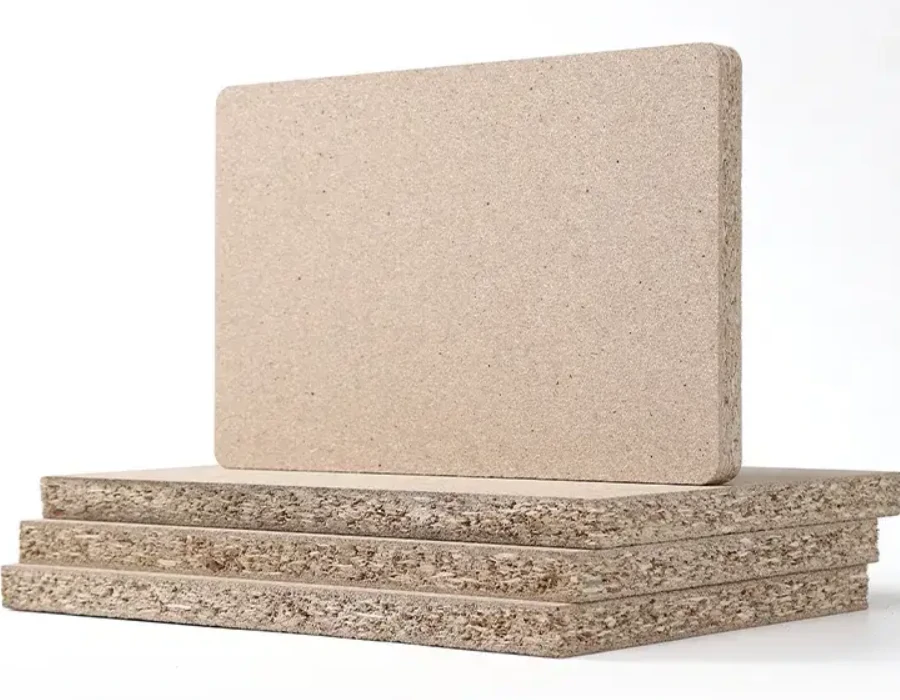
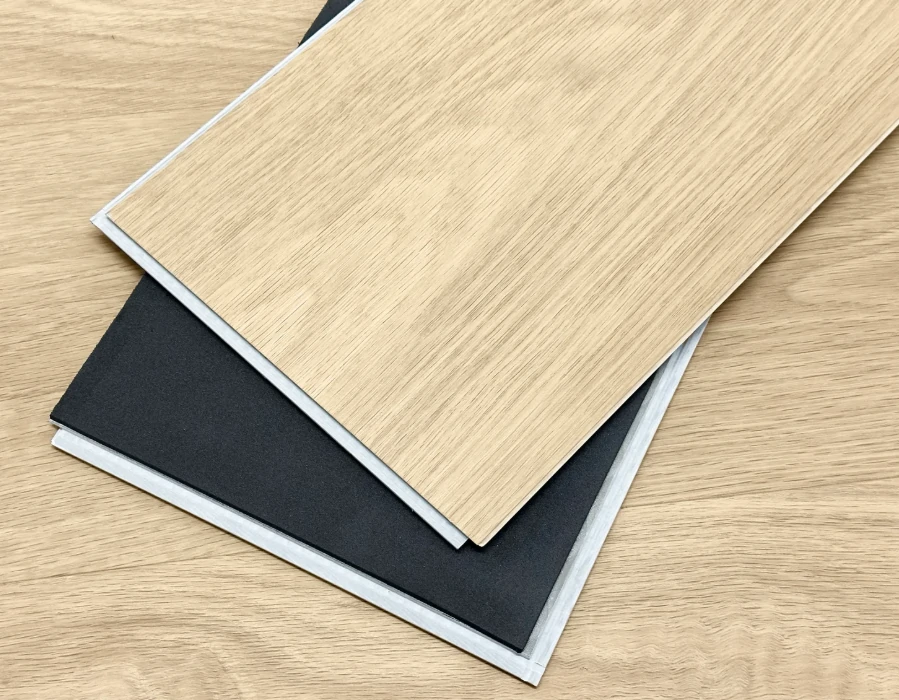
Particle Board

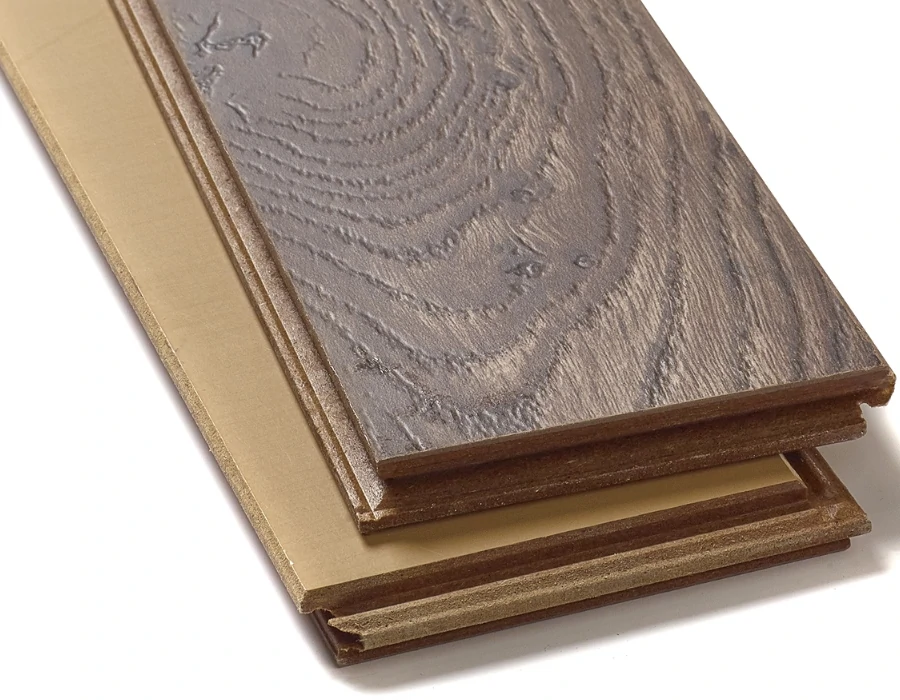
Pre-laminated particle boards look great right out of the box. But your first cut can send chips flying. That perfect factory edge? Ruined.

You bought quality materials for your project. Without the right techniques, even expensive boards can look amateur. The frustration hits hard. One wrong move with your circular saw creates a ragged, chipped mess.

Here’s the good news: cutting pre-laminated particle boards smooth doesn’t need expensive tools. You need to understand how these materials react under stress. Use specific techniques that work with the laminate layer, not against it.

Building custom closets? Updating kitchen cabinets? Tackling shelving units? Safe handling and precision cutting turn frustrating material into professional results. Here are the exact methods that protect your boards and your fingers.

Safety Precautions When Working With Pre-Laminated Particle Board

1c41820bbbbc2a56d7cda715265cda32

Protect yourself before you start cutting. Pre-laminated particle boards release fine dust particles. These pose real health risks. The Formaldehyde and wood dust in that material? California’s Prop 65 lists wood dust as a carcinogen. Not something you want in your workshop.

Essential Personal Protective Equipment

Safety glasses with side shields aren’t optional. OSHA standard 29 CFR 1910.133 requires eye protection. Laminate chips shoot out at angles you can’t predict. Making multiple cuts? Add goggles.

Your lungs need protection too. Wear an approved respirator or dust mask. Dust levels can reach OSHA’s limit of 0.75 mg/m³ total dust. That’s technical speak for “you can see dust in the air.” Get a cartridge mask for fine particles. The cheap paper masks fail during long sessions.

Heavy-duty gloves stop cuts and splinters from those sharp edges. The boards look smooth. But broken panels create razor-like surfaces. Long-sleeve clothing and steel-toe boots complete your gear. Wood particles irritate skin. Dropped boards can crush unprotected feet.

Control Your Work Environment

Set up local exhaust ventilation. This keeps airborne dust below 40 g/m³. Open windows don’t count as ventilation. You need actual dust collection running during cuts. Get explosion-proof systems with enclosed motors. Suspended wood dust mixes with air and can explode.

Ground all electrical equipment. No smoking in the work area. NFPA rates particle board at Flammability 2. This means it catches fire fast. Keep a fire extinguisher within arm’s reach.

Install eyewash stations near your cutting area. Laminate dust in your eyes? Rinse right away to stop serious irritation. Wash hands with soap after every work session. formaldehyde residue transfers from hands to food.

Inspect Before You Cut

Check your saw blades for wear before each project. Dull blades make too much dust. They also cause binding. Both create safety risks. Replace blades with edge damage right away. No fixed schedule exists for replacement. Your visual check tells you what you need to know.

Stack boards on at least five straight battens. Each batten should measure minimum 100×100 mm. Proper storage stops warping and layers from separating. Damaged boards cut in ways you can’t predict.

Essential Tools and Equipment Selection

Your saw matters more than your technique. A dull blade with too few teeth will chip pre-laminated particle boards no matter how you cut. The right equipment separates professional edges from amateur results.

Choosing Your Primary Cutting Tool

Circular saws work best for portable jobs and small batches. Look for 1500-2000W of power. A 6.5-inch blade cuts up to 65mm deep at 90 degrees. This handles most cabinet and shelving projects. The portability lets you work where the material sits, not where your workshop is.

Table saws deliver precision for fixed workshop cutting. Get a blade diameter between 250-400mm. Your cutting width should range from 800-1200mm. A 3-5 horsepower motor handles medium batches without bogging down. These saws work great for straight cuts. They also handle angled work with multiple boards.

CNC saws handle high-volume production with complex cuts. These require X/Y axis travel of at least 2000x1000mm. Spindle speeds run between 3000-6000 RPM. You’ll need CAD integration for nesting optimization. Invest in CNC for repeated complex patterns or serious production volume.

The Blade That Changes Everything

Carbide-tipped blades are a must for laminated work. Get 60-80 teeth for standard cuts that minimize tearing. Jump to 96 teeth for mirror-finish cabinet faces. The tooth count affects your edge quality.

Negative rake angles prevent board lifting during cuts. Specify -5° to -10° on your blade. This angle keeps particle board flat against the table. It stops the board from climbing up into the blade.

Triple Chip Grind (TCG) blades outlast standard designs by 30%. The alternating flat and beveled teeth (at 15° angles) handle laminate without chipping. Look for 5-10° hook angles with a 2.2-3.2mm kerf width. Freud and Forrest make reliable TCG blades. Match your equipment’s 4000-5000 RPM rating. Expect to pay $50-150 per blade, but you’ll get 5000+ meters of cutting before replacement. Choose carbide hardness rated RC65 or higher.

Support Equipment That Protects Your Investment

Guide rail systems eliminate cutting errors. Aluminum rails between 1.5-3 meters long provide ±0.1mm/meter accuracy. Festool and TrackSaw rails work with both circular saws and routers. These systems support 20kg loads. They cost less than replacing chipped boards.

Zero-clearance inserts stop chips before they start. Use 3-6mm phenolic resin inserts custom-fit to your blade. The 0.1mm gap between blade and insert stops the laminate from tearing downward. This simple addition improves precision by 20%.

Sacrifice boards absorb cutting impact. Place 19mm (3/4-inch) MDF sheets sized 24×48 inches beneath your work on the table saw. Replace these boards every 50 hours of cutting. They cost pennies compared to ruined laminated boards.

Measurement Tools That Guarantee Accuracy

Steel rulers from 24-48 inches with ±0.05mm precision mark your cuts right the first time. Digital displays with 0.01mm LCD resolution take out the guesswork.

Aluminum angle squares sized 12-24 inches ensure perpendicular cuts. Get ±0.1° accuracy with adjustable locks. Graduated dials help with repeated angle work.

F-style clamps delivering 500-1000 lbs of clamping force secure boards during cutting. Choose 24-36-inch bar lengths with quick-release mechanisms. Use 10% more pressure than seems necessary. This prevents board shifting mid-cut. Maintain parallel accuracy within ±0.2mm.

All hand tools should meet ANSI Z87.1 safety standards per OSHA requirements. Keep measurement error below 0.5% across the tool’s full length. Your cuts can be as accurate as your measurements.

Board Preparation and Marking Techniques

91cf61edacc8980208406a17ef7e2588

Measurement mistakes cost you money. One wrong line wastes a full sheet of pre-laminated particle board. That factory edge you’re using? It might be off by 2mm. Trust your measurements, not what you assume.

Mark Your Cuts With Laser Precision

Laser distance meters and digital calipers give you accurate cutting lines. Start by lining up your first point with the reference edge. Mark every 50cm. Check twice. This catches drift before you cut.

Follow these three steps to verify:

  1. Use a steel ruler next to your first marks to check straightness

  2. Measure diagonal distances across your marked area – keep errors under 0.5mm

  3. Let the board sit for 24 hours, then recheck your marks

Temperature changes your accuracy. Keep your workspace temperature stable within 5°C while measuring. Warm up your tools before use. Metal expands and contracts. Take three measurements. Calculate the average. This habit keeps errors within ±1mm.

Put Masking Tape Like Armor

Place masking tape 2-3mm outside your cutting line, running next to the mark. Press the edges down. Air bubbles create weak spots. That’s where laminate chips through.

Width matters for board thickness:
– Boards under 10mm: use 19mm wide tape
– Boards 10-20mm thick: use 25mm wide tape
– Boards over 20mm: use 38mm wide tape

Remove tape at a 45-degree angle. Pull slower than 10cm per second. Fast peeling tears the laminate surface. Pre-cut your tape ends. Leave a 10mm tab for easy gripping. Got PVC-laminated boards? Switch to low-tack UV tape. This prevents surface damage.

Score Before You Cut

Pre-scoring stops bad chipping. Set your scoring blade to cut 1-2mm deep. That’s 5-10% of your board thickness. Test on scrap material first. Use a micrometer to check your depth. You want 1.5mm average.

Pick carbide-tipped V-shaped blades with 60-degree angles and 0.5mm thickness. Straight blades work better on hardwood-core particle boards.

Score with the grain direction. Use single passes. Cross-grain scoring creates splits. Multi-layer boards need 90-degree pre-scoring along the fiber direction. This step absorbs cutting stress before your main blade hits.

Position Your Board Right

The finished side goes up or down based on your saw type:

Table saw users: place the finished face up. The blade spins upward through the material. This cuts down bottom-surface tearing. Your visible surface stays smooth. Lock down pressure blocks. Keep push speed under 1m/s. Set blade height at 1.2 times your board thickness.

Circular saw users: flip the finished face down. The blade rotates downward. It compresses the top surface. This stops edge chipping where it shows. Secure handheld clamp fixtures. Pre-score to 1mm depth. Keep guide rail accuracy within 0.5mm deviation.

Step-by-Step Cutting Methods for Different Tools

Each saw needs its own approach. Match your technique to your tool. You’ll avoid the mistakes that ruin expensive pre-laminated particle boards. Here’s how to make clean cuts with the three most common workshop saws.

Table Saw: The Workshop Workhorse

Set your blade height at 1.2 times your board thickness. Too low creates excess friction and heat buildup. Too high increases tearout on the bottom surface. Measure from the table to the blade tip. A 19mm board needs 23mm blade exposure.

Position your rip fence with care. Lock it down at your marked measurement minus the blade kerf width (usually 3mm). Double-check with a steel ruler. The fence must stay parallel to the blade within 0.1mm across its full length. Even slight angles turn into big errors on long cuts.

Feed the board at steady pressure. Push pre-laminated particle boards through at 1 meter per second maximum. Faster speeds heat the blade. That heat melts the laminate. It creates gummy residue. Slower speeds let the blade bounce. This causes ripples in your cut edge. Use push sticks for the final 300mm. Keep your hands at least 150mm from the blade path at all times.

Support long boards with roller stands. Position outfeed supports level with your table saw surface. Set them every 600mm for boards longer than 1200mm. Ends without support drop mid-cut. This tilts the board and binds the blade. The kickback launches boards at high speeds.

Complete each pass without stopping. Pausing mid-cut burns the edge. It creates a witness line you’ll see in the finished work. Must stop? Turn off the saw first. Never back the board out while the blade spins. Pull the board straight back in line with the kerf you created.

Circular Saw: Portable Precision

Clamp a guide rail tight to your work surface. Measure from your cutting line to the edge of your saw’s base plate. Position the rail at this offset distance. Use three clamps minimum on a 2400mm cut. Test your setup on scrap material first. Adjust until your blade tracks right on the line.

Start your cut with the blade elevated above the board. Lower the spinning blade into the material at your starting point. This method stops startup tearout. It happens from a dead stop. Keep downward pressure steady through the entire cut.

Cut from the finished side down. Circular saw blades rotate upward through the material. The teeth exit on top. They pull fibers clean without tearout. Place your good face against the work surface. Accept minor chipping on the underside that won’t show in your final build.

Maintain blade speed at 4000-5000 RPM under load. Listen to your saw’s motor. A laboring, slowing motor means you’re pushing too hard. Ease your forward pressure until the blade regains full speed. Pre-laminated particle boards make dust. This dust clogs blade gullets. Stop every 3 meters of cutting. Let the blade spin free for 3 seconds to clear debris.

Score your entry and exit points. Use a utility knife to cut through the laminate layer before your saw blade arrives. Make shallow 2mm deep cuts right on your cutting line. These scored grooves stop tear forces. They can’t spread into visible chipping.

Hand Saw: Old School Control

Choose a fine-tooth panel saw with 12-15 teeth per inch. Fewer teeth tear the laminate. More teeth clog with particle board dust. Japanese pull saws work great because they cut on the pull stroke. This keeps the laminate compressed against the core.

Angle your blade at 15-20 degrees to the board surface. Steep angles grab and tear. Shallow angles need too many strokes. They tire your arm. Find the sweet spot. Each stroke removes material without catching.

Begin cuts with gentle scoring strokes. Use your thumbnail as a guide for the first three passes. Draw the saw backward to establish your kerf. These first strokes stop the blade from jumping. This happens once you push forward.

Cut with smooth, full-length strokes. Use 70% of the blade’s total length on each pass. Short, choppy strokes create an uneven cut surface. Keep pressure light on the push stroke. Let the teeth do the work. Put zero downward force on the return stroke.

Support both sides of your cut line. Place sawhorses or work surfaces under each section. As you near completion, the waste piece wants to break away. This tears laminate fibers. Hold the waste piece up with your free hand during the final strokes.

Preventing Chipping and Tear-Out

7c2a681dfda98100efd53049fbb13e61

Chipped edges destroy hours of work in seconds. Ragged tearout turns pro projects into amateur work. The good news? You control this with the right blade and protective layers.

Upgrade Your Blade for Immediate Results

Switch to 80-tooth carbide blades or higher for pre-laminated particle boards. More teeth mean finer cuts. Each tooth removes less material per pass. This cuts down the pulling force that tears laminate layers. Testing shows 40-60% less chipping versus standard 40-tooth blades.

Negative rake angles separate clean edges from damaged ones. Look for blades with -5° to -10° rake geometry. These angles shear fibers instead of lifting them. The blade pushes down into the material. Edge collapse drops. You’ll see better results on your first cut.

Install your new blade in a zero-clearance insert. Mount the insert flush with your blade path. Aim for 0.001-inch tolerance between the insert opening and blade. Use shims for exact positioning. This tight fit supports laminate fibers right to the cutting edge. Bottom tear-out drops by 70% with this setup.

Stack Protection Layers Smart

Place sacrificial backer boards under every cut on pre-laminated particle boards. Use 1/8-inch MDF or scrap plywood sheets. Position them behind your cutting line. Clamp both the workpiece and backer together. The backer absorbs exit forces from the blade. Tear-out on the exit side drops 50-80%. Veneered surfaces benefit most – chips show up clear on these.

Secure your backer with double-sided tape for smaller pieces. Press the tape down hard. No air gaps. Position vacuum hold-downs 2-3 inches from your cut line for larger sheets. This stops 90% of bottom fiber lift on 3/4-inch boards. The combo prevents material from flexing upward as the blade exits.

Cut With The Grain Direction

Align your cuts along the grain when you can. Cross-grain cutting triples tearout versus rip cuts. Can’t avoid cross-grain work? Make a scoring pass first. Set your blade depth to 0.005 inches. Run this shallow pass at 15 inches per minute. Follow with your full-depth cut. This two-pass method drops chipping by 65% based on workshop testing.

Match Your Feed Speed To Material Response

Run pre-laminated particle boards at 60 inches per minute for best results. Speeds above 100 IPM cause 40% more edge damage. The blade tears through fibers instead of cutting them. Slower speeds below 30 IPM risk burning the laminate. Burn marks need sanding. Slower feeds do reduce tear by 20%. Find your sweet spot around 60 IPM. Listen to your saw. Adjust based on what you hear and see.

Add Protective Tape To Cut Lines

Run painter’s tape or masking tape along your cutting line before you cut. Press it down hard on pre-laminated particle boards. This holds surface fibers in place during cutting. You’ll see 30% cleaner edges on plywood faces. The tape method doesn’t work as well on melamine or boards with heavy glue lines. Tests show 0-20% improvement on those surfaces. Still worth the 30 seconds.

Combine Methods For Maximum Protection

Stack these techniques for the cleanest cuts:

Top tier combo: Masking tape + 0.01-inch scoring pass at 15 IPM + grain-aligned cutting = 75-90% tear-out reduction

Second choice: Five coats of water-borne polyurethane first + backer board + upcut/downcut bit switching = 80% reduction

Third option: 80-tooth blade + negative rake angle + zero-clearance insert = 60-70% reduction

Budget approach: Tape + engraving bit + 60 IPM feed rate = 50% reduction

Pick the combo that matches your tools and timeline. Basic protection beats cutting bare particle board. Each technique improves your edge quality. These methods turn chipped messes into clean, pro cuts worth your effort.

Handling Techniques to Avoid Damage

Move pre-laminated particle boards wrong and you’ll pay twice – damaged material and potential injury. Warehousing and material handling accounts for 232,000 reported injuries each year with a rate of 4.5 per 100 workers. The manufacturing sector sees 846,700 injury cases each year. That’s 6.6 injuries per 100 full-time workers. Your back, fingers, and project budget all depend on proper handling.

Lift With Your Legs, Not Your Back

Get help for sheets larger than 4×8 feet or over 50 pounds. Full sheets of 3/4-inch particle board weigh 85-100 pounds. The food and beverage industry reports over 30% of injuries come from manual handling. About 1,700 of those are acute back injuries. One wrong lift costs your employer an average of $43,000 in workers’ compensation. You’ll deal with months of pain.

Bend at your knees. Keep your back straight. Grip the bottom edge with both hands spread wide. Pull the board close to your body before you stand. Never twist while lifting. Turn your whole body with your feet.

Carry Boards On Edge

Stand full sheets on their long edge for transport. Tilt the board at 60-70 degrees. Walk it forward like a giant wheel. This puts weight on the edge instead of stressing your grip. Your arms stay extended. Force spreads through your shoulders and core.

Two-person carries work better for distances over 20 feet. Position one person at each end. Keep the board on edge. The laminated face should point toward one carrier. Both people walk at the same pace. Talk to each other. This stops sudden movements that cause drops.

Use Carts and Dollies For Heavy Loads

Material carts with vertical slots prevent surface scratches. Load boards with the finished face toward the cart’s padded dividers. Stack height should stay under 5 feet. Secure the load with ratchet straps rated for 500 pounds minimum. 27% of load drops in industrial crane incidents trace back to poor rigging. Your hand cart needs the same care.

Sheet material dollies with pneumatic tires roll well over rough shop floors. Foam padding along the contact points protects laminate surfaces. Never stack more than 8 sheets on a single cart. Too many sheets make it unstable. One sheet sliding off can slice through skin or crush feet.

Store Boards Flat On Level Surfaces

Stack pre-laminated particle boards flat on battens spaced 16 inches apart. Use 4×4-inch solid wood supports at minimum. Five support points work for 8-foot sheets. Seven points for 10-foot lengths. This stops sagging that stresses core bonds.

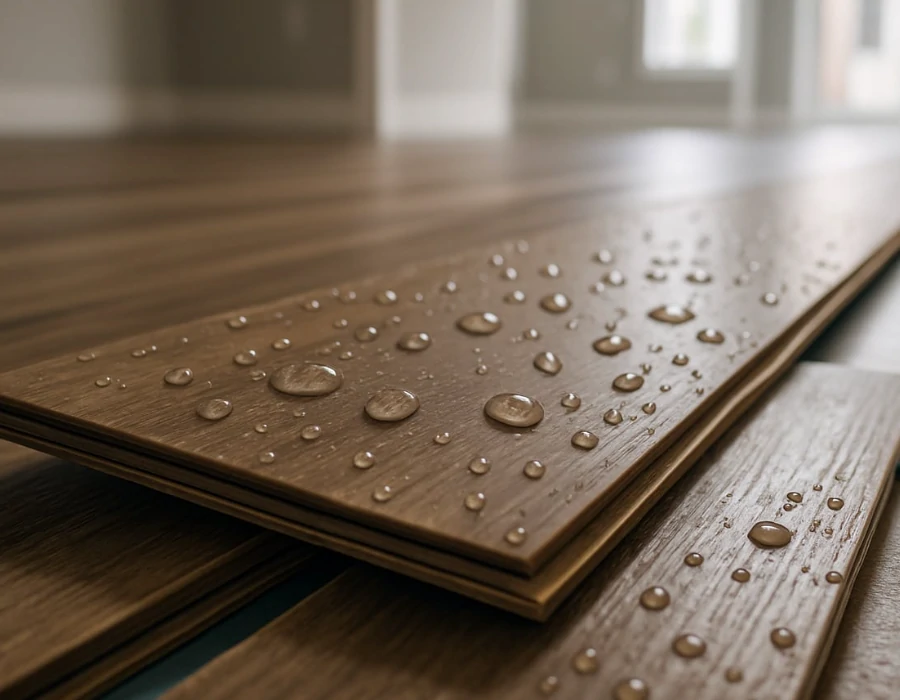
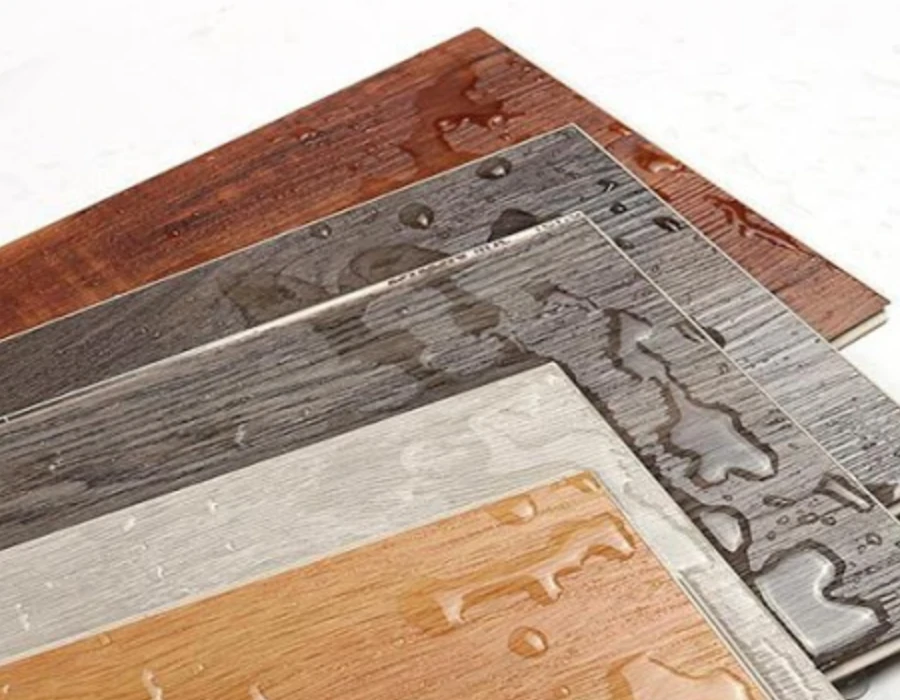
Keep storage areas dry with humidity below 60%. Moisture makes particle board swell. The laminate doesn’t expand at the same rate. You’ll get bubbling and peeling. Elevate your storage surface at least 4 inches off concrete floors. Moisture from the ground creeps up through concrete.

Inspect Before Every Move

Check for edge damage, loose laminate, and core crumbling. Damaged boards act strange during handling and cutting. A board with bad edges can split mid-carry. Sharp edges from previous cuts cause lacerations. Machinery operation causes 18,000 amputations, lacerations, and crush injuries each year.

Run your gloved hand along all four edges. Feel for lifted laminate corners. Look for dark spots that show moisture damage. Toss boards showing any weak spots. The $30 you save on a damaged sheet costs way more once it fails mid-project.

Post-Cutting Quality Control and Finishing

ba8ec77a5446a5e1ff6812f2f003850c

Your cuts look clean from three feet away. Walk closer and you’ll spot the problems. A 0.3mm chip here. A rough edge there. These tiny flaws add up to visible gaps once you assemble your project. Quality control separates okay work from professional results.

Measure Your Edge Quality With Precision

Check for chipping depth within 0.1-0.5mm tolerance on precision parts. Use optical micrometers or digital calipers for this work. Place the measuring tip at a right angle to the damaged edge. Take three readings along each cut line. Average these numbers. Anything beyond 0.5mm needs fixing. Cabinet face frames show every chip. Structural pieces can handle a bit more.

Test surface roughness with a stylus profilometer. Target Ra values of 1.6μm or better on finished edges. This tracks tiny peaks and valleys. Laser scanning tools work faster for production batches. Run the probe along 100mm of cut edge. The readout tells you if hand-sanding is needed. Keep dimension specs within ±0.05mm of your target measurements.

Inspect edge straightness using a precision straight edge. Place a 300mm steel ruler against your cut. Look for light gaps between the ruler and board edge. These gaps should measure under 0.1mm. Bigger gaps mean your fence drifted during cutting or your blade wobbled. Record flatness under 0.05mm for parts that butt together tight.

Edge Banding For Professional Protection

Match your edge banding thickness to board edges. PVC and ABS bands come in 0.4-3mm thicknesses. Thin bands work on 16mm boards. Thicker bands suit 25mm materials. Check thermal expansion rates – quality bands expand at 0.02-0.04mm per meter per degree Celsius. This matches pre-laminated particle board movement. Mismatched expansion creates peeling.

Heat your hot melt adhesive to 180-220°C. Use pressure between 2-4 bar with an edge banding machine or hand roller. Work within the 15-30 second open time window. The glue line should measure 0.15-0.25mm thick. Too much adhesive creates bumps. Too little causes weak bonds. Preheat board edges to 60°C for better adhesion. Post-heat the band at 100°C for 10 seconds. This creates zero-gap butt joints.

Overlap band ends by 0.5-1mm for seamless docking. Trim excess with a flush-cut saw or sharp chisel. File the joint smooth. Sand with 220-grit paper. The joint should feel invisible under your fingertips.

First-Piece Inspection Before Full Production

Measure 10 sample pieces from your first cutting setup. Check length and width with ±0.01mm digital calipers. Edge straightness must stay under 0.1mm deviation per 300mm of length. These first pieces show setup problems before you waste material. Plot measurements on X̄-R control charts using 5 subgroups of 5 samples each. Figure out upper and lower control limits from three standard deviations. Reject processes showing Cp values below 1.0.

Score edge quality on a 1-10 scale. Weight your scoring: chipping counts 30%, smoothness 40%, alignment 30%. Boards scoring under 8 need process adjustments. Use Pareto analysis to find your top defects. Testing shows 80% of problems come from machine faults. Fix the biggest issues first.

Target defect rates at 3.4 per million opportunities – the Six Sigma standard. Process benchmarks need Cp and Cpk values of 1.33 or higher. Values below 0.667 show poor processes even if they seem stable. Quality rates jumping from 83% to 93% boost Overall Equipment Effectiveness from 59.9% to 67.2%. Hidden scrap wastes 20-40% of your capacity.

Maintain Your Equipment For Consistent Results

Calibrate measuring tools every 5,000 cycles or once a month. Check accuracy within ±4% against reference standards. Torque wrenches and blade angle gauges drift over time. Blast with air at 6-8 bar pressure each day to remove dust buildup. Vacuum collection systems between shifts. Wipe blade surfaces with solvent. These steps cut reject rates by 20%.

Sharpen blades after 10,000 meters of cutting. Keep tooth angles between 30-45 degrees. Replace blades once wear reaches 0.2mm. Add lubricant each week to reduce friction. Proper blade care cuts scrap by 40%. Log all maintenance data through digital systems. Track cycle times and reject rates. This shows patterns you’d miss otherwise.

Clean cuts start with sharp tools and end with careful inspection. Each measurement protects your material investment and project timeline.

Common Mistakes and Troubleshooting

Mistakes pile up fast with pre-laminated particle boards. One wrong setup sends you back to square one. The good news? Most problems follow clear patterns. Fix the root cause. You’ll save hours of frustration.

Blade Problems Create Most Cutting Issues

Dull blades cause 60% of chipping problems. You’ll see ragged edges and burn marks. The laminate tears instead of cutting clean. Check your blade after every 5,000 meters of cutting. Run your finger along the carbide tips – smooth tips mean it’s time to replace. Sharp blades feel pointy to the touch.

Wrong tooth count ruins good technique. Installing a 40-tooth rip blade on melamine? Tearout is guaranteed. Use 80+ teeth for laminated surfaces. The extra teeth cut fibers instead of ripping them. Match your blade to your material, not your saw’s stock equipment.

Wrong blade height causes binding and kickback. Too low creates friction. Too high increases bottom chipping. Set height at 1.2 times your board thickness. Measure from the table to the highest tooth point. A 19mm board needs 23mm blade exposure.

Feed Rate Mistakes Damage Edges

Pushing too fast heats your blade. The laminate melts onto carbide tips. You’ll see gummy residue and burn streaks. Target 60 inches per minute on table saws. Listen to your motor – a laboring sound means slow down.

Stopping mid-cut burns witness lines into edges. These dark marks show up clear on finished work. Complete each pass without pausing. Need to stop? Turn off the saw first. Pull the board straight back along your kerf.

Setup Errors Cost Material

Poor fence alignment wastes sheets fast. A fence angled 0.5mm over 1200mm gives you tapered cuts. These won’t fit together. Check fence parallel to blade with a steel ruler. Measure at the front and back of the blade. Both distances must match within 0.1mm.

Poor support drops board ends mid-cut. This tilts your workpiece and binds the blade. Position roller stands every 600mm on long cuts. Set them level with your table saw surface. The board should glide across supports without lifting or dropping.

Missing zero-clearance inserts lets laminate tear downward. The gap between your standard insert and blade pulls fibers down as they exit. Install custom inserts with 0.1mm blade clearance. This small change cuts bottom tearout by 70%.

Quick Troubleshooting Guide

Chipping on top surface: Flip your board. Table saw users place finished face up. Circular saw users place it down. Match cutting direction to blade rotation.

Chipping on bottom: Add backer boards. Clamp MDF sheets under your cut line. The backer absorbs exit forces from blade teeth.

Wandering cuts: Tighten your guide rail clamps. Use three minimum on 2400mm cuts. Check rail alignment – it must parallel your cutting line within 0.5mm.

Burn marks: Reduce feed speed to 40 inches per minute. Clean pitch buildup from blade gullets with solvent. Replace blades showing wear on carbide tips.

Binding during cuts: Lower blade height to 1.2x board thickness. Confirm fence stays parallel to blade. Support both sides of cut line with sawhorses.

Conclusion

1bee978ac720873020e241f5762abfdb

Working with pre-laminated particle boards doesn’t need a pro workshop. You just need the right knowledge and a step-by-step approach. Three things will change your results: buy quality cutting tools with fine-tooth blades, score your cut line first to stop chipping, and support your board well during every cut. These basics make the difference between amateur work and pro-looking results.

Pre-laminated particle boards are easy to access and use. You’re not just cutting material. You’re creating your design without paying for solid wood or dealing with post-lamination work. Building custom shelves? Updating kitchen cabinets? Tackling that home office project? You now have the steps to follow.

Start small. Pick one trick from this guide—the scoring method or the painter’s tape tip work well. Test it on scrap material first. Build your confidence. Then move to bigger projects. Your next project is ready, and you can make those cuts count.