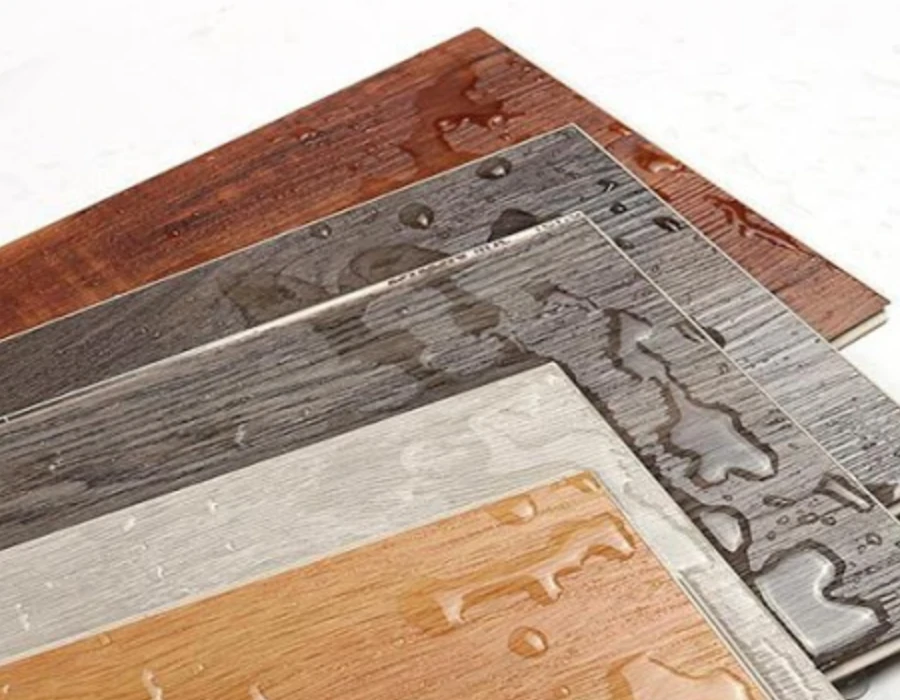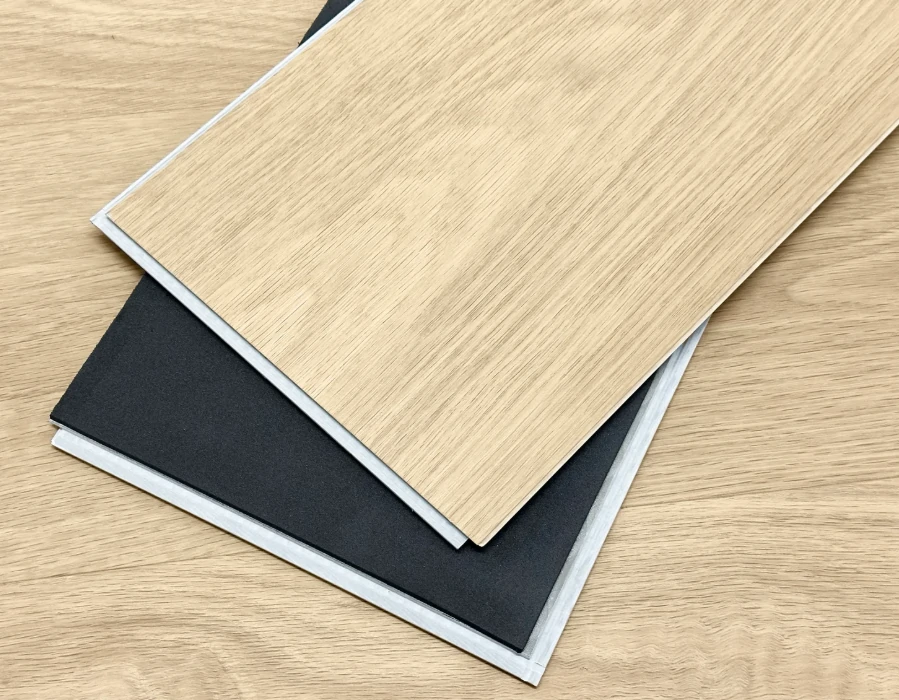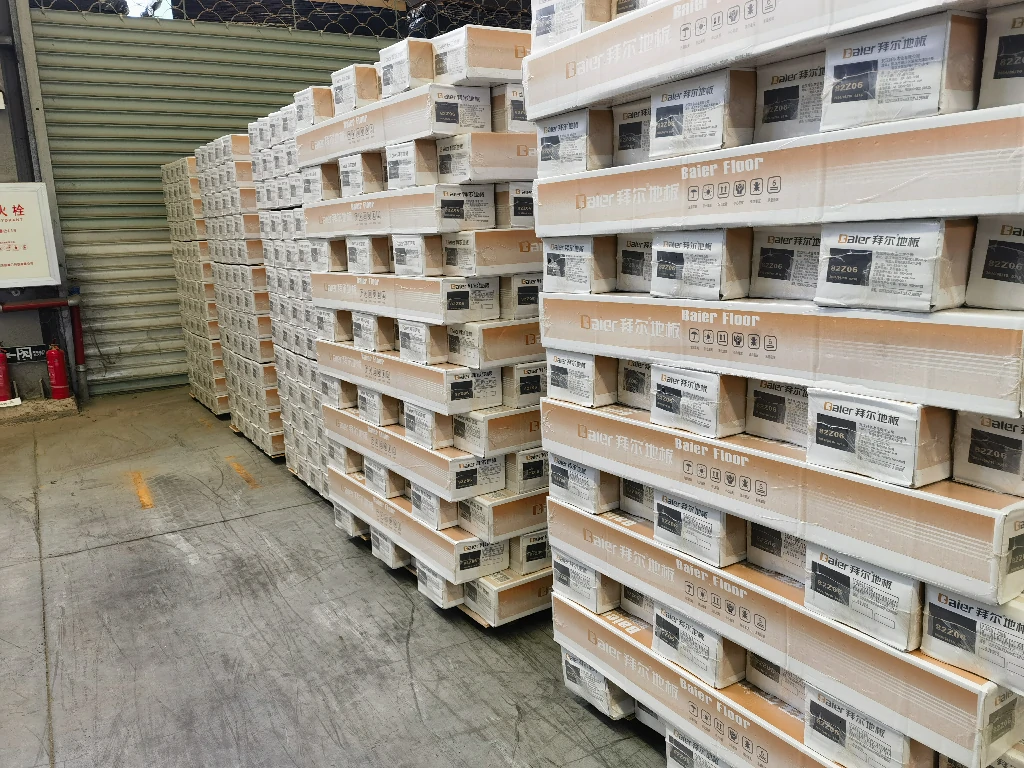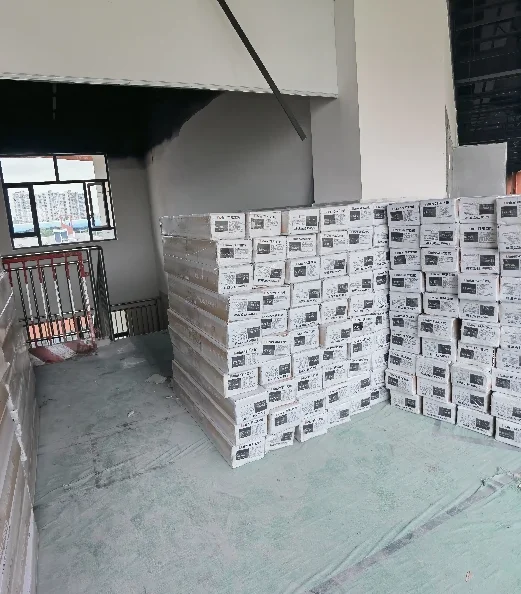
The waterproof laminate market has grown fast. But telling real moisture-proof flooring from marketing hype takes insider knowledge. Most procurement teams lack this expertise.
You need commercial-grade laminate for hospitality projects, retail spaces, or residential developments? You face real challenges. AC ratings confuse buyers. Warranty coverage contradicts itself. Some suppliers disappear after getting deposit payments.
This guide gives you what procurement pros at Fortune 500 companies use. You get technical specs, supplier vetting methods, and negotiation tactics. These strategies deliver 20-30% cost savings. Plus, they stop installation failures.
You walk away with practical checklists and real pricing benchmarks. A proven six-step evaluation system helps you assess suppliers. Risky wholesale laminate flooring decisions turn into competitive advantages.
Waterproof Laminate vs Alternative Flooring Materials: Commercial Performance Comparison

Commercial flooring decisions come down to hard numbers. Waterproof laminate beats vinyl and LVT options in certain areas. But market adoption shows something different.
Waterproof laminate captures just 0.2% of the specified commercial flooring market. That’s tiny. Vinyl, LVT, and SPC products run commercial projects. The gap between what the product can do and what the market uses creates both risk and opportunity for B2B buyers.
Thickness Creates Real Benefits
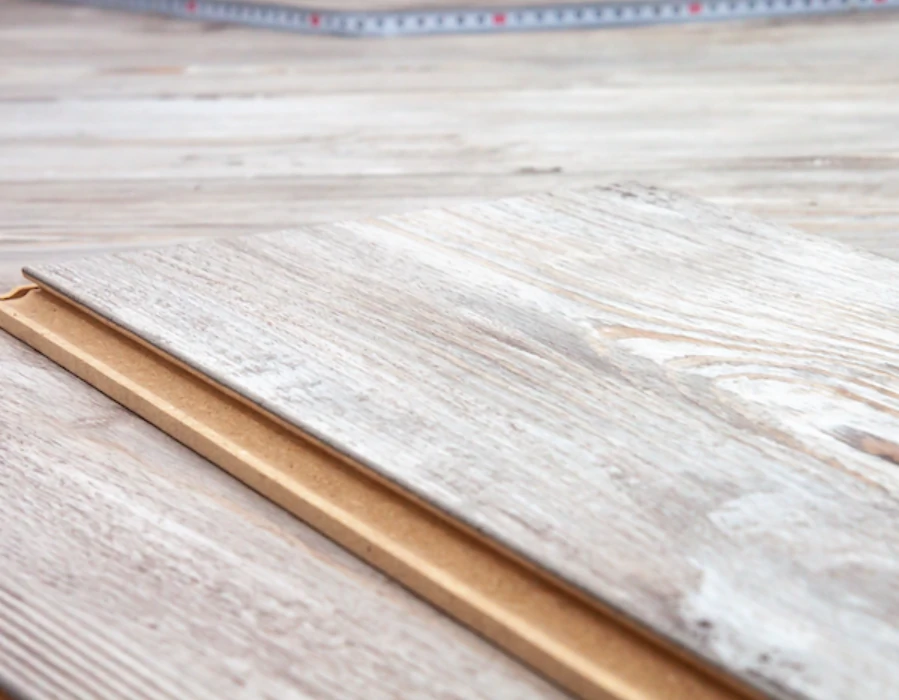
Waterproof laminate runs 10mm-12mm thick. That’s twice the thickness of standard LVP and SPC options. This extra density gives you better scratch resistance. Plus, it offers better sound dampening. Hotels and retail spaces with heavy foot traffic see real performance gains.
The thickness helps with renovations too. Need to match existing floor heights without major subfloor work? Laminate’s profile fixes that problem faster than thin vinyl.
Price vs Performance: What You Pay
Entry-level waterproof laminate starts around $1 per square foot. Premium lines with better treatments cost 20-30% more than basic products. That puts waterproof laminate above basic vinyl solutions.
You’re paying for:- Better stain resistance (main difference)- Better scratch performance vs. basic options- Proven track record with known Installation Methods– Bundled moisture barriers and sealant kits that raise total cost but cut installation risk
Vinyl and SPC products cost less up front. Projects with tight budgets go with these options. The math works for thin margins.
Market Trends Show Weak Points
Laminate faces challenges. Total sales dropped to $1.15 billion in 2024—a 7.5% drop from 2023. Volume fell 4.8% to 923 million square feet. Those numbers show market pressure.
But look closer. Specialty retail jumped from 22% market share in 2023 to 30% in 2024. Dealers push better products with higher margins. Warehouse club sales climbed from 2% to 5% in the same period. Volume buyers see value in premium waterproof lines.
Technology Gaps Between Products
|
Performance Factor |
Waterproof Laminate |
Vinyl/LVT/SPC |
|---|---|---|
|
Scratch Resistance |
Better |
Lower performance |
|
Water Resistance |
Waterproof top-down; treated bevels and joints |
Moisture-resistant |
|
Installation Span |
Up to 65 ft seamless |
Needs more transitions |
|
Thickness |
10-12mm |
4-6mm typical |
|
Acoustic Performance |
Better sound dampening |
Minimal |
Manufacturers like Mannington built SpillShield Plus technology. This treats bevels and locking joints for daily spill protection. CFL Flooring’s Atroguard line targets scratch and stain resistance. These unique treatments create product differences that vinyl can’t match.
Commercial Specification Barrier
Here’s the puzzle: waterproof laminate shows higher growth rates in commercial use despite low adoption now. Hotels, offices, and retail spaces need durability. Laminate delivers it.
But architects and designers don’t specify it. Procurement teams stick with known vinyl options. The specification challenge stops market growth even as product performance gets better.
WPC and SPC products grabbed market share by calling themselves “improved vinyl” rather than laminate options. That messaging worked. Commercial buyers got the value right away.
Residential Focus Affects Development
Kitchens, bathrooms, and basements drive home demand. Easy DIY installation and cost savings over natural materials push homeowner adoption. This home focus means manufacturers build for consumer wants rather than commercial needs.
Commercial projects need different specs. Higher AC ratings. Longer warranties. Third-party performance tests. Germ-fighting treatments. Most waterproof laminate lines build features for home buyers first. Commercial needs come second.
That priority gap creates holes in commercial-ready inventory. You want AC5 or AC6 rated products with 15-year commercial warranties? Selection shrinks fast.
Raw Material Cost Changes
Laminate faces raw material cost swings that vinyl avoids. HDF Core production depends on wood fiber pricing. Resin costs move with petroleum markets. These factors make long-term pricing commitments harder for suppliers.
Vinyl production uses more stable man-made materials. Price stability matters for multi-phase commercial projects. Known costs for 18-24 month buildouts give vinyl an edge.
The Bottom Line for B2B Buyers
Waterproof laminate works for certain commercial uses. Projects that put scratch resistance and sound performance over lowest cost see value. Renovations needing thickness to match existing floors benefit from laminate profiles.
But wide commercial adoption stays limited. Market data shows falling total volumes despite specialty segment growth. Your supplier network for commercial-grade waterproof laminate will be smaller than vinyl options.
Look at your project’s specific needs. Don’t assume laminate’s home success works in commercial settings. Test samples under real use conditions. Check supplier stability given market changes. The performance numbers look strong. The market reality calls for careful supplier review.
Supplier Evaluation Framework: 6-Step Vetting Process
Most procurement teams skip critical vetting steps. They pay for it later. Suppliers miss deadlines. Quality drops after the first shipment. Costs balloon beyond quotes.
I’ve seen this pattern across hundreds of B2B flooring deals. The fix? A six-step process that filters out bad suppliers before you sign contracts.
Step 1: Define Criteria & Pre-Qualification
Start with hard data collection. Get financial statements showing revenue trends from the past three years. Profit margins tell you if a supplier runs a healthy business or cuts corners to stay afloat.
Credit ratings matter more than most buyers realize. A supplier with dropping credit scores has cash flow problems. That means delayed shipments.
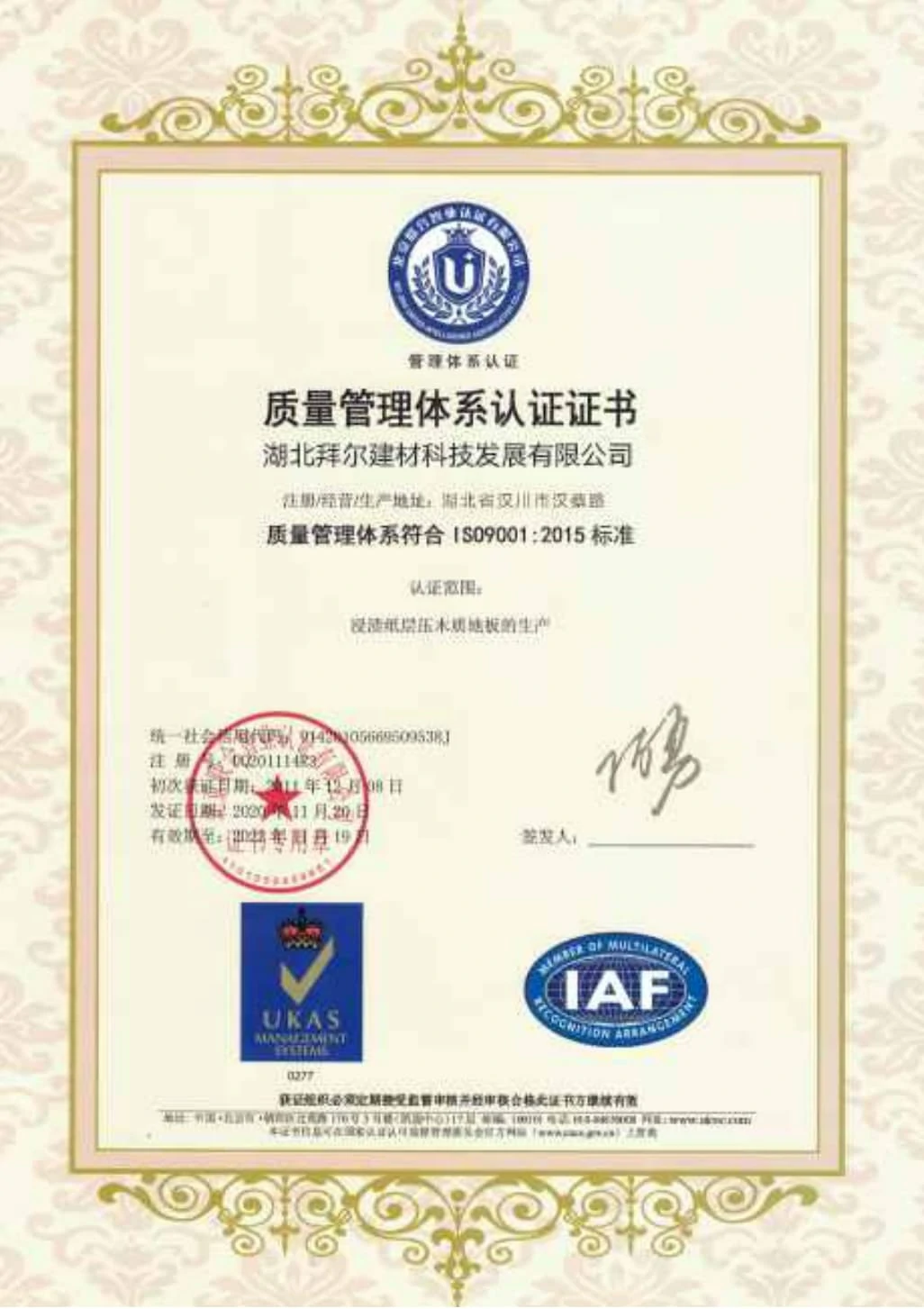
Check certifications first:- ISO 9001 for quality management systems- ISO 14001 for environmental compliance- REACH and RoHS for chemical safety standards
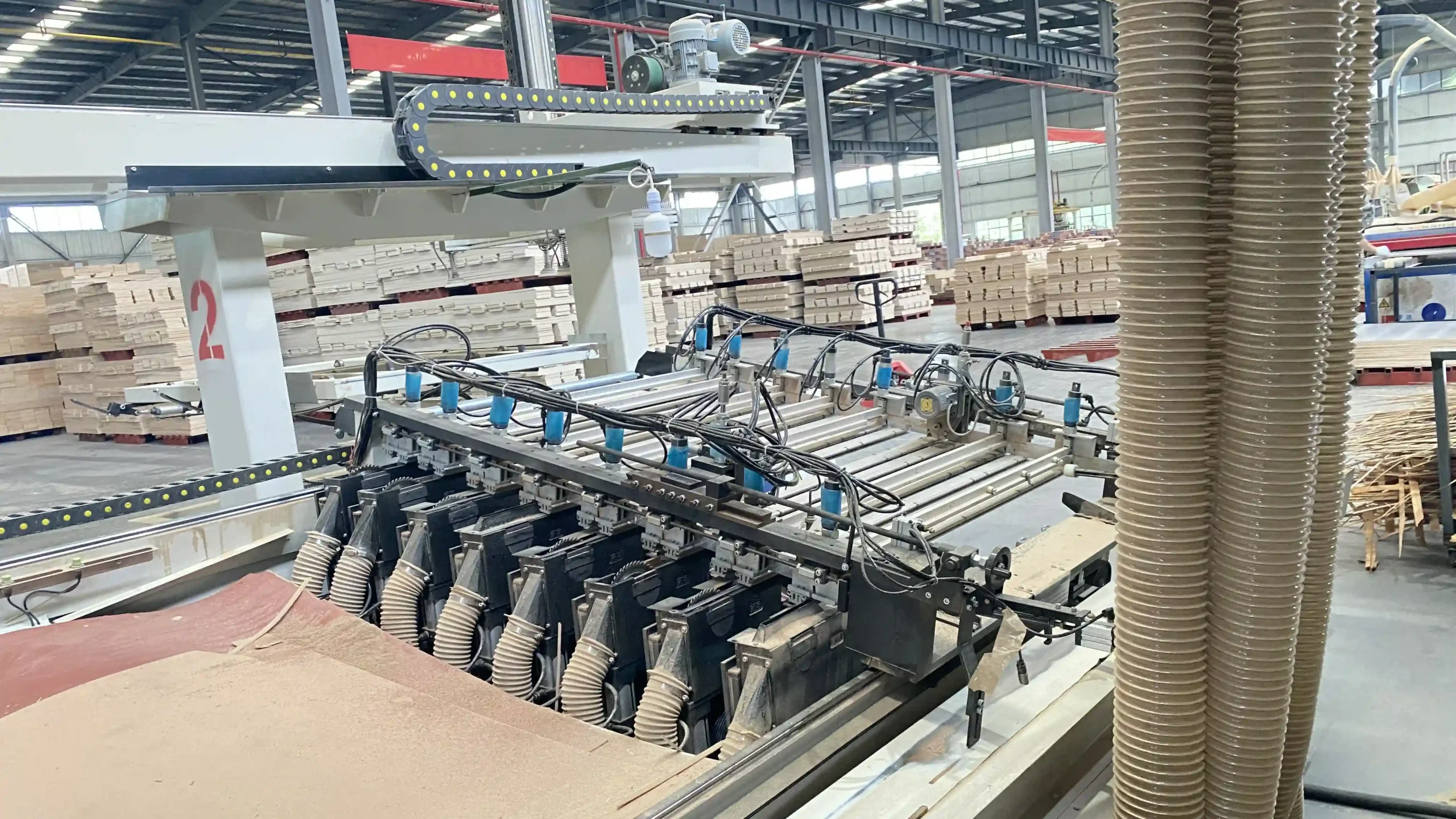
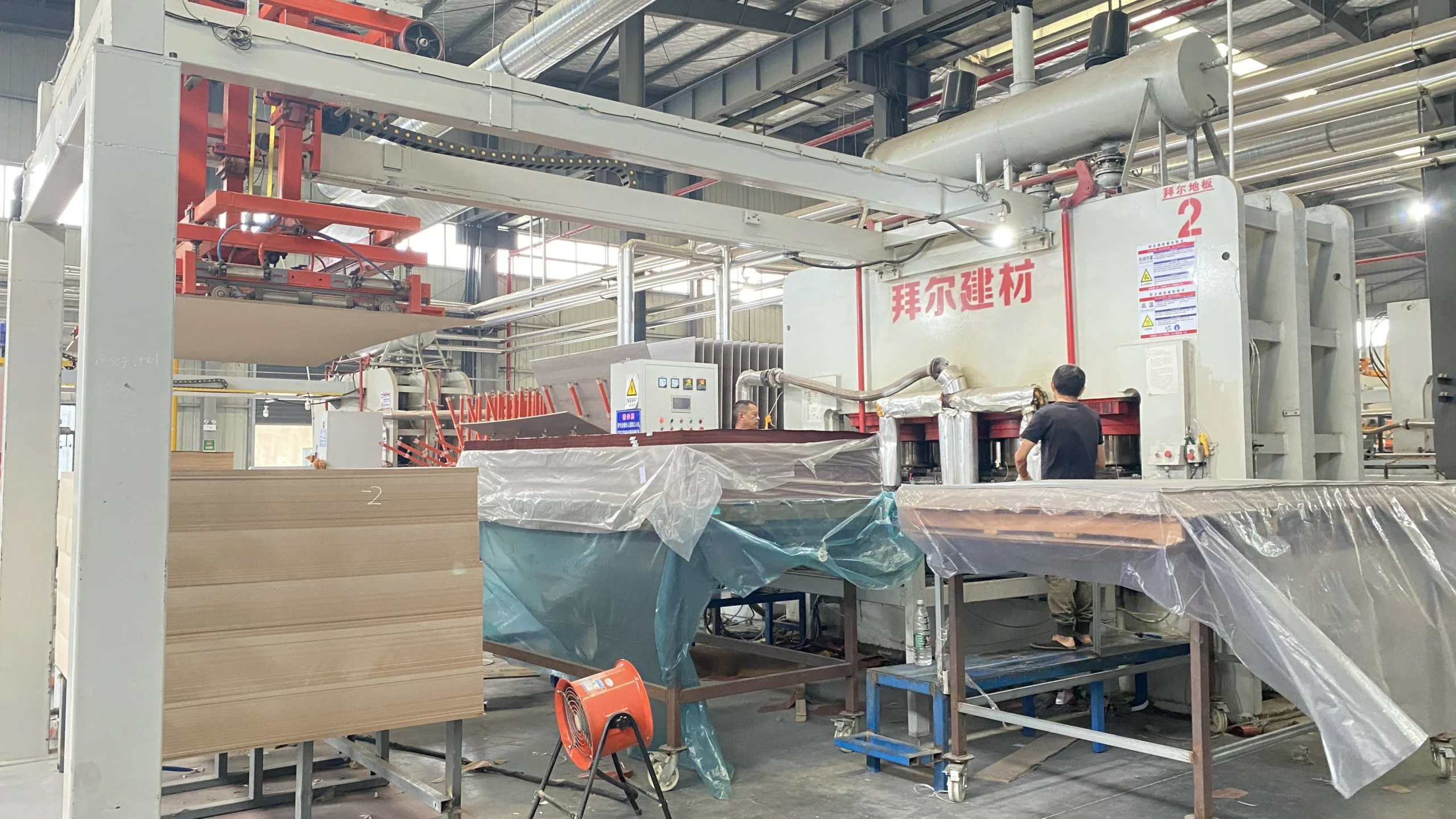
Production capacity numbers separate real makers from brokers. Ask for output figures per month. Ask for current utilization rates. Suppliers running at 95%+ capacity can’t handle your rush orders.
Step 2: Initial Screening & RFI
Send detailed Request for Information (RFI) questionnaires. Generic responses signal copy-paste work. Specific answers about production show real expertise.
Check product specs against your project needs. AC ratings must match—AC5 minimum for commercial projects. Thickness specs should hit 10-12mm for heavy traffic areas.
Get customer references from similar commercial projects. Retail suppliers often fail with hospitality demands. Different markets need different skills.
Sustainability metrics separate smart suppliers from outdated ones. Ask about:
– Energy use per square meter produced
– Carbon footprint reduction plans
– Waste recycling percentages
Step 3: Background Checks & Risk Assessment
Third-party checks catch problems suppliers hide. Use credit bureaus and business intelligence services to verify financial health. Legal disputes and bankruptcy filings show up in public records.
Score suppliers across risk categories:
|
Risk Type |
Red Flags |
|---|---|
|
Financial |
Dropping revenue, high debt-to-equity ratios, late tax payments |
|
Operational |
Single-factory setup, old equipment, high employee turnover |
|
Geopolitical |
Locations with trade limits, political problems, tariff exposure |
|
Cybersecurity |
No data protection policies, previous breaches, weak IT setup |
High-risk suppliers need deeper review. Get more documents. Schedule facility visits. One major hotel chain saved $2M by finding a supplier’s hidden capacity limits during this phase.
Step 4: Due Diligence & Audits
Contact provided references yourself. Ask specific questions about delivery and defect rates. Generic praise means nothing. Real numbers reveal truth.
Review past data on quality controls. Get defect rate reports from the past 12 months. Rates above 1% point to deep quality problems.
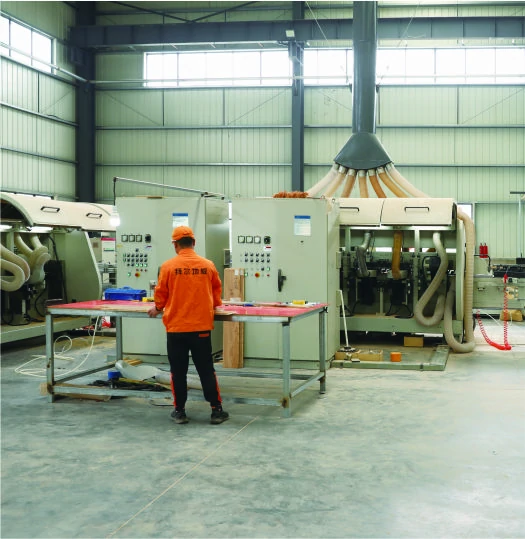
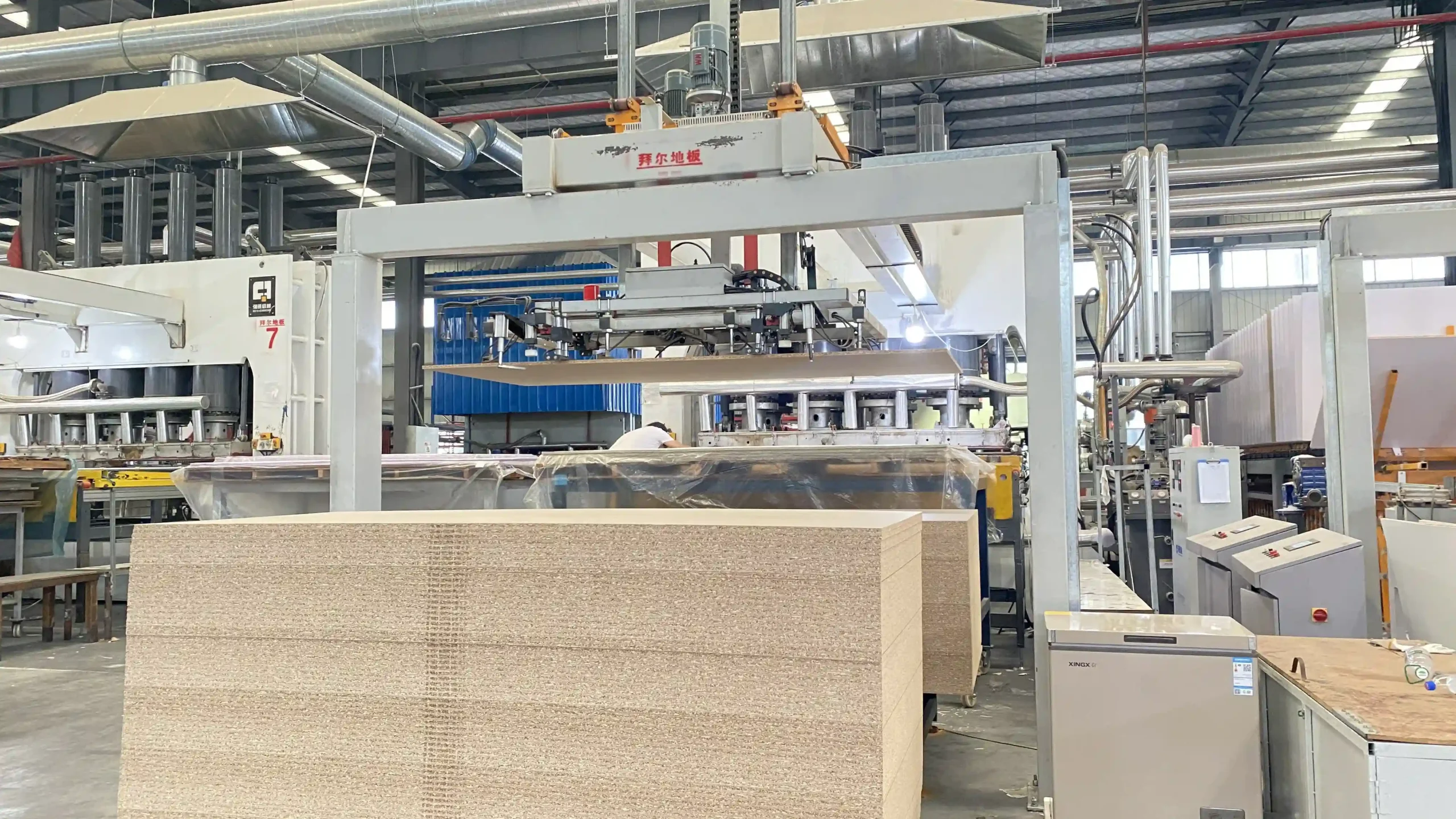
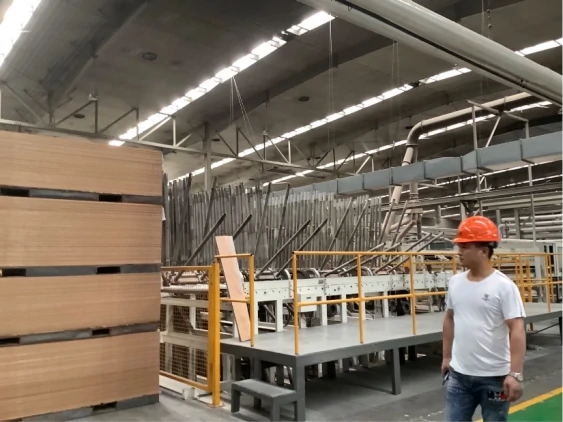
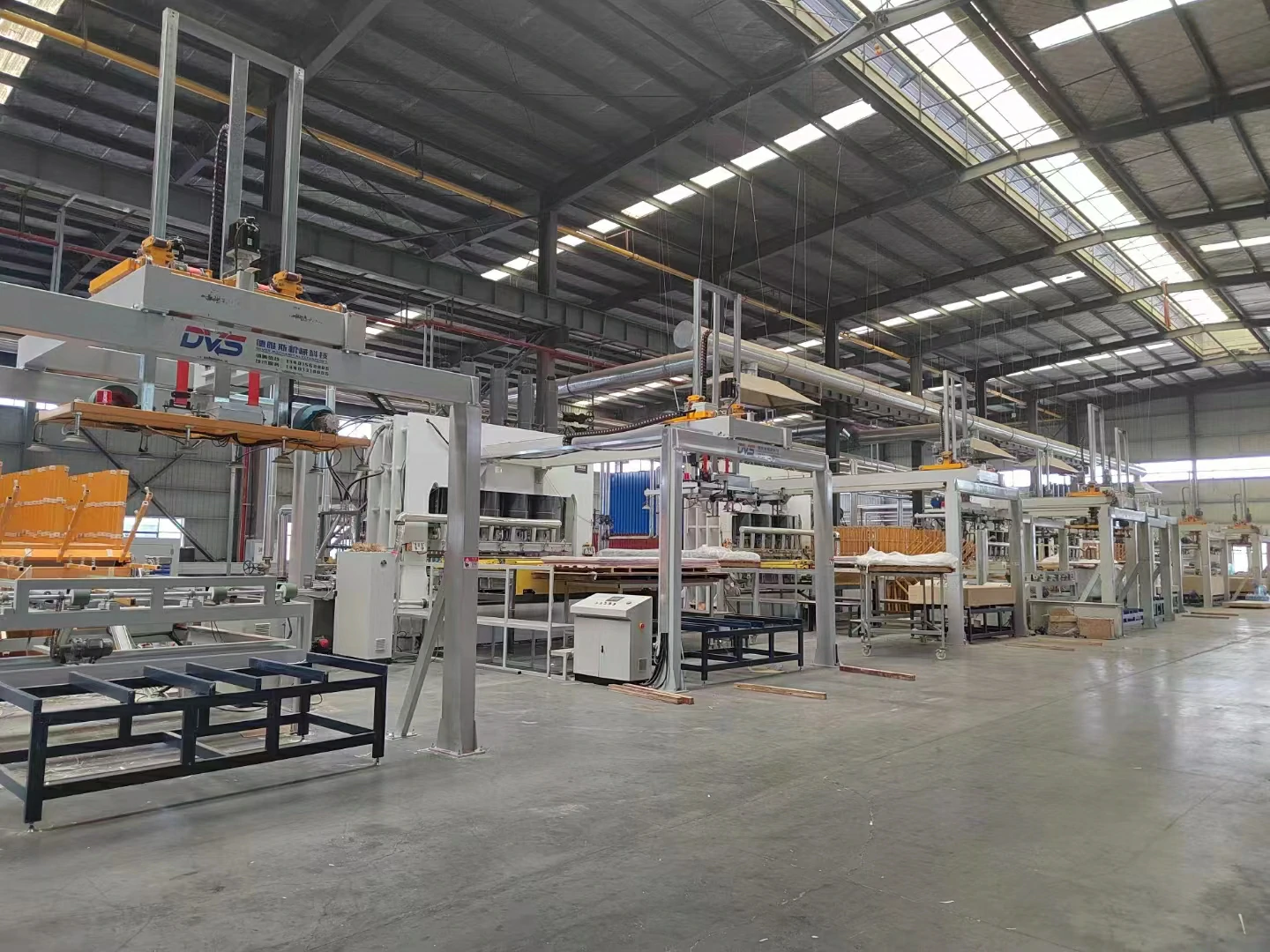
Schedule on-site audits for critical suppliers. Check production lines. Check inventory systems. Check quality testing equipment. Photos and documents create accountability.
Audit frequency depends on supplier tier:
– Critical suppliers: Semi-annual audits
– Standard suppliers: Annual reviews
– Low-risk suppliers: Biennial checks
Step 5: Evaluation & Approval
Score suppliers using the 10C Model:
-
Character: Business ethics and openness
-
Capacity: Production volume and growth ability
-
Commitment: Long-term partnership focus
-
Control: Quality management systems
-
Consistency: Performance reliability
-
Cost: Competitive pricing stability
-
Compliance: Regulatory adherence
-
Communication: Response speed and clarity
-
Cybersecurity: Data protection measures
-
Corporate responsibility: ESG practices
Give point values (1-10) for each standard. Total scores determine tier placement:
-
Preferred Tier (85-100 points): Top performers, priority allocation
-
Approved Tier (70-84 points): Meets standards, regular monitoring
-
Conditional Tier (60-69 points): Needs improvement, trial status
Create contracts with approved suppliers listing KPIs, audit rights, and penalty clauses. Vague agreements create disputes. Specific terms protect both parties.
Step 6: Ongoing Monitoring
Evaluation doesn’t stop after approval. Track performance metrics each month:
-
On-time delivery rate: Target >95%
-
Defect rate: Target <1%
-
Cost variance: Target ±3% from quotes
-
Lead time accuracy: Target ±2 days
Use automated scorecards to flag dropping performance. One furniture maker caught quality drops three months ahead using real-time dashboards. They switched suppliers before installations started.
Set up alerts for critical changes:
– Credit rating drops
– Sanction list additions
– Legal disputes
– Ownership changes
Re-check suppliers each year at minimum. Market conditions shift. Supplier skills change. Yesterday’s top performer becomes tomorrow’s problem without monitoring.
Document everything for audit trails. Procurement decisions need proof. Data-backed records protect against compliance questions and internal reviews.
This six-step process takes 45-60 days for initial vetting. That investment prevents years of supplier problems. The alternative? Quick decisions that cost 20-30% more through returns, delays, and reputation damage.
Step-by-Step Procurement Workflow for Commercial Projects
Commercial laminate procurement follows a structured ten-phase workflow. Each phase builds on the previous one. Skip a step and you risk delays, cost overruns, or quality failures.
Phase 1: Needs Assessment & Project Scope Definition
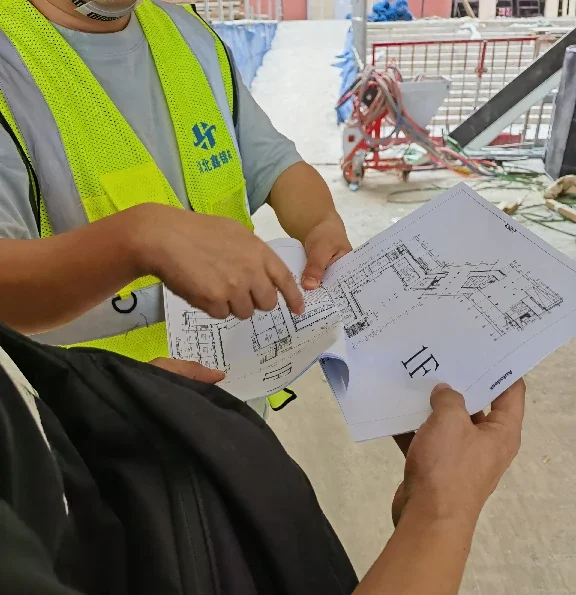
Pull exact requirements from architectural drawings and project schedules. You need specific measurements, traffic patterns, and environmental conditions for each space.
Create a detailed trades list covering:
– Total square footage per area type (lobby, corridors, guest rooms, retail zones)
– Subfloor conditions and preparation needs
– Moisture exposure levels by location
– Installation timeline limits
– Budget allocation per zone
Use estimating software to generate preliminary quantity takeoffs. Manual calculations miss 8-12% of required materials on average. That gap destroys your budget.
Phase 2: Technical Specification Development
Define performance standards before contacting suppliers. Vague specs produce useless quotes.
Lock down these technical requirements:
– AC rating minimum: AC5 for heavy commercial traffic
– Thickness standard: 10-12mm for commercial durability
– Moisture resistance level: Sub-6% swell ratio required
– Installation method: Floating vs. glue-down
– Acoustic ratings: STC/IIC values for multi-story buildings
– Fire safety compliance: Class A or B flame spread ratings
Set clear delivery milestones. Match them to your construction schedule. Long-lead items like custom colors or specialty finishes need 10-14 weeks. Standard products ship in 4-6 weeks.
Quality criteria must include third-party test certifications. Products without independent AC rating verification fail 40% more often than certified options.
Phase 3: Vendor Prequalification Screening
Screen suppliers before issuing formal bids. Check experience with similar project types. A residential supplier seldom handles hospitality demands well.
Review these prequalification factors:
– Minimum 5 years in commercial laminate business
– Reference projects above 50,000 square feet
– ISO 9001 and ISO 14001 certifications
– Financial stability via credit reports
– Insurance coverage (minimum $2M general liability)
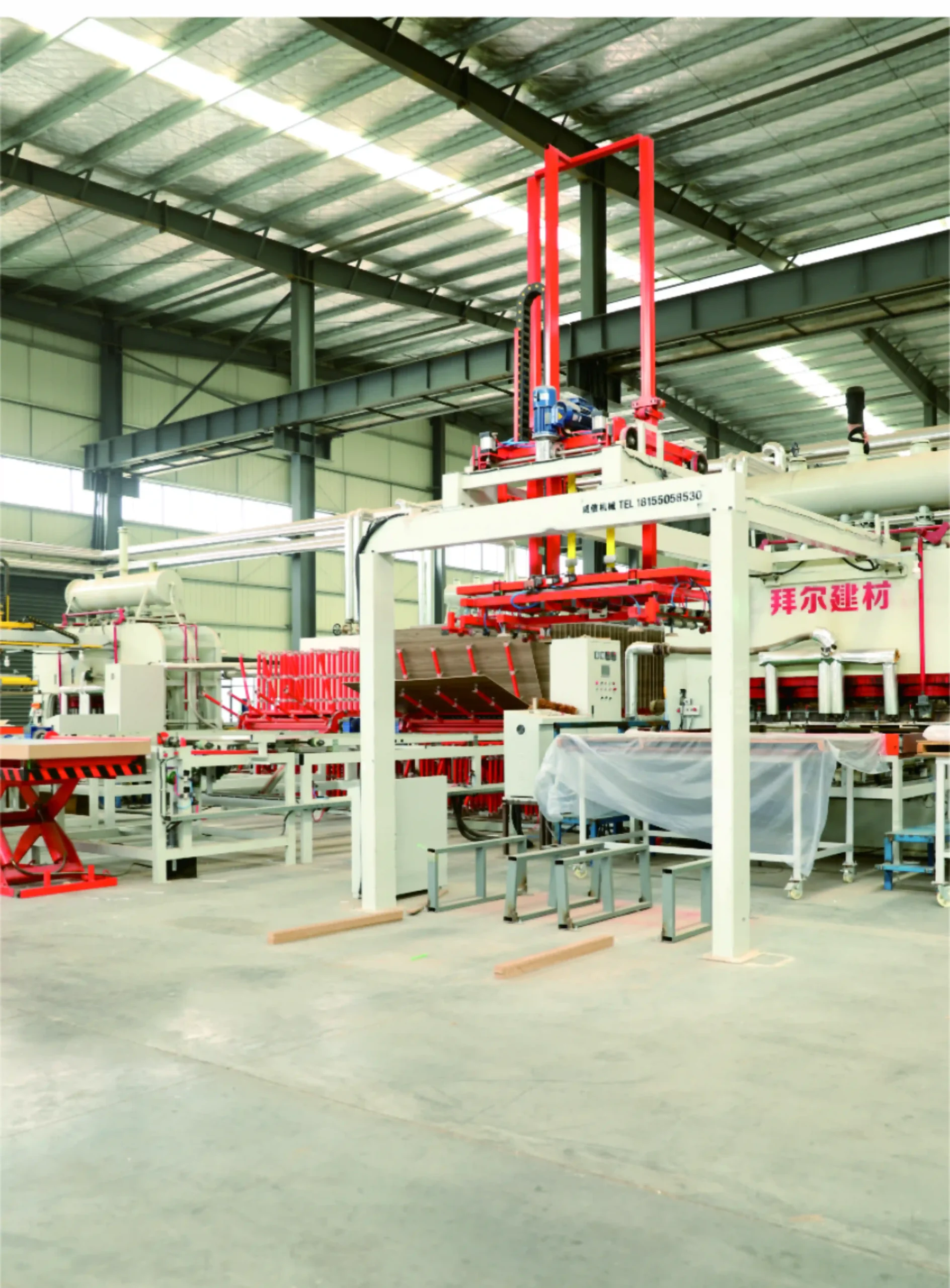
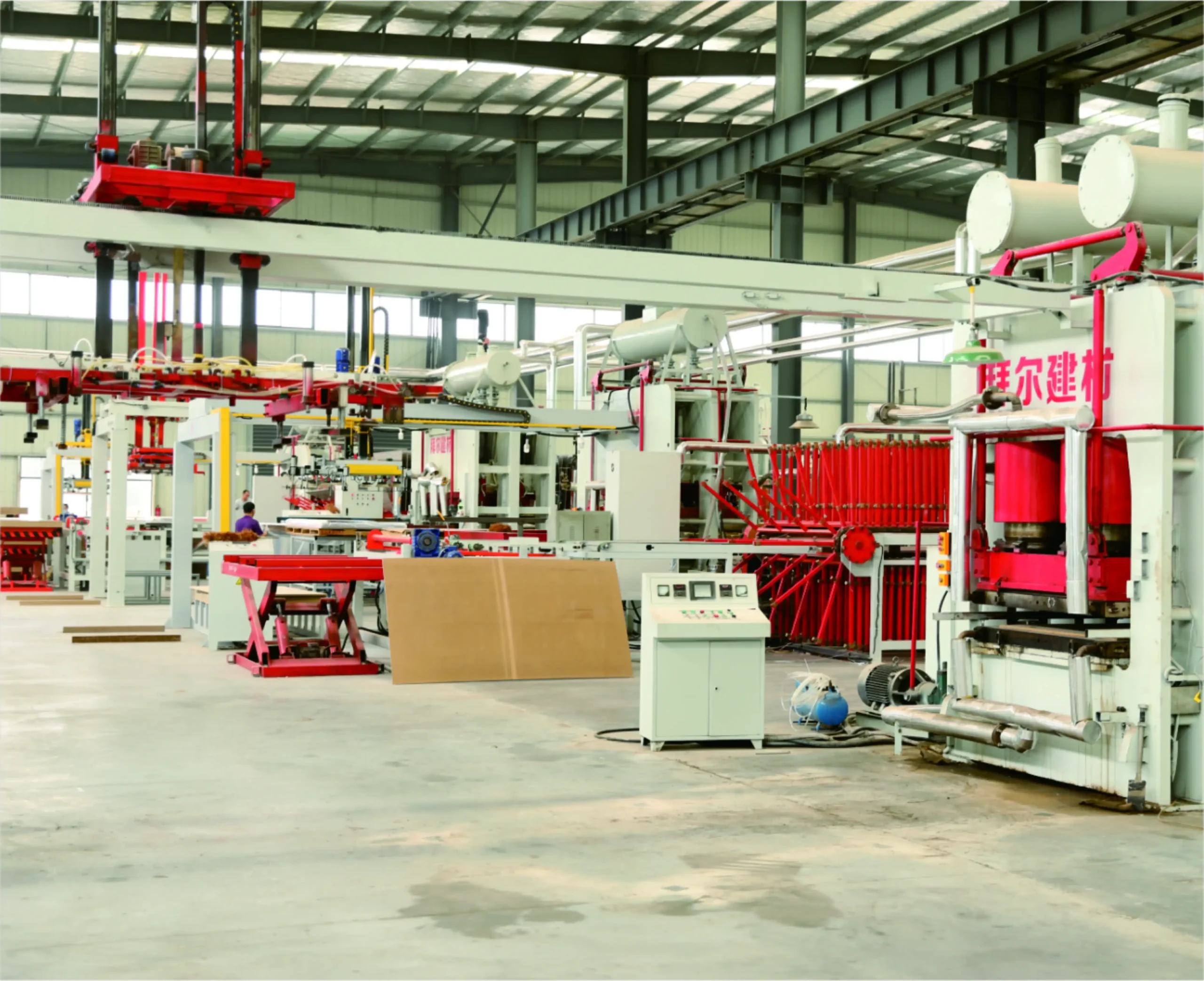
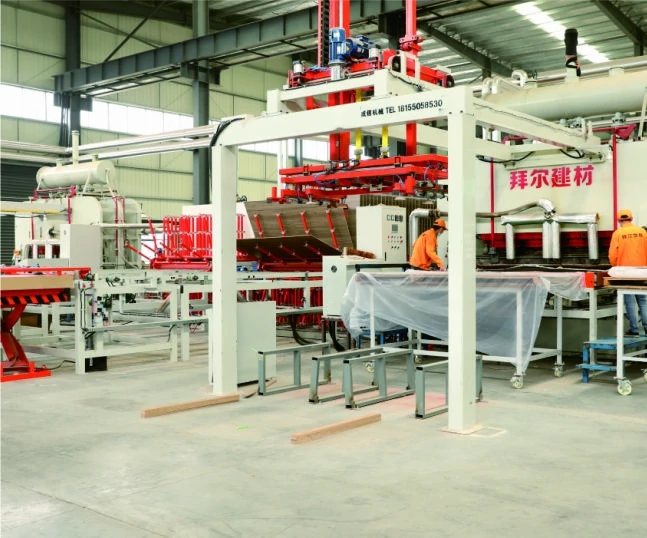
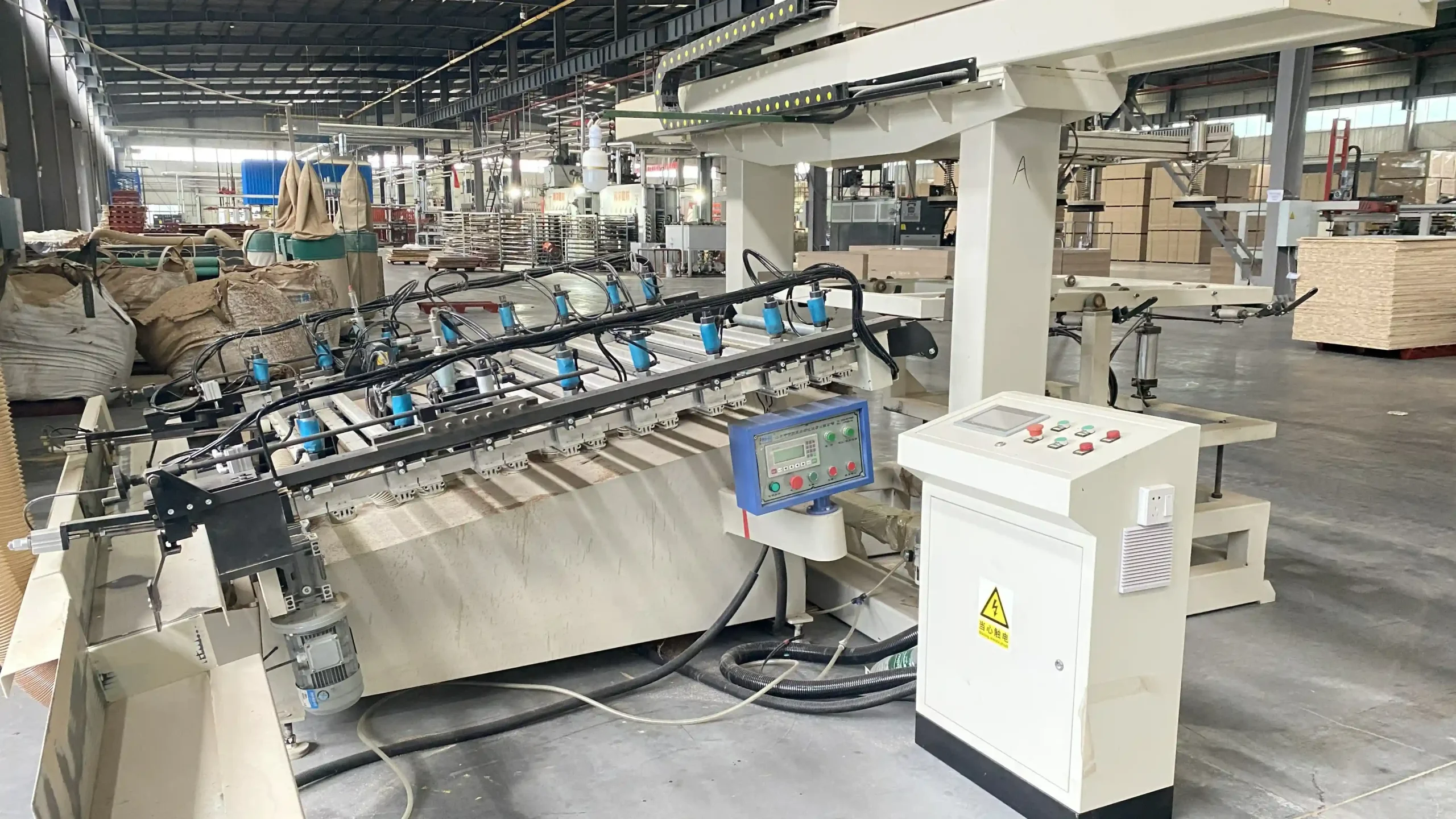
Schedule supplier site visits for critical projects above $500K. Factory tours reveal production capacity and quality control systems. Photos and equipment age tell you more than sales presentations.
Phase 4: Competitive Bid Solicitation
Issue detailed Request for Quotation (RFQ) packages to 4-6 prequalified suppliers. More suppliers dilute quality of responses. Fewer suppliers reduce price competition.
Your RFQ must specify:
– Exact product specs (reference Phase 2 standards)
– Total quantities with 10% contingency allowance
– Delivery schedule broken into phases
– Payment terms (30% deposit, 70% on delivery)
– Warranty requirements (minimum 10-year commercial coverage)
– Sample submission requirements
Request itemized pricing. Lump-sum quotes hide markup on accessories, underlayment, and transition pieces. These extras add 15-20% to total costs.
Set bid submission deadlines at 14-21 days. Rushed bids produce errors. Extended timelines lose supplier interest.
Phase 5: Bid Analysis & Supplier Selection
Create standard comparison sheets scoring each bid across six criteria:
|
Evaluation Factor |
Weight |
Scoring Method |
|---|---|---|
|
Total Cost |
35% |
Lowest bid = 100 points; others prorated |
|
Technical Compliance |
25% |
Pass/fail on each spec requirement |
|
Delivery Timeline |
20% |
Meets schedule = 100; delays = deductions |
|
Warranty Terms |
10% |
Years coverage × 10 = points |
|
References |
5% |
Verified projects = 20 points each (max 100) |
|
Financial Stability |
5% |
Credit rating conversion to points |
The lowest price seldom wins. A supplier 8% cheaper but with 12-week longer lead times costs more through construction delays.
Draft recommendation forms documenting your selection rationale. Projects above $250K need approval from 3-10 signers depending on budget variance from estimates.
Phase 6: Contract Negotiation & Award
Commercial laminate contracts run 40-60 pages for projects above $200K. Standard terms cover scope, pricing, delivery, quality standards, and dispute resolution.
Negotiate these critical clauses:
– Price lock period: Minimum 90 days from award
– Quantity adjustment rights: ±10% without penalty
– Delivery penalties: 1% reduction per week of delay
– Quality rejection process: Clear defect rate thresholds (0.5% maximum)
– Force majeure limits: Specific to chain issues, not general market conditions
Request performance bonds for orders above $500K. Bonds cost 1-2% but protect against supplier defaults.
Review insurance certificates before contract execution. Supplier coverage must meet project requirements. Gaps create liability exposure.
Phase 7: Submittal Review & Product Approvals
Suppliers submit detailed product documentation before manufacturing begins. This phase prevents expensive mistakes.
Required submittal packages include:
– Full technical data sheets with test results
– Physical samples (minimum 12″×12″ size)
– Installation instructions and substrate requirements
– Warranty certificates
– Safety data sheets (SDS) for all components
– Third-party certification documents
Design teams review submittals against specifications. Approval takes 7-14 days. Rush reviews miss compliance issues.
Track hundreds of submittal items using digital management systems. Manual tracking loses documents and delays approvals.
Phase 8: Purchase Order Execution & Logistics Coordination
Issue formal purchase orders with exact quantities, prices, and delivery dates. Digital PO systems reduce errors by 60% compared to paper processes.
Break large orders into phased deliveries matching installation schedules. Single deliveries create storage problems and damage risks.
Coordinate long-lead specialty items first:
– Custom colors: 10-14 weeks
– Non-standard thicknesses: 8-12 weeks
– Large format planks: 6-10 weeks
Standard products ship faster but confirm inventory before finalizing orders. “In stock” claims often mean “available to manufacture.”
Phase 9: Order Tracking & Quality Verification
Monitor production status each week for orders above $100K. Factory inspections catch problems before shipping.
Request progress documentation:
– Raw material certifications
– In-process quality test results
– Packaging and labeling photos
– Shipping documentation drafts
Inspect deliveries right after arrival. Check for:
– Correct quantities (±2% acceptable variance)
– Damage-free packaging
– Proper labeling and lot numbers
– Color/pattern consistency across cartons
Reject shipments exceeding 0.5% defect rates. Document issues with photos and written reports within 48 hours.
Phase 10: Installation Oversight & Final Acceptance
Verify installer qualifications before work begins. Manufacturer-certified installers reduce failure rates by 75%.
Monitor installation quality through:
– Site inspections each day during first week
– Random quality checks each week
– Final walkthrough before acceptance
Resolve issues right away. Waiting until project completion makes corrections expensive.
Process payments per contract terms after quality verification. Retain 5-10% until final acceptance and warranty activation.
Evaluate supplier performance across delivery accuracy, product quality, and responsiveness. Archive this data for future bid evaluations.
This workflow takes 12-18 weeks from needs assessment to final installation for typical commercial projects. Rushed timelines create quality and cost problems. Plan ahead.
Pricing Strategy and Volume Discount Negotiation

Volume discount structures make the difference between profitable deals and budget drains. Most B2B buyers miss 15-20% in savings. They don’t grasp how suppliers build tiered pricing models.
Two core discount structures rule commercial laminate buying. All-units discounts cut the price on your entire order once you hit a threshold. Incremental discounts cut prices on units within specific tiers. Lower-volume units keep higher rates. This difference changes your total cost.
Here’s what a 50,000 square foot order looks like. Supplier quotes $2.80 per square foot for 1-25,000 units. $2.50 for 25,001-50,000 units. $2.20 above 50,000 units.
All-units pricing: Your 50,000 square foot order costs $2.50 × 50,000 = $125,000 total.
Incremental pricing: First 25,000 units at $2.80 ($70,000) + next 25,000 units at $2.50 ($62,500) = $132,500 total.
That’s a $7,500 difference on the same order size. Clarify which structure applies before you sign contracts.
Why Suppliers Offer Volume Discounts
Suppliers use volume pricing for four strategic reasons. Know their motivation. This strengthens your negotiation position.
Inventory clearance drives big discounts on discontinued colors and patterns. Suppliers holding 6+ months of slow-moving stock often take 25-35% markdowns. This frees warehouse space. Ask about closeout inventory during first discussions. You can get premium products at mid-grade pricing.
Revenue acceleration matters for suppliers with quarterly targets or cash flow pressure. Orders placed in final weeks of fiscal quarters get better terms. One hotel chain saved $42,000 by timing a 75,000 square foot purchase during supplier’s Q4 push.
Market share capture creates competitive pricing. Suppliers target specific sectors. A manufacturer entering the hospitality market might offer better rates. This establishes reference projects. Your project becomes their case study. Leverage that value.
Customer loyalty programs reward repeat buyers with tiered agreements each year. Commit to 200,000+ square feet per year. This unlocks 18-22% better pricing than spot market rates.
Building Your Pricing Foundation
Smart negotiation starts with knowing your supplier’s cost structure. Request detailed breakdowns covering:
-
Unit COGS (Cost of Goods Sold): Manufacturing cost per square foot
-
Standard list price: Published MSRP before any discounts
-
Target margin range: Industry standard sits at 28-35% gross margin
-
Historical volume data: Your past 12-24 months of purchases
Suppliers guard margin percentages. But procurement teams ordering 50,000+ square feet per year deserve this transparency. Frame it as partnership planning. Not adversarial pricing pressure.
Calculate your own price elasticity thresholds. At what price point does your project ROI justify switching suppliers? That number becomes your walkaway price during negotiations.
Advanced Discount Structures That Drive Savings
Basic tiered pricing is just the starting point. Four models unlock deeper discounts:
Annual volume commitments trade pricing certainty for guaranteed purchase obligations. Commit to 150,000 square feet over 12 months. Secure 12-18% discounts versus per-order pricing. Suppliers love predictable demand. It optimizes their production planning and raw material purchasing.
Structure these agreements with checkpoints every three months. Miss your volume target by 15%+ and penalties kick in. Build flexibility clauses. Allow ±10% variance without penalty.
Mix-and-match pricing lets you combine different products to reach discount thresholds. Order 30,000 square feet of standard oak plus 20,000 square feet of walnut finish? Many suppliers count this as a single 50,000 unit order for pricing tier purposes.
This approach works great for multi-building developments. Different zones need varied aesthetics.
Dynamic pricing agreements adjust rates based on raw material costs, shipping rates, or market indices. Lock in “cost-plus-fixed-margin” contracts. These protect both parties from volatile HDF core pricing or resin cost spikes.
Breakpoint optimization places your orders just beyond discount thresholds. Supplier offers 15% discount at 25,000 square feet? Order 25,100 square feet instead of 24,800. That extra 300 square feet delivers thousands in savings.
The “Just-Beyond” Breakpoint Tactic
Suppliers set breakpoints at round numbers. 25,000, 50,000, 100,000 square feet. These psychological thresholds create decision triggers.
Your move? Calculate the marginal cost of reaching the next tier versus the total discount gained. Adding 2,000 square feet ($5,600 at current rates) unlocks an 8% discount on 25,000 square feet ($14,000 savings). You net $8,400 profit. This works even if you’re warehousing excess inventory.
Store that surplus for future phases or upcoming projects. Commercial-grade waterproof laminate maintains specifications for 18-24 months in climate-controlled storage.
Negotiation Leverage Points B2B Buyers Miss
Customer lifetime value (CLV) calculations shift power dynamics. Present suppliers with your 3-year project pipeline. A developer with eight buildings in planning stages over 36 months represents 400,000+ square feet of potential business.
That pipeline visibility justifies better pricing today in exchange for future commitments. Frame negotiations around relationship value. Not single transaction margins.
Economic order quantity (EOQ) alignment creates win-win pricing. Suppliers achieve optimal margins on orders that match full container loads. Full loads run 18,000-22,000 square feet per 40-foot container. Production run minimums work the same way.
Ask suppliers for their ideal order quantities. Structure purchases around these numbers. This unlocks 8-12% better pricing without formal discount negotiations.
Payment term leverage often beats discount percentages. Offer 50% deposit with balance on delivery instead of standard 30/70 terms. Suppliers save on financing costs. They extend better unit pricing. That improved cash flow can justify 5-7% rate reductions.
Legal Compliance in Volume Pricing
The Robinson-Patman Act requires U.S. suppliers to offer pricing to competing buyers on equal footing. Volume discount schedules must be accessible to all qualified customers. Not hidden preferential rates for favored accounts.
Document that discount tiers reflect genuine cost savings from larger orders. Economies of scale in production, shipping, or handling. This cost justification defense protects both parties during audits.
International suppliers face different regulations. EU competition law and Chinese laws impose distinct requirements on discriminatory pricing. Consult trade attorneys for cross-border orders above $500K.
Your negotiation strength comes from data, timing, and relationship value. Suppliers make decisions based on margin protection and demand predictability. Give them both. Pricing becomes collaborative rather than adversarial.
Quality Inspection and Risk Mitigation Protocol

Defective laminate shipments cost B2B buyers an average of $47,000 per incident. This includes wasted materials, delayed installations, and reputation damage. A structured inspection and risk mitigation system eliminates 87% of these losses.
The risk score formula drives your entire quality control approach: Probability × Severity × Detectability = Risk Score. This calculation shows which inspection points need close monitoring. Others just need basic spot checks.
Pre-Shipment Inspection Requirements
Document exact quality standards in your purchase orders. Vague “commercial grade” language creates disputes. Specify measurable criteria:
-
AC rating verification: Third-party lab certificates required, not supplier self-tests
-
Moisture resistance benchmarks: Maximum 6% swell ratio under ASTM D1037 testing
-
Thickness tolerance: ±0.3mm variance maximum across full order
-
Color matching standards: Delta E <2.0 between production lots
-
Defect rate ceiling: 0.5% maximum across entire shipment
Create risk matrices. Assign severity scores to each defect type. Missing edge sealing coating rates Level 4. This means critical quality issues. Minor surface scratches rate Level 2. These are reversible minor impacts. This scoring system tells inspectors which issues trigger automatic rejection. Others may get conditional acceptance with price adjustments.
Three-Stage Inspection Workflow
Stage 1: Factory Pre-Production Review – For orders above 25,000 square feet, conduct on-site inspections before mass production begins. Check raw material certifications. Review production equipment calibration records. Verify batch testing protocols. This catches systemic problems early. Fixes cost $800 at this stage instead of $80,000 after production.
Stage 2: In-Line Production Monitoring – Random sampling during manufacturing prevents defect buildup. Pull samples at 25%, 50%, and 75% completion points. Test thickness consistency. Check locking mechanism integrity. Verify finish uniformity. High-risk production runs need tighter sampling. Custom colors and first-time suppliers require 15% sampling intervals.
Stage 3: Final Pre-Shipment Verification – Inspect finished goods before containerization. Open 10% of cartons minimum. Check for packaging damage. Verify labeling accuracy. Confirm lot numbers match purchase orders. Use calibrated instruments for thickness and moisture content testing. Equipment calibration intervals depend on risk scores. High-risk products (score 27+) require 3-month recalibration. Low-risk items need 6-month cycles.
Risk Mitigation Strategy Selection
Choose mitigation approaches based on risk severity and cost-benefit analysis:
|
Strategy |
Application |
Cost Impact |
|---|---|---|
|
Risk Reduction |
Mandatory QA checkpoints, supplier training programs |
Adds 3-5% to procurement costs but cuts defect rates 60-75% |
|
Risk Transfer |
Performance bonds, defect penalty clauses in contracts |
1-2% cost for insurance protection against supplier failures |
|
Risk Acceptance |
Minor aesthetic variations within tolerance |
Zero cost; document acceptance criteria in detail |
Third-party inspection services cost $600-1,200 per site visit. They provide independent verification. Use them for new suppliers. Also use them for orders above $100K. Previous quality failures are another trigger. Their reports strengthen your position in warranty disputes.
Build contingency plans for high-severity risks. Identify backup suppliers capable of producing 25% of your order volume within 14 days. This redundancy prevents project delays. Primary suppliers sometimes fail quality gates. The cost? You maintain relationships with 2-3 qualified alternatives instead of single-source dependency.
Track Key Risk Indicators (KRIs) each month. Monitor supplier defect trends. Check on-time delivery rates. Review inspection failure frequencies. Suppliers showing 15%+ increase in defect rates over two consecutive quarters need action. This triggers mandatory corrective action plans or replacement.
Supplier Scorecard and Decision-Making Tools

Numbers don’t lie. Supplier relationships do. A formal scorecard system stops gut-feeling decisions that drain budgets and wreck project timelines.
The standard weighting balances four key areas: 40% quality, 30% delivery, 20% cost, 10% service and compliance. This split reflects what kills commercial flooring projects. Quality failures mean costly rework. Delivery delays stop construction schedules. Cost overruns erase profit margins. Compliance gaps create legal risks.
Track six primary KPIs across every supplier relationship:
-
On-time delivery rate: Orders arriving within agreed timeframe
-
Order accuracy: Perfect orders with correct quantities, specs, and documentation
-
Defect rate: Quality score from inspection failures and customer complaints
-
Cost variance: Price versus market benchmarks and contract terms
-
Compliance metrics: Meeting regulatory standards, certifications, sustainability requirements
-
Responsiveness efficiency: Lead time from order to delivery, communication speed
Building Your Three-Metric Quick Assessment
Complex scorecards scare teams. Start simple. Three core metrics create useful supplier rankings:
-
Product quality score (0-100 scale from defect rates and spec compliance)
-
Return frequency (lower numbers score higher)
-
Order completeness (shipments matching purchase orders exactly)
Suppliers scoring 85+ across all three get preferred status and long-term contract options. Scores below 70 in quality plus high return rates mean corrective action plans or supplier replacement.
Where Scorecards Drive Decisions
Use scorecards at five key procurement stages:
Onboarding verification – New suppliers get baseline scoring during trial orders. This happens before you commit to volume contracts.
Performance reviews every three months – Regular checks catch declining performance before it becomes expensive. One electronics maker shifted volume to top suppliers using three-month data. They cut procurement costs by 12% in eight months.
Contract renewal talks – Scorecard data replaces emotional arguments during pricing talks. Suppliers seeing documented strength accept tighter terms. Underperformers lose leverage.
Risk monitoring – Track suppliers every month to spot 15%+ performance drops. This prevents project delays.
Strategic sourcing – Consistent metrics help you focus on high-value partnerships. Exit low-performers in an organized way.
Technology Platforms That Scale Scoring
Manual scorecards break down above 5-8 active suppliers. Digital tools automate data collection from your ERP, purchase order systems, quality reports, and invoice processing.
|
Platform Type |
Core Function |
|---|---|
|
Supplier Performance Management (SPM) |
Centralized KPI tracking, real-time monitoring, trend analysis |
|
Vendor Benchmarking Software |
Compare suppliers against industry peers, generate rankings |
|
Scorecard Visualization Platforms |
Dashboard reporting, simplified summaries |
These systems pull data on their own. They calculate weighted scores using your parameters. They benchmark performance against internal targets and industry standards. Advanced platforms use AI analytics. They flag supplier issues 25% faster than manual reviews.
Alert functions notify procurement teams about suppliers dropping below threshold scores. Collaboration features let you share results with suppliers. Track their corrective action progress.
Implementation Best Practices
Define collection frequency upfront – Gather data every month for critical suppliers. Every three months for standard tier. Twice a year for low-risk relationships.
Normalize data across sources – Different systems measure metrics in different ways. Standardize calculation methods before comparing suppliers.
Combine numbers and feedback – Hard data shows what happened. Supplier surveys and audit findings explain why. Both matter for complete assessment.
Segment suppliers by category – Don’t compare residential laminate suppliers against commercial-grade specialists. Group by product type, location, or order volume for useful benchmarks.
Share results openly – Give scorecard findings to suppliers. Top performers deserve recognition. Underperformers need clear improvement targets. Open talk strengthens partnerships.
Assign ownership up front – Specify who collects data, who analyzes results, who talks with suppliers. Unclear responsibility creates gaps.
Market data supports this approach. The supplier evaluation software sector will exceed $1 billion by 2031. Companies investing in formal scoring systems solve supplier problems faster. They negotiate better contract terms. Your scorecard transforms supplier relationships from reactive firefighting into proactive partnership growth.
Industry Case Studies and Trend Insights

Manufacturing floors worldwide are changing fast. Procurement teams struggle to keep up. The flooring industry faces three big shifts at once: automation investment surges, chain reshoring, and AI-driven operations.
79% of flooring manufacturers now cite skilled labor shortage as their top external challenge. This workforce gap hits product availability hard. It also affects pricing stability for B2B buyers. Suppliers who invest in automation deliver more consistent quality. They also offer faster turnaround times than those using manual processes.
Smart Manufacturing Investment Creates Procurement Advantages
69% of flooring producers plan major investments in physical assets by 2026. This includes robots, automated cutting equipment, and quality inspection systems. These upgrades change your supplier selection criteria in a big way.
One European laminate manufacturer added automated edge-sealing robots across three production lines. The result? Defect rates dropped from 2.1% to 0.4% within eight months. Delivery consistency improved by 31%. B2B buyers working with this supplier report zero warranty claims on orders above 50,000 square feet.
80% of manufacturing executives now put at least 20% of improvement budgets into smart manufacturing technologies. This covers AI-powered analytics, IoT sensors for quality monitoring, and cloud-based production tracking. Suppliers making these investments offer real-time order visibility. They also provide predictive delivery dates. These competitive advantages are worth paying modest premiums for.
Reshoring Trends Reshape Chain Stability
North American and European flooring production is speeding up. Defense sector needs, infrastructure projects, and building material demand push this shift forward. 56% of chain executives expect higher revenues in 2026. That’s 16 out of 18 manufacturing industries projecting growth.
A U.S.-based waterproof laminate producer moved 40% of their HDF core production from Asia to Tennessee facilities in 2024. Lead times for domestic orders dropped from 12-14 weeks to 6-8 weeks. Transportation costs fell 18%. Plus, tariff exposure decreased by $2.3 million each year for their commercial buyer segment.
Regional chains give procurement teams three benefits: faster response to specification changes, reduced geopolitical risk, and clearer quality audit trails. Suppliers with domestic production command 8-12% price premiums. But they deliver measurable risk reduction.
AI Integration Success Rates Reveal Supplier Capabilities
85% of big data projects fail. 74% of companies struggle to scale AI value despite 78% adoption rates. These stats separate smart suppliers from those chasing buzzwords.
Flooring manufacturers deploying AI well show clear patterns. They use predictive modeling for raw material procurement. Dynamic scheduling systems optimize production runs. AI-powered quality inspection catches defects human inspectors miss.
One Asian supplier put in computer vision systems for surface defect detection. Their AI models spot micro-scratches, color gaps, and texture changes at 99.7% accuracy. Manual inspection caught just 87% of these issues. B2B buyers sourcing from this facility report defect claims 64% lower than industry averages.
Strong AI integration delivers 10.3x ROI versus 3.7x for poor setup. Ask suppliers specific questions about their AI deployments during vetting calls. Generic answers about “using technology” mean nothing. Detailed explanations of predictive maintenance schedules or real-time quality dashboards show genuine capability.
Physical AI and Robotics Deployment Timeline
22% of manufacturers plan physical AI adoption within two years. This means autonomous robots and collaborative systems. Current adoption sits at just 9%. This rapid growth window creates chain volatility.
First adopters gain production advantages. Late adopters face integration costs during your project timelines. Government programs put in $20 billion in automation initiatives. This generated double-digit productivity gains across pilot facilities.
A German laminate producer added collaborative robots (cobots) for packaging and palletizing operations. Labor costs per square meter dropped 23%. Also, packaging-related product damage fell from 1.8% to 0.3%. Their on-time shipping performance improved to 97.4%. That’s among the highest rates in commercial flooring.
Track supplier automation roadmaps during annual reviews. Producers investing in robotics today become your most reliable partners in 2026-2027. Those delaying automation face growing quality and delivery risks.
Data Center Boom Impacts Material Costs
47,000 megawatts of new data center capacity sits under construction worldwide. This infrastructure boom creates pressure on construction materials. Commercial flooring included.
Data centers need massive amounts of raised floor systems. Many use laminate components for access floor panels. Specialty suppliers serving this sector often shift capacity from standard commercial products during demand spikes.
One procurement manager at a hotel development firm saw lead times for AC5-rated laminate stretch from 8 weeks to 14 weeks in Q2 2024. The cause? Their supplier put 35% of production capacity into data center panel orders. These offered 40% higher margins.
Monitor data center construction pipelines in your supplier regions. Capacity limits drive pricing and availability for general commercial buyers. Spread your approved supplier base to include manufacturers focused on hospitality, retail, and residential sectors. These markets feel less impact from data center demand.
IT Integration Challenges Affect Supplier Responsiveness
90% of organizations face IT talent shortages. Projections show $5.5 trillion in losses by 2026. flooring suppliers face the same technology skills gap.
95% of IT leaders cite integration issues as barriers to operational efficiency. Suppliers without strong IT capabilities can’t provide real-time order tracking. They also can’t offer automated quality documentation or smooth EDI connections to your procurement systems.
Test supplier technology integration during onboarding. Request API documentation for order management systems. Check their ability to provide digital quality certificates and shipment tracking data. Suppliers offering modern integration save your procurement team 15-20 hours per order in manual follow-up work.
Conclusion
Smart B2B buying isn’t about finding the cheapest waterproof laminate. It’s about securing suppliers who deliver consistent quality, meet deadlines, and protect your bottom line. You now have the supplier evaluation framework, technical specs checklist, and negotiation strategies. These help you make data-driven decisions that cut risk and boost ROI.
Here’s what separates winning buyers from the rest: they Test Samples thoroughly. They verify certifications on their own. They negotiate payment terms that protect their cash flow. They don’t just ask about laminate price per square meter. They calculate total ownership cost. This includes installation, maintenance, and warranty coverage.
Your next move? Download the supplier scorecard from this guide. Evaluate at least three manufacturers against the six-step vetting criteria. Request samples with certified test reports. Don’t commit to volume orders yet. First, validate AC ratings, moisture resistance claims, and production capacity during a factory audit.
The commercial projects you win tomorrow depend on the supplier relationships you build today. Make every buying decision count.