Oman’s construction boom has created huge demand for durable, affordable flooring. Contractors now turn to Stone Polymer Composite (SPC) flooring to meet tight project deadlines and budgets.
But here’s the problem: dozens of suppliers claim they offer “premium quality” SPC products. So how do you find the factories that deliver real waterproof performance? You need ones that handle installation efficiently and last in Oman’s climate.
We evaluated the top Stone Polymer Composite flooring factories in Oman. Our review covered product certifications, contractor feedback, supply chain reliability, and project track records.
You’re bidding on a hotel project in Muscat? Managing apartments in Salalah? This guide shows which suppliers perform every time. We also reveal the assessment criteria that separate contractor-grade providers from retail sellers.
Pick the wrong supplier and you’ll face callbacks and lost margin. Pick the right one and you gain a competitive edge.
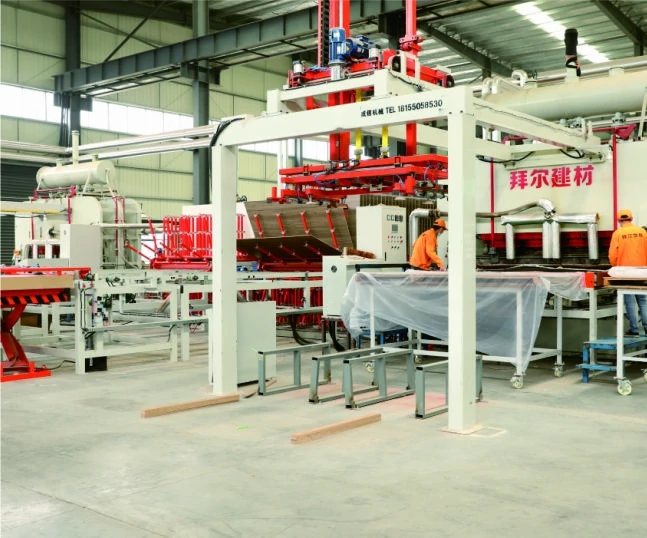
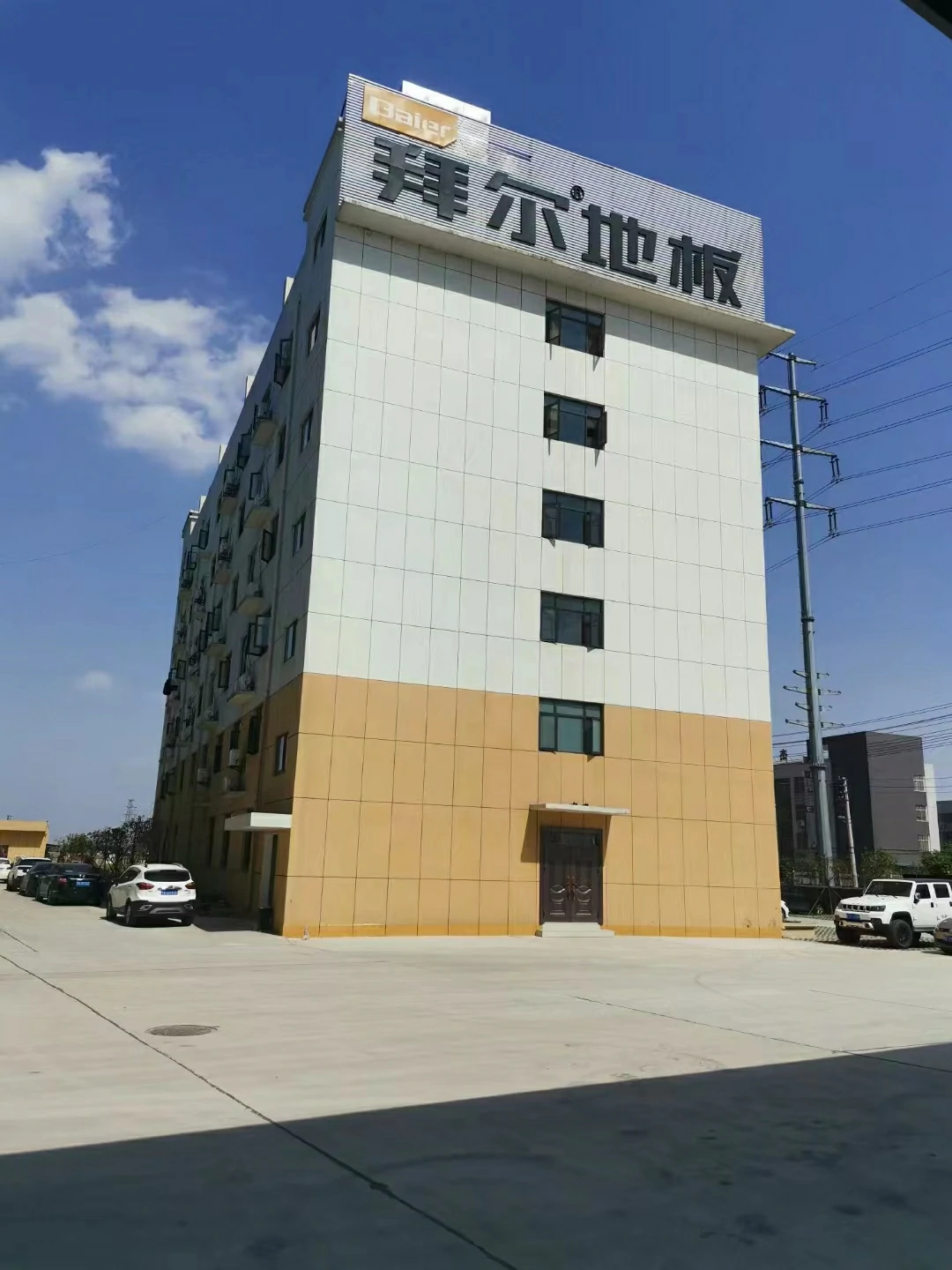
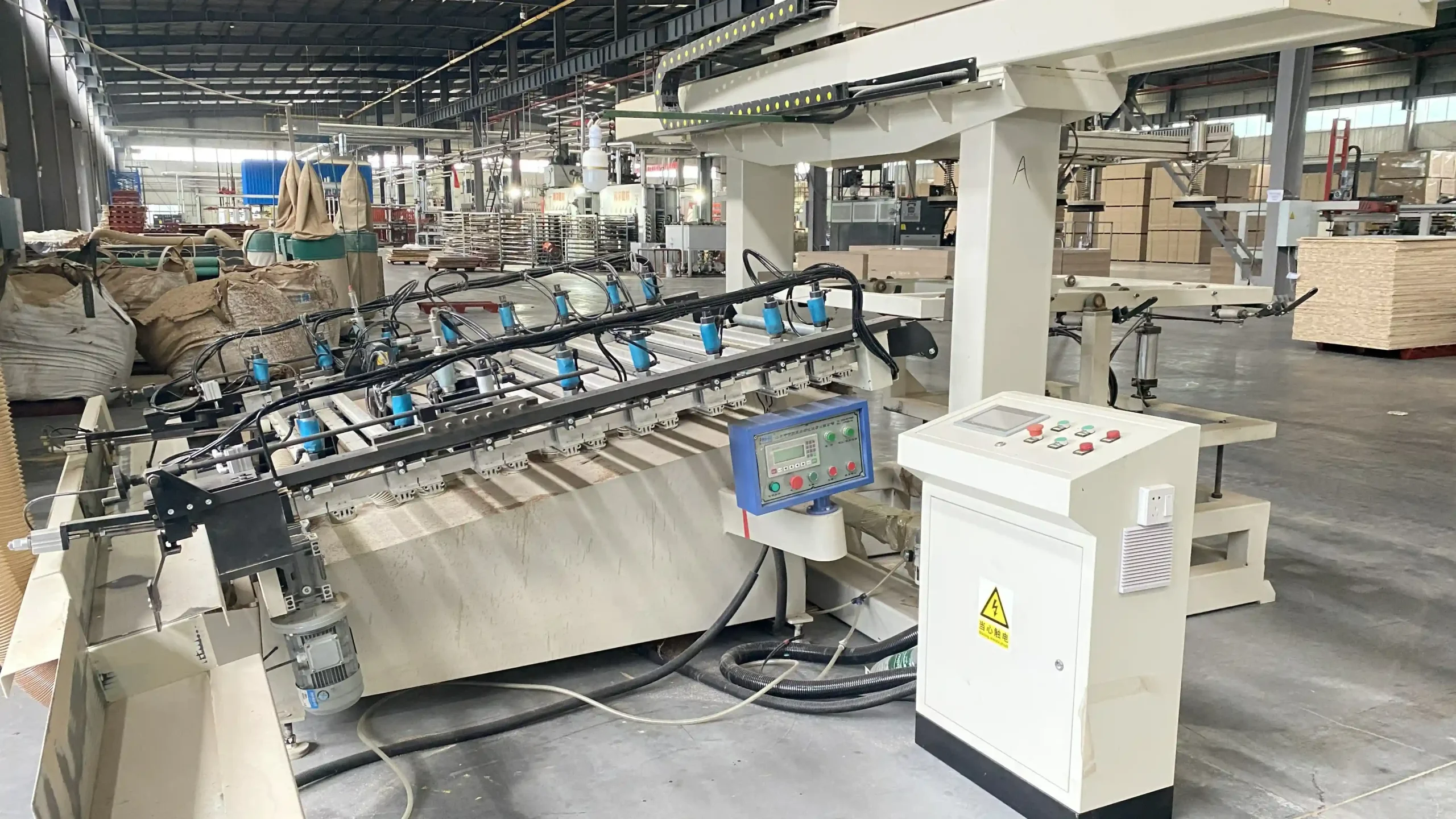
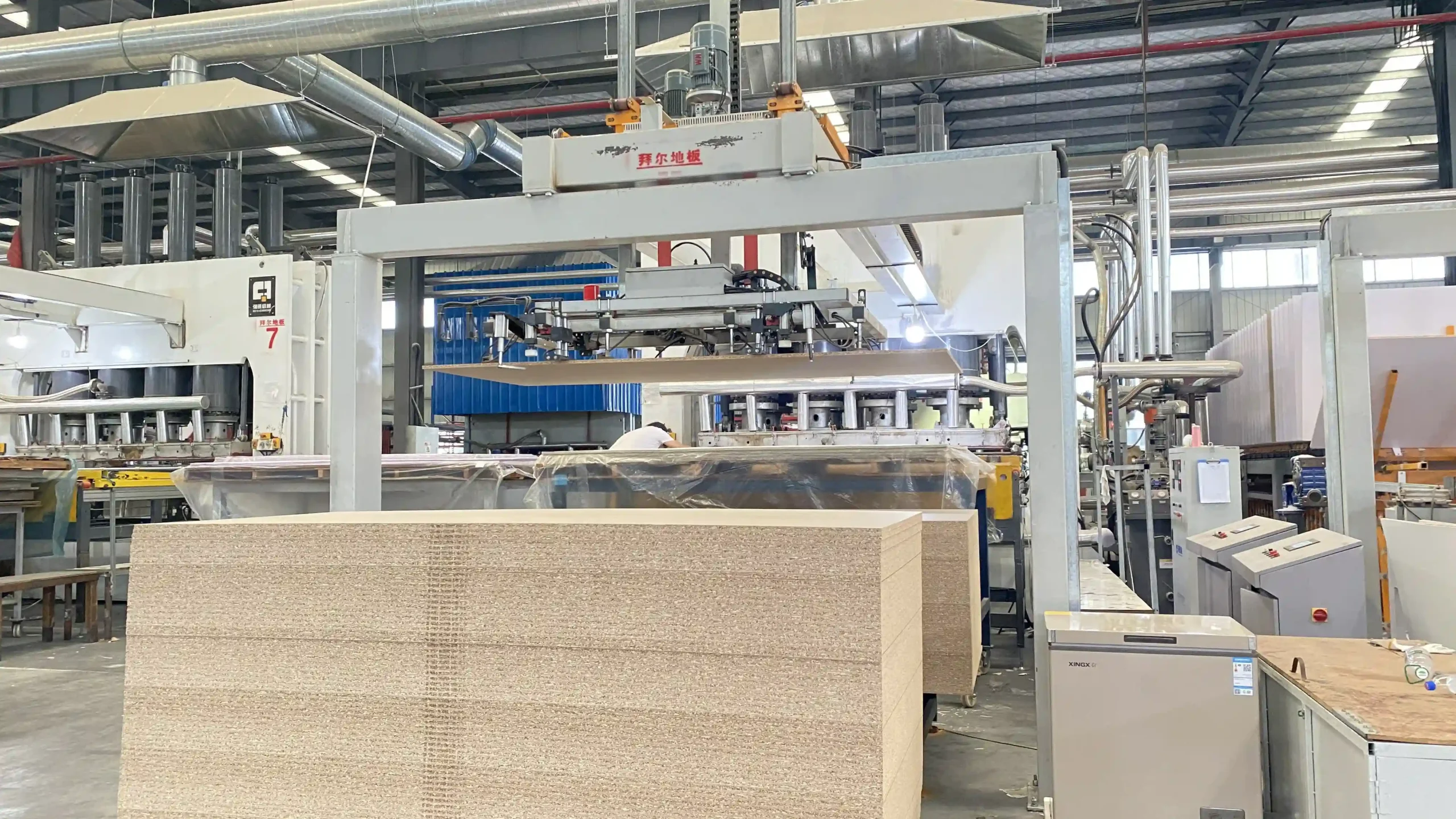
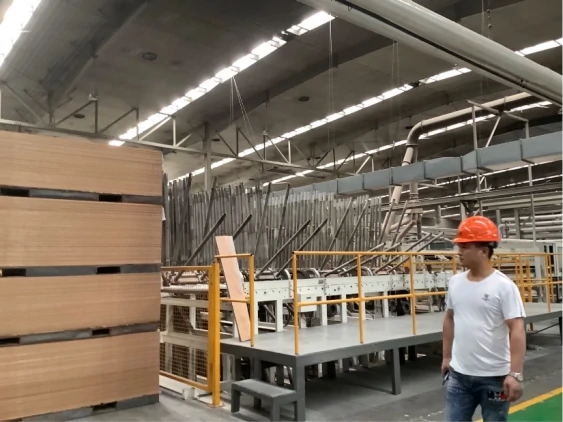
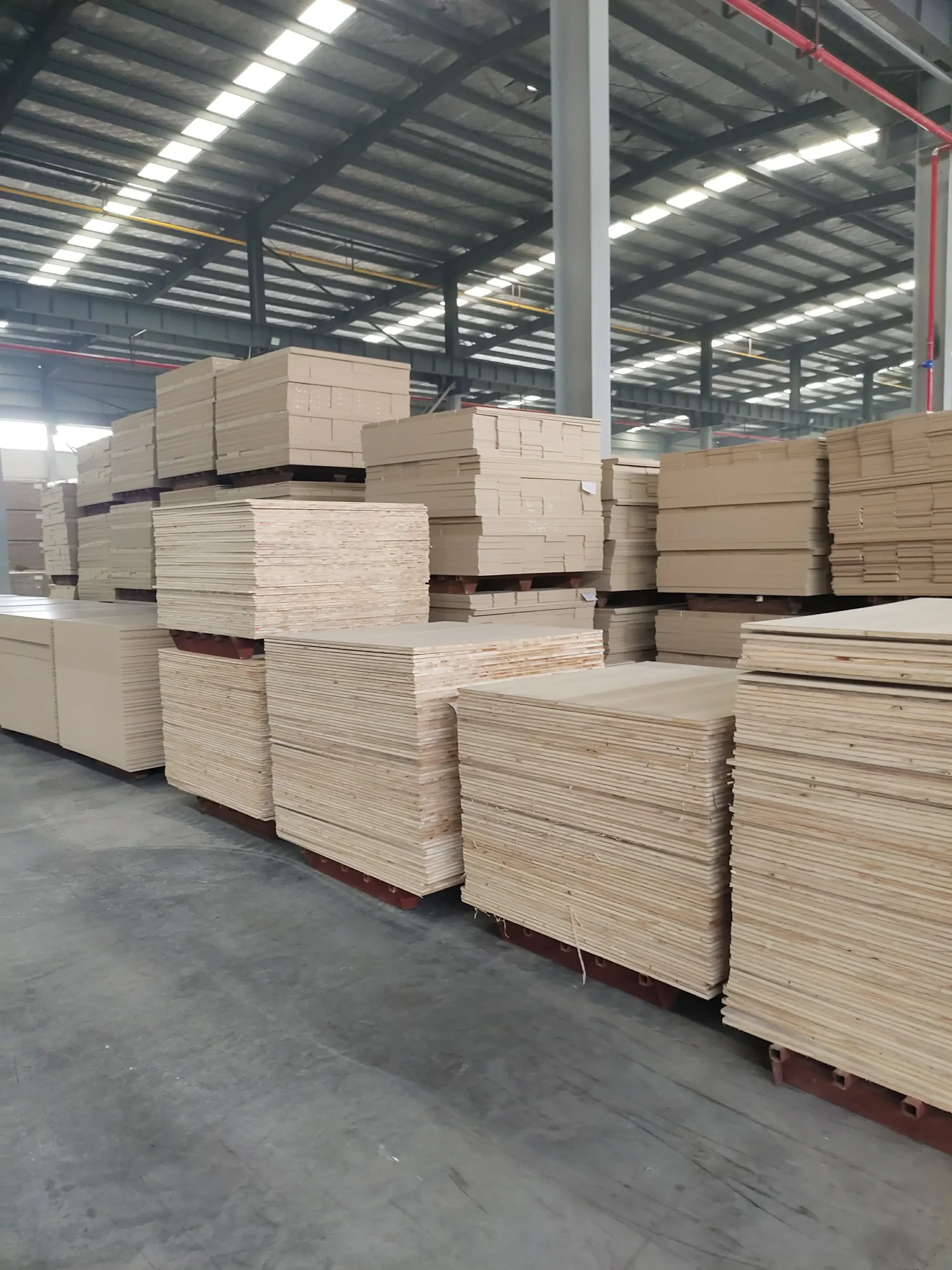
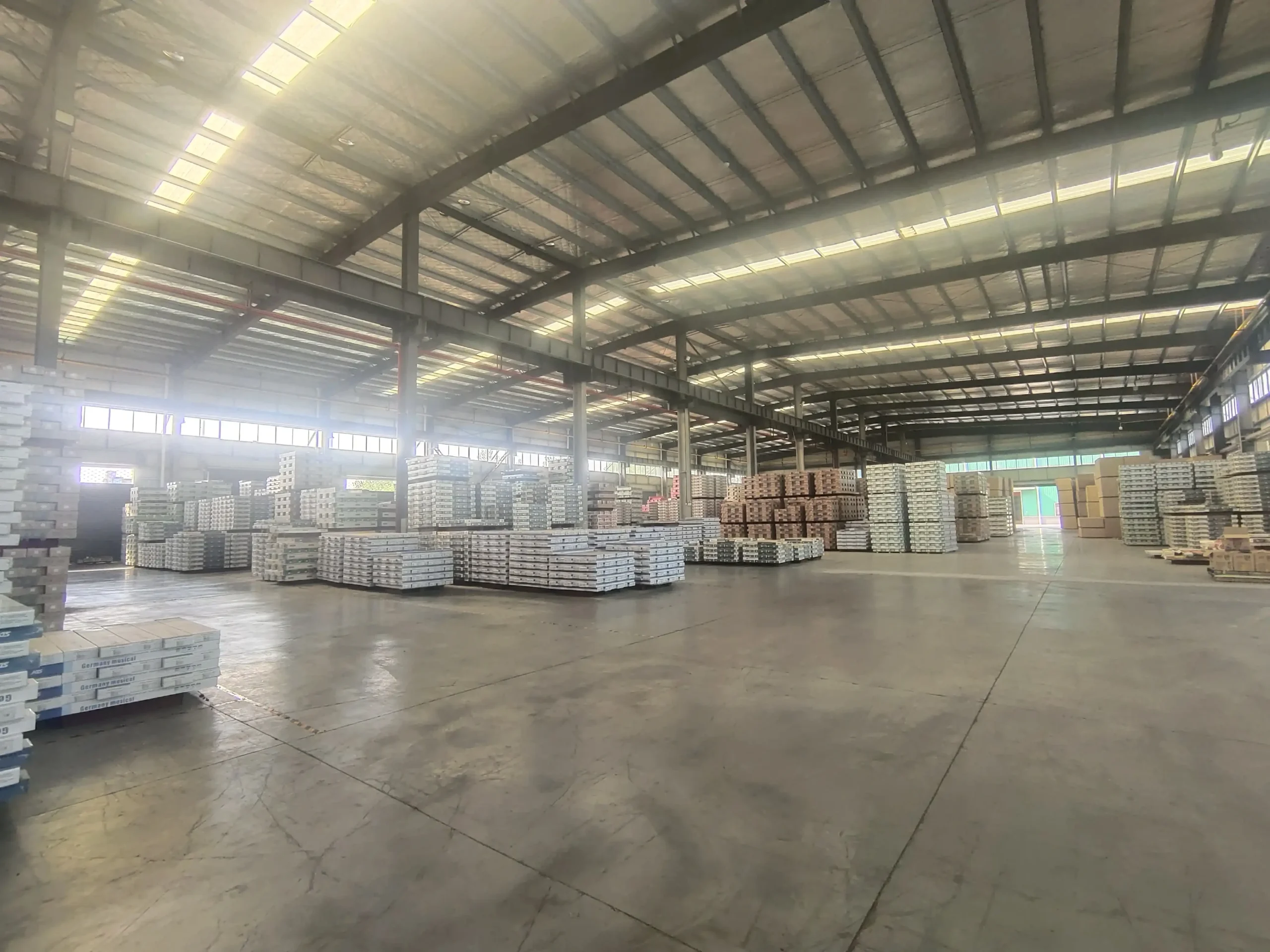
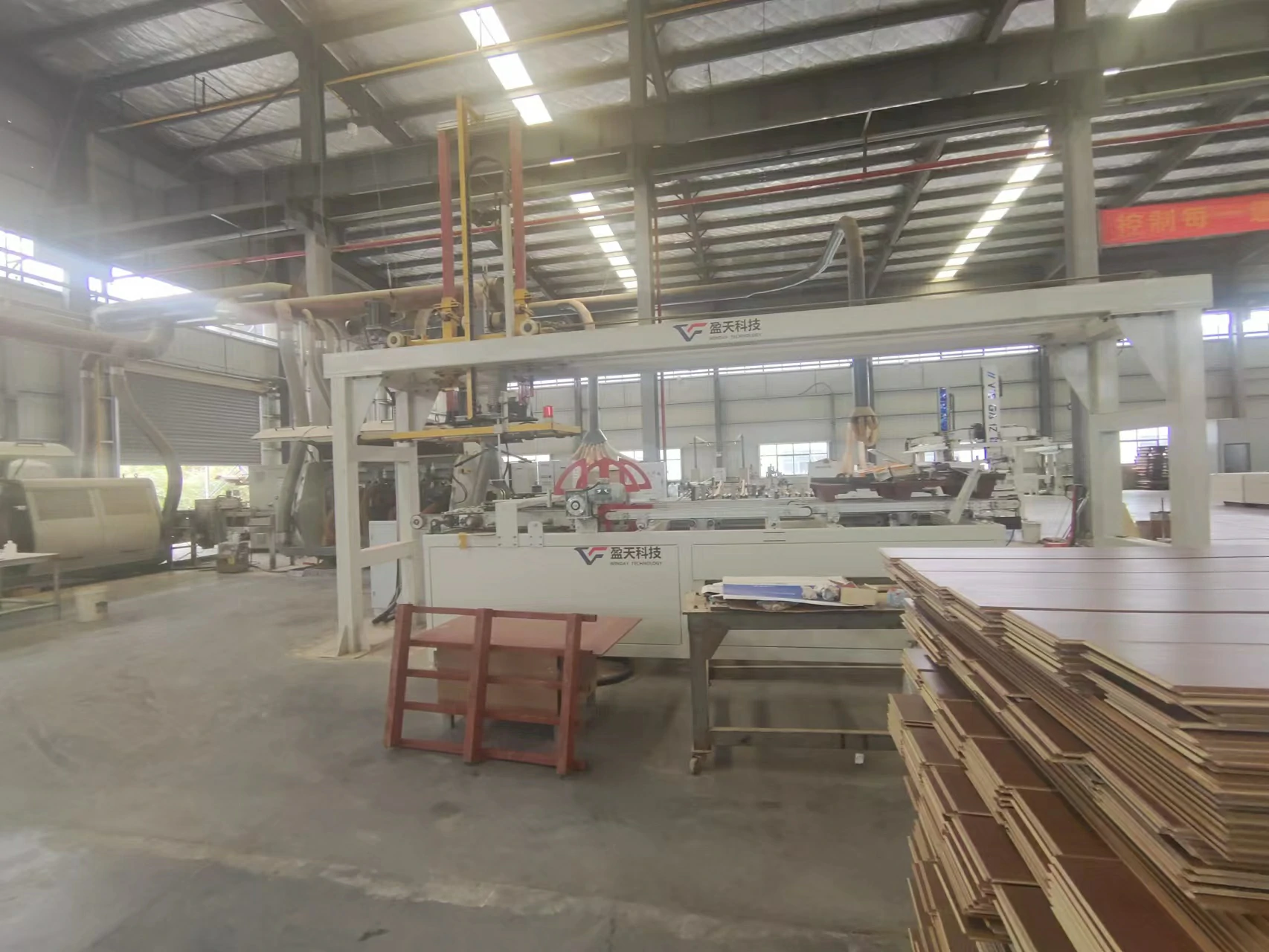
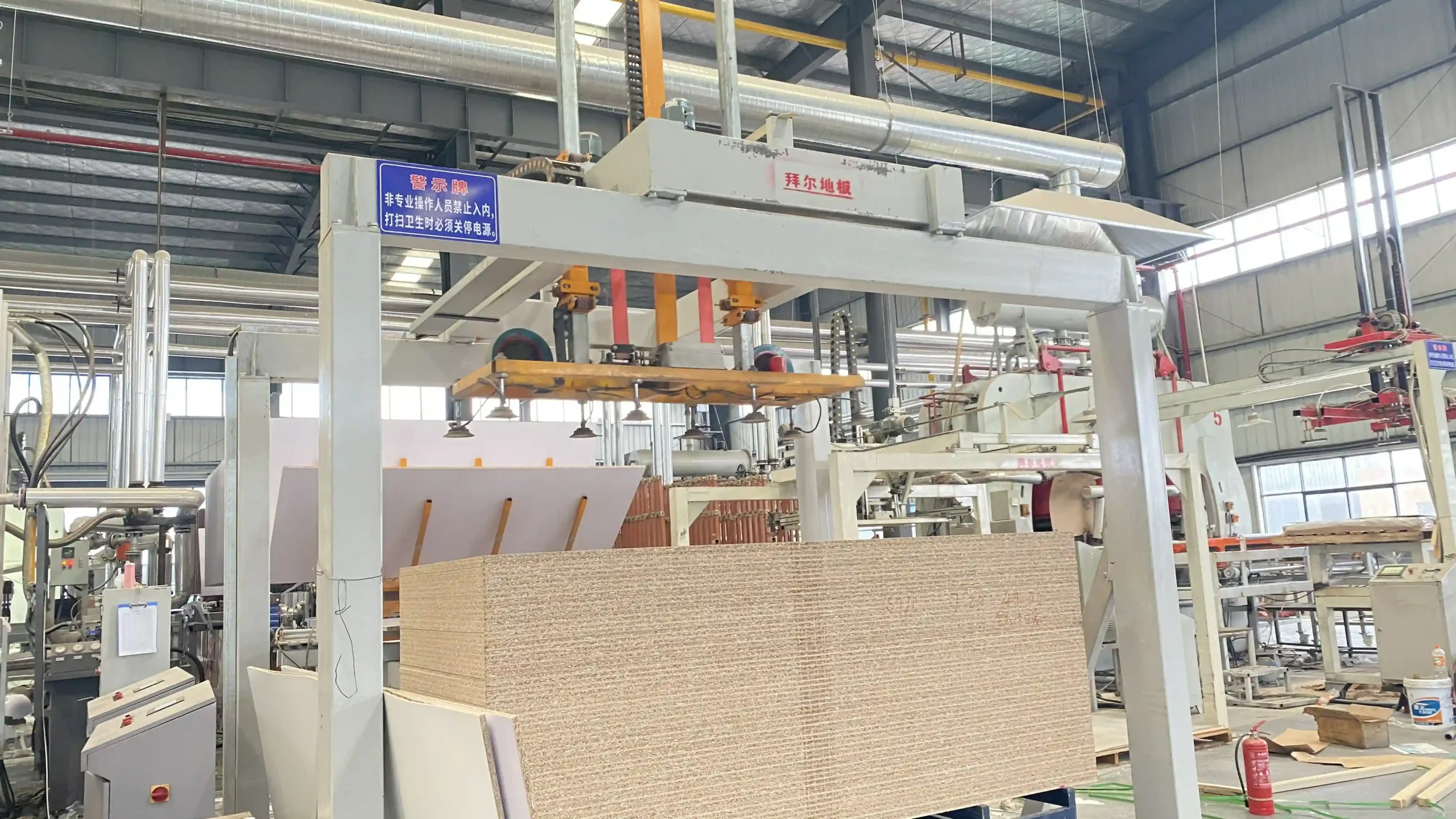
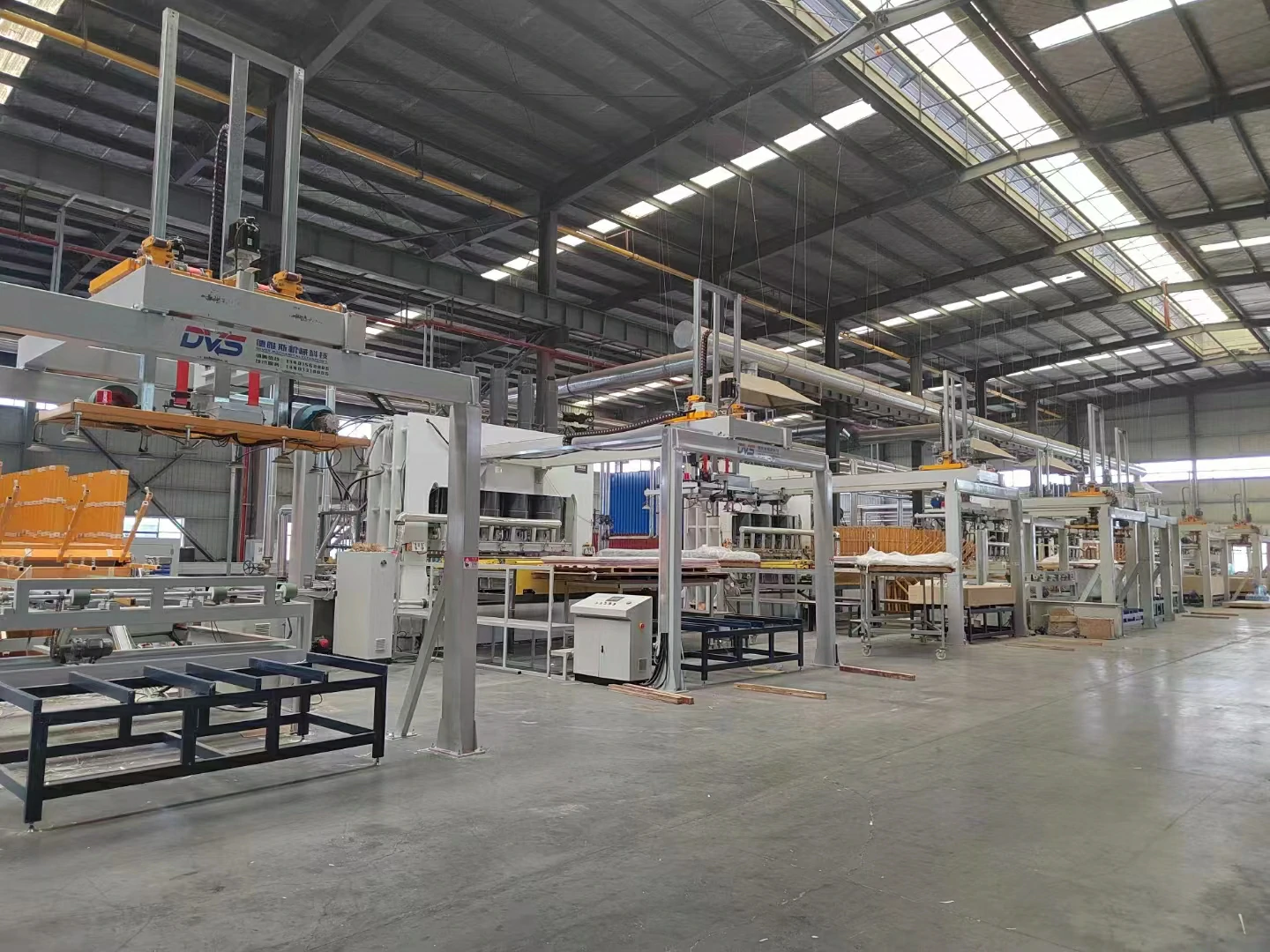
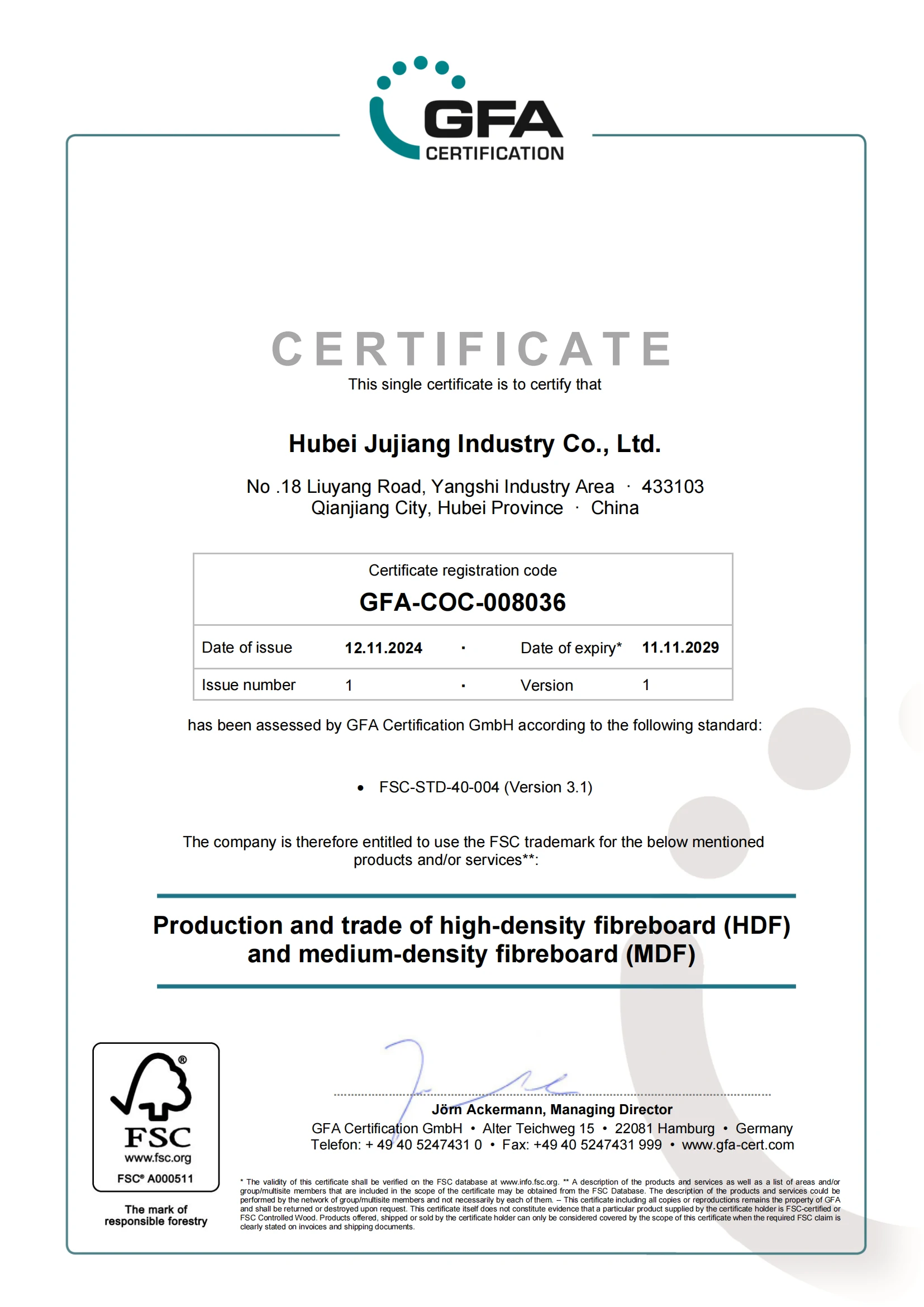
Baier – Project-Grade SPC Flooring Supplier for Oman

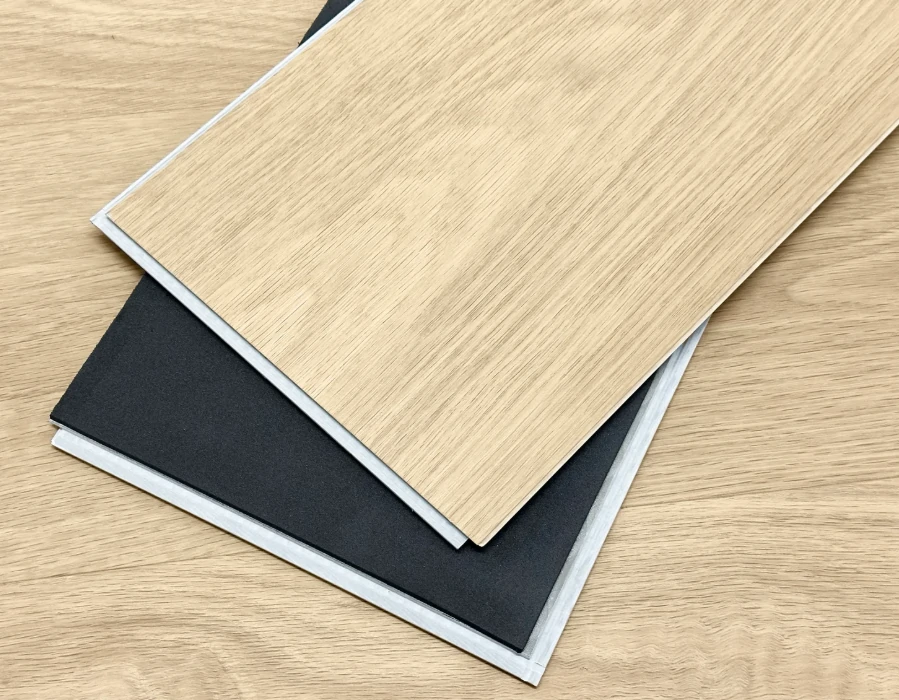
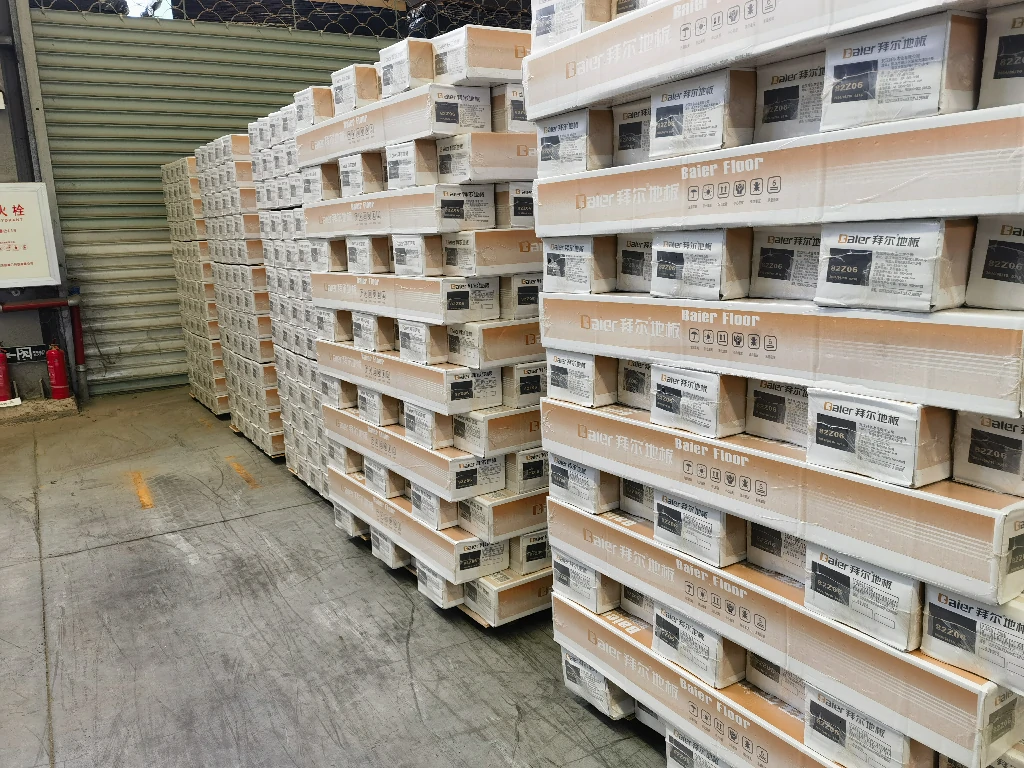
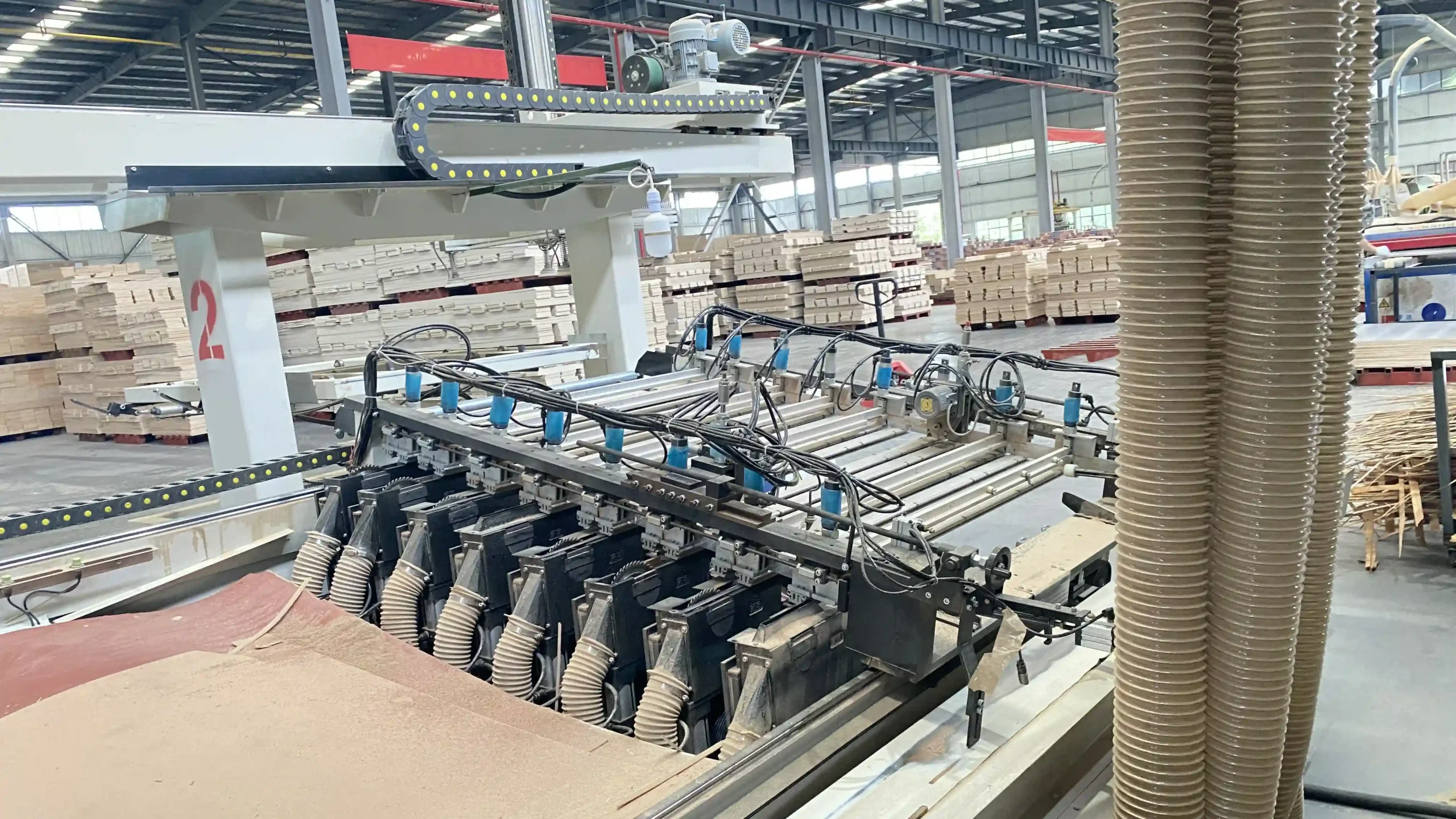
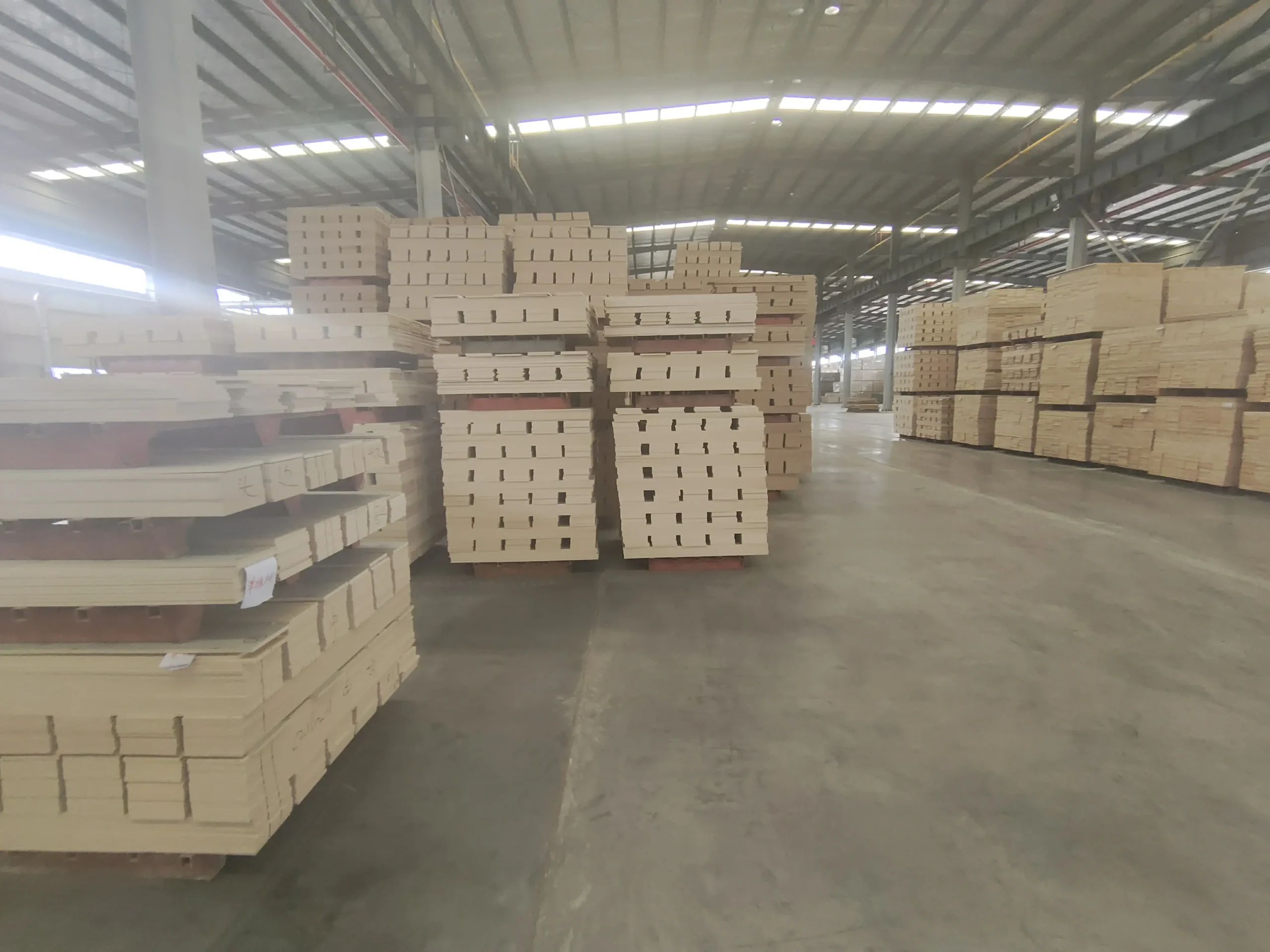
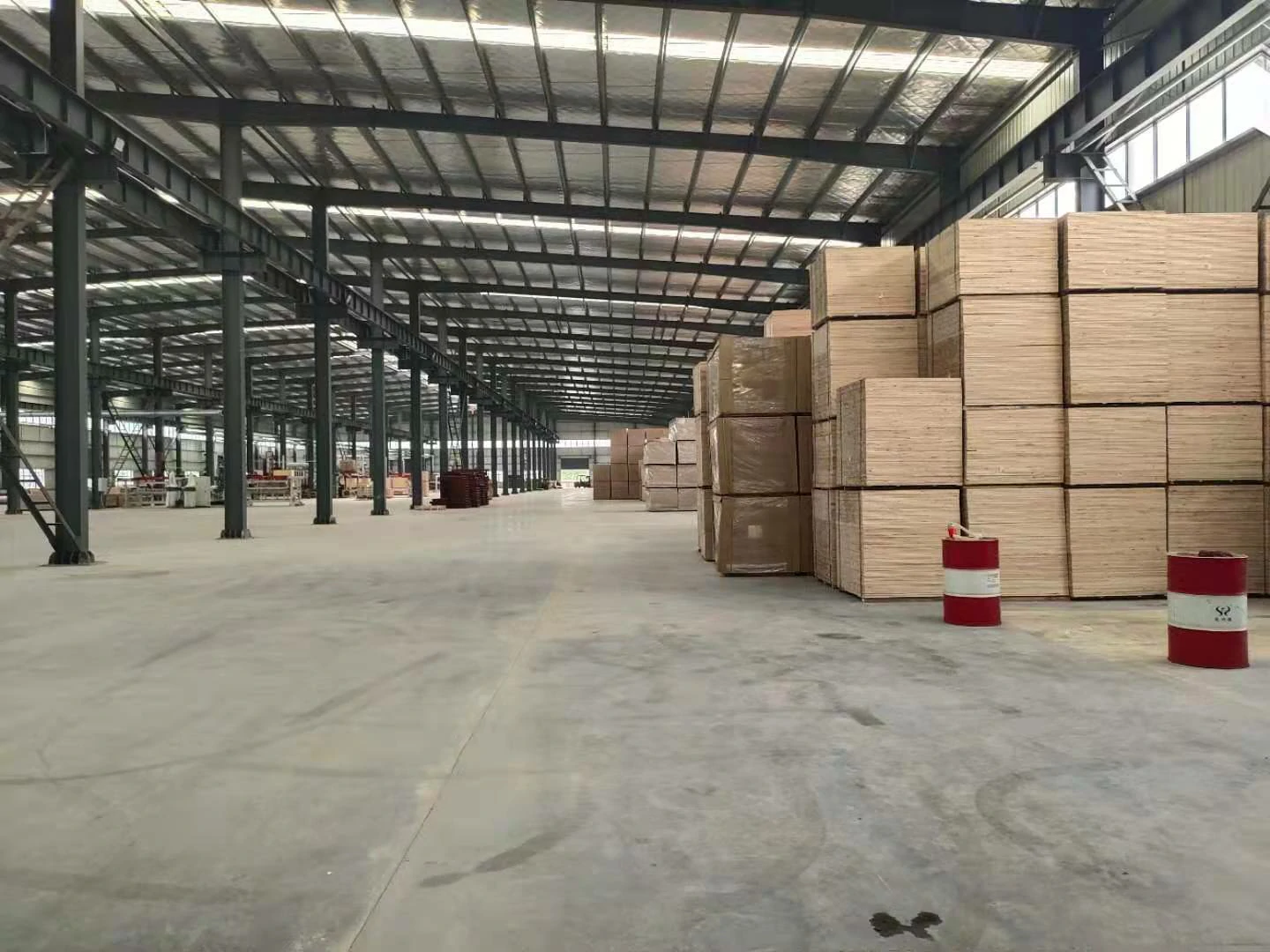
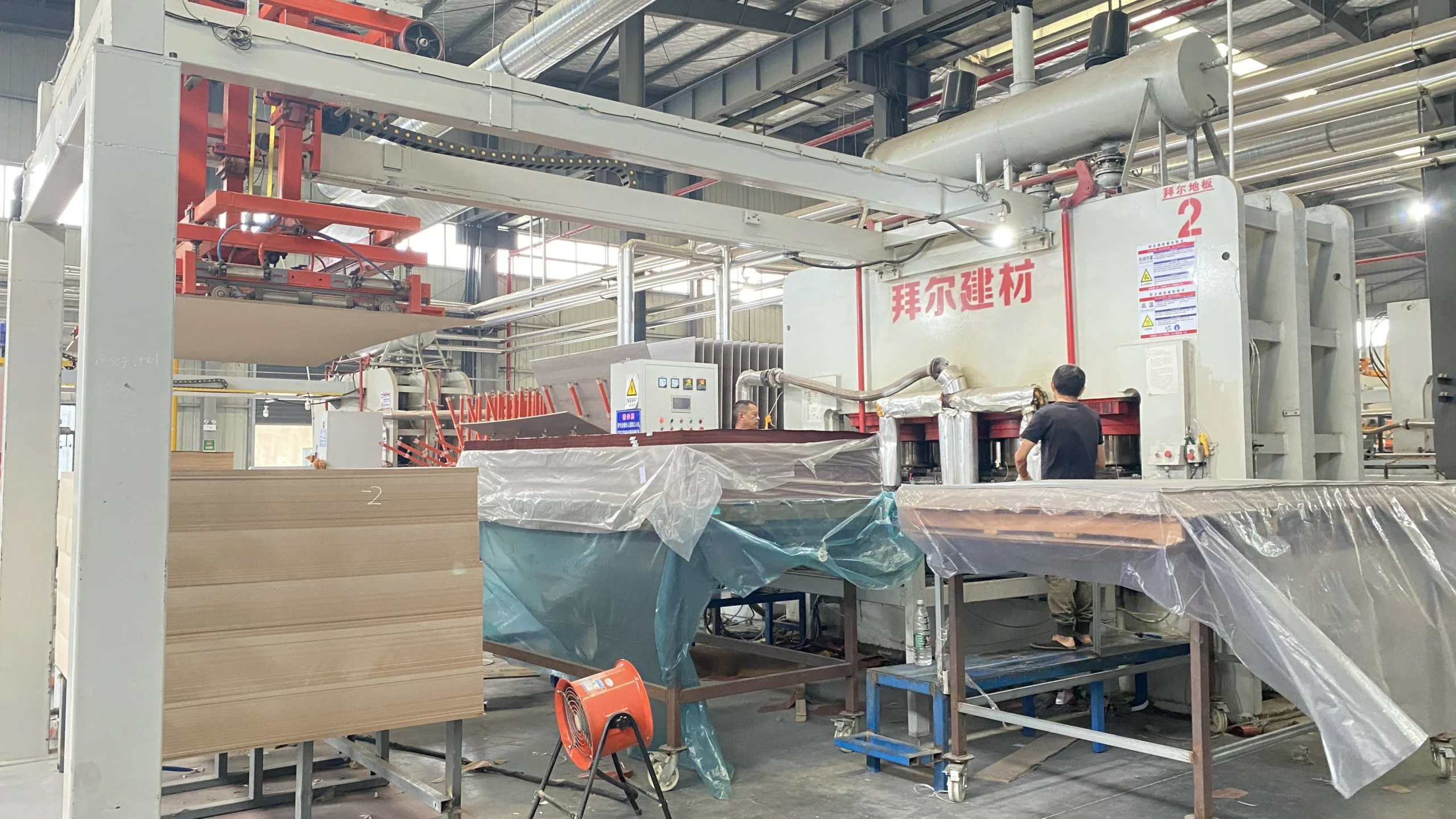
Baier supplies SPC flooring systems designed for high-traffic commercial and institutional projects across Oman and the wider GCC region. The product range is engineered to handle the country’s extreme daily temperature swings, high indoor humidity from air-conditioning, and demanding commercial use cases.
Baier SPC Flooring is commonly specified for:
Hotels and hospitality projects
Healthcare facilities and clinics
Educational buildings
Retail and mixed-use commercial spaces
These environments require dimensional stability, waterproof performance, and predictable installation outcomes.
Rigid SPC Core Built for Thermal Stability
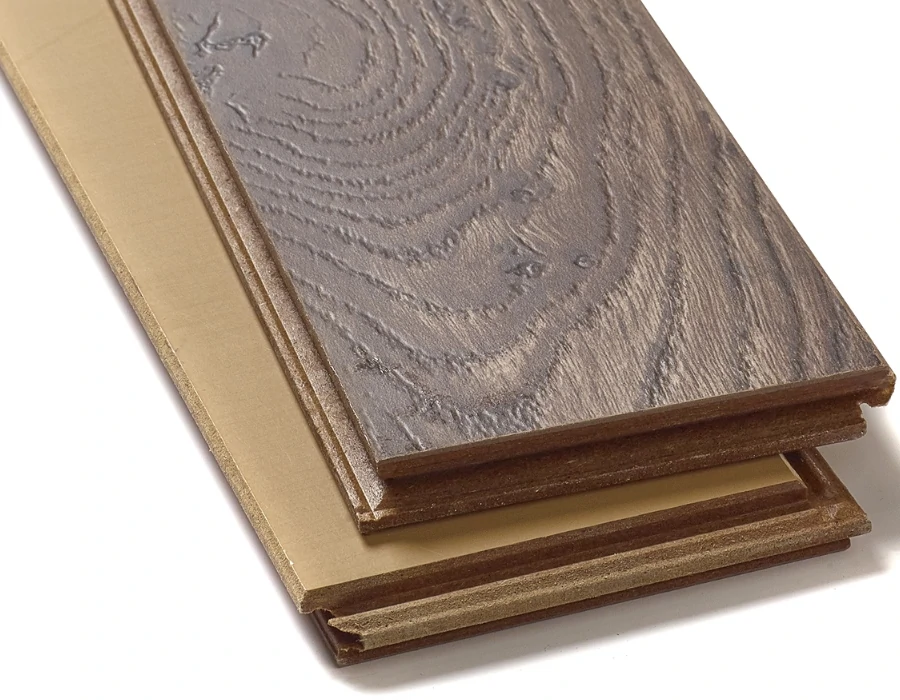
Baier SPC flooring uses a high-density stone-plastic composite core formulated to remain stable under rapid temperature fluctuations. This rigid structure prevents:
Warping caused by daytime heat and nighttime cooling
Expansion and contraction that lead to joint failure
Moisture-related deformation over concrete substrates
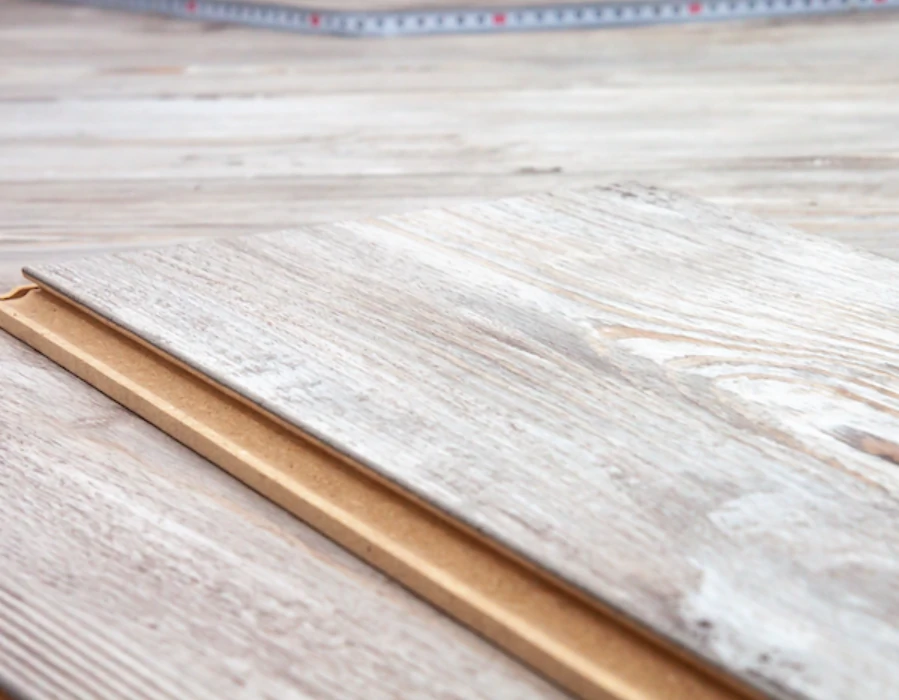
Standard plank formats are optimized for commercial coverage, supporting efficient layout and reduced installation waste. Thickness configurations are available for both standard and heavy-duty applications, allowing contractors to match specifications to traffic intensity and project budgets.
Waterproof Performance for Coastal & High-Humidity Interiors
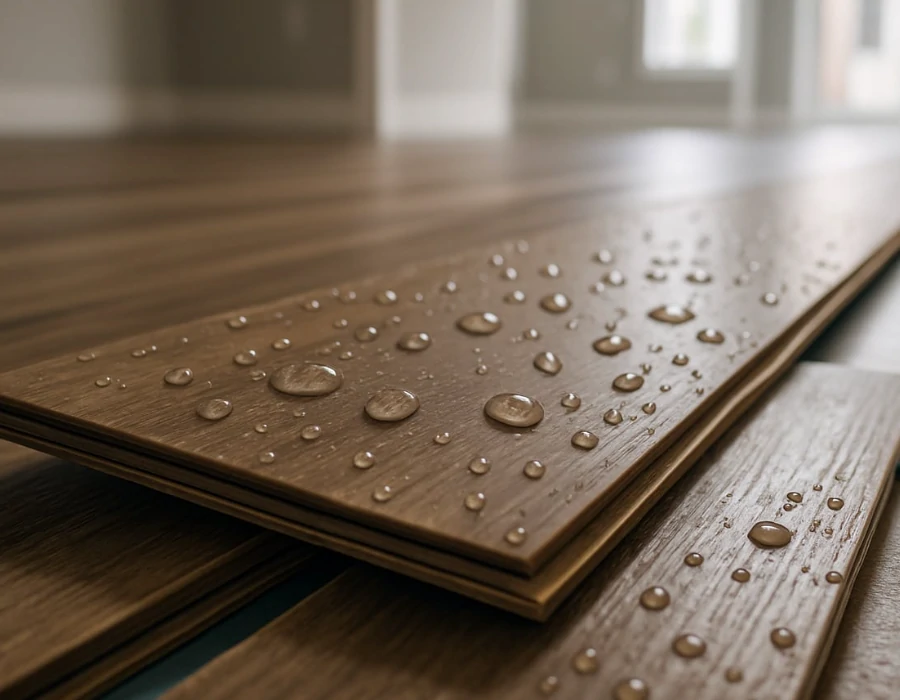
Baier SPC flooring is 100% waterproof by design. The rigid core and precision locking system block moisture penetration from:
Cleaning and routine maintenance
Condensation from HVAC systems
Seasonal humidity increases
This makes Baier SPC suitable for ground-floor installations, service areas, and coastal developments where moisture control is critical. Floors remain flat and secure during monsoon periods and long-term humidity exposure.
Design Range Aligned with Commercial Use
Baier offers a curated selection of wood-inspired visuals suitable for Middle Eastern commercial interiors, including:
Warm teak and walnut tones
Neutral browns for corporate environments
Contemporary finishes for hospitality spaces
Surface options include embossed textures that improve slip resistance while maintaining a natural appearance. UV-cured wear layers resist scratching from furniture movement, cleaning equipment, and trolley traffic.
The sealed surface structure also limits bacterial accumulation, supporting use in hotels, clinics, and education facilities.
Wear Layers for Different Traffic Levels
Baier SPC flooring is available with multiple wear-layer specifications to match real-world usage:
0.30 mm for standard commercial and office environments
0.50 mm for high-traffic zones such as corridors, retail areas, and public facilities
This range allows contractors and developers to control cost without compromising waterproof core performance.
Click-Lock Installation & Acoustic Comfort
Baier SPC flooring installs using a glue-free click-lock system, reducing labor time and eliminating adhesive-related risks. Installation advantages include:
Faster room completion
Cleaner sites with less waste
Consistent joint performance
Optional IXPE underlay improves impact sound reduction and provides an additional moisture buffer over concrete slabs—important for multi-story buildings and hospitality projects.
Multi-Product Supply for Integrated Projects
Beyond SPC flooring, Baier supplies complementary composite systems that support unified material sourcing for large projects, including:
WPC decking for outdoor areas
Exterior cladding and facade systems
Interior wall and panel solutions
This allows contractors and developers to consolidate procurement under one technical standard and aesthetic direction.
Reliable Performance for Commercial Codes
Baier SPC flooring meets the performance expectations of commercial building projects, including:
Fire-resistant surface characteristics
Slip-resistant finishes for public spaces
Low-VOC formulations supporting indoor air quality
For contractors working on hotels, hospitals, schools, or coastal developments in Oman, Baier SPC flooring reduces long-term risk and post-installation callbacks—delivering stable, waterproof performance in challenging conditions.
Kährs Middle East – Swedish Engineered Flooring Solutions

Kährs brought Swedish engineering to the Middle East flooring market. They compete with Mohawk Industries, Shaw Industries, and Armstrong Flooring. The difference? Kährs focuses on contractors who need floors that handle extreme heat.
The numbers tell the story. The Middle East wood flooring market hit USD 6,190.1 million in 2024. Analysts expect USD 11,738.6 million by 2034. That’s 6.6% annual growth over ten years. Oman leads the region at 8.3% CAGR through 2034. This growth opens doors for suppliers who get what contractors need.
Engineered Wood Performance in Gulf Conditions
Kährs makes flooring systems built for high heat. Their engineered wood uses multiple layers bonded at right angles to each other. This cross-grain design stops the wood from expanding. Gulf summers push indoor temperatures above 35°C even with AC running. Standard hardwood warps. Engineered planks stay flat.
Commercial projects drive demand in the region. Offices, schools, and hospitals need floors that take a beating every day. The commercial market will reach USD 1,837.3 million by 2034 with 6.3% annual growth. Kährs targets these projects.
Regional Pricing and Market Position
Oman contractors see prices between AED 150-500 per square meter (AED 15-80 per square foot). Kährs sits in the premium range. You pay more upfront. But you get longer-lasting floors. Saudi Arabia’s market will hit USD 1,530.5 million by 2034. UAE reaches USD 1,461.8 million at 5.1% CAGR. Kährs competes across all three Gulf markets. Their rivals include BerryAlloc, Top Surface, and Woodfloors Middle East.
The Swedish background helps contractors on multi-year projects. European standards mean every batch looks the same. You won’t see color shifts between shipments.
Mira Floors Oman – Canadian Waterproof Vinyl Specialist

Mira Floors brings Canadian waterproof vinyl tech to Oman. Local distributors carry the brand. Contractors choose these floors because they handle water without causing callbacks.
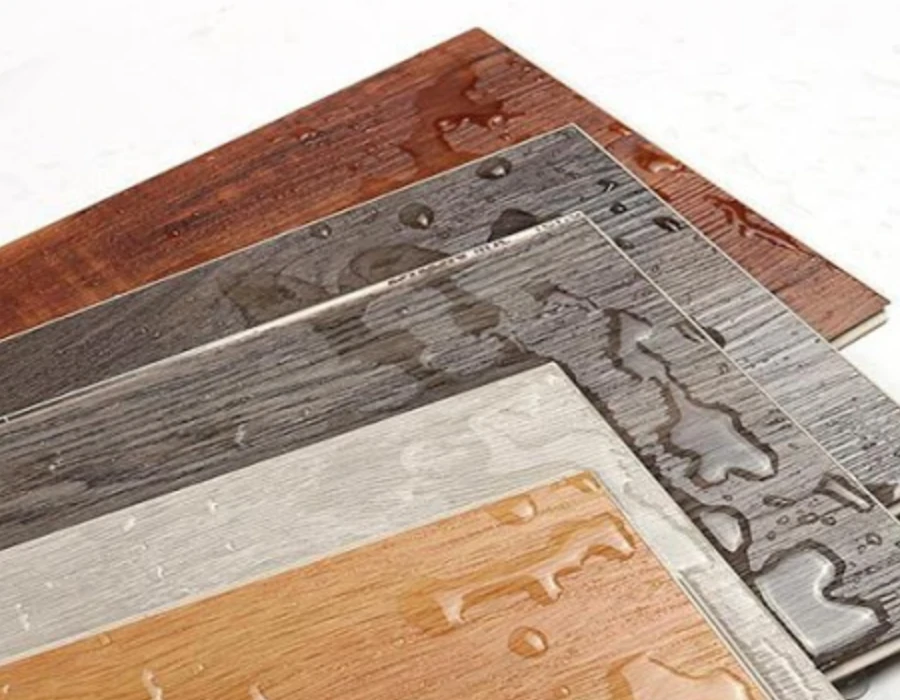
The waterproof rating is 100%. No exceptions. No “water-resistant” claims. You can install these planks in kitchens, bathrooms, laundry rooms, showers, locker rooms, and healthcare spaces. Water stays on top. Nothing seeps through.
Military-Grade Surface Protection
The 20mil wear layer uses Aluminer™ UV-cured aluminum oxide finish. This coating stops scratches from dragged furniture. Spilled liquids won’t stain it. Dropped tools won’t dent it. Kids can run on it. Pets can claw at it. The surface stays strong.
Commercial ratings prove the floors last. Class 34 and Class 43 certifications show these floors handle heavy foot traffic. The R10 slip resistance rating helps in wet areas. Hospital hallways stay safe. Restaurant kitchens pass safety codes.
Sheet widths come in 2m, 3m, and 4m options. Pre-cut sheets arrive in 6-foot and 8-foot widths. This speeds up installation. Contractors finish rooms faster than laying one plank at a time.
Pricing Across Markets
Oman prices vary by distributor. Check other markets for reference. Nigeria lists model M790D at ₦12,500. Benin prices 990D_RSH at CFA9,500. UK contractors pay £16.95 per square meter for Ultragrip Xtreme Mira. Contact your local supplier for Omani quotes.
Budget vinyl lines show 0.92mm total thickness. The wear layer is 0.12mm. Premium SPC options are 7.0mm thick planks. These have 0.4mm wear layers. Thicker wear layers last longer in busy areas.
Mira’s glue-free systems save installation time. No adhesive mess. No waiting for things to dry. Floors go down fast on big projects.
Oman Flooring – Stone Plastic Composite Flooring Local Supplier

Oman Flooring runs a one-stop flooring operation. Contractors hate dealing with multiple vendors. Here, you get everything under one roof. They stock SPC, LVT, PVC, and WPC flooring. The catalog covers laminate, parquet, wood, vinyl, rubber, floor self-leveling compounds, decking, and skirting boards. You source multiple materials from a single supplier. No jumping between vendors.
The installation team sets realistic timelines. Project size and flooring type determine the schedule. They walk you through selection. They handle the install. They manage the handover. This full-service approach cuts coordination headaches on tight schedules.
Product Range Built for Mixed Projects
Bidding on mixed-use developments? The product mix matters. Ground floor retail needs different specs than upper-level offices. Oman Flooring stocks options across performance tiers. Their Stone Polymer Composite lines compete with imported brands. The LVT selections give you wood and stone textures for visual variety.
Decking products work for outdoor projects. Coastal villas and resort terraces need materials that resist salt air. The WPC decking handles humidity. It won’t rot. Floor skirting completes installations with clean edges. Contractors finish rooms to spec. No need to source trim from another vendor.
Partnership Network Expands Options
Oman Flooring connects to global suppliers like Tarkett. Tarkett ships 1.3 million square meters daily of PVC and vinyl flooring worldwide. Their product range includes LVT planks and vinyl rolls. Hospitals, schools, offices, and sports facilities use Tarkett floors. The portfolio covers mixed vinyl and solid vinyl systems.
This partnership gives contractors access to European-standard products through a local channel. You get international quality. You get local service backup. Healthcare or education projects that need certified flooring can use Tarkett’s compliance docs.
The local setup speeds up procurement. Order today. Get quotes fast. Stock arrives from regional warehouses. No waiting weeks for container shipments from Asia.
Al Shams Trading – Building Materials SPC Provider

Al Shams Trading distributes building materials across Oman’s construction sector. They offer Stone Polymer Composite flooring plus tiles, adhesives, sanitary ware, and finishing materials. Contractors on multi-phase projects like the one-stop sourcing.
One-Stop Procurement for Mixed Developments
They focus on general contractors who handle residential compounds, commercial complexes, and hospitality projects. Need ceramic tiles for bathrooms? Check. SPC flooring for lobbies? Covered. Waterproofing membranes for basements? In stock. This range cuts down vendor management work.
Their SPC catalog has entry-level and mid-tier options. Prices fit local market rates. Contractors on a budget get alternatives to premium European brands. The waterproof core technology meets international standards. Each plank uses the same limestone-polymer composite you’ll find in pricier options.
Regional Distribution Infrastructure
Al Shams Trading runs warehousing in Muscat. Stock levels handle mid-sized projects without custom ordering delays. Contractors grab materials for quick use. The distribution network covers northern areas well. Southern projects take longer.
Technical support handles practical installation questions. Advanced engineering help isn’t their focus. You get product spec sheets. You get basic layout tips. Complex moisture issues or subfloor prep needs outside expertise.
They serve contractors who value speed and convenience over deep flooring knowledge. Projects with simple SPC needs work best. High-end hospitality or healthcare facilities need certified performance data. Those might require suppliers with stronger technical resources.
Al Shams Trading bridges the gap between flooring boutiques and large international distributors. They work for contractors who balance cost control with steady material access across different building types.
Key Evaluation Criteria for Contractors Selecting SPC Suppliers

Most contractors pick Stone Polymer Composite Flooring Factories in Oman based on price and sales talk. That’s the wrong approach. Price doesn’t tell you if your floors will stay flat in year three. Sales teams disappear once you sign.
Better contractors use measurable standards to judge suppliers. These standards predict how products perform over time. They show weak points in the chain before you commit.
Product Certification Depth Matters More Than Marketing Claims
Quality certifications separate real factories from middlemen. ISO certifications show documented processes. But you need to dig deeper. Ask for process capability indices.
Critical features need Cpk minimum 1.67 and Ppk 1.33. Safety features require Cpk ≥2.0 and Ppk ≥2.0. These numbers prove the factory controls variation. Low Cpk means batches vary too much. Colors shift between orders. Plank sizes don’t match. Click systems won’t lock.
Request PPAP Level 3 submission. This gives you inspection reports showing 5 pieces per batch with 100% full characteristic control. Other critical features get spot checks. Factories that won’t share this data are hiding problems.
Chain Reliability Beats Low Quotes
On-time delivery shows supplier discipline. Track these: compliance with ordered quantities, error costs, and defects per million pieces (PPM). One late shipment ruins your project schedule. Wrong quantities mean emergency reorders at high prices.
Get signed backup plans. What happens if their material supplier fails? How do they handle port delays? Suppliers without backup plans will leave you stuck.
Chain Assessment (SCA) shows how factories manage materials across multiple jobs. Can they deliver to your Muscat hotel while handling a Salalah school? Stock guarantees matter. Control plans must document emergency restocking steps. Process FMEA should cover parallel project scenarios.
Cost Control Through Defect Reduction
Error costs hit your score right away. Defects per million (PPM) below industry limits boost supplier ratings. High defect rates cost you in replacements, wasted labor, and delays.
Cpk falls short? Factories use 100% inspection or Poka-Yoke systems. Short-term manual inspection cuts losses until they meet standards. Initial studies require minimum 1.67 Ppk for standard features. Safety features need 2.0 Ppk. Control plan checks double for non-critical features during ramp-up.
Technical Support Separates Partners From Vendors
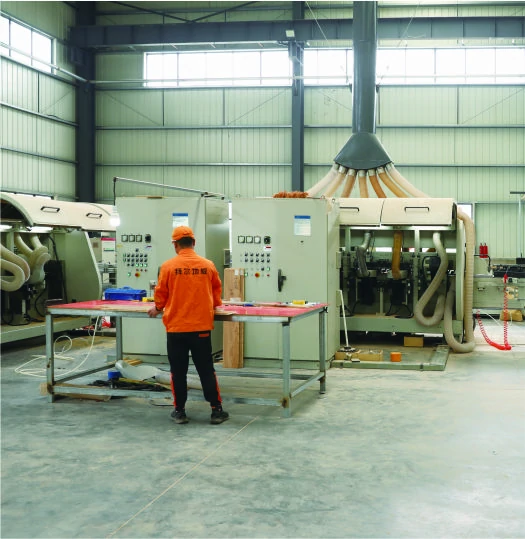
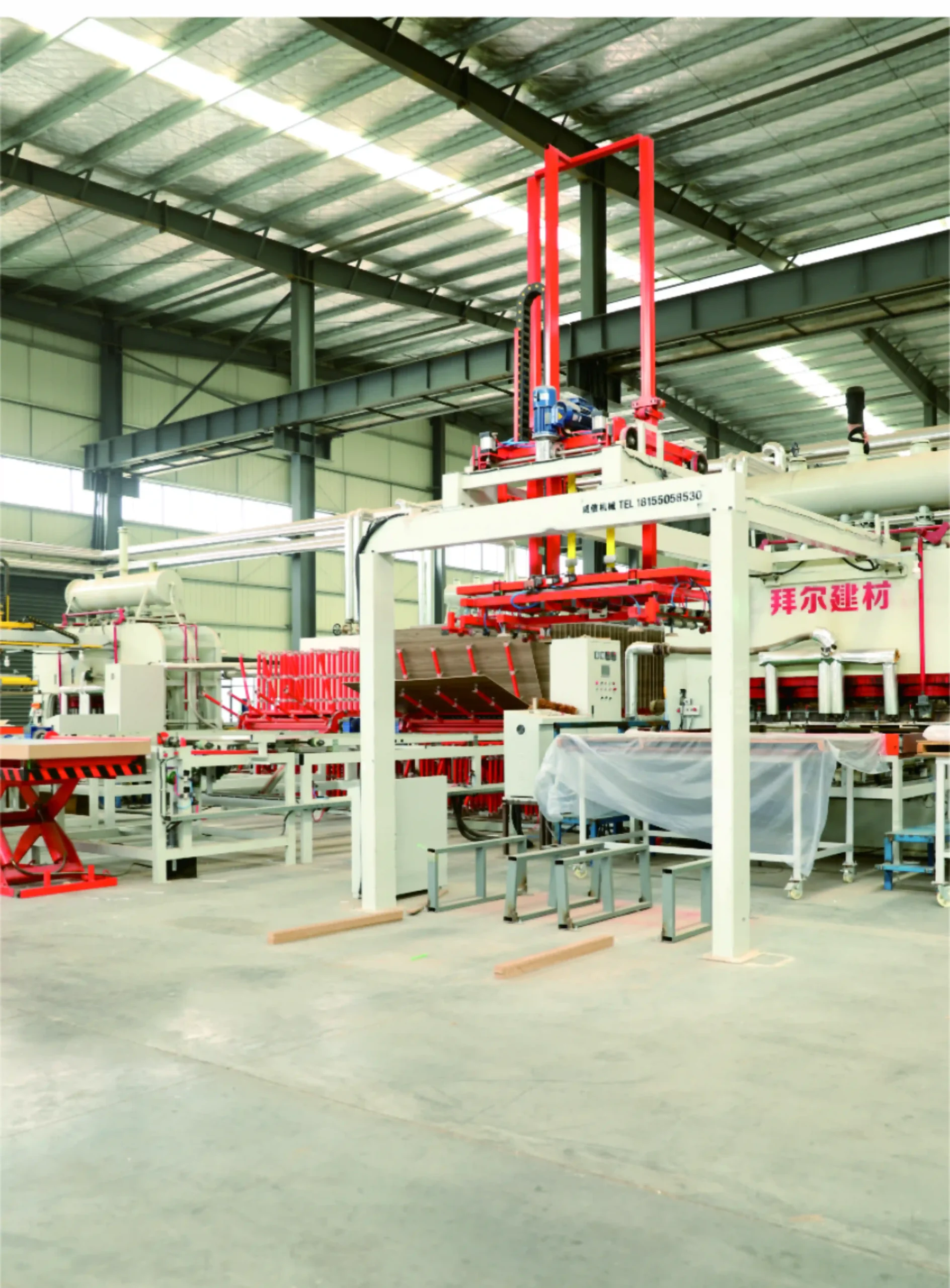
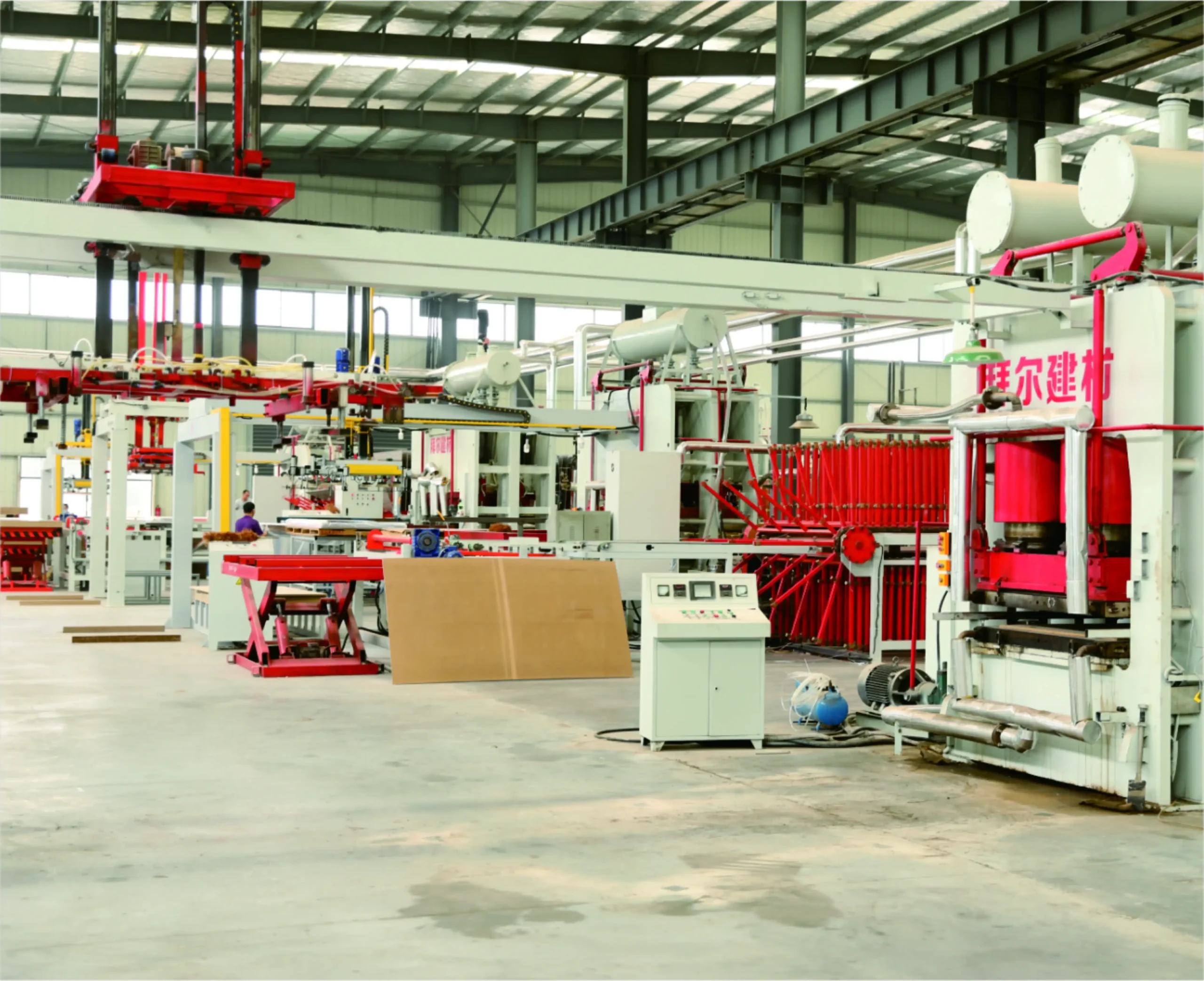
Site audits show technical depth. Walk their production floor. Check equipment maintenance logs. Look at manufacturing processes. Factories with strong technical teams answer tough questions. Weak suppliers dodge or deflect.
Statistical Process Control (SPC) must run non-stop on critical features. Request 20 days of production data with Cpk calculations based on minimum 100 samples. Stable processes make Cpk calculation possible. Special traits like hardness need approved control methods before PPAP.
SPC data tracking every three months shows long-term stability. Annual Cp/Cpk reviews for critical parameters need Cpk ≥1.33/1.67. Process changes need reassessment. Mass production requires Cpk ≥1.67 for functional and critical metrics. Get SPC or manual control charts as proof.
GB/T 33456-2016 standards give you 14 scoring criteria with weighted ratings. The process covers four parts: assessment, selection, development, and monitoring. Use these benchmarks to compare suppliers fairly.
Key Points of SPC Flooring Application in Oman Engineering Projects

SPC flooring works where other materials fail. Oman’s climate tests every building product. Summer heat hits 50°C outdoors. Indoor spaces swing 15-20 degrees even with AC. Most wood floors buckle. Standard vinyl cracks. Stone Polymer Composite stays stable.
The limestone-polymer core fights thermal expansion. This helps during installation. Dawn installation teams face cooler temps than afternoon crews. Temperature changes create gaps between planks with cheap products. SPC’s stable size cuts callback risks.
Climate-Specific Installation Standards
Let materials sit 48 hours before install. Keep planks in the project space. Match room temperature to the building’s normal range. Skip this and you’ll see movement within weeks. The stone core needs adjustment time.
Subfloor prep affects long-term results. Concrete slabs must read below 75% relative humidity. Use calcium chloride tests. High moisture kills adhesive even with floating installs. Oman’s coastal projects near Muscat and Salalah get more humidity. Budget extra prep time for moisture barriers.
Project Type Selection Guide
Hotels and resorts need 0.5mm+ wear layers. Lobby traffic tops 1,000 passes per day. Room corridors take constant rolling luggage. Thicker wear layers handle scrapes better. Budget options with 0.2mm layers won’t last three years in busy zones.
Healthcare facilities need germ-fighting surface treatments. The UV coating must block bacterial growth. Standard SPC works for back offices. Patient areas need certified protection. Check supplier specs for hospital-grade ratings.
Schools and universities gain from noise-cutting underlays. IXPE foam drops footstep sound by 18-20 decibels. Classrooms stay quieter. The waterproof core handles spills from water bottles and cleaning.
Retail spaces with heavy display units need tough cores. Standard 7.0mm thickness works for clothing stores. Electronics shops with metal shelving should use 8.0mm+ planks. The extra density stops dents from heavy weight loads.
Zero Formaldehyde release matters for closed spaces. Oman’s building codes match global air quality standards. SPC’s B1 fire rating meets business safety rules without added chemicals.
Conclusion

Finding the right Stone Polymer Composite Flooring Factories in Oman goes beyond competitive pricing. You need suppliers who know the Omani construction landscape inside out. Timber Mart offers extensive inventory. Kährs brings premium European engineering. Each supplier has its own strengths.
Three factors determine project success: consistent product availability, technical support during installation, and warranty reliability. The five suppliers we’ve examined excel in these areas. Your specific project requirements will guide your final choice. high-traffic commercial spaces need different solutions than residential developments.
Request sample installations from at least two suppliers before signing any agreement. Verify their delivery timelines against your project schedule. Confirm their after-sales service capabilities. The right SPC flooring partner delivers more than materials. They become part of your project team. This ensures smooth execution from specification to final walkthrough.
Your next project deserves flooring that performs as hard as you do. Choose the right partner.