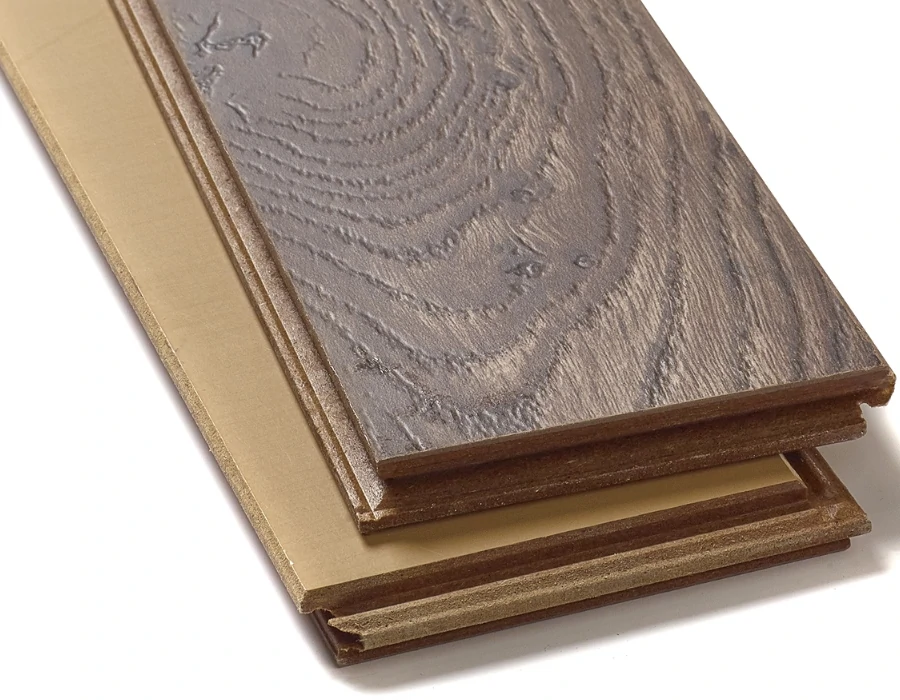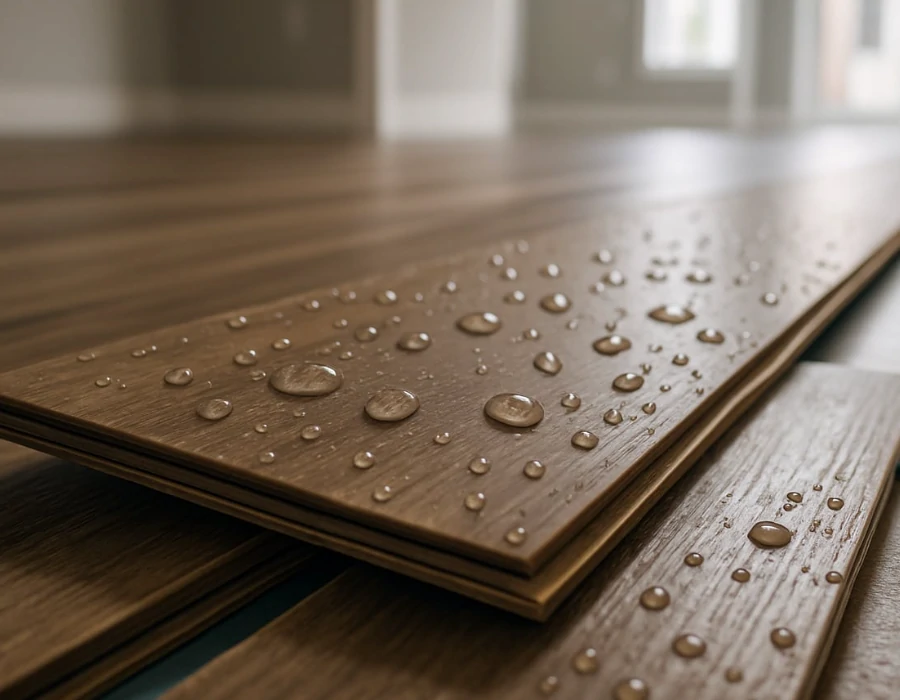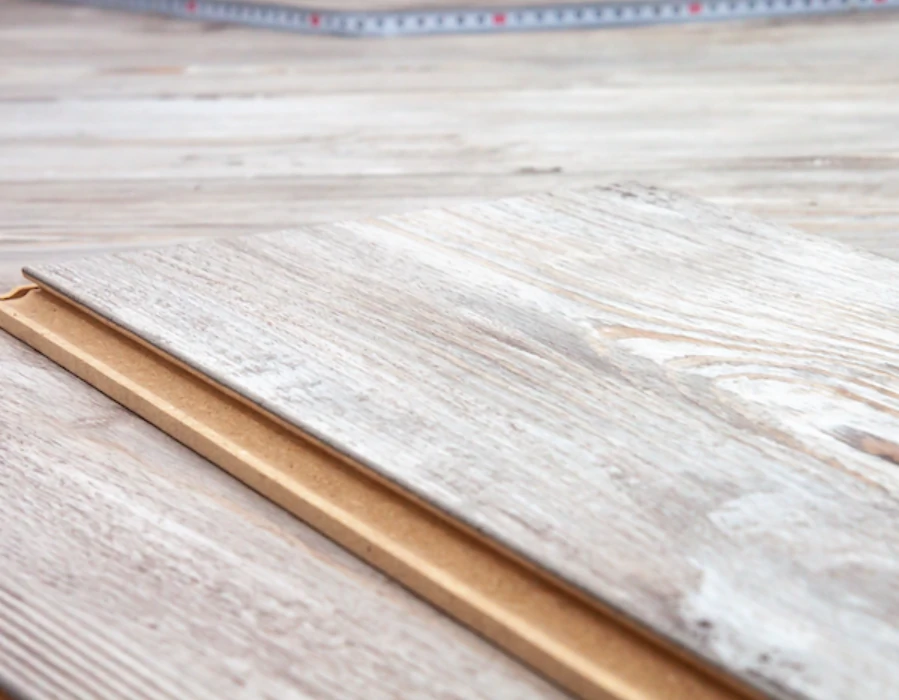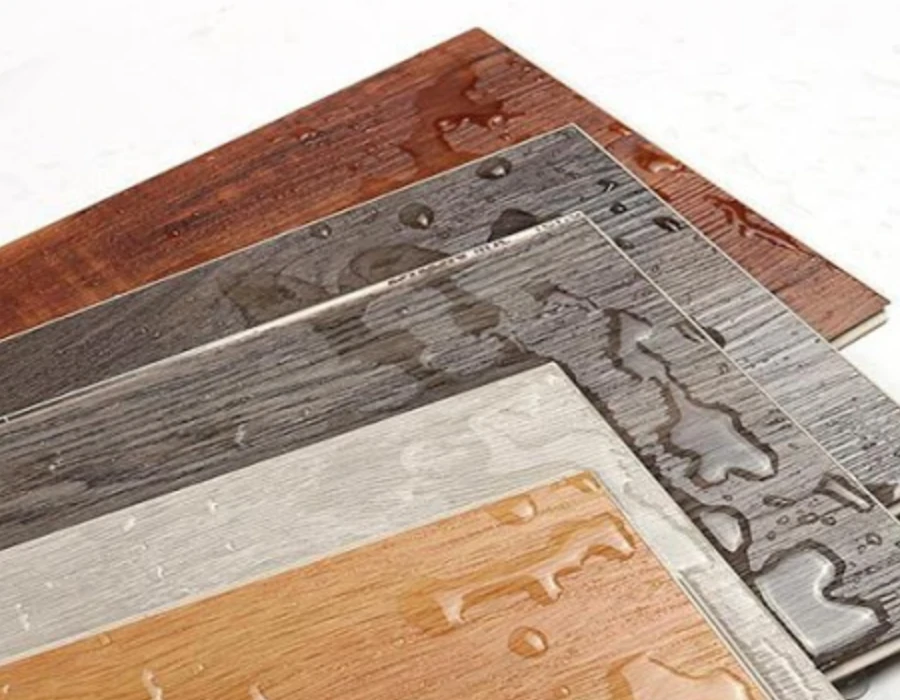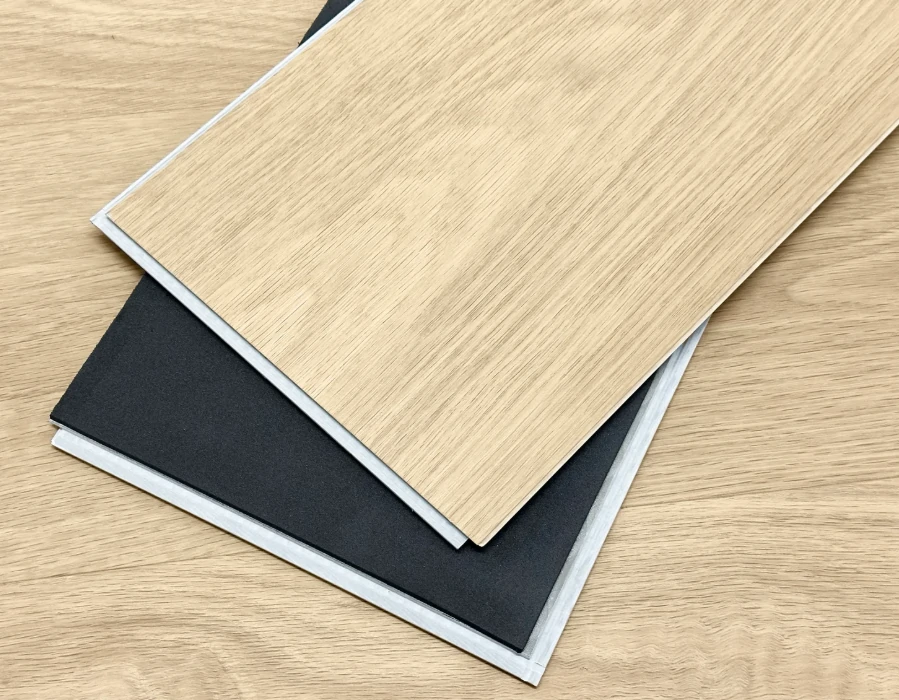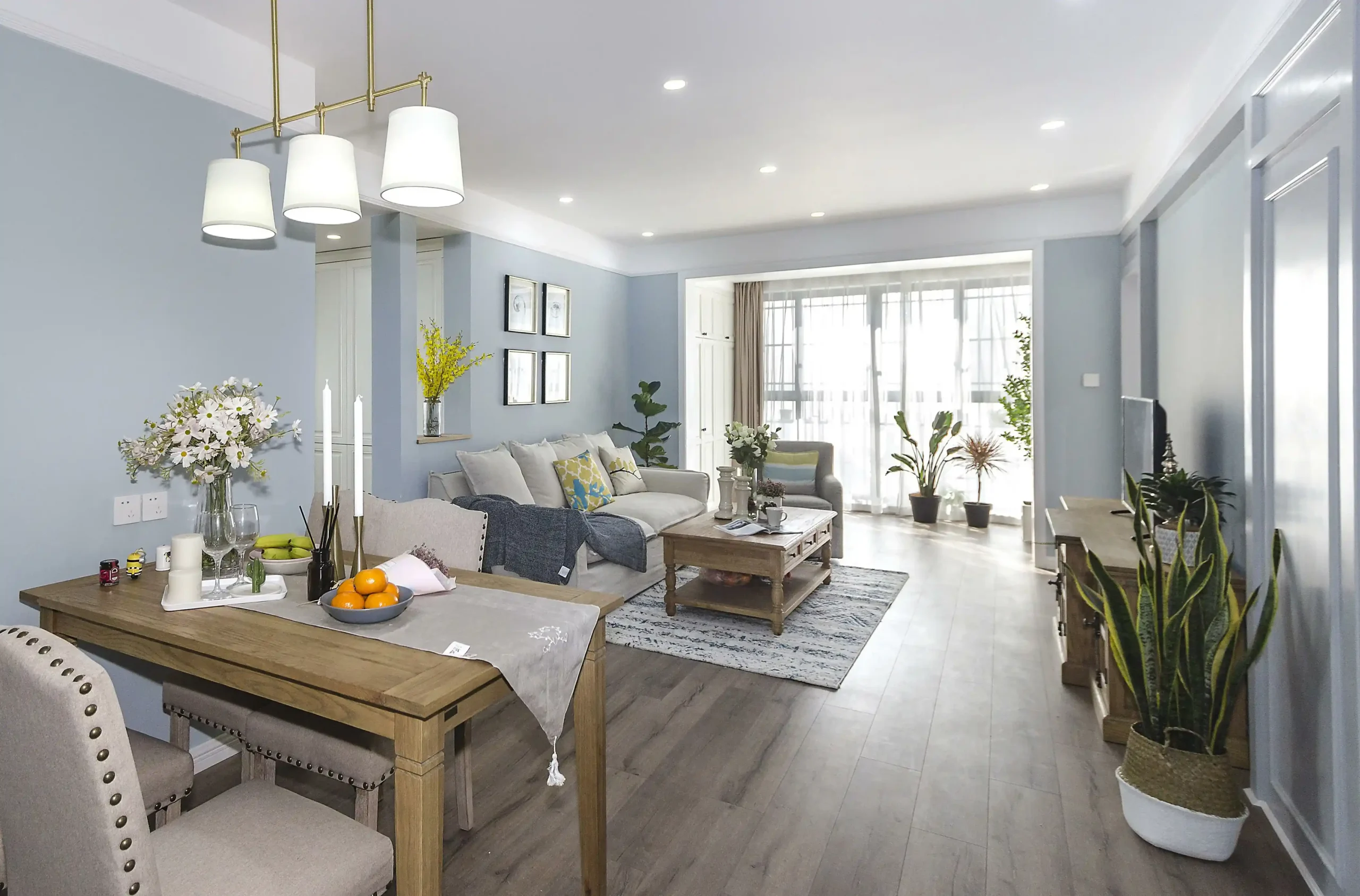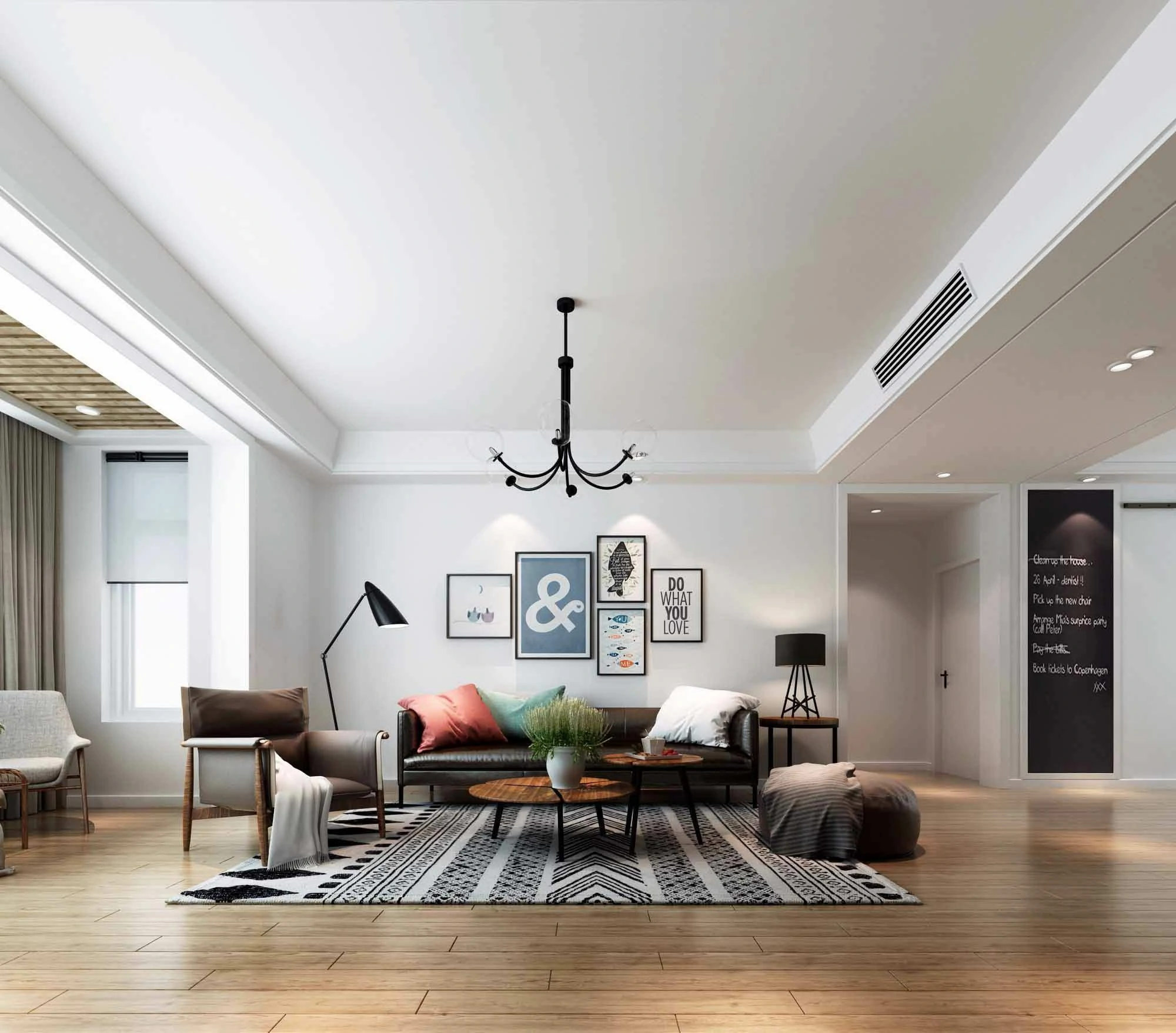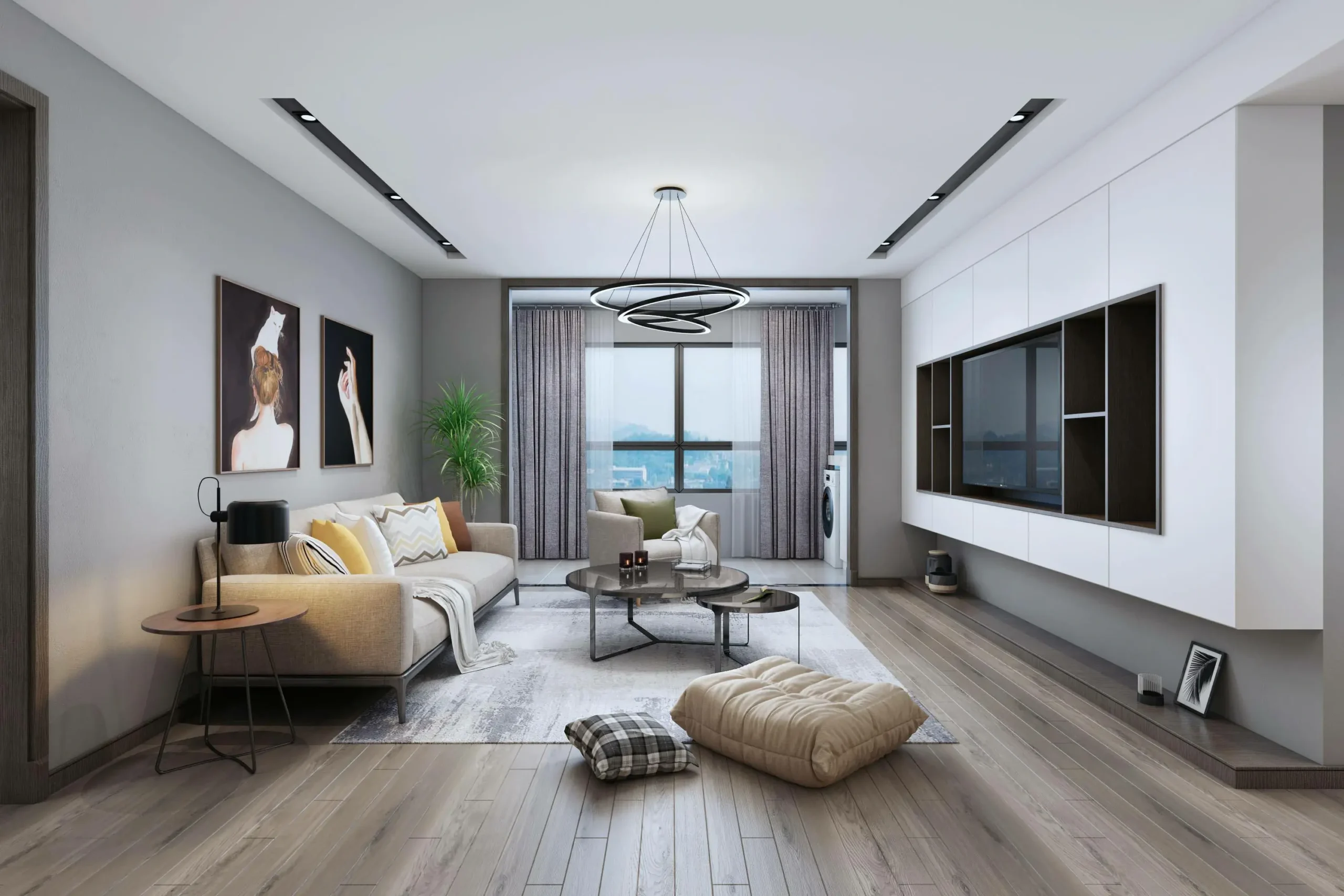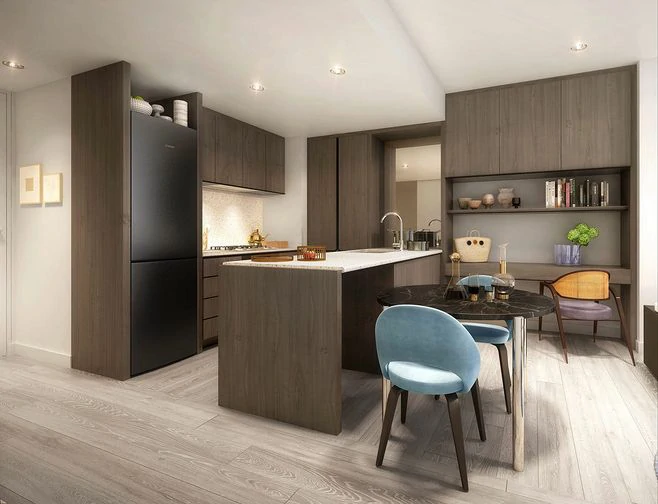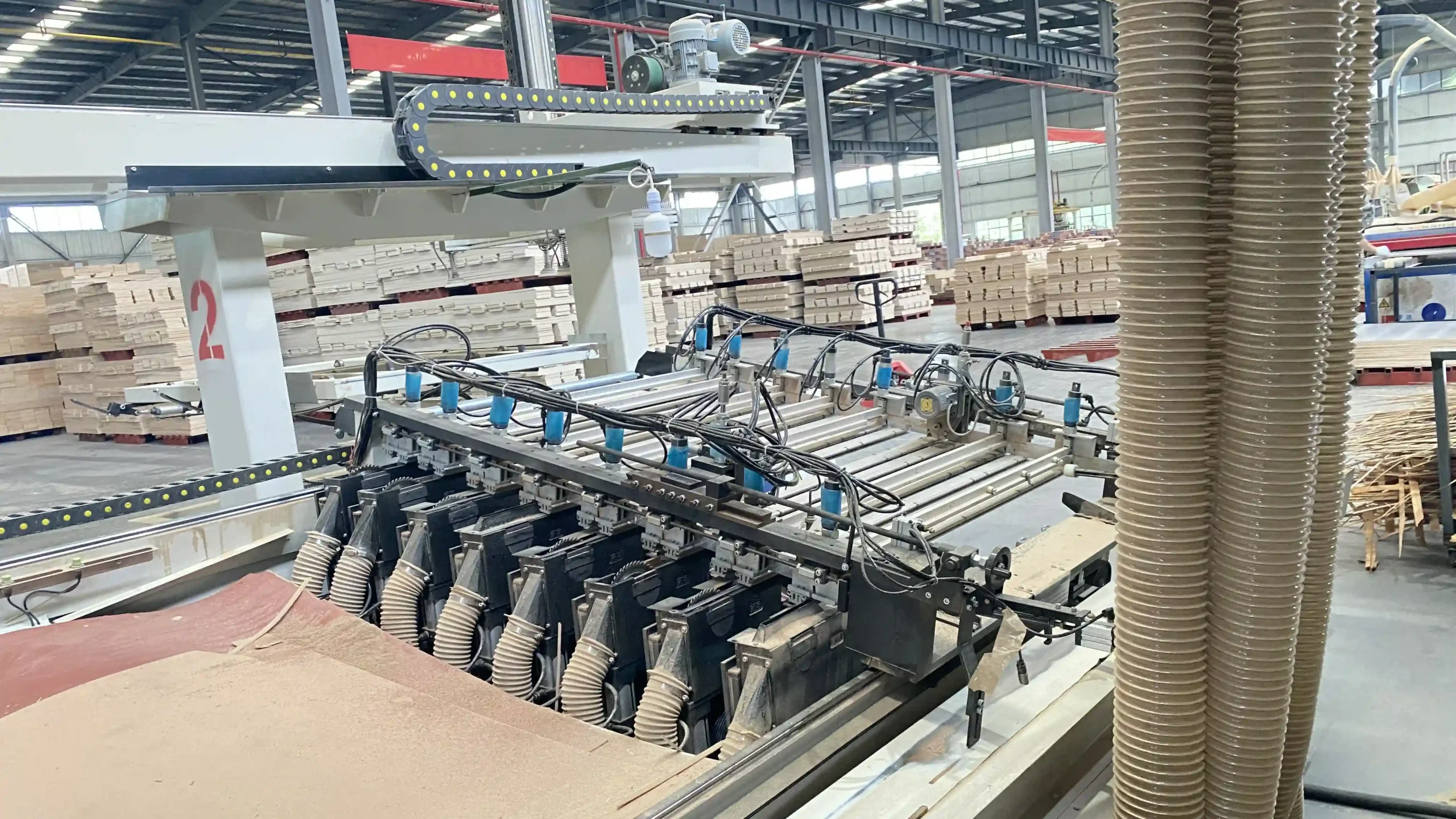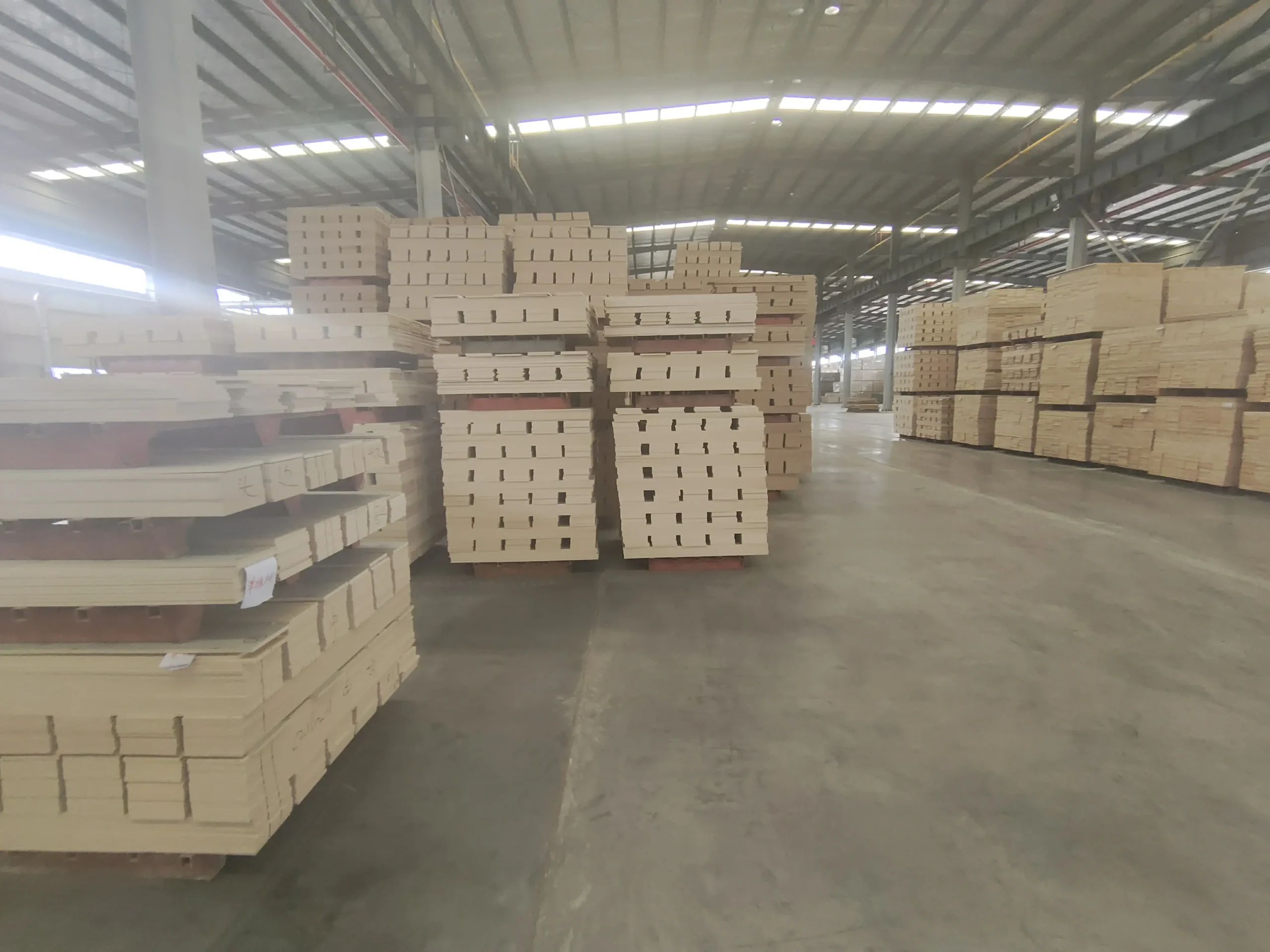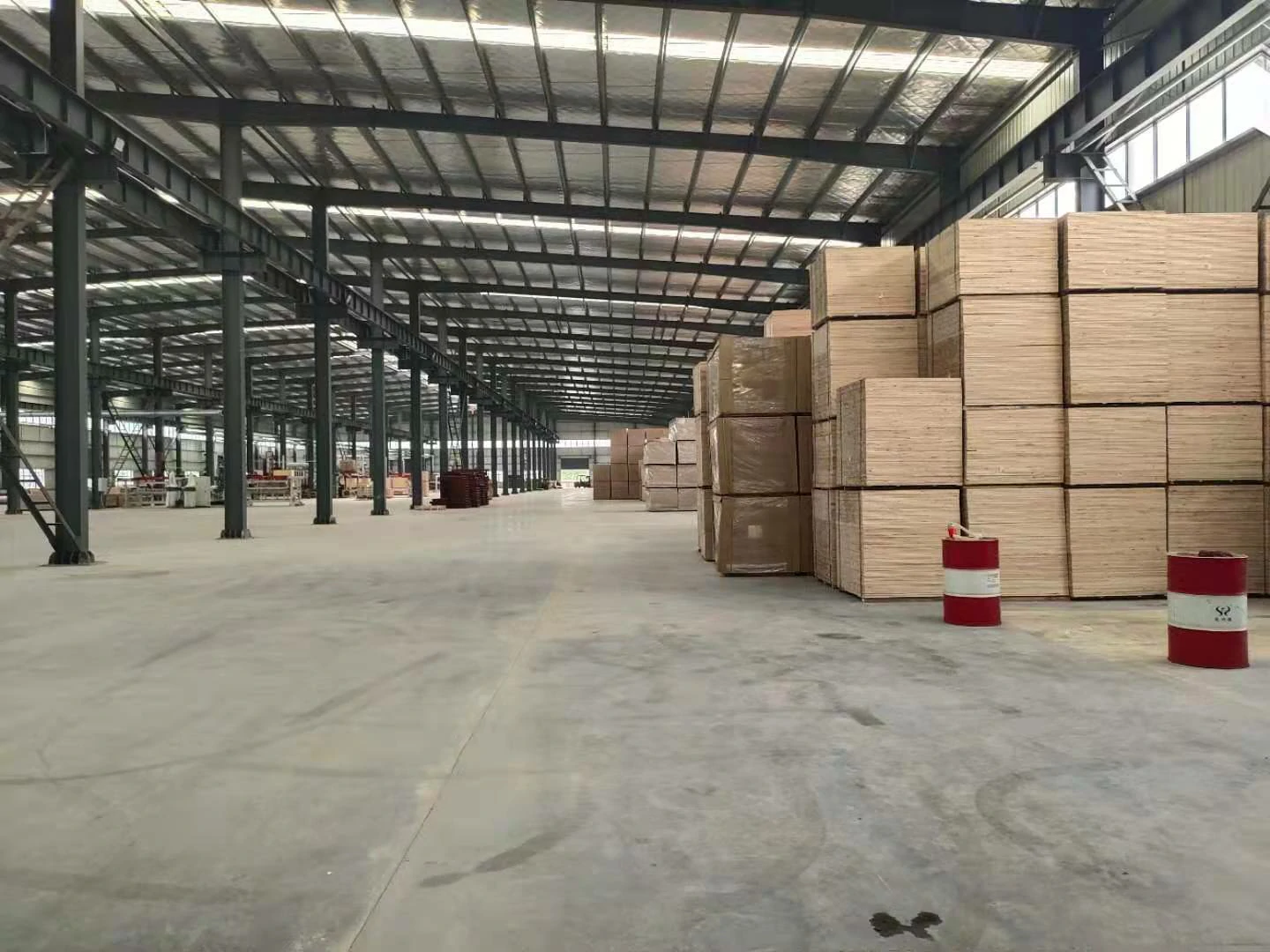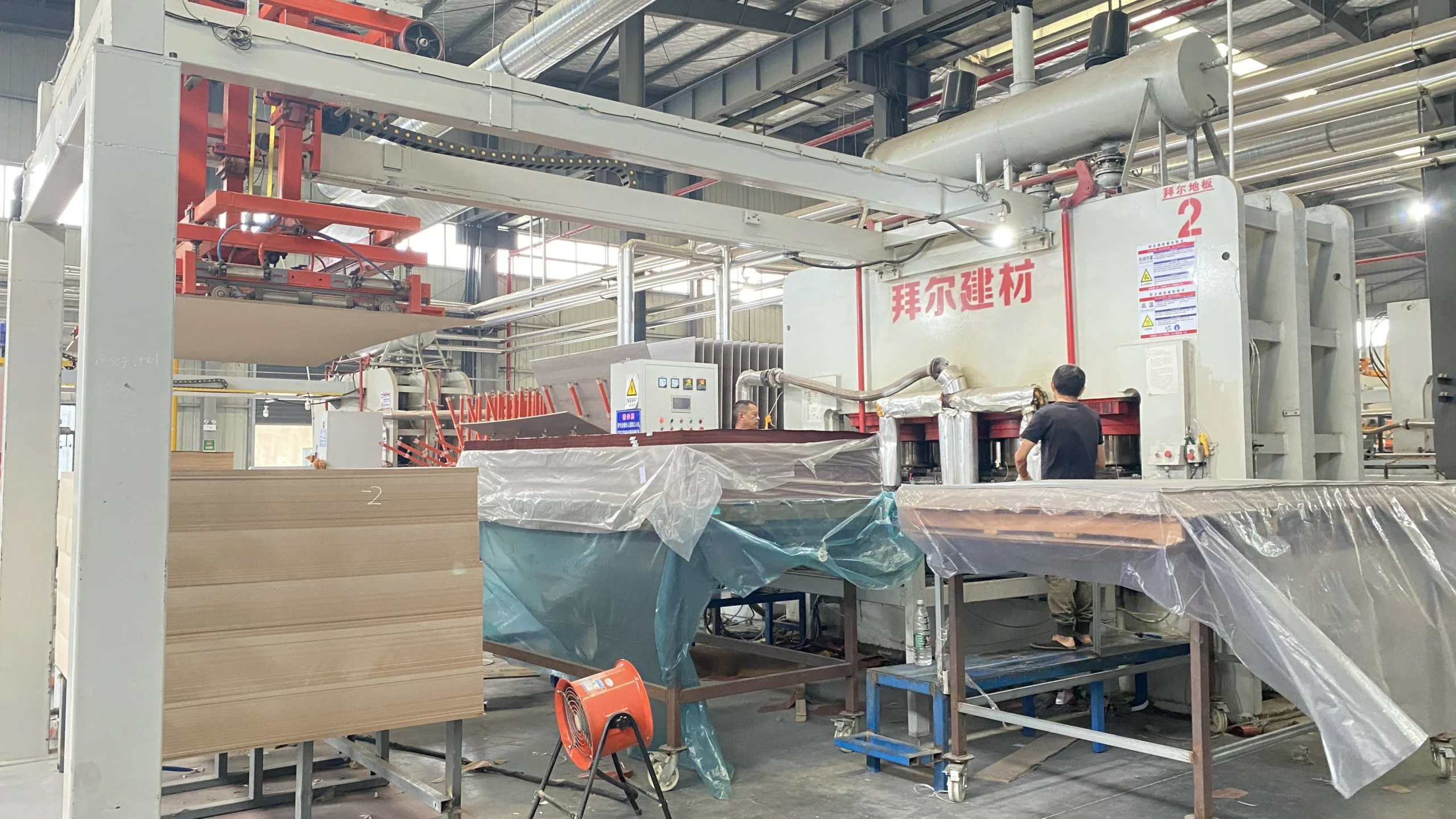
The French flooring market is changing fast. SPC (Stone Plastic Composite) technology leads this change.
Sustainability rules are getting stricter. Consumers want waterproof solutions. Commercial projects need floors that last for decades. So finding the right SPC flooring suppliers For The French market matters more than ever.
Here’s the challenge: suppliers vary widely in what they offer. Some focus on eco-certifications. Others lead in design innovation. A few provide excellent logistics for Europe-wide distribution.
You might be a contractor handling busy commercial spaces. Or a retailer building premium collections. Maybe you’re a project developer trying to balance cost and compliance. This analysis shows you seven top suppliers ready to lead France’s SPC flooring market in 2026. You’ll see their key strengths, certifications, and strategic benefits. These details could shape your next project’s success.
Top 7 SPC Flooring Suppliers For The French Market 2026

Seven suppliers dominate France’s SPC flooring market going into 2026. Each offers unique benefits for different buyer types.
Gerflor runs European factories in France. They make high-performance SPC for Commercial and Residential Projects. Local production cuts lead times. Their distribution reaches all French regions. Heavy R&D spending keeps their products more durable than imports.
Lamett (ParquetVinyl) pairs SPC rigid cores with PEFC-certified wood top layers. Their Wood & Stone collection has ultra-strong cores. These work great for kitchens and bathrooms. The SPC integration shows their recent move to waterproof solutions. They still honor their wood heritage.
MeisterWerke has made German SPC rigid floors since 1930. This family business focuses on click installation systems. These suit high-traffic commercial areas. German precision engineering means reliable performance on tough projects.
Tarkett includes SPC in their wider resilient flooring range. This global supplier fits buyers who want various floor types from one source. You get SPC, LVT, and wall coverings through one procurement process.
Sensse Floor runs 20+ production lines across Germany and France. They produce 500,000 square meters of SPC and LVT per month. CE, EPD, and low-VOC certifications meet strict French green rules. Their phthalate-free products include click systems and acoustic backing.
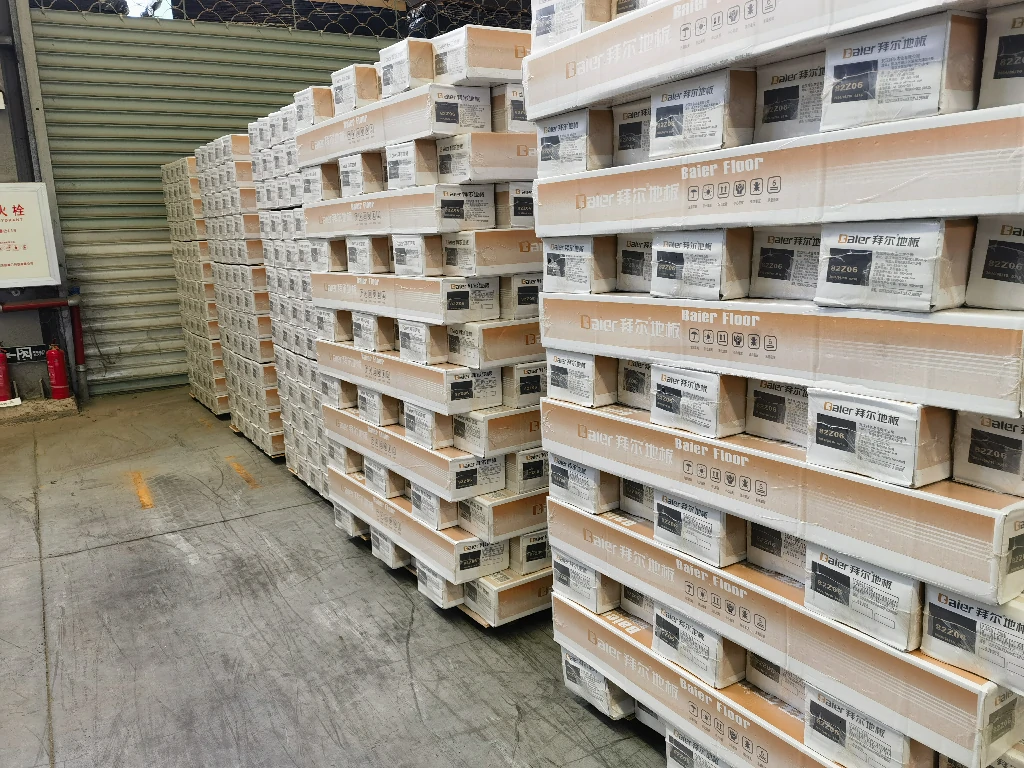
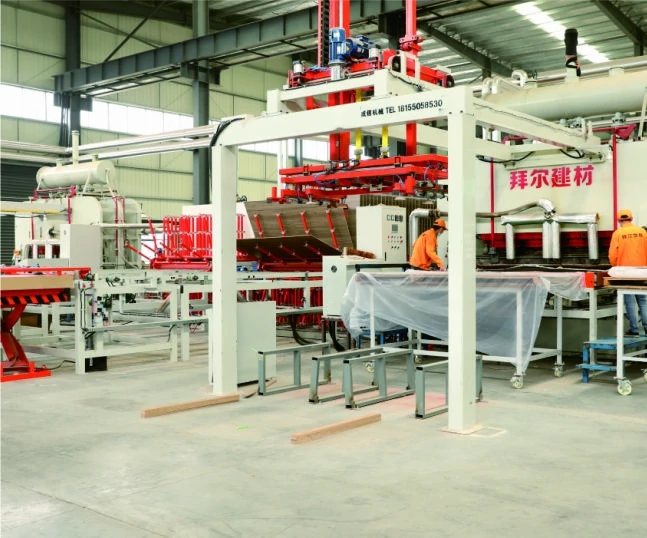
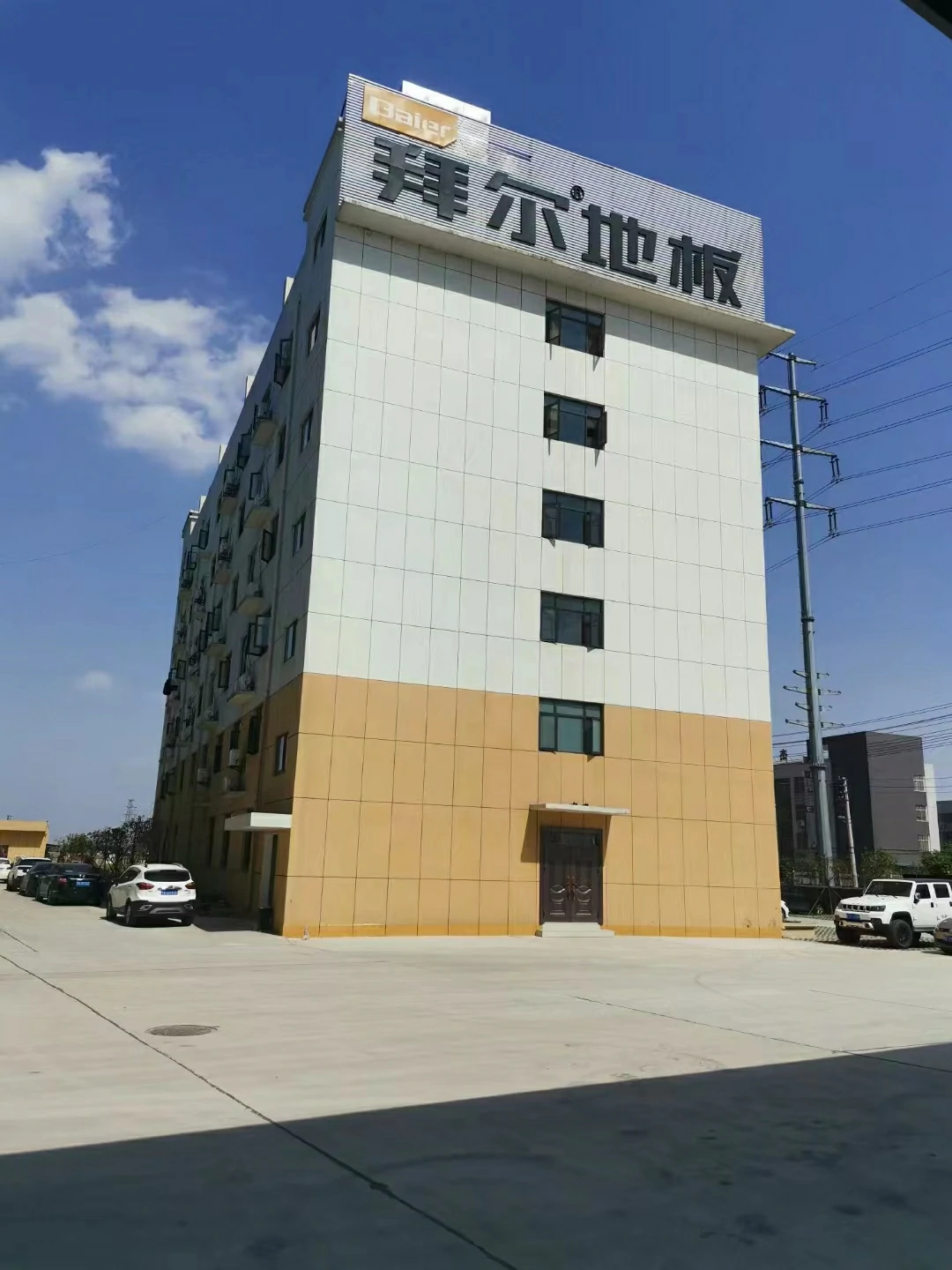
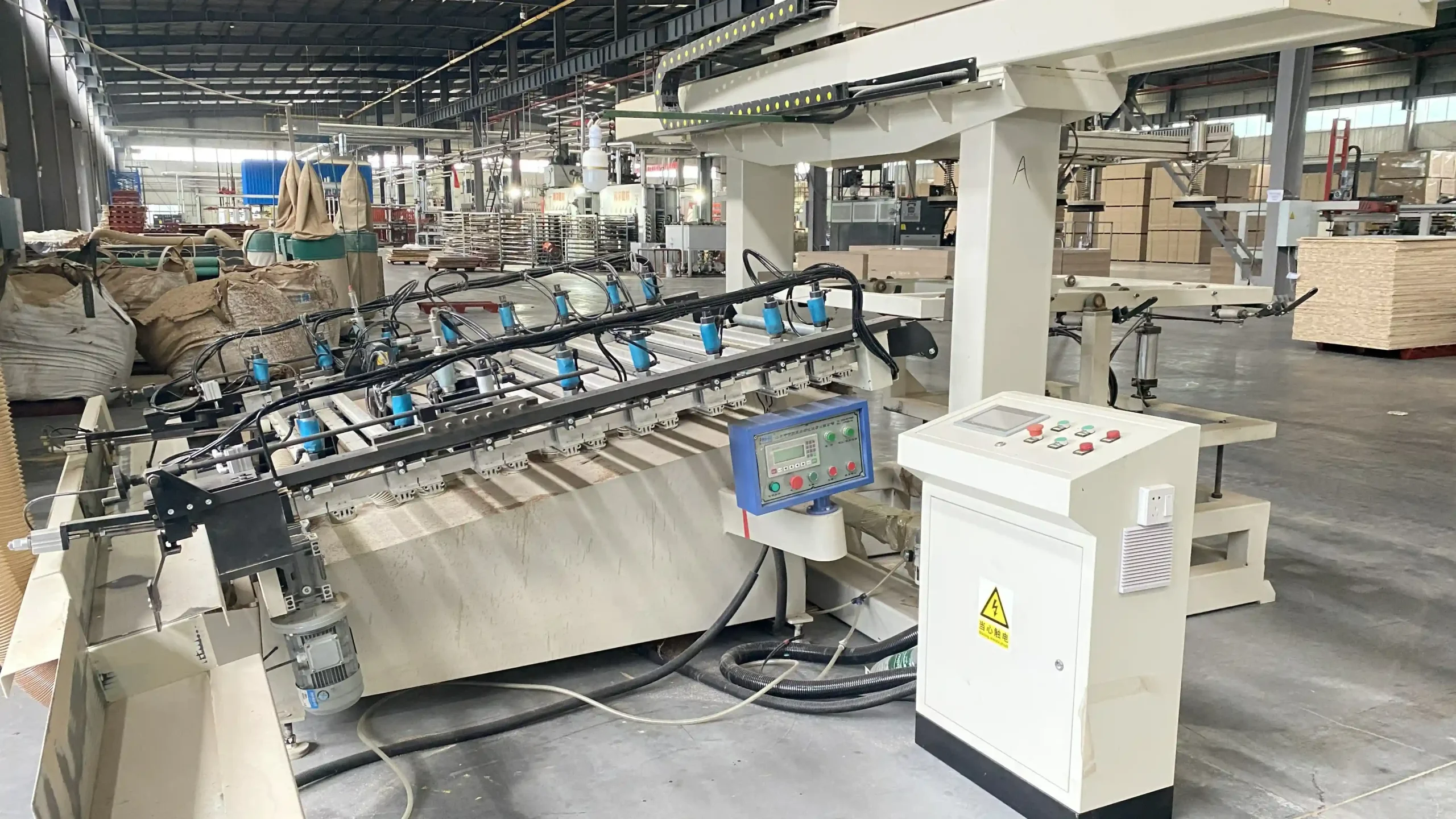
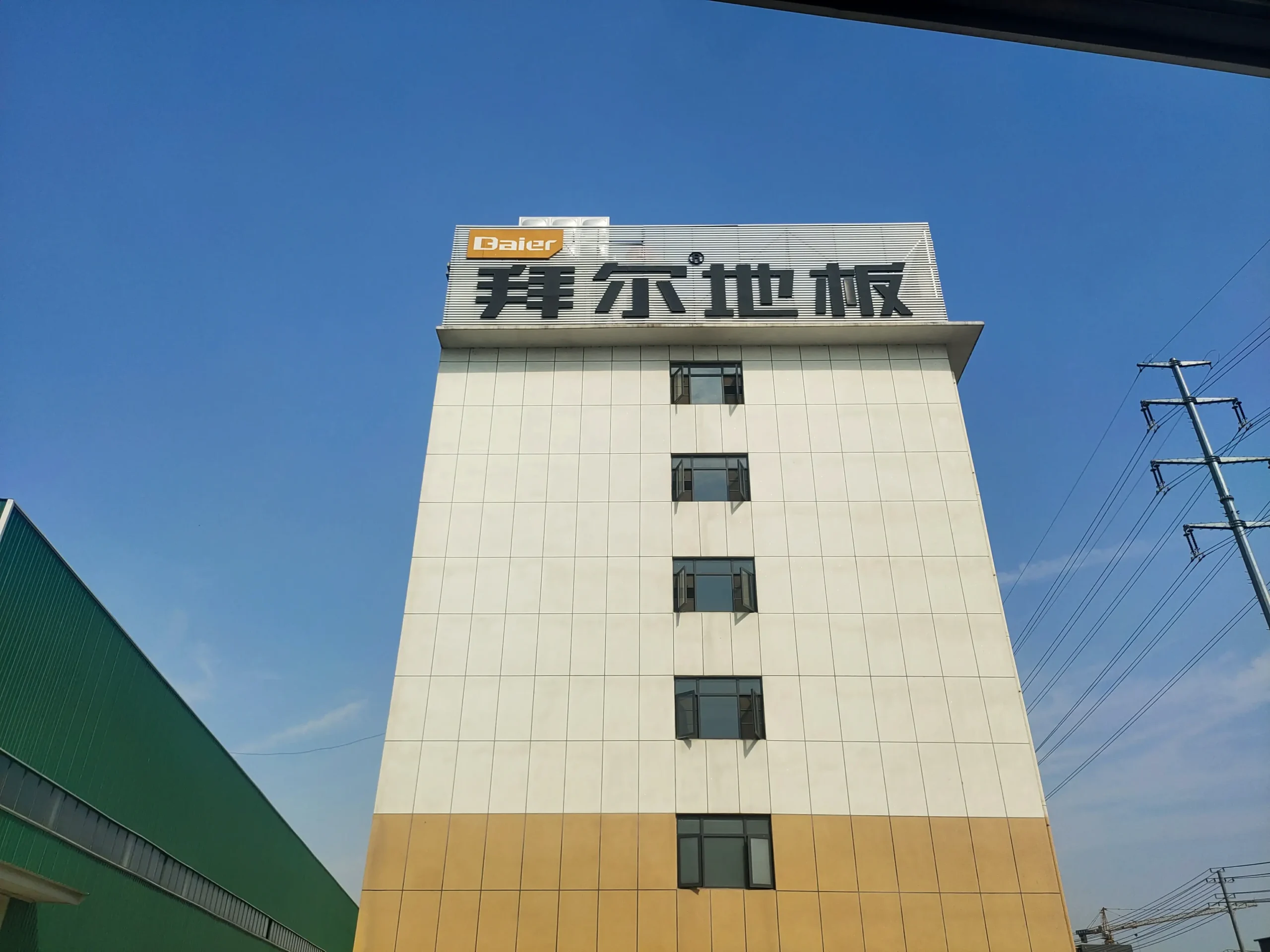
Baier ships SPC and LVT to France with cost control in mind. They focus on public tenders and apartment housing projects. One chain handles SPC, laminate, and underlays together. REACH and CE compliance is standard. Stable high-volume production keeps prices competitive for budget buyers.
Aspecta makes 100% virgin vinyl SPC and LVT. Phthalate-free and Formaldehyde-free products last 30 years on the wear layer. EPD, floorscore, and HPD certifications cover commercial fire performance needs. Their premium position fits institutional builds that need full documentation.
Comparing Supplier Strengths
Each supplier tackles specific French market needs in its own way.
Gerflor and Sensse give you local manufacturing. Shorter delivery times help tight project schedules. Regional technical teams fix issues faster than overseas suppliers.
Lamett and MeisterWerke lead in design. Modern looks attract residential renovators and boutique commercial spaces. Their wood-look SPC blends traditional French style with waterproof tech.
Tarkett offers simple procurement. Single-vendor sourcing cuts admin work. This helps developers managing many floor specs across one project.
Baier aims for tender wins. Their bundled model (SPC plus underlays plus laminate) makes public sector bidding easier. Fixed pricing helps budget planning for large apartment projects.
Aspecta serves compliance-heavy segments. Healthcare facilities, schools, and government buildings need extensive certification docs. Their virgin vinyl formulation avoids recycled-material variation.
Selection Criteria For Your 2026 Strategy
Pick suppliers based on these project factors:
Technical specs – Wear layer thickness, core density, and format sizes set lifespan. Commercial spaces need 0.55mm+ wear layers. Residential projects can use 0.3mm layers.
Certifications – CE marking is required. EPD declarations prove green claims. Low-VOC and phthalate-free certifications meet green building standards. REACH compliance prevents regulatory delays.
Distribution – Regional warehouses cut freight costs. Local technical reps train installers. After-sales support handles warranty claims.
Innovation – Click systems speed installation. Acoustic backing cuts noise complaints in apartments. Large-format planks reduce seams in open spaces.
Cost stability – Fixed-price contracts protect against currency swings. Baier’s export model locks in euro pricing. Local suppliers like Gerflor avoid import tariff risks.
Mixed options – Projects using SPC, underlays, and transitions benefit from single-source procurement. Combined shipping saves time and money.
French Market Context
France’s SPC demand splits between premium and price-conscious segments. Public tenders, apartment housing, and renovation projects focus on cost per square meter. Luxury residential and flagship commercial spaces pay more for design.
Acoustic performance drives residential specs. Apartment buildings need underlays that meet impact sound reduction standards. Suppliers with integrated acoustic solutions win more specs.
Institutional buyers require full compliance documentation. REACH certificates, CE declarations, and EPD reports become contract needs. Suppliers without complete paperwork lose eligibility for government projects.
This supplier landscape mirrors France’s dual market nature. Premium buyers want local production and design innovation. Budget-conscious buyers need competitive pricing with basic certifications. Your 2026 sourcing strategy should match supplier selection with project priorities.
Gerflor – French Heritage Leader in SPC Innovation

Gerflor built its flooring empire in 1937. They started from a single factory in Saint-Paul-Trois-Châteaux, France. Today, this French manufacturer runs 24 factories worldwide. They serve over 100 countries. Their €1.48 billion revenue in 2023 proves market dominance. But numbers tell part of the story.
The real edge for SPC flooring suppliers for the French market? Gerflor’s gravitational manufacturing process. This exclusive technology cuts energy use during production. Most competitors use standard extrusion methods that burn more power. Gerflor’s approach reduces costs and carbon footprint at the same time. French buyers demand both price efficiency and environmental proof. Gerflor delivers.
Why French Projects Choose Gerflor
We employ 5,200 people. They support our distribution network through 40 subsidiaries. French contractors get technical support in their language. Regional warehouses ship products within 48 hours to most French cities. Asian imports? They wait weeks for container arrivals.
Our manufacturing heritage spans 80+ years in resilient flooring. We launched the first homogeneous flooring in 1937. We developed indoor sports flooring in 1947 under the Taraflex brand. The first LVT hit our production lines in 1952. This track record builds installer confidence. You spec Gerflor SPC, you’re backing proven technology. Not experimental products.
Sustainability Metrics That Win Tenders
French public procurement teams check environmental data closely. Gerflor delivers documentation that closes deals:
Carbon reduction proof – We cut Scopes 1 and 2 greenhouse gas emissions by 20% versus our 2019 baseline. We installed 68,000 square meters of photovoltaic panels across facilities. This backs the claim. Renewable energy powers production lines today.
EPD certifications – Environmental Product Declarations cover all product ranges. These third-party verified documents detail carbon impact. From raw materials through installation. Government projects require EPDs. Gerflor includes them as standard.
Recycling leadership – Gerflor holds 68% market share in France’s vinyl flooring collection and recycling sector as of 2023. Our Second Life program operates in Belgium, Netherlands, Nordic countries, and Italy. Twenty years of recycling integration. We turn old floors into new products. Circular economy isn’t marketing talk here. It’s production reality.
Paris 2024 Olympic validation – Gerflor supplied eco-designed sports floors for the Paris Olympics. These products contained 35% recycled content. One hundred percent adhesive-free installation allowed complete post-event reusability. Olympic committees don’t gamble on unproven suppliers.
Innovation Beyond Basic SPC
Gerflor’s lightweight solutions separate us from commodity SPC flooring suppliers for the French commercial sector:
Creation Zen – This lightweight LVT variant reduces carbon footprint versus standard LVT production. Lower material weight cuts shipping emissions. Installation teams handle planks faster. Total project carbon drops by clear percentages.
Taralay Impression Hop – The looselay solution handles high-traffic environments. It makes recycling and reuse easier. No adhesive bonding. Contractors lift floors intact for relocation or recycling. Fit-out companies reuse materials across multiple projects.
French buyers get adhesive-free mounting systems across product lines. This installation method speeds project completion. It removes VOC concerns from glue curing.
Lamett – PEFC-Certified Sustainable SPC Specialist

PEFC Chain of Custody certificate WOODBE-COC-001574 connects Lamett’s floors to managed forests. This isn’t vague sustainability marketing. Every plank traces back to documented timber sources. French buyers dealing with strict green building requirements get proof. Not promises.
Lamett’s Parquetvinyl series sets them apart among SPC flooring suppliers for the French market. They engineered hybrid products that blend traditional wood craftsmanship with waterproof SPC technology. The Wood & Stone collection puts thin real-oak veneer on rigid SPC cores. You get authentic wood aesthetics. Plus complete water resistance. Traditional parquet fails in kitchens and bathrooms. Lamett’s hybrid thrives there.
PEFC Certification Levels That Matter
Lamett offers two certification tiers based on material composition. Products with 70% PEFC-certified material suit standard commercial projects. One hundred percent PEFC versions target institutional buyers with zero-tolerance sustainability policies. Schools. Government facilities. Healthcare buildings. These sectors won’t accept partial certification. Lamett delivers both options.
Their 2030 target commits to PEFC and FSC sourcing across all wood-based products. This roadmap gives project developers certainty. You’re specifying floors today for buildings opening in 2027. Lamett’s certification path won’t reverse. Your green building credits stay valid through the structure’s lifespan.
SPC Core Engineering Breakdown
Lamett’s rigid cores contain 60-70% limestone powder mixed with PVC, stabilizers, and plasticizers. This composition creates dimensional stability under temperature changes. French climate zones vary widely. Mediterranean coastal properties face humidity swings. Alpine region projects endure freeze-thaw cycles. Standard vinyl floors warp. Lamett’s limestone-heavy cores don’t.
The waterproof barrier protects against spills and flooding. Insurance claims from water damage cost French property managers €2.4 billion each year. Lamett’s SPC eliminates this risk category. Kitchens. Bathrooms. Ground-floor commercial spaces prone to weather exposure. Installation happens without moisture barrier underlays in most cases.
Tarkett – Multi-Category Flooring Solutions Provider

Tarkett brought in €3.3 billion in revenue during 2024. This size gives them buying power that single-category SPC flooring suppliers for the French market can’t touch. Picture a mixed-use project with offices, retail spaces, sports facilities, and homes. Tarkett stocks vinyl, LVT, engineered wood, laminate, carpet, rubber flooring, sports surfaces, and accessories. One purchase order. One logistics chain. One warranty structure.
Most competitors make you juggle multiple vendors. Gerflor handles resilient flooring well but skips carpet or wood. Lamett does great with wood-SPC hybrids but lacks sports surfaces. Tarkett covers every flooring category through integrated production. Project managers slash admin work by 40-60% by using one supplier. Fewer invoices. Fewer delivery schedules. Fewer technical contacts.
Financial Strength Signals Stability
Tarkett’s adjusted EBITDA jumped from €268 million in 2023 to €292 million in 2024. Profit margins rose from 8.0% to 8.8% despite flat organic sales growth (-0.4%). How? Net productivity savings of €27.3 million plus €34.5 million from smart pricing during raw material deflation. They kept selling prices steady while input costs fell. This financial discipline shields you from supplier volatility.
The company forecasts adjusted EBITDA hitting €340-350 million in 2025 and €355-365 million by 2026. Margins should reach 10.0-10.2% within two years. Strong cash flow means Tarkett won’t disappear mid-project. Their adjusted FFO/debt ratio stood at 17.4% in 2024. They project 19.0-21.0% by 2026. Banks watch these metrics. Healthy ratios mean your supplier stays stable through economic downturns.
Sustainability Credentials For Green Building Projects
Tarkett cut Scope 1-3 emissions by 23% versus their 2019 baseline. They added about 19% recycled raw materials across product lines by 2024. These numbers count for BREEAM and HQE certifications that French institutional projects need. Government tenders now demand supplier-level carbon disclosure. Tarkett’s documented cuts meet procurement checklist needs.
Their manufacturing plants get continuous investment to maintain technology leadership. Well-maintained equipment delivers consistent quality. You avoid gambling on aging production lines that might fail quality control mid-order. Tarkett’s scale justifies the capital spending smaller SPC flooring suppliers for the French market can’t afford.
The One-Stop Procurement Advantage
Architects working on hospitals gain most from Tarkett’s range. Vinyl flooring in patient rooms. Rubber flooring in surgical areas. Carpet in administrative offices. Sports flooring in rehabilitation gyms. Wall protection and accessories throughout. Mixed material orders ship together. They arrive on coordinated schedules. Installation teams work with compatible products from one technical support system.
Tarkett forecasts organic revenue growth of 2-4% each year from 2026-2027 after stabilizing in 2025. Working capital needs should stay modest—€20-30 million cash outflow expected in 2025. This financial planning shows steady operations. No dramatic expansion risks or contraction dangers.
Choose Tarkett for projects that need product variety over SPC specialization depth. Their multi-category strength fixes coordination problems that single-focus flooring suppliers create.
Baier Floor- Cost-Effective OEM Partner with European Compliance

Baier Floor built their flooring business on waste elimination. Their circular production model sorts every offcut and trimming scrap back into manufacturing. This closed-loop system cuts raw material costs by 12-18% compared to linear production methods. French contractors bidding on public housing projects need competitive pricing. Baier’s waste-reduction engineering delivers it.
The company operates under EMAS III environmental management certification. They publish annual public environmental reports showing real metrics. Not vague sustainability claims. Actual data on material use, energy consumption, and waste diversion rates. These reports appear in public EU registries. Anyone can verify them. French institutional buyers checking supplier credentials find documented proof. Zero guesswork.
Compliance Documentation That Clears French Procurement
Baier marks all flooring products with CE certification under EN 14041. This standard covers resilient, textile, and laminate flooring. They’ve held this certification since 2007. Seventeen years of consistent compliance. The French interior air quality label appears on their products too. This marking proves low formaldehyde and VOC emissions meet strict French indoor air standards.
TÜV Rheinland validates their quality and safety systems through independent audits. REACH compliance under EC directive 1907/2006 covers every product line. Baier verifies suppliers through IMDS database checks for restricted substances. EU directive 2000/53/EG on end-of-life vehicles drives their substance screening. This level of regulatory alignment matters for SPC flooring suppliers for the French government sector.
OEM Flexibility For Custom Projects
Baier tracks every batch back to pre-material sourcing. Need certificates of origin for customs? They provide them per order. Manufacturing drawings? Process descriptions? Setup verification reports? First piece inspection data? All available on request. This documentation depth suits SPC flooring suppliers for the French market serving architects with detailed spec requirements.
Their order confirmation system locks price, quantity, and delivery schedules in writing. No surprise changes mid-production. French project managers working with fixed budgets need this certainty. Construction schedules can’t absorb supplier delays or cost increases.
Baier adapts products to customer specs using FMEA (Failure Mode and Effects Analysis) and control plans. They monitor production through SPC (Statistical Process Control) methods. Process capability drops below targets? They switch to 100% inspection. Quality stays consistent across production runs.
ISO Standards Foundation With Automotive Targets
Baier operates under ISO 9001:2015 as baseline. They’re pursuing IATF 16949 certification for automotive applications and ISO 14001 for environmental management. This standards progression shows continuous improvement. Not static compliance.
VDA and AIAG methods guide their quality processes. Control plans dictate serial testing schedules. Incoming goods checks verify identity, damage status, quantity accuracy, and size tolerances. Every supplier gets evaluated through common quality criteria. This systematic approach minimizes defect rates.
Cost Advantage Through Process Efficiency
Baier’s circular model reduces material waste before it reaches landfills. Offcuts get sorted by composition type. Virgin material needs drop as recycled content fills production lines. This lowers raw material purchasing volumes. Smooth workflow design cuts labor costs compared to batch-stop-start operations.
Serial testing follows documented control plans. They avoid over-testing that inflates costs. They avoid under-testing that risks quality failures. The balance comes from statistical analysis of process capability. Numbers prove consistency? Inspection frequency drops. Costs fall without quality sacrifice.
NUVA’s lighter SPC weight cuts logistics expenses. Standard rigid cores use denser mineral filler. Baier’s formula maintains structural performance with less mass. Shipping containers fit more planks. Freight cost per square meter decreases. This advantage compounds across France-wide distribution.
Export Documentation Completeness
Every production run includes complete regulatory documentation. Formaldehyde emission reports for laminate flooring. Substance declarations for REACH compliance. CE technical files with test results. French customs needs these documents for import clearance. Baier provides them as standard. No special requests needed.
Their EMAS III public reports since 2016 show environmental metrics and progress tracking. Annual audits verify claims. Recertification happens every 1-5 years depending on certificate type. Third-party validators sign off on data accuracy. French developers facing mandatory climate disclosure can reference Baier’s published numbers.
MeisterWerke – German Precision for High-Traffic Commercial Spaces

MeisterWerke has been owned by the same family since 1930. This built a reputation that commodity SPC flooring suppliers for the French market can’t match. Ninety-four years of making floors created technical systems that survive retail chaos, hotel corridors, and restaurant kitchens. Their wear class 23/33 certification proves this. It covers domestic heavy-duty and heavy commercial combined. Most suppliers split these categories. MeisterWerke designed floors that handle both without compromise.
Click Systems Built For Speed
Masterclic Plus and Multiclic Installation Methods cut out adhesive completely. Contractors snap planks together. No waiting for glue to cure. French commercial projects have tight renovation windows. Retail spaces can’t close for weeks. Hotels need rooms back in rotation fast. MeisterWerke’s click technology cuts installation time compared to traditional bonding. Zero VOC emissions during installation keeps occupied buildings running. Office workers stay productive. Shop revenue keeps flowing.
The 9mm DL 600 S format measures 2052x219mm. Fewer planks cover large areas. Seam count drops. You get better visual flow in open-plan offices and showrooms. The 2mm pro DD 200 variant suits spaces needing minimal floor height addition. Historic building renovations with door clearance limits work well with this. Thickness options solve real construction challenges.
Waterproof Engineering For Wet Spaces
AquaSafe baseboard technology stands up to four hours of standing water. Kitchen spills. Bathroom flooding. Entrance area weather exposure. Standard HDF cores swell and fail. MeisterWerke’s water-resistant construction prevents replacement costs. Their RMC and ecuran PVC-free waterproof bases add chemical safety. French rules tighten around PVC use. Future-proof specs avoid compliance risks.
Heat conductivity reaches 0.136 W/mK with 0.050 m²K/W heat transfer resistance. Underfloor heating systems work well beneath MeisterWerke planks. Thermal performance data matters for energy modeling in green building certifications. Documented numbers close BREEAM calculation needs.
Fire Safety and Impact Protection
Cfl-s1 fire rating meets low-flammable standards under EN 13501. Public spaces need documented fire performance. Government buildings. Healthcare facilities. Schools. MeisterWerke’s certification removes spec barriers in regulated sectors.
Impact resistance testing shows small ball damage at ≥10mm indent depth. Big ball testing exceeds 350mm drop height. Heavy furniture moves. Equipment installations. Commercial abuse happens every day. These metrics predict long-term surface strength better than home-only testing methods.
Commercial Warranty Structure
MeisterWerke’s allround DD 700 S carries lifetime home coverage plus 10-year commercial protection. DL/DD/DB series include 25-year home warranties and 5-year commercial terms. This dual structure recognizes different usage levels. Commercial spaces burn through floors faster. Realistic warranty periods build trust. Suppliers promising the same terms for both uses often fight claims later.
Their position among SPC flooring suppliers for the French commercial sector relies on German engineering consistency. Ownership by one family prevents short-term profit pressure that cuts quality. Ninety-four years of continuous operation proves staying power. Your 2026 flooring spec needs suppliers who’ll exist in 2036 when warranties matter.
Wineo (Windmöller GmbH) – Innovation-Driven Design Variety

Windmöller GmbH produces over 10 million square meters of design flooring each year. Their wineo brand changed LVT installation. They launched the first click-fit system with their Bacana and Laguna collections. Before this? Every vinyl plank needed adhesive. Contractors spent hours spreading glue. Wineo removed that problem. Click systems changed multi-day jobs into same-day jobs.
Their wineo 400, 600, and 1500 PURLINE series offer French architects 150+ decor options. You get wood looks. Stone textures. Abstract patterns. Four design trends cover the collections. Installation formats include gluing types, click systems, rolls, and planks. Project needs change floor-to-floor? Wineo handles mixed specs from one product family.
PURLINE Organic Mix Beats PVC Standards
Wineo’s ecuran composite base sets them apart from standard SPC flooring suppliers for the French market using virgin PVC. The PURLINE making process uses 7,000+ tonnes of castor oil each year. This plant-based source replaces oil-based materials. Zero chlorine. Zero plasticizers. Zero solvents during making. French projects targeting BREEAM materials credits get help from proven bio-content.
Windmöller joined the first global program for green castor bean growing. Supply chain clarity reaches farming methods. Big buyers wanting raw material tracking get verified sourcing data. Not vague green claims.
Click Technology For Commercial Speed
Rigid core planks with firm technology give you stability under heavy use. Wineo’s click-fit system works across elastic and rigid types. Restaurants need floors replaced between service periods? Click installation finishes during off-hours. Retail chains updating store layouts can’t afford week-long closures. Wineo’s system cuts downtime costs.
Their embossed surface textures add scratch resistance and water protection. The engineering gives excellent bounce-back after furniture marks. Heavy display units move across floors each day in commercial spaces. Surface bounce-back stops permanent damage marks that lead to quick replacement.
Wineo runs making sites in Augustdorf (50,000 m²), Detmold (30,000 m²), Wrocław, and Marietta. This production setup supports 5,000+ customers across Europe, Asia, and the Americas. CEO Matthias Windmöller co-founded the Multilayer Modular Flooring Association (MMFA) in 2012. Industry leadership puts Wineo at technical standards tables. Your 2026 specs get products built around new rules.
IVC Group – Large-Scale Pan-European Logistics Advantage

IVC Group runs distribution centers across Belgium, France, Germany, Netherlands, and Poland. This multi-country warehouse network cuts delivery times for French contractors to 24-48 hours on standard orders. Compare that to Asian imports waiting 6-8 weeks for container arrivals. Time kills construction schedules. IVC’s close location keeps projects moving.
Their pan-European footprint creates bargaining power that single-market SPC flooring suppliers for the French sector can’t match. Bulk buying across five countries drives raw material costs down 8-12% versus regional competitors. Large orders with limestone suppliers, PVC resin makers, and wear layer producers lock in stable pricing. Currency shifts hit smaller suppliers hard. IVC’s multi-currency operations spread risk. Euro strengthens against the dollar? Their buying mix adjusts. You get price stability while competitors raise rates.
Cross-Border Stock Management
IVC’s ERP system tracks stock levels across all European sites in real-time. French demand spikes for oak-look planks? The system pulls stock from German warehouses within hours. Belgium runs low on commercial-grade 0.55mm wear layer products? Polish sites ship overnight. This stock flow stops the shortages that hit single-warehouse operations.
Large French apartment builders ordering 50,000+ square meters benefit most. IVC pulls stock from multiple sites at once. Your order ships in days, not months. Construction timelines shrink. Carrying costs drop. The logistics speed translates to project profits when you’re managing tight deadlines through 2026.
Conclusion

The French SPC flooring market in 2026 needs more than good prices. You need partners who focus on compliance, sustainability, and logistics.
Your supplier choice shapes your market position. Gerflor offers local manufacturing advantages. Lamett provides PEFC certifications for eco-friendly projects. Baier gives OEM flexibility for private label options.
Here’s your action plan: Match supplier strengths to your business model.
Retail chains can use IVC Group’s pan-European distribution network. Commercial contractors get high-traffic durability from MeisterWerke’s German engineering. Boutique showrooms? Wineo’s design innovation sets you apart.
Don’t pick SPC flooring suppliers for the French market based on sample catalogs alone. Request compliance documents (CPR ratings, VOC certificates). Validate lead times through test orders. Negotiate flexible MOQs before you commit to annual contracts.
Your supplier choice today shapes your 2026 position. You’ll either chase trends or set them. Start your supplier audit now. Your competitors already have.