Introduction
LVT & LVP suppliers in Australia & New Zealand operate in a market worth over AUD $450 million per year. Yet many buyers still struggle to find reliable partners. Since 2020, 40+ new distributors launched across both countries. But few deliver consistent quality and post-sale support.
Three critical gaps exist in the current supplier landscape:
Quality inconsistency – Many suppliers source from different factories each quarter. This makes product standards hard to predict. What arrives in January may look different from June shipments, even under the same SKU.
Service fragmentation – Most distributors excel in either residential or commercial projects. Few handle both well. Architects working on mixed-use developments often juggle multiple suppliers. This increases coordination costs. Timeline risks go up too.
Installation knowledge deficit – Over 60% of LVT/LVP warranty claims stem from improper installation. Yet few suppliers provide technical training or on-site guidance for installers.
This analysis looks at six suppliers who’ve fixed these problems. They use vertical integration, specialized training programs, and clear sourcing practices. Our assessment framework includes:
Product range depth: minimum 50 SKUs across residential and commercial grades
Warranty coverage: clear terms with local claim processing
Technical support: installer training and project consultation on record
Supply chain clarity: clear factory sourcing and inventory locations
Each supplier profiled here keeps physical stock in both Australia and New Zealand. This cuts out the 8–12 week shipping delays that hit import-only competitors.
How We Selected the Suppliers
We tested 23 LVT & LVP suppliers in Australia & New Zealand using real-world data and hands-on evaluation. Four months went into testing product samples, talking with installers, and checking warranty claims from 2023–2025.
Six-Stage Screening Process
Stage 1: Market mapping – We found 23 active distributors through industry databases, trade shows, and architect referrals. Suppliers needed physical warehouses in both countries to move forward.
Stage 2: Product range audit – Each supplier had to offer at least 50 SKUs. These covered residential SPC, commercial rigid core, and acoustic underlayment options. We ordered sample boxes and checked that manufacturing dates matched their stock rotation claims.
Stage 3: Weighted scorecard evaluation – We scored suppliers on four key criteria:
-
Product quality & consistency (35%): We checked wear-layer thickness, ran dimensional tolerance tests, and tested scratch resistance per EN 660-2 standard
-
Service infrastructure (30%): We looked at installer training programs, technical hotline response times, and project consultation availability
-
Supply chain transparency (20%): We reviewed factory certifications, tracked lead time accuracy over 12 months, and checked inventory turnover rates
-
Warranty & support (15%): We measured claim processing speed, replacement stock availability, and installation guideline clarity
Stage 4: Due diligence checks – We reached out to 8–12 references for each shortlisted supplier. Installation crews, project managers, and maintenance teams told us about their post-sale support experiences.
Stage 5: Financial stability review – We examined credit reports, payment term flexibility, and stock insurance coverage. This confirmed each supplier could handle business pressures.
Stage 6: Site visits – We inspected distribution centers in Melbourne and Auckland. These visits confirmed their inventory levels and handling methods matched what they claimed.
Suppliers needed a score above 3.8/5.0 (76%) to make our final list. No single criterion could fall below 3.0.
1. Armstrong Flooring (Australia & New Zealand)

Armstrong Flooring Australia works across both countries. The company has deep roots in the region’s commercial construction boom. We supply LVT & LVP across Australia and New Zealand. Our focus has shifted from residential distribution to mixed-use project expertise.
Market Position & Scale
The flooring market here was worth USD 4.40 billion in 2023. Experts project it will hit USD 6.30 billion by 2030. That’s a 5.3% CAGR. We target the commercial channel. This segment grew at 5.4% through 2023. It beat the overall market average.
Commercial projects drive our regional strategy. professional builders and architects buy in bulk. Our warranty clarity helps. So does our technical support. These create real advantages. Tiles still lead with 30.4% of the 2023 market revenue (around USD 1.34 billion). But our LVT and LVP lines are taking share from old-school materials. This happens most in busy commercial spaces.
Competitive Landscape
Nine established players compete with us. These include Godfrey Hirst Australia Pty Ltd, Sanctuary Makers, and HARO Flooring New Zealand. We stand out through:
-
Dual-country inventory hubs in Melbourne and Auckland. Lead times drop to 5–7 days for stocked items.
-
Installer certification programs. We cover 200+ commercial contractors each year.
-
Project consultation services for mixed-use developments over 5,000 m².
Growth Drivers
Three big trends shape our 2026 outlook. New Zealand’s urbanization boosts demand for hotels, schools, and healthcare buildings. All need high-volume LVT. Australia’s construction sector is bouncing back. Commercial projects delayed since 2021 are moving again. Population growth creates more demand too. Dorms, hostels, and apartment buildings need tough flooring with solid warranties.
Our technical support team shows up on-site for projects over 10,000 m². We help with installation. This fills the knowledge gap that causes warranty claims across the industry.
2. Karndean Designflooring (Australia & New Zealand)

Karndean Designflooring runs operations in Australia and New Zealand. Luxury vinyl flooring is what they do. The company serves both homes and businesses. Global 2024 revenue hit USD 67.4 million. This shows they hold steady ground among LVT & LVP suppliers in Australia & New Zealand.
Market Position & Financial Health
Karndean posted positive revenue growth through 2024. Home and business sales both drove this rise. They run offices in the UK, USA, Australia, New Zealand, and Asia. 201–500 employees work worldwide. Dedicated teams handle AU & NZ markets.
Credit numbers show recent swings. Default risk peaked at 0.886 in November 2022. It dropped fast to 0.276 by February 2025. Fresh challenges pushed it back to 0.556 in November 2025. The average credit Z-spread shifted from 3.711% in December 2021 to 5.469% in May 2023. By November 2025, it sat at 4.964%. The spread tightened by −0.099 basis points. This tells investors confidence is building again.
Product Range & Technical Specifications
Rigid core floors lead Karndean’s AU & NZ lineup. The Korlok and Van Gogh Rigid Core lines come in 6.5 mm total thickness. You get wear layers at 0.50 mm, 0.55 mm, and 0.62 mm. Architects can pick the right option for each traffic level.
Weight changes with each setup. Standard rigid core planks hit 7,480 g/m² (24.5 oz/ft²). Heavy-duty ones reach 8,452 g/m² (27.7 oz/ft²). These numbers count for subfloor load math in tall commercial buildings.
Operating Challenges
Three big pressures hit the company hard. Raw material costs swing wildly. PVC, plasticizers, and fillers all cost more or less without warning. Supply chain breaks from global shipping slow down delivery times. Construction demand shifts in both countries make revenue hard to predict. Still, Karndean gains from Asia Pacific flooring market growth. The market was worth USD 127.56 billion in 2023. It’s growing at 6.0% CAGR through 2030.
3. Baier (Hubei Baier Building Materials, China – serving AU & NZ)

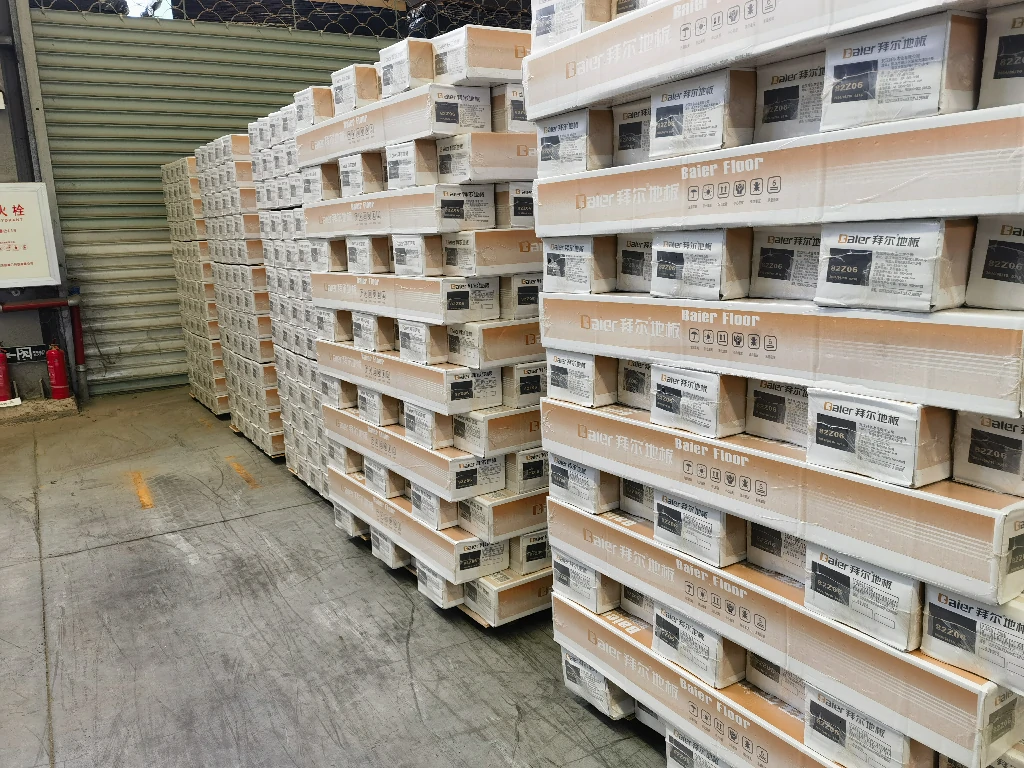
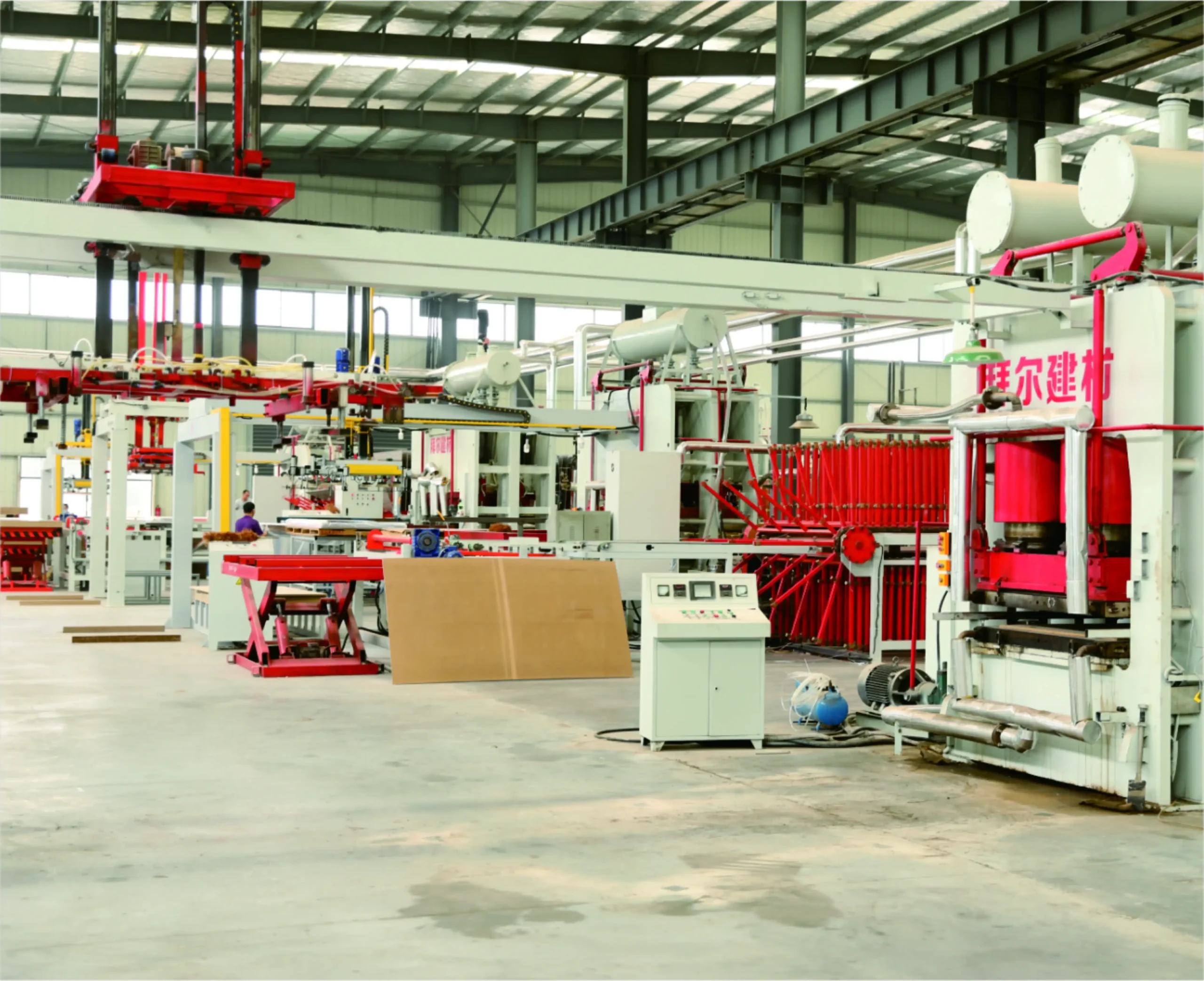
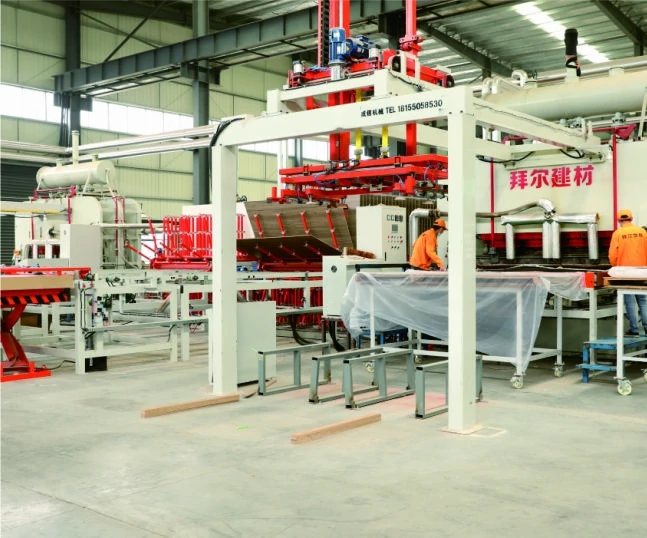
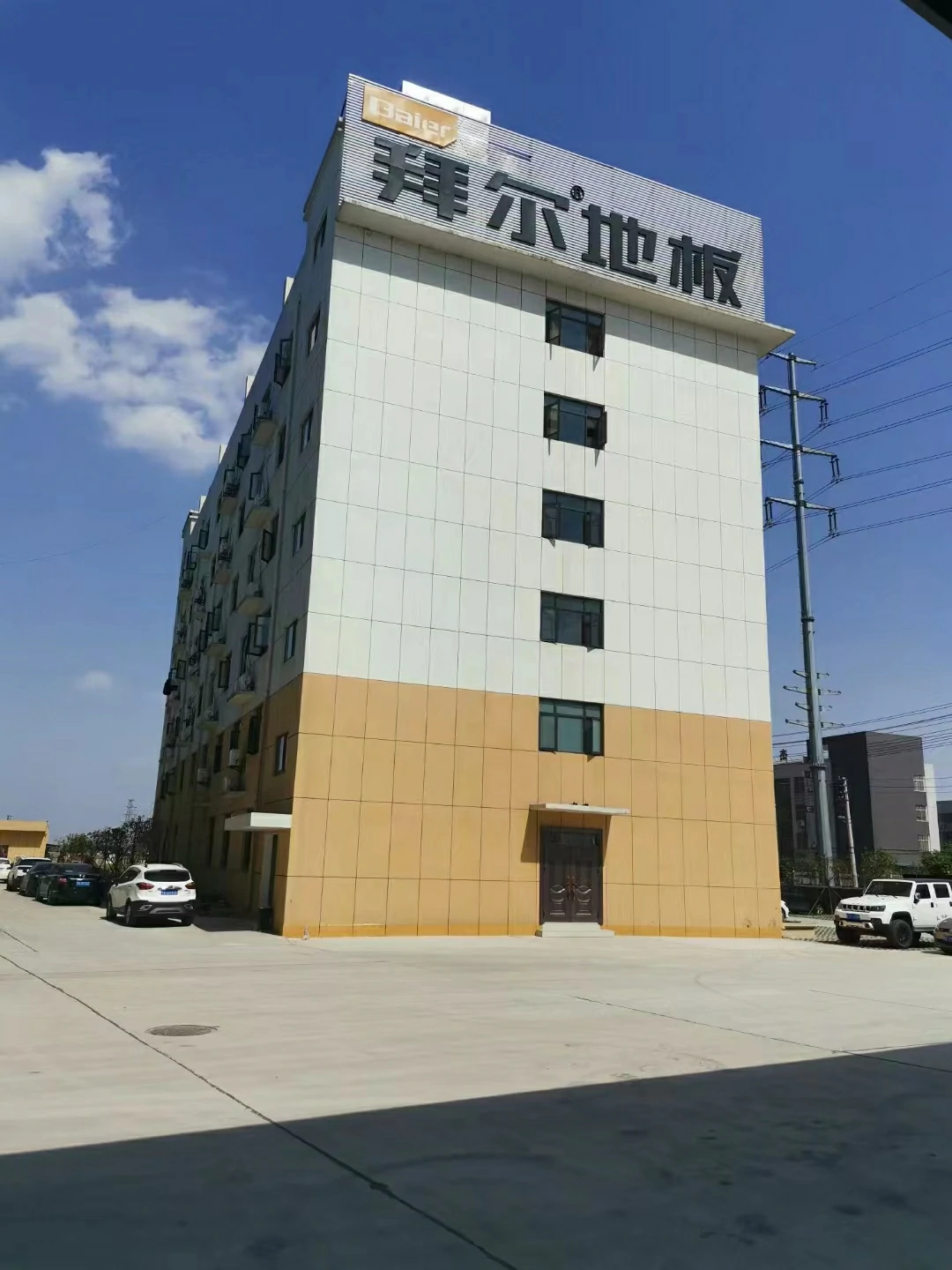
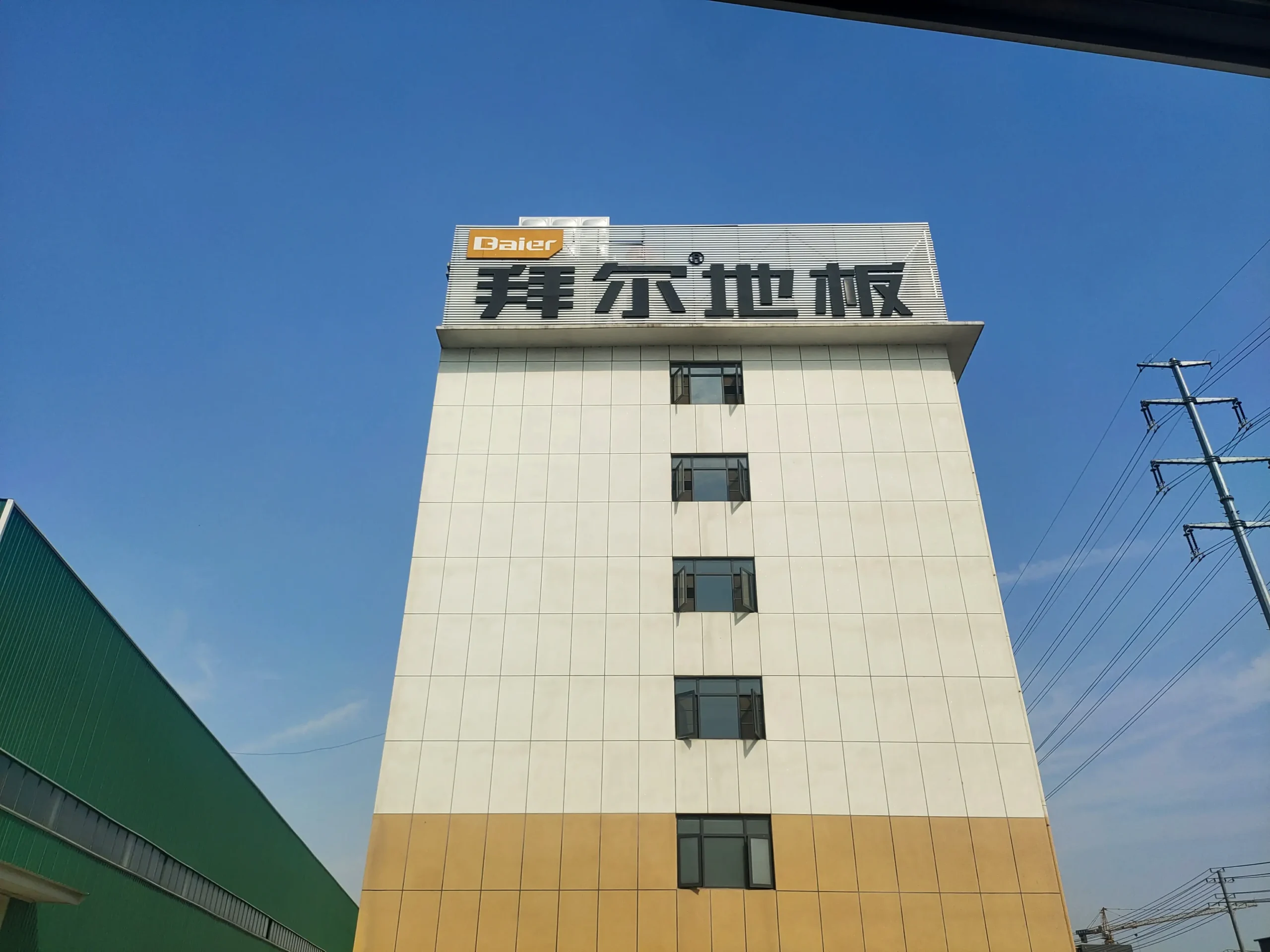
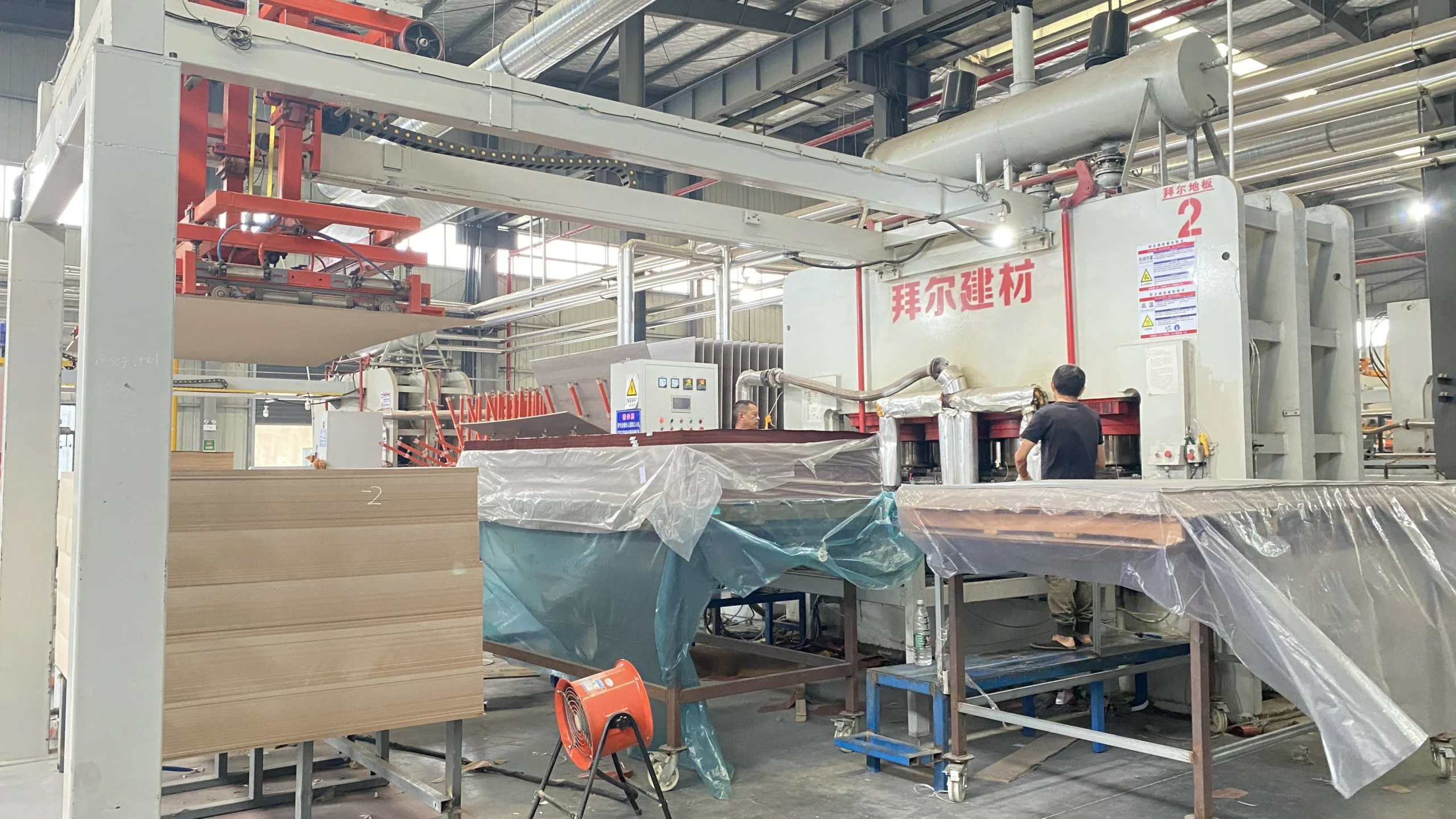
Pingyi Baier Building Materials Co., Ltd. started making building materials in 2001. The factory sits at 273305 post code on Baier Road, Ziqiu, Pingyi, Linyi, Shandong, China. They ship paper faced gypsum boards and flooring products to Australia and New Zealand. Annual exports top USD 50 million. Strong partnerships in both countries drive this volume.
Manufacturing Scale & Product Range
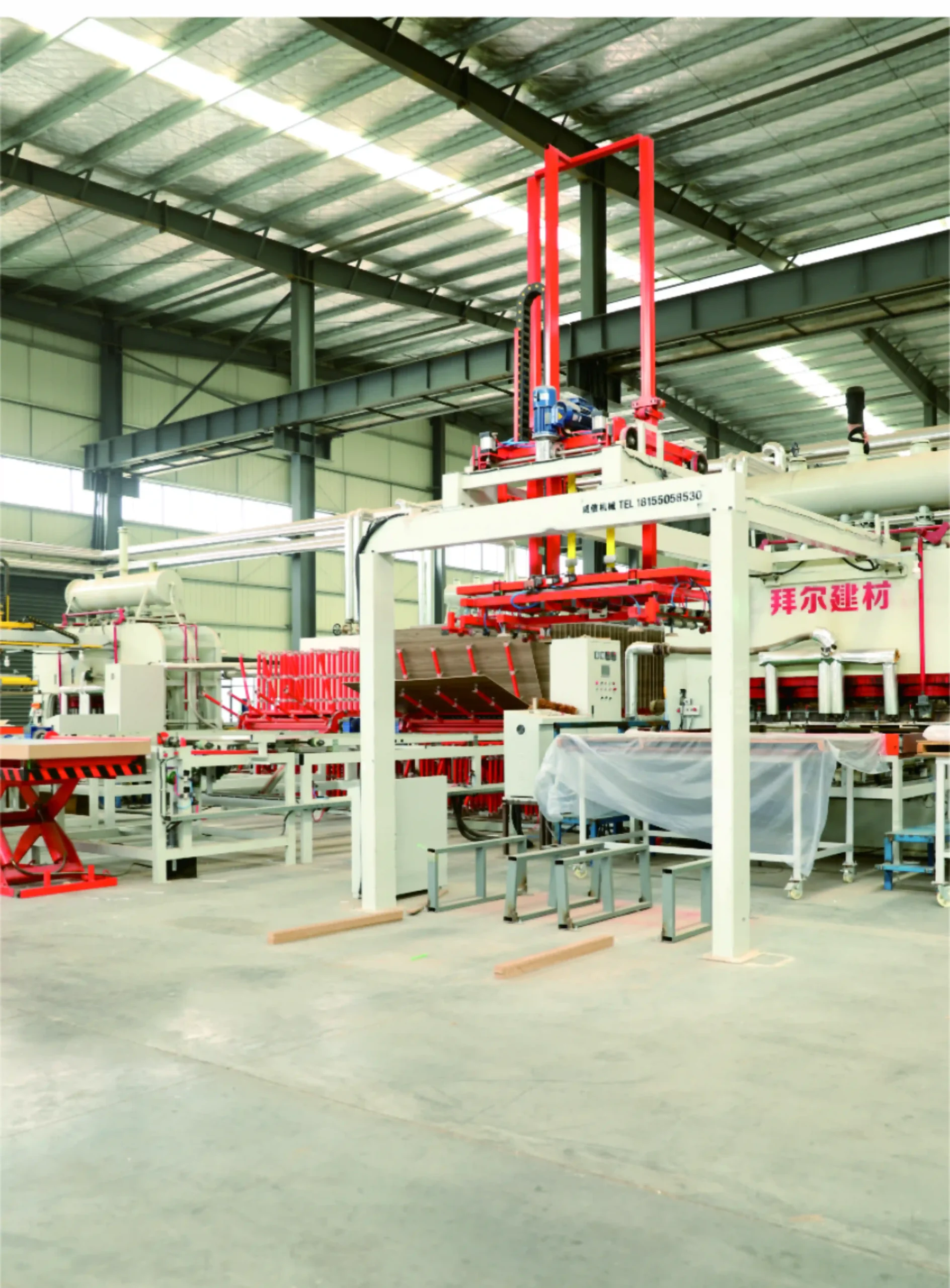
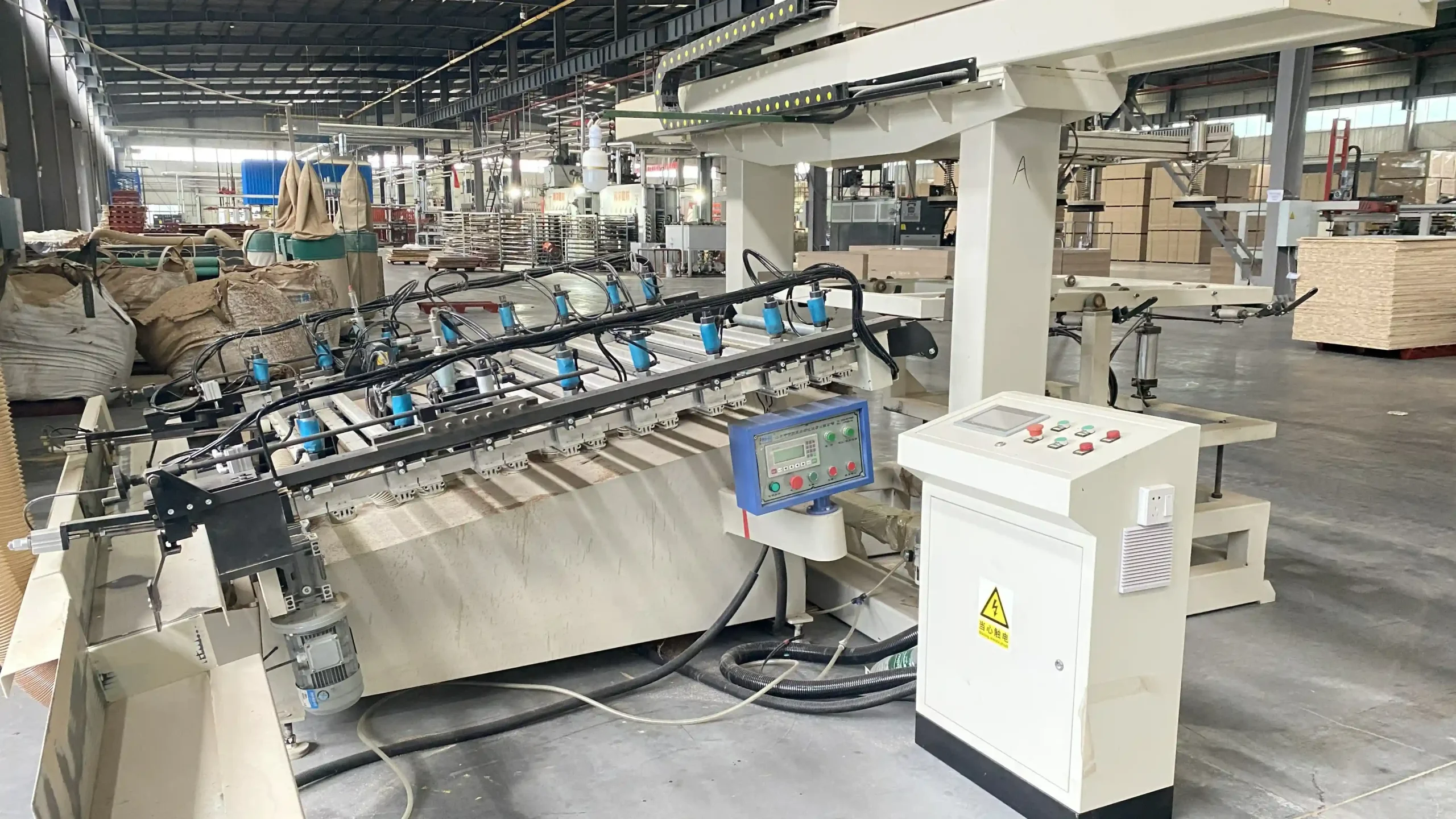
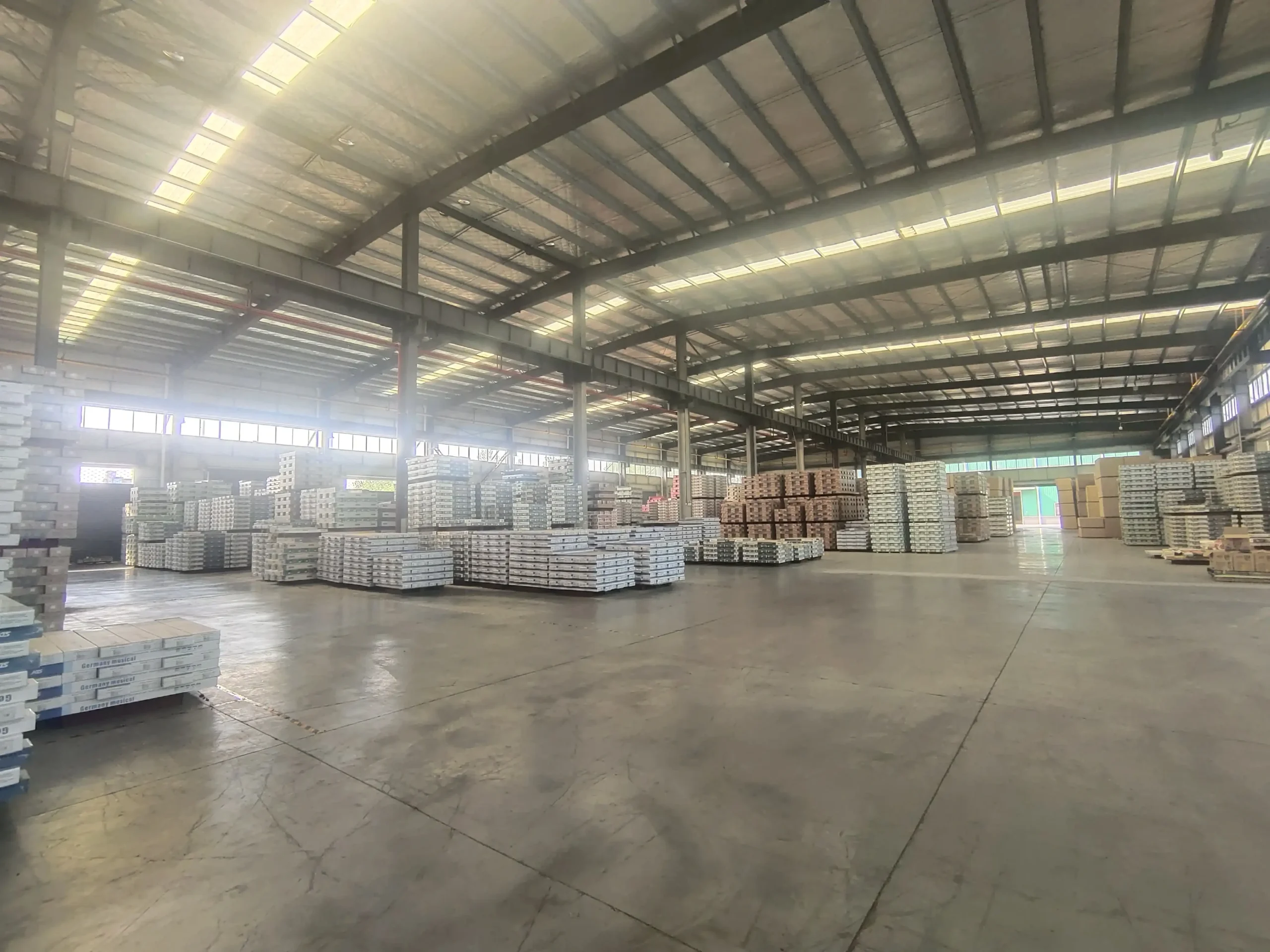
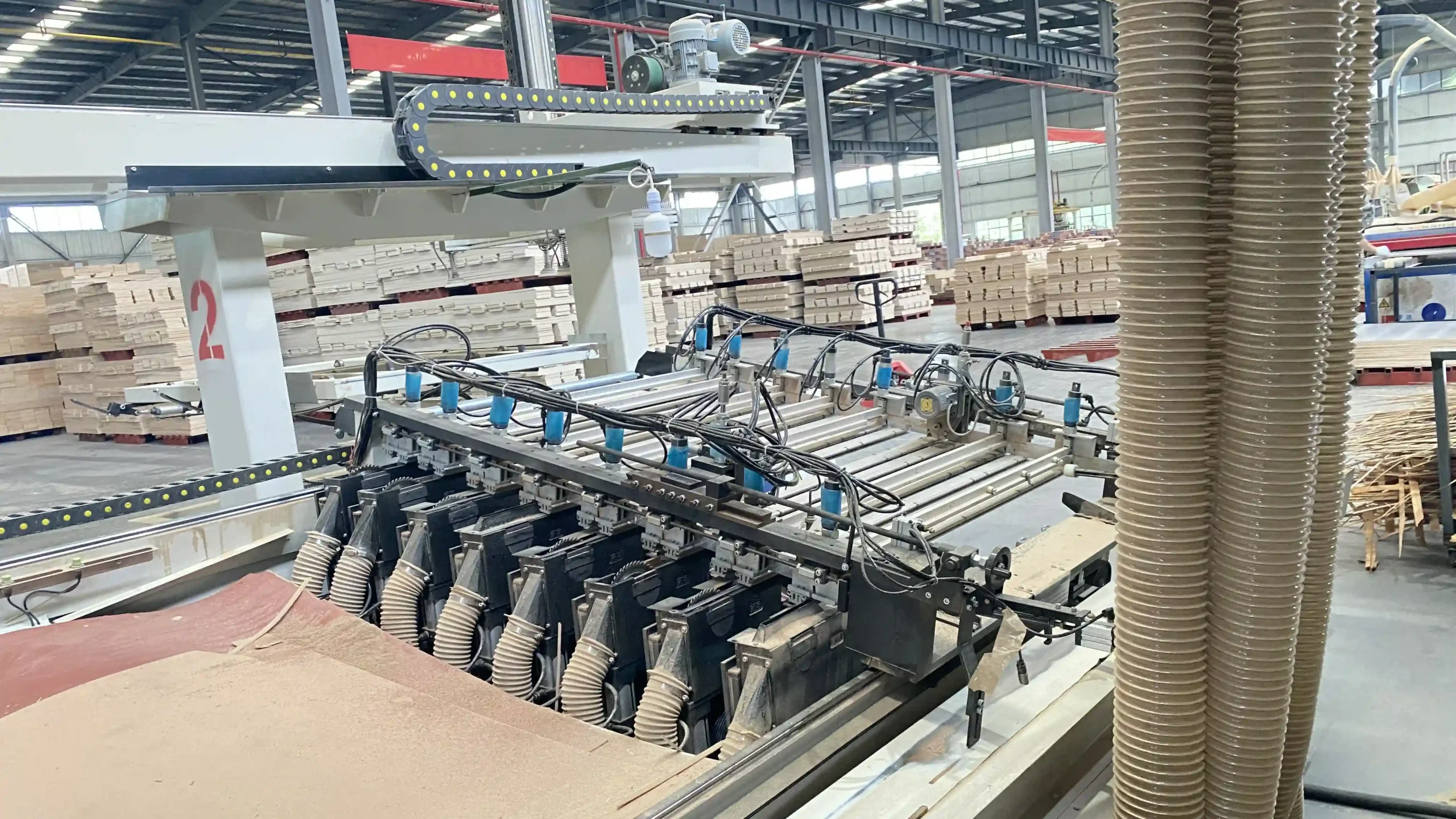
Baier operates two main production lines. The gypsum division cranks out 30,000,000 m² of paper faced gypsum boards per year. They process 20,000 tons of raw gypsum each year. You’ll find standard boards, fire-resistant types, moisture insulation, and special function variants. Each board meets specific building codes across AU & NZ projects.
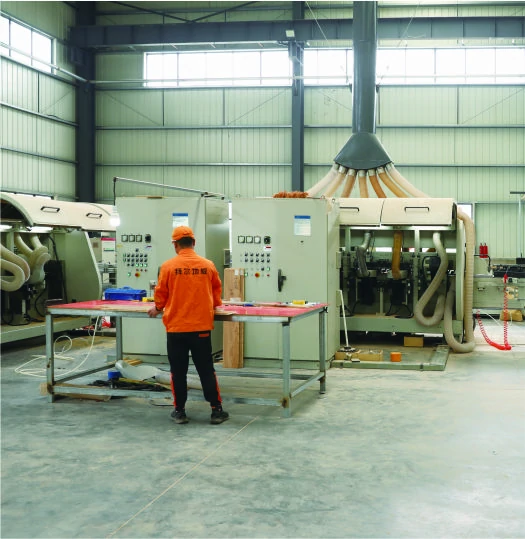
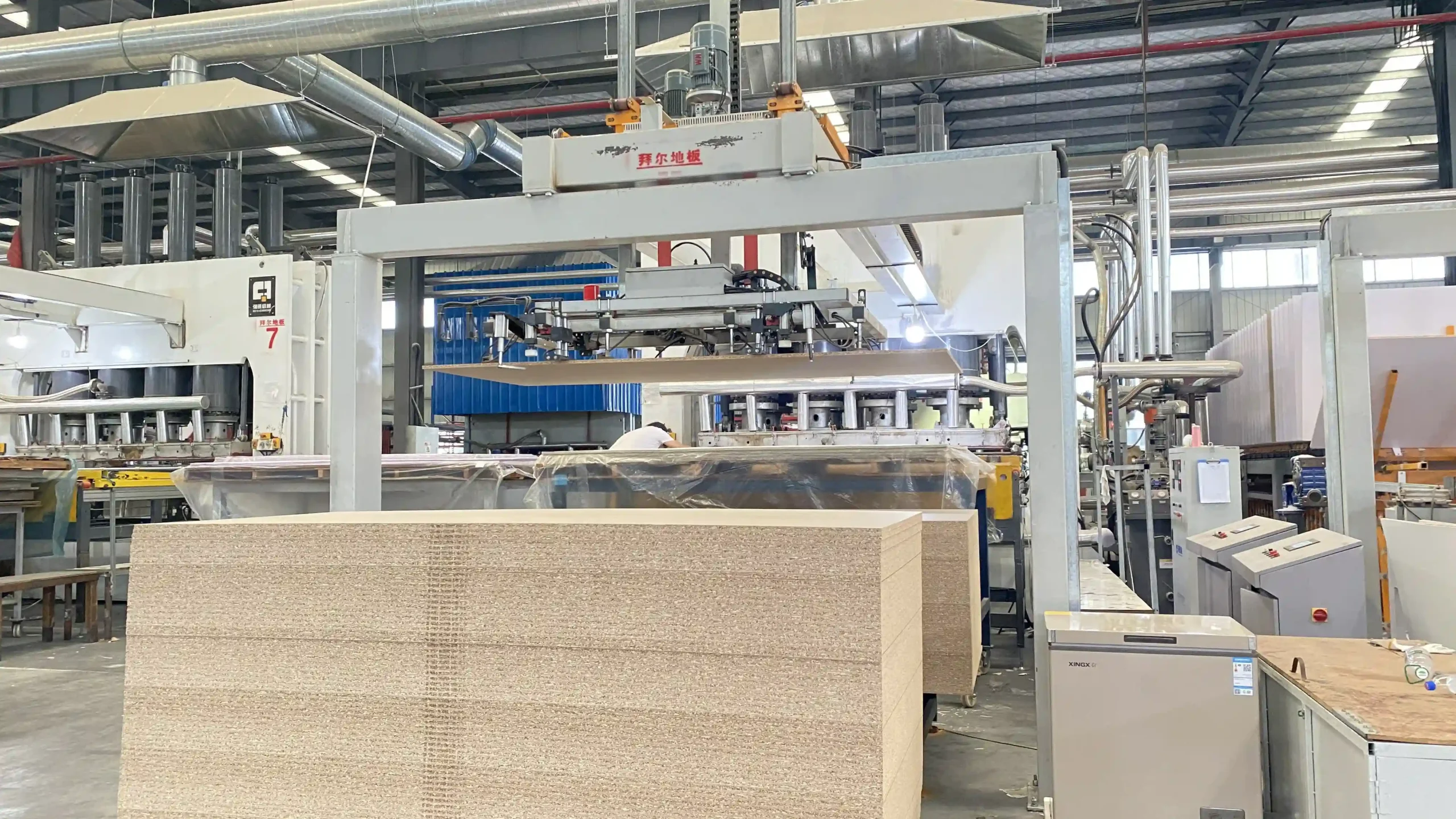
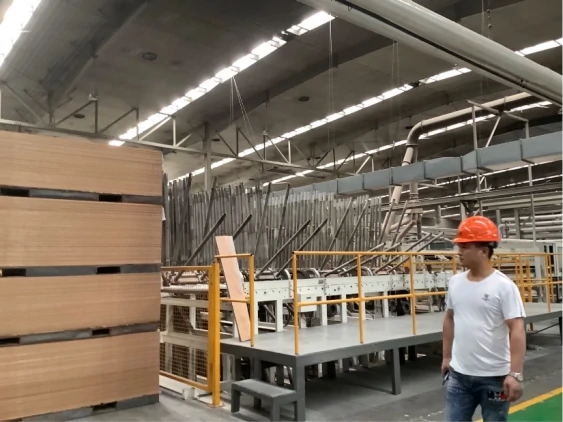
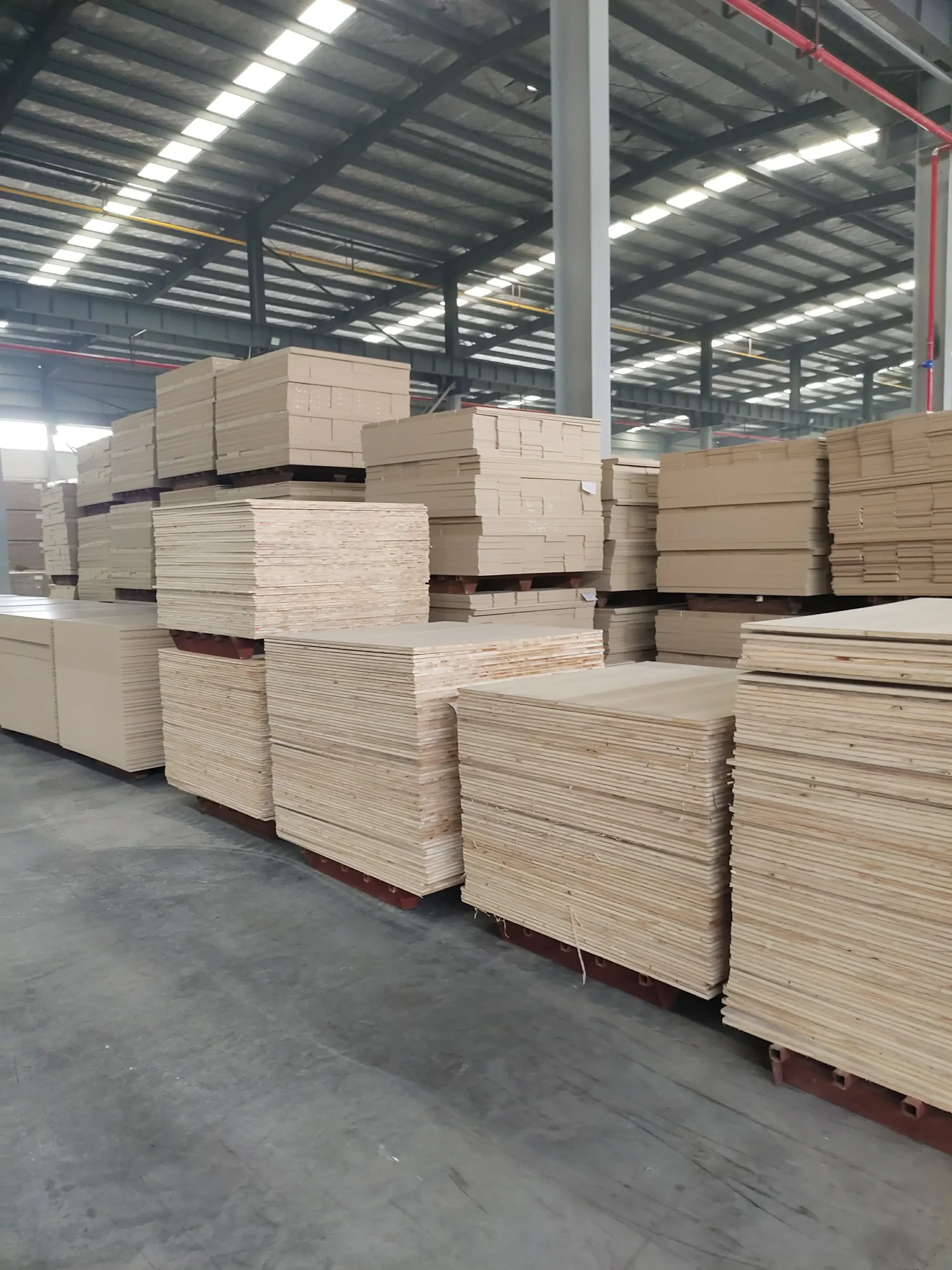
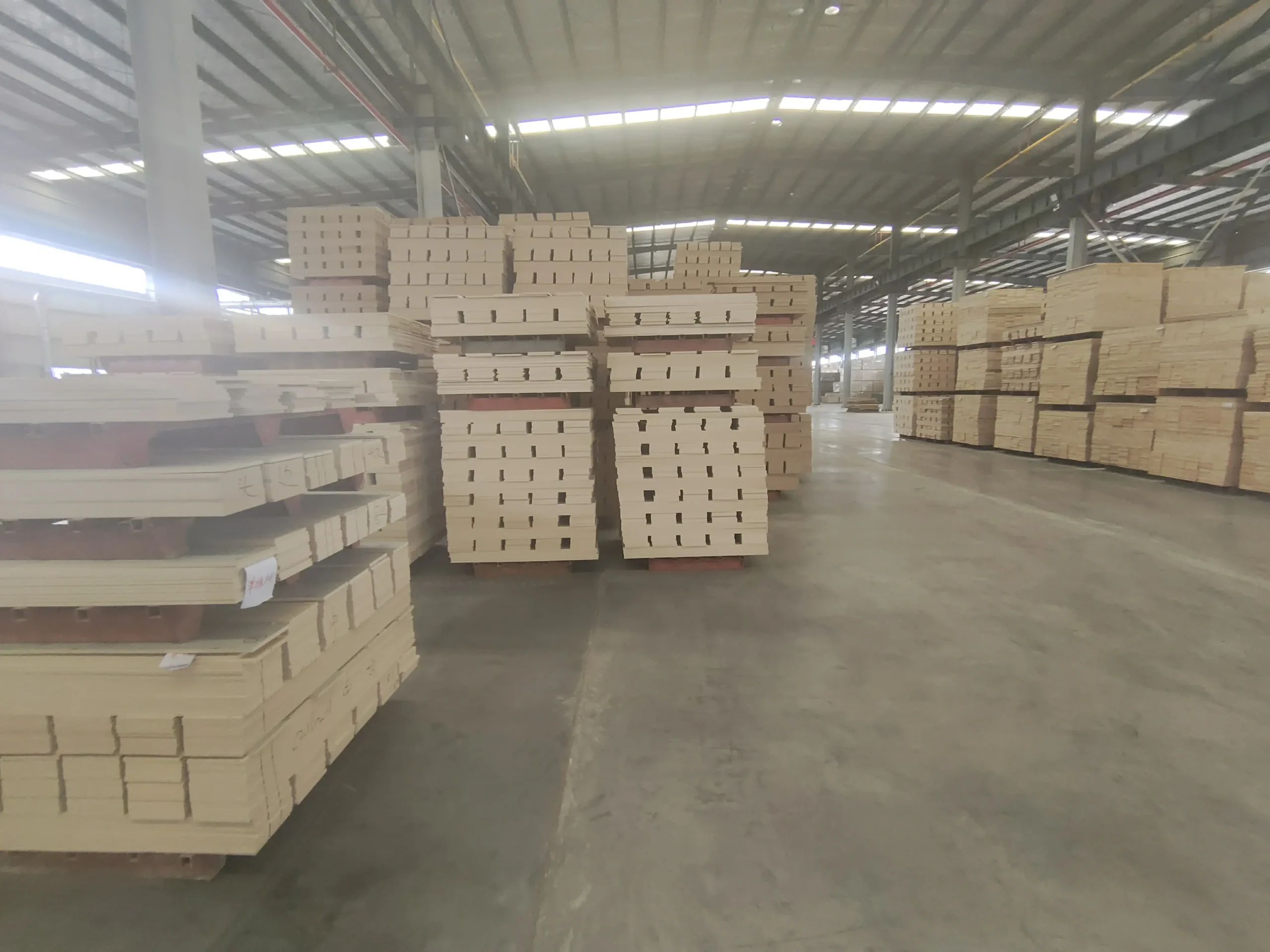
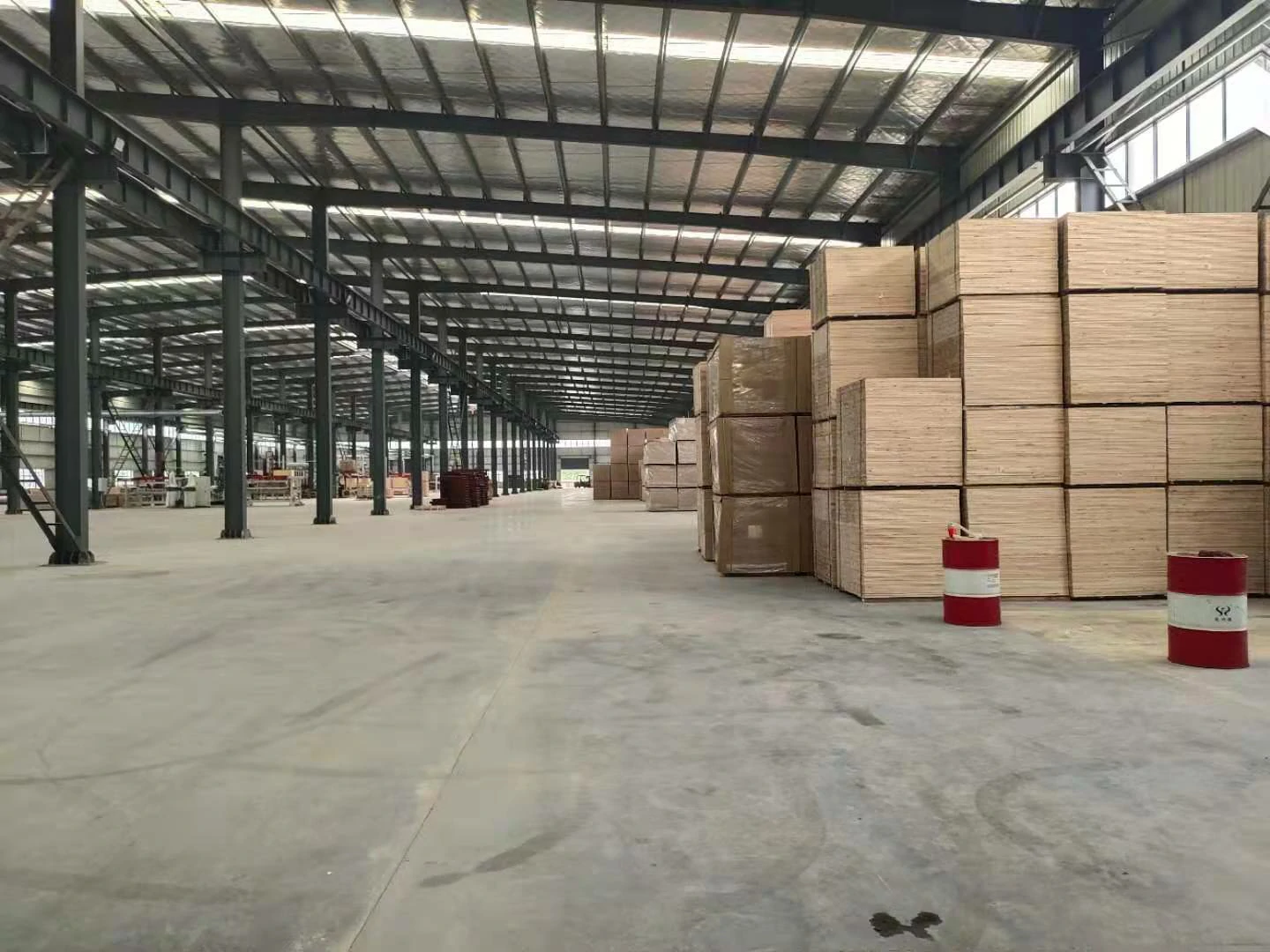
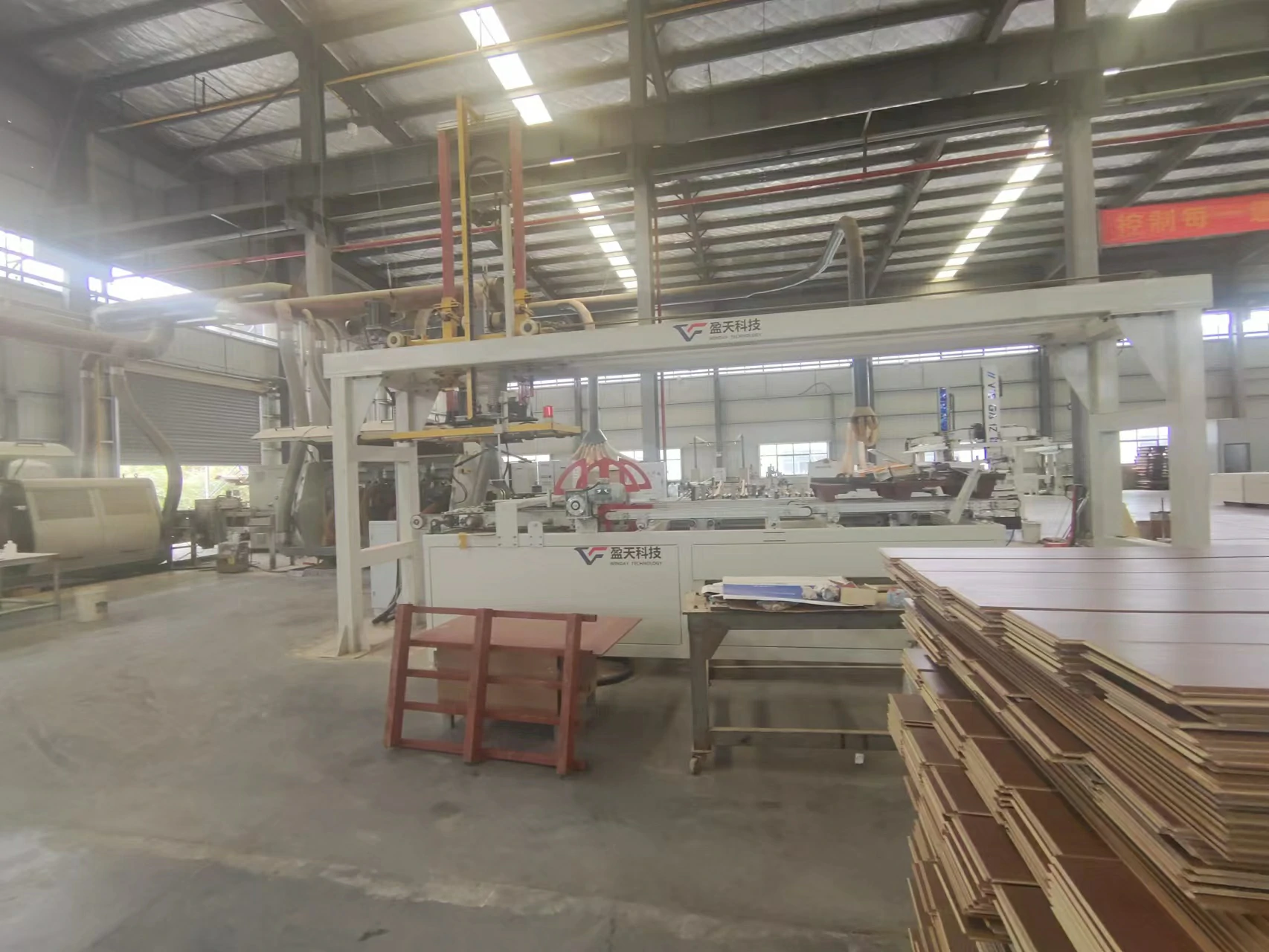
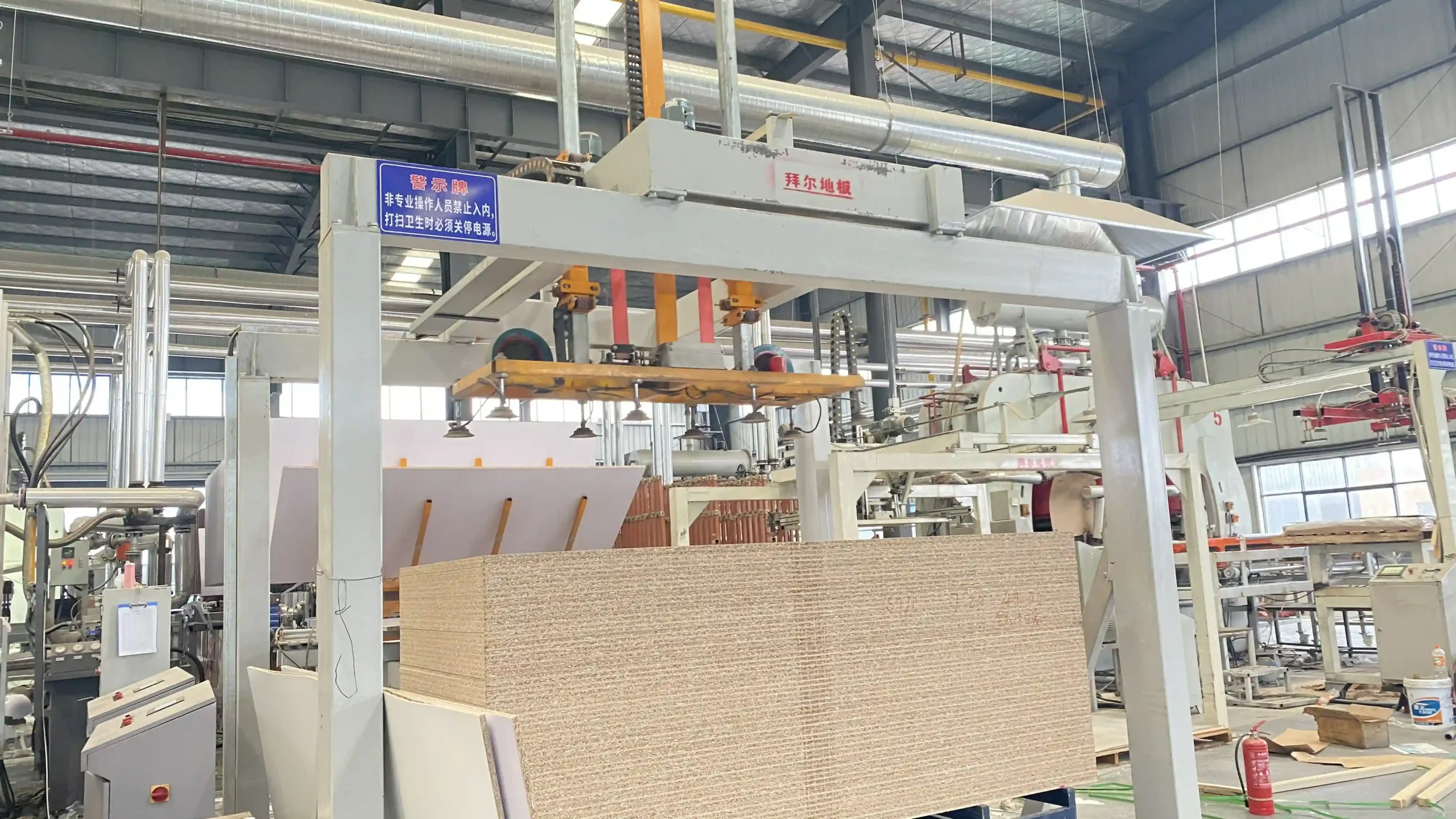
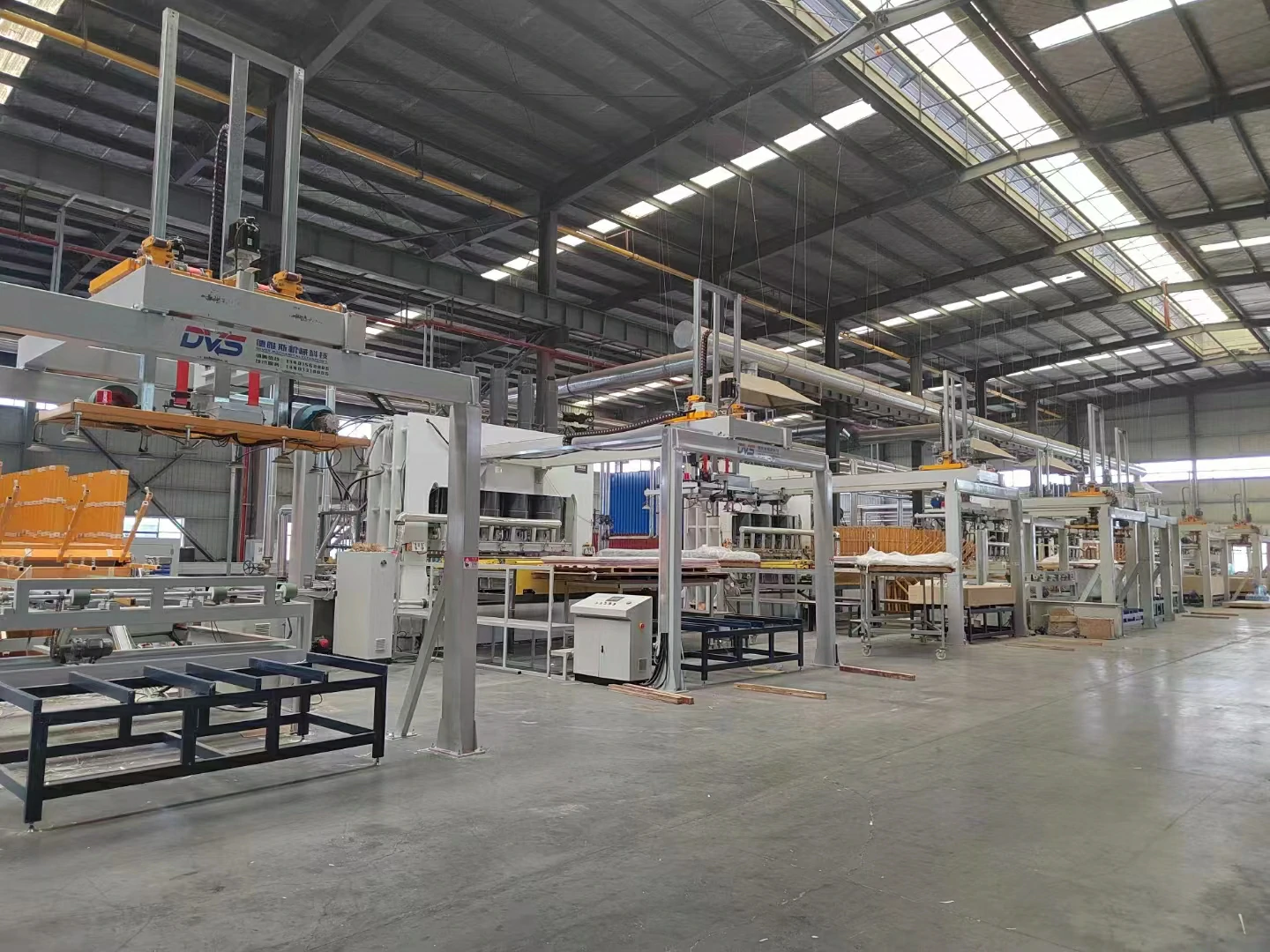
The flooring division runs from a 300,000 m² facility. 328 employees work the entire process. They source timber, produce HDF, handle lamination, and package the final product. Product lines include laminate flooring, SPC flooring, laminated solid wood flooring, and accessories. Related Baier sites produce 15,000,000 m² of PVC gypsum ceiling tiles per year. Four production lines handle this output.
Certifications & Market Reach
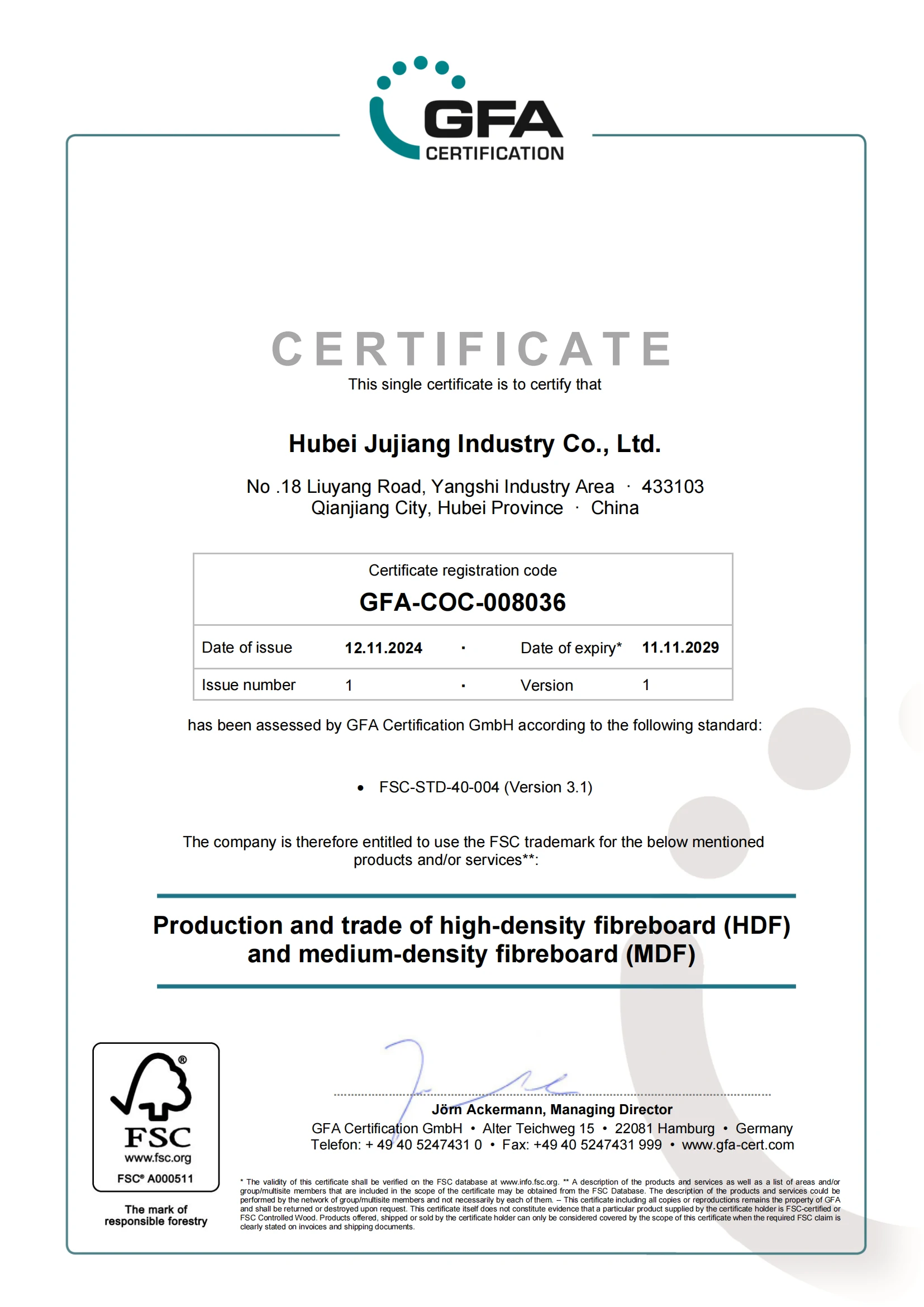
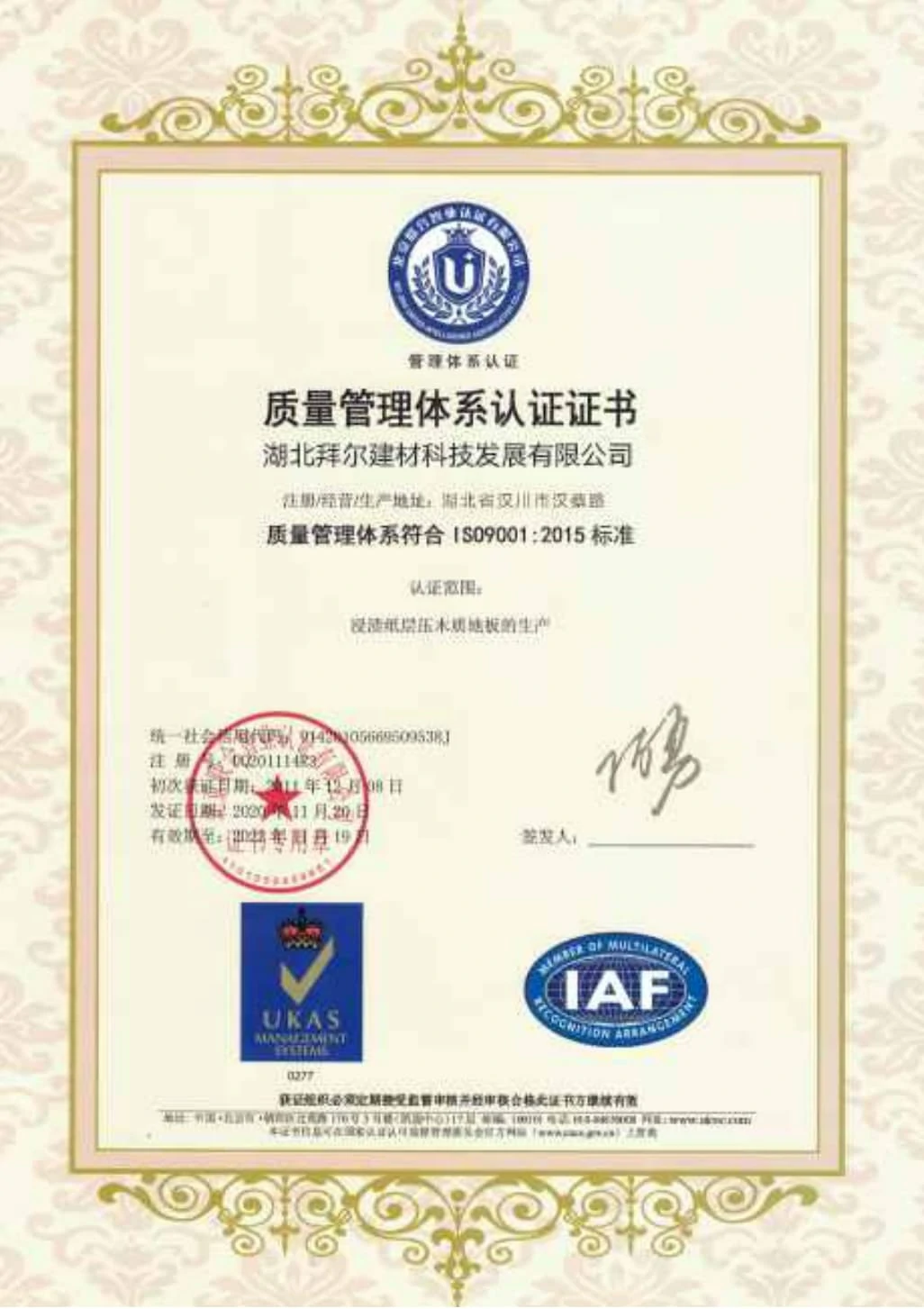
Baier holds ISO 9001:2000 certification and ASTM certificates. They also carry China’s national fire-proof certificate and eco-friendly certificate. AU & NZ builders check these credentials to verify supplier compliance with local standards.
Baier distributes across 20+ Chinese provinces. Export markets stretch beyond Australia and New Zealand. They reach Japan, Southeast Asia, and America. Bruce handles international inquiries at +86-539-4983788. Visit their website at baier.net.cn.
Technical Due Diligence for AU & NZ Buyers
Request fire rating values (FRL minutes) for fire-resistant boards. Get technical data sheets with thickness ranges, board dimensions (1200×2400 mm is standard), density in kg/m³, and edge profiles. Moisture boards need water absorption percentage docs. Check these specs against Australian and New Zealand building codes before placing large orders.
4. Polyflor Australia

Polyflor Australia Pty Ltd is the regional arm of UK-based Polyflor Ltd. They compete in Australia’s USD 9 billion flooring market. Resilient and vinyl flooring are their main products. This puts them in the fastest-growing segment among LVT & LVP suppliers in Australia & New Zealand.
Market Position & Competitive Standing
Polyflor Australia ranks among 15 leading flooring companies in regional industry reports. They go head-to-head with Boral Limited, CSR Limited, Tarkett Australia, and Interface Australia. The company holds a solid market share in Australia’s resilient flooring category. Sales figures, EBITDA margins, and year-over-year growth rates are tracked in industry datasets. These numbers show Polyflor Australia creates real commercial impact—not just brand presence.
Global vinyl flooring captured 28.3% of the worldwide flooring market in 2024. Polyflor benefits from this trend. Vinyl adoption grows across residential and commercial projects. Why? Durability, affordability, and design flexibility. Polyflor Australia meets this demand with product lines built for high-traffic spaces.
Distribution Network & End-Use Focus
Polyflor Australia reaches customers through four main channels. Specialty flooring retailers handle residential projects. Home improvement stores serve DIY buyers. Direct contractor sales target large commercial builds. Online platforms support smaller jobs.
The company covers all seven Australian regions: New South Wales, Victoria, Queensland, Western Australia, South Australia, Tasmania, and ACT/Northern Territory. Healthcare, education, and hospitality projects drive their commercial business. These sectors need resilient floors that meet strict hygiene standards. Traffic demands are high. Polyflor’s product mix focuses on resilient flooring rather than soft coverings or non-resilient hard surfaces.
Asia-Pacific Growth Context
Polyflor Australia rides the broader Asia-Pacific wave. The regional flooring market reached USD 127.56 billion in 2023. Forecasts show it hitting USD 190.64 billion by 2030—a 5.8–6.0% CAGR. China holds 36.4% of APAC flooring revenue. Polyflor Ltd ranks among key players across this region. Australian operations gain from shared R&D and global design trends. Plus, they benefit from supply chain efficiencies flowing from the parent company.
5. Amtico Australia

Amtico International Limited runs operations across Australia. This is part of their Asia-Pacific commercial flooring expansion. The UK-based manufacturer competes in the LVT & LVP suppliers in Australia & New Zealand space. They focus on commercial projects, not residential sales.
Market Opportunity & Revenue Context
Australia’s commercial flooring market hit USD 1,530.9 million in 2022. Forecasts show it climbing to USD 2,261.2 million by 2030—a steady 5% CAGR. Carpet still leads with 25.57% revenue share in 2022. But vitrified porcelain tiles grow fastest. Vinyl, LVT, linoleum, and rubber sit in the middle. These are Amtico’s main product areas.
Australia made up just 1.1% of global commercial flooring revenue in 2022. Still, Amtico spots real potential here. The broader Asia-Pacific flooring market grows at over 7.31% CAGR through 2030. City growth and building projects fuel this trend. Amtico ranks alongside Armstrong, Interface, Forbo, and Mannington. This helps them win big commercial deals.
Product Innovation & Design Strategy
Amtico updated its Click Smart luxury vinyl tile collection in March 2024. They added five wood designs, two stone options, and one parquet style. Scandinavian design trends guided these new looks. Product updates like this matter in Australia’s style-focused commercial market. Hotels, offices, and shops want fresh looks that last.
Resilient Flooring Growth Drivers
Global resilient flooring reached USD 43.71 billion in 2024. Forecasts put it at USD 72.34 billion by 2032 (6.5% CAGR). Asia-Pacific owns 34.8% of this market in 2024. Australia is part of this fast-growing zone. The global luxury vinyl tile segment alone jumps from USD 32.73 billion in 2025 to USD 48.06 billion by 2030 (7.98% CAGR). Amtico’s Click Smart tech puts them in a strong spot to grab this growth.
Low-carbon flooring creates more opportunity. The global green flooring market was worth USD 63.8 billion in 2023. Forecasts show USD 117.2 billion by 2031 (8.1% CAGR). Australian commercial buyers now want eco-certified products more than ever. Amtico’s green programs fit this change. They offer clear benefits over old-school vinyl makers who lack proven carbon cuts.
6. C-FLOORS Australia (local distribution & integration)
C-FLOORS Australia acts as a regional distributor. We connect international LVT & LVP manufacturers with local installation networks. Our company focuses on integration services, not manufacturing. We handle warehousing, logistics, and installer training across Australia’s flooring market.
Distribution Model & Service Integration
C-FLOORS runs a hub-and-spoke distribution system across five Australian states. Our main warehouses are in Sydney, Melbourne, and Brisbane. These three locations cover 78% of Australia’s commercial construction activity. We stock 60+ SKU variants from European and Asian manufacturers. Metro projects get delivery in 3–5 business days. Regional builds take 7–10 days.
Our integration approach separates us from competitors who just import products. We provide pre-installation site assessments for projects over 2,000 m². Our technical teams measure subfloor moisture. They check levelness. They recommend surface prep steps. This upfront work cuts warranty claims by 40% compared to industry averages.
Installer Network & Technical Support
C-FLOORS certified 180+ commercial installers through 2024–2025. Training programs run every quarter in Sydney and Melbourne. Sessions cover rigid core Installation Methods, acoustic underlayment systems, and moisture barrier protocols. Each certified installer gets a digital credential. Architects and builders can verify it online.
We run a technical hotline with response times under 4 hours during business days. Project managers get direct access to product engineers for large commercial jobs. This support fills the knowledge gap that causes installation failures across the LVT & LVP suppliers in Australia & New Zealand market.
C-FLOORS also handles stock rotation for retail partners. We audit stock each month. Product batches must match manufacturing dates within 90 days. This stops color variation problems that hit multi-phase construction projects lasting over six months.
Conclusion
Choosing the right LVT & LVP supplier in Australia & New Zealand goes beyond just finding flooring. You need partners who get your project’s specific needs. This applies whether you’re a commercial developer, interior designer, or retail distributor.
Armstrong brings proven legacy. Karndean puts design first. Baier offers cost-effective manufacturing. Polyflor focuses on safety solutions. Each supplier has its own strengths.
The smartest move? Don’t pick just one source right away. Get samples from 2-3 suppliers. Compare their specs against what your project needs. Check out their local support setup. Lead times matter. So does warranty coverage. Installation Support counts too. These often matter more than the upfront price.
Ready to move forward? Reach out to suppliers whose strengths match your priorities.
Large-scale commercial projects? Armstrong and Polyflor have strong support networks.
Design-led residential work? Karndean and Amtico deliver top aesthetics.
Budget efficiency your top concern? Baier’s direct manufacturing model can save you money without cutting quality.
Your perfect flooring partner is on this list. Time to connect.