Spc Flooring Wear Layer 0.3Mm 0.5Mm 0.7Mm Selection Guide

SPC Flooring

The right wear layer thickness makes a huge difference for your SPC flooring. Pick well, and your floor lasts 25+ years under heavy use. Pick poorly, and you might replace it in just 5 years.

Most contractors and homeowners get this wrong. Some overspend on commercial-grade 0.7mm protection for home projects. Others go too thin with 0.3mm in high-traffic spots.

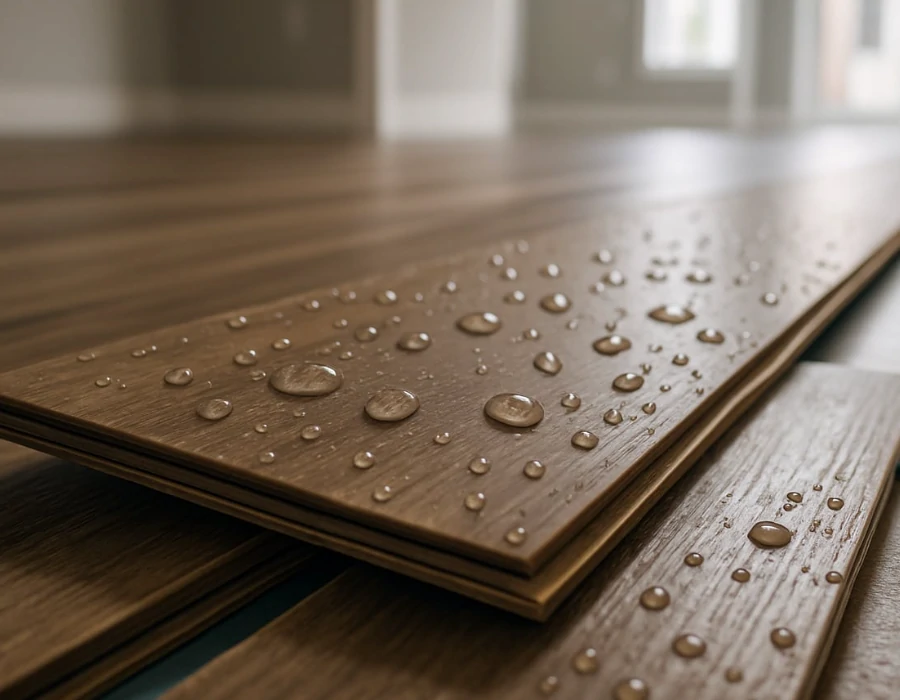
The wear layer is that clear protective coating on top of your SPC flooring. This layer affects how long your floor lasts and how much you spend.

You need to know the real differences between 0.3mm, 0.5mm, and 0.7mm wear layers. This helps whether you’re setting up a busy retail space, redoing your kitchen, or handling a large commercial job. Understanding these options saves you from expensive mistakes. You’ll pick the right SPC flooring wear layer for your traffic levels and budget.

SPC Flooring Wear Layer Selection Guide: 0.3mm, 0.5mm, and 0.7mm

c8b50f2f 2980 4bdf a377 72dcb60f4b11

European standards EN 649 and EN ISO 10582 group these three thicknesses by performance. The 0.3mm wear layer fits into Group P (moderate wear resistance). The 0.5mm and 0.7mm both belong to Group T (highest wear resistance category). The 0.7mm offers better durability in that group.

Performance Differences You Need to Know

The jump from 0.3mm to 0.5mm delivers a major boost in wear resistance. You’re moving from Group P to Group T protection. Going from 0.5mm to 0.7mm still improves durability. But the gains are smaller.

Here’s the trade-off most people miss: thicker doesn’t always mean better. The 0.7mm wear layer can create a slight “atomization” effect. This means a faint haze that reduces pattern sharpness. Your beautiful wood grain or stone texture won’t look as crisp. The 0.5mm layer hits the sweet spot between protection and visual clarity. The 0.3mm gives you the sharpest design details. But it won’t last as long.

Matching Thickness to Your Space

Start with your traffic level. Low to moderate residential use (bedrooms, guest rooms) works fine with 0.3mm. High-traffic homes need 0.5mm protection. Think kitchens, hallways, and small offices. Heavy commercial settings demand the 0.7mm investment. Retail stores and public corridors fall here.

Check your specifications. Group T classification requires 0.5mm or thicker. Group P allows 0.3mm, but check your traffic patterns first. Balance your total SPC thickness too. Pair 5.0-6.5mm planks with 0.3-0.5mm wear layers. Use 7.0-8.0mm commercial planks with 0.5-0.7mm protection.

Wear Layer Thickness Definitions

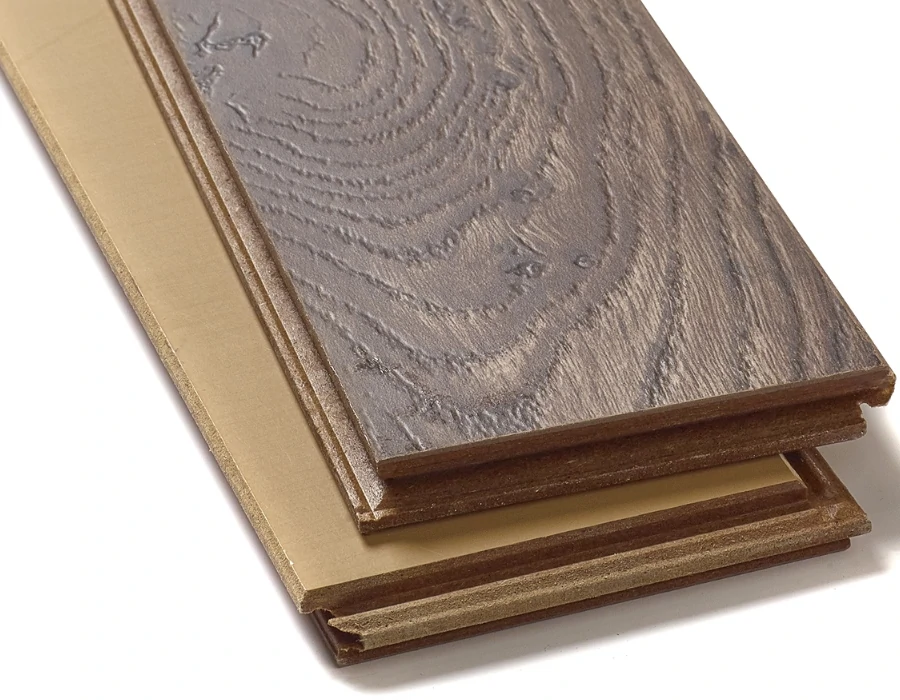
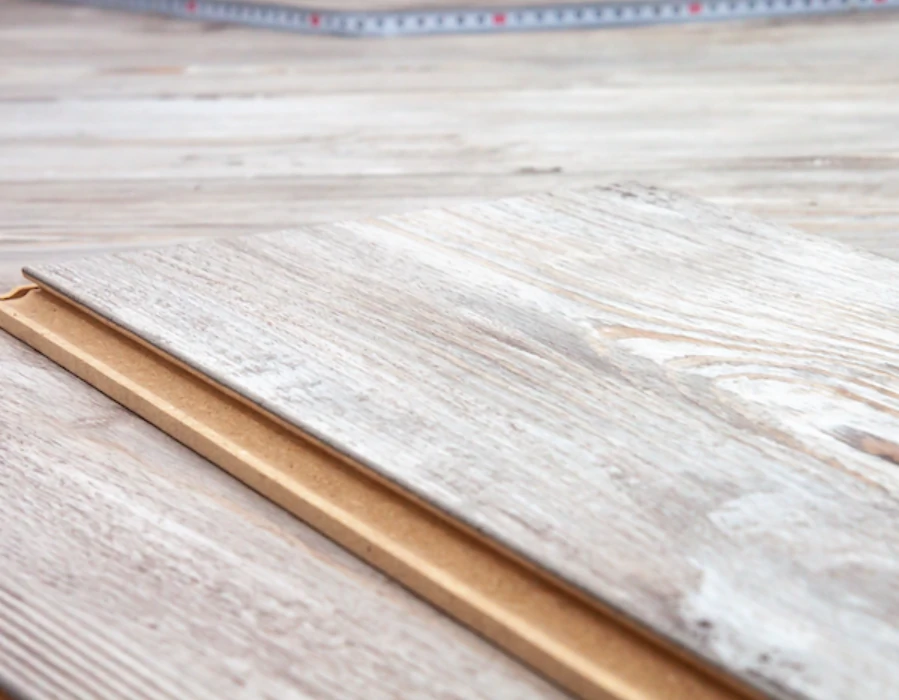
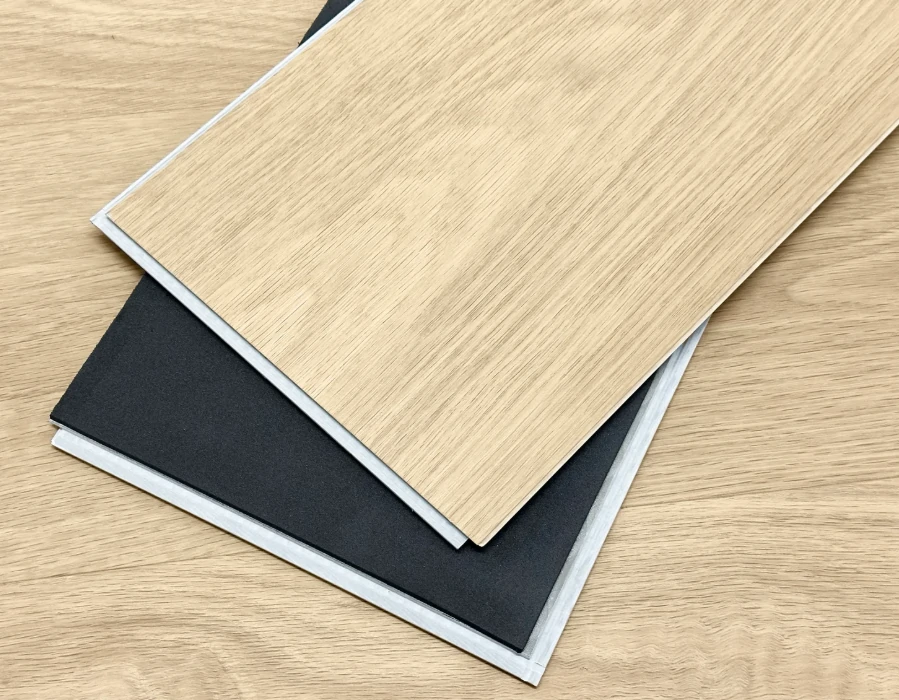
The wear layer is just the clear protective coating on top of your SPC flooring. It’s not the entire plank. Many buyers mix up total plank thickness with protection thickness. These are two different things.

Understanding Units: Mil vs. Millimeter

North American manufacturers use mil measurements. European and Asian suppliers prefer millimeters. One mil equals 0.001 inch or 25.4 micrometers. Here’s how the numbers translate:

  • 6 mil = 0.15 mm (light residential minimum)
  • 8 mil = 0.2 mm (entry-level residential)
  • 12 mil = 0.3 mm (standard residential)
  • 20 mil = 0.5 mm (commercial standard)
  • 22-30 mil = 0.55-0.7 mm (heavy commercial)

A typical SPC specification reads like this: 4.0mm total plank thickness with 0.3mm (12 mil) wear layer. That 0.3mm protective coating sits above the design film. It controls how long your floor lasts.

Standard Thickness Ranges by Flooring Type

SPC and LVP/LVT products cover the 6-30 mil range. Most residential options fall at 8 mil, 12 mil, and 20 mil. Commercial spaces use 20-30 mil protection.

Standard luxury vinyl flooring in millimeter notation breaks down like this: – 0.1-0.2mm handles minimal foot traffic – 0.3-0.5mm serves standard residential needs – 0.6-0.7mm protects high-traffic commercial spaces

Traditional laminate flooring uses thicker wear layers of 1-2mm. Engineered hardwood needs more—at least 2mm. You’ll often see 3.0mm or thicker for refinishing options.

Matching Numbers to Real-World Use

The 6 mil wear layer is value-grade flooring for apartment flips and quick rental turnarounds. It wears too fast for commercial spaces.

The 8 mil thickness fits light residential settings. Think bedrooms and guest rooms where traffic stays low.

Most homeowners pick 10-12 mil (0.25-0.3mm) as standard residential protection. This thickness handles living rooms, kitchens, and daily home use. Some manufacturers rate 12 mil okay for light commercial apartment buildings.

The 20 mil (0.5mm) category is the industry standard for commercial spaces. Healthcare facilities, schools, and corporate offices use this thickness. For homes, 20 mil works great for rental properties, houses with large pets, and busy households.

The 22-30 mil range (0.55-0.7mm) covers heavy commercial needs. Retail stores, restaurants, medical clinics, and busy office halls use this. This thickness also fits demanding home applications that need commercial-grade warranties.

The 20-40 mil group carries commercial-grade certifications and extended warranty coverage. You get this for both business and tough residential installations.

Durability and Traffic Levels

eb4a4795 b39c 4030 9a1e f5c4d35fc60d

Pavement durability controls traffic flow and safety. Most flooring buyers miss this connection. Research on 16,000 miles of California highways shows worn surfaces slow vehicles by 11%. They also boost crash rates. SPC flooring works the same way. Your wear layer choice affects how your space handles foot traffic.

The International Roughness Index (IRI) measures pavement condition. Higher IRI numbers mean rougher surfaces. Common defects raise the score: dips, ruts, surface damage. SPC flooring breaks down in similar ways. You get uneven surfaces. The substrate shows through. Texture loss creates safety hazards.

Matching Wear Layer Thickness to Traffic Patterns

Residential low-traffic zones (bedrooms, home offices, spare rooms) generate 500-1,000 footsteps per day. The 0.3mm wear layer handles this load. No premature failure. You’ll get 15-20 years of service in these spaces.

High-traffic residential areas (kitchens, family rooms, main hallways) see 2,000-4,000 footsteps per day. Add pet claws. Add dropped objects. Add furniture movement. The 0.5mm wear layer becomes essential. It extends lifespan to 20-25 years. Appearance stays consistent. Downgrading to 0.3mm in these zones cuts floor life to just 8-12 years. You’ll need replacement much sooner.

Commercial light-traffic spaces (corporate offices, boutique shops, medical exam rooms) experience 5,000-8,000 footsteps per day. Wheeled chairs and equipment add more stress. The 0.5mm thickness is the minimum standard. Many contractors prefer 0.7mm for the added durability margin. This matters most where maintenance budgets run tight.

Heavy commercial environments (retail stores, restaurant dining areas, school corridors) push past 10,000 footsteps per day. The 0.7mm wear layer is your sole viable choice. Anything thinner fails within 3-5 years under this punishment. The investment in 0.7mm protection pays back. You get reduced replacement cycles. Business disruptions drop.

The Real Cost of Underpaying for Durability

Right now, 43% of U.S. roadways sit in poor or mediocre condition. Deferred maintenance caused this. Small defects expand fast. Repair costs grow. Replacement becomes the sole option. Your SPC flooring follows the same physics.

Choosing 0.3mm wear layer for a high-traffic kitchen saves about $0.80-$1.20 per square foot up front. But replacement costs hit $4.50-$6.00 per square foot. Factor in removal, disposal, and reinstallation. That “savings” becomes a 400% loss. You replace flooring at year 8 instead of year 20.

Climate projections show rising temperatures will add $19 billion per year to pavement maintenance by 2040. For SPC flooring, temperature swings and moisture exposure speed up wear layer breakdown. Areas with direct sunlight need thicker protection. Same for radiant heating. Same for high humidity. The 0.5mm or 0.7mm options resist environmental stress better than 0.3mm layers.

Capacity Planning and Disruption Management

Traffic research proves facilities with greater base capacity handle disruptions better. A blocked lane on a 2-lane highway creates worse delays than the same blockage on a 3-lane highway. This applies to your SPC flooring wear layer selection for business spaces.

Retail stores can’t afford extended closures for floor replacement. The 0.7mm wear layer provides 15-20 years of service before needing replacement. Compare that to 7-10 years for 0.5mm in identical conditions. Fewer replacement cycles mean fewer business interruptions. Lost revenue periods drop.

Multi-tenant buildings benefit from synchronized maintenance schedules. Installing 0.5mm wear layer flooring throughout creates predictable 15-20 year replacement cycles. Using mixed thicknesses (0.3mm in some units, 0.5mm in others) forces staggered replacements. Tenant disruptions continue.

The buffer you build into your wear layer selection determines long-term operational reliability. Highway planners account for incident delays and weather events. Your flooring choice should account for unexpected high-traffic periods. Special events matter. Seasonal usage spikes matter.

Cost Implications

Your SPC flooring wear layer choice affects your total project budget in three ways: material purchase, installation labor, and replacement cycles. The price gap between 0.3mm and 0.7mm wear layers runs $0.85 to $2.40 per square foot. This varies by manufacturer and order volume.

Category Specification Material Cost (per sq.ft) Labor/Installation Cost (per sq.ft) Notes / Economics
Residential SPC 0.3mm wear layer $2.20 – $3.50 $1.50 – $3.20 Standard residential; replacement every 8–12 years
Residential SPC 0.5mm wear layer $3.00 – $4.80 $1.50 – $3.20 Longer lifespan: 20–25 years; upfront cost $0.80–$1.30 higher
Commercial SPC 0.7mm wear layer $4.20 – $6.50 $1.50 – $3.20 Durable for high-traffic; avoids one full replacement in 25-year lease
Bulk Orders 5,000+ sq.ft -15% to -22% per unit Large commercial orders from manufacturers can save 30–35% vs retail
Tariff Impact Imported SPC (2025) 10–11.5% average tariff Prices jumped 12.4% due to new tariffs; consumers absorb 61–80% of core costs
Labor Trend Private industry workers +3.5% YoY Rising wages drive higher installation quotes; 0.8% quarterly growth Jun–Sep 2025

Quick Selection Guide

ba233524 da3e 408c 854f 16a7f8f396f0

Match your wear layer thickness to your space in three steps: measure foot traffic, check your budget, then compare how long each option lasts.

Step 1: Calculate Your Traffic Load

Count people moving through your space during peak hours. Take that number and times it by how many hours you’re open each day. This gives you footsteps per day.

0-1,000 footsteps per day: Bedrooms, home offices, guest rooms → 0.3mm wear layer

1,000-4,000 footsteps per day: Kitchens, living rooms, hallways → 0.5mm wear layer

4,000-8,000 footsteps per day: Small retail shops, medical offices, corporate spaces → 0.5mm minimum, 0.7mm works better

8,000+ footsteps per day: Restaurant floors, school corridors, busy retail → 0.7mm wear layer

Step 2: Set Your Budget

Add these numbers for total project cost per square foot:

Material cost (0.3mm: $2.20-$3.50 | 0.5mm: $3.00-$4.80 | 0.7mm: $4.20-$6.50)

Installation labor: $1.50-$3.20 (same for all thicknesses)

Future replacement cost divided by service years

The 0.5mm option gives you the best cost-per-year value. Most homes and light commercial spaces benefit from this choice. You get 20-25 years of service versus 8-12 years from 0.3mm in high-traffic zones.

Step 3: Consider Special Conditions

Upgrade one thickness level if your space has:

Large dogs or multiple pets

Direct sunlight for 4+ hours each day

Radiant floor heating systems

High humidity (coastal areas, basements)

Heavy rolling equipment or furniture

Commercial projects needing Group T certification need 0.5mm minimum. Don’t use 0.3mm for these jobs.

Common Selection Mistakes

Buyers waste thousands of dollars each year. They match the wrong wear layer thickness to what they actually need. These mistakes follow clear patterns. Know these patterns to protect your investment. You’ll avoid early floor failure.

1. Avoid Over-Protection in Low-Traffic Residential Spaces

Homeowners installing 0.7mm wear layer in bedrooms/guest rooms pay $2–$3 per sq.ft extra with no real benefit.

Example: 300 sq.ft bedroom → $600–$900 wasted.

0.3mm wear layer is sufficient for 15–20 years in low-traffic areas (~200 footsteps/day).

Don’t follow sales reps blindly—match protection to actual traffic.

Reallocate savings to better underlayment or higher-quality installation materials.

2. Don’t Under-Protection High-Traffic Commercial Areas

Installing 0.3mm wear layer in restaurants, retail floors, or office hallways fails quickly.

High traffic: 5,000–10,000+ footsteps/day, plus carts, furniture, dropped objects.

Surface dulling appears in 18–24 months; visible wear paths by year 3.

Example: 2,000 sq.ft retail → $4,000–$4,600 saved upfront, but $9,000–$12,000 replacement cost; 225–260% loss when including business disruption.

3. Understand Group T Certification Requirements

European standards EN 649 and EN ISO 10582 require 0.5mm or 0.7mm wear layers for Group T commercial classification.

0.3mm wear layer does not meet spec → potential liability, removal, and reinstallation costs.

Always verify required wear resistance before ordering.

4. Factor in Environmental Stress

Footsteps alone don’t determine wear—consider environmental stress:

Direct sunlight: 4+ hours/day accelerates polymer breakdown; south-facing rooms reduce lifespan to 8–10 years.

Radiant floor heating: temperature cycles increase wear; upgrade one thickness level if using 0.3mm.

High humidity/coastal areas/basements: moisture from above/below accelerates wear layer breakdown.

Pets: large dogs increase effective load; upgrade to 0.7mm in main living areas if 2+ pets.

5. Avoid Mixing Wear Layer Thickness Across Connected Spaces

Open floor plans with different wear layers (e.g., 0.5mm in kitchen, 0.3mm in living room) create visible wear differences in 3–5 years.

Partial replacement to match worn sections is costly.

Use uniform thickness across connected zones; match protection to the highest-wear area.

Contractor & Buyer Takeaway

The construction and flooring industry changed big in 2024-2025. You win projects by understanding buyer behavior. Or you watch competitors take your market share.

What Changed in the Contractor Market

3.9 million construction firms compete for projects across the U.S. Digital marketing eats up 40% of contractor budgets. SEO and pay-per-click advertising drive the most leads. You need visibility before buyers start searching.

67.5% of contractors expect new business within six months. Remodelers show 74.1% confidence. Mechanical contractors sit at 62.6%. Residential construction spending dropped 3% through August 2023. But contractors stay hopeful. The industry needs 340,000 new workers in 2024. Skilled trade shortages drive this demand.

Nonresidential and institutional projects look strong through 2026. Federal infrastructure funding pushes this growth.

How Today’s Buyers Make Decisions

71% of B2B buyers are Millennials or Gen Z, up from 64% in 2022. These buyers shop in new ways. Previous generations used other methods.

8.2 stakeholders get involved on average for complex solutions. This number jumped 21% since 2015. Deals with six or more stakeholders almost tripled in two years. 7% of purchases involve 10 or more people. Your SPC flooring spec needs sign-off from property managers, facility directors, budget controllers, and end users.

79-89% of buyers know what they want before research starts. 82% already have a top product by shortlist time. 70% buy that exact product they picked first. Your wear layer content must show up during initial research. Later sales cycles? Too late.

Self-Service Expectations Trump Sales Calls

75% of buyers prefer rep-free purchasing. They want pricing info, tech specs, and comparison tools available 24/7. Sales calls? Most find them pushy.

77% read user reviews during their buying journey. 54% talk with current users before purchase. Your customer testimonials and case studies beat sales presentations.

69% of buyers favor suppliers who show digital innovation. 14% consult analyst reports anymore, down 60% since 2022. 52% trust their own past experience. 74% say experience shapes their choice.

87% of buyers using generative AI in purchasing report better business outcomes. They ask chatbots: “What SPC flooring wear layer thickness works for restaurant floors?” Your content needs to answer these AI-assisted searches.

The Advisor vs. Transaction Problem

84% of business buyers expect sales reps to act as trusted advisors. Yet 73% of buyers describe most sales talks as too transactional. This gap loses contractors deals.

Buyers ask about wear layer selection. They need guidance matching thickness to traffic patterns. Budget limits matter. So do replacement cycles. Generic product pitches fail. Detailed application advice wins.

Revenue Impact of Better Customer Experience

Companies leading in customer experience grow revenue 80% faster than competitors with poor CX. This affects how you present SPC flooring options.

Buyers want clear comparisons between 0.3mm, 0.5mm, and 0.7mm protection. They need traffic calculations. Cost breakdowns help. Service life projections matter. Deliver this info well, and you capture projects.

Practical Lead Generation Still Works

Door-to-door sales generate $30 billion each year. Digital trends don’t stop this. Average conversion rates hit 2-3%. Top performers canvass neighborhoods three times. They engage 90% of residents.

SPC flooring contractors should combine digital presence with direct outreach. Use online content to build expertise. Follow up with targeted neighborhood campaigns. Focus on areas where you’ve completed installs.

Streamlined Procurement Wins Commercial Projects

Contract compliance rates and procurement cycle time drive commercial buyer satisfaction. Higher compliance shows better governance and cost control. Shorter cycle times prove process efficiency.

Submit clear specs for 0.5mm and 0.7mm commercial-grade options. Include Group T certification docs. Provide digital quotes with e-signature capability. These buyers juggle complex approval chains. Multiple stakeholders need sign-off. Make their process easier. You win the contract.