Spc Flooring Manufacturers In Europe Market Overview

SPC Flooring

Europe’s flooring industry has shifted toward rigid core solutions. SPC (Stone Plastic Composite) technology leads this change.

You might be a distributor looking for reliable suppliers. Or a contractor checking material sources. Maybe a retailer adding new products. Finding the right SPC flooring manufacturers in Europe takes insider knowledge. You need to know who delivers real quality at scale.

The European market brings specific challenges. Environmental rules are stricter here. Aesthetic standards run high. Buyers expect more. This guide shows you the manufacturers making real progress across Europe. Some are established giants with decades of flooring know-how. Others are new players pushing tech limits. You’ll find out which SPC flooring manufacturers in Europe deserve your time. We’ll show what sets them apart from Asian competitors. Plus, the key factors to check before you commit to a partnership.

European-Based Manufacturers with Local Production

5fe31e00 837c 47d6 99df bcbde546b511

Gerflor (France/Germany) runs plants in France and Germany. This French manufacturer built its name on resilient flooring first. Then they expanded into SPC. Their European facilities mean quick deliveries across the EU. Gerflor launched a new recycling unit in Germany in January 2025. This strengthens their circular economy position. They promote recycling programs. Architects and contractors on LEED or BREEAM-certified projects care about this. Gerflor’s SPC works for residential and commercial use. Healthcare and education sectors are their strong points. Hygiene standards run high there.

fb2ec050 54cf 4638 bef8 27ccec34924d

Tarkett operates across multiple European countries. They’re multinational. Their portfolio covers floor and wall coverings: SPC, vinyl, laminate, and textile. This variety helps on large projects needing different flooring types. Their European footprint includes factories, R&D centers, and distribution hubs. Tarkett sees SPC as part of complete flooring solutions, not a standalone product. Airports, retail centers, and mixed-use developments use their materials. Project managers like having one supplier.

a1a53b9b 03e8 4939 941d ab85e5b9a768

Lamett (Belgium) focuses on SPC under their ParquetVinyl brand. Belgian design shows in their collections. They favor European wood décor trends over basic oak patterns. Lamett markets SPC for all rooms, including bathrooms and laundries. Their click-lock systems make installation simple. You don’t need Professional contractors for every project. The Belgian company targets mid-to-high-end residential markets and boutique commercial spaces. Collections change with the seasons. This matches European interior design trends and gives retailers fresh showroom products.

MeisterWerke (Germany) wears the “Made in Germany” label with pride. This family business started in 1930. SPC technology didn’t exist then. They moved into rigid core flooring after decades making laminate and engineered wood. MeisterWerke engineers SPC for high-traffic commercial areas—retail corridors, office lobbies, hotel receptions. Their click systems make replacement easy. Damaged planks swap out without touching surrounding areas. German manufacturing costs more than Asian imports. MeisterWerke justifies this through extended warranties and local technical support. Contractors on tight commercial renovation schedules choose them. Replacement stock ships in days, not weeks.

Wineo / Windmöller (Germany) drives innovation in German SPC. Their wide catalog covers multiple price points and performance levels. Wineo highlights technical specs—wear layer thickness, indentation resistance, sound absorption ratings—over design stories. You’ll get detailed performance data sheets for each product line. This transparency helps specifiers who need documented compliance for building codes. Windmöller puts serious money into R&D for backing materials and surface coatings. Recent releases include SPC with built-in antimicrobial treatments and better sound-dampening underlayment. The German brand targets commercial healthcare, senior living, and multi-family housing. Performance specs go beyond basic residential standards there.

Beaulieu International Group (Belgium) is a large European flooring company. Their SPC and click-lock systems target commercial-grade use across multiple EU countries. Beaulieu’s scale lets them keep inventory across Europe for faster project delivery. They make various flooring types—carpet, vinyl, laminate, artificial grass. This creates cross-selling chances for dealers carrying the full range. Beaulieu’s SPC products focus on durability and warranty length over design innovation. Their commercial collections use neutral colors. Architects specify these for office buildings and institutions. Distribution strength makes Beaulieu practical for consistent product availability in multiple European markets at once.

IVC Group (Belgium) is now part of Mohawk Industries. They specialize in vinyl flooring with SPC-based product lines. Their pan-European distribution network spans from Scandinavia to Mediterranean markets. IVC’s Belgian roots combine with Mohawk’s North American scale and buying power. This backing creates competitive pricing despite European production costs. IVC has strong ties with large retail chains across Europe. This makes their SPC easy to get through standard distribution channels. Product development focuses on copying natural materials—wood, stone, concrete—with photographic accuracy. IVC’s SPC collections refresh often to follow European design trends. Scandinavian minimalism and industrial aesthetics are big.

Polyflor (UK) makes resilient flooring with SPC solutions for residential and commercial markets. British manufacturing gives them advantages in UK projects. Contractors prefer domestic suppliers for warranty and liability reasons. Polyflor’s commercial SPC products have heavy-duty wear layers. They work for retail, education, and healthcare. Residential lines compete in the mid-market with good design variety and reliable performance. Brexit created some distribution headaches for EU markets. Still, Polyflor keeps partnerships across Europe through independent distributors. Their technical support team gives detailed installation guidance and specification help. This helps smaller contractors new to SPC technology.

Faus Industries (Spain) makes both SPC and laminate flooring from Spanish facilities. They emphasize EIR (Embossed in Register) textures. Surface embossing lines up exactly with printed wood grain patterns. This creates more realistic feel than standard smooth or basic textured surfaces. Faus markets low-VOC SPC formulations that meet strict European emission standards. This matters for German AgBB requirements and French A+ ratings. Spanish design influences show in warmer color palettes and Mediterranean-inspired stone looks. Faus serves Southern European markets well and expands north through distribution partnerships. Their commercial SPC lines target hospitality projects in Spain, Portugal, and Italy. Design aesthetics matter as much as technical performance there.

Chinese Manufacturers with Established European Export Operations

Several Chinese manufacturers built substantial European market share through consistent quality and competitive pricing. These aren’t unknown factories shipping containers randomly. They’ve developed relationships with European importers, private-label partners, and large retailers over years.

177e6a04 218c 4f2f 96ce 8f850148d351

CFL Flooring shows up often in Europe SPC market reports as a key competitor. Their European-focused strategy includes attending major trade shows (Domotex, Bau), maintaining European sales offices, and adapting products to EU tastes. CFL provides technical documentation matching European testing standards—EN classifications, fire ratings, slip resistance. This reduces compliance work for European importers who need certified products ready for market.

ab7c369a 9d7c 4d77 8693 7b2c6f64988d

Tianzhen Bamboo Flooring expanded beyond bamboo into SPC technology while keeping environmental positioning. European markets value sustainability stories. Tianzhen leverages bamboo heritage into broader Eco-Friendly Flooring messaging. Their SPC formulations emphasize phthalate-free plasticizers and recycled content percentages. Distribution reaches Northern and Western European markets. Environmental certifications influence purchasing decisions there. Tianzhen supplies both private-label partners and sells under their own brand through specialized distributors.

49afefac fbc2 4ef7 815c e258f92fe9d1

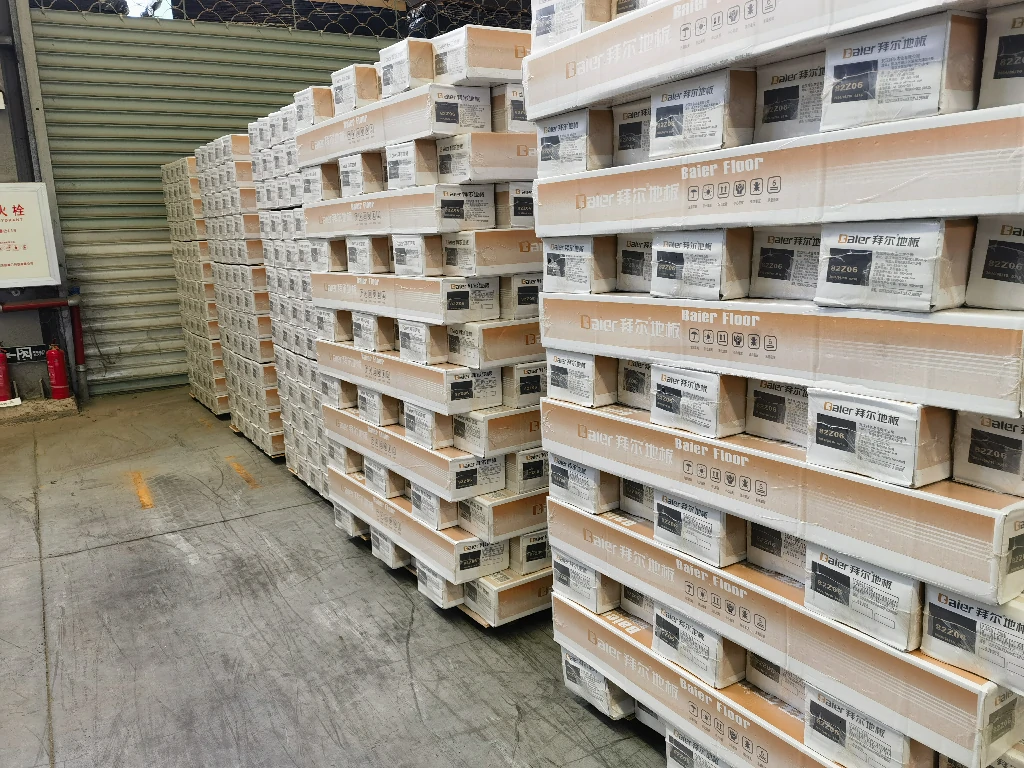
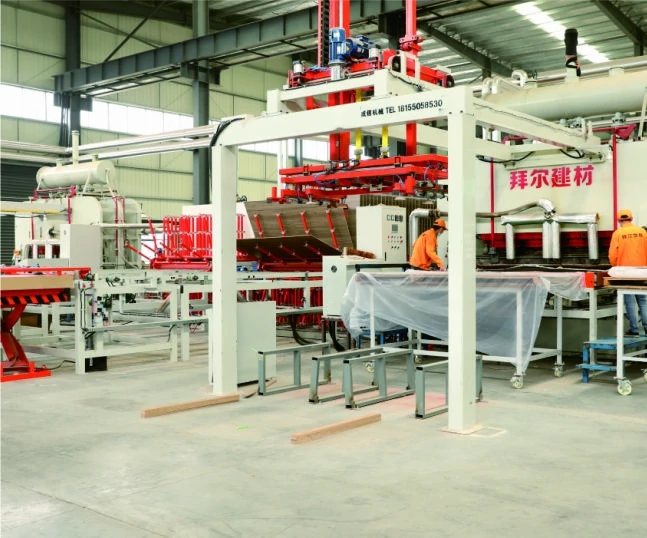
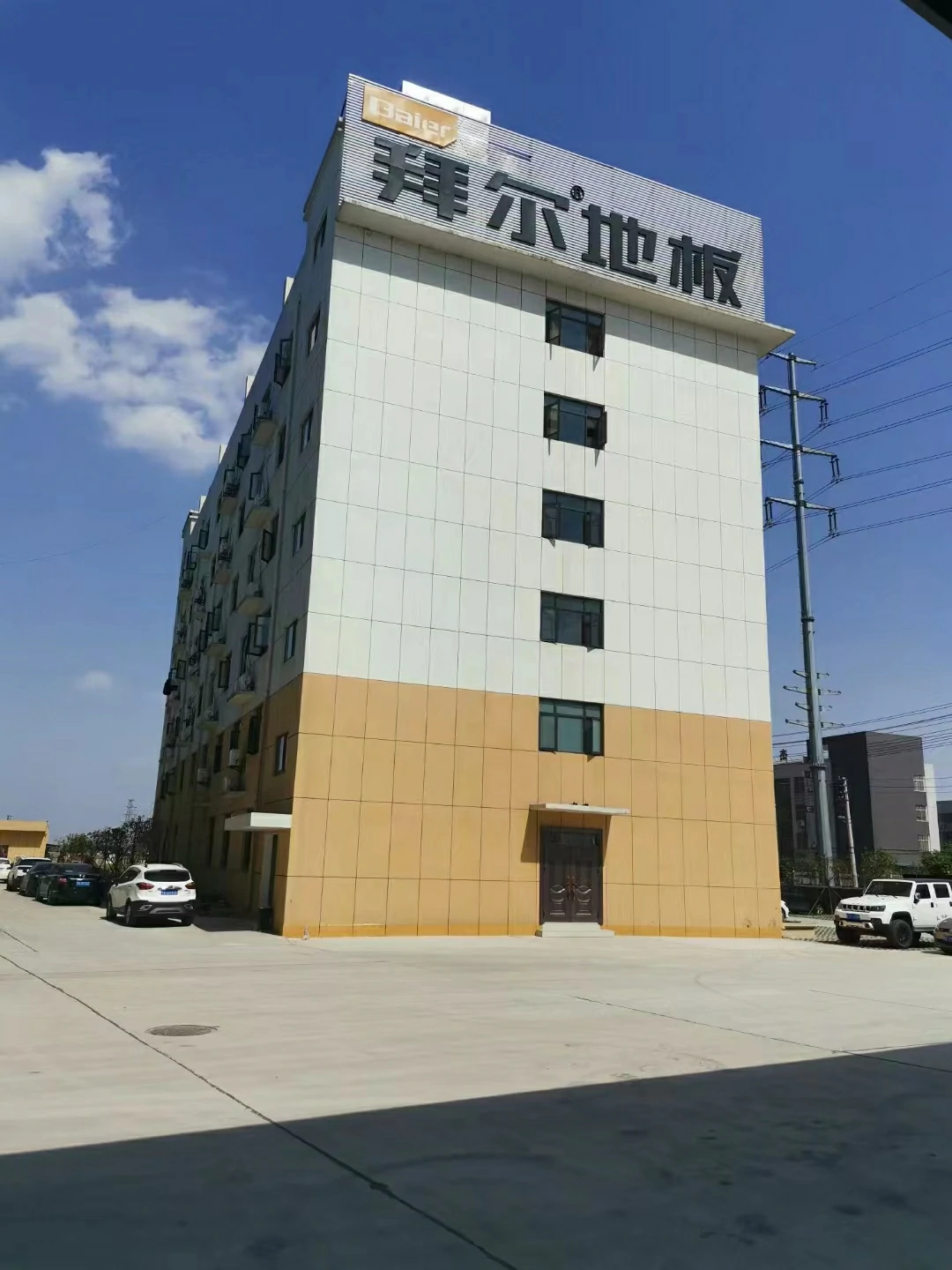
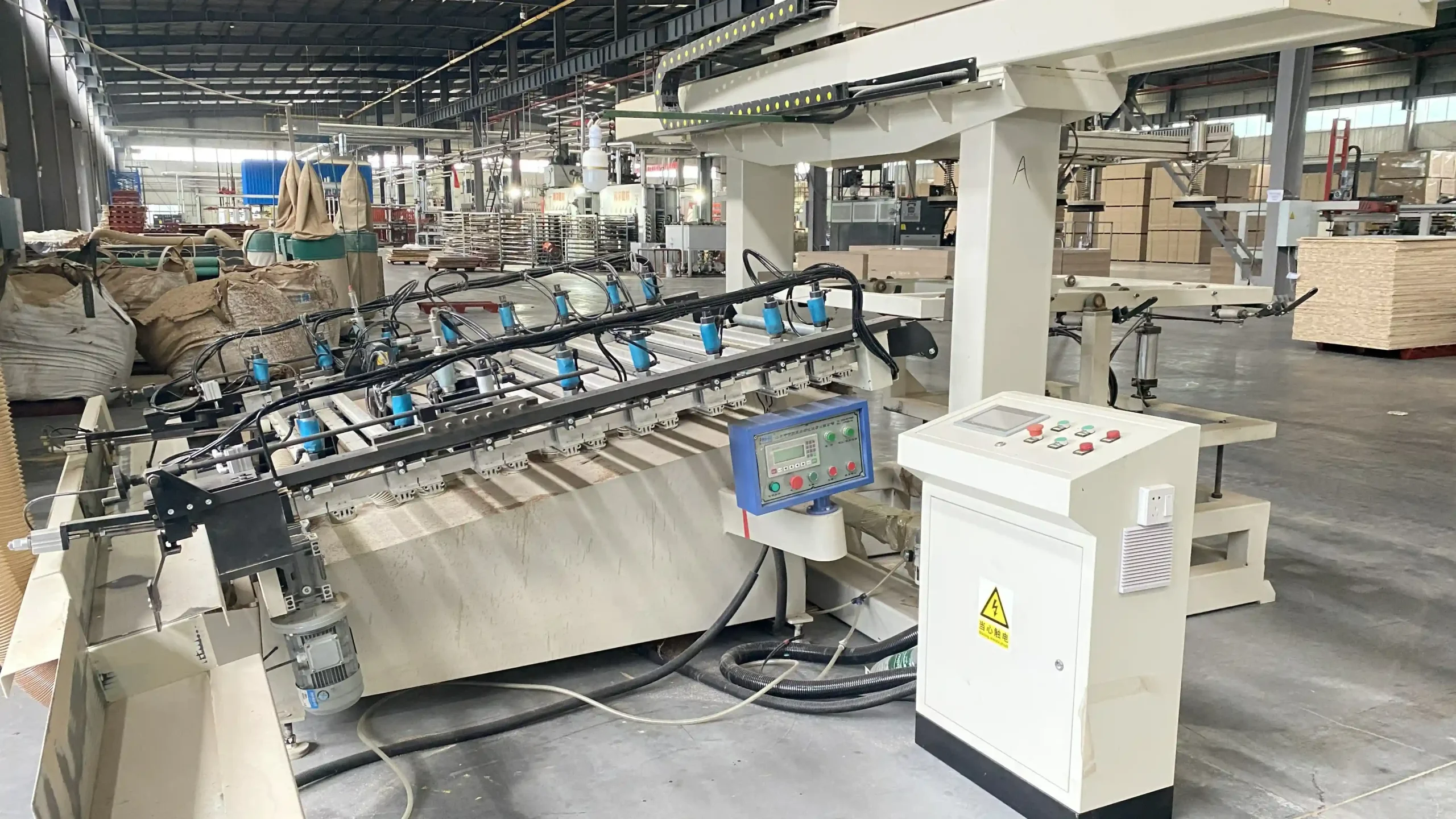
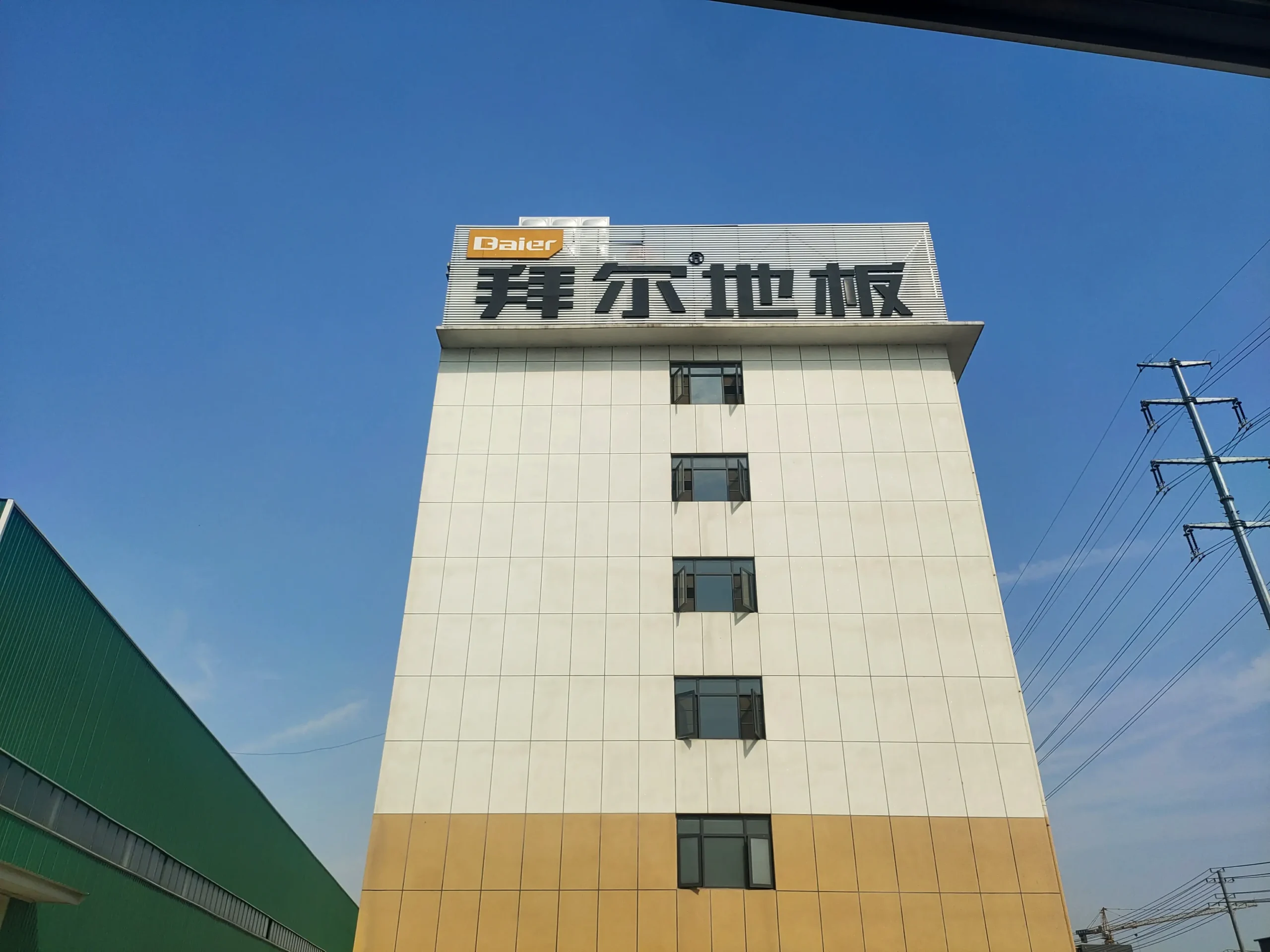
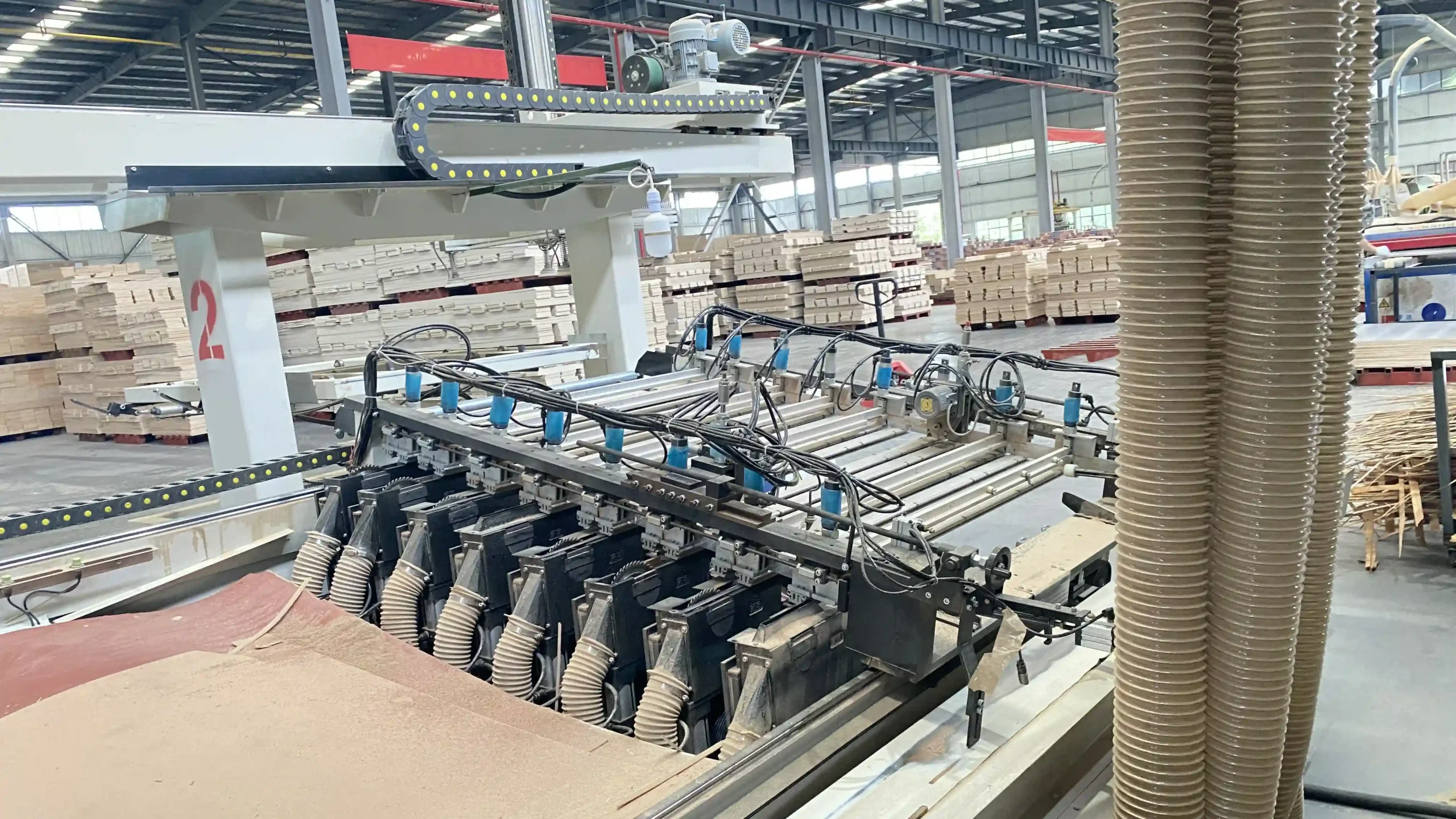
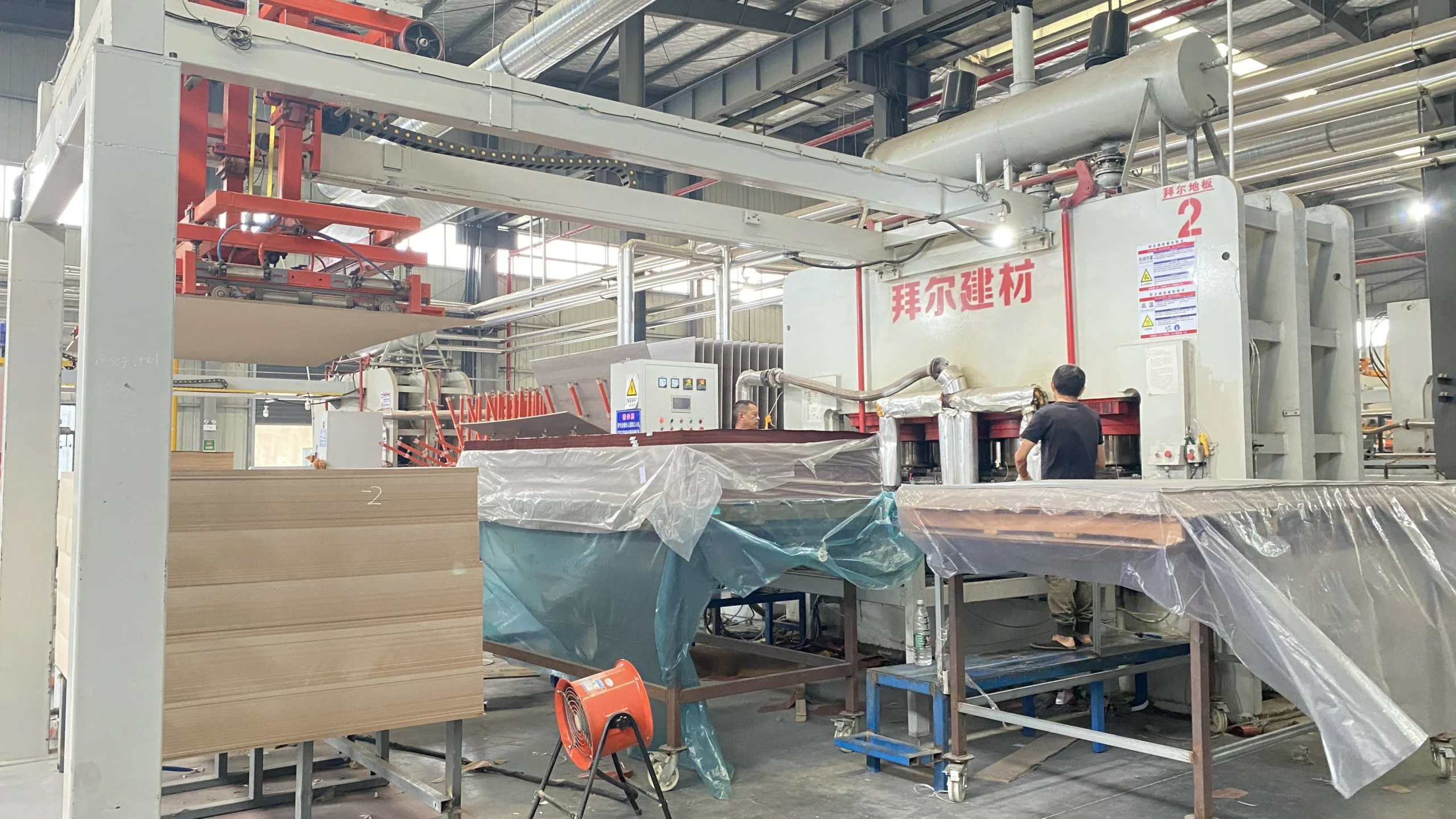
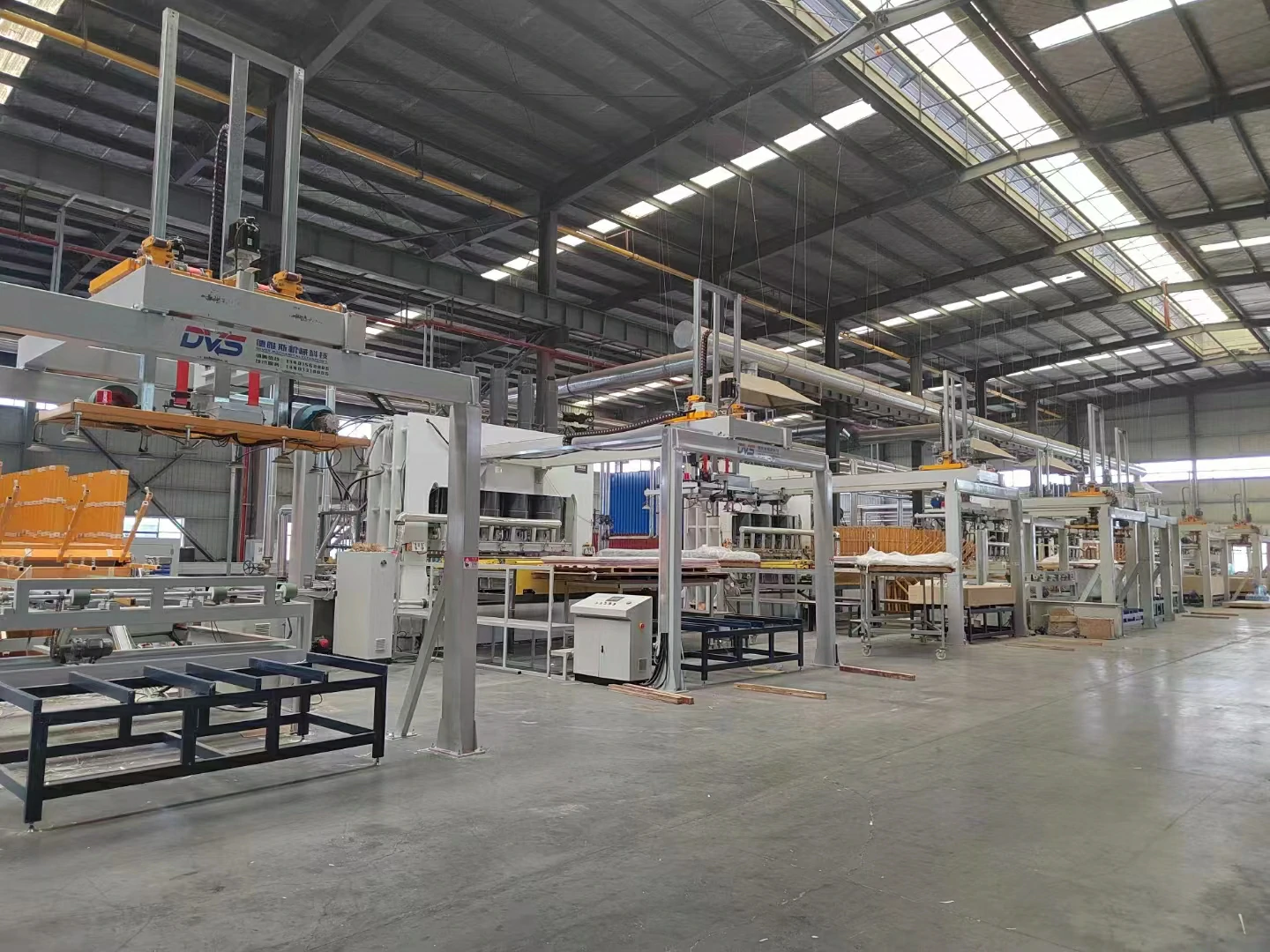
Baier SPC Flooring operates large-scale SPC production with substantial European export volume. Baier invests heavily in production technology that meets European manufacturing standards—German presses, Italian printing systems, and Swiss coating lines. This advanced equipment ensures consistent surface finishes and precise dimensional stability.

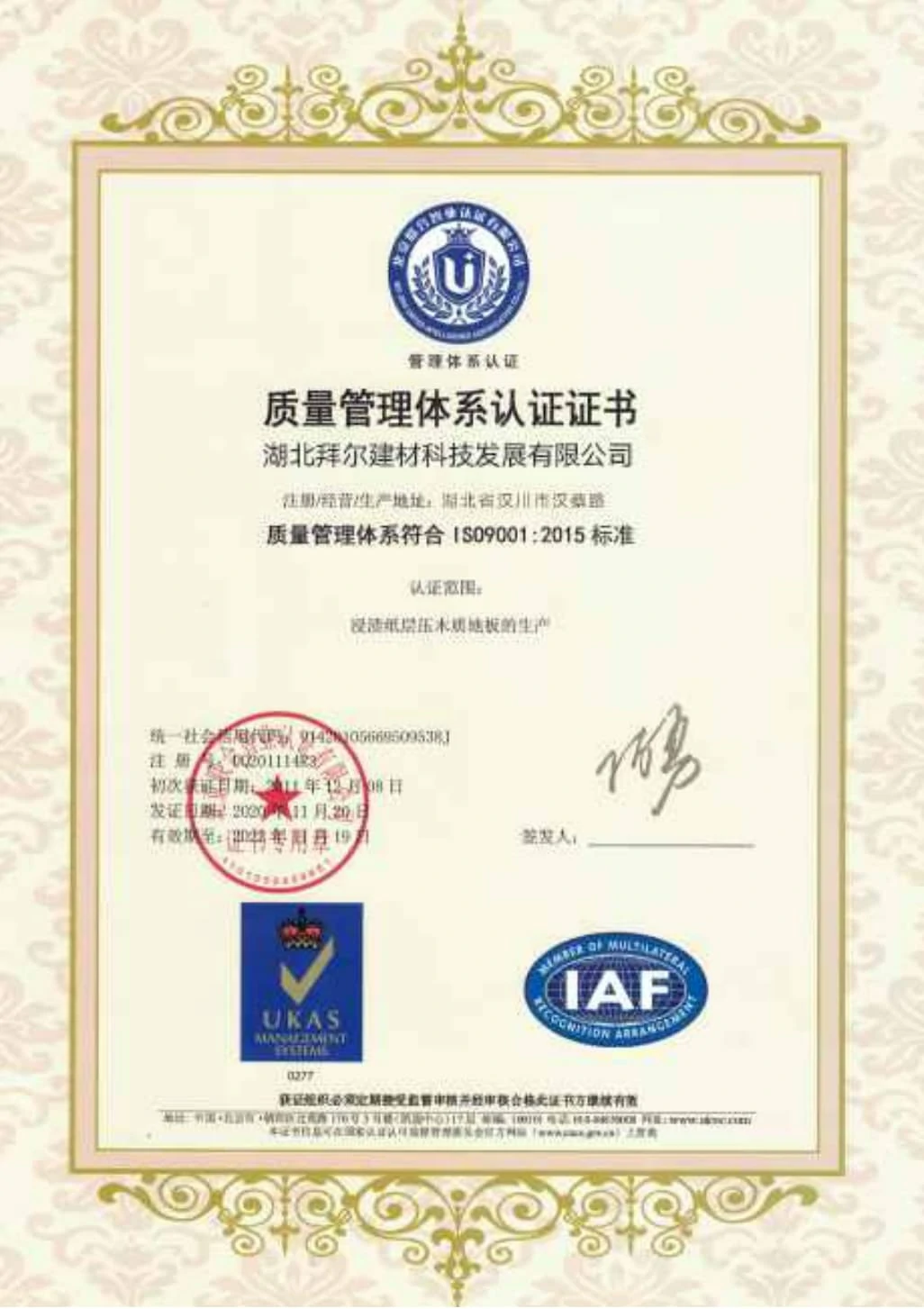
European importers rely on Baier for mid-to-high-end private label SPC products. Despite competitive pricing, Baier maintains strict quality control. The factory welcomes European buyer audits and holds ISO certifications aligned with B2B procurement standards in Europe.

Zhejiang Kingdom focuses on commercial-grade SPC with enhanced wear layers and rigid core formulations. European commercial projects—retail chains and hotel groups especially—source from Kingdom through specialized commercial flooring distributors. Product development follows European commercial trends: wider planks, longer formats, stone looks for hospitality, wood looks for retail. Kingdom maintains stock programs with European warehouses. Lead times drop from typical container shipping schedules to regional delivery timelines.

Zhejiang GIMIG Technology emphasizes technical innovation in SPC manufacturing. Their European exports include SPC with advanced backing systems—cork underlayment integration, recycled rubber cushioning, high-density foam attachments. These technical features appeal to European markets. Acoustic performance and comfort underfoot matter for residential specs. GIMIG works with European brands on co-development projects. They create exclusive products for specific market segments.

Taizhou Huali New Materials supplies SPC across multiple European countries through distributor networks. Huali positions in the value-to-mid market segment. They offer acceptable quality at competitive pricing. European retailers use Huali products for promotional price points and entry-level collections. Production scale allows flexibility on order sizes. Smaller importers access reasonable MOQs without needing massive container volumes. Huali maintains basic European compliance documentation and testing reports for standard residential applications.

Decno Group operates as both manufacturer and trading company. They connect European buyers with appropriate SPC factories across China. This middleman role provides value for smaller European importers who lack direct factory sourcing experience. Decno handles quality control, shipping logistics, and documentation preparation. Their European market knowledge helps match factory capabilities to buyer requirements. European brands entering SPC for the first time often start with Decno relationships. They may move to direct factory sourcing later.

Hengdi Flooring calls itself an “ideal supplier” for European brands. Marketing emphasizes strict raw-material control and compliance with European environmental requirements. Hengdi invested in testing equipment that copies European certification procedures—emission chambers, Formaldehyde testing, heavy metal analysis. This internal testing reduces the risk of failed European lab tests after shipping. European private-label brands use Hengdi for reliable OEM production with documented environmental compliance. Hengdi’s European customer base includes recognizable retail brands requiring factory audit transparency and consistent batch quality.

Market Dynamics Affecting Manufacturer Selection

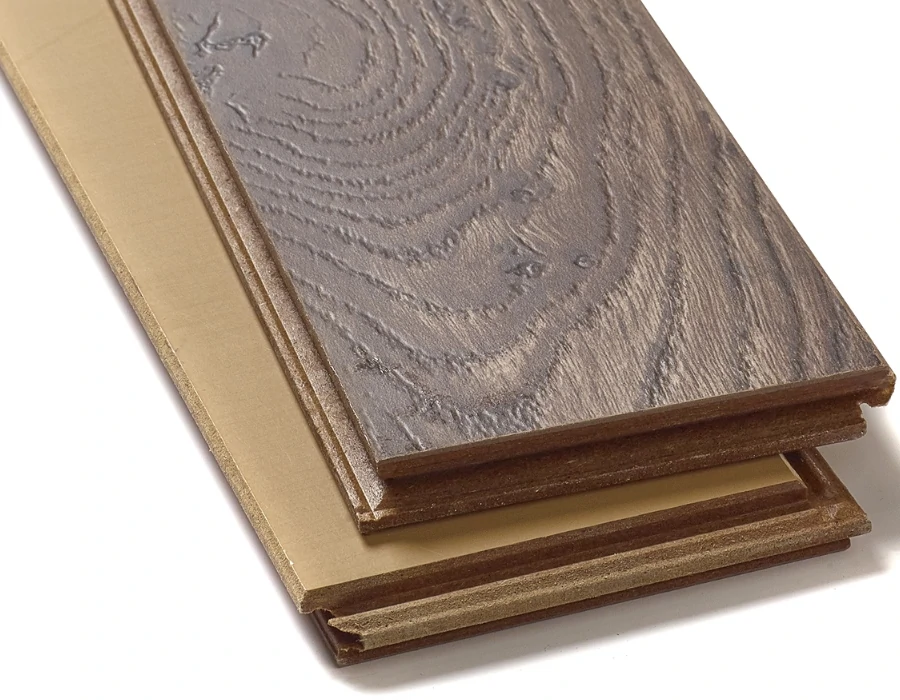
European SPC market structure influences which manufacturers gain traction. Embossed In Register (EIR) SPC flooring captured notable market share in 2025. Strong growth continues. Manufacturers offering realistic EIR technology gain specification advantages. Embossing depth and position must match printed grain patterns exactly. European buyers now distinguish between basic embossed surfaces and true registered embossing.

professional installation dominates as the primary market category. DIY-friendly click systems grow steadily though. Manufacturers supporting both installation methods maintain broader market access. Commercial projects almost always use professional installers. Residential markets split between contractor installation and homeowner DIY.

Germany, UK, and Russia function as top growth contributors in Europe’s SPC expansion. Manufacturers with strong distribution in these three countries capture outsized market growth. German markets demand higher environmental standards and technical performance documentation. UK markets value brand heritage and reliable warranty support. Russian markets emphasize value positioning and aesthetic variety.

Understanding this manufacturer landscape helps you identify appropriate suppliers for specific project requirements. European producers offer proximity, faster response times, and simplified compliance. Global manufacturers provide cost advantages, production scale, and often cutting-edge manufacturing technology. Chinese exporters with European focus deliver competitive pricing while meeting essential European standards through years of market adaptation. Your choice depends on project scale, timeline pressure, budget constraints, quality expectations, and compliance requirements.
Key Takeaways for Buyers

Finding SPC flooring manufacturers in Europe means balancing cost, quality, compliance, and delivery speed. The market data above shows specific actions that cut risk and improve procurement results.

Get Compliance Documents First

European environmental regulations are mandatory. German AgBB requirements and French A+ emission ratings must be ready before shipments arrive. Ask manufacturers for current test reports matching EN standards. You need fire classifications, slip resistance data, formaldehyde levels, and phthalate-free plasticizer confirmations. Chinese exporters with European operations usually keep this documentation ready. New suppliers often skip this step. Request reports in your first conversation, not after you place orders. Failed compliance tests after shipping mean expensive delays. You might face disposal costs too.

Match Manufacturer Size to Your Orders

European local manufacturers often set higher MOQs than Chinese competitors. MeisterWerke and Wineo focus on commercial projects and distributors with steady volume. Smaller retailers or contractors do better with suppliers like Novalis or Taizhou Huali. These accept flexible order sizes. Chinese manufacturers with European warehouses—Zhejiang Kingdom keeps European stock—combine Asian pricing with European delivery times. Check your actual volume needs against realistic reorder frequency. Do this before you commit to agreements.

EIR Technology Sets You Apart

EIR surface technology won major European market share. It delivers tactile realism that standard embossing can’t match. Surface texture lines up with printed wood grain patterns. This gives residential customers an authentic feel. Commercial designers get specification advantages. Not all manufacturers advertising “embossed” surfaces offer true registered embossing. Request physical samples showing grain-to-texture alignment. Faus Industries highlights EIR across product lines. Several Chinese exporters including CFL Flooring bought EIR equipment to meet European aesthetic standards. Surface technology affects retail competitiveness. It impacts customer satisfaction scores too.

Calculate Real Landing Costs

Asian imports look cheap at FOB pricing. But add shipping costs, European customs duties, compliance testing fees, warehouse storage, and delayed payment terms. Compare this against European manufacturers’ delivered pricing. They offer immediate availability and extended payment options. Gerflor and Tarkett cost more per square meter. But they remove intercontinental shipping risks and multi-month lead times. Project timelines often make local sourcing smarter despite higher unit costs. Calculate complete procurement costs. Include inventory carrying expenses and stock-out risks. Do this before you decide based on manufacturer pricing alone.

Verify Sustainability Claims

Environmental marketing covers manufacturer websites. Real sustainability needs certified proof. Look for floorscore certification, EPD (Environmental Product Declarations), documented recycled content percentages, and LEED contribution documentation. Gerflor’s 2025 recycling unit expansion shows measurable circular economy participation. Tianzhen uses bamboo heritage for broader environmental positioning backed by material certifications. Generic “eco-friendly” or “green flooring” claims without supporting documentation? That’s just marketing, not verified environmental performance. European commercial projects now require specific sustainability documentation for building certifications. Request third-party verified environmental data during supplier evaluation.