Best Melamine Mdf Boards Suppliers In Argentina

MDF/HDF Fiberboard

How to Evaluate Melamine MDF Board Suppliers in Argentina

Argentina ranks as South America’s second MDF producer. Brazil leads the region. Most other neighboring markets fall behind. The global MDF market hit 121.87 million m³ in 2025. It will reach 146.93 million m³ by 2030. Argentina takes a small but growing piece of that total. Furniture makers and construction projects drive this growth.

Target Buyers Shaping the Market

Five buyer groups drive demand for melamine MDF boards suppliers in Argentina:

Furniture manufacturers – small shops to large factories making home and office furniture

Cabinet and kitchen makers – specialists who need precise cuts and steady quality for custom installs

Shopfitters and interior contractors – commercial teams working on stores, offices, and hotels

Distributors and wholesalers – middlemen who stock various panel types for local resale

DIY and retail chains – big stores buying private-label boards in large amounts

Each group buys differently. Manufacturers want the same quality across all batches. Contractors need fast delivery on common finishes. Distributors look for good prices plus stock options they can adjust.

Supplier Qualification Essentials

Technical specs come first. Density needs to be 650–800 kg/m³ for strong boards. formaldehyde levels must hit E1 standards or lower. Many global suppliers now stock zero-added formaldehyde boards. Argentine buyers ask for these more often.

Surface quality splits good boards from great ones. You need documented abrasion test results. Scratch and stain resistance must meet EN standards. Get lab certificates from suppliers. Don’t accept claims alone.

Board options show how deep a supplier’s range goes. Thickness from 3–38 mm covers most jobs. Panel sizes like 1830×2750 mm and 1830×2440 mm fit standard workshops. Moisture-resistant cores work in damp areas. Fire-retardant grades add safety. High-gloss finishes and textured surfaces give designers more choices.

Delivery performance keeps your schedule on track. Local stock ships in 7–14 days. Import orders take 30–60 days. Suppliers with below 95% on-time rates cause problems. Custom finishes need minimum orders of one container or 50–100 boards per color.

Production size shows supplier stability. Check the parent company’s annual MDF output. Arauco, Egger, Kronospan, and Masisa run plants that produce millions of cubic meters. Years of work in South America prove they know the market and plan to stay.

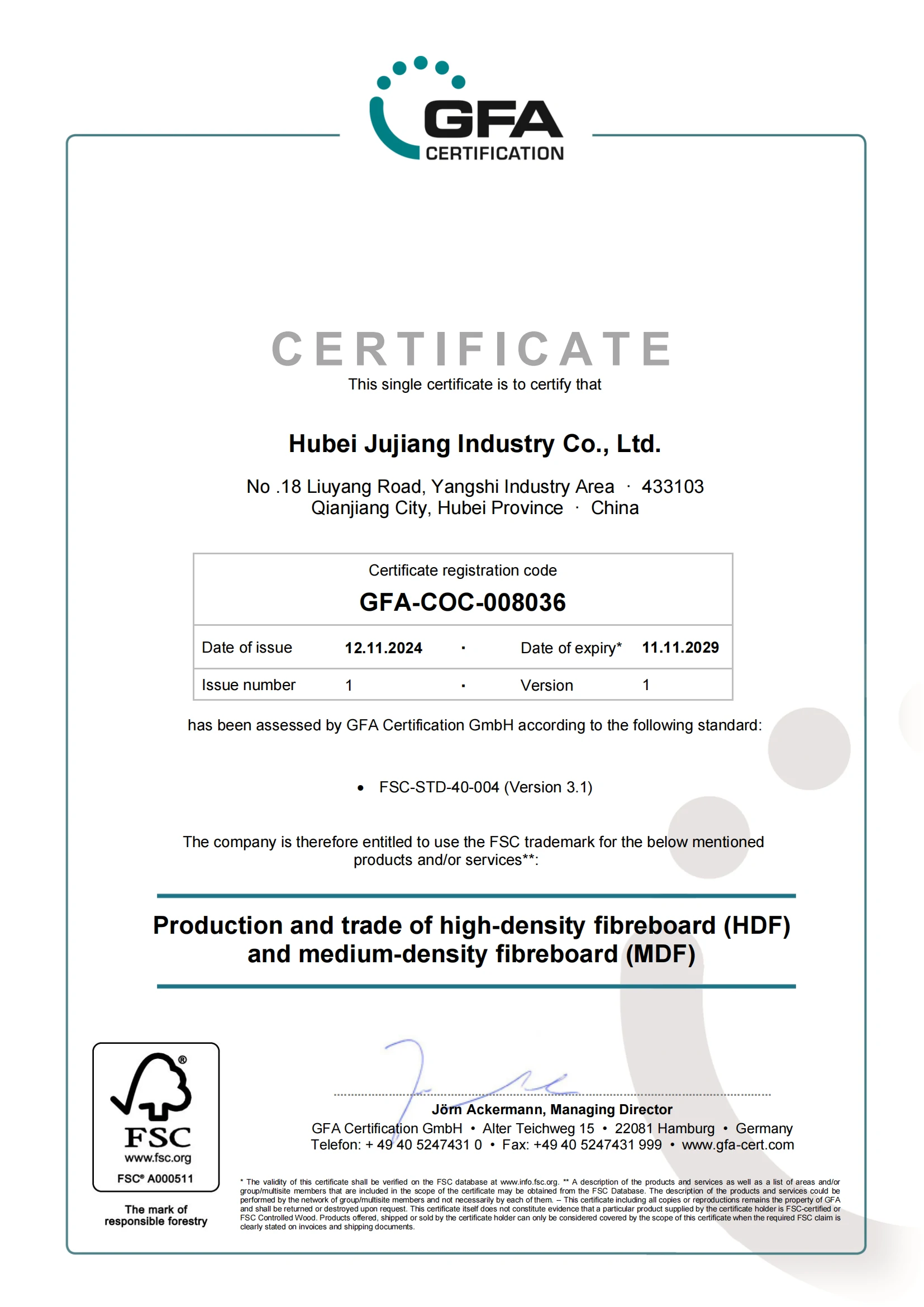
Green credentials matter to corporate buyers now. FSC or PEFC certificates prove the wood comes from responsible forests. Recycled fiber and low-emission resins cut environmental harm. Some suppliers turn factory waste into new panels. Ask about these programs.

ARAUCO – Top Melamine MDF Manufacturer

ae45142f 419a 4005 8440 4a25ecf709e6

ARAUCO ranks among the world’s top MDF makers. Kronospan, EGGER, and Kastamonu sit in the same league. Market data puts the company in the top tier of panel producers. Argentine buyers get access to large-scale production. Plus, they benefit from decades of woodworking know-how.

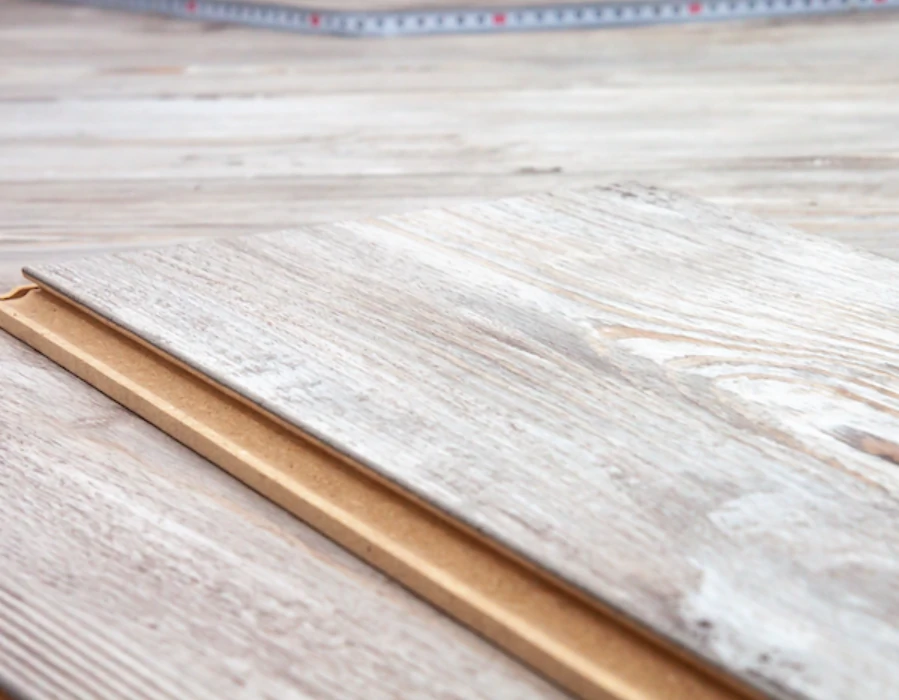
Trupan MDF product family serves as the base for melamine-faced boards sold across Argentina. Trupan panels are lightweight MDF built for surface lamination. You can get thickness from 3 mm up to 30 mm. This covers drawer bottoms to cabinet boxes. Standard panel sizes match industry norms: 1220×2440 mm (4×8 ft) and 1525×2440 mm (5×8 ft). Most cutting tools in Argentine workshops handle these sizes. Density ranges 650–750 kg/m³ based on thickness. This balances weight with strength for furniture use.

ARAUCO runs two MDF plants in Argentina – Piray and Zárate. Both plants serve the local market and nearby countries. The 2023 report shows both sites make panels. Individual plant capacity numbers aren’t shared. Here’s what buyers need to know: two plants mean backup capacity during high demand. Geographic spread can cut truck delivery times.

Environmental Standards That Open Export Doors

E1-grade formaldehyde emission is now standard in melamine MDF. ARAUCO’s MDF uses phenol-formaldehyde resins. These cut emissions by about 90% versus older E2-type boards. This formula meets European standards. Office furniture and commercial interior buyers demand this.

CARB Phase 2 compliance opens the U.S. market. It shows quality to local specifiers. The rules set tight limits: 0.13 ppm for thin MDF (≤8 mm) and 0.11 ppm for thick boards (>8 mm). ARAUCO and other major makers follow these limits on all orders, not just exports. This keeps production simple and quality steady.

ISO 14001 environmental management certification applies to several ARAUCO facilities. The 2023 report shows these systems work across operations. Plant-specific certificate details aren’t public. Large buyers working on green-building projects get audit-ready paperwork on supplier practices through the ISO system.

ARAUCO’s melamine MDF reaches Argentine buyers through authorized distributors. Small orders don’t go direct from the mill. Public technical sheets don’t list exact décor counts, texture choices, or color ranges per region. Contact local distributors for current finishes and lead times.

Faplac Melamine Board – ARAUCO’s retail brand

113ca96e 3296 4a53 b1fb 3c8fb1d56e50

ARAUCO sells melamine-faced particleboard under the Faplac brand through retail channels across Argentina. Smaller workshops and individual buyers can now access professional-grade panels. Furniture makers get reliable quality. No need to meet industrial minimum orders.

Particleboard core sets Faplac apart from Trupan MDF. The Zárate plant produces 250,000 m³ of particleboard each year. About 70% of that output gets melamine facing before sale. Distributors enjoy steady stock. The plant also supplies domestic demand and regional exports.

Standard Sizing for Argentine Workshops

Faplac panels come in two dimensions. Full boards measure 2.75 x 1.83 meters in 18mm thickness. Half-cut panels run 2.75 x 0.91 meters at the same 18mm. This thickness works for most cabinet jobs. Half-cut panels fit smaller vehicles. They also suit workshops with tight storage space.

Thickness tolerance stays tight: nominal dimension holds within ±0.3mm. Variation across a single panel won’t exceed ±0.3mm either. CNC routers and edge banders rely on this consistency. Uneven boards create setup problems and material waste.

Performance Data That Matters

Abrasion resistance reaches over 500 cycles on the Urban Concept line. EN 14323 tests rate printed finishes at Class 1 and solid colors at Class 3A. Both grades handle everyday wear in home and office furniture.

Core strength numbers meet EN standards for 18mm particleboard:
Internal bonding: >0.35 N/mm²
Bending strength: >13 N/mm²
Elasticity modulus: >1600 N/mm²
Surface delamination: >0.8 N/mm²
Density range: 500–700 kg/m³

Formaldehyde levels hit E1 grade at <8mg/100g. CARB Phase 2 compliance delivers <0.09ppm. These numbers beat older particleboard by a lot.

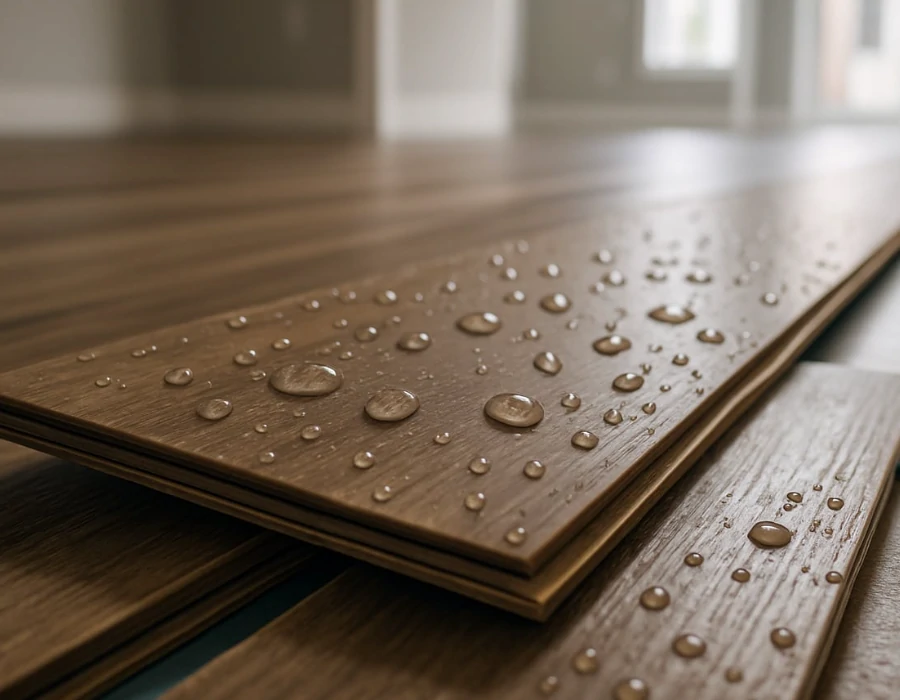
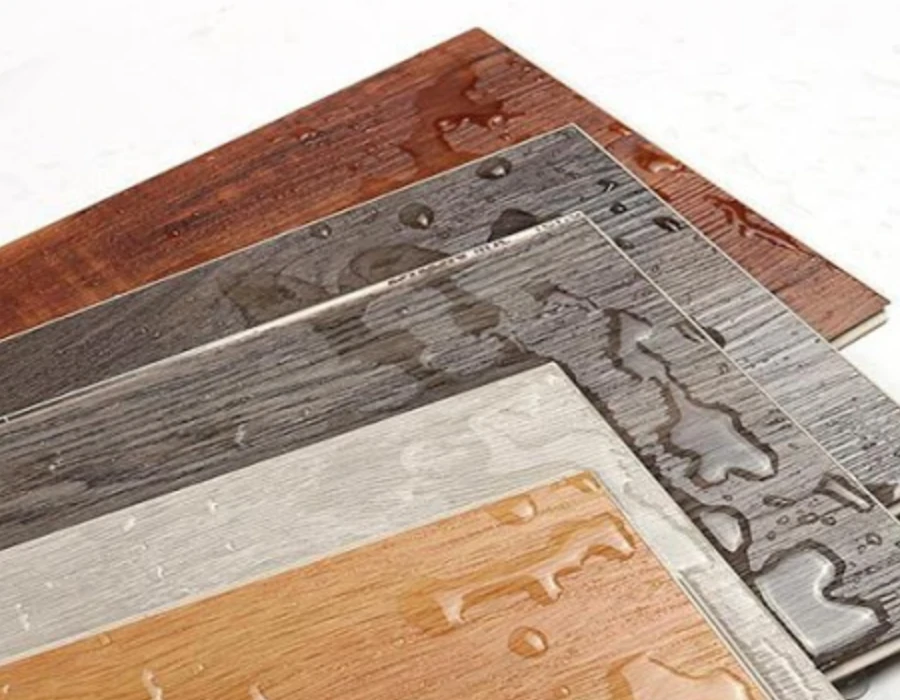
Tests prove strong durability. Water steam resistance passes Level 4. Scratch resistance goes beyond 1.5N. Stain resistance for common household chemicals rates Class 4 or better. Light fastness scores above 6 on the blue wool scale.

Clean machining cuts down on tool wear. Furniture shops get smooth cuts with standard carbide blades. The core makeup lets you drill precisely. Edges won’t splinter if you keep feed rates right.

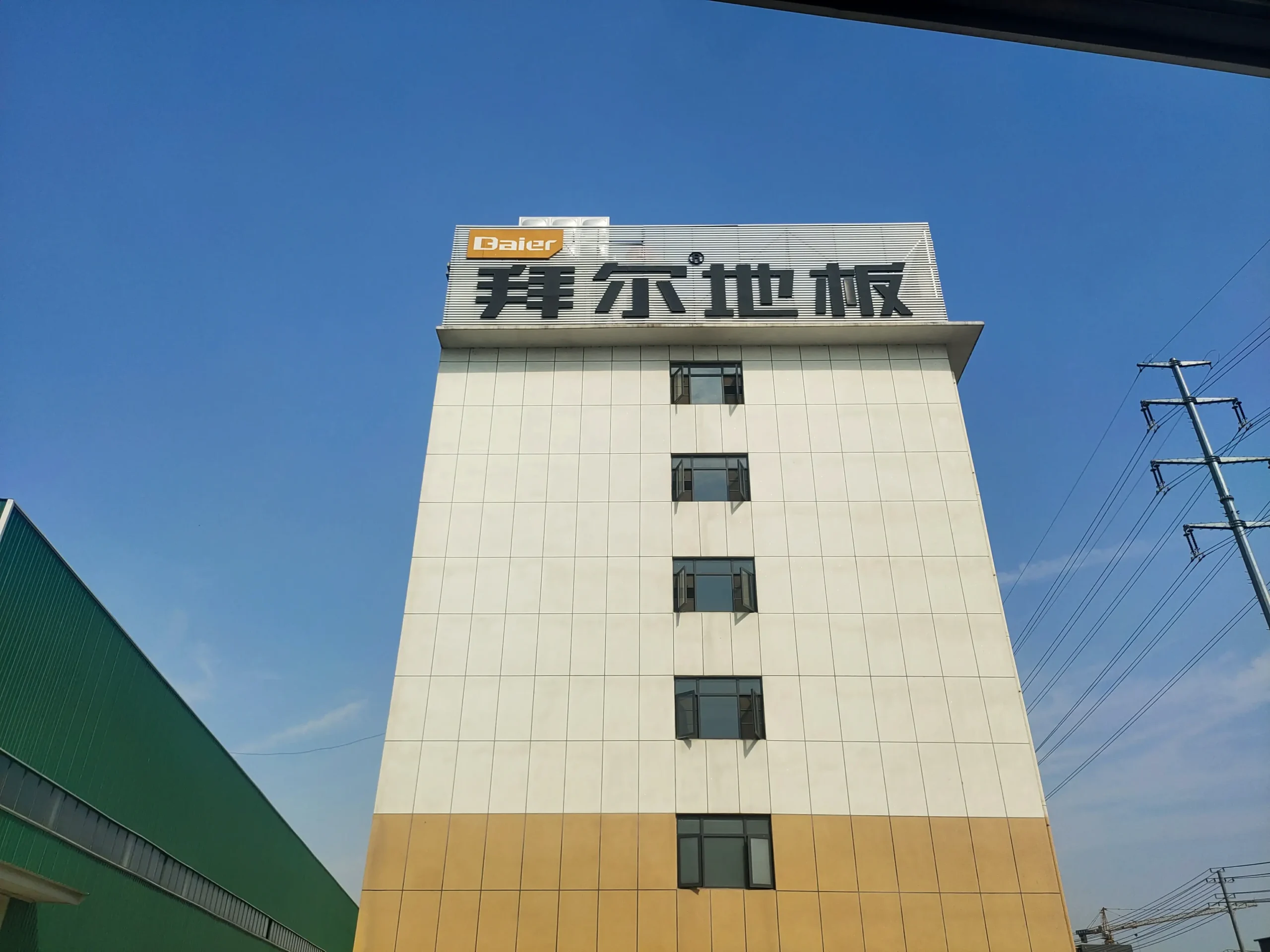
Baier – Export-Oriented Wood Based Panel Supplier for Argentina

e927b3b9 1ff7 476f be98 e98c72cebc9e

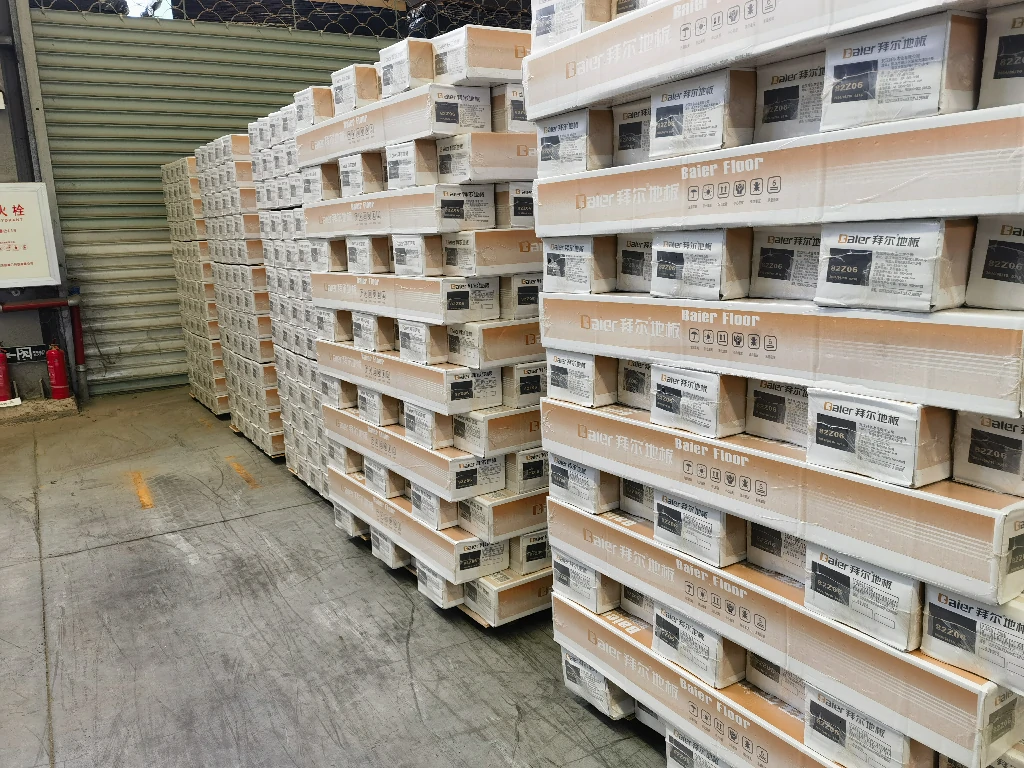
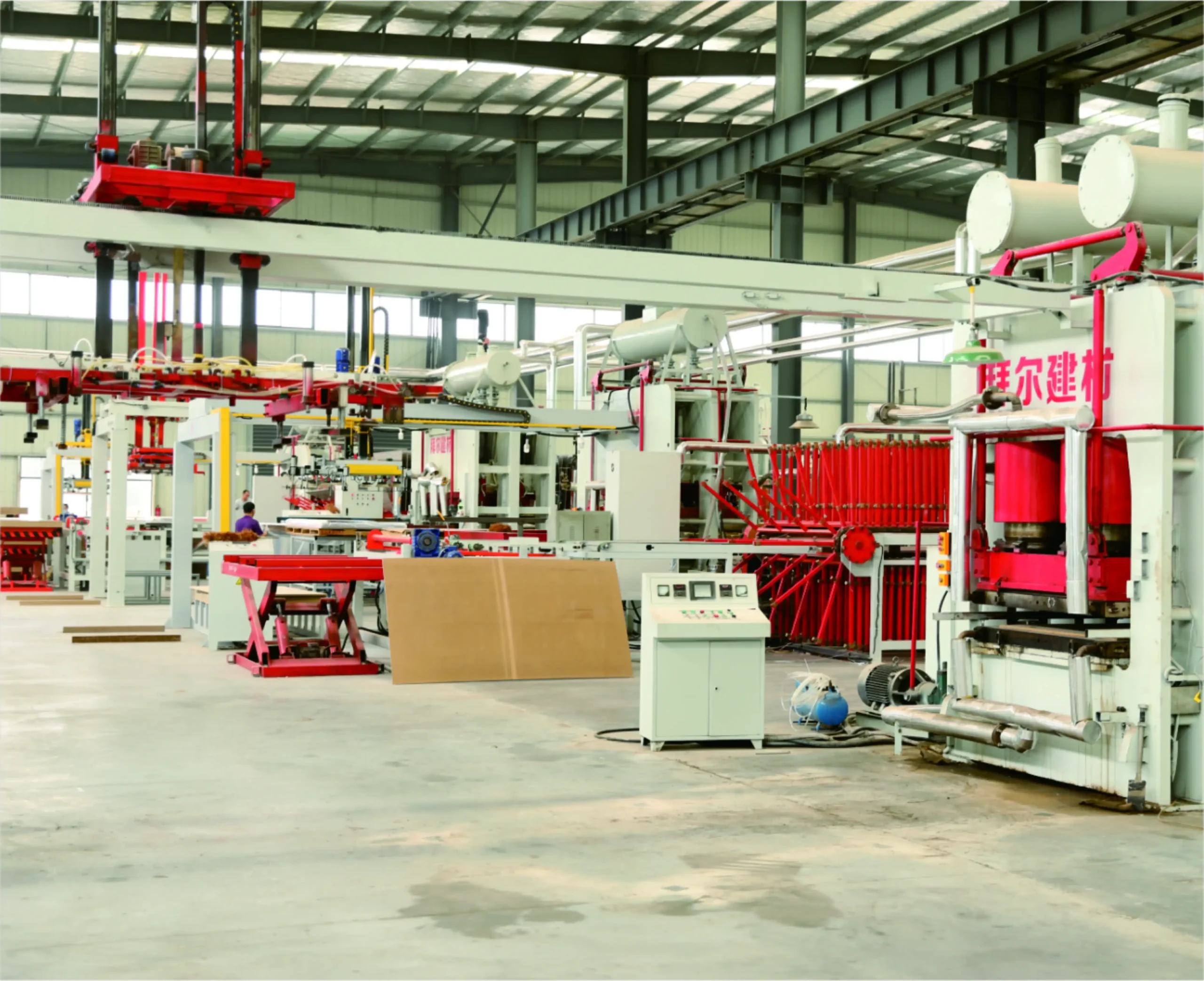
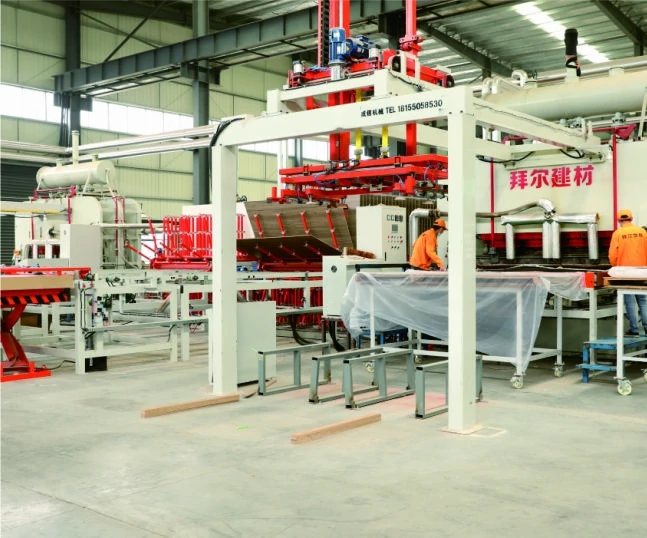
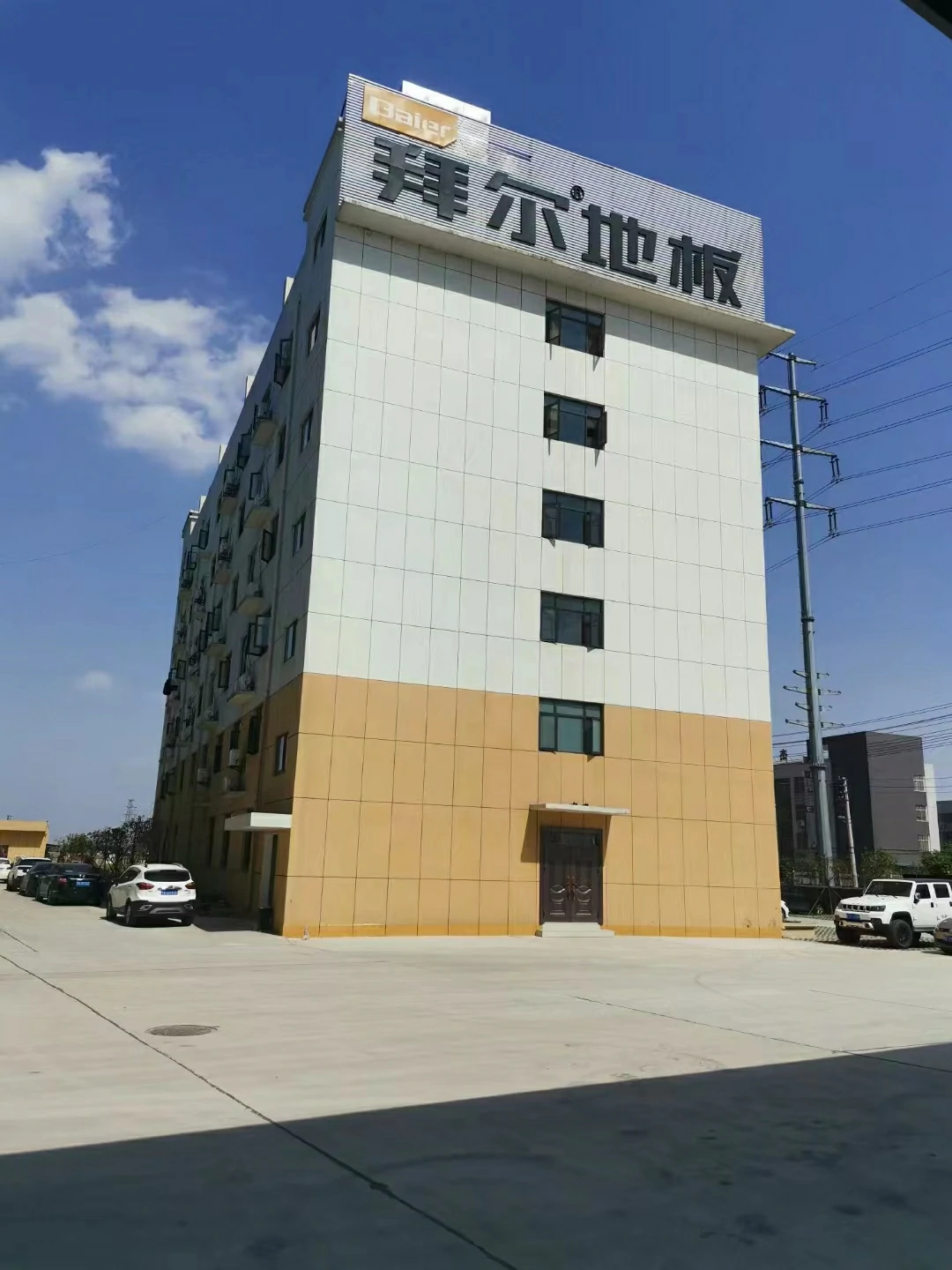
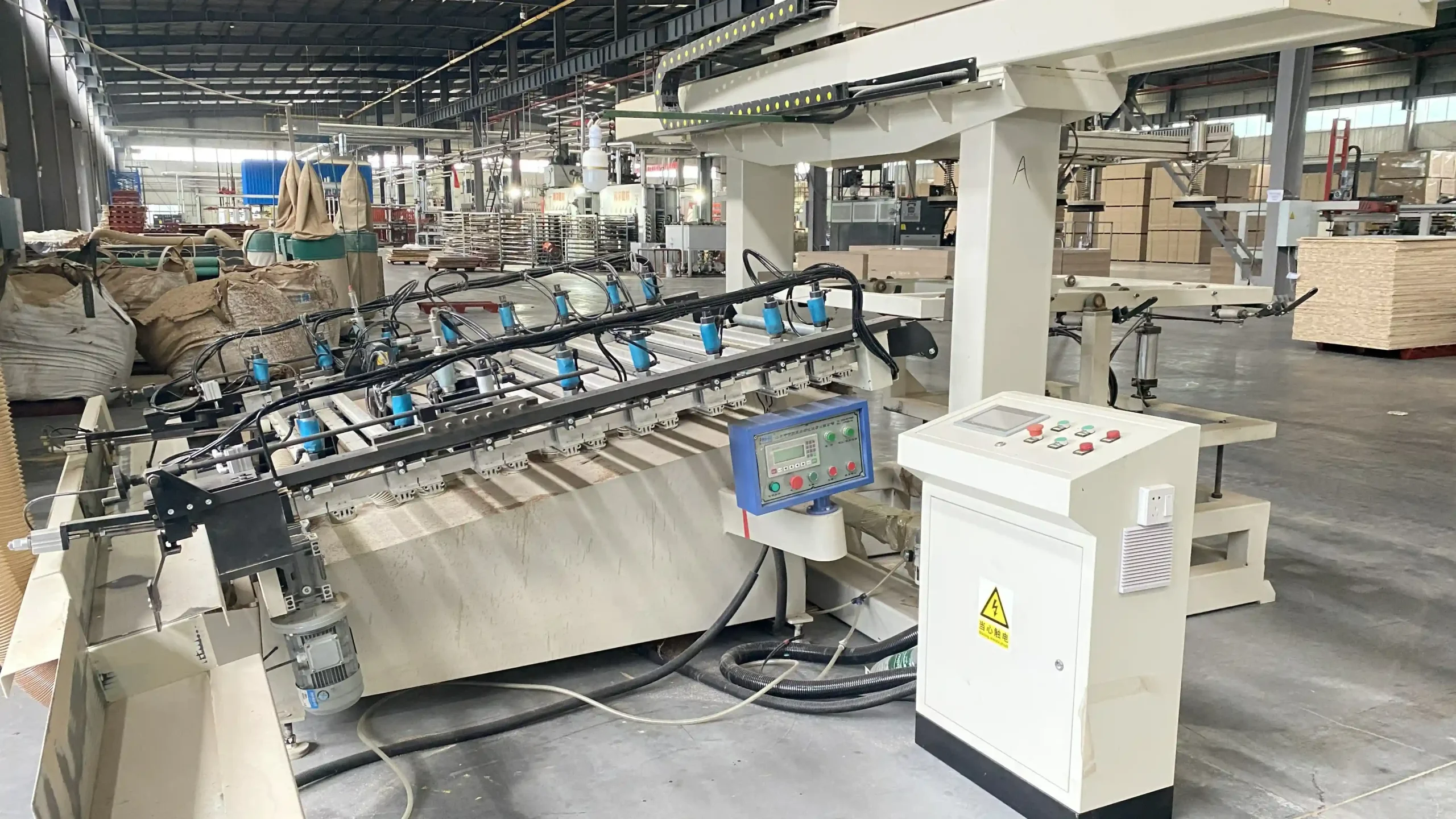
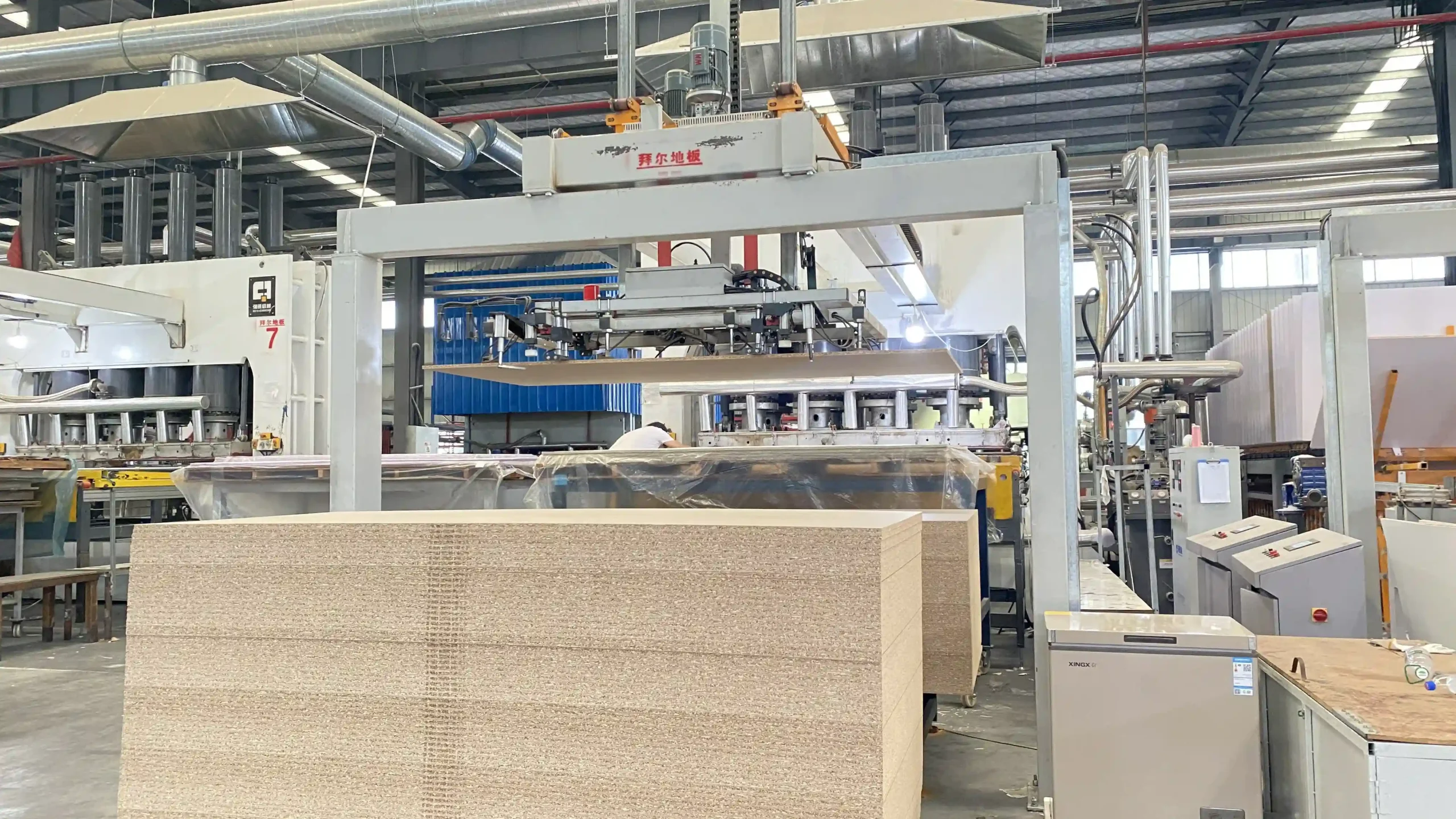
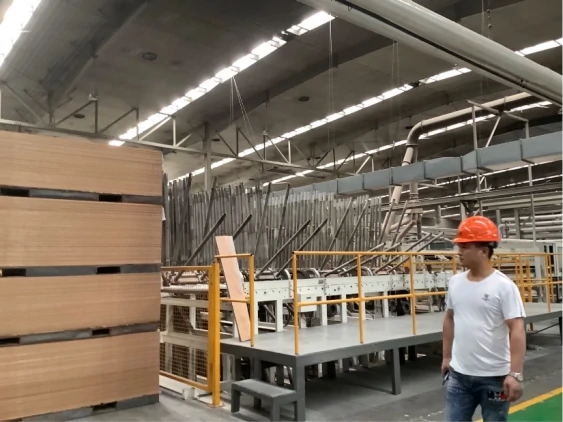
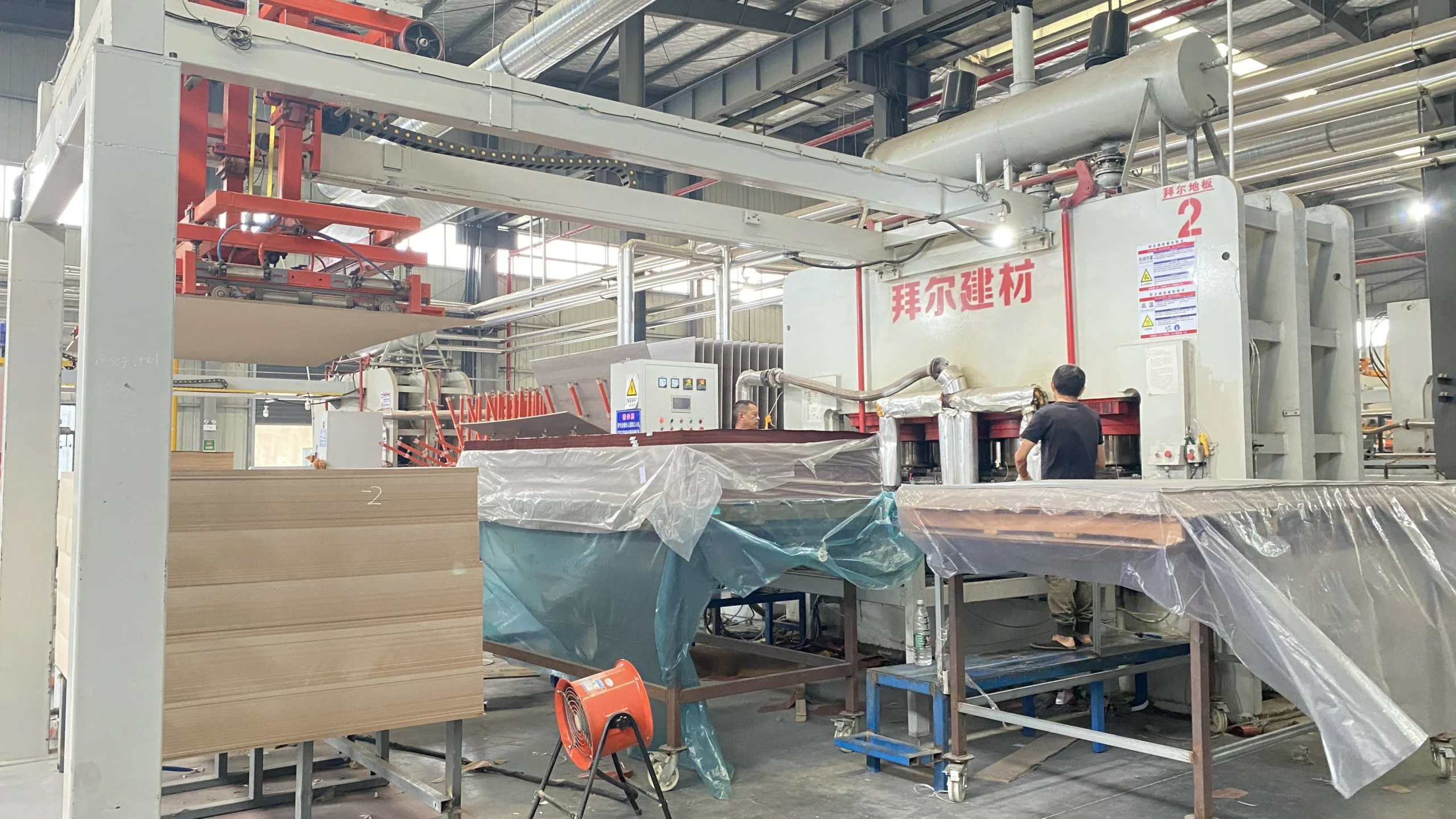
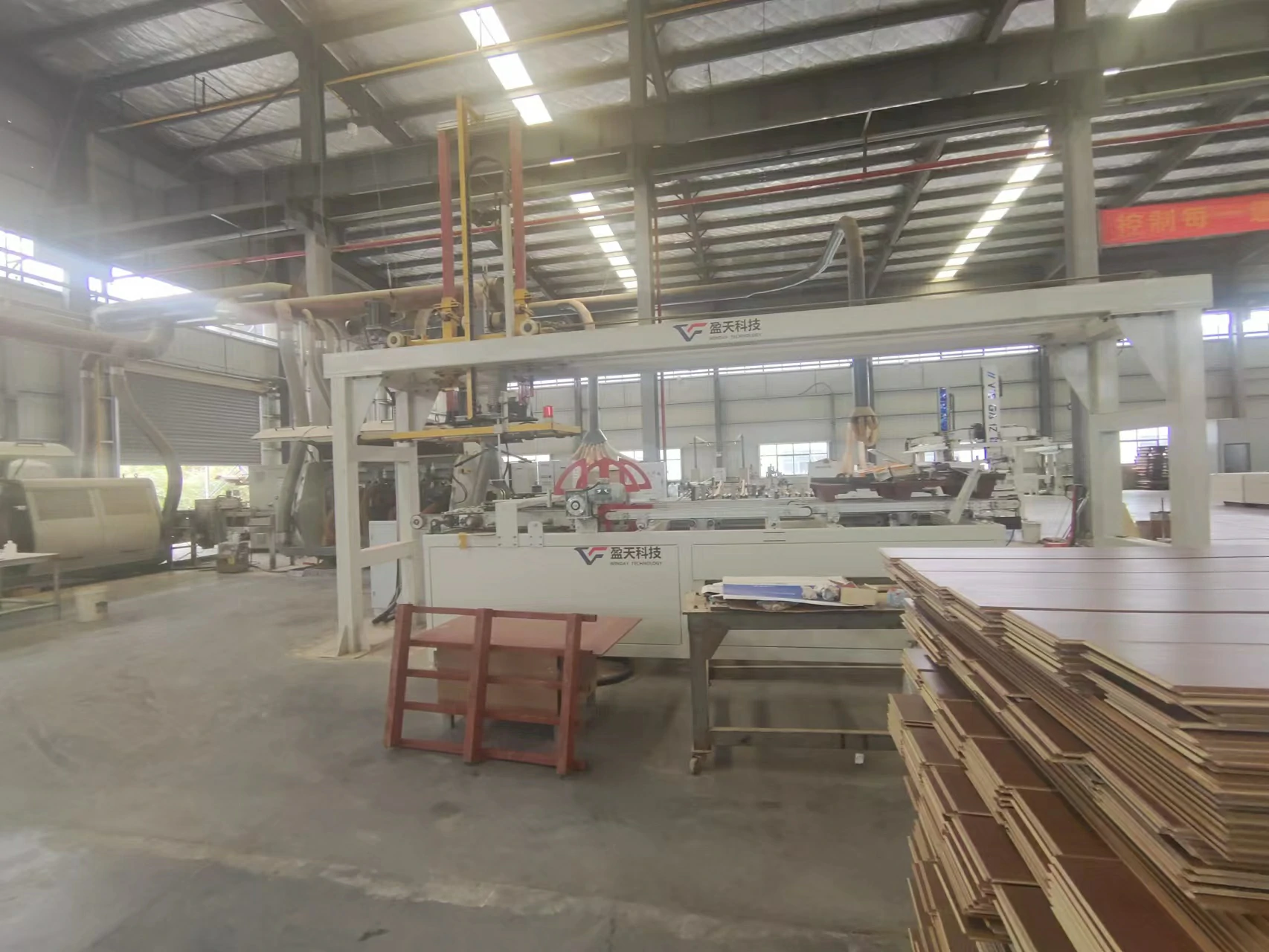
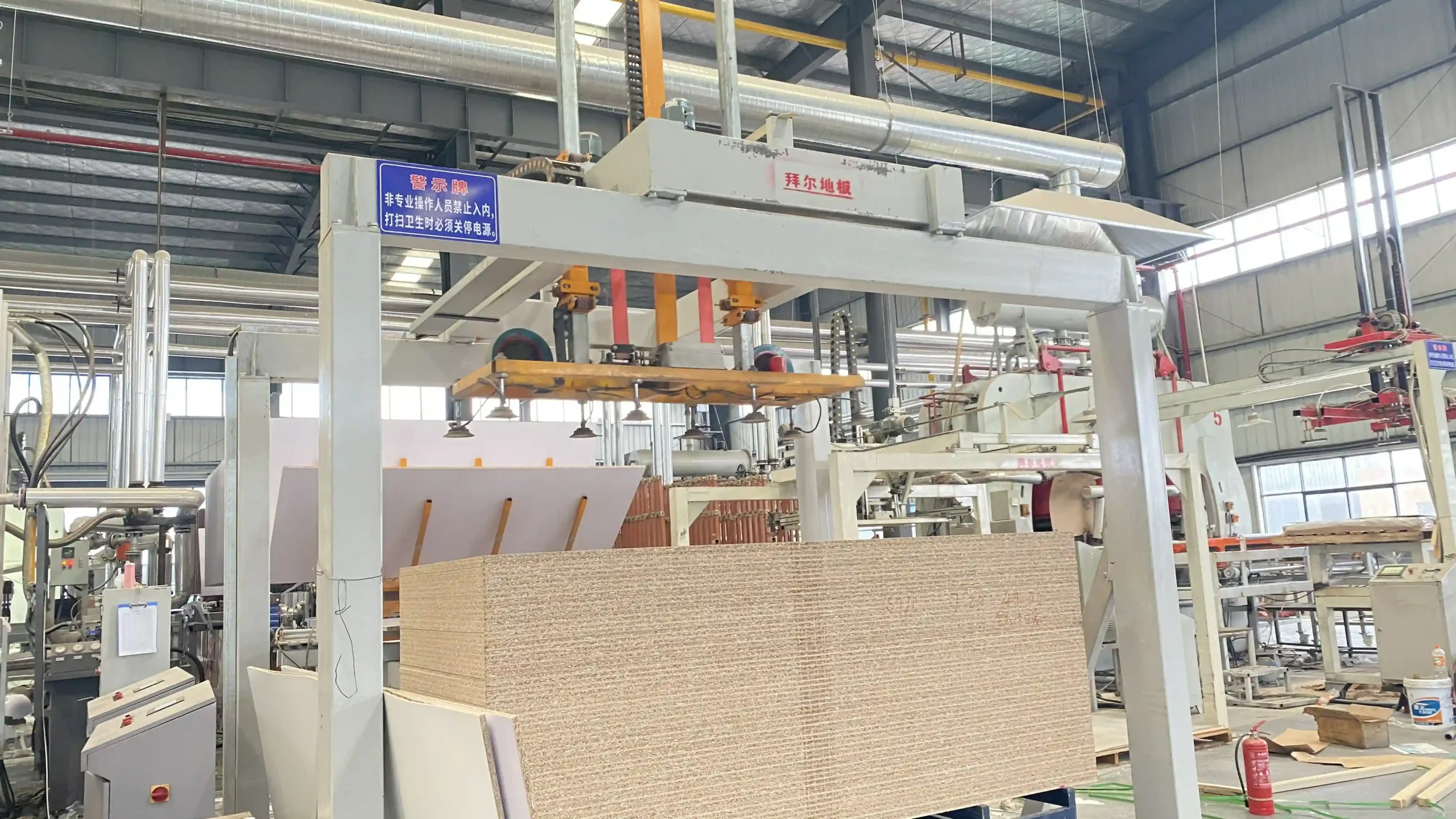
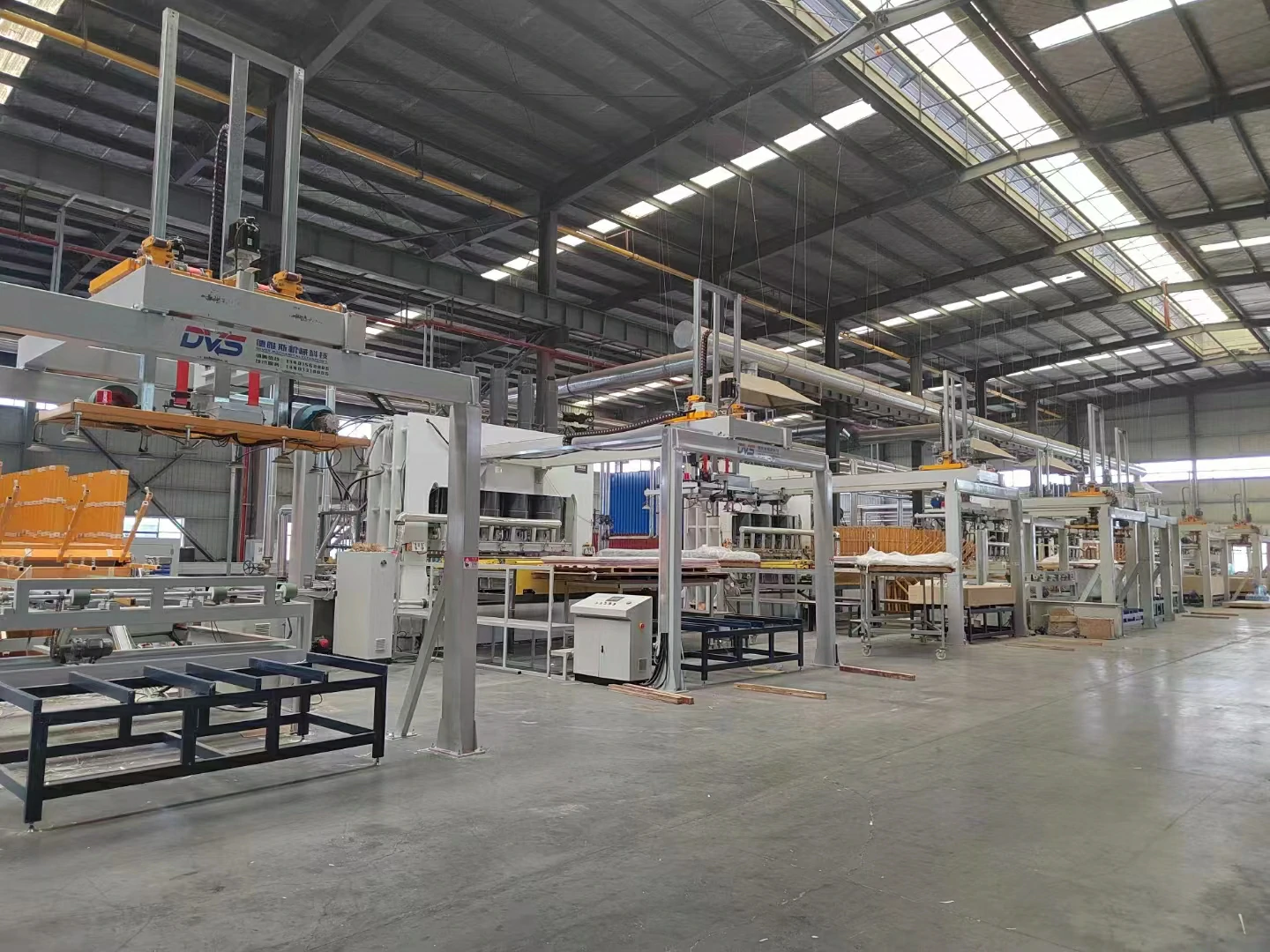
Baier operates as a manufacturing-focused wood based panel supplier, serving international markets including South America through export channels. Unlike local Argentine producers rooted in plantation ownership or domestic retail networks, Baier’s role in the market is centered on stable industrial output, specification control, and OEM-oriented supply.

Wood Based Panel Product Scope

Baier’s wood based panel offering covers core panel types commonly required by Argentine furniture and interior markets:

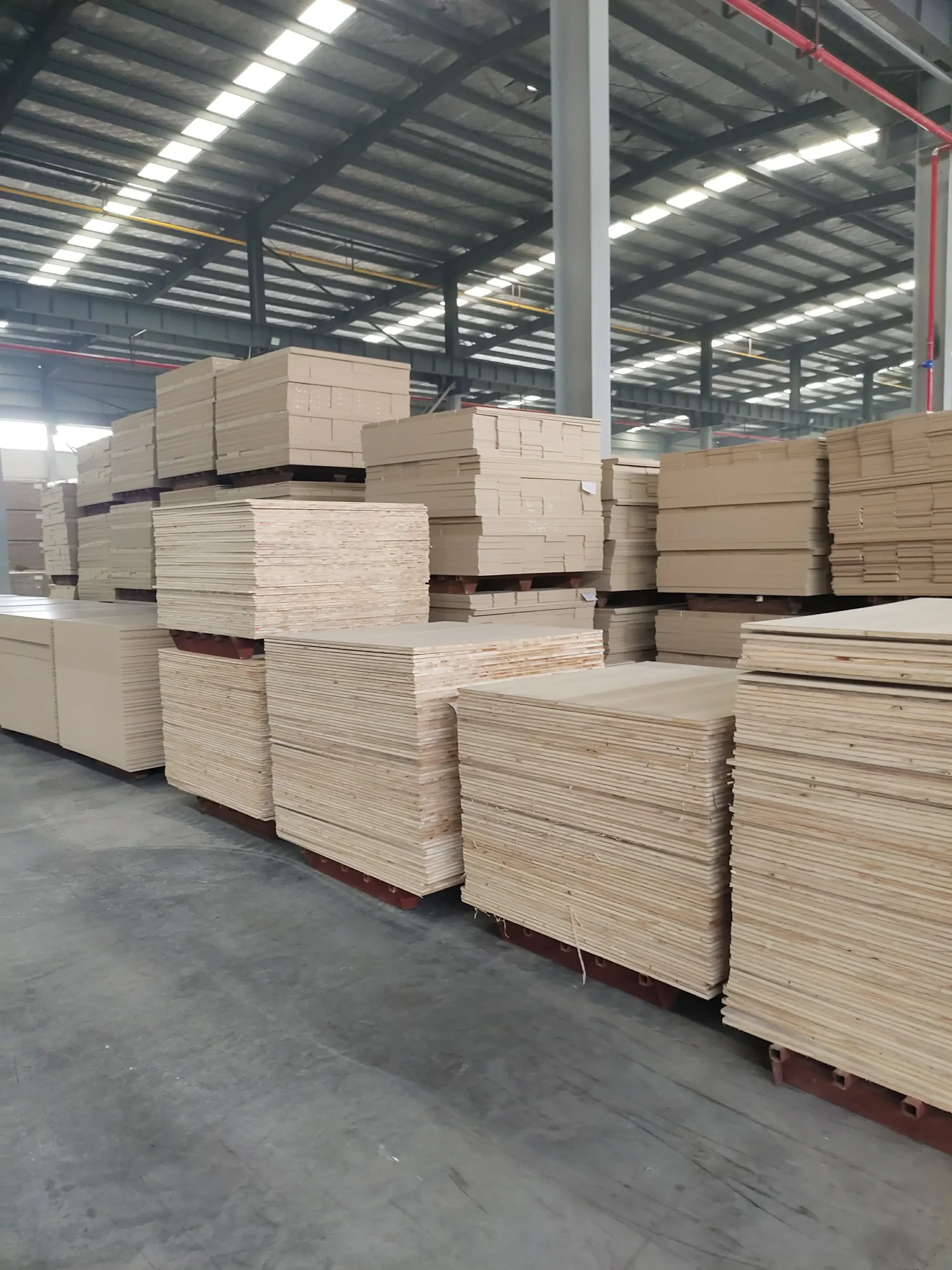
MDF boards for furniture, cabinetry, and interior applications

Melamine-faced MDF in standard and project-driven décor options

Panels designed for lamination, CNC machining, and edge banding

Supporting substrates used in laminate flooring and furniture components

Board specifications are aligned with international standards typically requested by professional buyers:

Density ranges suitable for furniture-grade MDF

E1 formaldehyde emission level as baseline

Stable thickness tolerance for CNC and edge-banding operations

Surface quality designed for consistent melamine adhesion

This makes Baier relevant for Argentine buyers who prioritize process compatibility and batch consistency over local brand recognition.

Manufacturing Model and Supply Stability

Baier’s advantage lies in its manufacturing-led supply model rather than regional distribution scale. For importers, distributors, and large furniture producers, this provides:

Stable large-batch production for repeat orders

Predictable quality across shipments

Capability to support private-label or OEM programs

Reduced risk of supply disruption during local market shortages

While Baier does not compete with ARAUCO or Masisa on domestic forest integration, it offers an alternative for buyers who need volume stability and cost-performance balance without relying solely on local inventory cycles.

Compliance-Oriented, B2B-Focused Positioning

Baier’s wood based panel business is positioned around technical compliance and documentation, rather than retail branding:

CE and test-report-driven specification support

Formaldehyde compliance aligned with E1 / export market requirements

Production transparency for professional buyers and distributors

Flexibility for customized panel programs where minimum order volumes apply

This approach suits Argentine importers and wholesalers supplying:

Furniture factories with standardized SKUs

Commercial interior contractors with recurring panel demand

Buyers seeking long-term supplier relationships rather than spot purchases

Where Baier Fits in the Argentine MDF Landscape

Within Argentina’s melamine MDF supplier ecosystem, Baier functions as:

An import-based supply alternative to domestic production

A capacity partner when local mills face lead-time pressure

A cost-controlled option for buyers sourcing consistent panels at scale

For projects where price stability, specification control, and repeatability matter more than local branding or retail availability, Baier complements—rather than replaces—Argentina’s established MDF producers.

Masisa Argentina – Regional Supply Network

81f570bb fb61 4448 8330 9ffccc2c401a

Masisa built its Argentine system around direct forest ownership and regional factories. The company controls 47 forest properties across Entre Ríos and Corrientes provinces. Both regions sit in Argentina’s northeast. Wood fiber moves from plantation to factory without middlemen.

Plantation scale reaches 44,302 hectares of productive forest. Eucalyptus covers 25,699 hectares. Pine takes up 18,603 hectares. Both species work well for melamine MDF production. Fast-growing eucalyptus reduces fiber costs. Pine adds strength to board cores. Another 10,045 hectares sit ready for future planting. The company maintains 8,941 hectares as protected natural reserves. This demonstrates commitment to biodiversity alongside industrial use.

Local-First Procurement Strategy

82% of Masisa’s suppliers operate inside Argentina. 18% come from abroad. This split keeps chains short. Domestic suppliers break into two groups: 58% deliver materials and 42% provide services. Foreign suppliers ship raw materials that Argentina doesn’t produce at home.

Quality control reaches every key vendor. Masisa tracks 1,623 tier-one suppliers across all categories. The company evaluated 100% of these partners in recent audits. Two suppliers received improvement plans. This tight oversight stops quality problems before boards leave the factory.

Regional Manufacturing Network

Masisa runs plants in Chile, Argentina, Brazil, Venezuela, and Mexico. This multi-country setup lets the company shift production during demand spikes in one market. Wood-based panel sales hit $622 million USD in a recent twelve-month period. 70% of those sales stayed in Latin America. Argentine capacity includes free production space that serves regional orders during peak periods. Exact cubic-meter output per plant isn’t public. The flexible capacity model helps melamine MDF boards suppliers in Argentina meet surge orders fast.

Placacentro retail stores extend Masisa’s reach beyond wholesale. The chain operates over 300 locations across Latin America. About 30% of total panel volume moves through these stores. Buyers get cutting services, design centers, and hardware in one stop. Small furniture shops and contractors skip minimum-order limits this way.

Comparison between Local Distributors and Import Channels in Argentina

Argentine buyers have two main paths: stock up from local distributors or import from Chile and Brazil. Each route has different cost structures and lead times. These differences affect your project budget.

Local Stock Availability Across Major Cities

Buenos Aires leads melamine MDF distribution. Mercado Libre listings show Egger, Faplac, Masisa, and Algarrobo boards in stock. Building material stores, woodworking shops, and wholesalers list 18mm melamine MDF panels (1.83×2.60 m) between ARS 80,000–120,000 per board. Inflation and exchange-rate swings change these numbers every week. Use them for comparison purposes.

Suppliers in the capital region deliver within a 20–50 km radius. Pick-up works too if you run a local shop. The Northern, Southern, and Western zones have dense Distributors there stock multiple brands and finishes.

Córdoba and Rosario have fewer online sellers. Prices run 5–15% higher than Buenos Aires after you add delivery costs. Most large orders still ship from Buenos Aires industrial zones by truck or pallet. Some regional wholesalers in these cities import from Brazil or Chile. Then they cut panels for local resale.

Import Cost Structure from Neighboring Markets

Bringing melamine MDF from Chile or Brazil into Buenos Aires port triggers a tax stack. General import duty sits at 14%. Statistical tax adds 3%. Value-added tax hits 21%. You pay this upfront, then reclaim it later during resale. Combined levies push total tax burden to 20–30%+ of CIF value.

Start with FOB prices of US$260–320/m³ for standard melamine MDF exports from Brazil or Chile. Add ocean freight and insurance:
Brazil southern ports to Buenos Aires: US$20–35/m³
Chile Pacific ports to Buenos Aires (via Magellan Strait or transshipment): US$35–50/m³

This gives CIF of US$280–355/m³ from Brazil and US$295–370/m³ from Chile. Add the 17% combined duty and statistical tax. Your taxed cost reaches US$328–433/m³. The 21% VAT prepayment ties up another US$69–91/m³ until you sell and offset it.

These numbers don’t include inland trucking from port to warehouse yet. Financing costs aren’t in there either. Import timelines stretch 30–60 days from order to dock clearance. Local stock ships in 7–14 days. Project deadlines often decide which channel wins. Price gaps matter less than timing.

Quality Checks and Supplier Audit List

Skipping supplier checks leads to problems after the deposit is paid. A structured checklist reduces risk by validating production capability, material control, quality systems, and real product performance—not brochure claims.

1. Check Production Equipment

Verify equipment through asset records, not verbal confirmation. Each key machine should have an ID, model, purchase date, and rated capacity. Maintenance schedules must show regular inspections.

OEE data: Well-run mills reach ≥85%. Review downtime causes and changeover times.

Calibration certificates: Presses, sanders, and gauges need valid certificates (≤12 months). Expired calibration leads to thickness errors.

Single-point failure risk: Identify machines without backups. Check spare parts stock and emergency outsourcing plans. Reliable suppliers ship despite breakdowns.

2. Control Raw Material Storage

Quality starts at the warehouse.

Batch traceability: Pallets labeled with supplier, batch number, and inspection status. Missing labels mean defects can’t be traced.

FIFO execution: ≥95% batch consistency shows proper stock rotation. Old resin and aged chips weaken boards.

Climate control: Storage areas should log 20–30°C and ≤70% RH daily. No records = uncontrolled risk.

Quarantine zones: Clearly marked rejected-material areas with documented disposal or return actions.

3. Verify Quality Inspection Process

A supplier without data does not control quality.

Incoming inspection: Written sampling plans using GB/T 2828.1 (AQL 1.0–2.5). Monthly acceptance ≥98% indicates stable sourcing.

In-process control: First-piece inspections for every changeover; patrol checks every 2 hours; self-check and handover records in place.

Final inspection: SPC charts on key dimensions. Cpk ≥1.33 shows stable processes.

Complaint handling: 8D reports linked to corrective actions (FMEA, control plan updates). Good suppliers improve after mistakes.

4. Test Samples for Melamine MDF

Always verify with third-party or witnessed lab tests.

Density & uniformity (GB/T 17657):

Standard MDF: 650 kg/m³ ±7% (605–696 kg/m³)

Max density variation ≤10%

Screw-holding strength:

Face ≥800–900 N

Edge ≥600–700 N

Any result <90% of limit fails the batch

Thickness swell (24h water soak):

Standard: ≤18–20%

MR grade: ≤8–12%

Surface hardness: Pencil hardness ≥H or 2H; indentation within spec.

Formaldehyde emission:

E1: ≤8 mg/100g (perforator)

CARB Phase 2: ≤0.11 ppm (MDF)

Certificates must be ≤12 months old

Abrasion resistance (EN 14323):

Printed décor: ≥500 cycles (Class 1)

Solid colors: Class 3A preferred
Ask for cycle counts, not just pass/fail.

5. Set Audit Frequency by Risk

New suppliers: Full factory audit + batch testing before first order

Proven suppliers: Annual audits + testing every 3–6 months

Data management: Store all audit and test results centrally—patterns appear quickly when suppliers are compared side by side.