
Baier
Laminate & Vinyl Flooring Manufacturer
——From Source to Surface
Custom Planks Solutions for Distributors, Dealers & Constructor
Backed by In-House MDF & Particle Board Production
Quality built from the core of our in-house materials.
Custom laminate and SPC flooring engineered to your specifications.
OEM & ODM services supported by integrated production from MDF to finished floors.
Years Of Experience
Square Feet Production In TOTAL
Days of fastest Delivery
Baier Wood Based Panel Factory
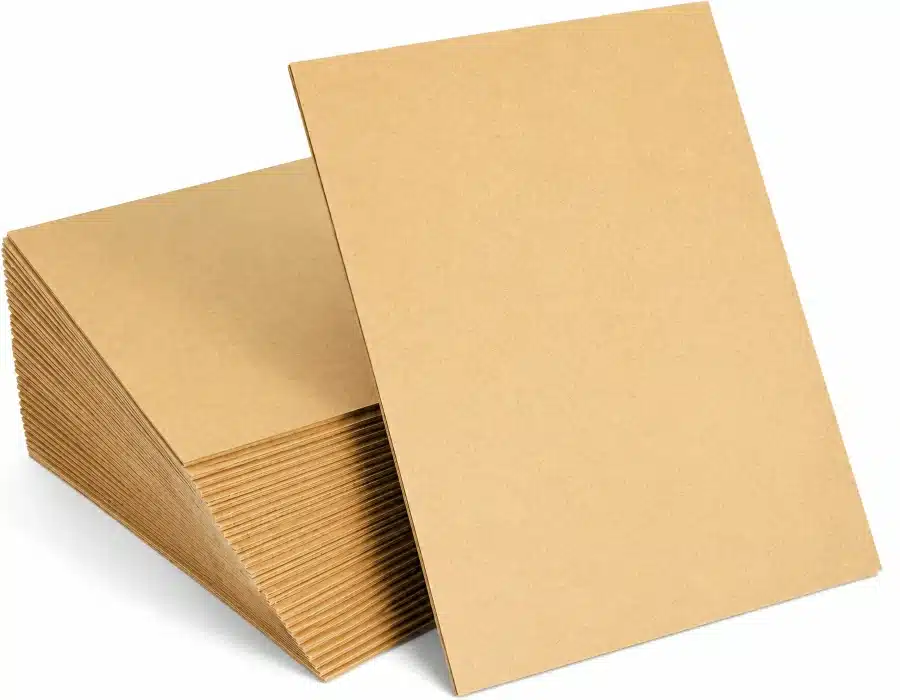
MDF/HDF
Stable, smooth MDF panels ideal for furniture manufacturing and interior components for precise machining, laminating, and high-quality finishing.
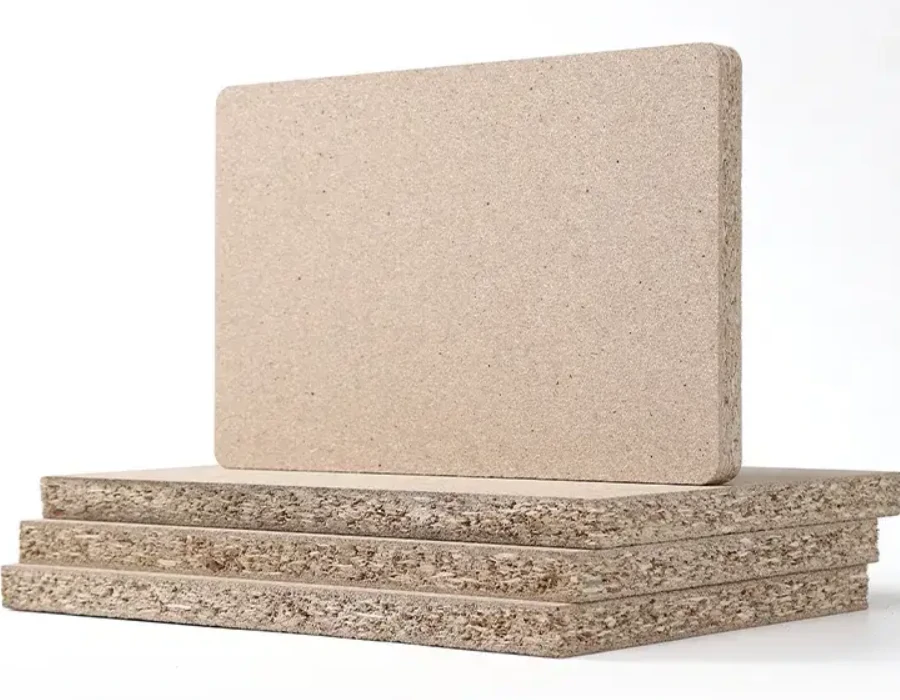
Particle Board
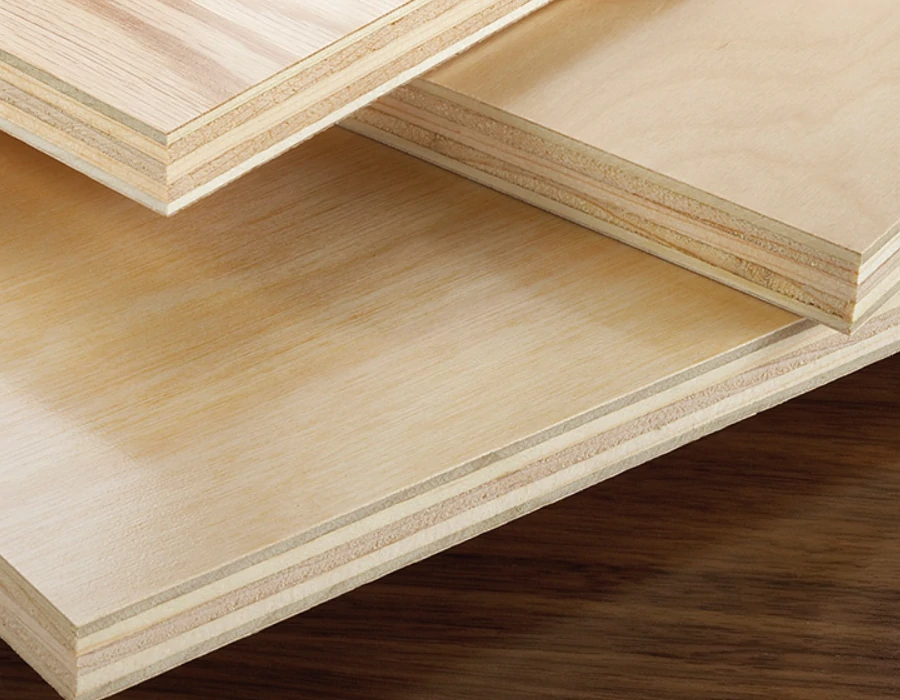
Plywood
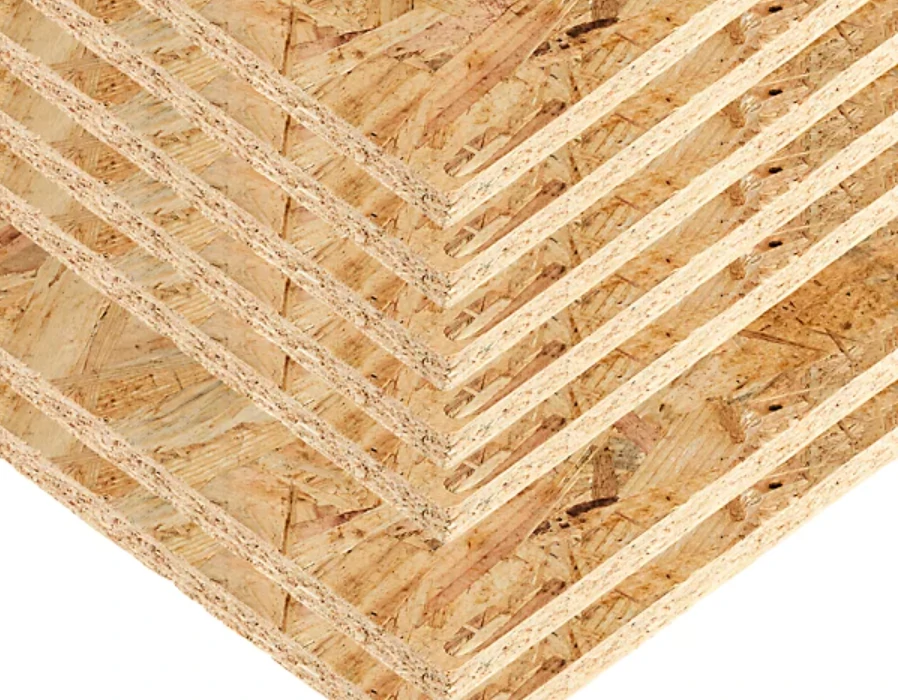
OSB
Baier Laminate Flooring Manufacturer
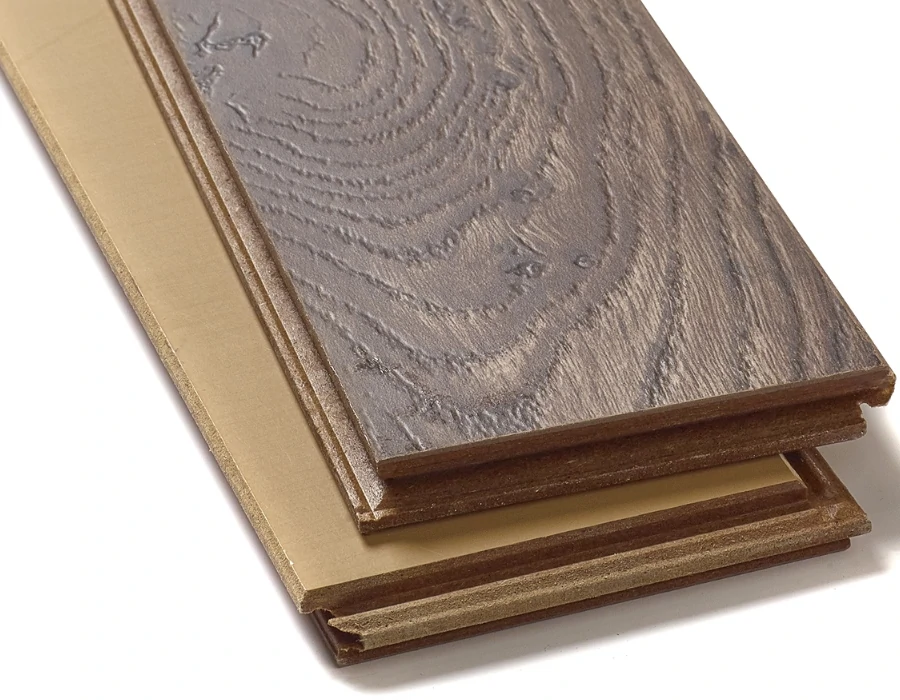
Standard Laminate Flooring
Durable AC-rated laminate with vivid wood textures and stable HDF cores. Multiple colors, thickness options, and click systems for flexible residential and commercial projects.
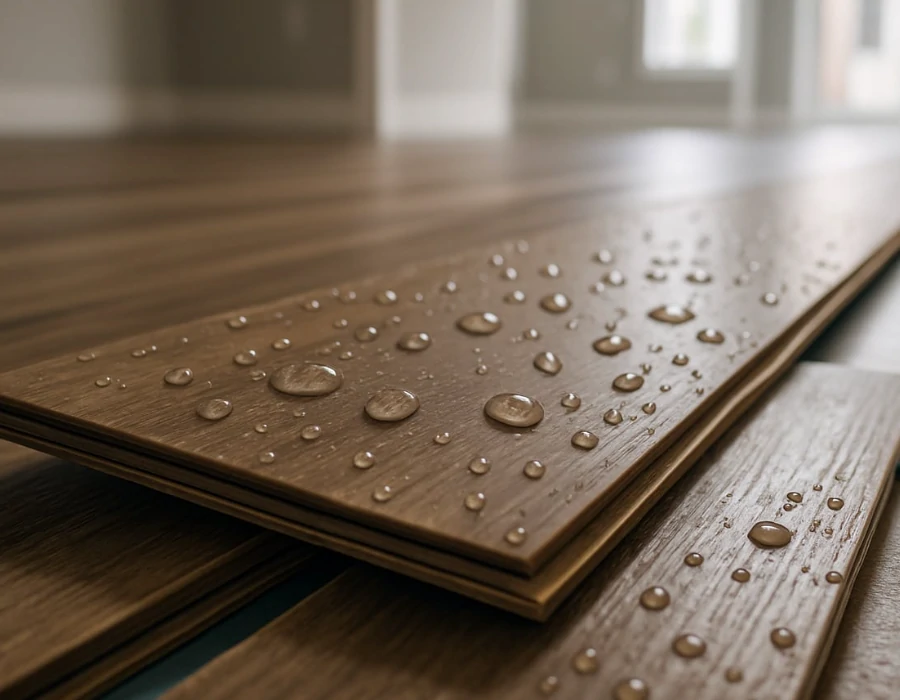
Waterproof Laminate Flooring
Water-resistant laminate built with sealed edges and protected cores. Ideal for high-moisture areas while keeping authentic wood looks and easy installation.
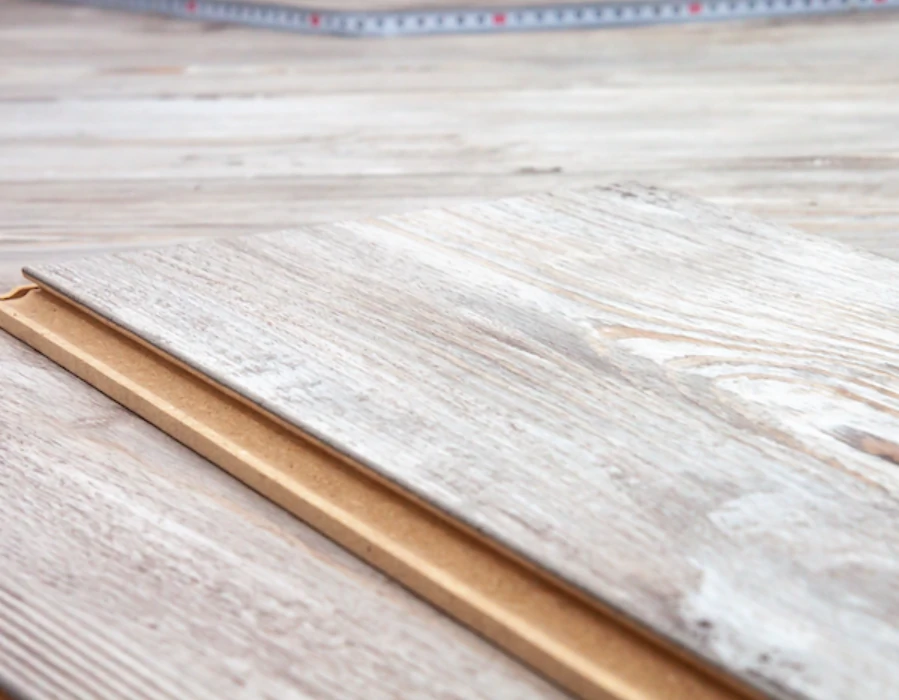
Non-Toxic Laminate Flooring
Low-VOC, formaldehyde-controlled laminate built for healthier indoor spaces. Safe, odor-free surfaces with authentic wood designs, ideal for families, hotels, and modern residential projects.
Baier Rigid Core Vinyl Flooring Supplier
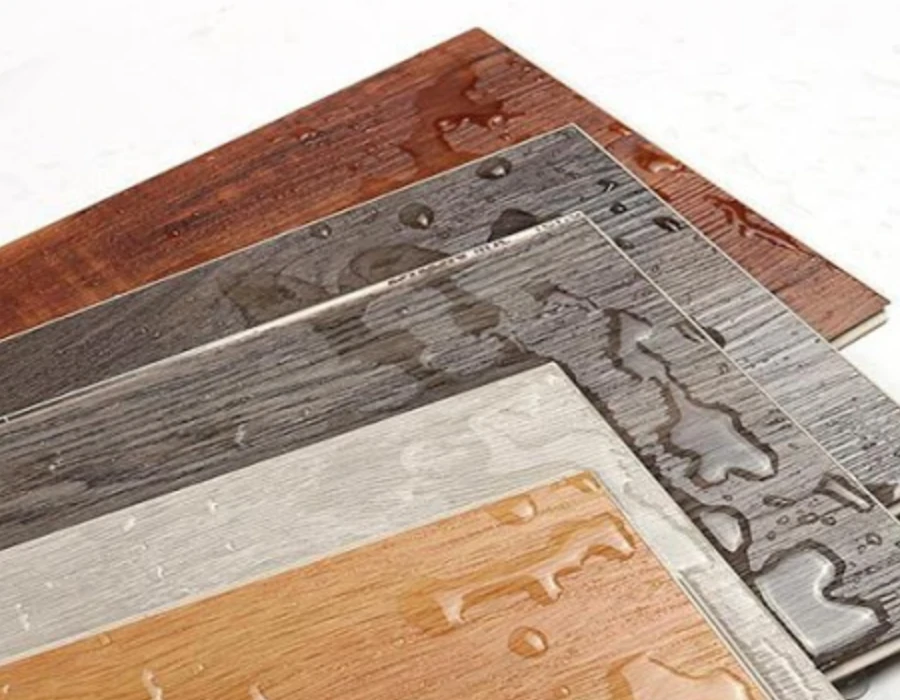
SPC Flooring
Rigid, waterproof stone–plastic flooring with strong stability and dent resistance. Perfect for high-traffic commercial and residential spaces needing durable, low-maintenance surfaces.
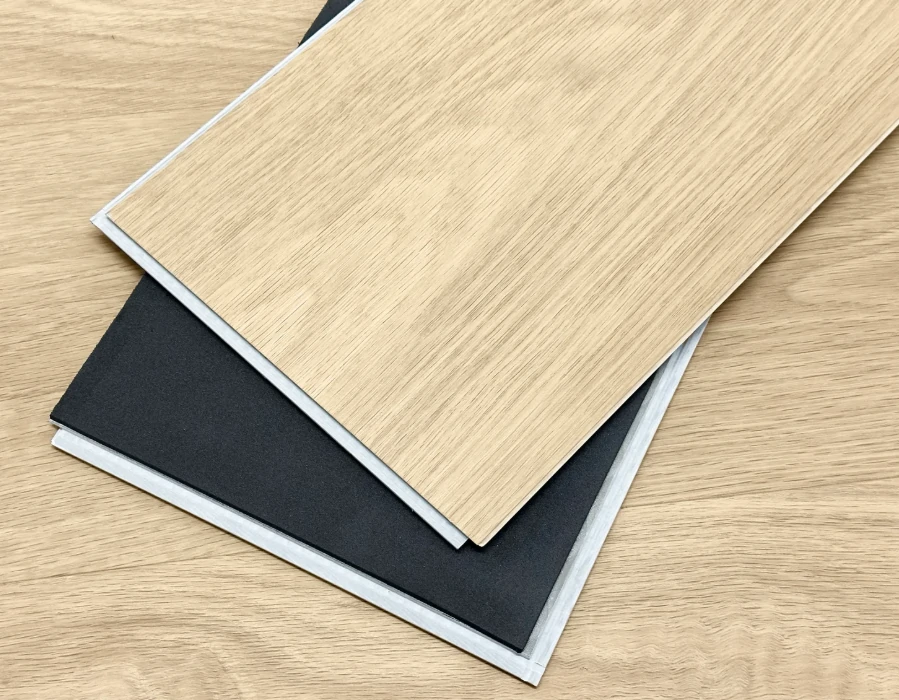
LVT/LVP Flooring
Flexible, stylish vinyl planks with realistic textures and quiet performance. Easy to install, stable, and perfect for apartments, renovations, and design-driven interior projects.
Why Global Buyers Choose Baier for
Flooring & Wood-Based Panels
Advantage of Whole-Chians Produce
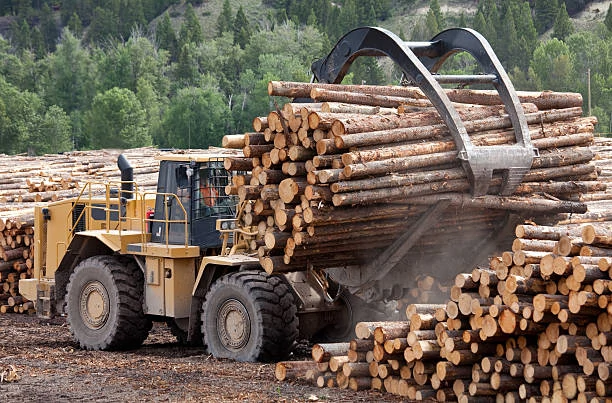
Integrated Supply Chain Control
In-House Fiberboard Production
Reduced Lead Times & Reliable Supply
Upstream Timber Sourcing from Forest
Stable Core Quality & Performance
Factory-Direct Pricing Structure
At Baier, we don’t just manufacture flooring — we control the core materials behind it.
With in-house fiberboard and wood-based panel production, we ensure stable core quality, better cost control, and reliable supply.
From laminate to SPC flooring and panel materials, buyers benefit from consistent performance, flexible OEM production, and factory-direct efficiency.
Custom Design, Specs & Branding
Fast Sampling & Production Turnaround
Bulk Order Capacity & Scalability
Flexible MOQ for Different Order Sizes
Reliable Global Logistics
In-House Material Control for Consistency
OEM & ODM for Flooring&Panels
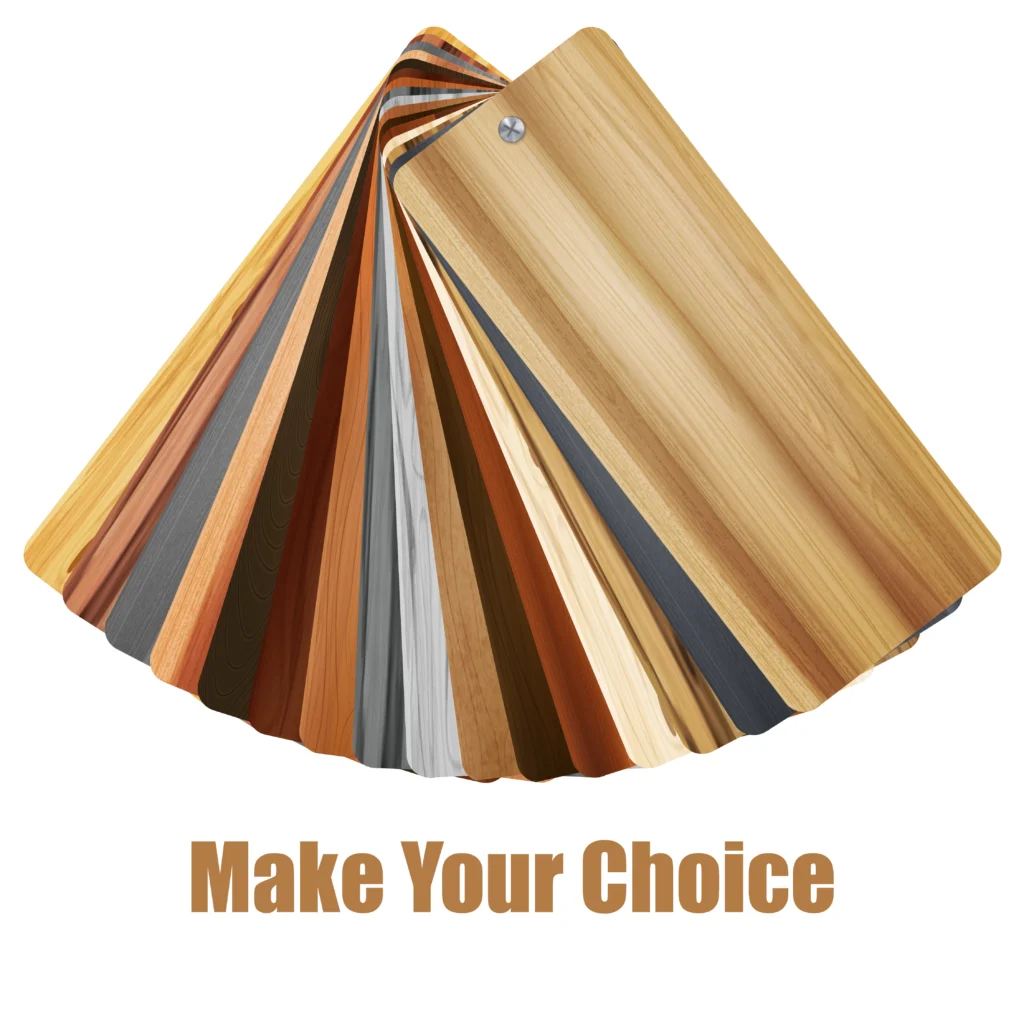
Baier offers flexible OEM & ODM services for flooring and wood-based panels.
From design and specifications to branding and packaging, we adapt to your market needs with stable quality and efficient lead times.
Backed by in-house production and material control, we ensure reliable supply, competitive pricing, and consistent results across every order.
Advantage of Material-Select
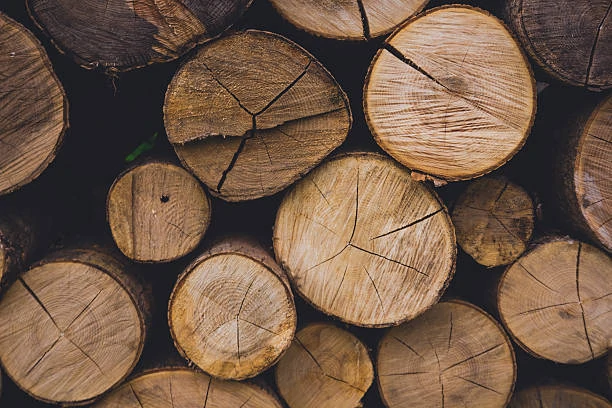
Raw Material Control
Multi-Stage Quality Inspection
High Dimensional Precision
Consistent Density & Strength
Flexible Grade Customization
Stable Long-Term Performance
We start with strict raw timber selection to ensure stable board quality from the source.
Combined with in-house fiberboard production and multi-stage QC checks, we maintain consistent density, strength, and dimensional accuracy.
This allows us to supply wood-based panels and flooring products with reliable performance across different grades and application needs.
Prompt Customer Service
Efficient Production Lead Times
Reliable Global Shipping
Quick Sampling & Design Support
Accurate Order Fulfillment
Coordinated End-to-End Delivery
Fast & Reliable Delivery

Baier’s integrated operations ensure fast response, efficient production, and reliable delivery.
From quotation and design to manufacturing and logistics, each step is coordinated to reduce lead times and improve order accuracy.
For buyers, this means quicker turnaround, fewer delays, and smoother project execution.
Our Consturctor Flooring Projects
01
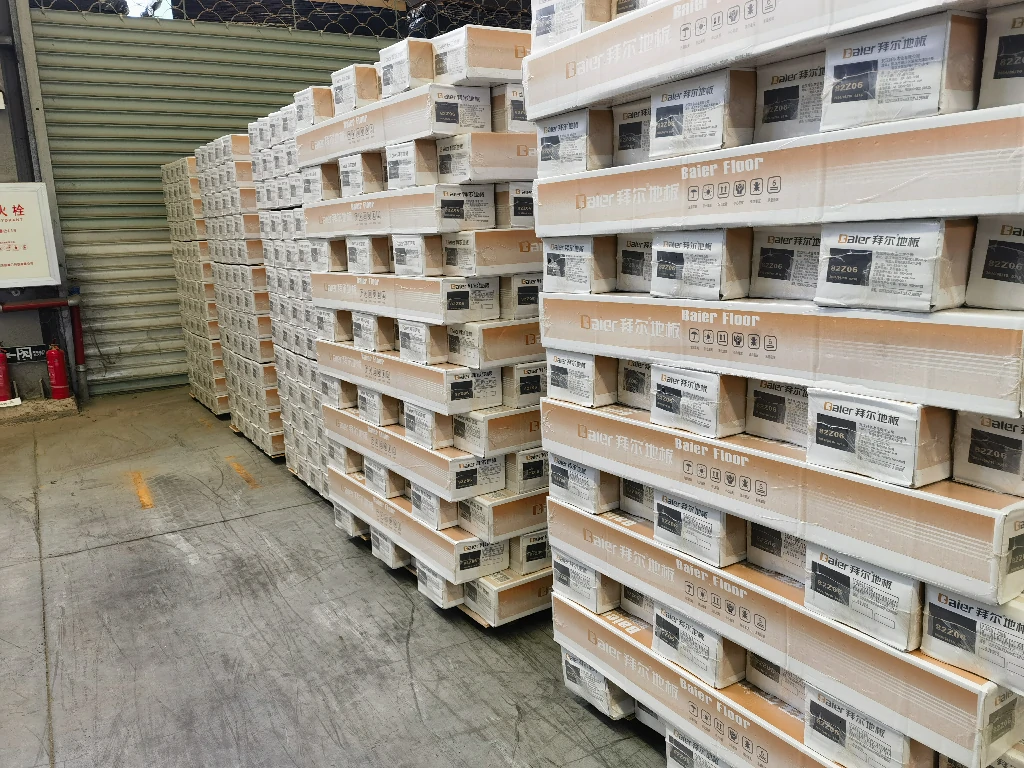
School Flooring Project
Baier’s laminate flooring is built for school projects—durable, safe, and easy to maintain. With factory-direct supply and quick delivery, we ensure reliable performance for classrooms, hallways, and educational spaces of every size.
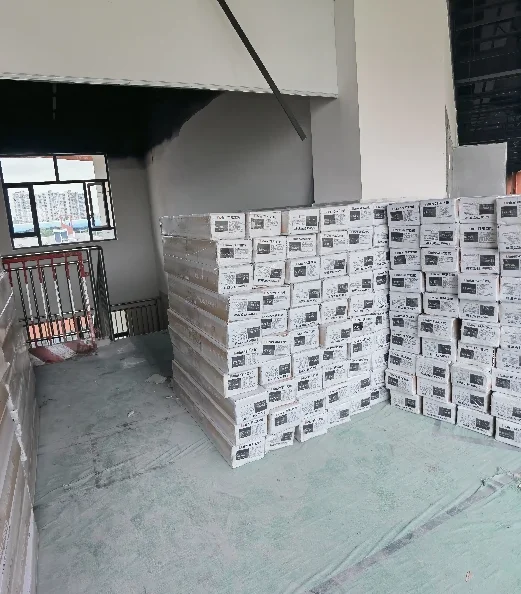
Dormitory Flooring Project
Baier offers durable, low-maintenance laminate and SPC flooring for dormitories. Our slip-resistant, quiet, and easy-to-clean surfaces ensure safety and comfort. With fast lead times and factory-direct supply, we support both new builds and renovation projects with reliability.
02
03
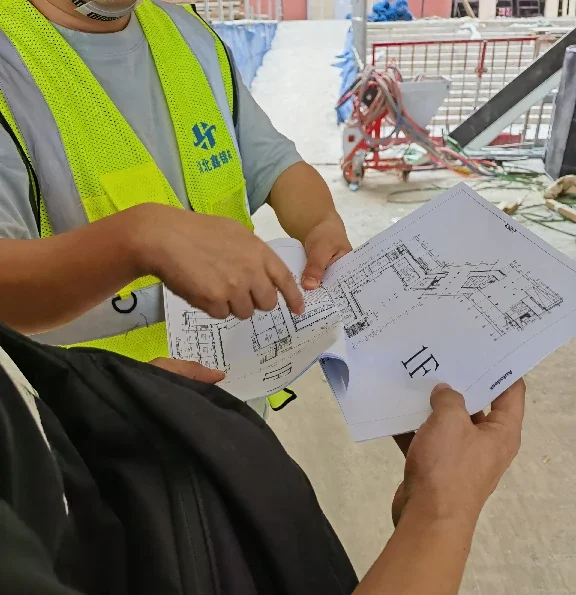
Apartment Flooring Project
Baier partnered with a residential developer to supply SPC flooring for a 200-unit apartment complex. With fast production, custom color matching, and on-time delivery, we helped create modern, durable interiors that met both aesthetic and budget goals.
Home-in Project Views
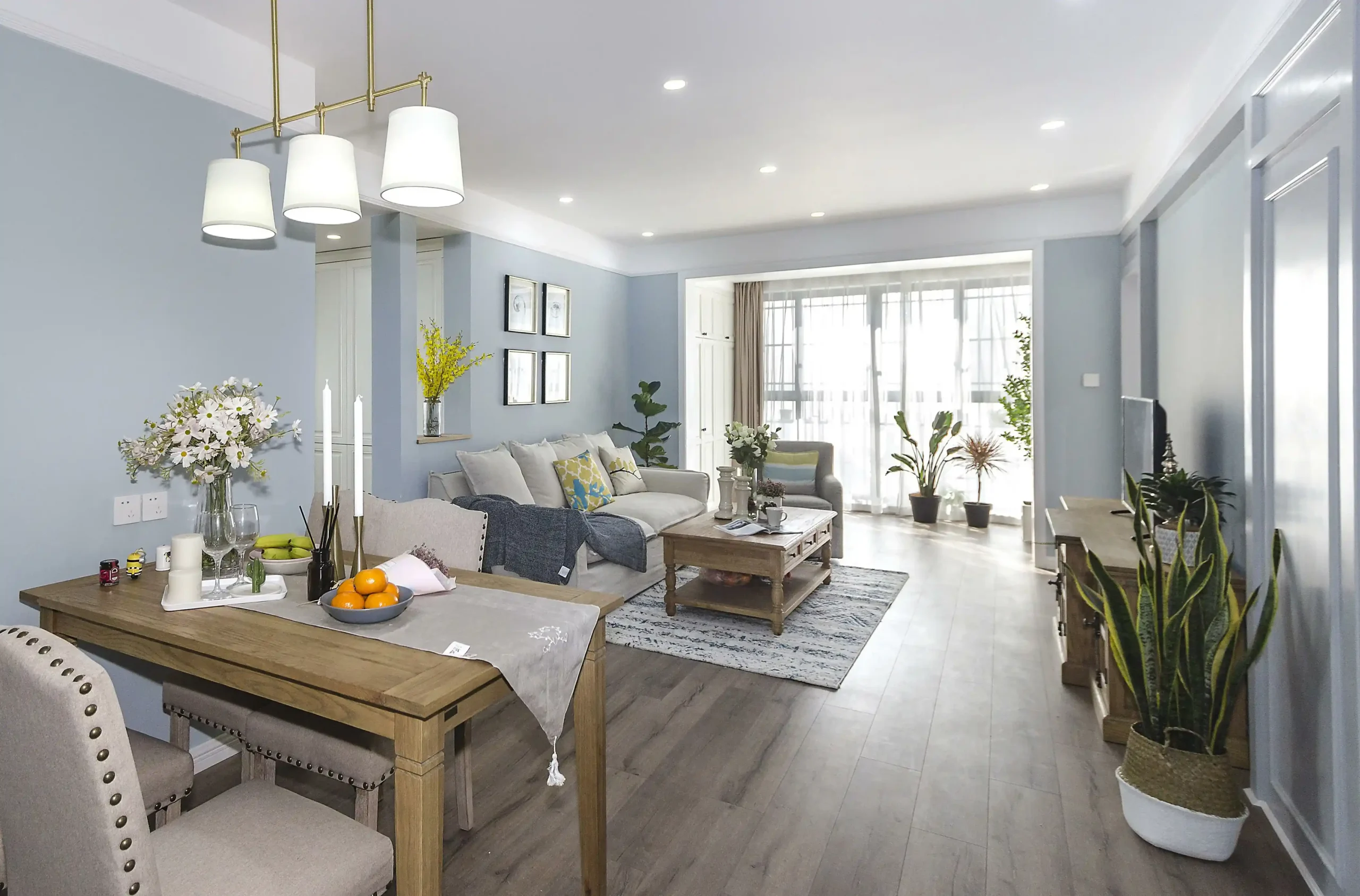
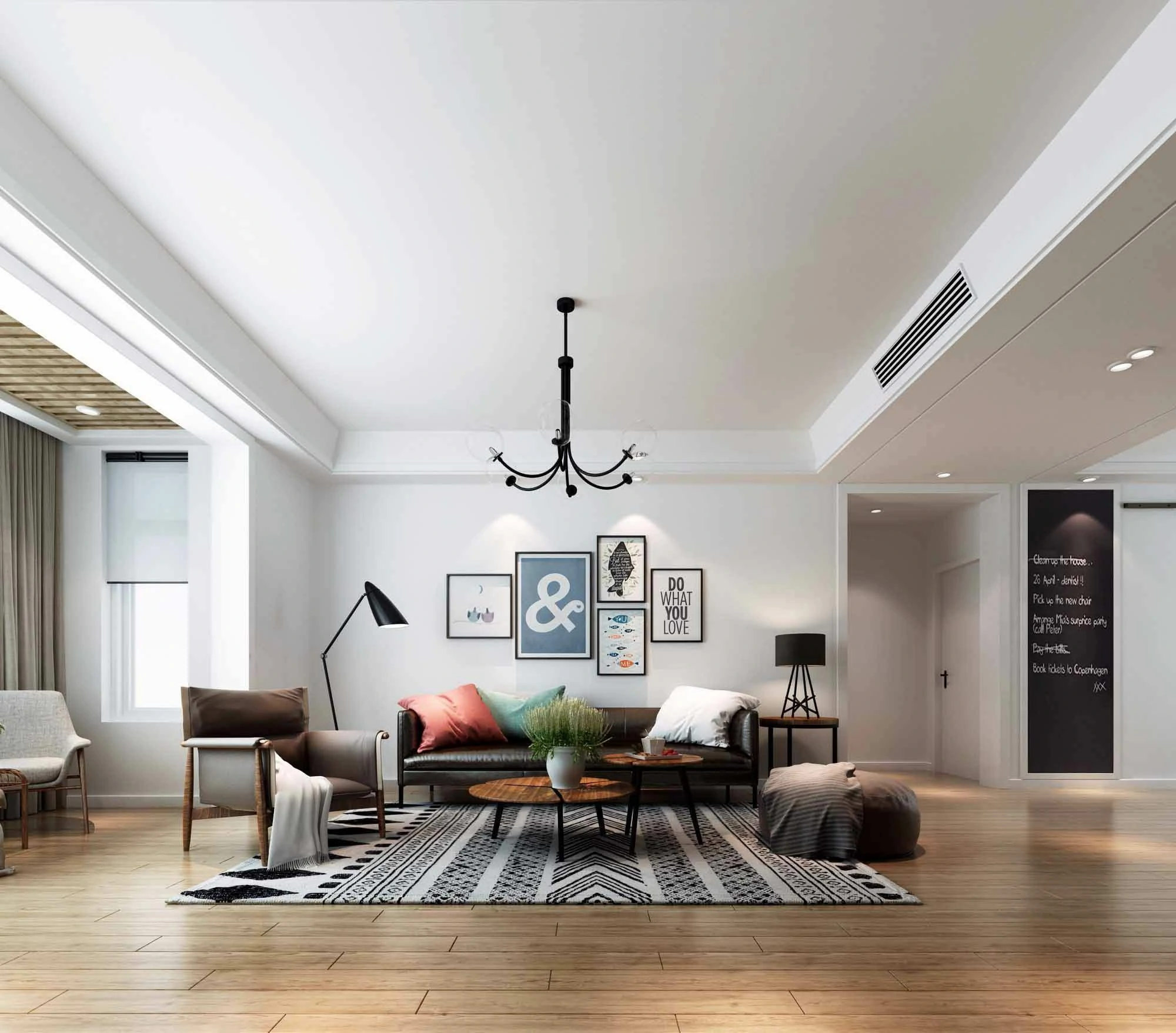
Oak Style Laminate Flooring
Oak laminate flooring style installation effect
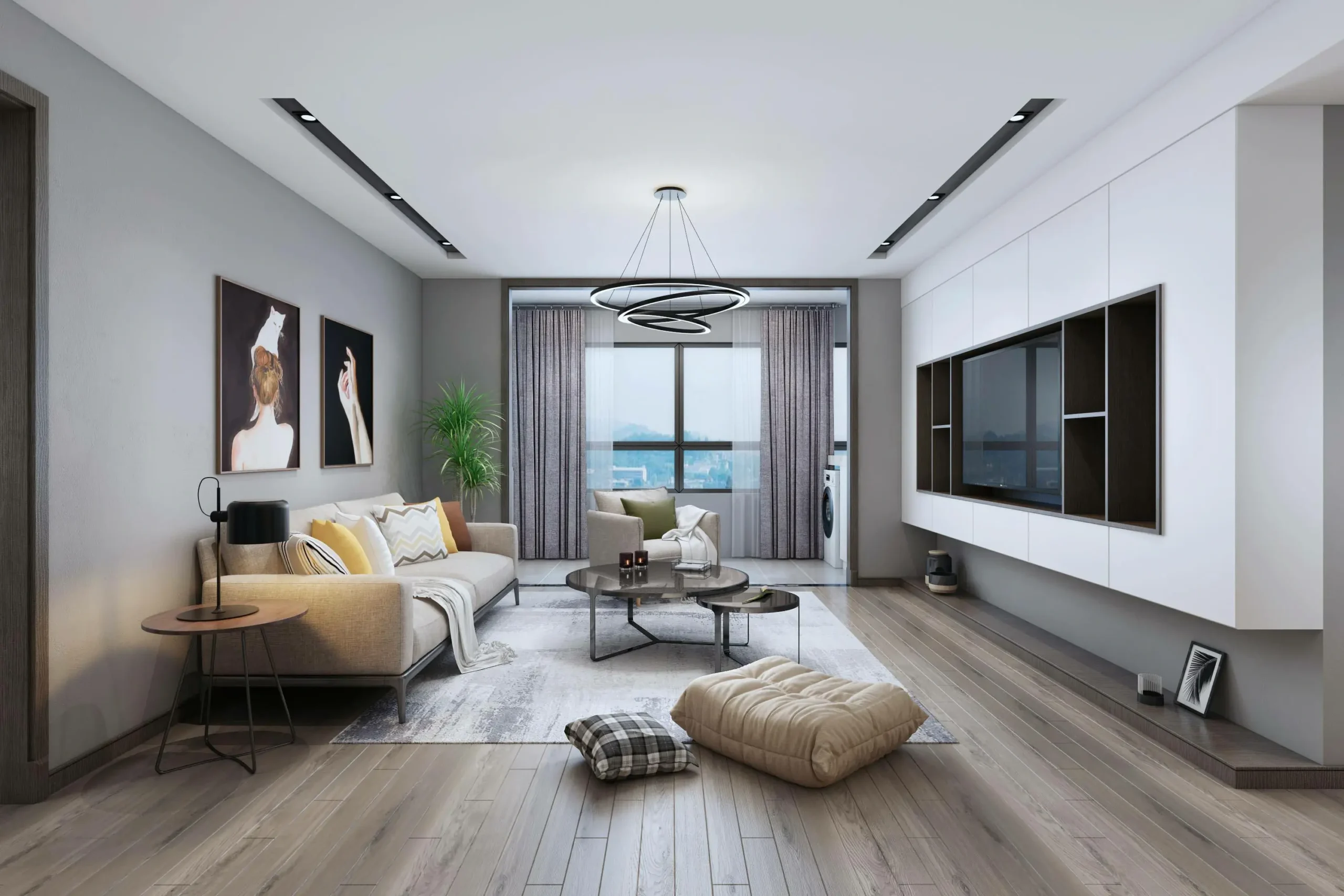
Solid Wood Style
Solid wooden laminate flooring for home use
Classic style flooring
Log-style wooden flooring highlights the temperament of life
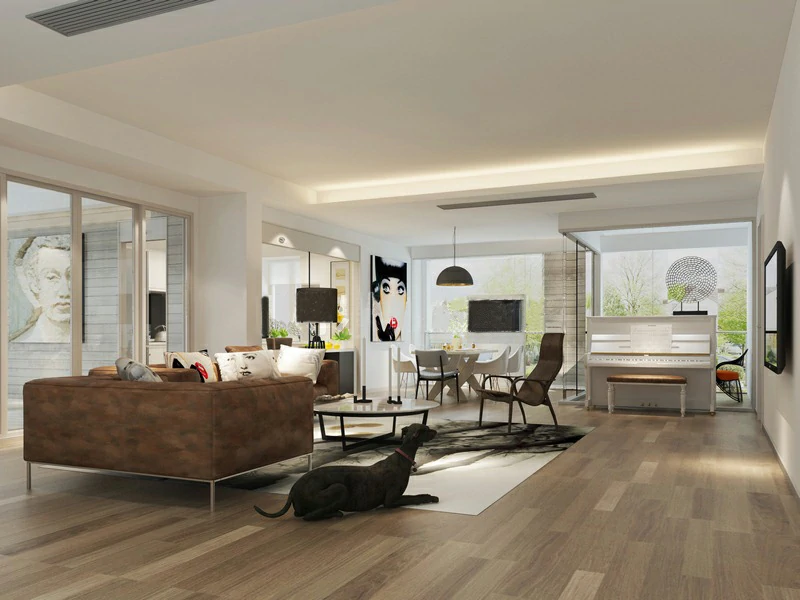
Friendly flooring for Pet family
Pet-friendly, scratch-resistant, durable, waterproof, easy-clean, safe, quiet, comfy, stylish, resilient.
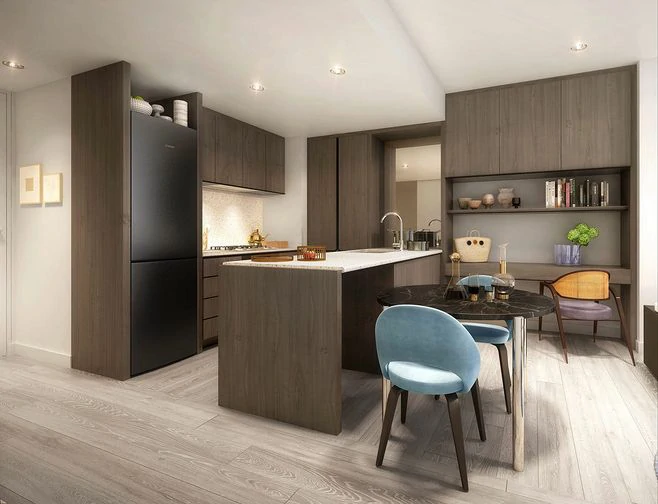
Dining laminate flooring in using
Affordable elegance with durable dining room laminate
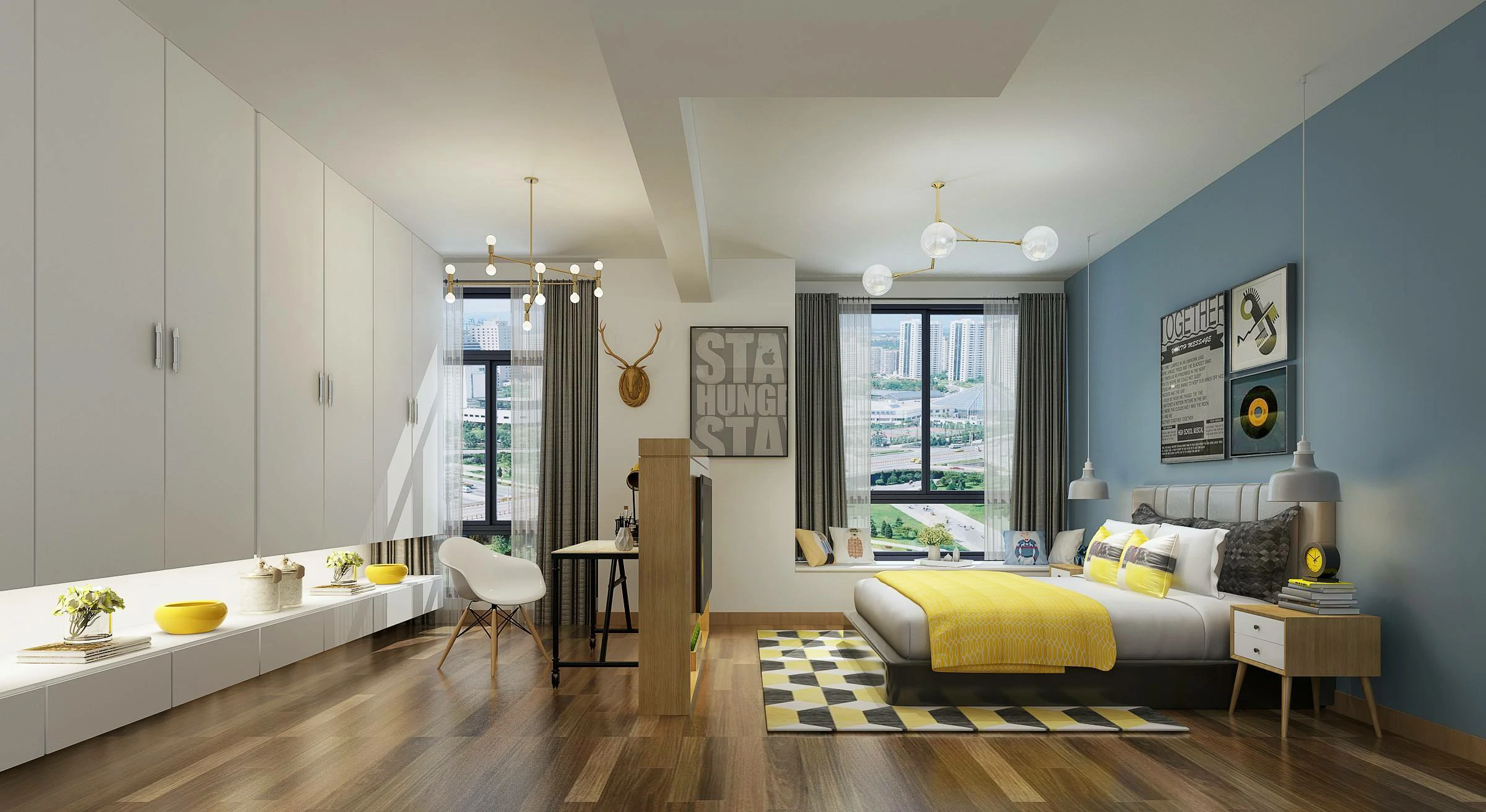
Single apartment floor paving
Seamless flooring solution for single-room apartments.
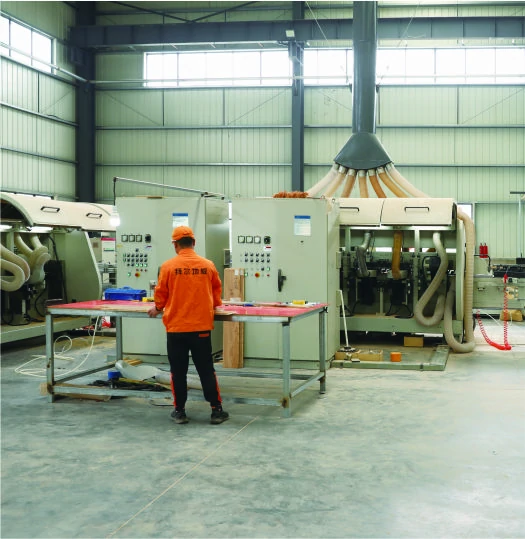
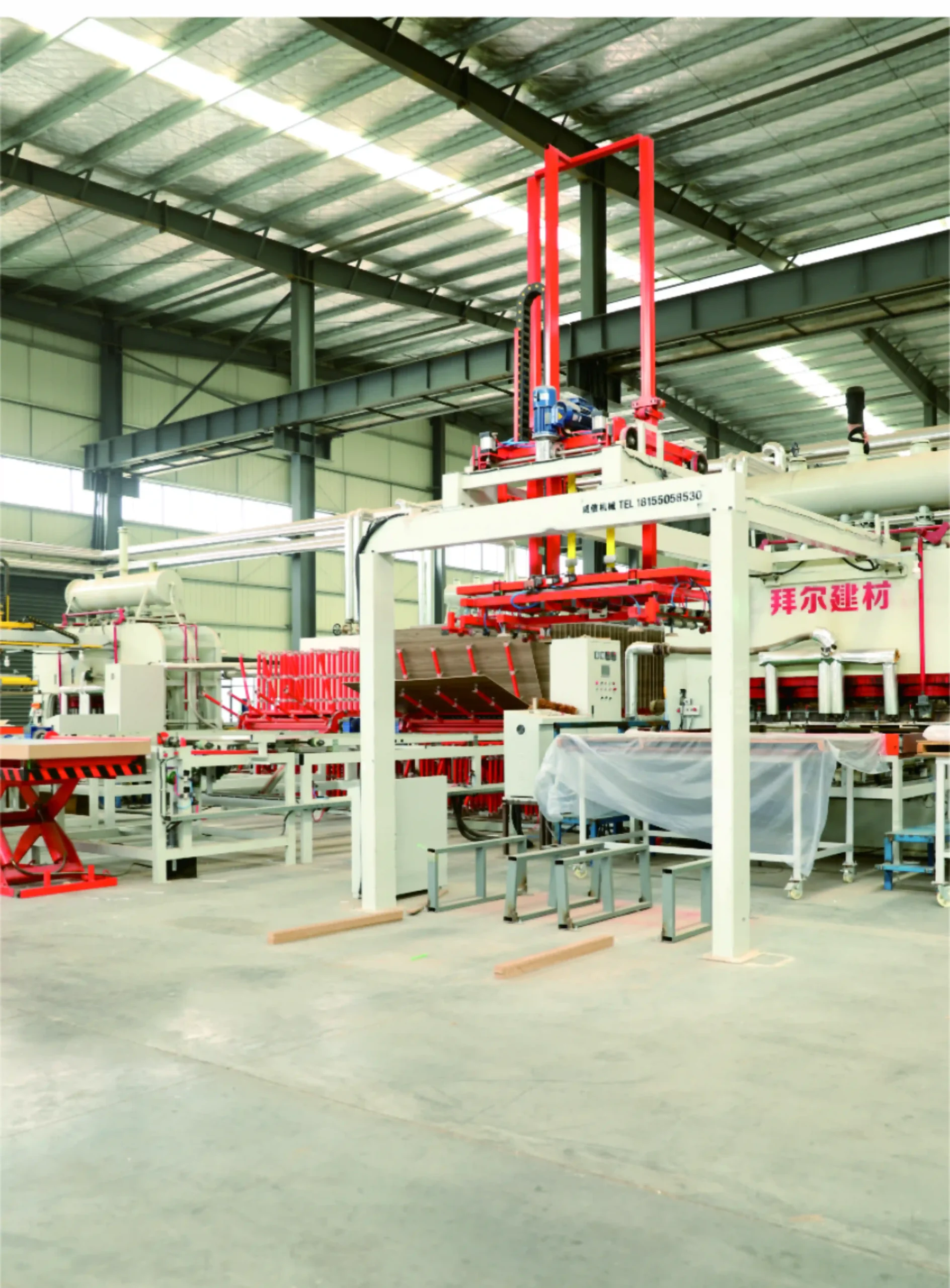
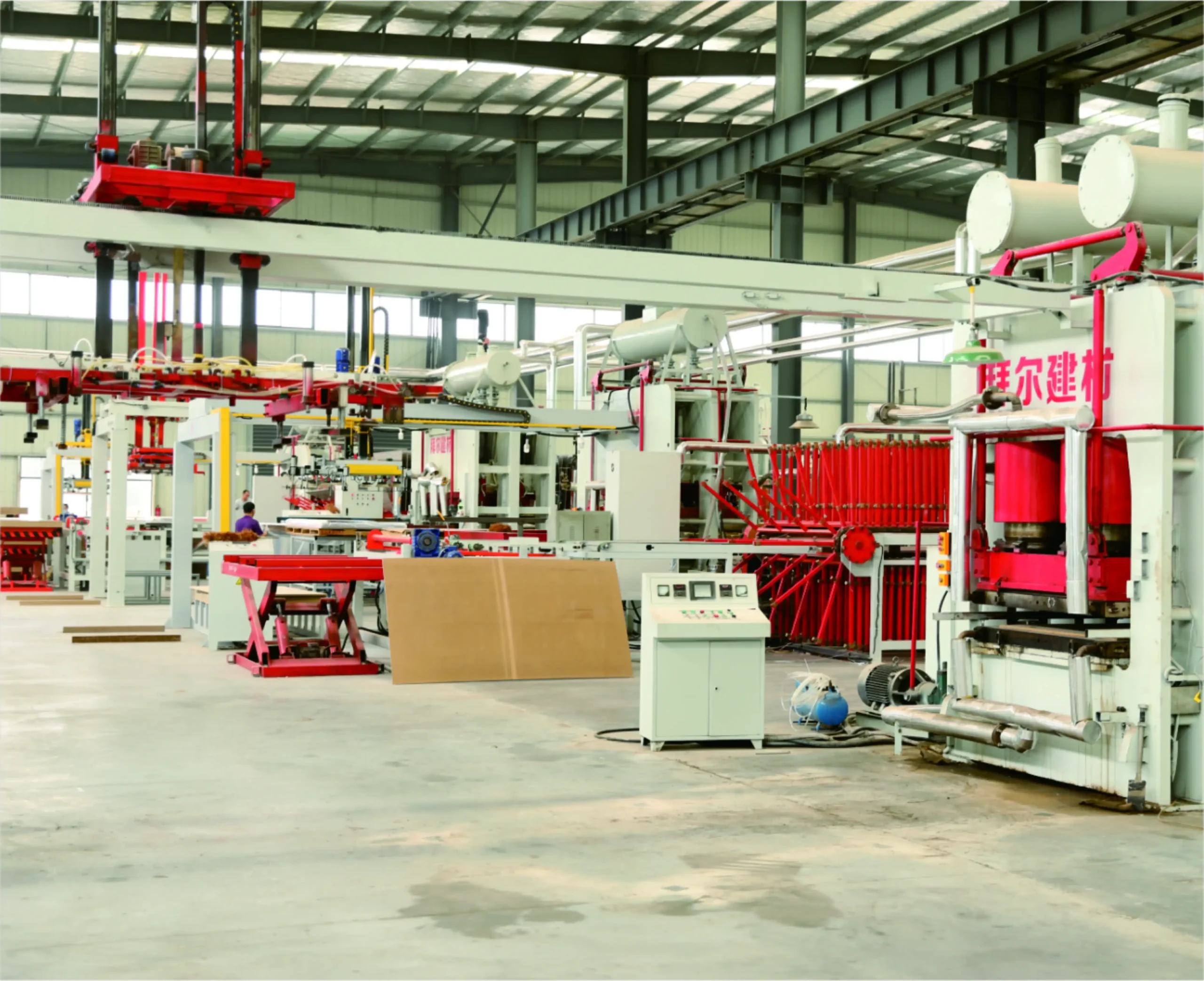
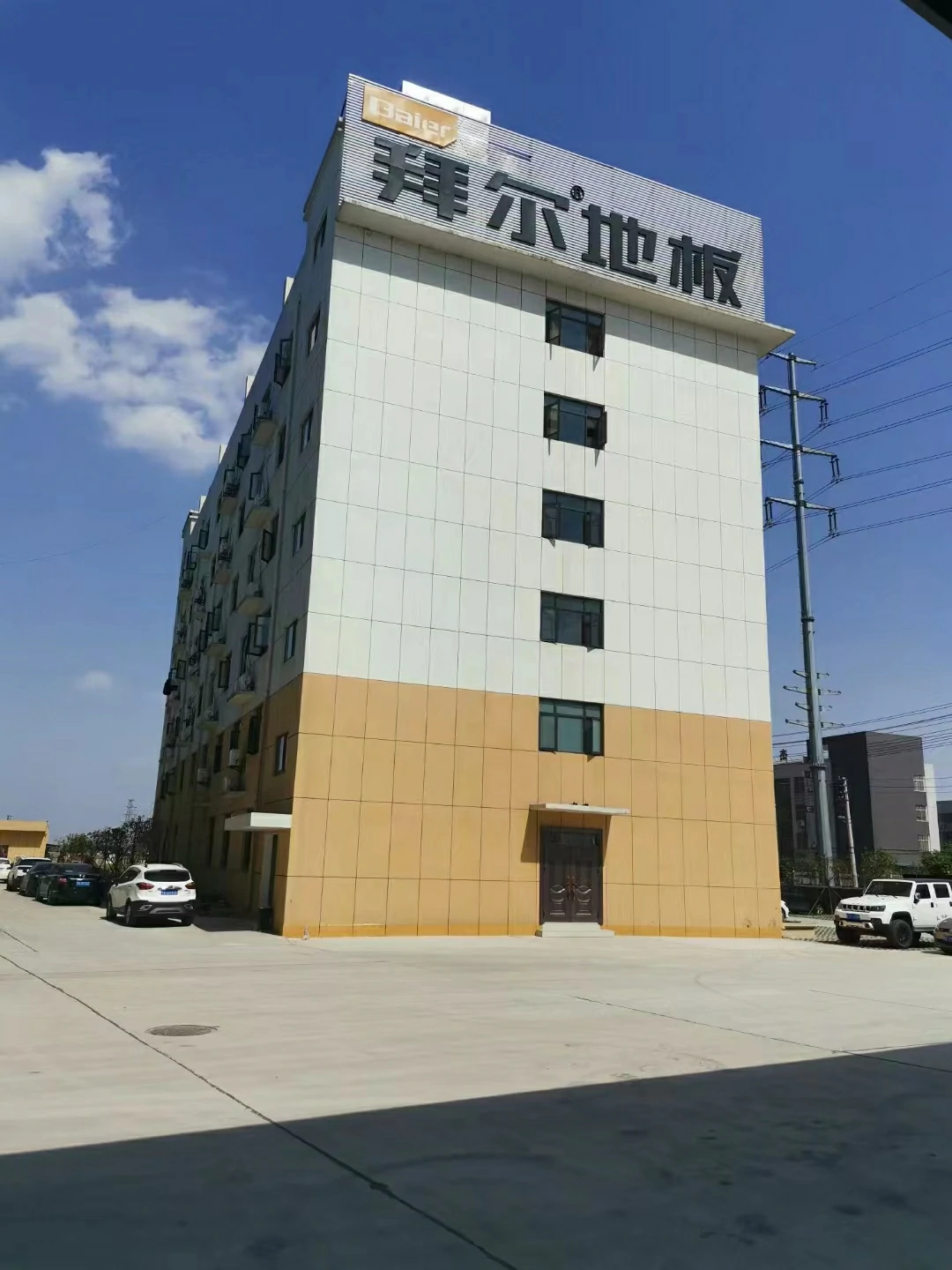
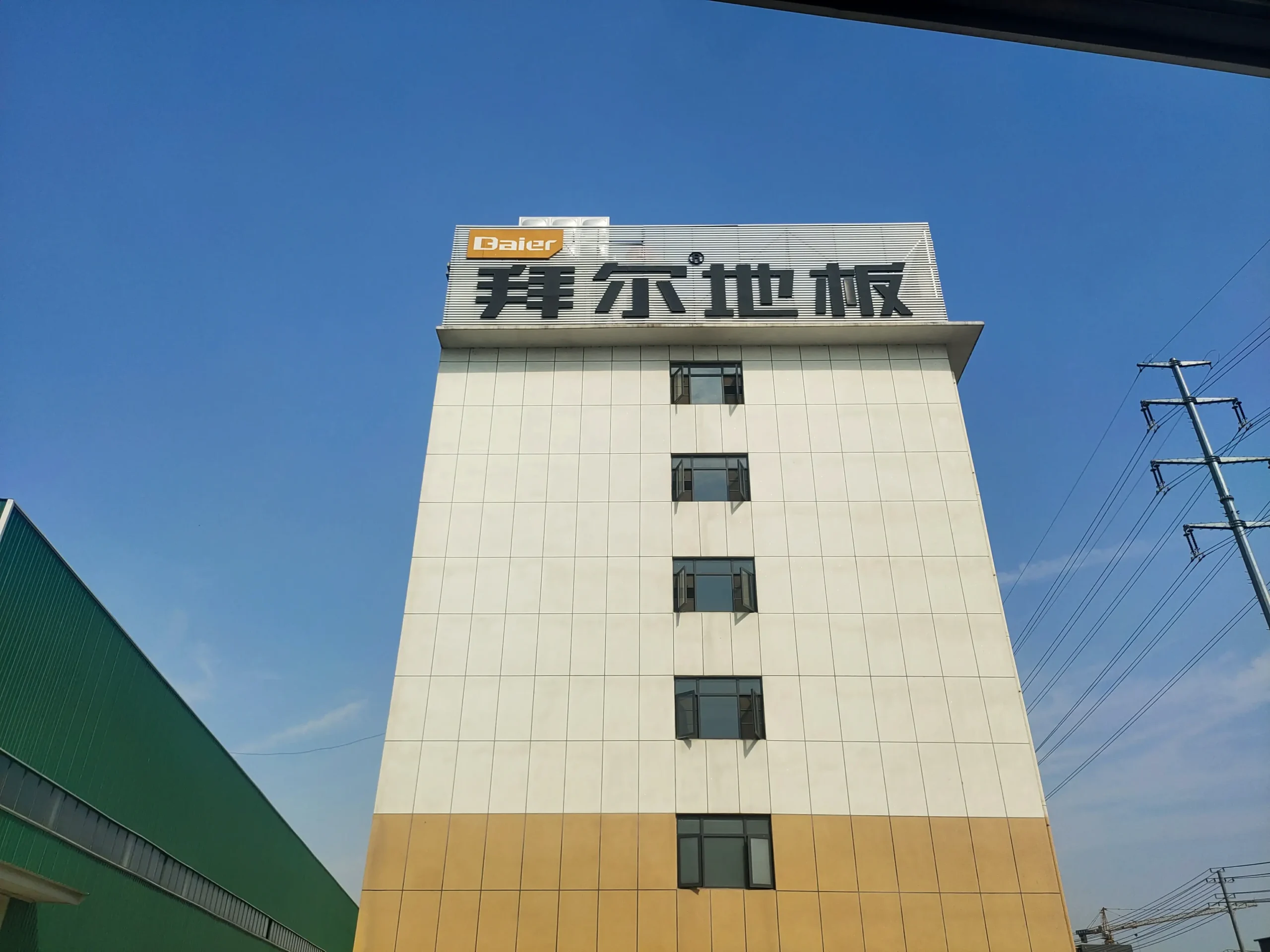
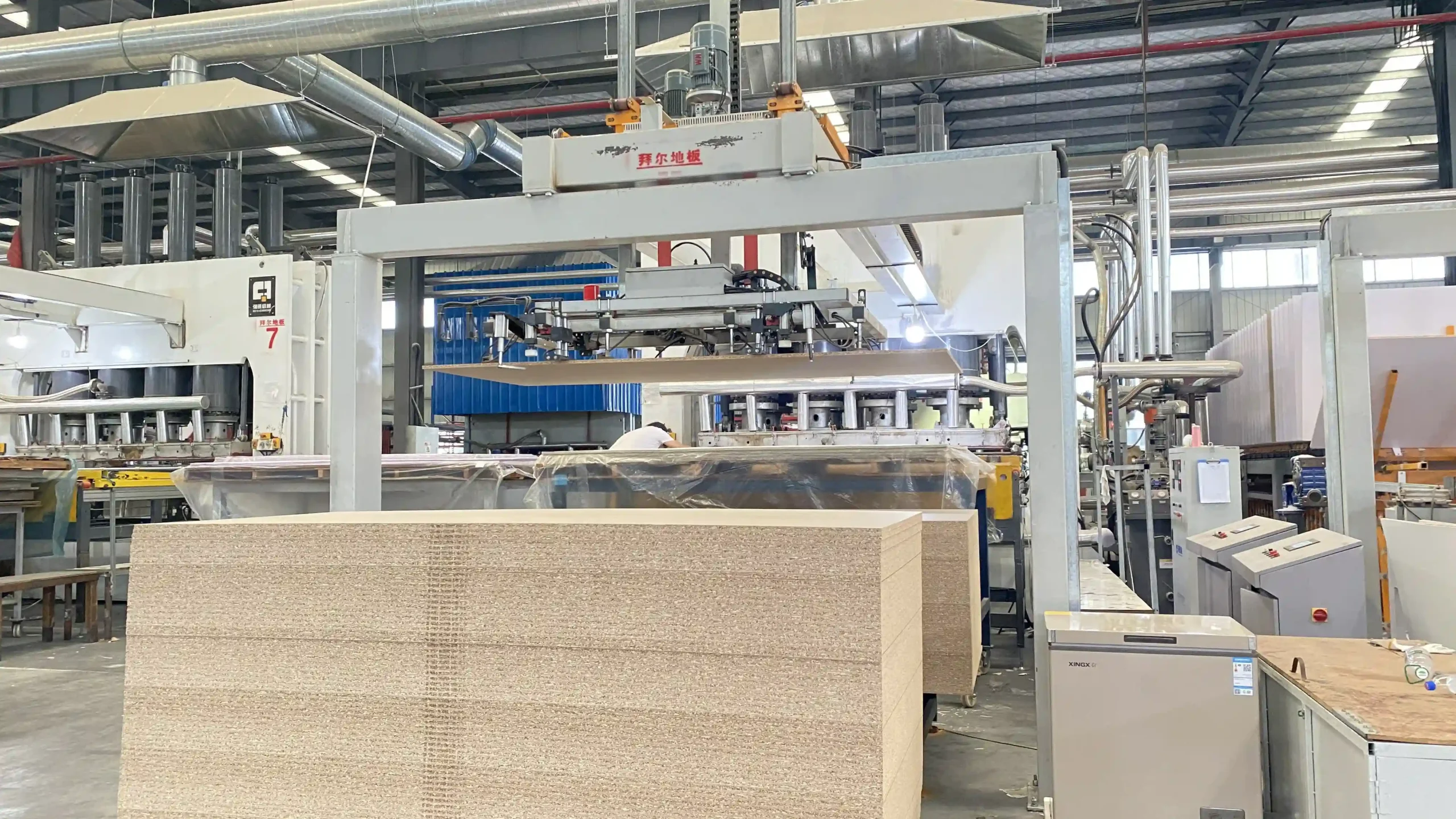
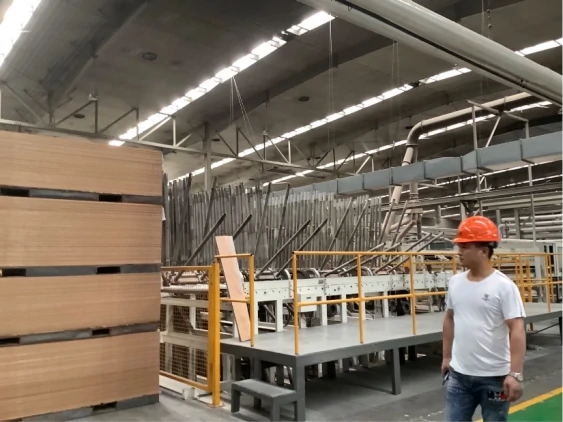
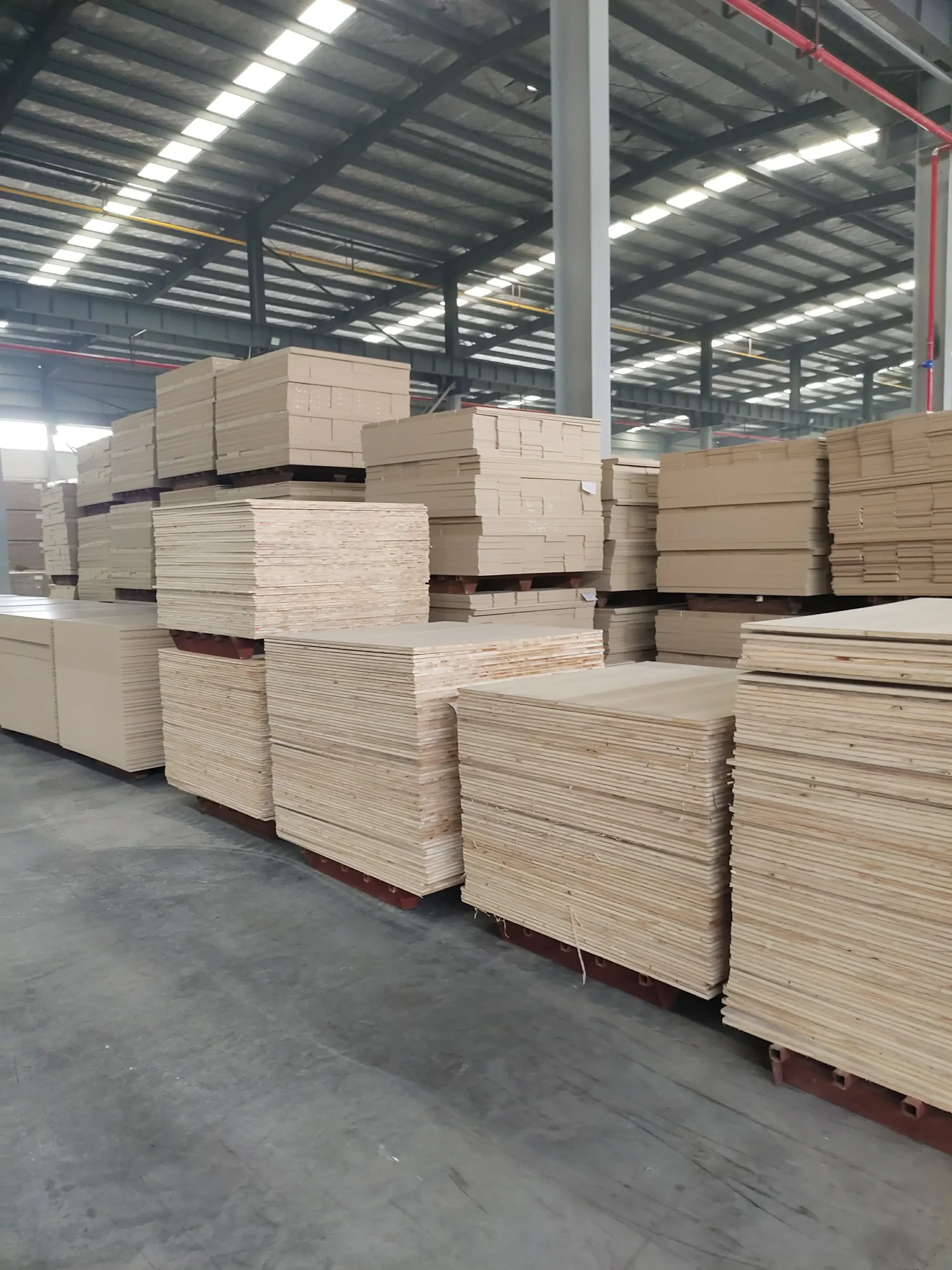
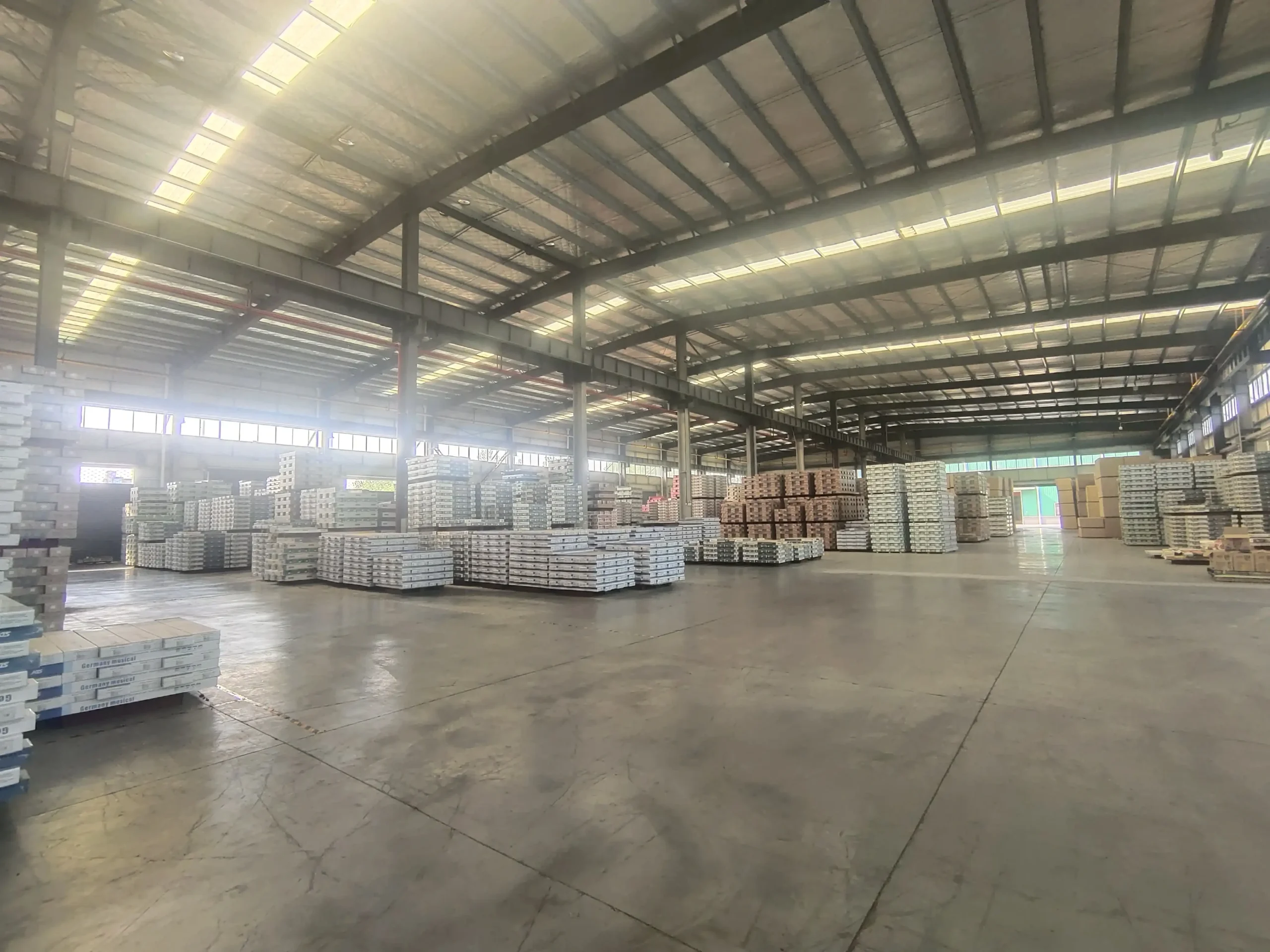
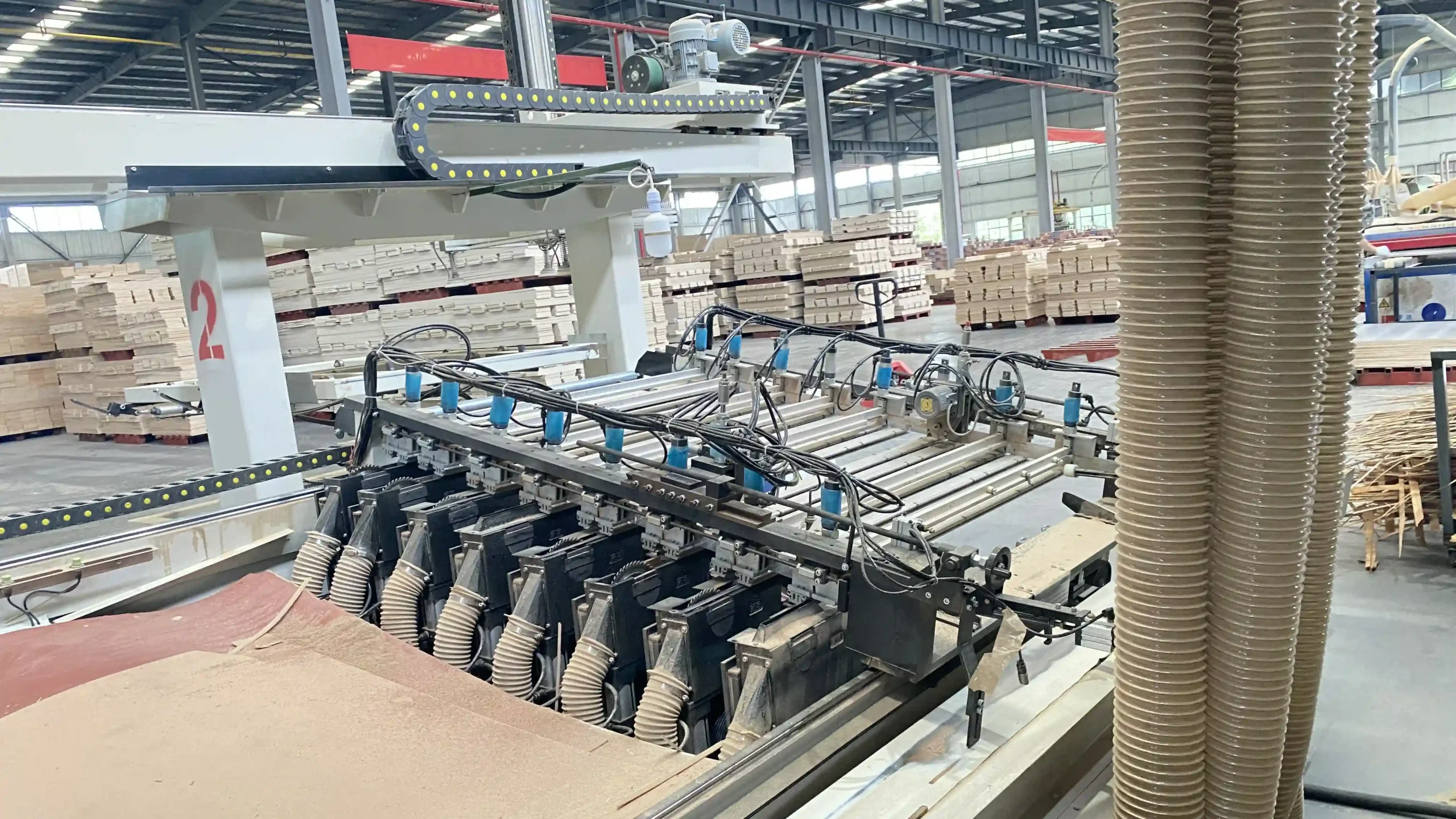
Founded in 2000, Baier Group is a fully integrated manufacturer of flooring and wood-based panels based in Hubei, China.
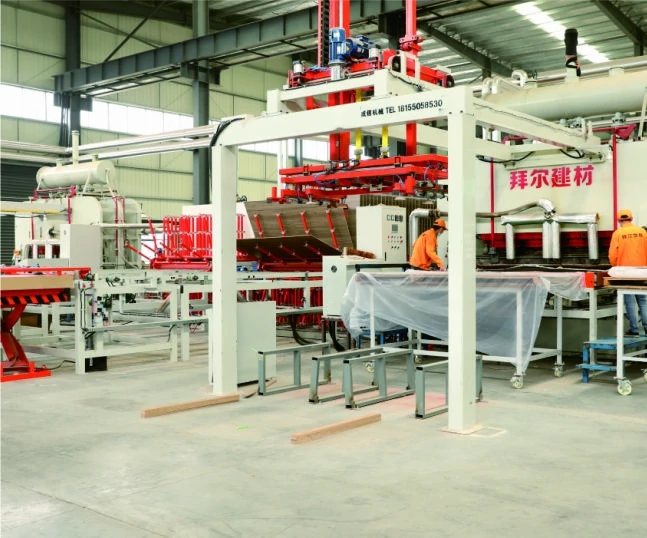
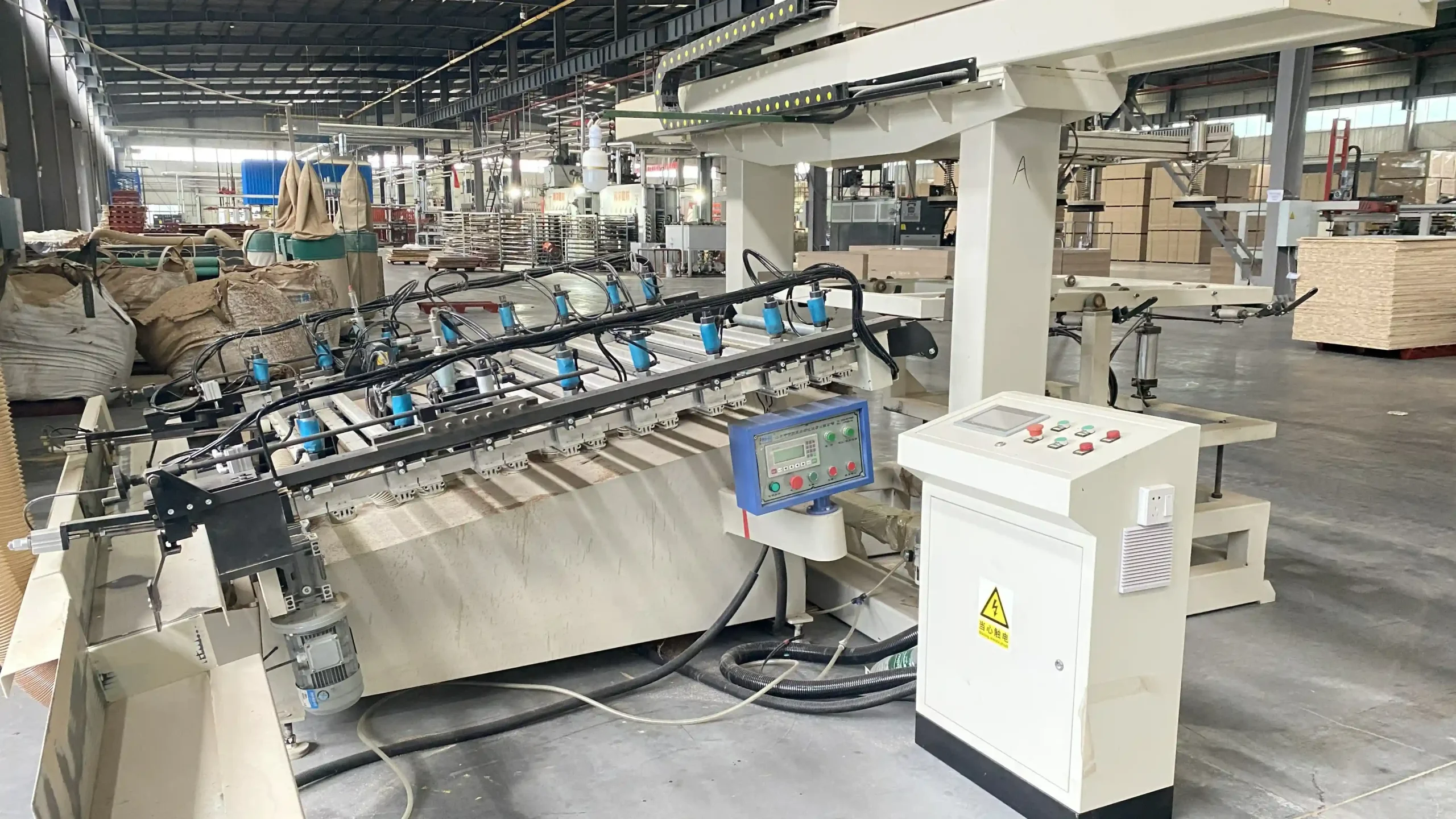
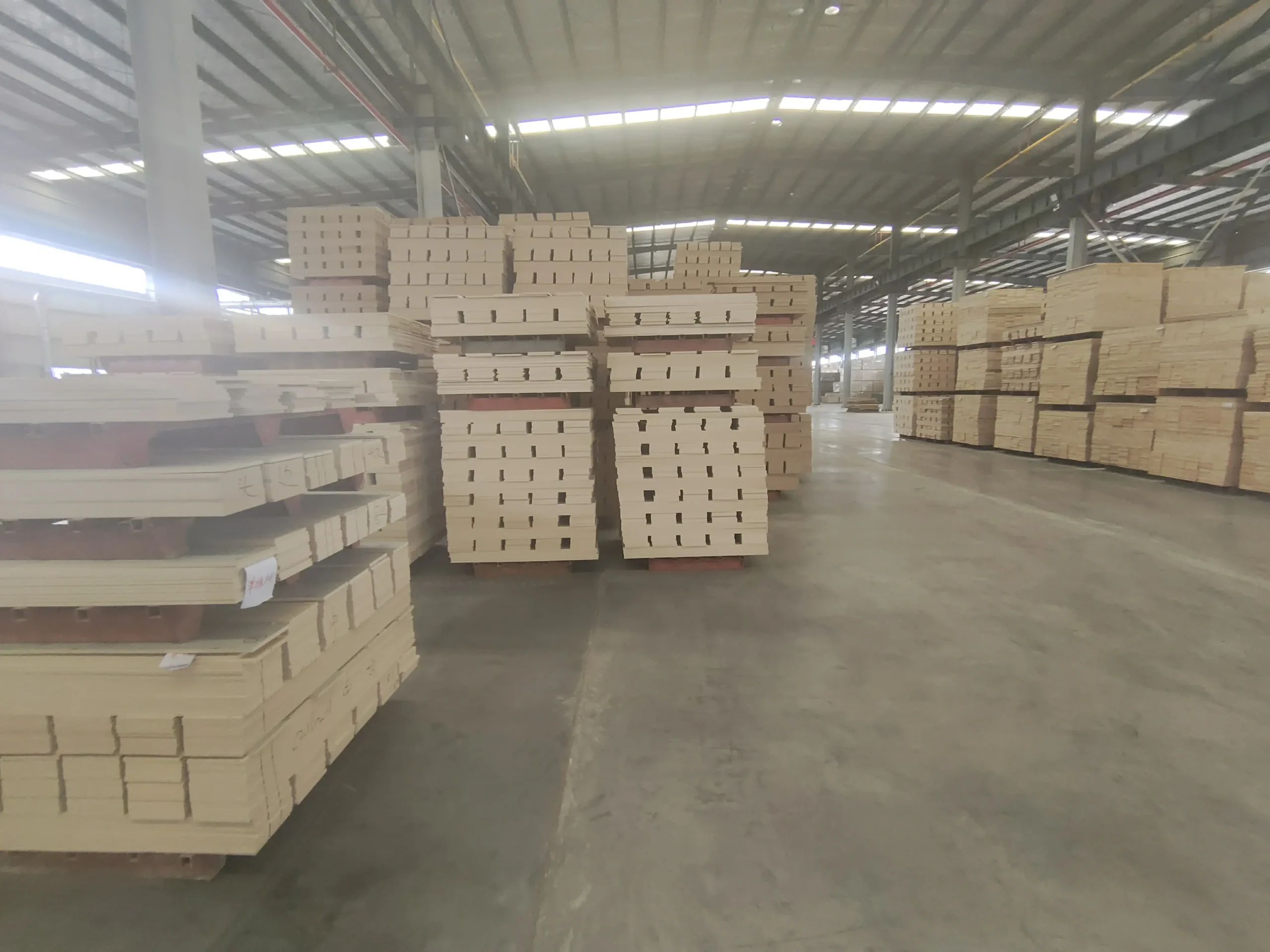
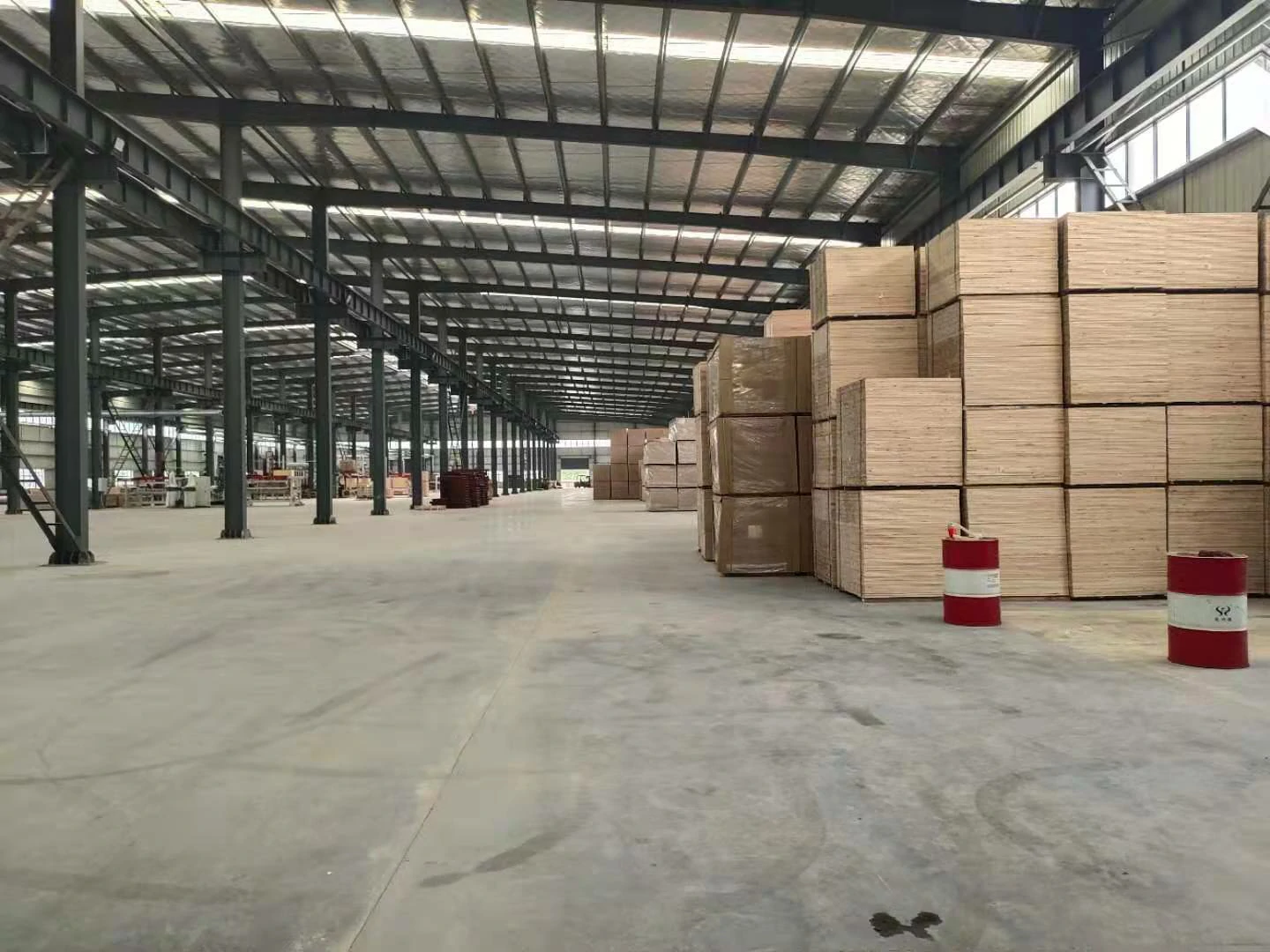
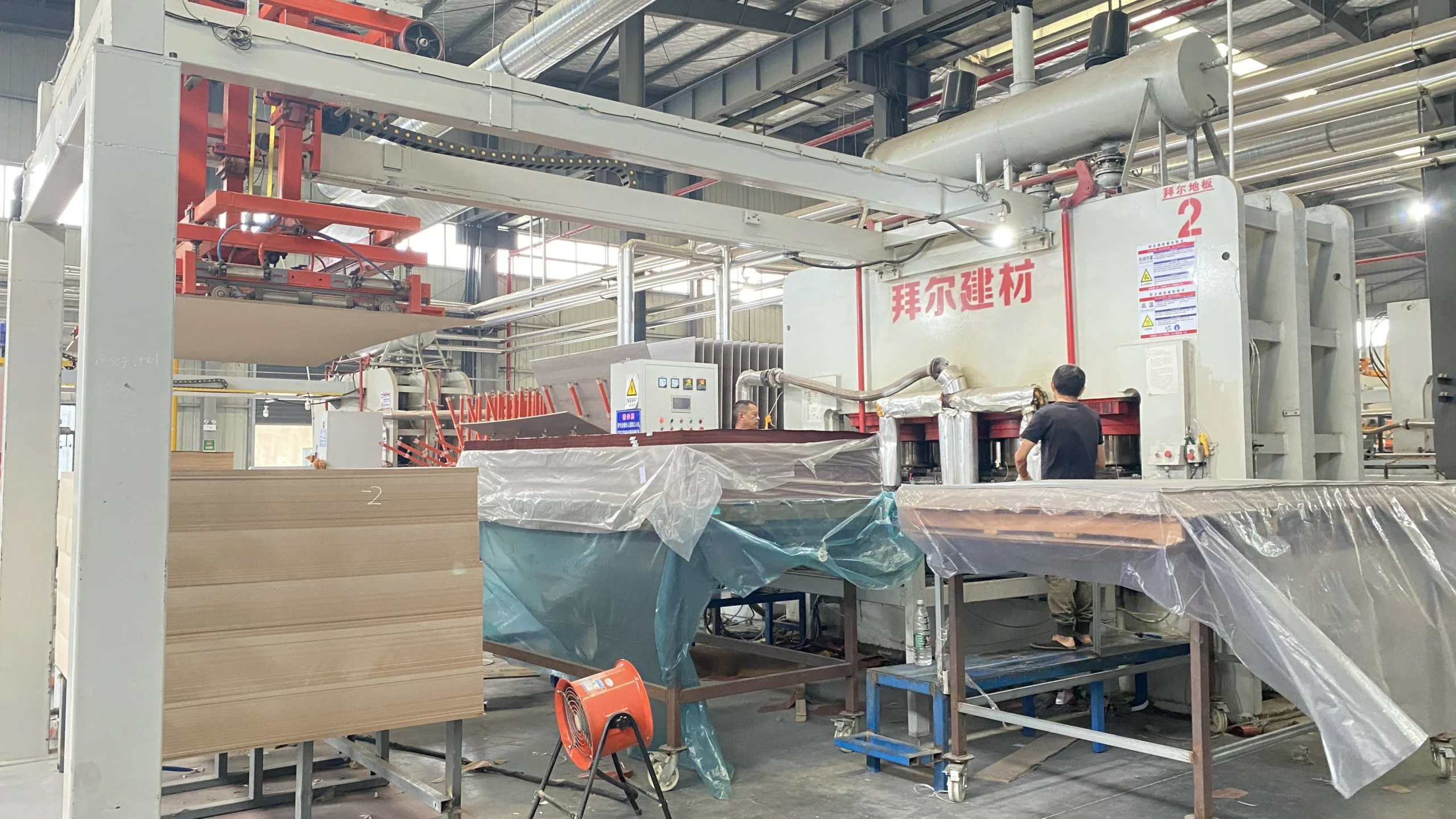
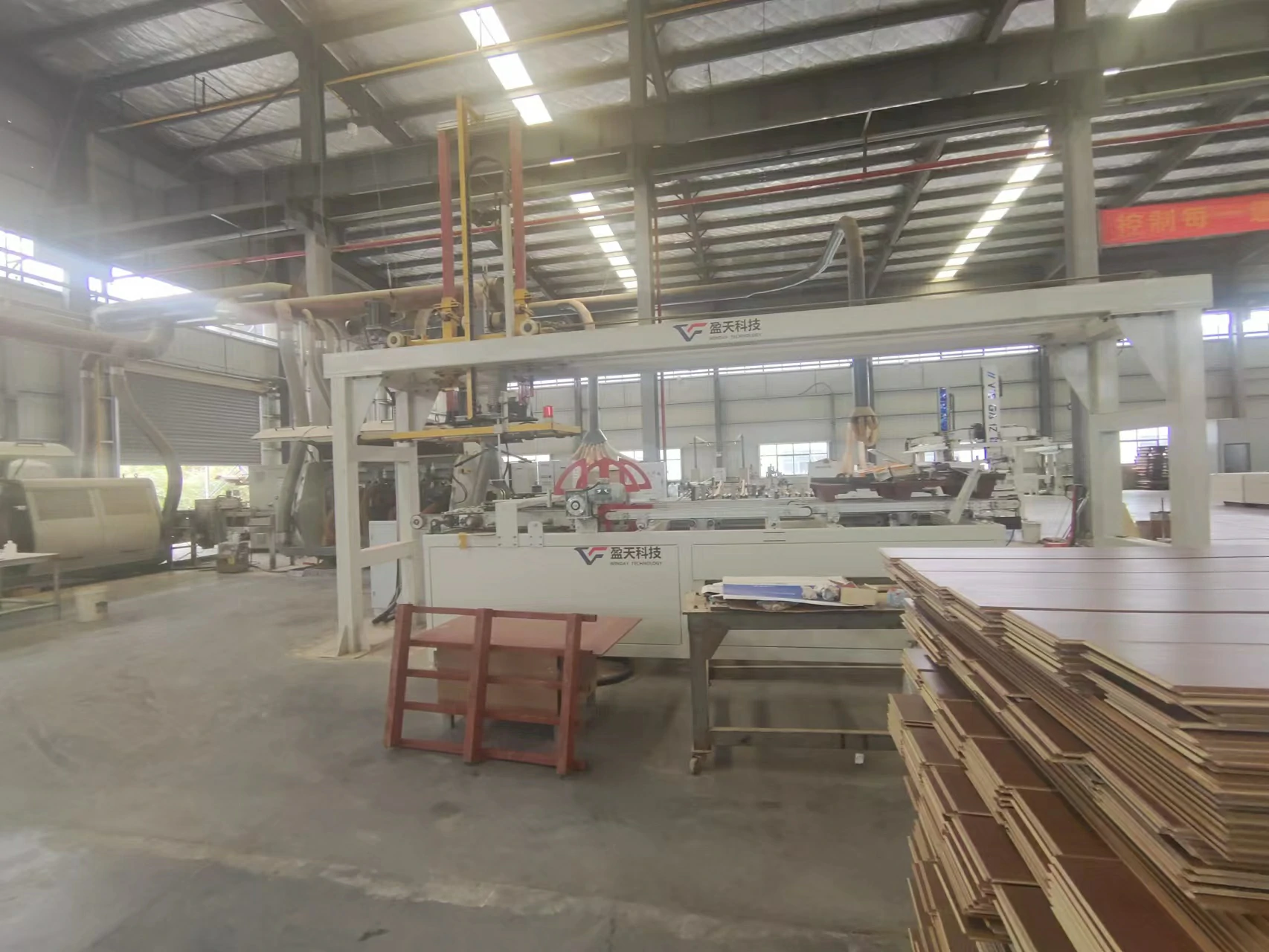
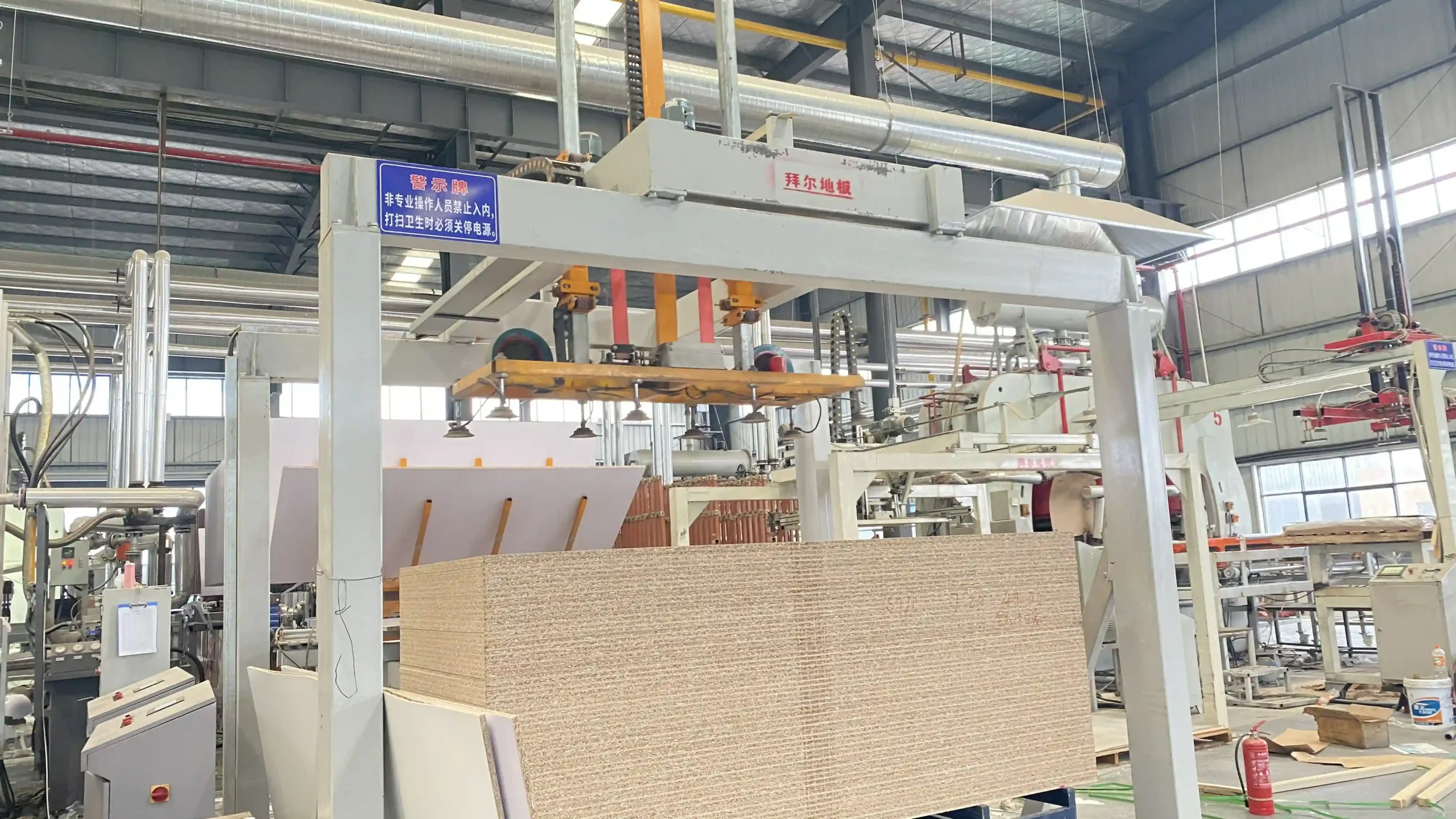
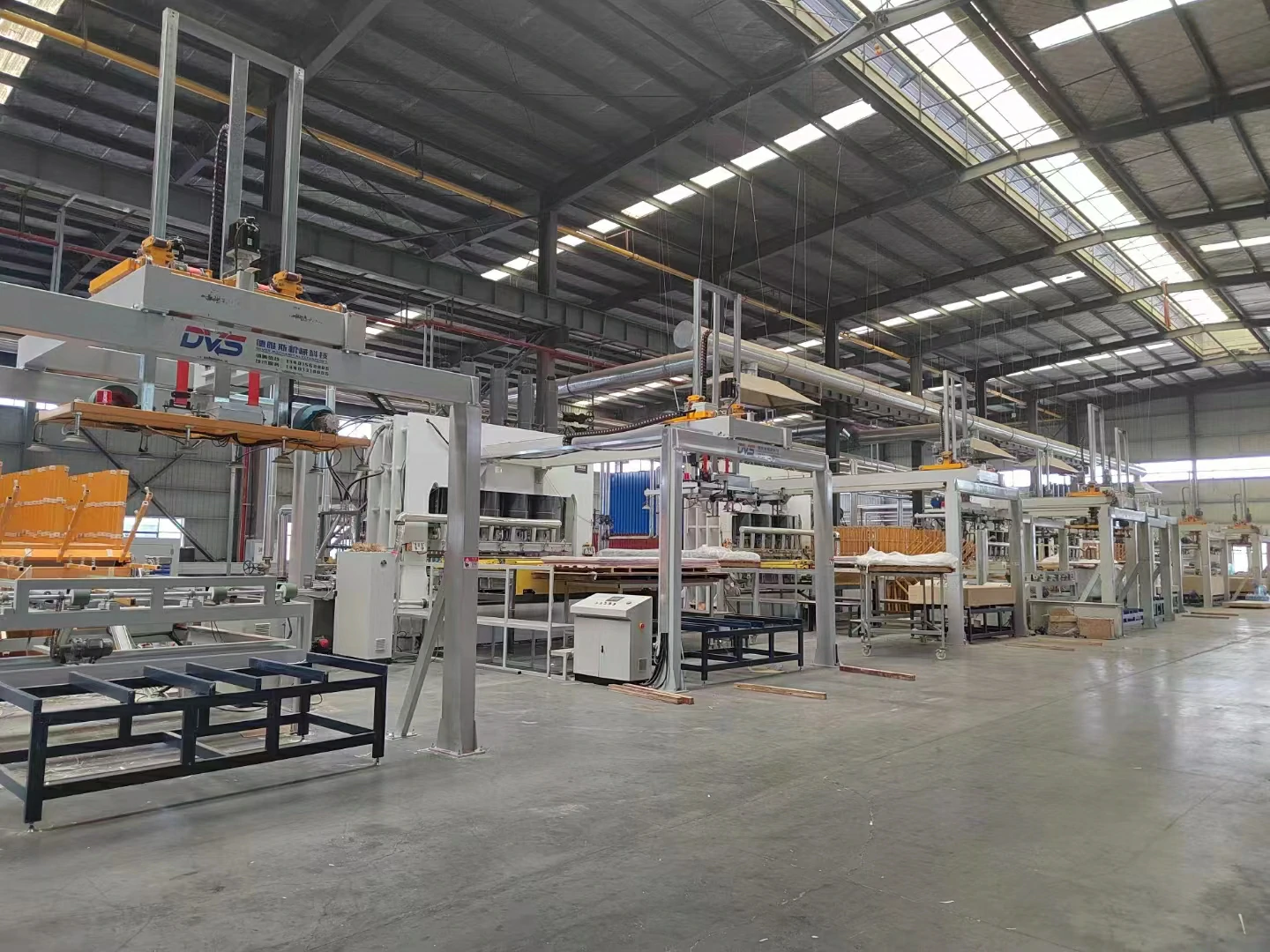
With 300,000㎡ of production facilities and a high level of automation, we control the entire process from timber sourcing and HDF production to finished flooring.
Our operations include continuous pressing lines, advanced grooving systems, and in-house testing labs, ensuring consistent quality, stable supply, and efficient production.
Today, Baier exports to over 140 countries, serving both residential and commercial projects as a trusted OEM & ODM partner.
OEM/ODM Flooring Service
In addition to integrated manufacturing, Baier offers OEM & ODM customization for flooring and wood-based panels.
From wear layer thickness and decorative surfaces to SPC core structures and locking systems, we adapt specifications to meet different market and project requirements.
Read to Find Floor Manufacturer
Choose your best Partner today!
What Our Customers Are Saying!
“Baier flooring has become a staple in my design projects. The natural texture and refined finish elevate every space, whether it’s a modern apartment or a cozy family home. It’s not just about looks — the durability and resistance to daily wear make it ideal for my clients who expect both style and performance. “


We’ve worked with Baier on several residential and commercial projects requiring large-scale laminate and SPC flooring. Their team consistently delivers high-quality, durable flooring with accurate specifications and excellent surface textures. The products are easy to install, scratch-resistant, and ideal for modern interior designs. As a flooring supplier with strong export capacity from China, Baier ensures fast shipping, secure packaging, and responsive service. They’ve become one of our most trusted partners for reliable, cost-effective flooring solutions.
“We’ve sourced Baier laminate flooring for several mid- to high-end residential developments. The product is consistently well-made, easy to install, and visually impressive across different interior themes. I appreciate the uniform quality from batch to batch and the secure packaging that ensures everything arrives in perfect condition. Baier’s flooring solutions offer a great balance between cost-efficiency and long-term value — a key reason we keep coming back.”
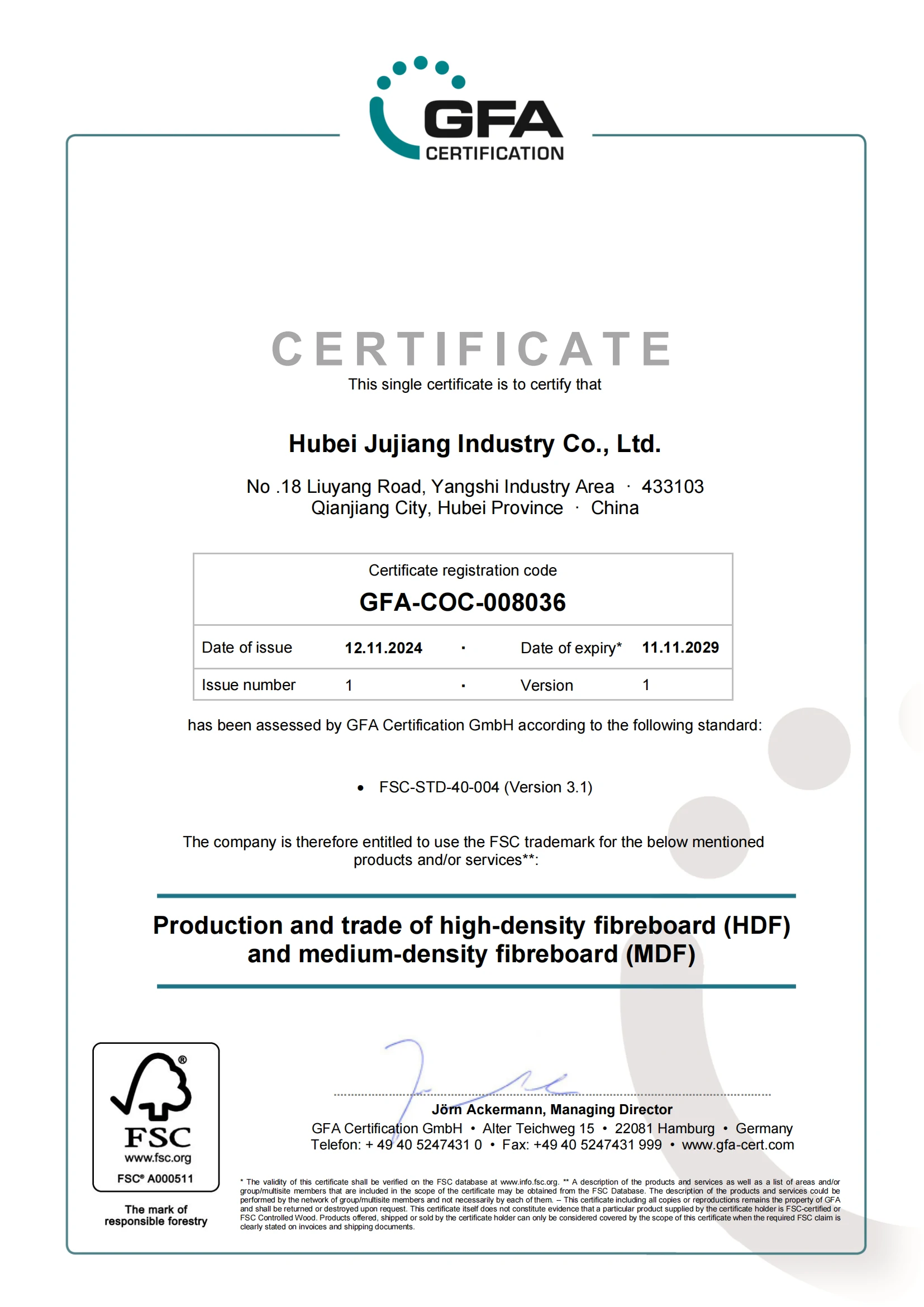
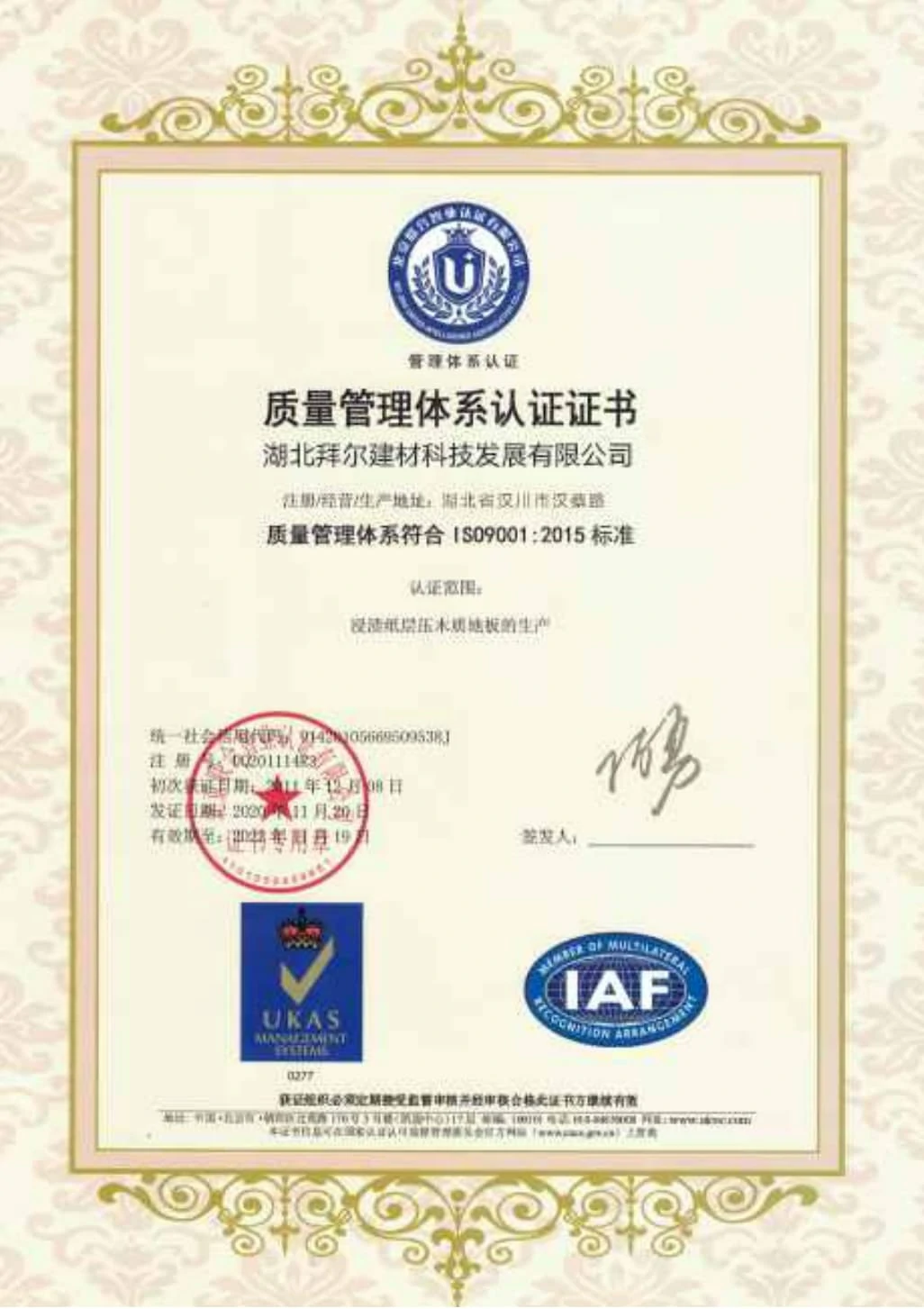
Certification
Sustainable. Certified. Trusted.
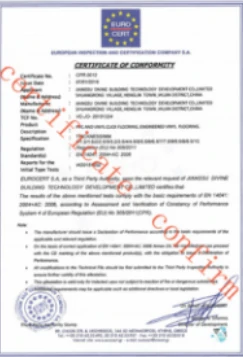
At Baier, we prioritize sustainability without compromising on quality. From responsible sourcing to strict quality control, our commitment to the environment is embedded in every step of our process. We source materials from responsibly managed forests, certified by the Forest Stewardship Council (FSC®), ensuring traceability and forest protection. Our flooring meets ISO standards for formaldehyde emissions, providing safer, healthier indoor air quality for homes, offices, and commercial spaces. Each production run undergoes stringent quality control, ensuring that every plank meets both environmental and performance standards before reaching your space.
We're Here to Help, Get in Contact
Call
Address
Hancai Avenue, Hanchuan City, Xiaogan City, Hubei Province