Top MDF Factories in Jordan
Jordan’s MDF market works through specialized distributors and suppliers. Large-scale manufacturing facilities don’t exist here. The country’s construction and furniture industries use imported MDF products from international manufacturers. This creates a distribution-focused market.
Kattan Group is Jordan’s most established MDF supplier. They serve residential and commercial projects across the country. Based in Amman, they stock a wide variety of products:
Thickness options: 2.3mm, 3.4mm, 3.6mm, 4.5mm, 6.5mm, 10mm, 11mm, 13.5mm, 14mm, 16mm, 17mm, 22mm, 25mm, and 30mm
Standard sizes: 1220×2440mm and 1830×3660mm
Primary location: Amman, with distribution channels throughout Jordan
Their thickness range covers many applications. Contractors, furniture makers, and interior designers can source what they need. Lightweight cabinet backing uses 2.3mm. Heavy-duty flooring substrates need 30mm. Everything in between is available.
Home Pillars is another major Jordan-based MDF distributor. Their headquarters are in Amman. They connect Jordanian businesses with quality MDF products. These work for residential renovations and commercial construction projects.
Important Market Reality: Jordan functions as an MDF import and distribution hub. It’s not a manufacturing center. Buyers and importers operate within the country. But domestic MDF production facilities are limited or don’t exist. Available market research confirms this.
This distribution model gives Jordanian customers access to international MDF brands. You get quality standards from global manufacturers. The tradeoff? Dependence on imported supply chains. Contractors and builders work with established distributors like Kattan Group and Home Pillars. This ensures consistent product availability. You also get technical support for residential and Commercial Applications.
Factory Specifications & Core Offerings

Jordan’s MDF specifications follow international standards. These standards are adapted for Middle Eastern construction needs. Two primary distributors keep diverse inventory systems. They stock both metric and imperial measurements, which are common in the region.
Technical Specifications Breakdown
Kattan Group runs the most complete specification range among MDF suppliers in Jordan. Their product catalog covers applications from lightweight decorative panels to heavy structural substrates.
Ultra-Thin Panel Range (2.3mm – 6.5mm)
This category serves specific needs in furniture making and interior finishing:
2.3mm panels: Cabinet backing, drawer bottoms, picture frame backing
3.4mm and 3.6mm options: Wardrobe back panels, furniture dividers, lightweight decorative uses
4.5mm boards: Furniture carcass parts, laminate substrate for vertical surfaces
6.5mm thickness: Small shelf units, light-duty partitions, crafting projects
These thinner boards come in both standard sizes. The 1220×2440mm format works well for residential furniture makers in smaller workshops. The larger 1830×3660mm size cuts down waste for commercial cabinet makers who produce standardized units.
Medium-Thickness Categories (10mm – 17mm)
This range handles most of Jordan’s construction and furniture needs:
10mm and 11mm panels: Furniture shelving, interior doors, wall paneling systems
13.5mm and 14mm boards: Kitchen cabinet sides, office furniture parts, retail display units
16mm and 17mm options: Heavy-duty shelving, furniture tops for laminate application, commercial fixtures
Contractors on hotel renovations often order these thicknesses in bulk. The 16mm specification is popular for hotel room furniture. It balances structural strength with weight for installation on upper floors.
Heavy-Duty Specifications (22mm – 30mm)
Industrial and commercial uses need these robust options:
22mm boards: Countertop substrates, heavy shelving in warehouses, commercial kitchen installations
25mm panels: Flooring underlayment in commercial spaces, workbench surfaces, heavy furniture bases
30mm thickness: Maximum load-bearing uses, industrial shelving, specialized construction projects
The 30mm specification gets frequent use in Jordan’s growing logistics sector. Warehouse shelving systems need this thickness to support concentrated weight loads without bending over time.
Size Standards and Practical Applications
Standard Sheet Dimensions
Both primary sizes available through Kattan Group match international MDF manufacturing standards:
1220×2440mm (4×8 feet equivalent): This size matches workshop equipment calibrated to imperial measurements. Table saws, panel cutting stations, and CNC routers in Jordan handle this size without changes. Furniture makers like the reduced material handling needs. A single operator can move these sheets through cutting processes.
1830×3660mm (6×12 feet equivalent): Larger commercial operations prefer this size for better efficiency. Cabinet makers producing standardized kitchen units cut multiple parts from single sheets. The larger format reduces joint lines in uses like wall paneling or retail display construction.
Density and Grade Classifications
Jordan’s MDF market operates within standard density parameters:
Standard density range: 600-800 kg/m³ across most thickness options. This ensures consistent screw-holding capacity and edge finishing qualities.
Moisture resistance levels: Standard MDF suits interior uses with controlled humidity. Some distributors stock moisture-resistant types for bathroom cabinetry and kitchen installations. These products use wax additives or specialized resin systems.
Surface finish grades: Sanded surfaces ready for veneer application or painting are the standard offering. Raw faces allow laminate adhesion or direct finishing with minimal prep.
Quality Control and Certification
Imported MDF products entering Jordan’s market carry international certifications:
- Formaldehyde emission standards: E1 grade compliance (≤0.124 mg/m³) is the minimum acceptable standard. Some premium products achieve E0 classification.
- Structural performance: Products meet European EN 622-5 standards or equivalent North American certifications for load-bearing qualities.
- Dimensional stability: Tolerance specifications ensure sheets stay within ±0.5mm thickness variation and ±2mm length/width tolerances.
Distribution Network Capabilities
Kattan Group’s Amman headquarters serves as the central distribution point for nationwide delivery. Their warehouse systems keep rotating stock across all thickness specifications. Lead times for standard sizes range from immediate pickup to 48-hour delivery within greater Amman.
Projects needing multiple thickness specifications benefit from consolidated ordering. A hotel renovation might need 6.5mm panels for decorative wall features, 16mm boards for furniture, and 25mm specifications for reception desk construction. Single-source buying simplifies logistics and ensures compatible quality levels across different uses.
Home Pillars complements the market through their Amman office (+962 6 4027 322). Their specification offerings match construction industry needs. Published details remain less complete than Kattan Group’s documented range.
Customization and Special Orders
Standard specifications dominate Jordan’s MDF market. But distributors handle special requirements for large-volume projects. Custom thickness options, oversized panels, or specific density grades need advance ordering. Lead times range from 3-8 weeks depending on manufacturing origin and shipping logistics.
Key Selection Criteria for Residential & Commercial Use

You need to match technical specs to your project’s real performance needs. Air quality rules, moisture levels, and fire safety codes decide which MDF works for your job.
Emission Standards and Indoor Air Quality
Formaldehyde emissions impact health in closed spaces. E1-rated MDF (≤1.5 mg/L) meets basic global standards for home furniture and interior work. E0-grade products (≤0.5 mg/L) offer better air quality for sensitive spaces. Think children’s rooms, medical facilities, or luxury homes where clients want top-grade materials.
Jordan’s construction market now asks for low-emission boards in LEED-compliant buildings and health-focused residential projects. Check emission certifications before placing large orders. Good distributors give you proof of European EN standards or equal Asian certifications.
Moisture and Fire Performance Requirements
Standard MDF breaks down fast in humid conditions. Bathroom vanities, kitchen cabinets, and coastal property setups need moisture-resistant MDF variants. These boards use modified resin systems or wax additives. They stop edge swelling from humidity. EN 622-5 testing standards check moisture performance.
Fire-retardant MDF is required for certain commercial jobs. Public buildings, office escape routes, hotel hallways, and retail spaces often need boards meeting EN 13501-1 fire standards. These treated panels resist catching fire. They slow flame spread during fires. Plan for a 15-25% higher cost over standard MDF for fire-rated options.
Load-Bearing Limits and Structural Uses
MDF is a non-load-bearing material. Shelving units for heavy books, warehouse storage, or commercial displays need proper support design. Span calculations count. 16mm MDF shelves shouldn’t go beyond 600mm unsupported spans under normal loads. Heavy-duty uses needing 800mm+ spans require 25mm or 30mm thickness with extra supports.
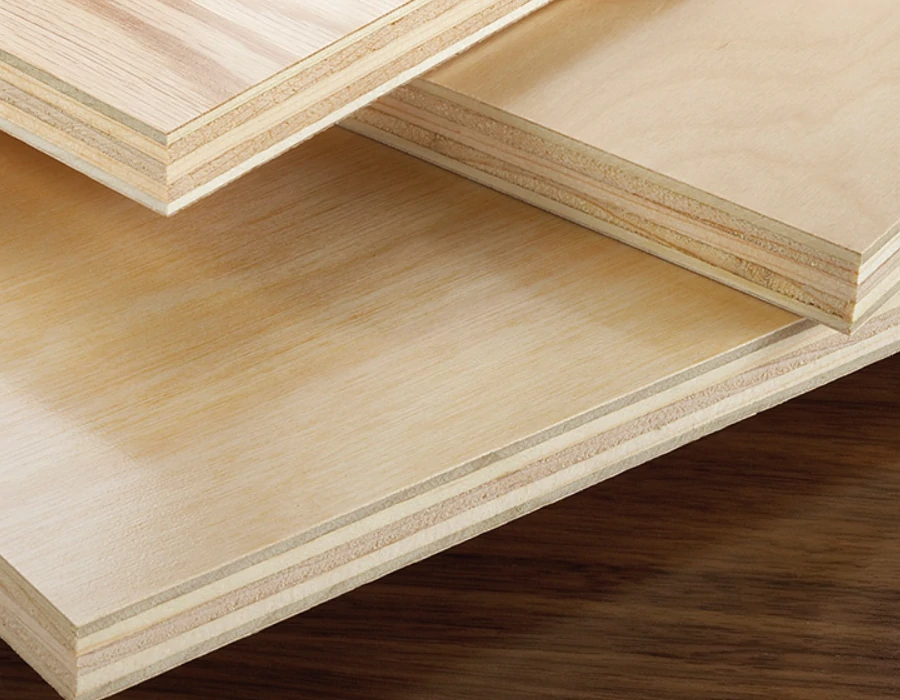
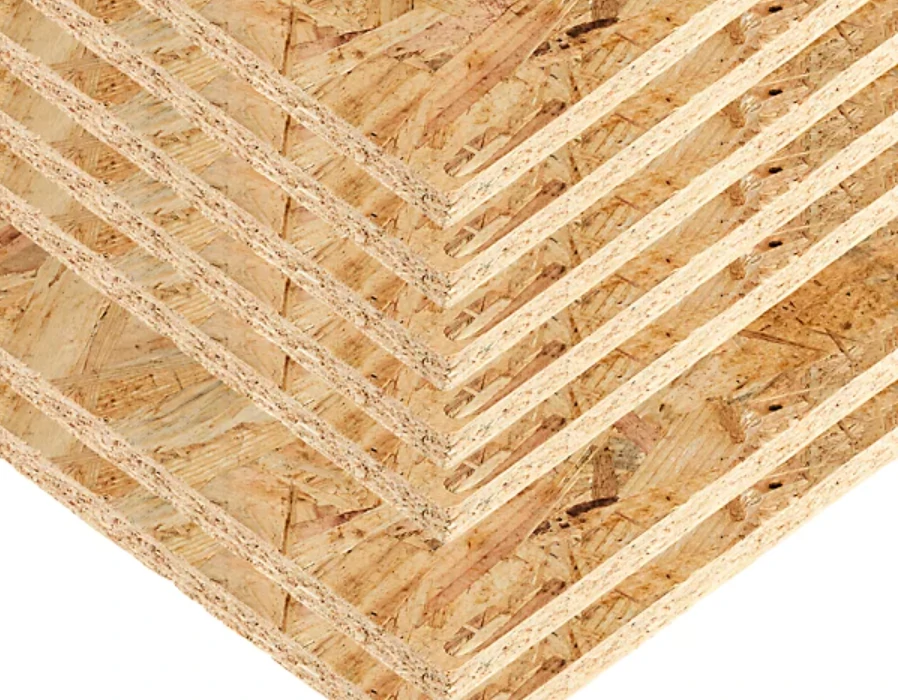
For real structural work, use plywood or OSB instead. MDF performs well as a base for countertops, furniture faces, and decorative panels. Just don’t use it where structural strength affects safety or long-term performance.
Surface Quality and Finishing Compatibility
Even density through the board thickness gives you consistent screw-holding and edge machining. Surface smoothness affects painting results and veneer bonding quality. Premium-grade MDF needs little sanding before finishing. Lower-grade products show density changes that show through paint or thin veneers.
Commercial setups like retail wall cladding or office paneling need even board flatness across big areas. Warped or twisted sheets cause visible joint lines and finishing issues. Check sample boards before buying in bulk for appearance-focused projects.
Practical Selection Process
List your project’s full spec needs: thickness range, total square meters, moisture exposure, fire rating, and emission grade. Ask for certifications showing compliance with EN standards. Compare lead times. Standard specs ship in 48 hours. Specialty grades take 3-8 week ordering windows. Talk volume discounts for orders over 100 sheets or ongoing contracts.
Sector Applications & Industry Position
Four core industries drive Jordan’s MDF consumption. Residential and commercial markets both need steady supplies. Buyers can pick the right specs and plan their purchases better by knowing these sector uses.
Furniture Manufacturing Dominance

Furniture makers use the most MDF in Jordan. Cabinet shops rely on 16mm and 18mm panels for kitchen cabinets and wardrobe frames. Workshops like MDF’s even density. This helps them do clean CNC routing and edge banding. Bedroom furniture makers pick 6mm to 12mm panels for drawer bottoms and cabinet backs. Cost matters more than strength for these parts.
Local makers face tough competition from imported flat-pack furniture. So they choose MDF grades that machine well every time. How well the board holds screws and cuts clean edges affects how fast they work. It also shapes the final product quality.
Interior Design and Custom Joinery Projects

Millwork shops use MDF for wall panels, trim pieces, and custom doors. The 10mm to 16mm range works best here. Designers spec MDF for office spaces where painted surfaces look clean and modern. You won’t see any wood grain showing through.
Moisture-resistant MDF works well in bathroom vanities and kitchen backsplashes. Fire-retardant panels get specified for hotel hallways and public building lobbies. Building codes require certain flame-spread ratings in these spaces.
Construction and Building Applications
Contractors use MDF under floors in commercial remodels. The 22mm to 25mm boards make stable bases for vinyl or carpet. Retail stores and offices often use 12mm MDF for ceiling panels. It absorbs sound well and takes paint smoothly.
Retail Fixture and Display Manufacturing
Store fixture companies build shelves, counters, and display stands with MDF. The material costs less and finishes many ways. This makes it good for temporary setups and permanent stores. Amman and Aqaba’s retail growth keeps demand strong for 16mm to 18mm boards.
Jordan’s Import-Dependent Market Position
Jordan has no local MDF factories. Every board comes from overseas suppliers through set distribution channels. Kronospan, EGGER, Arauco, and Sonae Arauco ship most of Jordan’s MDF through regional networks.
This creates three market features. Product availability ties to international shipping times, not local factory schedules. The range of specs available depends on what distributors stock, not custom orders. Prices reflect global MDF rates plus shipping costs to the region.
Helmi Alsharif, Ahmed Aburashed, and Ali Atiah import MDF for Jordan’s furniture and construction trades. They choose suppliers with solid quality certificates and on-time delivery records.
Contact & Location Data
Want to reach MDF suppliers for Jordan’s market? You’ll need to connect with regional offices and global manufacturers. Major brands run distribution through Dubai centers that serve the Middle East.
Kronospan Trading ME runs Middle East distribution from Dubai at JAFZA One, Tower A. Call +971 4 347 6996 for Jordan shipments. They stock a wide product range and keep regional inventory. This makes them ideal for large orders. Check kronospan.com for product specs and catalogs.
Arauco’s Dubai office sits in Jumeirah Bay. Reach them at +971 4 453 2369. This office handles Jordan and nearby markets. Their team knows regional shipping and customs well. Look at arauco.com for water-resistant and special MDF types.
Egger Group works with Jordan from their Germany base. Call their global sales team at +49 3841 301-0. Find them at Am Haffeld 1, 23970 Wismar, Germany. They don’t have a Middle East office. But their export team ships to Jordan regularly. Browse egger.com for top-grade MDF and E0 emission boards.
Chinese Manufacturers (Including Baier)
China remains one of the most important MDF suppliers to Jordan, offering stable pricing, flexible order volumes, and fast shipment routes to Aqaba. Several major manufacturers support furniture factories, interior contractors, and wholesale distributors in the region.
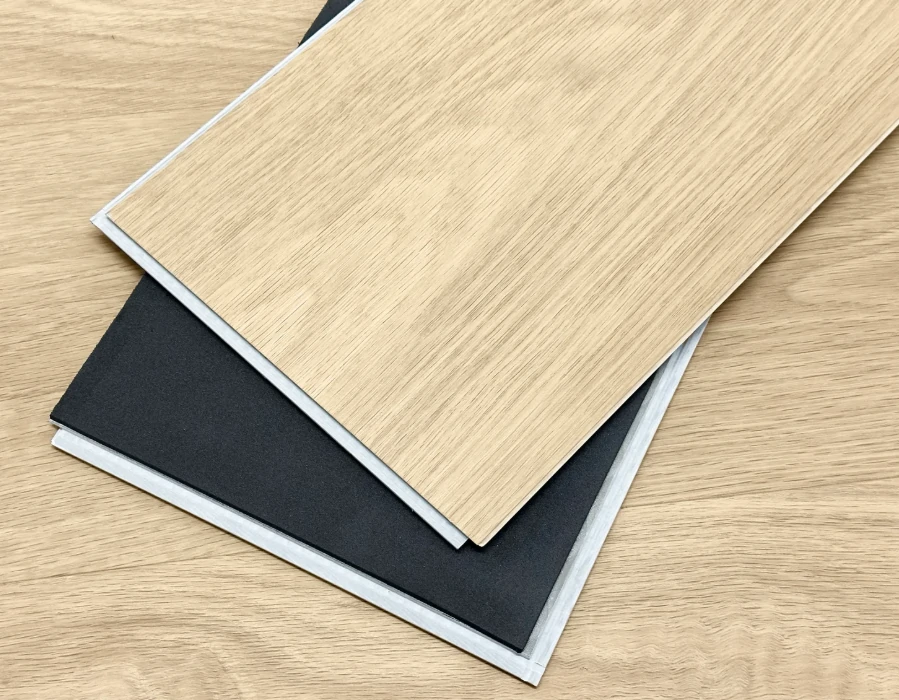
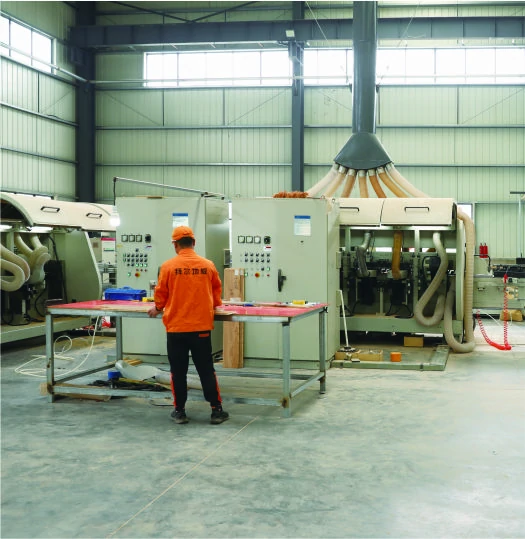
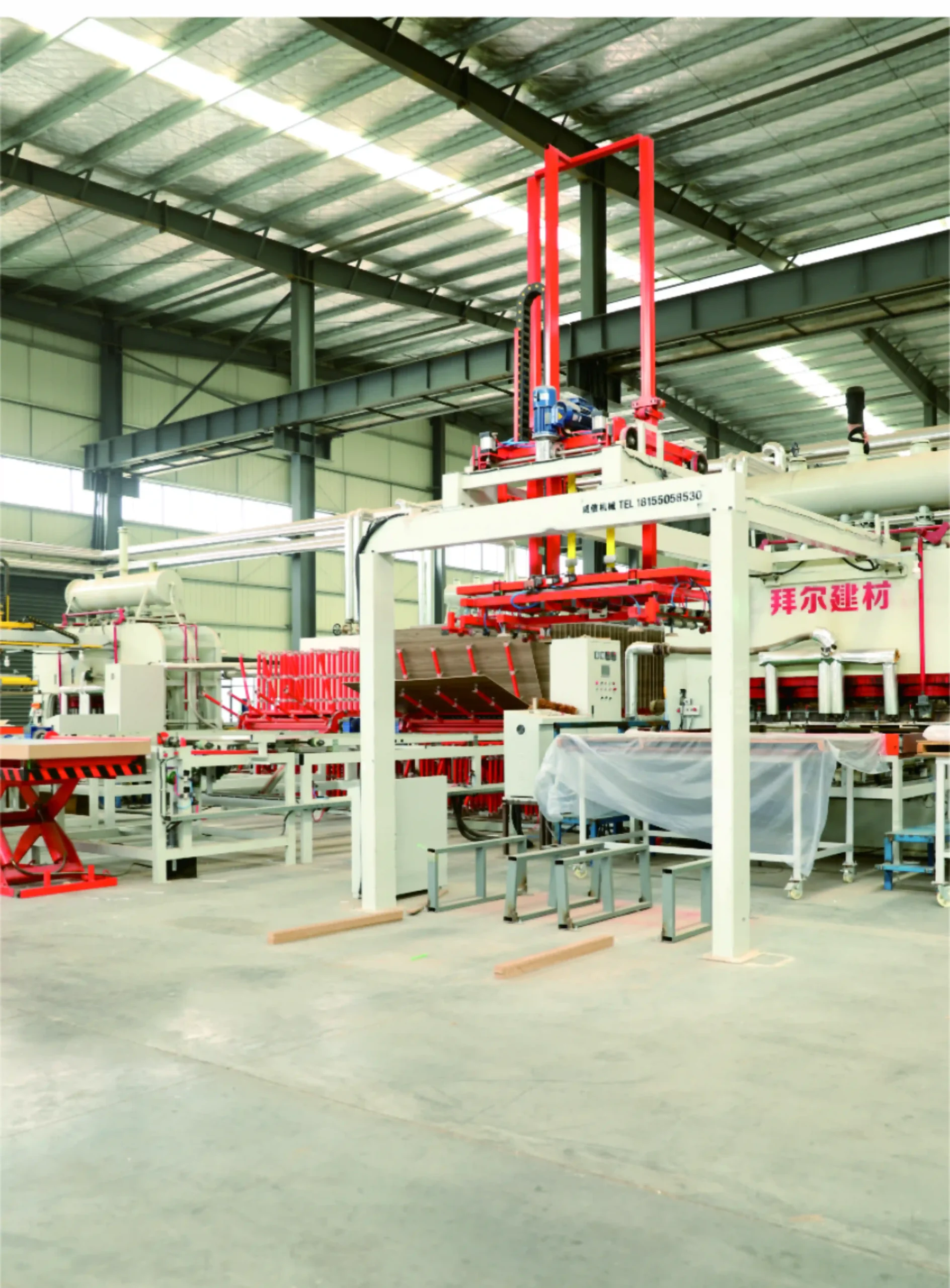
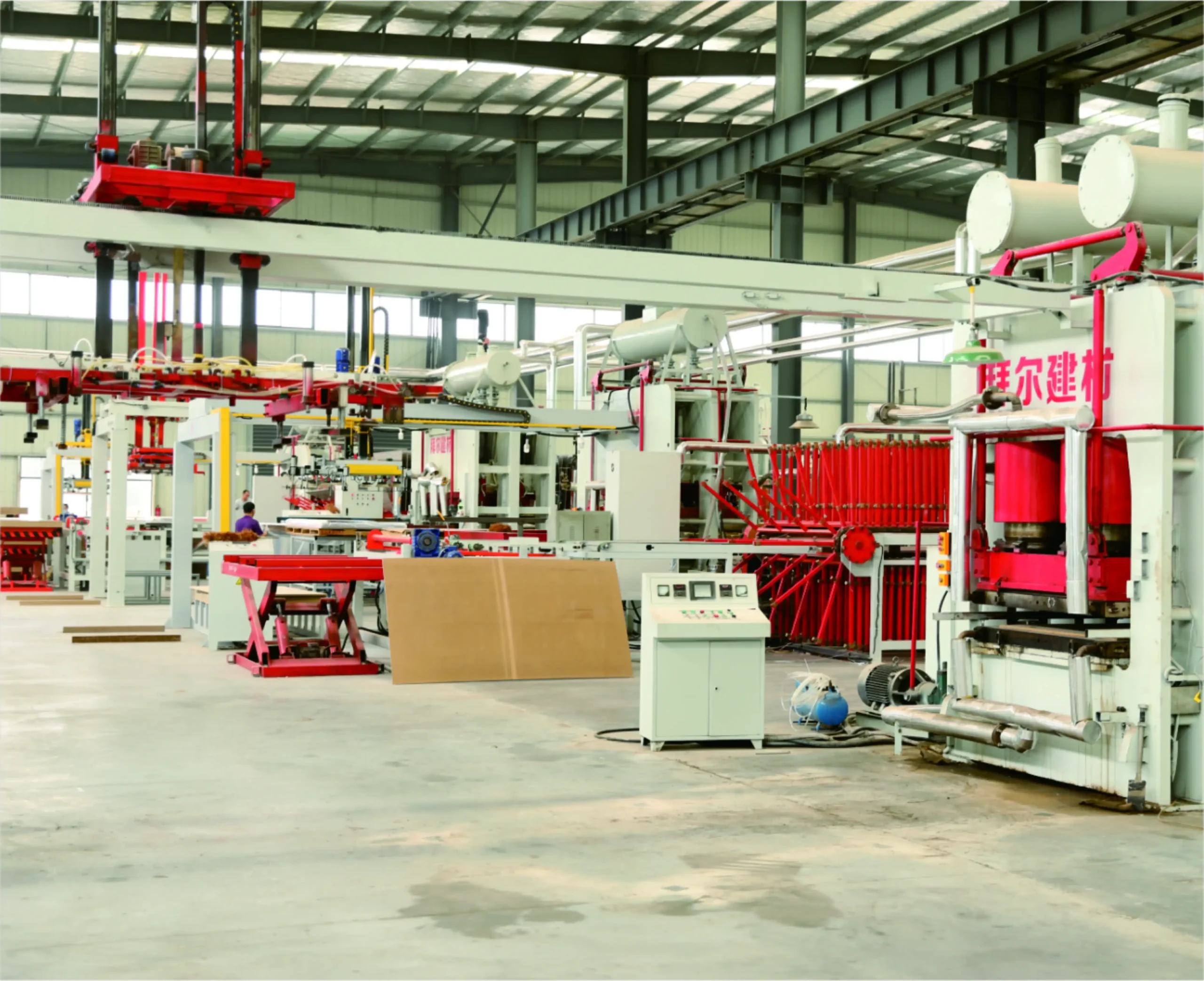
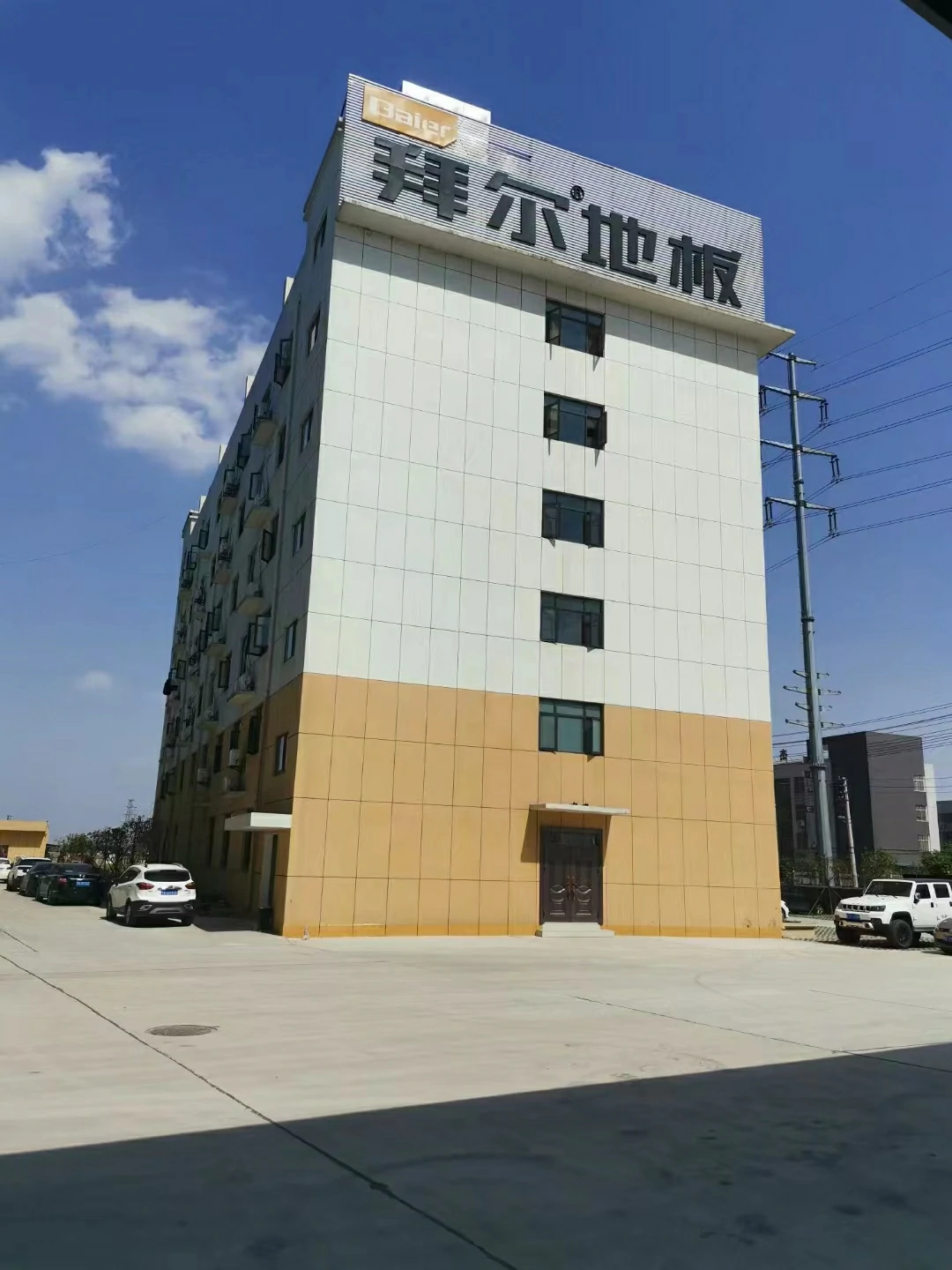
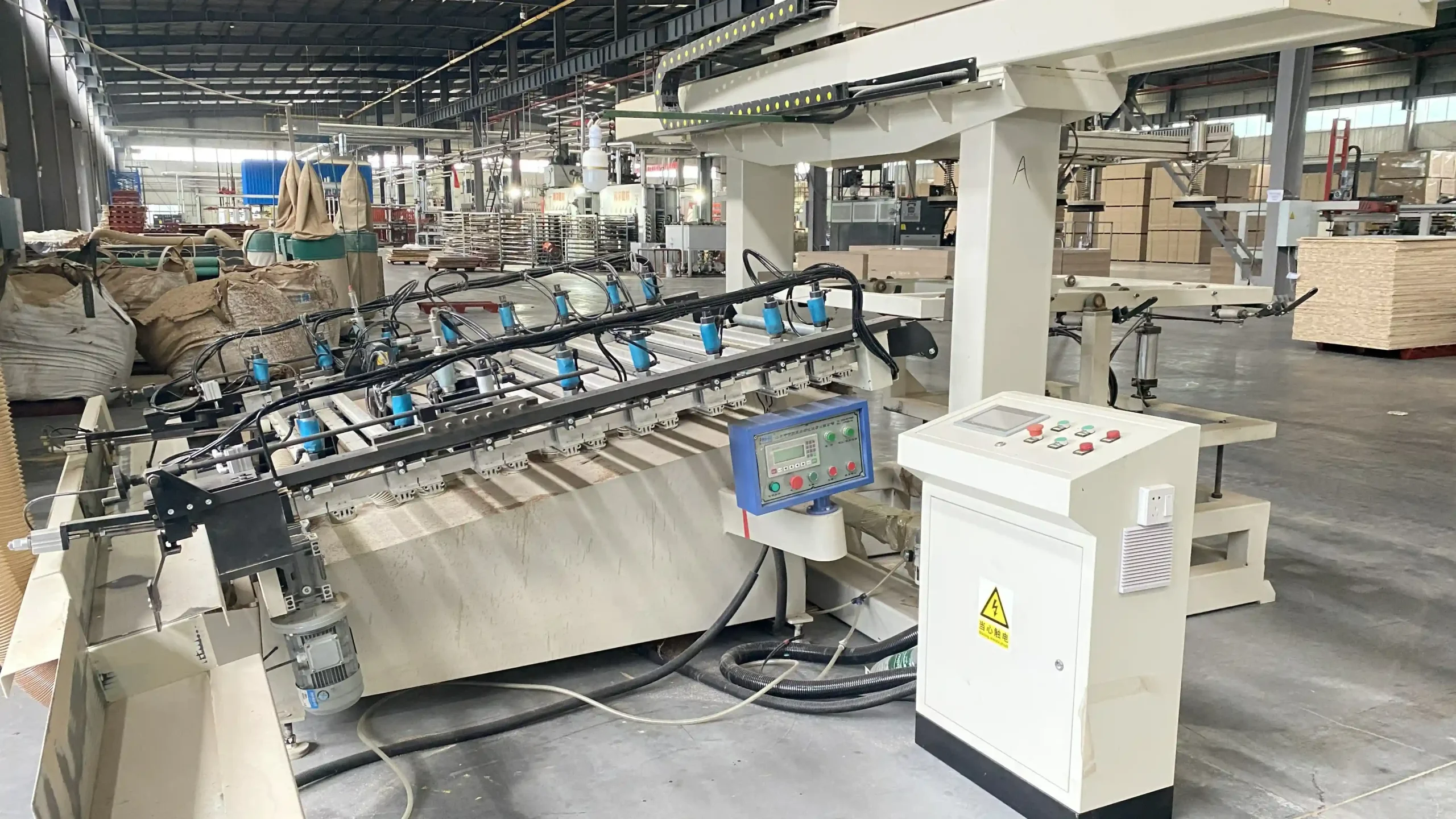
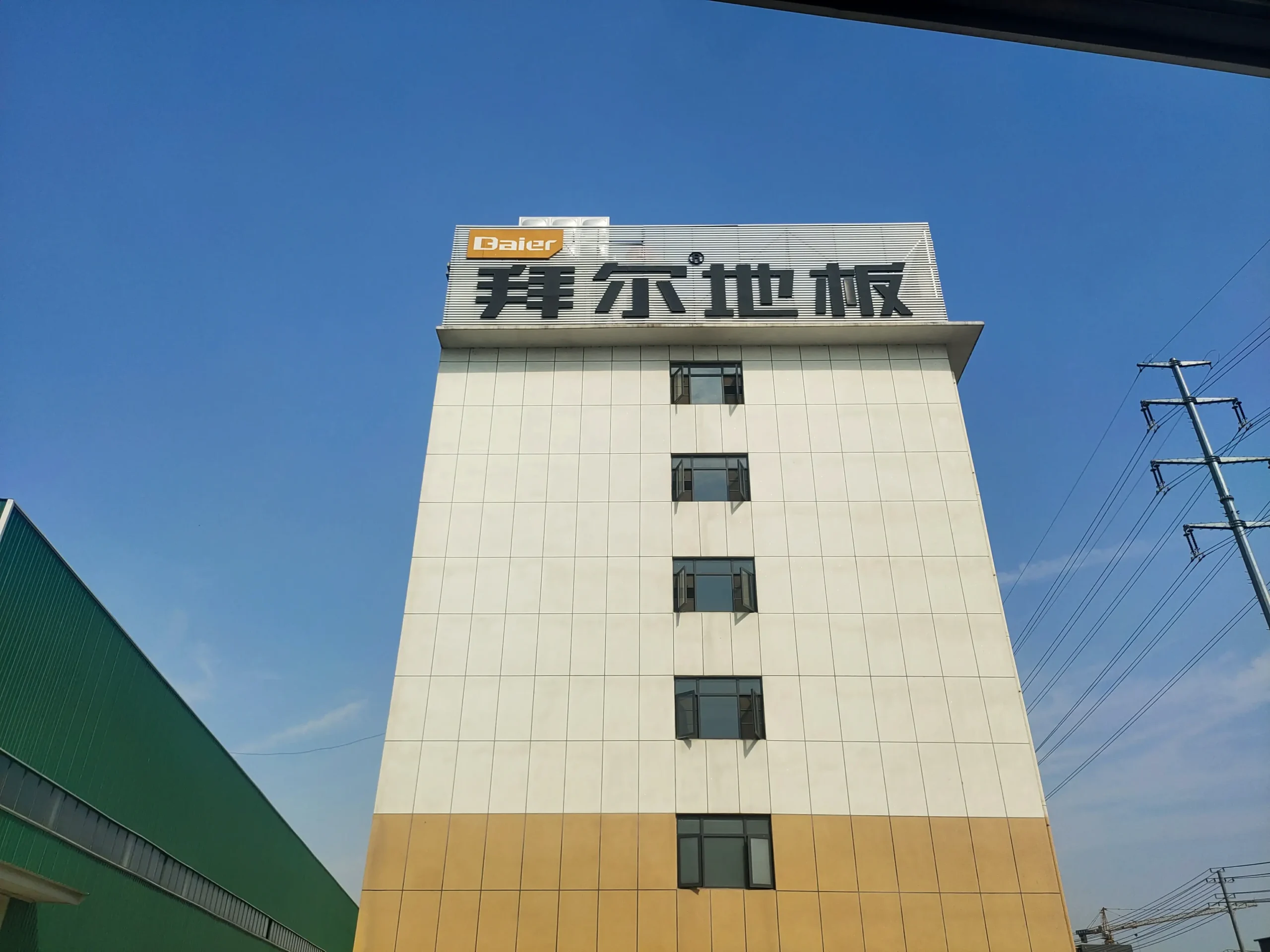
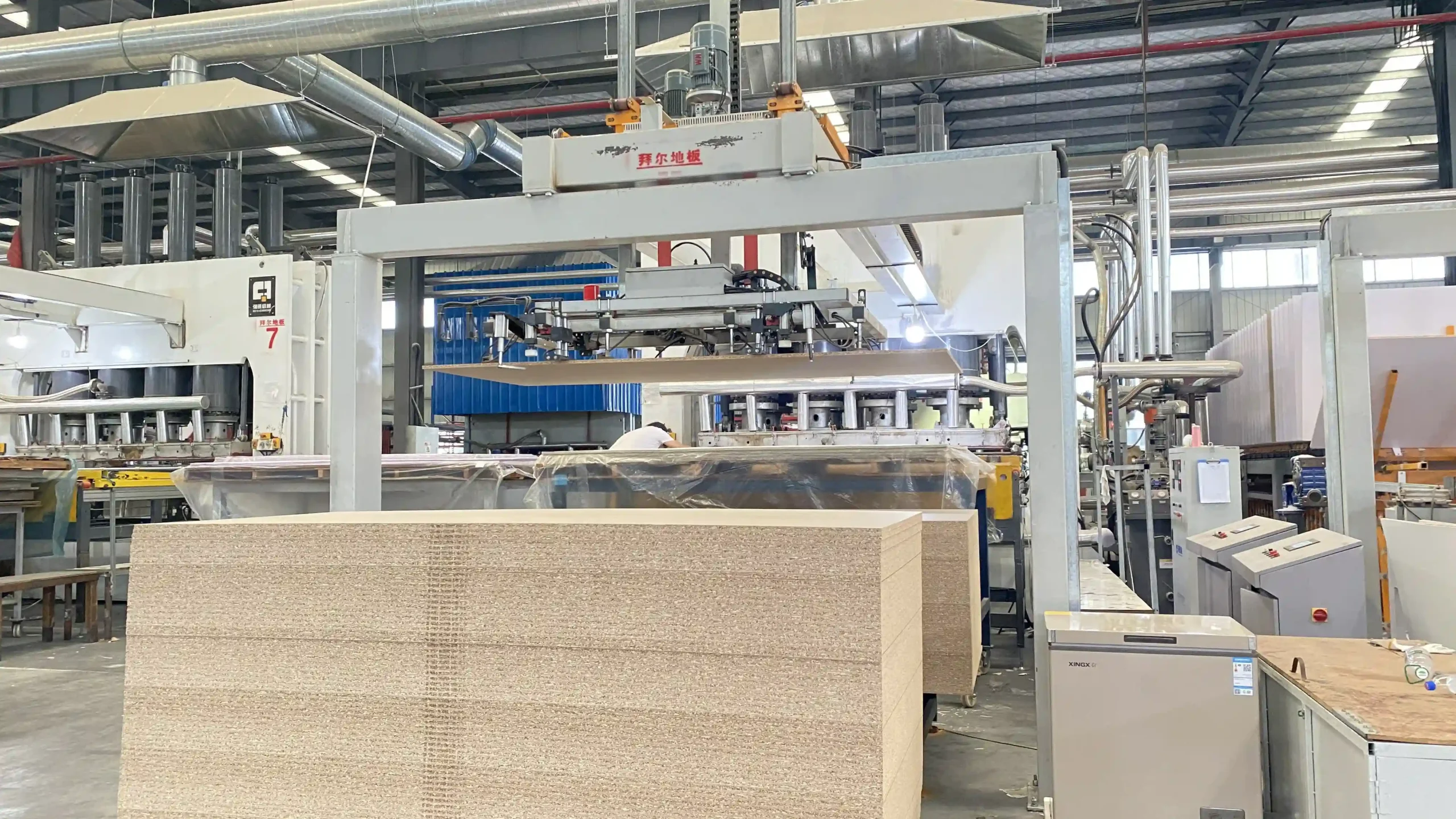
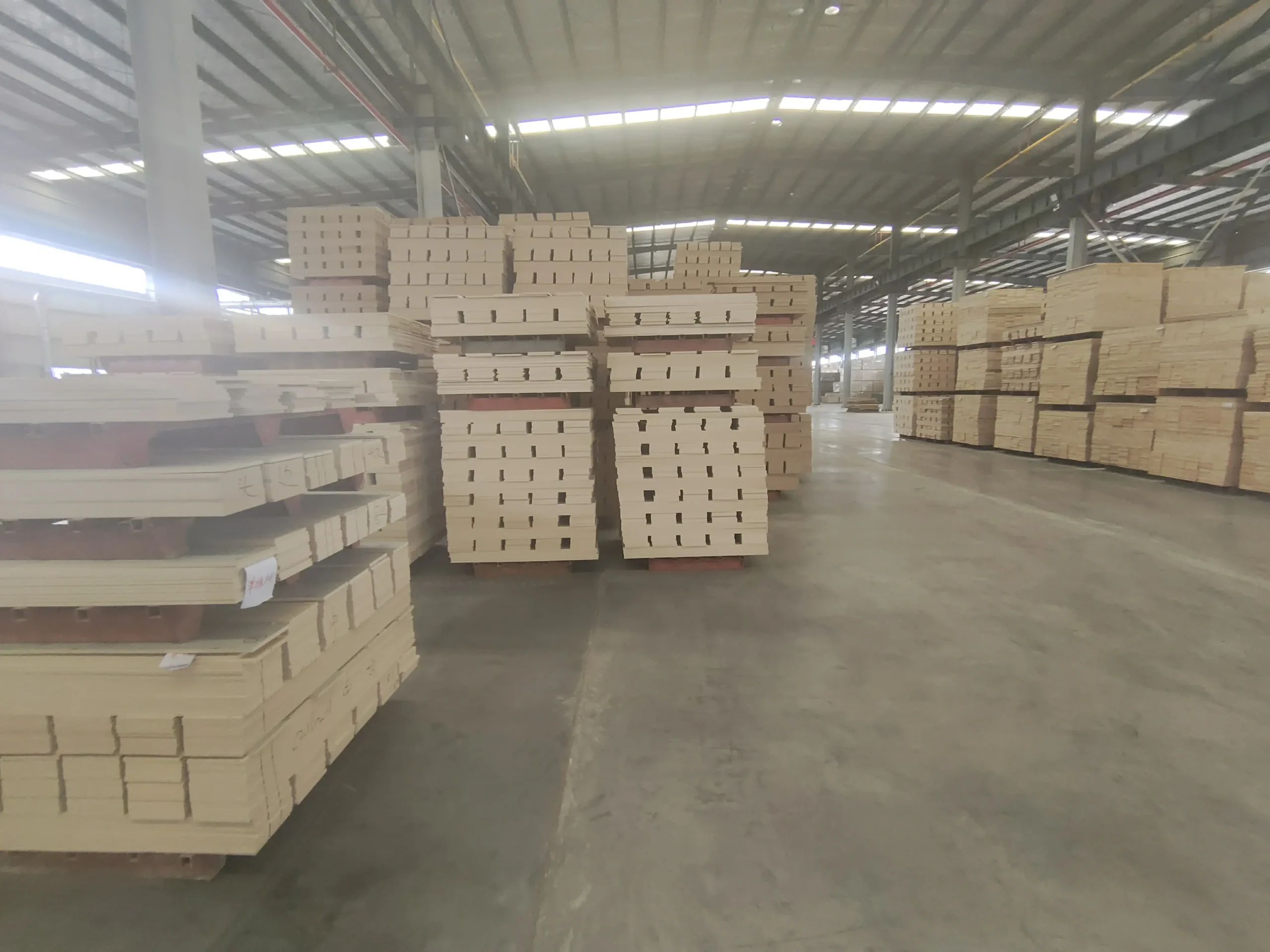
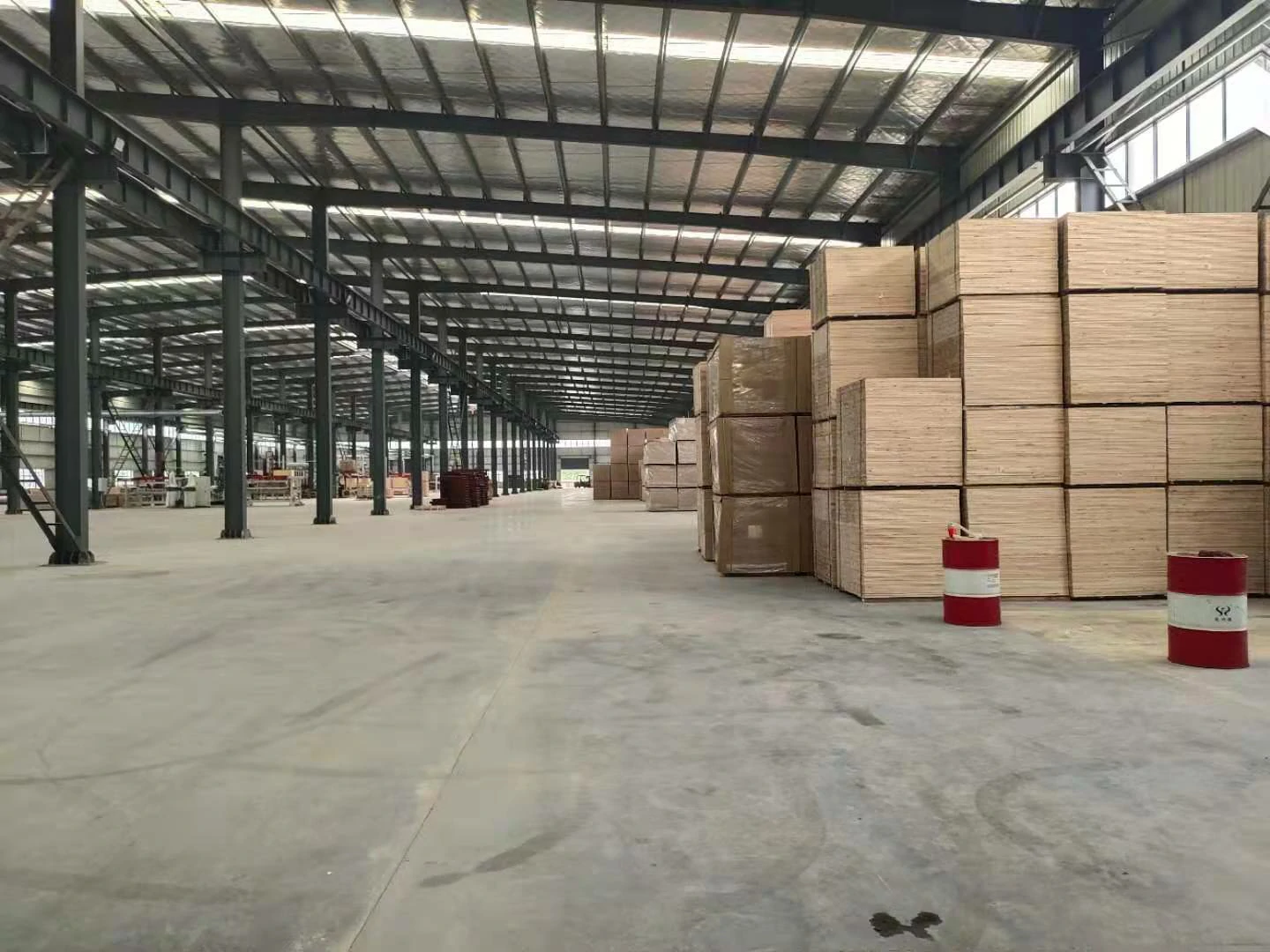
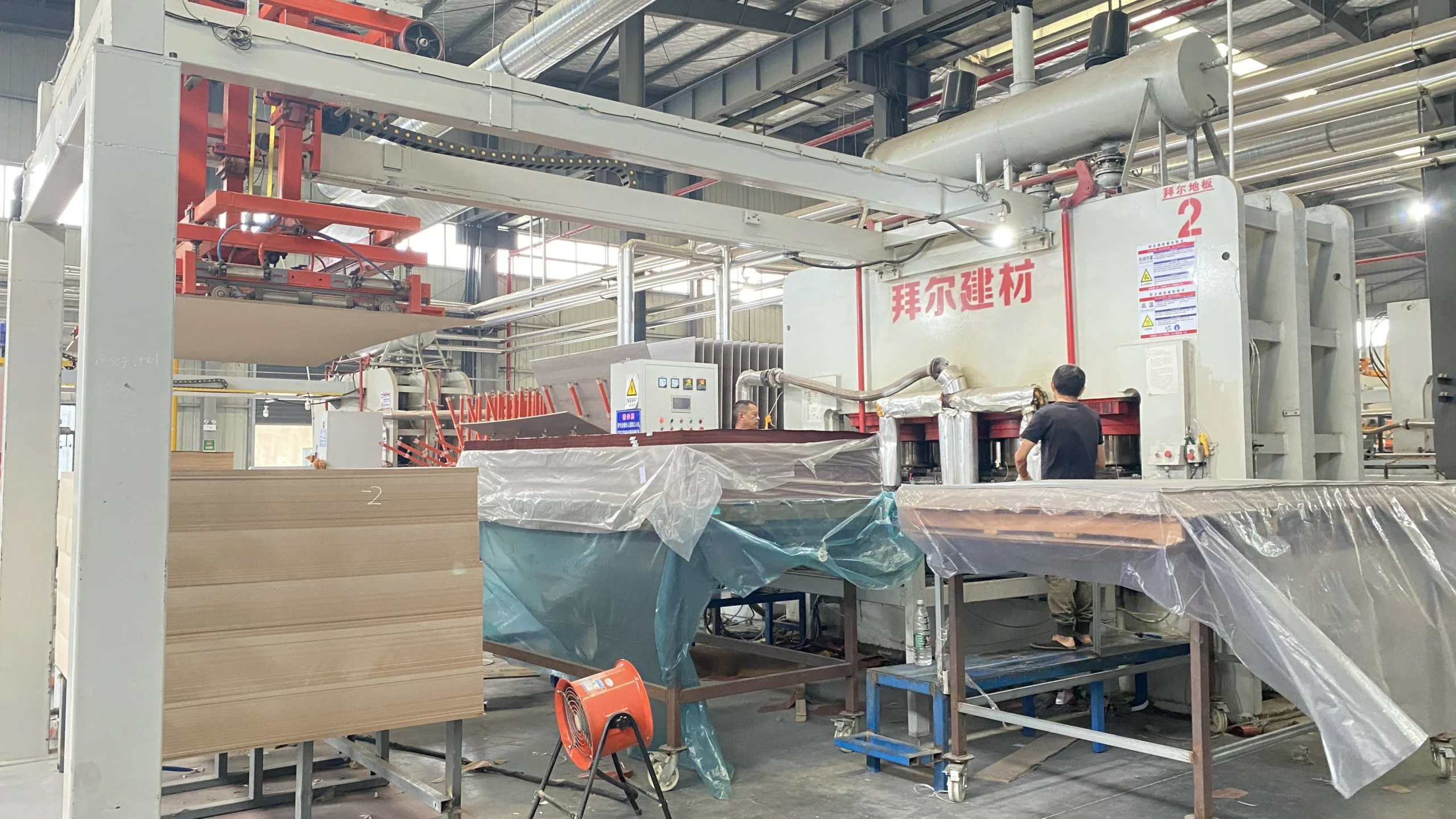
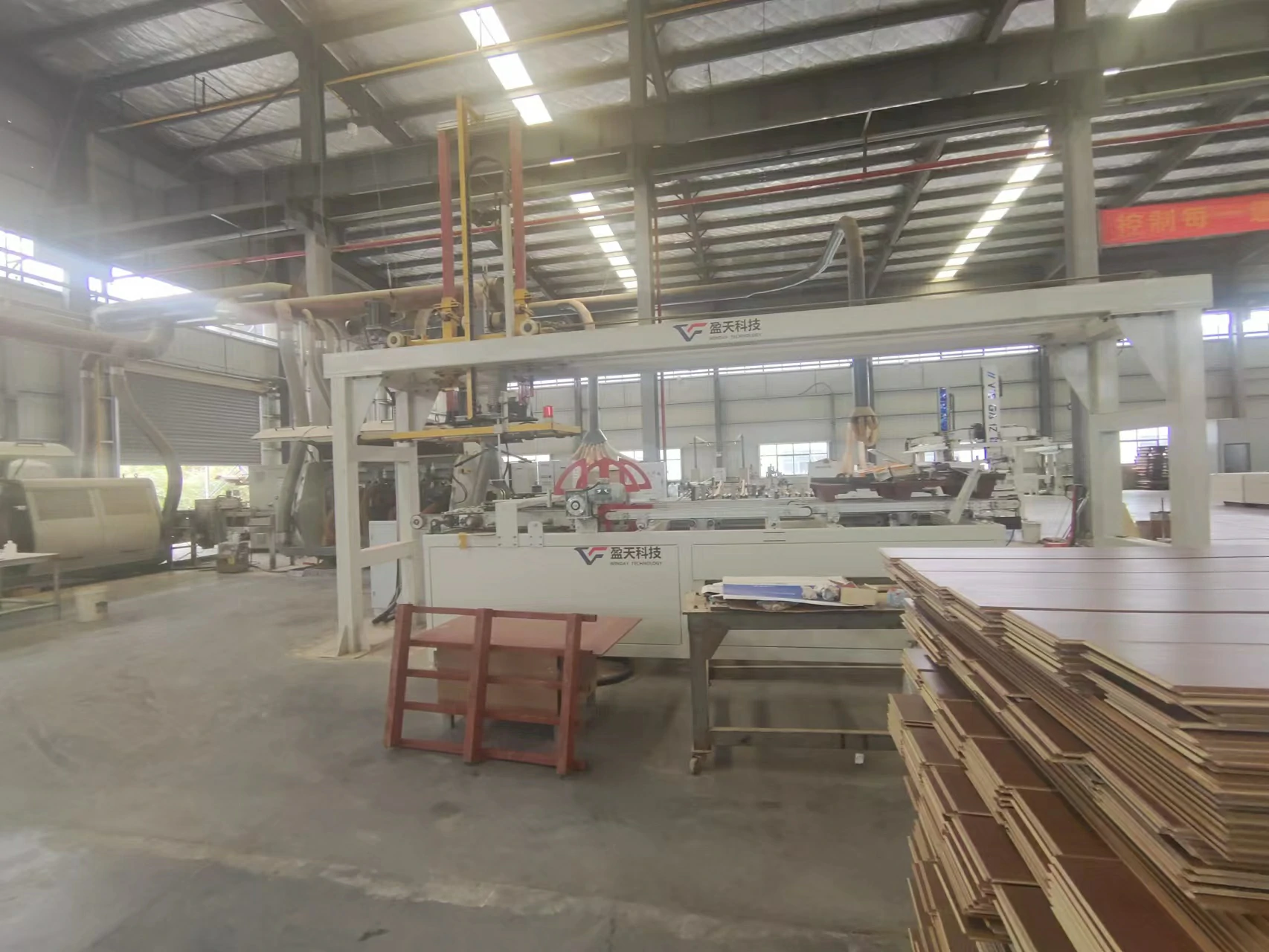
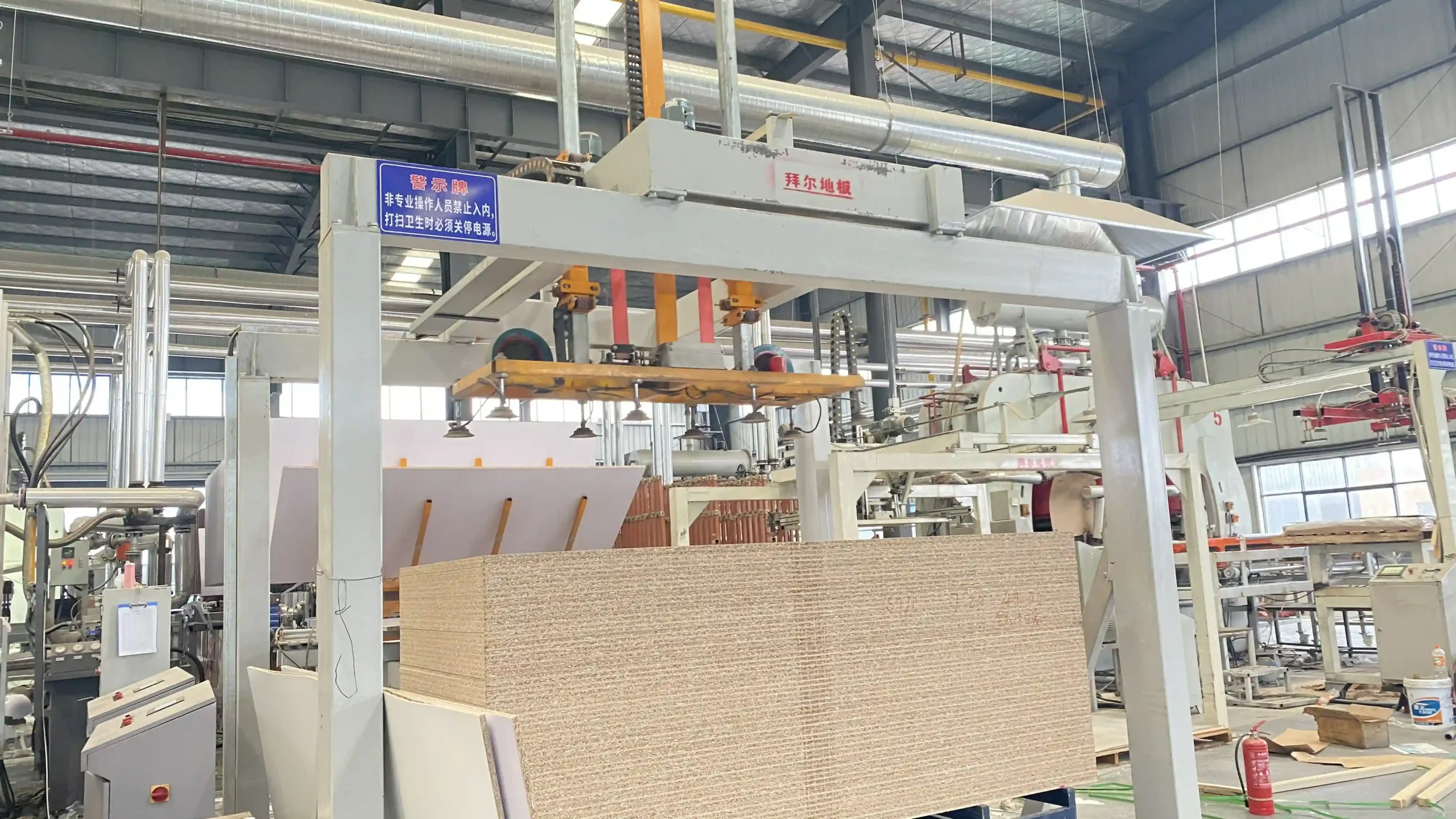
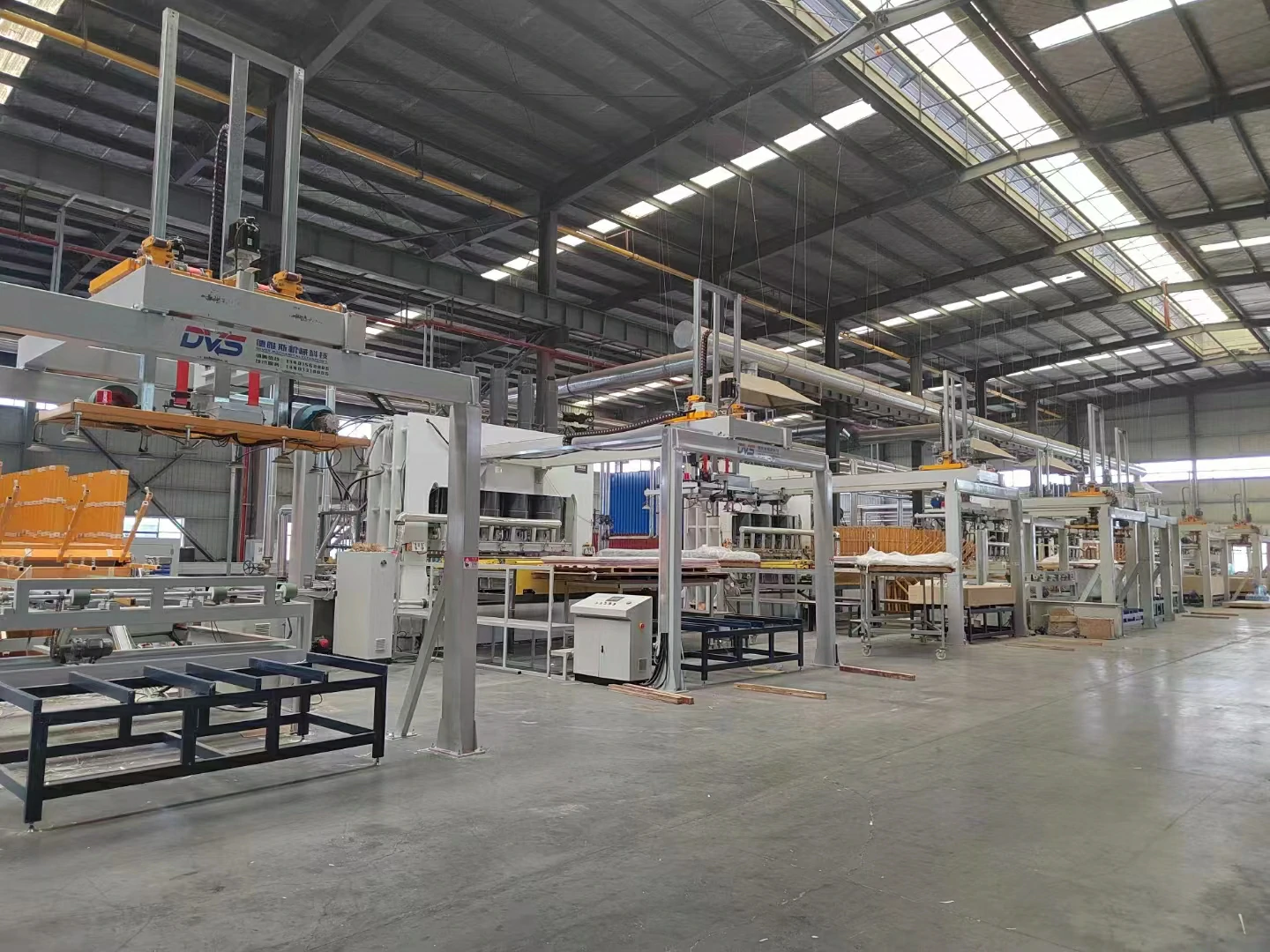
Baier – Wood-Based Panel & MDF/HDF Manufacturer Baier is a specialized producer of MDF, HDF, and laminated wood-based panels with strong export capabilities to the Middle East. Their manufacturing system maintains consistent density profiles and dimensional stability required by furniture and ready-to-assemble cabinet producers.
Key offerings include:
Thickness Range: 2.5–25 mm, covering furniture cores, shelving, wall cladding, and CNC-routed components
Density Options: 680–850 kg/m³ across different grades, delivering strong screw-holding strength and smooth edge finishing
Emission Classes: E1 low-emission boards; E0 options available for high-end residential or hospitality projects
Moisture-Resistant Grades: MR MDF suitable for kitchen cabinets, bathroom units, and humid environments
Surface Options: Raw MDF, melamine-faced panels, matte textures, wood-grain decors, and custom décor paper matching
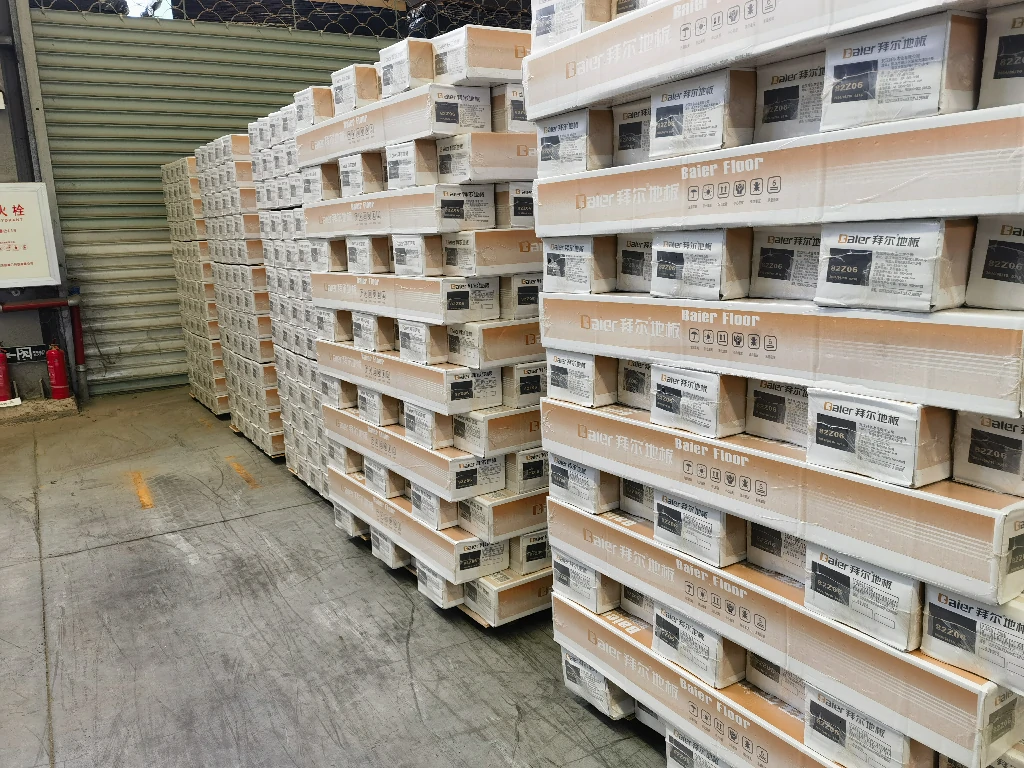
Export Support: Stable lead times, consolidated loading, and full documentation (density, formaldehyde tests, EN compliance)
Baier provides a dedicated export service for Middle Eastern buyers.
Website: https://www.baierfloor.com Contact: +86 17362311088
ONSUN Group – Large-scale MDF producer based in Weifang, Shandong, serving Middle East wholesale and furniture channels.
Website: https://www.onsungroup.com
Xingang Group – One of Linyi’s major board manufacturers with established shipping routes to Jordan and neighboring markets.
Website: https://www.xinganggroup.com
These manufacturers consistently supply full-container loads (FCL) to Aqaba and maintain competitive pricing structures that appeal to contractors, furniture factories, and regional distributors.
Uniboard sells to North America and some global markets from Quebec, Canada. Their free line +1 800-263-5240 goes to export sales. The address is 5555 Ernest-Cormier, Laval, Quebec. Check uniboard.com for North American MDF standards.
Jordan-Based MDF Import Agents
Local buyers make imports easier for small contractors and furniture shops. Helmi Alsharif focuses on Mdf Board imports. Ahmed Aburashed brings in plain MDF for construction. Ali Atiah imports furniture MDF, HDF, and wood products. These agents work with global suppliers and handle port customs in Jordan.
Dubai is the main shipping hub for Jordan’s MDF needs. Offices there cut shipping time versus direct shipments from Europe or Asia. You get combined shipping options and nearby stock for quicker projects.
Core Content Direct Extraction
Jordan’s MDF industry has limited local production setup. Two verified facilities operate in the country.
Kattan Group is Jordan’s main MDF producer. They use mechanical refining at high heat to make medium density fiberboard. This heat process creates boards with even density across all their products. The company is based in Jordan. They serve local buyers and regional markets.
Home Pillars runs from their Amman head office as the second confirmed MDF facility. Call their team at +962 6 4027 322 for product details and specs. They support Jordan’s building and furniture sectors with steady materials.
Critical Data Gaps in Jordan’s MDF Market
Market research shows major information gaps about Jordan’s MDF production sector:
- Production capacity numbers – factories don’t share these figures
- Market share data – no records exist between makers
- Factory certifications and quality standards – you need to verify these with companies yourself
- Current operational status – confirm through direct contact with makers
- Pricing structures and competitive positioning – not available in public records
These gaps mean you must contact Kattan Group and Home Pillars yourself. Ask for detailed factory specs, production volumes, certification papers, and current prices. Get this info before you make sourcing choices. Don’t skip this step – it protects your investment and ensures you work with reliable suppliers.