What Is The Best Cabinet Material For Residential Renovation Projects

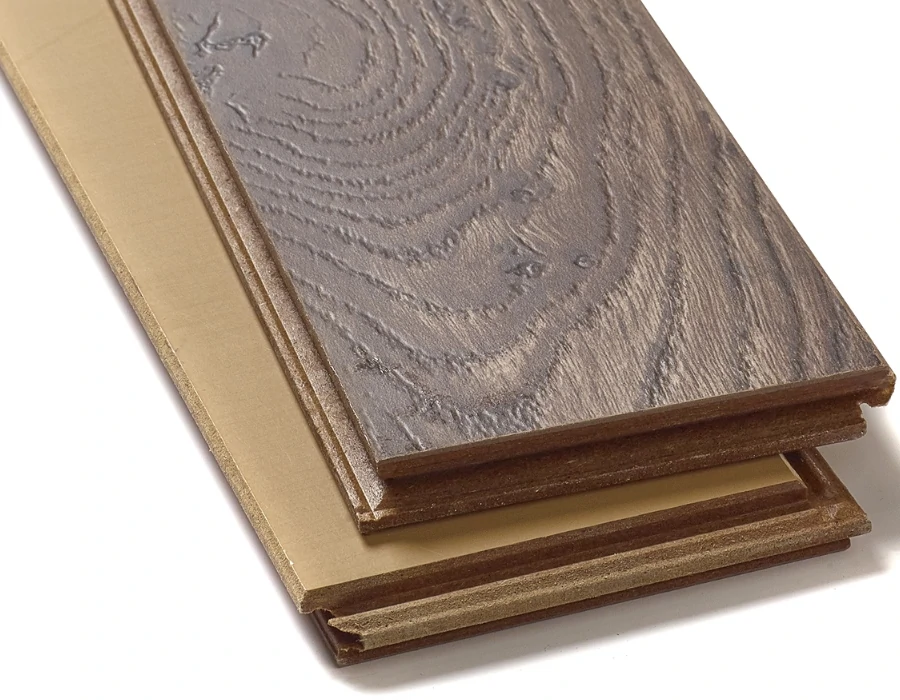
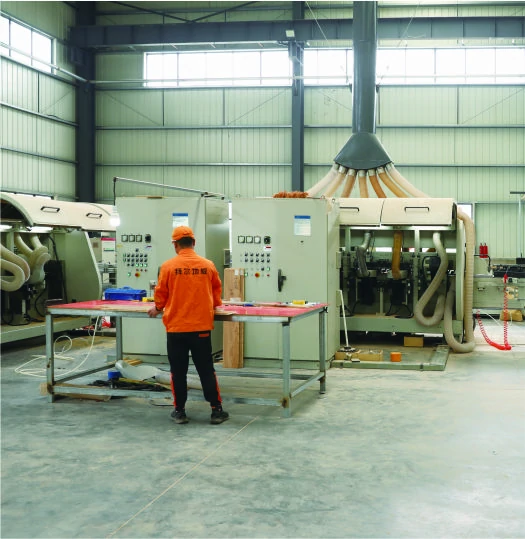
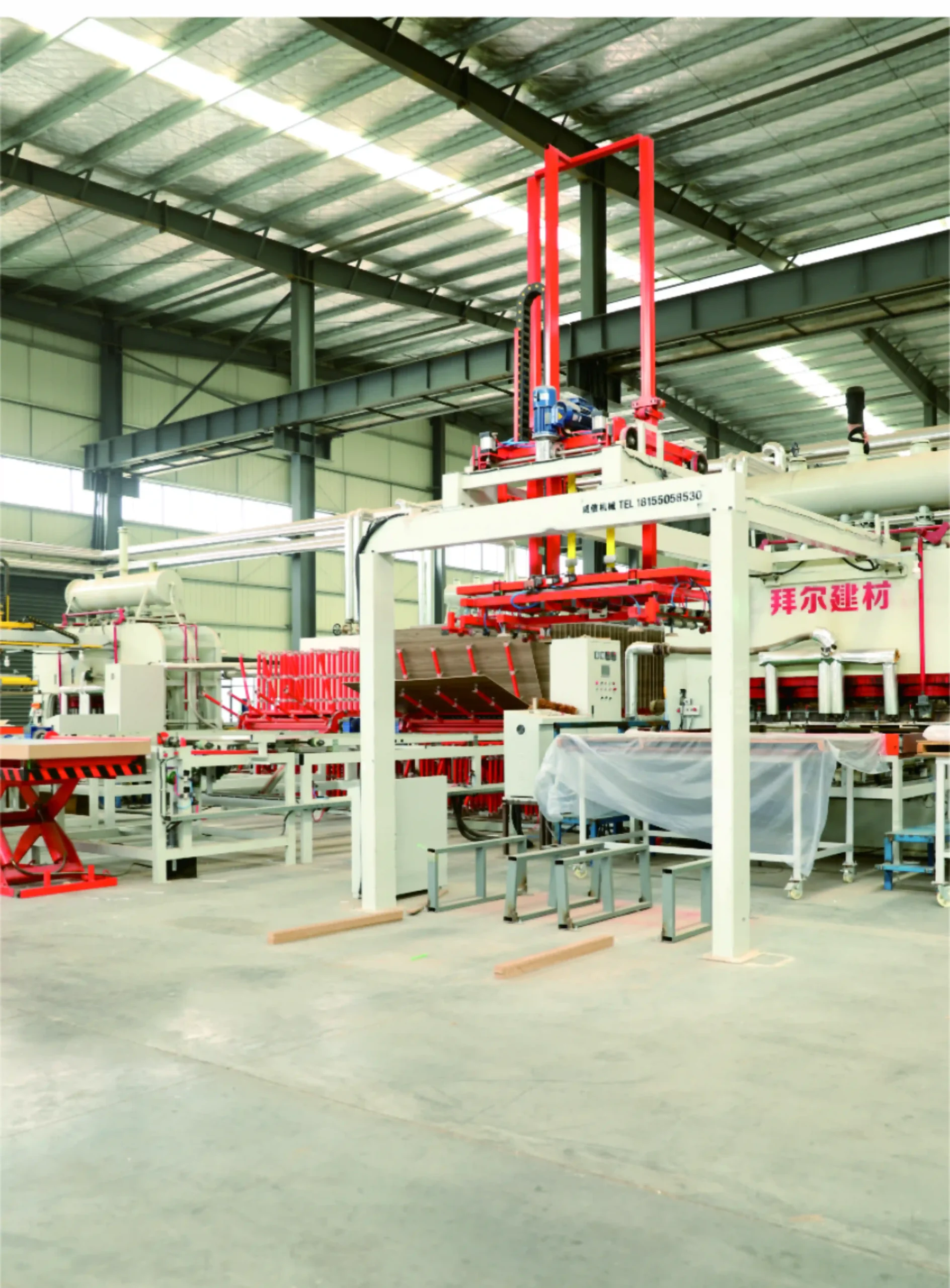
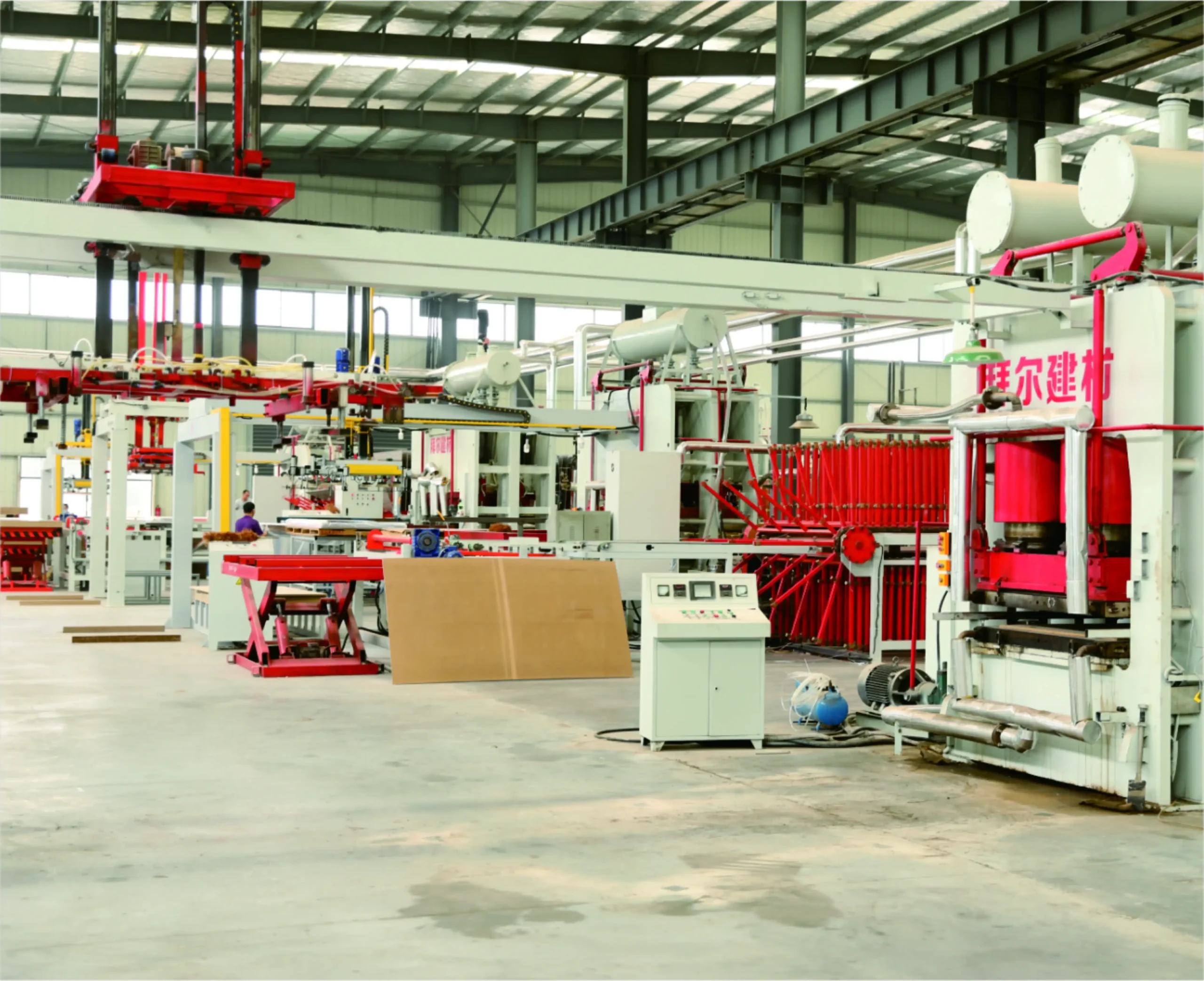
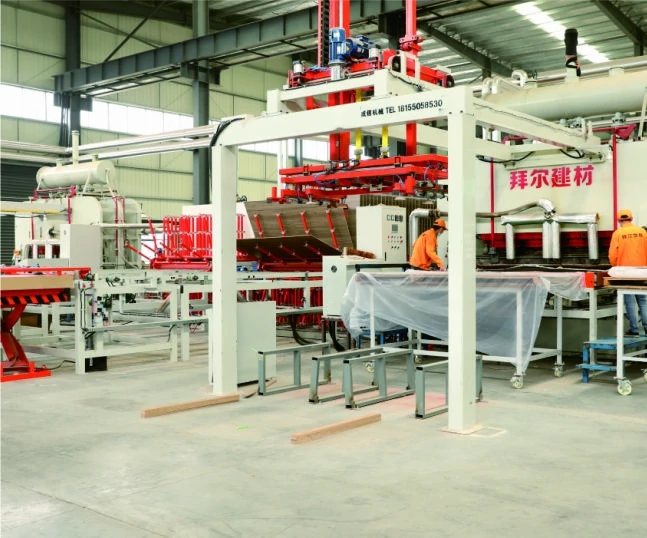
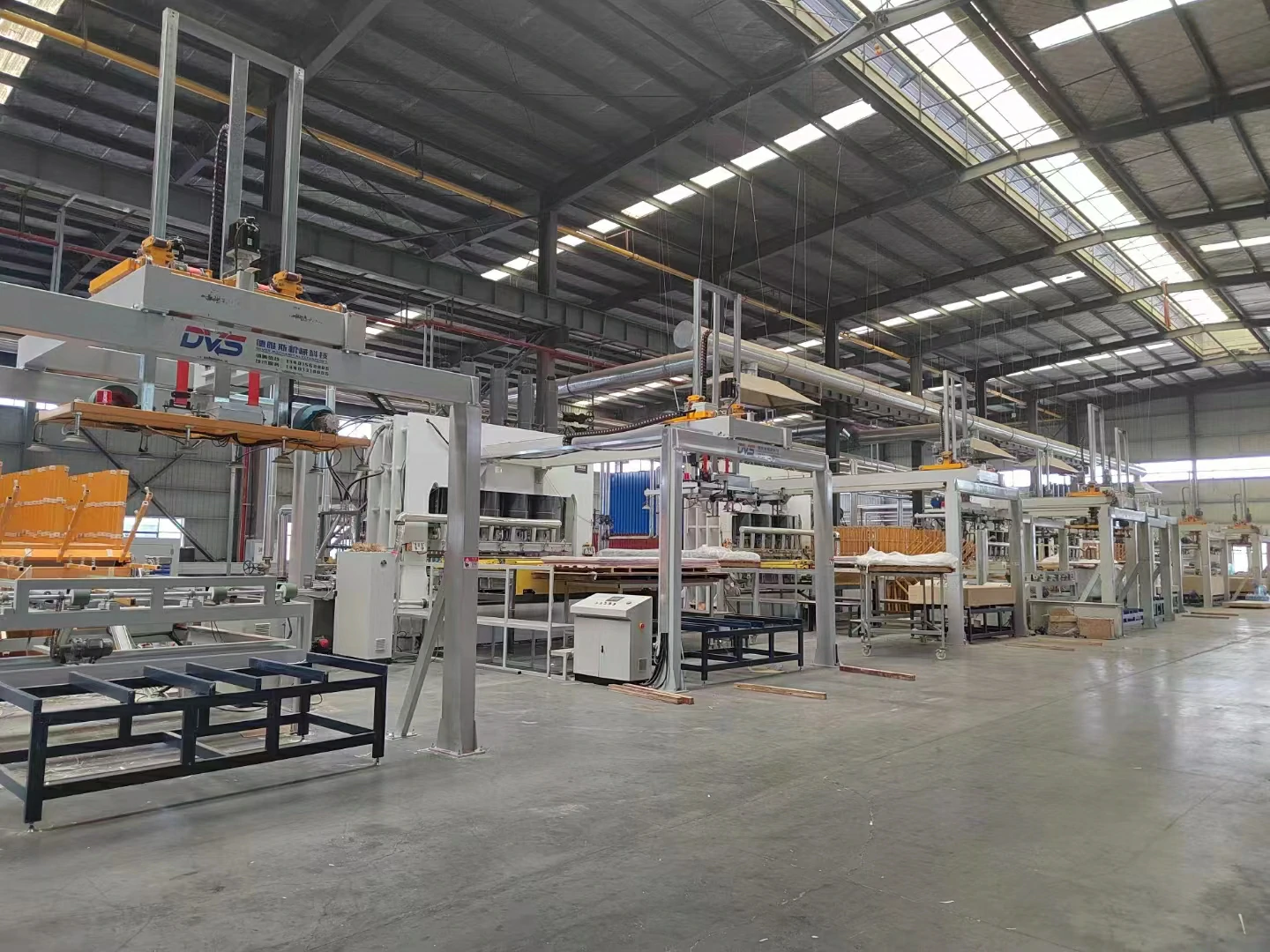
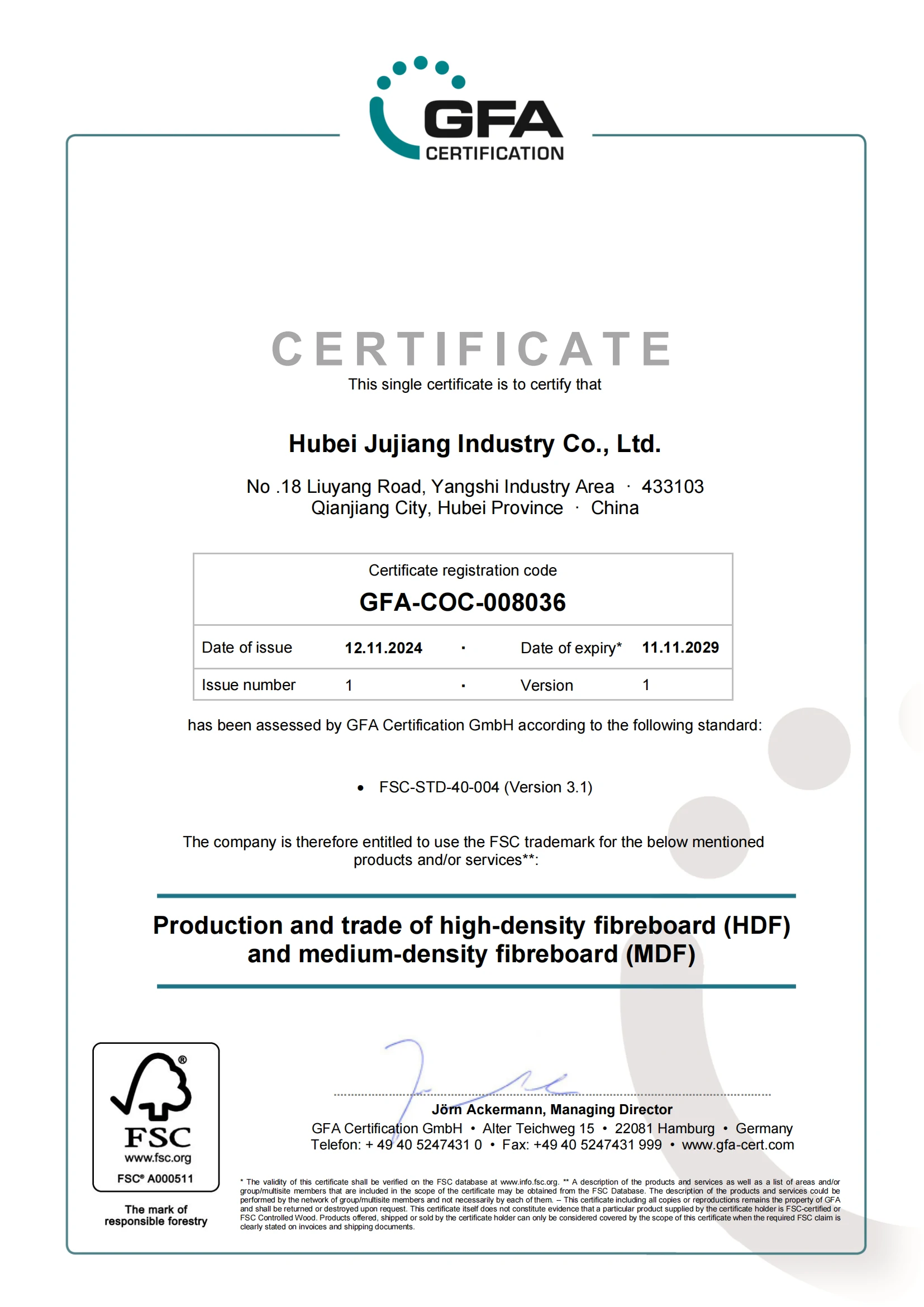
MDF/HDF Fiberboard

Overview of Common Cabinet Materials

Material

Durability

Moisture Resistance

Appearance Options

Cost Range (per linear ft.)

Key Advantages

Main Drawbacks

Typical Use

Solid Wood

High

Moderate

Limited to natural species

$200–$400+

Premium look, long lifespan, can be refinished

Expensive, can warp without proper sealing

High-end, traditional kitchens

Plywood

High

High

Paintable or stain-ready

$70–$150

Strong, stable, good screw-holding

Edges need finishing

Most residential kitchens

MDF

Moderate

Low–Moderate

Smooth & paintable

$50–$100

Perfect for painted styles, affordable

Can swell without treatment

Modern or budget cabinetry

Particle Board

Low

Low

Limited

$30–$60

Cheapest option

Weak durability, poor screw holding

Entry-level projects

Melamine (on MDF/Particle Board)

Moderate

Moderate

Many colors & textures

$40–$80

Scratch-resistant, easy to clean

Can chip on impact

Budget, easy-care kitchens

Laminate (HPL)

High

High

Many finishes

$50–$120

Very durable, stain & moisture resistant

High-end HPL approaches plywood cost

Modern, commercial kitchens

Thermofoil (on MDF)

Moderate

Low

Many styles

$50–$100

Inexpensive, easy maintenance

Can peel under heat

Rentals, affordable remodels

Stainless Steel

Highest

Highest

Metal finish

$300–$600+

Ultra-durable, hygienic

Very expensive, prone to dents

Industrial, modern high-use kitchens

Wood Veneer (on MDF/Plywood)

Moderate

Moderate–High

Real-wood appearance

$80–$150

Lightweight, eco-friendly

Can peel if neglected

Style-focused and eco installs

High-Density Fiberboard (HDF)

High

High

Smooth & paintable

Not commonly listed

Moisture-resistant, strong

Higher cost than MDF

High-moisture kitchens/bathrooms

Solid Wood Panel Materials: Durability, Value, and Natural Appeal

a18e26cf 7e2e 4609 bfca 0a72574e96ba

Solid wood panel materials are strong and have lasting value in home renovations. Unlike MDF or laminate, solid wood handles wear, dings, scratches, and even moisture. You can repair damage by sanding or refinishing. This means you won’t need replacements often.

Best Solid Wood Species for panel materials

Maple: Very strong and resists warping. Many people choose it for high-end custom projects.
Oak: Lasts a long time. High-quality oak panel materials can last for decades or even a lifetime with basic care.
Cherry: People want it for its rich grain and deep color. It also offers high strength.

Natural Beauty and Customization Options

Every solid wood cabinet has its own unique grain and color. This natural look brings warmth and timeless style. Composite materials can’t match this.

Solid wood offers many ways to customize. You can paint, stain, or finish it in countless ways. This supports design goals from rustic farmhouse to sleek modern kitchens. You can create any size, shape, or style. I think this is perfect for those wanting a custom “dream kitchen.”

Real Estate Value and Resale Advantages

Solid wood panel materials add real value to your home. Real estate agents point out solid wood in kitchen and bathroom listings. Buyers respond well. Homes with solid wood kitchens often see higher appraised values. They also get more buyer interest.

Well-kept wood panel materials can boost overall home value. They tend to hold that value longer than cheaper options. Industry stats show kitchen remodels with solid wood cabinetry recoup about 70–80% of their cost on resale.

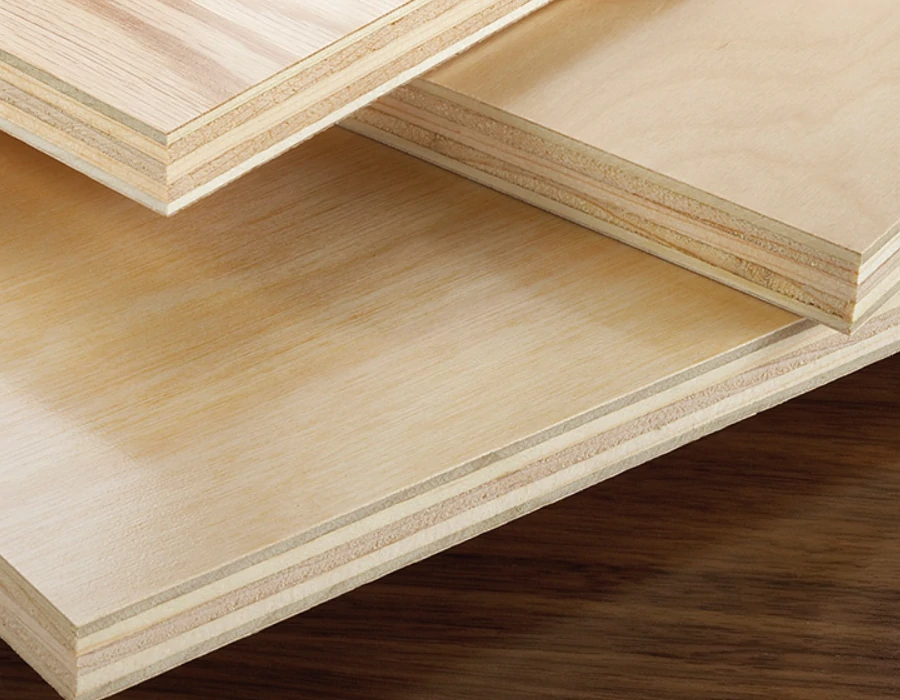
Plywood Panel Materials: Strength, Moisture Resistance, and Versatility

b6fabd3f af66 4889 ad3d 8b6d1e6605f4

Key Features and Upgrades

Natural Wood Appearance: Plywood shows visible wood grain. This delivers a premium look. You can stain, coat, or finish it for traditional to sleek modern styles. Natural variations like knots may require extra finishing, so plan for that.

Customizable Designs: Customization isn’t as extensive as solid wood. But you can select from modern frameless options and modular system sizing. This helps maximize storage and design flexibility.

Modern Hardware as Standard: Soft-close drawer dampers and high-quality hinges are common in plywood cabinet lines. These features raise both appearance and durability.

Eco-Friendly Production: Plywood comes from renewable wood veneers. It has lower Formaldehyde emissions. Improved CNC machining makes it a greener alternative to many synthetic options. I like this aspect for homeowners who care about sustainability.

Cost and Value Analysis

Budget Consideration: Plywood panel materials cost about 20% more than melamine or MDF. Higher-end plywood can run $70–$150+ per linear foot. Your finish and supplier affect the final price.

Long-Term Savings: The upfront investment pays off. Plywood needs a few major repairs or replacements. This means fewer headaches and costs over time. I suggest thinking about long-term value, not just the initial price.

Warranties: Many manufacturers offer 25-year limited warranties. This signals strong long-term reliability. I find this reassuring for buyers.

Things to Consider

Initial Expense: Plywood’s higher price point is its main drawback. You also need to finish work to hide seams or imperfections. This adds to the cost.

Surface Variations: Be prepared for some natural irregularities. These might require more prepping or refinishing. Solid wood still offers more options if you want total control over the final look.

Potential for Warping: Plywood is far less vulnerable than particleboard. But it can still warp if exposed to extreme humidity swings. This is rare, though. In my experience, proper installation prevents most warping issues.

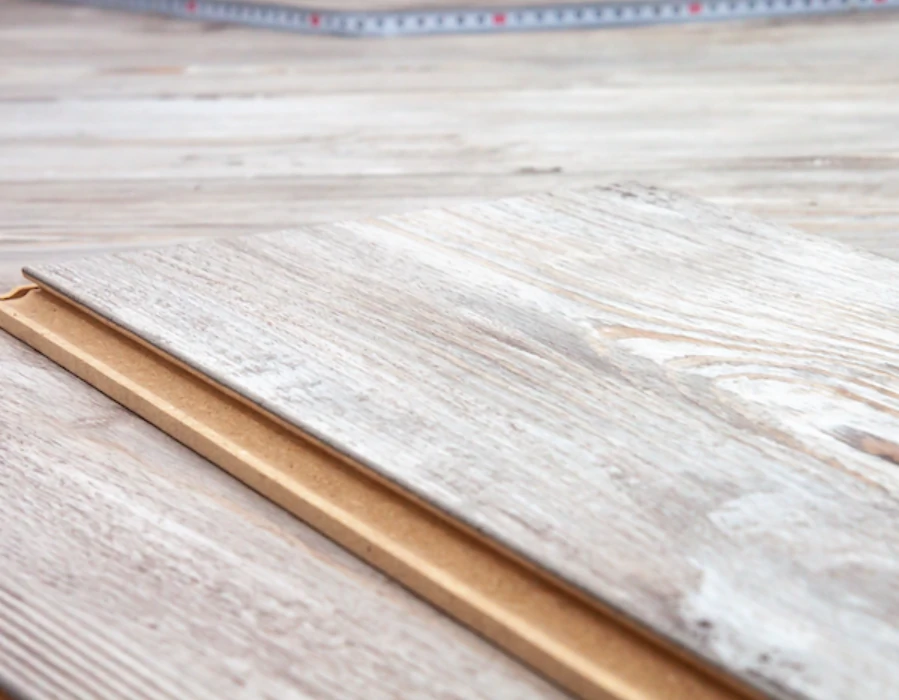
MDF (Medium-Density Fiberboard) panel materials: Affordable, Smooth, and Versatile for Modern Renovations

MDF panel materials are a popular choice for homeowners who want to balance cost, looks, and custom options. This material works well in many kitchen projects. It gives you a smooth paint finish and adapts to different styles. This makes MDF perfect for modern and affordable kitchen updates.

Key Benefits of MDF Panel Materials

Big Cost Savings: MDF panel materials cost 30–50% less than solid wood options. For kitchen remodels, you can save hundreds or thousands of dollars. Larger projects see even bigger savings.

Smooth Paint Finishes: MDF has a dense surface with no grain. This lets you create ultra-smooth painted finishes. MDF gives you up to 70% smoother results than solid wood. I recommend it for custom colors, shaker-style doors, or detailed paneling with crisp lines.

Design Flexibility: You can shape and cut MDF with ease. It supports many cabinet styles and decorative features. Solid wood can’t always do this. You’ll see MDF in detailed panel designs and trendy flat-panel modern kitchens.

Stable in Changing Humidity: MDF won’t warp or crack as natural wood does. Home humidity changes don’t affect it. This makes it a practical choice for interior panel materials.

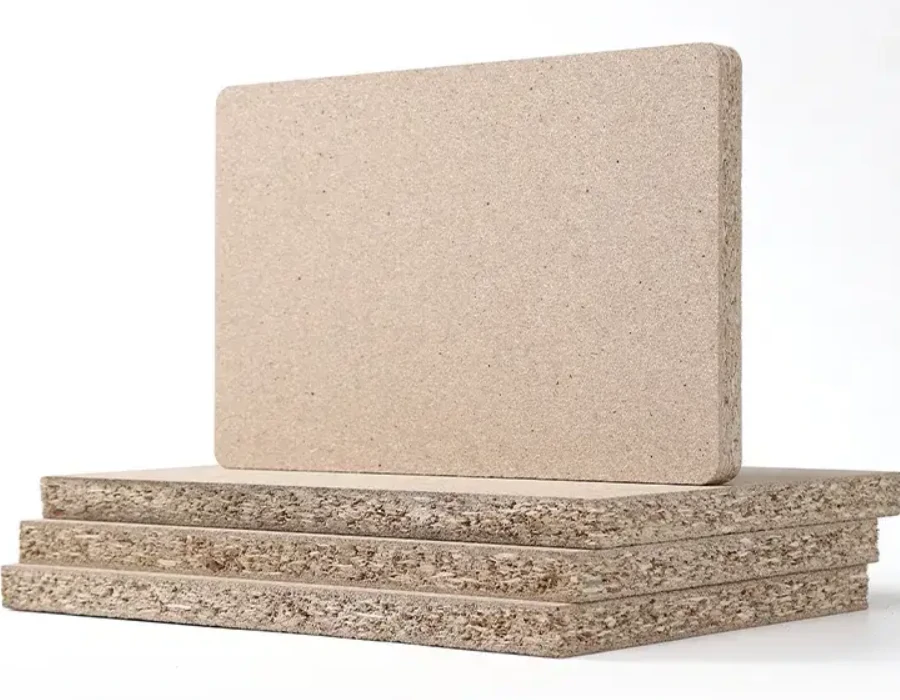
Particle Board Panel Materials: Affordable Cabinet Board Option for Budget Renovations

8e5c8910 4efa 4758 9422 c7cbe252cd06

Features and Construction

Made from compressed wood scraps, sawdust, and resin. Particle board forms lightweight panels. These panels are easy to handle.

The panels are flat and smooth. This makes them great for decorative laminates or veneers.

You get many sizes and finish options. You can customize them to match your design needs and space.

Advantages

Big cost savings versus higher-end cabinet options.

Lightweight. Wall-mounted units go up quickly and simply.

Smooth surface. It provides a great base for paint, veneer, or laminate finishes.

Eco-friendly. Made with a high percentage of recycled wood content.

Very customizable in size and finish. They fit most home renovation plans.

Disadvantages

Poor moisture resistance. The boards swell, warp, and deform if exposed to leaks or high humidity. panel materials get ruined if they get wet.

Low durability. They dent, scrape, chip, and sag under normal wear. This gets worse if you overload them.

Weak screw holding. Hinges and fasteners can loosen. Doors or shelves start drooping over time.

Short lifespan. They last much less than plywood (20–30 years) or solid wood (30+ years).

Difficult to repair. Once chipped or broken, you have few restoration options.

Needs a finish. It looks raw without a veneer or melamine layer.

Possible environmental impact if resins used aren’t sourced responsibly.

Lower resale value. Homes with particle board cabinetry may sell for less than those with better materials.

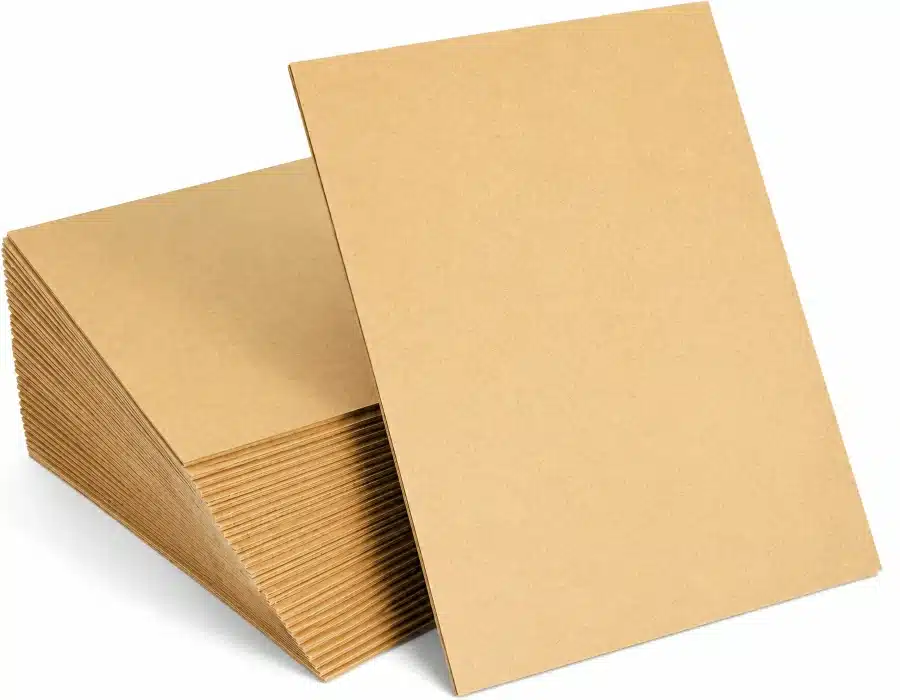
HDF (High-Density Fiberboard) Panel Materials: Durable, Smooth, and Moisture-Resistant for Modern Furniture

036c8a19 8057 4599 a230 8e5b8c727ff2

Key Features and Performance of HDF Panel Materials

High Density & Strength:
HDF is denser than standard MDF. It handles more weight. It won’t bend or sag. 

Smooth Surface Quality:
HDF has a smooth, even finish. It works great for painted cabinet doors or thermofoil wraps. You won’t see any wood grain. You get clean, modern results in white, black, navy blue, or any bold color.

Moisture Resistance:
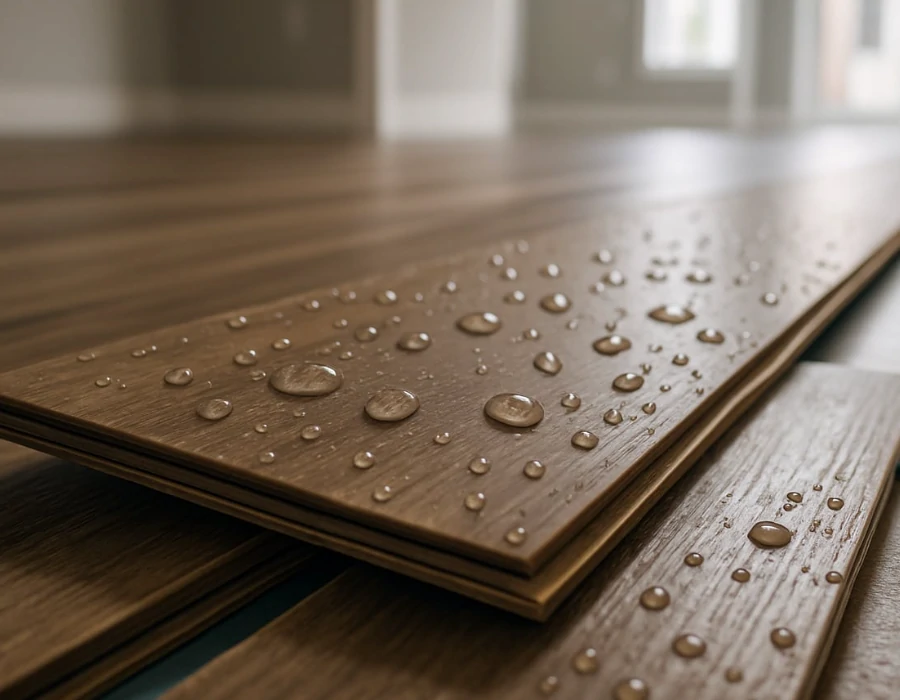
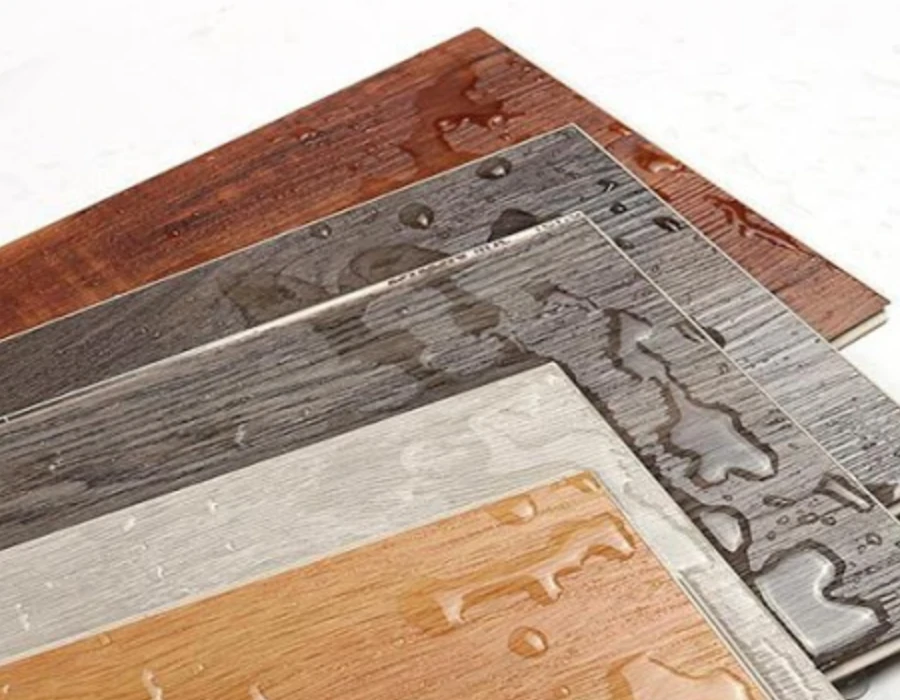
HDF beats MDF in wet conditions. It resists swelling, warping, and cracking. This makes it safer for kitchens, bathrooms, and laundry rooms. Note: It’s not waterproof. Wipe up spills fast. Avoid standing water.

Long-Term Value:
HDF lasts longer than MDF. You’ll need fewer repairs. You’ll replace it less often. It costs more upfront than MDF. But it costs less than solid wood or plywood.

Real-World Stability:
HDF resists impacts. It handles frequent use. It supports detailed designs and custom profiles. I like it for shaker-style doors and raised panel designs.

Pros and Cons of HDF Panel Materials

Pros:
– Resists impacts well for everyday use
– Smooth, clean finish—no paint streaks or grain marks
– Stays stable in humid conditions
– Works well for shaker, raised panel, and detailed door designs

Cons:
– Not waterproof—standing water can damage it
– Heavier than MDF—you need strong hardware and extra help to install
– Costs more than MDF but saves money over time with fewer replacements

Laminate Panel Materials: Affordable, Durable, and Stylish Choice for Home Renovation

1813ffeb 0abd 4519 b518 3e5ba24cd49a

Cost and Value Comparison

Budget-Friendly Renovations: Laminate panel materials cost 20–50% less than plywood or solid wood cabinetry. You can cut cabinet expenses by up to 40–50%. This makes them smart for projects with tight budgets.

Lower Resale Value: They save money upfront. But laminate panel materials have a lower resale value than wood or metal options. Buyers see them as a budget solution.

Durability and Lifespan

Strong Resistance: The synthetic outer layer protects laminate panel materials well. They resist scratches, dents, and nicks better than most wood options in busy kitchens.

Moisture Handling: Sealed laminate resists kitchen humidity and moisture. This limits warping or rotting risks common with wood. But ongoing water exposure, steam, or high humidity can cause delamination or bubbling over time.

Edge Weakness: Most damage happens at edges or corners. You’ll see chips or peels there. Unlike wood, these issues need full panel replacement. You can’t just patch or refinish them.

Lifespan: expect a 5–15 year lifespan. Quality and use matter here. Solid wood lasts much longer—often decades.

Design, Finish, and Customization Options

Variety of Styles: I like that laminate panel materials offer many colors, textures, and finishes. You can choose matte, glossy, textured, or realistic wood grain effects. I suggest High Pressure Laminate (HPL) for better durability in busy kitchens.

Modern Aesthetics: The look can mimic wood, stone, or metal. Some people feel it lacks the depth and warmth of real wood cabinetry.

Eco-Friendly Choices: Some modern laminates use recycled content or low-VOC adhesives. These are greener options for eco-conscious renovators.

Customization: Color and style choices are vast. But structural customization is limited. Most laminate panels are mass-produced. Custom shapes or sizing cost extra.

Melamine Panel Materials: Affordable, Stylish, and Easy to Maintain

c285b096 7003 4437 8649 b4828b892e0a

Key Features and Performance of Melamine Panel Materials

Budget Friendly: Melamine panel materials cost about 30–50% less than solid wood. You’ll pay $40–$100 per linear foot. This saves you serious money on large remodels or multi-unit projects.

Consistent Look & Modern Design: The laminated outer layer gives a uniform appearance across every panel. Melamine offers dozens of solid colors, patterns, and faux wood grains. It works for both modern and traditional designs. Panels always match. Natural wood varies from piece to piece.

Durable Finish: The melamine coating resists scratches, stains, and most kitchen spills. Cleaning is easy—just wipe with a damp cloth. This cuts down on maintenance costs.

Lightweight and Easy to Install: Melamine panel materials weigh less than solid wood or plywood options. You can install them yourself. I suggest hiring pros to avoid surface chipping or splintering.

Limitations and Drawbacks

Chipping Risk: The hard resin coating chips if hit or drilled wrong. This exposes the MDF or particleboard core. Once exposed, these cores absorb water and break down fast.

Moisture Concerns: Melamine starts out moisture-resistant. But the core will swell up to 100% in volume if water gets through seams or damaged edges. You must use good edge banding and seal carefully for kitchens and baths.

Sensitive to Heat: Placing melamine panel materials near heat sources (like ovens or stoves) can cause warping or discoloration over time.

Limited Customization: Melamine comes in slab-style doors with simple profiles. You won’t get the decorative trims or detailing you can achieve with solid wood.

Repair Challenges: Chips, major scratches, and water damage are hard to fix—often impossible. Most repairs mean replacing entire panels.

Environmental and Longevity Considerations

Lifespan: With normal use and proper care, expect 10–15 years before you need replacement.

Eco Impact: Melamine is a type of plastic (type 7). Most municipal programs can’t recycle it. End-of-life disposal is less green than wood or metal alternatives.

Thermofoil Panel Materials: Affordable, Durable, and Easy-Care Cabinet Solution

57a92634 fc37 427c 9984 13d61f522480

Key Advantages of Thermofoil Panel Materials

Great Cost Savings
Thermofoil panel materials cost 50–70% less than solid wood alternatives. This makes them ideal for large kitchen makeovers, bathroom updates, or multi-unit properties. A solid maple cabinet door costs $75–$150. A comparable thermofoil door costs just $25–$50.

Durability and Longevity
Thermofoil panel materials have a seamless, non-porous finish. They resist scratches, dents, chipping, and warping. The vinyl covering resists most water and humidity damage. It performs much better than traditional wood options. Lifespan ranges from 10–20 years. This depends on the core quality and vinyl thickness.

Moisture and Stain Resistance
The sealed vinyl layer makes cleaning simple. Just use a damp cloth and mild soap for dirt, grease, and stains. You don’t need special edge banding or touch-up paint.

Eco-Friendly Construction
Many thermofoil panel materials use MDF cores made from recycled wood fibers. This reduces waste and environmental impact compared to solid wood cabinetry.

Heat Protection
The vinyl surface offers partial heat resistance. It’s not heatproof, but it works well for most home use. It shields the core from minor hot spills and day-to-day kitchen temperature changes.

Lightweight and DIY Friendly
I like that thermofoil panel materials are lighter than solid wood. They install easier too. This makes them great for do-it-yourself projects and fast installations. I suggest them for rentals or multi-unit renovations.

Versatile Styles and Finishes
You can find a huge range of colors, finishes, and textures. Options go from glossy white to textured wood-grain. This covers both traditional and modern interior styles.

Easy, Inexpensive Repairs
If a door or drawer gets damaged, you can replace just that piece. You don’t need to replace the whole cabinet. This keeps maintenance costs low.

Wood Veneer Panel Materials: Cost-Effective, Sustainable, and Stylish Choice

3ee3dfca 27db 41f4 8efe 3f5de88f0bcb

Sustainability and Eco-Friendly Value

Veneer panel materials make the most of available resources. Thin slices of real wood veneer (0.5–2 mm thick) bond to stable core materials. These include MDF, plywood, or particle board. This method covers 10–20 times more surface area per log compared to solid wood panel materials. It reduces wood waste by a large margin.

Manufacturers often use fallen trees or logs that won’t work for solid wood construction. This cuts down the impact on forests. Veneer cabinetry works well with green building certifications. it gain popularity in eco-conscious renovations.

Design and Customization Versatility

Extensive Species and Finishes: Veneers come in dozens of wood species. You’ll find high-end exotics like mahogany, walnut, and bamboo. Homeowners get luxury looks at a fraction of the cost.

Consistent Visual Appeal: Veneer panels deliver uniform grain patterns and color matching. Solid wood can’t match this consistency. You get a seamless, elegant look across large kitchen spaces.

Customizable Styles: You can choose from matte, glossy, oiled, or painted finishes. Install veneers in slab-style modern fronts or as panels in classic five-piece cabinet doors.

Durability and Performance

Dimensional Stability: The engineered wood core helps veneer panel materials resist warping and cracking. This matters most in kitchens and bathrooms. Humidity and temperature shift often in these spaces.

Lightweight Yet Strong: The construction makes them easier to handle during installation. It allows for creative applications. Think curved doors or integrated accent panels.

Longevity: Modern adhesives and pressing techniques affix veneers with strength. They offer years of solid use when you maintain them well.

Considerations and Limitations

Water Protection Required: Veneers need a good seal. Water that penetrates can cause the surface to delaminate or warp.

Repair Difficulty: Deep gouges or dents are hard to fix compared to solid wood. You can touch up minor scratches. Larger damage often needs panel replacement.

Lifespan: Veneer panel materials last many years with care. They may not match the longevity of solid wood under heavy use. Solid wood offers better refinishing options over time.

Key Data and Takeaways

Cost savings: ~30–50% vs. solid wood

Eco-efficiency: 10–20x more yield per log

Finish/species choices: Hundreds available, including exotics

Best uses: Kitchens, baths, walls, closets—great for sustainable or budget-conscious projects