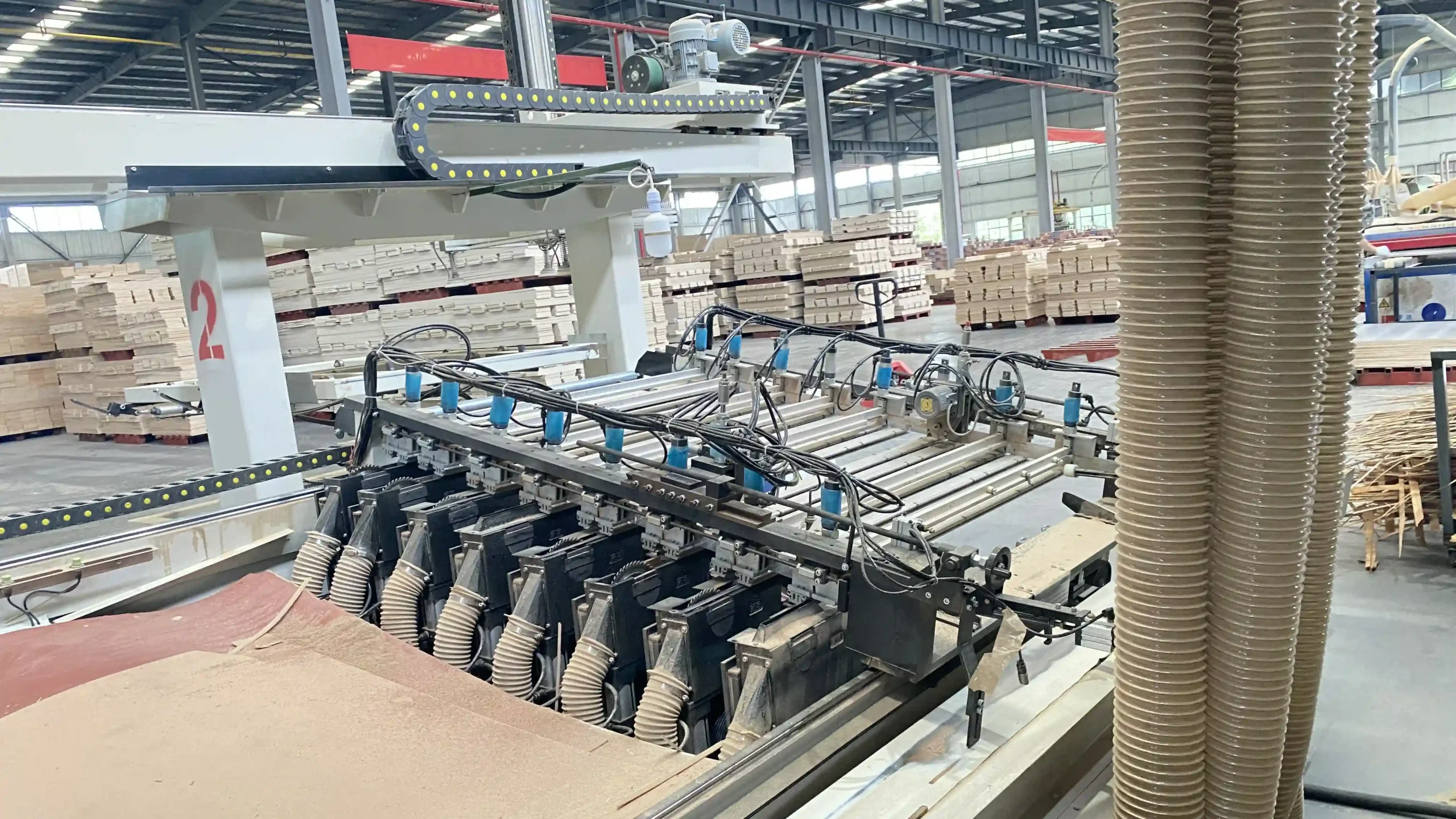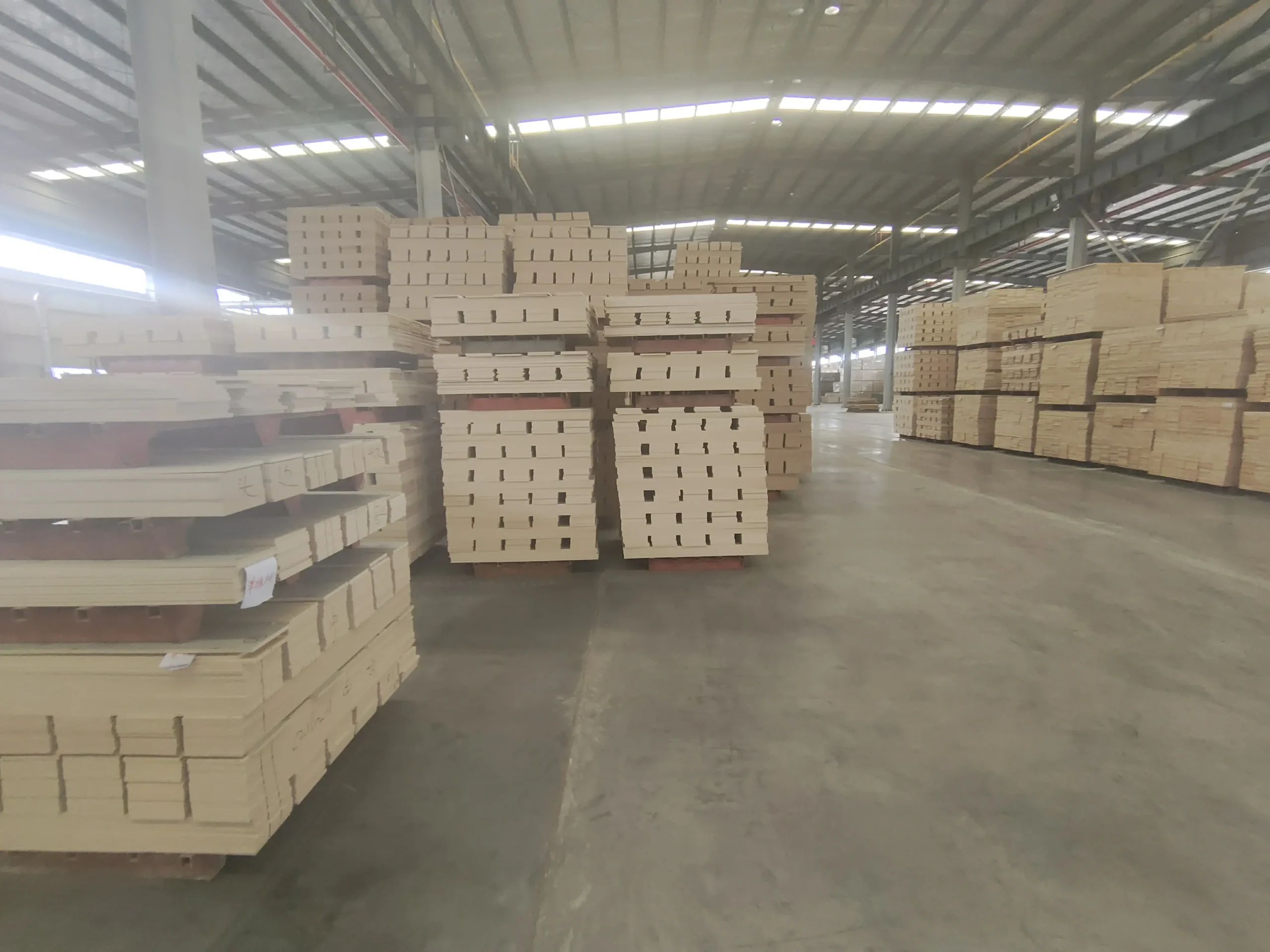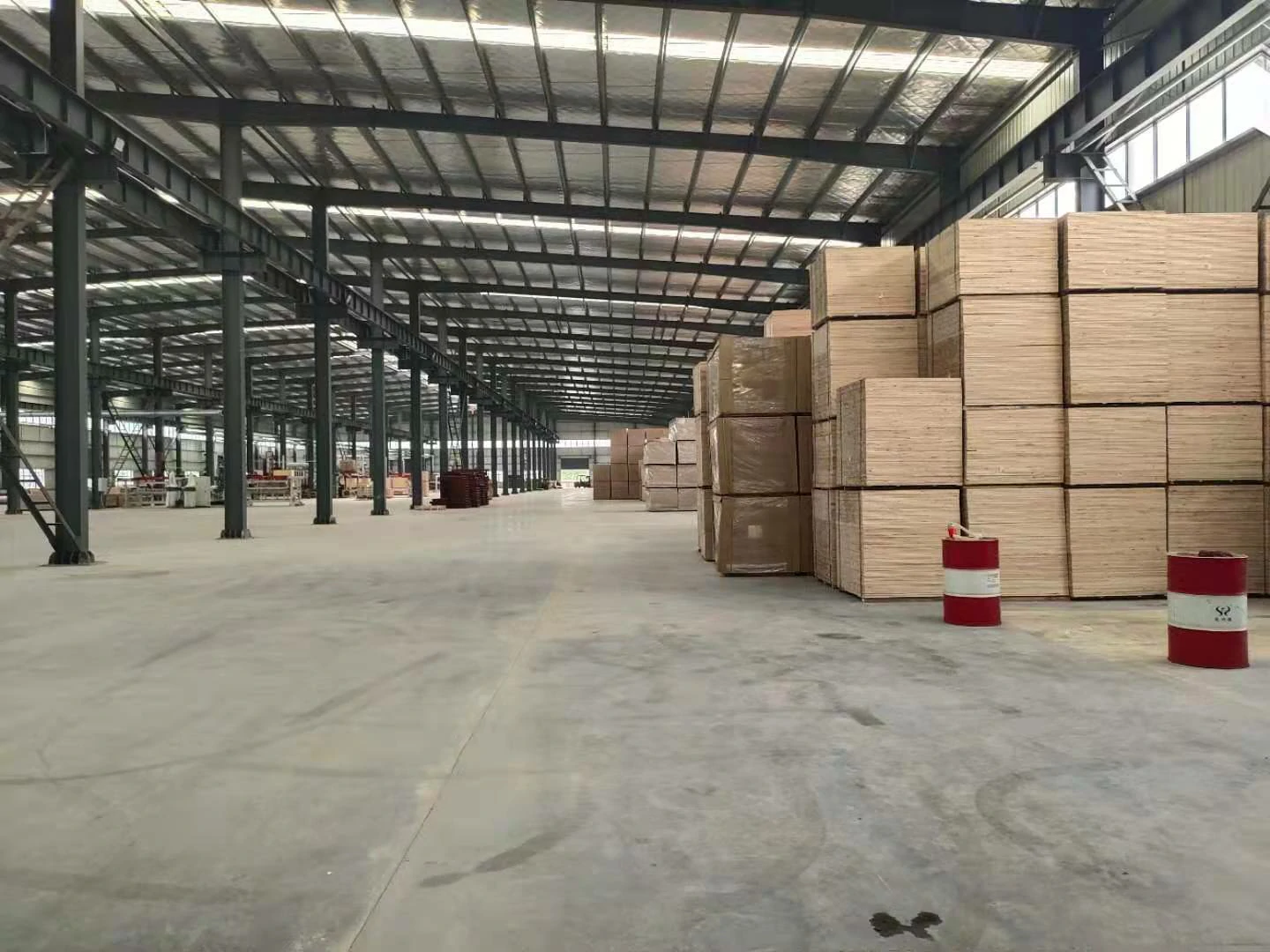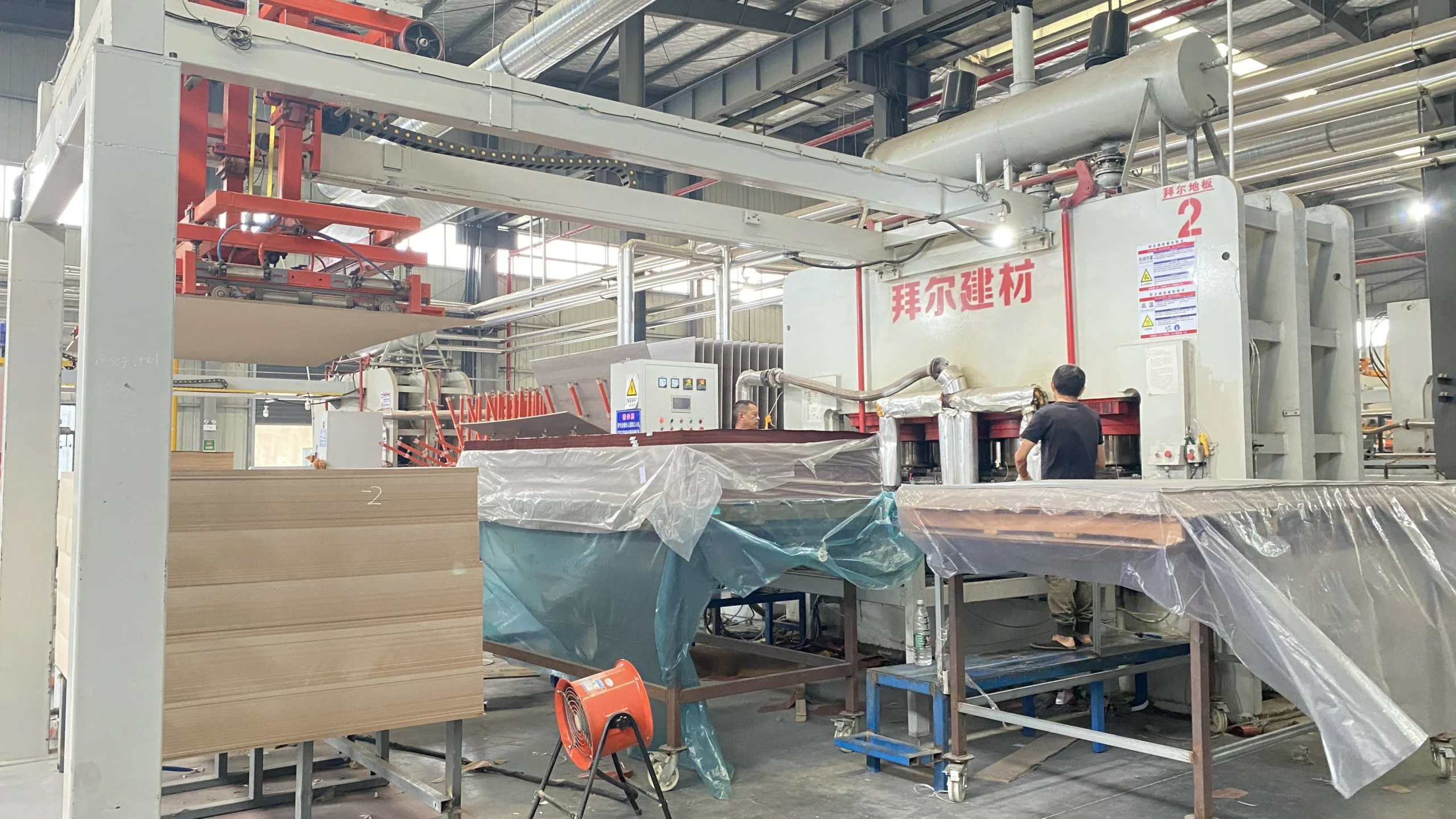
Top 5 Furniture Boards Compared: Strength, Durability, And Performance

MDF/HDF Fiberboard

Top 5 Furniture Boards Compared: Strength, Durability, And Performance

Ever noticed how top-tier boards seem to shield your furniture from the chaos of daily life—a steaming mug left overnight, the heavy thud of a box, the quick spike from summer’s humidity to winter’s chill? I’ve seen cabinets in bustling Shanghai hotels stand tall for years, while cheap panels warped like melted chocolate within a single rainy season. That’s the magic of quality engineered boards: they fight off cracks, bends, and scars, cutting failures by over 60% according to furniture repair surveys. Choose wisely, and your tables and wardrobes keep their shape and beauty long after others have surrendered to the elements.

1. Plywood: Strength, Durability, and Performance

b6fabd3f af66 4889 ad3d 8b6d1e6605f4

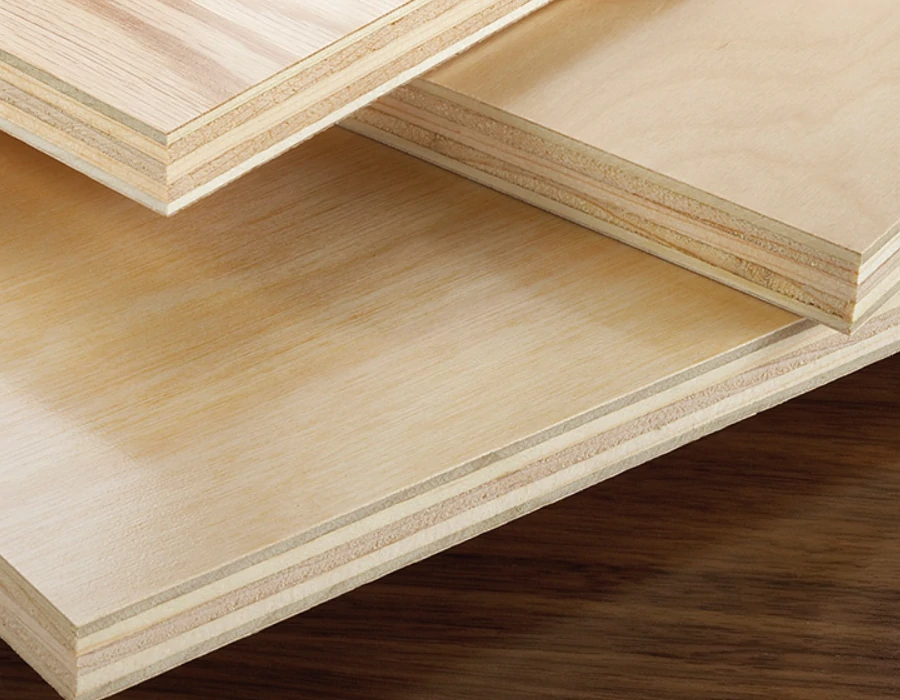
Plywood is a high-quality engineered board. Manufacturers build it by stacking thin wood veneers with grains at right angles. This cross-grain design gives plywood its strong performance. I find it reliable for furniture projects.

Strength and Structural Performance

Load Capacity & Impact Resistance:

Plywood’s cross-laminated layers beat MDF and particle board in impact resistance. They also carry more weight.

In bending tests, 15mm plywood holds about twice the load of MDF. It carries three times what particle board can handle before breaking.

It resists warping, splitting, and bending even under high stress and long-term use.

Longevity:

With proper care, plywood furniture lasts for decades. I see it used often for heavy-duty pieces. These include subfloors, wall panels, cabinets, bed frames, and worktops.

It holds screws and nails better than other common boards. This creates strong, reliable joints.

Moisture Resistance and Environmental Performance

Superior for Wet and Humid Areas:

Marine-grade and exterior plywood handle moisture well. They resist humidity and brief water exposure far better than MDF or particle board.

I recommend them for kitchens, bathrooms, boat-building, and outdoor furniture.

Sealing Matters:

Plywood resists moisture, but you need proper edge finishing. Seal the edges well. This prevents swelling or layers separating from water exposure.

Workability and Versatility

Design Flexibility:

You can find plywood in many thicknesses (6mm–25mm+). Different grades suit structural and decorative needs.

Shops can custom-cut it for shelves, cabinetry, curved furniture, and architectural details.

Surface and Edges:

Plywood looks natural. For visible surfaces, I prefer decorative veneered options.

Edges may need finishing for a professional look. This is important in premium furniture.

Applications and Performance Examples

Multi-Functional Uses:

I use plywood for structural panels, built-in frames, shelving, high-traffic furniture, and cabinetry.

Marine and BWP/BWR grades work best in water-prone areas.

Performance Under Stress:

For heavy-use pieces like dining tables, bed frames, and utility storage, plywood holds its stability and strength well.

Personal Preference:

I recommend plywood for projects where appearance, strength, and long life matter. It excels in custom cabinetry and architectural furnishings.

Cost and Value Considerations

Investment Perspective:

Plywood costs more upfront than MDF or particle board. But it gives better value over time. Its durability means fewer failures.

Marine or waterproof grades cost more. But they give peace of mind in kitchens, bathrooms, or outdoor spaces.

Grades and Best Uses

Marine Grade: Boats, garden benches, and exposed outdoor furniture.

BWP/BWR Grade: Kitchen cabinets, washroom vanities, laundry furniture.

Commercial/Industrial Grade: Subfloors, shop counters, staging.

Decorative Veneered: Wall panels, designer furniture, reception desks.

Key Advantages and Board Rating

Top strength-to-weight ratio among engineered boards

High structural performance and fastener-holding ability

Excellent moisture and impact resistance for tough environments

Versatile for decorative projects and structural frames alike

Plywood sets the standard for strength, lasting performance, and long-term value in furniture boards. For projects needing reliability and a quality finish, I choose plywood. It performs best in areas with moisture, heavy use, or structural loads.

2. MDF (Medium-Density Fibreboard): Durability, Strength, and Ideal Uses

9f0deb9b 4c1f 4bbf a56e 49c3170df330

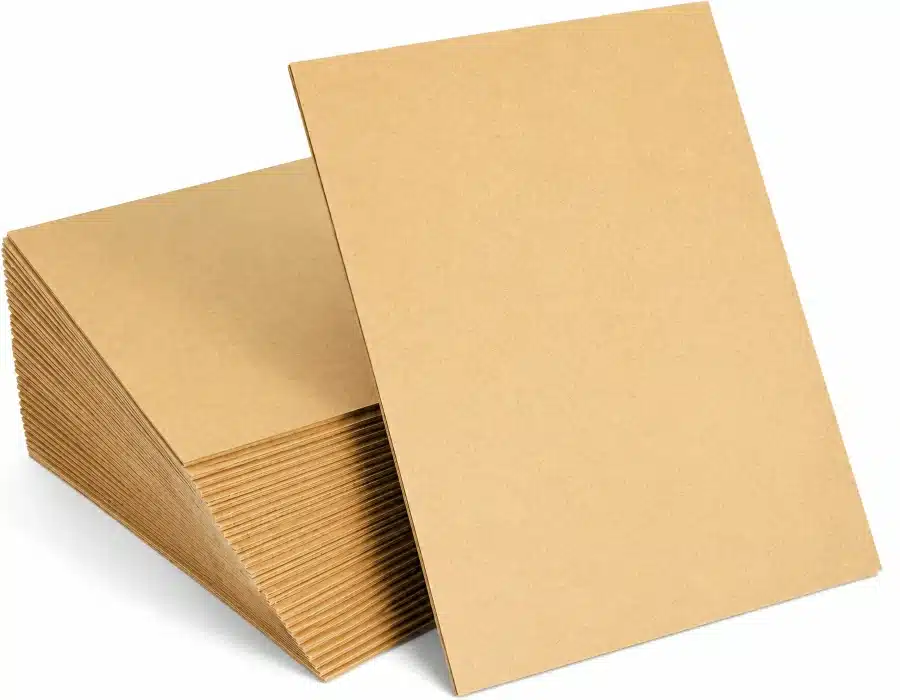
MDF is an engineered wood product. Manufacturers make it from wood fibers, wax, and resin pressed under high heat. This creates a dense, smooth, and uniform board. The typical density is 600–800 kg/m³. You can also find high-density versions for specific needs.

Key Mechanical Strengths and Material Performance

Density: 0.75 g/cm³ (47 lb/ft³)

Compressive Strength: 10 MPa (1,500 psi)

Tensile Strength: 18 MPa (2,600 psi)

Young’s Modulus: 4.0 GPa

Shear Modulus: 2.5 GPa

Elongation at Break: 0.5% (stiff, almost no stretch)

MDF’s strength and stiffness beat particle board. But plywood handles heavy loads better.

Physical & Thermal Properties

Flat, seamless surface: MDF has no knots, warps, or grain patterns. It stays stable in size and shape.

Thermal Conductivity: 0.3 W/m-K; Thermal Expansion: 12 µm/m-K

Specific Heat Capacity: 1,700 J/kg-K

Workability and Surface Finish

Machinability: MDF works great for routing and detailed cuts. You can create intricate shapes with it. I prefer it for CNC furniture, decorative trims, and custom panels.

Surface Quality: The smoothness is unmatched. It’s perfect for painting, veneers, or laminates.

Trim Waste: MDF produces minimal waste compared to chipboard. This is due to its consistent makeup.

Thicknesses: Standard range is 9 mm to 32 mm. You can find it in various panel sizes.

Performance, Durability & Standard Uses

Interior Furniture: I use MDF for cabinets and drawer boxes. It also works for wardrobe interiors and furniture frames in homes and offices.

Decorative Applications: MDF fits wall panels, floor panels, and signage. It’s great for passage doors, closet doors, interior trim, and millwork.

Precision Joinery: MDF beats particle board for detailed machining. I recommend it for precise fittings and joinery work.

Moisture Resistance: Standard MDF absorbs water and swells. Choose moisture-resistant (MR) MDF for better resistance. But even MR boards aren’t suitable for wet areas.

Environmental and Industry Facts

ANSI A208.2 Standard: This standard controls MDF’s properties. It includes Formaldehyde emissions.

Additives: Paraffin wax improves water repellency. Other additives provide fire or mold resistance.

Emissions: Coatings and overlays lower formaldehyde output by a large margin.

Applications and Typical Longevity

Signage and Millwork: Commercial-grade MDF gives sharp, polished details. I see it used in retail and office interiors.

Custom Decorative Work: MDF holds ornate profiles and routed shapes. Plywood or chipboard can’t match this ability.

Panel Stability: MDF stays flat. This makes it great for high-gloss paints or precise veneer work.

Performance Evaluation & My Recommendations

Strength and Rigidity: MDF has moderate compressive and tensile ratings. I don’t suggest it for load-bearing like plywood. But it works well for low- and medium-stress parts.

Surface Performance: I choose MDF for flawless painted finishes. It’s my go-to for complex moldings or routed decorative pieces.

Durability: MDF is reliable for interior use. But it degrades if exposed to moisture. I suggest using MR MDF in humid indoor spaces. Avoid bathrooms or kitchens unless you seal it properly.

Affordability: MDF gives you uniformity and a high-end look. The price is well below plywood.

Particle Board (Chipboard): Strength, Durability, and Best Budget Uses

8e5c8910 4efa 4758 9422 c7cbe252cd06

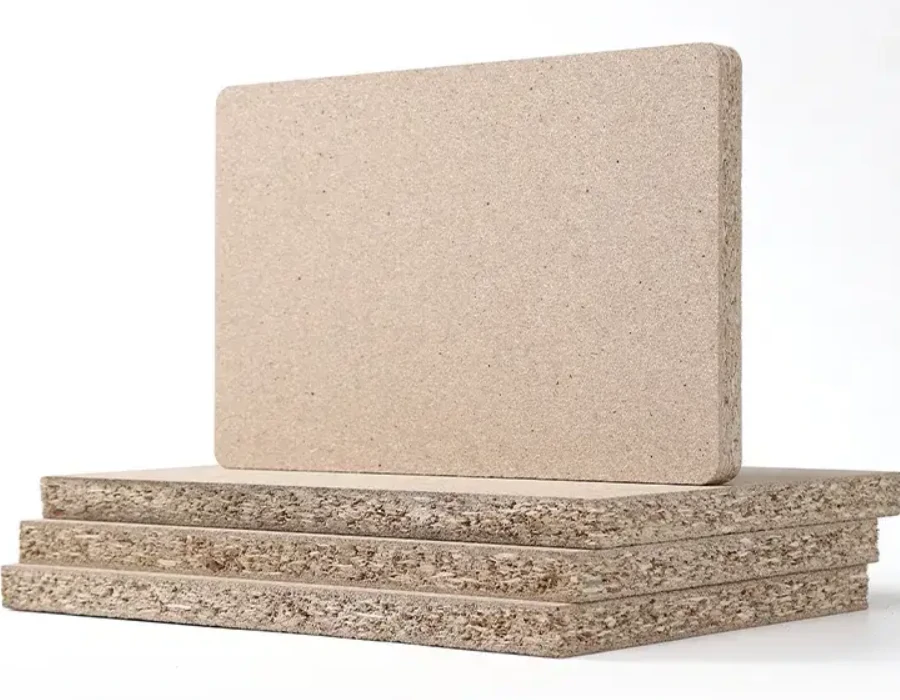
Particle board, also known as chipboard, is a budget-friendly engineered wood product. People use it where low cost matters more than strength or long life. Manufacturers make it from wood chips and synthetic resins. They press these materials into panels under heat and pressure.

Mechanical Properties and Board Classification

Density: Ranges from 650–750 kg/m³ (0.65–0.75 g/cm³). Standard panel thicknesses: 17, 18, 19, and 25 mm.

Board sizes: Most common are 1220 x 2440 mm and 1830 x 2440 mm.

Strength:

Bending strength (MOR): ~18–19 MPa for 13–22 mm thickness. This is lower than MDF or plywood.

Compression and screw-holding ability: This depends on density and resin type. Particle board is the weakest among furniture boards.

Thermal conductivity: 0.10–0.14 W/mK.

Moisture Resistance:

This board absorbs water fast. Water causes rapid swelling and loss of strength.

Moisture-Resistant (MR) Grades are available. These include special waxes and higher melamine resin content for better performance.

MR particleboard: Swelling (24h in water) stays up to 10%. Even this grade is not suitable for regular wet exposure.

Surface Finish and Common Applications

Flat and Uniform: This board accepts laminates, melamine, or veneer finishes well. It gives an attractive surface with minimal cost.

Popular Uses:

Budget cabinets (core structure with laminated face). I see 18 mm thickness used for cabinet boxes.

Flat-pack furniture: 15–19 mm panels are standard in cheap desks, wardrobes, and shelves.

MR particleboard: People use this in kitchen or bathroom furniture from time to time. It’s often tinted green for easy identification.

Pros and Cons: Is Particle Board Right for You?

Advantages:
Very affordable. It’s cheaper than MDF or plywood.
Sustainable. Manufacturers make it using recycled or recovered wood fibers.
Easy to machine. You can cut, drill, or shape it with basic woodworking tools.

Disadvantages:
Low screw-holding power. Fixings may loosen over time. This happens in repeated assembly and disassembly, like in flat-pack furniture.
Prone to edge damage. Edges can crumble or split without much force.
Poor resistance to moisture. Water exposure causes severe swelling and permanent damage.

Sustainability, Standards, and Safety

Manufacturers often make particle board from recycled wood. This supports green furniture production.

Emissions: Formaldehyde levels are regulated. Options with low emissions (E0, E1 grades) are available for safer indoor use.

Industry standards: ANSI A208.1 applies in North America. European and other local standards classify boards by type and suitable environment.

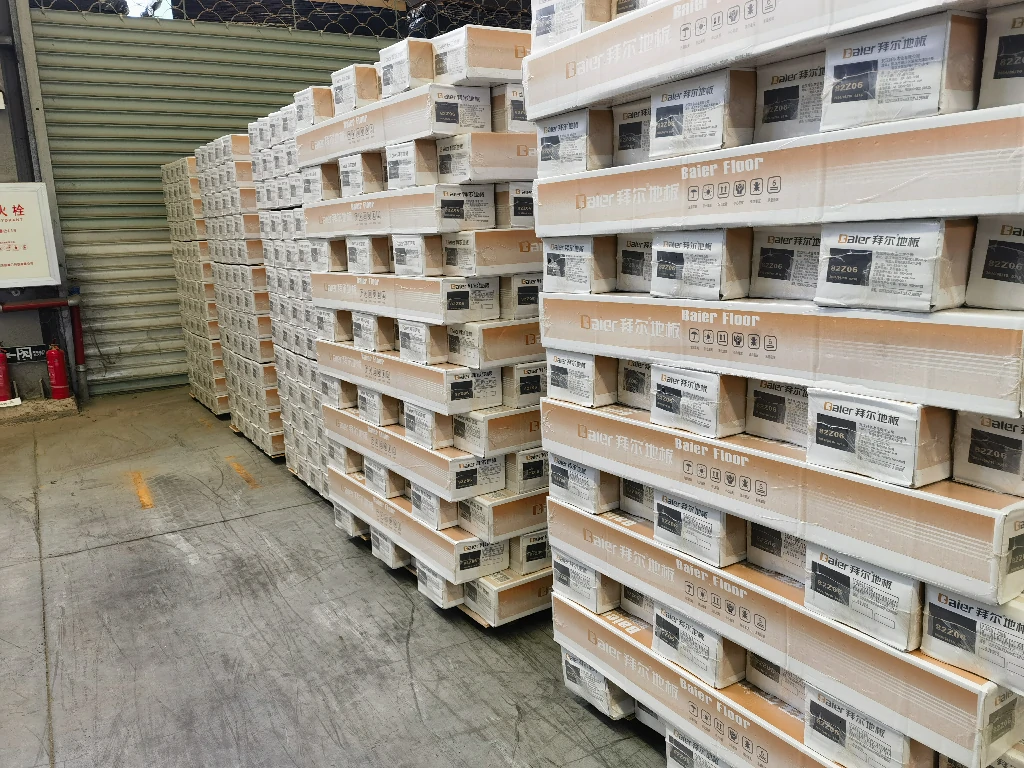
HDF (High-Density Fibreboard): Strength, Durability, and Premium Furniture Performance

036c8a19 8057 4599 a230 8e5b8c727ff2

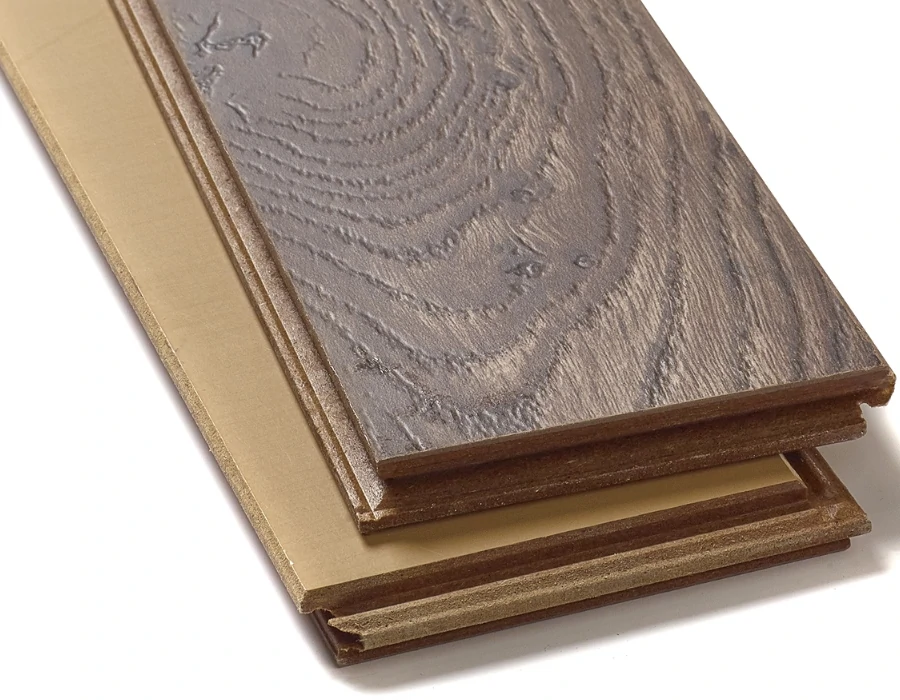
HDF (High-Density Fibreboard) is an engineered board made by pressing fine wood fibers under intense heat and pressure. This creates a panel that’s much denser, harder, and smoother than standard MDF. I recommend it for furniture that needs high strength and can handle heavy wear.

Key Physical and Mechanical Properties of HDF

Density: Ranges from 850 to 1040 kg/m³ (most often about 880–892 kg/m³). This is about 30% denser than MDF. HDF has more weight and great compactness.

Internal Bond Strength: 1.06–1.8 N/mm². This is far stronger than MDF (~0.60 N/mm²).

Bending Strength (MOR): 28.9–47.8 N/mm². It handles heavy bending loads. It beats both particleboard and MDF.

Modulus of Elasticity: 2,700–4,912 N/mm². This means HDF has more resilience under pressure.

Screw Holding: Up to 3 times the edge holding power of MDF. Screws stay tight and stable for years.

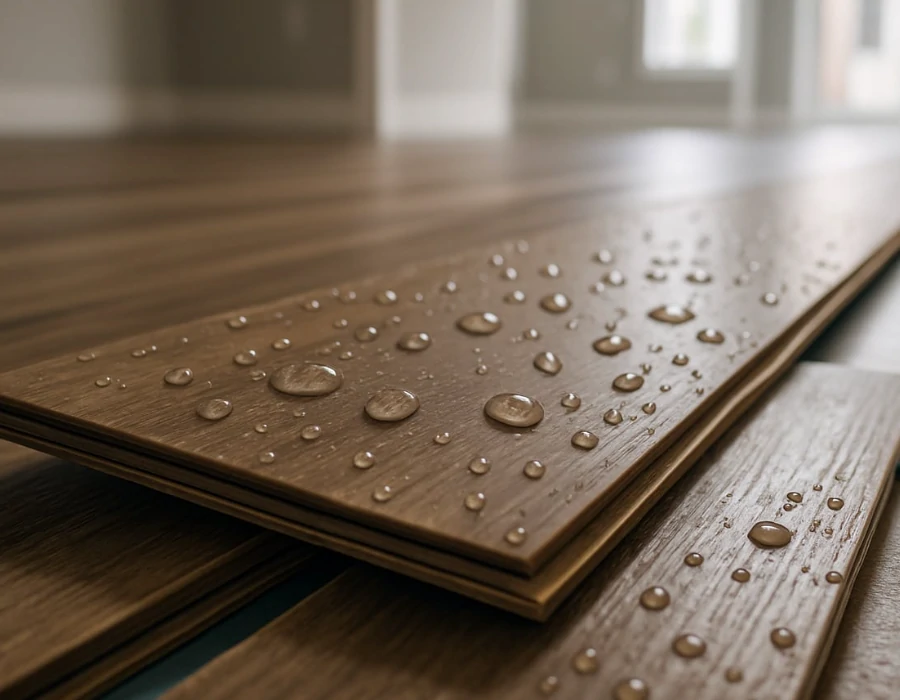
Thickness Swelling (24hr): Just 6.6% average. Often below the 15% max for standard grades. Better than MDF (can reach 11%).

Moisture Content: Most often 4.8–5.0%. This range supports consistent strength. It cuts down on shape changes.

Dimensional Stability: Excellent linear expansion (<0.3%). Panels stay flat in standard indoor spaces.

Standard Thicknesses, Sizes, and Panel Options

Available Thicknesses: Most common from 2.5mm up to 8mm. Some specialty versions go as thick as 22mm.

Panel Dimensions: Standard sheets are 1220 x 2440 mm, 1220 x 3050 mm, and large sizes like 1830 x 3660 mm.

Precision: Tight tolerances (±0.125–0.30 mm) for consistent fit and finish in furniture assembly.

Superior Performance and Best Use Cases

High Hardness & Surface Wear: HDF’s dense fiber structure and high resin content give strong resistance to scratches, scuffs, and general wear. I believe this is critical for flooring and high-use furniture.

Perfect for Lamination: The ultra-smooth, hard surface works as a premium base for decorative laminates, high-gloss lacquers, or printed finishes.

Machinability: You can route, profile, or shape it with clean edges. I suggest it for designer panels, detailed cabinetry, and premium backs or drawer sides.

Long-Term Stability: HDF stays flat and resists warping even with seasonal indoor humidity changes. It protects precise joinery and tight furniture assembly.

Limitations: I don’t recommend it for outdoor or wet applications. Panels can absorb water and swell if left unsealed.

Environmental, Safety, and Workability Insights

Eco-Friendly Content: Many HDF panels use 100% recycled or recovered wood. This supports sustainable manufacturing.

Emissions: Formaldehyde levels depend on grade. E1 ≤ 9.0 mg/100g is safe for direct indoor use.

Processing Safety: Fine dust and resins require careful dust extraction. You must use good ventilation or dust collection in workshops.

Melamine-Faced Chipboard (MFC): Strength, Durability, and Cost-Performance for Furniture

2424910d 3efe 41be 8551 c851adc5cd9d

Melamine-Faced Chipboard (MFC) is a popular engineered board in modern furniture making. Manufacturers bond wood chips with resin. Then they cover both sides with a melamine layer.

Core Properties and Mechanical Performance

Density: 680–700 kg/m³ (standard)

Thickness range: 9–40 mm, supports furniture designs from thin panels to thick shelves

Panel sizes: 1220×2440 mm, 1830×2440 mm, and larger (up to 5600 mm length)

Bending strength: ~13 N/mm² (18 mm thickness)

Internal bond strength: 0.45 N/mm²

Modulus of elasticity: 1600 N/mm² (solid and stable under load)

Surface soundness: 0.8 N/mm²

Load-bearing capacity: Great dimensional stability. Works well in both dry and humid conditions.

Screw holding: Premium product lines offer better screw holding. This gives you stronger hardware attachment than MDF.

Durability, Resistance, and Maintenance

Melamine coating resists:

Scratches

Stains

Moderate heat

Moisture resistant: I trust this material in kitchens, bathrooms, and utility spaces.

Easy maintenance: You need a damp cloth and mild detergent. No sanding, polishing, or varnishing required.

Fire safety: Meets standard safety classes (e.g., BS 476-7)

Typical lifespan: Up to 10 years in real-world use

Design Flexibility and Appearance

Color and texture: MFC offers a huge range of colors, woodgrains, and textures. Manufacturers can match trendy and classic interiors without high costs.

Decorative options: The melamine layer can mimic wood, stone, and modern patterns. I like this for retail, office, and home uses.

Edge and surface finish: Factory edges are clean and consistent. This supports seamless design lines.

Environmental & Safety Factors

Low formaldehyde emissions: E0, E1, and E2 options for safe indoor air quality

Stable chemistry: Resists high temperatures, acids, and alkalis

Eco-friendly: Producers often use recycled wood. This supports sustainable manufacturing.

Price and Value

Much cheaper than solid wood, plywood, or even MDF

Best for: Mass-produced furniture, commercial projects, and budget-conscious consumers who want a modern look. You don’t have to give up basic durability.

Example Manufacturer Data

Brands: Kronospan, Greenlam, Saviola

Thicknesses: 8–40 mm; Widths: ~1860–2120 mm; Lengths: up to 5600 mm

Face screw holding: Premium variants offer better performance for frequent assembly and disassembly.

Moisture resistance: You can get superior grades for kitchen and bathroom use.

Strength, Durability & Performance Data for Top Furniture Boards

Strength & Stiffness: HDF, MDF, and CDF Boards

HDF (High-Density Fiberboard)

Tensile strength: ~40 MPa

Young’s modulus: ~3,450 MPa

HDF has high strength among engineered fiberboards. I recommend it for premium furniture that gets heavy use.

MDF (Medium-Density Fiberboard)

Tensile strength: 17–23 MPa

Modulus of elasticity: ~2,400 MPa

MDF performs well for regular furniture. It’s not as strong as HDF or plywood.

CDF (Compact Density Fiberboard)

Density: >1000 kg/m³

Tensile strength: ≥27.1 MPa

Young’s modulus: ≥5,600 MPa—much stiffer than HDF or MDF. It lasts longer too.

Extra data: CDF absorbs 30% less water than standard fiberboards. It also has 12% lower surface roughness.

My take: I suggest CDF for kitchens and bathrooms. Use it anywhere that gets damp. It’s a smart choice for moisture protection.

Quick Ratings: Plywood, OSB, MDF, Chipboard, LVL, Finger Joint

Material

Strength

Moisture Resistance

Performance Rank

Plywood

⭐⭐⭐⭐

⭐⭐⭐⭐

High overall

OSB (Oriented Strand)

⭐⭐⭐

⭐⭐

Moderate

MDF

⭐⭐

Medium, best for furniture

Chipboard

Poor for strength

LVL (Laminated Veneer)

⭐⭐⭐⭐⭐

⭐⭐⭐

Highest strength overall

Finger Joint Wood

⭐⭐⭐⭐

⭐⭐⭐

Good compromise

Comparing Furniture Boards

Category

Material/Type

Key Points & Recommendations

Strength, Durability & Board Performance

Plywood

MDF

HDF

Particle board

Melamine-faced chipboard (MFC)

Plywood: Best strength/stability for load-bearing, shelving, and long-term furniture. Holds screws best.

MDF: Dense and uniform, ideal for panels, moldings, painted finishes. Heavier than particle board. Not suitable for moisture or structural loads.

HDF: Highest density, good for high-wear/thin panels (e.g., flooring, back panels). Sensitive to moisture.

Particle board: Weakest strength, poor moisture resistance. Best for backs, budget shelving, or temporary uses.

MFC: More durable surface, decorative, ideal for wardrobes/cabinets/office furniture, easy to clean.

Moisture Resistance & Environmental Suitability

Marine/Exterior-grade Plywood

MDF (MR grade)

Laminate/MFC

Particle board

Marine/exterior-grade plywood: Top moisture resistance. For kitchens, bathrooms, damp areas.

MDF: Better than particle board if sealed/MR grade. Not for regular water exposure.

Laminate/MFC: Moisture/stain resistant, easy-clean, good for humid/spill-prone places.

Particle board: Performs poorly, swells/weakens fast if wet.

Workability, Application & Surface Finish

MDF

Plywood

Particle board

MFC/Veneered boards

MDF: Smooth finish, supports CNC/molding. Best for decorative panels, paint-grade doors.

Plywood: Easier to cut/fix for frames; lighter for given strength.

Particle board: Works for simple, flat, low-stress panels. Weak core/screw resistance.

MFC/Veneered boards: High design flexibility and variety. Ideal for commercial, retail, modern homes.

Relative Cost, Value & Price Data

Particle board, MFC, HDF

Plywood, Hardwoods

Typical Thicknesses

Particle board, MFC, HDF: Most budget options. 30–50% less than plywood of same size/thickness.

Plywood, hardwoods: 12–16% costlier than above for furniture/cabinetry.

Thicknesses: 6 mm (HDF, MDF, back panels) to 18 mm (load-bearing use).

Aesthetic & Sustainability Factors

Natural wood

Veneered panels, MFC

Eco-sustainability

Natural wood: Best look/longevity, highest cost, needs care.

Veneered panels, MFC: Mimic wood/designer looks affordably. Broadens aesthetic options.

Eco: Favor recycled/low-formaldehyde boards, certified plywood from sustainable forests for green building.

Application Examples & Best Practices

Hotels

Residential furniture

Kitchens/Bathrooms

Board finishing

Density references

Hotels: Prefer HPL or melamine-faced boards for surface durability/cost in high-traffic.

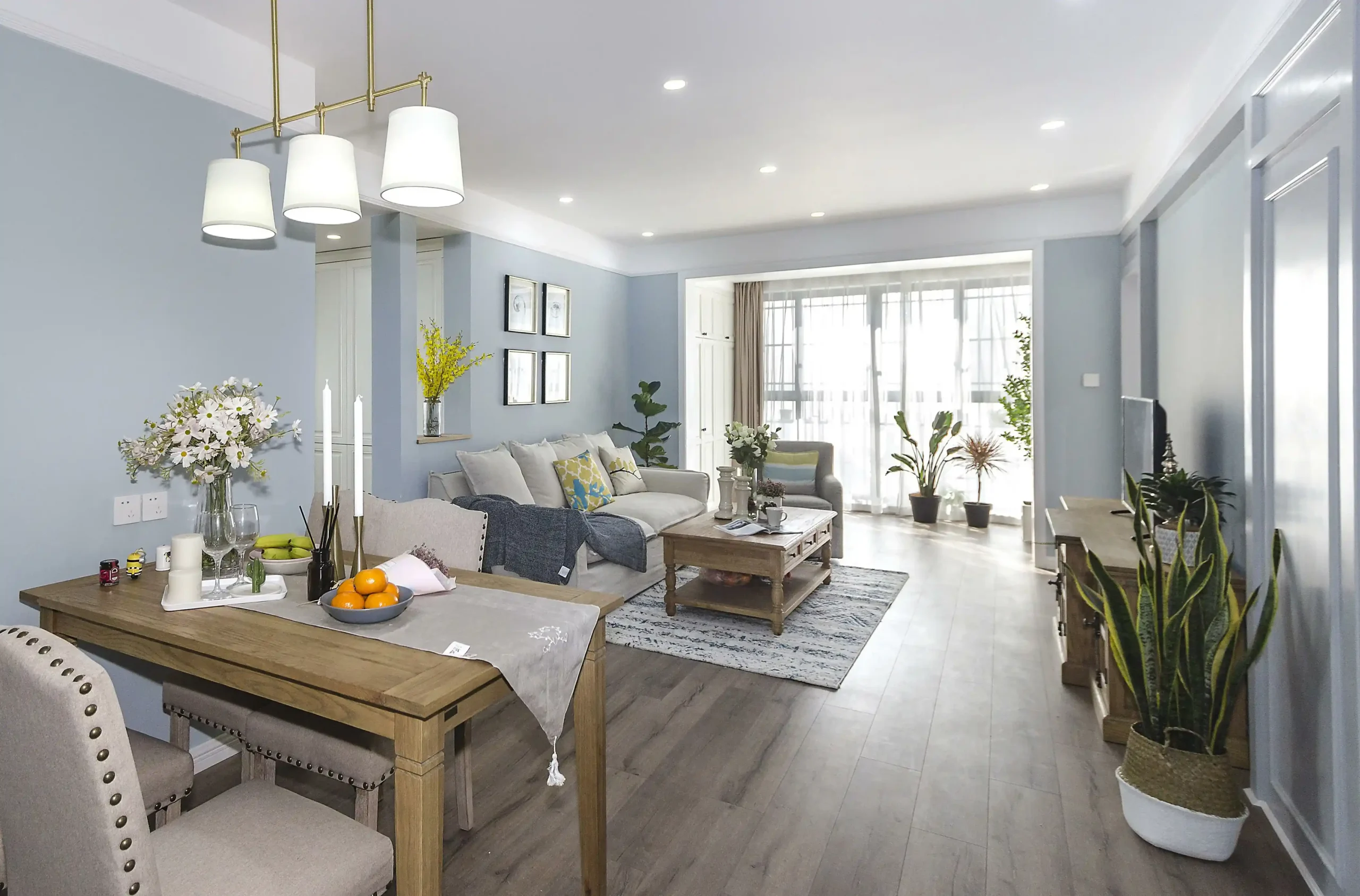
Residential: Painted MDF/veneered plywood best for appearance and value.

Kitchens/Bathrooms: Need moisture-resistant plywood/sealed HDF with laminate coating.

Finish: Paint-grade needs MDF/top plywood. High-wear/spill zones need dense cores + HPL/laminate.

Density: MDF (600–800 kg/m³), Plywood (500–700 kg/m³), varies.

Key Decision Factors

Project requirements

Budget

Environmental impact

Appearance/finish

Application environment

Structural vs. decorative needs

Budget vs. long-term value/durability

Green products where possible

Desired finish—paint, wood grain, modern style

Environment—high moisture, wear exposure, need for surface protection